
Timing plays a bigger role in business class travel than many travelers expect. Long before you choose an airline, a seat, or even a departure time, one decision determines what options you have: how far in advance to book business class.
That uncertainty exists because the best time to book business class flights does not follow the same pattern as economy tickets. The familiar “wait and see” approach has become less reliable in recent years, particularly as more travelers begin securing premium seats earlier than before. Since 2023, bookings made more than 121 days before departure have shown the strongest growth in the premium travel market.
In the sections below, you will see which business class booking window works best, what happens if you book too early or too late, and how peak seasons may affect your travel plans.
Read in this post:
Short Answer: 3–5 Months Is Now the Safest Window
If you want a simple starting point, the safest timing for most routes today is between three and five months before departure.
Recent booking data from AranGrant shows that reservations made more than 121 days before departure have grown consistently since 2023, particularly on long-haul routes. Corporate travel patterns point in the same direction. The 2024 CTM Global Corporate Travel Trends Report notes that companies are gradually booking international trips further in advance to secure premium seats.
Together, these signals point to a clear strategic change: for many premium travelers, planning about four months ahead now represents the most reliable point within the booking window.
Next in this series: When Business Class Costs Almost the Same as Economy (And Why)
Why Business Class Travelers Are Booking Earlier Than Ever
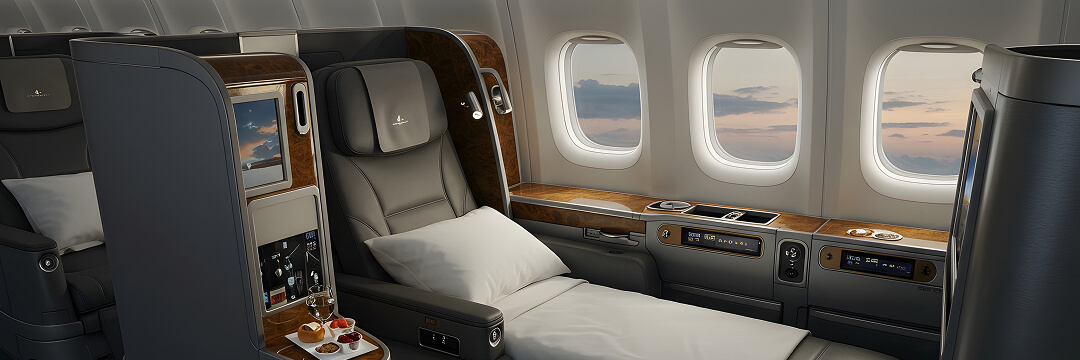
More business class travelers now secure their seats earlier than they used to. This does not mean last-minute bookings have disappeared. Corporate travelers still enter the market close to departure, especially on routes linking major business centers. What has changed is the growing share of travelers planning further ahead, with the strongest movement appearing in the 121+ day range rather than at the last minute.
This change becomes particularly noticeable in business class because premium cabins are relatively small. A widebody aircraft may carry 40–60 business class seats, compared with more than 200 seats in economy. When demand on a route is strong, those premium seats can disappear long before the rest of the plane fills.
Seat preferences also influence booking behavior. Many travelers prefer specific aircraft types, cabin layouts, or seats, such as individual suites or window seats. If you book earlier, you get more control over those details before the best options disappear. In other words, the booking curve is not becoming more polarized. It is gradually shifting forward as more premium travelers begin their planning earlier.
Next in this series: Best Business Class Lounges: Global Leaders for 2026
What Happens if You Book Too Early?
Airlines usually publish flights about 330 days before departure, but buying a ticket as soon as sales open does not always produce the best outcome. Booking 8–10 months ahead may feel like a smart move, but on many routes, it is still too early to access the most competitive business class pricing.
When flights first appear in reservation systems, airlines price them using forecasts. They rely on past demand for the route, the travel season, and competitor pricing rather than actual booking activity. At that stage, lower fare buckets may be limited, and airlines are still testing demand. As travelers begin searching and reserving seats over the following months, airlines gain a clearer picture of demand and start adjusting prices accordingly.
For instance, if you want to travel with American Airlines from Los Angeles to Sydney, business class tickets may cost over $8,000 if you book more than half a year in advance. However, if you book only a few months before departure, you can find deals for $6,000.
Booking extremely early, therefore, places you ahead of the period when airlines actively compete for bookings and offer the most attractive prices.
Next in this series: Best Business Class Food: 8 Airlines That Elevate Onboard Dining
What Happens if You Book Too Late?

In the final 30 days before departure, business class pricing often becomes more volatile. Fares can rise quickly as the remaining premium seats move into higher pricing tiers.
One reason is corporate demand. On routes to major business destinations such as New York, London, or Singapore, many business travelers book flights only a few weeks before departure. As they make reservations, the remaining business class seats become more expensive.
Booking late can also reduce your options. Even if business class seats are still available, you might find fewer nonstop flights, fewer lie-flat options, or limited availability on the most desirable plane types. During peak travel periods, this pressure builds even faster, leaving less room for flexible timing.
For instance, a business class ticket with British Airways between New York and London costs $3,400–$4,500 if you book a few months in advance. Within the final month before departure, a ticket on the same flight might cost more than $6,000.
Next in this series: Airline Industry Trends 2026: What Awaits US Premium Travelers
The Stable Zone: 31–120 Days
Between extremely early booking and last-minute reservations, there is a period that has remained relatively stable over time: roughly 31 to 120 days before departure.
By this stage, airlines have already adjusted many of their prices based on real demand. At the same time, a wide selection of seats is usually still available, which means you can compare airlines, departure times, and cabin layouts without feeling rushed.
The growth in earlier planning may create the impression that the market is moving entirely toward very early bookings. In practice, the shift is broader than that, not more extreme. The middle of the booking window continues to perform consistently, especially on routes with strong airline competition, multiple schedule options, or more gradual premium demand.
That is why this window still works well on more flexible routes: you are often booking late enough to benefit from a more developed pricing environment, but early enough to keep a solid range of flight and seat choices.
Next in this series: Airbus A350 vs Boeing 787 Business Class: Which Aircraft Offers Better Comfort?
Route Examples: Where Early Booking Matters Most
Not all routes follow the same booking pattern. On some long-haul flights, business class seats remain widely available for months. On others, premium cabins begin filling up much earlier.
- Transatlantic Premium Corridors
Some transatlantic routes are busy all year round. Major U.S. cities such as New York and Los Angeles are connected by multiple daily flights to European cities such as London, Paris, and Frankfurt. Because these flights appeal to both corporate and long-distance leisure travelers, demand for business class seats is high throughout the year. Thus, booking early on these routes gives you the widest choice of flights and seat types.
- Ultra-long-haul routes to Australia and Southeast Asia
Flights over 16 hours, such as the ones connecting Los Angeles and Sydney, San Francisco and Manila, or New York and Singapore, often require more planning than shorter international trips. Many travelers combine these journeys with extended vacations or multi-city itineraries, which makes them book earlier.
These routes also offer fewer nonstop options than transatlantic markets. When convenient departures are limited, premium cabins on the most desirable flights can fill well in advance.
- Business-heavy hubs
Certain routes see particularly strong demand from corporate travelers. Flights between major business centers, such as Dallas, Chicago, London, Tokyo, Amsterdam, Copenhagen, or Hong Kong, have a steady flow of corporate travelers. As many of these travelers book their trips only a few weeks before departure, prices rise dramatically as the flight date approaches. Thus, booking your flight to one of these destinations early helps you avoid these price spikes.
- Leisure-heavy premium routes
Popular vacation destinations can also fill premium cabins well in advance. Flights from the U.S. to the Maldives, Bali, Cancun, or Rome attract travelers planning honeymoons and extended holidays. And since many travelers want to spend their vacations as comfortably as possible, they book business class tickets very early.
Next in this series: The Real Priorities of Business Class Travelers
Peak Season Changes Everything
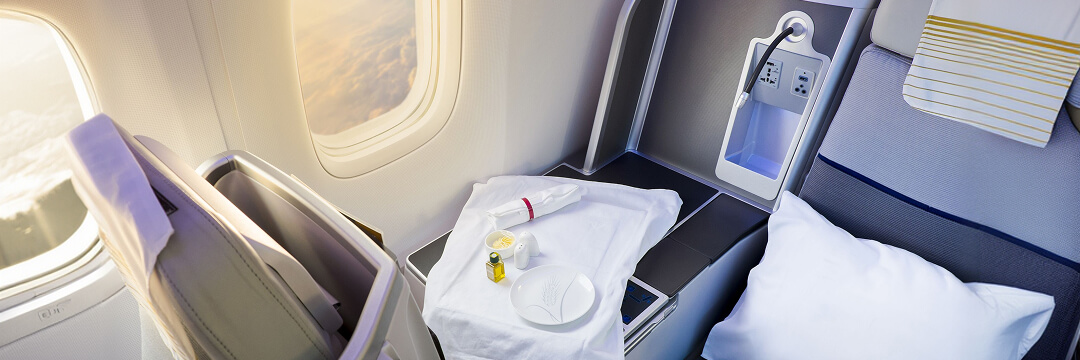
Busy travel seasons also often encourage travelers to secure their flights earlier than usual. As a result, business class cabins can fill up sooner than they do during quieter travel periods.
- European summer destinations
Some European countries, such as Italy, France, and Spain, are the most popular among international travelers during the summer. Thus, tickets disappear early and quickly. Moreover, ticket prices for summer dates are higher. For instance, a business class ticket from Boston to Rome may cost you $3,000 if you travel in April, and over $5,000 if you plan a vacation in the middle of June.
- Cherry blossom season in Japan
Japan’s cherry blossom season creates a similar pattern. Cities such as Tokyo, Kyoto, and Osaka attract large numbers of international travelers in late March and early April, which means fewer business class tickets are available if you try to book close to departure, and prices can be up to 30% higher than in other periods.
- Winter holidays season
In the weeks leading up to Christmas and New Year, business class cabins on many routes fill quickly. You can notice this especially on flights to cities that host major Christmas fairs and celebrations, such as Vienna, Prague, or London. It is also the case with winter wonderland destinations like Reykjavik and Lapland. If you plan to travel to such destinations, booking under 30 days before departure may come at prices that are over 20% higher than usual.
- Major global events
Large international events can also change the usual booking pattern on certain routes. Because of them, business class demand rises much earlier than usual. For example, flights to cities hosting events such as the Singapore Grand Prix, the Cannes Film Festival, the Summer and Winter Olympics, or the Rio Carnival fill months before the events.
If you plan to travel during peak season, we advise you to book even earlier than usual, 5–6 months ahead, instead of waiting for the typical 3–4 month window.
Next in this series: Unlock Exceptional Luxury at Unbeatable Prices: Special Price Business Class Flights
So When Is the Actual Best Time?
The best time to book business class depends on your travel plans, but the current booking patterns point to these timeframes:
- 4 months before departure: This is the emerging sweet spot, especially if you plan to book a long flight. At this stage, airlines actively compete for bookings. Thus, you will find attractive prices and many available business class seats.
- 5–6 months ahead for peak seasons: If you plan to travel during busy periods marked by holidays or major cultural and sports events, it is a good idea to book earlier than usual.
- 2–3 months in advance: If you have some flexibility on dates, airlines, or routing, you may still find good business-class fares 2–3 months before departure.
- Under 30 days before departure: Booking this late can sometimes be a good option if you choose a low-demand route that still has many unsold seats. In those cases, you might find a great deal at the last minute. However, on busy routes, the opposite usually happens: business travelers begin booking close to departure, and the remaining business class seats become significantly more expensive. If you wait until the last month to book a ticket, you are relying more on luck than on a predictable pricing pattern.
Next in this series: Which are the 6 Best US Airlines to Fly in 2026?
Smart Timing vs Waiting for a Sale
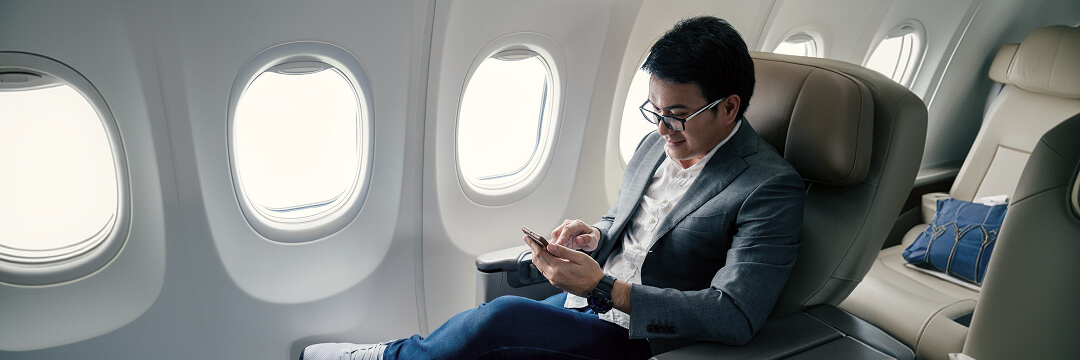
Some travelers postpone booking their trips because they wait for a sale on business class tickets. But although airlines do run promotions from time to time, they usually target specific routes or travel periods where demand is weaker. This means that the sale you have been waiting for may not apply to the destination or dates you have already chosen.
If you already know when and where you want to travel, waiting for a sale only introduces uncertainty to your travel plans. As departure approaches, more travelers will book seats on the flight you want, and the number of available business class options will decline. Thus, sometimes you might end up paying more if you wait for discounts.
Next in this series: AranGrant Reviews: See the Real Picture Through Customer Feedback
Final Takeaway
For most trips, planning three to five months before departure remains one of the safest business-class booking strategies. The strongest shift in recent years has come from travelers booking further ahead, while the mid-range window continues to hold steady.
Booking during this period will give you a comfortable balance between price, seat availability, and flight options, without committing too early or risking last-minute price increases. In that sense, today’s business-class booking curve reflects more structure and confidence than impulse, with roughly four months ahead emerging as the clearest planning center for many premium trips.