
Germany Travel Guide:
There are so many places to visit in Germany, with the country boasting a wealth of history, culture, and natural wonders. It has long been on our list of must-visit countries, renowned as a top destination for travelers seeking the perfect blend of old-world charm and contemporary allure.
From bustling cities in Germany with cutting-edge architecture and vibrant arts scenes to picturesque towns with half-timbered houses and cobblestone streets, this country offers a plethora of experiences that cater to diverse interests.
In this comprehensive guide, we’ll delve into the best cities to visit, cultural attractions to explore, and things to do in Germany to indulge.
Best Cities to Visit in Germany
Berlin
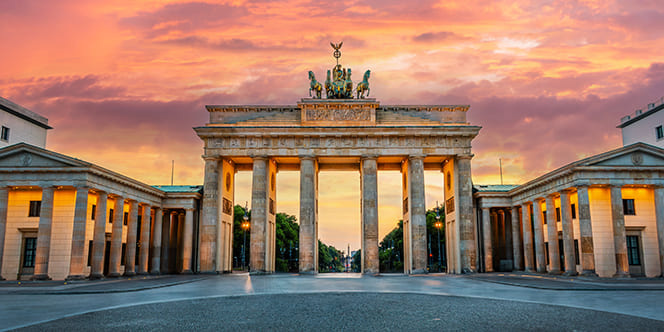
Berlin seamlessly blends reunification, modernity, and historical heritage. The iconic Brandenburg Gate, once a symbol of division, now represents unity and peace, with free admission for unforgettable photographs. Another must-visit is the East Side Gallery, a 1.3 km-long section of the Berlin Wall adorned with over 100 murals, showcasing artistic expressions of freedom and history. Museum Island, a UNESCO World Heritage site, hosts five world-renowned museums, including the Pergamon Museum, providing an immersive cultural experience in Berlin.
Munich
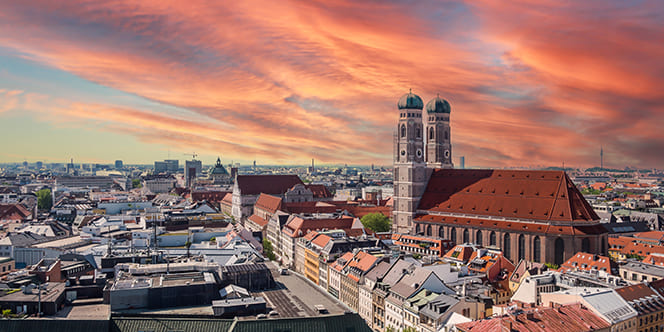
Munich, the capital of Bavaria, exudes charm with its rich history, vibrant cultural scene, and traditional Bavarian hospitality. Renowned for its impressive architecture, including the iconic Marienplatz and the historic Neuschwanstein Castle just a short trip away, Munich offers a perfect blend of old-world charm and modernity.
Home to world-class museums, lush parks, and lively beer gardens, Munich invites visitors to immerse themselves in its unique atmosphere and experience the warmth of Bavarian culture firsthand. Whether strolling through its charming streets, savoring traditional cuisine, or raising a stein at Oktoberfest, Munich captivates with its blend of tradition, innovation, and undeniable allure.
Hamburg
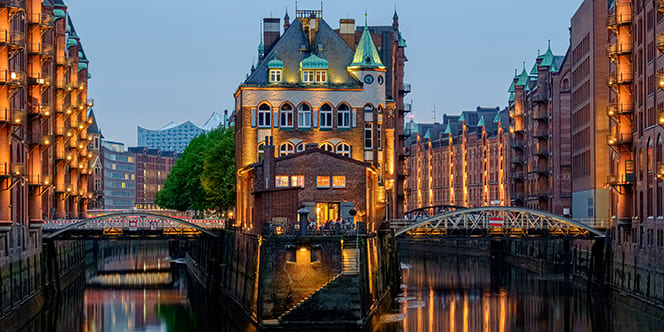
Hamburg, Germany’s “Gateway to the World,” is a vibrant maritime city characterized by its bustling port, rich history, and dynamic cultural scene. From exploring the historic Speicherstadt district, a UNESCO World Heritage site, to enjoying a leisurely stroll along the picturesque Alster Lake, Hamburg offers a diverse range of attractions for visitors to enjoy.
With its lively music scene, world-class museums, and eclectic culinary offerings, Hamburg promises an unforgettable experience for travelers seeking a blend of tradition and modernity.
Frankfurt
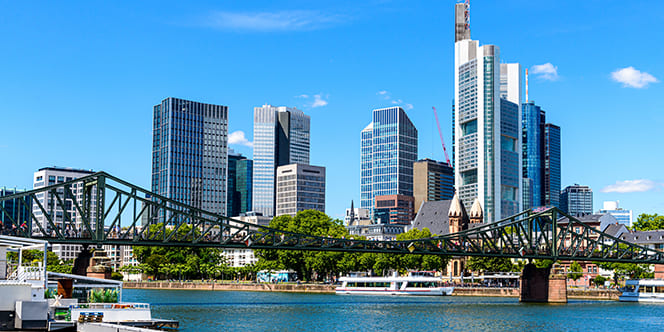
Frankfurt, Germany’s financial hub, is a cosmopolitan metropolis renowned for its impressive skyline, historic landmarks, and thriving cultural scene. Home to the iconic Römerberg square, the birthplace of Johann Wolfgang von Goethe, and the bustling Zeil shopping street, Frankfurt invites visitors to explore its rich history, vibrant arts scene, and diverse culinary delights.
Whether attending a world-class opera performance, exploring the historic district of Sachsenhausen, or simply enjoying a leisurely stroll along the banks of the Main River, Frankfurt offers a wealth of experiences for travelers to discover.
Cologne
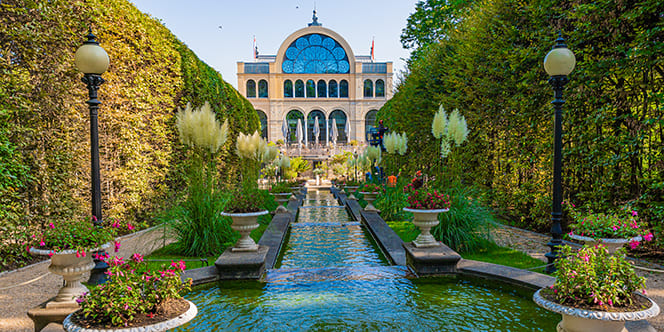
Cologne, a city steeped in history and culture, is famed for its stunning Gothic cathedral, vibrant arts scene, and lively atmosphere. From marveling at the magnificent Cologne Cathedral, a UNESCO World Heritage site, to exploring the charming Old Town with its colorful buildings and bustling market squares, Cologne captivates visitors with its blend of old-world charm and modern sophistication.
With its lively beer gardens, bustling nightlife, and eclectic cultural festivals, Cologne promises an unforgettable experience for travelers seeking to immerse themselves in the vibrant spirit of the Rhineland.
Dresden
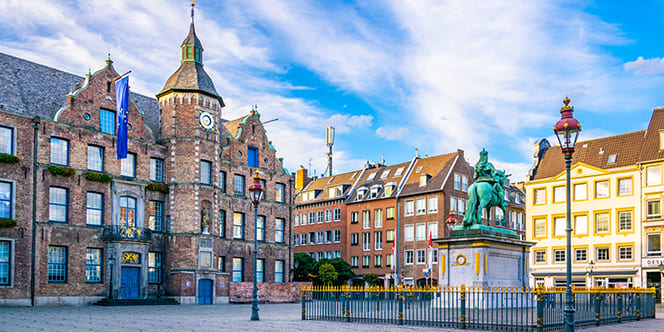
Known as the “Florence on the Elbe,” Dresden is famed for its stunning architecture, rich cultural heritage, and picturesque setting along the River Elbe. Visitors can marvel at the majestic Dresden Frauenkirche, explore the historic Zwinger Palace, and wander through the charming streets of the Altstadt (Old Town). With its world-class museums, vibrant arts scene, and scenic river cruises, Dresden offers a wealth of experiences for travelers to enjoy.
Stuttgart
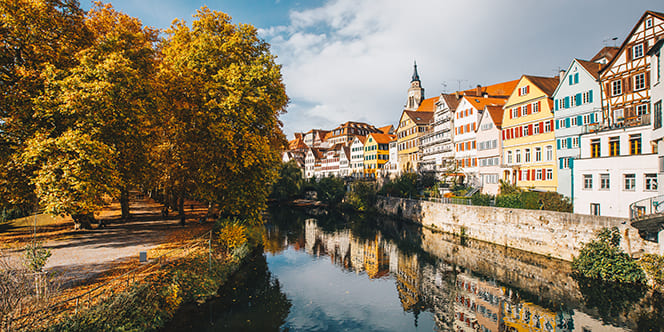
Located in the heart of the Swabian region, Stuttgart is renowned for its automotive industry, green spaces, and cultural attractions. Visitors can tour the Mercedes-Benz Museum, explore the sprawling gardens of Rosenstein Park, and ascend the Fernsehturm Stuttgart for panoramic views of the city. With its bustling markets, lively beer gardens, and proximity to the scenic vineyards of the Württemberg wine region, Stuttgart promises an unforgettable experience for travelers.
Leipzig
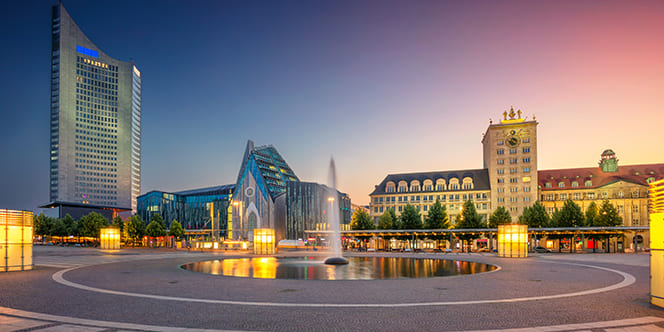
Known as the “City of Music,” Leipzig boasts a rich cultural heritage, vibrant arts scene, and historic architecture. Visitors can explore the iconic Thomaskirche, where Johann Sebastian Bach once served as choir director, visit the historic Leipzig Zoo, and stroll through the charming streets of the Spinnerei district, home to galleries, studios, and cafes. With its lively nightlife, thriving student population, and annual Leipzig Book Fair, Leipzig offers a dynamic and eclectic atmosphere for travelers to discover.
Hannover
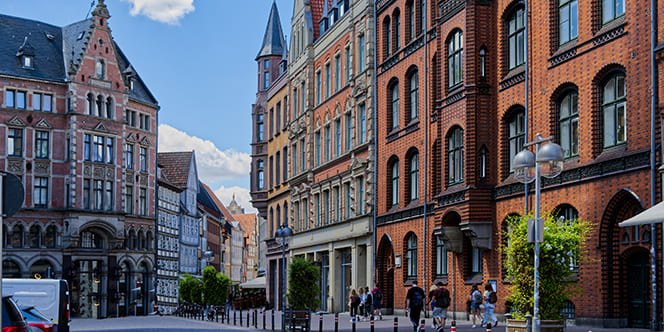
The capital of Lower Saxony, Hannover is famed for its lush parks, historic landmarks, and cultural attractions. Visitors can explore the expansive Herrenhausen Gardens, visit the historic Marienburg Castle, and admire the iconic New Town Hall with its impressive dome and panoramic views. With its vibrant festivals, lively markets, and proximity to the scenic Harz Mountains, Hannover promises a memorable and rewarding experience for travelers.
Düsseldorf

Known for its fashion, art, and international trade, Düsseldorf is a cosmopolitan city situated along the banks of the River Rhine. Visitors can admire the iconic Rheinturm tower, explore the trendy Medienhafen district, and stroll along the picturesque Königsallee boulevard, known for its luxury shops and boutiques. With its vibrant arts scene, bustling nightlife, and annual Carnival celebration, Düsseldorf offers a dynamic and diverse experience for travelers to enjoy.
Cultural Attractions in Germany
1. Castles and Palaces
Neuschwanstein Castle
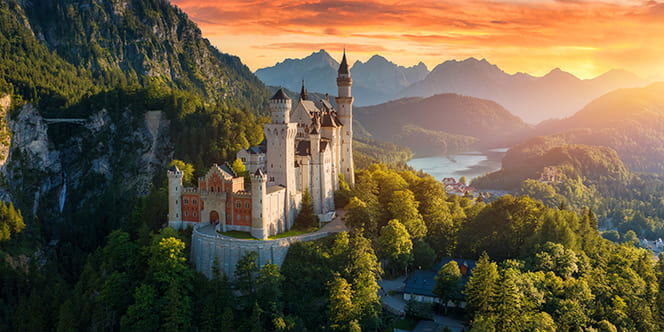
Location: Bavaria
Description: Nestled in the Bavarian Alps, Neuschwanstein Castle is often described as the quintessential fairy-tale castle. Commissioned by King Ludwig II of Bavaria in the 19th century, this stunning structure was intended as a personal retreat and homage to Richard Wagner, the King’s favorite composer. Its interior features opulent rooms with intricate woodwork, murals, and throne halls, while the exterior offers breathtaking views of the surrounding landscapes.
Admission: €15 ($16) for adults, free for children under 18.
Opening Hours: Daily from 9:00 AM to 6:00 PM in summer, and from 10:00 AM to 4:00 PM in winter.
Heidelberg Castle
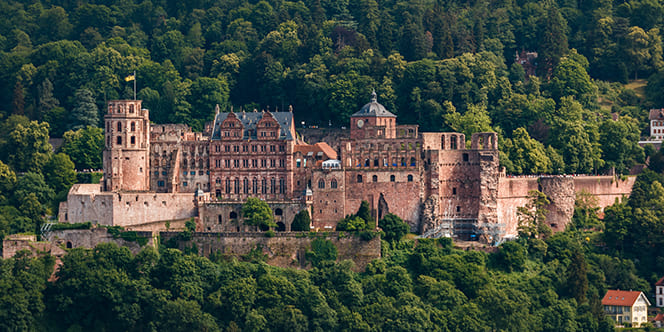
Location: Heidelberg
Description: Perched on a hillside above the city of Heidelberg, this Renaissance castle complex is a symbol of the city’s romantic past. Heidelberg Castle is partially in ruins, which adds to its charm and mystique. Visitors can explore the Great Barrel, one of the world’s largest wine barrels, the Heidelberg Tun, and the beautiful gardens that offer panoramic views of the city and the Neckar River.
Admission: €8 ($8.50) for adults, €4 ($4.25) for children.
Opening Hours: Daily from 8:00 AM to 6:00 PM.
Sanssouci Palace
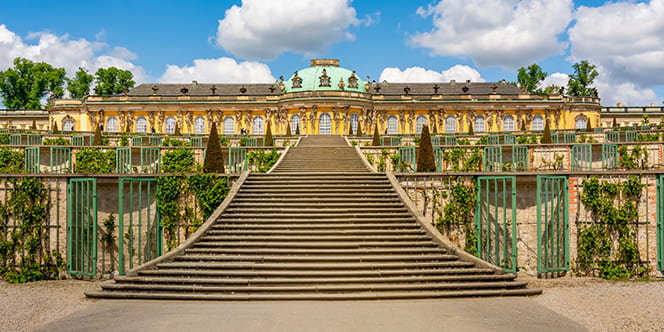
Location: Potsdam
Description: Sanssouci Palace was the summer residence of Frederick the Great, King of Prussia. The palace is an outstanding example of Rococo architecture, with elegantly decorated rooms and extensive gardens. The park surrounding the palace features terraced vineyards, fountains, and a Chinese House, making it a perfect place for a leisurely stroll.
Admission: €12 ($12.75) for adults, €8 ($8.50) for reduced tickets.
Opening Hours: Tuesday to Sunday from 10:00 AM to 6:00 PM in summer, and from 10:00 AM to 5:00 PM in winter.
2. Museums and Galleries
The Deutsches Museum
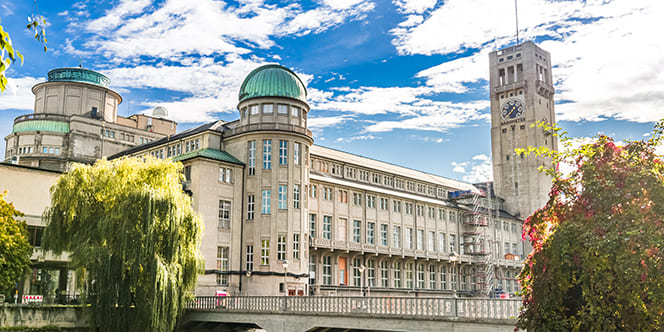
Location: Munich
Description: The Deutsches Museum is the world’s largest museum dedicated to science and technology. It features an extensive collection of exhibits ranging from aerospace to agriculture, and from mining to telecommunications. Interactive displays and hands-on experiments make it a fantastic educational destination for both adults and children.
Admission: €14 ($15) for adults, €4.50 ($4.75) for children aged 6 to 17, free for children under 6.
Opening Hours: Daily from 9:00 AM to 5:00 PM.
The Green Vault
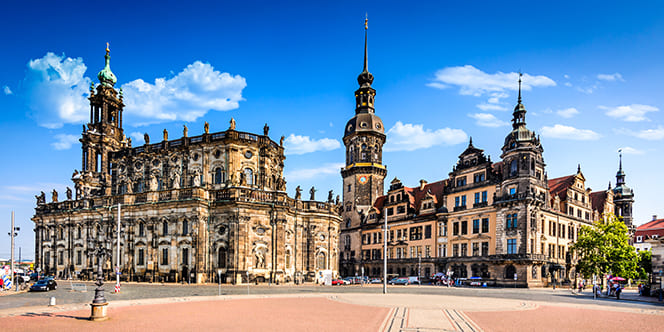
Location: Dresden
Description: Located in the Dresden Royal Palace, the Green Vault houses one of Europe’s most impressive collections of treasures. Founded by Augustus the Strong, the collection includes exquisite jewelry, goldsmiths’ works, and other precious objects. The New Green Vault showcases over 1,000 individual items in beautifully designed rooms.
Admission: €12 ($12.75) for adults, €9 ($9.50) for reduced tickets.
Opening Hours: Daily from 10:00 AM to 6:00 PM, closed on Tuesdays.
The Bauhaus Archive
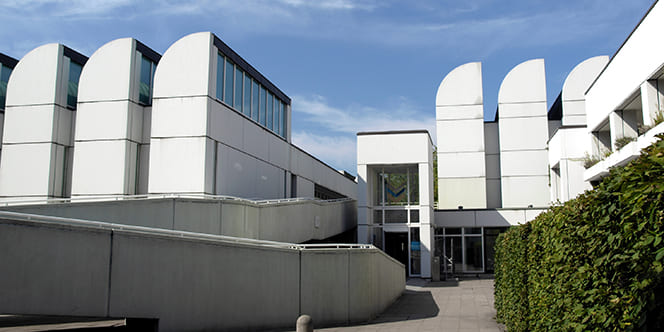
Location: Berlin
Description: Dedicated to the Bauhaus School of design, the Bauhaus Archive in Berlin is a must-visit for enthusiasts of modern art and architecture. The museum houses a vast collection of art pieces, architectural drawings, and furniture designed by Bauhaus masters like Walter Gropius and Ludwig Mies van der Rohe. The exhibitions provide insights into the revolutionary ideas of the Bauhaus movement and its lasting impact on design.
Admission: €9 ($9.50) for adults, €4.50 ($4.75) for students.
Opening Hours: Daily from 10:00 AM to 6:00 PM, closed on Tuesdays.
3. Historic Sites
The Berlin Wall Memorial
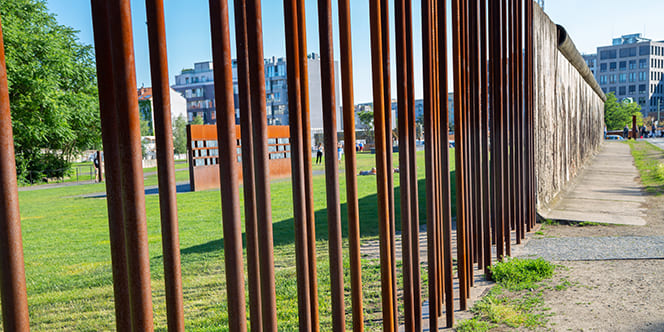
Location: Berlin
Description: The Berlin Wall Memorial is a poignant site that commemorates the division of Berlin and Germany during the Cold War. The memorial stretches along Bernauer Strasse and includes a preserved section of the wall, an open-air exhibition, and the Documentation Center. The site offers an immersive experience with photographs, audio guides, and personal stories from those who lived through the era.
Admission: Free.
Opening Hours: Open 24 hours, with the Documentation Center open Tuesday to Sunday from 10:00 AM to 6:00 PM.
Dachau Concentration Camp Memorial Site
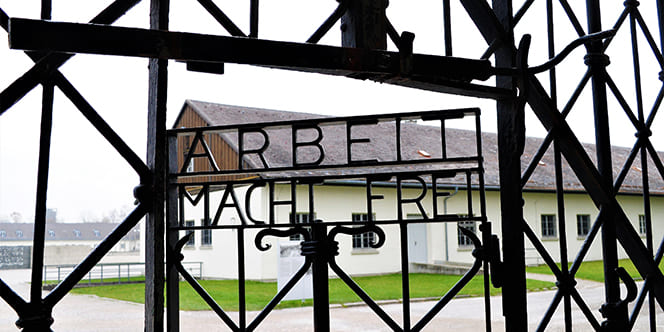
Location: Near Munich
Description: Dachau was the first Nazi concentration camp opened in Germany and serves as a somber reminder of the atrocities of the Holocaust. The memorial site includes the former camp grounds, barracks, crematorium, and a museum that provides comprehensive historical information. Guided tours are available to help visitors understand the impact and history of the camp.
Admission: Free, guided tours cost €4 ($4.25) for adults, €3 ($3.25) for students.
Opening Hours: Daily from 9:00 AM to 5:00 PM.
The Nuremberg Trials Memorial
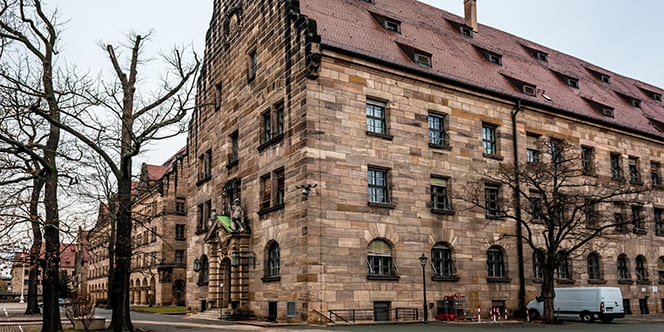
Location: Nuremberg
Description: The Nuremberg Trials Memorial, located in the Palace of Justice, commemorates the historic trials of Nazi war criminals held after World War II. The memorial includes Courtroom 600, where the trials took place, and a museum with exhibits detailing the proceedings and their significance. Visitors can learn about the development of international law and the impact of the trials on global justice.
Admission: €6 ($6.50) for adults, €1 ($1.10) for students.
Opening Hours: Wednesday to Monday from 10:00 AM to 6:00 PM, closed on Tuesdays.
4. Cultural Sites
Cologne Cathedral (Kölner Dom)
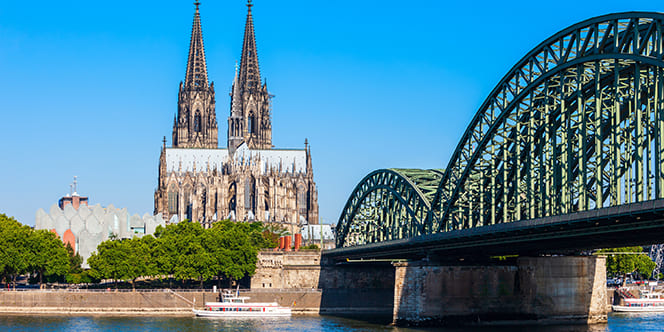
Location: Cologne
Description: The Cologne Cathedral is a Gothic masterpiece and one of the largest cathedrals in Europe. It took over 600 years to complete and houses the Shrine of the Three Kings, believed to contain the relics of the Magi. The cathedral’s twin spires dominate the Cologne skyline, and visitors can climb to the top for a panoramic view of the city.
Admission: Free to enter the cathedral, €6 ($6.50) to climb the tower.
Opening Hours: Daily from 6:00 AM to 8:00 PM.
The Pergamon Museum
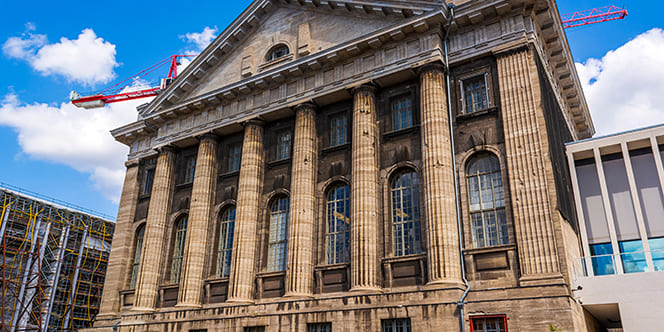
Location: Berlin
Description: Part of Berlin’s Museum Island, the Pergamon Museum is renowned for its impressive reconstructions of ancient monumental architecture. Highlights include the Pergamon Altar, the Ishtar Gate of Babylon, and the Market Gate of Miletus. The museum offers a fascinating journey through ancient civilizations and their architectural achievements.
Admission: €19 ($20.50) for adults, €9.50 ($10.25) for reduced tickets.
Opening Hours: Daily from 10:00 AM to 6:00 PM, extended hours on Thursday until 8:00 PM.
The Romantic Road
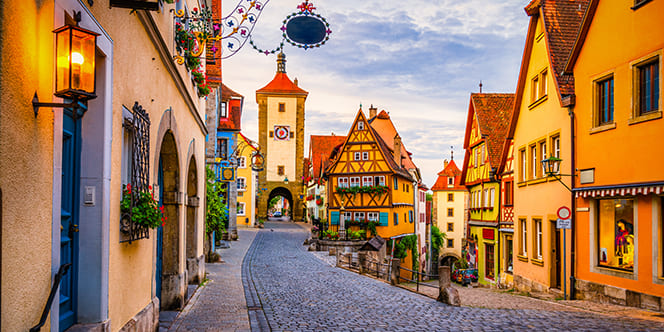
Location: Southern Germany
Description: The Romantic Road is a scenic route that stretches from Würzburg to Füssen, passing through picturesque towns, castles, and landscapes. Highlights include the medieval town of Rothenburg ob der Tauber, the baroque palace in Würzburg, and the breathtaking views from Neuschwanstein Castle. The route offers a charming journey through some of Germany’s most idyllic settings.
Admission: Free to drive along the route, individual attractions may have separate fees.
Opening Hours: Open year-round, best enjoyed from spring to autumn.
Germany’s cultural attractions offer a rich tapestry of experiences that highlight the country’s diverse history, art, and traditions. Whether you are exploring majestic castles, visiting world-class museums, or reflecting at poignant historical sites, these attractions provide a deep and meaningful connection to Germany’s past and present.
Things to Do in Germany
1. Explore German Cuisine
Germany offers a rich culinary tradition that varies by region.
- Savor Sausages and Pretzels: Try Bratwurst in Nuremberg or Weißwurst in Munich. Pretzels are ubiquitous and cost around €1-€2 (approximately $1.10-$2.20).
- Taste German Beer: Visit a local beer garden or brewery. Prices for a liter of beer range from €4-€10 (approximately $4.30-$10.80).
- Indulge in Pastries: Sample Berliners (a type of doughnut) or Black Forest Cake (Schwarzwälder Kirschtorte). Pastries generally cost between €2-€5 (approximately $2.20-$5.40).
2. Attend Festivals and Events
Germany hosts a variety of festivals throughout the year.
- Oktoberfest in Munich: The world’s largest beer festival. Entry is free, but food and drink prices are high.
- Karneval in Cologne: A lively carnival celebration held in February. Most events are free to attend.
- Christmas Markets: Found in cities across Germany from late November to December. Entry is free, but items for sale vary in price.
3. Enjoy Outdoor Activities
Germany’s diverse landscapes offer plenty of opportunities for outdoor activities.
- Hiking in the Black Forest: This region offers numerous trails ranging from easy to challenging. Most trails are free to access.
- Cycling Along the Rhine River: Rent a bike and explore scenic routes along the river. Bike rentals cost around €15-€20 per day (approximately $16.20-$21.60).
- Skiing in the Bavarian Alps: Germany offers excellent skiing opportunities in winter. Day passes for ski resorts typically cost between €30-€60 (approximately $32.40-$64.80).
4. Experience German Music and Performing Arts
Germany has a rich tradition of classical music and contemporary performing arts.
- Attend an Opera in Berlin: The Berlin State Opera offers world-class performances. Ticket prices range from €20-€200 (approximately $21.60-$216).
- Visit the Leipzig Gewandhaus: Famous for its orchestra, ticket prices vary from €15-€90 (approximately $16.20-$97.20).
- Experience a Concert in the Elbphilharmonie: This Hamburg venue offers a wide range of performances. Ticket prices range from €10-€150 (approximately $10.80-$162).
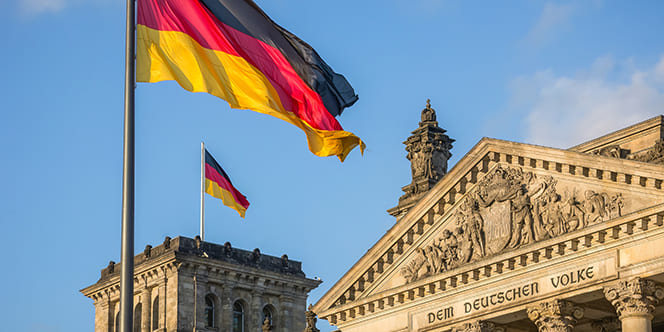
Germany is a country that effortlessly blends its rich historical heritage with contemporary culture and innovation. Whether wandering through the medieval streets of Rothenburg ob der Tauber, marveling at modern art in Berlin, or savoring a freshly baked pretzel in a Munich beer garden, there is something in Germany for every traveler.
This guide only scratches the surface of what Germany has to offer, but it provides a solid foundation for planning an unforgettable cultural tour. With its welcoming people, diverse attractions, and rich traditions, Germany is sure to leave a lasting impression on any visitor.
Now is the best time to visit Germany! Book business class tickets to Germany with Arangrant and save yourself time, effort, and money. Contact us, and we’ll take care of the rest so you can start your trip to Germany hassle-free.