



What do seasoned travelers gain by traveling outside peak season? To answer that, we looked at our own booking data at AranGrant and compared it with broader airline industry trends.
First, a quick definition. Off season travel simply means visiting a destination during its quieter tourism period: outside the months when demand is at its highest. In many places, that window falls just before or after the main holiday rush. Travelers often find fewer crowds, easier reservations, and more flexibility when planning flights and hotels.
Our recent booking analysis confirms what experienced travelers have long suspected:
- Airfare can fall by more than 30% outside peak summer months, especially on leisure routes where demand fluctuates strongly throughout the year.
- The difference tends to be most noticeable in economy class. Business-class fares usually move less dramatically because airlines manage a smaller number of premium seats, but they are still influenced by major travel periods.
- Even premium cabins feel the effect of seasonality. Demand rises around December holidays, mid-summer travel windows, and major global events, when travelers compete for limited long-haul seats. Outside those peaks, airlines are more likely to release discounted premium seats, upgrade opportunities, or award space.
- Off-season travel does not mean destinations go quiet. Long-haul favorites continue attracting travelers throughout the year. Thailand, for example, appears consistently in our premium-cabin bookings even outside its traditional peak periods.
Taken together, these patterns explain why many experienced travelers quietly favor off-season journeys.
Read in this post:
Best Off Season Travel Destinations
Some destinations reveal their true character when the crowds thin out. Based on booking patterns we regularly see at AranGrant, experienced travelers often gravitate toward a handful of places that remain rewarding even outside their busiest tourism periods. Italy, Japan, Greece, Hawaii, and Thailand consistently appear among the most popular destinations in our customers’ itineraries. And they become especially appealing during their quieter travel windows.
Part of the reason is simple: these places are rich in culture, landscapes, and experiences that do not depend on peak-season conditions.
Italy: Winter Cultural Season
When: November–March
Italy in winter reveals a quieter, more intimate side of the country that many experienced travelers value. Without the summer crowds, historic cities feel easier to explore and daily life unfolds at a calmer pace. Museums, galleries, and landmark sites in Rome and Florence become far more comfortable to visit. Venice often feels especially atmospheric in the cooler months.
Northern regions add another dimension: the Dolomites and the Italian Alps offer excellent winter scenery and skiing. Even cities like Milan, Bologna, and Turin shine in winter with festive markets, rich cuisine, and a lively cultural calendar.

Explore business class deals to Italy.
Japan: Late Winter Serenity
When: February–Early March
Late winter offers a quietly captivating way to experience Japan before the well-known spring rush begins. Cities such as Kyoto and Nara feel especially tranquil at this time of year. Historic temples, gardens, and traditional streets can be explored without the peak-season crowds. In Tokyo, cultural districts and museums remain lively while the pace of tourism slows noticeably.
Further north, regions like Hokkaido showcase dramatic winter landscapes and renowned ski areas. Hot-spring towns such as Hakone provide a relaxing retreat surrounded by crisp mountain scenery.
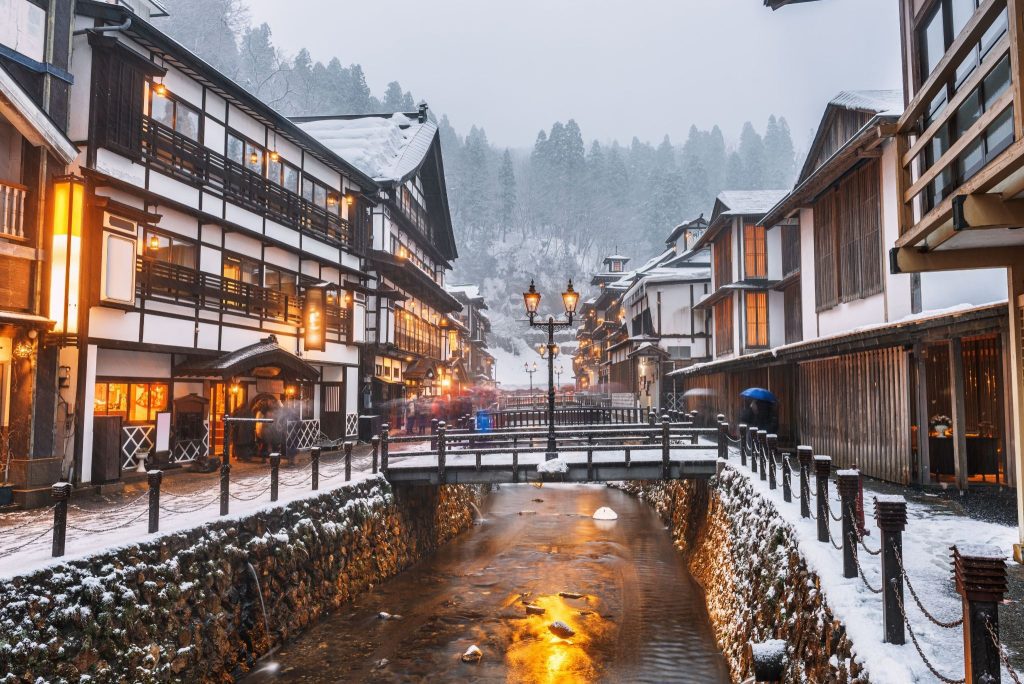
Explore business class deals to Japan.
Greece: Spring Without the Crowds
When: April through May
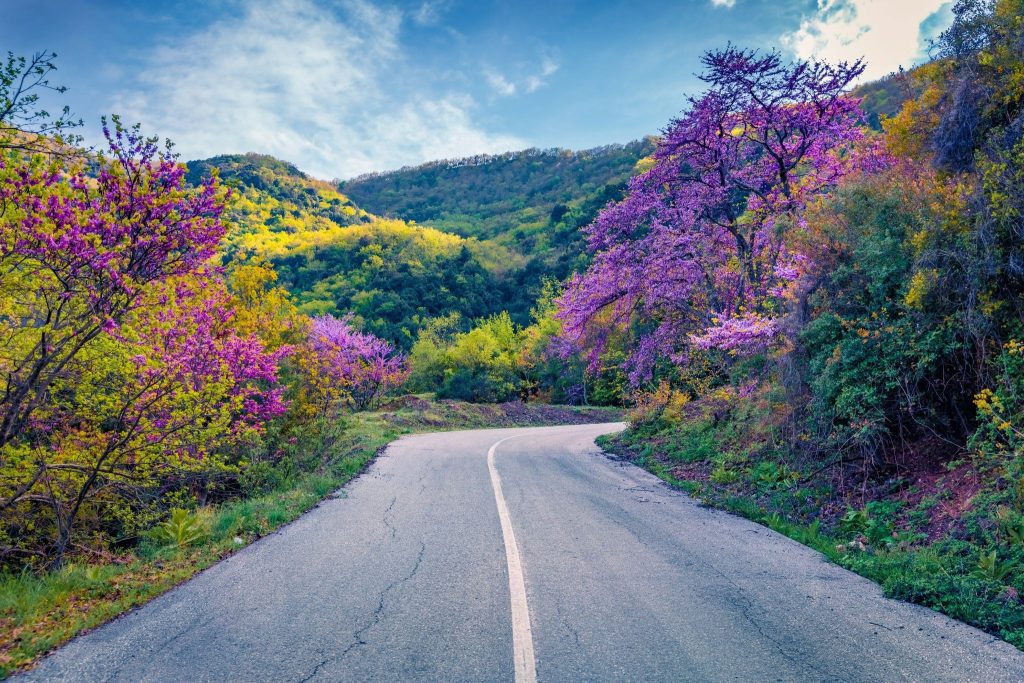
Spring provides one of the most rewarding ways to experience Greece before the summer surge arrives. By April, the weather turns pleasantly mild, wildflowers appear across the countryside, and historic landmarks can be explored at a relaxed pace. The ancient sites of Athens, including the Acropolis, feel far more comfortable without the long lines of peak season.
Island destinations such as Santorini, Crete, and Rhodes begin to reopen for the season while still maintaining a calm atmosphere. Even coastal towns and seaside cafés operate at an unhurried rhythm.
Explore business class deals to Greece.
Hawaii: Early Fall Calm
When: September–October
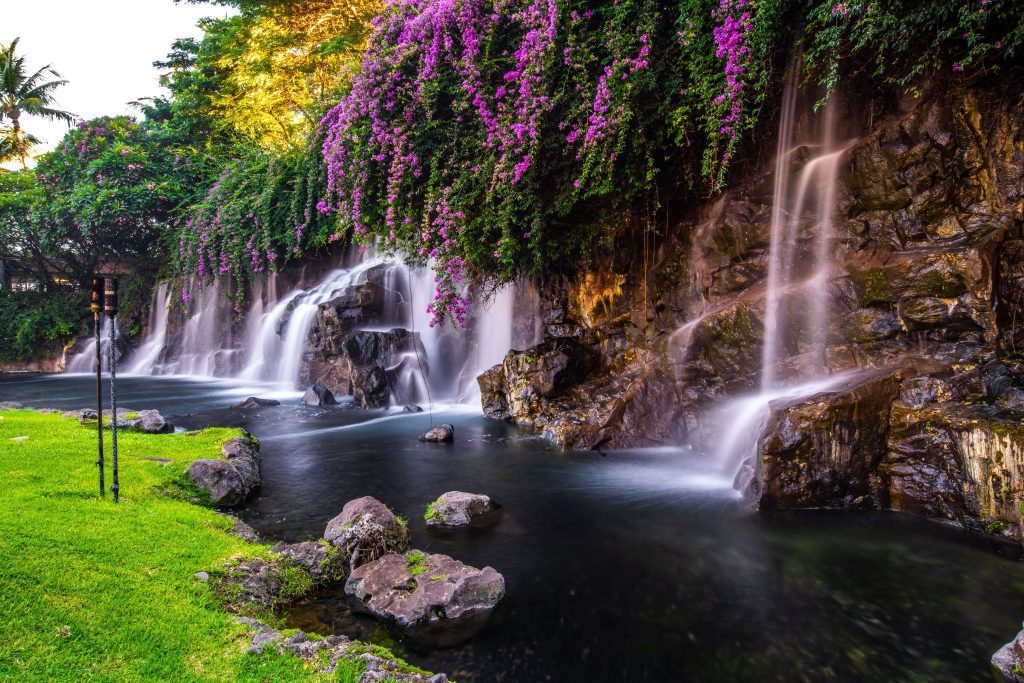
Early fall brings one of the most relaxed and enjoyable periods to visit Hawaii. Between September and October, the busy summer travel wave fades, leaving the islands noticeably quieter while warm tropical weather continues. Beaches across Maui, Kauai, and the Big Island feel more spacious, making it easier to enjoy snorkeling, coastal hikes, and scenic drives without the peak-season bustle.
In Oahu, visitors can explore cultural landmarks such as Pearl Harbor or Waikiki at a more comfortable pace. Ocean conditions often remain excellent during these months, and sunset views, lush landscapes, and local cuisine can be appreciated in a calmer, unhurried atmosphere.
Explore business class deals to Hawaii.
Thailand: The Green Season Advantage
When: May–October
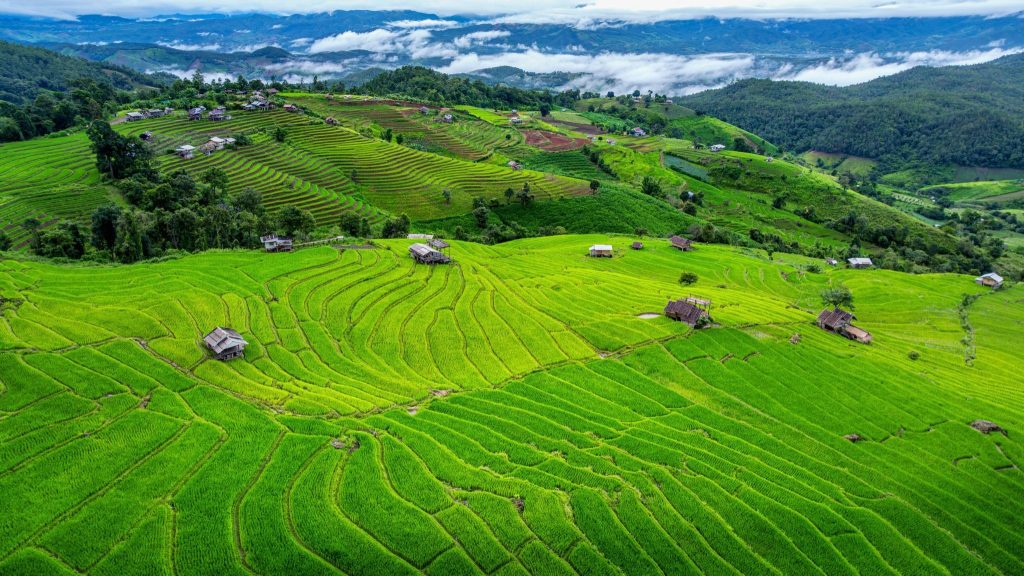
Thailand’s green season offers a vivid and refreshing way to experience the country. Tropical showers arrive in short bursts, often leaving long stretches of clear skies and cooler air. During this period, landscapes become especially lush, waterfalls reach their fullest flow, and many destinations feel noticeably calmer than in peak travel months.
Cultural hubs like Bangkok and Chiang Mai continue their lively rhythm. Island areas like Phuket and Koh Samui provide quieter beaches and a more relaxed pace. For travelers interested in nature, cuisine, and local culture, the green season reveals a vibrant side of Thailand that many visitors overlook.
Explore business class deals to Thailand.
More Off Season Travel Destinations Worth Considering
Some destinations become especially rewarding once the busiest travel months pass. Portugal, Iceland, Switzerland, Spain, Morocco, Canada, and New Zealand offer diverse landscapes and cultural experiences that remain appealing throughout the year.
During their quieter seasons, travelers often discover a more relaxed rhythm: historic cities feel easier to explore, natural scenery becomes more immersive, and local life unfolds without the pressure of peak tourism.
Cooler temperatures, changing seasonal landscapes, and greater availability at hotels and attractions can also make travel planning smoother. For experienced travelers who value atmosphere and authenticity, these destinations reveal a different, often more intimate side outside their busiest months.
- Portugal: Late Autumn Calm. November brings mild weather and quieter streets in Lisbon and Porto. Travelers visiting Portugal during the off season often enjoy lower hotel prices and easier reservations at popular restaurants.
- Iceland: Winter Northern Lights. Off season travel to Iceland from October through March offers a chance to see the northern lights while avoiding the peak summer crowds.
- Switzerland: Early Spring Alpine Quiet. Before summer hiking season begins, the country offers peaceful mountain landscapes and lower hotel rates across alpine resorts.
- Spain: Winter City Breaks. Cities like Barcelona and Madrid remain lively through winter while offering far fewer crowds than during the summer tourist surge.
- Morocco: Late Autumn Comfort. Cooler temperatures and calmer tourist flows make November one of the best off season travel periods for exploring Morocco’s historic cities.
- Canada: Winter Wilderness Calm. From November through March, snowy landscapes transform destinations like Banff, Whistler, and Quebec City into serene winter scenes. Travelers can enjoy skiing, frozen lakes, cozy mountain lodges, and festive city atmospheres while experiencing Canada’s vast natural scenery at its most dramatic.
- New Zealand: Quiet Autumn Landscapes. New Zealand’s autumn, from April to May, brings vibrant foliage, crisp air, and noticeably fewer visitors. Queenstown, Wanaka, and Fiordland glow with golden colors. Vineyards and alpine landscapes feel peaceful and uncrowded. It’s an ideal time to enjoy road trips, nature walks, and dramatic mountain views.
Here is a quick overview of the best off season travel destinations and their ideal months to visit.
| Destination | Best Off Season Months | Why Visit |
| Italy | Nov–Mar | quieter historic cities, winter culture |
| Japan | Feb–Early Mar | tranquil temples, winter landscapes |
| Greece | Apr–May | mild weather, fewer crowds |
| Hawaii | Sep–Oct | calm beaches, warm ocean |
| Thailand | May–Oct | lush scenery, quieter islands |
| Portugal | Nov–Feb | mild weather, relaxed cities |
| Iceland | Oct–Mar | northern lights, dramatic winter scenery |
| Switzerland | Mar–Apr | alpine landscapes, quieter resorts |
| Spain | Jan–Mar | lively cities, fewer tourists |
| Morocco | Nov | comfortable temperatures, calmer medinas |
| Canada | Nov–Mar | winter wilderness, skiing |
| New Zealand | Apr–May | autumn colors, scenic road trips |
Next in this series: Best Business Class Lounges: Global Leaders for 2026
Why Smart Travelers Prefer Off Season Travel
Many experienced travelers deliberately plan trips outside peak tourism months. Off season travel often brings practical advantages that make the overall journey more comfortable and easier to manage.
- Lower Flight Prices. Airline pricing data consistently shows that flight demand drops outside peak travel periods. When fewer travelers compete for seats, airlines often adjust pricing and availability accordingly. As a result, travelers may find more attractive airfare options compared with the busiest holiday or summer travel windows.
- Fewer Crowds. Visiting outside peak months often means shorter lines, calmer landmarks, and easier sightseeing. Landmarks that can feel overwhelming in peak season become far easier to enjoy at a comfortable pace.
- Better Hotel Availability. Hotels and resorts typically have greater availability during off-season periods. Travelers often have more room choices and flexibility when selecting accommodations, particularly in destinations where peak-season demand quickly fills the best properties.
- More Authentic Experiences. Quieter travel periods allow destinations to reveal their everyday rhythm. Restaurants are easier to book, local markets feel less crowded, and hotels tend to offer a calmer atmosphere. For travelers who value cultural experiences and relaxed exploration, the off season can provide a more authentic way to discover a place.
Next in this series: New Business Class 2026: What Changes and Why It Matters
How to Find Off Season Business Class Deals
- Flexibility plays an important role. Travelers who can adjust their departure dates within a wider travel window often have a better chance of finding attractive fares.
- Choosing midweek flights instead of weekend departures can also make a noticeable difference, as demand tends to be lower.
- Planning ahead is equally helpful. Business class seats are limited, and the best fares often appear months before departure. Monitoring availability early allows travelers to secure premium cabins before demand increases.
At AranGrant, our team specializes in helping travelers identify these opportunities. By tracking premium cabin availability and flexible routing options, we help travelers find business class flights that align with both their schedule and travel preferences.
Next in this series: Where to Travel in Summer Without Crowds
Off Season vs Shoulder Season Travel
Travel seasons are usually divided into peak, shoulder, and off season. Understanding the difference helps travelers choose the right time to visit a destination.
- Off season travel refers to the quietest period of the year, when tourism demand is at its lowest. These months often bring the fewest crowds and the widest availability of flights and hotels. Weather conditions may be cooler, wetter, or less predictable depending on the destination.
- Shoulder season travel falls between peak and off season. Demand begins to rise again, but destinations are still less crowded than during the busiest months. Many travelers consider shoulder season an ideal balance between comfortable weather and manageable visitor numbers.

Next in this series: Elevated Travel, Smart Spending: Your Luxury Budget Guide
Tips for Planning Off Season Travel
- Travel during shoulder season when possible. The weeks just before or after peak tourism periods often provide the best balance between favorable weather and lighter visitor traffic. In many destinations, late spring or early autumn allows travelers to enjoy major attractions without the intensity of peak-season crowds.
- Look for quieter weeks within the calendar. Demand tends to increase around major holidays and school breaks even during off-season months. Choosing travel dates outside these windows can make popular destinations noticeably calmer.
- Book long-haul flights several months in advance. Booking data consistently shows that experienced travelers often secure international trips well ahead of departure. Planning early can help travelers access better seat availability and more stable pricing.
- Choose midweek departures and returns. Flights departing Tuesday through Thursday often face less demand than weekend departures, which can improve availability and provide more itinerary options.
- Prioritize destinations with year-round appeal. Some countries remain rewarding outside their busiest tourism months. Places with strong cultural, culinary, or natural attractions often offer a richer experience when visited during quieter travel periods.
Next in this series: Average Business Class Ticket Price: Comparing Airlines, Trends, and Smart Picks
Off-season travel is less about avoiding crowds and more about choosing the right moment to experience a place at its natural rhythm. When demand eases, destinations often become simpler to explore, reservations are easier to secure, and travel planning feels far less rushed.





![arangrant flight booking statistics 2026 Pay Less for Business Class in 2026 [Without Chasing Myths]](https://arangrant.com/wp-content/uploads/sites/3/2025/12/arangrant-flight-booking-statistics-2026.png "Pay Less for Business Class in 2026 [Without Chasing Myths] 10")


