
Premium economy has evolved far beyond the idea of economy with a little extra legroom. On some airlines, the cabin experience now approaches what business class looked like a decade ago, with wider seats, deeper recline, and noticeably better meals. On others, the upgrade feels far more limited, and the higher fare delivers little more than extra space.
Industry rankings highlight that gap. Results from the 2025 Skytrax World Airline Awards show that only a handful of airlines consistently stand out for the strength of their premium economy cabins, from seat engineering to the overall onboard experience.
For travelers trying to decide whether the upgrade makes sense, these differences become critical. Seat width, pitch, recline mechanics, dining quality, and the typical price gap between premium economy and discounted business class all shape the same question: is the upgrade actually worth paying for?
This guide evaluates five airlines that consistently deliver some of the strongest premium economy cabins available today. It will compare how their seats, service, and pricing perform on major long-haul routes in 2026.
Read in this post:
Why Premium Economy Matters More in 2026
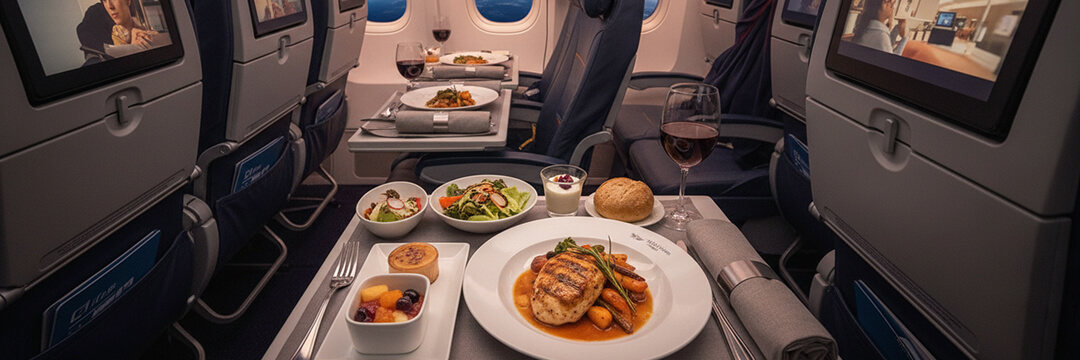
Premium economy has expanded rapidly on long-haul routes as more travelers look for extra space without paying business-class fares. Over the past decade, business class itself has moved further upmarket, introducing private suites, larger seats, and significantly higher prices.
At the same time, airlines now operate more ultra-long routes between regions such as the United States, Asia, and Australia. On flights that last twelve hours or longer, spending the entire journey in a standard economy seat can become uncomfortable. As a result, many travelers start looking for a cabin that offers more space but still remains far below business-class pricing.
In 2026, premium economy has become a clearly defined middle tier between economy and business class, but the way airlines build the cabin varies widely. Some carriers install wider seats with generous pitch and stronger leg support, creating a noticeably more comfortable space for long flights. Others offer a more limited upgrade, where the main benefit is additional room rather than a fully distinct cabin experience.
Pricing also influences how travelers evaluate the cabin. On certain long-haul routes, premium economy fares can sit surprisingly close to discounted business-class tickets. When that happens, travelers often compare the two cabins directly. They weigh whether the additional space, service, and lie-flat seats in business class justify the higher fare or whether premium economy still represents the more practical upgrade.
Next in this series: What is the Difference Between Premium Economy and Business Class?
How We Ranked the Best Premium Economy Airlines
Not every premium economy cabin delivers the same level of comfort or value, so a clear comparison framework matters. Here, we evaluate each airline using several practical factors that affect long-haul flights the most, including seat space, recline design, onboard service, and how the ticket price compares with discounted business-class fares.
Breakdown into Measurable Criteria:
- Seat Width & Pitch (Real Space Comparison)
Seat width and pitch form the foundation of comfort in premium economy. Wider seats provide more shoulder space, while additional pitch increases the distance between rows and allows more room for legs and movement during long flights. Even small differences become noticeable on flights lasting ten hours or more, especially when passengers try to rest and sleep.
- Recline & Leg Support
Premium economy seats usually recline farther than economy seats, and many include leg rests or footrests that support the lower body. These features help maintain a more natural sitting position during overnight flights and reduce fatigue on longer journeys.
- Dining & Cabin Service
Dining and in-flight service also distinguish premium economy from economy class. Many airlines provide upgraded meals, improved presentation, and more attentive service. While the experience does not match business class, many airlines serve premium economy meals on proper tableware, offer a broader beverage selection, and deliver the service separately from the economy cabin.
- Privacy & Cabin Atmosphere
Cabin layout also affects how separated premium economy feels from the rest of the aircraft. Many airlines place the cabin in a small section between business class and economy, often with only a few rows of seats. This arrangement reduces passenger traffic through the cabin and limits the number of people sharing the space, which makes the area noticeably calmer during long flights.
- Price Gap vs Business Class
The price difference between premium economy and business class plays a major role in the decision. On some long-haul routes, premium economy fares sit only a few hundred dollars below discounted business-class tickets. In such cases, it’s best to compare the two cabins directly and decide whether the additional space, lie-flat seat, and lounge access in business class justify paying more.
Top 5 Premium Economy Airlines in 2026 (Ranked)
- Virgin Atlantic
- Singapore Airlines
- Japan Airlines
- Air France
- Qantas
Next in this series: When Waiting Becomes Travel: A Smarter Layover Guide
Virgin Atlantic
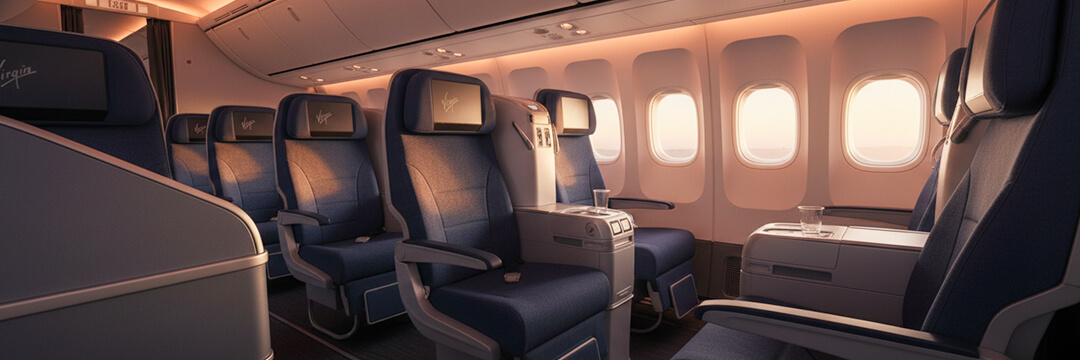
What Makes It One of the Best Premium Economy Airlines
Virgin Atlantic introduced one of the earliest dedicated premium economy cabins on its long-haul aircraft. Passengers receive priority check-in, priority boarding, and a pre-departure drink. The airline was named World’s Best Premium Economy Class Airline in the 2025 Skytrax World Airline Awards, reflecting the strength of its Premium cabin and onboard service.
Seat & Space Breakdown
On Boeing 787 and Airbus A330 aircraft, Virgin Atlantic configures its Premium cabin in a 2-3-2 layout. On Airbus A350 aircraft, the cabin follows a 2-4-2 configuration. Seats measure about 21 inches wide with roughly 38 inches of pitch, placing them among the widest seats in the premium economy category.
Service & Dining
Virgin Atlantic begins the Premium cabin service with a pre-departure drink and then serves a dedicated meal separate from the economy cabin. Menus typically include dishes such as braised beef with mashed potatoes or roast chicken with seasonal vegetables, served on tableware. The airline also offers cocktails, wine, and sparkling wine with the meal service.
Who It’s Best for
Travelers who want to fly in one of the widest premium economy seats available on the market.
Next in this series: 10 Clear Answers: Why Premium Travelers Book Flights by Phone
Singapore Airlines
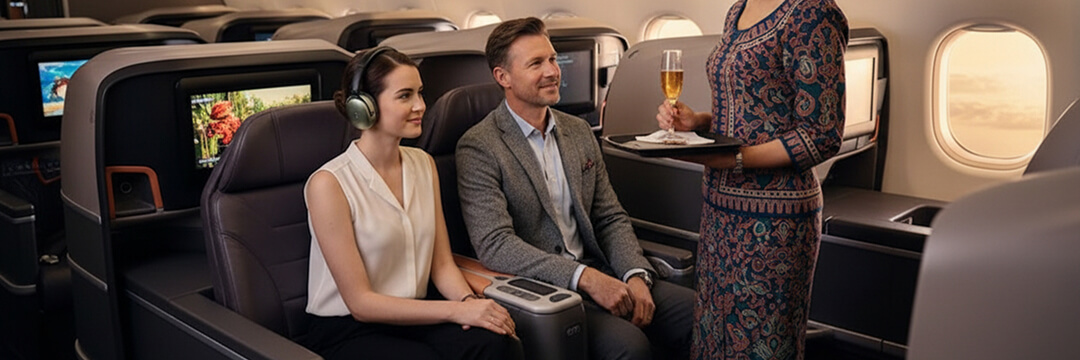
What Makes It One of the Best Premium Economy Airlines
Singapore Airlines treats premium economy as a separate service tier rather than a slightly improved economy cabin. Passengers receive priority check-in, priority boarding, and access to the airline’s Book the Cook meal program on many long-haul flights. The cabin also follows its own meal service and beverage program instead of the standard economy service.
Seat & Space Breakdown
On aircraft such as Airbus A350, Airbus A380, and Boeing 777 aircraft, Singapore Airlines configures premium economy in a 2-4-2 layout. Seats measure up to 19.5 inches wide with about 38 inches of pitch. They recline about 8 inches and include both a leg rest and a footrest. Each seat also features a 13.3-inch entertainment screen, USB charging, and power outlets.
Service & Dining
Singapore Airlines allows premium economy passengers to use the Book the Cook program on many long-haul flights. Through this system, travelers select main courses before departure, including dishes such as grilled beef tenderloin, seafood entrées, and Asian noodle dishes.
Who It’s Best for
Travelers who care about onboard dining and want the ability to choose their meal before the flight through the Book the Cook program.
Next in this series: Airline Industry Trends 2026: What Awaits US Premium Travelers
Japan Airlines
What Makes It One of the Best Premium Economy Airlines
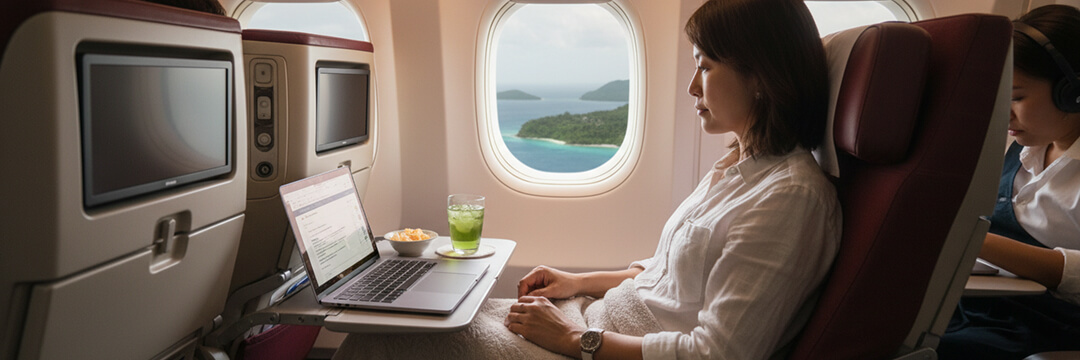
Japan Airlines built its premium economy cabin around the JAL SKY PREMIUM seat and deploys the same seat design across most of its long-haul aircraft. The airline also provides amenity kits and additional snack service that are not part of its standard economy cabin service.
Seat & Space Breakdown
Japan Airlines uses its JAL SKY PREMIUM seats on Boeing 777 and Boeing 787 aircraft. Seats measure about 19 inches wide with roughly 42 inches of pitch. The cabin has a 2-4-2 layout on Boeing 777 aircraft and a 2-3-2 layout on Boeing 787 aircraft. The seats use a slide-forward recline design with large leg rests that support the lower body during long flights.
Service & Dining
Japan Airlines offers both Japanese and Western meal options in premium economy. The airline prepares Japanese meals such as grilled fish with rice and miso soup alongside Western-style dishes like roasted chicken with potatoes or beef entrées. During the flight, passengers can request additional snacks, including the airline’s cup noodle service.
Who It’s Best for
Taller passengers who benefit from the extra seat pitch and travelers who prefer strong leg support during long flights.
Next in this series: Smart Luxury: The New Language of Travel
Air France
What Makes It One of the Best Premium Economy Airlines
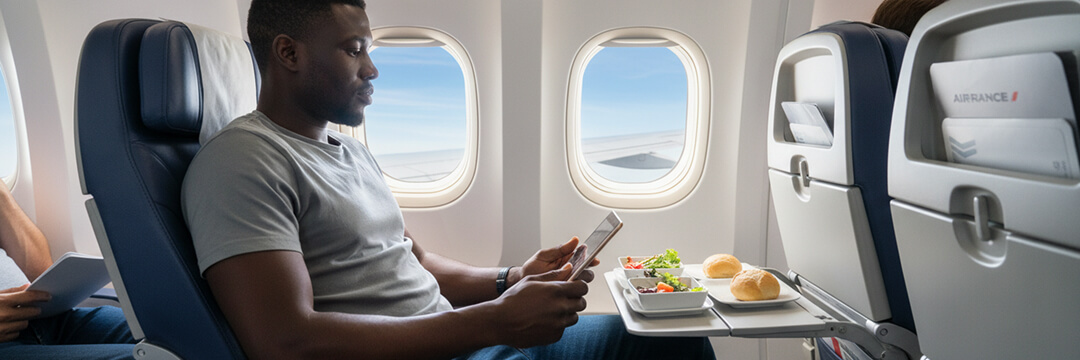
What sets Air France’s premium economy cabin apart is its fixed-shell seats that recline within their own frame instead of pushing backward into the row behind. This design allows passengers to recline without reducing the knee space of the passenger behind them. The airline uses this type of seat across much of its long-haul fleet, which keeps the premium economy experience consistent across many routes.
Seat & Space Breakdown
On Airbus A350, Boeing 777, and Boeing 787 aircraft, Air France configures premium economy in a 2-4-2 layout. Seats measure about 19 inches wide with roughly 37–38 inches of pitch.
Service & Dining
Air France builds its premium economy meal service around French cuisine and wine. Menus often include dishes such as chicken with cream sauce or beef with vegetables, served on tableware. The airline pours Champagne and French wines with the main meal, which distinguishes the service from the standard economy meal service.
Who It’s Best for
Travelers who enjoy French cuisine and wine and appreciate a seat design that preserves space even when the passenger ahead reclines.
Next in this series: 7 Best Accessible Airlines For Passengers With Disabilities
Qantas
What Makes It One of the Best Premium Economy Airlines
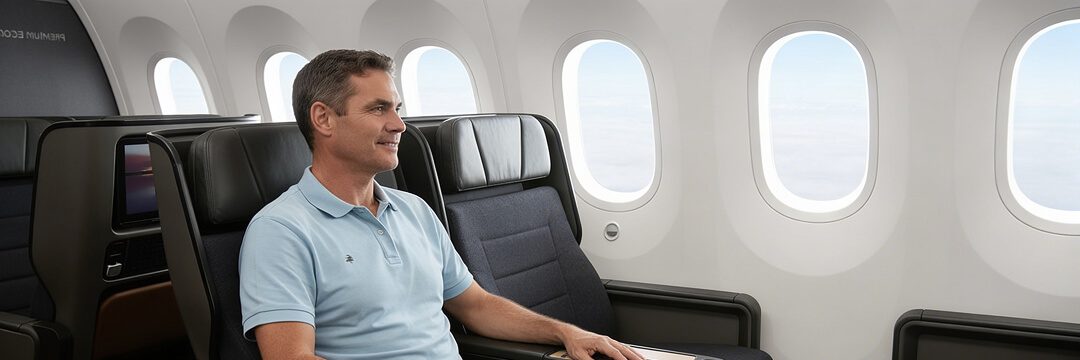
Qantas designed its premium economy cabin with long flights between Australia and North America in mind. These routes often last fourteen hours or more, so the cabin features seats with a deeper recline, leg rests, and a meal service separate from the economy cabin.
Seat & Space Breakdown
On aircraft such as Airbus A380, Boeing 787, and Airbus A330, Qantas configures premium economy in a 2-3-2 layout. Seats measure about 19.5–20 inches wide with roughly 38 inches of pitch. Each seat includes a deeper recline, an adjustable headrest, and a leg rest that supports the lower body during the flight.
Service & Dining
Qantas highlights Australian food and wine in its premium economy meal service. Menus often include dishes such as roasted chicken or beef served with seasonal vegetables. The airline pairs the meals with wines from Australian vineyards.
Who It’s Best for
Travelers who value deeper recline and good leg support on long flights.
Next in this series: Unlock Exceptional Luxury at Unbeatable Prices: Special Price Business Class Flights
Premium Economy Seat Comparison Table (2026)
After reviewing the individual cabins, it helps to compare the key features side by side. The table below summarizes seat dimensions, recline design, and the typical price gap between premium economy and business class.
| Airline | Seat Width | Seat Pitch | Recline Type | Footrest | Typical Business Price Gap |
| Singapore Airlines | Up to 19.5 in | ~38 in | Cradle recline | Yes (leg & footrest) | ~40%–60% lower |
| Japan Airlines | ~19 in | Up to ~42 in | Slide-forward recline | Yes (large leg rest) | ~35%–55% lower |
| Virgin Atlantic | Up to 21 in | ~38 in | Cradle recline | Yes | ~35%–50% lower |
| Air France | ~19 in | 37 in–38 in | Fixed shell | Yes | ~35%–55% lower |
| Qantas | 19.5 in–20 in | ~38 in | Cradle recline | Yes | ~40%–60% lower |
On mobile, scroll sideways to see all details.
Next in this series: Which are the 6 Best US Airlines to Fly in 2026?
Best Premium Economy by Route Type
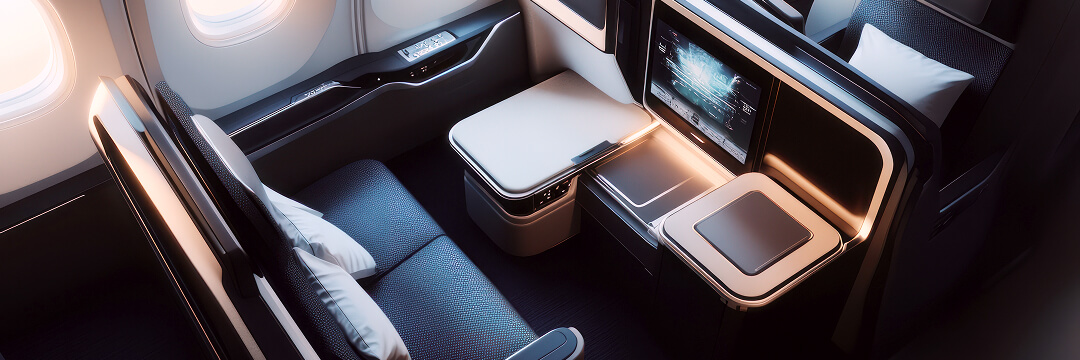
Airlines tend to dominate specific long-haul markets. Some carriers consistently offer stronger premium economy cabins on certain regional routes.
Best for Us–Asia Long Haul
Flights between the United States and Asia often exceed twelve hours and frequently operate overnight. Two airlines consistently stand out on these routes.
Both Singapore Airlines and Japan Airlines operate extensive transpacific networks, including routes such as San Francisco–Singapore, Los Angeles–Singapore, New York–Tokyo, and Los Angeles–Tokyo.
The two airlines approach the premium economy differently. Japan Airlines focuses on seat space, offering one of the largest pitch measurements in the category: about 42 inches on aircraft such as Boeing 777-300ER.
Singapore Airlines places more emphasis on service and dining, which tends to make the cabin feel closer to business class on very long flights.
Travelers who prioritize legroom may prefer Japan Airlines, while those who value onboard service may find Singapore Airlines the stronger option.
Best for US–Europe
Two airlines dominate the premium economy market on transatlantic routes.
Both Virgin Atlantic and Air France operate extensive networks between the United States and Europe, including routes such as New York–London, Los Angeles–London, New York–Paris, and Miami–Paris.
The biggest difference between the two cabins is seat size. Virgin Atlantic offers seats about 21 inches wide, which places them among the widest premium economy seats currently available.
Air France seats are narrower at about 19 inches, but the airline uses a fixed-shell seat design that allows passengers to recline without reducing the knee space of the passenger behind.
In this comparison, Virgin Atlantic stands out as a better choice, as it offers a more spacious and comfortable premium economy seat.
Best for Ultra-long Haul (14+ Hours)
Flights longer than fourteen hours test any premium economy cabin. On journeys this long, even small differences in seat comfort and service become much more noticeable.
Among the airlines we have covered in this guide, Singapore Airlines and Qantas operate some of the longest routes in the world, including San Francisco–Singapore, Los Angeles–Singapore, Los Angeles–Sydney, and Dallas-Fort Worth–Sydney.
Seat dimensions between the two airlines are relatively similar, so the difference tends to come down to the overall onboard experience.
Singapore Airlines generally stands out for its service and dining. Qantas is still a strong alternative, particularly on routes between the United States and Australia.
Next in this series: AranGrant Reviews: See the Real Picture Through Customer Feedback
How to Find the Best Premium Economy Deals in 2026
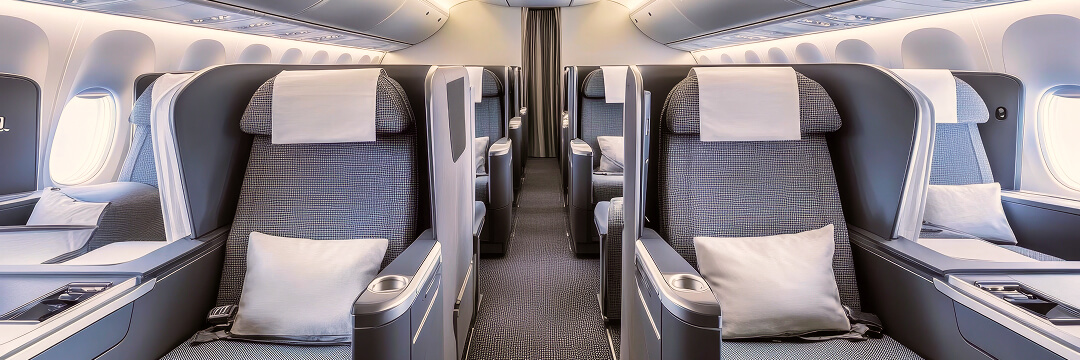
Premium economy prices can vary widely depending on when you book and which route you choose. On some flights, the upgrade from economy costs only a few hundred dollars. On others, the fare approaches business class. The price difference usually comes down to how busy the route is, how many airlines compete on it, and when the airline releases cheaper tickets.
One of the easiest ways to find lower fares is to travel during the shoulder seasons. On long-haul routes between the United States and Europe or Asia, better pricing often appears in late winter and early fall, when airlines still operate full schedules but demand drops between peak travel periods.
Booking timing also matters. On many long-haul flights, the best premium economy fares often appear about three to six months before departure. Airlines sell seats through different fare buckets, and the lowest premium economy prices usually disappear first.
Competition also influences pricing. Routes served by multiple airlines, such as New York–London or Los Angeles–Tokyo, tend to show wider price swings. Checking fares early in the week, especially on Tuesday or Wednesday, can sometimes reveal adjustments after airlines review weekend demand.
Finally, it is always worth checking business class fares before booking premium economy. Airlines sometimes discount business seats to fill the cabin, especially during sales or shoulder seasons. When that happens, the price difference between premium economy and business class can become small enough that you may choose business class instead.
AranGrant can also help you identify flights where premium economy offers strong value, or where business-class fares move closer in price.