

Chapters:

Need help with your trip?
Our support team is available 24/7. Request a callback or call us directly at (833) 619-0908
Korla usually gets folded into a quick overnight between arrivals, lake outings, and one meal near the hotel, and travelers often miss how much the city depends on short taxi hops between a few key corridors.
That habit works for a transfer, but it can leave the orchard edge, Bostan Lake, and Iron Gate Pass squeezed into a tiring schedule, with extra time lost to backtracking and late-night rides.
This guide spaces the city out more deliberately, so each day has a clear base, a realistic sequence, and enough room to see Korla without turning every move into a rush.
Useful things to know
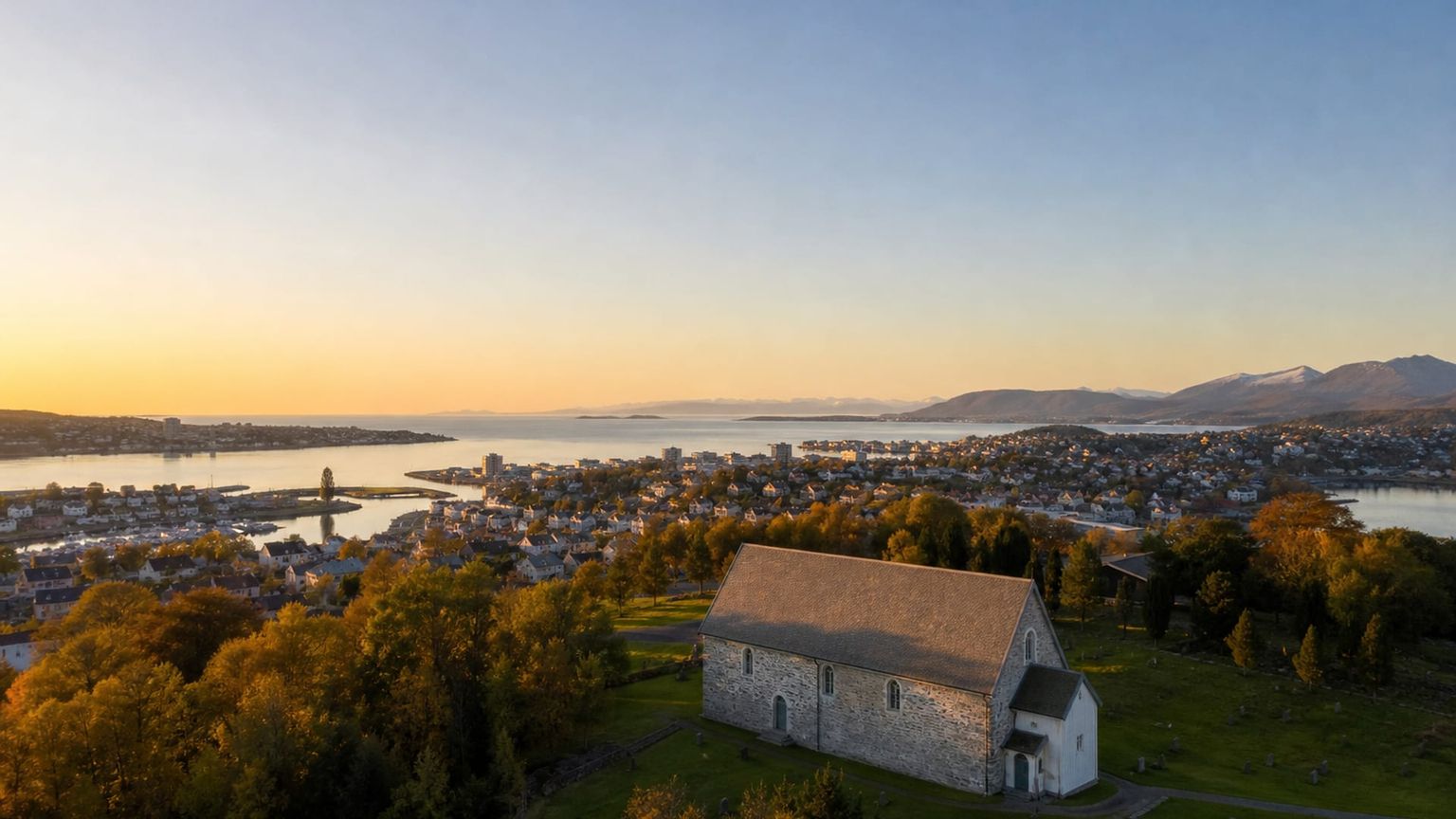

Main language(s): Chinese
你好 (nǐ hǎo) – Hello
请 (qǐng) – Please
谢谢 (xièxie) – Thank you
你会说英语吗? (nǐ huì shuō Yīngyǔ ma?) – Do you speak English?
多少钱? (duōshao qián?) – How much does it cost?

Currency: The local currency is the Chinese yuan (CNY, ¥).

Cash and cards: Cards and contactless are limited, so carry about CNY 200 to 300 ($28 to $42) in cash.

Tipping: Tipping is not customary; round up only in taxis or for small change if you want to.

Traditional food: Laghman, Dapanji, Polo, Samsa

Water and coffee costs: Water about CNY 2 ($0.30), bar espresso about CNY 20 ($2.80).

Taxis and ride apps: DiDi operates here; confirm pickup zones in advance.

Plug and voltage: Type A/C socket, 220V

Dining and shop opening hours: Breakfast is about 8:00-10:00, lunch 12:00-14:00, and dinner 19:00-22:00. Some restaurants close early after the evening rush.

Emergency number: Dial 110 for police, 119 for fire, and 120 for ambulance.
Where to stay in Korla
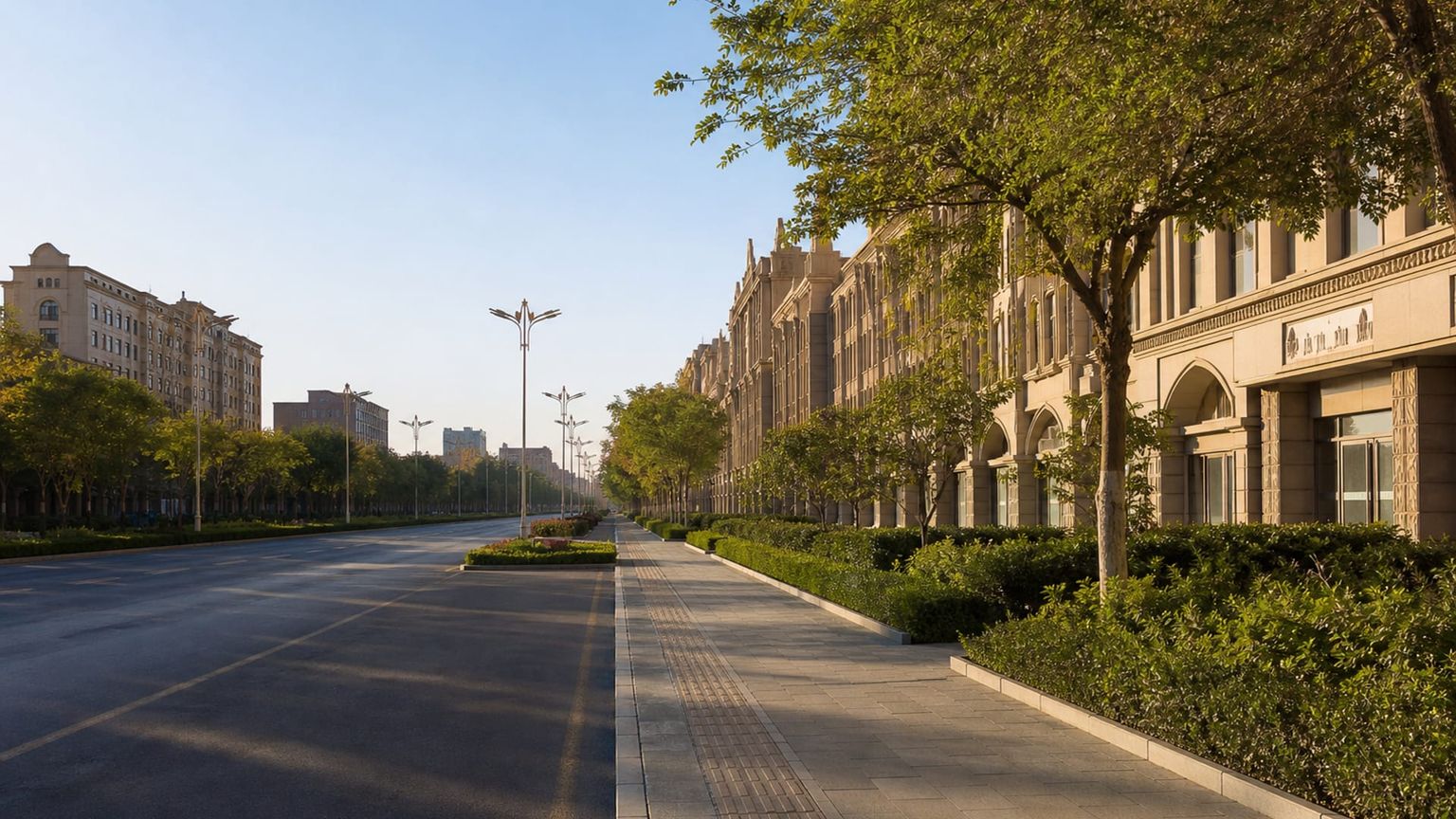
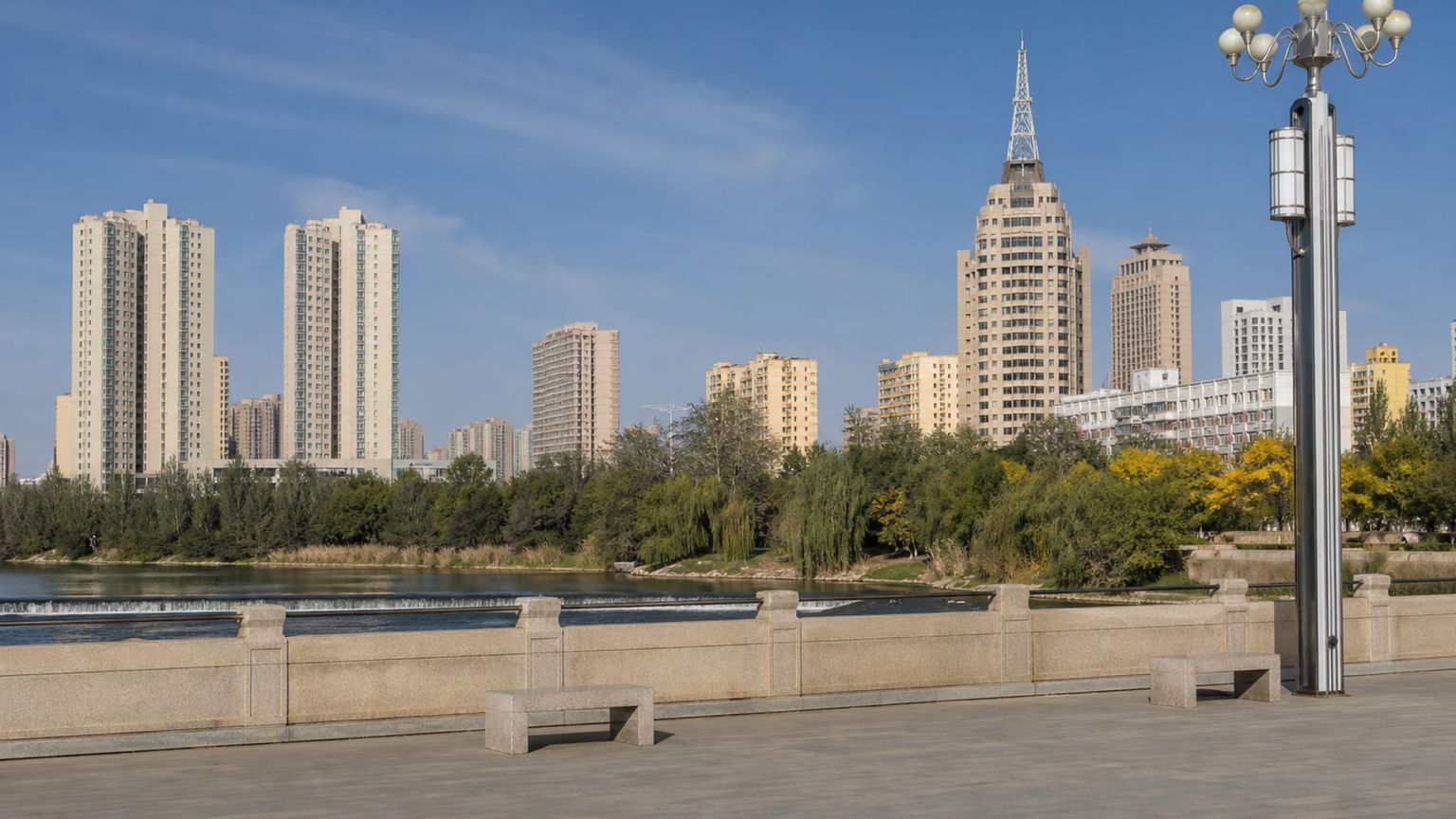
Korla’s downtown puts you closest to the city’s shops, restaurants, and bus links, with the densest mix of offices and daily errands. It works well if you want to move between meals, markets, and central sights without long taxi rides.
Best for: First-time stays, dining, errands, and easy access to central transit
What to expect: Busy sidewalks by day, with steady local traffic and more movement near market streets in the evening.
Hotel prices: Usually about $35 to $80 per night for well-rated stays
Distance to major sights: About 10 to 20 minutes on foot to Korla People’s Square
Quietness: Livelier in the daytime, then noticeably calmer late at night away from main roads.
Main trade-off: You pay more for central convenience, and rooms facing main streets can pick up traffic and late-night noise.
Good to know: Choose a higher floor or an inner-courtyard room if you want to reduce street noise.
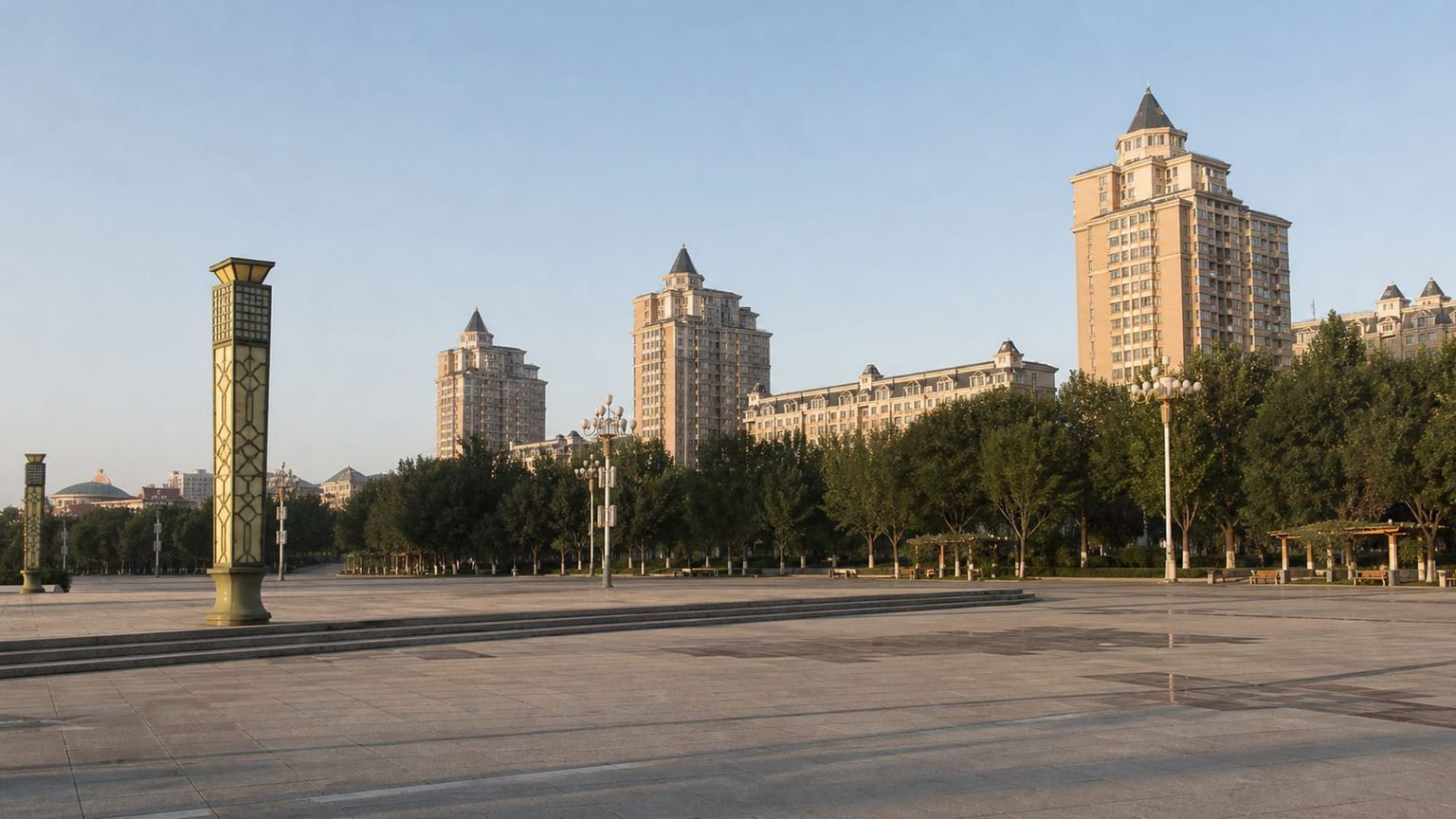
The People’s Square area sits at the heart of Korla’s civic center, with open public space, government buildings, and a concentration of nearby hotels. It suits travelers who want the city’s main reference point on the doorstep and simple taxi access.
Best for: Central sightseeing, short stays, and travelers who want a landmark address
What to expect: Open plazas, commuter movement, and a moderate flow of pedestrians, especially during daytime hours.
Hotel prices: Usually about $40 to $90 per night for well-rated stays
Distance to major sights: About 5 to 15 minutes on foot to Korla People’s Square
Quietness: Active in the day, then quieter after office hours, though nearby streets still carry some vehicle noise.
Main trade-off: The location is central, but room rates tend to rise and the busiest blocks can feel less private.
Good to know: If you plan evening meals, check whether your hotel sits on a square-facing street or one block back.
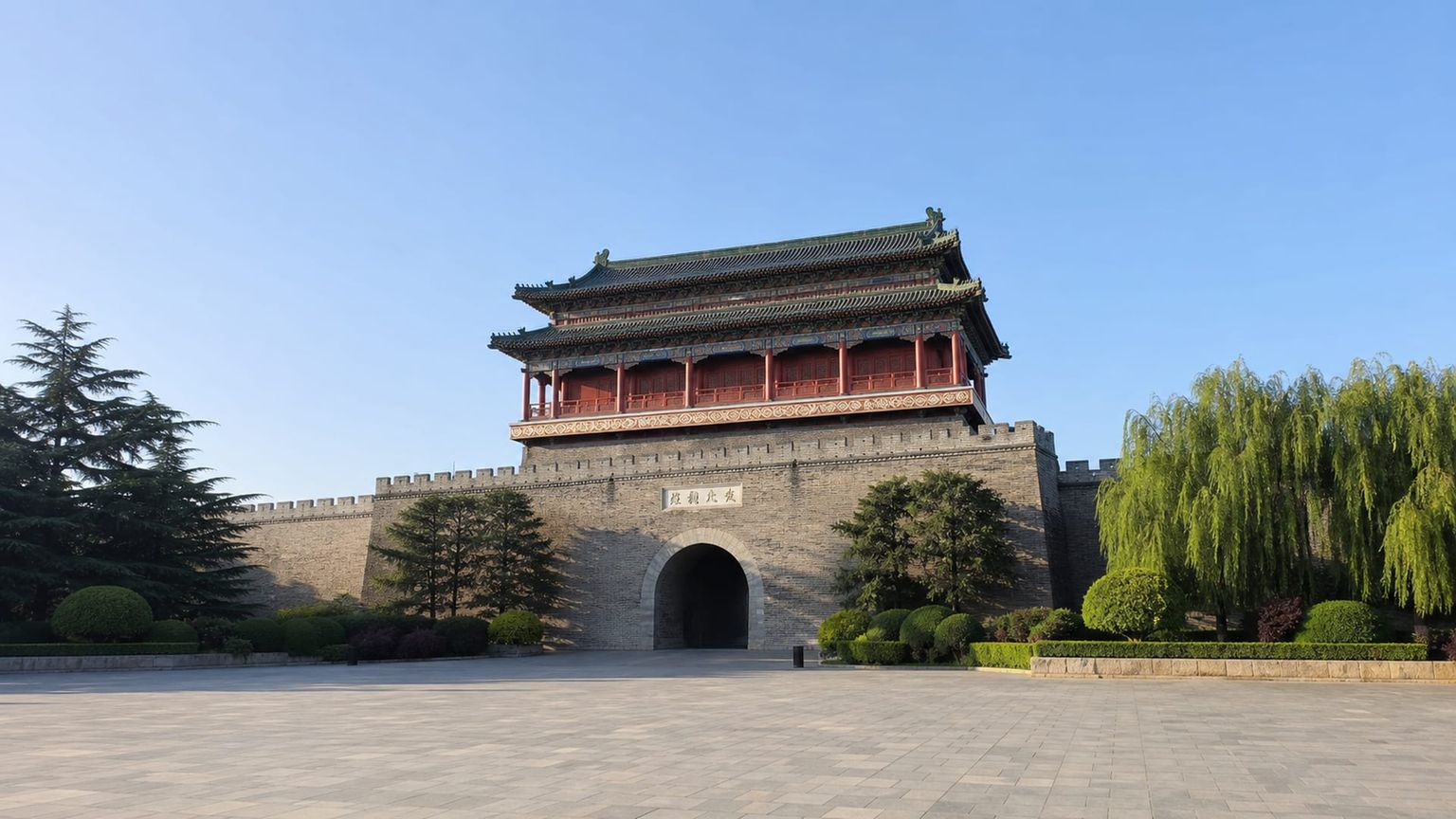
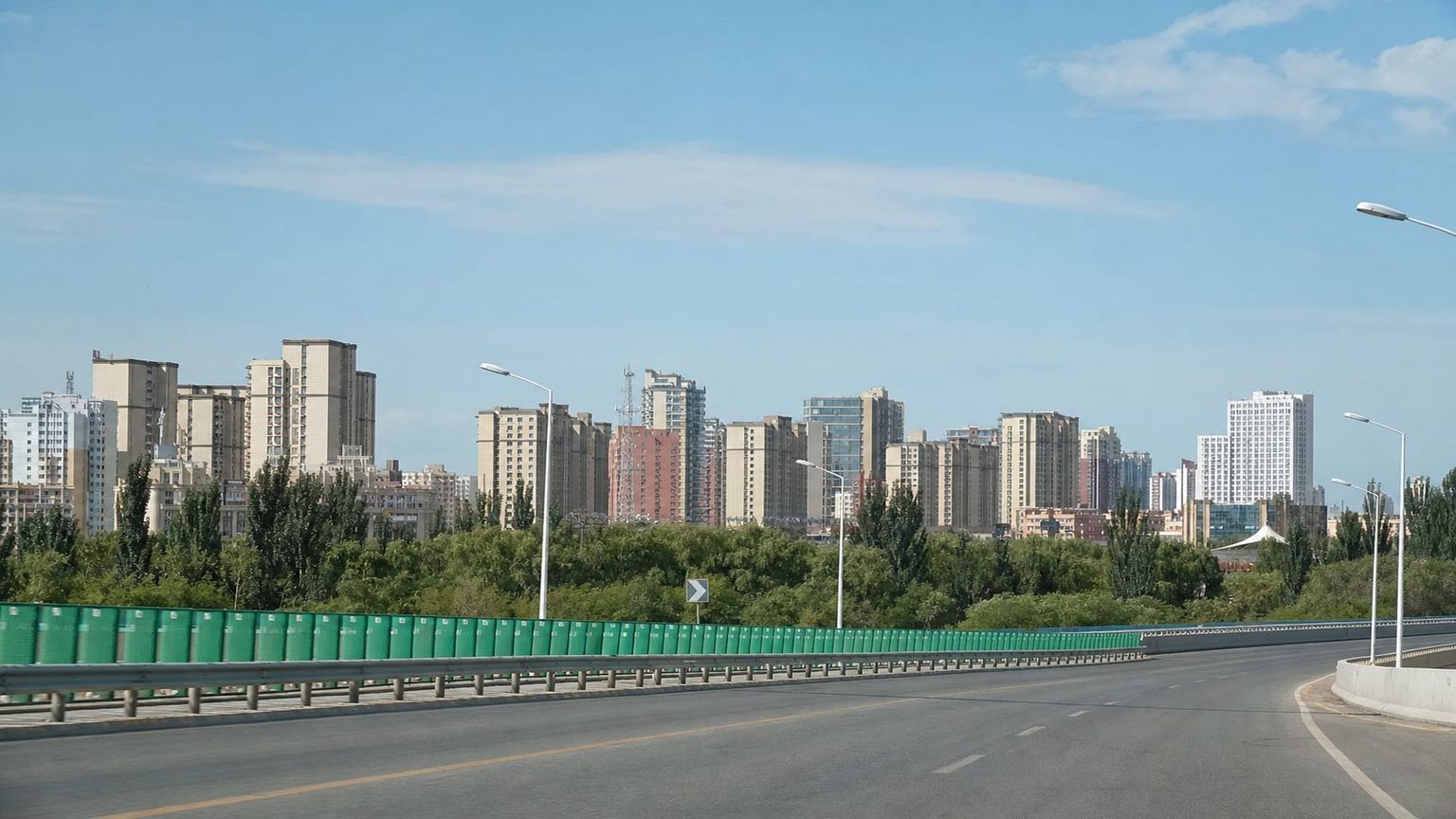
Tiemenguan Avenue is one of Korla’s main through corridors, lined with larger hotels, shops, and restaurants that serve both local traffic and visitors. It gives you quick road access across the city and more choice than the smallest side streets.
Best for: Drivers, business trips, and travelers who want easier road connections
What to expect: Constant vehicle movement, wider roads, and a steady flow of people around shops and hotel entrances.
Hotel prices: Usually about $30 to $70 per night for well-rated stays
Distance to major sights: About 15 to 25 minutes by taxi to Korla People’s Square
Quietness: Busier and louder through the day, with traffic easing somewhat after dark.
Main trade-off: You gain road access, but you will usually be farther from the most walkable central streets and squares.
Good to know: Taxis are easier to find here than on smaller residential streets, which can save time after dinner.
Travelers usually avoid staying far from Korla’s main urban core, including the outskirts toward Luntai County and the airport corridor, because these areas sit well away from the city’s main sights and dining streets, and evening taxis can be less convenient. The industrial zones on the city edge are also less convenient, with fewer visitor amenities and little within walking distance for visitors.
Hotel deals
How to get around Korla efficiently
Korla has no metro, so buses cover short urban moves while taxis and DiDi handle the faster cross-city hops between the airport area, downtown streets, and outlying sights.

Metro
for longer distances
Korla does not have a metro, so use city buses or taxis for trips from Korla railway station and the airport area into central neighborhoods; for longer regional hops, check the train network instead.

Bus and tram
for convenience
Korla’s bus network carries most local trips, with simple urban routes linking the airport area, railway station, and central streets; fares are typically about $0.30 to $0.50 (CNY 2 to CNY 3), usually valid for a single ride.

Taxi
for convenience or late hours
Licensed taxis in Korla use metered fares rather than fixed airport tariffs, and short inner-city rides usually cost about $2.80 to $5.50 (CNY 20 to CNY 40), with airport or cross-town trips often landing about $8 to $14 (CNY 60 to CNY 100); hail them at taxi ranks or ask your hotel to call one, and carry cash or a local payment app if the driver does not take cards.
*Prices are based on rates updated as of June 2026 and may change at the time of travel.
Use buses for cheap center-to-center rides, taxis for evening returns and longer sights, and DiDi when you want to confirm pickup in advance.
Iconic landmarks
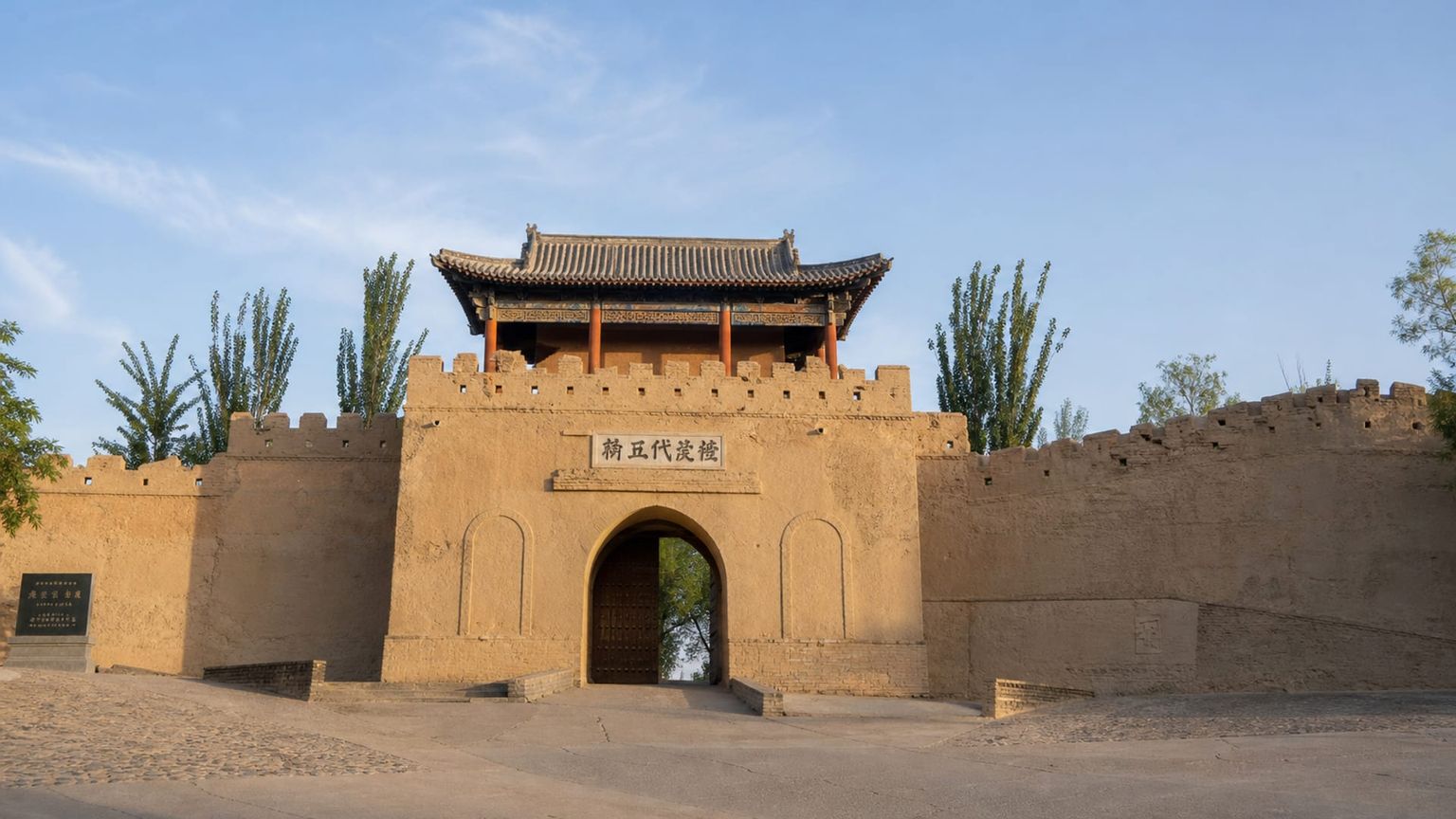
Korla Iron Gate Pass
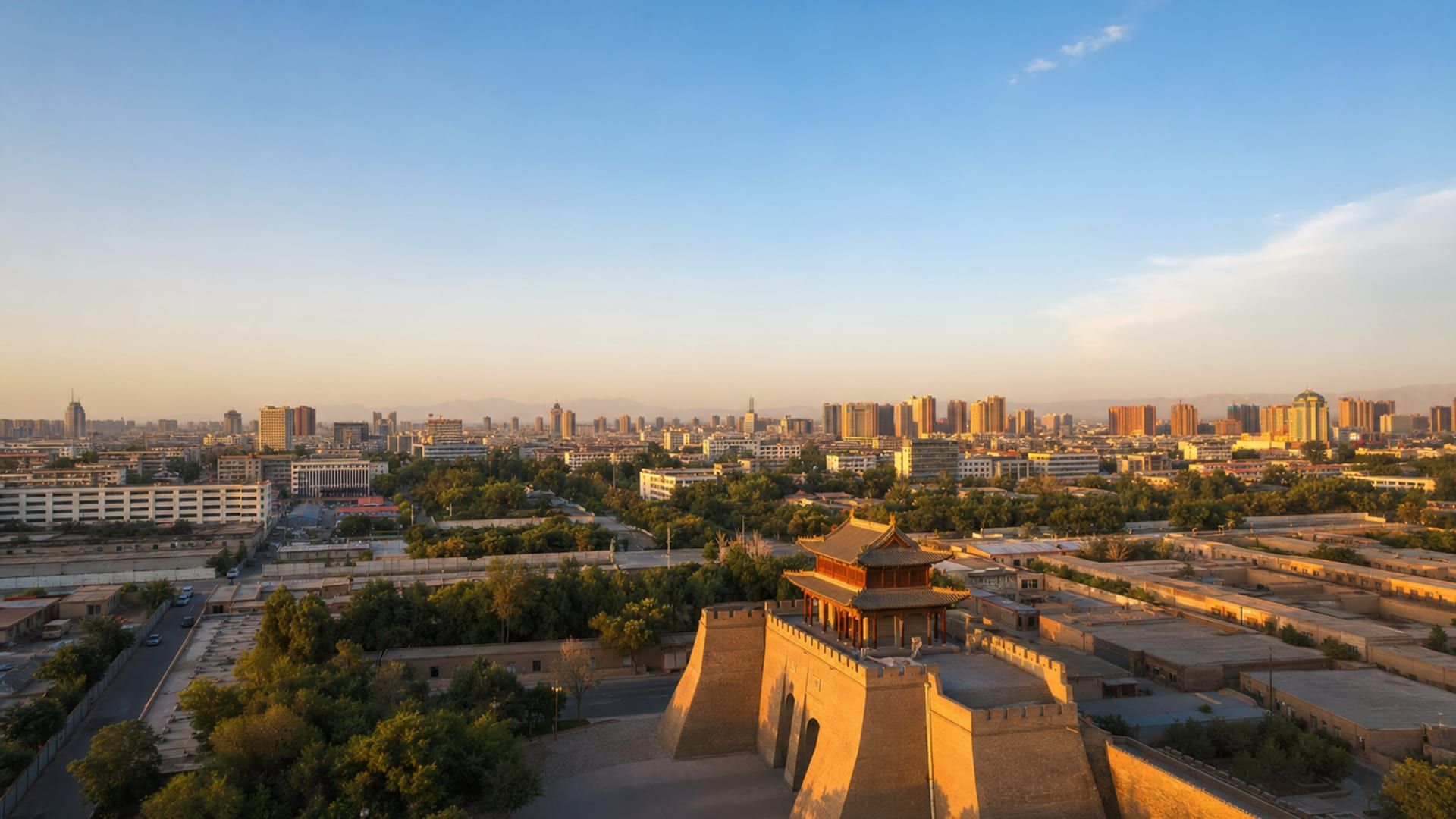
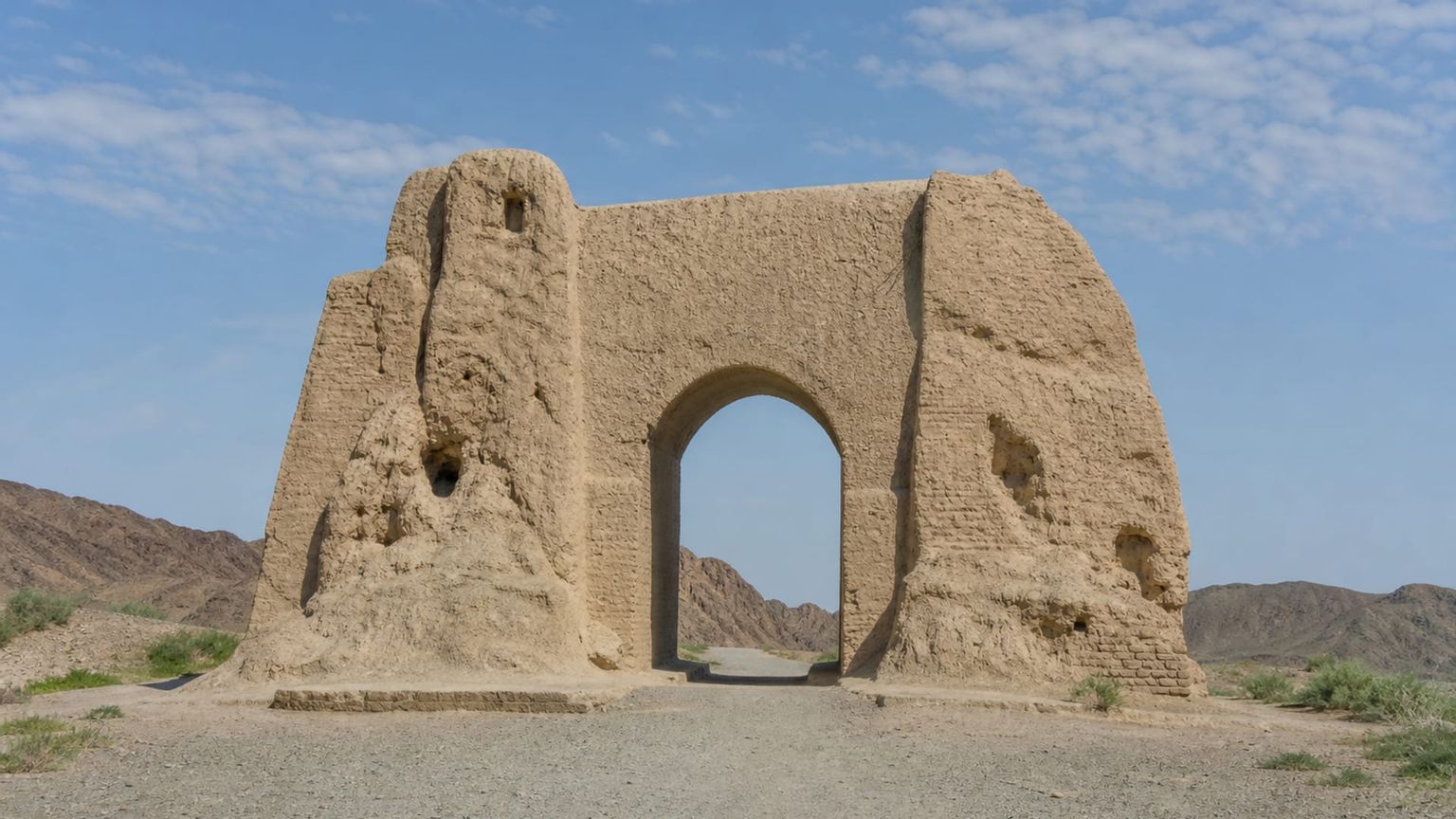
A narrow passage on the northern edge of Korla, Iron Gate Pass marks the city’s historic gateway into the Tarim Basin. The site pairs ruined walls, river views, and a clear sense of the old Silk Road route through the valley.
Time needed: About 1 to 2 hours
Entry: Free to access; no timed entry is required. Some nearby viewing spots and parking areas may charge small local fees.
Tip: Go late afternoon for softer light on the walls and better river views nearby.
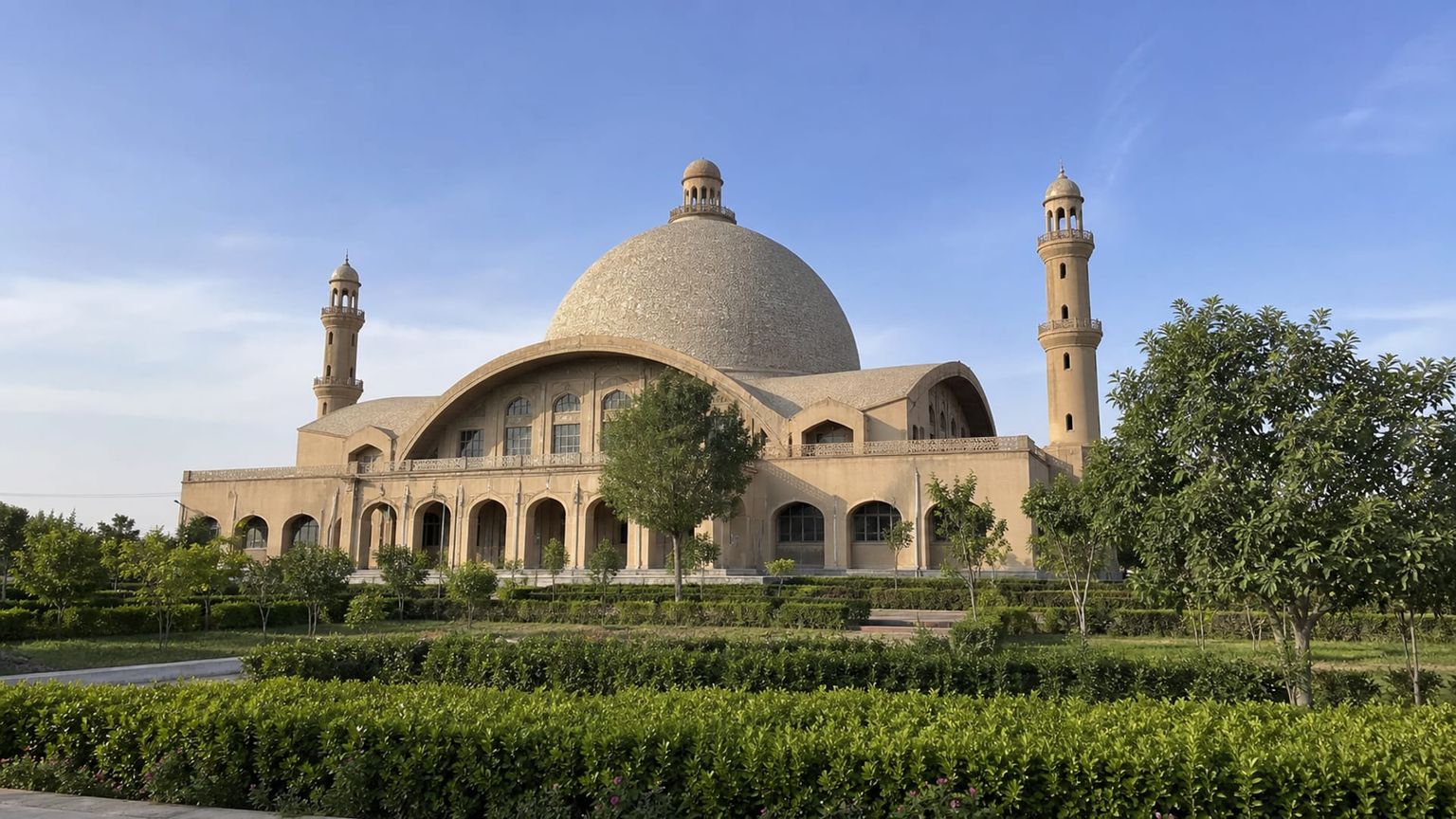
Korla fragrant pear orchard area
South of the city center, Korla’s pear orchards are the landscape behind the town’s famous fruit trade. In bloom, the rows turn white in spring; later in the season, they show the agricultural side of the desert oasis.
Time needed: About 1 to 2 hours
Entry: Free to access; no timed entry is required. Some farm roads and small visitor lots may charge modest local parking fees.
Tip: Visit in spring bloom or at harvest time, and stay to the side of active farm lanes.
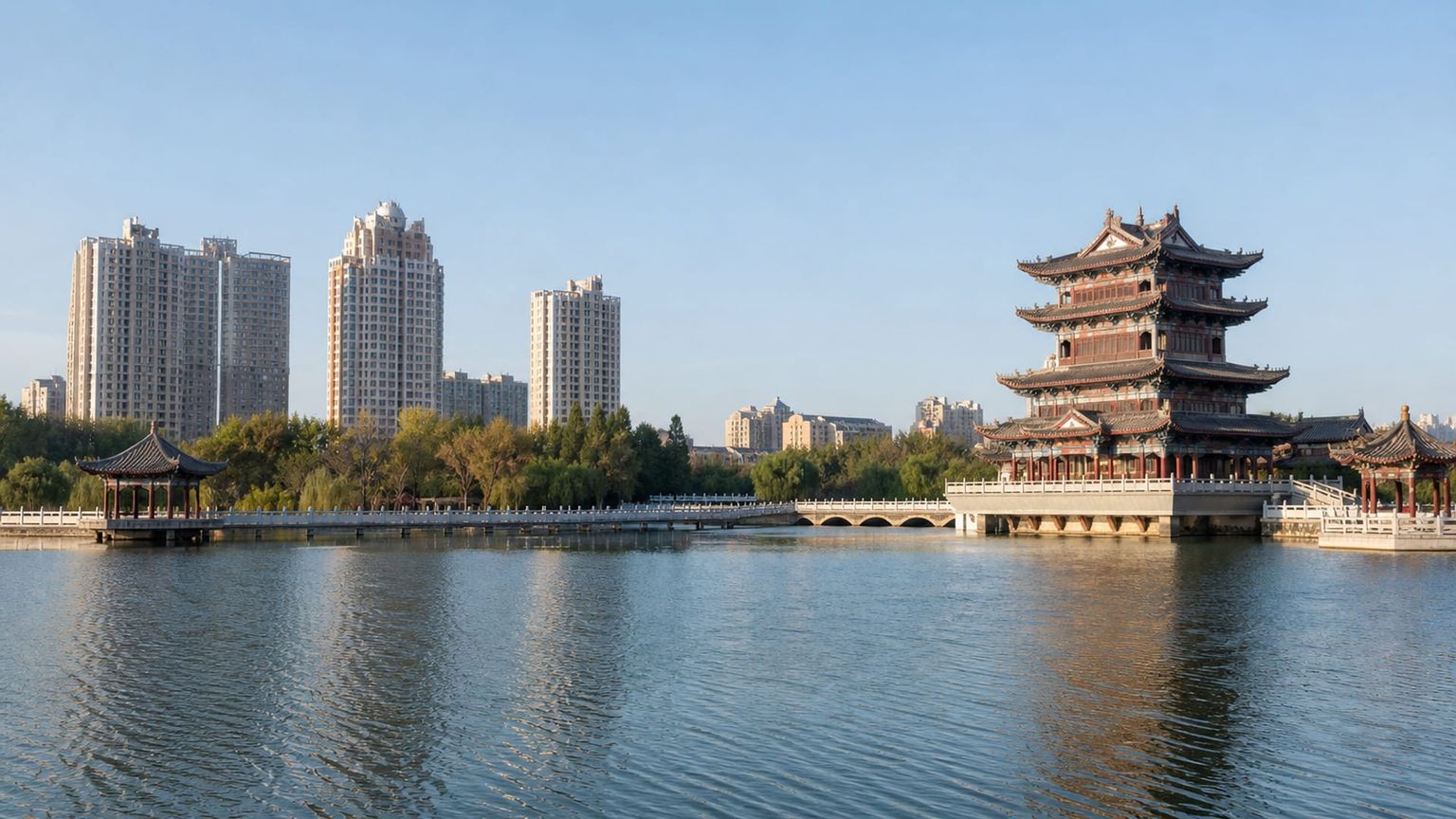
Bostan Lake
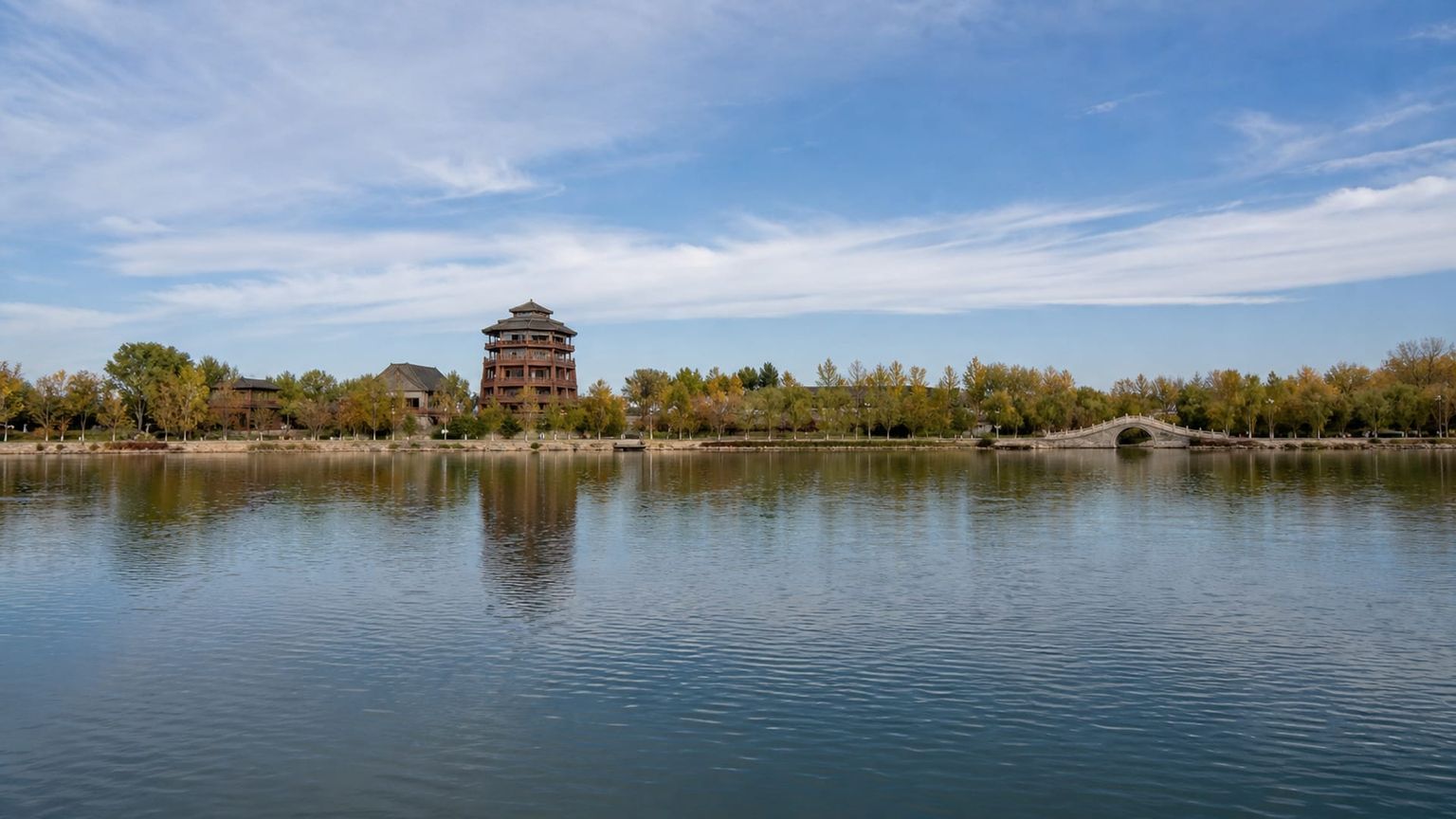
About 25 km from central Korla, Bostan Lake is the city’s main natural outing. Broad water, reed beds, and birdlife sit beside the desert edge, and the shoreline gives a readable picture of how the oasis and basin meet.
Time needed: About 2 to 3 hours
Entry: Free to access; no timed entry is required. Boat rides and lakeside facilities, when open, charge separate local fees.
Tip: Arrive early or near sunset, when the shoreline is cooler and bird activity is better.
Overlooked sites worth visiting

Iron Gate Pass (Tieshanguan)
A narrow river pass east of Korla, with cliffs, old road traces, and a clear view of the valley floor. Visit for a short walk and wide desert scenery without leaving the city area.
Time needed: About 1 to 2 hours
Entry: Free to access; no ticket gate is published for the pass itself. Costs may only arise if you use nearby parking, basic toilets, or any separate concessions at the approach area.
Tip: Go near sunset for the best light on the cliffs.

Korla Museum
This compact museum presents local history, desert trade, and archaeological finds from the Tarim Basin. The galleries are small, so you can see the main collections in one calm visit.
Time needed: About 1 hour
Entry: Admission is typically free for standard entry, though some special exhibitions may charge a separate fee. Check the current notice at the entrance for identity or security rules before you go.
Tip: Visit early in the day to avoid school-group crowds.
Traditional food
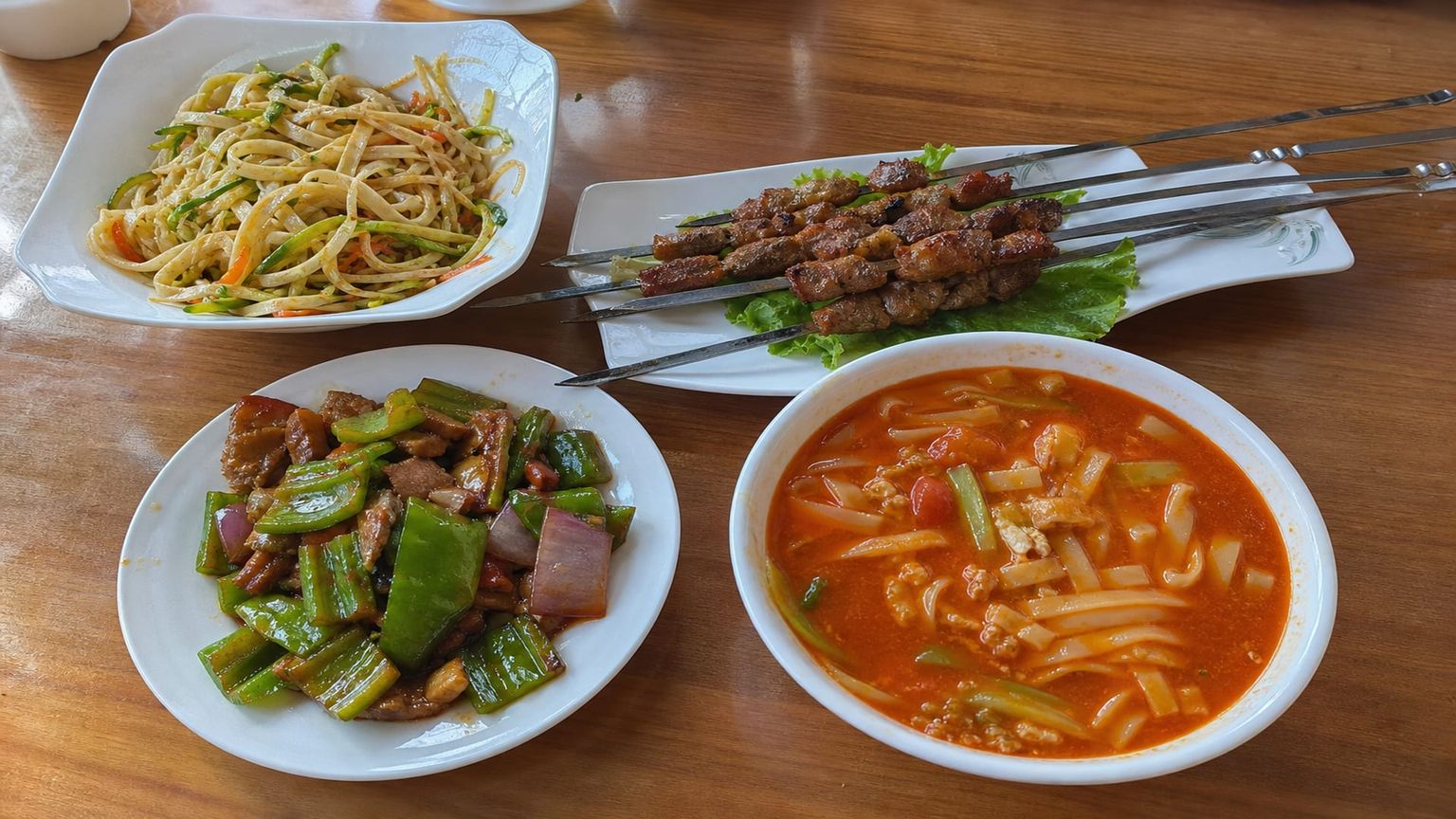
Korla’s table leans on Xinjiang staples, with hand-pulled noodles, lamb, flatbreads, and fruit that matches the oasis setting. Laghman, dapanji, polo, and samsa show up in busy dining rooms where dinner often starts early and finishes before the late crowd thins.
Laghman
Hand-pulled noodles with vegetables and lamb, often sauced for a stronger finish. In Korla, Xinjiang-style noodle shops near Downtown Korla are the most dependable choice for it, especially for a quick lunch.
Dapanji
A large chicken stew with potatoes, peppers, and wide noodles, built for sharing. The best-known Korla stop for it is on Tiemenguan Avenue, where the kitchen can handle a late dinner rush.
Polo
Rice pilaf with carrots, lamb, and raisins, usually richer than the name suggests. Downtown Korla restaurants that serve Uyghur home-style dishes are the most natural place to order it.
Samsa
Baked pastry filled with lamb or beef, crisp at the edges and best eaten hot. Bakeries and casual barbecue spots near People’s Square commonly sell a solid version in the early evening.
Best time to visit Korla
Korla swings between hot, dry summers and colder winters, so the best season depends on whether you want orchard bloom, lake air, or the clearest sightseeing weather.
Best for: Pear blossoms, mild sightseeing, and easier outdoor walks
What you get: About 45 to 77°F (7 to 25°C), with moderate visitor numbers and pleasant daytime conditions
Trade-offs: Wind can pick up, and spring weather can change quickly
Best for: Bostan Lake, longer evenings, and fruit season
What you get: About 66 to 95°F (19 to 35°C), with the busiest travel period and hotter afternoons
Trade-offs: Heat and strong sun can make midday outings tiring
Best for: Clear air, comfortable city walks, and harvest scenery
What you get: About 39 to 81°F (4 to 27°C), with comfortable crowds and good visibility
Trade-offs: Temperatures fall fast by late autumn
Best for: Quiet streets and lower hotel competition
What you get: About 16 to 43°F (-9 to 6°C), with light crowds and shorter outdoor days
Trade-offs: Cold weather limits lake visits and longer walks
A realistic 5-day plan in Korla
A five-day Korla stay works best when the city center, the pass, the orchard edge, and Bostan Lake each get their own slot. That leaves room for short taxi rides, a slower museum stop, and one easier final day before departure.
Land at Korla (KRL), then take a taxi into Downtown Korla or the People’s Square area, usually about 15 to 25 minutes and roughly $6 to $10 (¥43 to ¥72) depending on traffic and the exact hotel address. Check in near the square or on Tiemenguan Avenue so dinner stays close, then walk to a nearby noodle shop or barbecue place for a light meal, plenty of water, and an early night after the flight.
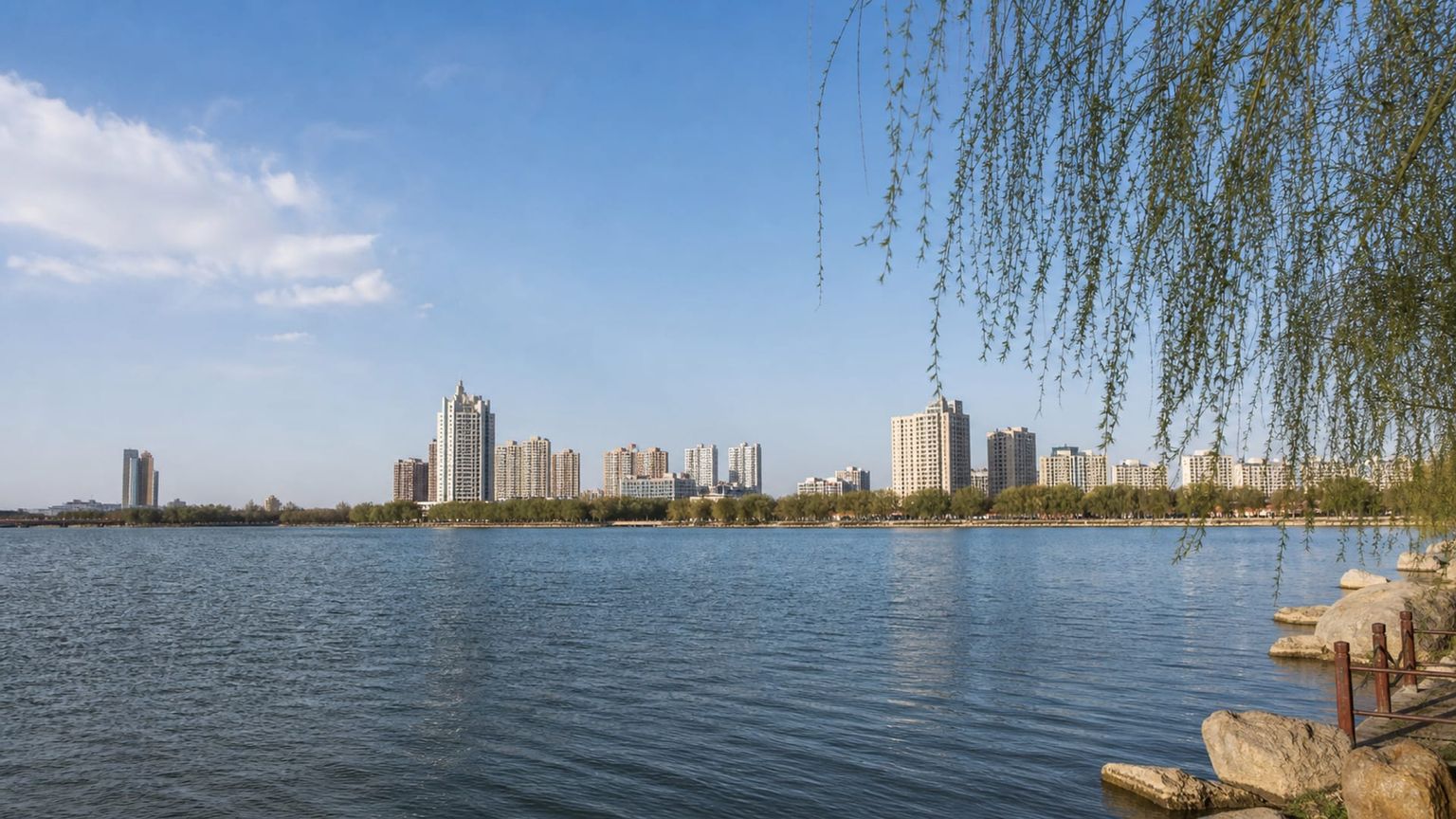
Start at Korla Museum in the morning, where a taxi from Downtown Korla takes about 10 to 15 minutes and the visit usually lasts about an hour. From there, head 15 to 20 minutes by taxi to Korla People’s Square for an easy midday stop, then continue about 20 to 30 minutes by taxi to the Korla fragrant pear orchard area for an afternoon walk among the rows. Finish with dinner back in Downtown Korla, which keeps the last move short after a full sightseeing day.
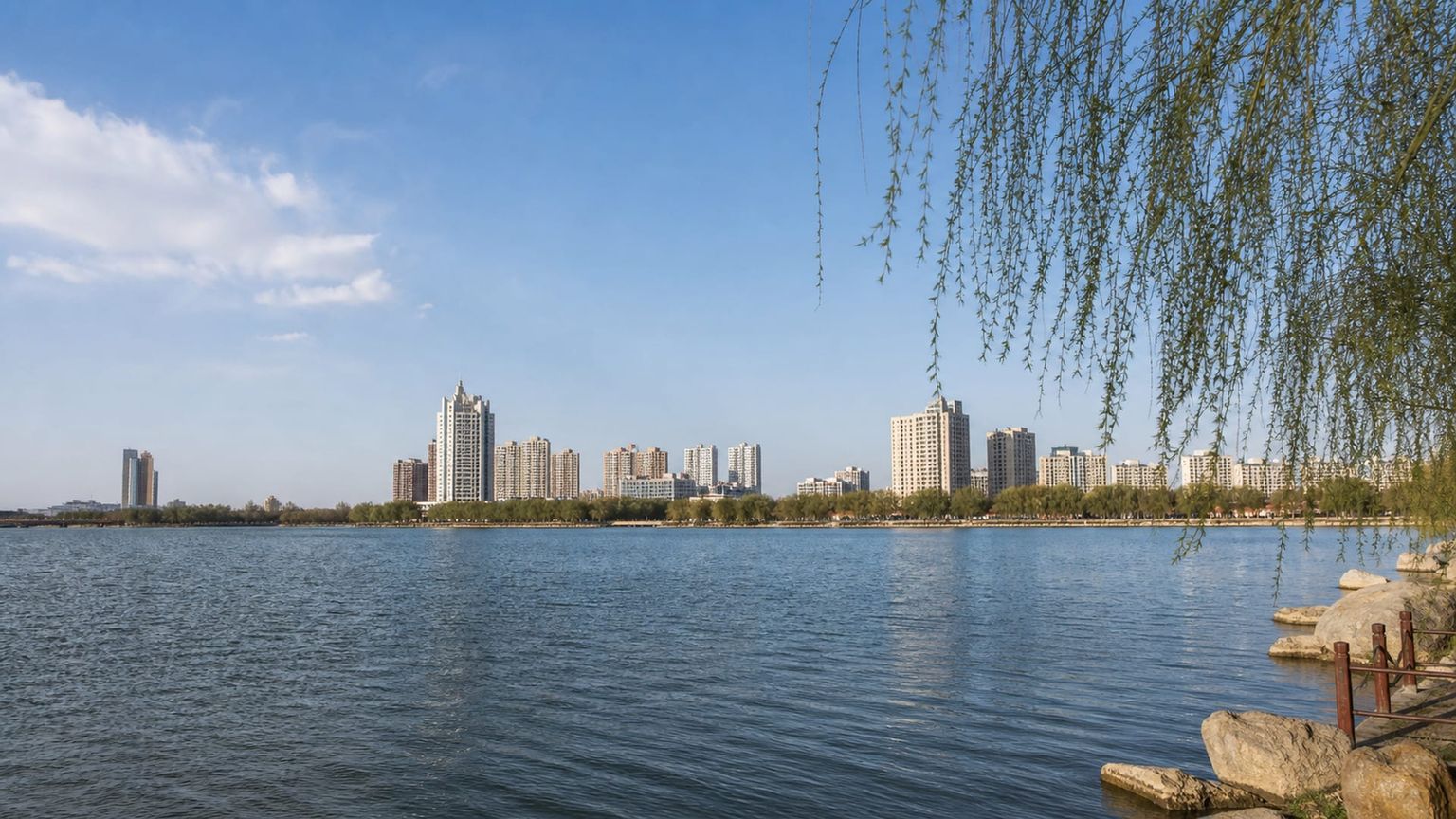
Begin with Korla Iron Gate Pass in the late morning, about 30 to 40 minutes by taxi from central Korla, and plan on 1 to 2 hours for the ruins, cliffs, and valley views. After that, continue east to Iron Gate Pass (Tieshanguan), another short outing in the same corridor, with about 15 to 25 minutes between the two viewpoints if road conditions are good. Return to the city for an early evening meal on Tiemenguan Avenue, where restaurant choice is broader and a taxi back to the hotel is easy to find.
Bostan Lake takes the day, so set out early from Korla, with the drive from the city center usually about 35 to 50 minutes each way and a total visit of about 2 to 3 hours. Walk the shoreline, watch the reed beds, and linger for birds and cooler air near sunrise or near sunset, when the light is better and the water looks clearest. Back in Korla, keep dinner simple near People’s Square so you can avoid a long night ride after the lake outing.
For a quieter close to the trip, stop at Korla Museum in the morning if you skipped it earlier, then spend the afternoon browsing shops and picking up fruit or packaged snacks in Downtown Korla. If you want a final café stop, Tiemenguan Avenue has the easiest cluster of coffee shops and casual tea rooms, and it also keeps you well placed for a taxi to Korla (KRL) on departure day.
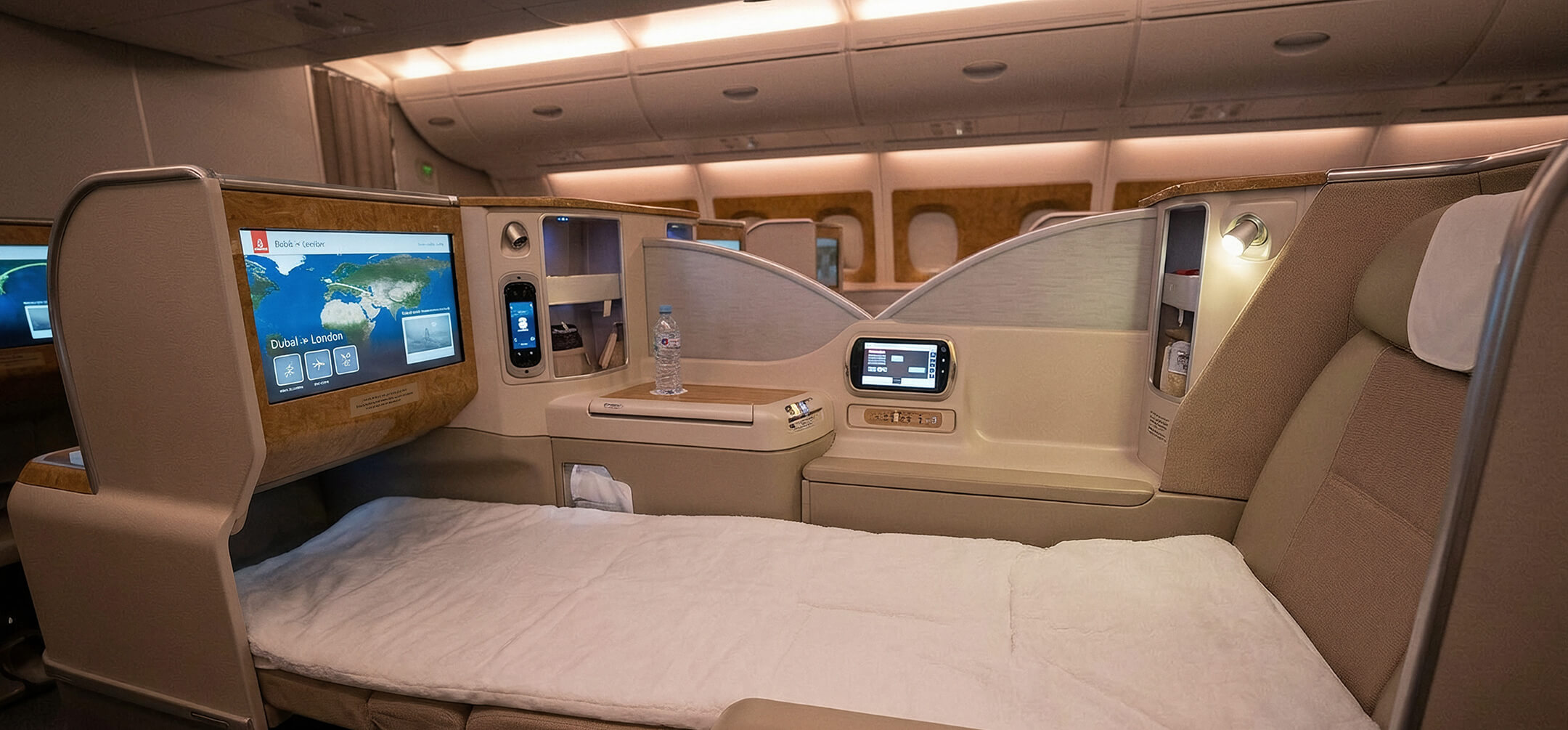
Business-class flights from the US to Korla
Korla sits deep enough inland that most long-haul itineraries connect through one major hub before the final domestic leg. From both coasts, the strongest business fares usually come with a stop in the Gulf, Turkey, or a large mainland Chinese hub.
From New York, China Southern Airlines, Air China, China Eastern Airlines, Qatar Airways, and Turkish Airlines all sell routes into Korla, and round-trip fares generally start at $3,200 and can reach $6,500. One-stop itineraries via Doha, Istanbul, Beijing, Shanghai, or Guangzhou usually take about 18 to 28 hours.
Los Angeles fares often run from $3,000 to $6,200 round-trip, with China Southern Airlines, Air China, China Eastern Airlines, Qatar Airways, and Turkish Airlines among the common operators. If you accept a connection, routings through Doha, Istanbul, Beijing, Shanghai, or Guangzhou typically take about 17 to 26 hours and can cut the fare.
Korla feels different when you slow down
A good Korla trip keeps the city center as the anchor, then adds one clear move each day, whether that means a taxi to Korla Museum, an afternoon in the fragrant pear orchard area, or an early start for Bostan Lake. Downtown Korla and People’s Square make dinner easy, while Tiemenguan Avenue helps when you want quicker road access before a flight. If you are shaping the trip now, let AranGrant experts help you build it around the season and sights that matter most