

Chapters:

Need help with your trip?
Our support team is available 24/7. Request a callback or call us directly at (833) 619-0908
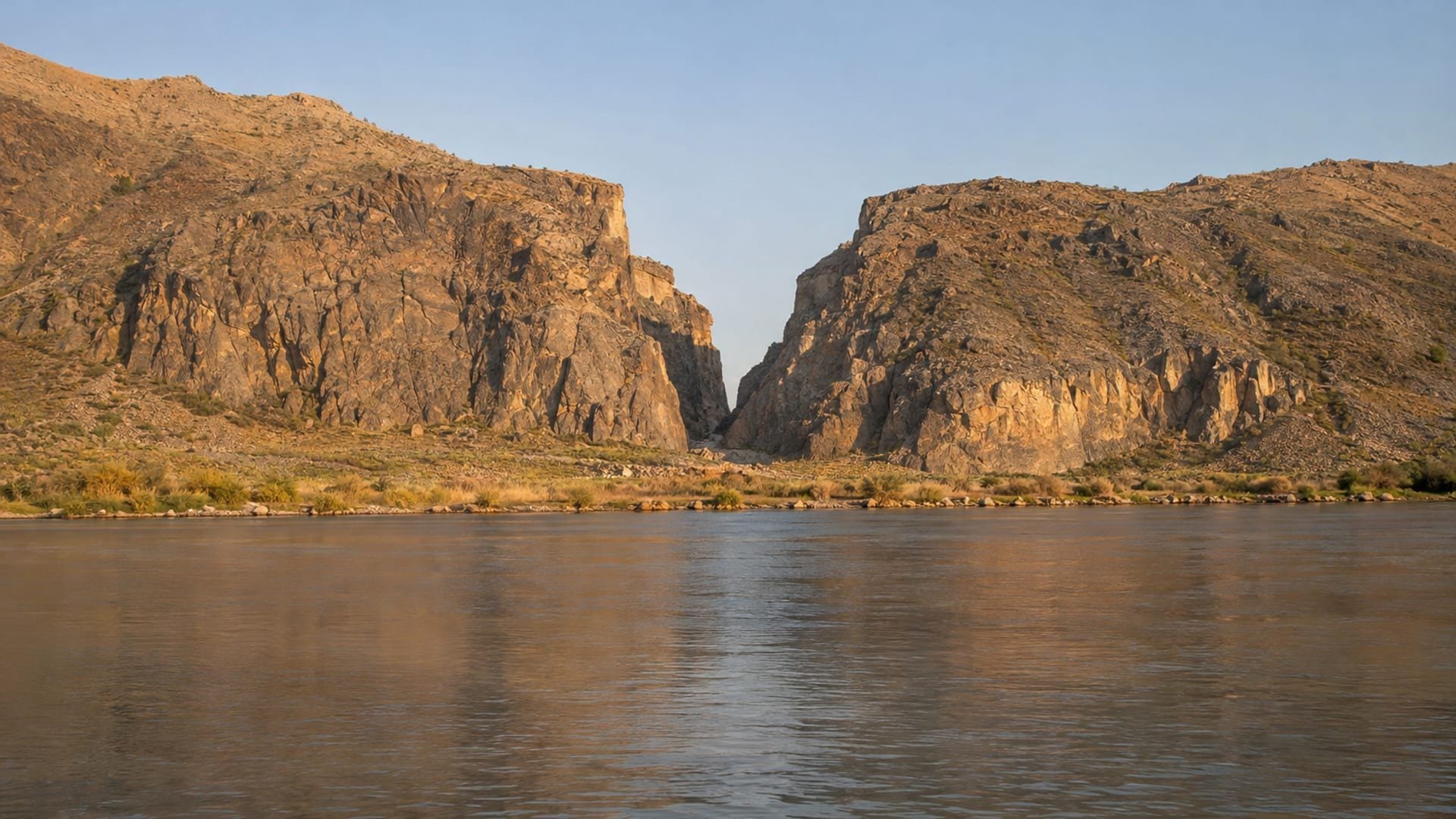
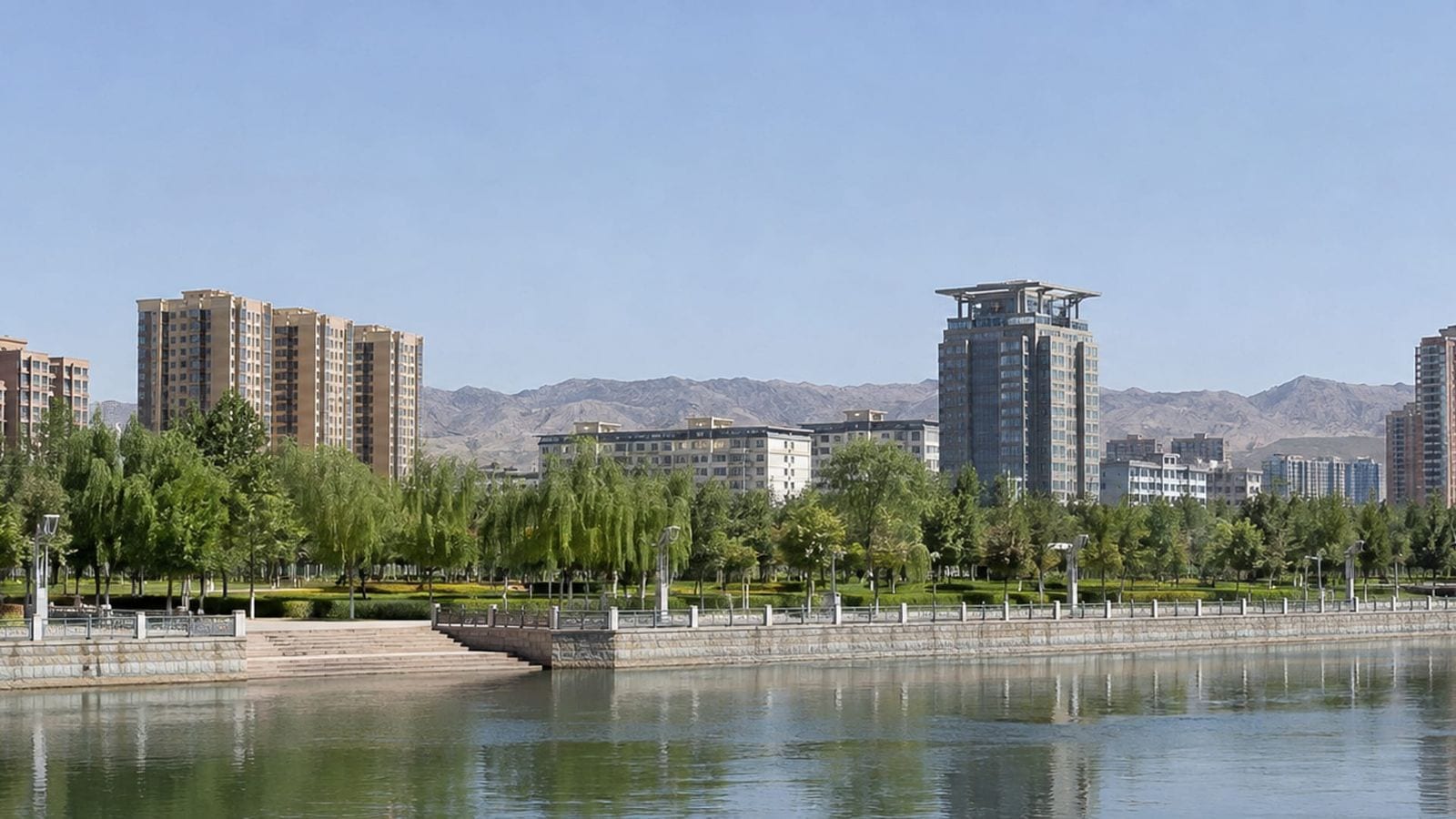
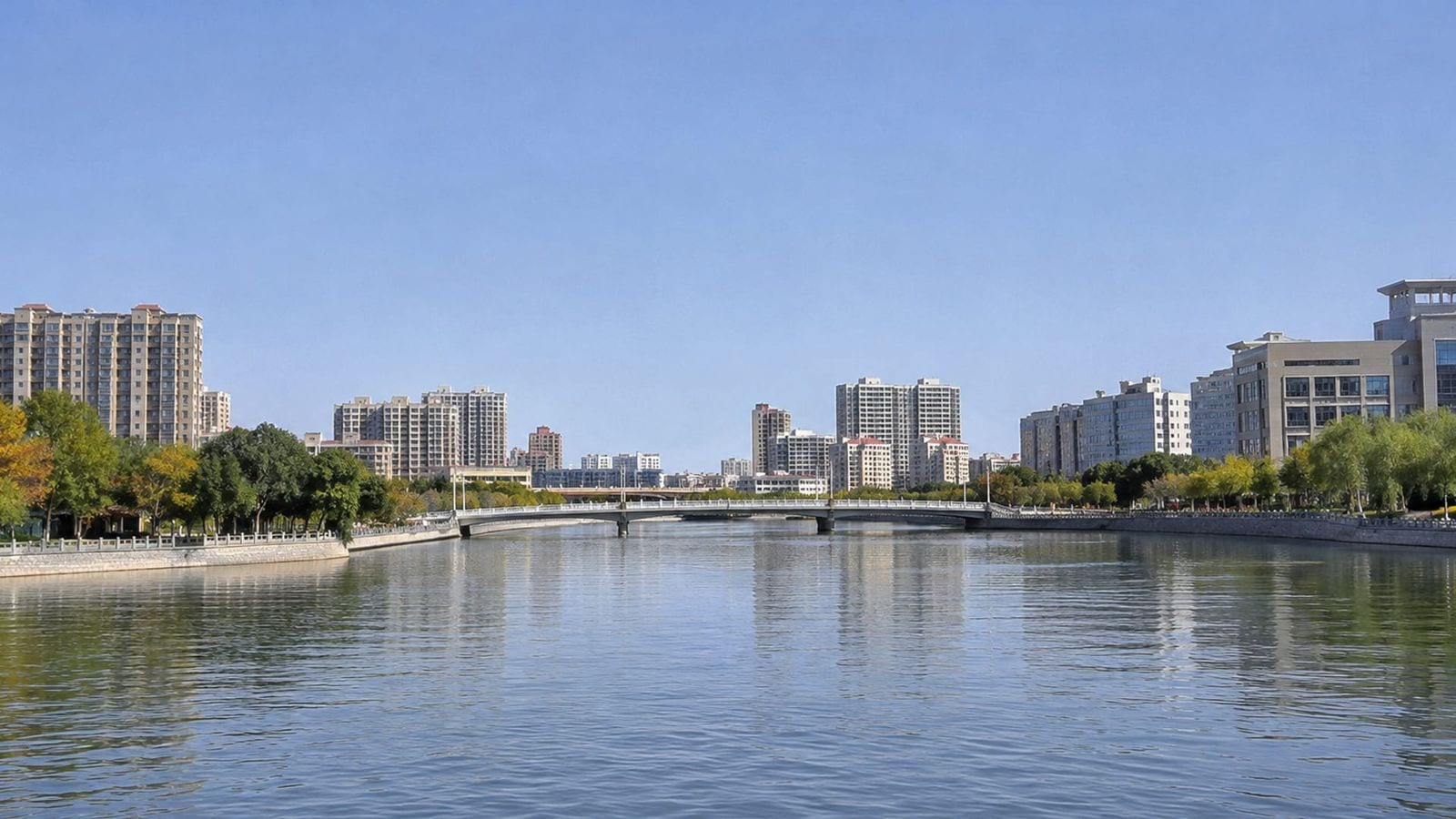
The Peacock River runs through central Korla, bringing a visible thread of water to a city shaped by its desert and oasis setting. Along its banks, waterfront paths connect views of the city with the landscape that has sustained settlement and travel here.
That relationship extends beyond the riverfront. Iron Gate Pass frames the rocky northern approach once used by trading routes, while Bayingolin Museum introduces the archaeology of the surrounding oasis settlements. An evening beside the Peacock River brings that history back into the present city.
Five days allow time for these sights alongside meals of laghman and Uyghur pilaf. Use taxis between the gorge, museum, and central neighborhoods, leaving the river walks for the cooler evening hours.
Useful things to know

Main language(s): Mandarin Chinese, Uyghur
你好 (nee how) – Hello
请 (ching) – Please
谢谢 (shyeh-shyeh) – Thank you
你会说英语吗? (nee hway shwaw ying-yoo mah) – Do you speak English?
多少钱? (dwaw shaow chyen) – How much does it cost?

Currency: Chinese yuan (CNY, ¥)

Cash and cards: Foreign cards and contactless have limited acceptance; carry ¥200 to ¥300 ($28 to $42) in cash.

Tipping: Skip tipping; restaurants and taxis do not generally expect it.

Traditional food: Laghman, Uyghur pilaf, lamb kebabs, and dapanji are among the classic dishes of Korla.

Water and coffee costs: Bottled water ¥2 to ¥5 ($0.30 to $0.70); espresso ¥15 to ¥30 ($2 to $4.20).

Taxis and ride apps: For licensed taxis, check the meter or confirm the fare before departure; DiDi offers ride-hailing.

Plug and voltage: Type A/C/I socket, 220V

Dining and shop opening hours: By Beijing time, breakfast is typically 9 am to 11 am, lunch 2 pm to 4 pm, and dinner 8 pm to 10 pm. Shops generally open 10 am to 10 pm; some close for a midday break.

Emergency number: Police 110, ambulance 120, fire 119.
Where to stay in Korla
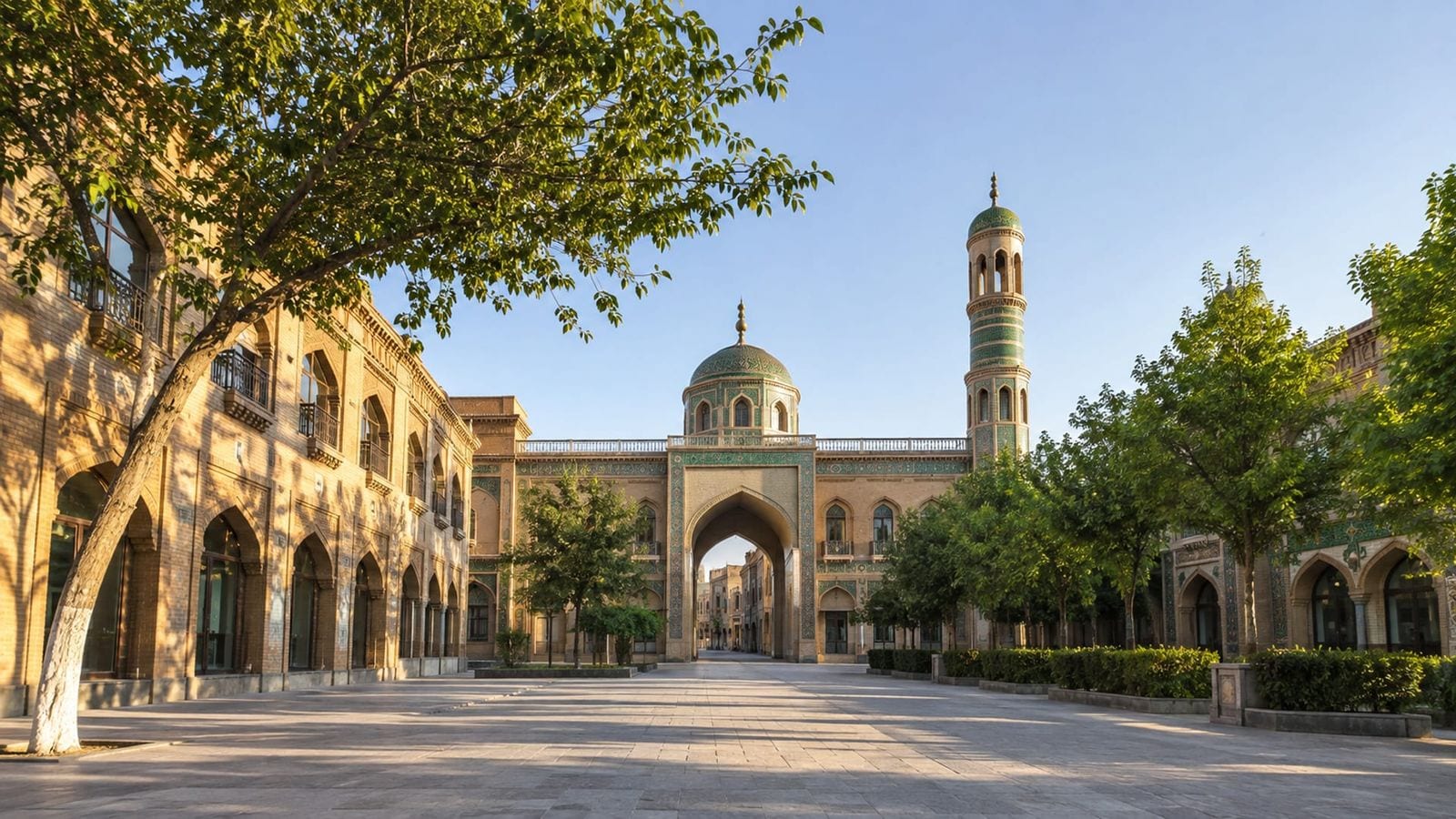
Sayibage is an established central district of Korla, with hotels among shops, restaurants, and residential blocks. Staying here puts everyday errands and meals close at hand, making it a convenient choice for travelers who prefer walking locally between taxi trips to other parts of the city.
Best for: Central shopping, nearby restaurants, and short local walks
What to expect: Expect active shopping streets and everyday residential traffic.
Hotel prices: Hotels typically cost ¥200 to ¥450 ($28 to $63) a night.
Distance to major sights: Allow 10 to 20 minutes by taxi to the Peacock River, depending on your hotel.
Quietness: Shopping brings daytime activity; traffic can continue into the evening.
Main trade-off: A central address can bring traffic noise and limited views.
Good to know: Choose a room facing away from the main road if you turn in early.
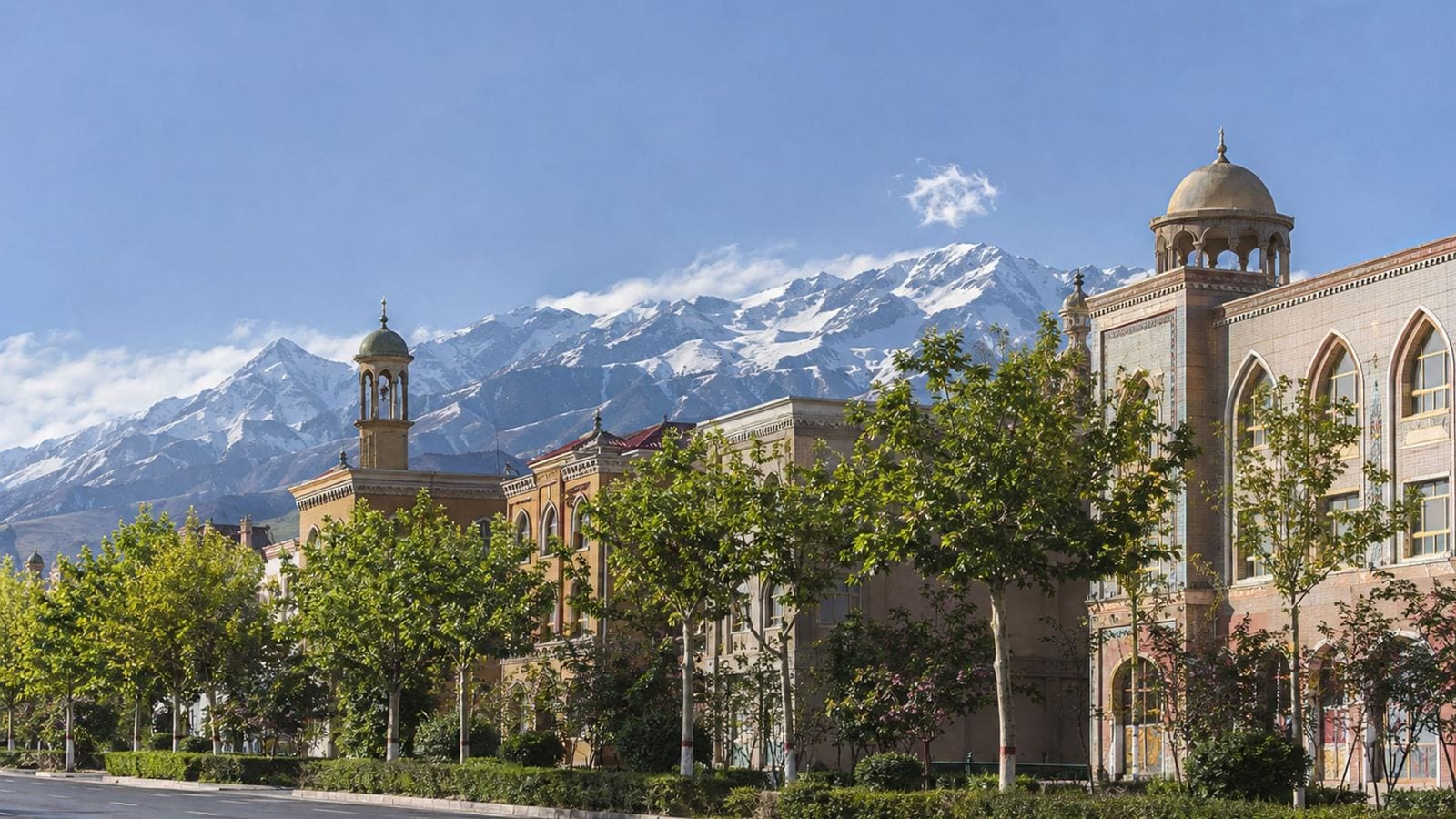
Tianshan is an established urban district in Korla where hotels share the surrounding blocks with local shops and housing. Visitors can stay within the city’s everyday commercial life, with places to eat nearby and taxi journeys connecting their accommodation to the Peacock River waterfront.
Best for: Local dining, everyday shopping, and exploring by taxi
What to expect: Local shopping and road traffic give the district an active urban atmosphere.
Hotel prices: Budget ¥180 to ¥400 ($25 to $56) nightly for a hotel.
Distance to major sights: The Peacock River is roughly 10 to 20 minutes away by taxi, depending on your address.
Quietness: Daytime commerce gives way to restaurant activity and road noise in the evening.
Main trade-off: The surrounding streets offer everyday city life, with fewer reasons to linger for sightseeing.
Good to know: Compare the hotel’s map location with your planned river walks before choosing a room.
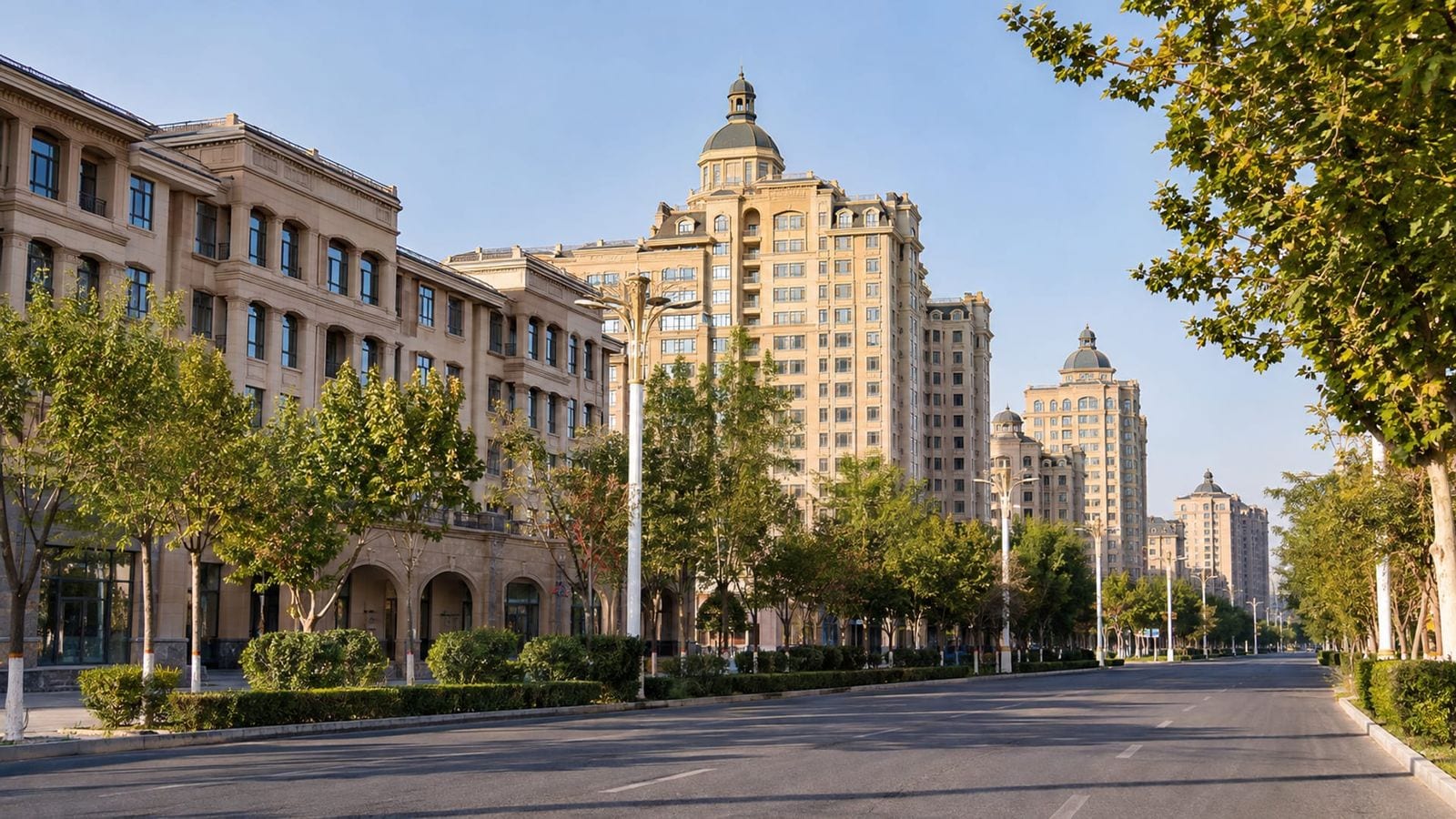
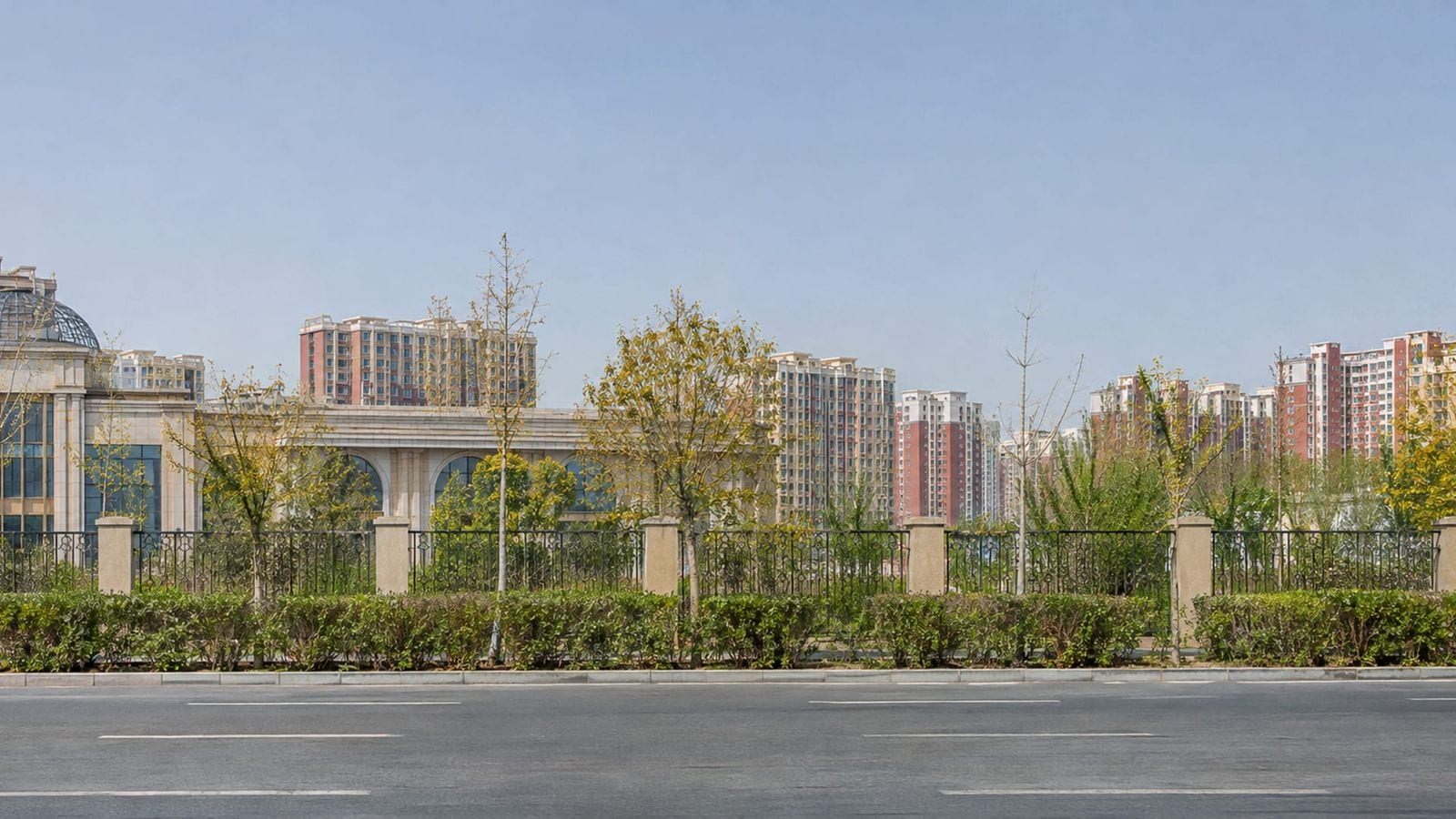
Xincheng is a district in the newer part of Korla, with hotels among residential developments and broad urban roads.
Best for: Newer urban surroundings and trips organized around taxis
What to expect: Broad roads and residential developments create longer gaps between destinations.
Hotel prices: Nightly hotel rates generally range from ¥220 to ¥500 ($31 to $70).
Distance to major sights: Plan on 10 to 25 minutes by taxi to the Peacock River, depending on the hotel.
Quietness: Residential streets can be calmer after daytime traffic subsides, though major roads stay busier.
Main trade-off: Longer blocks can make walking to restaurants or shops less convenient.
Good to know: Use DiDi for door-to-door trips when your hotel’s surrounding blocks are widely spaced.
Hotels on Korla’s outskirts are less convenient for sightseeing in the city center, with longer journeys back after dinner.
Hotel deals
How to get around Korla efficiently
Peacock River paths suit short walks in central Korla, while metered taxis and DiDi connect the airport, neighborhoods, and farther sights.

Taxi
for convenience or late hours
Taxis connect Korla Airport with central Korla in roughly 30 to 45 minutes. City taxis use meters; budget ¥50 to ¥80 ($7 to $11) for the airport trip. Use the airport taxi queue for travel with luggage or a direct hotel transfer.

Walking
for short central distances
Along Korla’s Peacock River, riverside paths offer traffic-free stretches for short walks between central stops. Walking costs nothing; allow 20 to 30 minutes for a leisurely outing. Use taxis for trips beyond the central riverfront.
Rideshare
for door-to-door trips
DiDi operates in Korla, offering app-booked trips across the city. Enter your destination and confirm the displayed quote before booking; budget ¥10 to ¥30 ($1 to $4) for short urban trips. Choose it for direct hotel pickups and longer journeys.
*Prices are based on rates updated as of November 2026 and may change at the time of travel.
Walk the Peacock River paths for waterfront views; choose metered taxis for airport luggage and DiDi for hotel pickups or trips between neighborhoods.
Iconic landmarks
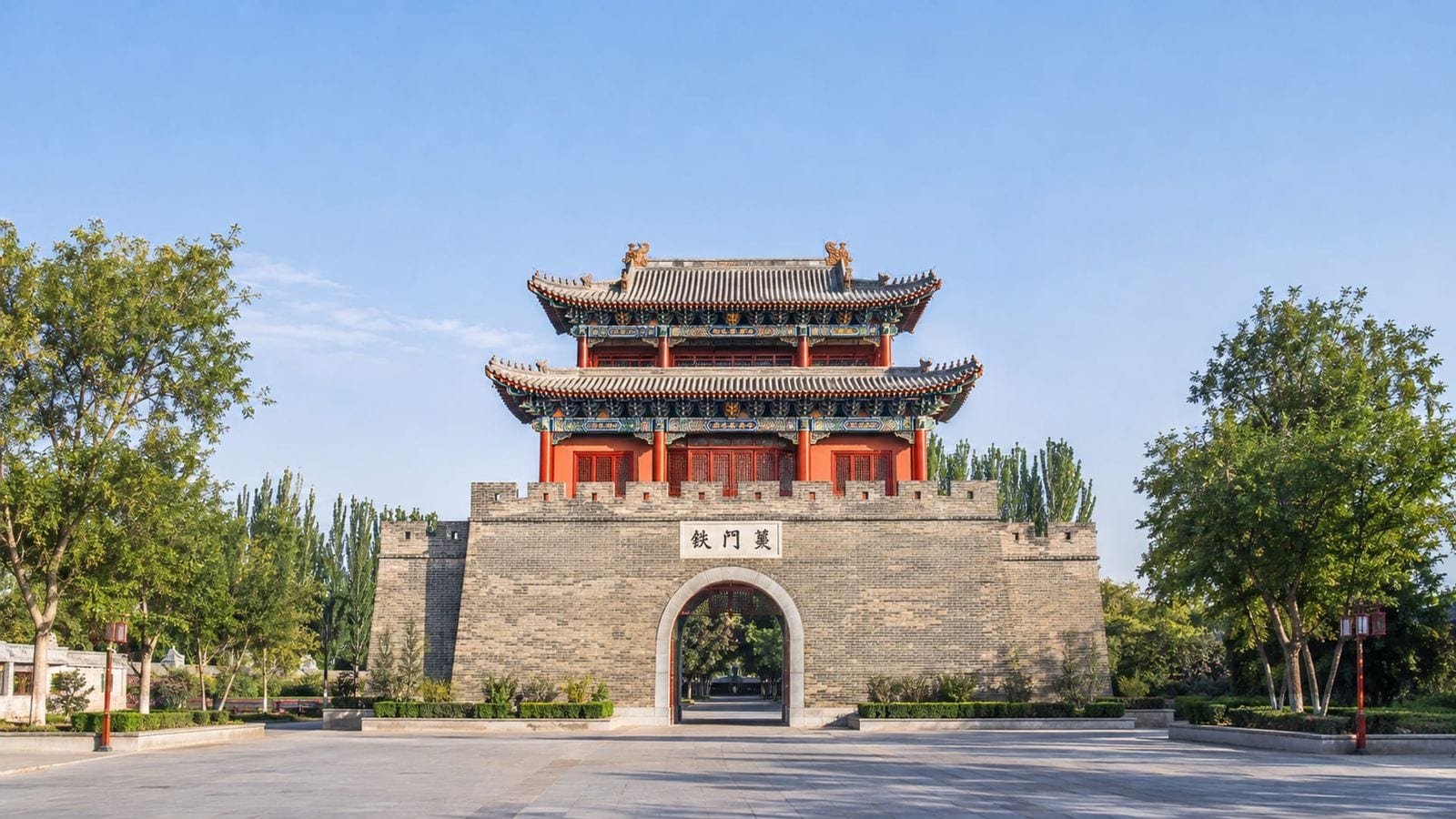
Iron Gate Pass
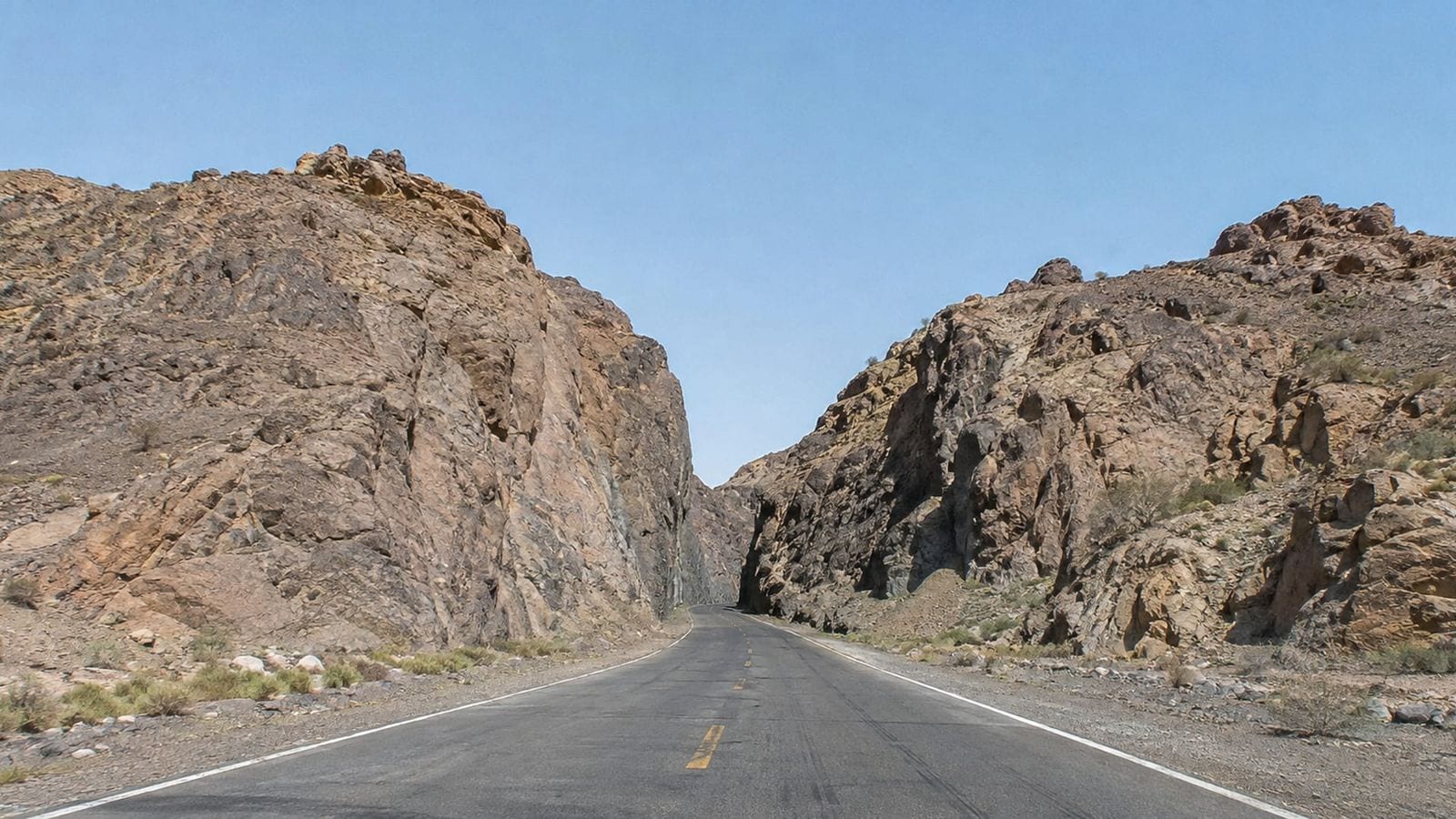
Iron Gate Pass marks the narrow gorge north of Korla where a historic route crossed the mountains. Its fortified gateway recalls the strategic importance of this approach to the city, linking the landscape with the history of Silk Road travel.
Time needed: About 1 to 2 hours
Entry: Low-cost
Tip: Go in the morning for cooler conditions along the exposed gorge approach.
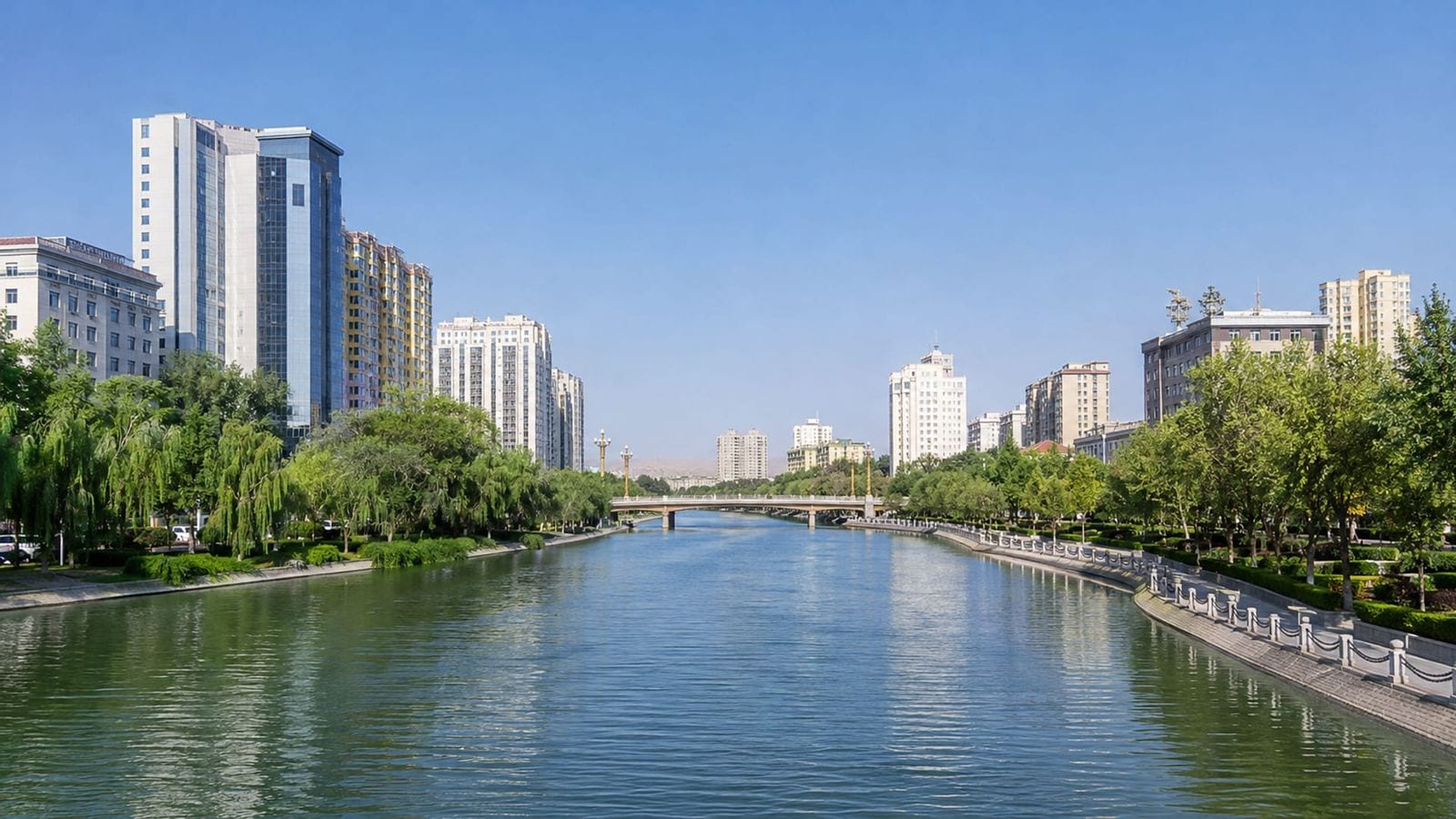
Peacock River
Flowing through central Korla, the Peacock River gives the city its defining waterfront. Paths along its banks offer views across the water and a close look at the river that connects Korla’s urban landscape with the wider oasis environment.
Time needed: About 1 to 2 hours
Entry: Free
Tip: Choose an evening walk along the central banks after the daytime heat eases.
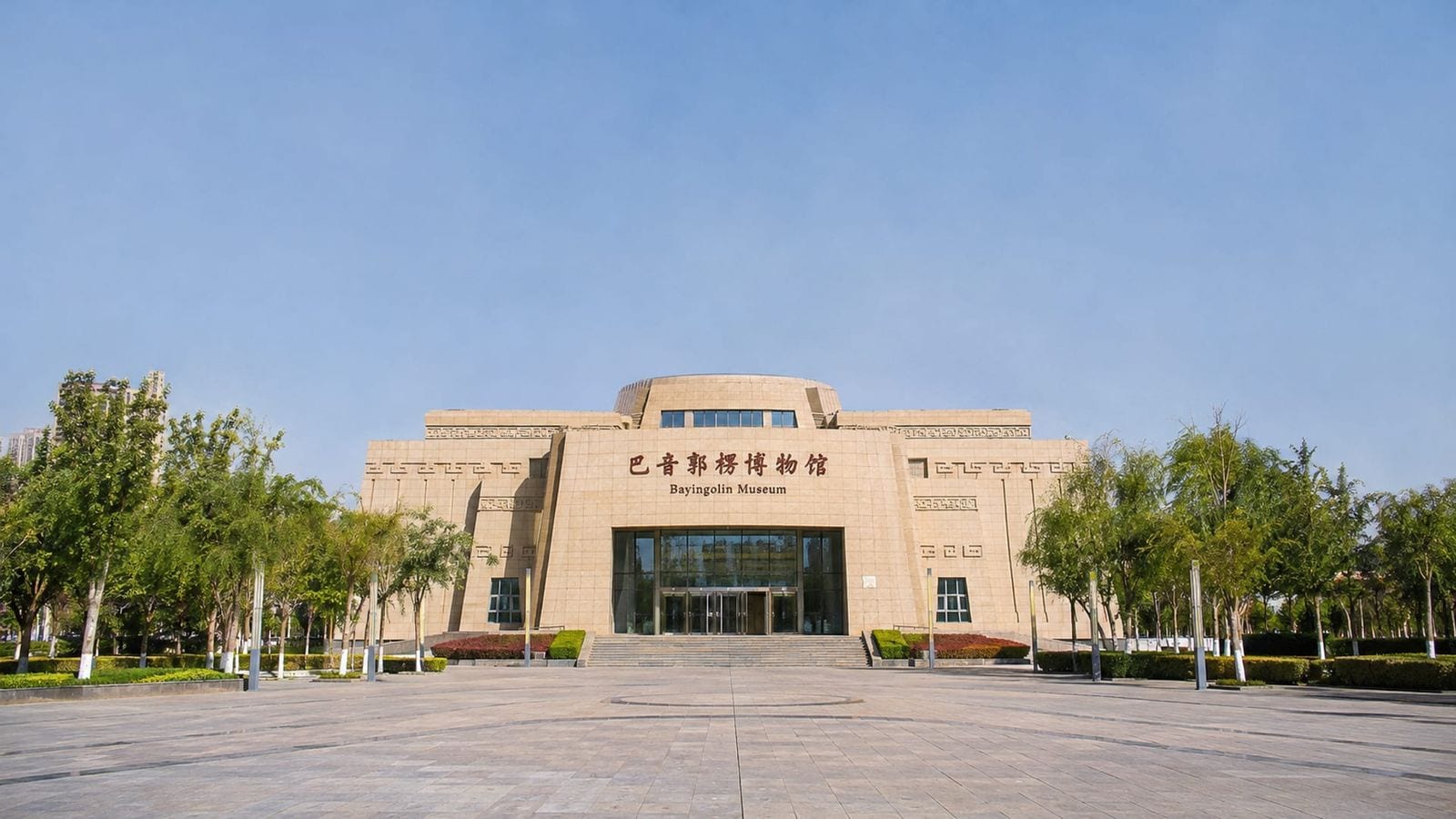
Bayingolin Museum
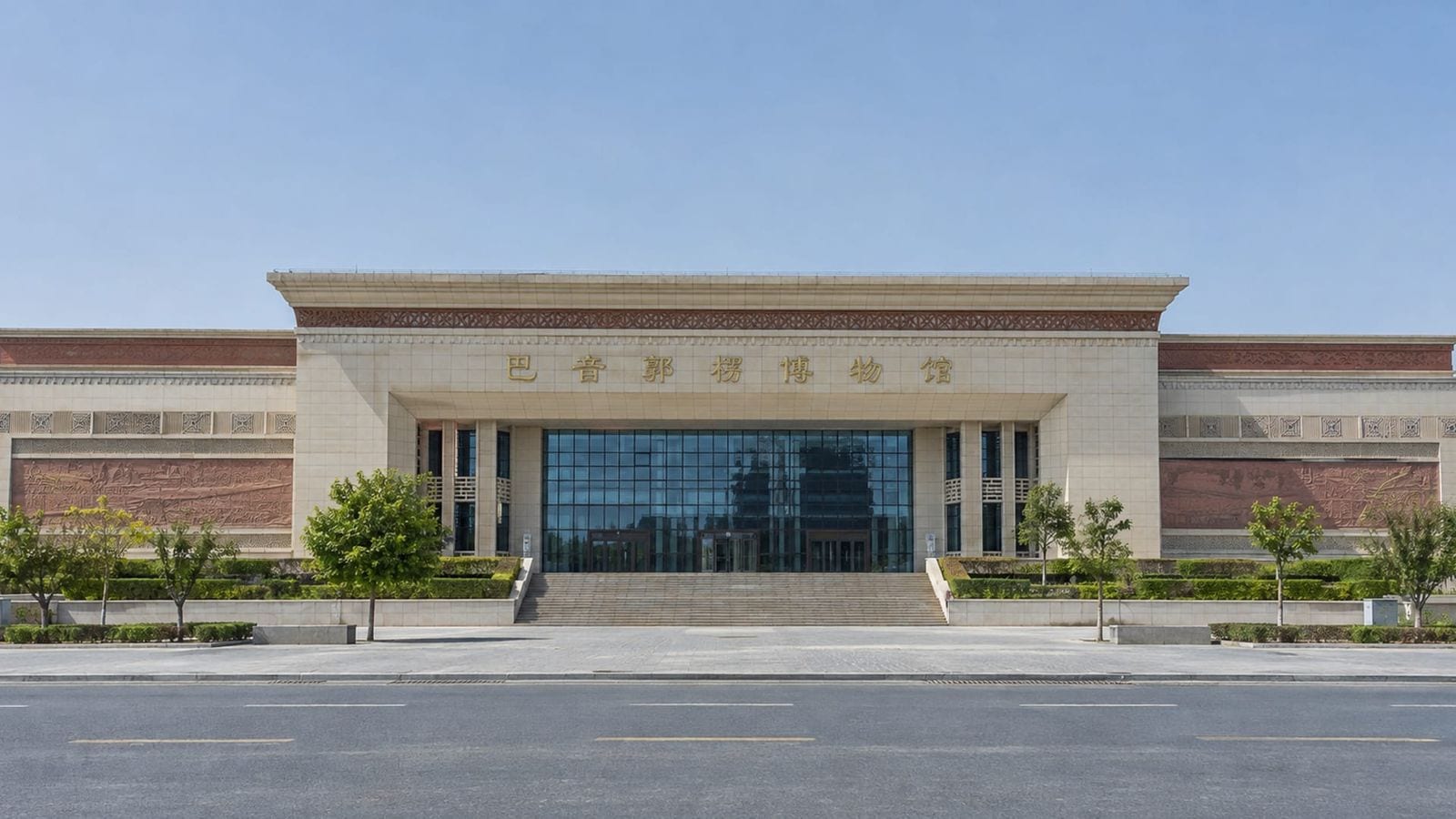
Bayingolin Museum introduces the archaeology and history of the prefecture administered from Korla. Its distinctive tower makes it a recognizable city landmark, while the collections place the surrounding desert and oasis settlements in context.
Time needed: About 1 to 2 hours
Entry: Free
Tip: Allow time outside to view the museum’s distinctive tower before entering.
Overlooked sites worth visiting

Korla Sports Park
Korla Sports Park pairs outdoor exercise spaces with paths for a slower walk. Its focus on everyday recreation offers a glimpse of how residents spend their leisure time in the city.
Time needed: About 30 minutes to 1 hour
Entry: Free to access
Tip: Choose the morning in summer, before Korla’s afternoon heat.

Korla Library
Korla Library offers a quiet indoor pause among reading rooms and bookshelves. The municipal library adds a cultural stop focused on the city’s everyday life, away from riverfront sights.
Time needed: About 30 minutes to 1 hour
Entry: Free to access
Tip: Save the library for a break from Korla’s summer afternoon heat.
Traditional food
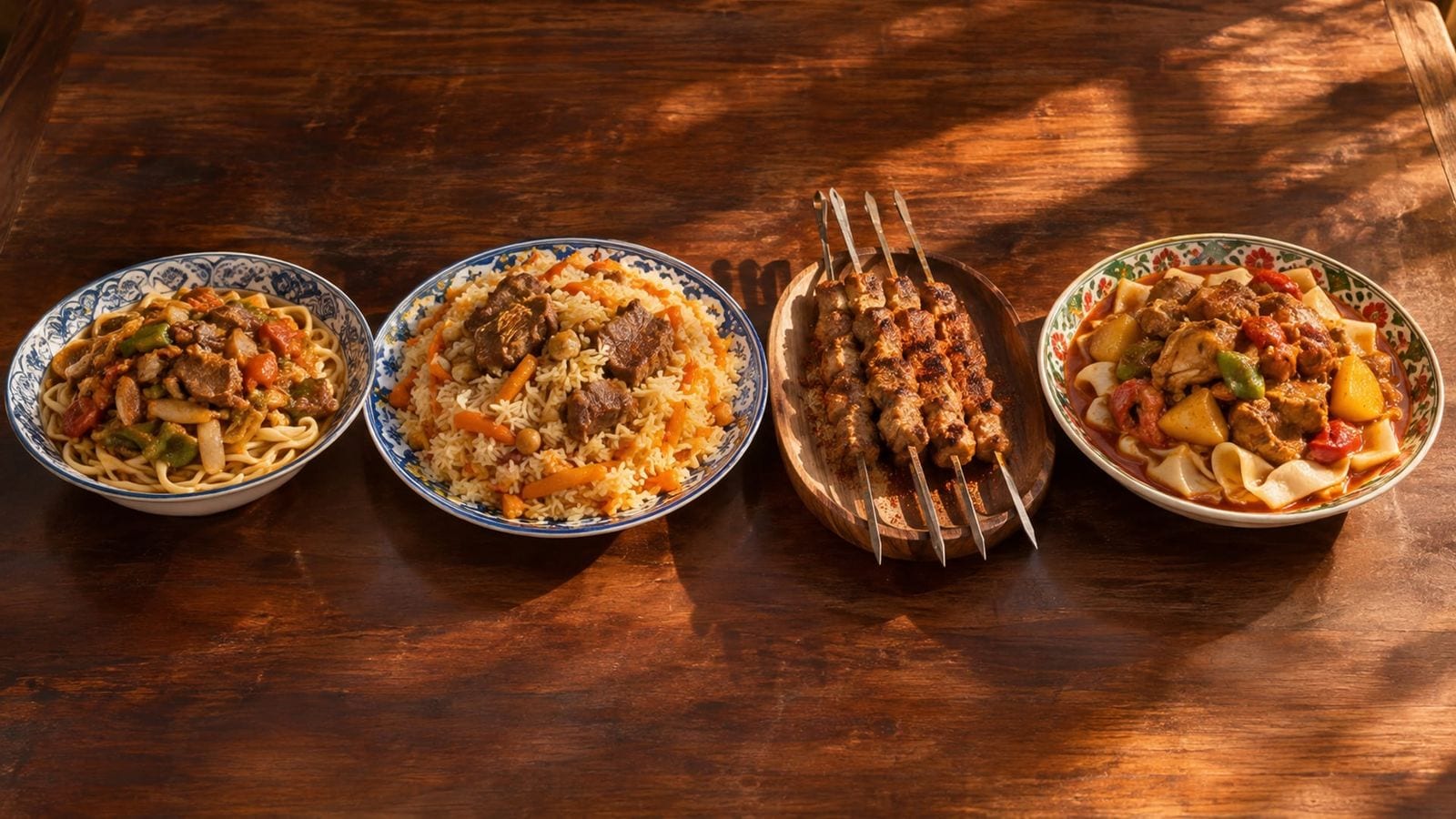
Wheat noodles, rice, and lamb anchor Korla’s cooking. Laghman, Uyghur pilaf, lamb kebabs, and dapanji bring together hearty portions, aromatic spices, and meals timed later by Beijing time.
Laghman
Hand-pulled wheat noodles form the foundation of laghman, topped with stir-fried meat and vegetables in a savory sauce. In Korla, the dish offers a substantial meal alongside the city’s rice dishes and grilled lamb.
Uyghur pilaf
Rice cooked with lamb, carrots, and onions gives Uyghur pilaf its rich flavor and substantial texture. The dish belongs to Korla’s everyday food traditions and offers a rice-centered alternative to hand-pulled noodles.
Lamb kebabs
Pieces of lamb threaded onto skewers and grilled with cumin and other seasonings make these kebabs a signature of Korla’s cooking. Their browned edges and fragrant spices distinguish them from the city’s stewed dishes.
Dapanji
Chicken, potatoes, and peppers cook together in a spicy sauce for dapanji, a substantial dish commonly paired with broad wheat noodles. In Korla, it joins lamb skewers, pilaf, and laghman among familiar meal choices.
Best time to visit Korla
Korla’s desert climate brings hot summers and cold winters, with spring and fall offering gentler conditions for the gorge and riverfront.
Best for: Exploring Iron Gate Pass and walking the riverfront before summer heat peaks
What you get: Expect roughly 32°F to 82°F (0°C to 28°C) across the season, with lighter visitor traffic outside holiday periods and warming afternoons.
Trade-offs: Wind and blowing dust can interrupt exposed walks near Iron Gate Pass.
Best for: Evening walks beside the Peacock River after the strongest heat has eased
What you get: Temperatures of 64°F to 95°F (18°C to 35°C) bring hot afternoons; summer vacation travel can add visitors to Korla’s principal attractions.
Trade-offs: Exposed sections of Iron Gate Pass can feel intensely hot during the afternoon.
Best for: Pairing Bayingolin Museum with outdoor sightseeing as summer heat recedes
What you get: Across fall, 25°F to 82°F (-4°C to 28°C) spans warm September days and cold November nights; early October holidays bring extra visitors.
Trade-offs: Conditions cool sharply through November, shortening comfortable evening walks.
Best for: Spending longer indoors at Bayingolin Museum between short daytime walks
What you get: Winter brings roughly 10°F to 36°F (-12°C to 2°C), with fewer leisure visitors and cold conditions along the Peacock River’s open banks.
Trade-offs: Freezing temperatures limit long riverfront walks and exposed gorge excursions.
A realistic 5-day plan in Korla
The five days move from Sayibage’s neighborhood streets to Iron Gate Pass, then through Korla’s museum, newer residential areas, and riverfront before departure.
From Korla (KRL), take a taxi to your hotel in Sayibage, allowing 30 to 45 minutes and budgeting ¥60 to ¥100 ($8 to $14). Choose dinner among Sayibage’s neighborhood restaurants, then take a short walk through its shopping streets before returning to your hotel.
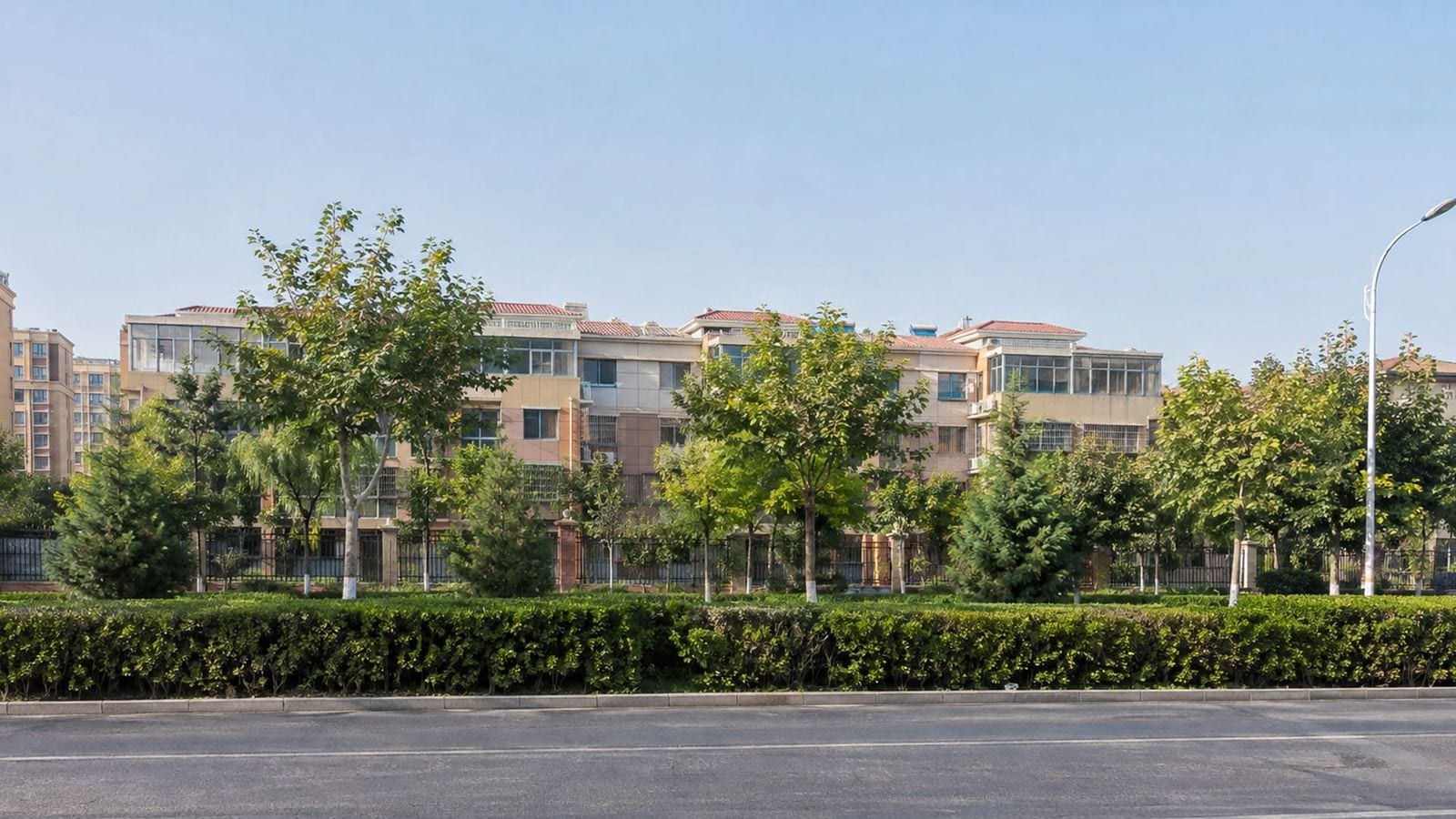
Tianshan’s shops and breakfast stops introduce everyday Korla before a taxi trip north to Iron Gate Pass. Allow 20 to 30 minutes for the drive, then spend 1 to 2 hours exploring the fortified gateway and rocky gorge; a morning arrival offers cooler conditions on the exposed approach.
Begin with Bayingolin Museum’s distinctive tower, then spend 1 to 2 hours exploring the prefecture’s archaeology and oasis history. Continue by taxi to Xincheng, allowing 10 to 20 minutes, for lunch and a look at the newer residential developments along its broad roads.
An afternoon at Korla Library pairs public reading spaces with an evening beside the Peacock River. Spend 30 to 60 minutes at the library, then allow 15 to 25 minutes by taxi to the central riverbanks. Follow the waterfront paths for 1 to 2 hours as daytime heat eases.
Before departure, browse Sayibage’s shops near your hotel and have a final neighborhood meal. Collect your luggage before taking a taxi directly to Korla (KRL); allow 30 to 45 minutes for the drive and budget ¥60 to ¥100 ($8 to $14), with additional time for airport formalities.
Business-class flights from the US to Korla
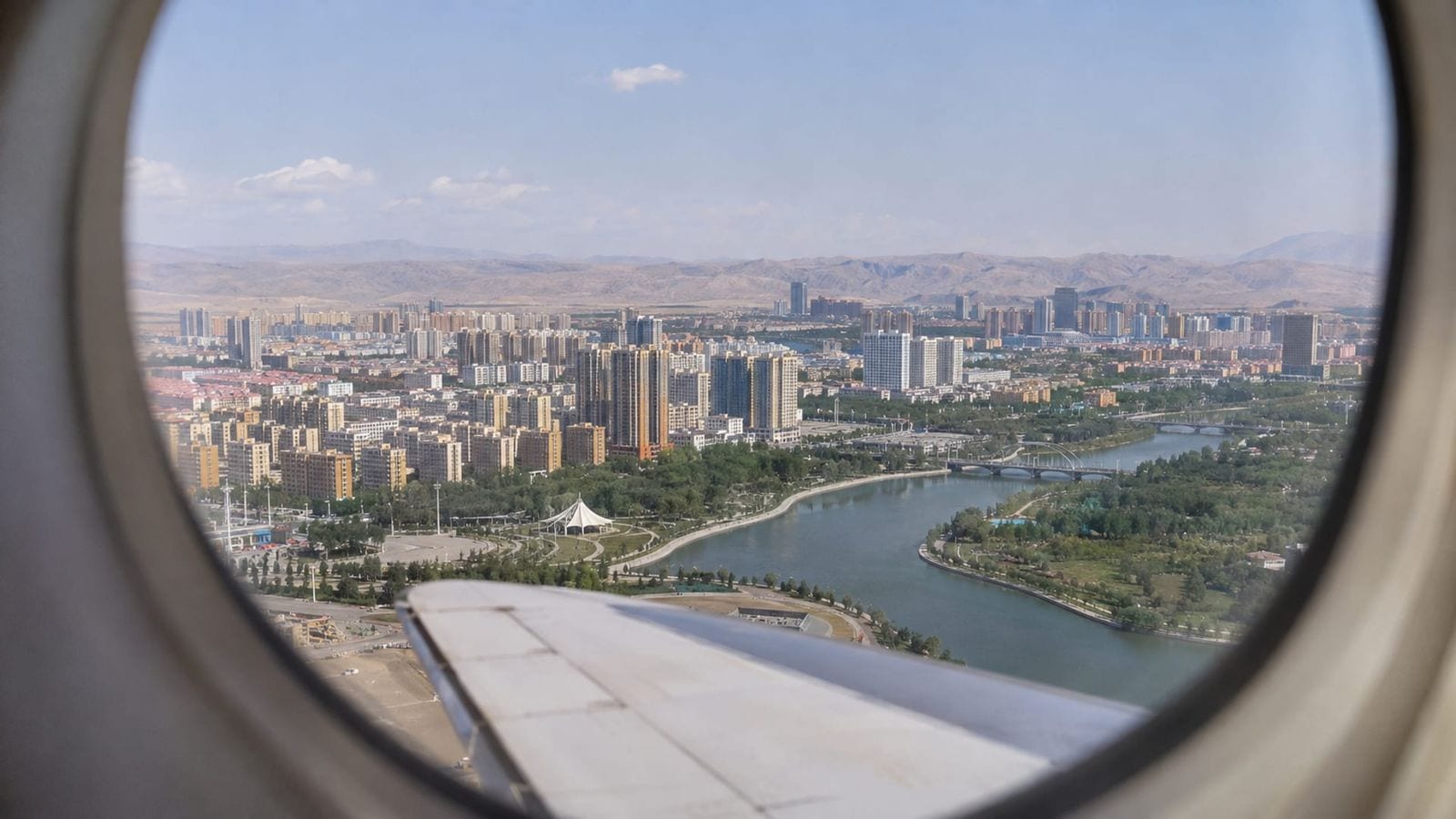
Flights from New York and Los Angeles reach Korla (KRL) through Beijing (PEK); the two examples below compare fares and total journey times.
From New York, a one-stop journey to Korla (KRL) through Beijing (PEK) costs $5,000 to $9,500 round trip with Air China. The connecting itinerary takes 22 to 32 hours in total, including the stop in Beijing (PEK).
For Los Angeles travelers, Air China connects to Korla (KRL) through Beijing (PEK), with a total journey time of 21 to 31 hours. Round-trip fares range from $4,500 to $9,000 for this one-stop itinerary from the West Coast.
Korla feels different when you slow down
A Korla trip takes shape through distinct outings: a morning at Iron Gate Pass, time with the collections at Bayingolin Museum, and an evening along the Peacock River. Sayibage puts neighborhood meals and shopping close to your hotel, while taxis connect the farther stops. Leave room between excursions for laghman or Uyghur pilaf and the city’s later dining hours. Ask AranGrant experts to shape your Korla flights around a spring or fall stay and evenings by the river







