


The European Parliament has approved major changes to EU261, including a new right to use the return flight on a round-trip ticket even if the outbound leg was not taken. The Council gave final approval on July 13, 2026, moving the reform close to becoming law.
This article explains what the reform actually changes in practice, including when the new return-ticket protection will apply, whether EU261 compensation amounts and eligibility rules change, and what the faster claims process will mean for getting paid after a disruption. It also shows how business-class travelers are affected when booking round trips versus separate one-way tickets, and what risks still exist under current airline no-show policies.
Read in this post:
What’s changing under the new EU261 rules

The new EU261 rules preserve the main passenger protections while introducing a return-ticket right and a clearer claims process. Members of the European Parliament approved the agreement by 646 votes to 12, after Parliament and the Council reached a compromise through the EU Conciliation Committee.
Three parts of the reform have the greatest practical effect on travelers, including those traveling in business class:
- Airlines cannot deny boarding on the return flight if the passenger did not take the outbound flight.
- Travelers receive clearer instructions and deadlines for submitting an EU261 claim.
- The existing €250 ($290), €400 ($460), and €600 ($690) compensation amounts remain largely unchanged.
The EU261 regulation also retains the core right for travelers to choose between reimbursement and rerouting after a covered cancellation. Eligible travelers can continue to claim compensation when a flight arrives more than three hours late, when an airline cancels fewer than 14 days before departure, or when the airline denies boarding.
These remedies cover different losses. Reimbursement returns the unused fare, while fixed compensation addresses the disruption itself. Rerouting gets you to the ticketed destination, but business-class travelers should also check the cabin offered on the replacement flight before accepting it.
The reform does not create a completely new compensation system. Its main effect is to make existing rights easier to use while adding protection for a return flight after an unused outbound segment.
The new return-ticket rule: skipping your outbound will no longer cost you the return
Once the reform applies, an airline cannot deny boarding on the return flight of a two-way ticket solely because you did not take the outbound flight. The carrier also cannot impose an extra charge simply for allowing you to use that unchanged return segment.
Under many current airline fare conditions, passengers must use each flight in the ticketed order. When someone misses the first segment, and the airline records a no-show, the carrier can cancel the remaining flights in the reservation.
That creates a costly problem when your outbound journey changes but you still need the original flight home. For example, you could:
- Buy a replacement outbound flight after a cancellation
- Leave earlier because a business meeting moves forward
- Reach your destination by rail or another carrier
- Still need the business-class return flight on the original ticket
Some travelers protect the return journey by buying two separate one-way tickets. Missing one reservation does not affect the other, but separate long-haul business-class fares can carry different prices, rules, and booking conditions.
The new protection will remove the need for that workaround when its only purpose is to protect the return from an outbound no-show.
The rule has a clear limit, though. It protects the original return flight; it does not create a general right to change the return date, destination, route, or cabin without a fare difference or service fee. Those voluntary changes remain subject to the ticket conditions and any applicable airline or travel-agency charges.
Until the official application date, if you skip an outbound flight without canceling the ticket, you lose all remaining flight segments as well.
EU261 compensation amounts under the new rules
The EU261 reform retains the three standard compensation amounts: €250 ($290), €400 ($460), and €600 ($690). The applicable amount depends on the flight distance and whether the journey falls within the regulation’s scope. The standard threshold of an arrival delay longer than three hours also remains.
| Flight category | Standard compensation |
|---|---|
| Flights of 1,500 km (932 miles) or less | €250 ($290) |
| Intra-EU flights over 1,500 km (932 miles) | €400 ($460) |
| Other flights between 1,500 and 3,500 km (932 and 2,175 miles) | €400 ($460) |
| All other longer flights | €600 ($690) |
The €600 ($690) category covers many long-haul journeys between Europe and the US. Under the reform, the airline can reduce the compensation by 50% on the longest routes when rerouting limits the delay at the final destination to no more than four hours. The resulting payment would be €300 ($345).
These are, however, possible payment amounts. The route and the operating airline determine whether EU261 applies to the flight in the first place.
The new rules cover:
- Flights within the EU operated by an EU or non-EU airline
- Flights departing from the EU for a non-EU destination, regardless of the airline
- Flights arriving in the EU from outside the bloc when an EU airline operates the flight
For a US traveler, this means an outbound flight from an EU airport normally falls under EU261 even when a US airline operates it. A flight from the US to the EU generally requires an EU carrier for EU261 to apply.
Before assuming which compensation tier applies to your flight, check the operating airline, departure point, final arrival delay, and total flight distance.
Filing a claim under the faster process

You file an EU261 claim with the airline that operated your disrupted flight, not with the airport or the agency that sold the ticket. Start by gathering your booking confirmation and any documentation from the disruption itself, since the airline will ask for it before processing your request. From there, the new rules put both your filing window and the airline’s response on a fixed clock.
Your booking confirmation, boarding pass, airline messages, arrival details, and any relevant receipts help establish the disruption, the assistance you received, and the expenses you covered yourself.
Compensations
After a delay that could qualify for compensation, the airline must provide electronic information about the passenger’s rights and explain how to submit a claim within 96 hours after arrival. Once a passenger submits the claim, the airline must acknowledge receipt immediately. It then has 30 days to pay the compensation or provide a clear explanation for rejecting the request. For a traveler managing a high-value premium ticket, the 30-day deadline creates a clear point at which to follow up or escalate a claim instead of waiting indefinitely for an airline response.
The reform gives passengers nine months to submit a claim.
An airline can reject the claim when extraordinary circumstances caused the disruption and the carrier took all reasonable measures to avoid it. Examples include natural disasters, war, serious weather conditions, unruly passengers, and staff strikes. When an airline cites extraordinary circumstances, it must give the passenger a clear and supported explanation.
Extraordinary circumstances do not remove the airline’s duty of care. During a qualifying disruption, the carrier must provide refreshments, meals at the required intervals, and access to communication. When the delay requires an overnight stay, the airline must also provide hotel accommodation and transportation between the airport and the hotel. If the carrier fails to arrange the required assistance, passengers can make the arrangements themselves and request reimbursement.
Reimbursements
Reimbursement after a cancellation will also become easier. When you choose a refund instead of rerouting, the airline must process the reimbursement without requiring you to create an account or use a specific app. The refund does not replace a separate compensation claim when the cancellation, delay, or denied boarding also meets the EU261 eligibility rules.
What if you are downgraded from business class
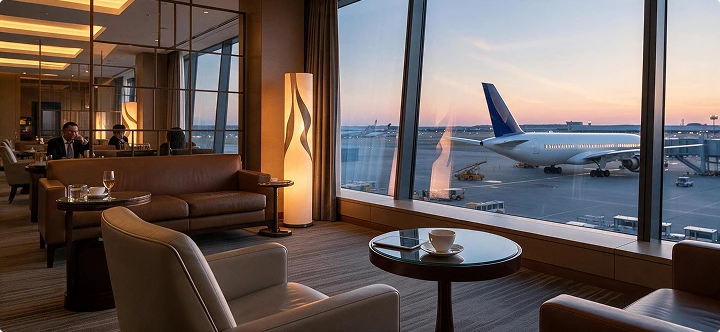
EU261 downgrade compensation (more precisely, a reimbursement) applies when an airline involuntarily moves you from business or first class to a lower cabin. EU261 already provides reimbursement when an airline involuntarily moves you from business class or first class to a lower cabin. The reform does not remove this existing right.
EU261 downgrade compensation differs from fixed compensation for a cancellation or long delay. A flight can arrive on time and still qualify for reimbursement when the airline moves you to a lower cabin without your agreement.
The amount you can receive depends on the flight distance:
- 30% for flights of 1,500 km (932 miles) or less
- 50% for intra-EU flights over 1,500 km (932 miles) and other flights between 1,500 and 3,500 km (932 and 2,175 miles)
- 75% for longer flights
The calculation applies to the price attributable to the affected flight, not automatically to the full cost of every segment in a round-trip or multi-flight itinerary.
This right concerns an involuntary downgrade. A voluntary agreement is different. For example, an airline could offer a lower-cabin seat together with cash, a voucher, or another benefit. Before accepting, ask the airline to put the entire arrangement in writing.
Confirm:
- The cabin and flight affected
- The cash or voucher value
- Any replacement flight offered
- Whether accepting the offer affects another reimbursement or compensation claim
For a business-class traveler, the financial loss extends beyond a different seat. A downgrade can also remove lounge access, priority services, additional baggage, lie-flat comfort, and the ability to arrive rested. Written documentation helps establish exactly what the airline changed and what you agreed to accept.
How to structure a flexible business-class booking to Europe now
With the return-ticket protection now confirmed, the remaining question for business-class travelers is how to actually structure a booking around it.
This protection will be especially useful in specific situations. A business traveler may leave earlier on another ticket after their plans change, or a disruption may force a passenger to use a different airline or travel by rail. But whatever the reason, the traveler still wants to use their initial business-class flight home.
This protection, however, only covers the return flight you already booked. If a trip ends early or runs long and you want to move the return flight, normal fare conditions, change fees, and price differences will still apply.
Before the new rule fully takes effect, continue treating an unused outbound flight as a risk to every later segment in the same reservation. Until then, if you need this protection, two separate one-way tickets remain the more reliable structure if your plans may change. Do not assume that contacting the airline after missing the flight will restore the booking.
For trips taking place after the rule takes effect, compare a round-trip ticket with separate one-way fares before paying more solely to protect the return. A round-trip booking also means one reservation to manage instead of two, since the new no-show protection removes the main reason travelers usually split tickets in the first place.
The updated compensation rules and claims process don’t change your booking decisions; they only apply after something goes wrong. The one thing that does change your booking decision is the return-ticket protection: once it’s active, you no longer need to weigh round-trip against two one-ways just to protect your return flight.
- Even with the upcoming return-ticket protection, plenty of scenarios still call for extra flexibility. That’s where AranGrant’s bundles and additional services such as Travel Protection and Flexible Ticket add-on come in, covering cancellations, delays, and date changes without the usual fare penalty. We advise carefully reviewing the exact coverage and conditions before purchasing.
As a general booking rule, compare the complete fare conditions, including change rights, cancellation rules, no-show treatment, and cabin restrictions, instead of looking only at the ticket price. AranGrant’s guide to “Business-class booking rules that standard booking sites often overlook” explains how fare buckets, linked flight segments, and airline partnerships can also affect the price and flexibility of a premium ticket.
When the new rules actually take effect
The new EU261 rules are not enforceable yet. The European Parliament approved the agreement on July 7, 2026, and the Council gave its final approval on July 13, 2026.
The regulation must now be published in the Official Journal of the European Union. The updated rules will become applicable 12 months and 20 days after that publication date.
Until the application date arrives, airlines will continue enforcing current fare-order and no-show conditions.
Final thoughts
The reform creates a valuable new safeguard, but the booking advantage begins only when the updated rules become applicable.
For a near-term Europe trip, assume the current no-show policy applies unless the airline confirms otherwise in writing. For later journeys, a round trip will become a safer choice when your outbound arrangements could change, but you still plan to use the original flight home.