


Mid-to-late summer marks a clear shift in travel demand. Family vacations wind down as the school year begins, while business-class demand to Europe starts picking up again for fall.
For US travelers planning a Europe trip between September and early winter, this change can affect both fares and the flights available on their preferred dates. This guide explains how the seasonal shift develops and what to consider before fall demand becomes more competitive.
Read in this post:
What actually shifts once summer ends

As the busiest summer vacation weeks end, family demand begins to ease before fall travel fully picks up. This transition period, generally called shoulder season, makes booking patterns less predictable for a few weeks.
Two forces drive the shift:
- Family travel declines. As schools reopen across the US, families complete their main summer vacations.
- Fall demand begins building. Corporate travelers return to regular schedules, while couples, retirees, and other premium leisure travelers begin planning fall trips.
Shoulder season is not a true low season. It marks a brief transition between the main summer travel period and the return of stronger fall demand. The pattern repeats each year, although its exact timing changes by route and destination. That predictability makes it useful for travelers planning 1-2 months ahead.
What the school calendar means for your shoulder season trip

Most school districts across the US begin the academic year in mid-to-late August. That gives families a firm deadline for longer vacations, regardless of whether fares become more attractive later in the month.
A family planning ten days in Europe cannot simply extend the trip into September because of a lower fare. Parents need to return before classes begin, which concentrates many long-haul family trips in June, July, and early August.
Once those vacations end, fewer families compete for seats on leisure-focused routes to Europe. Travelers without a school calendar to follow can then consider dates that many families cannot, before fall demand picks up.
How corporate travel adds to the shift
Corporate travel begins picking up again in September as companies return to fuller meeting, conference, and client schedules after the summer vacation period. Those trips add a new source of demand just as the summer vacation period ends.
- Corporate travel is still growing in 2026. Morgan Stanley, a global investment bank, expects global corporate travel budgets to rise by 5% this year, while European respondents forecast an average increase of 5.8%. These increases suggest that companies will fund more business travel in 2026 as meetings and client trips resume after summer.
- More trips are also on the calendar. A separate industry survey found that nearly one-third of companies expect employees to take more business trips in 2026. Conferences, conventions, and events led the reasons for travel at 65%, followed by team meetings at 49% and client engagement at 35%.
Corporate travel is only one part of the seasonal shift, but it adds demand just as summer family travel begins to fade. For travelers planning Europe in the fall, these corporate travel trends help explain why the quieter late-summer period does not last long.
What this means for business class fares and availability to Europe
The late-summer shift usually reduces your choice of flights before it causes a sharp rise in prices. As September approaches, the most convenient departure times, nonstop flights, and preferred cabin options often disappear first.
AranGrant’s booking data from 2024, 2025, and early 2026 shows that June, September, and December consistently rank among the busiest months for business-class travel. August often brings lower average prices on some routes, but that quieter period ends quickly as September demand builds. The best time to book business class flights for the shoulder season is right in between these periods.
As September demand rises, a route may still show business-class availability, but the remaining itineraries often involve clear compromises:
- A connection instead of a nonstop flight: The preferred nonstop departure has sold out, leaving less convenient nonstop services or one-stop itineraries.
- Less convenient departure times: The preferred flight is no longer available, while much earlier or later departures remain.
- No suitable seats together: The cabin still has open seats, but couples may not find a pair that works for them.
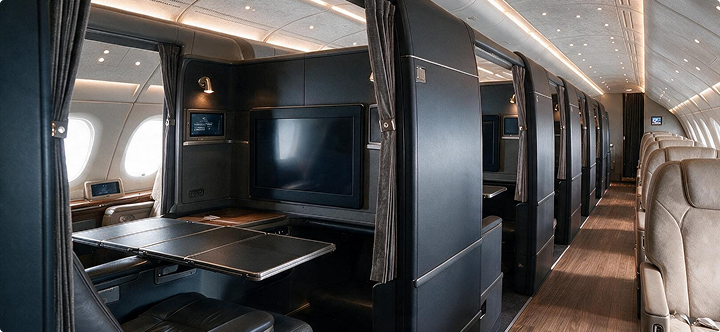
- An older or less private cabin: The remaining seats may be on an aircraft with an older or less private business-class layout.
- A longer layover: The lower fare now includes a long layover, adding several hours to the journey.
Travelers searching for the cheapest month to fly to Europe should look beyond the lowest displayed fare. A slightly higher price may offer better value when it includes a nonstop flight, a practical schedule, and the cabin the traveler actually wants. The brief lull as family travel winds down is the real window to secure that combination: once corporate and fall leisure demand fully catch up, those trade-offs described above become harder to avoid.
Read also our full guide on smart booking in 2026, based on the data we collected over the past years.
How to book smart during this window
For fall or early-winter trips to Europe, the best time to book business class flights is usually 60 to 120 days before departure, according to AranGrant’s booking data. Travelers whose trips now fall within that range should hurry to compare options while the booking window still overlaps with the quieter late-summer period.
Before booking, check whether the itinerary meets your main priorities:
- Set your priorities before searching. Decide which details you will not compromise on, such as a nonstop flight, a specific arrival time, or seats together.
- Check how much choice remains. Compare the available departure times, routes, and cabins before assuming that several listed fares mean you still have several equally good options.
- Compare nearby travel days. Moving the departure by one or two days may reveal a better fare without changing the trip significantly.
- Book when the right option appears. Waiting for the lowest possible fare can cost you an itinerary that already meets your price and travel requirements. Especially with the rise in fall demand approaching.
- Stay prepared for the unexpected. AranGrant’s bundles and additional services, including Travel Protection and Flexible Ticket options, give you room to adjust your trip without having to worry if your plans change.
Final advice
Travelers considering a Europe trip for this year’s shoulder season should treat the next few weeks as the calmest booking window they are likely to see this year. Family travel is still winding down, giving many business-class travelers a brief opportunity to book before fall demand fully sets in.