

Summer travel often feels predictable. You expect crowded airports, limited hotel availability, and high prices in cities that draw global attention. For many travelers in the US, this assumption shapes decisions before the search even begins.
That expectation often leads to the same outcome. Travelers follow familiar routes, face the same congestion, and accept limitations.
However, global travel demand does not peak everywhere at the same time. While some regions reach their busiest season, others move through a quieter period. This contrast creates an overlooked opportunity, where certain destinations remain accessible even in the middle of summer.
If you are thinking about where to travel in summer without crowds, the answer lies in recognizing these shifts and choosing destinations that follow a different rhythm.
Read in this post:
Why some destinations are less crowded in summer
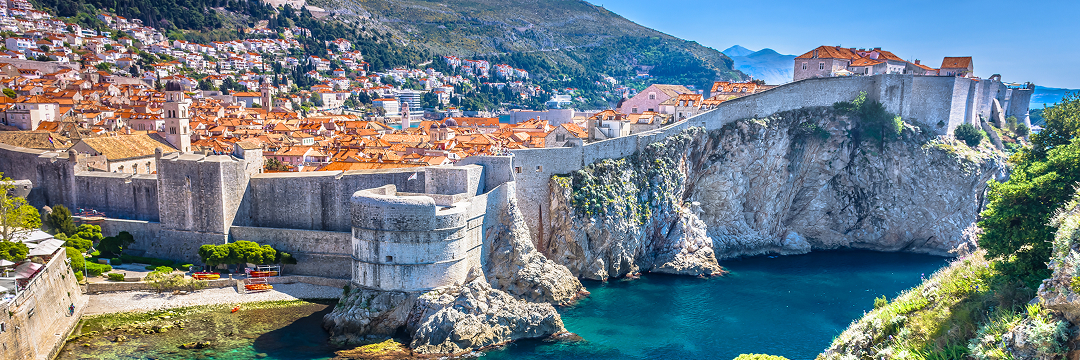
Summer travel demand concentrates heavily in specific regions, where favorable weather and long-standing travel habits attract a large share of global tourism.
At the same time, other regions experience conditions that reduce demand. Climate plays a key role. In parts of Southeast Asia, destinations such as Bali, Phuket, and Ho Chi Minh City fall into the monsoon season. In the Middle East, cities like Dubai and Doha see extreme daytime temperatures. In the Southern Hemisphere, it is winter, which shifts demand away from places like Cape Town, Buenos Aires, or Santiago.
These factors shape traveler behavior. Many travelers avoid destinations associated with heat or rain, even when those conditions are limited to certain hours of the day or vary by region. As a result, places like Singapore, Kuala Lumpur, or even parts of Thailand’s Gulf Coast remain highly functional to visit, with fewer crowds and more availability across flights and accommodations.
You also see strong demand concentration in familiar destinations. Popular European cities absorb a large portion of summer travel volume. Meanwhile, secondary cities remain comparatively quieter despite offering similar cultural depth and infrastructure.
Understanding these patterns allows you to step outside the typical flow rather than compete within it.
Next in the series: Luxury Beach Destinations: Summer 2026
Southeast Asia: lower demand, higher value travel

Southeast Asia between June and August presents a clear example of how traveler perception and actual on-the-ground conditions can diverge.
Rainfall is the primary factor that shapes demand in this region during these months. Some see it as a limitation, yet in practice, it rarely defines the entire day. If you fly to Bangkok, Bali, or Ho Chi Minh City, you will notice that rain tends to arrive in short, predictable cycles that last 30 to 90 minutes, most often in the afternoon. Mornings and early afternoons remain suitable for outdoor activities, including time at the beach. That said, this pattern is not perfectly consistent. Some days may bring longer periods of rain depending on local conditions.
Because of the rainy weather, the density of visitors to many tourist destinations decreases, yet they continue to operate as usual. Thus, restaurants that usually require reservations several days in advance often accept same-day bookings. Beach clubs that feel crowded during peak travel months open up noticeably during midweek afternoons. You also spend less time waiting at entrances to popular temples and cultural sites.
Plane tickets and accommodations are also more affordable because this period falls outside the region’s peak tourism season, which typically aligns with the dry months between November and March. For example, for flights to Bali, on routes such as Los Angeles International Airport (LAX) to Ngurah Rai International Airport (DPS), round-trip business-class tickets from Cathay Pacific in peak winter months can cost up to $8,300. During the summer, the same tickets typically cost $6,100.
Flights to Vietnam are another compelling example. Philippine Airlines offers flights from San Francisco International Airport (SFO) to Tan Son Nhat International Airport (SGN) that usually cost between $4,300 and $4,900 in the summer. In December, they may rise to $6,300.
These routes often include connections through major hubs such as Taipei (TPE) or Manila (MNL), where premium lounges are typically less crowded during summer travel periods.
Despite paying less for summer tickets, you will still enjoy a regular business-class experience, with fully lie-flat seats, attentive service, and exquisite meals.
Tip: In Southeast Asia, structure your day around local weather patterns. Use mornings for outdoor activities and beach time, and reserve afternoons for indoor experiences such as dining or spa visits. This approach allows you to maintain a full day without being disrupted by rainfall.
Next in the series: Off Season Travel: Best Destinations
Middle East: premium destinations with fewer tourists
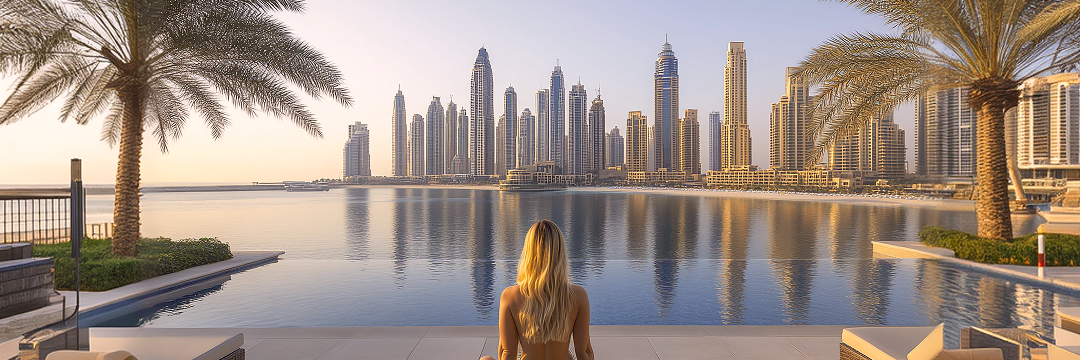
In the Middle East, summer heat reshapes how travelers use the destination rather than how the destination operates.
Cities such as Dubai and Doha continue to function with the same precision throughout the year, as they are designed around indoor mobility. You move between air-conditioned environments, including airport terminals, shopping centers, hotels, and transport systems such as the Dubai Metro. Major airlines like Emirates and Qatar Airways also continue to offer frequent flights from and through their hubs, Dubai International Airport (DXB) and Hamad International Airport (DOH).
Daytime temperatures rise significantly during summer, often reaching 105°F (40.5°C), which shifts traveler behavior. Many choose to delay visits until cooler months. As a result, availability across flights and hotels improves, even though the overall quality of the experience remains consistent. For travelers who understand how these cities function, the adjustment is straightforward. Movement shifts toward early mornings and evenings, while indoor environments allow them to enjoy their trips throughout the day.Flights from the US during the summer remain consistent, and airlines continue to operate their flagship aircraft. Etihad Airways, for instance, uses its Airbus A350 planes for Chicago–Doha flights, and tickets usually range from$4,000 to $6,800. These flights tend to be more expensive in the winter when they cost between$7,600 and $9,200.
Dubai International Airport (DXB) consistently ranks among the busiest airports in the world, yet in the summer, immigration and security take noticeably less time compared to the winter months. Lounges such as the Emirates Business Class Lounge in Terminal 3 also tend to feel less congested, especially during midday departures.
Next in the series: When Business Class Costs Almost the Same as Economy (And Why)
Caribbean: early summer windows before peak season shifts

Late summer comes with high humidity and hurricanes, which causes many travelers to avoid the region entirely during these months. Moreover, some choose not to visit the Caribbean during June and early July, as there is a slight risk of tropical storms and cyclones.
This perception begins to affect travel behavior earlier than the actual weather patterns change.
This leads to lower demand in the early summer, yet the experience you get remains the same. The beaches in Antigua or St. Lucia become less crowded. Restaurant reservations require less planning. Excursions that sell out quickly in peak season become easier to arrange on shorter notice. Hotels in Condado and Isla Verde typically maintain full service levels, but they may have more flexible check-in and more room options.Flights reflect this shift as well. If you want to fly to Puerto Rico, for example, routes such as Miami (MIA) to Luis Munoz Marin International Airport (SJU) typically offer more seat availability in business class during June compared to winter months, when demand peaks. Round-trip tickets that typically cost between $800 and $1,300 in winter often fall closer to $400–$600 in early summer.
Next in the series: Top Destinations AranGrant’s US Travelers Are Choosing for 2026
Southern Hemisphere: opposite seasons, different experiences

June through August corresponds to winter in destinations such as South Africa, Argentina, and Australia. This seasonal reversal reduces international tourism flows, and it benefits those who decide to travel there during these months.
If you travel to Cape Town, you will experience winter temperatures that typically range between 60°F and 70°F (15.5°C–21°C). While it is not peak beach season, the city’s broader appeal remains intact. This is also the start of whale-watching season along the coast, and the surrounding landscapes turn noticeably greener after seasonal rains. You can explore Table Mountain, drive along the Cape Peninsula, and visit the Winelands in a calmer, more atmospheric setting.
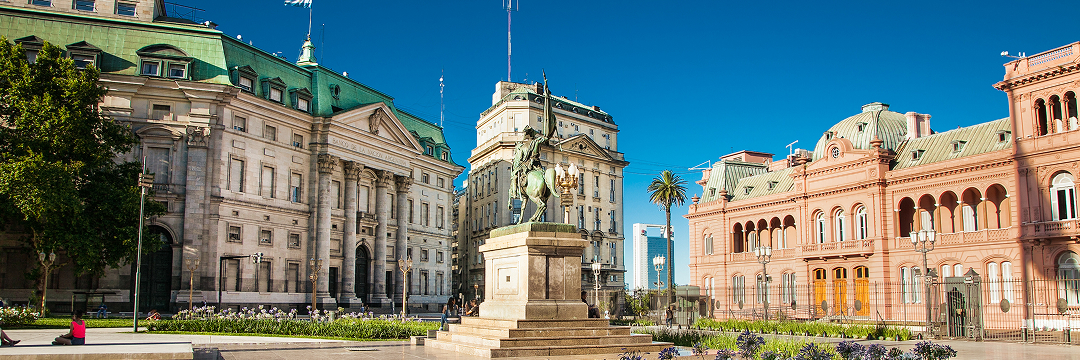
If you choose to fly to Buenos Aires, you will enjoy cooler, more comfortable conditions, with temperatures generally ranging from 50°F to 65°F (10°C–18°C). The season shifts daily life indoors, where the city’s café culture, steakhouses, and late-night rhythm become more central to the experience. You can walk through Palermo’s tree-lined streets, explore Recoleta’s architecture and museums, and spend long evenings in cafés and steakhouses.
Cultural life remains active throughout the season. Theaters, galleries, and live music venues continue their regular programming, with a stronger local presence and less seasonal crowding. The pace slows just enough to make the city feel more personal, while still offering the full depth of its experiences.
A journey to Sydney during the Australian winter will transport you into mild weather with temperatures that usually stay within the 50°F–65°F range (10°C–18°C). This time of year is defined by clear days, crisp air, and one of the best periods for coastal walks and harbor views. You can walk along the harbor, visit the Sydney Opera House, and explore neighborhoods such as Surry Hills or The Rocks.
Outdoor experiences remain accessible, especially during clear winter days. Coastal walks, ferry routes across the harbor, and waterfront dining feel more relaxed. The city maintains its structure and energy, but without the pressure that builds during its high season.
In parts of South Africa, winter improves wildlife visibility. With less vegetation, animals gather more predictably around water sources, making safari experiences more consistent during this period.
Next in the series: 8 Popular Luxury Spring Break Destinations for Families [And How to Enjoy Them Stress-Free]
Europe: where you can still find quieter moments

Europe remains the most visited travel region during summer, yet even here, patterns are not uniform. Cities such as Paris, Rome, and Barcelona operate at peak capacity throughout much of the season. Airports become congested, reservations require careful planning, and movement through central areas slows noticeably.
However, two variables still allow for a more balanced experience.
Timing is the first. Early June comes just before peak summer crowds fully build, while late August is when visitor numbers begin to ease as some travelers return home. These periods do not remove crowds entirely, but they make cities easier to move through.Location is the second. Cities like Porto, Bologna, and Valencia offer a different, calmer experience. They offer the same historical landmarks, local food scenes, and walkable city centers as larger European capitals, but without the same volume of visitors. Additionally, the airports in these cities are only 4 to 7 miles away from the city centers. These short distances reduce transfer time after a long flight, which means you can reach your hotel quickly instead of spending another hour or more in transit.
In Europe, airport congestion often reflects city popularity. Choosing an alternative arrival point, such as flying into Milan Malpensa Airport (MXP) instead of Rome Fiumicino Airport (FCO), can make for a less stressful airport experience. If your schedule allows it, consider also traveling to Europe in the middle of the week rather than during the weekend. That is when airports, particularly major hubs like Paris Charles de Gaulle (CDG), are less crowded.
Next in the series: Pay Less for Business Class in 2026 [Without Chasing Myths]
How to choose a summer destination with fewer crowds

Choosing the right destination for your summer trip requires a shift in how you evaluate travel options.
First, look beyond regions that dominate seasonal demand. Europe attracts a significant share of summer travel, but it does not define the entire global landscape. Global travel demand does not shift evenly. When Europe peaks, airlines and hotels adjust capacity elsewhere to maintain occupancy, which often creates more stable pricing and availability in regions outside the main summer flow.
Second, compare climate conditions with the actual travel impact they have. Short rain periods or higher temperatures do not necessarily reduce the quality of your experience, especially when infrastructure supports indoor and flexible activities. In many destinations, weather patterns are time-specific rather than constant, which means your experience depends more on how you structure your day than on the season itself.
Third, consider flights to less popular destinations. These flights often provide better seat selection and more flexible timing than those to top global cities. On these routes, premium cabins tend to fill later, which increases the likelihood of securing preferred seats or better availability closer to departure.Finally, adjust your timing slightly. Even small changes like departing midweek or selecting early June over mid-July can influence both ticket prices and crowd levels. Peak demand often concentrates within narrow travel windows, so shifting your dates by just a few days can move you outside pricing surges without changing the overall season.