
Travel planning for 2026 is already underway. Based on fresh insider analytics from AranGrant, we can see where our US customers are directing their attention next, well ahead of departure. Early research and long lead times have become especially common in the premium flight segment we serve. This gives us a clear view into which vacation destinations are shaping travel plans for the year ahead.
To focus on leisure travel, we excluded destinations primarily driven by business or diaspora-related demand. This allows for a more accurate picture of where travelers are choosing to spend time away, rather than where they need to fly for work or family reasons.
Several destinations on this list also stand out as spring favorites. Seven of them appear in our dedicated spring destination guide, where we look at why March through May is an especially appealing travel window. That guide is useful if you are planning a nearer-term trip, while this article looks at the bigger picture.
Below, we explain what makes each destination a strong choice for our customers in 2026 and highlight seasonality patterns worth knowing. Along the way, we point out when each destination tends to offer the best balance of weather, crowd levels, and value. This helps you plan with clarity and travel at the right time, not just the most popular one.
Read in this post:
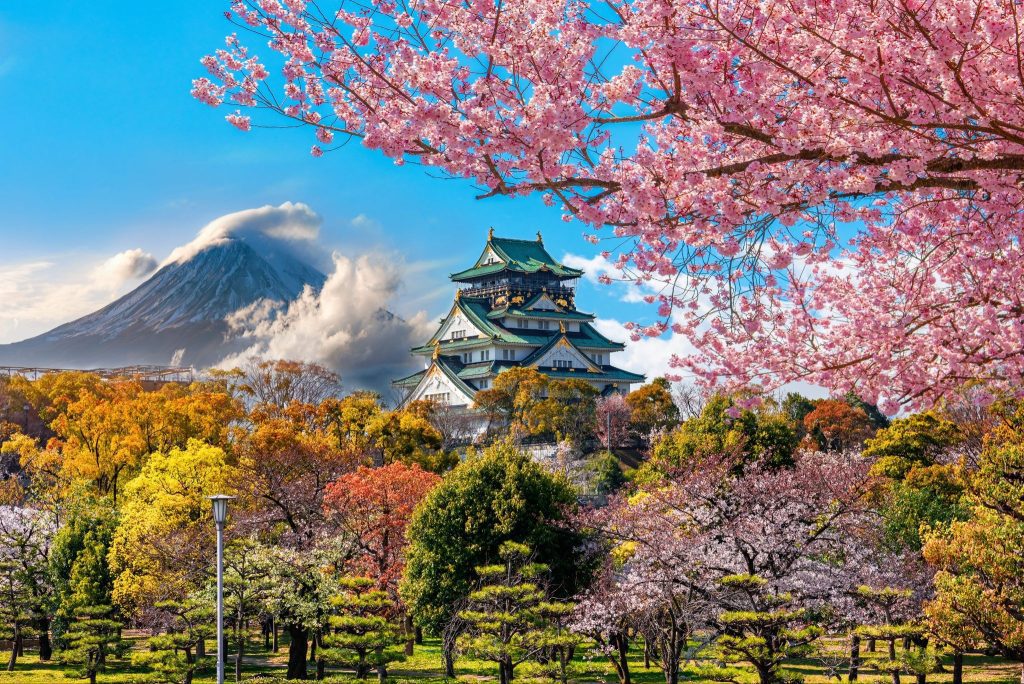
1. Japan: Cherry Blossoms, Lively Cities, Shrines, and Hot Springs
Japan stands out as a destination that rewards travelers in every season. Its appeal is not tied to a single highlight or time of year, but to the way tradition, nature, and modern life coexist with rare balance. Whether travelers arrive for culture, cuisine, or scenery, Japan offers experiences that feel carefully considered.
Why Japan works in every season
Throughout the year, some experiences consistently rank among the most valued by travelers. Seasonal landscapes shape the journey, from blossom-lined streets in spring to fiery autumn foliage in temple gardens and mountain towns. Winter brings snow-covered regions and a deep appreciation for hot springs. Summer opens the door to festivals, alpine escapes, and quieter coastal areas. Each season changes the pace, not the quality, of travel.
- Japan’s cities are a major part of its charisma. Tokyo, Kyoto, and Osaka offer distinct personalities, combining efficient transport, thoughtful urban design, and neighborhoods that feel local even at scale.
- Beyond the cities, historic shrines, rural rail routes, and small towns invite slower exploration and deeper connection to place.
- Food is another reason travelers return. From simple regional dishes to refined multi-course dining, Japanese cuisine is valued for its precision, freshness, and respect for seasonality. Meals often become highlights of the trip, not add-ons to sightseeing.
What ultimately sets Japan apart is consistency. Services run smoothly, public spaces are intentional, and cultural traditions are woven naturally into everyday life. That reliability, paired with constant seasonal change, is why many travelers plan Japan well in advance and choose to experience it more than once.
Best time to visit: Late spring and early fall offer the best balance of pleasant weather and lighter crowds in Japan. April can be busy during peak cherry blossom weeks, but late May is calmer, with fresh greenery and comfortable temperatures. From mid-October to November, cooler air and autumn colors create ideal conditions for unhurried sightseeing. These shoulder seasons make it easier to experience Japan at a relaxed pace, without the peak-season congestion.
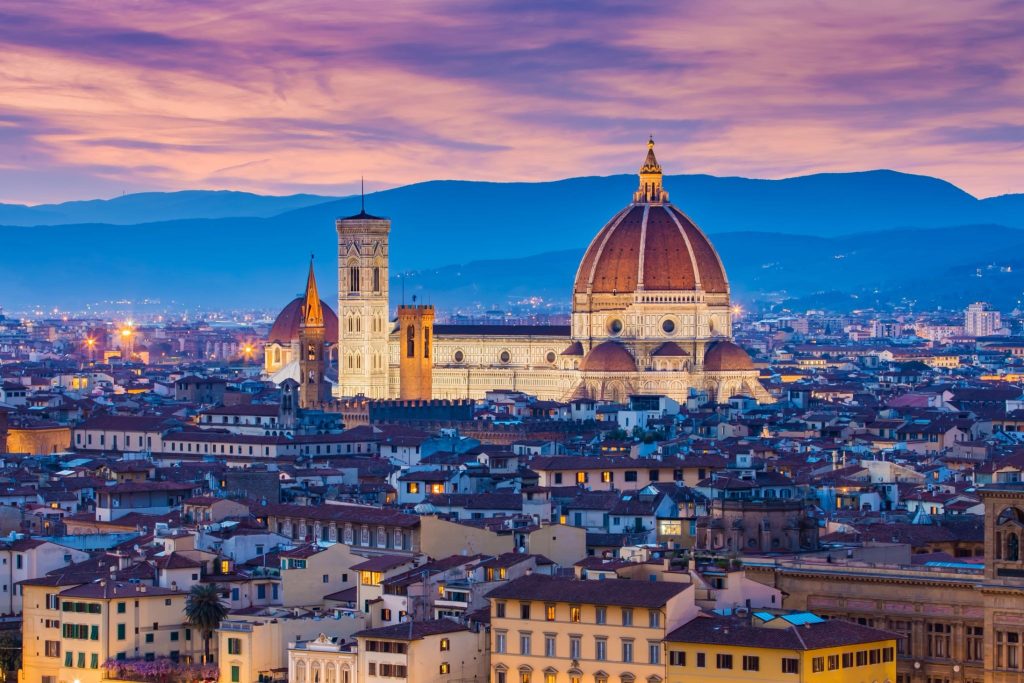
2. Italy: Historic Streets, Coastlines, Mountains, and Local Cuisine
Italy is one of those rare destinations that does not depend on a single season or headline attraction. Its appeal is layered, regional, and deeply rooted in everyday life. That’s why travelers return again and again at different times of the year.
What draws people in first? Often, it is the feeling of continuity. Historic streets are not preserved as exhibits but lived in. Markets, cafés, and town squares remain central to daily routines.
Each Season Brings Its Own Emphasis
- Spring makes walking cities and countryside especially rewarding, with mild weather and renewed energy across historic centers.
- Summer naturally pulls attention toward coastlines and lakes, where long evenings and outdoor dining define the pace of travel.
- Autumn is widely valued for its balance. Cooler temperatures, harvest season in wine regions, and fewer crowds create ideal conditions for sightseeing and regional exploration.
- Winter offers a quieter side of Italy, when museums, churches, and urban neighborhoods feel more accessible. Northern regions introduce alpine landscapes and seasonal traditions.
Food remains one of Italy’s most consistently valued experiences, regardless of timing. Meals reflect local identity, seasonal ingredients, and long-standing traditions rather than trends. Enjoy simple regional dishes or refined dining. Cuisine here often becomes a central part of the journey, not an afterthought.
Best time to visit: Late spring and early fall are the easiest times to experience Italy without the intensity of peak travel season. May brings warm days and lively cities before summer crowds settle in. September and October offer softer light, cooler temperatures, and a slower pace across both cities and rural regions. These months allow you to enjoy Italy’s streets, landscapes, and cultural sites with more breathing room, while still benefiting from favorable weather.
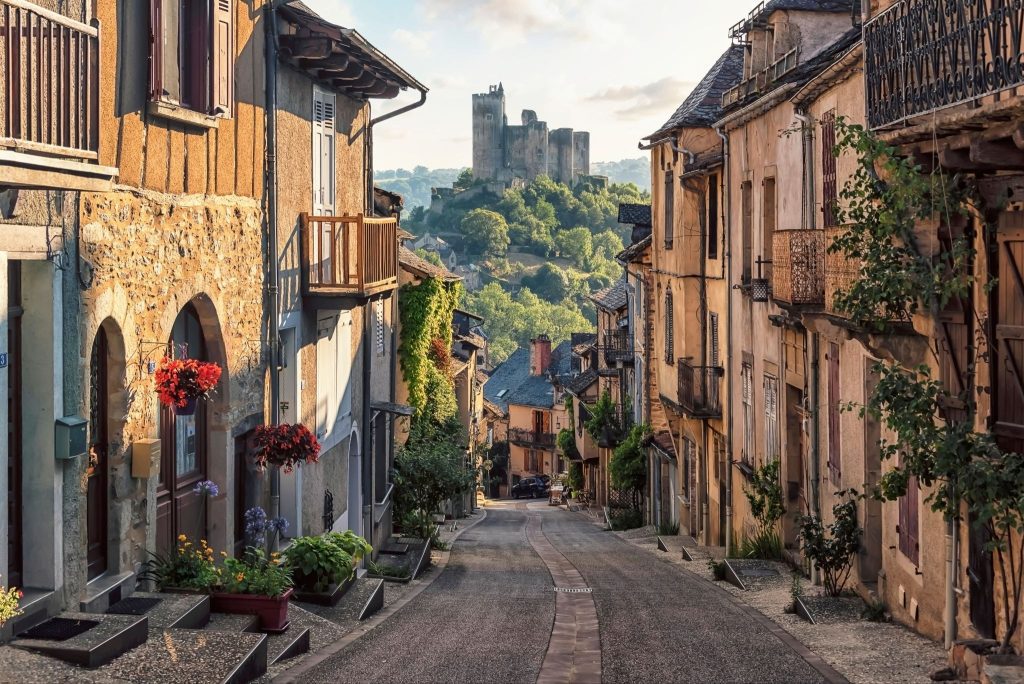
3. France: Coastal Charm, Iconic Cities, Vineyards, and Legendary Food
Traveling through France works less like a single journey and more like a series of well-composed moments that change with the calendar. What makes the country exceptional is not one landmark or season. It’s the ease with which culture, landscape, and daily life align throughout the year.
A Different France, Every Season
- Spring favors urban exploration and countryside drives, when gardens, riverbanks, and historic neighborhoods feel open again.
- Summer expands life outdoors, from coastal towns to rural regions where festivals, food markets, and evening dining take center stage.
- Autumn shifts attention to vineyards, regional cuisine, and quieter cultural travel.
- Winter brings a calmer pace to cultural cities and introduces alpine regions shaped by snow, tradition, and seasonal rituals.
Cuisine is a constant thread through every visit. Regional dishes change with the season, ingredients remain central, and dining often becomes an anchor rather than a pause between activities. This focus on quality and routine is one of France’s most enduring strengths.
Best time to visit: The most comfortable way to experience France is just outside the high summer rush. May and early June bring mild weather and lively cities before peak tourism sets in. September and early October are equally appealing, with softer light, fewer visitors, and a slower rhythm across both urban and rural regions.
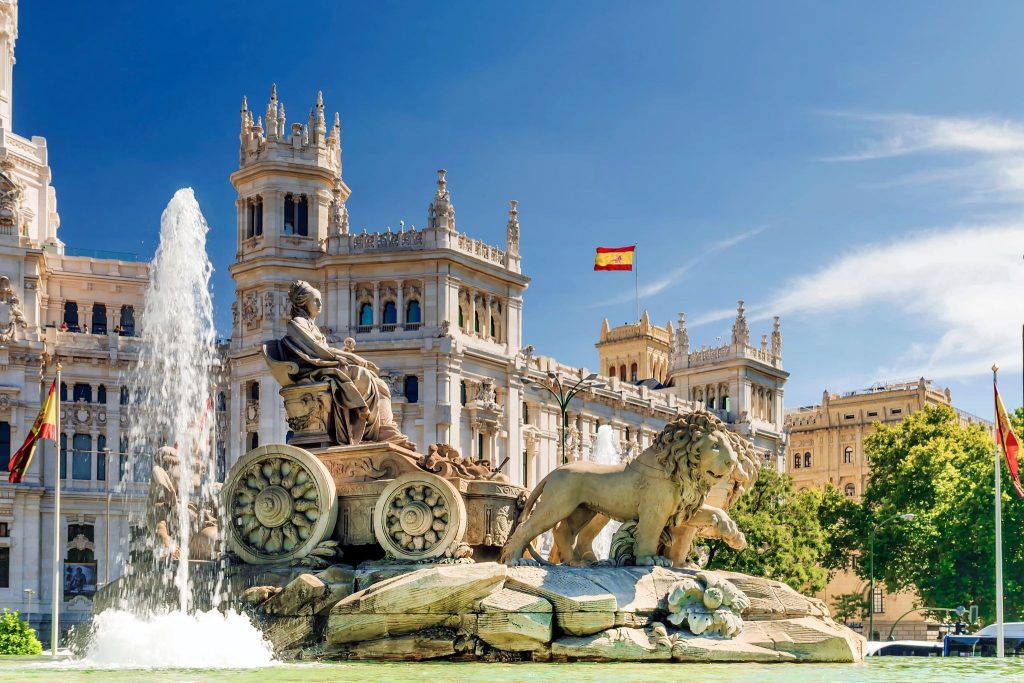
4. Spain: Historic Districts, Beach Life, Festivals, and Markets
Traveling through Spain works because the country stays engaging no matter the season. Its appeal is not built around monuments alone, but around movement, sound, food, and public life.
What travelers value most? Spain consistently ranks high for experiences that feel social and accessible. Historic districts are designed for walking, eating late, and spending time outdoors. Markets, plazas, and neighborhood cafés create natural gathering points, making even short stays feel immersive.
Seasonal Energy Without Limits
Spring and fall bring balance and comfort, ideal for city travel and cultural exploration. Summer leans into coastal life, island escapes, and late evenings shaped by heat and sea breezes. Winter keeps its appeal, especially in southern regions, where mild weather supports sightseeing, food-focused travel, and a slower urban rhythm.
Festivals That Shape the Experience
Spain’s calendar is filled with events that travelers actively plan around. Celebrations like La Tomatina reflect the country’s playful, collective spirit. These moments are not add-ons. They are part of how Spain expresses itself.
Food As a Daily Highlight
Meals are not reserved for special occasions. Tapas culture, regional specialties, and fresh ingredients turn everyday dining into one of the most valued parts of the trip. From simple market lunches to long evening meals, food structures the day and anchors travel memories.
Best time to visit: The most comfortable periods to explore Spain fall just before and after the summer peak. May and early June bring warm days and lively cities without the intensity of high season. September and October offer softer temperatures and a more relaxed pace across both coastal and inland regions.
5. Greece: A Natural Fit for Warm-Weather Travel
Warm-season travel brings Greece into its most natural state. This is when the country’s geography, history, and daily rhythms align.
- What travelers value most: Greece consistently ranks high for experiences that feel open and unstructured. The sea is always close, towns are built for walking, and life unfolds outdoors. Swimming, slow lunches, and evenings by the water are not scheduled activities. They are part of the day.
- Island time, defined: From large, well-connected islands to quieter local favorites, warm weather gives structure to island life. Mornings are calm, afternoons slow down naturally, and evenings gather people along harbors and village streets. This simple rhythm is one of Greece’s most highly rated qualities and a reason travelers often stay longer than planned.
- History without walls: Ancient sites feel different in warm months. Ruins sit under open skies, not behind glass or ropes, and historic towns blend past and present without effort.
- Food shaped by the season: Warm weather defines Greek cuisine. Meals are lighter, shared, and closely tied to local produce. Seaside tavernas, village cafés, and market-driven cooking turn eating into a daily highlight.
Best time to visit: The most enjoyable way to experience Greece without peak-season pressure is during the shoulder months. May and early June bring warm seas, bright days, and lively towns before summer crowds arrive. September and early October offer similar conditions, with softer heat and a calmer atmosphere across islands and coastal regions.
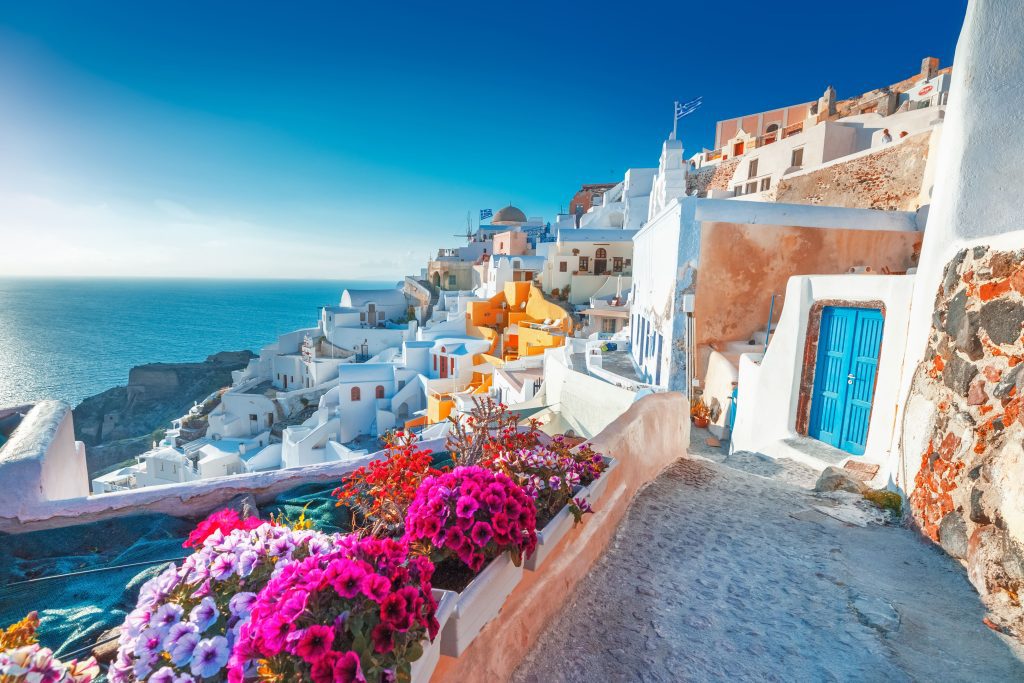
6. Portugal: Easygoing Travel in the Warm Season
Warm-season travel brings out the most approachable side of Portugal. The country feels open, navigable, and quietly confident in summer.
- Why travelers rate it so highly: Portugal consistently scores well for ease. Distances are short, cities are walkable, and coastal escapes are never far from cultural centers. Warm weather enhances this simplicity, making it easy to combine city time with beach days without overplanning or constant movement.
- Coastline as a daily rhythm: The Atlantic defines warm-season travel here. Beaches are not treated as special outings but as part of everyday life. Clifftop walks, quiet coves, and long seaside afternoons shape the pace, especially in southern regions. Coastal towns stay active well into the evening without feeling crowded or overstimulating.
- Cities that breathe in summer: Lisbon, Porto, and smaller historic towns adjust naturally to the heat. Streets slow down midday and come alive later, with outdoor cafés, viewpoints, and riverfronts becoming social anchors.
- Food that fits the season: Warm weather highlights Portugal’s straightforward, ingredient-driven cuisine. Fresh seafood, grilled dishes, light wines, and simple desserts turn meals into an easy pleasure. Dining often stretches into the evening, shaped by conversation and coastal air.
Best time to visit: The most comfortable window to explore Portugal sits just outside the height of summer. May and June bring warm days and lively cities before peak-season crowds arrive. September and early October offer softer temperatures and a calmer atmosphere along the coast.
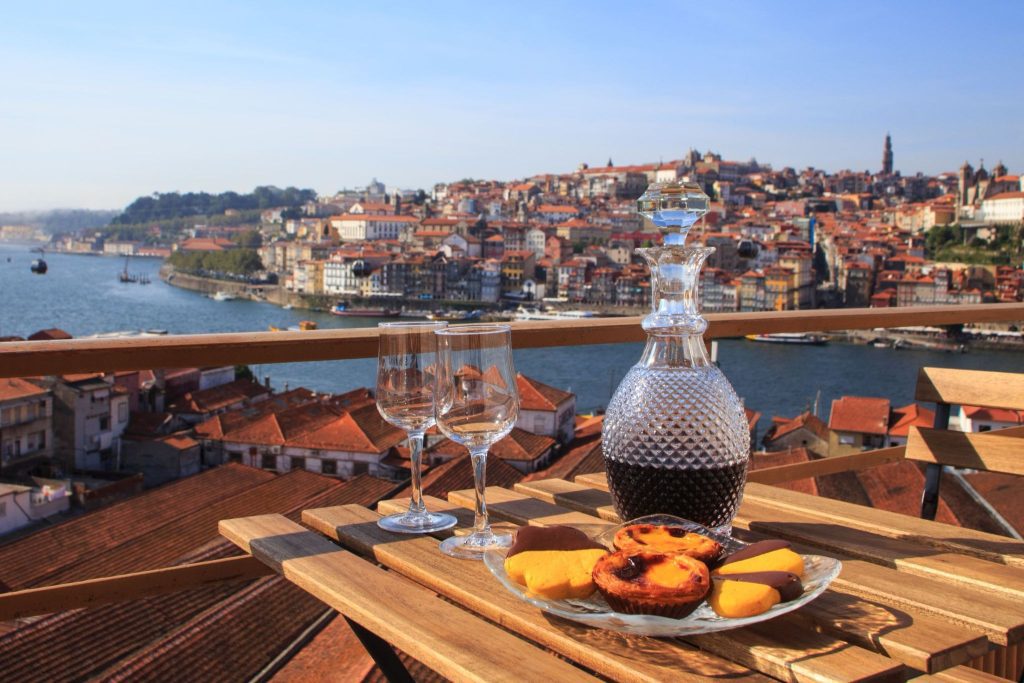
7. Thailand: Warmth, Color, and Winter Escape
Travel between November and February shows Thailand at its most balanced. This is the dry season, when heat is manageable and skies are clear.
- Why travelers choose this window: Comfort comes first. Days are warm without being oppressive, evenings cool down naturally, and humidity drops. That makes moving between cities, islands, and inland regions easy, even on longer itineraries. It is also the time when Thailand’s infrastructure works at full rhythm, with reliable transport, open resorts, and smooth connections.
- Beaches that set the pace: Island and coastal travel rates especially high during these months. Calm seas and clear water support swimming, snorkeling, and boat trips without the uncertainty of monsoon season. Days unfold slowly, shaped by light meals, time on the water, and quiet stretches of coastline.
- Cities without the pressure: Bangkok and northern cultural centers feel more approachable in winter. Walking districts, markets, and historic sites is comfortable. Evenings invite outdoor dining and street life.
- Food at its most expressive: Thailand’s cuisine is one of its most consistently valued experiences, and cooler months make it easier to enjoy fully. Street food, night markets, and regional specialties become highlights rather than quick stops.
Best time to visit: The most cost-effective and comfortable time to travel to Thailand is just outside the peak winter rush. Late November and early December offer favorable weather before holiday demand pushes prices higher. Late February and early March often bring similar conditions with fewer visitors. These periods make it easier to enjoy Thailand’s beaches, cities, and food scene at a calmer pace, often with better value on flights and accommodations.
Read also: Amazing Thailand: Luxury Travel Ideas
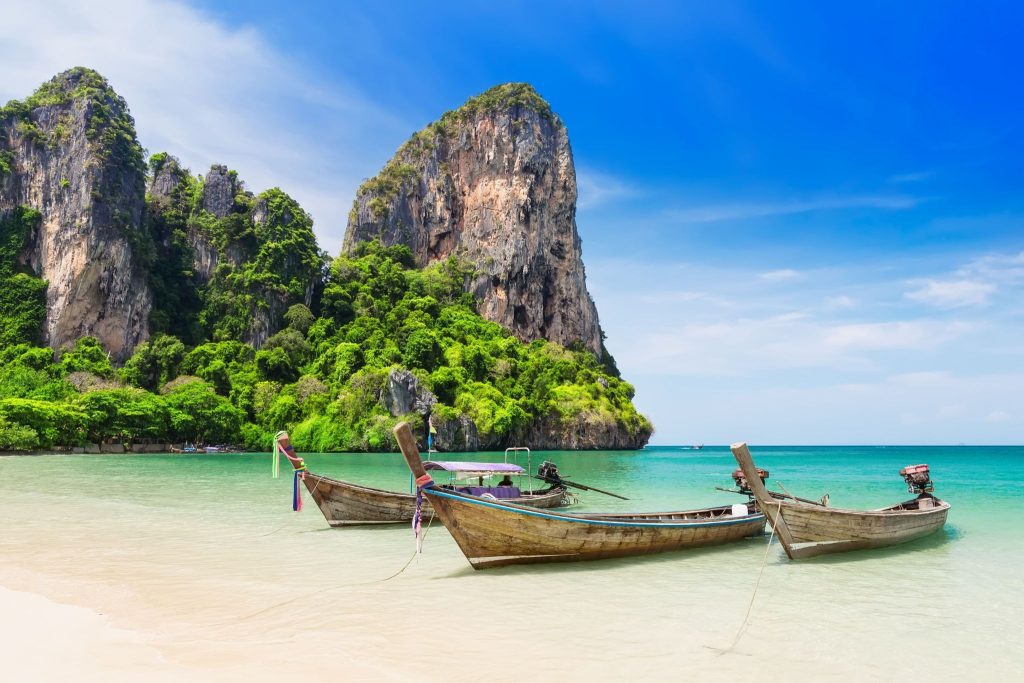
8. Australia: A Calendar That Works in Reverse
Traveling through Australia is defined by range. It is a destination where travelers are not choosing between cities and nature, or relaxation and exploration. They are moving between them, often within the same trip. That flexibility is what makes Australia work so well year-round.
- What travelers consistently rate highest: Australia stands out for experiences that feel expansive. Coastal life, open landscapes, and well-designed cities create space, both physically and mentally. Visitors value the sense of freedom, from long beach walks and coastal drives to national parks that feel genuinely vast.
- Cities that set the tone: Sydney, Melbourne, and Brisbane are central to the experience, but not overwhelming. They combine strong food scenes, walkable neighborhoods, and easy access to nature. Beaches, parks, and waterfronts are woven into daily life.
- Nature without friction: Australia’s natural highlights are not remote add-ons. Coral reefs, rainforests, desert landscapes, and coastal trails are supported by reliable infrastructure and guided access. Snorkeling, wildlife encounters, scenic drives, and outdoor activities are among the most valued experiences, largely because they are easy to integrate into broader itineraries.
- A calendar that works in reverse: Because seasons run opposite to the Northern Hemisphere, Australia fits naturally into year-round travel planning. Summer aligns with peak beach and outdoor life. Cooler months favor city exploration, wine regions, and inland travel. This flexibility makes Australia especially appealing for travelers looking to plan ahead and travel outside traditional peak periods.
Best time to visit: Late March through May offers pleasant temperatures, fewer visitors, and lower prices after the southern summer peak. August to early October is another smart window, with mild weather in major cities and coastal regions, lighter crowds, and more accessible rates on flights and accommodations.
Read also: The Art of Traveling Solo in Style
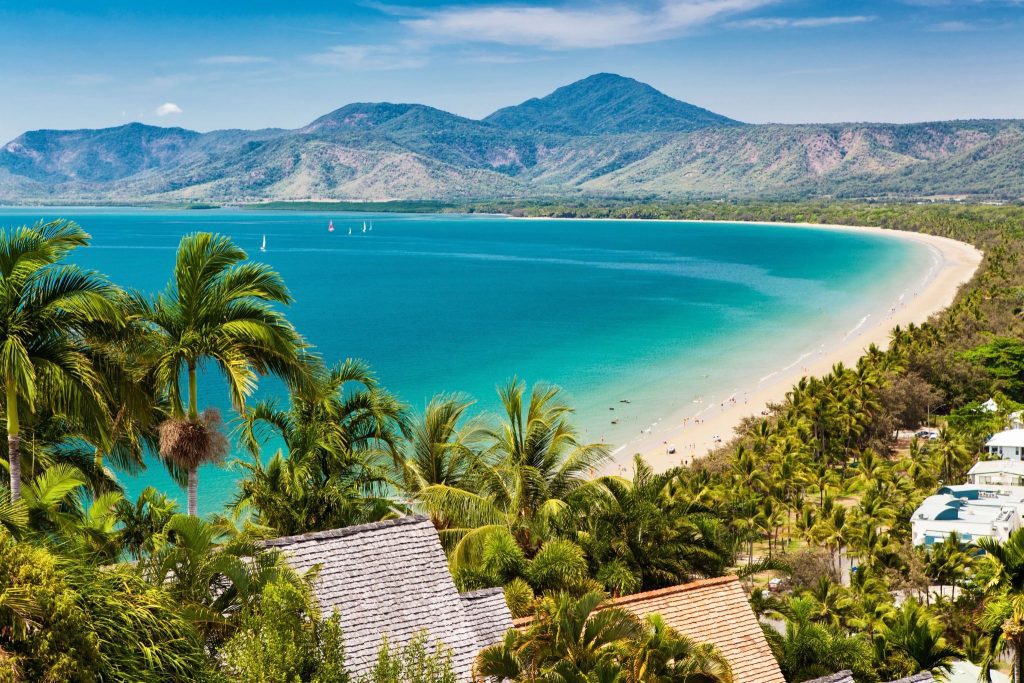
9. Vietnam: One Destination, Several Ideal Moments
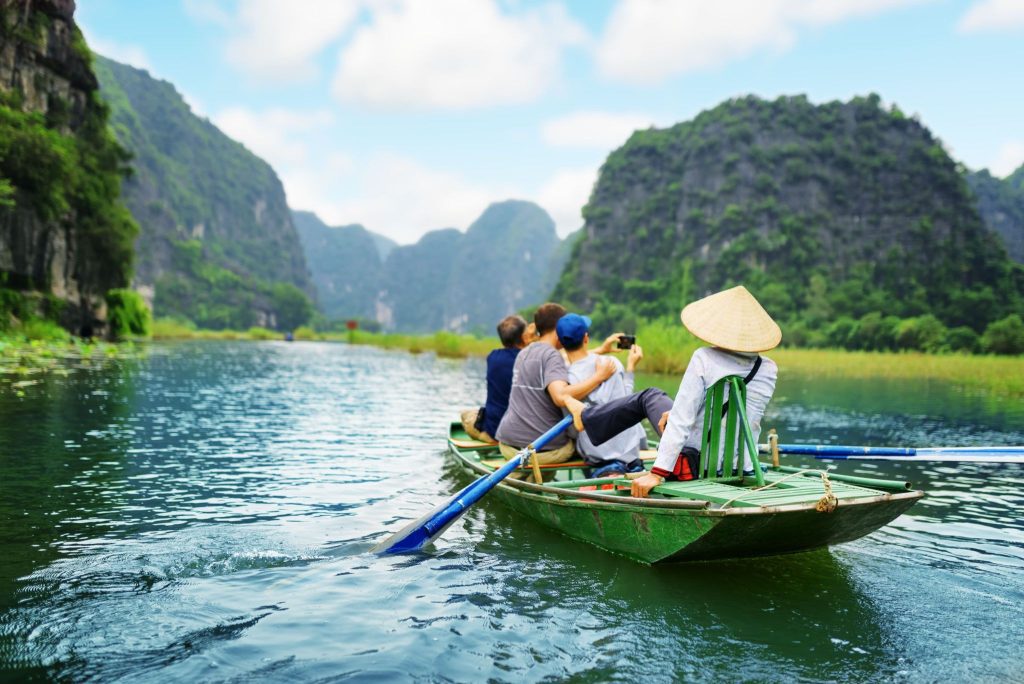
Travel in Vietnam is shaped more by geography than by a single calendar. Stretching across multiple climate zones, the country rewards travelers who plan by region rather than season. This regional variation is exactly what makes Vietnam so compelling and consistently well rated among travelers who value depth and flexibility.
- One destination, several ideal moments: Vietnam does not offer a universal “best time.” Instead, each part of the country reveals itself at its best under different conditions. Northern regions shine when cooler temperatures support outdoor exploration, central areas benefit from dry, stable weather, and the south remains inviting during months when other regions slow down. This staggered rhythm allows travelers to build well-timed itineraries.
- Experiences travelers value most: Across regions, Vietnam consistently ranks high for immersive and grounded experiences. Scenic landscapes, from limestone bays to terraced mountains, invite slow travel. Historic towns and cultural sites captivate. Street-level food culture, often cited as a highlight, turns simple meals into memorable moments through variety, freshness, and regional character.
- North, central, and south, each with its own appeal: The north draws travelers seeking cooler air, dramatic scenery, and traditional mountain towns. Central Vietnam is prized for historic cities, coastline access, and balanced conditions that suit both cultural and leisure travel. The south offers warmth, energy, and year-round urban life, with river landscapes and coastal areas adding contrast to city stays.
- Cuisine as a regional language: Food is one of Vietnam’s most valued elements, and it changes noticeably by region. From lighter, herb-driven dishes to richer southern flavors, meals reflect climate and local tradition.
Best time to visit: Travel timing in Vietnam works best when planned by region. The north is most comfortable from October to November and again from March to April, when temperatures are cooler, skies clearer, and prices steadier outside peak holidays. Central Vietnam is easiest to visit from February to April, offering dry weather and fewer visitors before summer demand builds. The south remains accessible for much of the year, but late November through early February combines lower humidity with better value before high-season crowds peak.
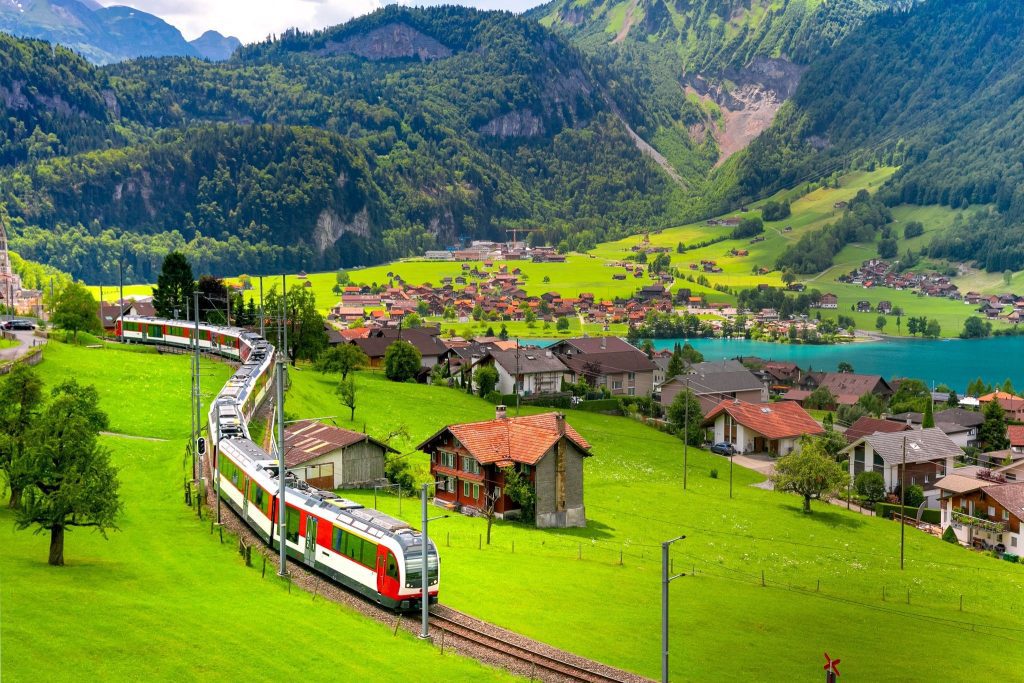
10. Switzerland: Reliability, Scenic Views and Trains, Notable Cities
The country’s appeal lies in how seamlessly nature, infrastructure, and everyday life work together, creating a destination that remains rewarding in every season.
- What travelers value most: Landscape access without effort. Mountains, lakes, and valleys are easy to reach, often within an hour of major cities. Scenic trains and cable cars turn transit into part of the experience.
- Reliability and ease: Transport runs on time, trails are clearly marked, and towns are thoughtfully organized. This consistency is frequently cited as a reason Switzerland feels relaxing.
- Outdoor experiences with structure: Hiking, skiing, lake swimming, and panoramic rail journeys are among the highest-rated activities, supported by well-maintained routes and clear guidance.
- How the year shapes the experience: Summer opens alpine paths, lakeside towns, and long-distance hikes, with clear air and extended daylight. Autumn brings quieter trails and sharp mountain views as crowds thin. Winter transforms the landscape into a focused, well-run snow destination, while cities remain active and comfortable. Spring bridges the seasons, offering green valleys below and snow still visible at higher elevations.
- Cities that complement nature: Zurich, Lucerne, Geneva, and smaller regional centers balance cultural life with immediate access to the outdoors. Waterfront promenades, old towns, and local cafés add texture to trips that might otherwise feel purely scenic.
Best time to visit: For a quieter and more affordable experience in Switzerland, late May through June and September into early October are the most practical windows. Mountain areas are accessible, lakeside towns are active, and major sights feel less pressured than in peak summer or winter.
Planning earlier gives you more room to travel on your terms. Flexible dates, wider route options, and better availability often translate into calmer decisions and more competitive pricing, especially for long-haul and premium trips.
With AranGrant, early planning does not mean added risk. Options like Flexible Ticket and Cancel For Any Reason allow you to adjust plans if circumstances change, often at a lower overall cost than waiting for limited, last-minute fares. Starting sooner gives you control, flexibility, and value — all before demand tightens.