Chapters:

Need help with your trip?
Our support team is available 24/7. Request a callback or call us directly at (833) 619-0908
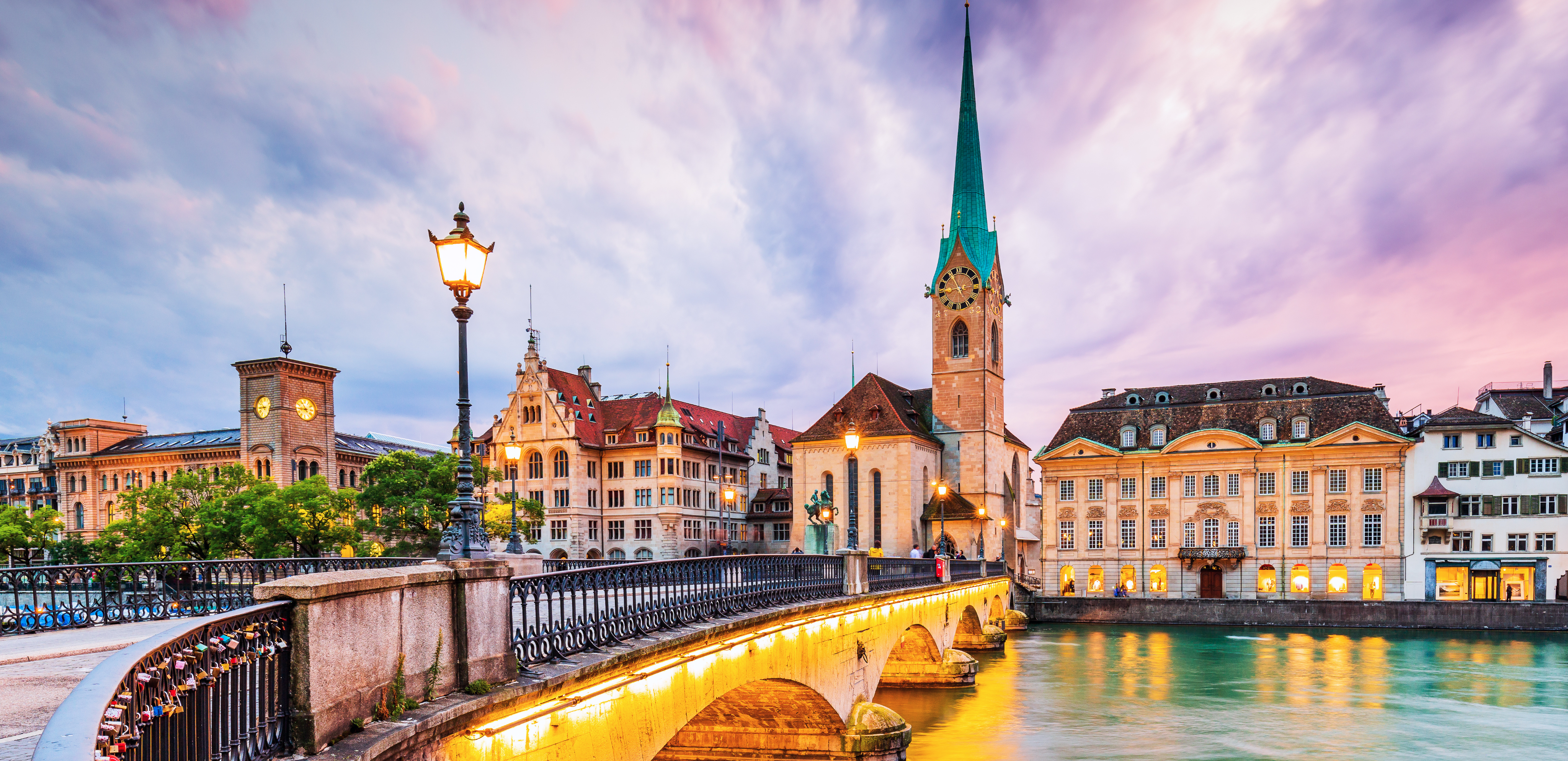
Zürich is Switzerland’s largest city, with a historic center, a busy financial district, an active lakefront, and neighborhoods that feel lived in beyond the postcard views. Trams pass through streets lined with banks, watch shops, cafés, galleries, and old guild houses. In summer, people swim in the Limmat, sit by the lake, and use the parks and squares throughout the day. The city feels polished without being static, with students, commuters, shoppers, families, and visitors sharing the same compact center.
This guide introduces Zürich through its main areas, from the Old Town and Bahnhofstrasse to the lakefront, Zürich-West, the university quarter, and the viewpoints above the city. It also covers where to stay, what to eat, how to get around, and which day trips fit best into a short visit.
Useful things to know

Main language(s): German (Swiss German dialects), English widely known
Grüezi (GROO-eht-see) – Hello
Bitte (BIT-teh) – Please
Danke (DAHN-keh) – Thank you
Sprechen Sie Englisch? (SHPREH-khen zee ENG-lish?) – Do you speak English?
Wie viel kostet das? (vee feel KOH-stet dahss?) – How much does it cost?

Currency: Swiss franc (CHF, Fr.)

Cash and cards: Cards are widely accepted, including Apple Pay and Google Pay, so you can travel mostly cashless. Keep CHF 20 to CHF 40 ($23–$46) in cash for small cafés, bakeries, public toilets, or market purchases.

Tipping: Tipping is optional but appreciated. In restaurants, a small rounding up of 5%–10% is common if service is good, especially for sit-down dining.

Traditional food: Zürcher Geschnetzeltes (veal in creamy mushroom sauce), Rösti (fried grated potato pancake, a Swiss staple), Zopf (braided bread, often with butter)

Water and coffee costs: A small bottle of water usually costs CHF 2.50–CHF 4.50 ($2.80–$5.10), and an espresso is often CHF 4–CHF 5.50 ($4.50–$6.25). Water is not always free in restaurants, so budget a little extra for drinks.

Taxis and ride apps: Uber and Bolt work in Zürich. For licensed taxis, the 7×7 Taxi app is a reliable local option. In the center, official taxis are easy to find, but avoid unlicensed drivers at the airport and stations.

Plug and voltage: Type J, 230V

Dining and shop opening hours: Breakfast is served from 07:00 am to 10:00 am, lunch from 11:30 am to 2:00 pm, and dinner from 6:00 pm to 9:00 pm. Small restaurants may close on Sundays.

Emergency number: Dial 112 for general emergencies. Call 117 for police, 118 for firefighters, and 144 to request an ambulance.
Where to stay in Zürich
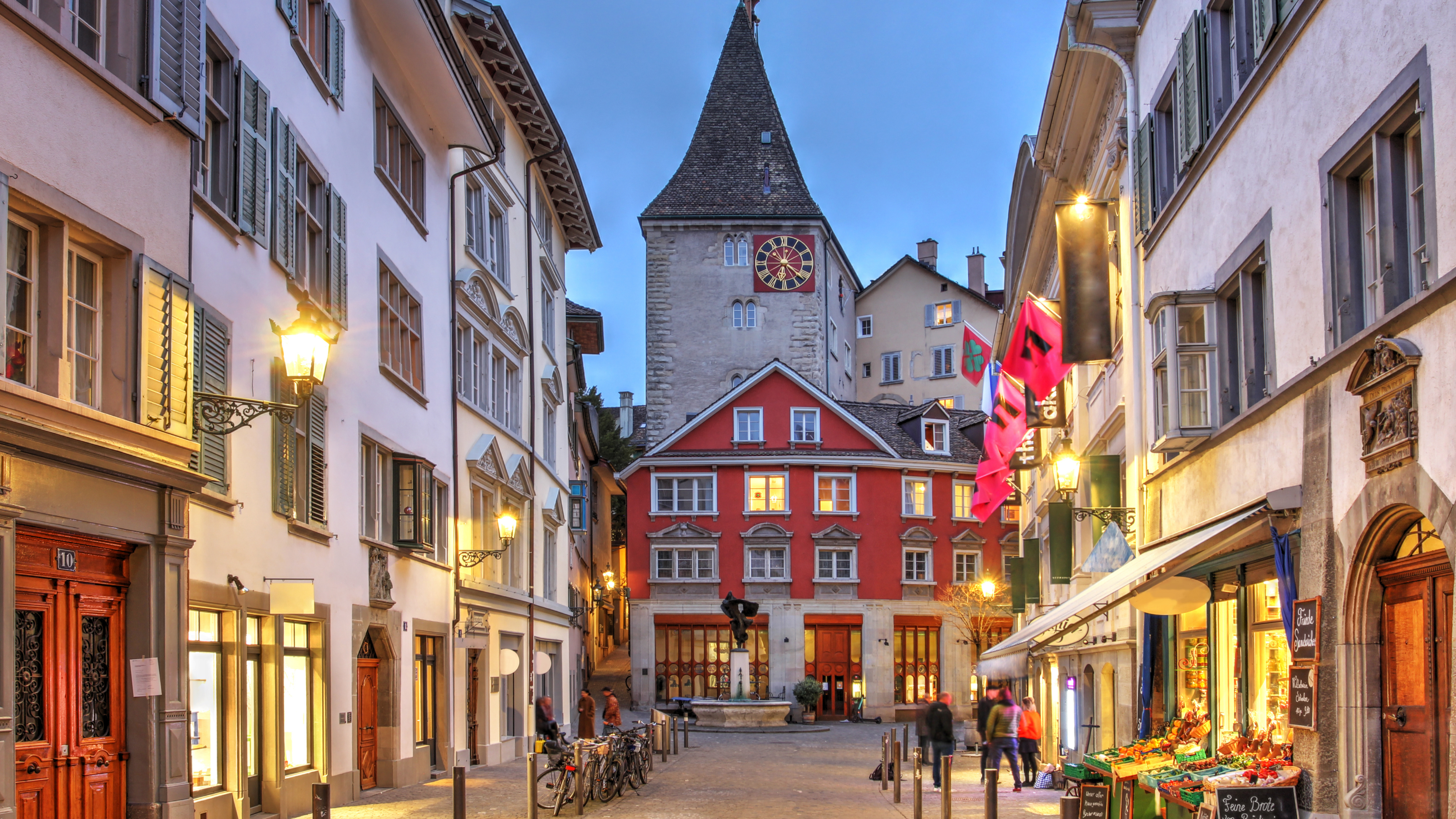
The medieval area around Limmatquai and the Hauptbahnhof edge is perfect for first-time visitors: compact streets, riverside views, top museums nearby, and abundant cafés. Expect classic architecture and streets that are busy day and night.
Best for: First-time visits, sightseeing, and easy access to major landmarks
What to expect: Lively historic streets and busy promenades
Hotel prices: Well-rated hotels usually cost about CHF 160–CHF 295 ($195–365) per night.
Distance to major sights: 10 to 20 minutes on foot to central lake and old town highlights
Quietness: Busy in daytime and evenings; nighttime is active but manageable.
Main trade-off: Higher prices and more crowds than in residential districts
Good to know: Old Town has narrow lanes, cobblestones, stairs, and uphill stretches. Some hotels are not directly reachable by tram or taxi.
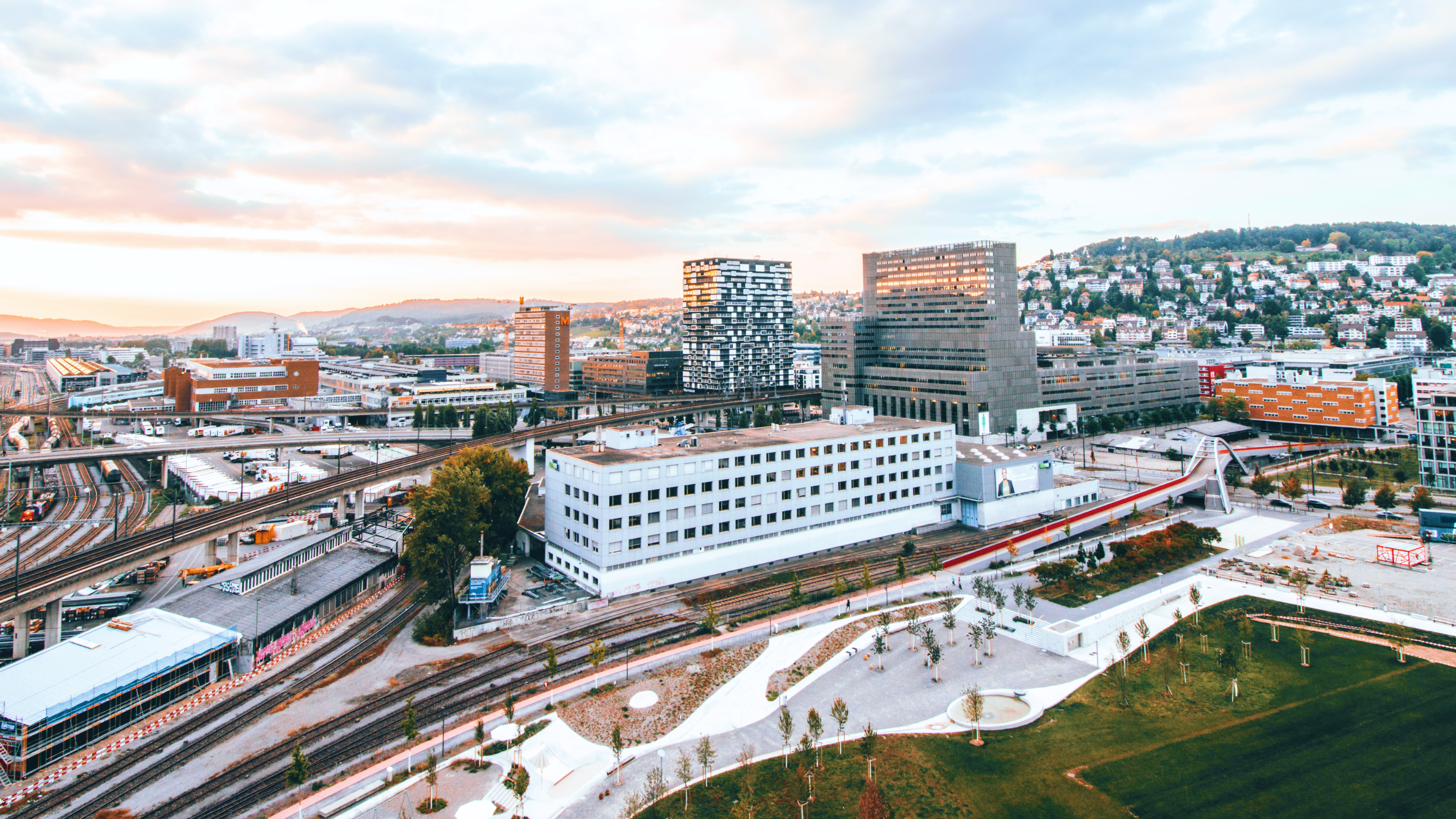
A creative, former industrial district by the rail tracks and the Limmat. Zürchers come here for design shops, nightlife, and modern restaurants. This area is great if you like contemporary vibes and street art.
Best for: Foodies, design lovers, and travelers who prefer something modern and exquisite
What to expect: Former industrial buildings, restaurants, bars, galleries, design shops, Freitag tower near Hardbrücke
Hotel prices: Expect many well-rated stays in Zürich-West to fall around CHF 130–CHF 240 ($160–295) per night.
Distance to major sights: About 15 to 25 minutes by tram to central Bahnhof and lake areas
Quietness: Moderate noise by night near venues; generally quieter away from hubs
Main trade-off: The area is not as historic or “classic postcard” as the Old Town.
Good to know: Zürich-West has its best restaurant and bar options around Viadukt, Frau Gerolds Garten, and the streets near Hardbrücke.
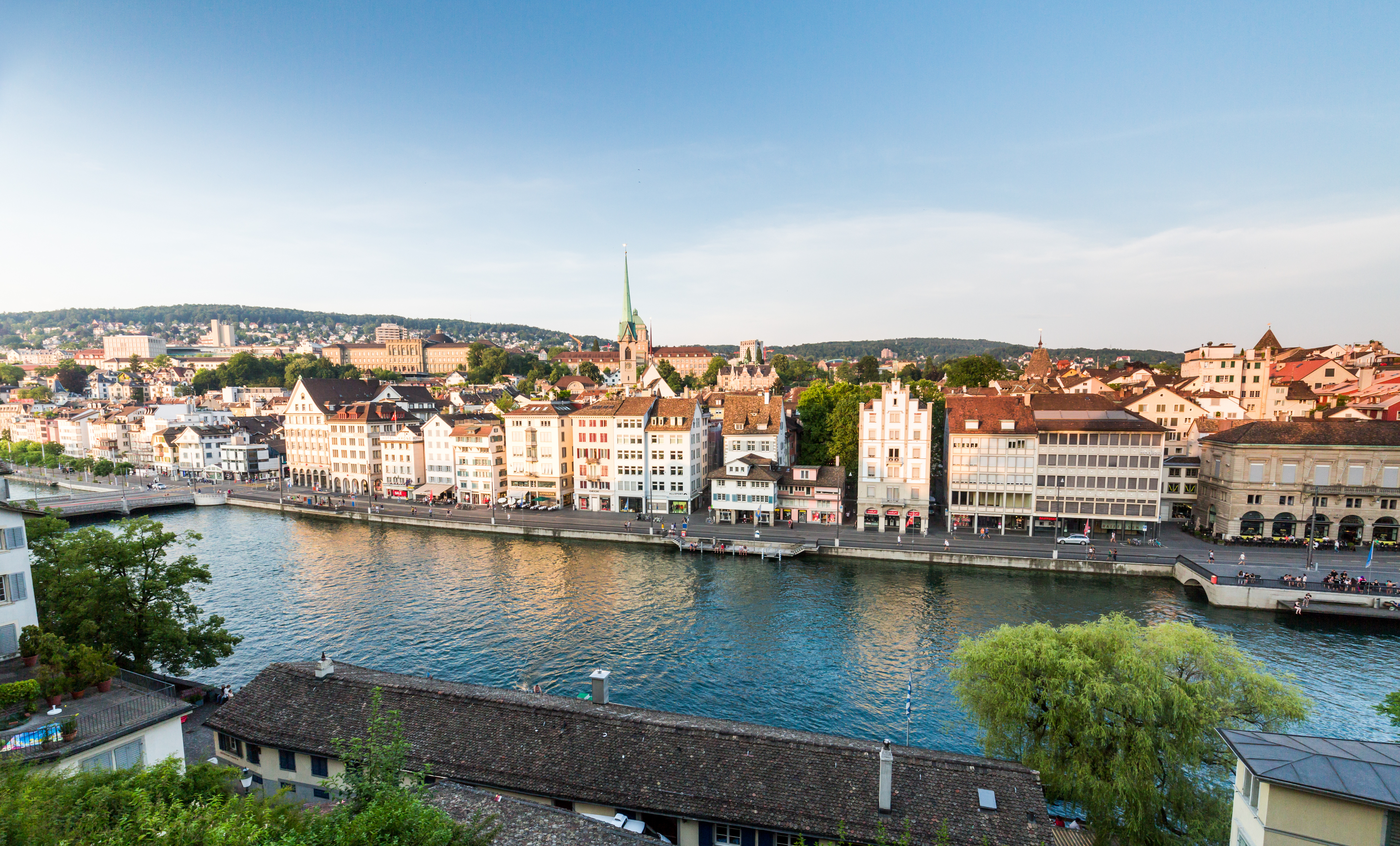
Seefeld is on the eastern side of Lake Zürich, just south of the Old Town. The area has residential streets, villa-style buildings, cafés, restaurants, and easy access to the lakeside promenades around Zürichhorn.
Best for: Couples, luxury-leaning travelers, and anyone who enjoys lake views
What to expect: Residential streets near the lake, promenades around Zürichhorn, swimming areas, cafés, restaurants, and easy tram access to the center
Hotel prices: In Seefeld, many well-rated hotels charge CHF 175–CHF 330 ($215–410) per night.
Distance to major sights: 20–35 minutes on foot or 10 to 20 minutes by tram to central sights
Quietness: Lively during the day around the lake; evenings are relatively calm.
Main trade-off: Seefeld puts you closer to the lake than to the Old Town, so most major sights require a tram ride or a longer walk.
Good to know: Seefeld is home to the Zurich Opera House, which sits at Sechseläutenplatz, one of the city’s main public squares.
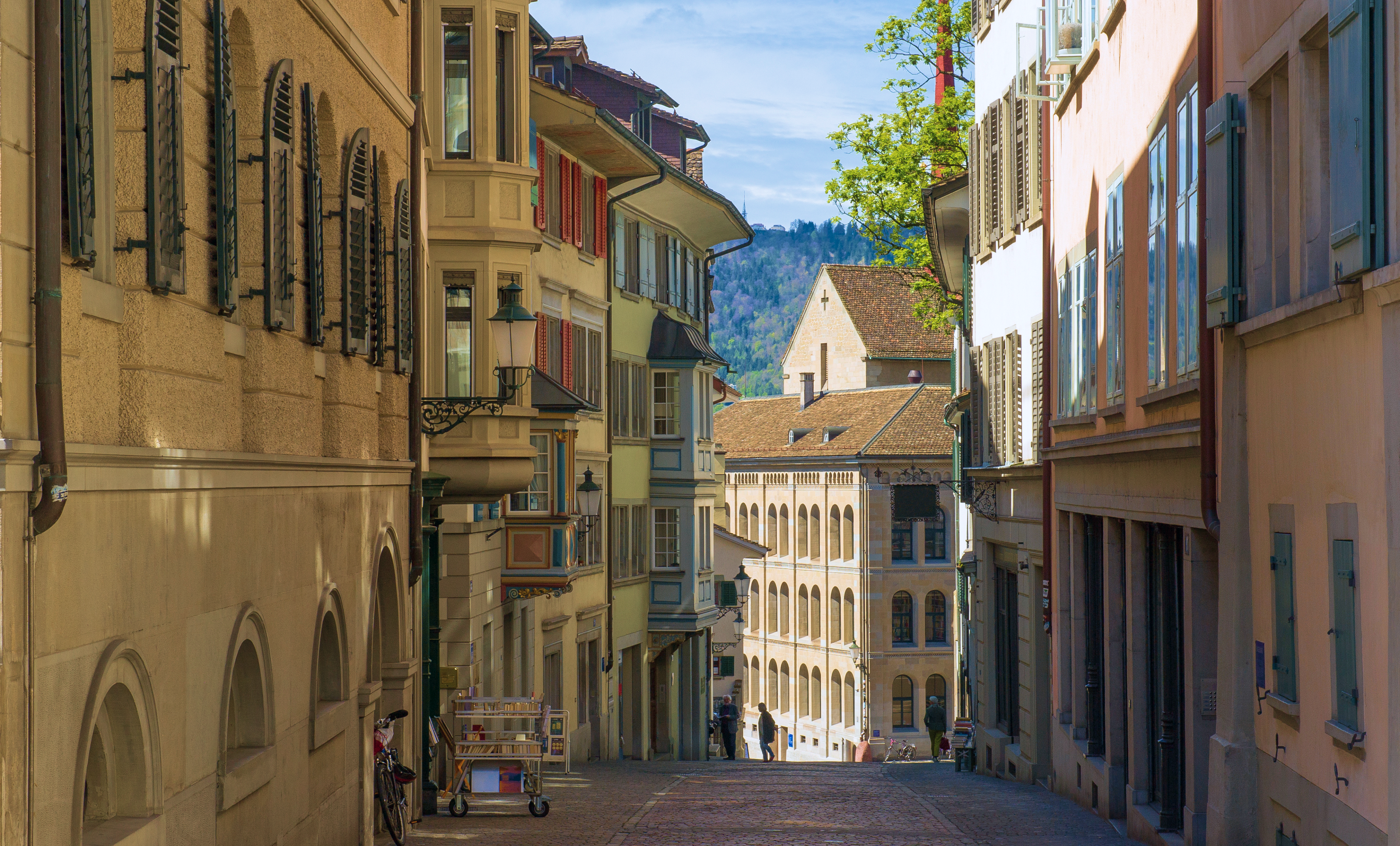
Wiedikon is a residential district between the Sihl and the lower slopes of Uetliberg. The area has apartment streets, local shops, casual restaurants, markets, and quick access to parks and walking routes. It suits travelers who want a less tourist-heavy base with easy transport back to the center.
Best for: Value-conscious visitors and travelers seeking local life
What to expect: Apartment streets, local shops, casual restaurants, markets, parks, and tram links into the center.
Hotel prices: Wiedikon has many well-rated hotels charging CHF 100–CHF 195 ($125–240) per night.
Distance to major sights: About 20 to 35 minutes by tram to central Bahnhof and Old Town
Quietness: Generally quieter than the center, with manageable evening activity
Main trade-off: Fewer “must-see” attractions within immediate walking distance
Good to know: Wiedikon has several weekend and neighborhood markets, including the large flea market at Kanzlei in warmer months.
Avoid Dübendorf, Dietlikon, and the outer Limmattal suburbs: they have sparse dining options and limited tourist infrastructure despite decent S-Bahn links. Same goes for Oerlikon’s outer industrial fringes unless you choose a hotel near the station.
Hotel deals
How to get around Zürich efficiently
Trams and trains cover most of what visitors need in Zürich, and walking covers the gaps between stops. Taxis are useful for airport transfers, luggage, or destinations the rail network does not reach.

Tram and S-Bahn
for most city travel and longer distances
Trams cover the center, Bahnhofstrasse, Seefeld, Zürich-West, and many residential areas. S-Bahn trains handle longer rides, airport trips, and routes beyond the center. Single rides usually cost CHF 3.20–CHF 4.40 ($3.60–$5.00).

Bus
for areas beyond the tram network
Buses use the same tickets as trams and S-Bahn trains. The price depends on how many city zones the ride crosses, not on the type of transport. Single rides usually cost CHF 3.20–CHF 4.40 ($3.60–$5.00).

Taxi
for luggage, late hours, or direct transfers
You can take a taxi from the rank outside the airport arrivals area, ask your hotel front desk to call a car, or request a ride through Uber or Bolt. Airport rides to central Zürich usually cost CHF 50–CHF 70 ($57–$80).
*Prices are based on rates updated as of June 2026 and may change at the time of travel.
Most visitors walk between nearby sights, use trams for central routes, and take S-Bahn trains for long rides or trips to the airport.
Iconic landmarks
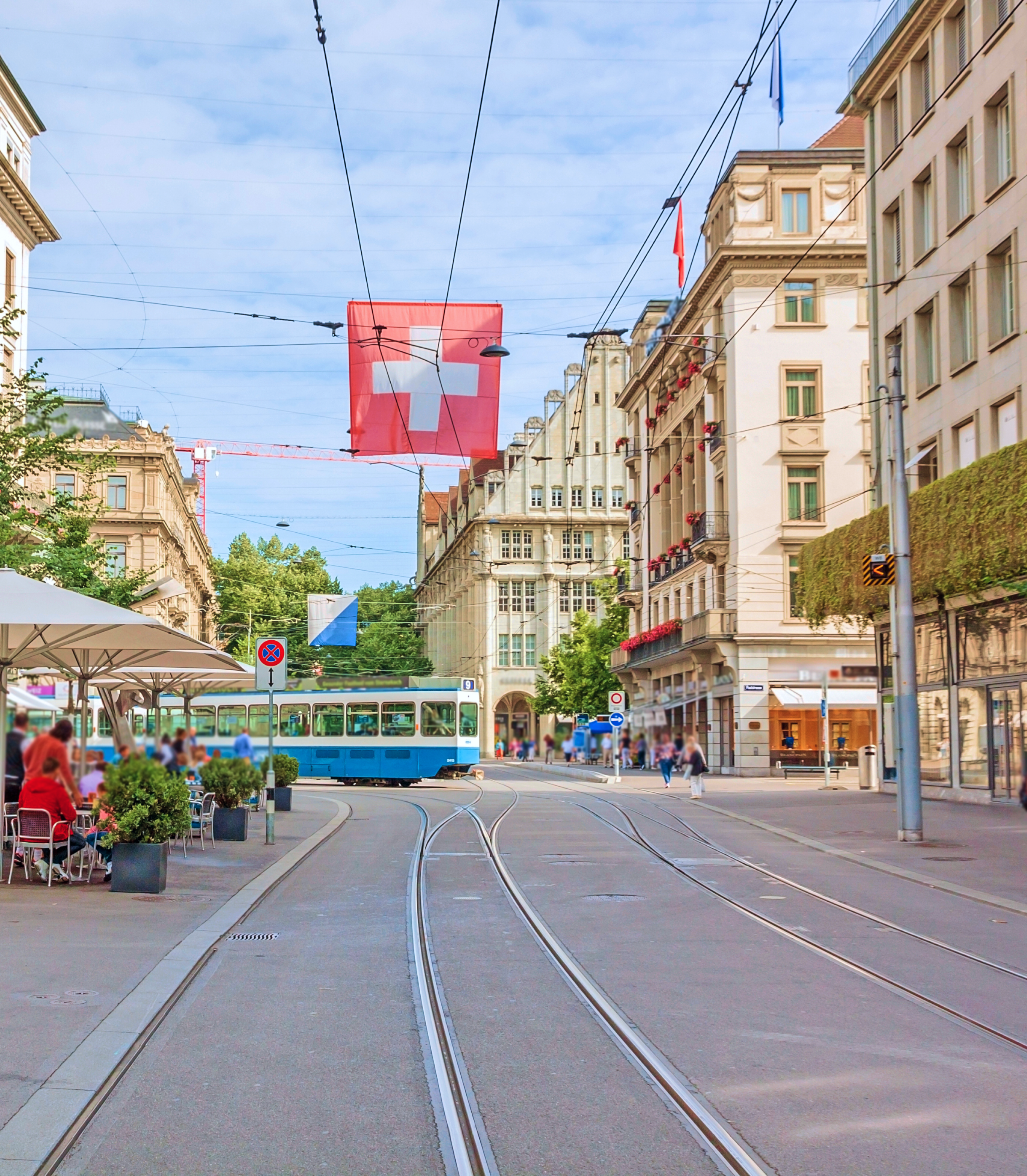
Bahnhofstrasse
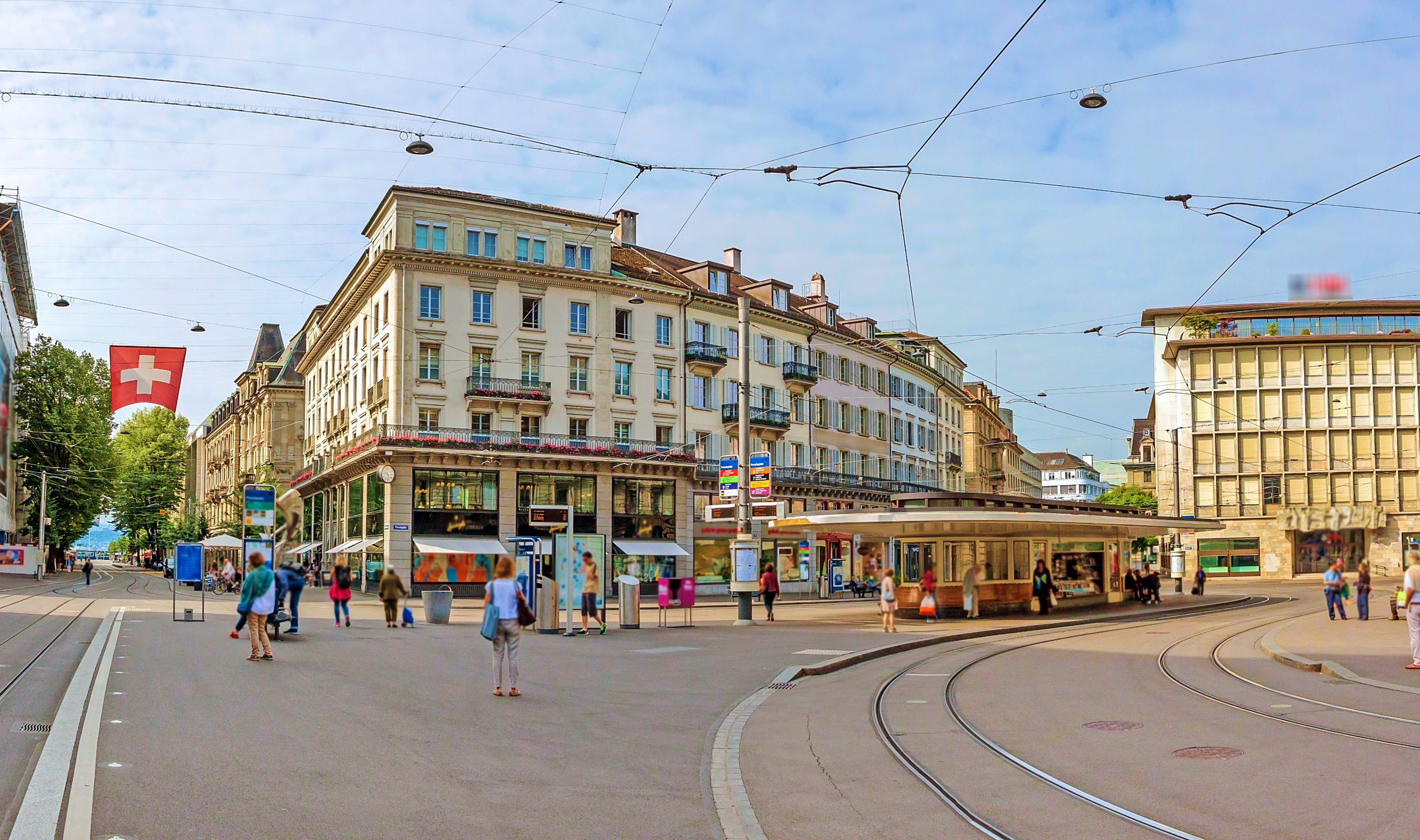
Zürich’s world-famous shopping avenue links the main rail station to the lakefront, passing Paradeplatz, the heart of Swiss banking, and lined with luxury boutiques, department stores, and tram stops along the way.
Time needed: From 45 minutes to 2 hours
Entry: Free to explore Visit the official site for details.
Tip: Walk from Bellevue toward Zürichhorn, then take the tram back from Seefeld so you do not repeat the lakefront route.
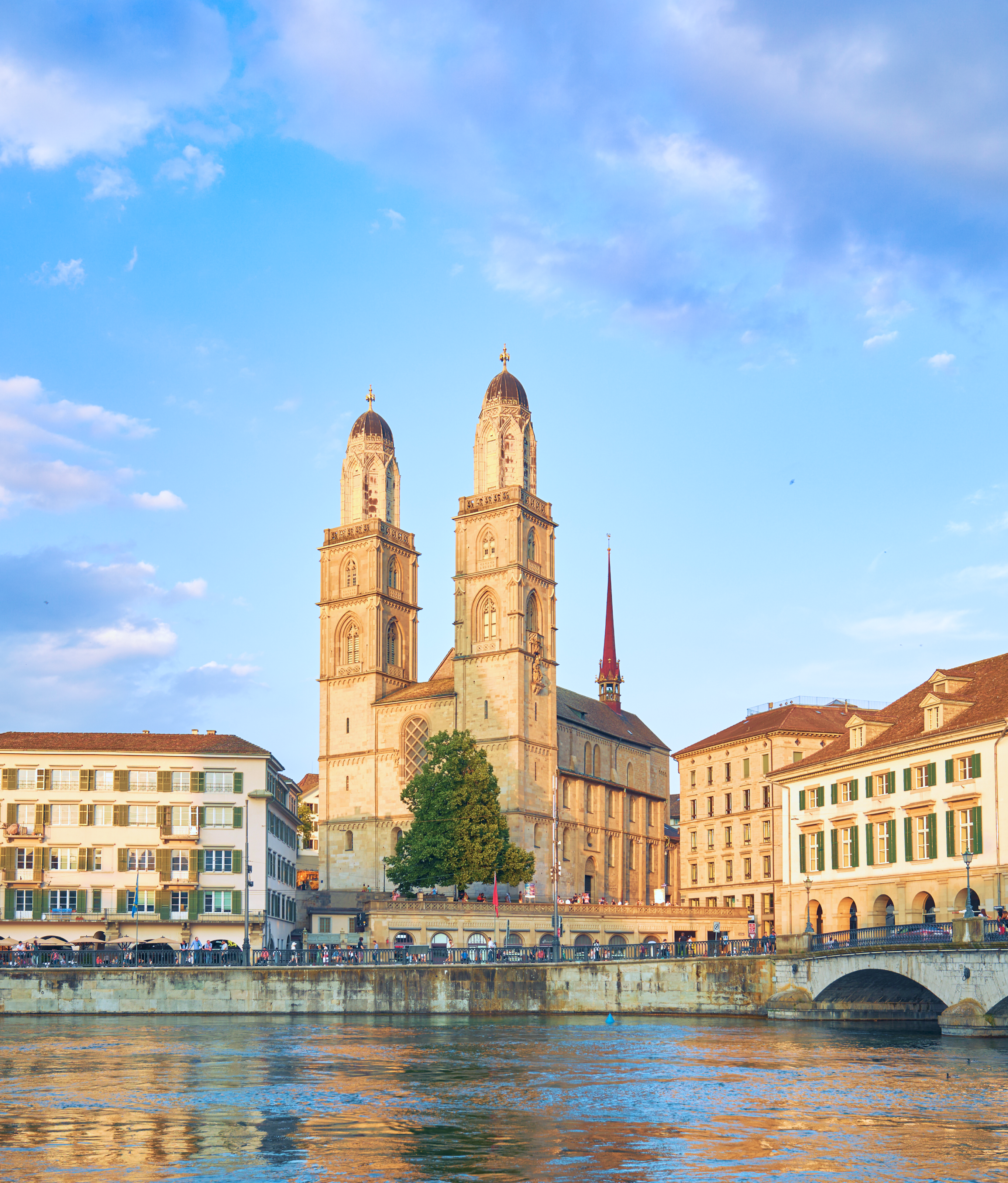
Grossmünster
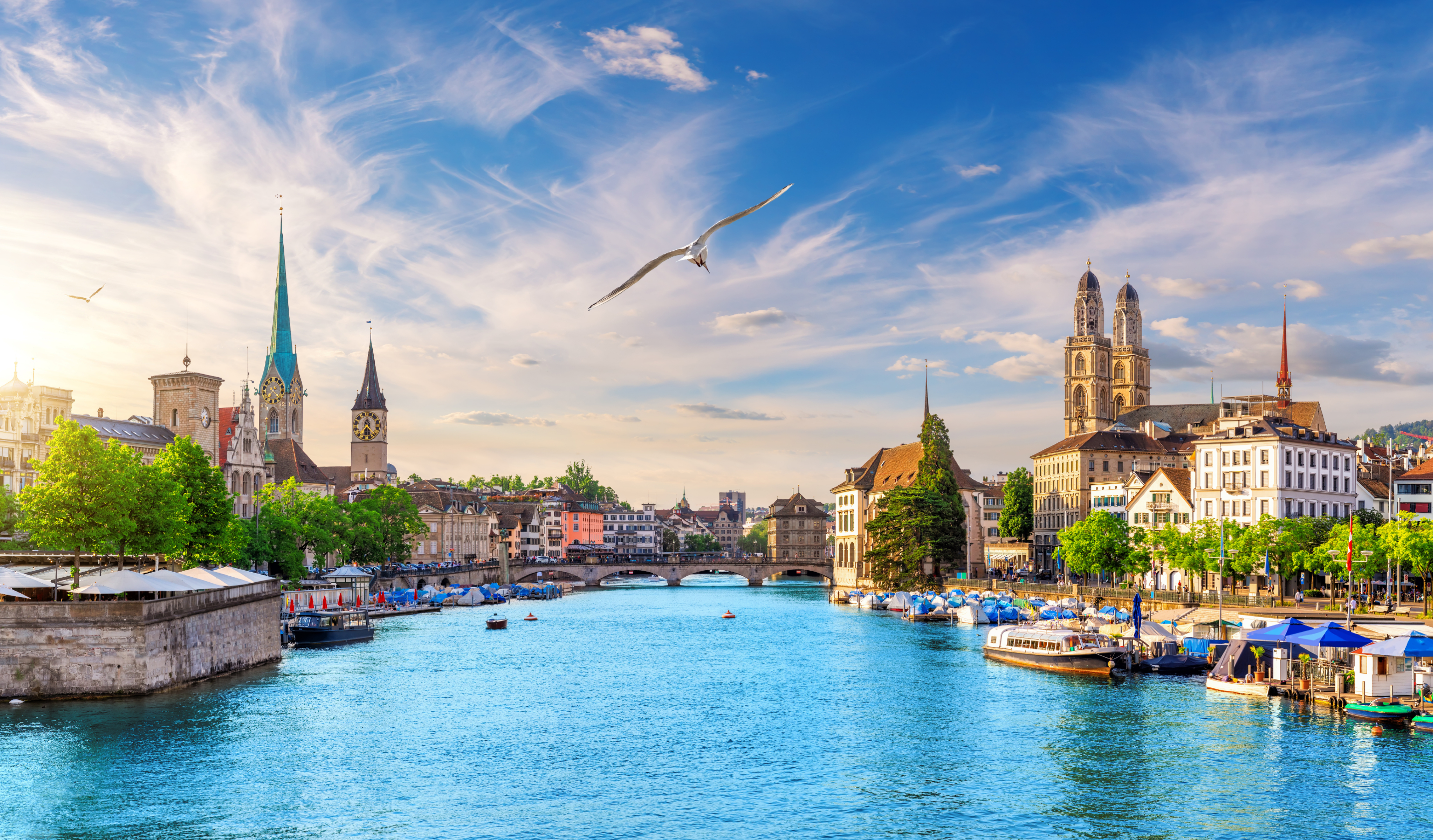
The twin-towered Grossmünster is one of Zürich’s clearest landmarks on the Limmat. Inside, the church has a plain Protestant interior, stained-glass windows by Augusto Giacometti, and a crypt with an original Charlemagne statue.
Time needed: Most visits take 45 minutes to 1 hour.
Entry: Free to enter; tower views and special exhibits may cost extra. Visit the official site for details.
Tip: Check service times; quieter moments are usually midmorning.
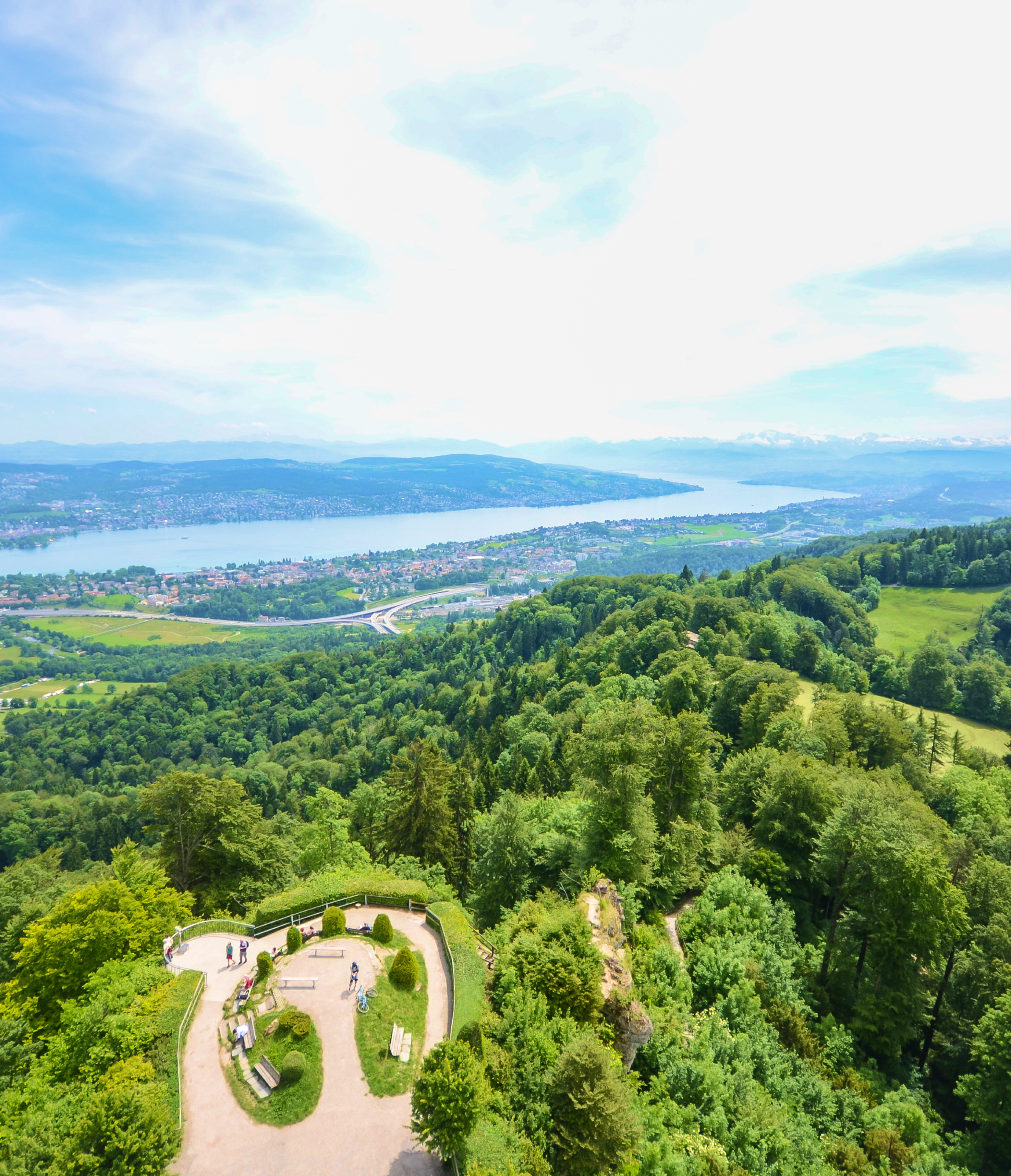
Uetliberg (Uetliberg Summit)
Uetliberg is Zürich’s local mountain, with views across the city, Lake Zürich, and the Alps in clear weather. The summit has a lookout tower, broad walking paths, grassy clearings, and forest edges above the western side of the city.
Time needed: About 2 to 3 hours
Entry: Free access to viewpoints and trails Visit the official site for details.
Tip: Bring extra clothes, because it can be cold at the summit even in summer.
Overlooked sites worth visiting

Fraumünster Church
Fraumünster stands near Münsterhof on the left bank of the Limmat. The church is known for stained-glass windows by Marc Chagall and Augusto Giacometti, along with a slender spire above the Old Town.
Time needed: About 1 to 2 hours
Entry: Entry costs CHF 5 ($6) for adults. Services are free to attend, but the church does not allow tourist visits during services.
Tip: Visit in daylight, because the main reason to enter the church is the stained glass.

Lindenhof Hill
Lindenhof is a quiet garden above the Old Town, with trees, benches, and gravel paths on a former Roman site. Its terrace looks over the Limmat, Grossmünster, the university buildings, and the rooftops below.
Time needed: About 45 minutes to 1.5 hours
Entry: Free to access; no tickets required Visit the official site for details.
Tip: Arrive 30 to 45 minutes before sunset to see the light change.
Traditional food
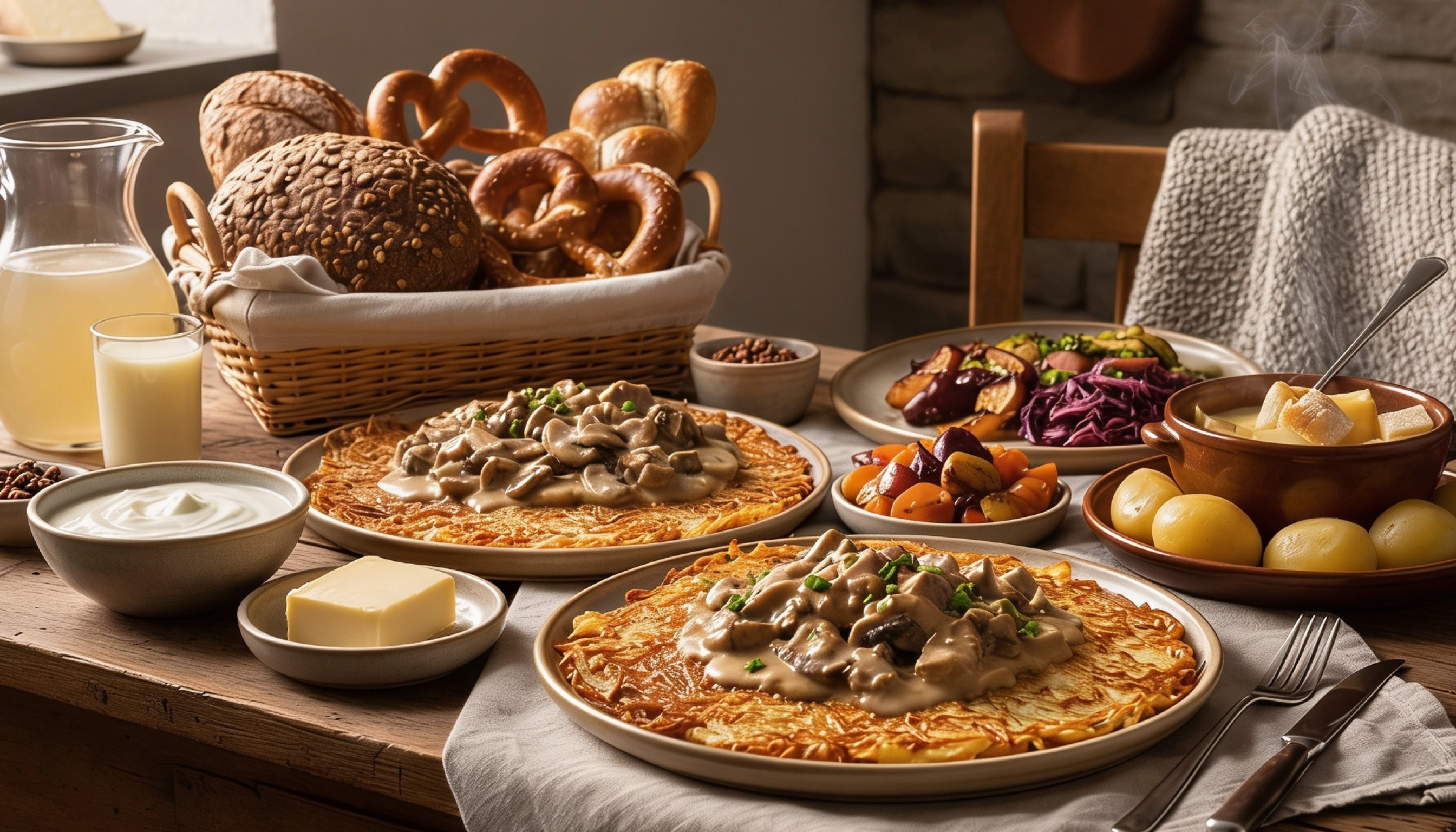
Zürich’s traditional food is defined by hearty dairy-rich sauces, crisp rösti, and fresh bakery staples.
Zürcher Geschnetzeltes
This is one of Zürich’s signature meals: sliced veal in a creamy mushroom sauce, usually served with rösti. Kronenhalle has served a classic version for generations, making it a great place to try the dish for the first time.
Zürcher Rösti
Zürcher rösti is grated potato fried until the outside turns crisp and the center stays soft. Restaurants serve it as a side dish or as a full plate with toppings such as egg, cheese, bacon, or veal in cream sauce. Zeughauskeller is a good restaurant to try this meal.
Zopf
This braided Swiss bread is a breakfast and weekend favorite, especially when paired with butter or jam. Hausammann is one of Zürich’s most established bakeries for Zopf, having specialised in it for over 80 years.
Birchermüesli
Birchermüesli is a Swiss breakfast dish made with oats, grated apple, yogurt or milk, nuts, and fruit. Zürich cafés serve it in the morning and at brunch, usually as a lighter alternative to pastries or eggs. Hiltl, near Bahnhofstrasse, serves Birchermüesli for breakfast.
Best time to visit Zürich
The best time to visit Zürich depends on the kind of trip you want. Warm months bring more time by the lake and river, while cooler months shift more of the day toward museums, cafés, and restaurants.
Best for: City walks and the clear views from Uetliberg
What you get: Temperatures usually range from 41°F–64°F (5°C–18°C), with moderate crowds.
Trade-offs: Rain can interrupt lakefront and hilltop plans.
Best for: Long evenings, lake time, and the liveliest café season
What you get: Temperatures usually range from 59°F–79°F (15°C–26°C), with the highest visitor numbers and the busiest central streets.
Trade-offs: Crowds and prices are at their peak.
Best for: Clear mountain air, comfortable sightseeing, and balanced pacing
What you get: Temperatures usually range from 39°F–66°F (4°C–19°C), with moderate crowds and best conditions for walking and hiking.
Trade-offs: Shorter days begin to limit late outdoor plans.
Best for: Museum visits and exploring traditional restaurants
What you get: Temperatures usually range from 28–43°F (-2–6°C), with very few crowds.
Trade-offs: Cold, gray days can make long outdoor walks less appealing.
A realistic 5-day plan in Zürich
A clear plan is important for a trip to Zürich because it keeps the days from feeling rushed. This five-day plan is a good way to experience Zürich for the first time, or you can treat it as a base for longer plans.
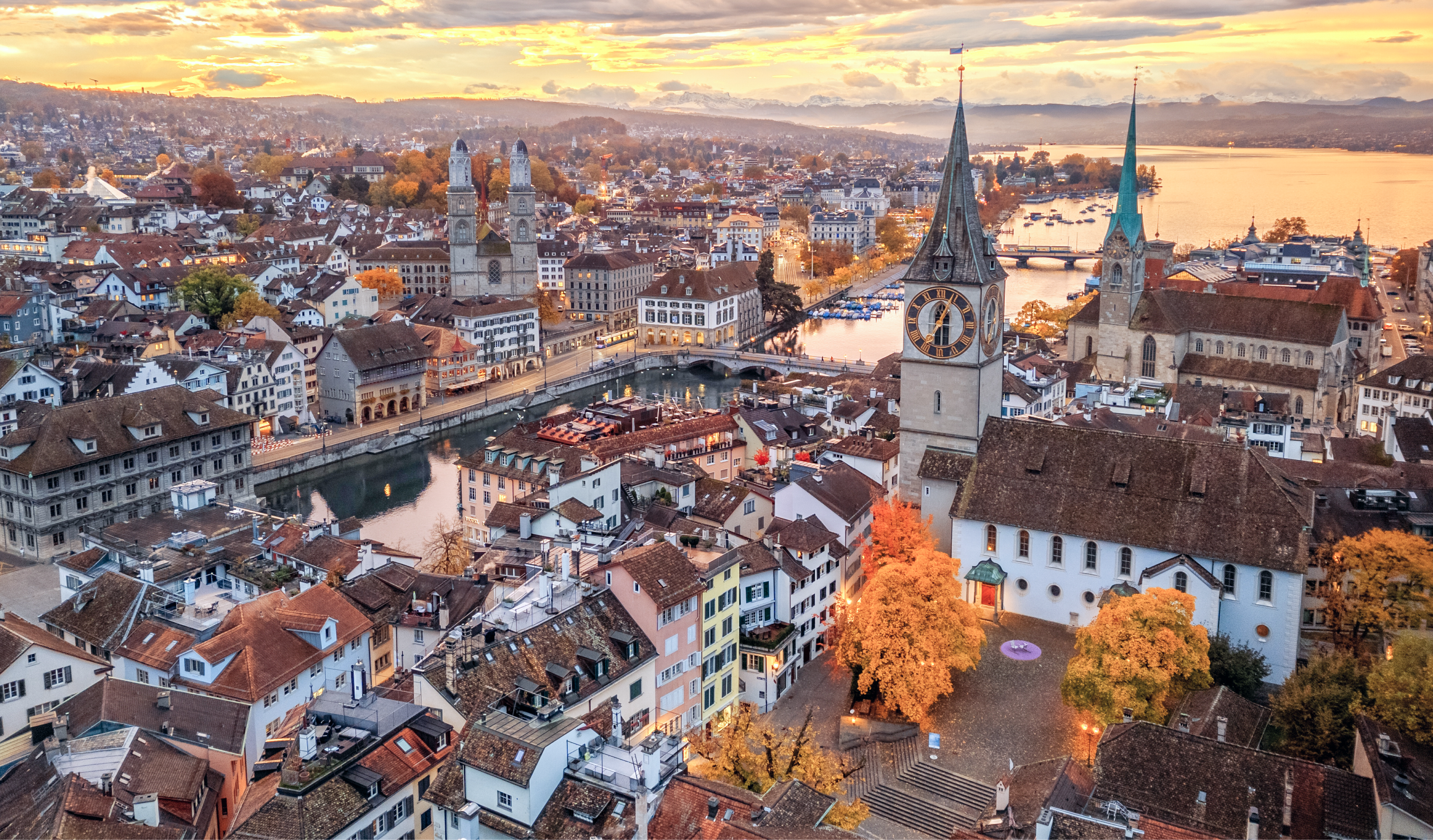
Take the train from Zürich Airport directly to Zürich Hauptbahnhof. Trains run every few minutes and reach the center in about ten minutes. If you arrive with daylight to spare, walk the length of Bahnhofstrasse down to the lake at Bürkliplatz, then follow the Limmat riverfront back toward the station. The walk takes around an hour, and gives you a solid first read on the city’s layout. Keep the evening relaxed.
Start in Altstadt with a loop through Bahnhofstrasse, then cross onto the Limmatquai and head south toward the twin towers of Grossmünster. Enter for free and allow 45 to 60 minutes inside. From there, cross the river to Fraumünster. Marc Chagall’s five stained-glass windows are the main reason to go inside, especially when daylight comes through the choir. Finish the afternoon on Lindenhof Hill, a short uphill walk from the river, with wide views over the Limmat and rooftops.
Take the S10 train from Zürich Hauptbahnhof up to Uetliberg for the city’s best panoramic viewpoint. On a clear day, the lake, the Alps, and the city spread out below the summit observation platform. A marked ridge trail near the summit takes about 30 to 45 minutes and gives you more time above the city before returning to the train. Head back down by early afternoon and spend the evening in Altstadt or Zürich-West.
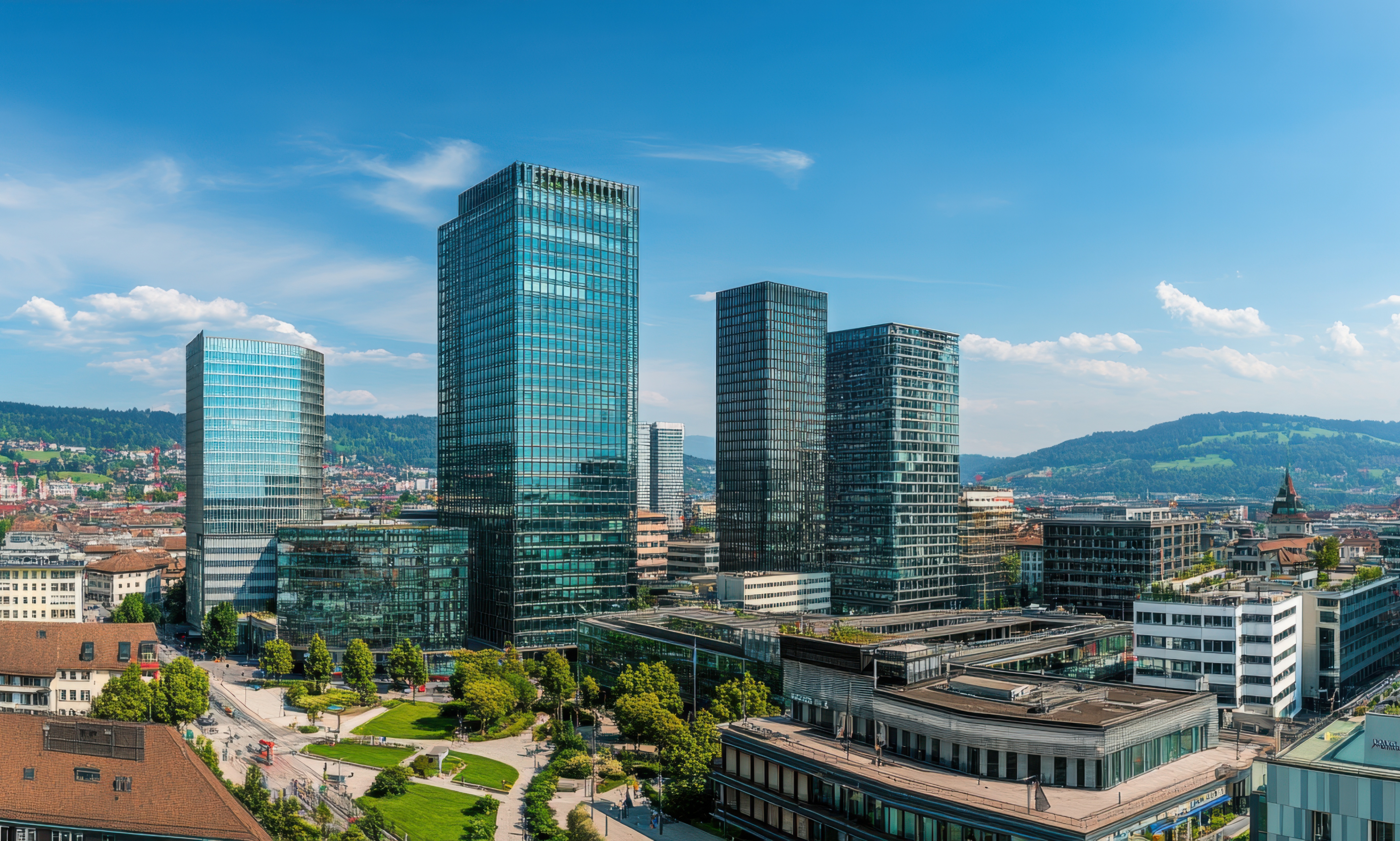
Spend the morning exploring Zürich-West on foot. Im Viadukt is its main draw: a former railway viaduct whose 36 arches now house design boutiques, a local food market hall, galleries, and cafés. The Freitag flagship store is a few minutes away and worth a visit for its architecture alone. Overall, the district has street art, former industrial buildings now hosting creative spaces, and a noticeably younger, more relaxed energy than the Old Town. Stay for dinner; contemporary restaurants are plentiful here.
Keep the last morning simple. Walk Bahnhofstrasse one more time, stop at the lake at Bürkliplatz, or have a coffee near the station. Zürich Hauptbahnhof station has left-luggage facilities if your flight is in the afternoon and you want to stay out longer. When ready, take the train directly to the airport.
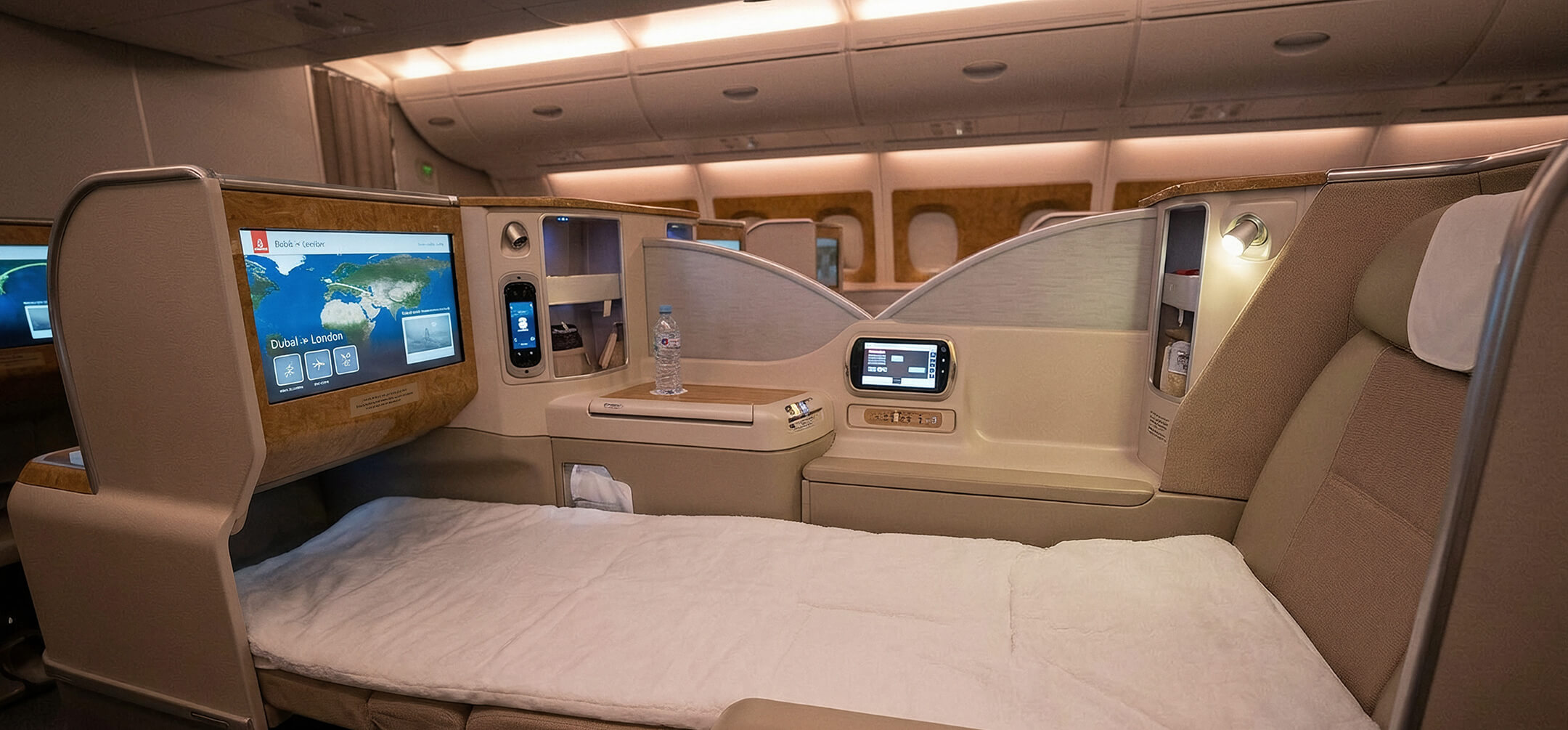
Business-class flights from the US to Zürich

You can find business-class flights to Zürich from major hubs across the US. The examples below show flight options from the East and West Coasts in 2026.
New York (JFK) to Zürich (ZRH)
SWISS operates nonstop business-class flights from New York (JFK) to Zürich (ZRH). The trip takes roughly 8 hours. Round-trip business-class fares usually start at $4,000 and can rise to $10,500 for last-minute bookings.
Los Angeles (LAX) to Zürich (ZRH)
SWISS also operates nonstop business-class flights from Los Angeles (LAX) to Zürich (ZRH). The trip lasts approximately 11 hours. For this route, fares start at roughly $4,400 and can climb to $12,000 when your departure is close.
Zürich feels calmer when it is paced well
A good Zürich trip gives each day one clear area. The Old Town, the Limmat, the lakefront, Uetliberg, and Zürich-West all need different amounts of time, so the plan should leave space between stops. If you are planning a trip to Zürich, our experts at AranGrant can help you compare flights and choose one, so you arrive at your destination well-rested and ready to explore.