

Chapters:

Need help with your trip?
Our support team is available 24/7. Request a callback or call us directly at (833) 619-0908
Zagreb rewards travelers who split their time between the hilltop old town and the flatter streets below, yet many visitors still compress it into a quick square-to-square walk and miss the city’s quieter corners.
That pattern leaves too much distance to cover on foot, too many tram crossings to improvise, and too little time for places like Mirogoj or the museum cluster south of the hill.
This guide lays out a cleaner sequence, with neighborhoods, meals, and day trips arranged so the city opens in manageable layers.
Useful things to know

Main language(s): Croatian
Dobar dan (DOH-bahr dahn) – Hello/good morning
Molim (MOH-leem) – Please
Hvala (HVAH-lah) – Thank you
Govorite li engleski? (GOH-voh-ree-teh lee ENG-leh-skee) – Do you speak English?
Koliko košta? (KOH-lee-koh KOH-shtah) – How much does it cost?

Currency: The local currency is the euro (EUR, €).

Cash and cards: Cards and contactless are widely accepted; keep about €20 to €40 ($22 to $44) in cash for small shops, markets, and tips.

Tipping: Round up the bill or add about 5 to 10% in restaurants when the service is good.

Traditional food: Zagorski štrukli, štrukli, ćevapi, purica s mlincima

Water and coffee costs: Water ~€1.50 ($2), bar espresso ~€1.50 to €2.00 ($2 to $2.50).

Taxis and ride apps: Bolt and Uber operate here; check pickup points and fares before you book.

Plug and voltage: Type C/F socket, 230V

Dining and shop opening hours: Breakfast is about 07:00-10:00, lunch 12:00-14:00, and dinner 19:00-22:00. Many restaurants close between lunch and dinner, especially outside the center.

Emergency number: 112 for police, fire, and medical emergencies.
Where to stay in Zagreb
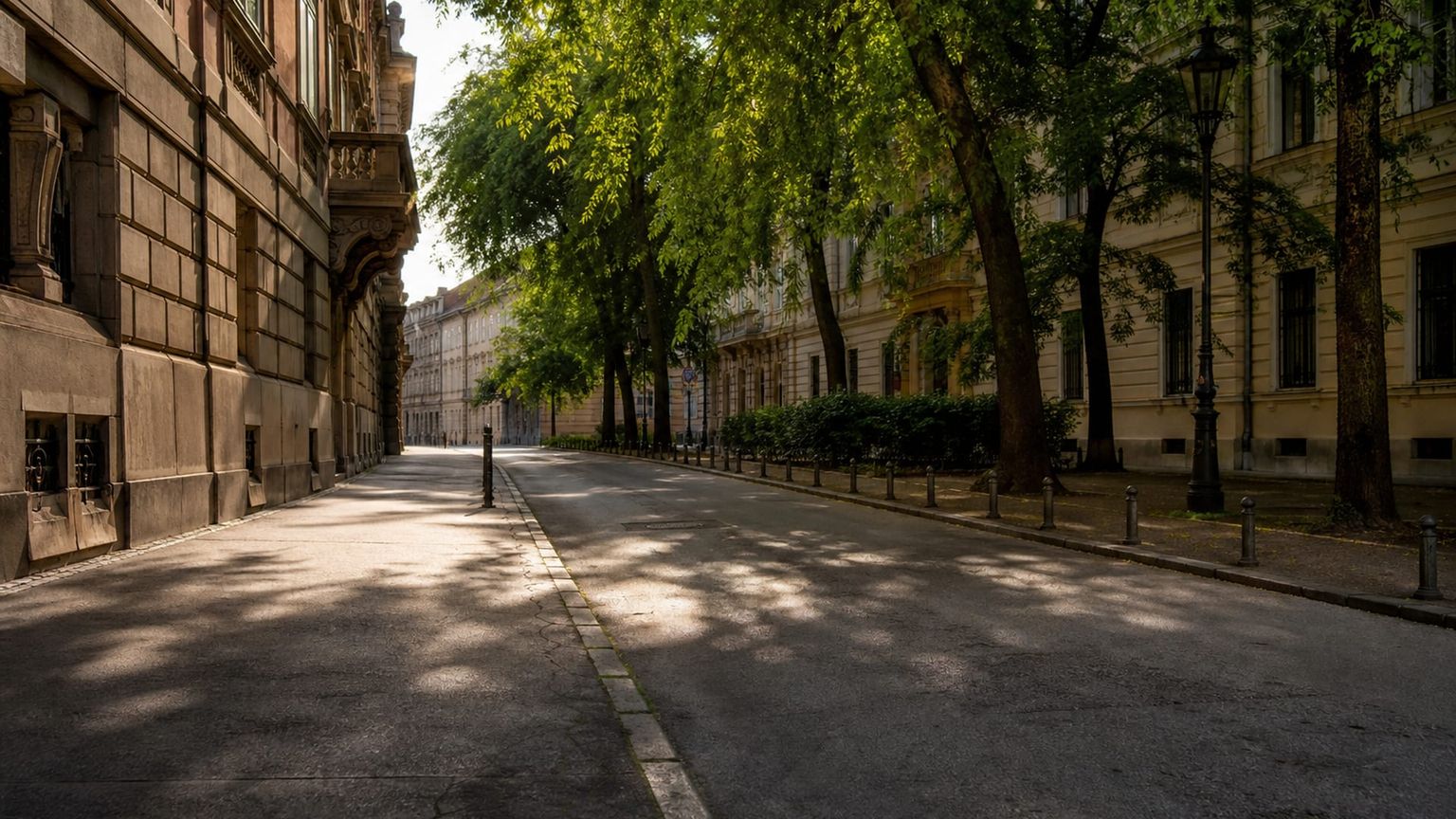
Zagreb’s Lower Town is the flat, central grid of 19th-century streets, parks, museums, and cafes south of the hilltop old town. It gives you the easiest walk to the main sights, tram links, and the city’s best everyday dining choices.
Best for: First-time visits, museum days, and travelers who want to walk to the main sights
What to expect: Busy sidewalks, tram traffic, office workers, and plenty of cafes, especially on the main avenues and squares.
Hotel prices: Usually about €90 to €180 (~$99 to ~$198) per night for well-rated stays
Distance to major sights: 10 to 20 minutes on foot to Ban Jelačić Square and about 15 minutes to the Upper Town
Quietness: Quieter on side streets, but the main boulevards stay lively into the evening.
Main trade-off: Central addresses cost more, and rooms facing the tram corridors can pick up traffic noise.
Good to know: Choose a side street if you want lighter night noise, since the widest avenues carry both trams and late foot traffic.
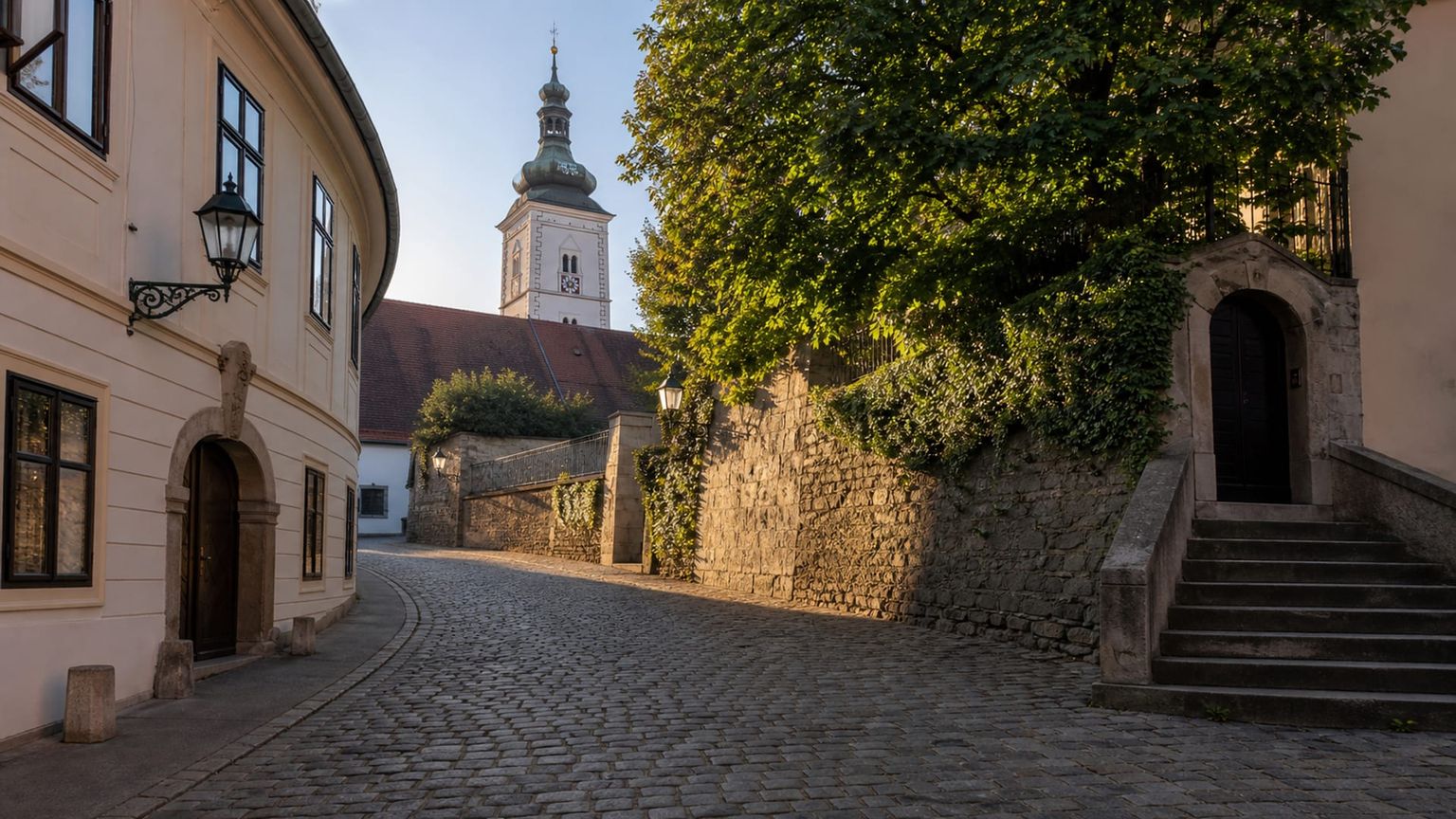
Zagreb’s Upper Town sits on the hill above the center, with cobblestones, historic buildings, churches, and government offices. It suits visitors who want the city’s most atmospheric streets and quick access to the old landmarks.
Best for: Historic sights, short stays, and travelers who prefer an old-city setting
What to expect: Tour groups by day, quieter lanes after dark, and a lot of foot traffic near the main viewpoints and museums.
Hotel prices: Usually about €110 to €220 (~$121 to ~$242) per night for well-rated stays
Distance to major sights: 5 to 10 minutes on foot to St. Mark’s Church and about 10 minutes downhill to Ban Jelačić Square
Quietness: Calm in the evening once the day visitors leave, with some lively pockets near bars and restaurants.
Main trade-off: The hilltop setting means more stairs and uphill walks, which can matter if you plan to come and go often.
Good to know: If you have heavy luggage or mobility concerns, check the exact entrance before booking because some streets are steep and car access is limited.
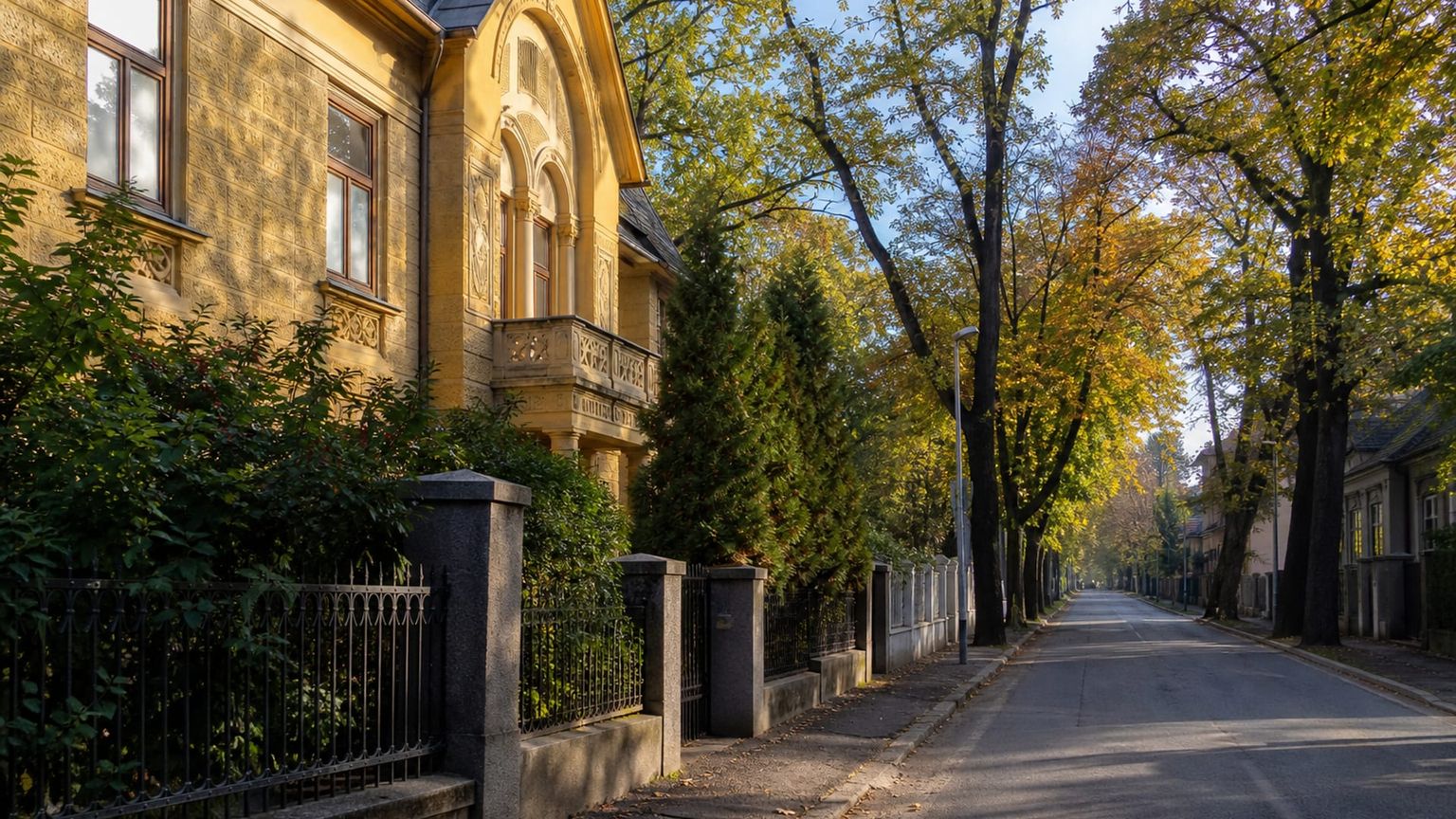
Maksimir is a residential eastern district known for its large park, zoo, and tree-lined streets. It works well for travelers who want a greener base with easy tram access back to the center.
Best for: Parks, families, longer stays, and travelers who want more space than the center
What to expect: Mostly residential streets, local cafes, and light evening activity except near park entrances and tram stops.
Hotel prices: Usually about €70 to €140 (~$77 to ~$154) per night for well-rated stays
Distance to major sights: About 20 to 25 minutes by tram to Ban Jelačić Square and 5 to 10 minutes on foot to Maksimir Park
Quietness: Quiet at night, with daytime activity concentrated near the park, stadium, and transit stops.
Main trade-off: You will spend more time riding the tram if you plan to sightsee in the center every day.
Good to know: Check weekend event schedules near the stadium, since match days can make the area noticeably busier and harder to park in.
Travelers usually avoid Novi Zagreb, especially Sopot and Utrina, because it sits south of the Sava River and puts you well away from the Upper Town, Ban Jelačić Square, and the main museum district. The area around Zagreb (ZAG) near the airport and the industrial edge of Črnomerec are also less convenient for sightseeing, with fewer visitor amenities and longer evening trips into the center; parts of Dubrava are far from the core sights and require more transit time after dark.
Hotel deals
How to get around Zagreb efficiently
Zagreb’s tram network does most of the daily work, while the airport bus, taxis, and ride-hailing fill the gaps when you need a direct trip or a late return.

Metro
for longer distances
Zagreb has no metro. The closest citywide rail option is the local suburban rail network, which covers a limited set of commuter corridors rather than the historic center. Most visitors rely on trams and buses instead, since they reach the main squares, railway station, museums, and residential districts more directly.

Bus and tram
for convenience
Zagreb Tram runs the core network, with frequent lines across the center and into inner neighborhoods, while buses cover outer districts and late-evening links. A single ticket costs about $1.30 ($1.50) for 30 minutes or about $2.00 ($2.30) for 60 minutes, and you validate it when boarding or immediately after getting on the tram or bus. Day passes are also sold, and airport buses run between Zagreb Airport and the main bus station in about 35 to 45 minutes, depending on traffic.

Taxi
for convenience or late hours
Licensed taxis use metered fares rather than fixed citywide rates, and airport trips usually cost about $26 to $35 from Zagreb Airport to the center, with higher totals if traffic is heavy or you travel late at night. A typical city ride starts at about $2.50 to $3.00, then adds roughly $1.00 to $1.20 per kilometer, and most licensed cars accept cards, though it is worth confirming before departure. Use an official taxi rank, a booked car, or a licensed app, and avoid unmarked vehicles waiting outside the terminal.
*Prices are based on rates updated as of June 2026 and may change at the time of travel.
Use trams for the center, taxis or Bolt for the airport or hilltop transfers, and walking for the short links between Ban Jelačić Square, Upper Town, and the museum streets.
Iconic landmarks
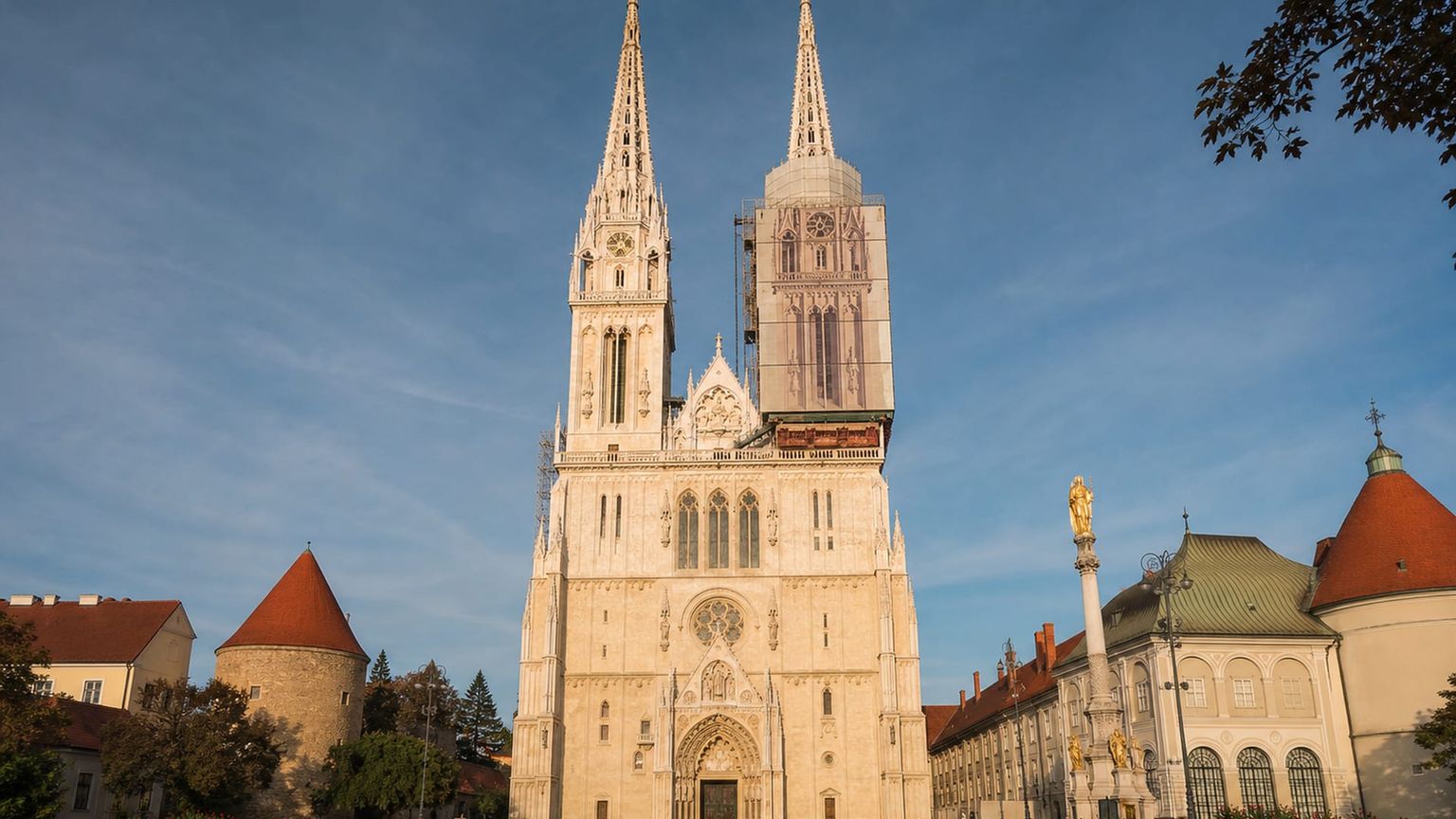
Zagreb Cathedral
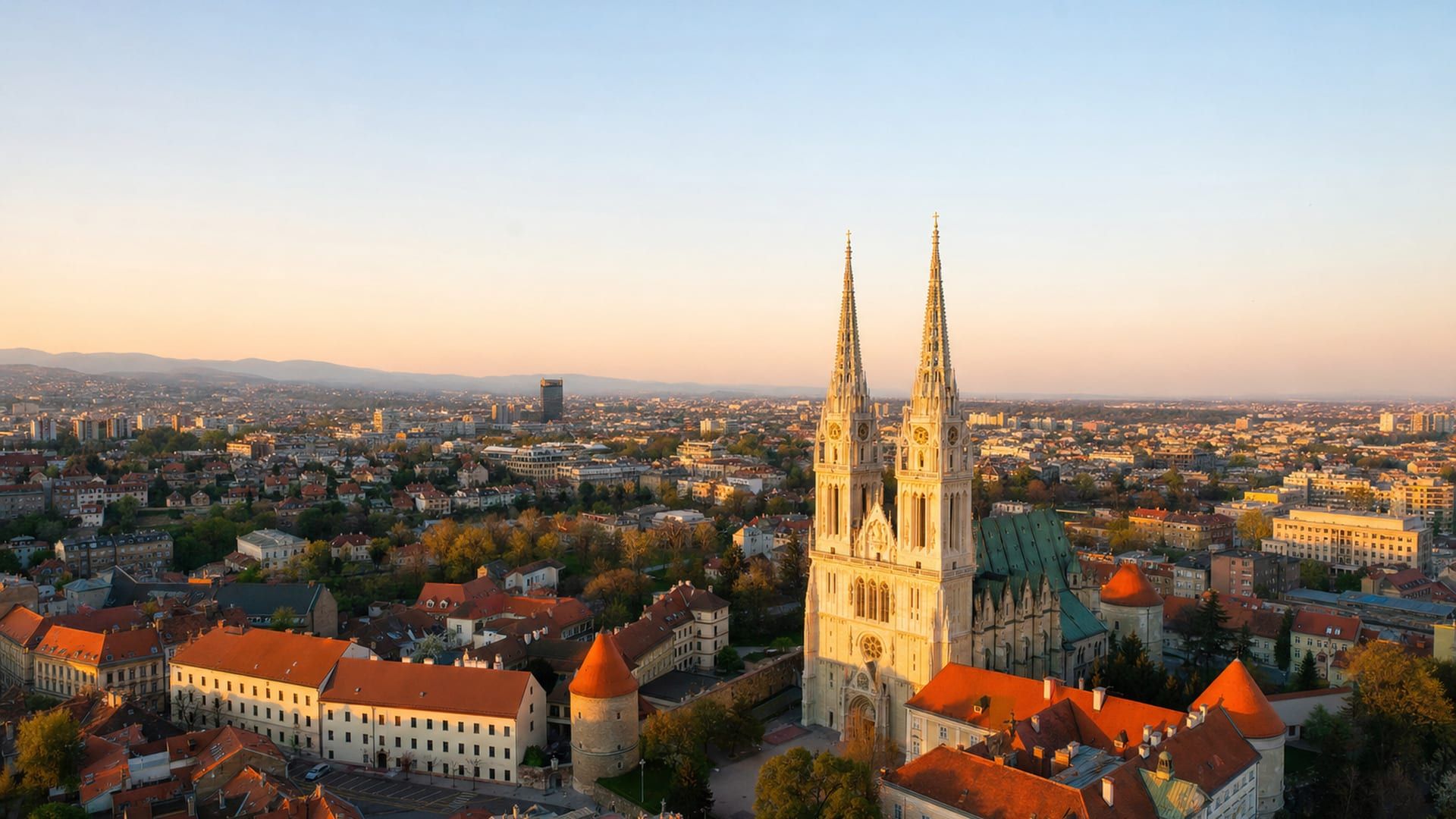
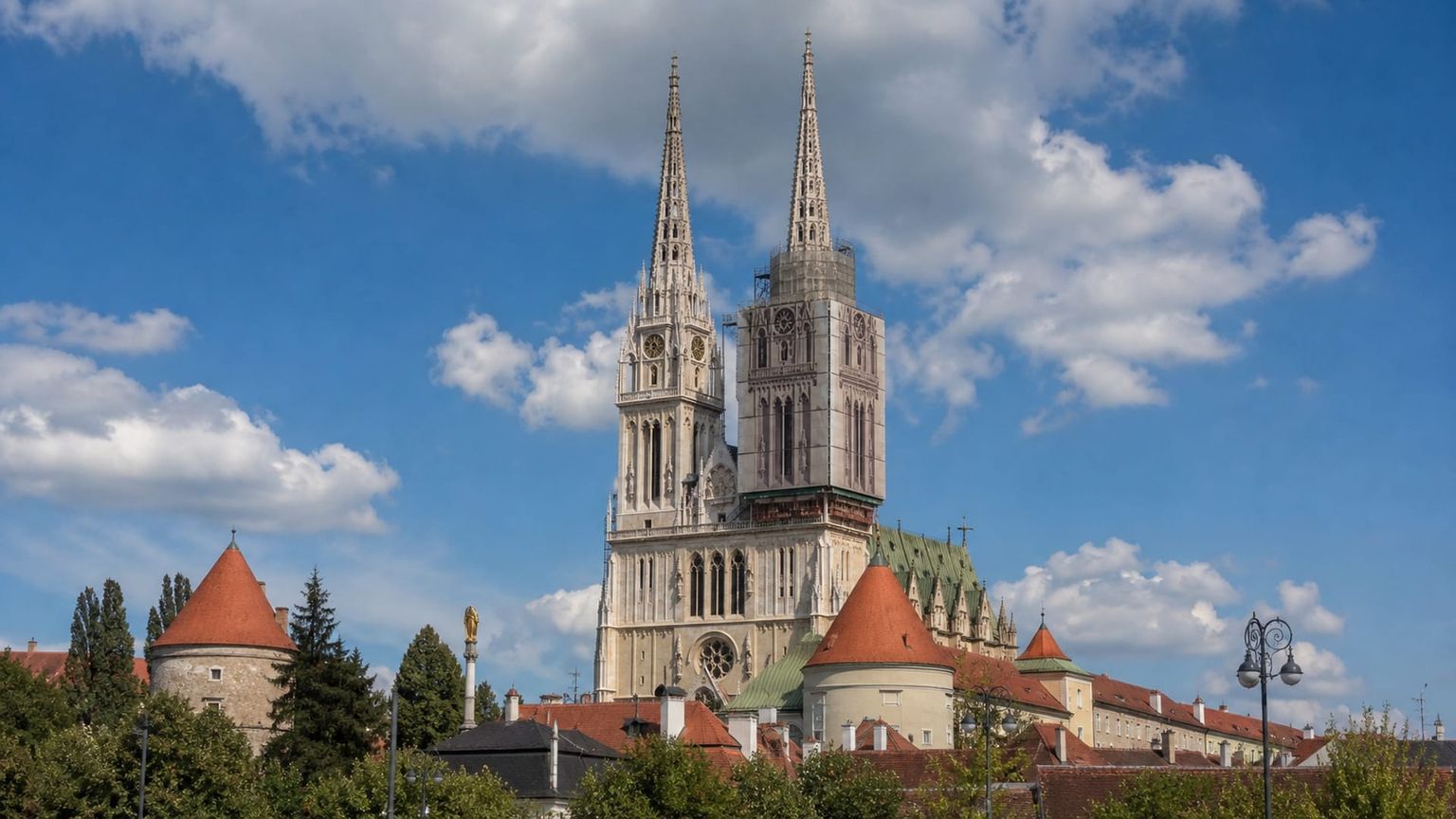
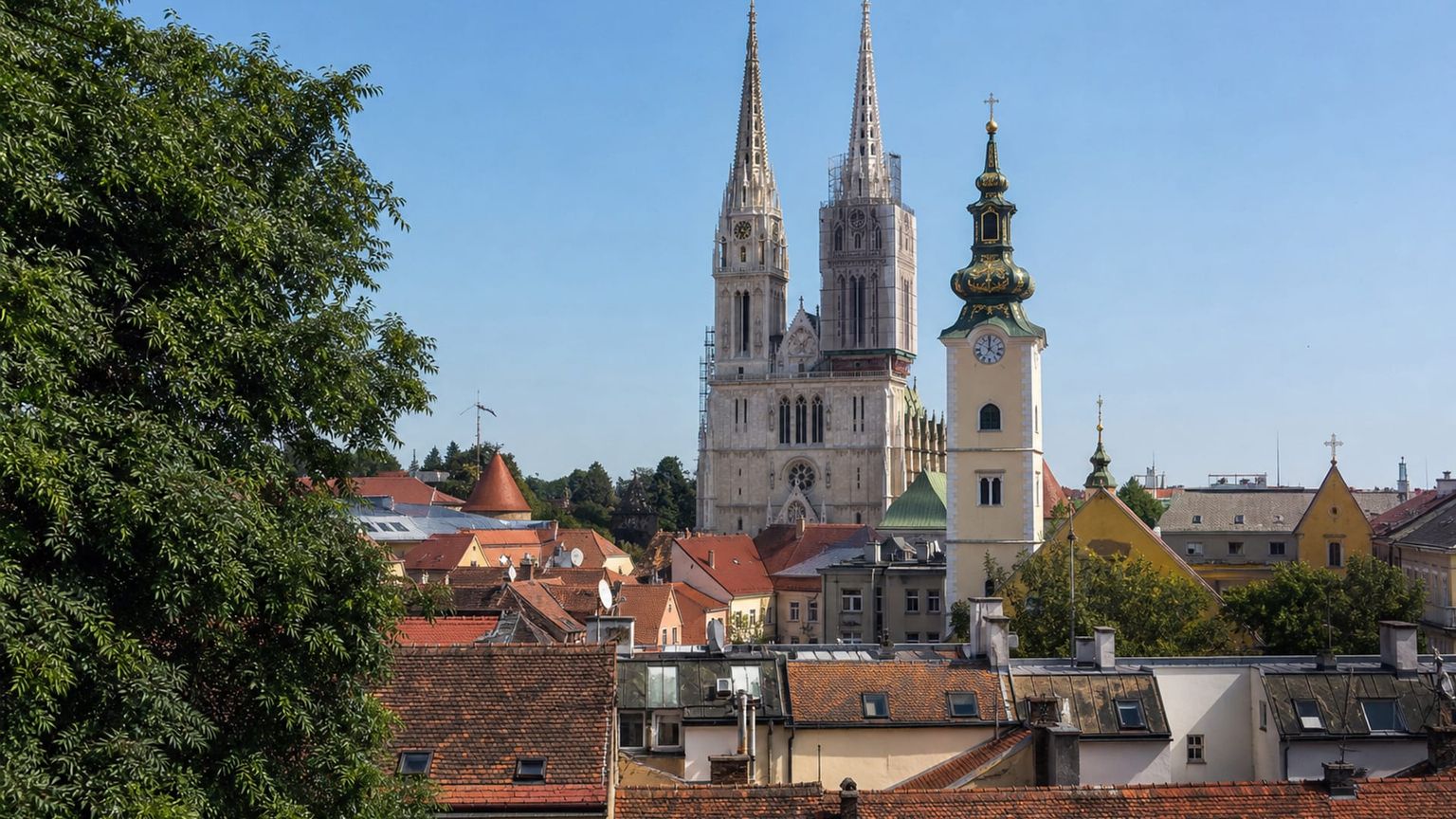
Zagreb Cathedral, formally the Cathedral of the Assumption of the Blessed Virgin Mary, dominates Kaptol with twin spires and Gothic detailing. Inside, look for the high altar, restored vaults, and the tomb of Cardinal Alojzije Stepinac.
Time needed: About 45 to 60 minutes
Entry: Free to enter; donations are welcome, and special access or guided visits may carry a separate charge on select days or for events Visit the official site for details.
Tip: Visit early on a weekday for quieter access and clearer light inside.
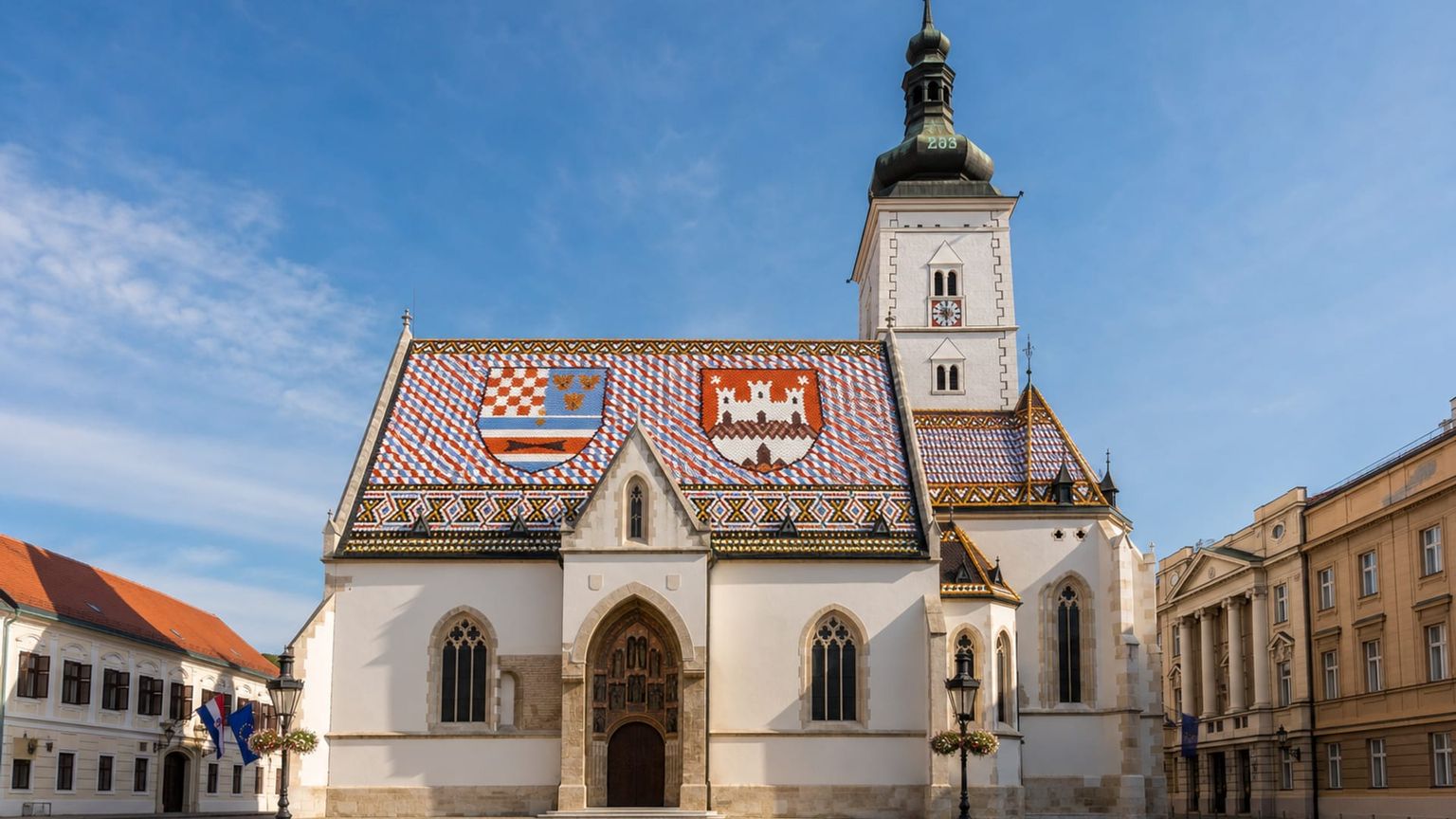
St. Mark's Church
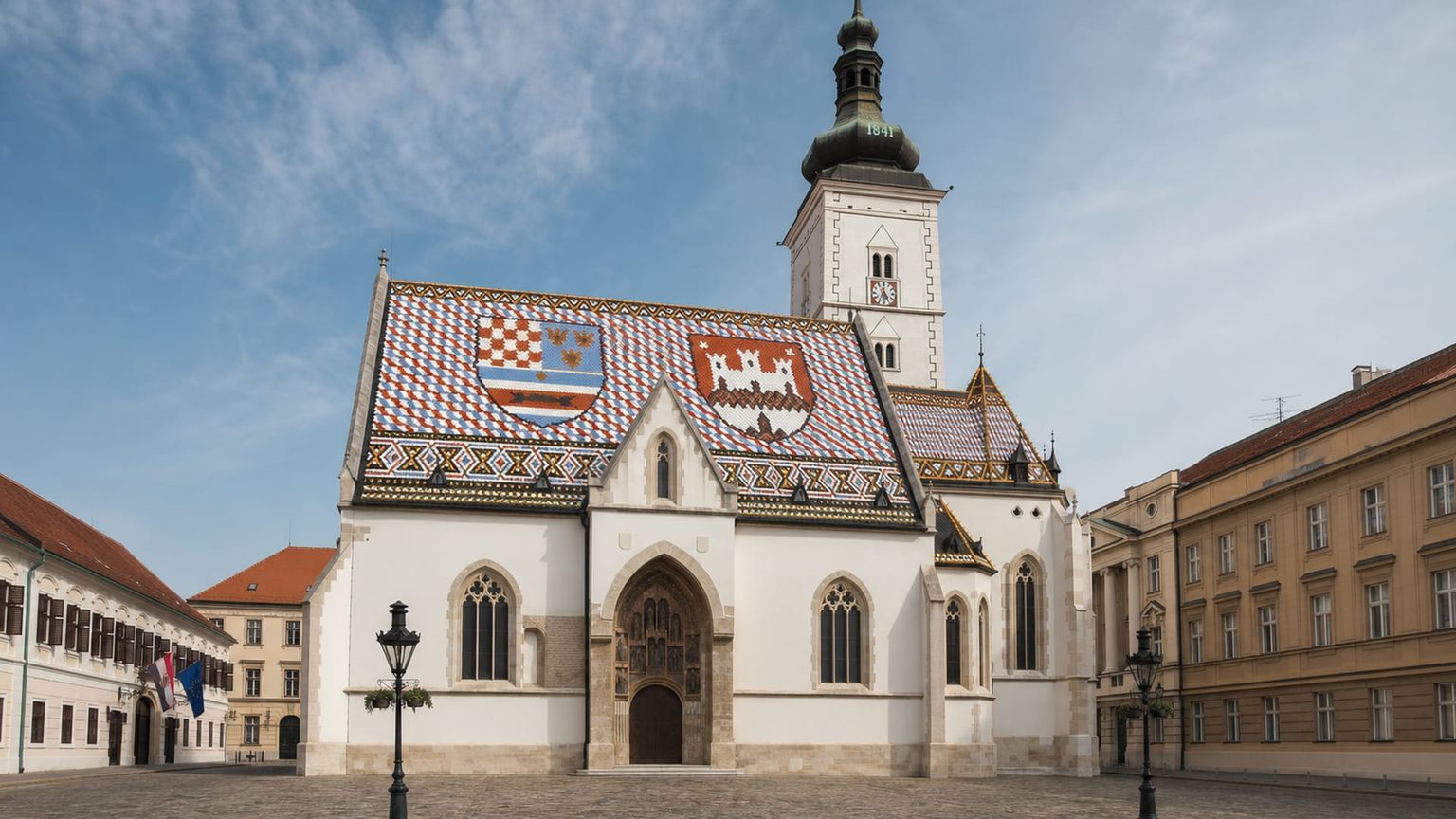
St. Mark’s Church sits on St. Mark’s Square and is known for its tiled roof showing the coats of arms of Zagreb and Croatia. The stone portal and compact medieval interior make it a key stop in Upper Town.
Time needed: About 30 to 45 minutes
Entry: Free to view from the square; interior access is limited and may depend on services, with occasional special visits or events charged separately.
Tip: Go in late afternoon for better roof colors and fewer people in the square.
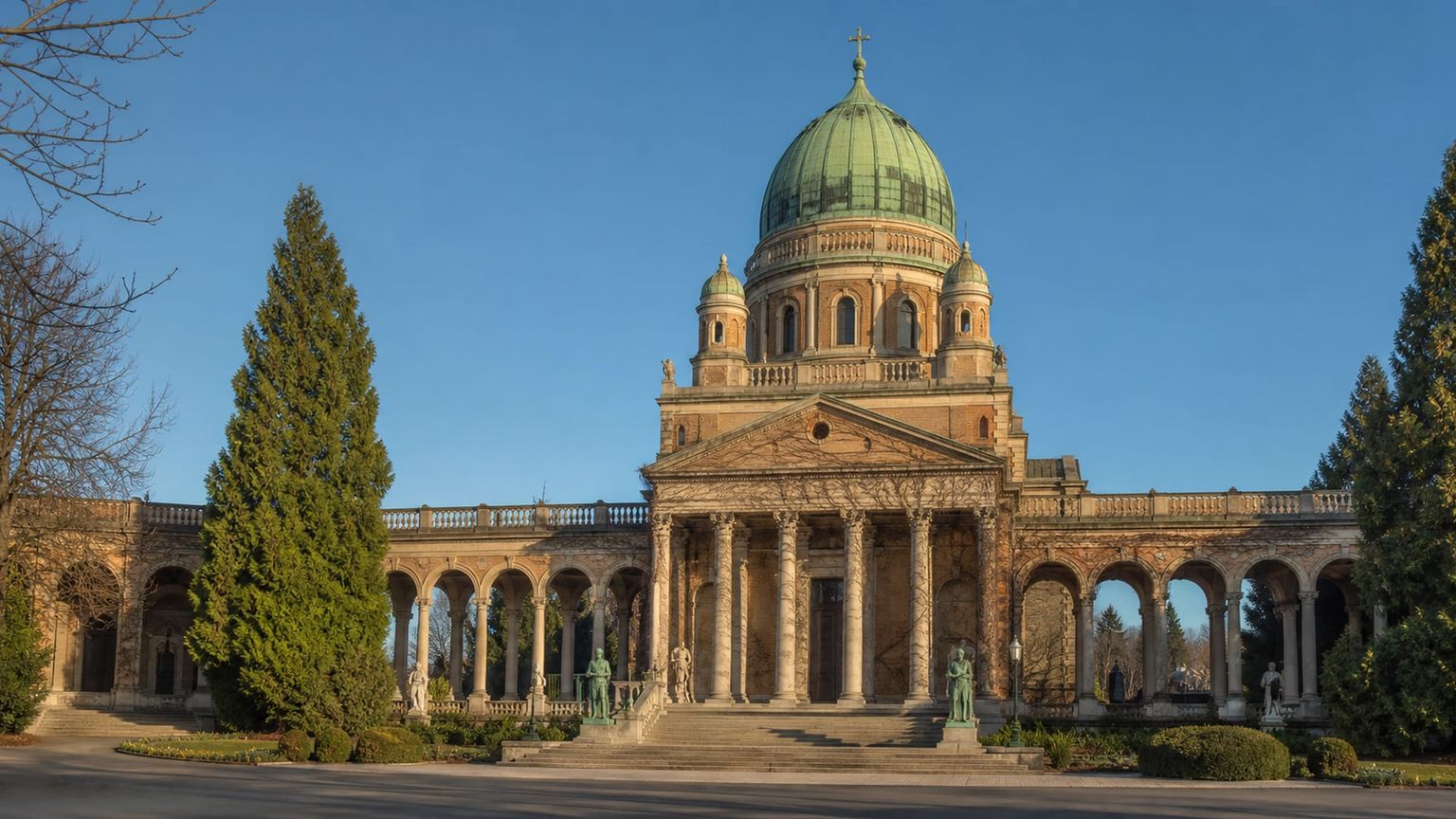
Mirogoj Cemetery
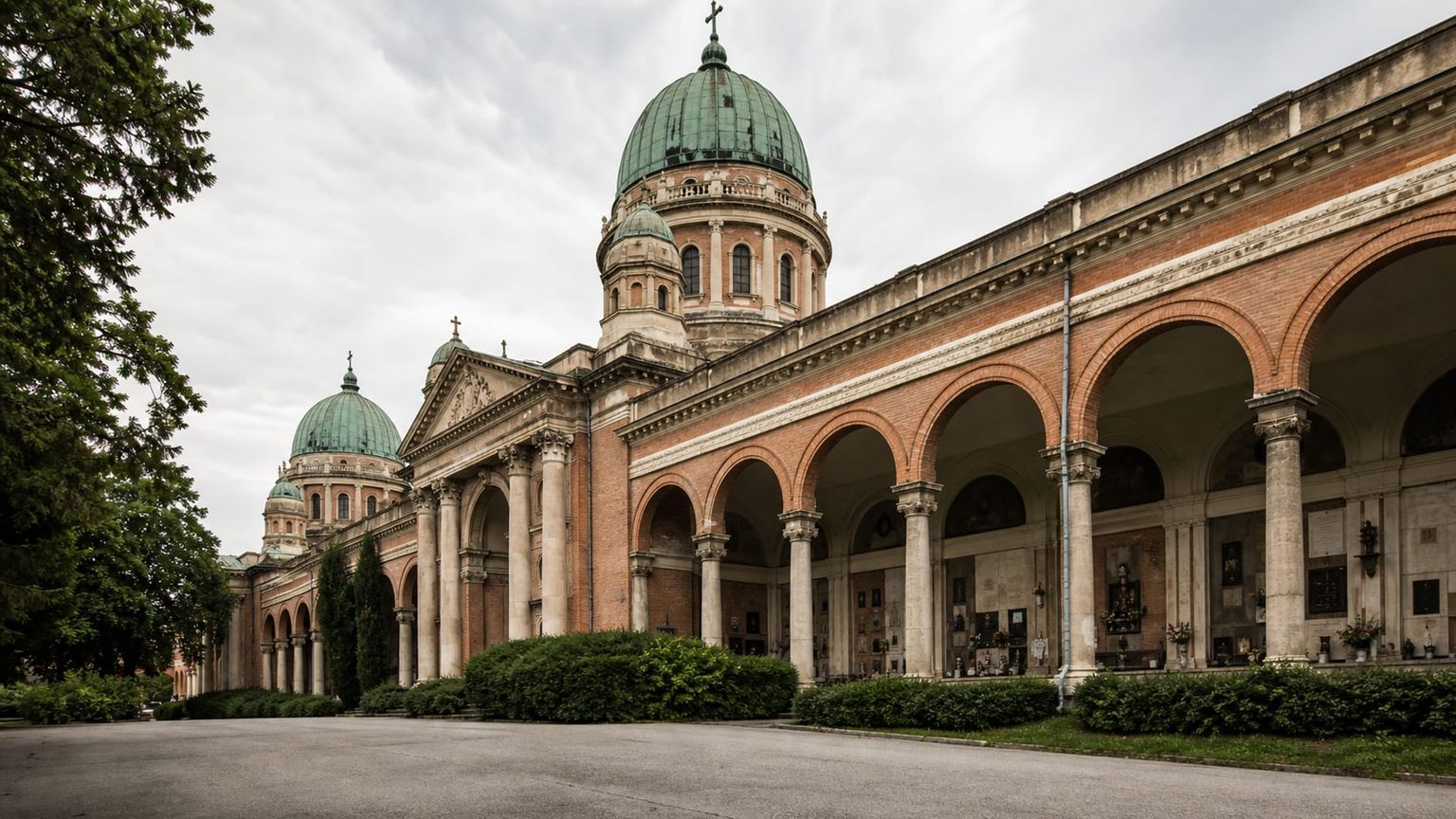
Mirogoj Cemetery is a tree-lined open-air gallery by Hermann Bollé, with arcades, domes, and ornate tombs set behind ivy-covered walls. It holds graves of notable Croatian figures and is one of Zagreb’s most striking 19th-century sites.
Time needed: About 1 to 2 hours
Entry: Free to enter; some memorial areas may have limited access during funerals, and cemetery grounds are open daily for self-guided visits Visit the official site for details.
Tip: Visit in the morning for softer light on the arcades and calmer paths.
Overlooked sites worth visiting

Mirogoj Cemetery
Tree-lined arcades, domes, and ivy-covered tombs turn this cemetery into a quiet open-air walk. It also holds many Croatian public figures, with sculpture details that reward a slow circuit.
Time needed: About 1 to 2 hours
Entry: Free to access; some memorial rooms or special guided visits may charge a separate fee, but the cemetery grounds themselves do not require a ticket. Check the official site for any temporary access changes or event-related restrictions before you go Visit the official site for details.
Tip: Go late afternoon for softer light on the arcades.

Croatian Museum of Naive Art
This compact museum gathers paintings, sculptures, and drawings by self-taught Croatian artists in a small Upper Town space. Its tightly edited collection makes it easy to see the movement’s themes in one visit.
Time needed: About 45 minutes to 1 hour
Entry: Standard admission is about $6 to $8 (about €6 to €7) for adults, with reduced rates for students and seniors. Temporary exhibitions or special programs can have separate pricing, so check the museum’s current ticket page before visiting Visit the official site for details.
Tip: Pair it with a short walk through Upper Town.
Traditional food
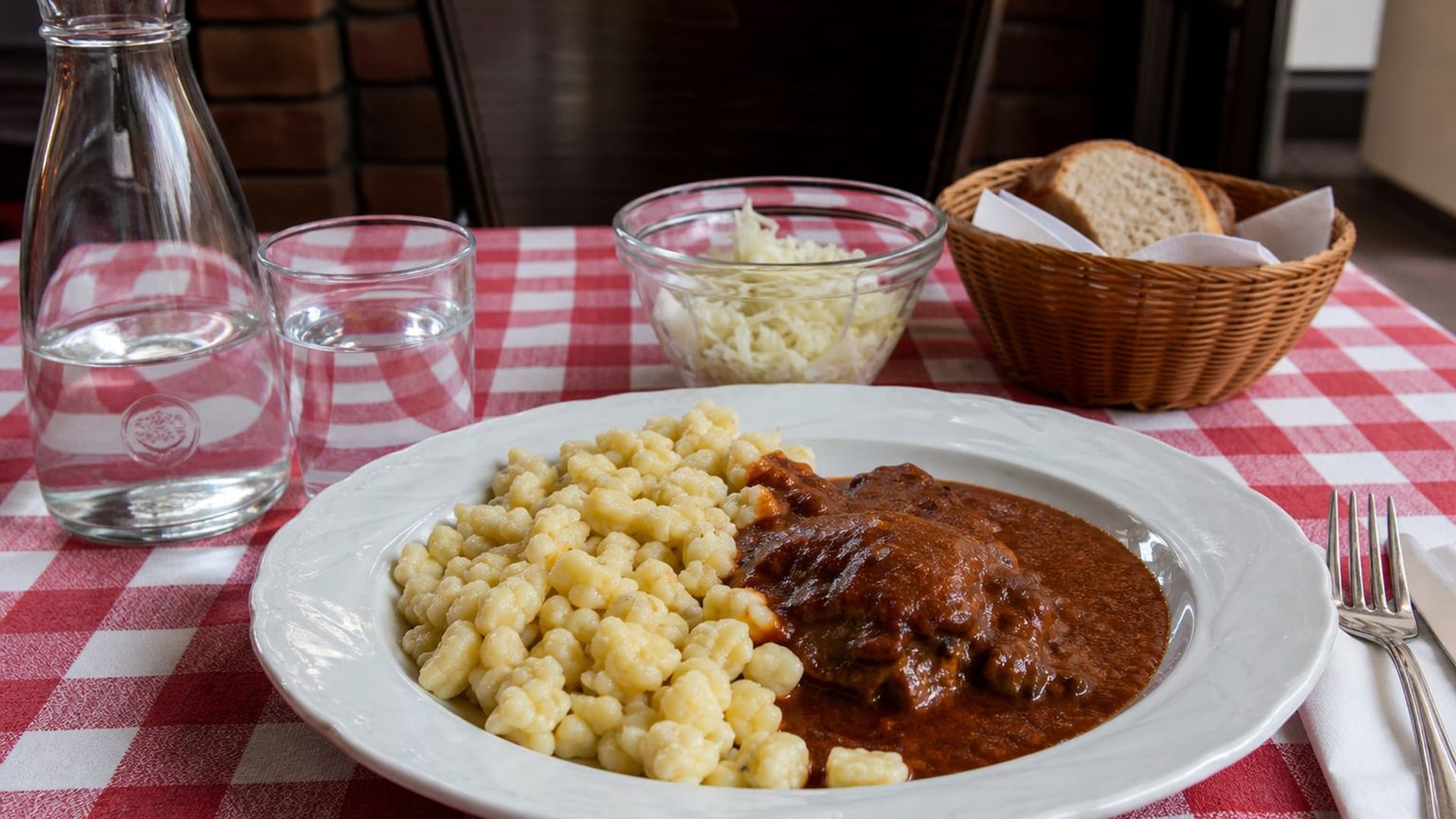
Zagreb cooking leans on hearty Central European comfort, with cheese-filled štrukli, grilled meats, roast turkey with mlinci, and paprika-forward flavors that suit long lunches and early dinners.
Zagorski štrukli
Baked or boiled pastry filled with fresh cheese, this is one of Zagreb’s signature comfort dishes. La Štruk is the city’s clearest dedicated stop for it, with a menu built around multiple versions of the dish.
Ćevapi
These grilled minced-meat kebabs arrive with flatbread, onions, and ajvar, and they work well as a quick Zagreb meal. Takenoko is better known for varied Balkan and fusion cooking, but local diners also go there for meat-forward plates in the center.
Purica s mlincima
Roast turkey with mlinci, a local pasta-like flatbread, shows the city’s richer side and fits a slower lunch. Dubravkin Put serves a polished version in an upscale setting near the center.
Štrukli
This broader category covers both baked and boiled cheese dumplings, often finished with cream for extra richness. Vinodol serves a well-known Zagreb version that suits a classic downtown meal.
Best time to visit Zagreb
Zagreb works in every season, but spring and early autumn are the easiest times for hill walking, outdoor cafes, and long city-center days.
Best for: Mild walks through Upper Town and the parks
What you get: About 50 to 72°F (10 to 22°C), with moderate crowds and longer daylight for sightseeing
Trade-offs: Rain can interrupt outdoor plans, especially in April
Best for: Evening cafe time and long museum-to-dinner days
What you get: About 64 to 86°F (18 to 30°C), with the heaviest visitor flow near major sights
Trade-offs: Midday heat makes uphill sections less pleasant
Best for: Clearer skies, easier walking, and relaxed meals
What you get: About 48 to 70°F (9 to 21°C), with manageable crowds and crisp mornings
Trade-offs: Later in the season, shorter days limit how much you can fit in
Best for: Christmas market visits and museum-focused days
What you get: About 28 to 43°F (-2 to 6°C), with lighter daytime crowds and occasional snow
Trade-offs: Cold weather and early darkness reduce time outdoors
A realistic 5-day plan in Zagreb
Five days gives Zagreb enough room to separate arrival, the hilltop core, the quieter memorial and park spaces, and a slower final morning. The order below keeps the steep walks clustered and leaves the flatter center for the easiest pacing.
Land at Zagreb (ZAG), then take the airport shuttle into the center, usually about 30 to 40 minutes for roughly €8 to €10 (~$9 to ~$11), with taxis and ride-hailing costing more depending on traffic. Base yourself in Lower Town if you want the easiest first-night walk to dinner, or in Upper Town if you prefer a historic setting and do not mind stairs. Keep dinner simple and nearby, then drink plenty of water and stay close to your hotel, since the main sights are better saved for tomorrow.
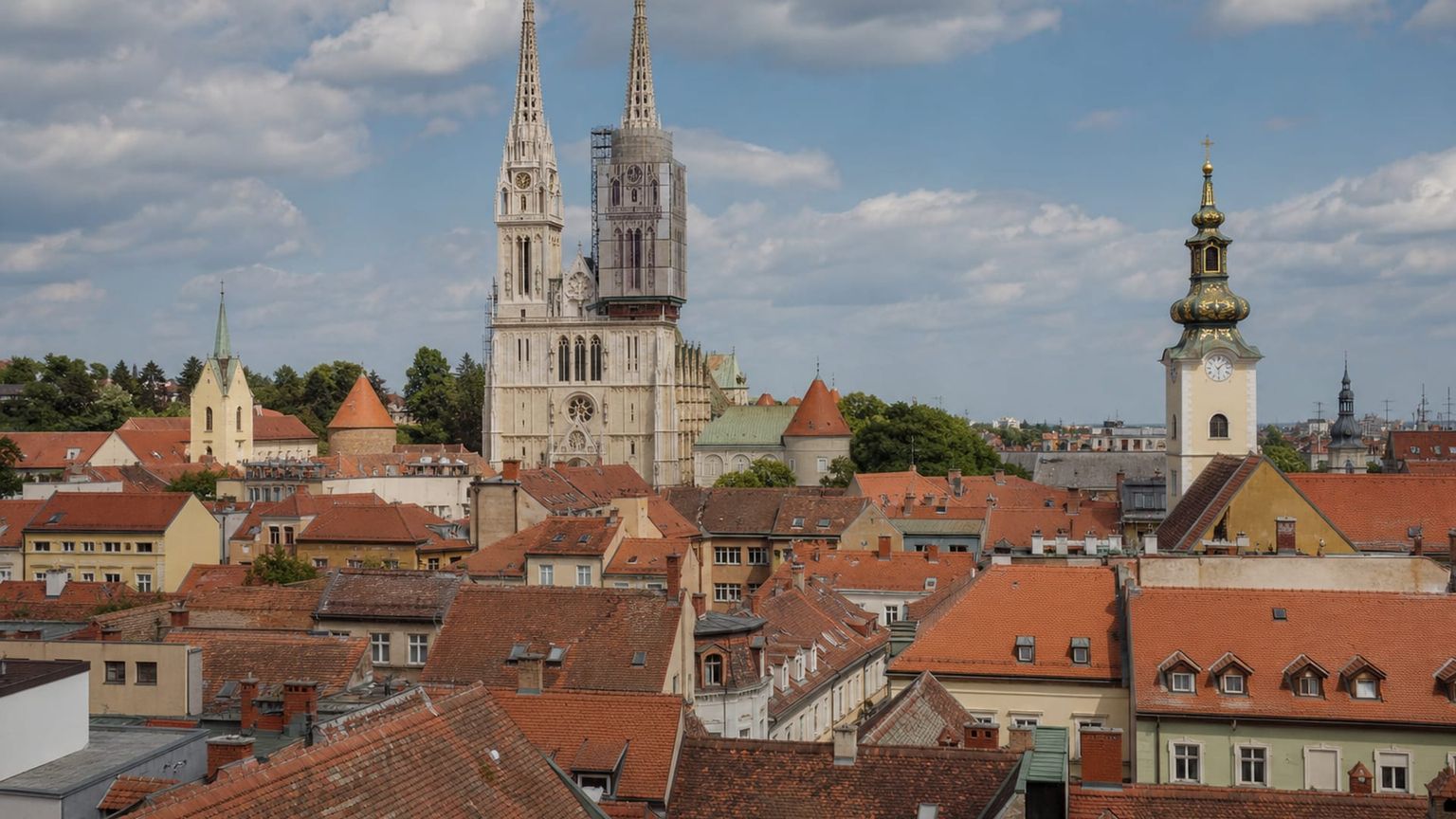
Start at Zagreb Cathedral, then walk about 10 minutes to Ban Jelačić Square and continue uphill for roughly 5 to 10 minutes into Upper Town to St. Mark’s Church. After that, spend about 45 minutes to 1 hour at the Croatian Museum of Naive Art, which pairs well with the square-to-square walk. Finish with an easy coffee or early dinner back in Upper Town, where the lanes get quieter after day visitors leave.
Begin in the morning at Mirogoj Cemetery, a taxi or tram-and-walk outing that works best before the midday heat and takes about 1 to 2 hours on site. From there, return to Lower Town for lunch, then cross back toward the center for a slower afternoon among the parks and broad avenues south of the hill. If you want a low-effort evening, stay in Lower Town for dinner, where you will have the most choice without adding more uphill walking.
A full Upper Town morning gives this day its shape, with a second look at St. Mark’s Square, then a downhill walk of about 10 minutes to Ban Jelačić Square for an easier lunch break. In the afternoon, return to the eastern side of the center for another visit to Zagreb Cathedral if you missed it on day 2 or want more time inside, then stop for a cafe break in Lower Town. End the day with a short tram ride or walk back to your hotel, which keeps the evening simple after a lot of hill walking.
One last slow morning works well in Lower Town, where you can fit in a final museum stop and a relaxed coffee before checkout. If you want shopping, head to the main streets of Lower Town, then pause at a cafe before going back for your bags. Plan your airport transfer from Zagreb (ZAG) with time to spare, since the shuttle and road traffic can take longer at peak hours.
Business-class flights from the US to Zagreb
Zagreb usually reaches you through one-stop itineraries, and the better options from New York and Los Angeles differ mainly by layover city and total time. The ranges below show what premium fares commonly look like on those routes.
Delta Air Lines, KLM, Lufthansa, Air France, Turkish Airlines, and British Airways all appear on New York itineraries, with total travel times of roughly 11 to 14 hours when you connect through Amsterdam (AMS), Frankfurt (FRA), or Istanbul (IST). Business-class round trips from New York to Zagreb usually start near $2,600 and can reach $5,200.
From Los Angeles, Lufthansa, Air France, British Airways, Turkish Airlines, and KLM usually connect through Frankfurt (FRA), Munich (MUC), Paris (CDG), Amsterdam (AMS), Istanbul (IST), or London (LHR). Round trips in the front of the plane often run $3,200 to $6,800, and the lower end usually comes with a one-stop itinerary rather than a longer nonstop-style connection.
Zagreb feels different when you slow down
A good Zagreb trip gives you time to move between Lower Town, Upper Town, and Mirogoj without rushing the climbs or crowding every sight into one day. Trams handle the flat ground, while short walks and the occasional taxi keep the steep connections simple. If you want to build that kind of itinerary around St. Mark’s Square, Ban Jelačić Square, and a long coffee break, the AranGrant experts can help shape it







