

Chapters:

Need help with your trip?
Our support team is available 24/7. Request a callback or call us directly at (833) 619-0908
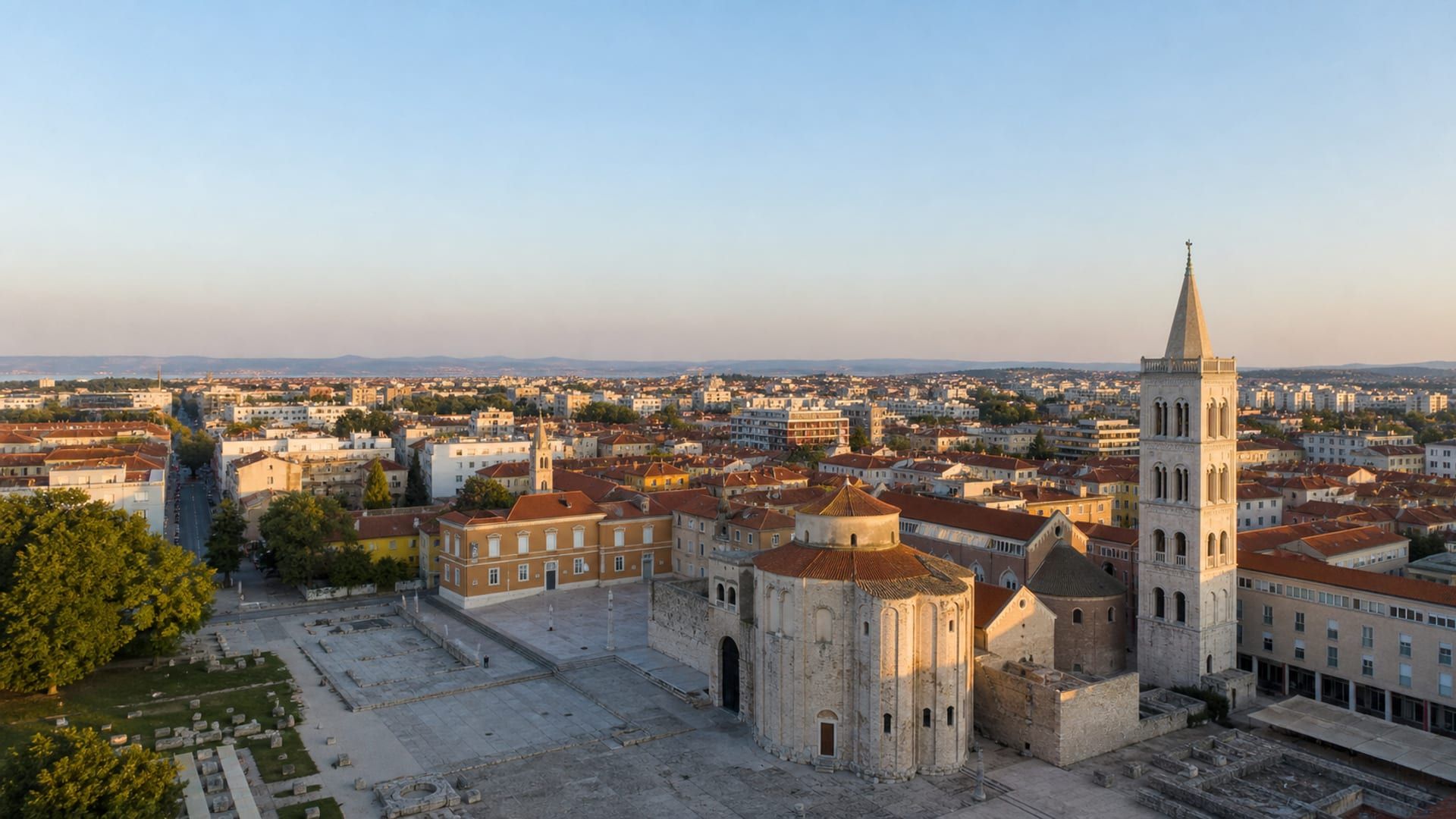
Zadar features Roman ruins, medieval churches, stone streets, Adriatic beaches, and one of Croatia’s most distinctive waterfronts on a compact peninsula. The Forum and St. Donatus Church anchor the historic center, while the Sea Organ draws visitors toward the western edge and Kolovare adds an easy beach stop south of Old Town.
This guide covers everything that you need to know for a five-day stay in the city, including where to stay, how to get around, major attractions, Dalmatian dishes, and more.
Useful things to know

Main language(s): Croatian
Dobar dan (DOH-bar dahn) – Hello/good day
Molim (MOH-leem) – Please
Hvala (HVAH-lah) – Thank you
Govorite li engleski? (GOH-voh-ree-teh lee ENG-lehs-kee) – Do you speak English?
Koliko košta? (KOH-lee-koh KOH-shta) – How much does it cost?

Currency: Euro (EUR, €)

Cash and cards: Hotels, restaurants, cafés, and larger shops commonly accept cards. Carry €20–€40 ($23–$46) for markets, smaller businesses, and places that prefer cash.

Tipping: Tipping is optional. Rounding up or leaving 5%–10% for good restaurant service is common when a service charge is not already included.

Traditional food: Pag cheese, pašticada, black risotto, and grilled Adriatic fish

Water and coffee costs: Bottled water generally costs €2 ($2.30), while espresso costs €2–€3 ($2.30–$3.40).

Taxis and ride apps: Uber and Bolt operate in Zadar. Check the pickup point in the app before requesting a ride.

Plug and voltage: Type C/F socket, 230V

Dining and shop opening hours: Cafés often open at 7:00 am or 8:00 am. Lunch usually begins around noon, while dinner commonly starts at 6:00 pm or 7:00 pm. Sunday hours can be shorter outside summer.

Emergency number: Dial 112 for police, fire, or medical emergencies.
Where to stay in Zadar
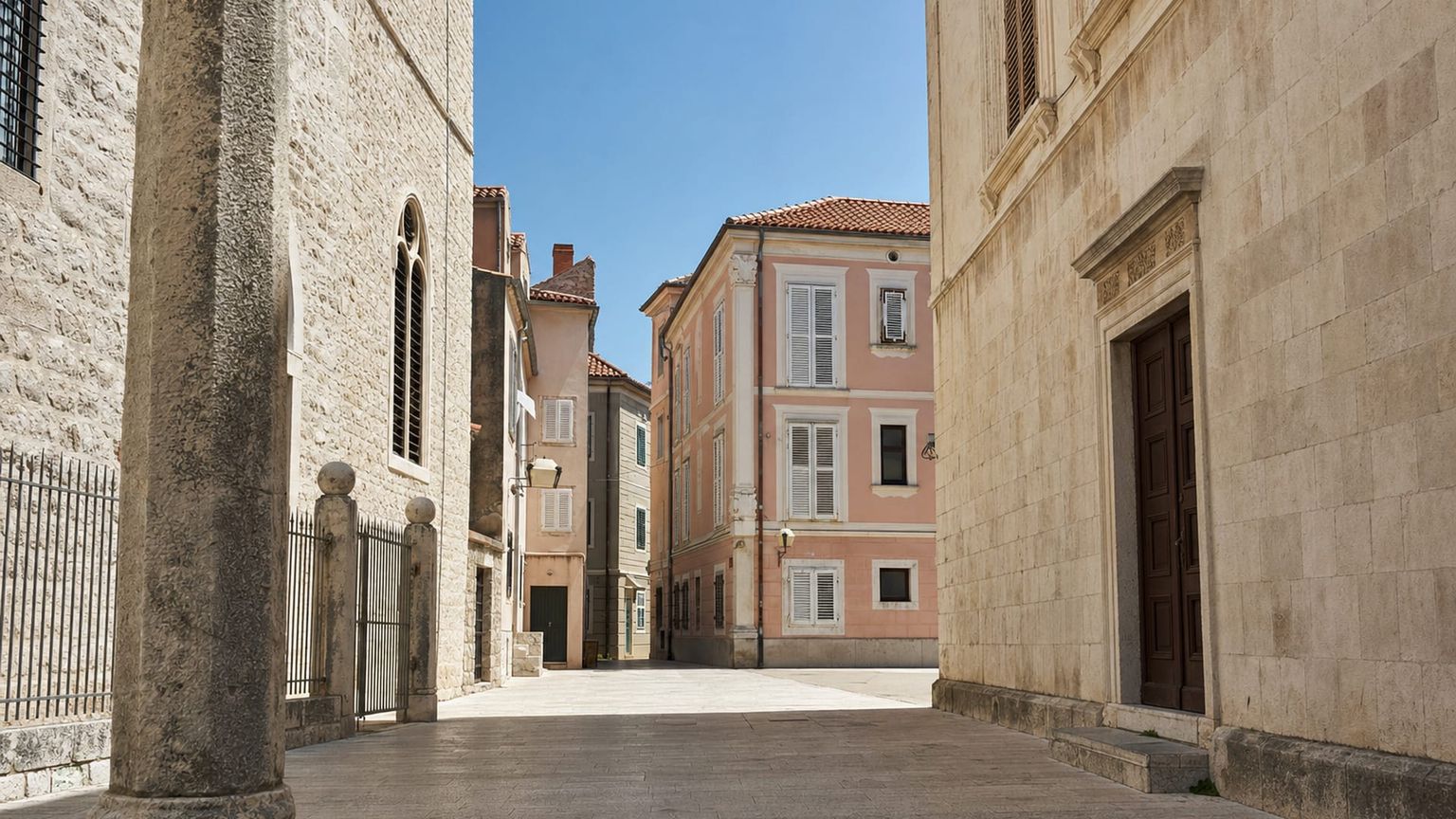
Zadar’s Old Town fills a compact peninsula with Roman ruins, medieval churches, museums, restaurants, cafés, and the city’s best-known waterfront sights. It is the most convenient choice for first-time visitors who want the Forum, Sea Organ, and historic streets within walking distance.
Best for: First visits, historic sights, restaurants, and short stays
What to expect: Stone lanes, churches, cafés, restaurants, shops, and steady daytime foot traffic
Hotel prices: Nightly rates at well-reviewed properties typically range from €90 to €220 ($100–$250).
Distance to major sights: The Forum and St. Donatus Church are within the district, while the Sea Organ is around 10 to 15 minutes away on foot.
Quietness: Side streets away from the busiest restaurant areas are usually quieter later at night.
Main trade-off: Rooms can cost more than in outer neighborhoods, and some streets have restricted car access.
Good to know: Ask your hotel about luggage drop-off and parking before arrival if you are traveling by car.
Borik lies northwest of Old Town and combines hotels, apartments, beaches, restaurants, and resort facilities along the coast. It suits travelers who want regular swimming and more space than the peninsula while keeping central Zadar within a short bus or taxi ride.
Best for: Beaches, families, resort-style stays, and longer visits
What to expect: Hotels, apartments, beach activity, restaurants, and more seasonal traffic during summer
Hotel prices: Rooms in well-reviewed properties generally cost €80–€190 ($90–$220) per night.
Distance to major sights: Old Town is generally 10 to 15 minutes away by taxi, while Borik’s beaches are close to most hotels.
Quietness: Residential streets are quieter at night than the central peninsula.
Main trade-off: Dinner and sightseeing in Old Town usually require transport or a longer walk.
Good to know: Check the nearest bus stop before booking if you plan to visit the center frequently.
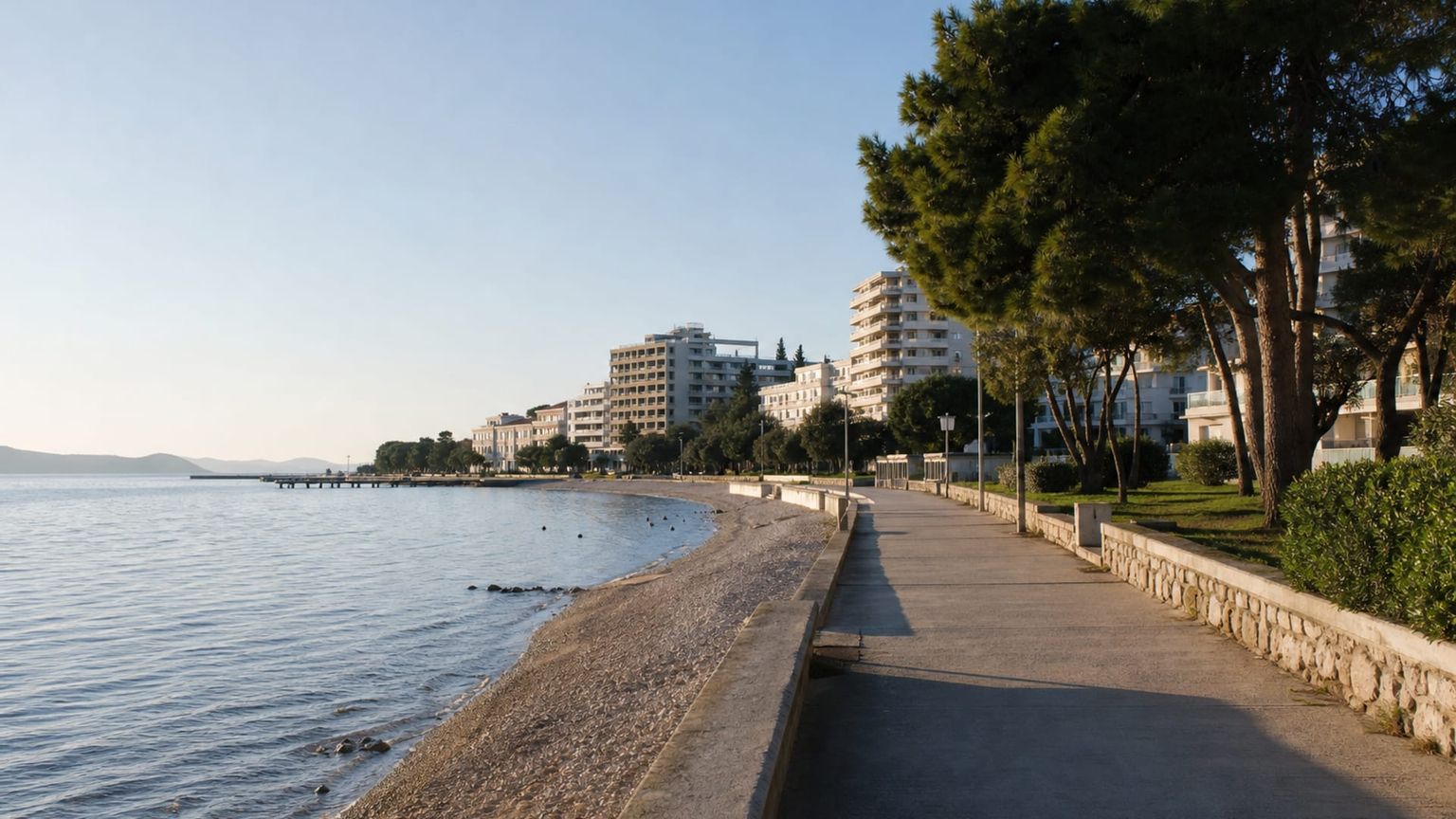
Kolovare is located directly south of Old Town beside one of Zadar’s most accessible city beaches. The waterfront path leads toward the peninsula, making it a useful choice for travelers who want swimming without giving up reasonable walking access to the historic center.
Best for: Beach access, short stays, swimming, and central sightseeing
What to expect: Beachgoers, cafés, waterfront paths, and less visitor traffic than Old Town
Hotel prices: Expect to pay €70–€170 ($80–$195) per night at many well-reviewed properties.
Distance to major sights: The southern entrance to Old Town is 15 to 20 minutes away on foot, while Kolovare Beach is nearby.
Quietness: Streets a little farther from the beach are generally quiet in the evening.
Main trade-off: Restaurant and nightlife choices are more limited than on the peninsula.
Good to know: This area makes sense if you want to walk into Old Town but still have a beach close to your hotel.
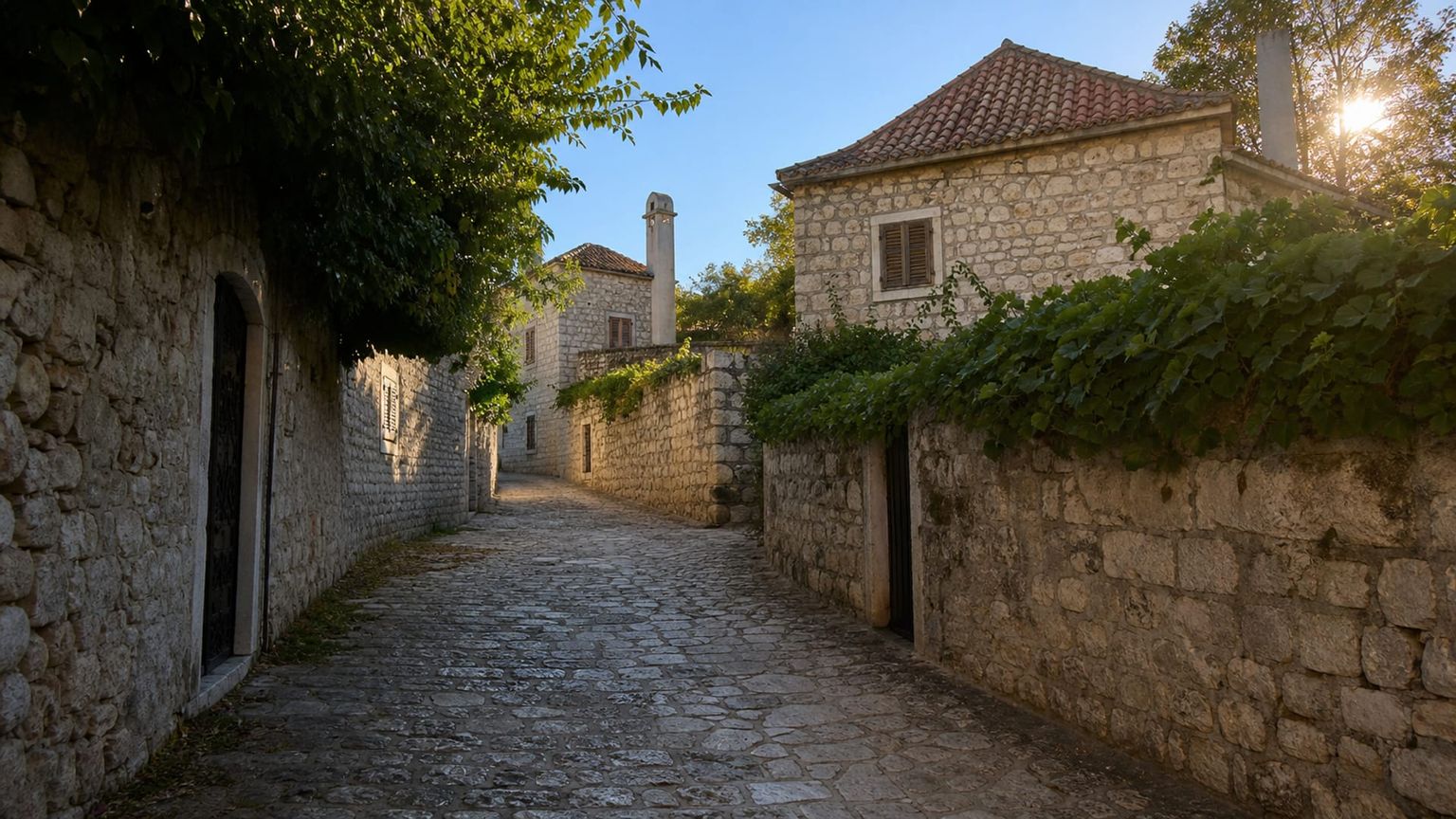
Arbanasi extends south from Kolovare along the coast and has a more residential character, with apartments, local streets, smaller beaches, and fewer tourism businesses. It suits longer stays and travelers who prefer quieter evenings over immediate access to Old Town landmarks.
Best for: Longer stays, residential surroundings, and quieter evenings
What to expect: Houses, apartments, local streets, coastal paths, and fewer restaurants than the center
Hotel prices: Apartments and well-reviewed stays commonly cost €60–€140 ($70–$160) per night.
Distance to major sights: Old Town generally requires a 10- to 15-minute taxi ride or a longer walk, depending on the property’s location.
Quietness: Most residential streets are quiet after dinner.
Main trade-off: Museums and the city’s largest concentration of restaurants are farther away.
Good to know: Check the exact address before booking because travel time varies noticeably within Arbanasi.
Diklo, Kožino, and other areas farther from the peninsula can suit beach-focused trips or longer stays with a car, but not short sightseeing visits.
Hotel deals
Getting around Zadar
Buses, taxis, and ride apps cover most journeys beyond the pedestrian Old Town. From Zadar Airport (ZAD), travelers can take a bus directly to the city center.

Metro
for longer distances
Liburnija buses serve Borik, Kolovare, residential districts, and the main bus station. A single ticket bought on board costs €1.59 ($1.80). You can buy tickets from the driver or from the Zadar City mobile app.

Bus and tram
for convenience
The airport bus runs from Zadar Airport to the bus station and Old Town. Tickets cost €5 ($5.80) one way, include luggage, and are valid for onward city transport for 90 minutes. The airport-to-center trip takes approximately 20 minutes.

Taxi
for convenience or late hours
Taxis, Uber, and Bolt operate between the airport, Old Town, beaches, and outer neighborhoods. App fares are shown before booking, while regular taxi prices depend on distance and operator. Use the designated airport pickup area and confirm conventional taxi prices before departure.
*Prices are based on rates available in September 2026 and may change before your visit.
Use buses for Borik and residential areas, the airport bus for a low-cost transfer, and taxis or ride apps when you want comfort and convenience.
Iconic places in Zadar
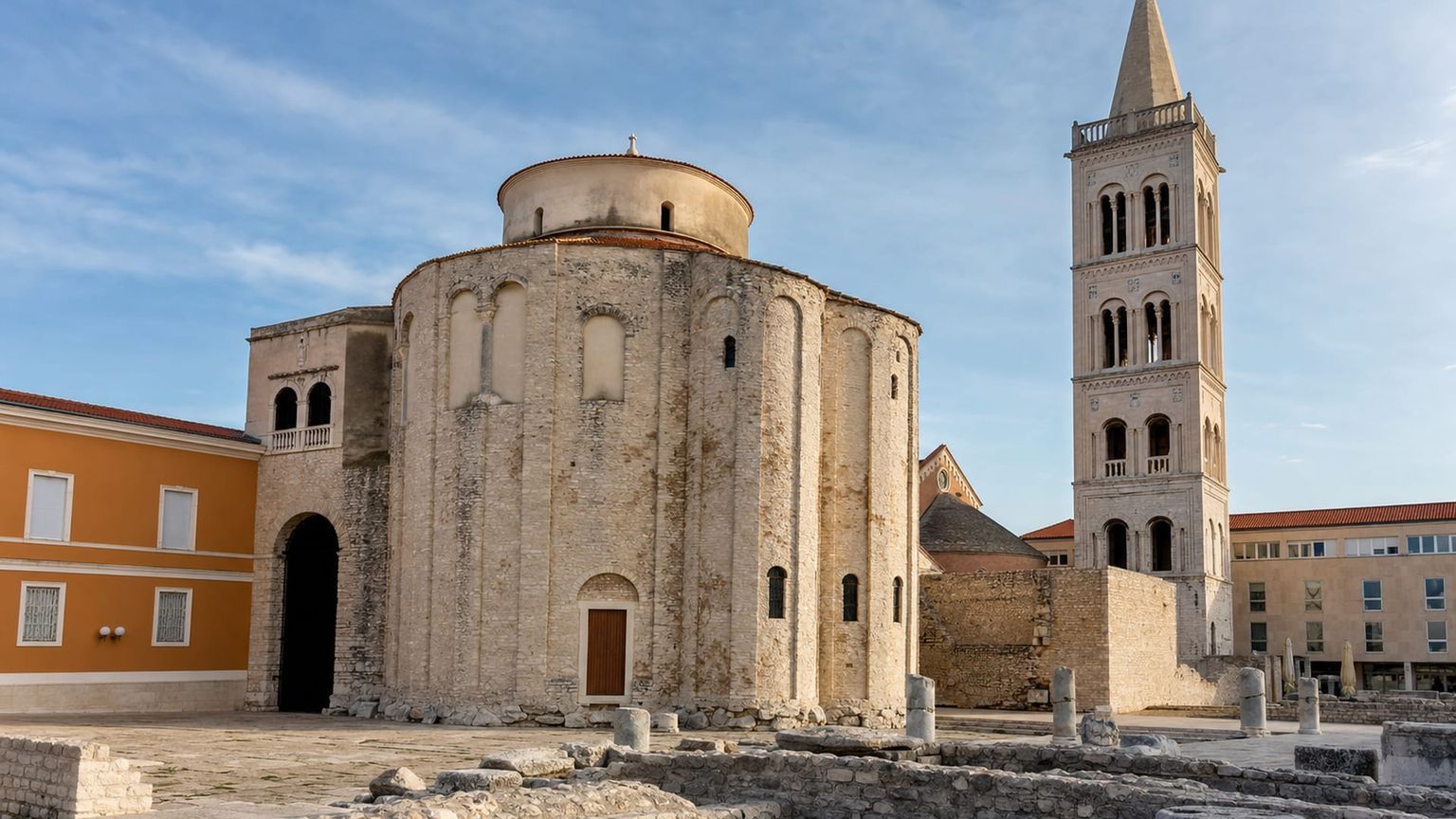
St. Donatus Church
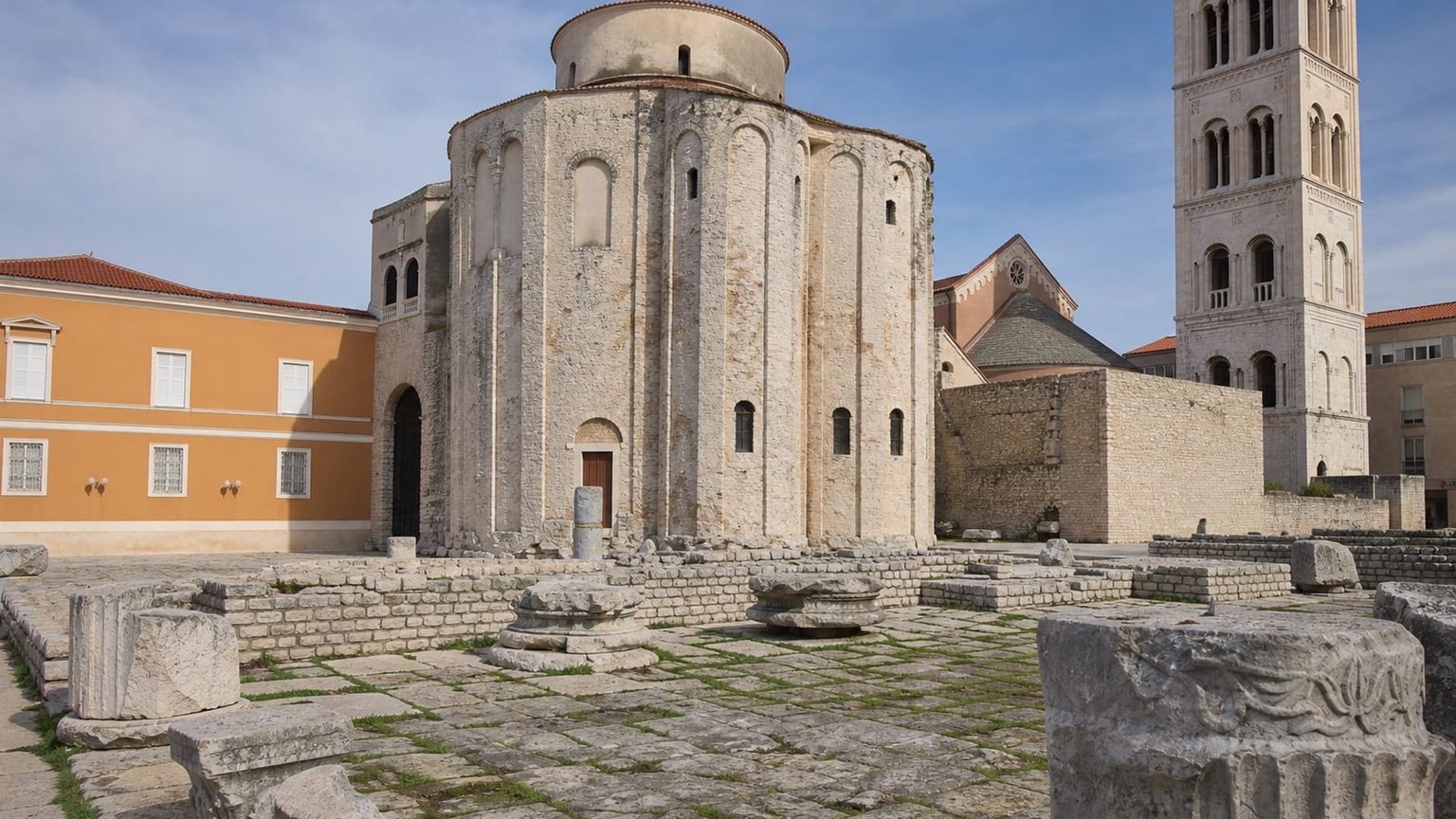
St. Donatus Church is a 9th-century pre-Romanesque landmark beside the Roman Forum. Its circular plan, tall interior, and Roman stone reused in the structure make it one of Zadar’s most recognizable historic buildings.
Time needed: 30 to 45 minutes
Entry: Adult tickets start at €5 ($5.70).
Tip: Visit it alongside the Forum and Archaeological Museum in the same morning.
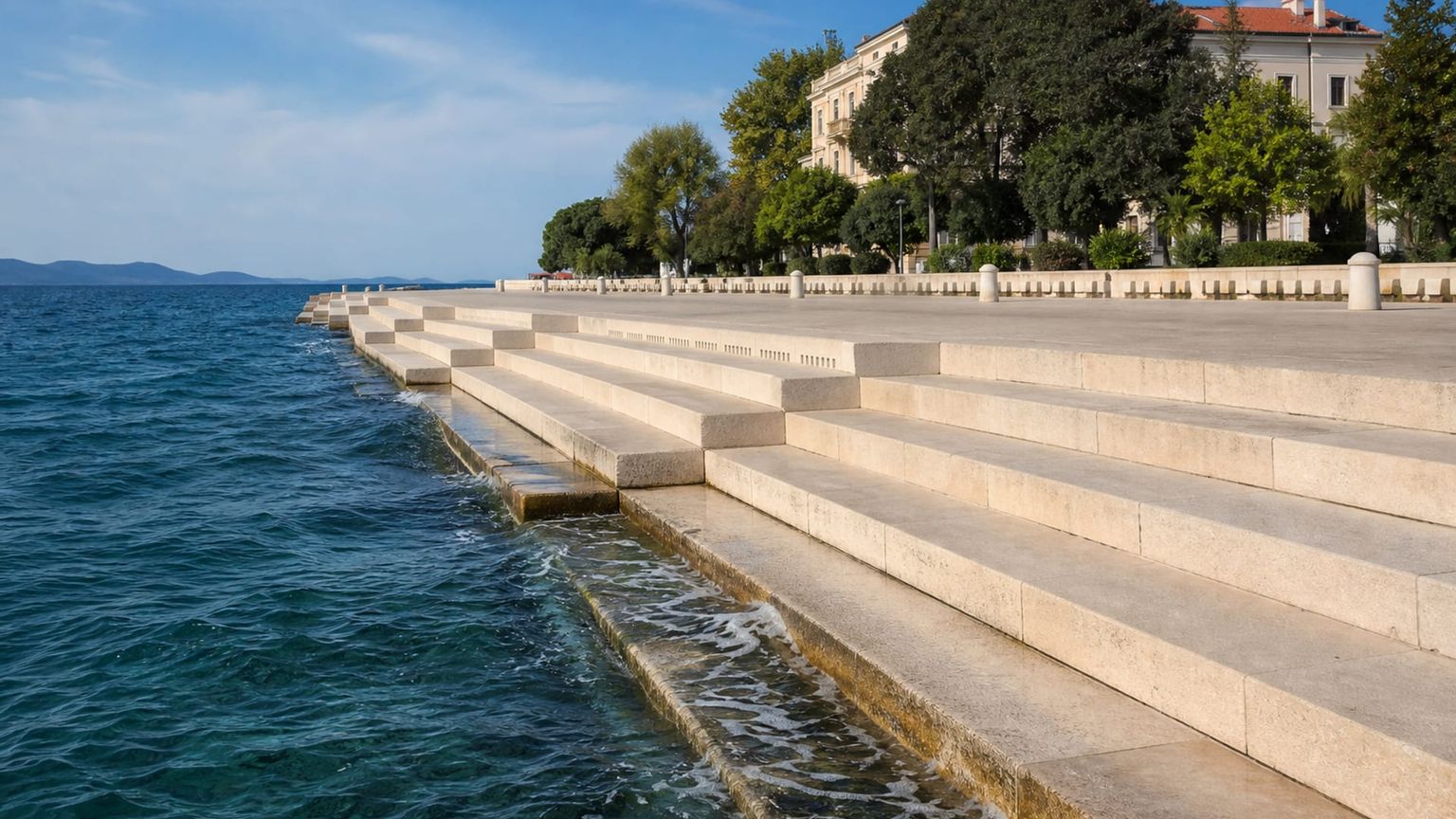
Sea Organ
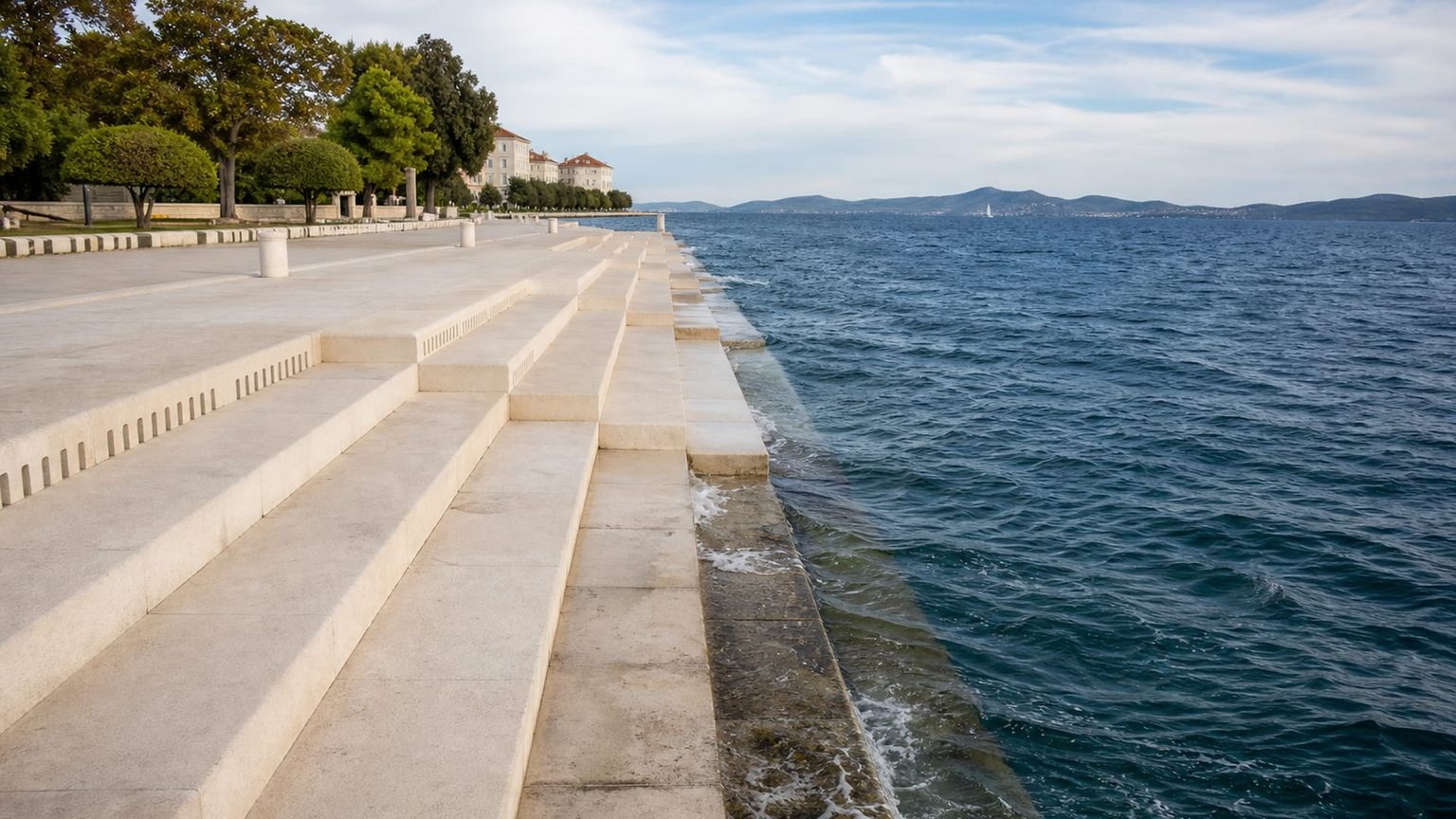
The Sea Organ uses waves to force air through pipes installed beneath the waterfront steps, producing changing tones as the sea moves. It is built directly into Zadar’s western promenade and is free to visit at any time.
Time needed: 30 to 60 minutes
Entry: Free
Tip: Arrive before sunset, then stay for the Greeting to the Sun after dark.
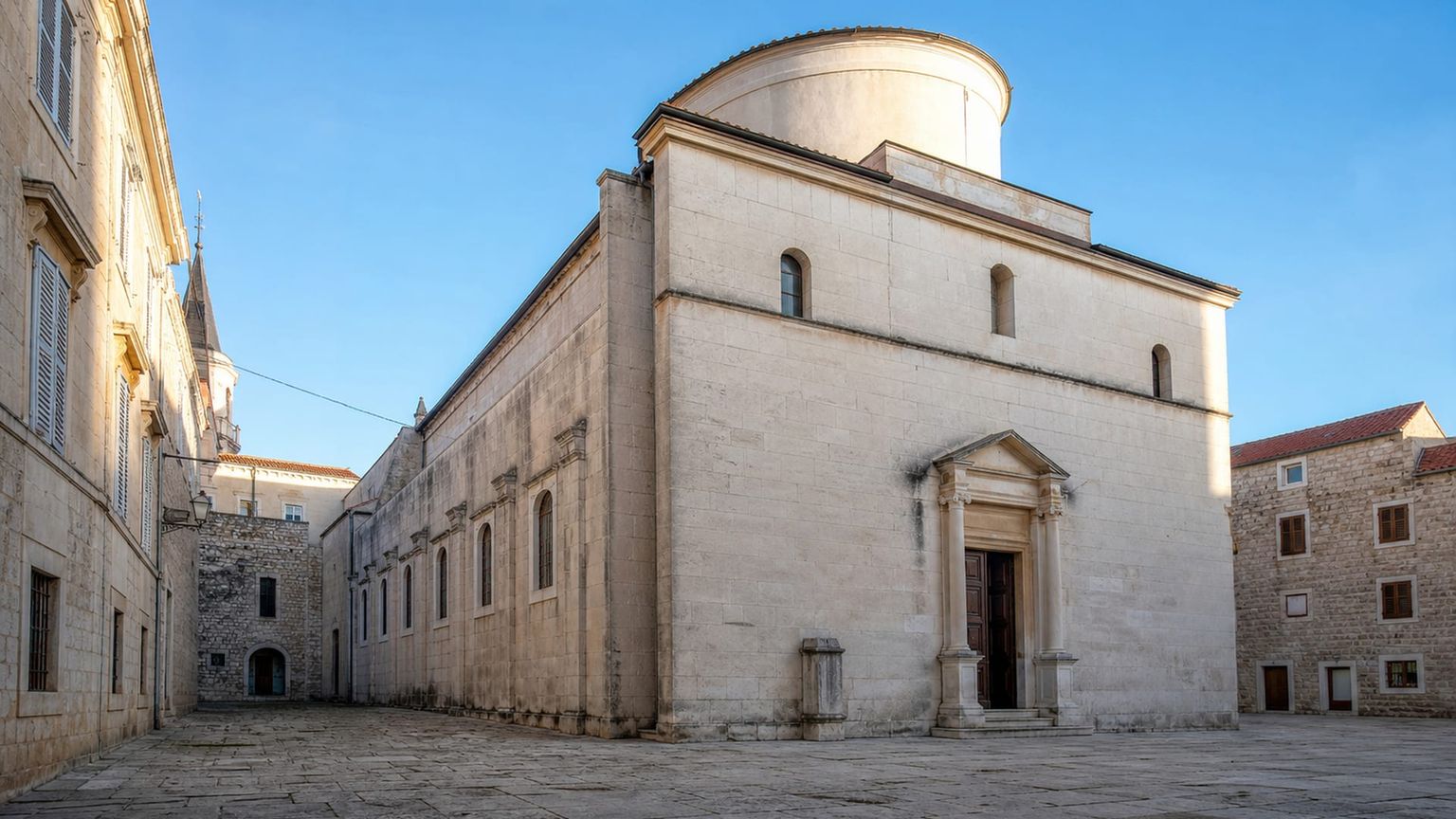
Gold and Silver of Zadar
The Permanent Exhibition of Religious Art inside St. Mary’s convent displays reliquaries, sculpture, paintings, embroidery, and other sacred works dating from the early medieval period onward.
Time needed: 1 to 1.5 hours
Entry: Tickets cost €5 ($5.70). Visit the official site for details.
Tip: Add it after St. Donatus Church because both are beside the Forum.
Overlooked places in Zadar

Queen Jelena Madijevka Park
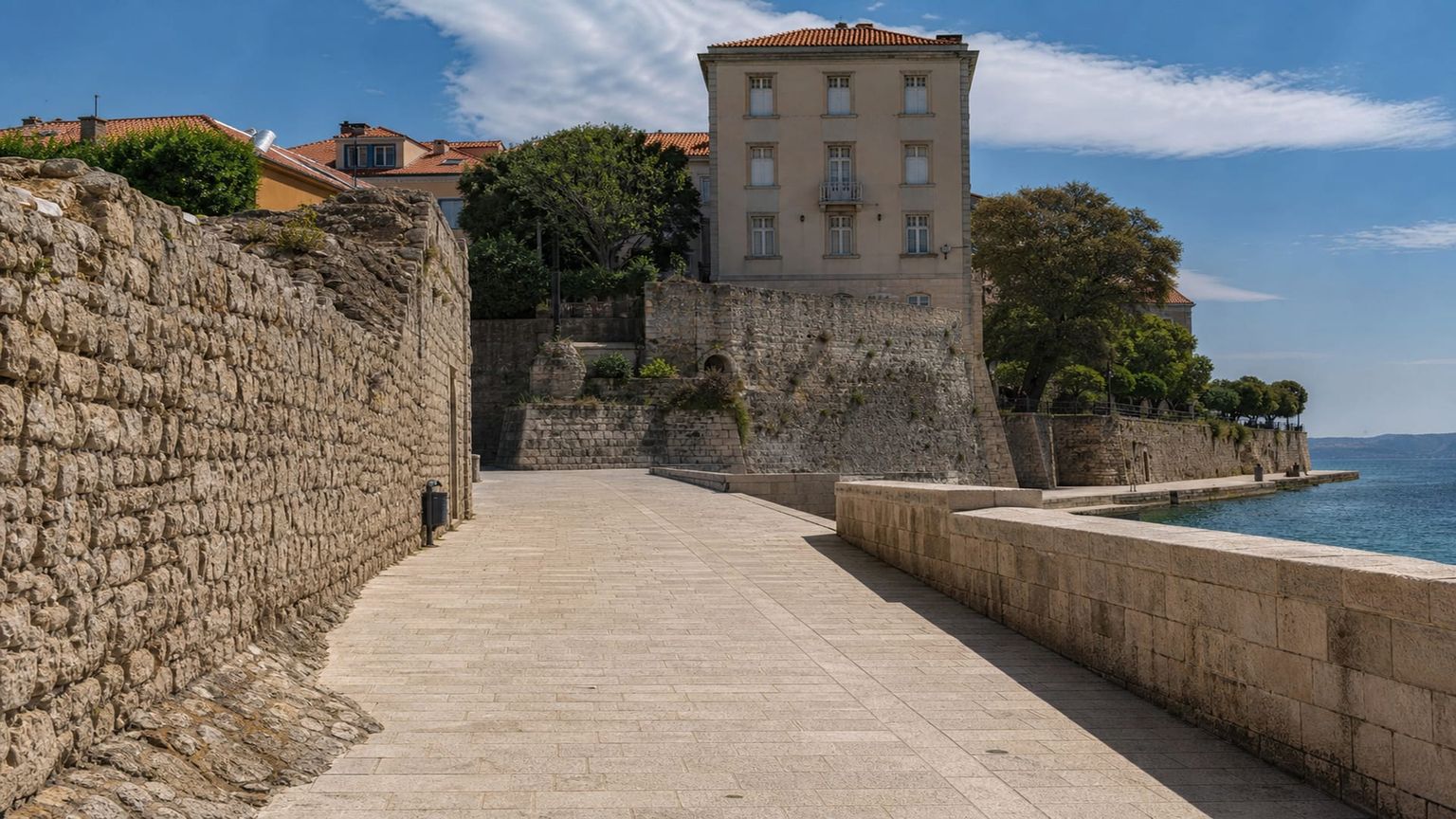
Opened in 1829 beside Five Wells Square, this small park occupies part of Zadar’s former fortifications and gives you shaded paths above the Land Gate.
Time needed: 30 to 45 minutes
Entry: Free
Tip: Visit it alongside Five Wells Square and the Land Gate.

Museum of Ancient Glass
The museum displays Roman glass found across Zadar and northern Dalmatia, with working glassblowing and bead-making demonstrations scheduled during the week.
Time needed: About 1 hour
Entry: Adult tickets cost €7 ($8). Visit the official site for details.
Tip: Visit before 2:00 pm on a weekday to catch a demonstration.
What to eat in Zadar
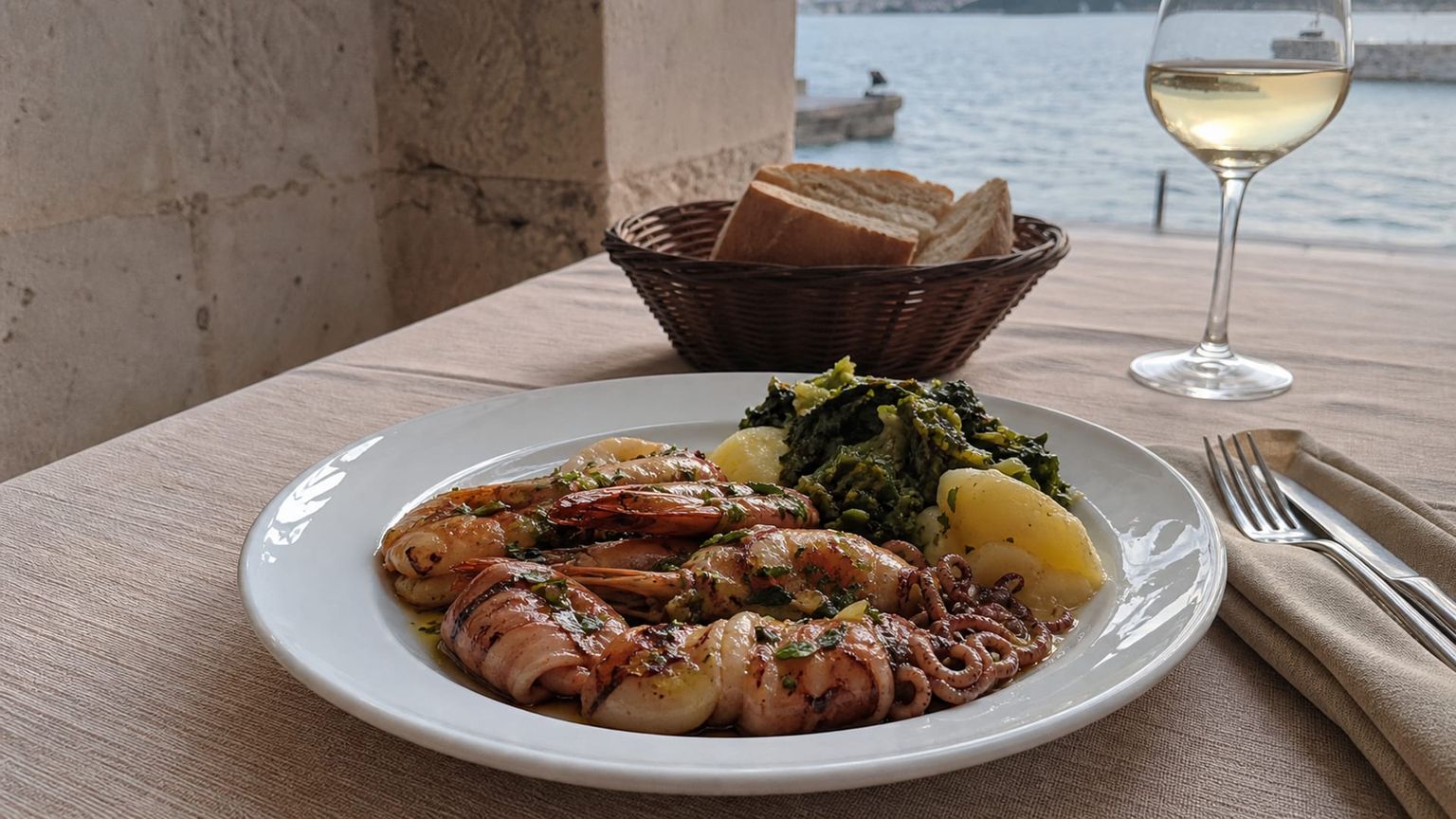
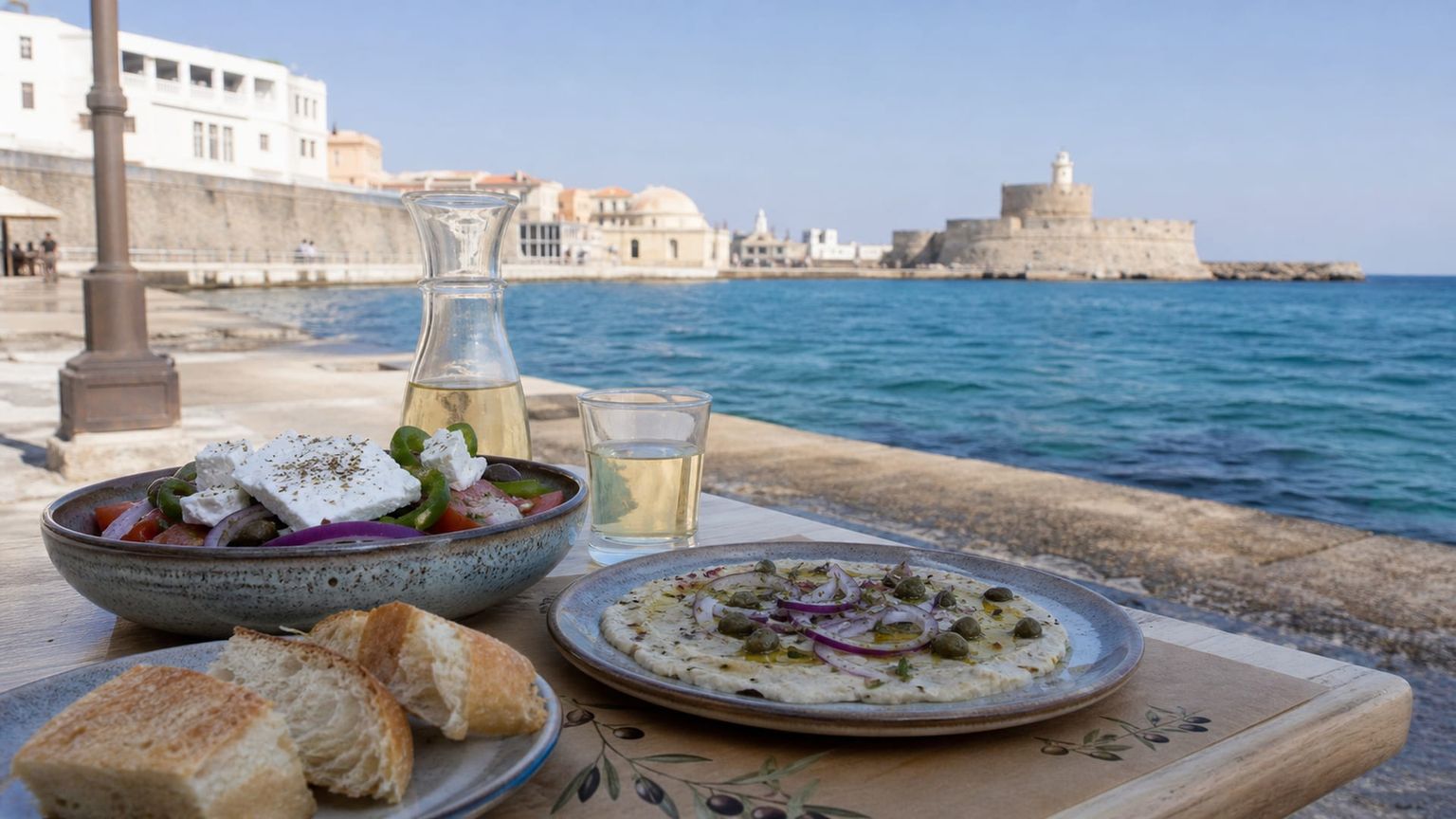
Zadar’s Dalmatian cooking combines Adriatic seafood with sheep’s-milk cheese, slow-cooked meat, olive oil, wine, and simple vegetable sides.
Pag cheese
Pag cheese is a firm sheep’s-milk cheese from the nearby island of Pag, known for its salty, concentrated flavor. It is commonly served with olives, prosciutto, bread, or wine. Konoba Martinac in Old Town lists Paški sir on its menu.
Pasticada
Pašticada is slow-braised beef cooked with wine, vegetables, spices, and a sweet-sour sauce, usually served with gnocchi. Restaurant Jadera serves a traditional Dalmatian version with gnocchi.
Black risotto
Black risotto combines cuttlefish, rice, wine, and cuttlefish ink, giving the dish its dark color and briny flavor. Dva Ribara in Old Town lists black risotto with cuttlefish on its menu.
Grilled Adriatic fish
Fresh Adriatic fish is often grilled simply and served with Swiss chard, potatoes, olive oil, and garlic. Restaurant Bruschetta offers grilled fish and other local seafood dishes in central Zadar.
Best time to visit Zadar
Zadar has hot, busy summers and much quieter winters, while late spring and early fall offer warm weather with fewer visitors than July and August.
Best for: Old Town walks, parks, museums, cafés, and lighter visitor numbers
What you get: Temperatures generally rise from 55°F to 73°F (13°C–23°C), with longer days and increasingly warm afternoons.
Trade-offs: The Adriatic remains cool for swimming early in the season.
Best for: Swimming, waterfront evenings, boat trips, and beach days
What you get: Temperatures commonly range from 77°F to 90°F (25°C–32°C), with warm seas and long daylight hours.
Trade-offs: July and August bring heavier crowds, stronger sun, and higher hotel demand.
Best for: Outdoor dining, museums, Old Town walks, and September swimming
What you get: Temperatures generally fall from 79°F to 57°F (26°C–14°C), with warm conditions early in the season.
Trade-offs: Rain and stronger winds become more frequent later in autumn.
Best for: Museums, historic sights, quiet streets, and short city breaks
What you get: Temperatures commonly range from 50°F to 55°F (10°C–13°C), with far fewer visitors than summer.
Trade-offs: Short daylight and strong bura winds can limit comfortable waterfront time.
A 5-day plan in Zadar
Five days give you enough time to explore Zadar’s Roman center, museums, waterfront, Kolovare, and southern coast without repeating the same attractions on several days.
Land at Zadar Airport (ZAD), then take the airport bus to the main bus station and Old Town. Tickets cost €5 ($5.70), include luggage, and the ride to the center takes approximately 20 minutes. Check into Old Town or Kolovare, then keep the evening nearby. Walk the waterfront, have dinner close to your hotel, and leave the Forum and museums for the following morning rather than rushing through them after arrival.
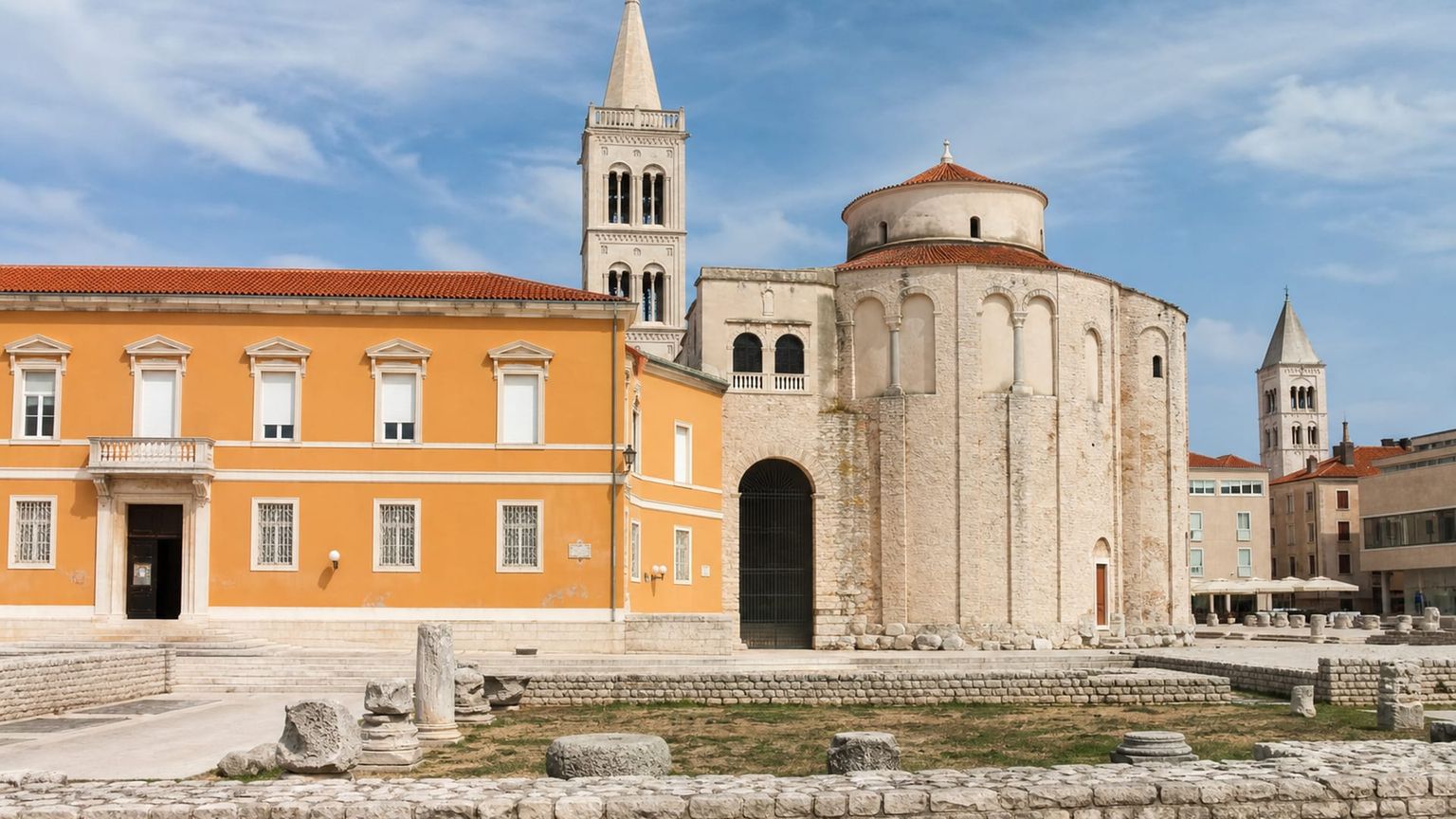
Start at St. Donatus Church and allow 30 to 45 minutes inside before exploring the Roman Forum. Continue next door to the Archaeological Museum and spend 1 to 1.5 hours there. Have lunch in Old Town, then walk north through the peninsula toward the Sea Organ. Spend the late afternoon along the waterfront and stay through sunset, then visit Greeting to the Sun after dark. Have dinner nearby instead of crossing the city again.
Begin at the Land Gate, then walk to Five Wells Square and Queen Jelena Madijevka Park, which are all located within the same southern section of Old Town. Continue to the Museum of Ancient Glass and allow 1 to 1.5 hours inside. Adult admission costs €7 ($8), and weekday demonstrations usually run before 2:00 pm. Spend the rest of the afternoon around People’s Square, Kalelarga, and the eastern waterfront.
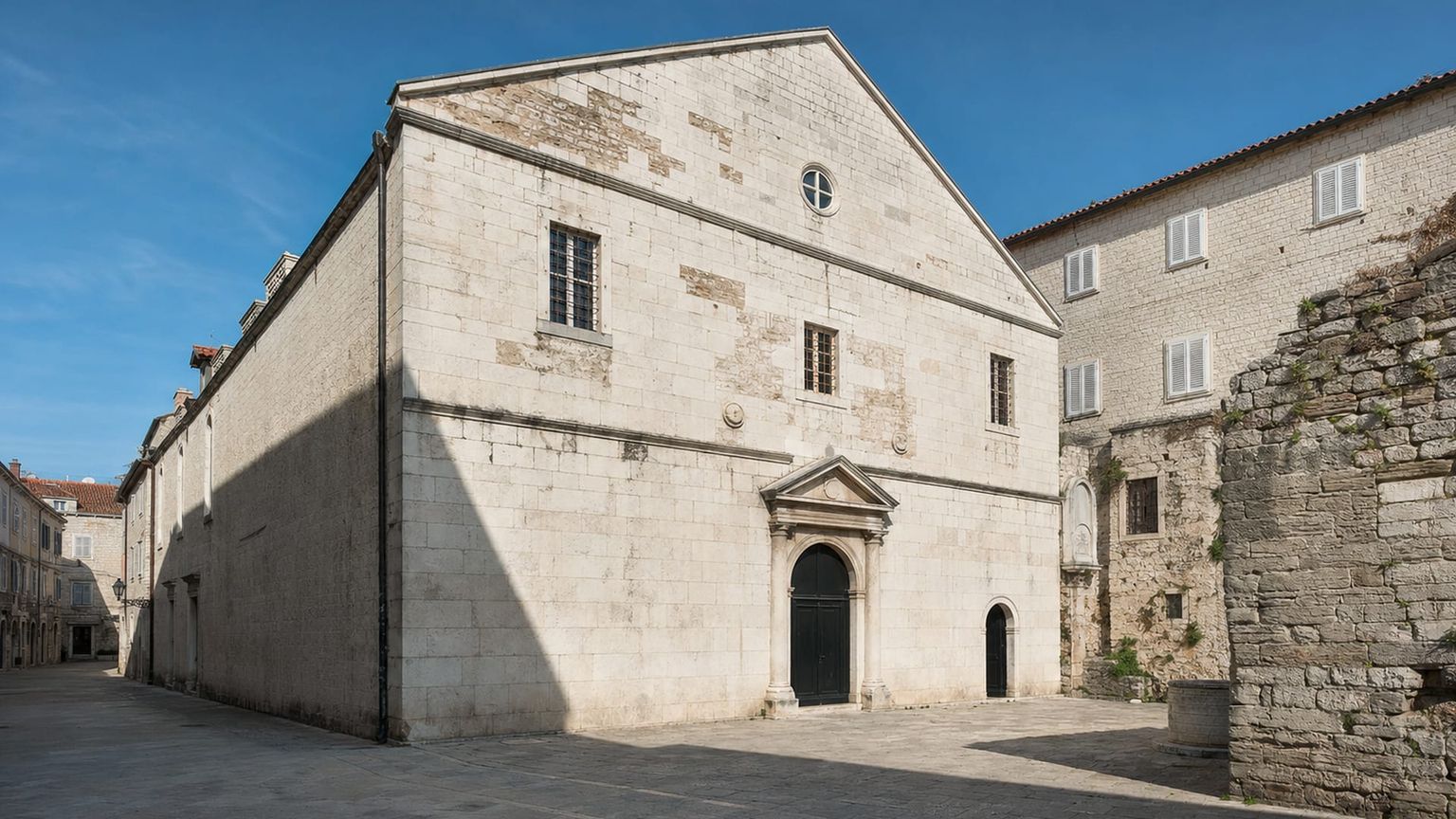
Spend the morning at Kolovare Beach, then follow the coast south through Arbanasi toward Punta Bajlo if the weather suits a longer walk. Stop for lunch along the way and leave enough time for swimming instead of treating the southern coast as another sightseeing checklist. Return to Old Town by bus, taxi, or ride app in the late afternoon. Have dinner on the peninsula, then use the evening to explore any street or waterfront area you haven’t seen yet.
Use the final morning for the Gold and Silver of Zadar inside St. Mary’s convent beside the Forum. Allow 1 to 1.5 hours for the exhibition, then have coffee or an early lunch nearby before collecting your luggage. Take the airport bus back to Zadar Airport for €5 ($5.75), allowing approximately 20 minutes for the ride from the center. Check the day’s departure schedule in advance and leave extra time during the summer peak.
Business-class flights from the US to Zadar
All flights from New York (JFK) or Los Angeles (LAX) to Zadar Airport (ZAD) require at least one connection.
New York (JFK) to Zadar (ZAD)
Travelers from John F. Kennedy International Airport (JFK) can fly to Zadar with SWISS, Croatia Airlines, LOT, Lufthansa, and Turkish Airlines. These flights take 12 to 20 hours and have layovers in European hubs such as Frankfurt (FRA), Munich (MUC), Vienna (VIE), or Zurich (ZRH). Round-trip business-class tickets for these flights cost between $4,900 and $9,300.
Los Angeles (LAX) to Zadar (ZAD)
Flights from Los Angeles International Airport (LAX) to Zadar also connect through Frankfurt, Munich, Vienna, and Zurich. Airlines like Lufthansa, United Airlines, Croatia Airlines, and British Airways operate these flights. They have a duration of 16 to 30 hours. Round-trip business-class tickets on this route range from $5,300 to $7,800.
Roman history, Adriatic sunsets, and easy beach days
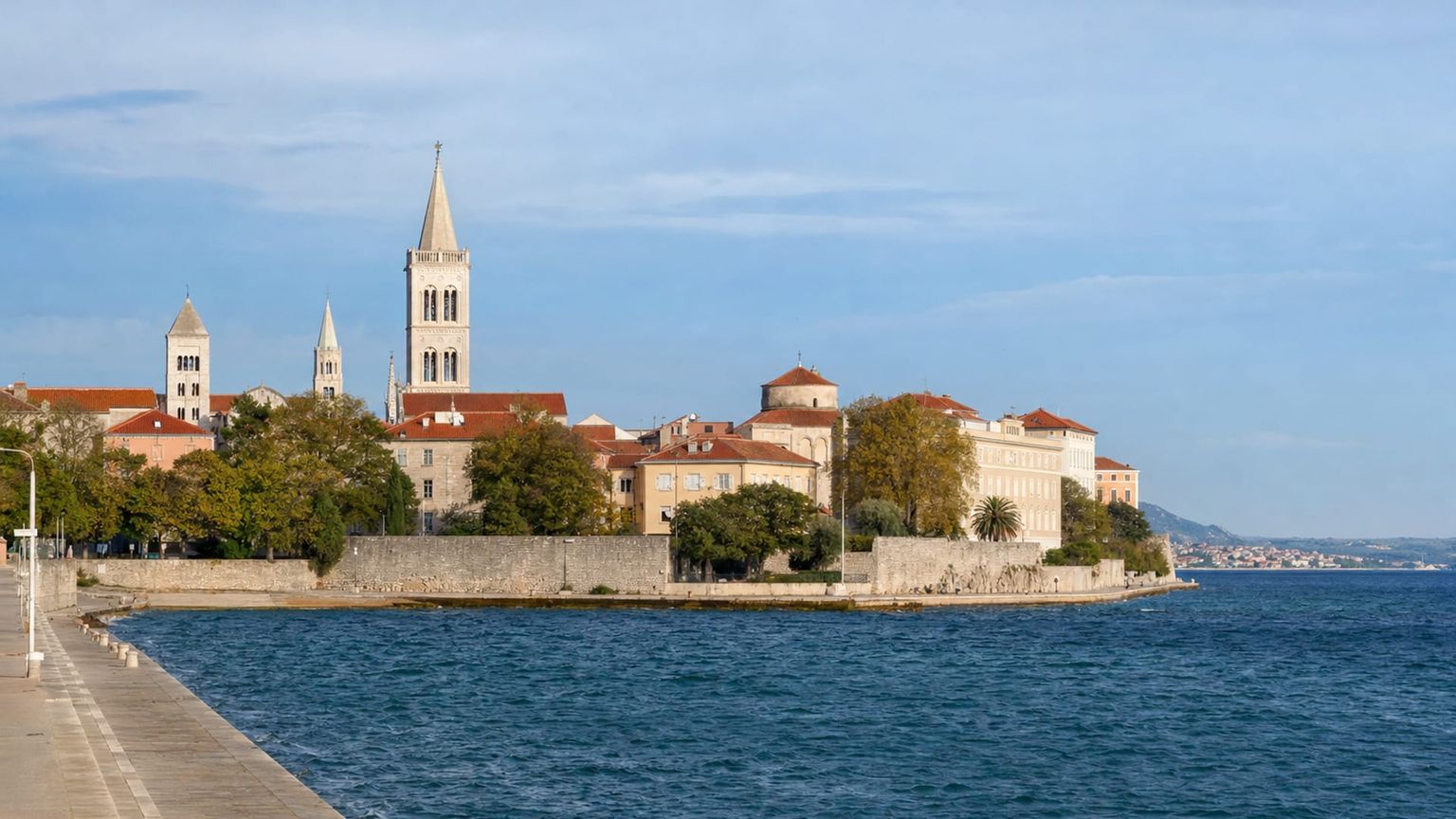
Zadar charms visitors with Roman ruins, medieval churches, waterfront sunsets, Dalmatian food, and beaches close enough to combine with a city stay. The Forum, Sea Organ, museum collections, and Kolovare give five days plenty of variety without requiring long journeys every day. If you are planning a Zadar trip soon, our AranGrant experts can help you compare and book business-class tickets that fit your dates, preferences, and budget.







