

Chapters:

Need help with your trip?
Our support team is available 24/7. Request a callback or call us directly at (833) 619-0908
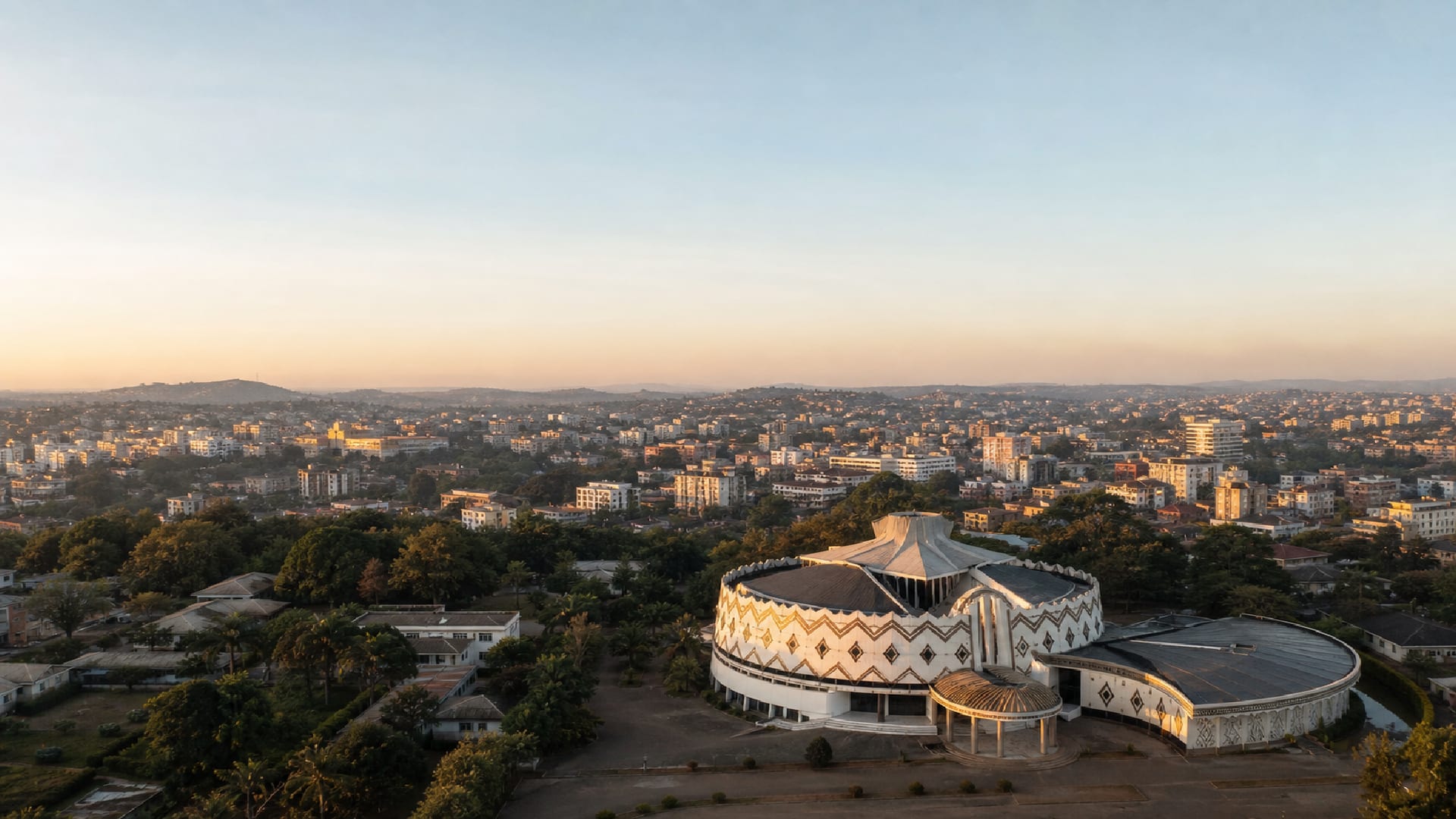
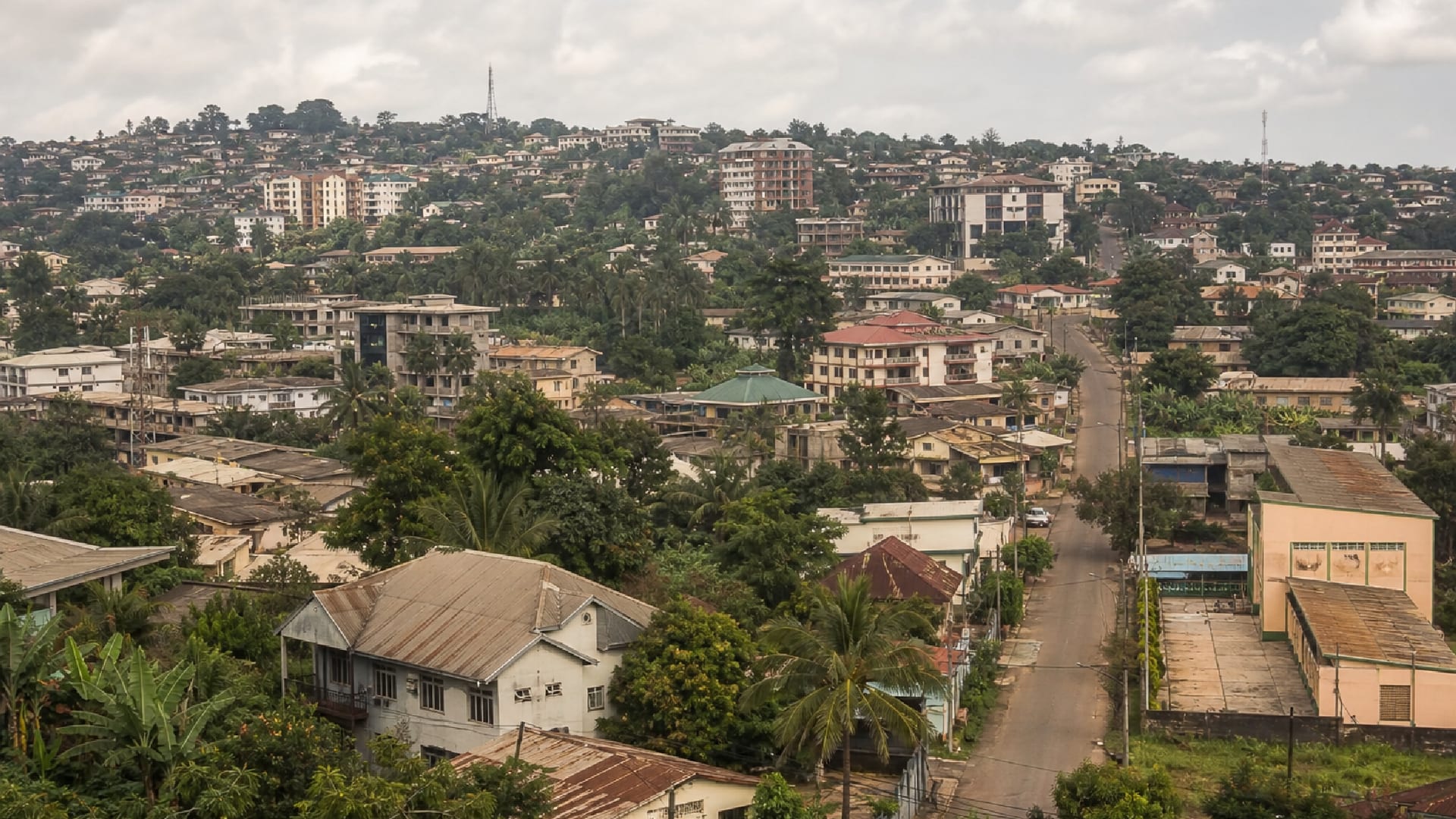
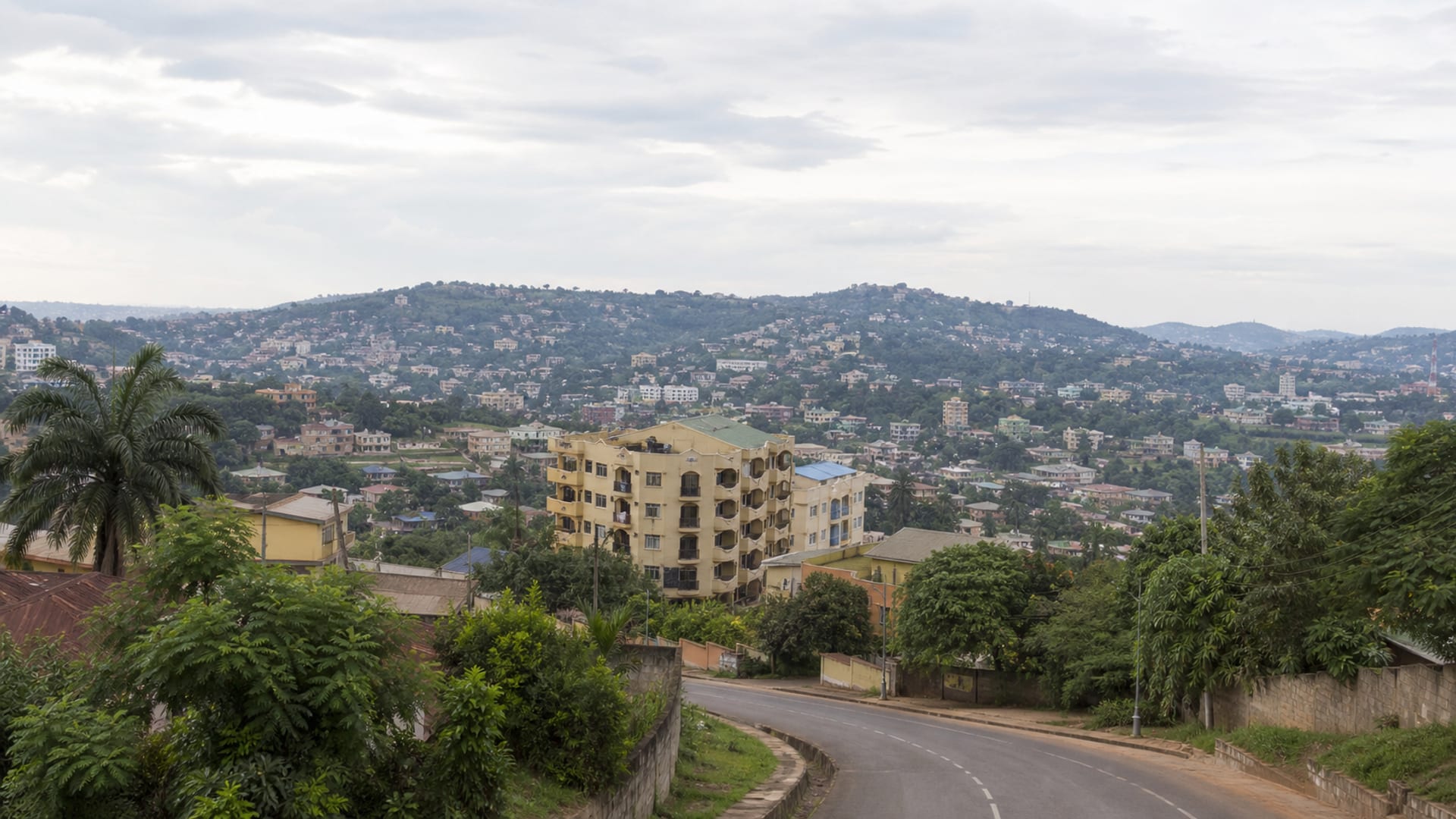
Yaoundé is Cameroon’s capital and one of the country’s main political, business, and cultural centers. Built across a series of hills, the city has government districts, residential neighborhoods, busy commercial streets, markets, restaurants, and large green areas spread across a wide urban landscape. As the national capital, it is also a center for universities, embassies, museums, and major cultural institutions.
Yaoundé is not a place where most sightseeing happens within a compact pedestrian center, so choosing the right district and understanding local transport makes a noticeable difference. This guide covers what you need to plan your trip, from hotels and transportation to food, landmarks, weather, and business-class flights from the US.
Useful things to know

Main language(s): French, English
Bonjour (bohn-zhoor) – Hello
S'il vous plaît (seel voo pleh) – Please
Merci (mehr-see) – Thank you
Parlez-vous anglais ? (par-lay voo ahn-gleh) – Do you speak English?
Combien ça coûte ? (kohm-byen sah koot) – How much does it cost?

Currency: Central African CFA franc (XAF, CFA)

Cash and cards: Hotels and upscale restaurants often accept cards, but cash is important for taxis, markets, and small businesses. Keep CFA 20,000–CFA 30,000 ($35–$52) in small notes for everyday purchases.

Tipping: Tipping is optional. If the bill does not include a gratuity, 5%–10% is appropriate for good restaurant service.

Traditional food: Ndolé, koki, achu, and eru

Water and coffee costs: A bottle of mineral water usually costs CFA 500–CFA 1,000 ($0.90–$1.70). An espresso generally costs CFA 1,500–CFA 2,500 ($2.60–$4.30).

Taxis and ride apps: Yellow taxis operate throughout Yaoundé, and Yango is available for app-based rides.

Plug and voltage: Type C and E sockets, 220V

Dining and shop opening hours: Breakfast is commonly served from 6:30 am to 9:00 am, lunch from noon to 2:30 pm, and dinner from 7:00 pm to 10:00 pm. Independent shops and restaurants may keep different hours on Sundays.

Emergency number: Call 117 for the police, 118 for the fire department, 119 for an ambulance, and 113 for the gendarmerie.
Where to stay in Yaoundé
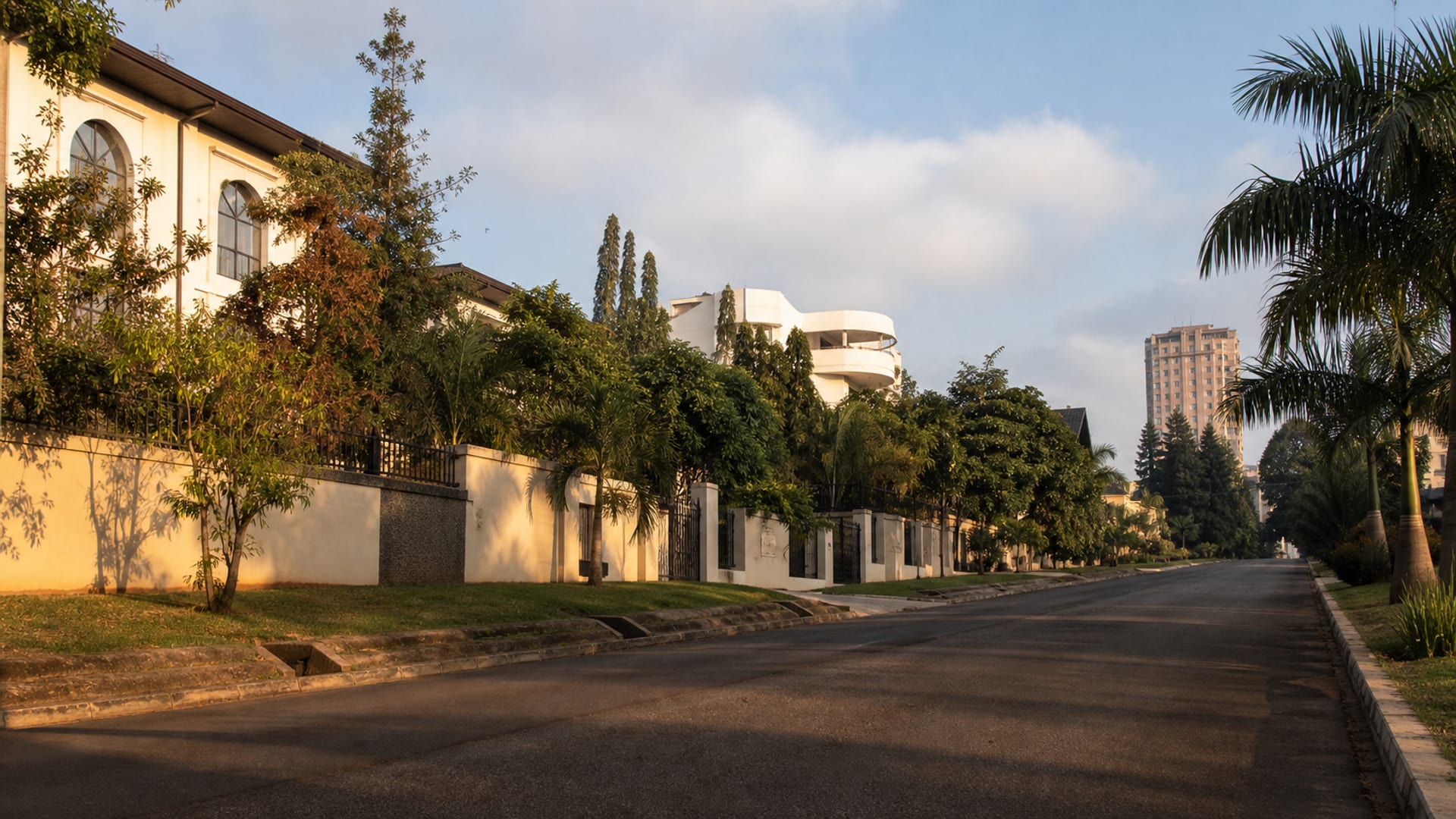
Bastos is Yaoundé’s diplomatic quarter, where embassy compounds and large villas line hilly streets. International restaurants, cafés, and established hotels fill the roads between the residential blocks.
Best for: Embassy-adjacent stays, business trips, and travelers who want a central, upscale base
What to expect: Quiet residential streets by day, with a little more traffic near hotel and restaurant corridors in the evening.
Hotel prices: Usually about 120,000 CFA to 220,000 CFA (~$200 to ~$365) per night for well-rated stays
Distance to major sights: About 10 to 20 minutes by taxi to the Palais des Congrès and central government offices
Quietness: Calm during the day; evenings are still quiet on side streets, but busier around larger hotels and dining spots.
Main trade-off: Rooms here cost more than in many other parts of the city, and walking between attractions is limited by hills and busy roads.
Good to know: Bastos has several restaurants, cafés, and hotel dining rooms, so you have plenty of options for dinner in the area.
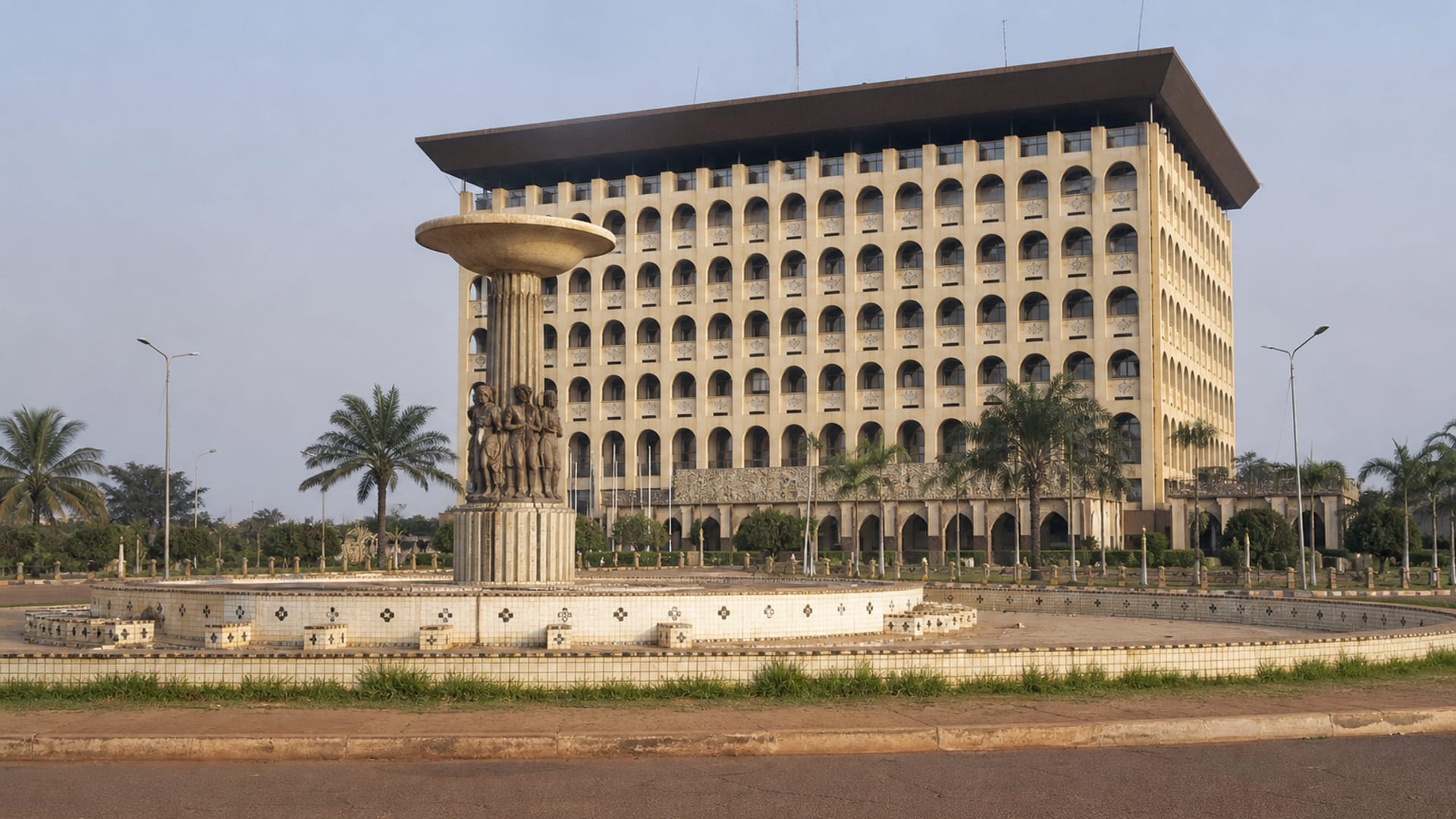
Centre-ville is Yaoundé’s administrative and commercial district, with ministries, banks, hotels, shops, and government buildings filling its main streets. The National Museum is also here, inside the former presidential palace.
Best for: Business stops, short stays, and travelers who want close access to downtown landmarks
What to expect: Busy sidewalks, heavy daytime traffic, and a more active street scene than in the hill neighborhoods.
Hotel prices: Usually about 70,000 CFA to 150,000 CFA (~$115 to ~$250) per night for well-rated stays
Distance to major sights: About 5 to 15 minutes on foot or by taxi to the National Museum and the central market area
Quietness: Noisy through the day; evenings settle somewhat, though main roads still carry traffic and people.
Main trade-off: You gain proximity to the center, but traffic, street noise, and fewer green buffers can make some blocks feel hectic.
Good to know: If road noise is a concern, choose a hotel on a side street instead of a main avenue.
Mvog-Mbi is a dense local district with a large market at its center. Produce stalls, food vendors, small shops, restaurants, and guesthouses fill the commercial streets that lead away from it.
Best for: Budget stays, local food, and travelers who want a neighborhood feel close to downtown
What to expect: Crowded market streets, motorbike traffic, and a constant flow of local shoppers and commuters.
Hotel prices: Usually about 35,000 CFA to 80,000 CFA (~$58 to ~$133) per night for well-rated stays
Distance to major sights: About 10 to 25 minutes by taxi to the National Museum and Centre-ville
Quietness: Active from morning until late evening, with some side streets quieter after dark.
Main trade-off: Rates are lower, but traffic noise, simpler lodging, and less polished surroundings are common.
Good to know: Hotels beside the market face constant daytime street activity, so check the exact address before reserving.
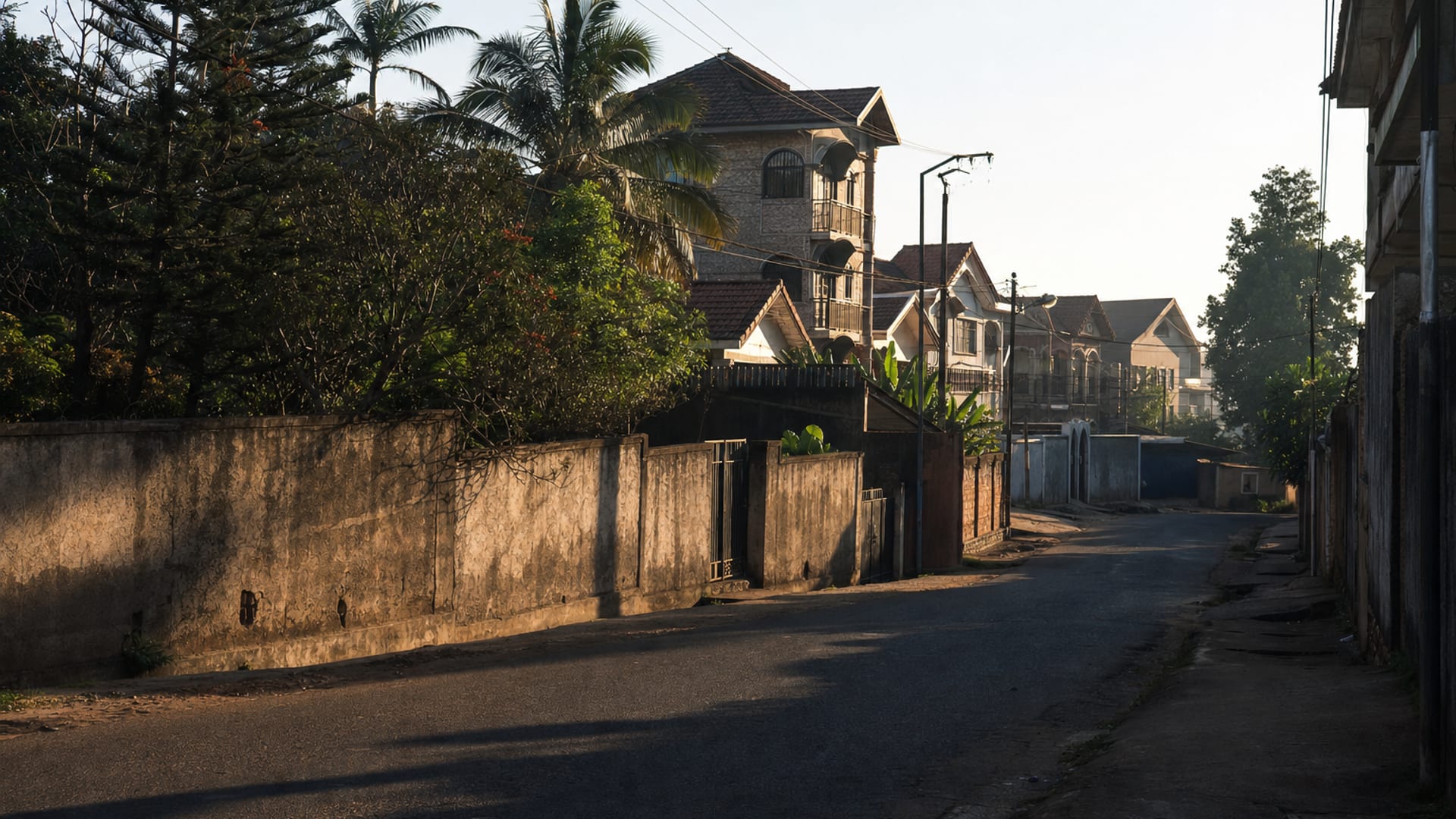
Nlongkak lies between Bastos and central Yaoundé, with apartment buildings, hotels, restaurants, and local shops along its main roads. Residential streets branch away from the busiest traffic corridors.
Best for: Midrange hotels, longer stays, and travelers who want access to both downtown and the hill districts
What to expect: Moderate street activity, neighborhood shops, and steady traffic along the main roads.
Hotel prices: Usually about 55,000 CFA to 120,000 CFA (~$92 to ~$200) per night for well-rated stays
Distance to major sights: About 10 to 20 minutes by taxi to Bastos, Centre-ville, and the National Museum
Quietness: Fairly calm on residential streets by day; main avenues stay active into the evening.
Main trade-off: You may need taxis for most sightseeing, and the best hotel choices are concentrated along the main roads.
Good to know: Nlongkak has supermarkets, pharmacies, bakeries, and restaurants along its main roads, so you can handle most everyday errands within the district.
Briqueterie, Mvog-Ada, Melen, Nkolndongo, and the streets near Mokolo market have reported incidents of robbery and theft, especially after dark. They are poor hotel choices for a sightseeing trip.
Hotel deals
How to get around Yaoundé efficiently
Yaoundé has no metro or tram system. Yellow taxis, Yango, buses, and minibuses carry passengers between the central districts, residential areas, and the airport road.

Buses and minibuses
for low-cost trips on familiar routes
Buses and shared minibuses serve major roads and busy routes. Local fares are generally CFA 250–CFA 500 ($0.43–$0.86), paid in cash. Routes and stops can be difficult to interpret on a first visit, so they are most useful once you know exactly where you need to get off.

Yellow taxis
for short city trips, private rides, and airport transfers
Yellow taxis operate throughout Yaoundé. A shared ride costs CFA 350 ($0.60) during the day and CFA 400 ($0.69) at night. Hiring the whole taxi as a dépôt costs up to CFA 3,000 ($5.19) during the day and CFA 3,500 ($6.05) after 10:00 pm. Agree on the price before departure.

Yango
for direct trips between hotels, restaurants, and sights
Enter the destination in the app before requesting the car, which removes the need to explain the route to the driver. The Economy tariff starts at CFA 450 ($0.78), with distance, travel time, and demand affecting the final price. Cash is useful even when you arrange the ride through the app.
*Prices are based on rates updated as of September 2026 and may change at the time of travel.
In general, Yango is the most convenient and efficient way to navigate Yaoundé, especially for a first visit.
Iconic landmarks
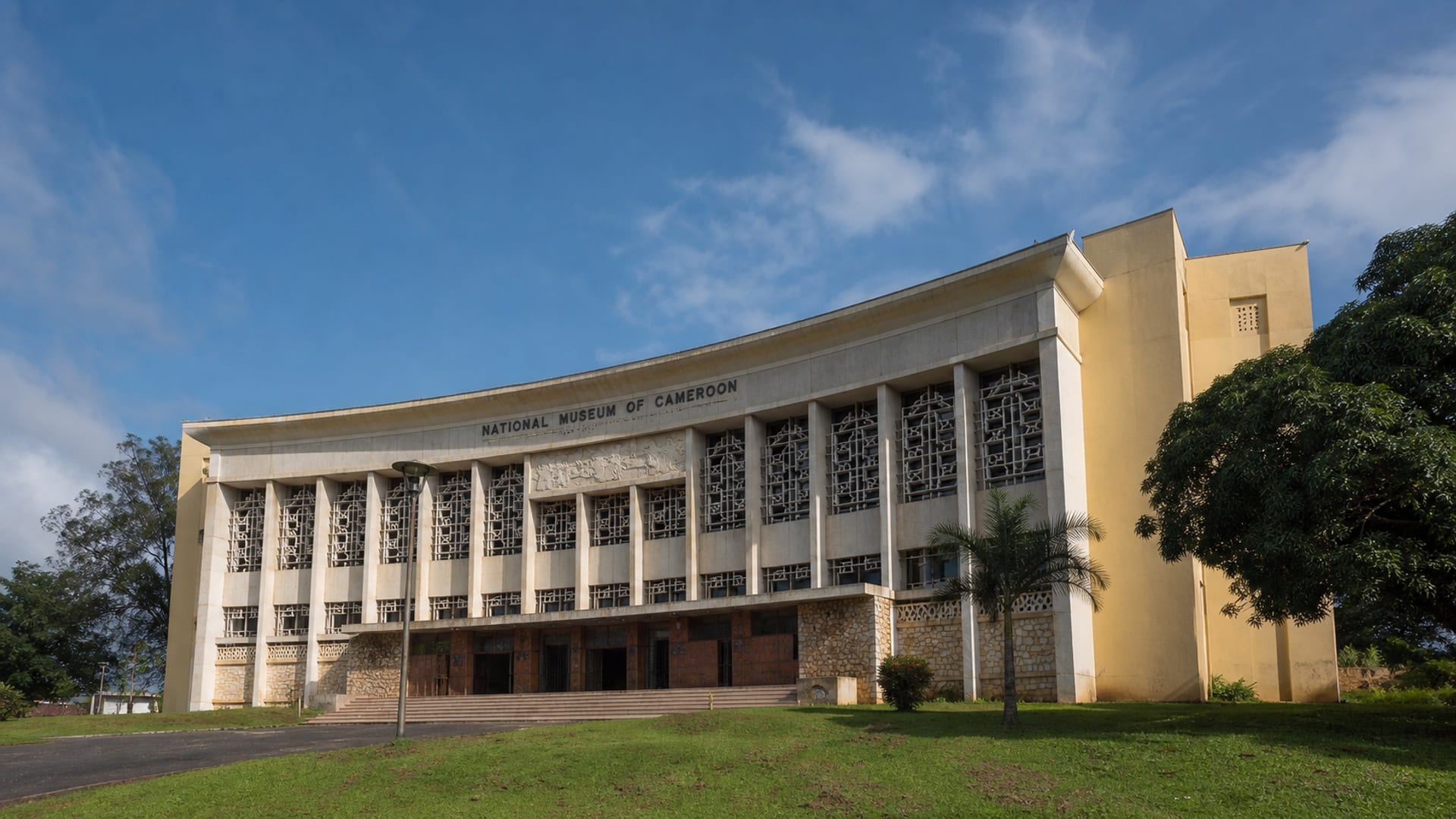
National Museum of Cameroon
Cameroon’s former presidential palace now houses the National Museum, with masks, textiles, sculpture, musical instruments, archaeological objects, and art displayed alongside former state offices.
Time needed: About 1 to 2 hours
Entry: Admission costs about $2 to $4 (1,000 to 2,000 XAF) for standard visitors, with occasional higher rates for guided visits or special exhibits.
Tip: Leave time for the palace interiors as well as the collections.
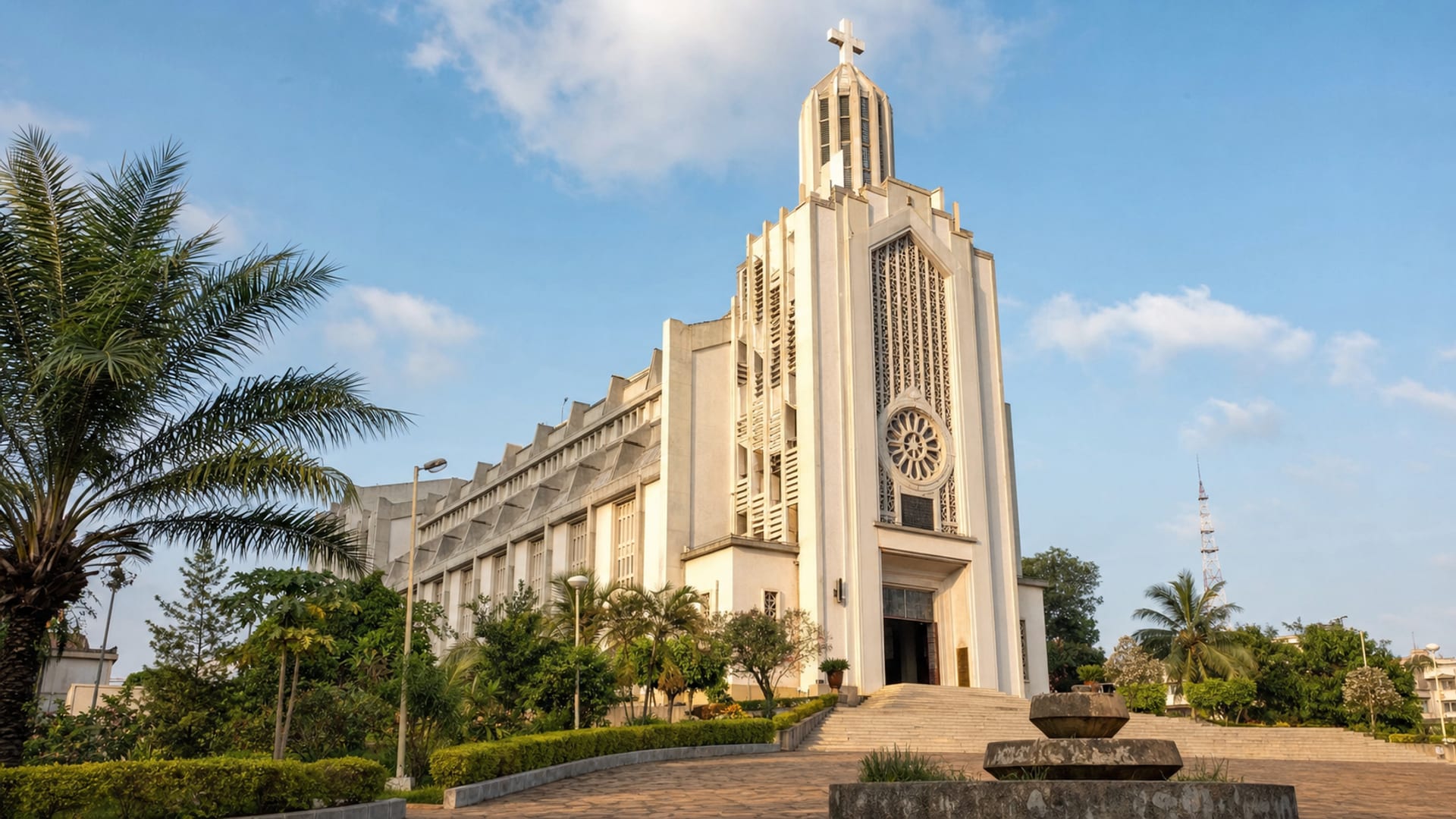
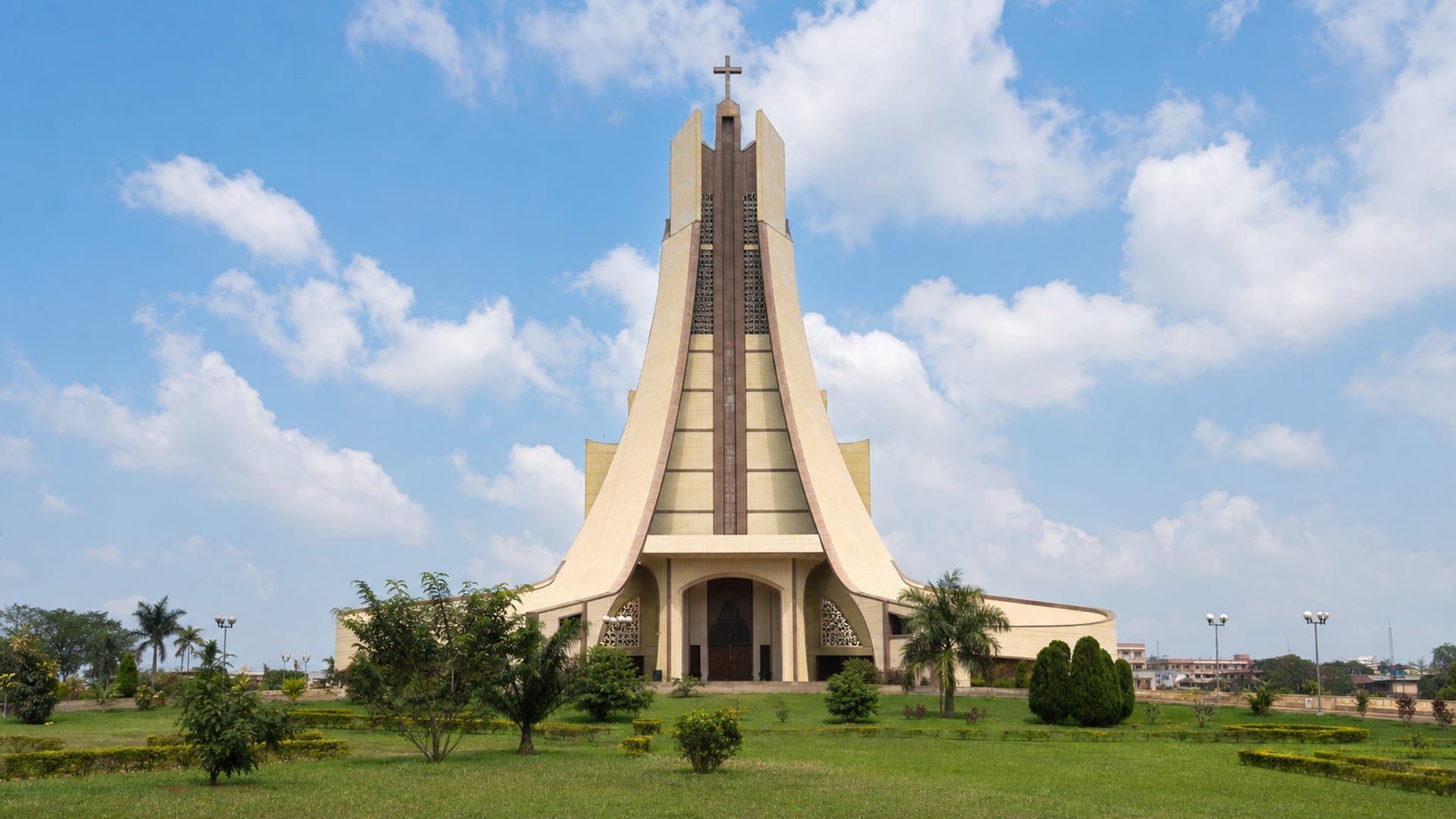
Basilica of Mary Queen of the Apostles
The basilica at Mvolyé rises above southern Yaoundé on a Catholic site first established in the early 20th century. Inside, twelve columns support the broad timber roof above the nave and altar.
Time needed: About 45 minutes to 1 hour
Entry: Entry is free for general visits; donations are welcomed, and paid access may apply for some church events or group guidance.
Tip: Visit outside Mass times so you can see the interior without interrupting worship.
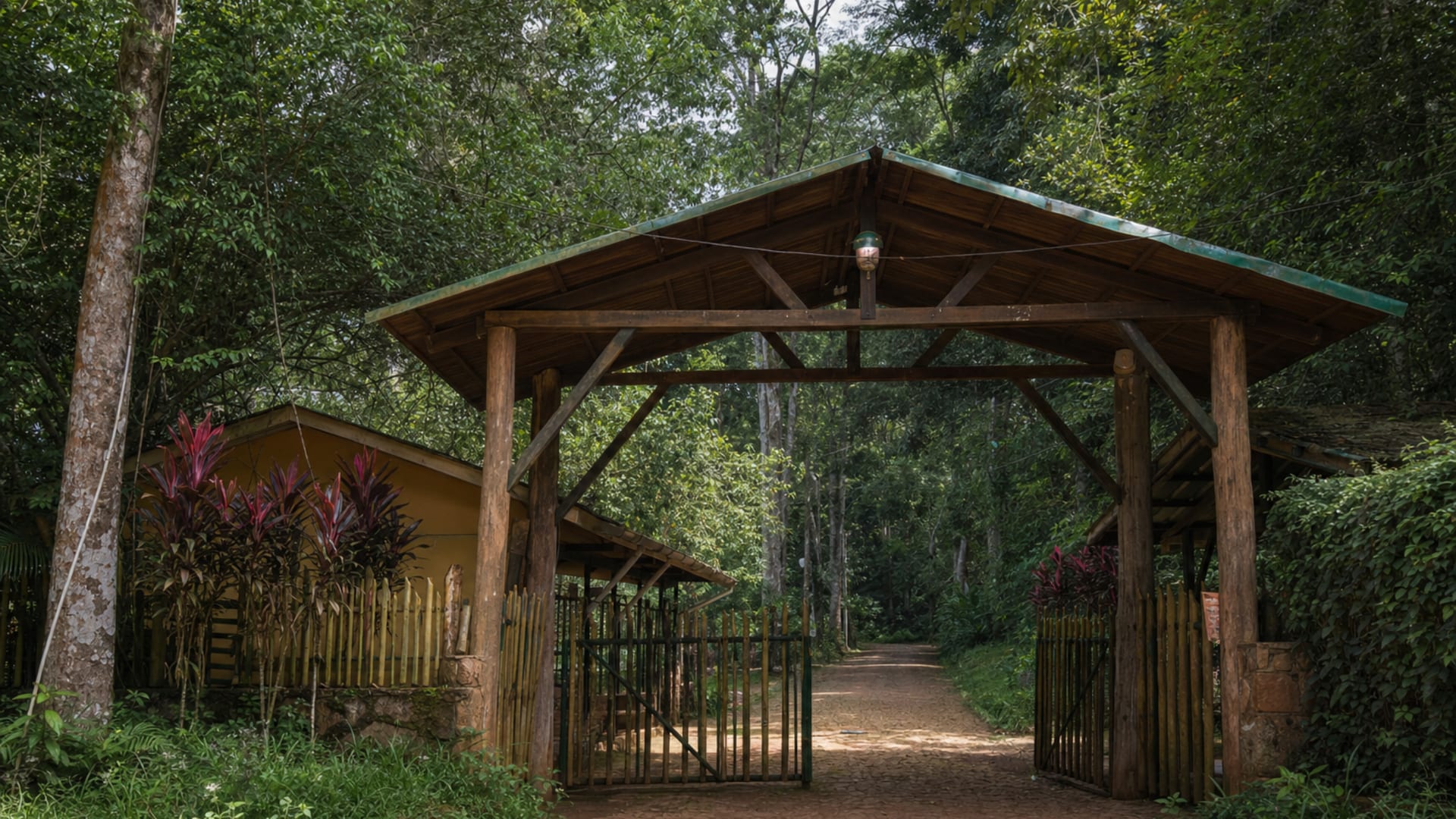
Mefou Primate Sanctuary
Mefou protects 1,000 hectares of rainforest south of Yaoundé, where rescued gorillas, chimpanzees, mandrills, guenons, and other primates live in large forest enclosures.
Time needed: About 2 to 3 hours
Entry: Admission costs about $10 to $15 (5,000 to 8,000 XAF) for adults, with lower prices for children and possible extra fees for guided tours. Visit the official site for details.
Tip: Confirm road conditions before leaving the city. The final 3–4 miles (5–6 km) are unpaved, and heavy rain can sometimes make the road impassable.
Overlooked sites worth visiting

Monument de la Réunification
The Monument de la Réunification uses a tall spiral structure, reliefs, sculptures, and a ceremonial plaza to commemorate the 1961 reunification of British Southern Cameroons and the Republic of Cameroon.
Time needed: About 2 to 4 hours
Entry: Entry typically costs about $5 to $15 (approximately CFA 3,000 to CFA 9,000), depending on the route and any guided wildlife walk you choose on site; fees can change with visitor nationality and transport arrangements.
Tip: Combine it with the National Museum, since both are in central Yaoundé.

Musée Ethnographique des Peuples de la Forêt
This small ethnographic museum explores communities from Cameroon’s forest regions through ceremonial objects, clothing, tools, household pieces, traditional architecture, and exhibits on daily life.
Time needed: About 1 to 2 hours
Entry: Admission is usually about $3 to $8 (approximately CFA 2,000 to CFA 5,000) for the museum visit, with occasional separate charges for camera use or special exhibitions; check the entrance desk for the current rate before you enter.
Tip: Ask at the entrance or ticket desk whether a guided visit is available. A guide can add useful context to objects from different communities.
Traditional food
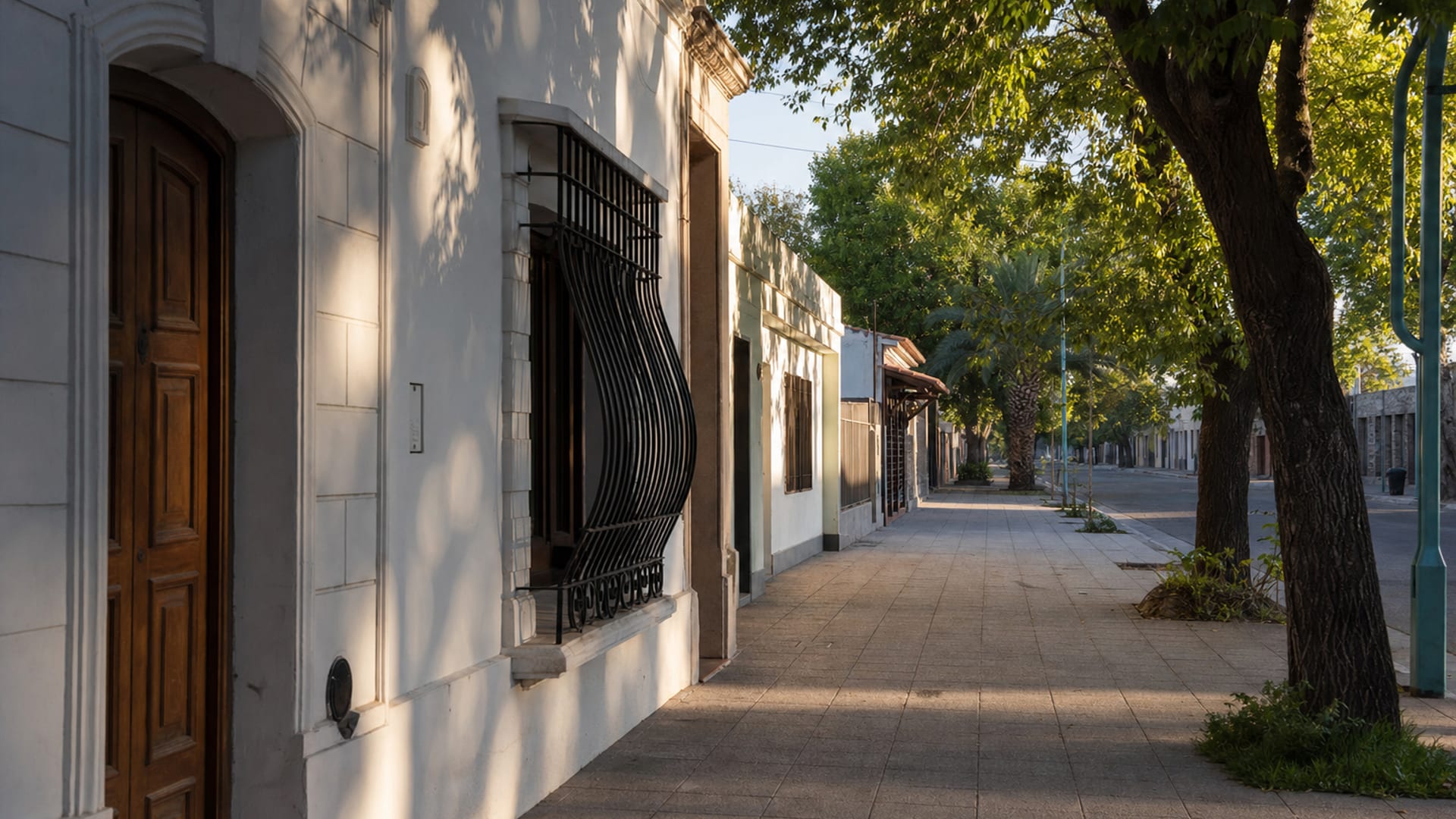
Cameroonian cooking uses leafy vegetables, groundnuts, palm oil, plantains, cassava, cocoyam, beans, smoked fish, and meat. In Yaoundé, you can find dishes from several regions of the country.
Ndolé
Ndolé is a thick stew made with bitter leaves and ground peanuts, usually cooked with beef, shrimp, crayfish, or a mixture of proteins. Plantain, cassava, or rice often comes alongside it. Le Sims in Bastos is a good place to order it.
Koki
Koki is a steamed pudding made from black-eyed peas, palm oil, and seasonings, traditionally wrapped in leaves before cooking. Plantain or cassava usually comes with it. Chouket’s Foods Express serves koki as part of its Cameroonian menu.
Achu
Achu pairs smooth pounded cocoyam with a yellow palm-oil sauce seasoned with traditional spices and commonly served with beef, tripe, or another meat. You can find it at Bon Feeling Restaurant & Lounge.
Eru
Eru is made with finely shredded eru leaves, waterleaf, palm oil, crayfish, smoked fish, or meat and is traditionally eaten with water fufu. Order it at Light Vision Restaurant in Simbock.
Best time to visit Yaoundé
Yaoundé is warm year-round, with two rainy periods and two dry periods. Rainfall affects sightseeing far more than temperature, especially if you plan forest trips or travel across the city by road.
Best for: Outdoor landmarks, Mefou, markets, and city sightseeing
What you get: Daytime temperatures are usually 83°F–86°F (28°C–30°C), with nights near 67°F–69°F (19°C–21°C). December and January bring dry weather and plenty of sun.
Trade-offs: February can feel hot in the afternoon, especially during long outdoor visits.
Best for: Museums, restaurants, cultural sights, and flexible city days
What you get: Daytime temperatures are usually 82°F–84°F (28°C–29°C), with nights near 68°F–70°F (20°C–21°C). Rain becomes frequent from March through May.
Trade-offs: Rain is frequent from March through May, so outdoor plans may need to change at short notice.
Best for: City sightseeing, museums, and outdoor visits in mild daytime temperatures
What you get: Daytime temperatures are usually 77°F–80°F (25°C–27°C), with nights near 67°F–68°F (19°C–20°C). July is relatively dry, while August brings more frequent rain.
Trade-offs: Rain becomes more frequent toward the end of the season, so outdoor plans are less predictable in August.
Best for: Museums, restaurants, and trips with flexible outdoor plans
What you get: Daytime temperatures are usually 79°F–82°F (26°C–28°C), with nights near 67°F–69°F (19°C–21°C). September and October bring frequent heavy rain before conditions turn dry in November.
Trade-offs: September and October are very wet, so long outdoor days are harder to plan.
A realistic 5-day plan in Yaoundé
Five days allow time for the central museums, Mvolyé, Mvog-Mbi, and a full excursion to Mefou without repeating attractions or filling every day with cross-city trips.
Arrive at Yaoundé-Nsimalen International Airport (NSI) and take a taxi or Yango to your hotel. After check-in, keep the afternoon near Bastos or Centre-ville and use the time to settle in after the flight. Have dinner near the hotel, then take a short walk through the surrounding streets if you still have energy. The airport is 10 miles (16 km) south of Yaoundé, and traffic can add time to the drive into the city, especially during the evening rush.
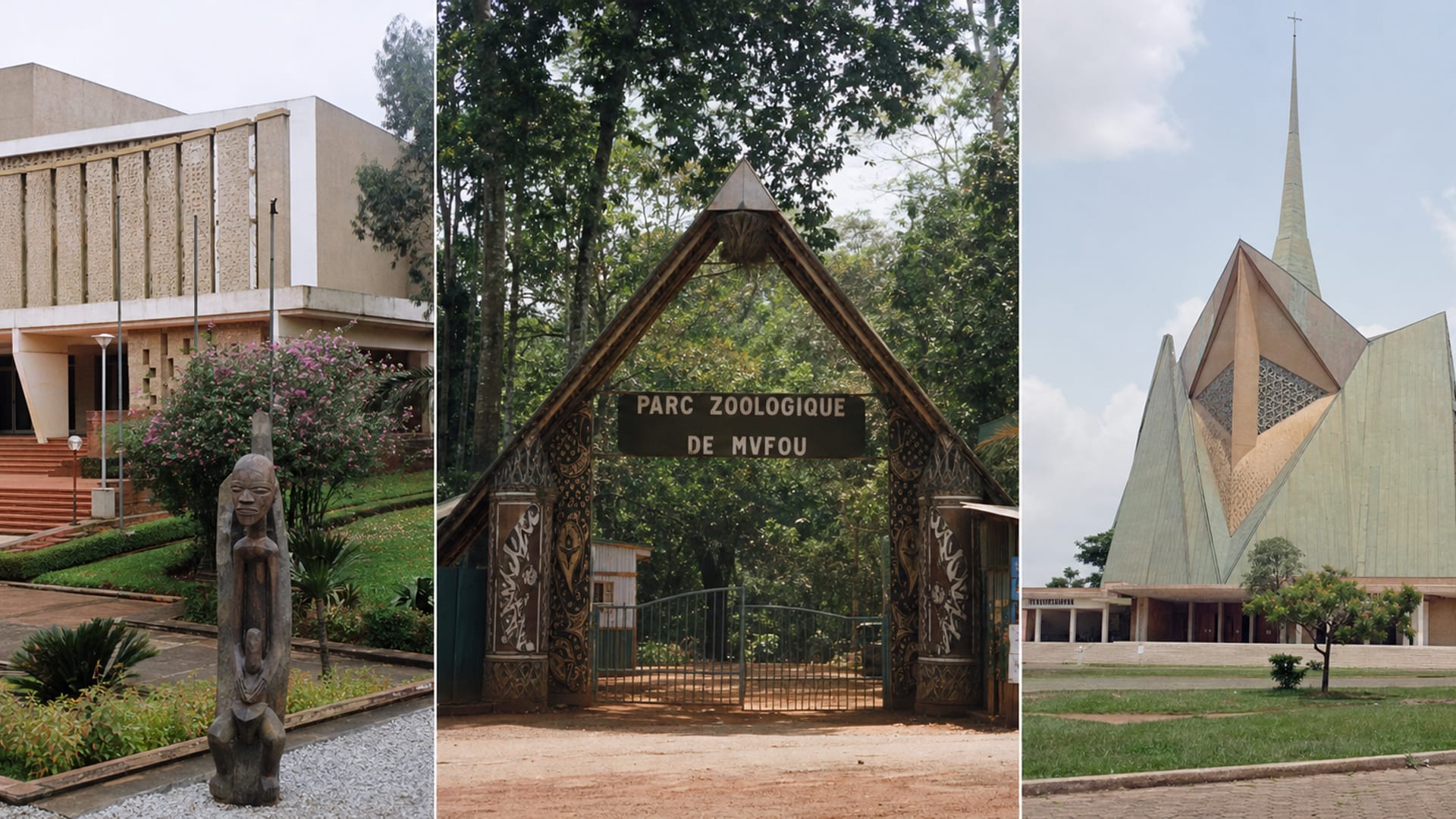
Start at the National Museum, where the former presidential palace now holds art, textiles, musical instruments, sculpture, and historical objects. Continue to the Monument de la Réunification, then stop for lunch in Centre-ville. Spend the afternoon at the Musée Ethnographique des Peuples de la Forêt for a detailed look at communities from Cameroon’s forest regions, then finish with dinner in Bastos.
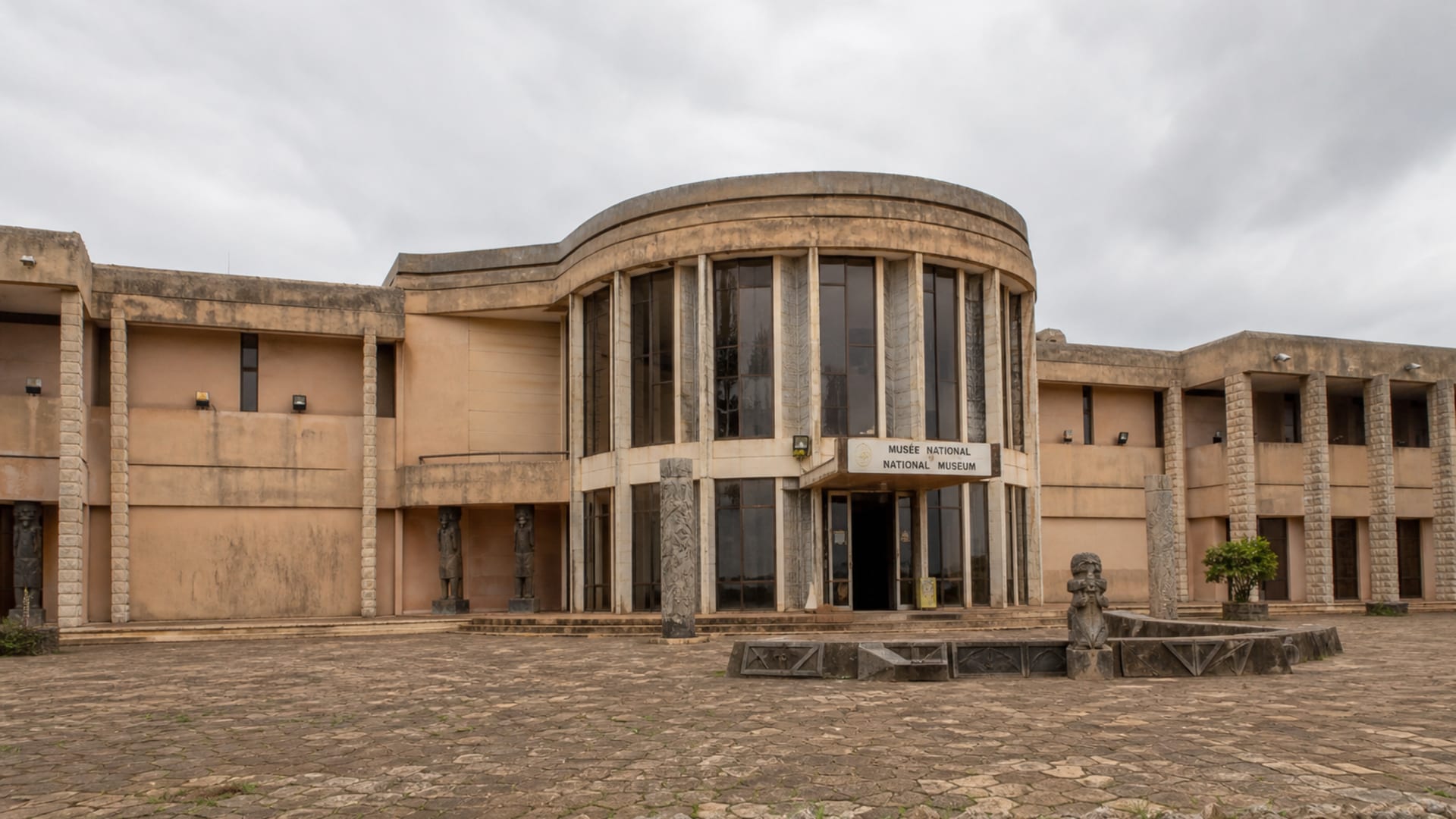
Leave Yaoundé after breakfast for Mefou Primate Sanctuary, south of the city. Spend the morning walking through the forest and seeing rescued gorillas, chimpanzees, mandrills, and other primates in large enclosures. Allow a few hours for the visit, then return to Yaoundé for a late lunch. Keep the evening simple with dinner near your hotel after the drive back.
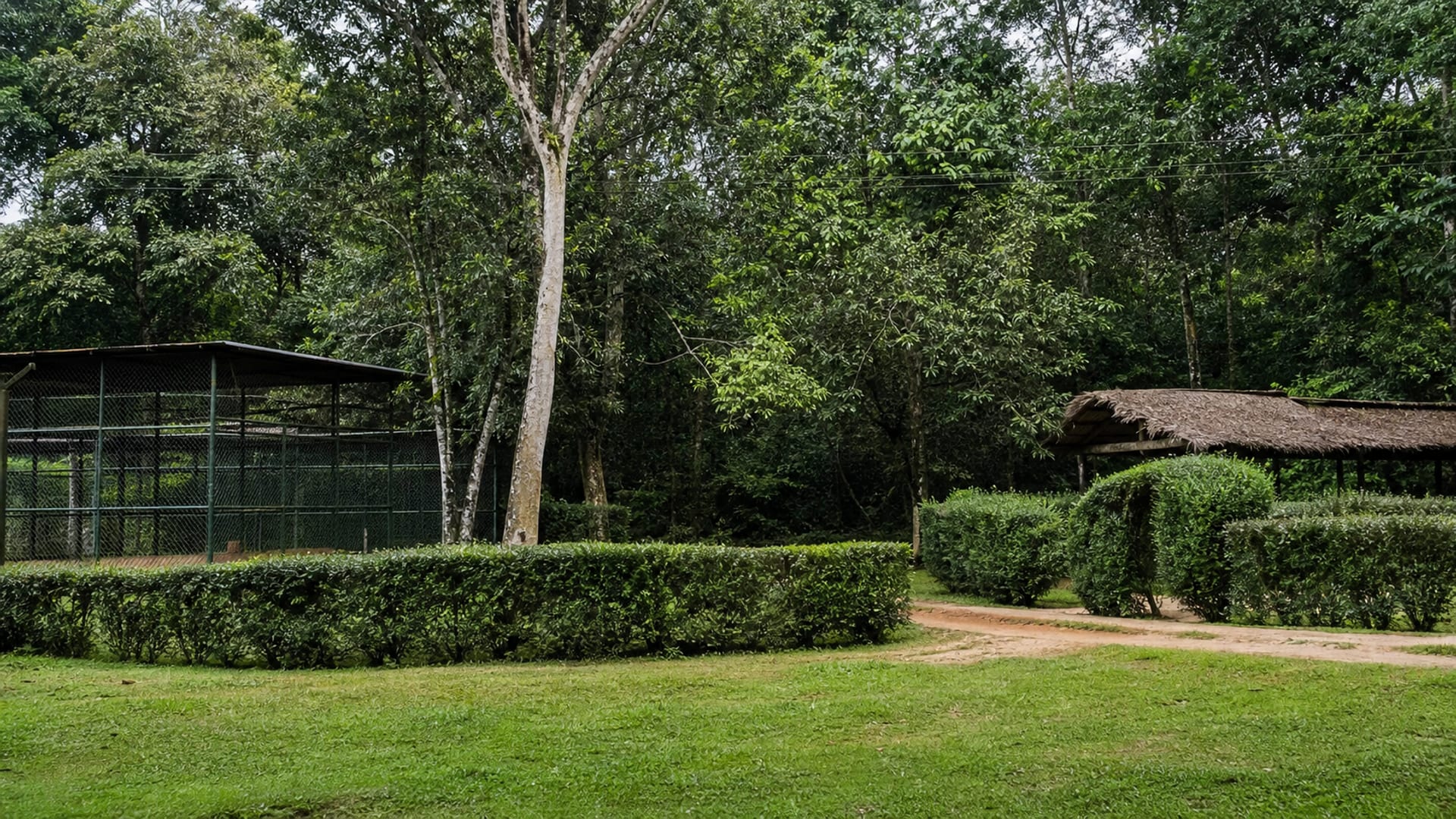
Begin at the Basilica of Mary Queen of the Apostles in Mvolyé, allowing time for the broad nave, timber roof, altar, and grounds. Continue into central Yaoundé for lunch, then walk through the administrative district and nearby streets before returning to your hotel. In the evening, choose a Cameroonian restaurant and order ndolé, koki, achu, or eru if you have not tried it yet, then finish the day with an unhurried dinner.
Spend the final morning at Mvog-Mbi Market, where produce, clothing, household goods, food stalls, and small shops fill the commercial streets. Stop for an early lunch nearby, then return to your hotel for your luggage. If you have spare time, have coffee near the hotel instead of adding another attraction. Leave for Yaoundé-Nsimalen International Airport with enough time for city traffic, check-in, and security before departure.
Business-class flights from the US to Yaoundé
Flights to Yaoundé usually involve one stop, so the main choice is which hub makes the trip easiest from your coast. From New York and Los Angeles, the best fares tend to come through major European, Middle Eastern, or North African connections.
From New York, airlines such as Air France, Brussels Airlines, Ethiopian Airlines, Royal Air Maroc, Turkish Airlines, and United Airlines connect to Yaoundé with itineraries that usually take about 14 to 20 hours including the transfer. Common layover hubs include CDG, BRU, ADD, CMN, and IST, and round-trip fares usually start at $3,800 and can reach about $7,200.
Los Angeles itineraries often run through CDG, IST, ADD, DOH, or CMN on carriers such as Air France, Turkish Airlines, Ethiopian Airlines, Qatar Airways, and Royal Air Maroc. Expect roughly 16 to 23 hours in transit, with round-trip fares from $4,100 to $7,800.
Yaoundé beyond the first impression
Yaoundé is a city that reveals itself gradually, through everyday neighborhoods, local restaurants, busy streets, and unexpected pockets of greenery. Give it enough time and the capital starts to feel far richer than a quick business stop. When you are ready to plan the trip from the US, AranGrant can help you find the right business-class flight to Yaoundé.