

Chapters:

Need help with your trip?
Our support team is available 24/7. Request a callback or call us directly at (833) 619-0908
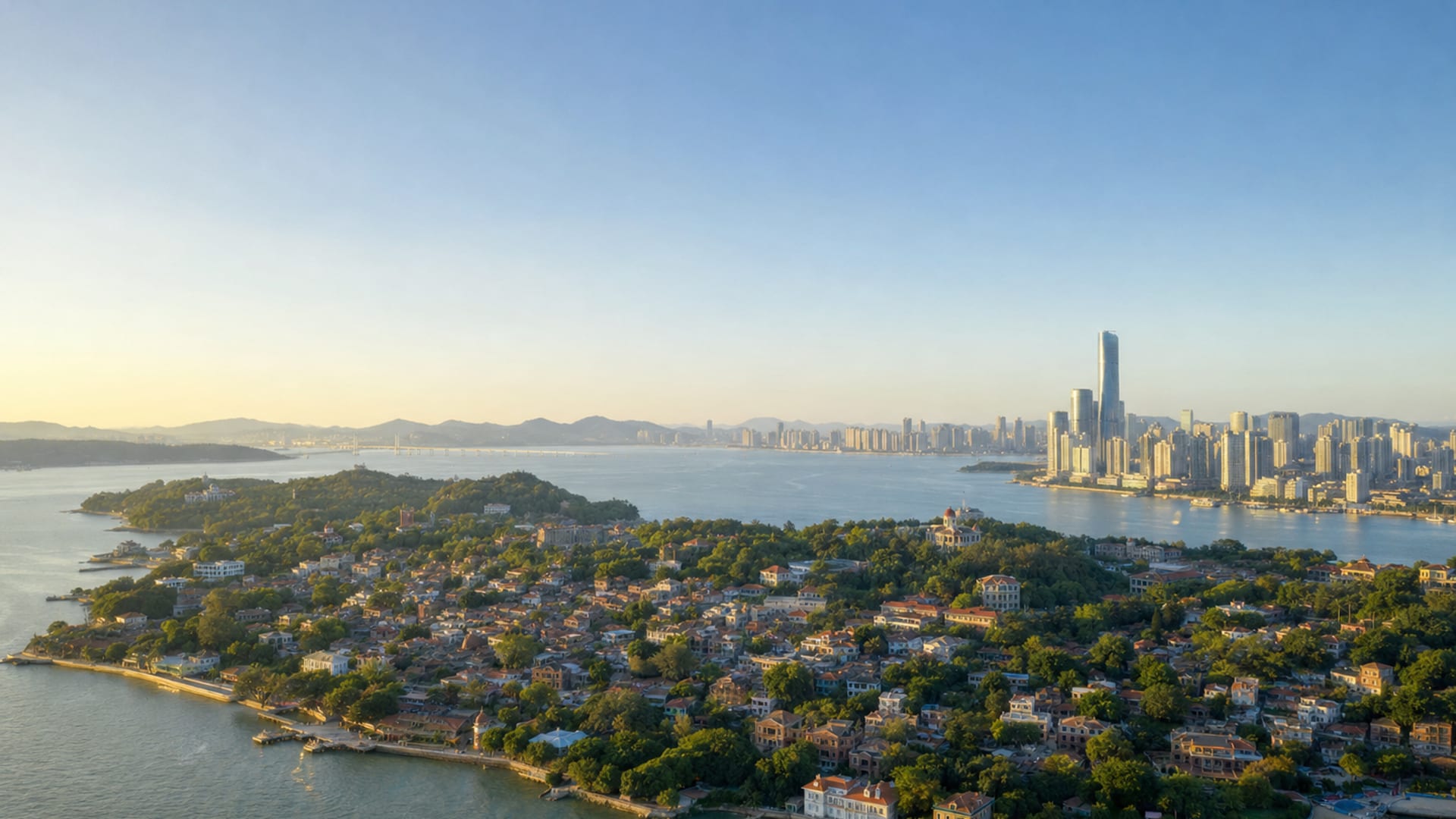
Xiamen trips often start with a ferry crossing, a temple stop, and a quick look at Zhongshan Road, while the city’s quieter corners get little attention. Travelers also underestimate how much time they lose if they base themselves too far from the island core.
That can turn short taxi hops into repeated cross-town rides, and it makes evening dining harder when districts thin out after dark. Gulangyu, Shapowei, and Huli each solve different parts of the trip, but each asks for a different pace.
This guide lays the city out by neighborhood, season, food, and flight path, so you can place each day with less backtracking and fewer dead ends.
Useful things to know
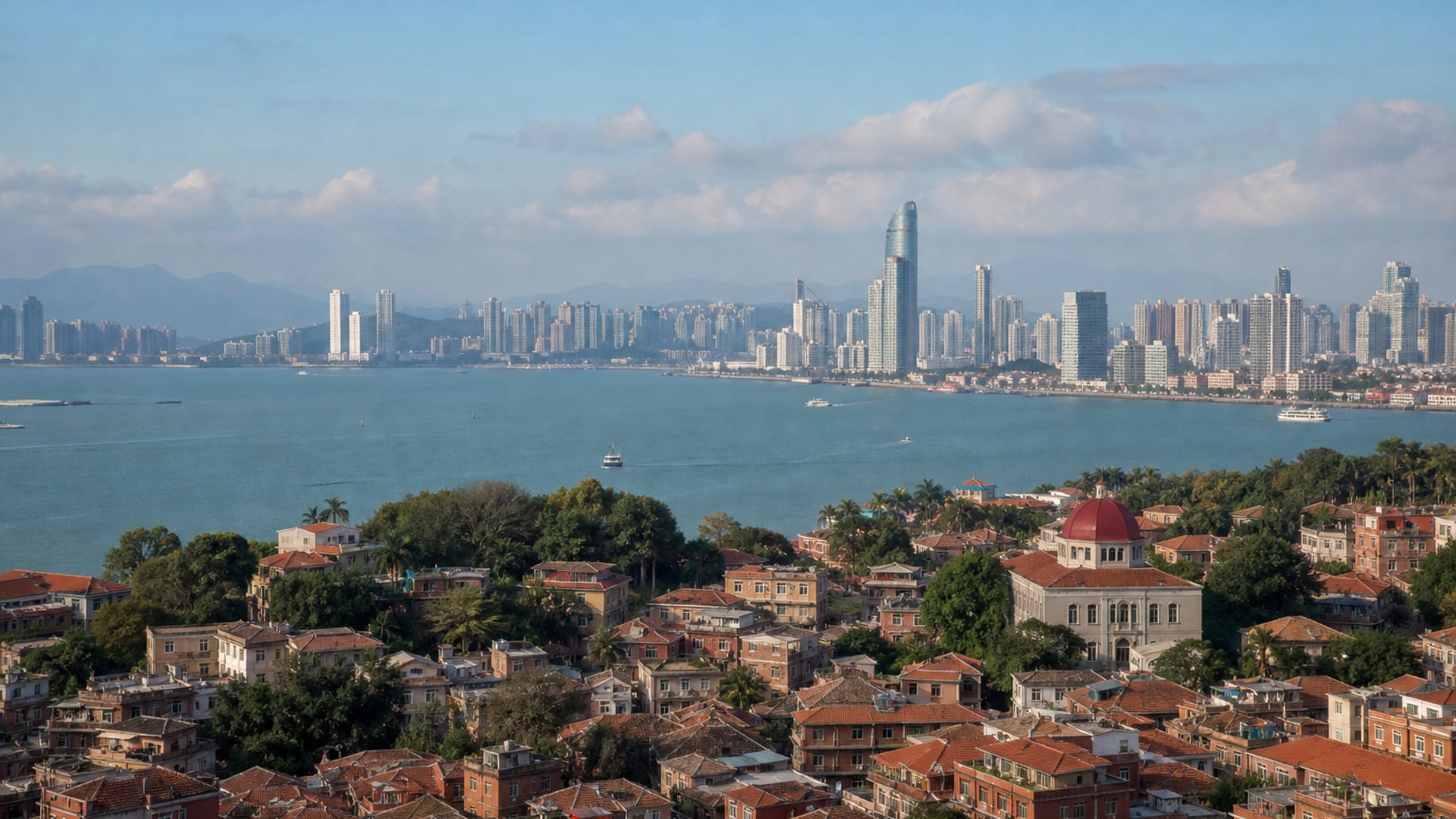

Main language(s): Min Nan Chinese, Mandarin Chinese
Lí hó (lee hoh) – Hello / good morning
Chhiáⁿ (chee-ang) – Please
To-siā (doh-syah) – Thank you
Lí ē-hiáu kóng Eng-bûn bô? (lee ay-how gong eng-bun bo?) – Do you speak English?
Ke-góa chîán? (geh-gwah jee-an?) – How much does it cost?

Currency: The local currency is the Chinese yuan (CNY, ¥).

Cash and cards: Cards and contactless are widely accepted in Xiamen, but carry about ¥200 to ¥400 ($28 to $56) in cash.

Tipping: Tipping is not customary; round up small bills or leave a little only for exceptional service.

Traditional food: Shacha noodles, oyster omelette, peanut soup, spring rolls

Water and coffee costs: Water about ¥3 to ¥6 ($0.40 to $0.85), bar espresso about ¥25 to ¥40 ($3.50 to $5.60).

Taxis and ride apps: DiDi works here; set up Alipay or WeChat Pay for payment, and keep your destination in Chinese.

Plug and voltage: Type A/C socket, 220V

Dining and shop opening hours: Breakfast is about 07:00-09:00, lunch 11:30-13:30, and dinner 17:30-20:30. Many places close between lunch and dinner, and some shops open later in the evening.

Emergency number: Dial 110 for police, 119 for fire, 120 for ambulance.
Where to stay in Xiamen
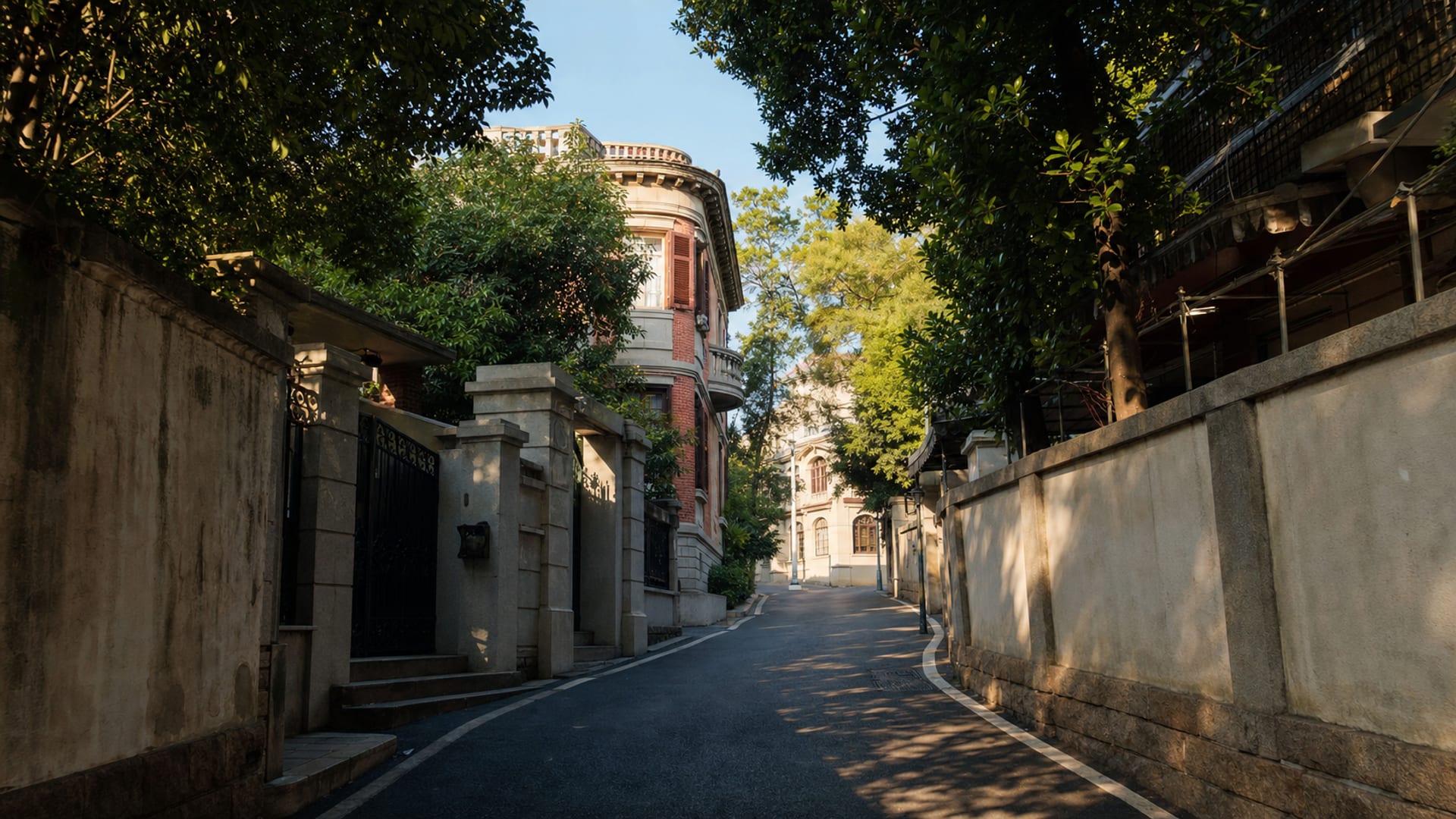
This car-free island in Xiamen Bay pairs colonial-era villas, banyan-lined lanes, and small museums with an easy waterfront setting. It suits visitors who want a scenic, walkable base close to the city’s most photographed sights and ferry connections.
Best for: Scenic walks, heritage sites, and travelers who want a car-free setting
What to expect: Narrow lanes, day-trip crowds, and a quieter mood after the ferries thin out in the evening.
Hotel prices: Usually about 700 RMB to 1,500 RMB (~$98 to ~$210) per night for well-rated stays
Distance to major sights: 5 to 10 minutes on foot to the Piano Museum; about 15 minutes by ferry from Xiamen Ferry Terminal on the mainland
Quietness: Busy during the day, especially near ferry landings and major sights; much calmer in the evening.
Main trade-off: Hotels here cost more than mainland districts, and evening dining choices are limited once the day-trippers leave.
Good to know: Plan your meals before nightfall, since late-opening restaurants are fewer than on the mainland.
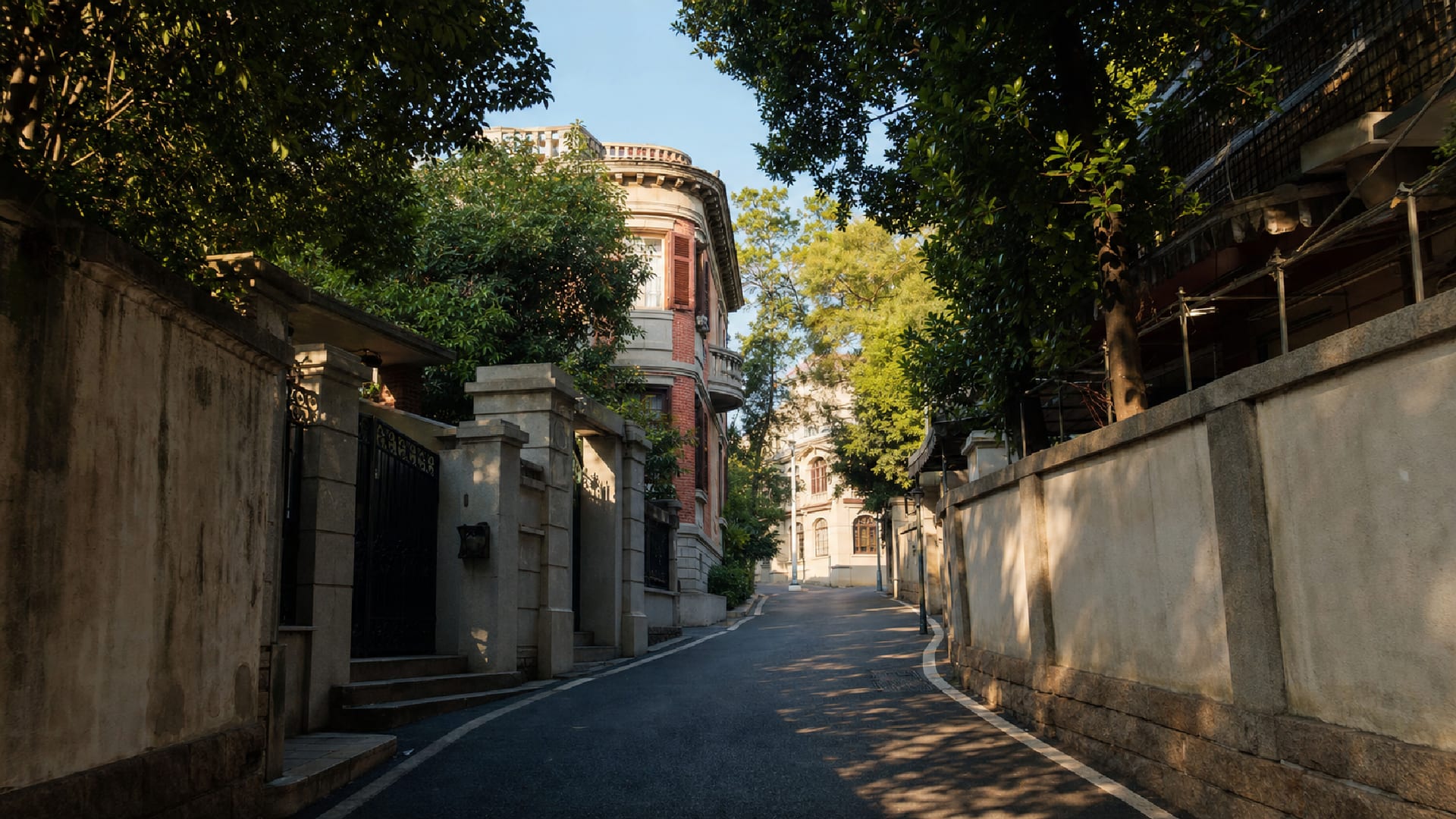
Zhongshan Road is Xiamen’s classic shopping and pedestrian district, with arcade-front shophouses, snack stalls, and frequent ferry access nearby. It works well for travelers who want to stay close to public transit, street food, and an easy first look at the old city.
Best for: First-time visits, street food, shopping, and easy ferry access
What to expect: Heavy foot traffic, bright storefronts, and a busy late-afternoon and evening scene.
Hotel prices: Usually about 450 RMB to 900 RMB (~$63 to ~$126) per night for well-rated stays
Distance to major sights: About 10 minutes on foot to South Putuo Temple; about 15 minutes by bus to the ferry terminal for Gulangyu
Quietness: Lively through the day and into the evening, with some blocks quieter after the shops close.
Main trade-off: The central location puts you in thicker crowds and more street noise than in waterfront or residential areas.
Good to know: Expect early-morning errands to be easier here than late-night sleep, since pedestrian traffic can run past hotel entrances.
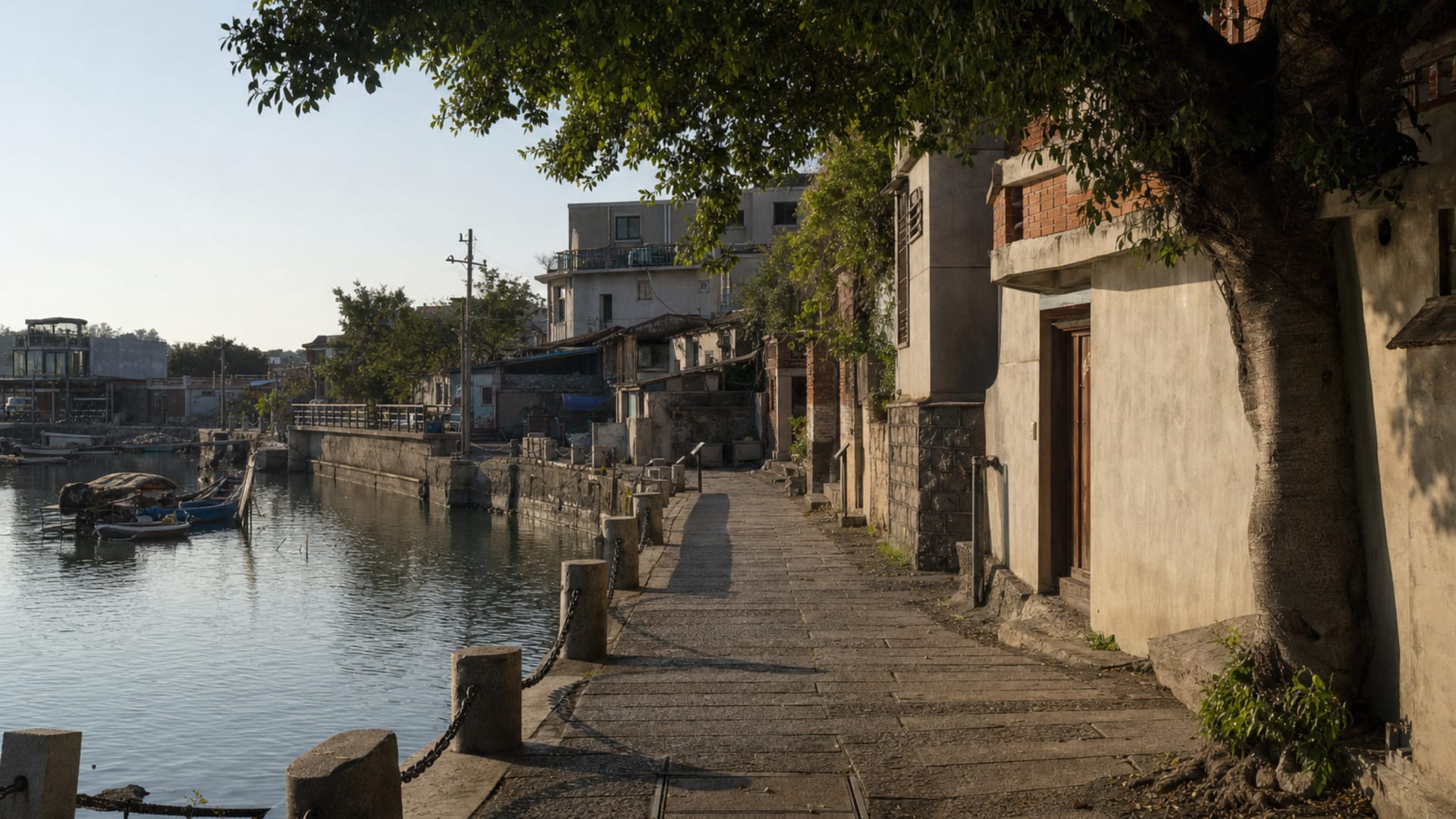
Shapowei sits beside the old harbor and mixes former dockland buildings, cafes, galleries, and seafood spots with a younger local crowd. It gives you an urban base near Xiamen University and the waterfront without the pace of the busiest shopping streets.
Best for: Cafe hopping, waterfront walks, and travelers who want a creative neighborhood
What to expect: Busy in the evening around restaurants and cafes, with a local crowd and a few late-night spots.
Hotel prices: Usually about 500 RMB to 1,100 RMB (~$70 to ~$154) per night for well-rated stays
Distance to major sights: About 10 minutes by taxi to Xiamen University; about 20 minutes by bus to South Putuo Temple
Quietness: Moderately active by day and more animated after dinner; side streets can be quieter late at night.
Main trade-off: You will be closer to dining and the waterfront than to the main ferry and shopping core, so some sightseeing trips take longer.
Good to know: Choose a room away from the main lane if you are sensitive to evening restaurant and bar noise.
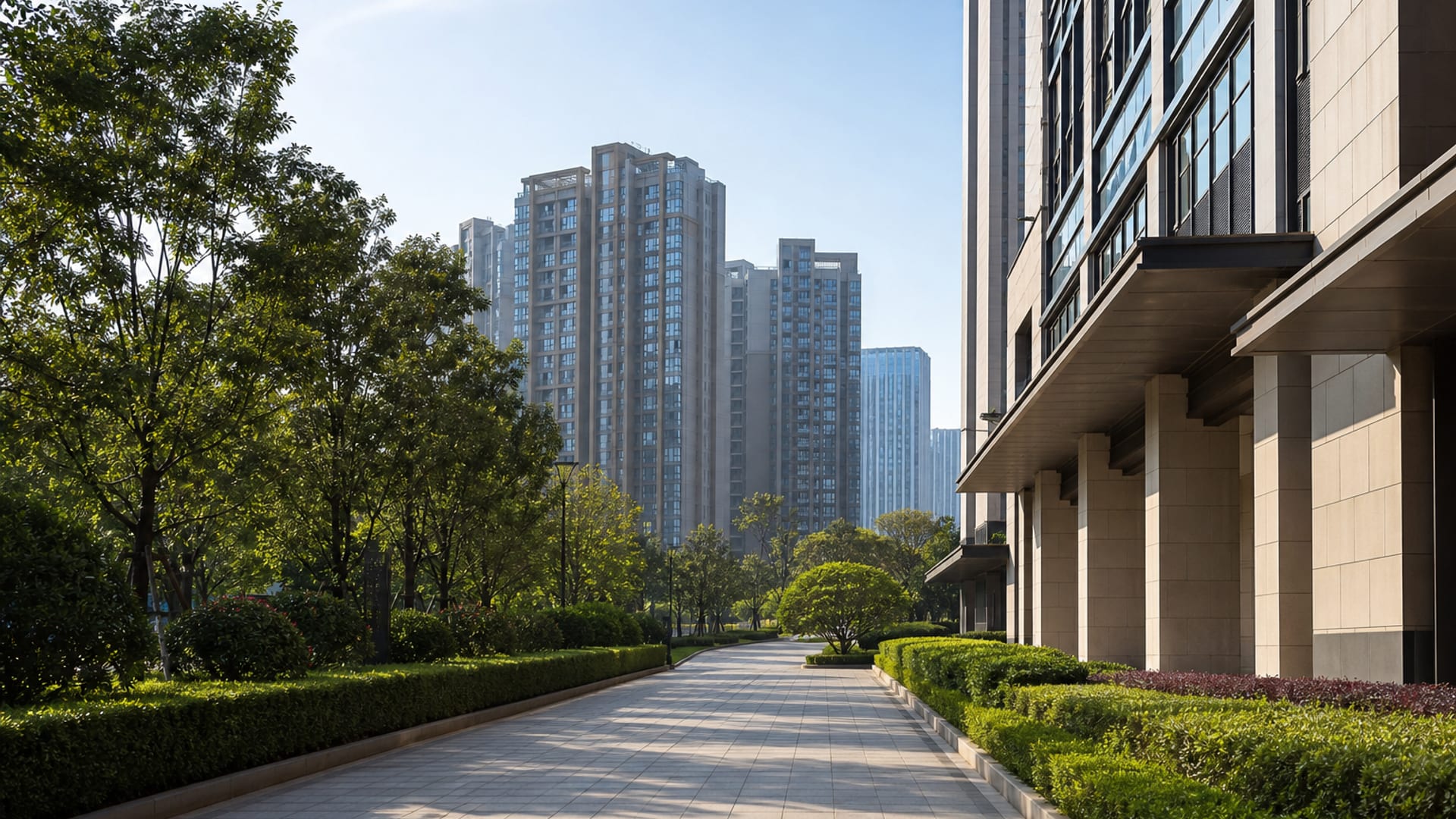
Huli covers a broad mainland district near Xiamen Gaoqi International Airport and several business parks, with modern hotels and shopping centers. It suits travelers with an early flight, a short stopover, or meetings that do not need a central island address.
Best for: Airport access, business trips, and short stopovers
What to expect: Wide roads, office traffic, and more chain hotels than neighborhood character.
Hotel prices: Usually about 350 RMB to 800 RMB (~$49 to ~$112) per night for well-rated stays
Distance to major sights: About 10 to 20 minutes by taxi to Xiamen Gaoqi International Airport; about 25 to 35 minutes by metro to Zhongshan Road
Quietness: Quieter at night than the island districts, with busier daytime roads near offices and malls.
Main trade-off: You save time on airport transfers, but you will spend longer getting to Gulangyu, the old center, and the main sightseeing streets.
Good to know: If you arrive late or leave early, this side of the city cuts down on cross-town transfers before your flight.
Travelers usually avoid staying in Haicang District, because it sits across the bay from Gulangyu Island and Zhongshan Road, which adds ferry or bridge time for most sightseeing. Jimei District is also less convenient for a short visit, since it is far from the main historic core and airport-area stays can mean longer rides into the city center; some outer parts of Tong’an District and the island’s south coast are similarly inconvenient for evening dining and getting to attractions.
Hotel deals
How to get around Xiamen efficiently
Xiamen’s metro, buses, taxis, and ride apps each cover a different part of the city, so the best choice depends on whether you are crossing the bay, heading to the airport, or moving between the island districts.

Metro
for longer distances
Xiamen has no subway in the airport area itself; the city’s metro reaches the airport on Line 1 and Line 3, with trains typically every few minutes and fares usually about $0.40 to $1.20 (about CNY 3 to 9) depending on distance. Use it for trips to Xiamen North, the island side, and major transfer stations, then allow roughly 30 to 60 minutes from the airport area to central stops.

Bus and tram
for convenience
Bus stops cluster by the terminals, and routes connect Xiamen Gaoqi Airport (XMN) with Huli, the island core, and Xiamen North for fares of about $0.30 to $0.80 (about CNY 2 to 6), often valid for one ride only. Expect slower travel than the metro, usually about 30 to 70 minutes, and check the destination board because some routes serve only one side of the island.

Taxi
for convenience or late hours
Licensed taxis use metered fares rather than fixed prices, with a short flag fall plus distance and waiting charges, and an airport trip into central Xiamen usually costs about $8 to $18 (about CNY 60 to 130), more at night or in heavier traffic. Queue at the official rank, ask the driver to use the meter, and pay with cash, local apps, or card where accepted.
*Prices are based on rates updated as of June 2026 and may change at the time of travel.
Use the metro for longer island-to-mainland trips, buses for low-cost city hops, taxis for faster point-to-point rides, and DiDi when you want door-to-door timing without waiting at a rank.
Iconic landmarks

Gulangyu Island
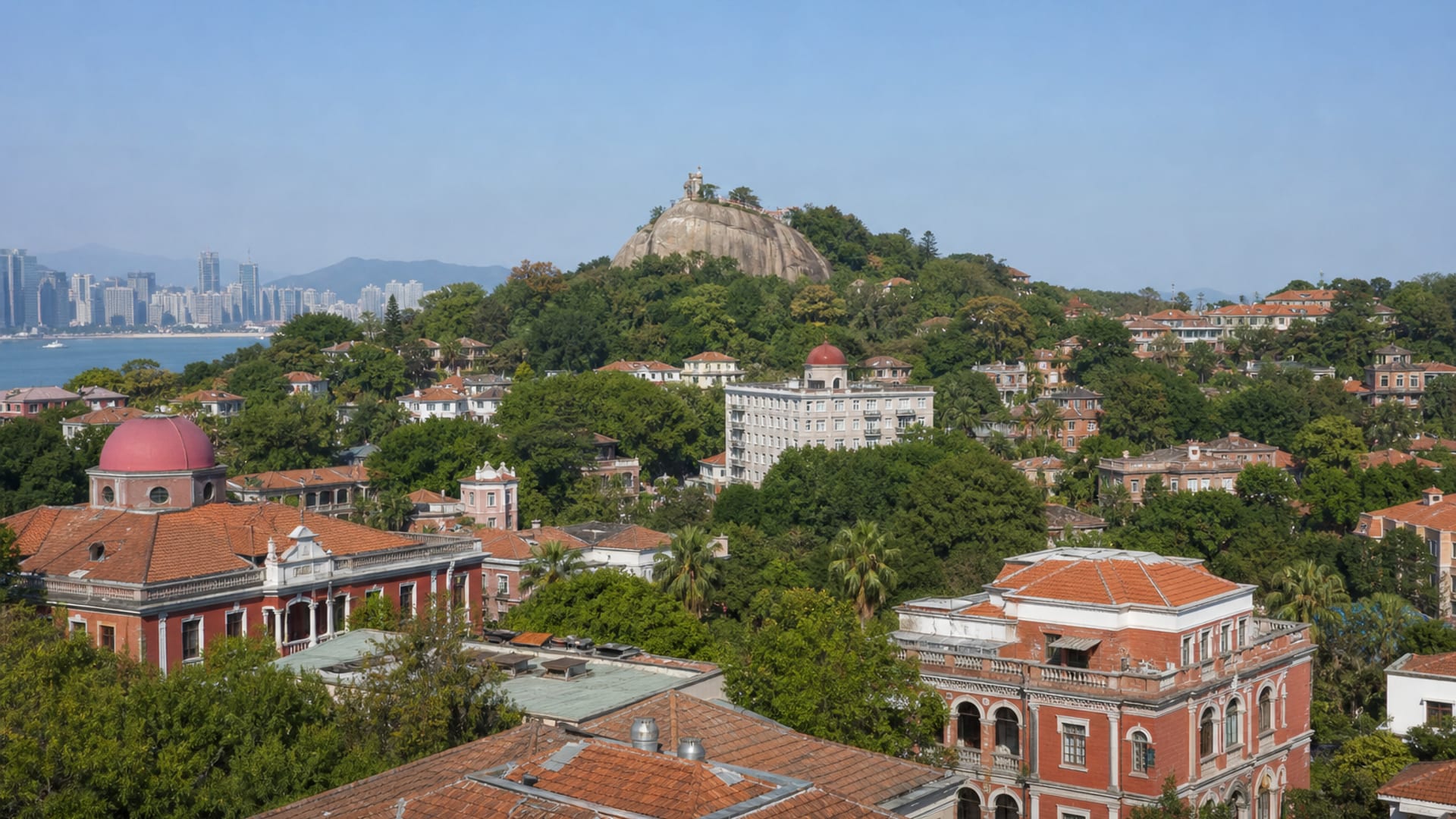
Gulangyu is a compact, car-free island off Xiamen’s coast, known for 19th- and early 20th-century villas, the Piano Museum, and the Shuzhuang Garden waterfront. Ferries, lanes, and viewpoints make it one of the city’s most visited districts.
Time needed: About 4 to 6 hours
Entry: Ferry fares start at about $1 ($0.70) from Xiamen Ferry Terminal; some museums and garden sites charge separate admission. Visit the official site for details.
Tip: Go early for quieter lanes and softer light, then stay past sunset for ferry views.
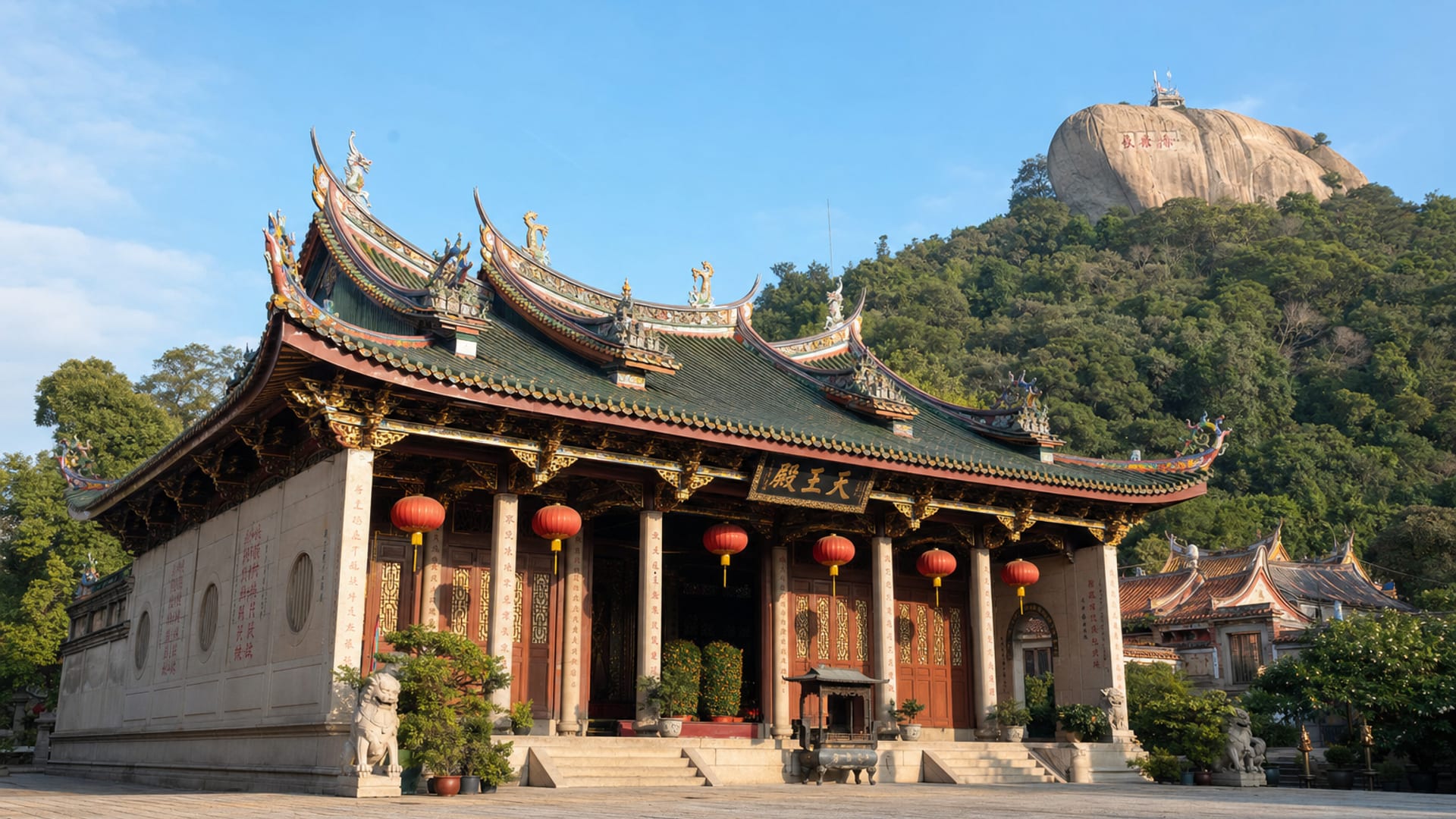
Nanputuo Temple
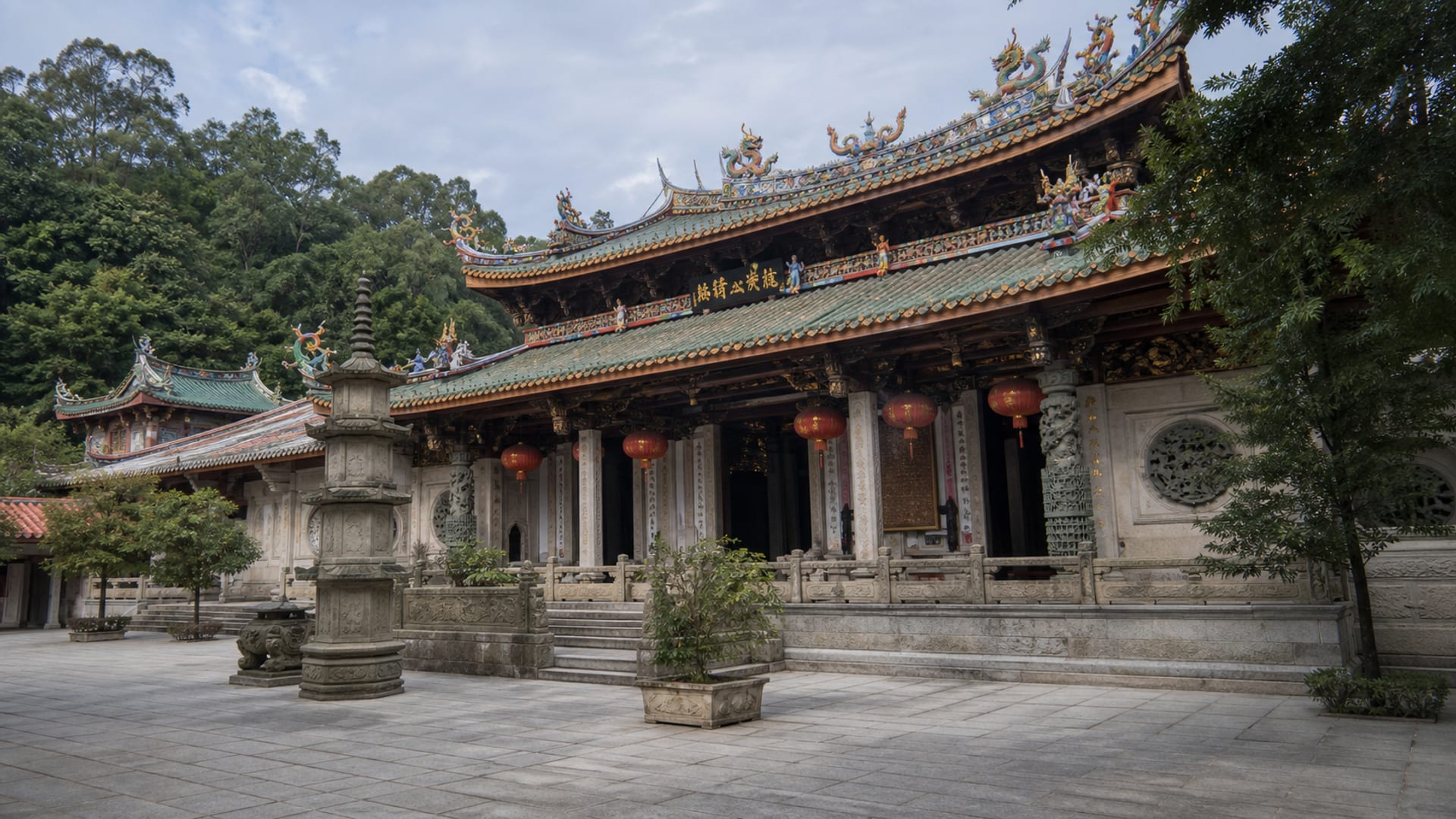
Nanputuo Temple sits beside Xiamen University and Mount Wulao, with incense halls, carved courtyards, and a hill path above the city. The temple complex gives a clear look at southern Fujian Buddhist architecture and the nearby stone scenery.
Time needed: About 2 to 3 hours
Entry: Free to access; some hill paths and small exhibition areas inside the complex may charge small separate fees. Visit the official site for details.
Tip: Arrive before midmorning to avoid tour groups and to catch incense activity at its peak.
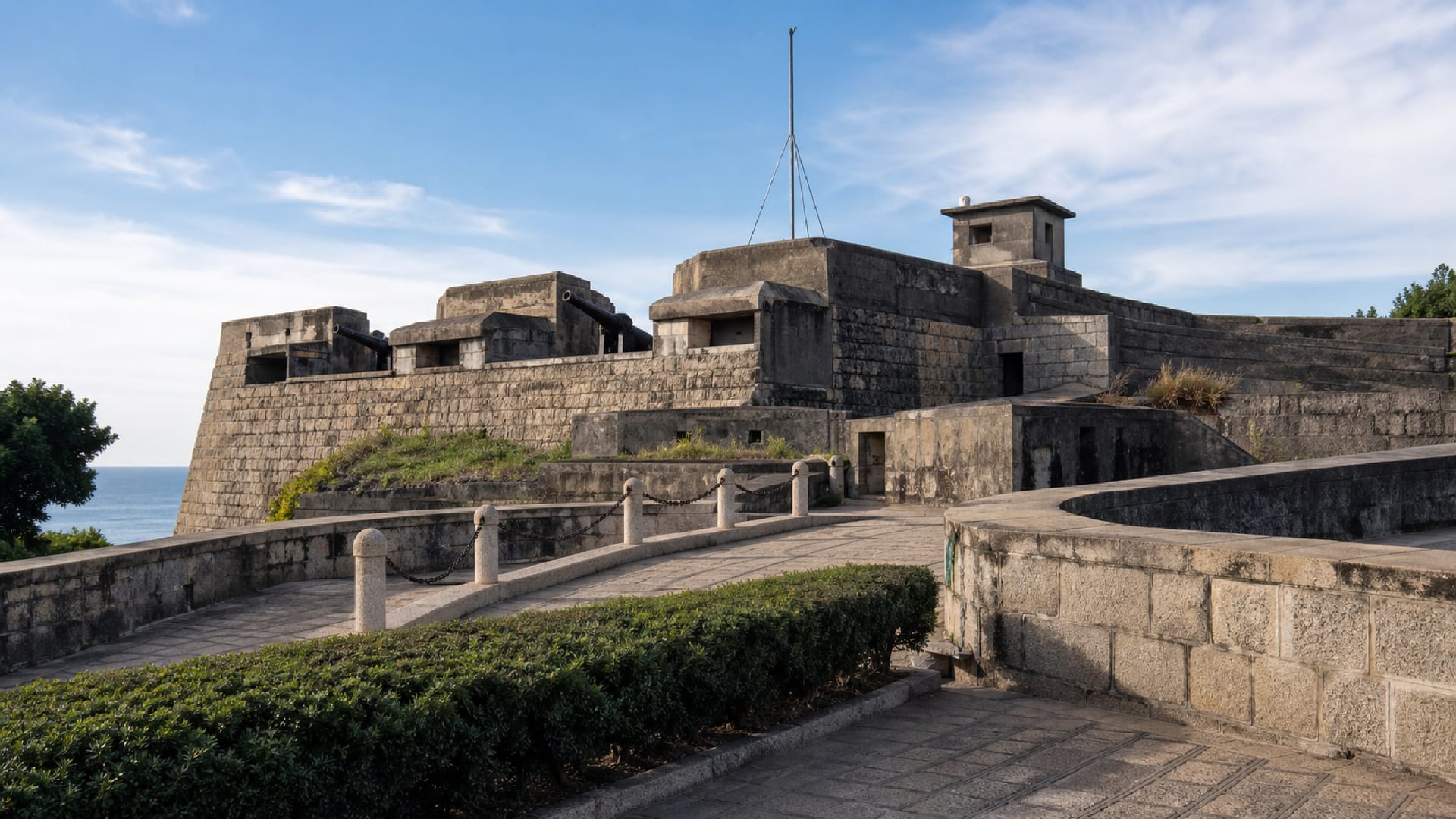
Hulishan Fortress
Hulishan Fortress guards Xiamen’s coast with a late Qing-era battery, stone walls, and one of China’s best-preserved giant coastal guns. The museum grounds explain the island’s defenses, while the seafront setting adds clear views across the channel.
Time needed: About 1 to 2 hours
Entry: Tickets cost about $4 to $6 ($28 to $42) for adults; discounts usually apply for students and seniors. Visit the official site for details.
Tip: Late afternoon gives cooler weather and better light on the stone walls and cannon.
Overlooked sites worth visiting

Zhonglun Bay Seaside Boardwalk
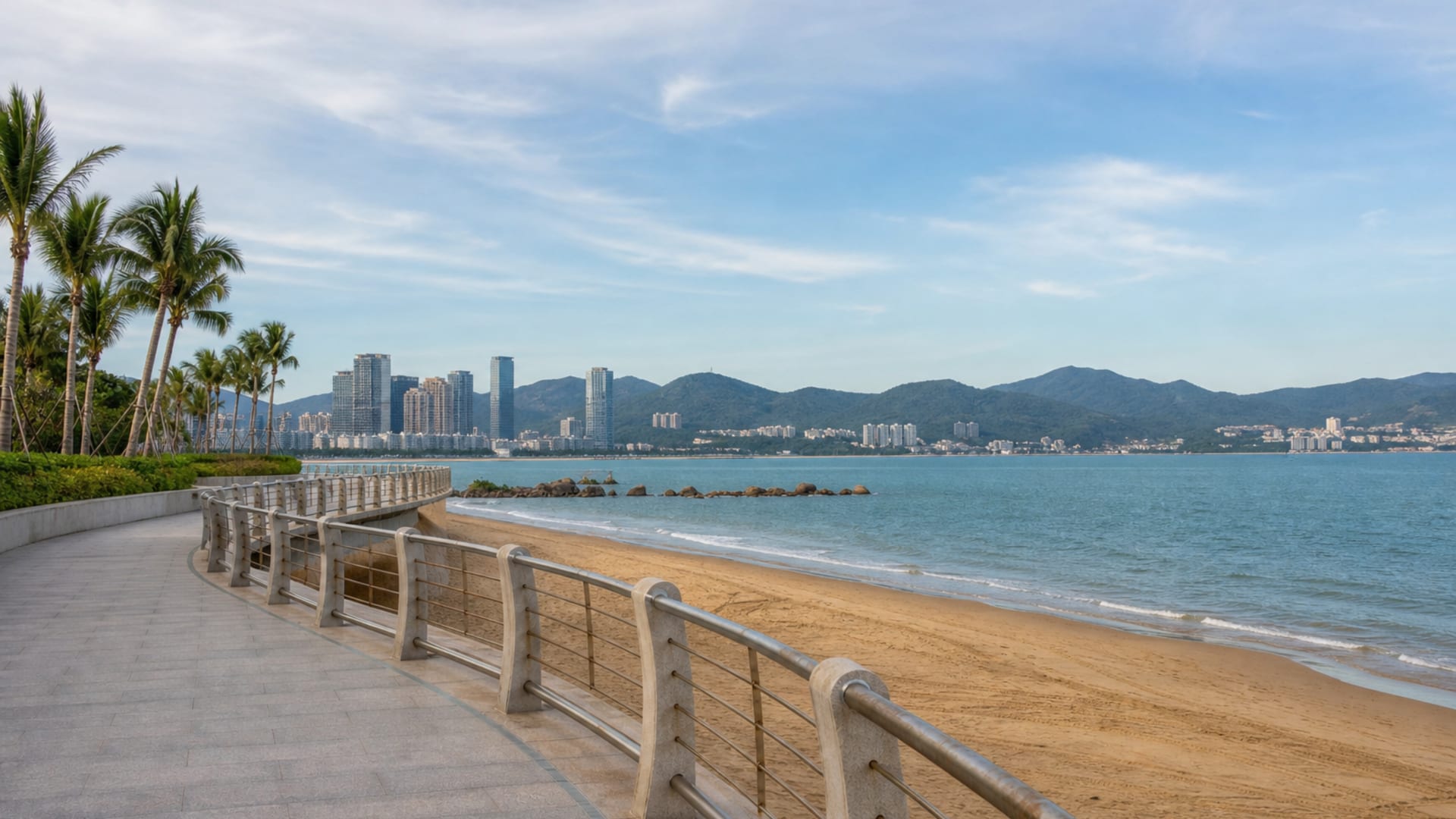
A long shorefront walk on the south side of Xiamen, with mangroves, bridges, and tidal flats. It gets far less foot traffic than Gulangyu and works well for birdwatching at low tide.
Time needed: About 1 to 2 hours
Entry: Free to access, no ticket is required for the boardwalk or the adjacent public shoreline. Expect no admission desk, although some nearby paid parking lots charge roughly $1 to $3 (CNY 8 to CNY 20) by the hour.
Tip: Visit at low tide for the widest mudflat views.

Huli Mountain Fort
This compact Qing-era fort packs cannons, old stone walls, and a small military museum into one hillside site. It is smaller than Xiamen University’s historic core, but the hilltop views reach the harbor.
Time needed: About 1 hour
Entry: Standard admission costs about $4 to $7 (CNY 25 to CNY 50), with occasional lower off-season prices for children, students, or seniors. Audio guides and small temporary exhibits may cost extra at the on-site counter.
Tip: Go late afternoon for softer light on the fort walls.
Traditional food
Xiamen cooking leans on seafood, peanut broth, and minced pork, with shacha sauce, oysters, and wheat noodles anchoring many menus. Meals usually move quickly at breakfast and lunch, then slow down at dinner when snack stalls and noodle shops fill the gaps.
Shacha noodles
A shacha broth gives these noodles a savory, nutty edge, often with pork, seafood, or vegetables. A classic place to seek them out in Xiamen is 1980 Sha Cha Noodle, which built its reputation on this local staple.
Oyster omelette
Egg, starch, and fresh oysters cook into a crisp-edged, briny plate that shows up on many Xiamen snack menus. 141 Seafood Restaurant serves a well-known version that matches the city’s coastal style.
Peanut soup
This sweet, warm dessert of cooked peanuts and syrup appears at breakfast and after dinner alike. Huang Zehe is one of the city’s best-known names for it, with a long local following.
Spring rolls
Thin wrappers hold shredded vegetables, pork, or seafood in a crisp, snackable form that fits Xiamen’s street-food culture. Zui Yi Hao has become a familiar stop for a version that locals and visitors order between sightseeing stops.
Best time to visit Xiamen
Xiamen changes with the monsoon and humidity, so the best months balance clear walking weather with manageable crowds on the ferry, waterfront paths, and temple steps.
Best for: Temple visits, island walks, and mild afternoons
What you get: Temperatures usually run about 60°F to 80°F (16°C to 27°C), with comfortable days and moderate crowds before the summer peak.
Trade-offs: Rain becomes more common as the season moves toward late May.
Best for: Long evenings, shoreline walks, and later dinners
What you get: Expect roughly 78°F to 91°F (26°C to 33°C), heavy humidity, and the largest crowds around Gulangyu and the waterfront.
Trade-offs: Heat, rain, and typhoon risk can interrupt outdoor plans.
Best for: Clear sightseeing days and ferry crossings
What you get: Temperatures usually sit about 65°F to 82°F (18°C to 28°C), with lighter humidity and some of the best conditions of the year.
Trade-offs: Golden-weather weeks can draw more domestic visitors.
Best for: Quiet streets, short walks, and lower hotel demand
What you get: Expect about 48°F to 63°F (9°C to 17°C), with fewer crowds and cool air that still supports daytime sightseeing.
Trade-offs: Sea breezes can feel chilly, especially on Gulangyu and the coast.
A realistic 5-day plan in Xiamen
Five days gives Xiamen enough room for the island core, the ferry crossing, a coastal fort, and a slower final neighborhood day. The plan below keeps transit short where it matters and leaves space for meals, ferries, and late-afternoon light.
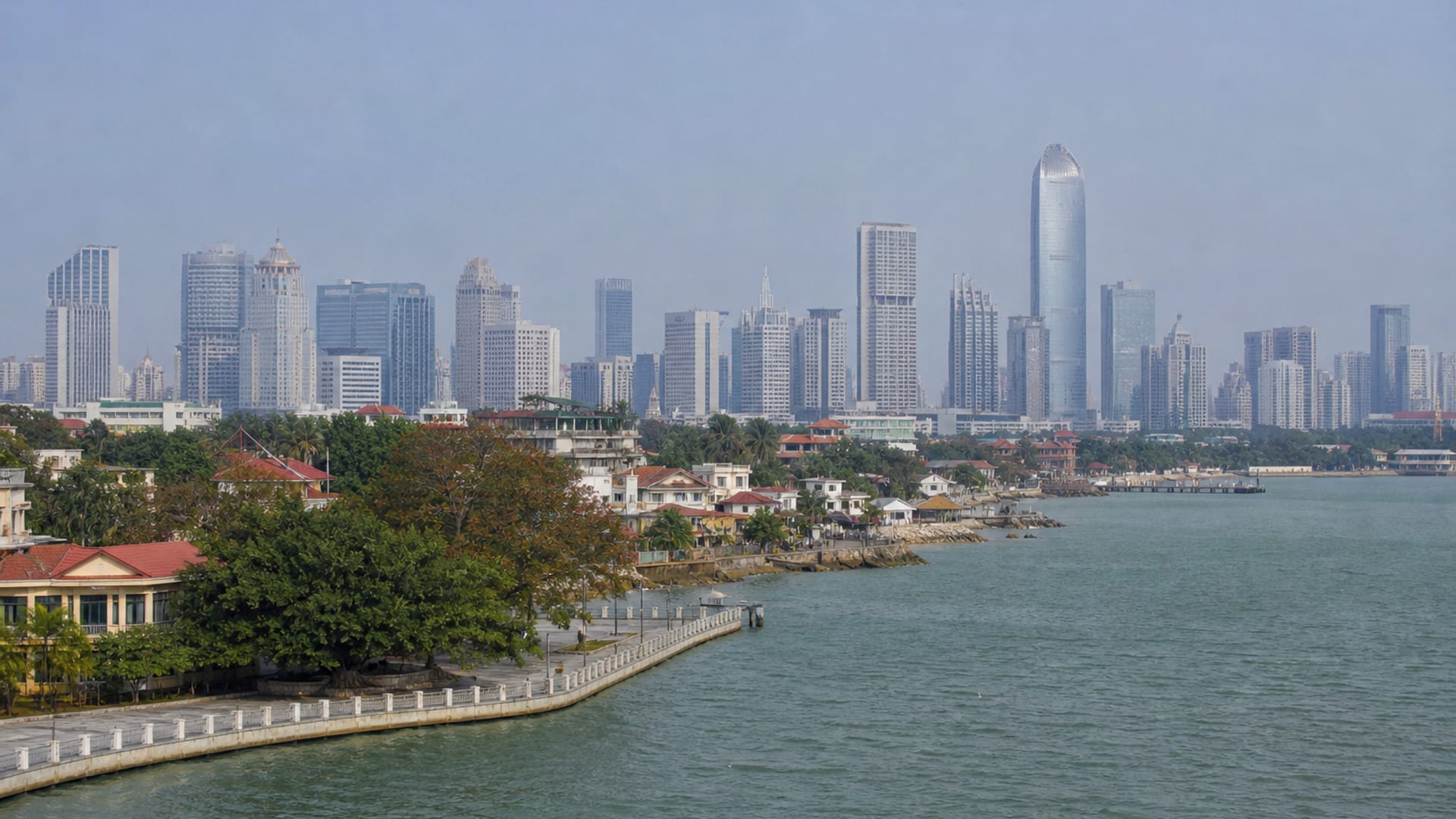
Land at Xiamen Gaoqi International Airport (XMN) and head by taxi to Huli, which usually takes about 10 to 20 minutes and costs roughly $4 to $7 (CNY 25 to CNY 50). If you arrive late, this keeps the transfer short and puts you close to the airport, with modern hotels and easier check-in than on the island side. For dinner, stay near your hotel and choose a light mainland meal, then drink plenty of water before an early night.
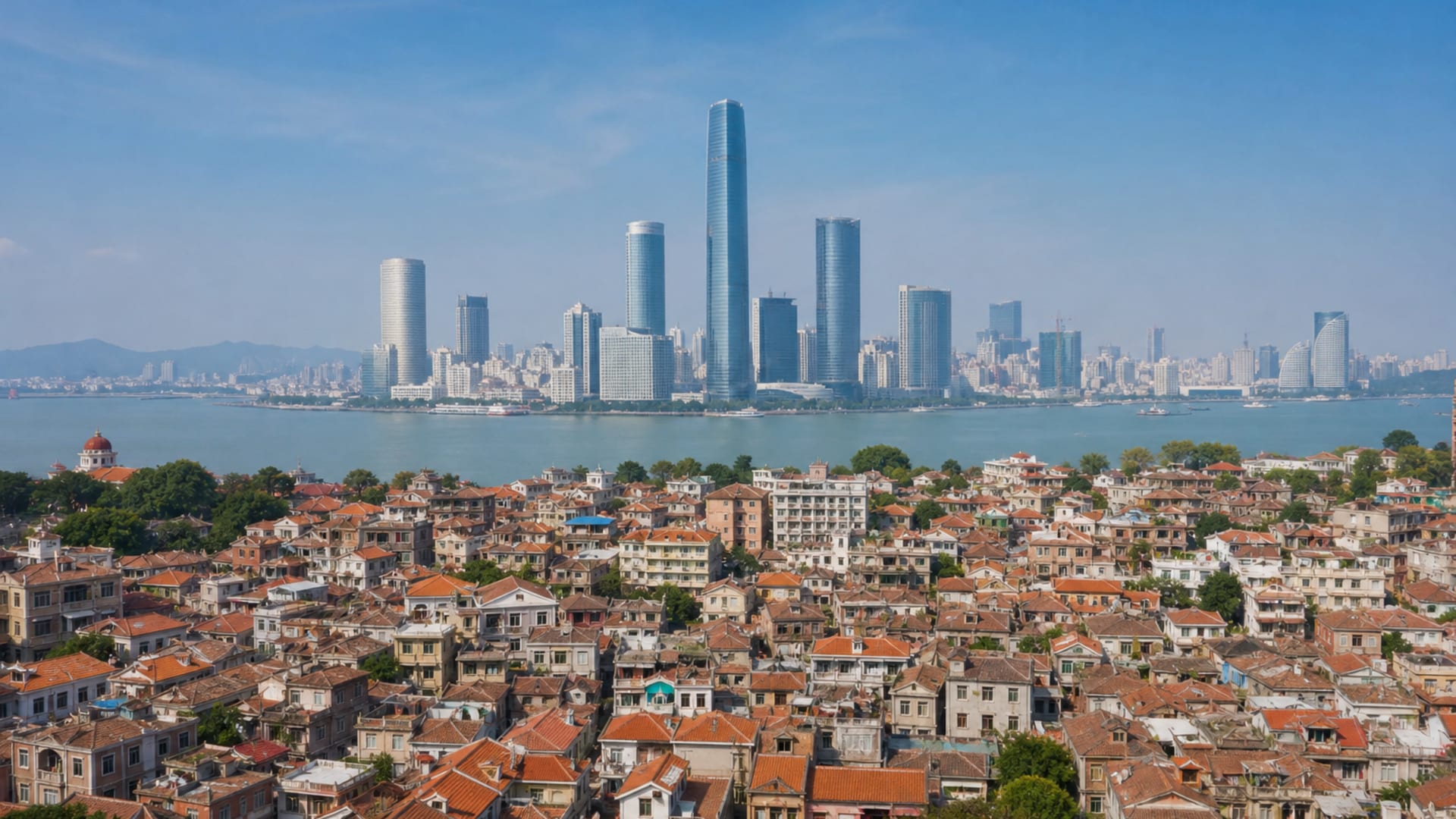
Start in Nanputuo Temple before the tour groups build, then continue on foot to Xiamen University in about 10 to 15 minutes for the campus edge and lagoon views. After lunch, take a taxi to Hulishan Fortress in about 10 to 15 minutes, where the coastal gun and seafront walls make a strong second half to the day. Return toward Shapowei for an easy dinner by the harbor, about 10 minutes by taxi from the fortress.
Gulangyu Island takes the center of the day, and the ferry from Xiamen Ferry Terminal usually costs about $1 ($0.70) and takes roughly 15 minutes. Once you land, walk the car-free lanes toward the Piano Museum and Shuzhuang Garden, with most pairs of sights sitting within about 10 to 20 minutes on foot of one another. Stay through sunset if you can, then ferry back after the day-trippers thin out and have dinner on the mainland, since evening choices on the island narrow quickly.
Begin with the Zhonglun Bay Seaside Boardwalk, where a low-tide visit gives the widest mudflat views and a long, free coastal walk. From Zhongshan Road, reach the boardwalk by taxi in about 25 to 35 minutes, then continue to Huli Mountain Fort in about 15 to 20 minutes for cannons, stone walls, and harbor views. End the afternoon back in Zhongshan Road for snack stalls and arcade-front shophouses, with the metro or a taxi making the return simple.
For a slower final day, pair one last cultural stop with an unhurried neighborhood walk: return to Nanputuo Temple if you want another look at the courtyards, or head to the Huli Mountain Fort museum if you missed it earlier. After that, spend time in Zhongshan Road for shopping and snack hunting, then finish with coffee in Shapowei, where the harbor-side cafes give you an easy place to sit before your airport transfer. If you are flying out the same evening, Huli keeps the ride to Xiamen Gaoqi International Airport short and avoids a cross-town rush.
Business-class flights from the US to Xiamen
Long-haul flights to Xiamen usually route through one or two Asian hubs, and the best option depends on where you start. The examples below show how the timing and fare band shift from the East Coast to the West Coast.
From New York, carriers such as China Eastern Airlines, Cathay Pacific, Korean Air, Japan Airlines, and Air China often route through PVG, HKG, ICN, NRT, or PEK. Direct service usually takes about 16 to 17 hours, while one-stop itineraries commonly stretch to about 19 to 28 hours. Round-trip fares usually run from $5,500 to $9,500, and if you do not mind a layover, common routings via HKG, PVG, or ICN can cut the fare to roughly $3,800 to $6,200.
From Los Angeles, China Eastern Airlines, XiamenAir, China Airlines, EVA Air, and Cathay Pacific are the names to watch, with common hubs including TPE, HKG, PVG, ICN, and PEK. Nonstop flights usually take about 13 to 14 hours, and one-stop itineraries tend to land in the 16 to 24 hour range. Expect round-trip fares from $4,800 to $8,500.
Xiamen feels different when you slow down
A deliberate Xiamen trip usually keeps you close to the island edge, then uses short taxi hops, the metro, and one ferry crossing to shape each day. That means mornings at Nanputuo Temple, an island day on Gulangyu, and an unhurried final walk through Shapowei before you head out. If you want help matching the right neighborhood and flight path to your dates, ask the AranGrant experts to build the trip around Xiamen’s most workable corners







