

Chapters:

Need help with your trip?
Our support team is available 24/7. Request a callback or call us directly at (833) 619-0908
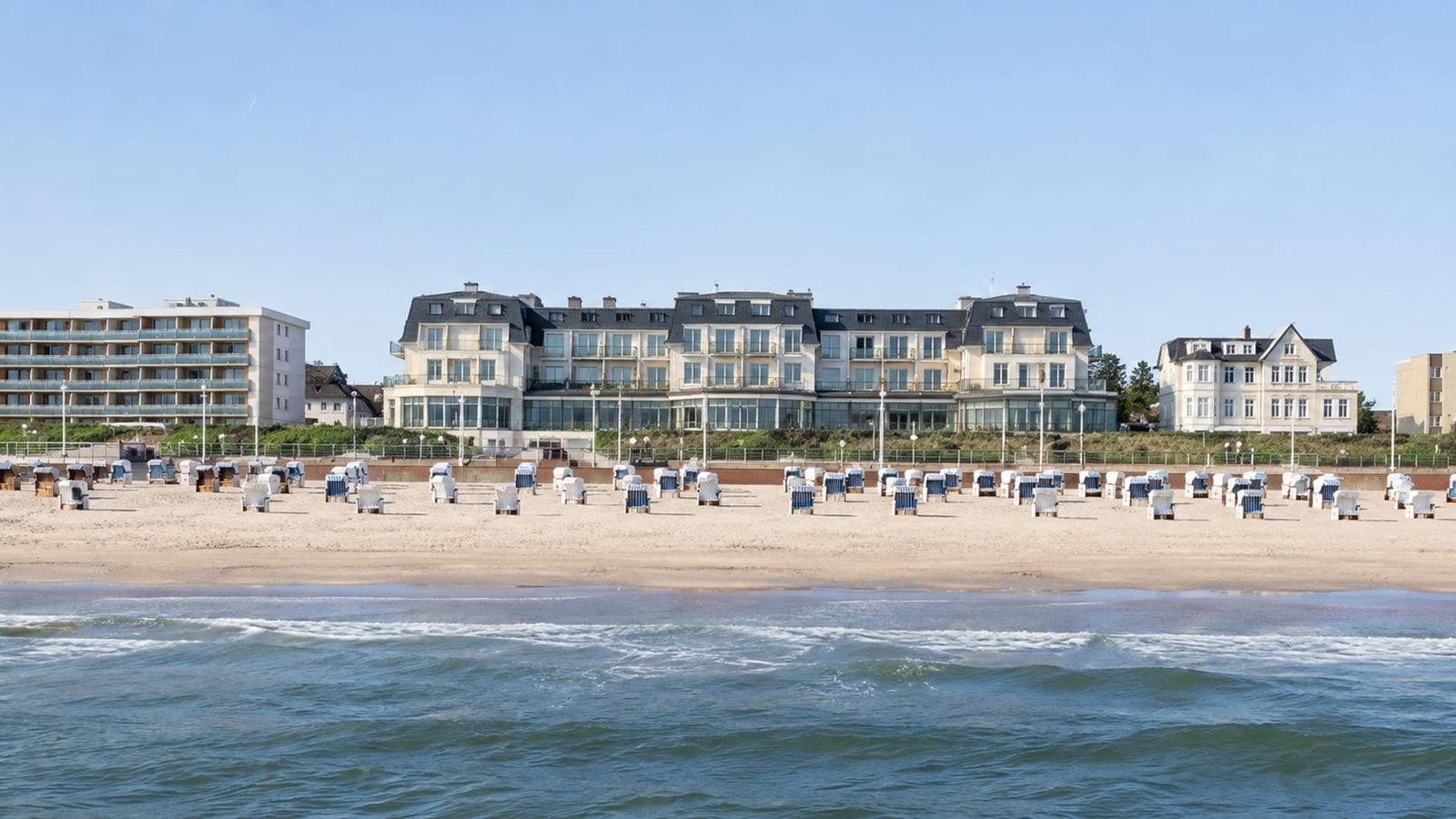
Westerland faces the North Sea on Sylt’s western shore, where a broad beach meets the town’s promenade. The seafront shapes a stay here: sand, breaking waves, and striped beach chairs share the day with shopping streets a short walk inland.
Westerland beach provides the open horizon, while St. Nicolai marks the resort’s early twentieth-century growth. Farther east, St. Niels introduces the older village, with a small churchyard and residential lanes beyond the beachfront bustle.
Five days give you time to connect these different parts of Westerland with nearby villages. Walk between the station and waterfront, use buses for Rantum, and allow extra travel time if you choose accommodation in Tinnum, east of the central shopping streets.
Useful things to know

Main language(s): German
Guten Morgen (GOO-ten MOR-gen) – Good morning
Bitte (BIT-uh) – Please
Danke (DAHN-kuh) – Thank you
Sprechen Sie Englisch? (SHPREKH-en zee ENG-lish) – Do you speak English?
Wie viel kostet das? (vee feel KOS-tet dahs) – How much does it cost?

Currency: Euro (EUR, €)

Cash and cards: Cards and contactless are widely accepted; carry €30 to €50 ($33 to $55) in cash.

Tipping: Tip 5% to 10% for good restaurant service, telling the server the total you wish to pay.

Traditional food: Fish sandwiches, Labskaus, fried plaice, and red berry pudding are among the classic dishes of Westerland.

Water and coffee costs: Bottled water €1 to €3 ($1 to $4); espresso €3 to €5 ($3 to $6).

Taxis and ride apps: Find licensed taxis outside Westerland station; confirm the fare before departure.

Plug and voltage: Type C/F socket, 230V

Dining and shop opening hours: Breakfast 7 am to 10 am, lunch 12 pm to 2 pm, dinner 6 pm to 9 pm. Shops typically open 10 am to 6 pm; Sunday opening varies in this seaside resort.

Emergency number: Police 110, ambulance and fire 112.
Where to stay in Westerland
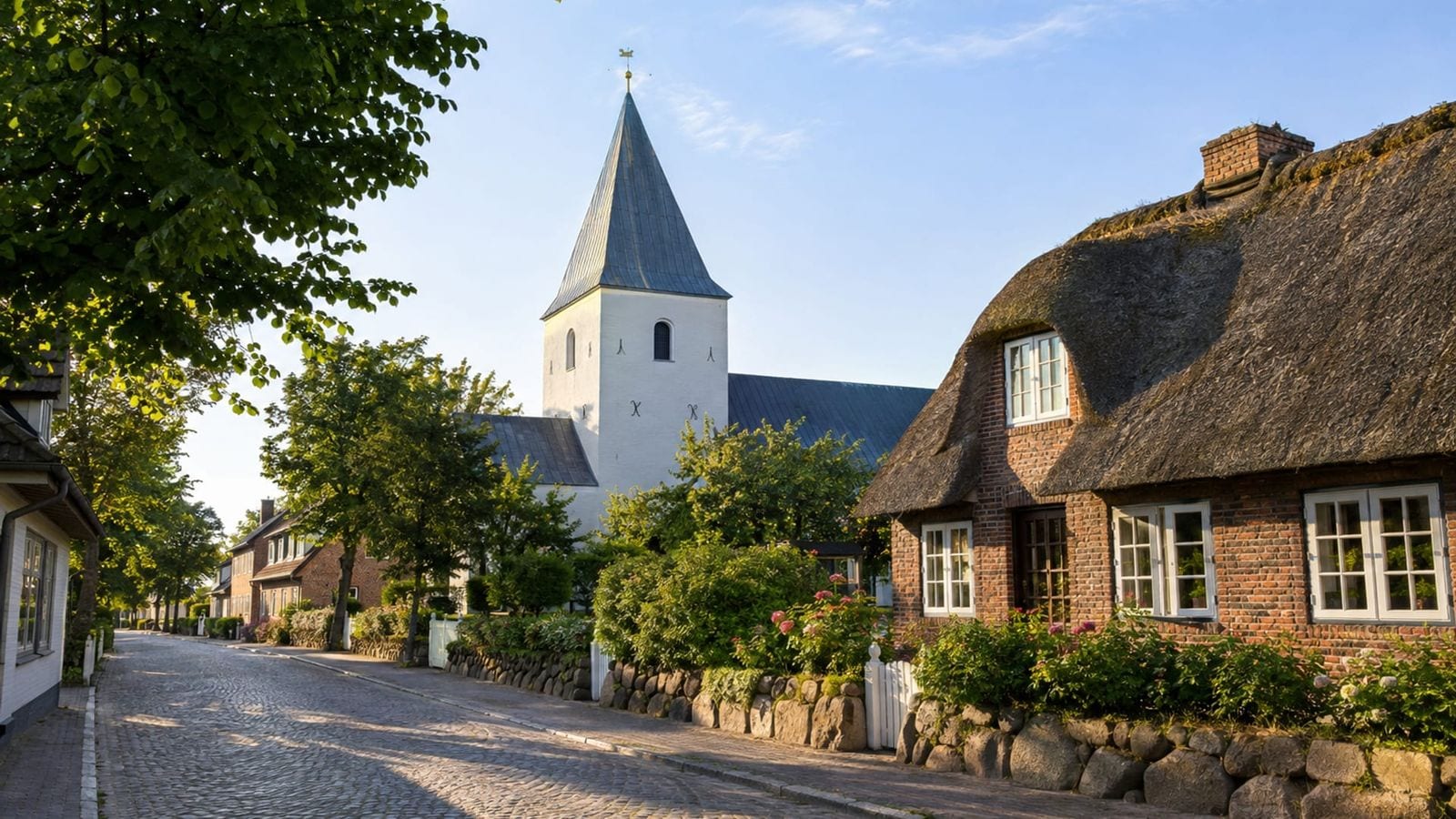
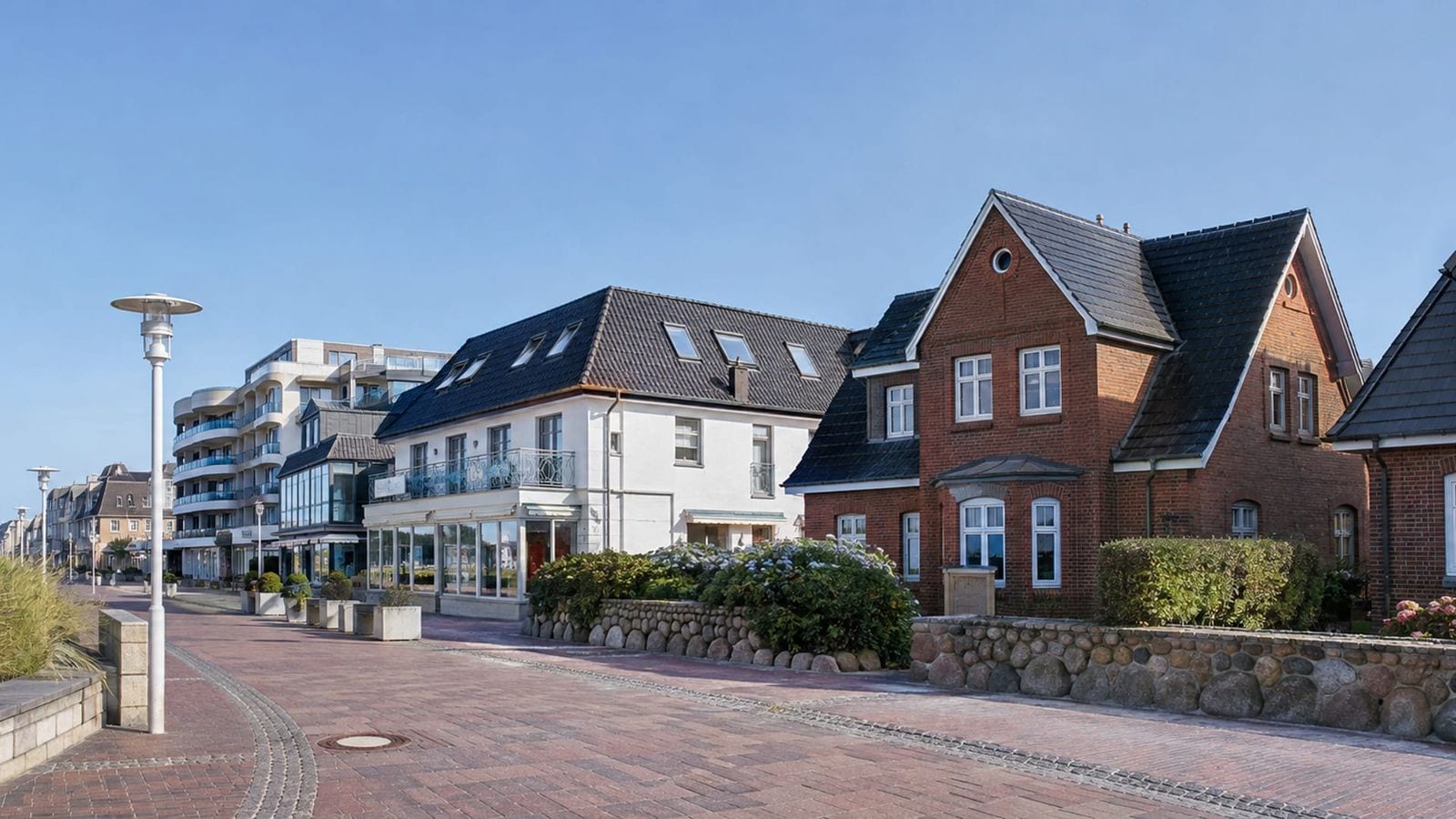
Alt-Westerland preserves the older village center east of Westerland’s main shopping streets, with St. Niels and residential lanes shaping the neighborhood. Stay here for vacation apartments and smaller accommodations within walking distance of the station, with the beach farther west.
Best for: Historic village streets, station access, and apartment stays
What to expect: Residential streets attract fewer pedestrians than the beachfront shopping streets.
Hotel prices: Well-rated hotels cost €140 to €260 ($155 to $285) a night.
Distance to major sights: St. Niels is 5 to 10 minutes on foot from most accommodations; the beach takes 20 to 30 minutes.
Quietness: Local traffic passes during the day; evenings generally have little nightlife noise.
Main trade-off: The beach is a longer walk, and vacation apartments outnumber full-service hotels.
Good to know: Compare the total apartment price, including cleaning fees, with hotel rates before choosing a short stay.
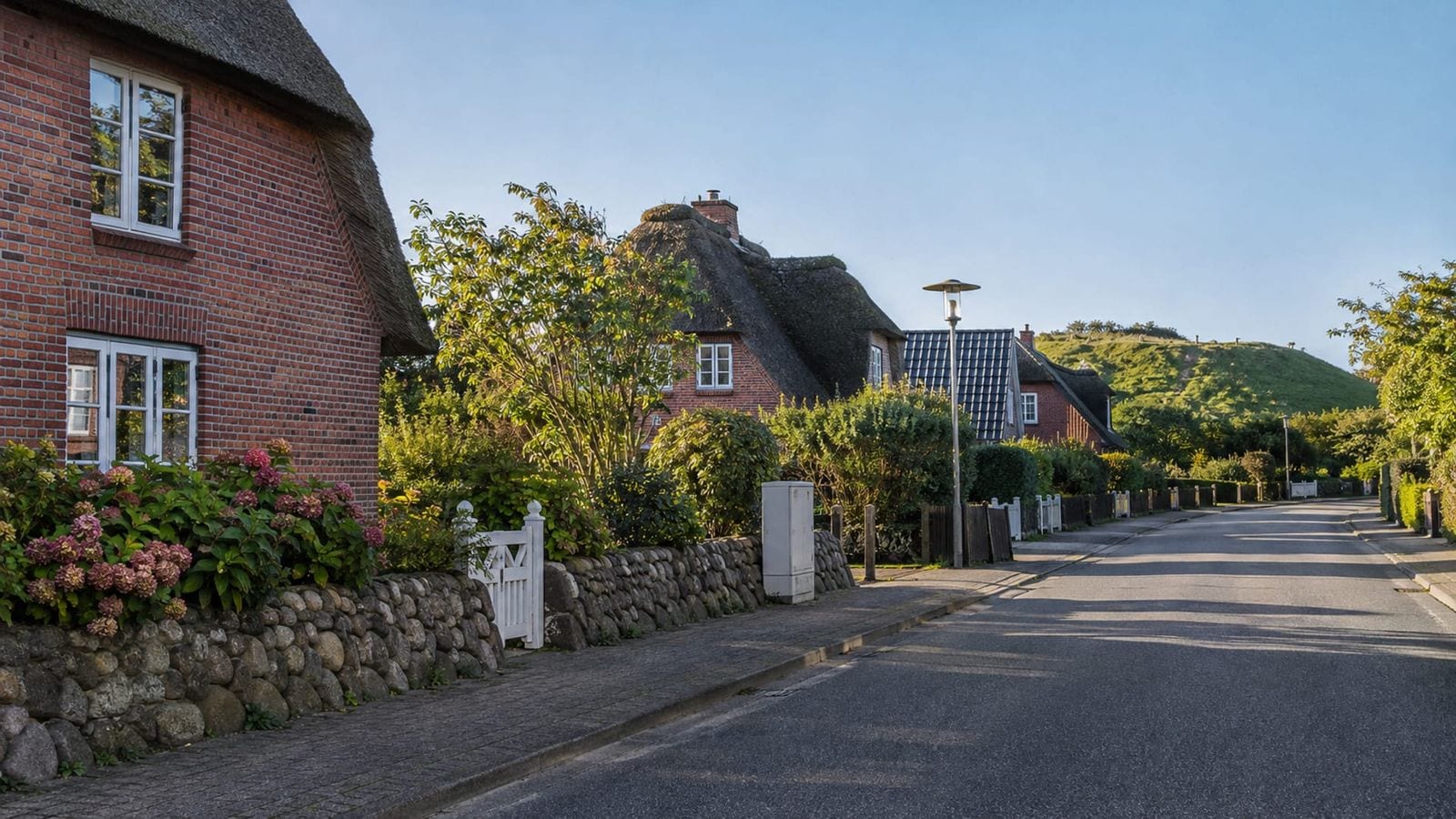
Tinnum adjoins Westerland on its eastern side, combining older village lanes with residential development and shops along busier roads. Its hotels and vacation rentals suit travelers who want to explore several parts of Sylt while keeping Westerland’s restaurants within a short taxi ride.
Best for: Cycling, island exploration, and stays with a car
What to expect: Village lanes feel residential, while the main roads carry shopping traffic.
Hotel prices: A well-rated hotel typically charges €130 to €250 ($145 to $275) nightly.
Distance to major sights: Allow 10 to 15 minutes by taxi to Westerland’s beach, depending on your hotel’s location.
Quietness: Shopping roads stay active by day; smaller residential lanes become quieter in the evening.
Main trade-off: Most accommodations require a bicycle, bus, or taxi for beach outings.
Good to know: Choose an address away from the main shopping roads if traffic noise affects your sleep.
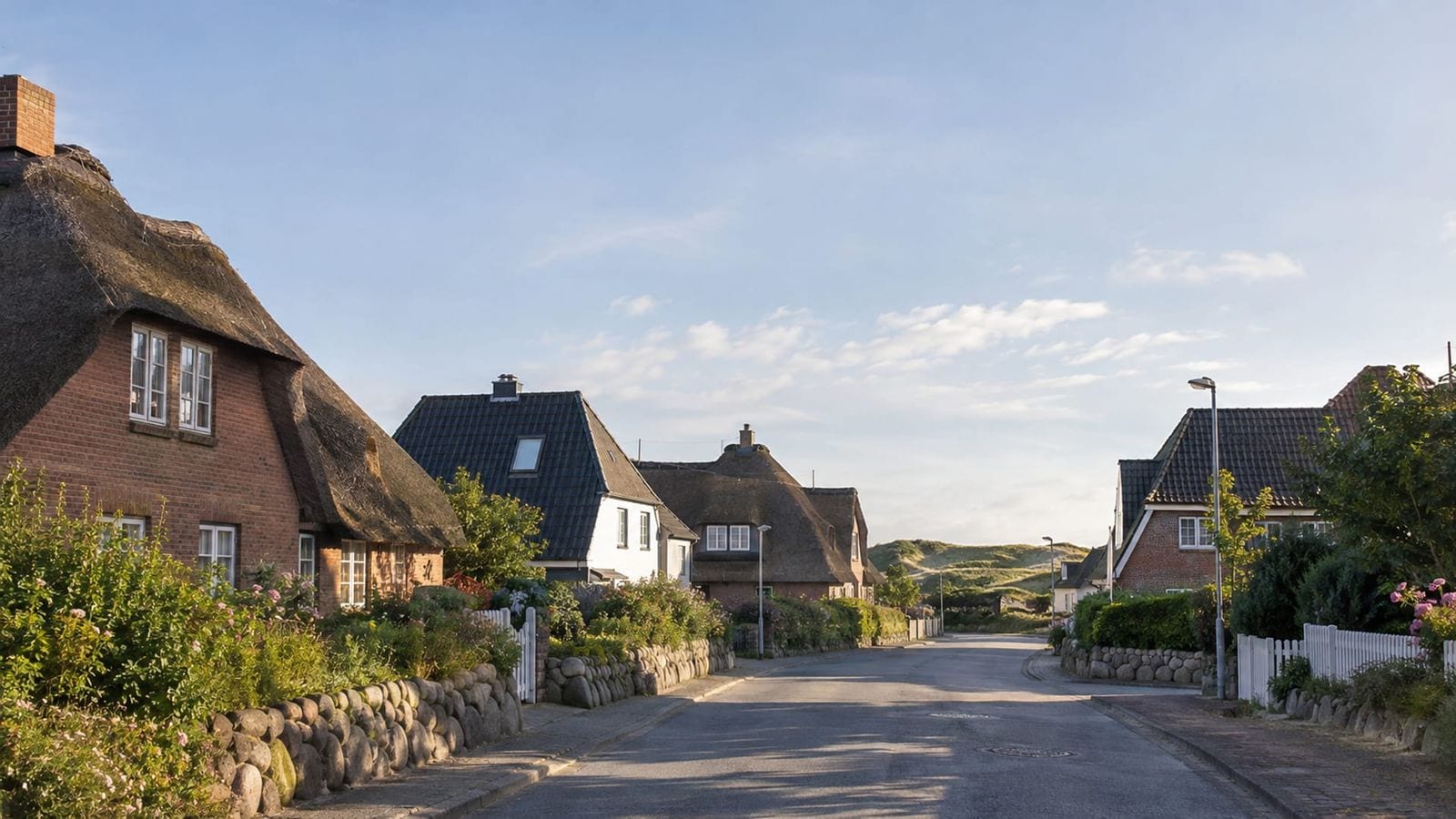
Rantum occupies a narrow stretch of Sylt south of Westerland, with the North Sea beach to the west and tidal flats to the east. Visitors stay in thatched houses, vacation apartments, and hotels for beach walks and coastal scenery, accepting a bus or taxi journey into Westerland for shopping.
Best for: Beach walks, coastal cycling, and village stays
What to expect: Beach paths draw daytime visitors, while village streets have fewer shops than Westerland.
Hotel prices: Budget €180 to €350 ($200 to $385) per night for a well-rated hotel.
Distance to major sights: Westerland’s station is 15 to 25 minutes away by bus; the North Sea beach is often a 5 to 15-minute walk.
Quietness: Beach access points grow busier during the day; evenings are generally quieter than central Westerland.
Main trade-off: Dining choices are fewer, and trips into Westerland add transport time.
Good to know: Compare the exact address with the beach access paths: accommodations extend beyond the village center.
Westerland’s eastern outskirts are less convenient for a beach-focused stay, with longer walks to the beach, seafront promenade, and central restaurants.
Hotel deals
How to get around Westerland efficiently
Westerland’s station brings together island buses and taxis, with the beach promenade a 10 to 15-minute walk away.

Taxi
for convenience or late hours
Taxis wait outside Westerland station and use meters. A trip from Sylt Airport (GWT) to central Westerland takes about 5 to 10 minutes and costs €15 to €25 ($17 to $28). Choose a taxi for luggage or a direct trip to your hotel.

Walking
for short central distances
From Westerland station, the beach promenade is a 10 to 15-minute walk along Friedrichstraße. Walking costs nothing and suits trips between central hotels, shops, and the waterfront; pedestrian shopping streets make these short journeys convenient.

Bus and tram
for convenience
At Westerland’s bus station beside the train station, SVG buses connect with List on route 1 and Hörnum on route 2. Buy a ticket for your destination from the driver; fares depend on distance. Buses suit island outings, with either trip taking roughly 40 minutes.
*Prices are based on rates updated as of November 2026 and may change at the time of travel.
Walk between central shops and the beach, take buses from Westerland station for village outings, and choose taxis for airport trips with your luggage.
Iconic landmarks
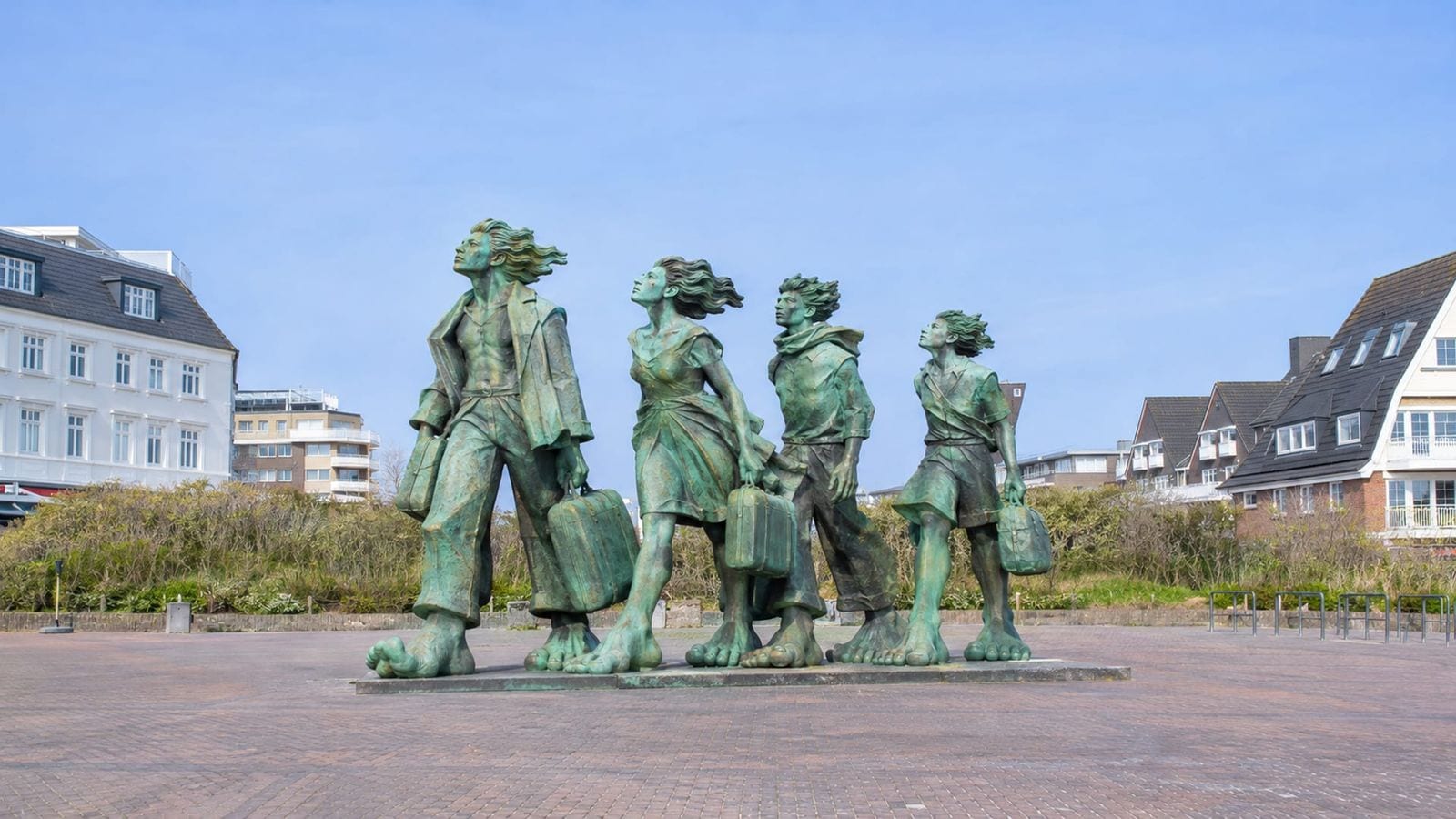
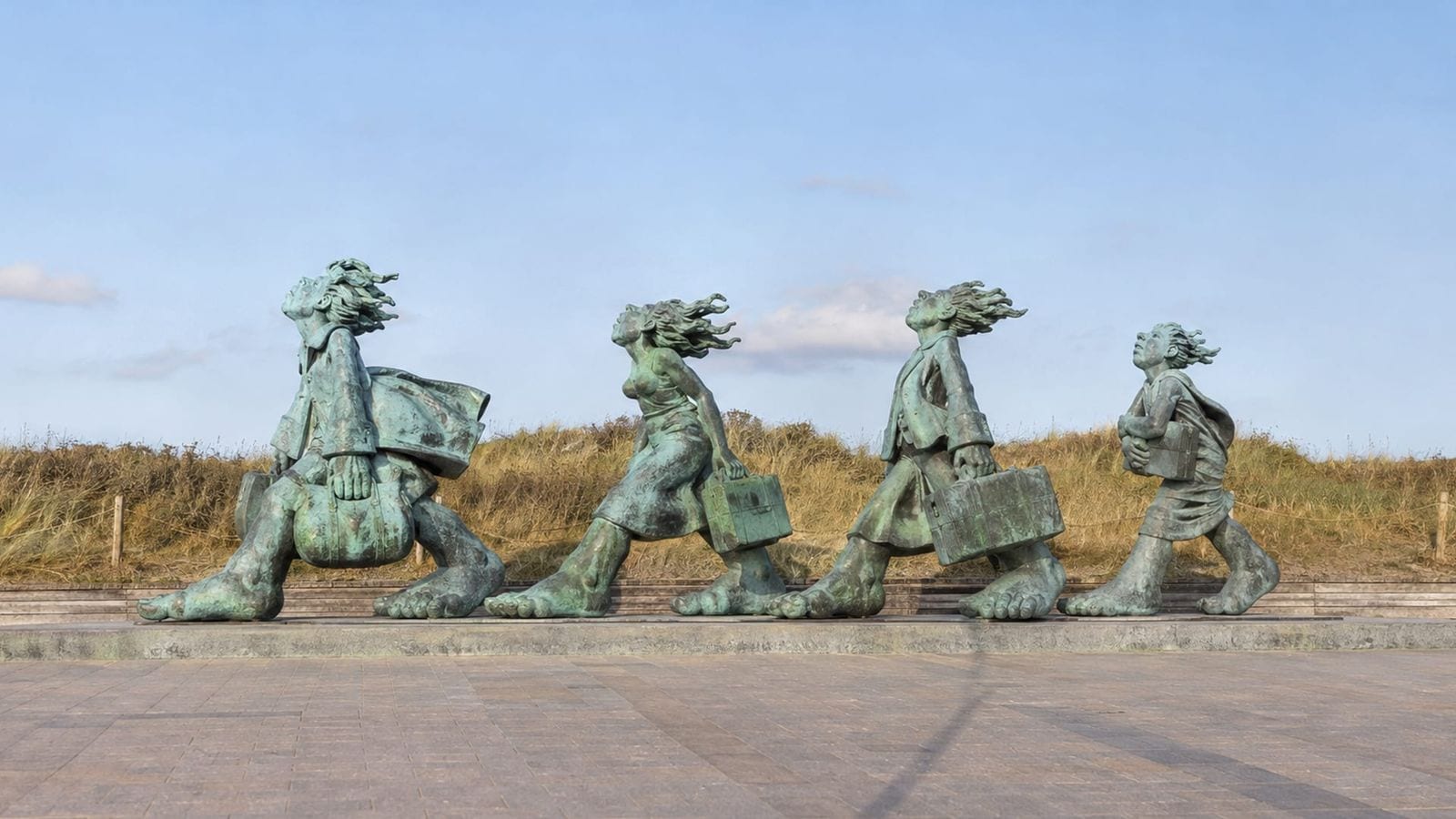
Reisende Riesen im Wind
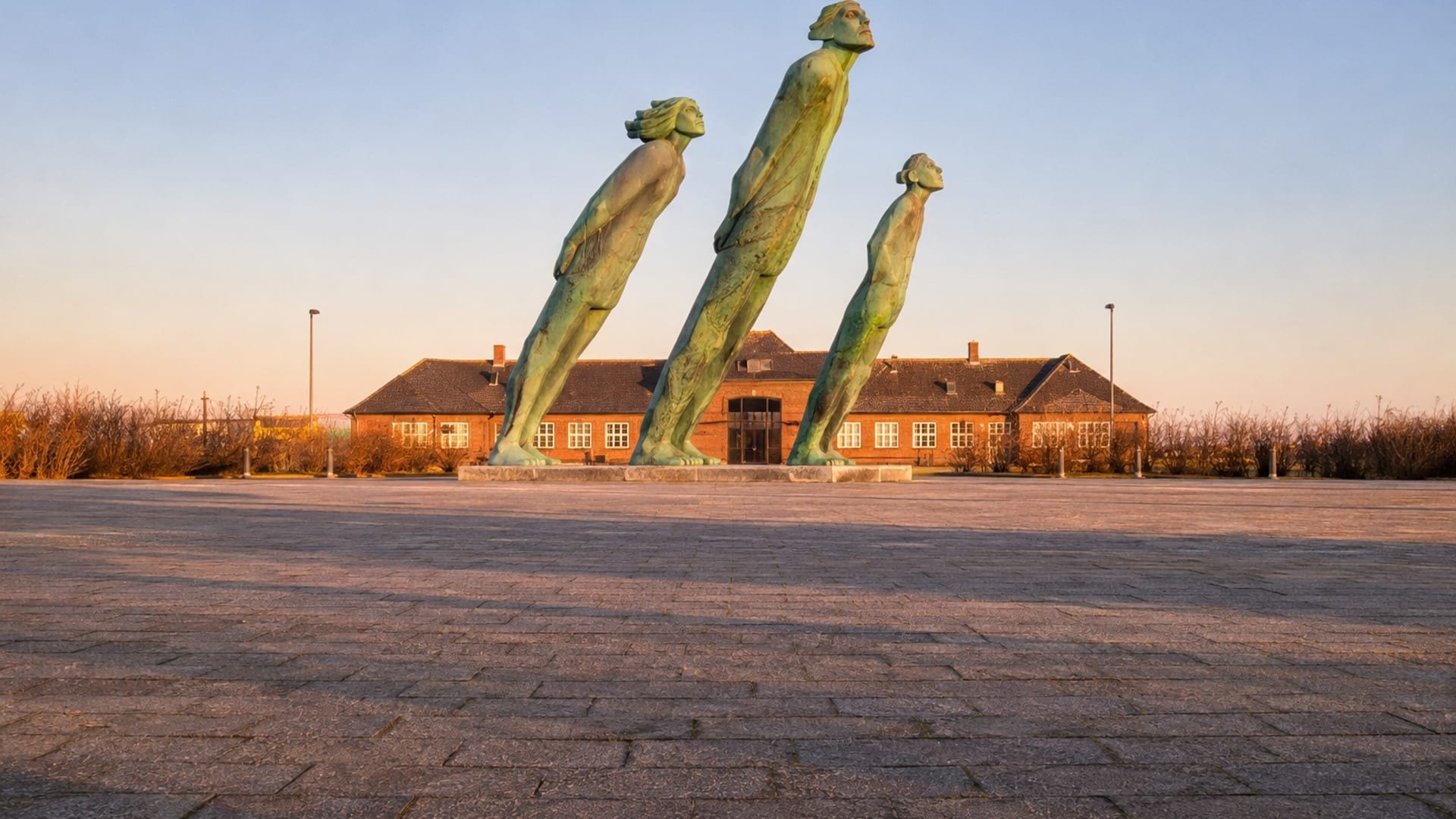
Oversized green travelers lean into an imaginary wind outside Westerland’s railroad station. Martin Wolke’s sculptural group turns the station forecourt into one of the town’s most recognizable landmarks, greeting arrivals since 2001.
Time needed: About 15 to 30 minutes
Entry: Free to access
Tip: Approach from the station entrance to see the figures against the forecourt.
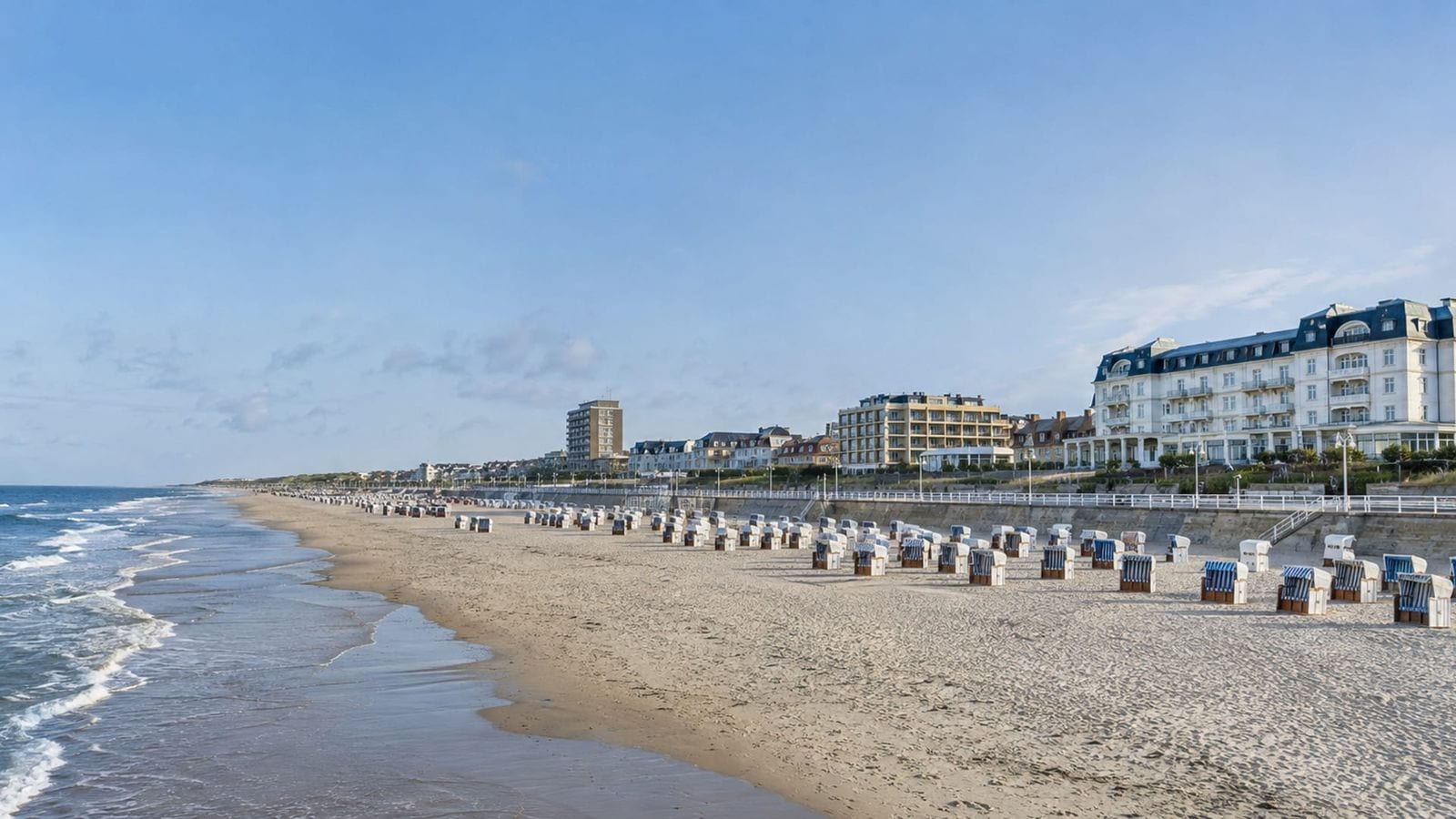
Westerland beach
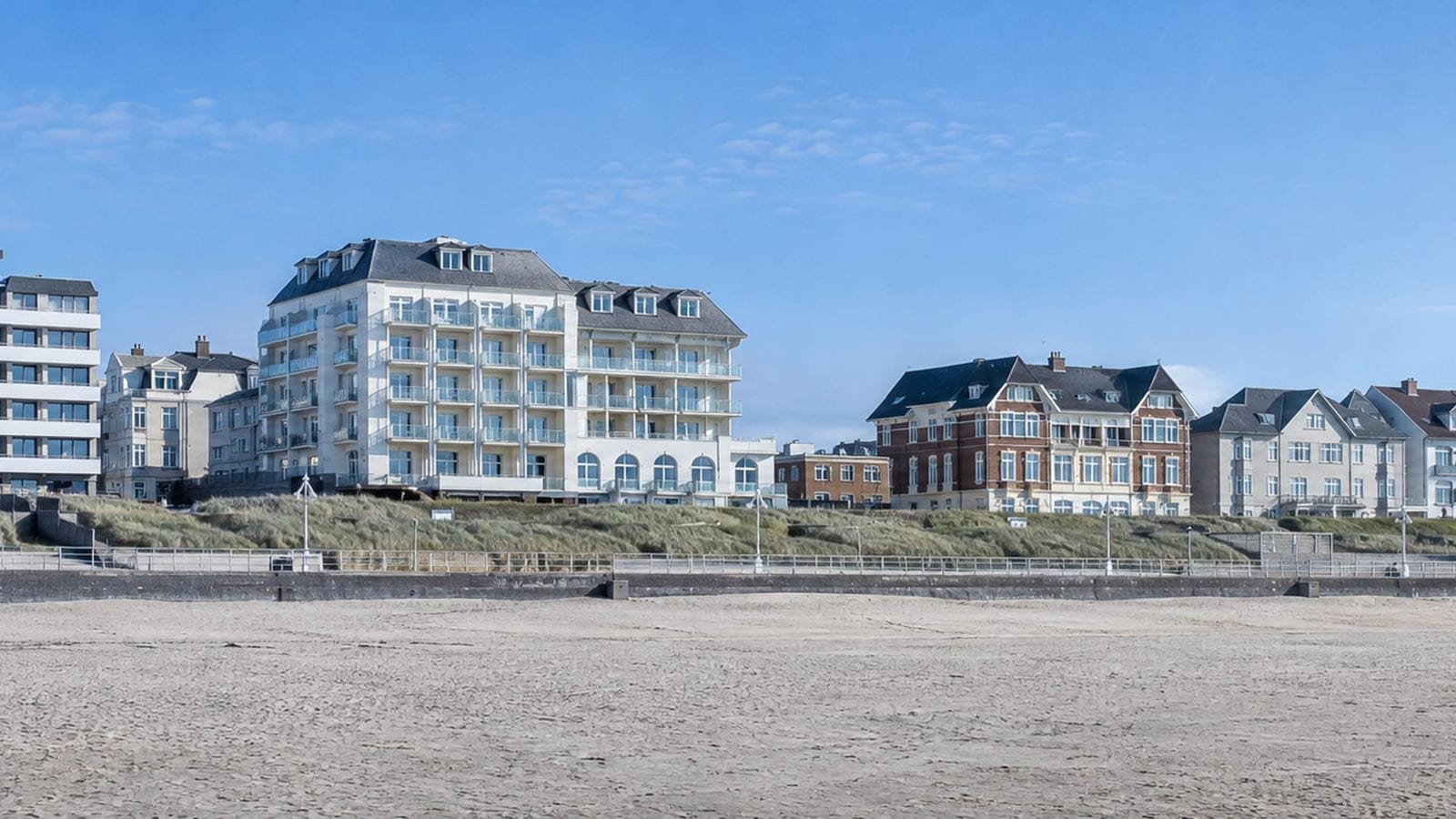
Facing the North Sea, Westerland beach brings broad sand, striped beach chairs, and breaking waves directly to the town’s western edge. The adjoining promenade connects the seafront with the center, making the shore central to a visit.
Time needed: About 1 to 3 hours
Entry: Low-cost: a valid guest card covers beach access
Tip: Use the beach entrance by the promenade for a walk toward the water at sunset.
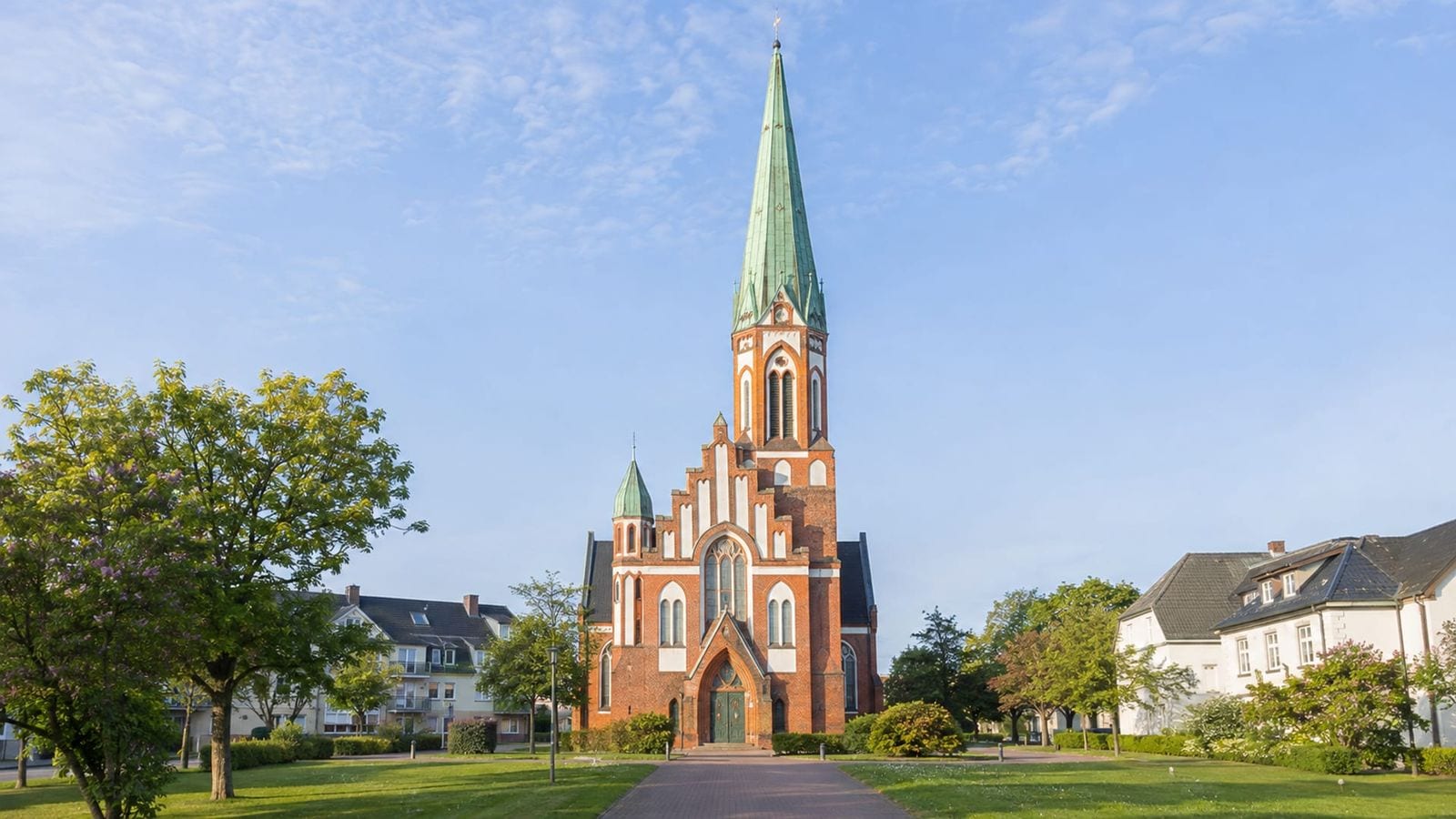
St. Nicolai
Built in 1908, St. Nicolai gives central Westerland a distinctive red-brick church and a prominent tower near the railroad station. Its architecture reflects the town’s expansion as a seaside resort in the early twentieth century.
Time needed: About 15 to 30 minutes
Entry: Free to access
Tip: Combine the church with the station sculptures, a short walk across the center.
Overlooked sites worth visiting

Sylter Sagenwald
Sylter Sagenwald brings island legends into a woodland playground near Wenningstedt. Carved wooden figures and play stations make this a family detour with a distinctly Frisian theme.
Time needed: About 30 to 60 minutes
Entry: Free to access
Tip: Follow the woodland trail to find the legend-themed play stations.

St. Niels
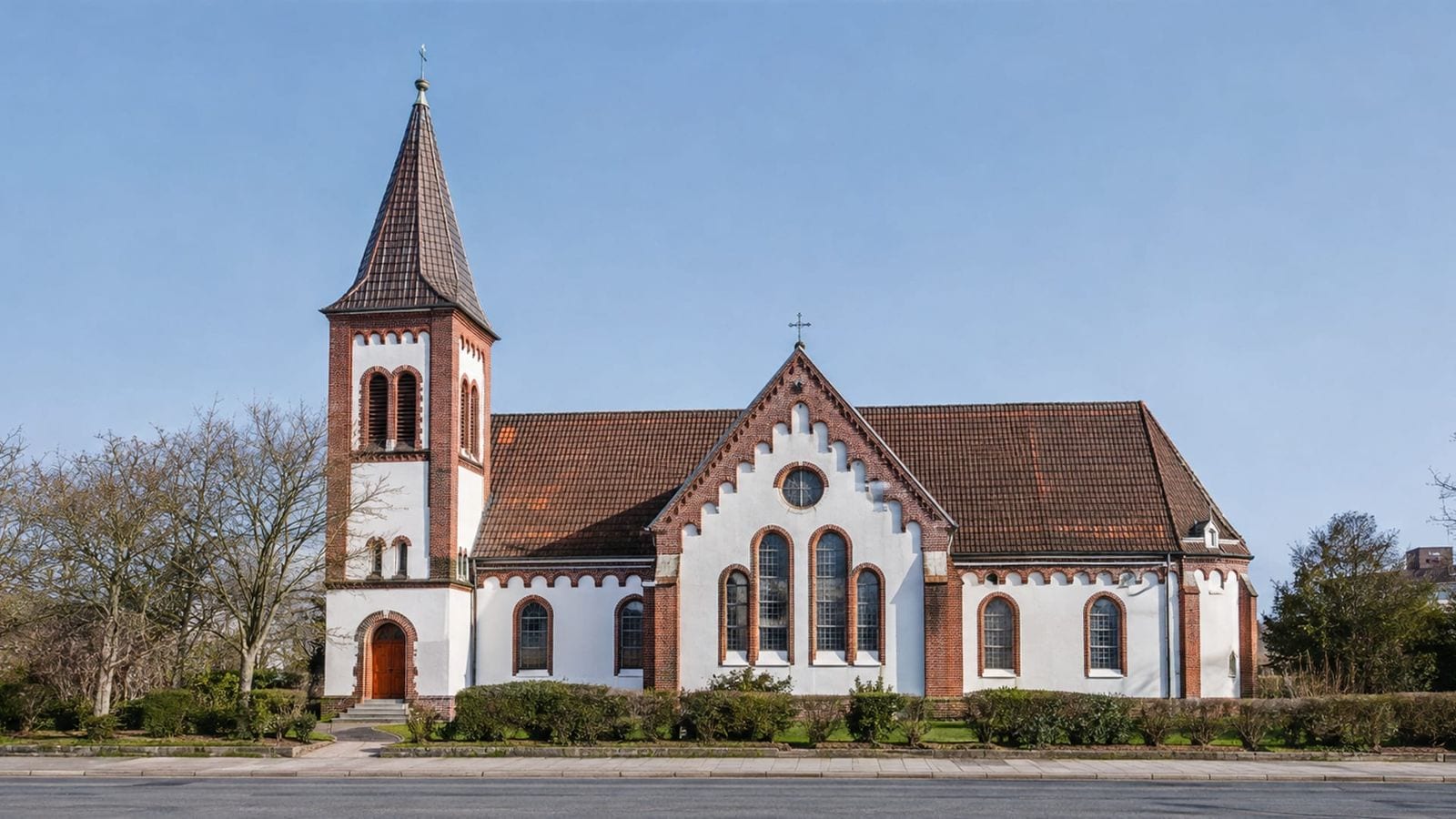
St. Niels is Westerland’s medieval village church, with a small nave and a churchyard away from the beach. Its modest scale offers a close look at the town’s history before seaside tourism.
Time needed: About 20 to 30 minutes
Entry: Free to access
Tip: Explore the churchyard before heading west toward the beach.
Traditional food

North Sea fish anchors Westerland’s cooking, from herring in bread rolls to fried plaice. Labskaus brings potatoes and cured beef to the table, while tart red berries give dessert its coastal counterpart.
Fish sandwiches
A crusty bread roll holds fish such as pickled herring, usually with onions and a few crisp accompaniments. Try a fish sandwich at GOSCH Westerland, where this northern German staple makes an informal lunch.
Labskaus
Cured beef and potatoes form the hearty foundation of Labskaus, commonly accompanied by beet, pickles, herring, and a fried egg. Alte Friesenstube serves this northern classic in a historic thatched house.
Fried plaice
Plaice has delicate white flesh that takes well to pan-frying, often with potatoes and bacon alongside. Order fried plaice at Tobis Hüs in Tinnum for a traditional fish meal within a short journey of Westerland.
Red berry pudding
Red berries simmer into a lightly thickened dessert with a tart flavor, usually balanced by vanilla sauce or cream. Hus in Lee in Rantum offers red berry pudding as a traditional finish after a coastal meal.
Best time to visit Westerland
Summer brings Westerland’s busiest beach days; spring and fall favor coastal walks, while winter puts wind and short daylight at the center.
Best for: Longer coastal walks and exploring Alt-Westerland before summer crowds arrive
What you get: Expect 36°F to 59°F (2°C to 15°C), lengthening daylight, and fewer beach visitors than in summer; holiday weekends bring more travelers.
Trade-offs: Cold seawater and North Sea winds limit beach lounging, particularly in March.
Best for: Beach afternoons, promenade walks, and extended daylight for village outings
What you get: Temperatures reach 54°F to 70°F (12°C to 21°C), with the year’s busiest beaches and shopping streets; school vacations increase demand.
Trade-offs: Accommodation costs rise during school vacations, and wind can cool even a sunny beach afternoon.
Best for: September beach walks and village excursions as summer visitor numbers ease
What you get: Conditions span 39°F to 64°F (4°C to 18°C), with visitor numbers easing after summer; October holidays can briefly fill accommodations.
Trade-offs: November brings shorter daylight and stronger winds, reducing time for extended coastal outings.
Best for: Short North Sea walks and quieter days among Westerland’s central streets
What you get: Typical temperatures of 32°F to 43°F (0°C to 6°C) accompany short days and quieter streets, although Christmas and New Year draw crowds.
Trade-offs: Strong winds and limited daylight shorten beach walks; some restaurants take seasonal breaks.
A realistic 5-day plan in Westerland
The five days move from arrival in Tinnum to Westerland’s churches, woodland legends, and the coast at Rantum, leaving a final morning near your accommodation before departure.
From Sylt Airport (GWT), take a taxi to your accommodation in Tinnum, allowing 10 to 15 minutes and budgeting €20 to €30 ($22 to $33); confirm the fare before departure. Spend the evening over a light dinner at Zur Eiche, then return to your room in Tinnum.
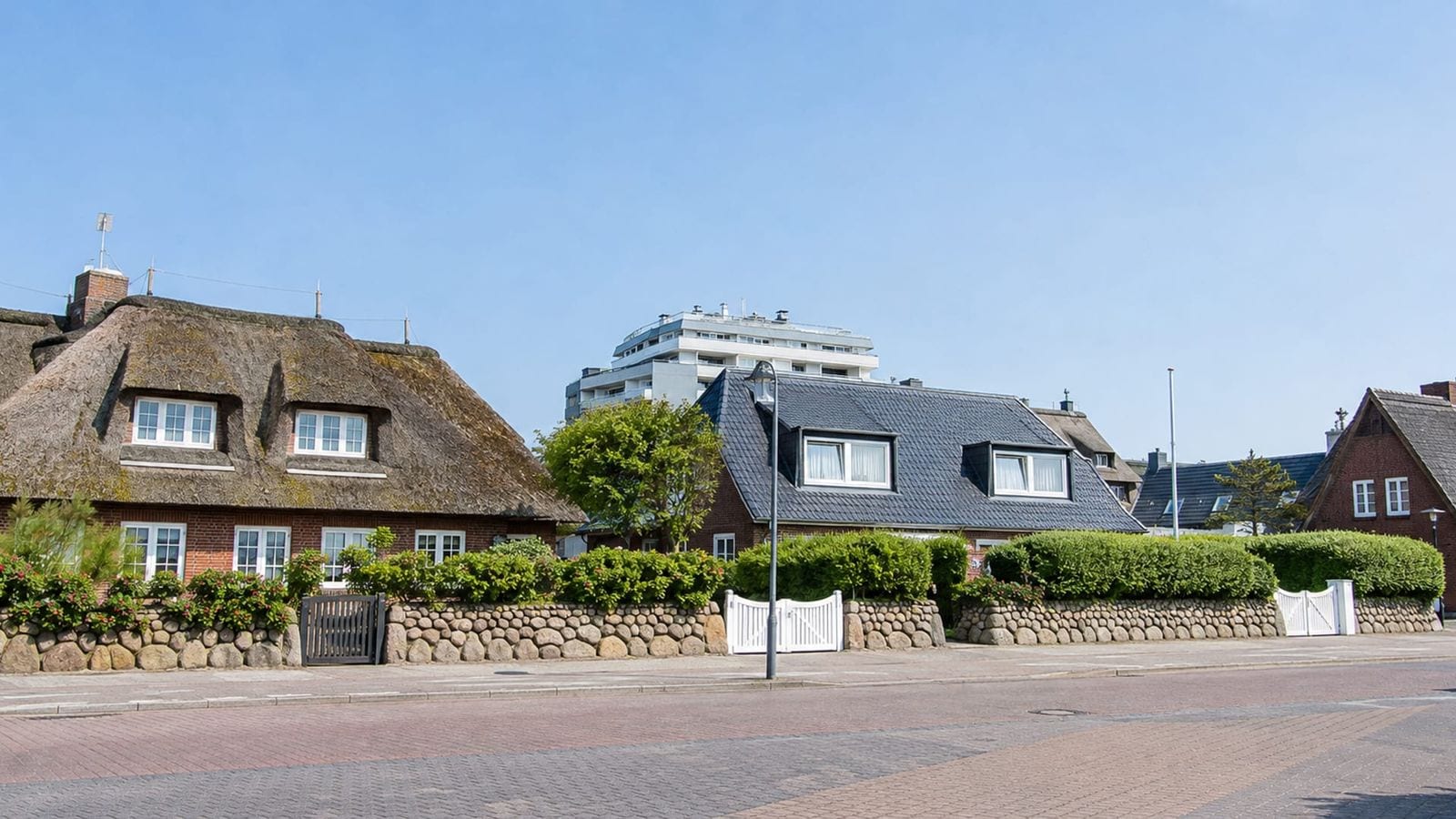
The green figures of Reisende Riesen im Wind introduce central Westerland at the station forecourt. Allow 30 minutes here, then walk 5 minutes to St. Nicolai for its red-brick architecture. Give the church and surrounding central shopping streets the rest of the morning, with lunch nearby.
Within Alt-Westerland, begin with the residential lanes and spend 30 minutes exploring the churchyard at St. Niels. Continue north to Sylter Sagenwald, allowing 45 to 60 minutes for walking and bus connections through the station. After lunch, follow the woodland trail between carved figures and legend-themed play stations.
Rantum pairs village lanes with views toward the eastern tidal flats: devote the morning to this narrow stretch south of Westerland. After lunch, take the bus north to Westerland’s station in 15 to 25 minutes, then walk 15 minutes west to Westerland beach. Reserve the afternoon for the sand and promenade; bring your valid guest card.
Before your flight, have breakfast at a café in Tinnum and take a short walk through its older residential lanes near your accommodation. Collect your luggage before taking a taxi directly to Sylt Airport (GWT), allowing 10 to 15 minutes for the drive and confirming the fare before departure.
Business-class flights from the US to Westerland
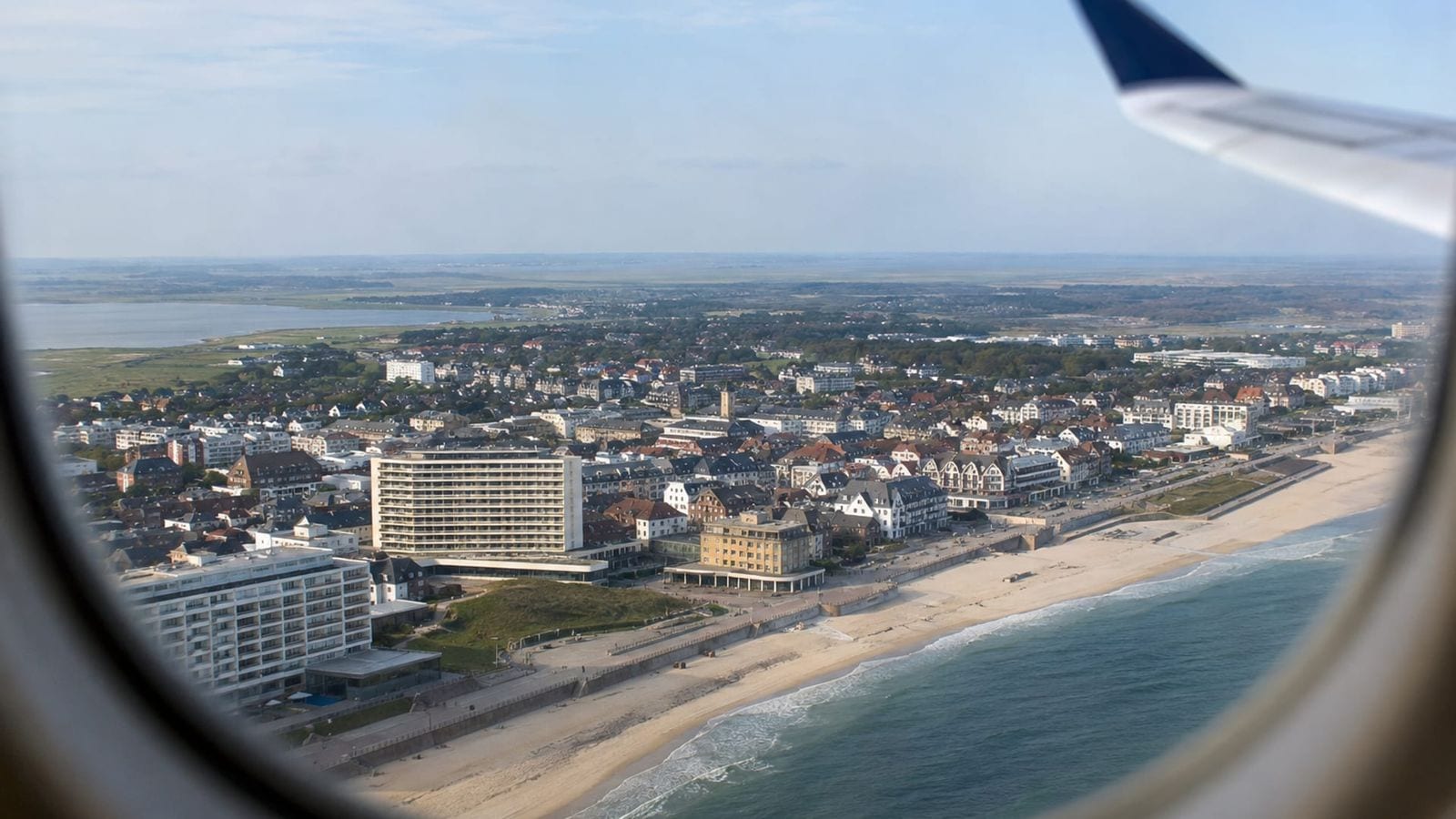
Flights to Westerland (GWT) from New York and Los Angeles connect through German hubs, with onward island flights subject to seasonal schedules.
From New York, Lufthansa connections to Westerland (GWT) travel through Frankfurt (FRA) or Munich (MUC), with total journeys of 10 to 16 hours. Allow $3,500 to $7,000 round trip as a planning estimate. Seasonal island schedules determine which dates connect, so select an itinerary that includes the onward flight before purchasing.
Reaching Westerland (GWT) from Los Angeles involves a connection in Frankfurt (FRA) or Munich (MUC) with Lufthansa. The journey takes 14 to 20 hours, with a round-trip planning allowance of $4,000 to $8,000. Search the complete journey together to match the onward island flight, which depends on seasonal schedules.
Westerland feels different when you slow down
A Westerland trip can connect the churchyard at St. Niels with an afternoon on Westerland beach, then extend south by bus to Rantum’s tidal-flat views. Staying in Tinnum adds village lanes to the experience, with taxis linking your accommodation and Sylt Airport (GWT). Leave enough time for both the waterfront and the older streets east of the center. Ask AranGrant experts to shape your flights around a summer beach stay or a spring exploration of Alt-Westerland