

Chapters:

Need help with your trip?
Our support team is available 24/7. Request a callback or call us directly at (833) 619-0908
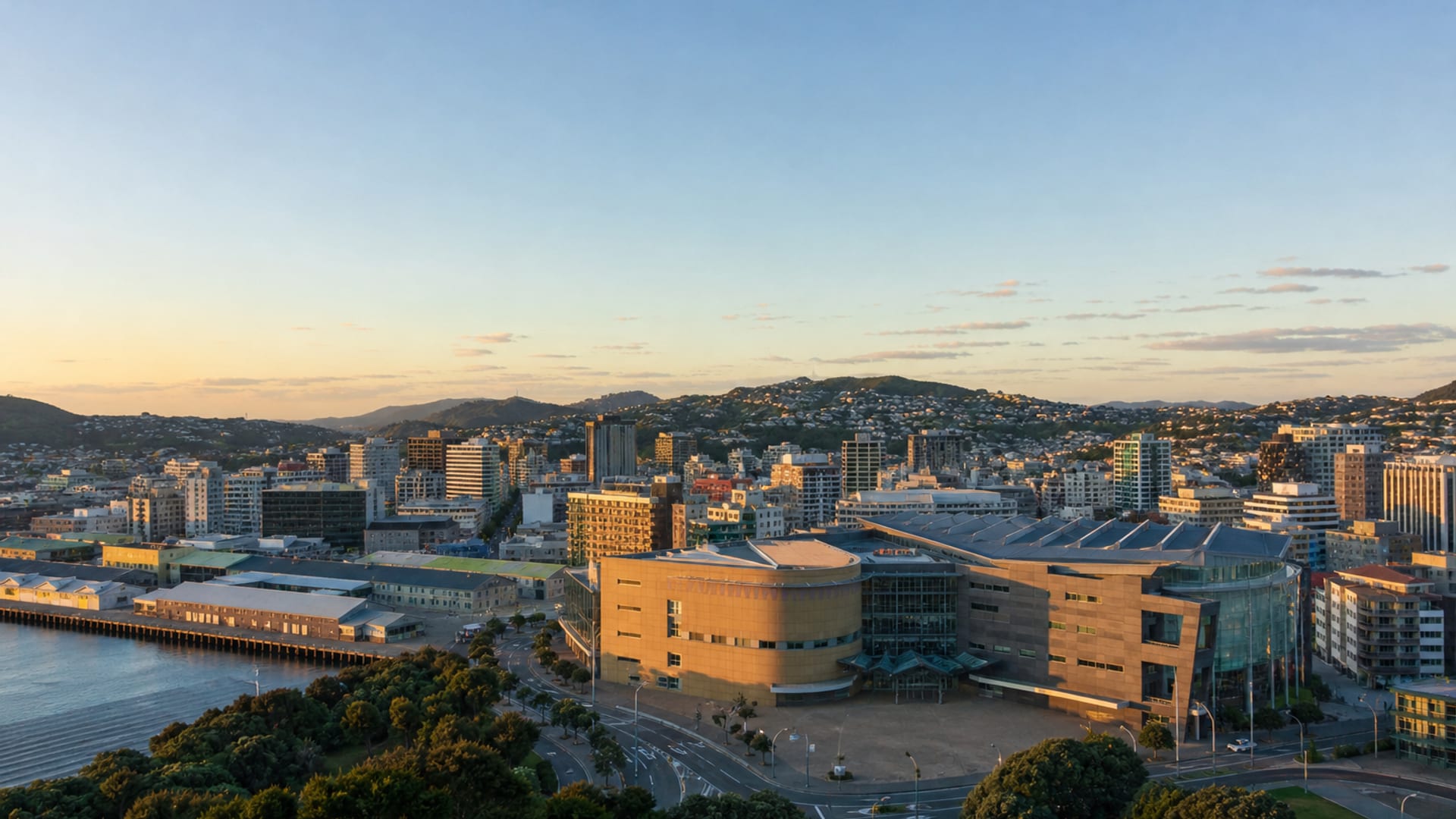
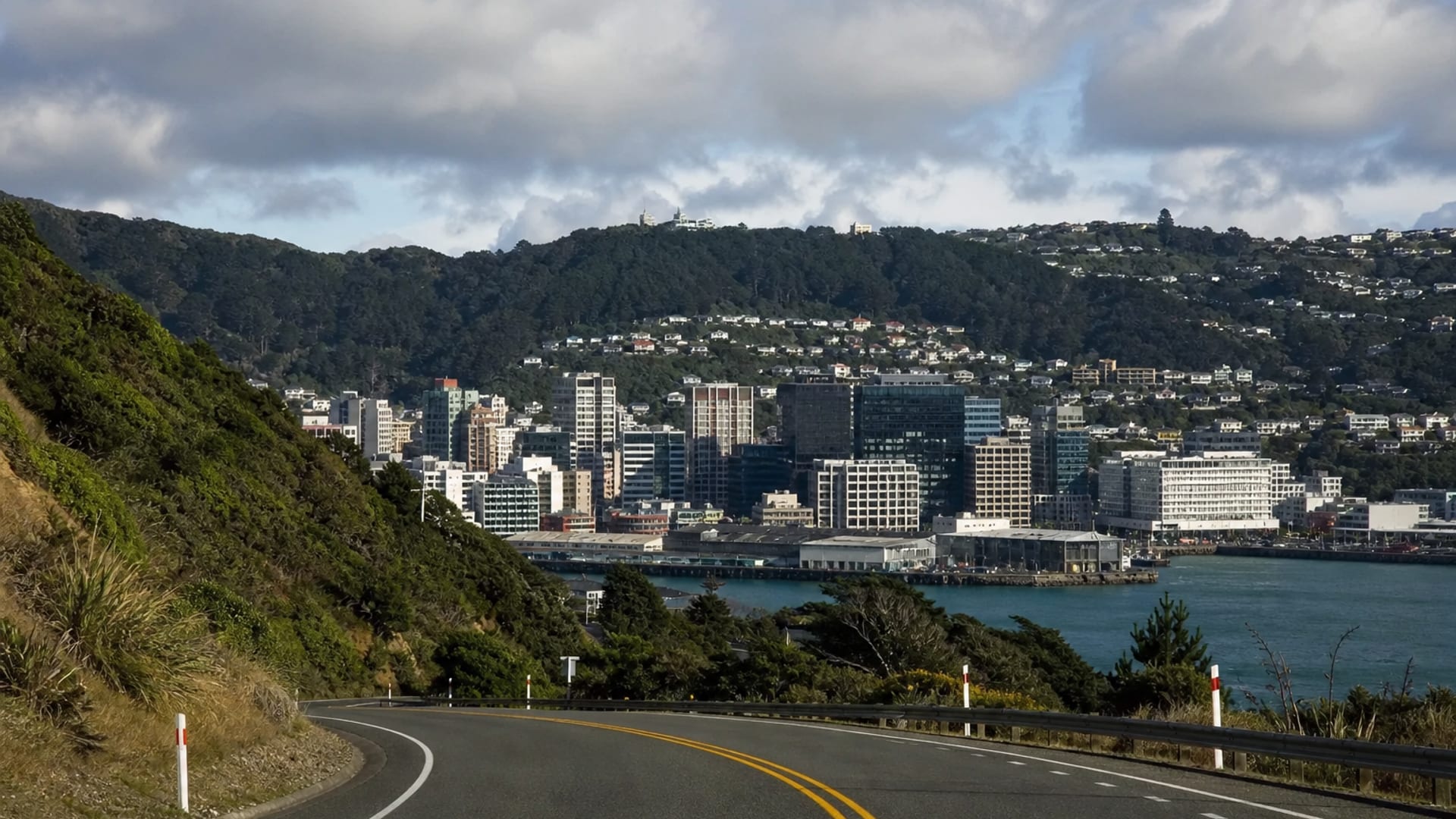
Wellington is compact, coastal, and shaped by steep hills that rise almost immediately behind the harbor. Much of the city’s appeal comes from how quickly the setting changes, from waterfront museums and central streets to residential neighborhoods, lookout points, and native wildlife reserves. Strong winds are part of daily life here, so a flexible itinerary helps.
This guide will show you where to stay, what to see, how to get around, when to visit, and how to plan five days in Wellington without rushing.
Useful things to know

Main language(s): English, te reo Māori

Currency: New Zealand dollar (NZD, $)

Cash and cards: Cards and contactless are widely accepted; carry NZ$20 to NZ$50 (US$11 to US$28) in cash for small purchases.

Tipping: Tipping is not expected; for standout service, leave 5% to 10% in restaurants or round up the bill for taxis and cafés.

Traditional food: Māori hāngī, green-lipped mussels, whitebait fritters, and pavlova are worth trying in Wellington.

Water and coffee costs: Bottled water costs NZ$3 (US$2), and an espresso costs NZ$5 (US$3).

Taxis and ride apps: Uber and DiDi operate here; confirm airport pickup points.

Plug and voltage: Type I socket, 230V

Dining and shop opening hours: Breakfast is from 7:00 am to 10:00 am, lunch is between 12:00 pm and 2:00 pm, and dinner is from 6:00 pm to 9:00 pm. Many kitchens close earlier on Sunday.

Emergency number: Call 111 for police, fire, or ambulance.
Where to stay in Wellington
Wellington’s central business district (CBD) is the city’s commercial core, with its main offices, hotels, and shops along Lambton Quay and the streets leading to the waterfront. Te Papa, the cable car terminal, and the Bluebridge ferry terminal are within walking distance.
Best for: First-time visits, business trips, and travelers who want easy access to central sights
What to expect: Busy weekdays, steady foot traffic, and plenty of daytime activity, with quieter streets late at night
Hotel prices: Well-rated hotels in this area cost NZ$200 to NZ$430 (US$115 to US$245) per night.
Distance to major sights: 5 to 15 minutes on foot to Te Papa, 5 to 10 minutes on foot to the waterfront, 10 to 15 minutes by bus or cable car to the Botanic Garden
Quietness: The CBD is busy on weekdays and quiet after office hours, although traffic and late-night bar noise continue on the main streets.
Main trade-off: Hotel rates are higher than in outer neighborhoods, and some streets face wind and traffic.
Good to know: Wellington Station, the Airport Express stop, and the Queens Wharf ferry terminal are all in the CBD, so day trips and airport transfers start nearby.
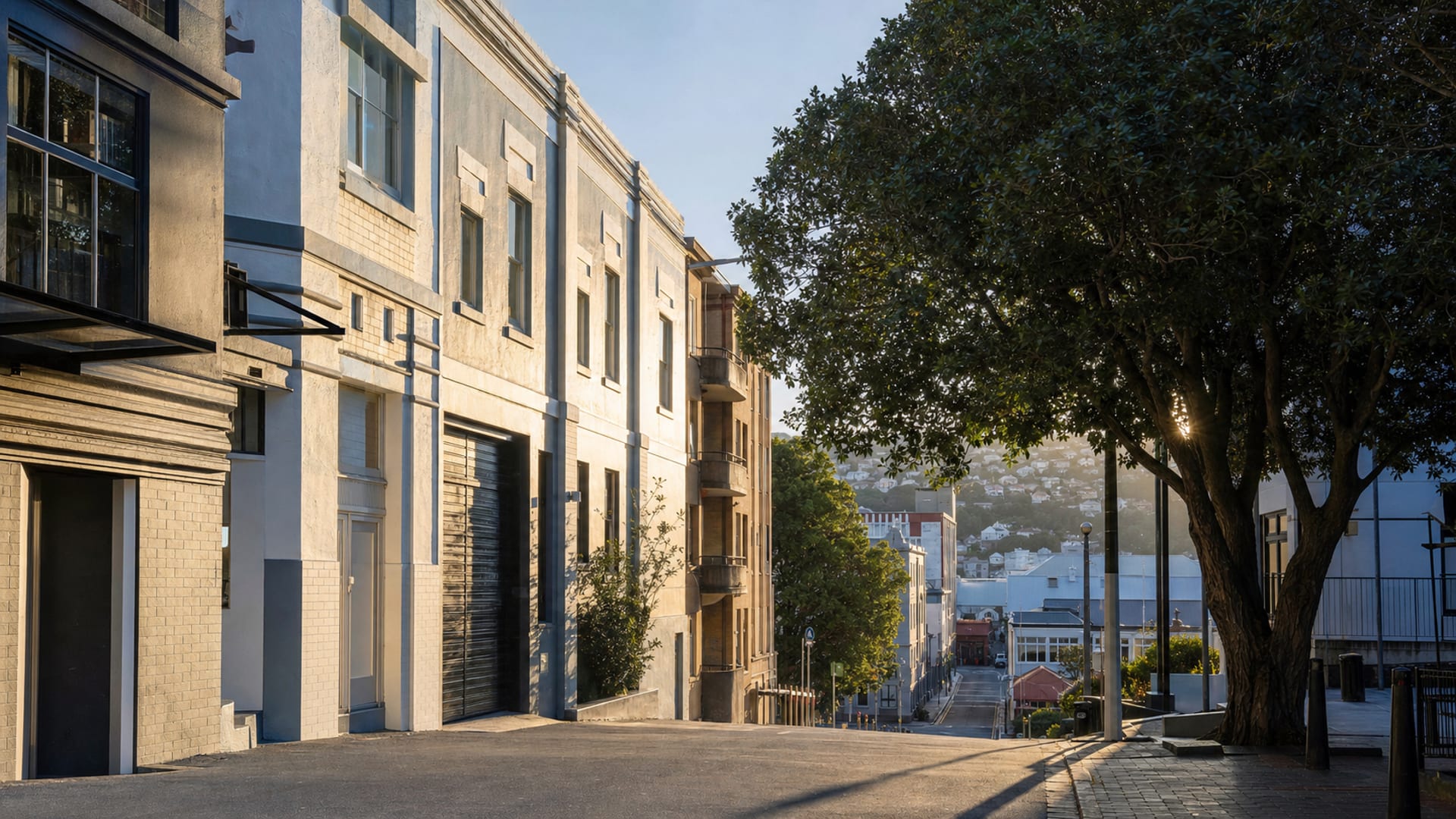
Te Aro is Wellington’s main dining and nightlife district. Cuba Street fills its western side with cafés, bars, and independent shops, and Courtenay Place anchors the east with restaurants and theaters. Te Papa and the waterfront are also in Te Aro, a short walk from most hotels.
Best for: Dining, nightlife, shopping, and travelers who want to be in the thick of central Wellington
What to expect: Dense street life, late openings, and a steady mix of locals, visitors, and people moving between bars and restaurants
Hotel prices: Well-rated hotels in this area charge NZ$150 to NZ$300 (US$85 to US$170) a night, below CBD rates.
Distance to major sights: 5 to 15 minutes on foot to Te Papa and the waterfront, 10 to 15 minutes by bus to the cable car
Quietness: Busy and noisy in the evening, especially near Cuba Street and Courtenay Place, then calmer in the morning
Main trade-off: Bar noise carries into the night, and Courtenay Place and Cuba Street stay crowded late on Friday and Saturday nights.
Good to know: Hotels a few blocks from Courtenay Place and Cuba Street are quieter at night and still a short walk from the restaurants and bars.
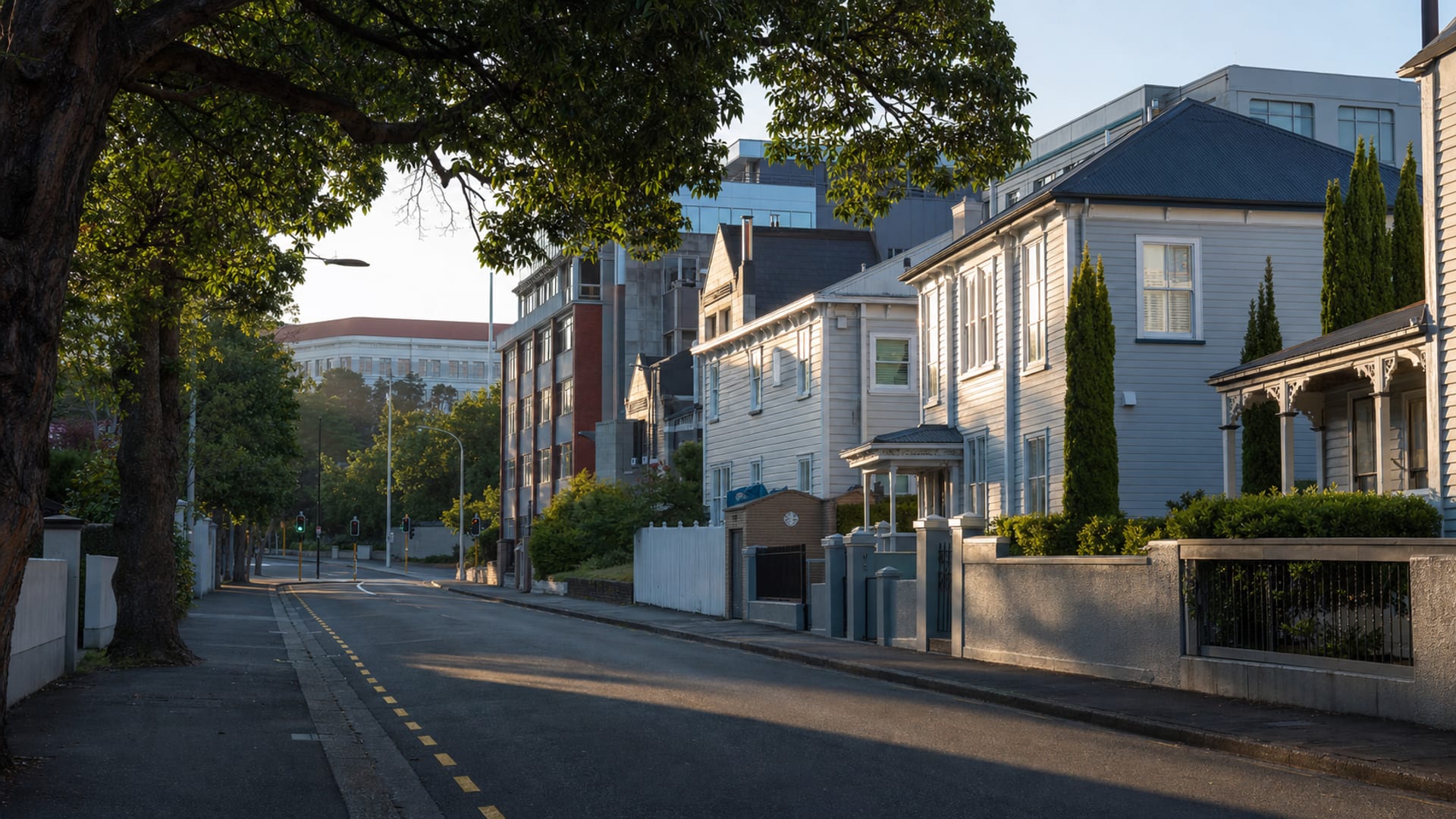
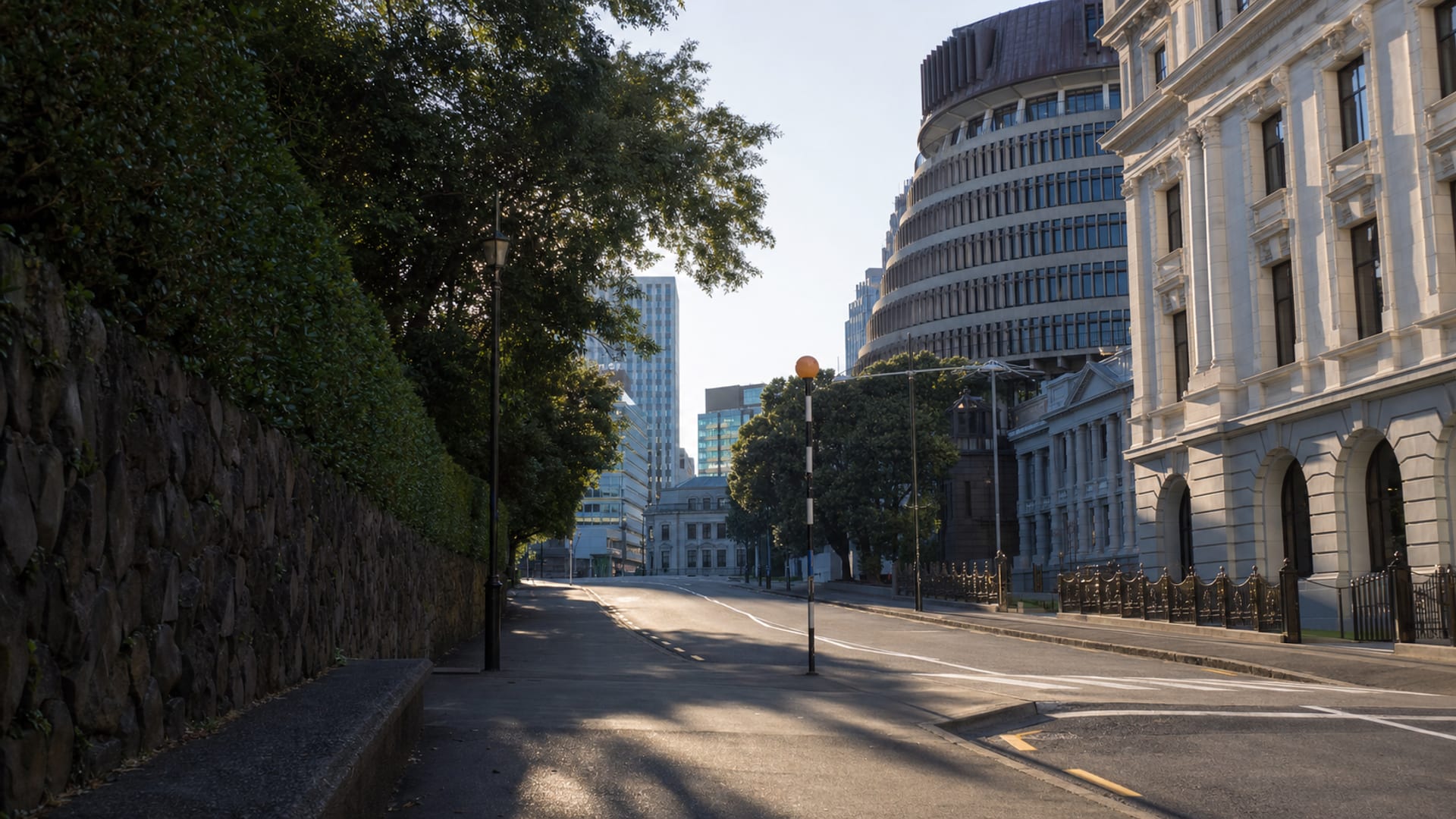
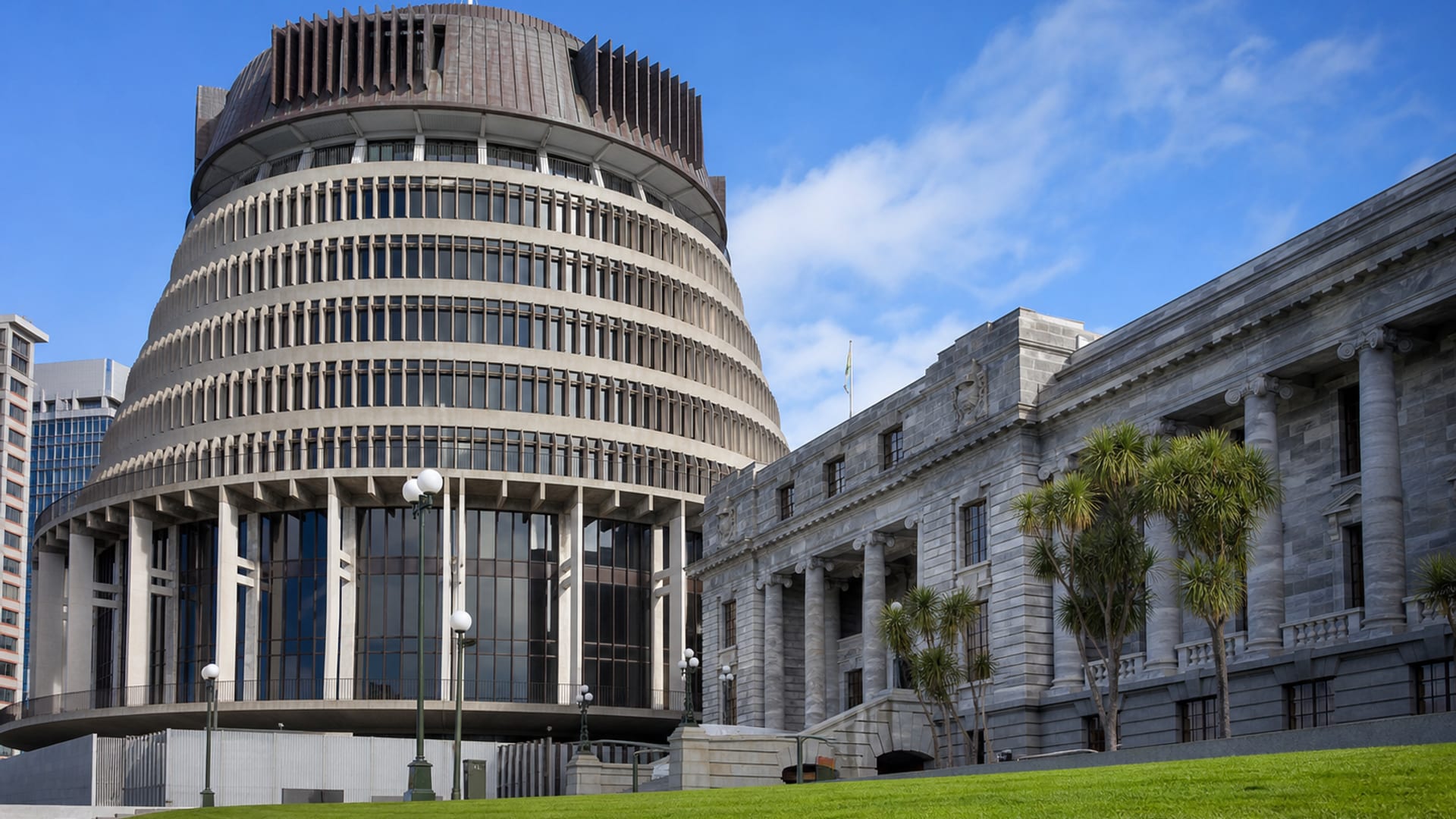
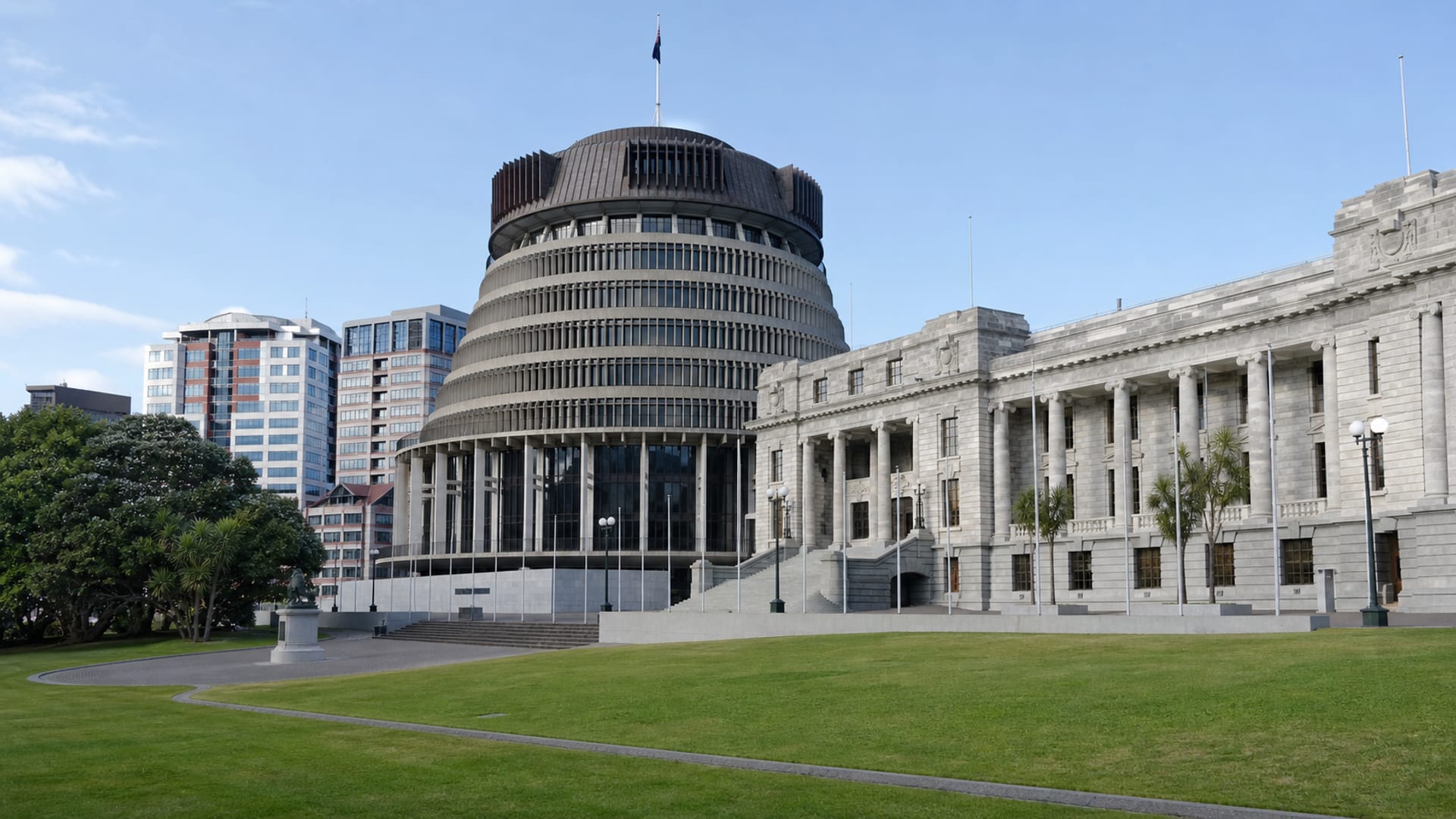
Thorndon is just north of the central district (CBD), a short walk from Parliament, the Beehive, and Wellington Railway Station. Government offices and the 1866 Old St Paul’s fill its southern edge, and Victorian wooden houses line the streets. The district has few bars, so it is quiet in the evenings.
Best for: Parliament tours, travelers arriving by train or ferry, and anyone who wants calm evenings close to the center
What to expect: Residential streets, daytime government traffic, and fewer late-night crowds than in Te Aro or the central business district
Hotel prices: Well-rated hotels in this area, led by the Bolton Hotel and Sofitel Wellington, price rooms at NZ$190 to NZ$400 (US$110 to US$225) a night.
Distance to major sights: Up to 10 minutes on foot to Parliament, 15–20 minutes on foot to the cable car, and about 30 minutes on foot or 20 minutes by bus to Te Papa
Quietness: Quieter than the city center by evening, with only local traffic and the occasional weekday commuter flow
Main trade-off: Thorndon has few restaurants, so most dinners mean a 25-minute walk or a short bus ride to Cuba Street or Courtenay Place.
Good to know: If you arrive by train, the station is close to the central government district, which keeps arrival and departure days simple.
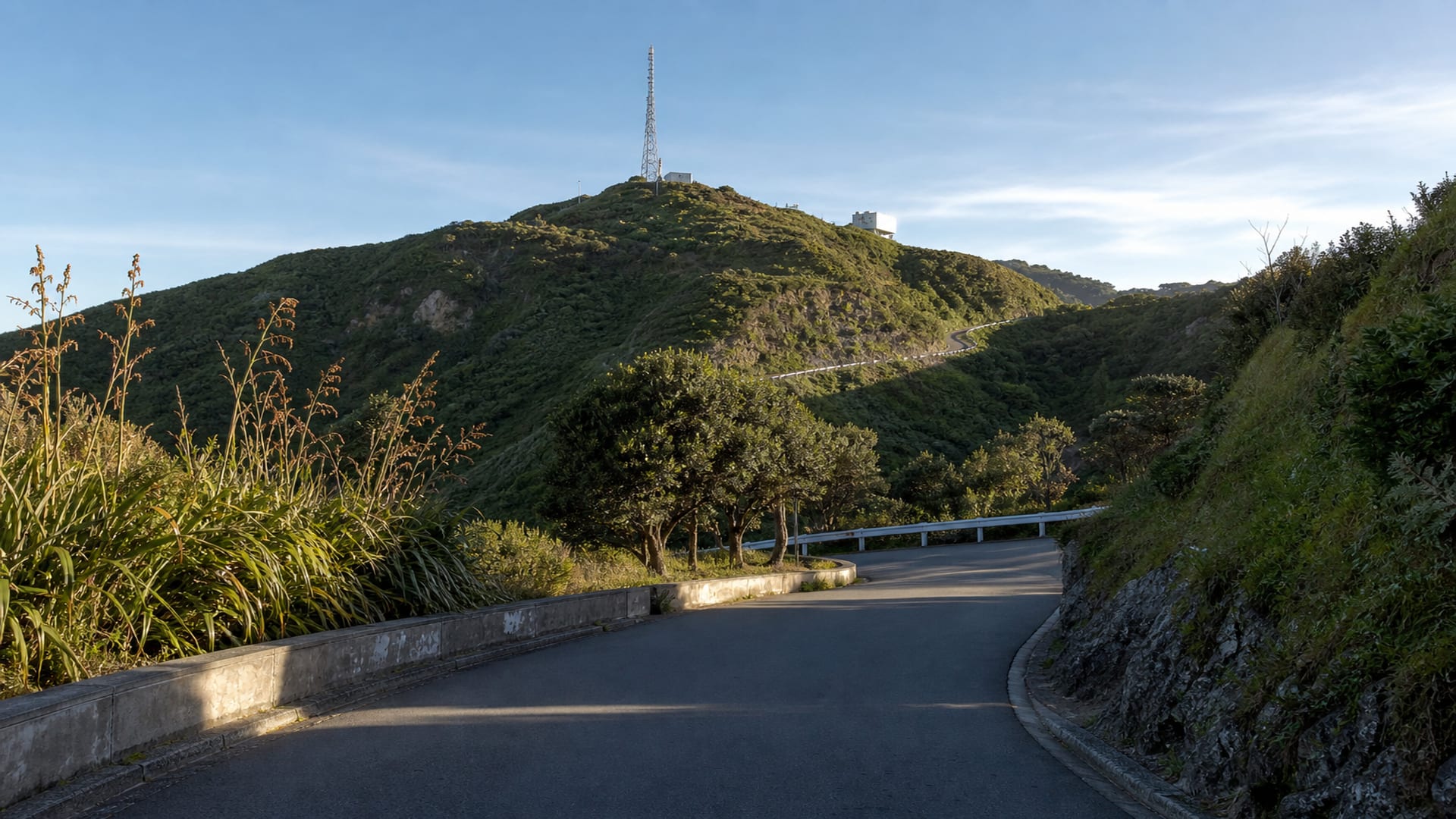
Mount Victoria is just east of the city center, with harbor views, residential streets, and walking routes into central Wellington. It suits travelers who want a quieter neighborhood within easy reach of the waterfront, the central business district, and the lookout trails.
Best for: Walkers, view seekers, and travelers who want a residential stay near the center
What to expect: Steep streets, local foot traffic, and a calmer residential atmosphere than the waterfront or nightlife districts
Hotel prices: Well-rated hotels in this area, mostly B&Bs and guesthouses, range from NZ$180 to NZ$300 (US$100 to US$170) a night.
Distance to major sights: 10 to 20 minutes on foot to Te Papa, up to 15 minutes on foot to the waterfront, about 30 minutes on foot to the Mount Victoria Lookout
Quietness: Generally quiet in the evening, with more movement during commute hours and at peak weekend times
Main trade-off: Every walk home from Courtenay Place or the waterfront ends with a steep climb, which is tiring after a long day or a late dinner.
Good to know: The Metlink Number 20 bus climbs from the city to Mount Victoria Lookout, so you can ride uphill and walk down through the neighborhood.
Porirua, Lower Hutt, Upper Hutt, and Johnsonville are far from Wellington’s main sights. Miramar is also inconvenient without a car. It is on the Miramar Peninsula near the airport and has fewer late-night dining and entertainment options than central areas.
Hotel deals
How to get around Wellington efficiently
Wellington’s compact center is walkable, and Metlink trains, buses, the cable car, and rideshares cover the longer trips to the suburbs and airport.

Train
for longer distances
Metlink trains leave Wellington Station for the Hutt Valley, Porirua, and the Kāpiti Coast. Petone is under 15 minutes away, and Porirua is 21 minutes away. Adult fares to either stop cost NZ$4.19 to NZ$6.49 (US$2 to US$4) by Snapper or contactless card. Trains are the fastest option for day trips.

Bus
for convenience
Metlink buses link the airport, Te Aro, the waterfront, and the suburbs every 10–15 minutes on main routes. City fares cost NZ$1.70 to NZ$4.67 (US$1 to US$3) by Snapper, and the Airport Express costs NZ$9.23 (US$5).

Taxi
for late hours or luggage
Metered taxis queue outside Wellington Airport (WLG), and Uber and DiDi pick up one lane over. A taxi to the city center costs NZ$35–NZ$55 (US$20–US$31). Short inner-city rides cost NZ$10–NZ$25 (US$6–US$14), with higher fares late at night or with extra luggage.
*Prices are based on rates updated as of October 2026 and may change at the time of travel.
Take the bus around the center, the train for Hutt Valley or Kāpiti day trips, and a taxi or rideshare for airport transfers and late evenings in Te Aro.
Iconic landmarks
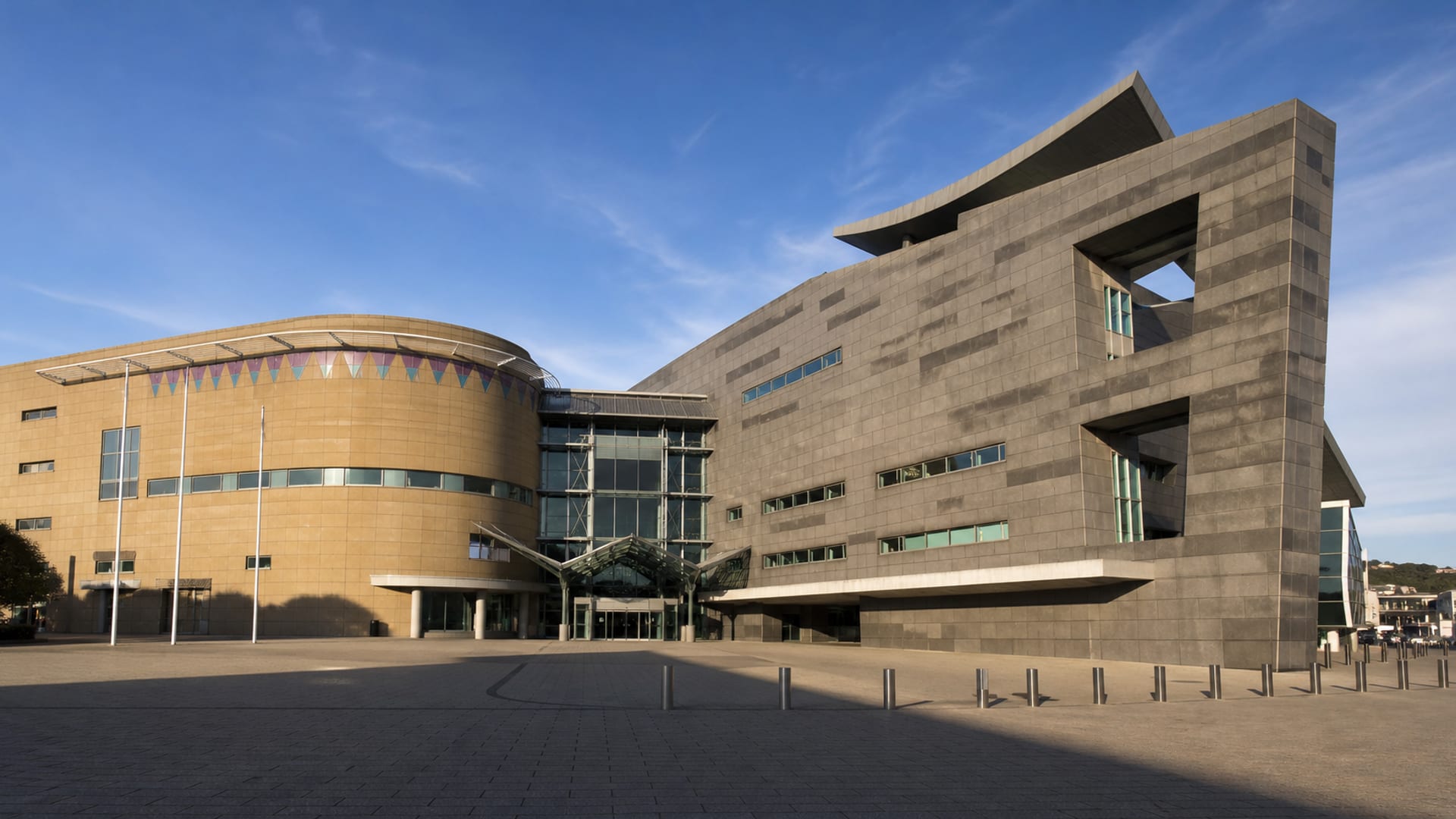
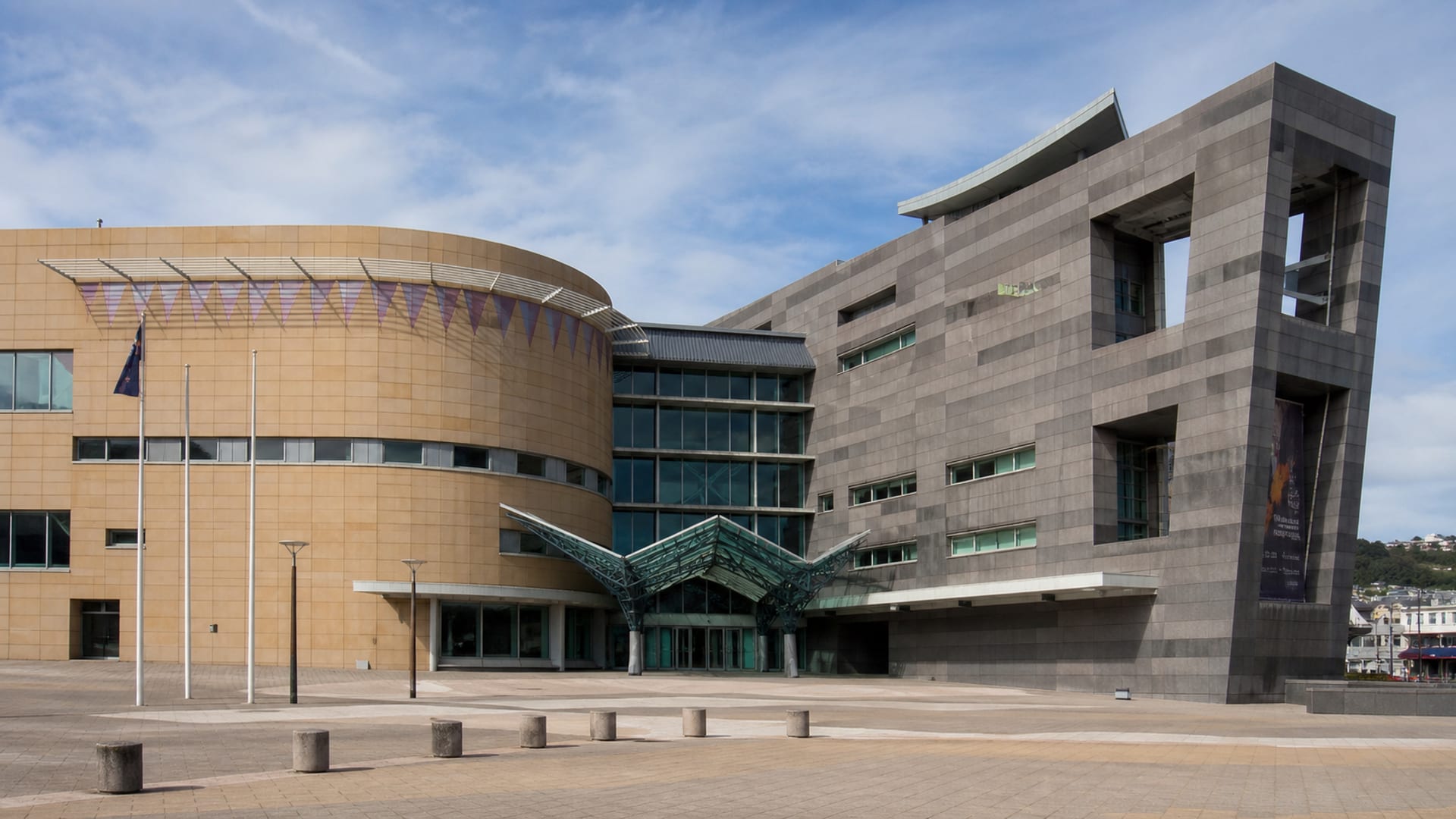
Te Papa Tongarewa
New Zealand’s national museum stands on Wellington’s waterfront, with Māori and Pacific taonga, the National Art Collection, and galleries on history and nature. Highlights include the world’s only colossal squid on display and a house that simulates an earthquake.
Time needed: About 3 to 4 hours
Entry: International visitors pay NZ$35 (US$20) for a 48-hour ticket. Special exhibitions and tours cost extra. Visit the official site for details.
Tip: Start early, then leave time for the upper floors and the views along the harbor edge.
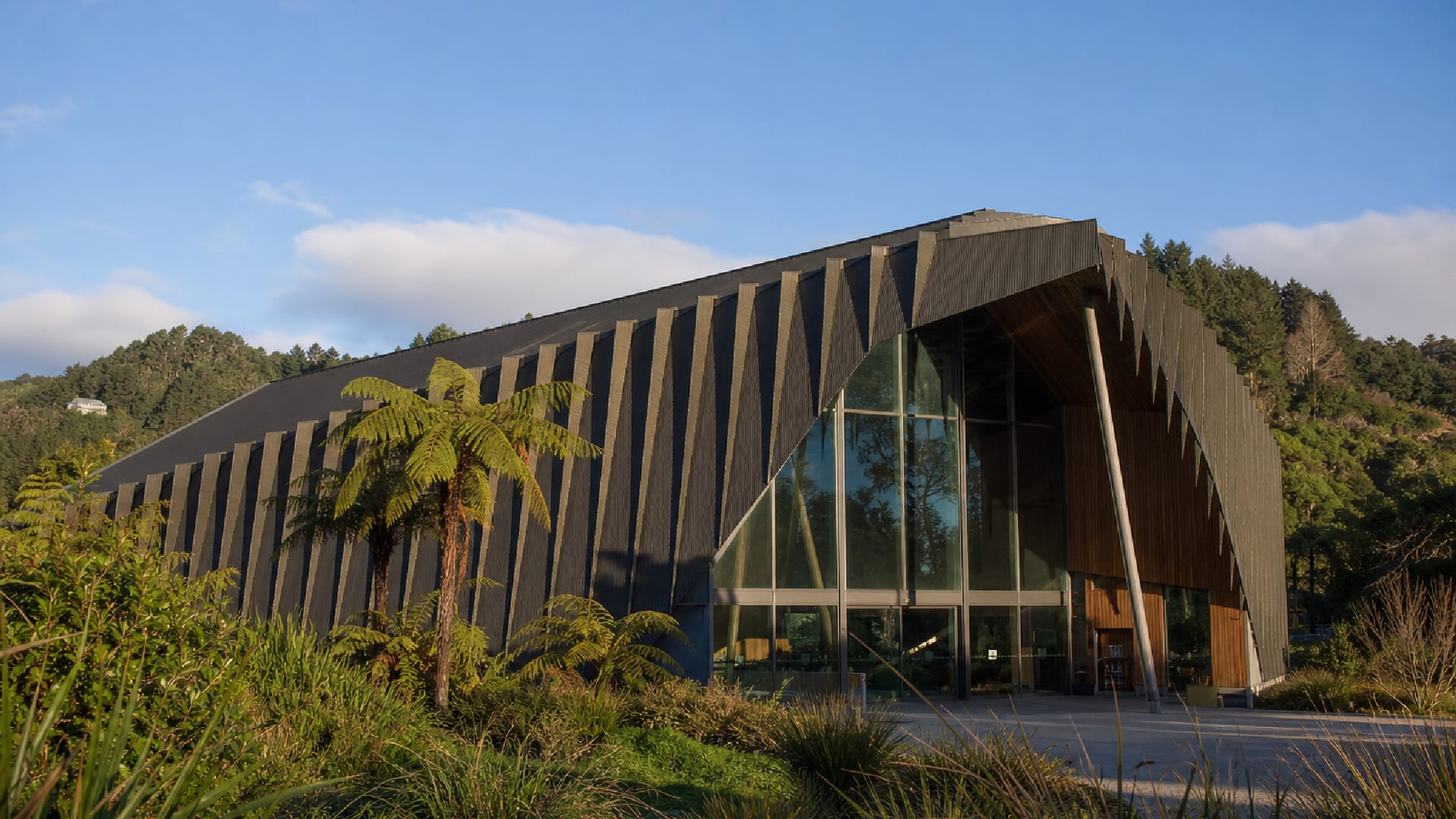
Zealandia Te Māra a Tāne
This urban eco-sanctuary protects a fenced valley of native forest, wetland, and birdlife just west of the center. Walk the tracks to see takahē and tuatara, or join a night tour to look for kiwi in a project with real conservation results.
Time needed: About 3 to 4 hours
Entry: International visitors pay NZ$39 (US$22). Tickets are valid for two days. Guided tours cost extra. Visit the official site for details.
Tip: Go in the morning for quieter tracks, or book a guided night tour for your best chance to see kiwi.
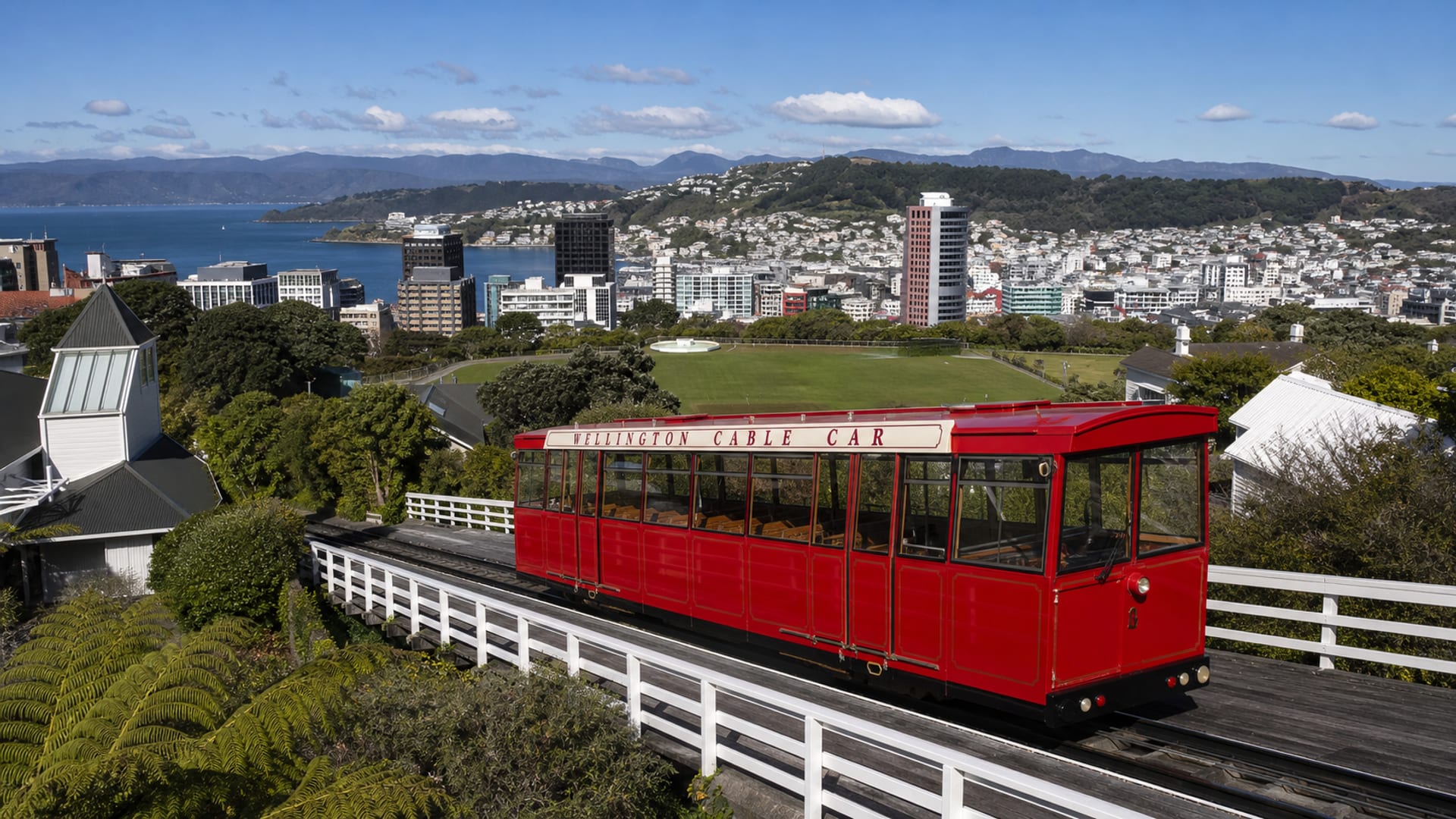
Wellington Cable Car
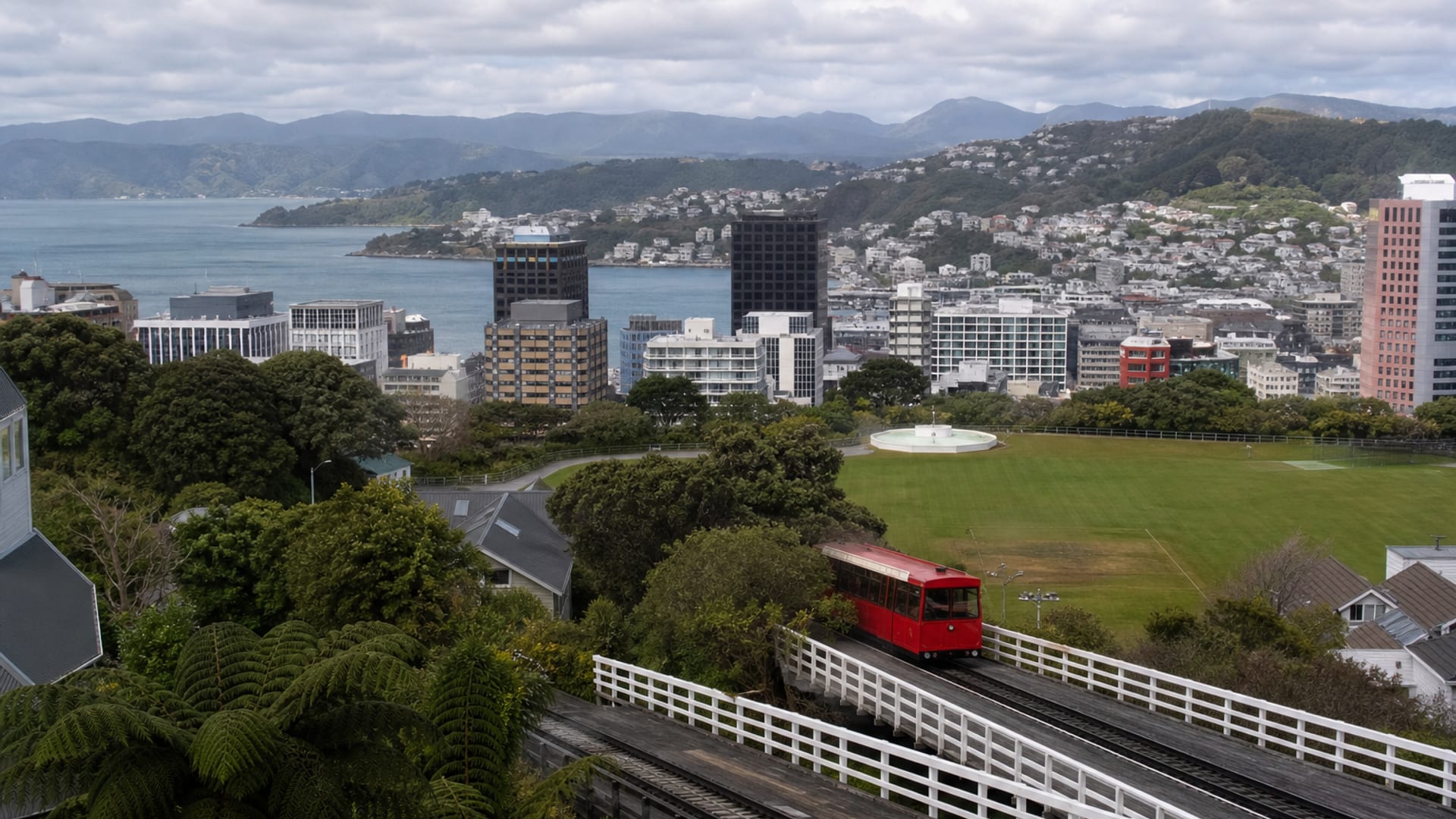
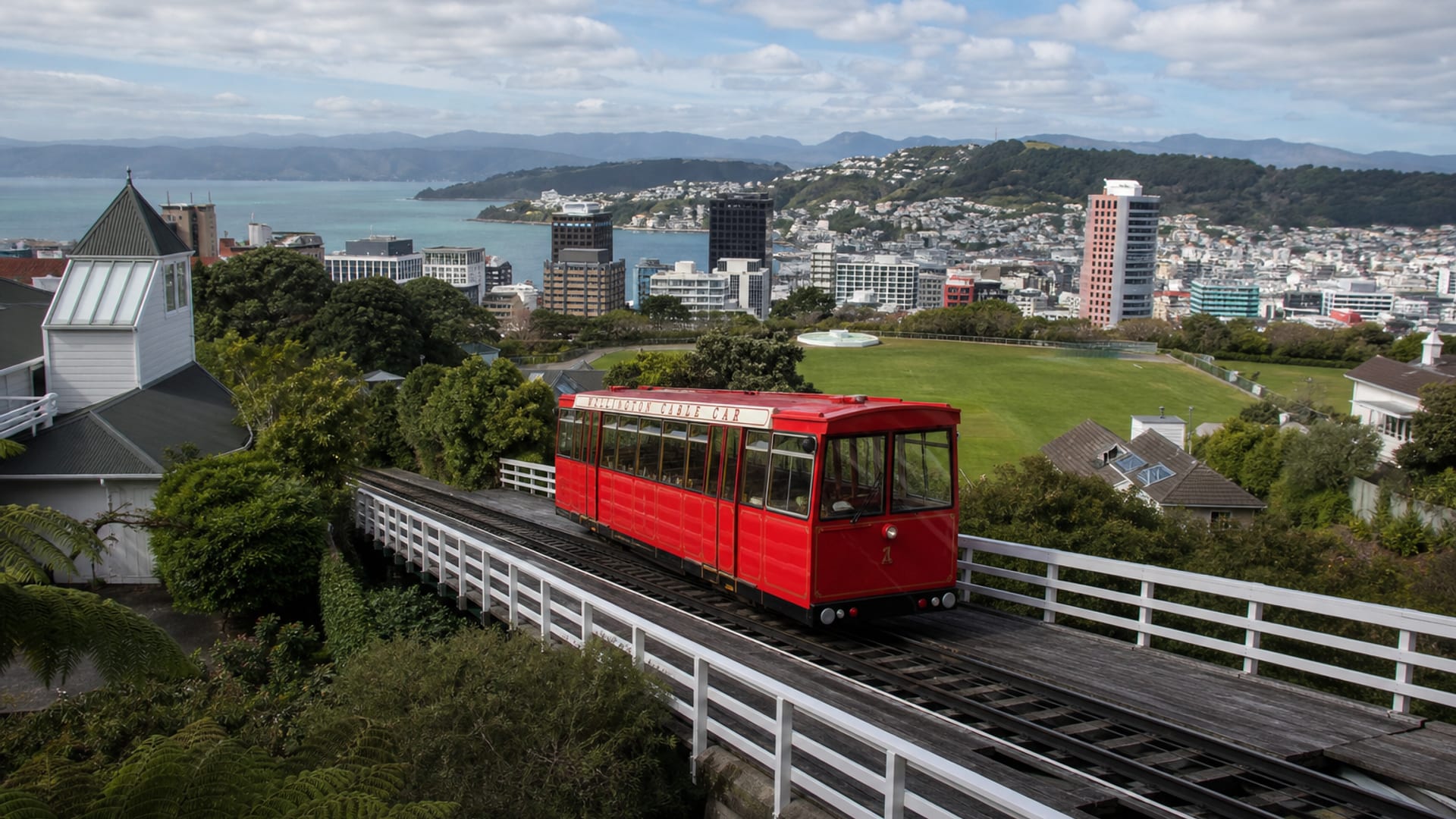
The red cable car climbs from Lambton Quay to Kelburn in a few minutes and gives you a classic route through the inner city. At the top, the lookout, Botanic Garden access, and the cable car museum make the ride a compact outing.
Time needed: About 1 to 2 hours
Entry: Adult tickets cost NZ$7 (US$4) one way and NZ$13 (US$7) return. Visit the official site for details.
Tip: Ride up before sunset, then walk down through the Botanic Garden if the weather is clear.
Overlooked sites worth visiting

Red Rocks Reserve
Red Rocks Reserve follows a coastal stretch of rust-red volcanic rock and boulder-covered shoreline with clear views across Cook Strait. Fur seals gather near Sinclair Head from May to October, and the flat walking track is exposed to strong winds.
Time needed: About 1 to 2 hours
Entry: Free. Wear sturdy shoes for the rocky shoreline, and check tide times before you walk out onto the foreshore.
Tip: Continue about 30 minutes past the red rocks to Sinclair Head, where fur seals rest on the rocks.

Old St Paul's
Old St Paul’s in Thorndon is an 1866 Gothic Revival church built from native timbers such as rimu, kauri, and tōtara. Its stained glass windows and displays on early Wellington history make it a compact, quiet indoor stop.
Time needed: About 30 to 45 minutes
Entry: Independent visitors pay by donation. Guided tours cost NZ$20 ($11) per person. Visit the official site for details.
Tip: Visit between 10 am and 4 pm, and pair it with Parliament, a block away.
Traditional food
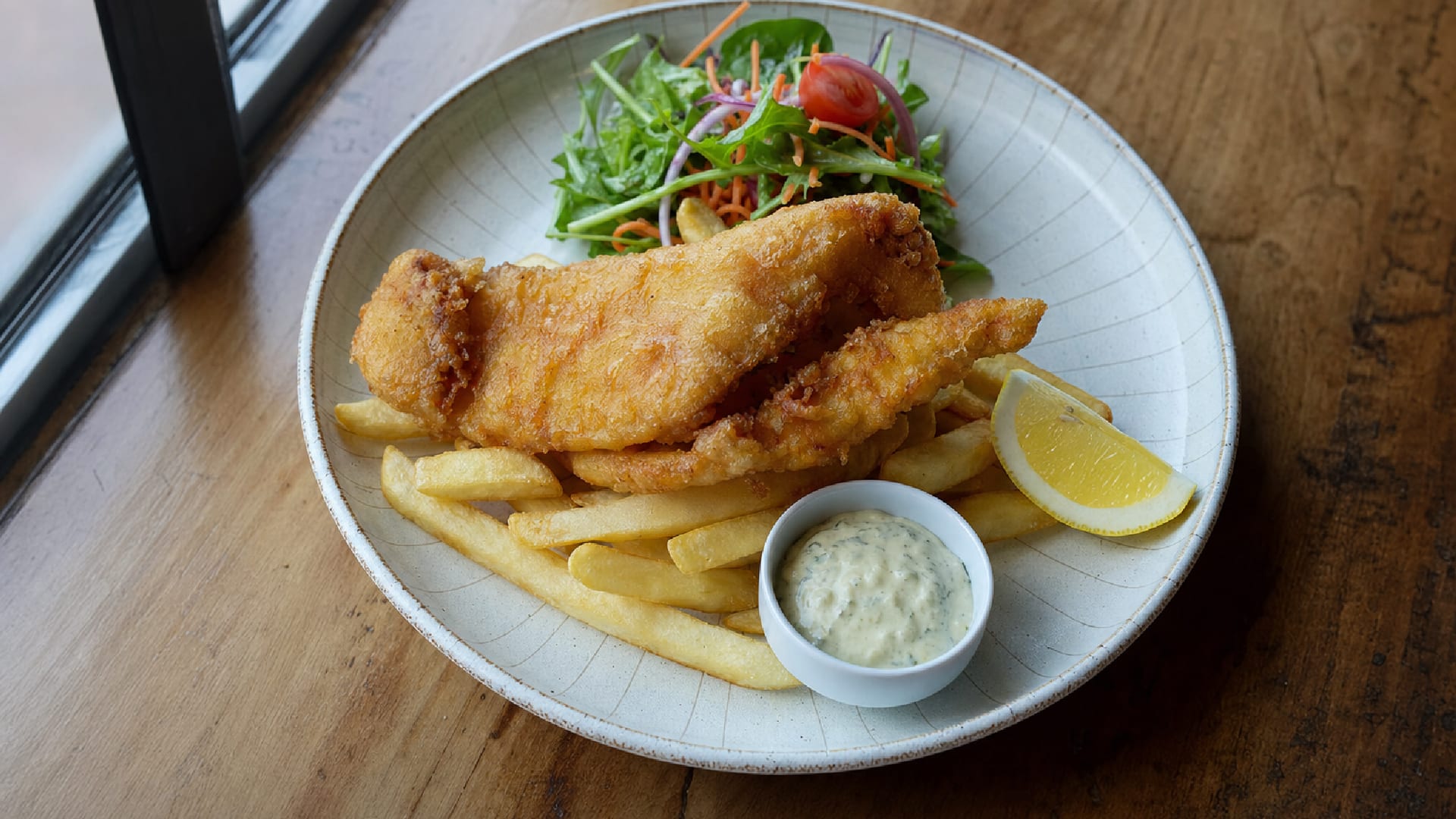
Hāngī, green-lipped mussels, whitebait fritters, and pavlova reflect Wellington’s Māori, seafood, and baking traditions. A strong coffee culture fills the gaps between meals.
Māori hāngī
Earth-cooked meat and vegetables give the meal a smoky, tender finish. CJ’s Hāngī sells hāngī packs through partner stores and pre-orders across Wellington from Tuesday to Friday.
Green-lipped mussels
These large New Zealand mussels usually arrive steamed or in a white wine broth, with a clean, briny flavor. Ortega Fish Shack in Mount Victoria, near Courtenay Place, lists mussels on its daily-changing menu when in season.
Whitebait fritters
Eggy, delicate fritters showcase the fish without much embellishment. A spring specialty from September to November, waterfront spots such as Dockside on Queens Wharf add them to their menus.
Pavlova
Meringue, cream, and fruit make this a lighter finale after a full meal. Floriditas on Cuba Street is a dependable Wellington address for a polished dessert finish.
Best time to visit Wellington
Wellington has bright, breezy summers and crisp winters, but strong winds can affect walks, harbor activities, and visits to hilltop viewpoints in any season.
Best for: Harbor walks, outdoor dining, and longer daylight
What you get: About 62°F to 72°F (17°C to 22°C), with the busiest visitor flow and the best odds of clear evenings
Trade-offs: Wind and UV can be strong, and popular restaurants book up fast.
Best for: City walks, museum time, and steadier restaurant availability
What you get: About 55°F to 66°F (13°C to 19°C), with moderate crowds and comfortable daytime conditions
Trade-offs: Weather can change quickly, so you may need a backup indoor plan.
Best for: Museums, cafés, and shorter, quieter sightseeing days
What you get: About 45°F to 54°F (7°C to 12°C), with lighter crowds and occasional rain and strong winds
Trade-offs: Shorter daylight and rain can limit shoreline and lookout time.
Best for: Garden visits, wildlife viewing, and shoulder-season value
What you get: About 51°F to 62°F (11°C to 17°C), with manageable crowds and changing conditions
Trade-offs: Wind remains common, especially on exposed routes.
A realistic 5-day plan in Wellington
Five days in Wellington gives you time for waterfront museums, central neighborhoods, hilltop views, and native wildlife, with a lighter final day before departure. This itinerary keeps travel times short and leaves room to adjust plans if the weather changes.
Fly to Wellington (WLG), then take a taxi or rideshare to your hotel in Te Aro or Wellington Central. The trip usually takes 15–20 minutes and costs NZ$35–NZ$55 (US$20–US$31). If you arrive by ferry, Thorndon is close to the terminal and has quieter residential streets. After checking in, have a light meal on Cuba Street or Lambton Quay and keep the evening short so you can start early the next day.
Start at Te Papa Tongarewa on the waterfront. New Zealand’s national museum spans six floors and holds over two million items covering Māori and Pacific culture, natural history, and the national art collection. Allow 3–4 hours for the main galleries before lunch. From the museum, walk about 10 minutes to Oriental Bay for a harborfront stroll and views back toward the central business district. Later, take a short bus or taxi ride into Te Aro for dinner, then spend the rest of the evening near your hotel.
Take the Wellington Cable Car from Lambton Quay to Kelburn in the morning. The ride takes only a few minutes, and a one-way adult ticket costs NZ$7 (US$4). Stop at the lookout, then walk 30 to 40 minutes downhill through the Botanic Garden toward Thorndon. If you have time, spend the afternoon exploring its historic streets and the Parliament area before dinner. Afterward, return to central Wellington for a meal.
Head west for Zealandia Te Māra a Tāne, where a morning visit usually takes about 3 to 4 hours and gives you the best chance to see native birdlife in the fenced valley. From the center, it is about a 10-minute taxi or rideshare ride, or you can take the free shuttle from the top of the cable car, then return to town for a late lunch in Te Aro. If the weather is clear and calm, continue to Ōwhiro Bay, about 25 minutes by car, and walk the Red Rocks track for exposed shoreline and Cook Strait views.
On your final day, return to Te Papa for any galleries you missed, then head to Wellington Central for shopping on Lambton Quay and nearby streets. Stop for coffee in Thorndon or have lunch at a café in Te Aro before departure. After checking out, collect your bags and head to the airport with enough time for the drive.
Business-class flights from the US to Wellington
Every US itinerary to Wellington includes at least one stop, most often in Auckland. Travelers can reach this destination both from New York (JFK) and Los Angeles (LAX).
New York (JFK) to Wellington (WLG)
Air New Zealand offers one-stop flights on this route, flying nonstop from New York (JFK) to Auckland (AKL) and connecting to Wellington (WLG) for a total trip of about 21 hours. Alternatively, travelers can take a one-stop flight with Qantas via Auckland (AKL) or codeshare two-stop flights with airlines like Alaska Airlines and Air New Zealand. Round-trip business-class fares range from US$6,900 to US$7,500.
Los Angeles (LAX) to Wellington (WLG)
The West Coast cuts several hours off the journey. Air New Zealand pairs its nonstop flight to Auckland (AKL) with a short domestic flight to Wellington (WLG), and the full trip takes 16 to 18 hours. Qantas connects through Sydney (SYD) or Brisbane (BNE), and Fiji Airways stops in Nadi (NAN). Business-class round trips start at about $5,600, though the lowest fares often involve long layovers. There is no nonstop service.
Wellington reveals more when you take it slowly
Wellington benefits from a slower pace. Spend time along the waterfront at Te Papa and Oriental Bay, ride the cable car to Kelburn, and give Thorndon and Zealandia their own part of the itinerary. Leave time for a final meal in Te Aro or near Lambton Quay before departure. When you are ready to plan the trip, the AranGrant team can help you find business-class flights to Wellington that suit your dates. Five days gives you enough time to see the city without turning the trip into a checklist.







