

Chapters:

Need help with your trip?
Our support team is available 24/7. Request a callback or call us directly at (833) 619-0908
Warsaw trips often start with the Old Town, a museum day, and one dinner near the center, then leave little time for the wider city. Travelers also miss how much transit, distance, and district choice shape the pace here.
Śródmieście, the Old Town, Żoliborz, and Łazienki sit far enough apart that a loose schedule quickly turns into extra rides and backtracking. The result is more time in traffic, less time in the places that give Warsaw its character.
This guide gives the city a clearer order, from where to stay to how to link sights, meals, seasons, and flights, so each day has a defined focus rather than a chain of improvised stops.
Useful things to know

Main language(s): Polish
Dzień dobry (jen DOH-brih) – Hello / good morning
Proszę (PRO-sheh) – Please
Dziękuję (jen-KOO-yeh) – Thank you
Czy mówisz po angielsku? (chih MOO-vish poh an-GYEL-skoo) – Do you speak English?
Ile to kosztuje? (EE-leh toh kosh-TOO-yeh) – How much does it cost?

Currency: The local currency is the Polish złoty (PLN, zł).

Cash and cards: Cards and contactless are widely accepted; carry about 50 zł ($13) in cash for small purchases.

Tipping: Round up taxi fares and small bills; leave about 10% in restaurants for good service.

Traditional food: Pierogi, zurek, bigos, kotlet schabowy

Water and coffee costs: Water about 6 zł ($1.50), bar espresso about 12 zł ($3).

Taxis and ride apps: Bolt and Uber operate here; confirm the pickup point in the app.

Plug and voltage: Type E socket, 230V

Dining and shop opening hours: Breakfast is about 07:00-10:00, lunch 12:00-15:00, and dinner 18:00-22:00. Many restaurants close on Sunday evenings or operate shorter hours on Sundays.

Emergency number: 112 for police, fire, and medical emergencies.
Where to stay in Warsaw
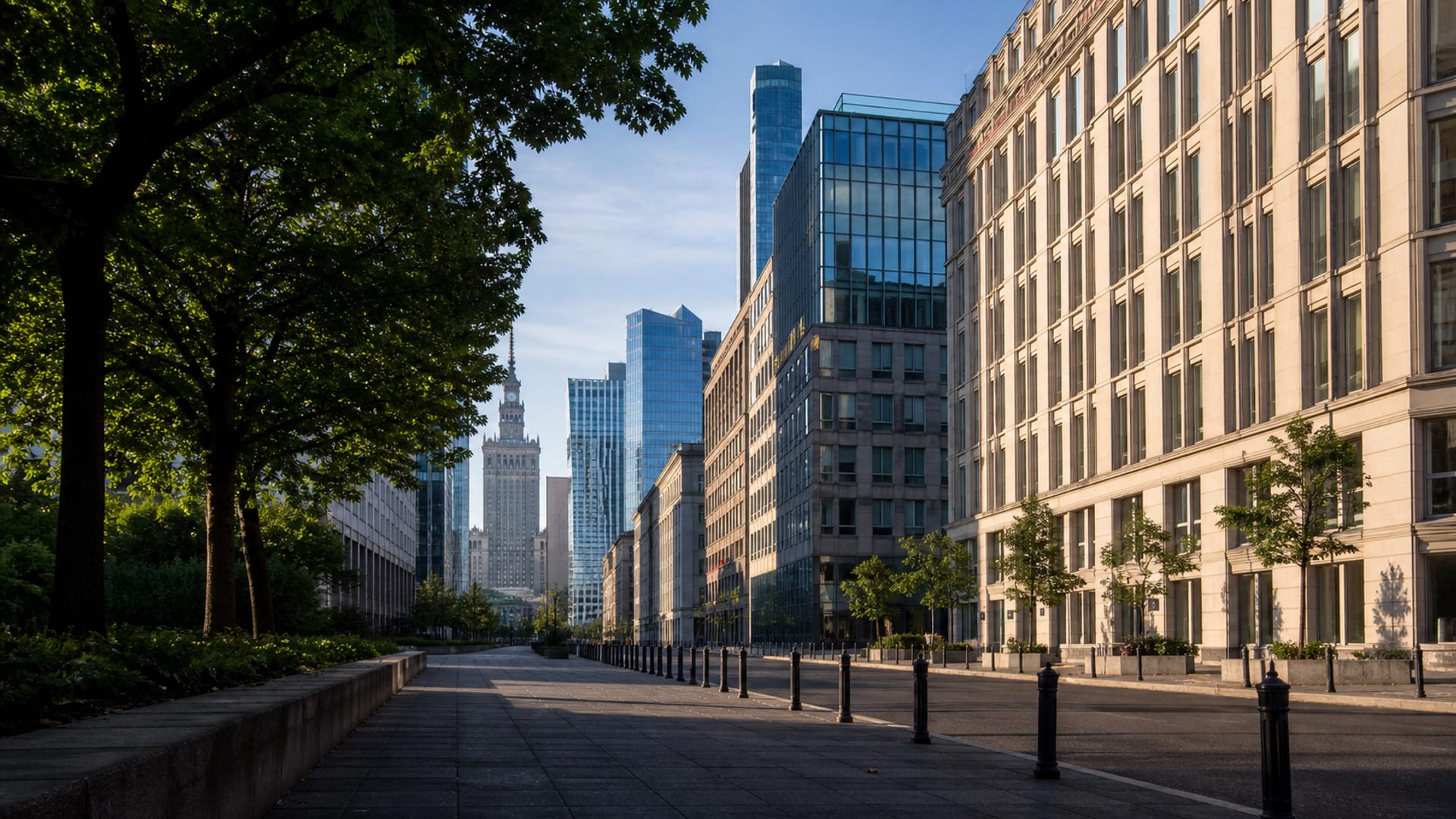
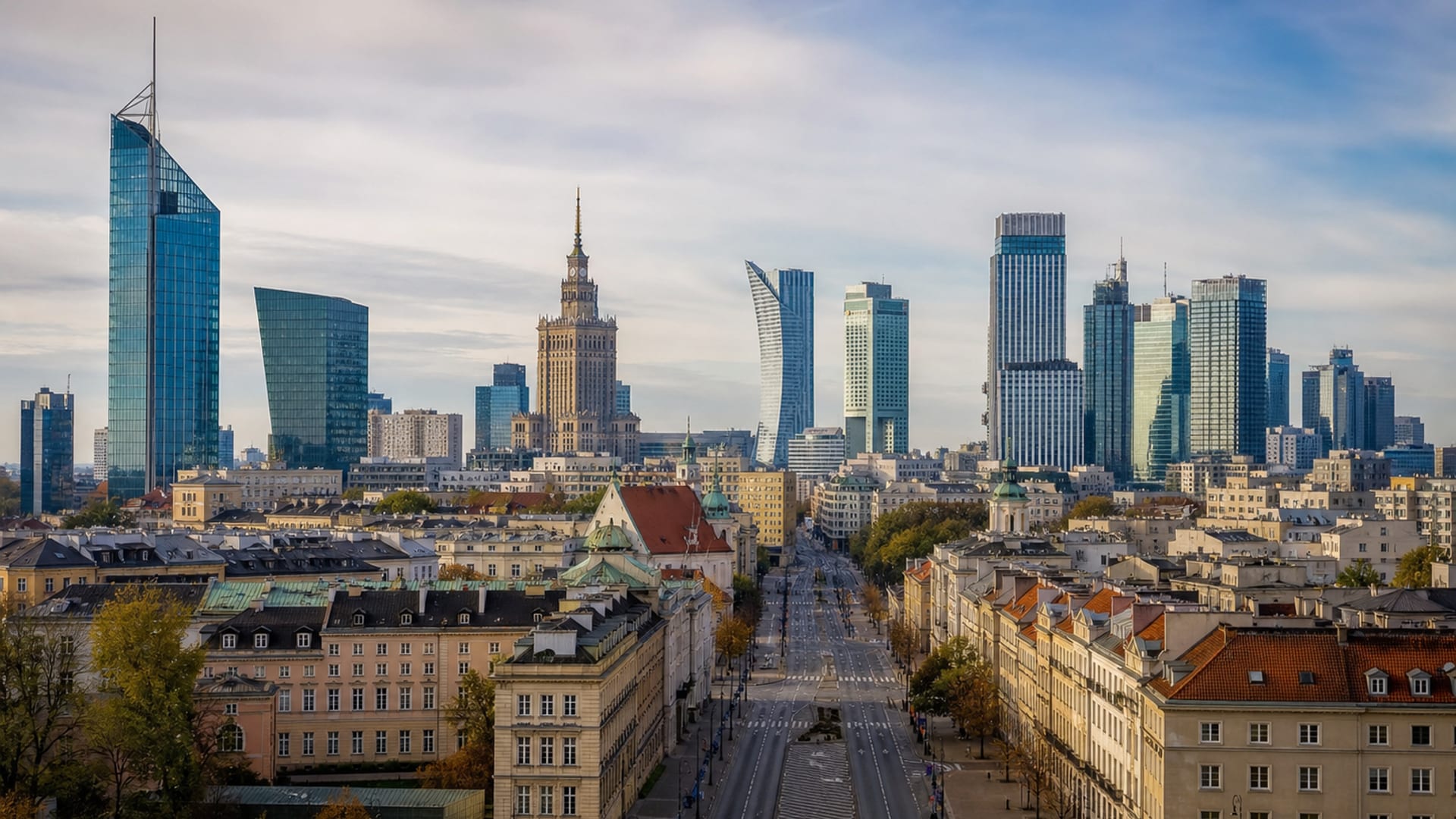
Warsaw’s central district wraps the Palace of Culture, the main railway station, and the densest mix of museums, restaurants, and business hotels. It puts most first-stop sights within a short ride, with the most convenience near the Old Town, Nowy Świat, and the riverside.
Best for: First-time visits, short stays, and travelers who want the easiest access to museums, restaurants, and transit
What to expect: Busy sidewalks by day, late diners and traffic on the main avenues, and plenty of foot traffic near stations and shopping streets
Hotel prices: Usually about 350 zł to 700 zł (~$90 to ~180) per night for well-rated stays
Distance to major sights: 10 to 20 minutes by transit to the Old Town, about 15 minutes on foot to the Palace of Culture and Science
Quietness: Noisy near the main roads and station area during the day, then calmer on side streets after dinner
Main trade-off: Central addresses cost more, and the busiest blocks can feel crowded, especially near Warszawa Centralna and major intersections
Good to know: Choose a side street if you want to sleep better, since rooms facing Aleje Jerozolimskie and Marszałkowska pick up traffic noise
The Old Town gives travelers the most atmospheric setting in Warsaw, with reconstructed streets, Castle Square, cafés, and historic lanes close together. It is a good choice for first-time visitors who want to spend the day walking between landmarks without relying heavily on transit.
Best for: First-time visitors, historic atmosphere, short stays, and travelers who want major sights nearby
What to expect: Rebuilt historic streets, cafés, souvenir shops, museum stops, and the highest visitor traffic during the day
Hotel prices: Popular hotels cost between zł400 and zł850 ($105–$220) per night
Distance to major sights: 5 to 10 minutes on foot to the Royal Castle and Castle Square, 15 to 25 minutes by bus to Łazienki Park
Quietness: Busy during the day, then calmer late in the evening once tour groups leave
Main trade-off: Rooms often cost more for the historic setting, and taxi access can be slower on narrow or pedestrian streets
Good to know: Choose a room away from the busiest squares if you want a quieter evening after dinner.
Żoliborz is a quieter northern district with tree-lined streets, interwar architecture, local cafés, and quick metro links back to the center. It gives repeat visitors and longer-stay travelers a calmer neighborhood setting without placing them too far from central Warsaw.
Best for: Longer stays, quieter evenings, local cafés, and travelers who do not need to stay beside the main station
What to expect: Residential streets, small parks, cafés, and a slower rhythm than Śródmieście
Hotel prices: Typically between zł280 and zł550 ($70–$140) per night
Distance to major sights: About 10 to 15 minutes by metro to Śródmieście, and 20 to 30 minutes by car to the Old Town
Quietness: Generally calm, especially away from main roads and tram corridors
Main trade-off: You will need to use public transport or taxis for most major sightseeing days
Good to know: Staying near a metro station makes the district much more convenient for evenings in the center.
Travelers usually avoid staying in Białołęka, Rembertów, Wesoła, and Ursus, because these districts sit far from Warsaw’s main sights in the center and have fewer visitor-facing amenities. Ochota’s outer stretches can also be less convenient for short stays, since some areas are mainly residential and require more transit time for evening plans.
Hotel deals
How to get around Warsaw efficiently
Warsaw’s transport network works best when you pair central walks with trams, buses, the M1 and M2 Metro lines, and licensed taxis or ride apps for the gaps between districts.

Metro
for longer distances
Warsaw has two Metro lines, M1 and M2, and neither reaches Warsaw Chopin Airport (WAW), so most visitors pair the airport with a train or bus. A single-ride ticket costs about $1.00 to $1.20 (about 4.40 zł to 5.00 zł) and is usually valid for 20 minutes, with longer timed tickets available if you need to switch trains.

Bus and tram
for convenience
Trams and buses cover most of Warsaw, with frequent links to the center, the Old Town, and districts beyond the Metro. From Warsaw Chopin Airport (WAW), buses such as 175 and 188 connect into the city in roughly 25 to 40 minutes, depending on traffic, and night buses fill the gap after hours. Standard tickets cost about $1.00 to $1.20 (about 4.40 zł to 5.00 zł) for 20 minutes, about $1.40 to $1.60 (about 6.00 zł to 7.00 zł) for 75 minutes, and 24-hour tickets cost about $4.50 to $5.00 (about 19 zł to 22 zł).

Taxi
for convenience or late hours
Licensed taxis in Warsaw use metered fares, not fixed citywide airport prices, though a trip from Warsaw Chopin Airport (WAW) to the center typically costs about $10 to $18 (about 45 zł to 80 zł), more if you travel late at night or into heavier traffic. Use the official taxi rank or an app-based licensed car, and pay with cash or card, since most legal taxis accept both.
*Prices are based on rates updated as of June 2026 and may change at the time of travel.
Walk in the center, use trams and buses for most cross-town moves, take the Metro for fast central links, and choose taxis or Bolt and Uber when you need a direct ride, late-evening return, or airport transfer.
Iconic landmarks
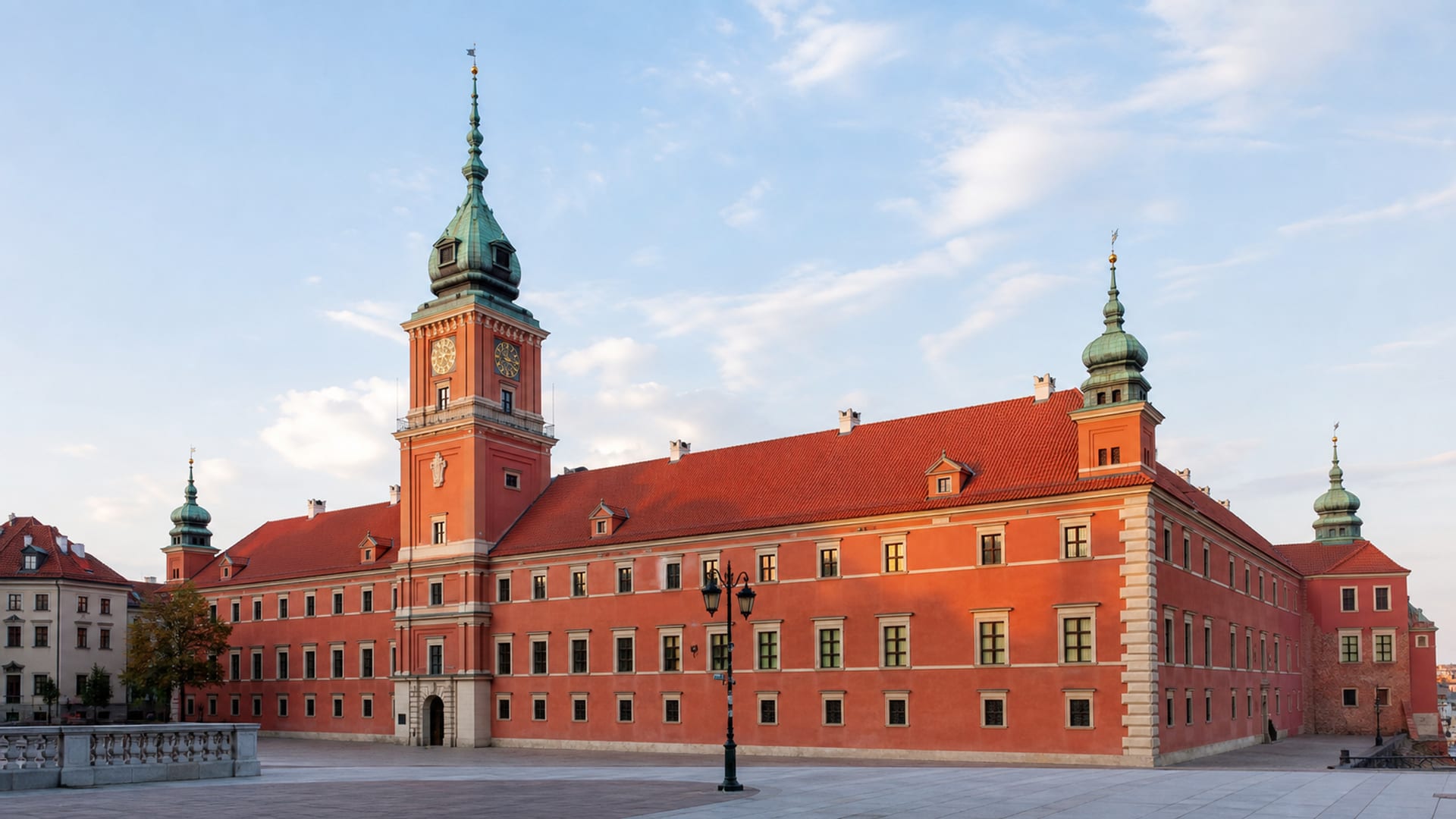
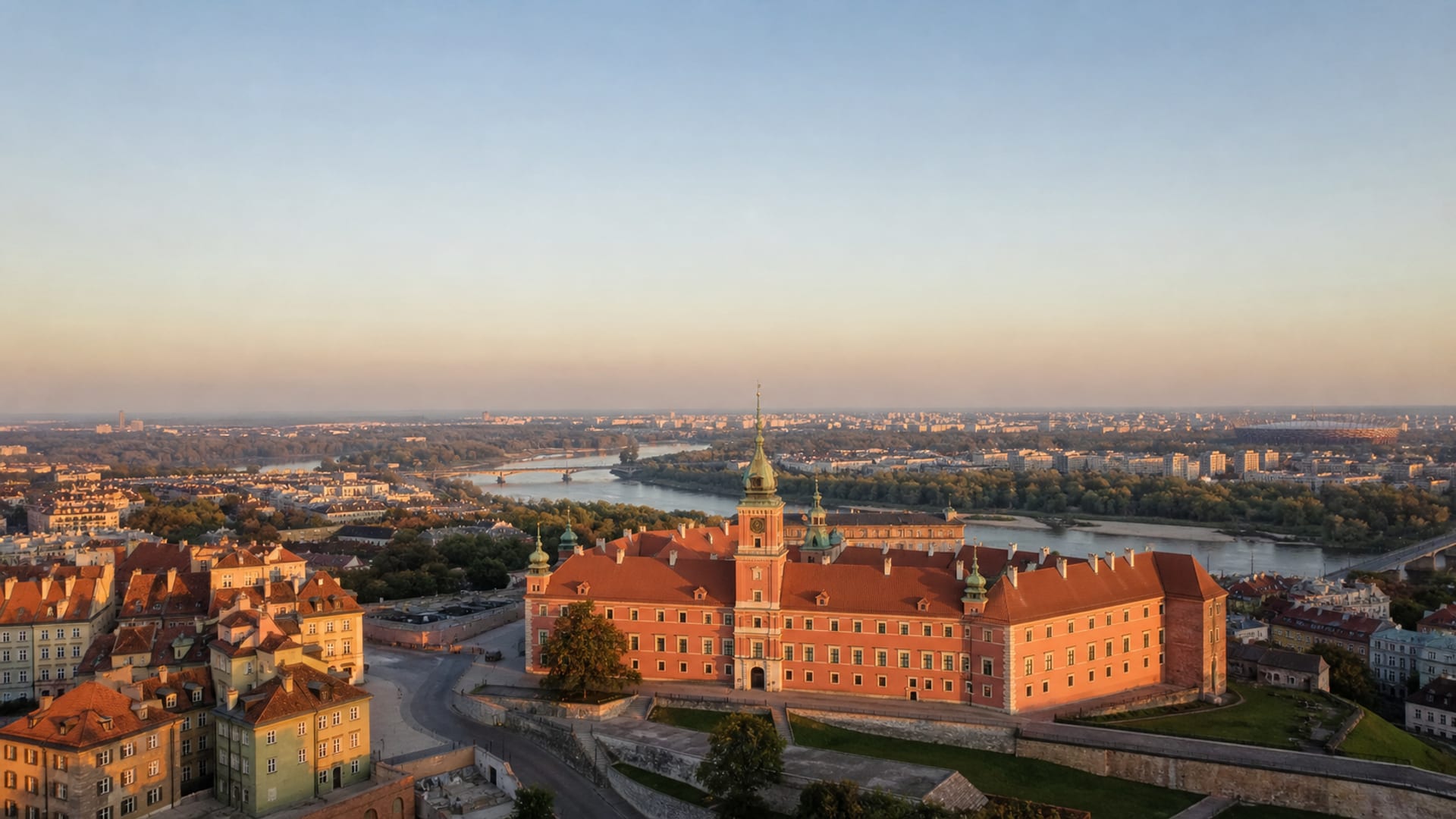
Royal Castle
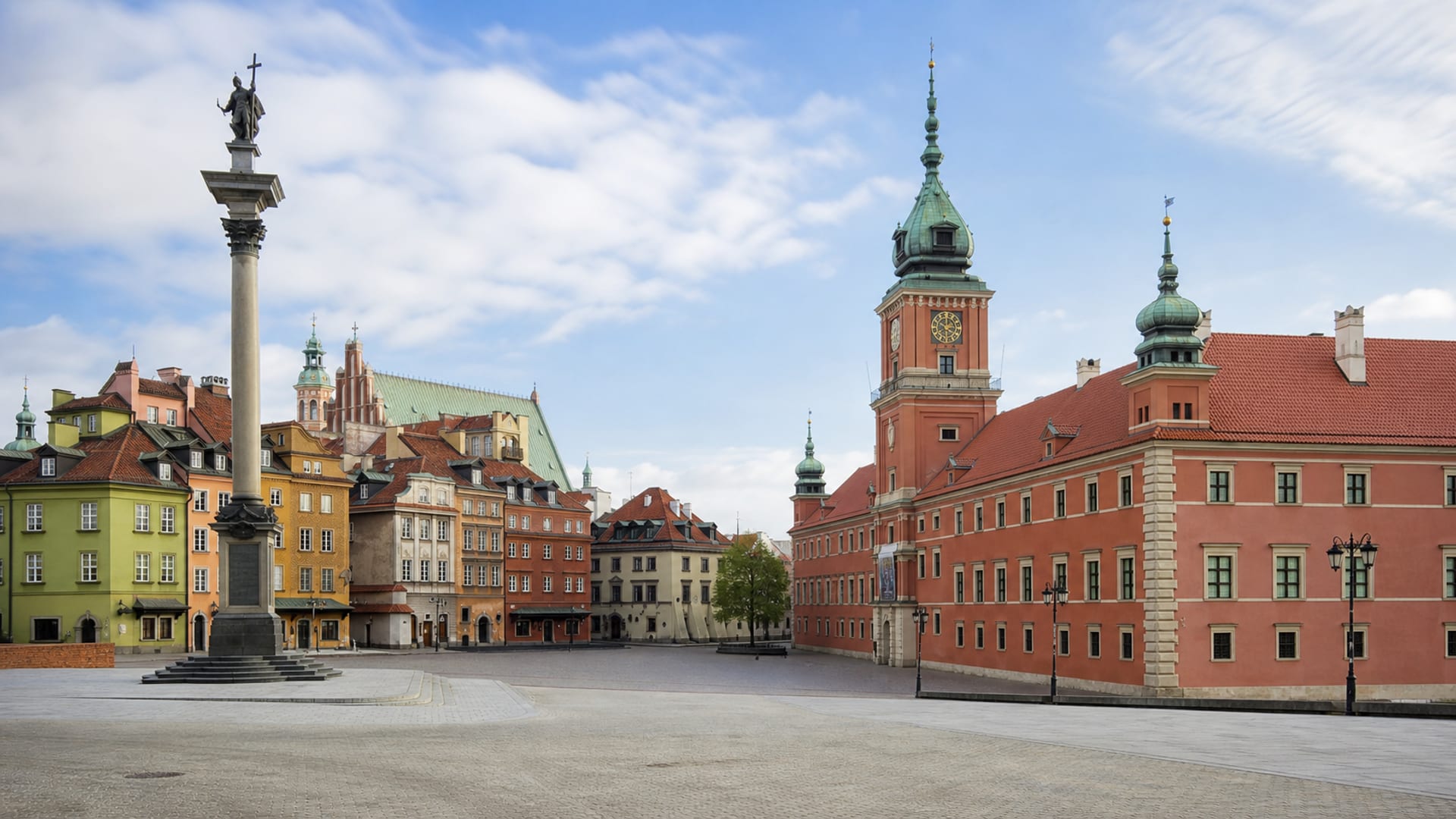
Rebuilt after World War II, the Royal Castle anchors Warsaw’s Old Town Square with state apartments, royal portraits, and historic interiors. Its collection shows how the city restored a destroyed landmark with meticulous archival work.
Time needed: About 2 hours
Entry: Standard tickets cost $14 to $17 (about 60 to 74 zł), depending on the route and temporary exhibitions Visit the official site for details.
Tip: Arrive early on weekdays, then continue into Castle Square before the tour groups build.
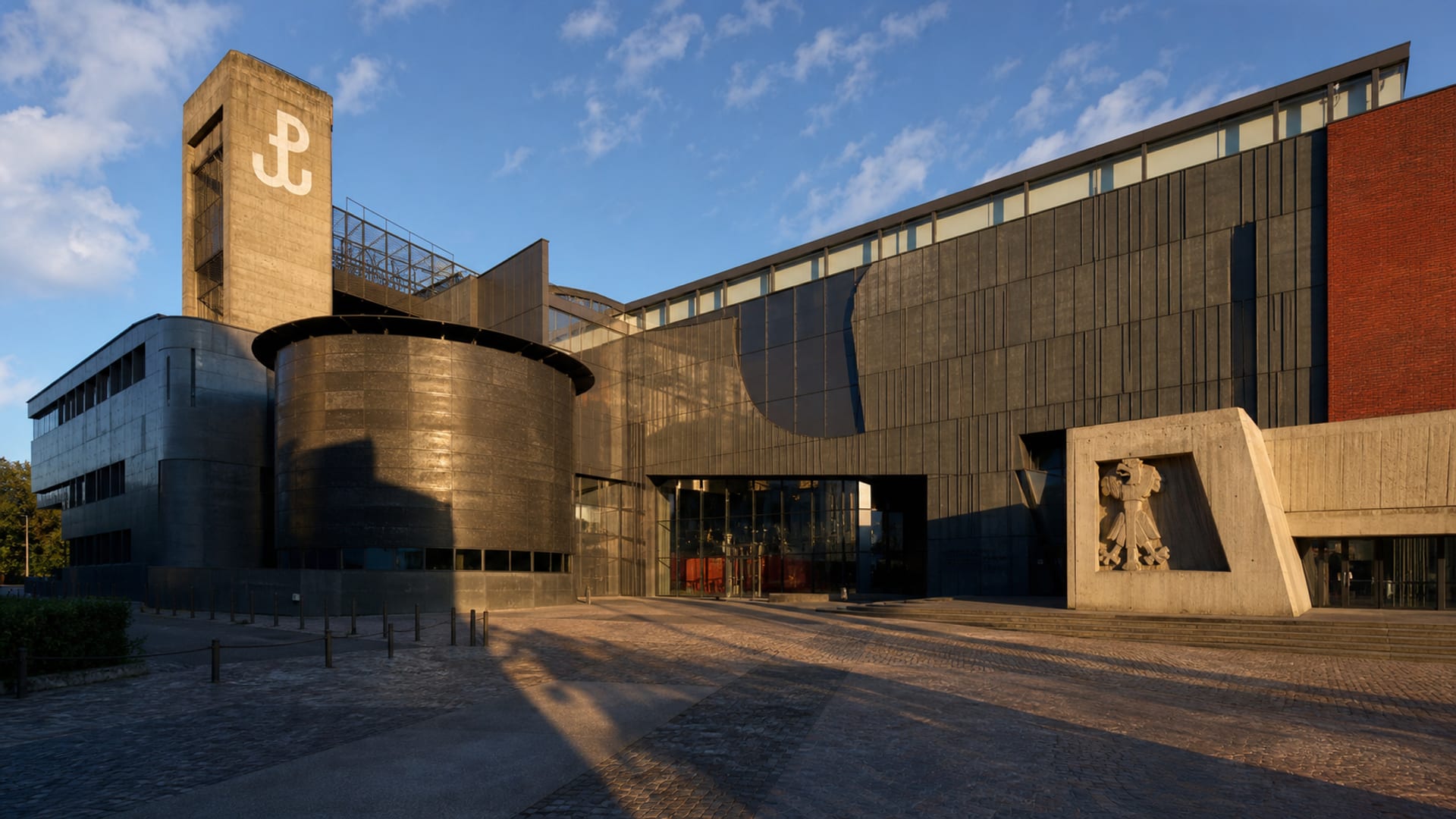
Warsaw Uprising Museum
This museum traces the 1944 uprising through films, artifacts, and a recreated sewerscape. The exhibits give clear context for the city’s wartime destruction and the scale of civilian resistance in one focused visit.
Time needed: About 2 to 3 hours
Entry: Standard tickets cost $9 to $12 (about 40 to 50 zł), with reduced admission for eligible visitors and free entry on selected days Visit the official site for details.
Tip: Go in the morning, when the galleries are quieter and the sound installations are easier to follow.
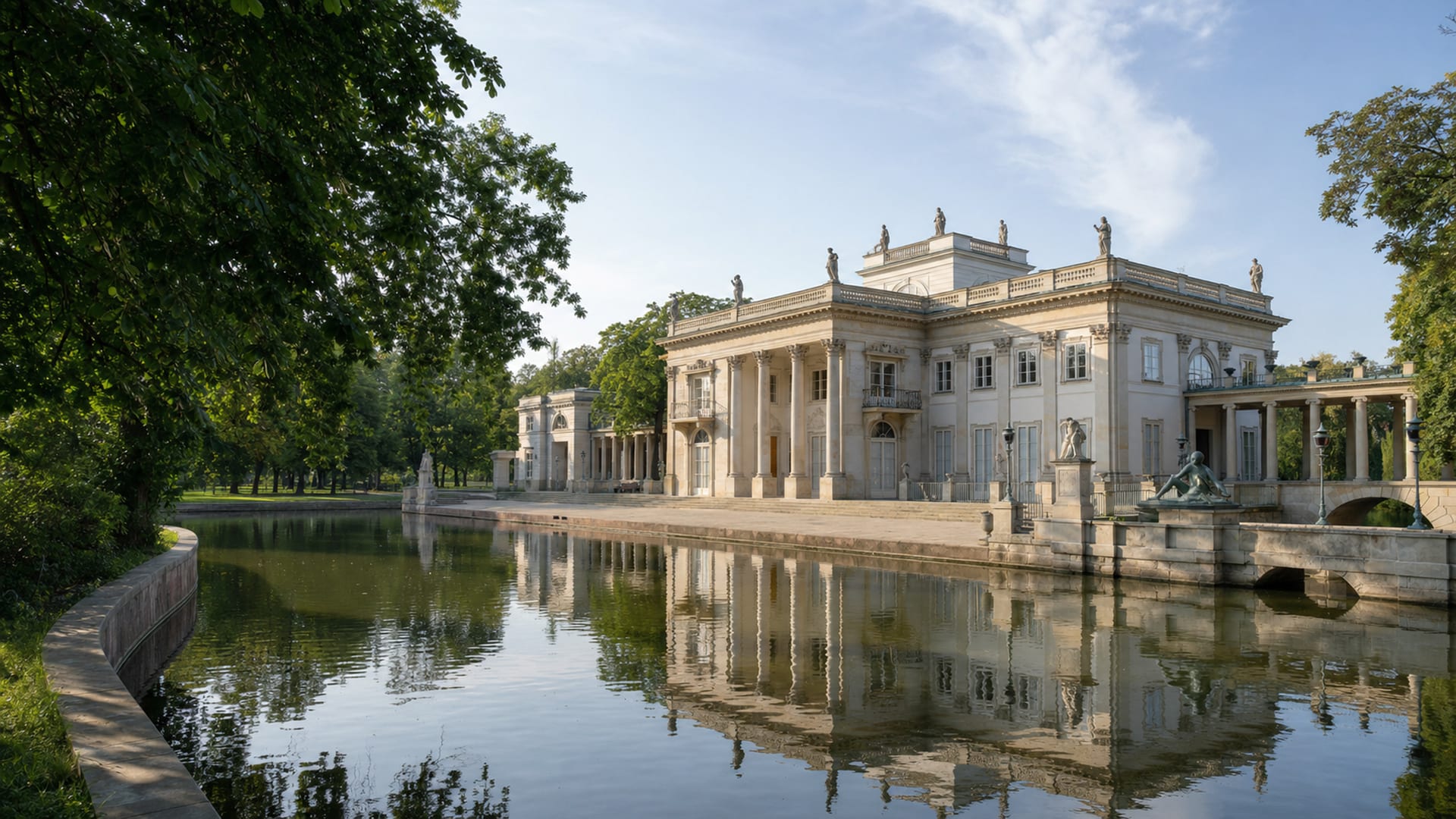
Łazienki Park
Warsaw’s largest park combines palaces, lakes, classical bridges, and the Chopin Monument in one landscaped ensemble. Summer concerts near the monument and peacocks on the grounds make it one of the city’s most layered open-air stops.
Time needed: About 2 to 3 hours
Entry: Free to access; some pavilions and museum interiors charge separate admission, typically $4 to $9 (about 16 to 38 zł).
Tip: Visit late afternoon for softer light on the lake and fewer visitors along the main paths.
Overlooked sites worth visiting

Fort Sokolnickiego
A brick 19th-century fort in Żoliborz, now used for small exhibitions and events. The moat, earthworks, and tree cover make it an easy place for a slower walk away from central traffic.
Time needed: About 1 to 2 hours
Entry: Entry is free for most visits, though some exhibitions and events may charge a separate fee. Check the current program before you go if you want to see a specific show or concert.
Tip: Visit in late afternoon for softer light on the brick walls.

Keret House
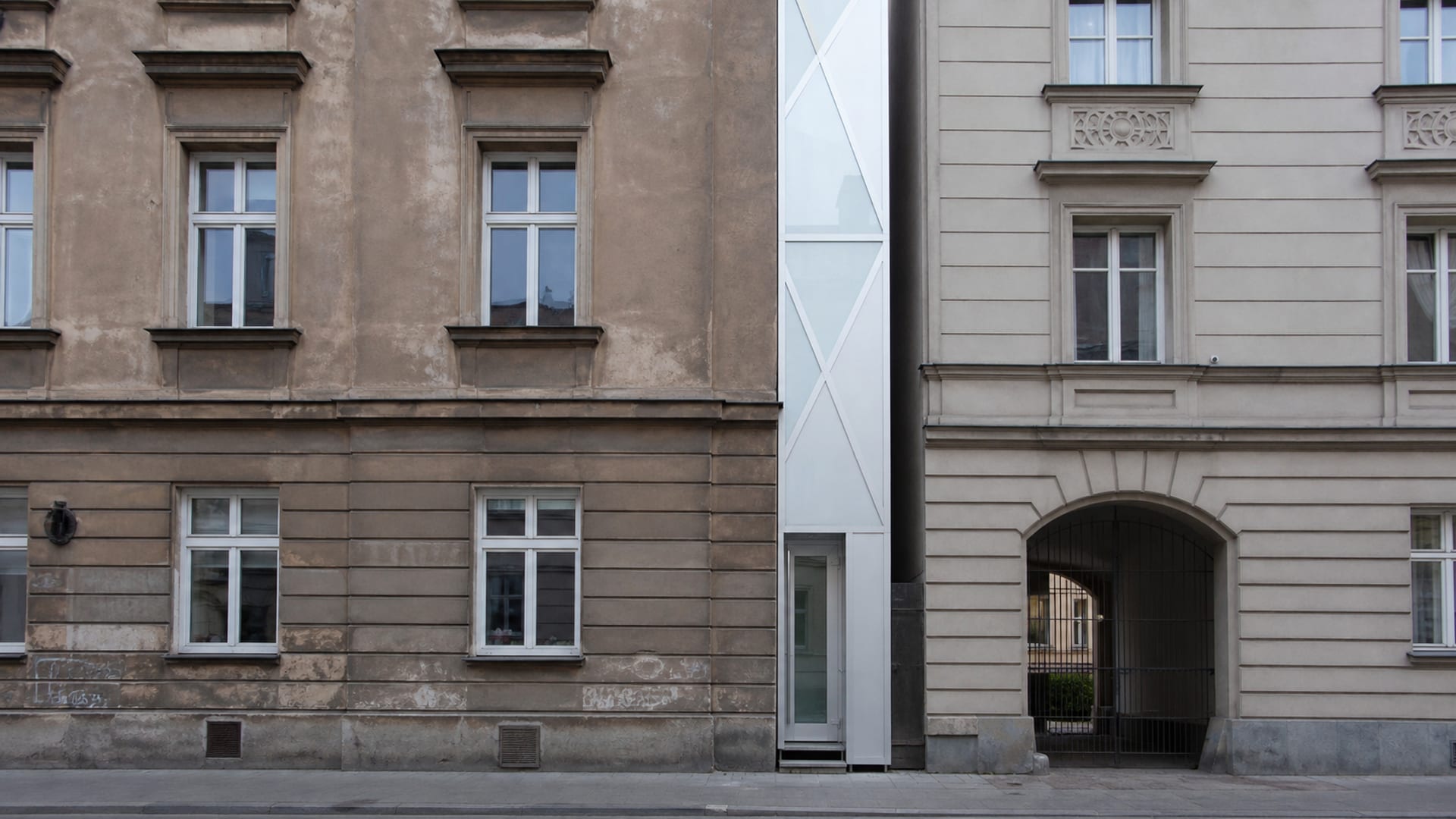
This ultra-narrow installation sits between two buildings on Chłodna Street and is claimed as one of the world’s slimmest homes. Visits are limited, so the stop works best as a quick architectural detour.
Time needed: About 30 to 45 minutes
Entry: Access is typically by guided visit or scheduled opening, with prices varying by program. Expect small-group entry rather than open walk-in access, and check the current listing for dates and ticket details Visit the official site for details.
Tip: Check current visiting slots before going, since access is limited.
Traditional food
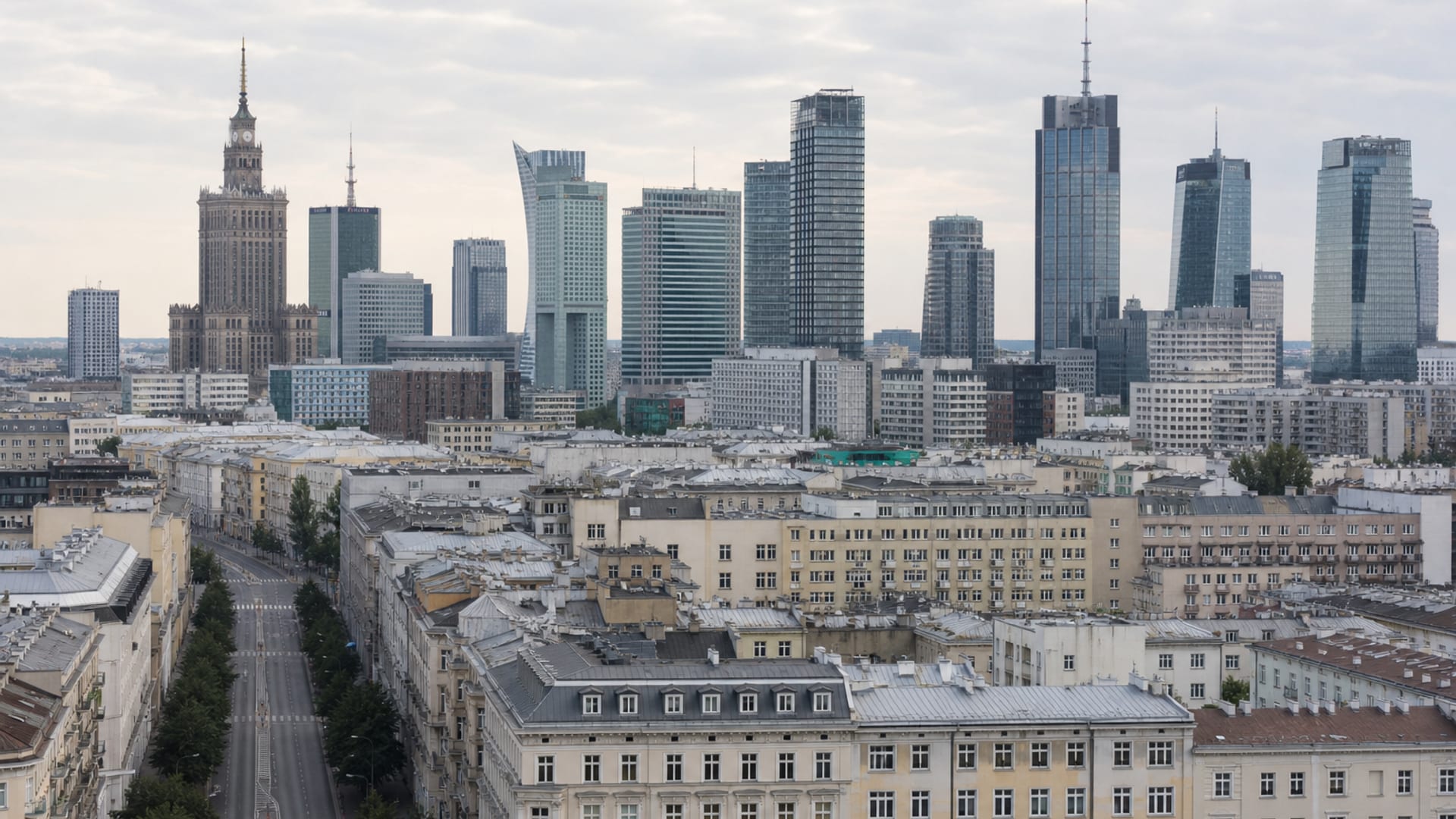
Warsaw’s table leans on potatoes, cabbage, sour soups, dumplings, and pork cutlets, with pierogi, żurek, bigos, and kotlet schabowy anchoring everyday meals. Diners usually mix casual bars with classic Polish restaurants.
Pierogi
These dumplings come stuffed with potato and cheese, meat, cabbage and mushrooms, or seasonal fillings. Zapiecek serves a dependable Warsaw version in a setting built around traditional Polish cooking.
Żurek
This sour rye soup often arrives with sausage, egg, and herbs, making it a good first taste of Warsaw comfort food. Traditional soup bars such as Bar Mleczny Prasowy keep it in the local rotation.
Bigos
Bigos combines stewed cabbage, meat, and spices into a dense, slow-cooked dish that appears on many Polish menus. U Fukiera in the Old Town is a well-known place to order it in a classic setting.
Kotlet schabowy
This breaded pork cutlet is one of the clearest markers of an everyday Polish lunch. Restauracja Róża Wiatrów has long served a version that fits comfortably into a traditional Warsaw meal.
Best time to visit Warsaw
Warsaw shifts clearly by season, with bright park days in late spring and summer, cooler museum weather in autumn, and shorter, quieter days in winter.
Best for: Park walks, terrace lunches, and first outdoor concerts
What you get: About 45°F to 68°F (7°C to 20°C), with moderate crowds before summer school breaks
Trade-offs: Rain can interrupt longer walks
Best for: Łazienki Park, riverfront time, and long daylight hours
What you get: About 58°F to 79°F (14°C to 26°C), with the heaviest visitor traffic in the center
Trade-offs: Popular sights and outdoor tables fill quickly
Best for: Museum days, café stops, and clear city views
What you get: About 39°F to 64°F (4°C to 18°C), with fewer crowds after the summer peak
Trade-offs: Days shorten quickly by late October
Best for: Indoor sights, festive lights, and slower sightseeing
What you get: About 25°F to 38°F (-4°C to 3°C), with light crowds outside holiday periods
Trade-offs: Cold wind and short daylight limit long walking days
A realistic 5-day plan in Warsaw
A five-day stay in Warsaw works best when each day has one main cluster, not three or four scattered stops. That lets you move from the center to the Old Town, then into parks, neighborhoods, and final museum visits without repeating the same cross-town rides.
Land at Warsaw Chopin Airport (WAW) and take a taxi or an app-based ride to Śródmieście, which usually takes about 20 to 30 minutes and costs roughly $10 to $18 (about 40 to 70 zł), depending on traffic and the exact address. If you prefer public transit, the S2 train and a short walk often get you downtown in about 25 to 35 minutes for roughly $1 to $2 (about 4 to 8 zł). Check into a hotel near Nowy Świat or the Palace of Culture, then keep the evening simple with water, a short stroll, and dinner in a nearby bistro rather than a long outing.
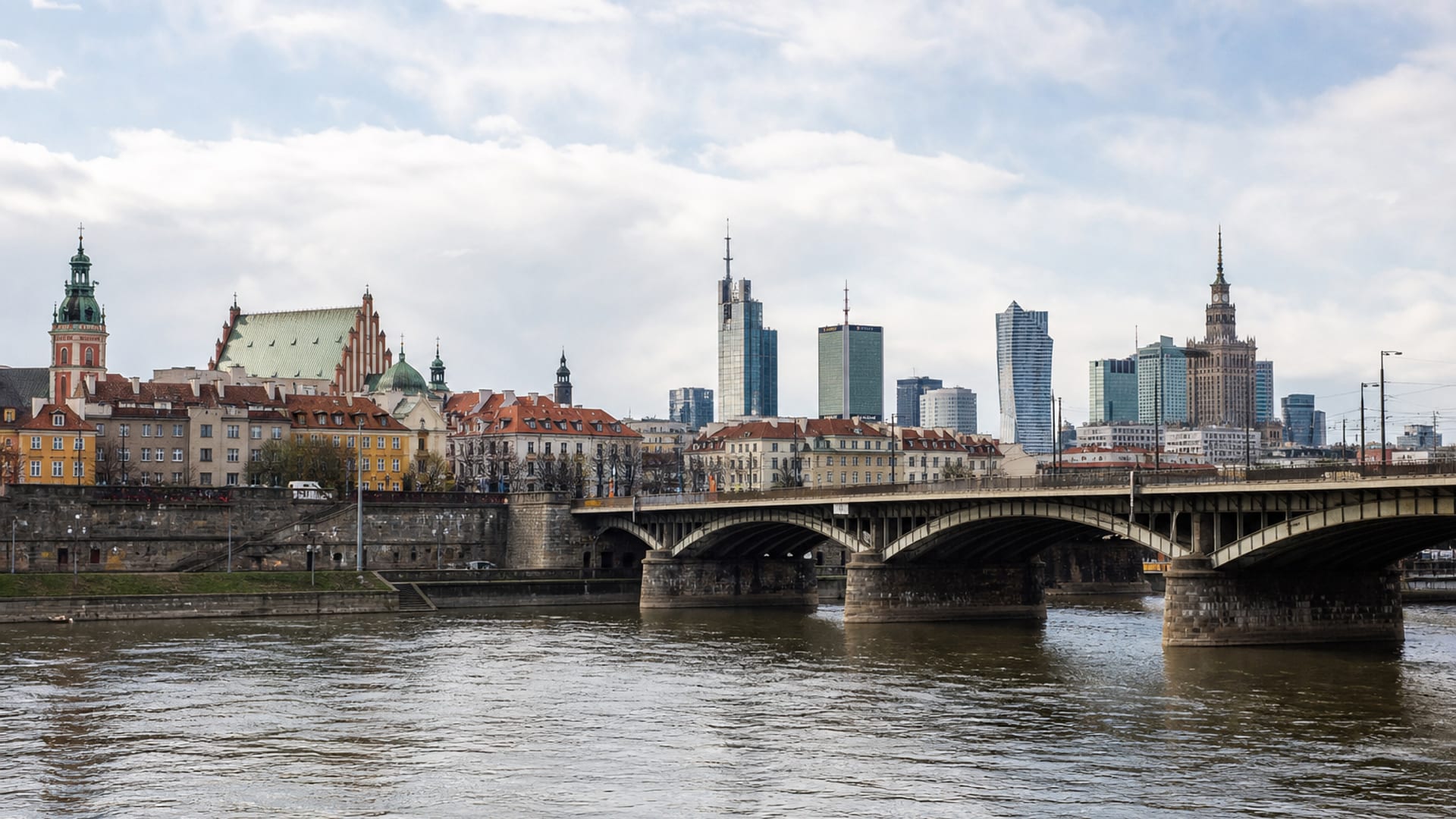
Start with the Royal Castle, ideally early on a weekday, then walk about 5 minutes into Castle Square and continue through the Old Town streets. Plan about 2 hours for the castle, then give yourself 45 to 60 minutes for the surrounding lanes, photo stops, and a coffee break. From there, a taxi or tram ride to the Warsaw Uprising Museum takes about 15 to 20 minutes, and the museum itself usually needs 2 to 3 hours, so a late lunch nearby works well before heading back to Śródmieście for dinner.
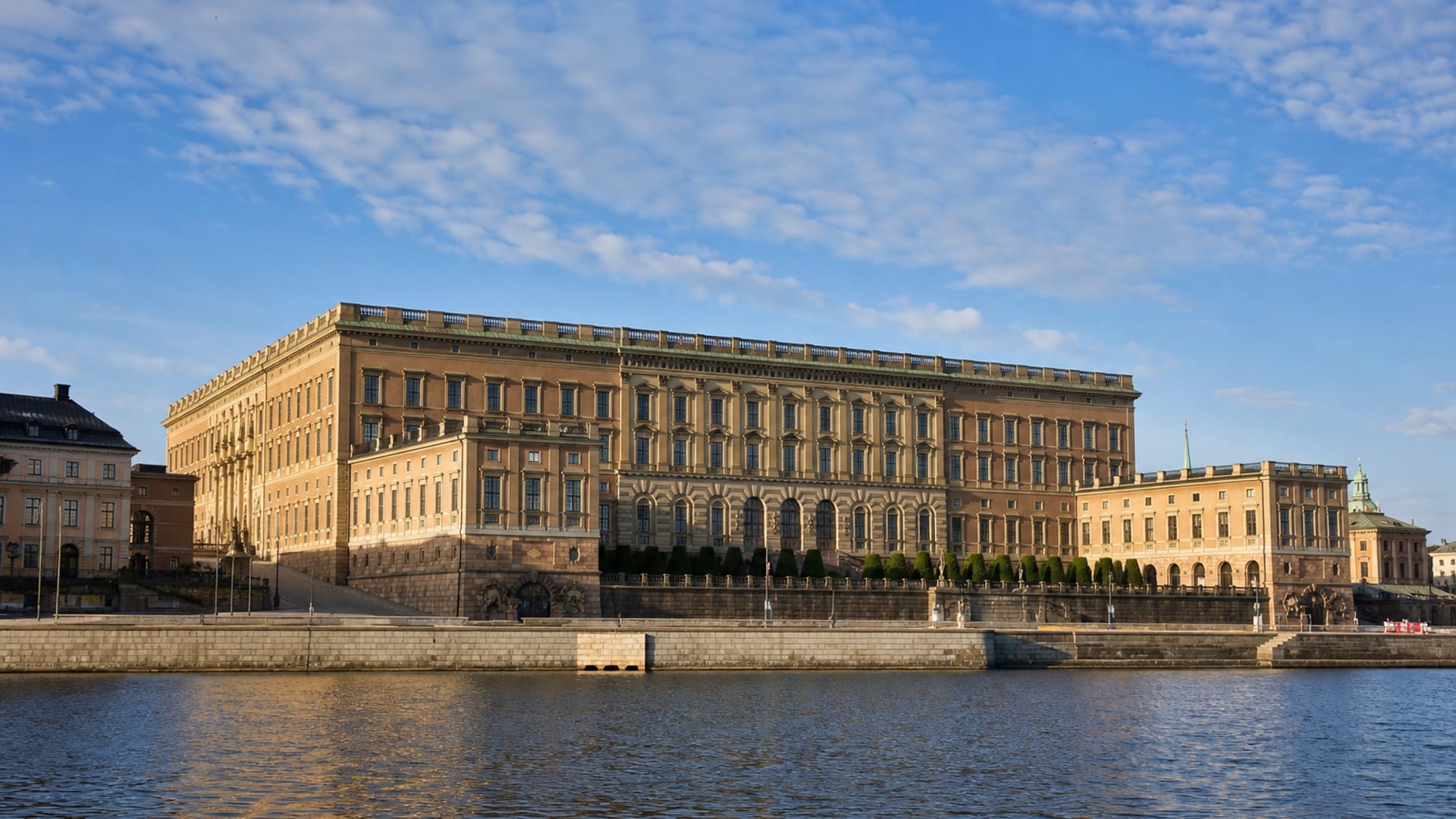
A morning in Łazienki Park sets up a quieter day, and from central Śródmieście the trip takes about 10 to 15 minutes by taxi or roughly 20 to 25 minutes by bus or tram. Spend 2 to 3 hours among the lakes, bridges, and the Chopin Monument, then take a short break nearby before crossing back toward the center for a relaxed lunch. In the afternoon, continue to Fort Sokolnickiego in Żoliborz, about 20 to 30 minutes away by transit, and plan 1 to 2 hours for the brick fort, moat, and tree-lined grounds before returning downtown for dinner.
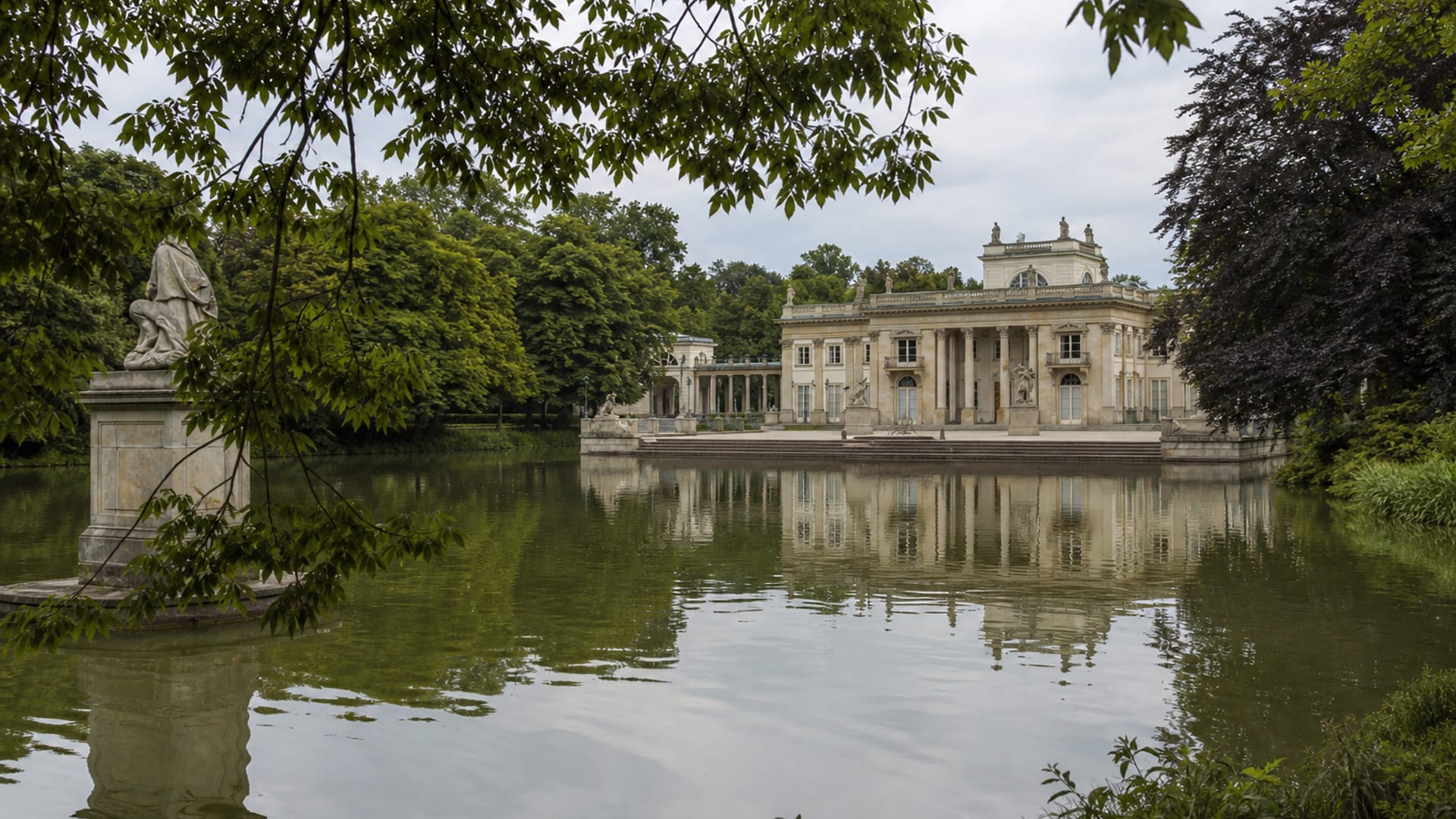
Keret House works best as the day’s first stop, since access is limited and the visit itself only takes about 30 to 45 minutes. From Śródmieście, plan about 10 to 15 minutes by tram or taxi to Chłodna Street, then combine the stop with a neighborhood walk and an early lunch nearby. Afterward, return to the center and spend the rest of the afternoon in cafés or along the main shopping streets, keeping the schedule light enough to avoid rushing between timed entry slots and dinner reservations.
Begin with one final museum visit in the morning, then drift back toward Śródmieście for a late lunch and a last stretch of browsing near Nowy Świat or Marszałkowska. If you want a quieter close, stop for coffee in Żoliborz after a short tram ride, then head back to your hotel to collect bags before going to Warsaw Chopin Airport (WAW). Leave for the airport about 2 to 2.5 hours before an international flight, or about 90 minutes before a domestic departure, since traffic and station crowds can slow the trip.
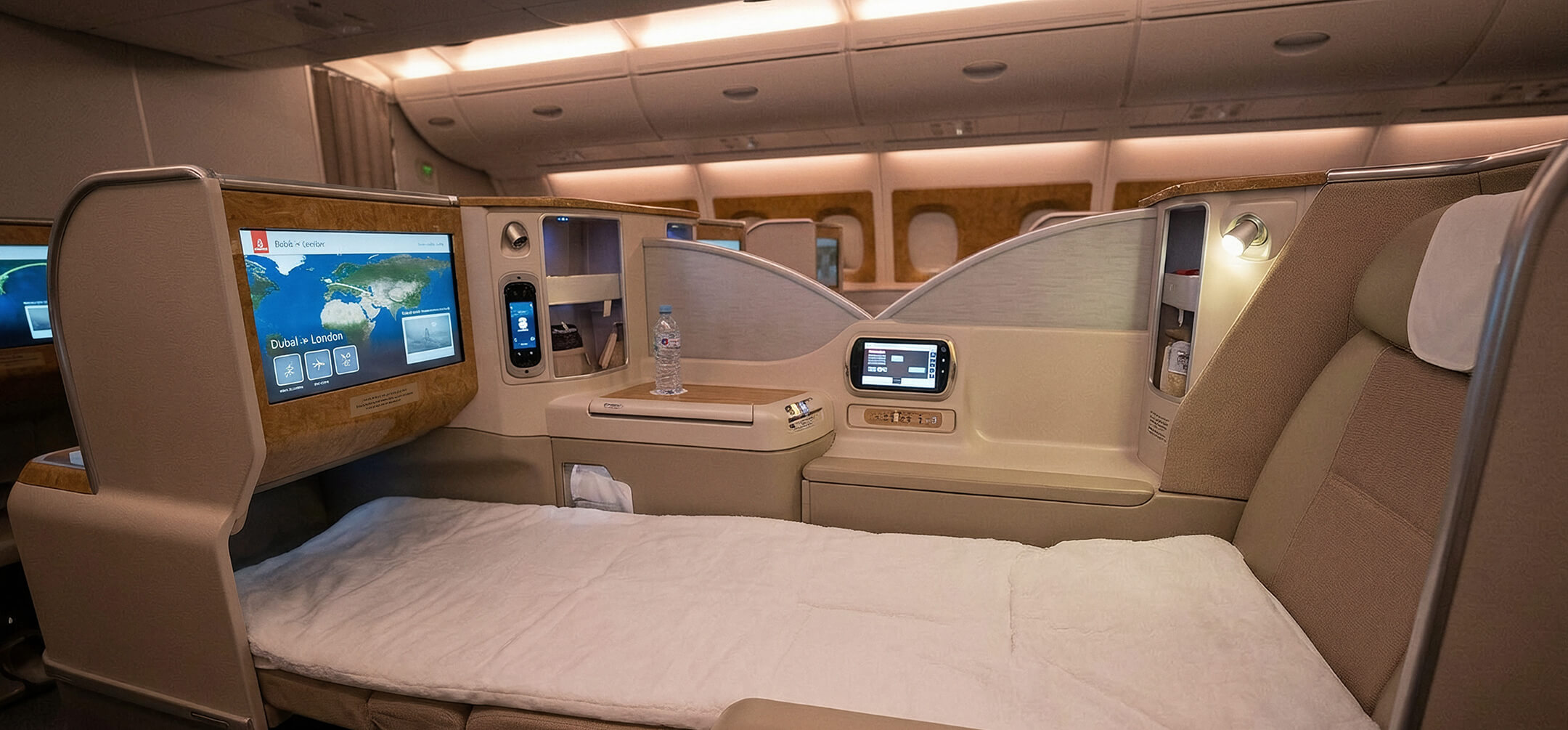
Business-class flights from the US to Warsaw
For long-haul arrivals, Warsaw usually comes through one-stop itineraries rather than a simple nonstop pattern from the US. The route you pick often comes down to which European hub keeps the total trip time and fare in balance.
From New York, LOT Polish Airlines, Lufthansa, Air France, KLM, British Airways, and Turkish Airlines all appear on common itineraries, with total journey times of about 8 to 9 hours when nonstop options are available. If you do route through Europe, the usual layover hubs are FRA, MUC, CDG, AMS, LHR, and IST, and one-stop trips often run about 10 to 15 hours. Business fares from New York to Warsaw usually start at about $2,400 and can reach $6,500.
Los Angeles itineraries often connect through FRA, MUC, CDG, AMS, or IST, and the added time is meaningful, with one-stop trips commonly taking about 13 to 18 hours. LOT Polish Airlines, Lufthansa, Air France, KLM, and Turkish Airlines are the names that come up most often, and business round trips commonly run $3,200 to $7,500; if you do not mind a layover, some itineraries via FRA or IST lower the fare significantly.
Warsaw feels different when you slow down
A deliberate Warsaw trip ties Śródmieście to the Old Town, Łazienki, and Żoliborz with trams, short taxi rides, and the occasional longer museum stop, instead of repeating the same central loop each day. That approach leaves room for pierogi lunch, an evening near Nowy Świat, and a final morning that fits your flight rather than fighting it. If you want help shaping the right route through Warsaw, AranGrant experts can build it around your dates and the season you choose