

Chapters:

Need help with your trip?
Our support team is available 24/7. Request a callback or call us directly at (833) 619-0908
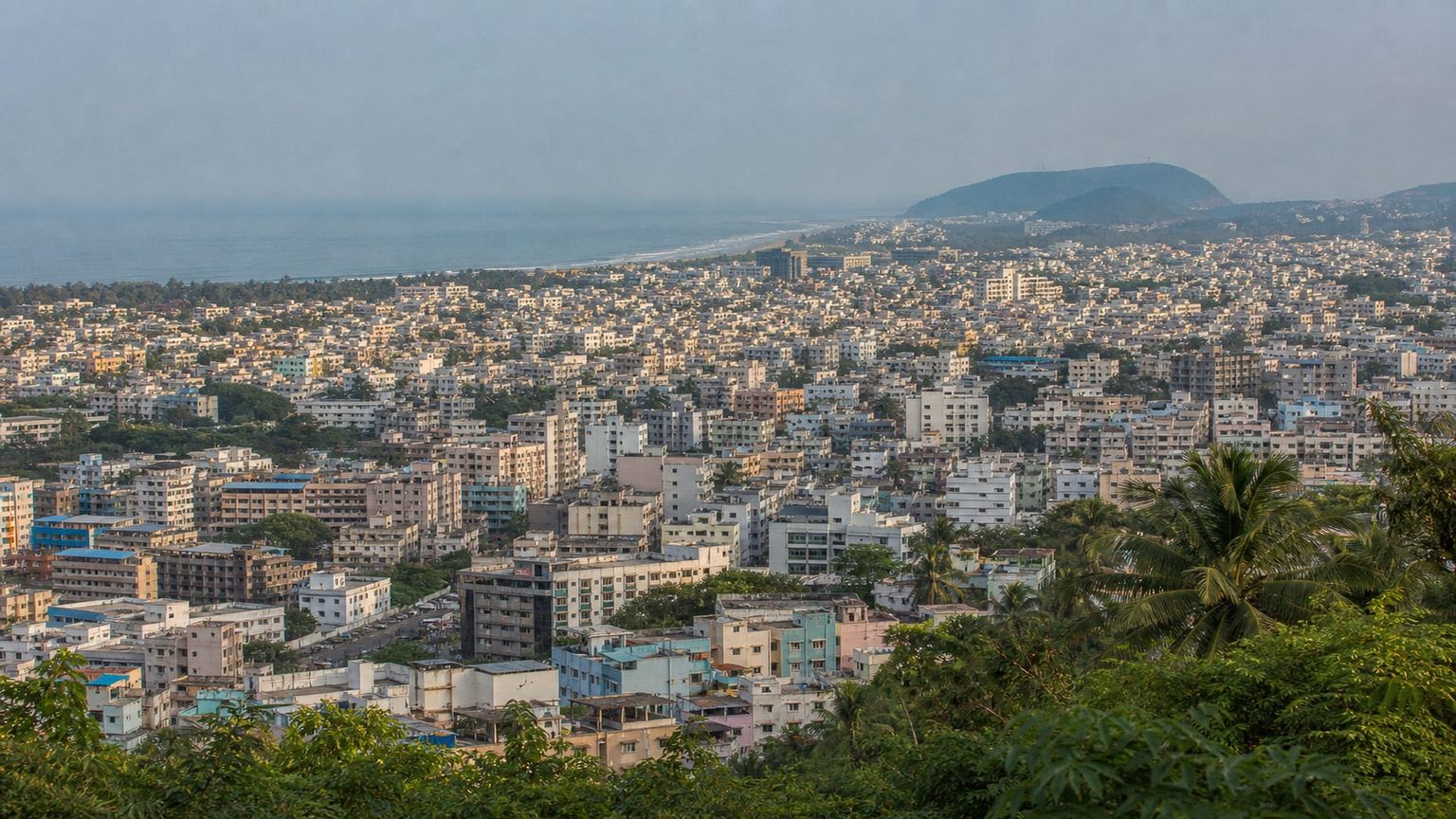
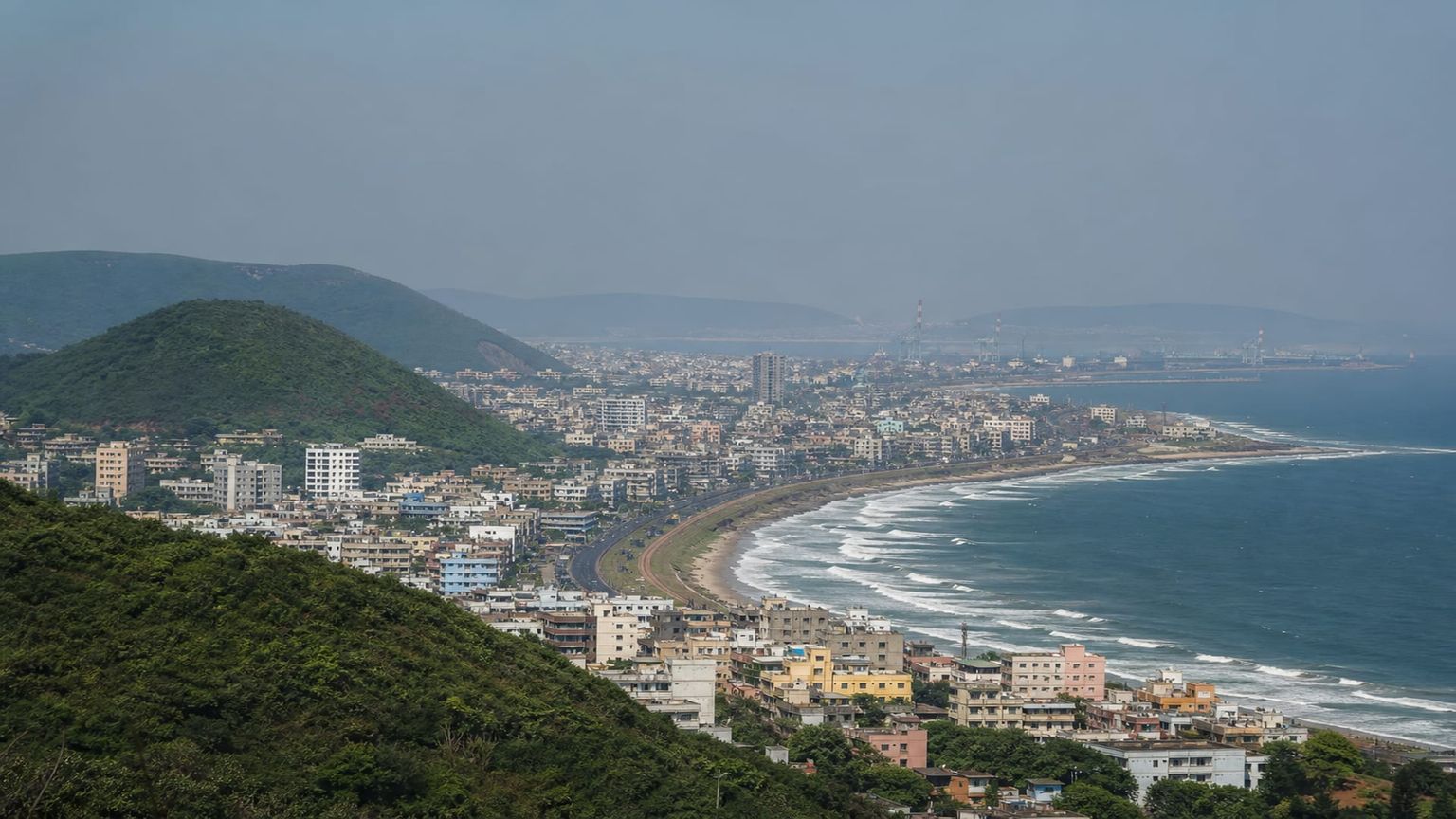
Visakhapatnam stretches along the Bay of Bengal, with RK Beach, Kailasagiri, Simhachalam, and its inland commercial districts spread across a long coastal city. Where you stay has a direct effect on how much time you spend crossing town between the waterfront and inland sights.
Traffic can turn a short-looking route into a longer ride, particularly during commuting hours. Keeping the Beach Road sights together, giving Simhachalam its own morning, and using the central districts for dining and shopping makes the city easier to explore. This guide covers stays, transportation, landmarks, food, seasonal conditions, and a five-day plan.
Useful things to know

Main language(s): Telugu
నమస్కారం (namaskāram) – Hello/good morning
దయచేసి (dayachesi) – Please
ధన్యవాదాలు (dhanyavadalu) – Thank you
మీకు ఇంగ్లీష్ వచ్చా? (mīku English vaccā?) – Do you speak English?
ఇది ఎంత? (idi enta?) – How much does it cost?

Currency: Indian rupee (INR, ₹)

Cash and cards: Cards, UPI, and contactless payments are common at larger hotels, restaurants, and shops. Carry ₹1,000 to ₹2,000 ($10 to $21) for auto-rickshaws, smaller cafes, markets, and cash-only purchases.

Tipping: Tipping is optional. Leave 5% to 10% at higher-end restaurants when service is good and a service charge has not already been included.

Traditional food: Pesarattu, Andhra biryani, royyala vepudu, Madugula halwa

Water and coffee costs: Bottled water costs ₹20 to ₹40 ($0.20 to $0.40), while an espresso costs ₹120 to ₹220 ($1.25 to $2.30).

Taxis and ride apps: Uber and Ola operate in Visakhapatnam. Visakhapatnam International Airport (VTZ) has designated pickup points for Uber, Ola, and Rapido.

Plug and voltage: Type C, D, and M sockets, 230V, 50Hz

Dining and shop opening hours: Breakfast commonly starts at 8:00 am, lunch at 1:00 pm, and dinner at 8:00 pm. Individual restaurants and shops set their own hours.

Emergency number: Call 112 for police, fire, and medical emergencies.
Where to stay in Visakhapatnam
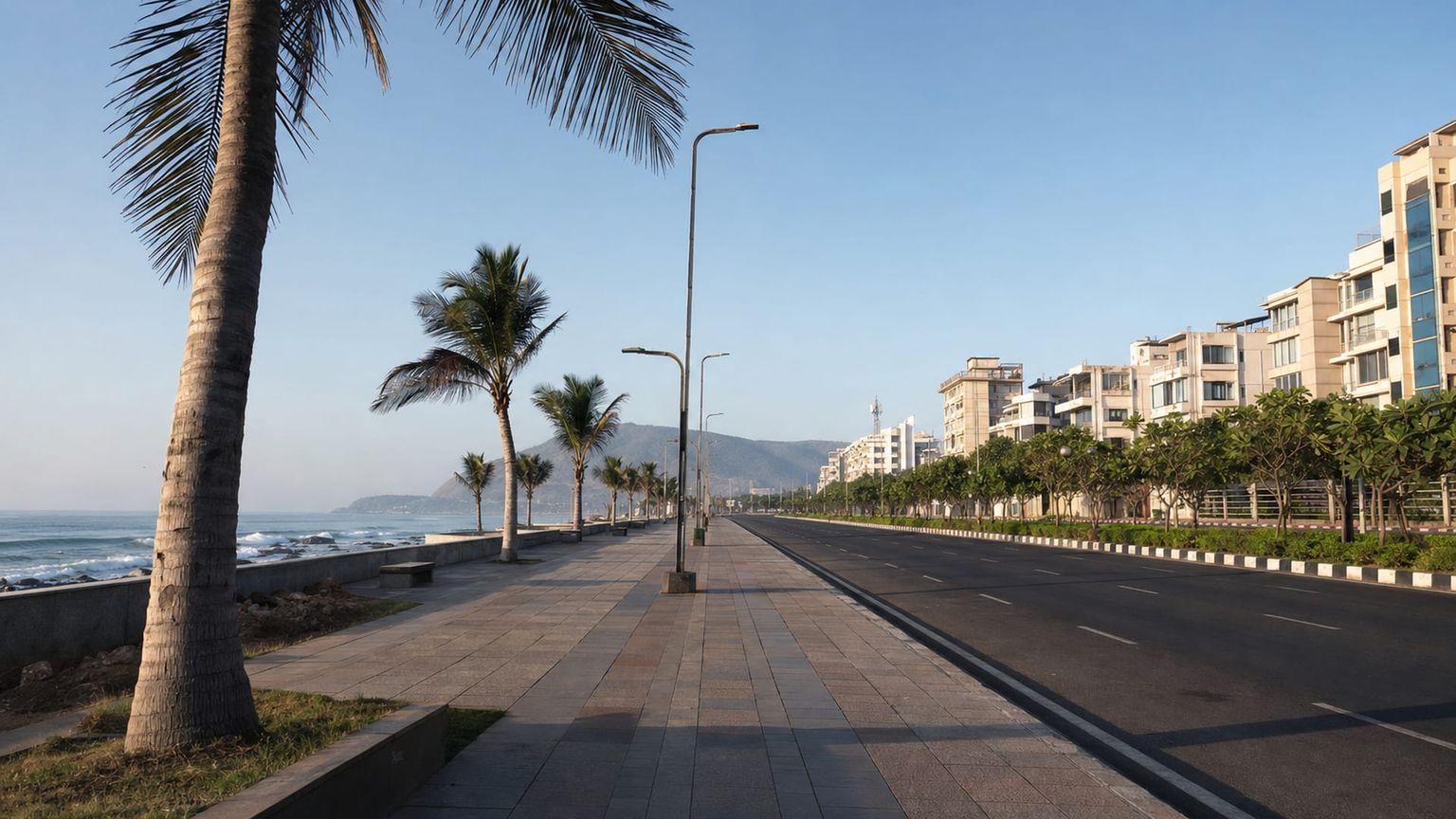
Beach Road holds the promenade, naval museums, cafés, and Bay of Bengal views close together. The area suits first-time visitors and travelers who want evening walks by the water while keeping central neighborhoods within a short cab ride.
Best for: Beach walks, first visits, naval museums, and waterfront views
What to expect: Promenade activity, cafés, snack stalls, steady road traffic, and busy evenings near the shore
Hotel prices: ₹4,300 to ₹13,500 ($45 to $140) per night for well-rated stays
Distance to major sights: 5 to 15 minutes on foot to RK Beach and the nearby naval museums
Quietness: Seafront roads remain active into the evening, while inland-facing rooms are generally calmer.
Main trade-off: Waterfront access comes with more road and pedestrian noise than the inland districts.
Good to know: Choose a higher floor or inland-facing room if you want less noise after sunset.
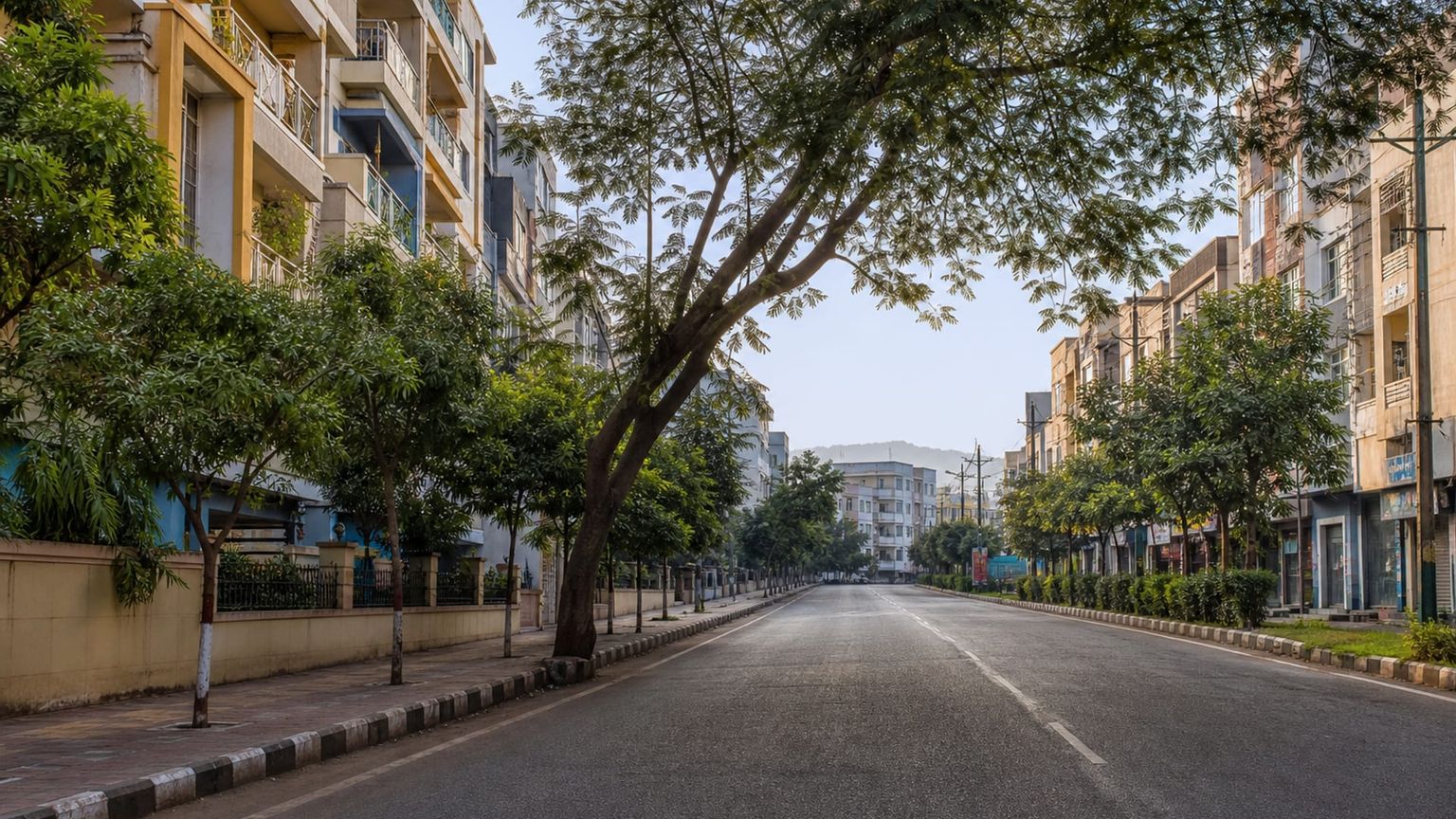
Dwaraka Nagar is one of Visakhapatnam’s principal commercial districts, with shopping streets, restaurants, business hotels, and strong road connections. It suits travelers who expect to move regularly between the waterfront, railway station, and inland parts of the city.
Best for: Shopping, business trips, central road access, and restaurant choice
What to expect: Shops, restaurants, offices, hotels, traffic, and steady activity throughout the day
Hotel prices: ₹2,900 to ₹8,700 ($30 to $90) per night for well-rated stays
Distance to major sights: 15 to 25 minutes by cab to RK Beach, depending on traffic
Quietness: Main roads stay busy into the evening, while smaller side streets become calmer later.
Main trade-off: Reaching the beach requires a cab, and rooms near major junctions can pick up considerable traffic noise.
Good to know: Check the hotel’s exact position because even short trips can take longer during peak traffic.
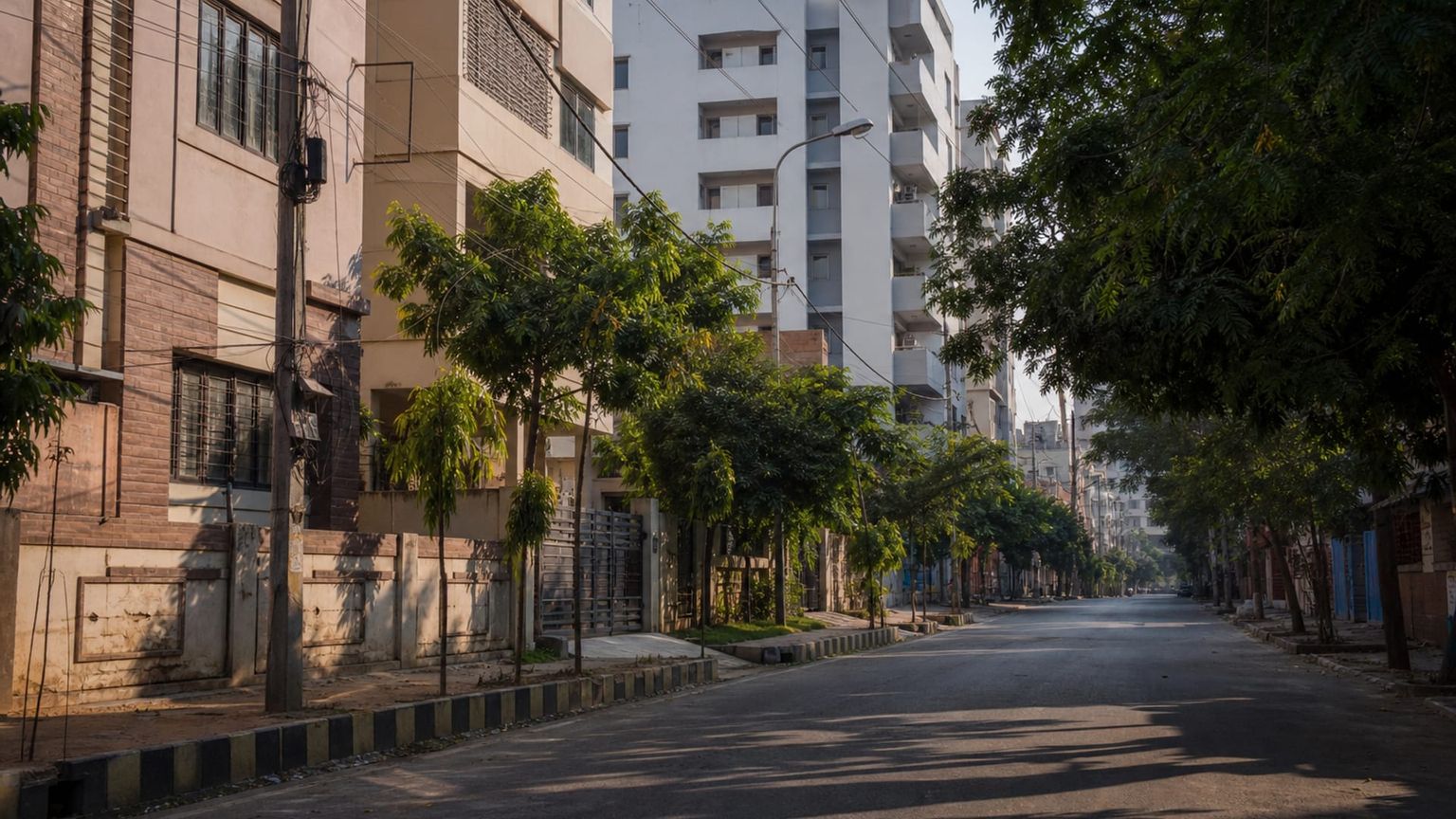
Maddilapalem is a busy residential and commercial district with shops, colleges, bus connections, restaurants, and midrange hotels close to major city roads. It suits longer stays and travelers who want lower hotel prices with reasonable access to both the waterfront and central Visakhapatnam.
Best for: Midrange budgets, longer stays, local services, and travelers using buses or app cabs
What to expect: Busy junctions, local shops, colleges, restaurants, hotels, and less tourist activity than Beach Road
Hotel prices: ₹1,900 to ₹5,800 ($20 to $60) per night for well-rated stays
Distance to major sights: 15 to 25 minutes by cab to RK Beach, depending on traffic
Quietness: Side streets become calmer after dark, while the main roads and junctions remain active.
Main trade-off: Beach Road and most major sightseeing stops still require transportation.
Good to know: Check the hotel’s exact location before booking, as traffic varies considerably between the main junctions and interior streets.
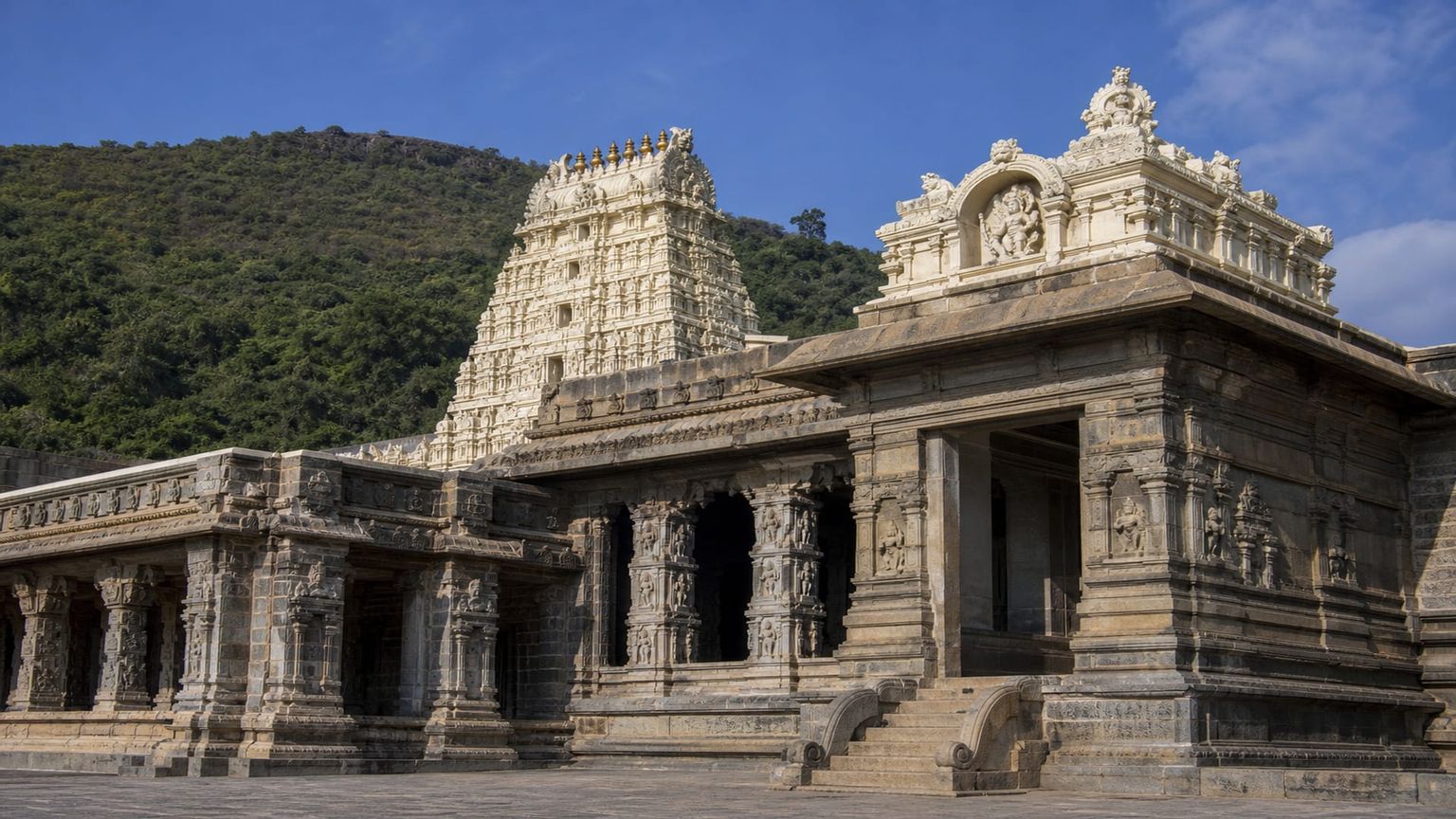
Siripuram is an upscale commercial and residential district between the seafront and inland city, with restaurants, offices, shops, and newer hotels. It suits travelers who want comfortable lodging and plenty of dining nearby without staying directly on the busiest Beach Road stretch.
Best for: Comfortable hotels, restaurants, business travel, and access to both coast and city center
What to expect: Restaurants, offices, shops, newer buildings, and heavier traffic during business hours
Hotel prices: ₹3,850 to ₹11,600 ($40 to $120) per night for well-rated stays
Distance to major sights: 10 to 20 minutes by cab to RK Beach
Quietness: Commercial streets are busy during the day but become noticeably calmer later in the evening.
Main trade-off: You lose immediate beach access, and higher-end hotels can cost more than nearby inland alternatives.
Good to know: Siripuram is particularly convenient if you want several restaurant choices close to your hotel.
Anandapuram, Pendurthi, and Gajuwaka are inconvenient for a short visit, as they are far from Beach Road, Kailasagiri, and central hotel districts. Madhurawada can also add unnecessary travel to Beach Road, Dwaraka Nagar, Maddilapalem, and Siripuram.
Hotel deals
How to get around Visakhapatnam efficiently
Visakhapatnam has no metro, so buses, app-based cabs, and auto-rickshaws handle most visitor trips between the waterfront, central districts, and inland sights.

Metro
for longer distances
APSRTC city buses connect the Dwaraka Bus Station Complex with RK Beach, Kailasagiri, and suburban districts. Adult fares are ₹6 ($0.06) to RK Beach and ₹10 ($0.10) to Kailasagiri; fares vary by route and distance.

Bus and tram
for convenience
Uber and Ola operate throughout Visakhapatnam, with designated pickup points at Visakhapatnam International Airport. Average Uber Go fares are ₹490 ($5) from the airport to Visakhapatnam Urban; live fares change with destination and demand.

Taxi
for convenience or late hours
Auto-rickshaws are useful for short journeys through central Visakhapatnam, particularly between commercial districts and nearby sights. Confirm the fare before departure when the vehicle is not using a meter, or book through an app where available for clearer pricing.
*Prices are based on rates updated as of October 2026 and may change at the time of travel.
Use buses when price takes priority, app cabs for longer point-to-point trips, and auto-rickshaws for shorter journeys through the central districts.
Iconic landmarks
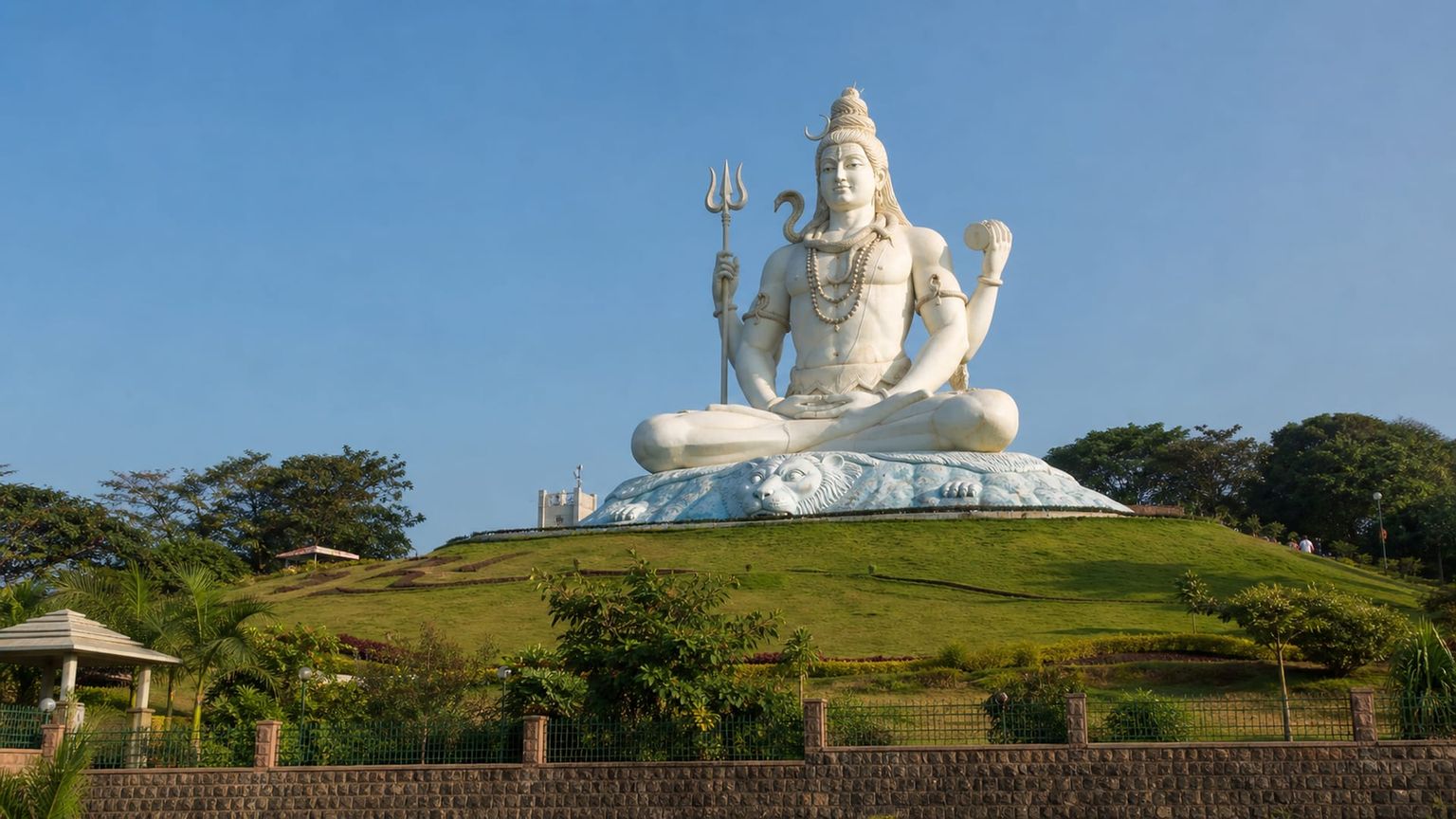
Kailasagiri
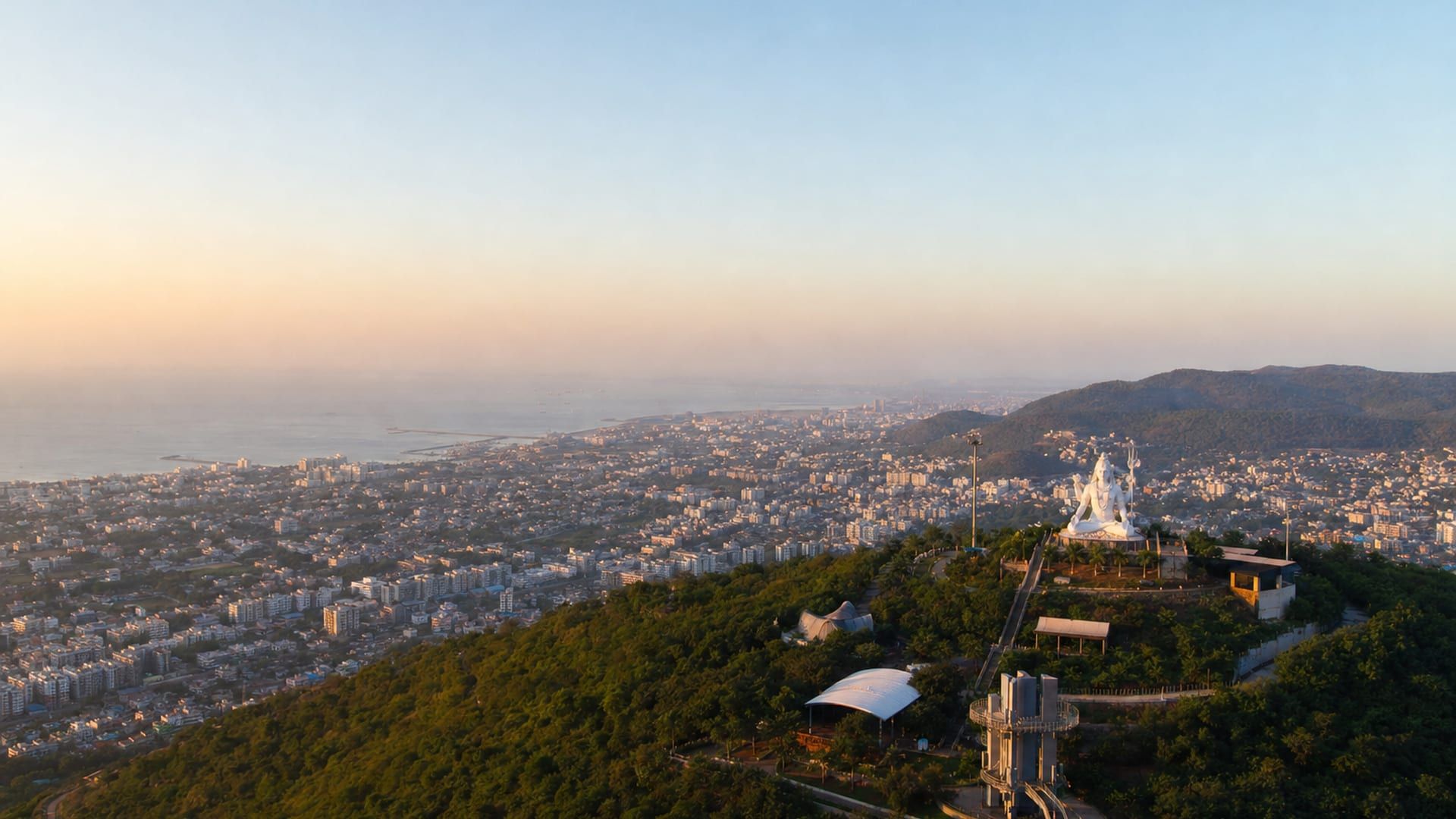
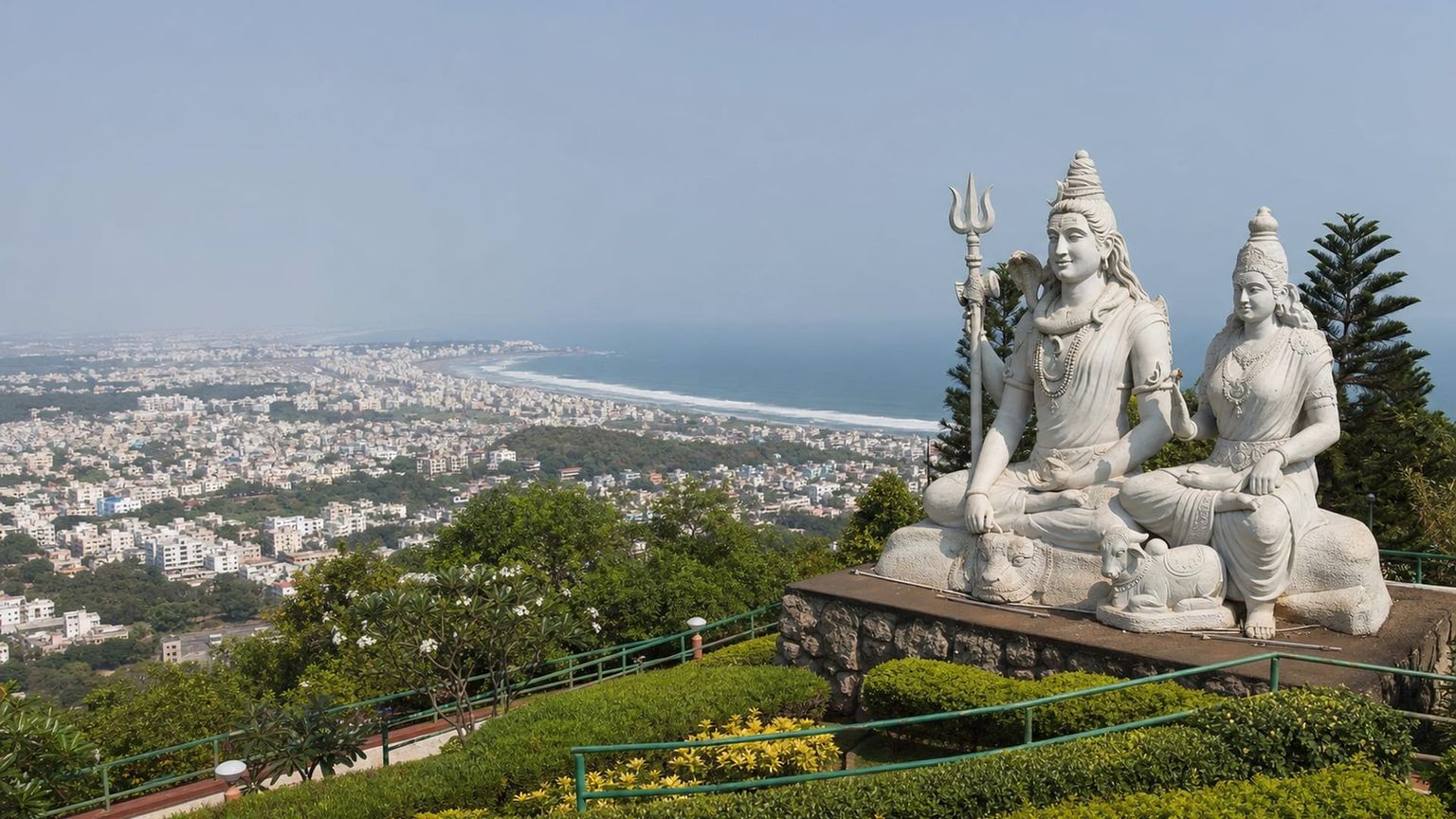
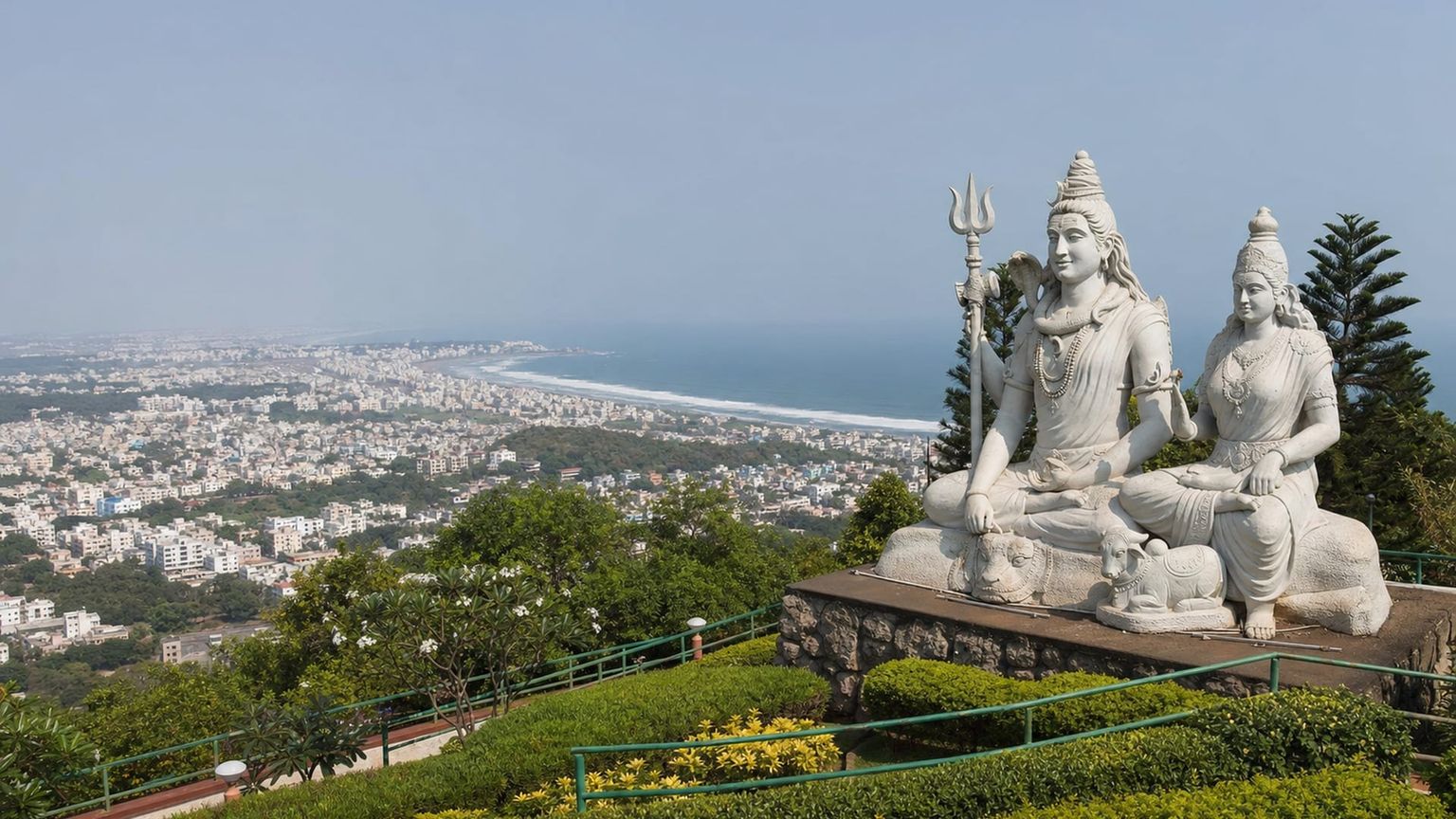
Kailasagiri is a 350-acre hilltop park overlooking the Bay of Bengal, with panoramic coastal views, landscaped grounds, viewpoints, and large Shiva and Parvati statues. A ropeway connects the foothills with the park above.
Time needed: 2 to 3 hours
Entry: Entry to the park is free; the ropeway and other rides charge separately. Visit the official website for more details.
Tip: Visit in late afternoon for cooler temperatures and changing light across the coastline.
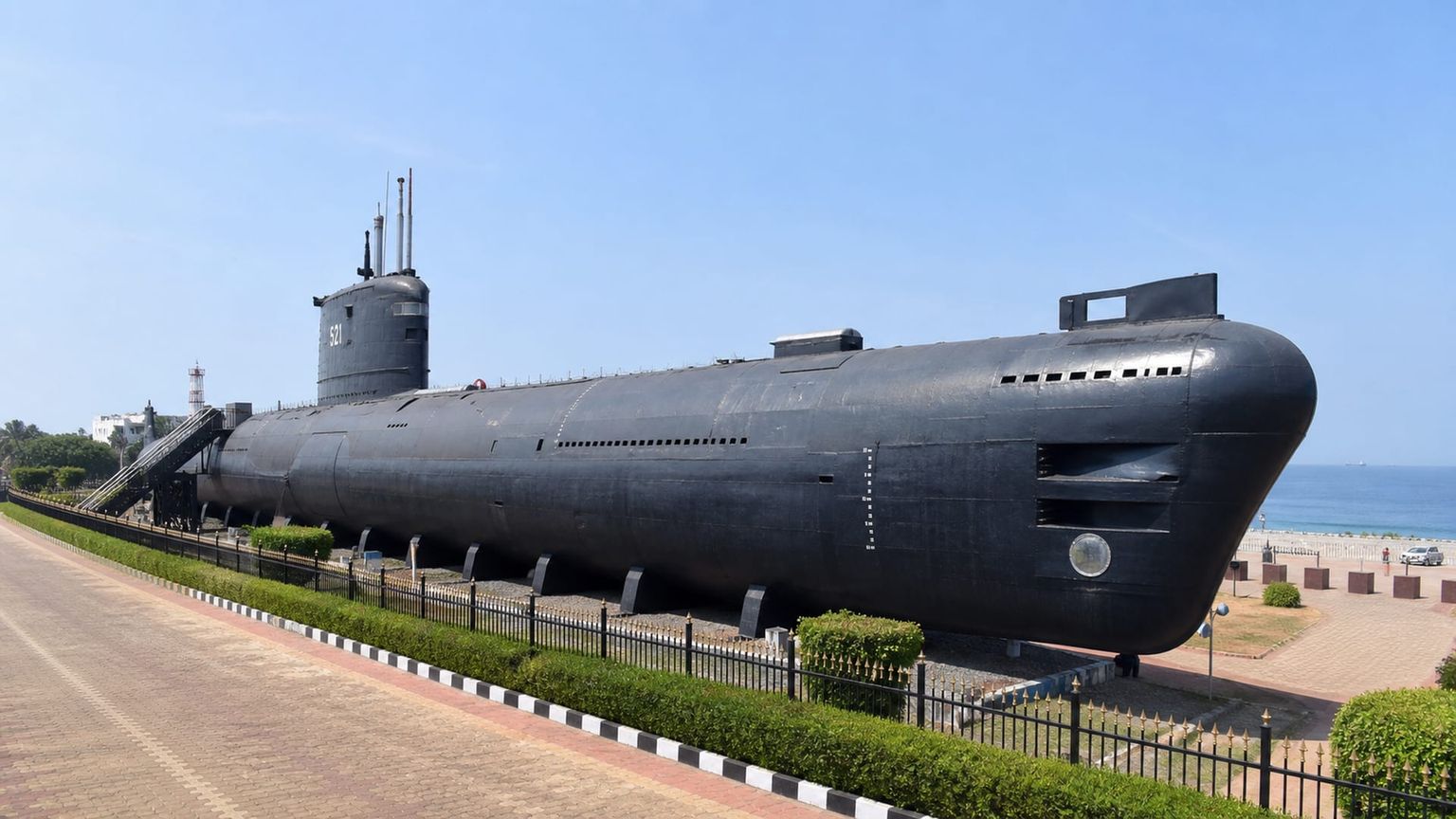
INS Kurusura Submarine Museum
INS Kurusura is a decommissioned Soviet-built submarine permanently displayed on RK Beach. Visitors move through its narrow interior to see crew spaces and equipment from the vessel’s years of service with the Indian Navy.
Time needed: About 1 hour
Entry: Admission costs ₹70 ($0.72) for adults. Visit the official website for more details.
Tip: Visit earlier in the day for shorter queues and cooler conditions inside the submarine.
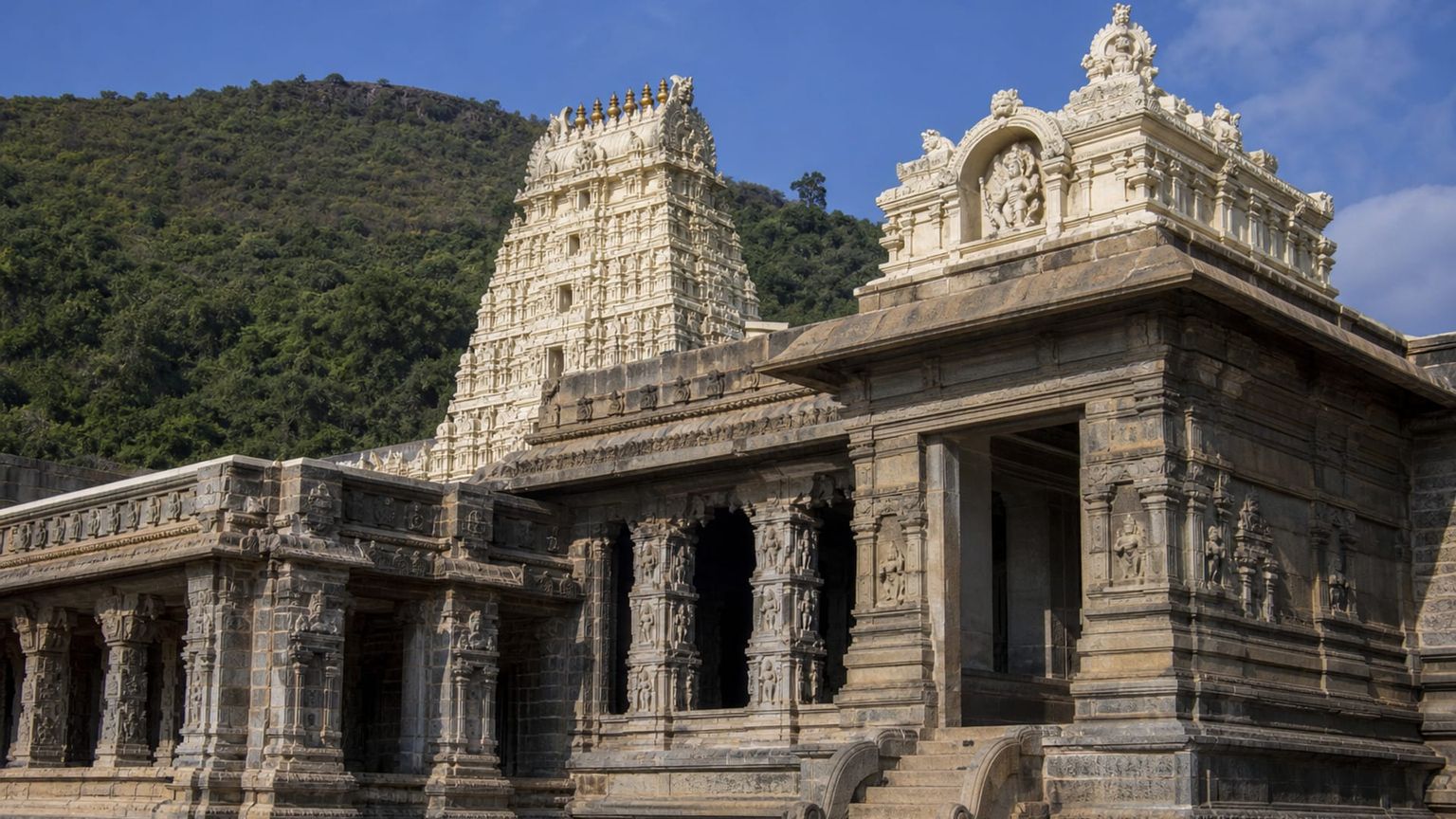
Simhachalam Temple
The Varaha Lakshmi Narasimha Temple at Simhachalam stands on a hill 800 feet (244 meters) above sea level and is one of Visakhapatnam’s principal pilgrimage sites. Its dark-granite architecture includes richly carved pillars and Vaishnavite imagery.
Time needed: 1.5 to 2 hours
Entry: General temple access is free. Visit the official site for details.
Tip: Dress modestly and visit early in the morning, especially on festival dates when queues can become considerably longer.
Overlooked sites worth visiting

TU-142 Aircraft Museum
Opposite the Submarine Museum on Beach Road, this museum occupies a decommissioned Indian Navy TU-142M maritime aircraft. Displays include aircraft equipment, a propeller, engine components, survival gear, and anti-submarine equipment.
Time needed: 45 minutes to 1 hour
Entry: ₹70 ($0.75) per person. Visit the official website for more details.
Tip: Visit immediately before or after the Submarine Museum because the two attractions face each other on Beach Road.

Visakha Museum
Visakha Museum preserves objects connected with the cultural and social history of Visakhapatnam, including historic documents, arms, photographs, maps, coins, costumes, and material related to the city’s maritime past.
Time needed: 1 to 1.5 hours
Entry: Admission costs ₹10 ($0.10) for adults.
Tip: Combine it with the naval museums so the day’s cultural stops remain along the same coastal stretch.
Traditional food
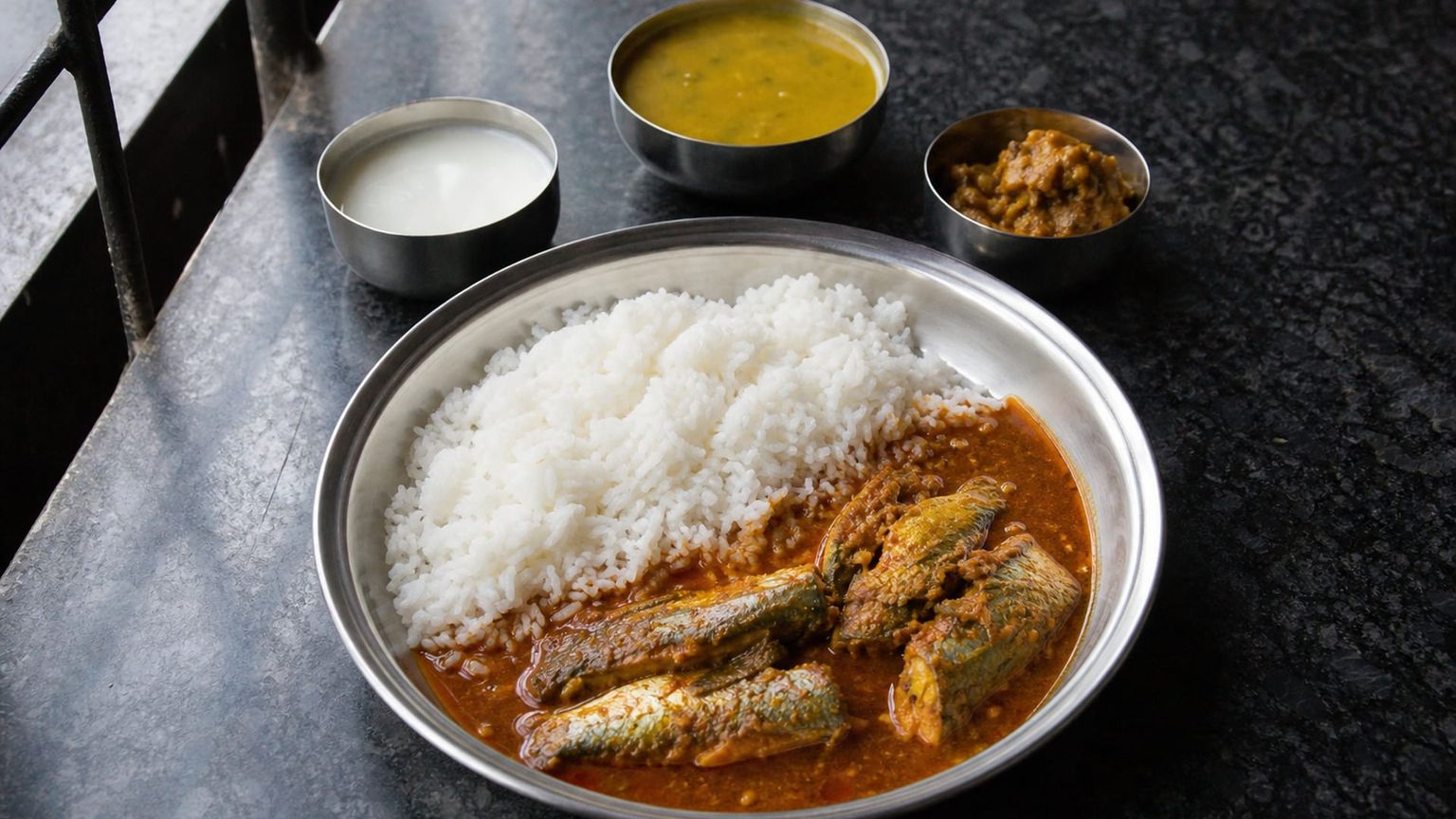
Visakhapatnam’s cooking draws on Andhra rice dishes, seafood, chilies, tamarind, lentils, and regional sweets, with prawns and fish particularly prominent in the city’s coastal food.
Pesarattu
Pesarattu is a savory green-gram crêpe served with chutney and sometimes filled with upma. Ethnic Restaurant currently serves plain, onion, and upma pesarattu.
Andhra biryani
Andhra-style biryani layers rice with meat, chilies, and aromatic spices, usually with a hotter profile than many northern versions. Andhra Biryani House in MVP Colony specializes in biryani.
Royyala vepudu
Royyala vepudu is an Andhra-style prawn fry cooked with chilies, curry leaves, and roasted spices. Andhra Ruchulu currently lists royyala vepudu on its menu.
Madugula halwa
Madugula halwa is a dense sweet made from wheat milk, sugar, ghee, and dry fruits, with a tradition dating to the late 19th century in the Visakhapatnam region. Dangeti Murthy Madugula Halwa continues to produce it using the family’s traditional method.
Best time to visit Visakhapatnam
Visakhapatnam stays warm throughout the year, but winter is distinctly drier and more comfortable, while rainfall rises sharply from June and reaches its annual peak in October.
Best for: Beach walks, hill viewpoints, temples, museums, and outdoor sightseeing
What you get: 69°F–85°F (20°C–30°C), with mild mornings, warm afternoons, and very little rain
Trade-offs: Popular beaches and viewpoints can become busier during holiday periods.
Best for: Early sightseeing, museums, and shorter waterfront outings
What you get: 76°F–92°F (24°C–33°C), with hotter afternoons and rainfall beginning to increase in May
Trade-offs: Heat and humidity make long outdoor visits less comfortable by late morning.
Best for: Museums, food-focused days, and travelers comfortable adjusting plans for rain
What you get: 79°F–91°F (26°C–33°C), with frequent rain and September bringing the highest number of rainy days in this period
Trade-offs: Heavy rain can slow road traffic and interrupt beach and hill plans.
Best for: Mixed indoor and outdoor sightseeing once the heaviest rain begins to ease
What you get: 74°F–89°F (23°C–32°C), with October the wettest month on average before rainfall drops sharply in November
Trade-offs: October can still bring substantial rain and coastal weather disruptions.
A realistic 5-day plan in Visakhapatnam
Five days gives you enough time to keep Beach Road’s museums together, give Kailasagiri and Simhachalam separate outings, and spend time in central Visakhapatnam without repeating the same attractions.
Land at Visakhapatnam International Airport (VTZ) and take Uber, Ola, or a prepaid taxi to your hotel. An Uber Go ride from the airport to Visakhapatnam Urban currently averages ₹487 ($5.05). After check-in, keep the first evening near RK Beach for a waterfront walk and dinner.
Start along RK Beach before visiting the INS Kurusura Submarine Museum, where you can walk through a former Indian Navy submarine and see its compact crew spaces. Cross to the TU-142 Aircraft Museum for a look inside a retired maritime patrol aircraft, then continue to Visakha Museum for local history before lunch on Beach Road.
Visit Kailasagiri in the morning for wide Bay of Bengal views, landscaped park areas, the Shiva and Parvati statues, and the ropeway if you choose to ride it. Return toward Siripuram for lunch, cafés, and shopping, then stay in the district for dinner instead of adding another cross-city ride.
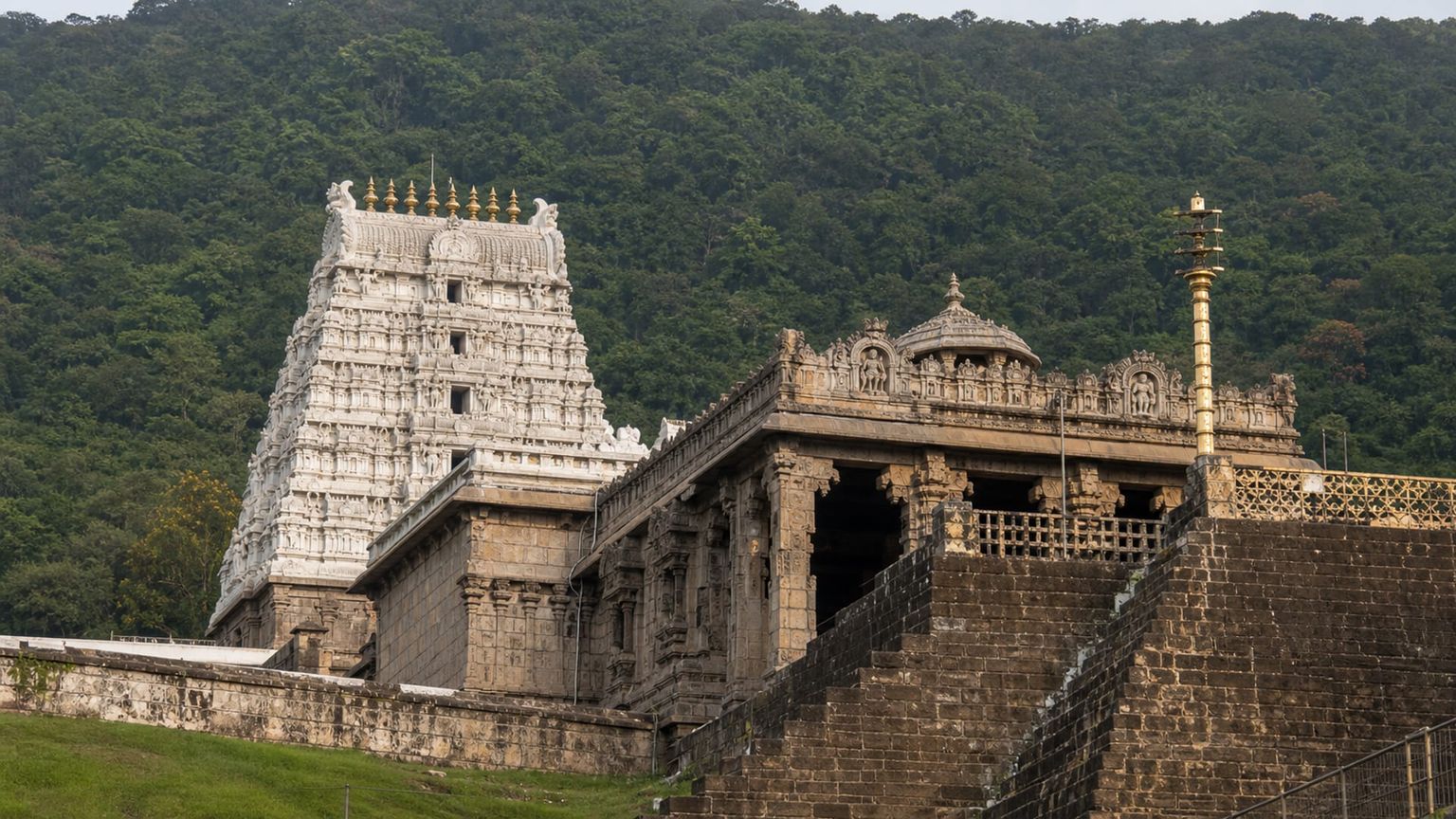
Leave early for Simhachalam Temple, where carved stone architecture, hilltop surroundings, and active religious traditions make the visit worthwhile beyond the shrine itself. After 1.5 to 2 hours there, return to Dwaraka Nagar for shopping streets, cafés, and dinner in one of the city’s busiest commercial districts.
Keep the final morning close to your hotel, with breakfast and a short stop at a nearby market, shopping street, or café depending on where you stayed. Collect your luggage and continue to Visakhapatnam International Airport, leaving additional time during peak road traffic.
Business-class flights from the US to Visakhapatnam
There are no nonstop business-class flights from the US to Visakhapatnam. From both coasts, itineraries combine a long-haul carrier with a domestic or regional connection into VTZ, so the airline pairing and number of stops vary by schedule.
New York (JFK) to Visakhapatnam (VTZ)
From New York, American Airlines and IndiGo route through Indira Gandhi International Airport (DEL) before the final flight to Visakhapatnam. Air India also offers one-stop JFK–VTZ itineraries through Delhi, while British Airways, Etihad Airways, and Virgin Atlantic can appear in multi-airline routings depending on the connection. Total journey time typically ranges from 20 to 26 hours. For trips booked roughly three months ahead, round-trip business-class fares typically range from $3,600 to $10,900.
Los Angeles (LAX) to Visakhapatnam (VTZ)
Los Angeles itineraries usually require two connections, with American Airlines and IndiGo offering one option through New York (JFK) and Delhi (DEL). British Airways, Etihad Airways, Air India, and Virgin Atlantic can also appear in alternative multi-carrier combinations, depending on the hubs used and the domestic connection into Visakhapatnam. Total journey time typically ranges from 27 to 35 hours. For bookings made roughly three months in advance, round-trip business-class fares typically range from $5,900 to $14,100.
Visakhapatnam feels different when you slow down
Visakhapatnam is shaped by the Bay of Bengal, green hills, naval history, and long-standing religious traditions. RK Beach gives the city its coastal rhythm, Kailasagiri shows how dramatically the hills meet the sea, and Simhachalam brings centuries of temple history into the picture. AranGrant experts can help you compare business-class flights and hotels that fit your dates and preferred part of the city.