

Chapters:

Need help with your trip?
Our support team is available 24/7. Request a callback or call us directly at (833) 619-0908
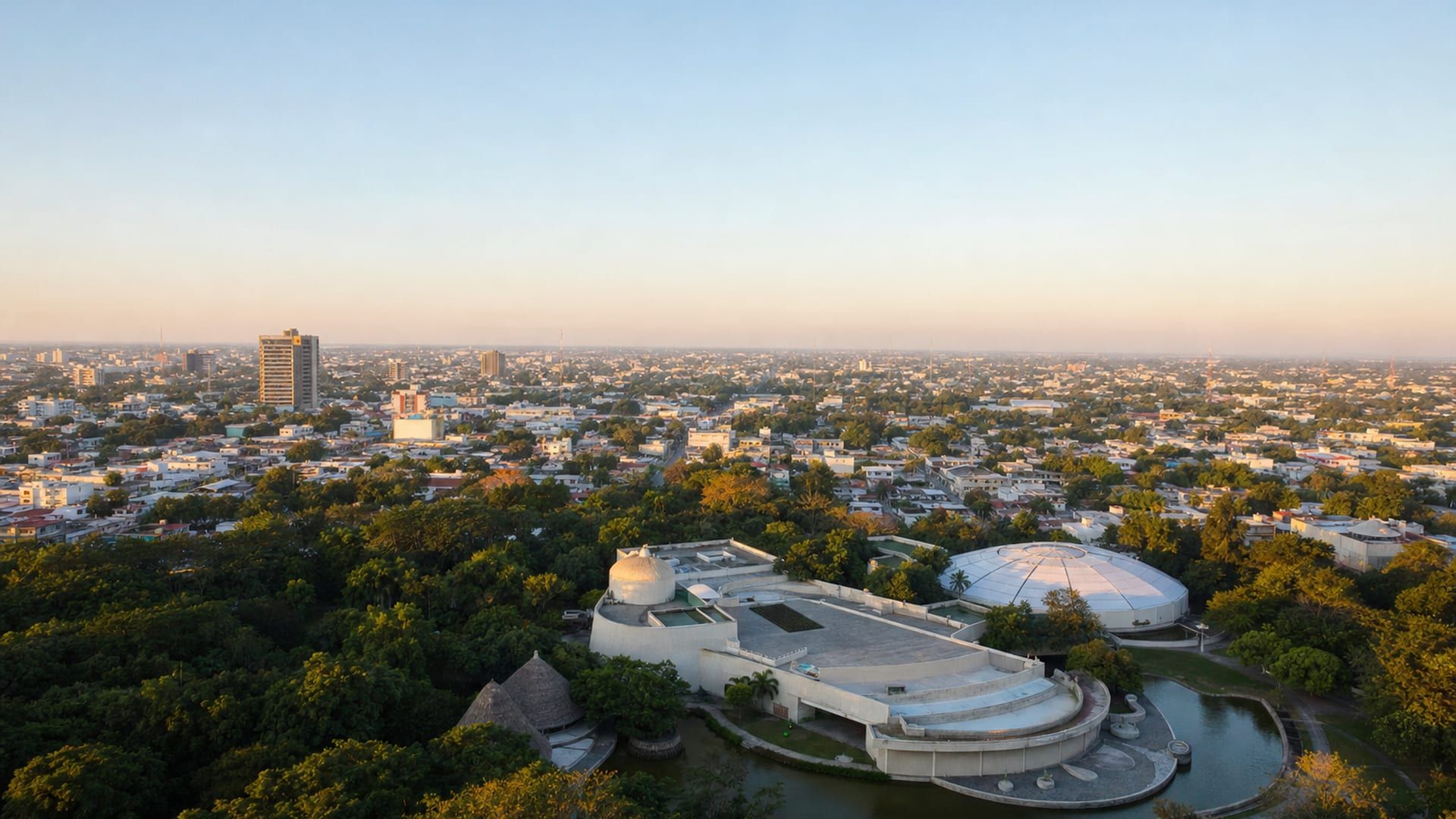
Villahermosa often draws travelers into a simple loop, airport to hotel to a quick visit at La Venta, then back to the room before the heat builds. What many miss is how much the city spreads out between Centro, Tabasco 2000, and the road corridors.
That spread makes casual wandering inefficient, and midday walking can feel punishing without a plan. Traffic also changes by district, so even short hops can take longer than expected.
This guide sets a clearer order: where to stay, how to move, what to eat, and how to shape five days without wasting time crossing town twice.
Useful things to know

Main language(s): Spanish
Hola (OH-lah) – Hello/good morning
Por favor (por fah-VOR) – Please
Gracias (GRAH-see-as) – Thank you
¿Habla inglés? (AH-blah een-GLAYS) – Do you speak English?
¿Cuánto cuesta? (KWAHN-toh KWES-tah) – How much does it cost?

Currency: The local currency is the Mexican peso (MXN, $).

Cash and cards: Cards and contactless are widely accepted; carry MXN 200 to 500 ($12 to $30) for cash-only taxis, markets, and small shops.

Tipping: Round up small bills; 10% is appreciated in nicer restaurants.

Traditional food: Poc chuc, cochinita pibil, pan de cazón, tamales

Water and coffee costs: Water MXN 15 to 30 ($1 to $2), bar espresso MXN 35 to 60 ($2 to $4).

Taxis and ride apps: Uber and DiDi operate here; verify pickup points at the airport.

Plug and voltage: Type A/B socket, 127V

Dining and shop opening hours: Breakfast runs about 7:00-10:00, lunch 13:00-16:00, and dinner 20:00-23:00. Many places close midafternoon.

Emergency number: 911 for police, fire, and medical emergencies.
Where to stay in Villahermosa
Villahermosa’s historic core places you near the Cathedral of the Lord and the Government Palace, with museums, banks, and the city’s main civic squares close at hand. It suits travelers who want to walk to landmarks and handle most errands without a long ride.
Best for: Sightseeing, short business trips, and travelers who want to stay near major civic landmarks
What to expect: Expect busy weekday traffic, daytime foot traffic, and the most everyday street activity after office hours.
Hotel prices: Usually about $35 to $90 per night for well-rated stays
Distance to major sights: About 5 to 10 minutes on foot to the Cathedral of the Lord and Government Palace
Quietness: Lively by day, then quieter at night once offices close and traffic eases.
Main trade-off: Central streets can feel noisy at peak hours, and the best-located hotels often cost more than properties farther out.
Good to know: If you plan to move around on foot, choose a room away from the busiest avenues so late traffic does not wake you.
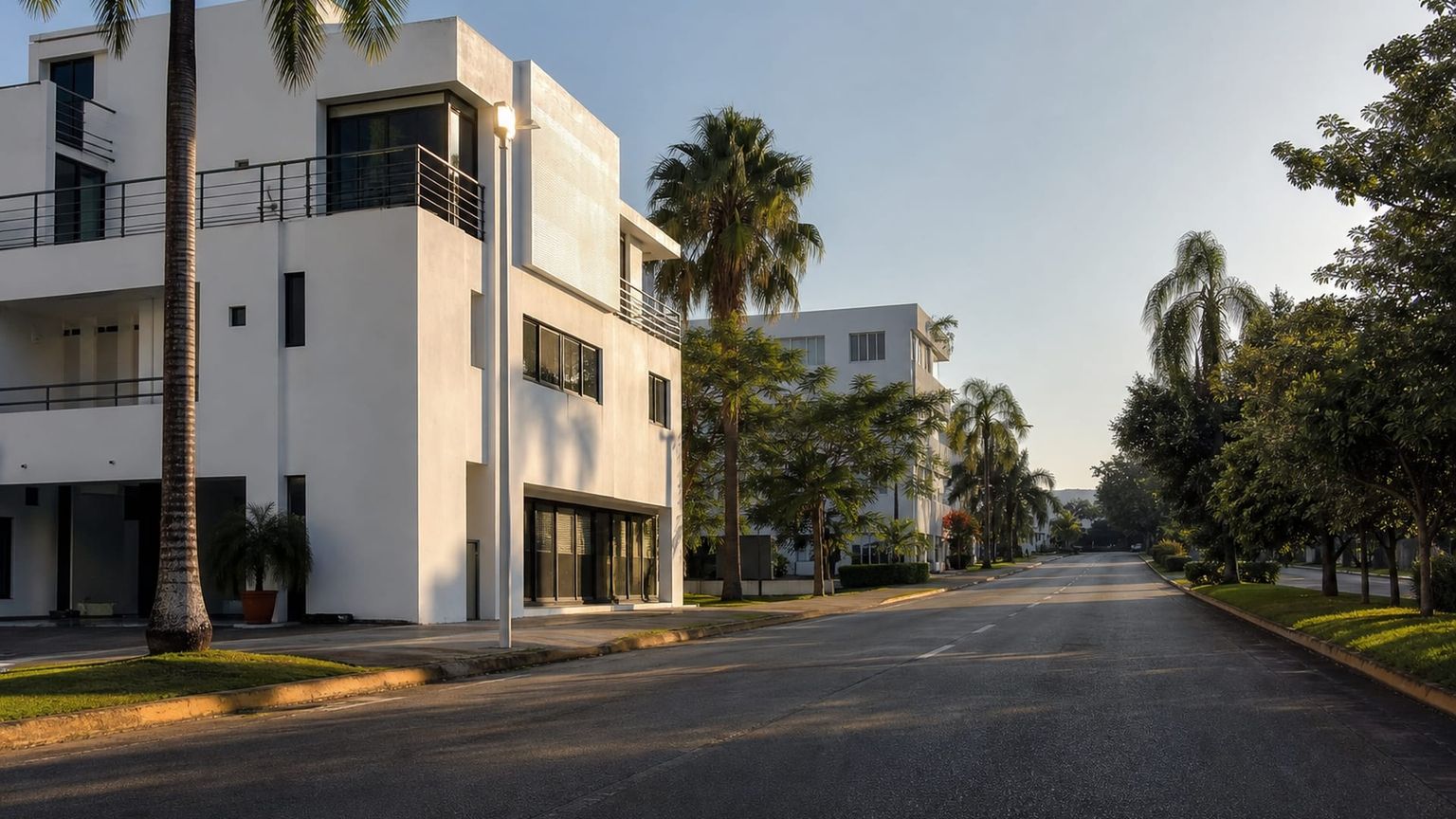
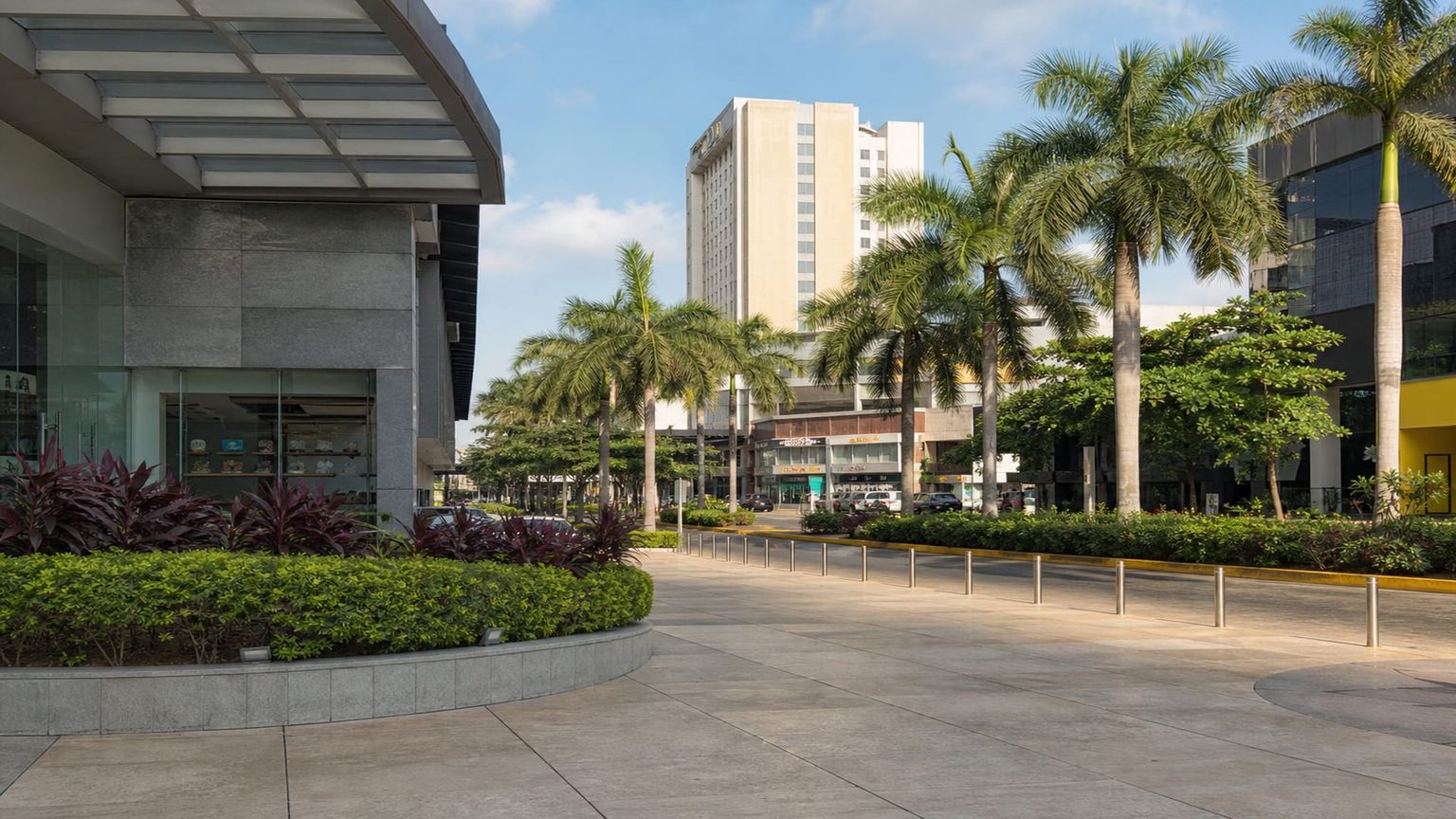
Tabasco 2000 is a modern commercial zone east of the center, built around offices, shopping, hotels, and wide roads. It matters for visitors who want newer lodging, easier parking, and quick access to business districts.
Best for: Business trips, travelers with a car, and visitors who prefer newer hotels and wider roads
What to expect: Expect organized traffic, large blocks, and a steadier pace than the historic center, with activity concentrated around malls and hotels.
Hotel prices: Usually about $45 to $120 per night for well-rated stays
Distance to major sights: About 10 to 15 minutes by car to the Cathedral of the Lord and the historic center
Quietness: Quiet on side streets at night, with more movement near malls and main roads during the day.
Main trade-off: You will rely on taxis or a car for most sightseeing, since the main monuments sit farther west.
Good to know: If you are driving, confirm the hotel has secure parking, because some lots in the district fill up on busy weekdays.
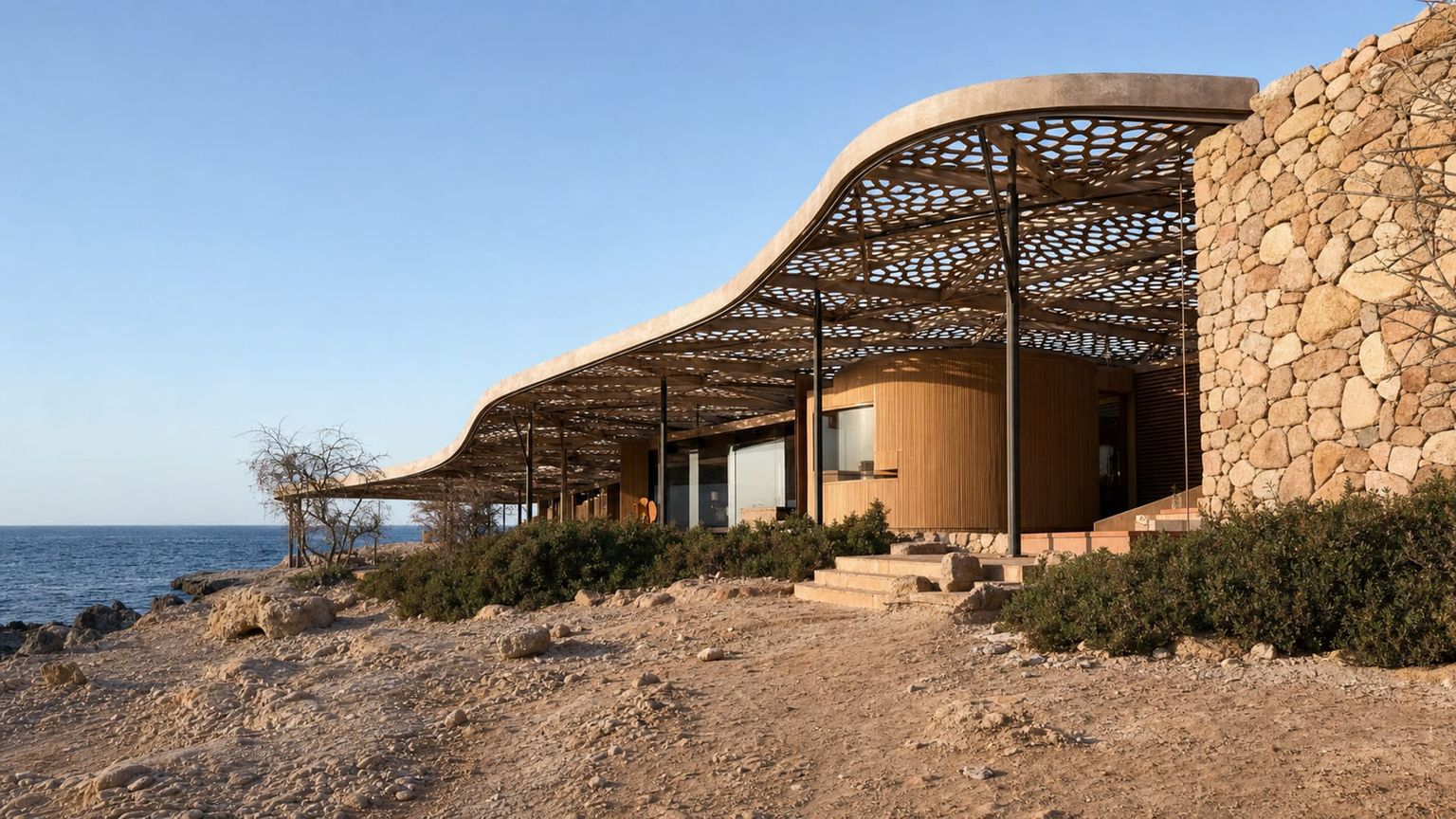
Paseo Usumacinta is a residential and hotel strip that follows one of the city’s main arteries, linking the center with newer commercial zones. It works well for visitors who want midrange lodging with fast road access and a less hectic setting than the core.
Best for: Midrange stays, road access, and travelers who want a calmer base without leaving the main city area
What to expect: Expect hotel-focused blocks, steady car traffic, and fewer late-night crowds than in the center or around the malls.
Hotel prices: Usually about $40 to $100 per night for well-rated stays
Distance to major sights: About 10 to 20 minutes by car to Parque Museo La Venta and the Cathedral of the Lord
Quietness: Quieter in the evening than during the day, especially away from the main avenue.
Main trade-off: Dining and nightlife choices are thinner, so you may still need a taxi for evening plans.
Good to know: Pick this area if you value being on a main road, since the room rate often reflects access more than a walkable setting.
Travelers usually avoid staying in the industrial and far-west stretches of Tabasco 2000, since they sit well away from the historic center, the riverfront, and most restaurant streets, and evening trips back tend to require a taxi. The outer parts of Tamulté de las Barrancas, Ixtacomitán, and parts of the airport corridor are also less convenient, with fewer visitor-oriented amenities and little to do on foot after dark.
Hotel deals
How to get around Villahermosa efficiently
Villahermosa has no metro, so most visitors move between Centro, Tabasco 2000, and the airport area by taxi, ride app, or the main bus corridors.

Metro
for longer distances
Villahermosa has no metro, so visitors depend on city buses, colectivos, and taxis instead. For trips from the VSA airport area into the center, expect about 20 to 30 minutes by car depending on traffic.

Bus and tram
for convenience
City buses cover the main corridors linking the airport area, central Villahermosa, and nearby neighborhoods, but stops and frequencies can be uneven. Fares are usually about $0.30 to $0.60 (about MXN 5 to MXN 10), paid in cash, and most rides take 15 to 40 minutes depending on the route and traffic.

Taxi
for convenience or late hours
Licensed taxis use set or quoted fares rather than meters on most common city trips, including airport transfers. A ride from the VSA airport area to central Villahermosa often costs about $12 to $25 (about MXN 200 to MXN 430), with short cross-town trips closer to $4 to $8 (about MXN 70 to MXN 140); confirm the price before boarding, and carry cash because card payment is uncommon.
*Prices are based on rates updated as of June 2026 and may change at the time of travel.
Walk in Centro for short landmark clusters, use taxis or Uber and DiDi for cross-town hops, and rely on buses only when you have time to match the route.
Iconic landmarks
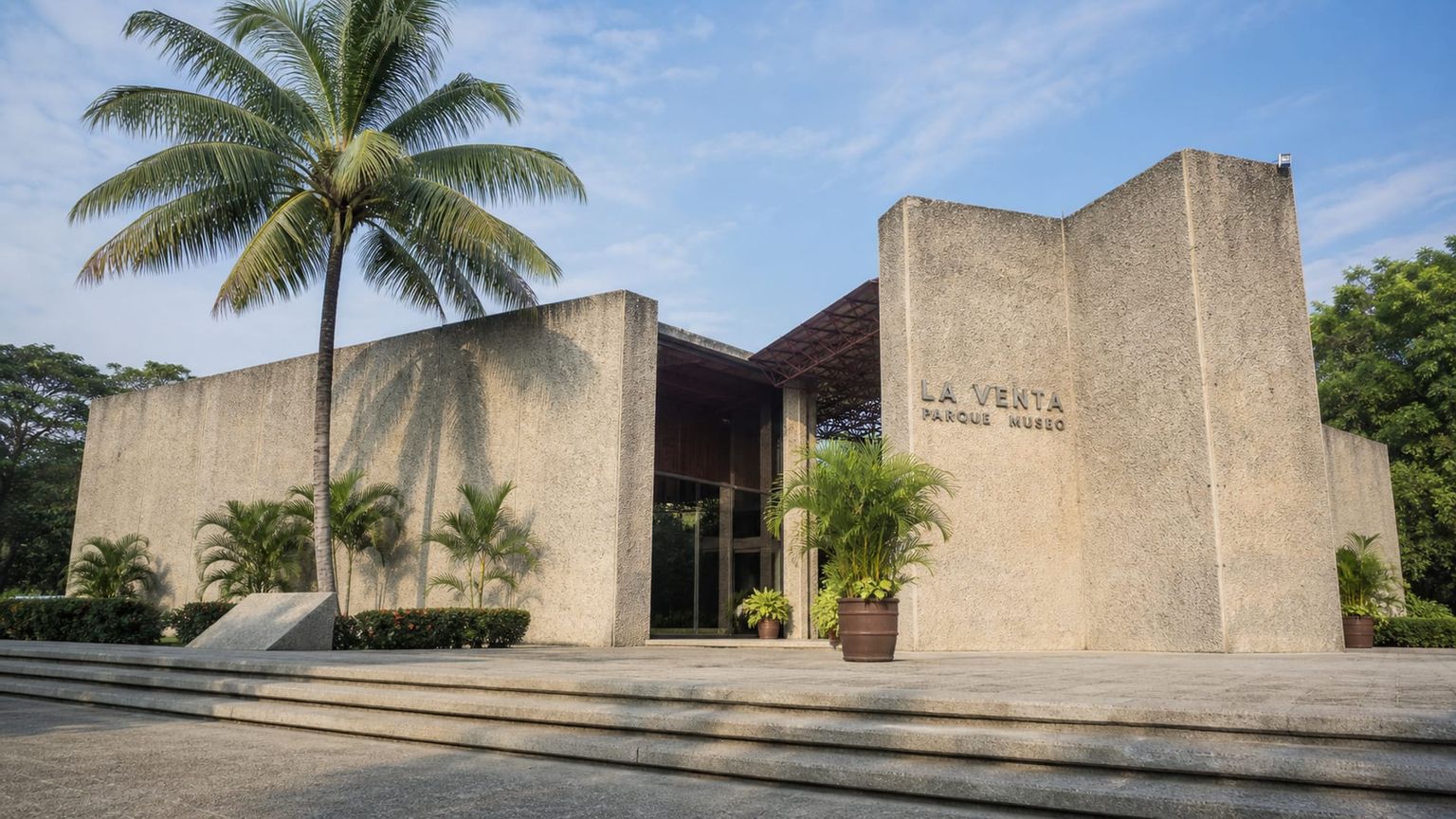
Parque-Museo La Venta
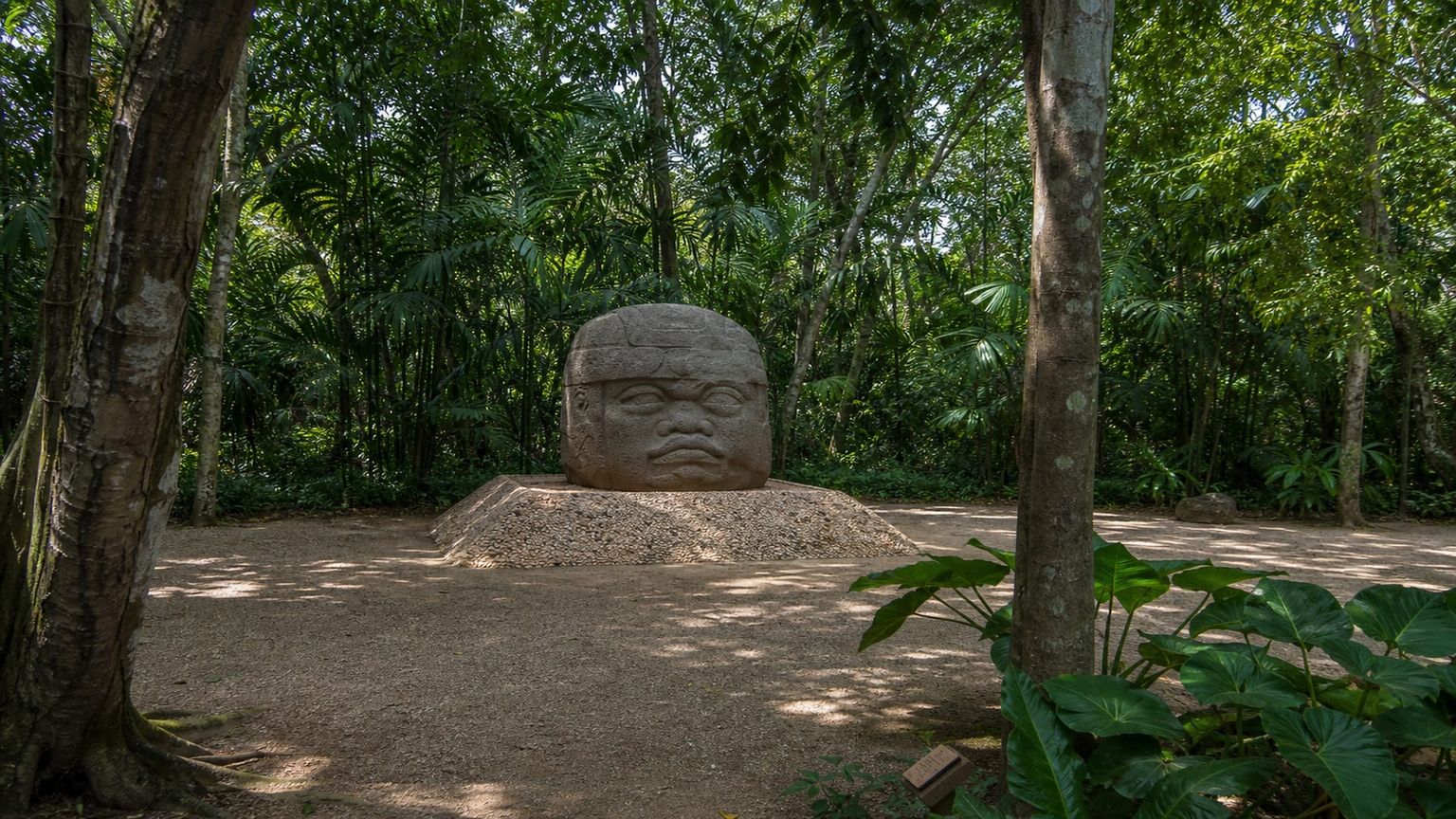
This open-air museum pairs Olmec monuments with a compact wildlife area and shaded paths. It is the city’s signature stop for seeing colossal heads, altars, and carved stone pieces in one visit.
Time needed: About 2 to 3 hours
Entry: Admission costs about $3 to $5 ($50 to $85 MXN) for adults, with lower rates for children and local discounts on some days. Visit the official site for details.
Tip: Go early in the morning, before the heat builds and the animal area gets busy.
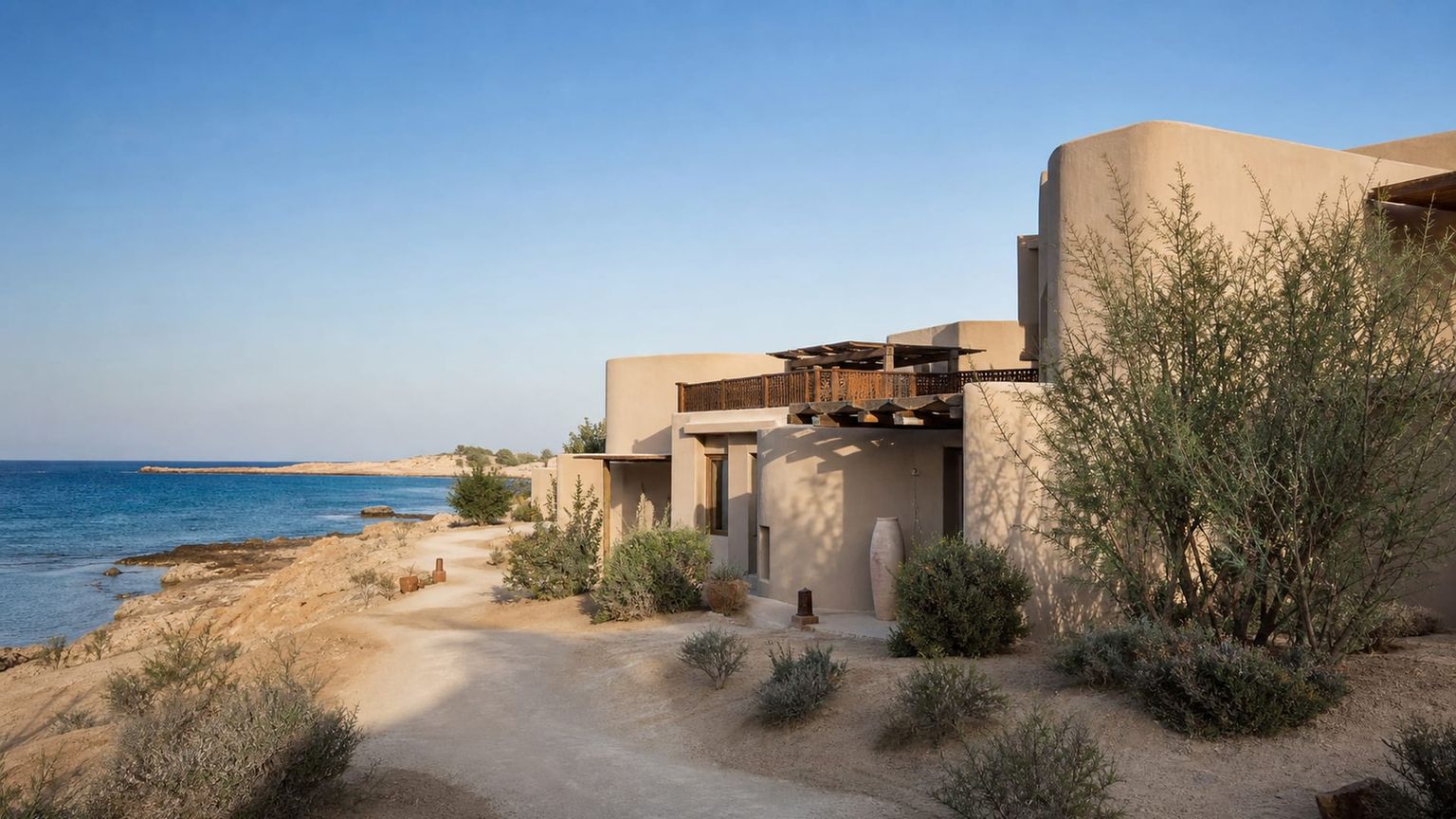
Museo Regional de Antropología Carlos Pellicer Cámara
This museum presents Tabasco’s pre-Hispanic history through pottery, figurines, jewelry, and carved stone. Its galleries work well after La Venta, since they add context to the region’s Olmec and Maya collections.
Time needed: About 1 to 2 hours
Entry: Admission costs about $2 to $4 ($35 to $70 MXN) for adults, with reduced prices for students, teachers, and seniors on select days. Visit the official site for details.
Tip: Visit in the middle of the day, when the galleries offer the best break from heat.
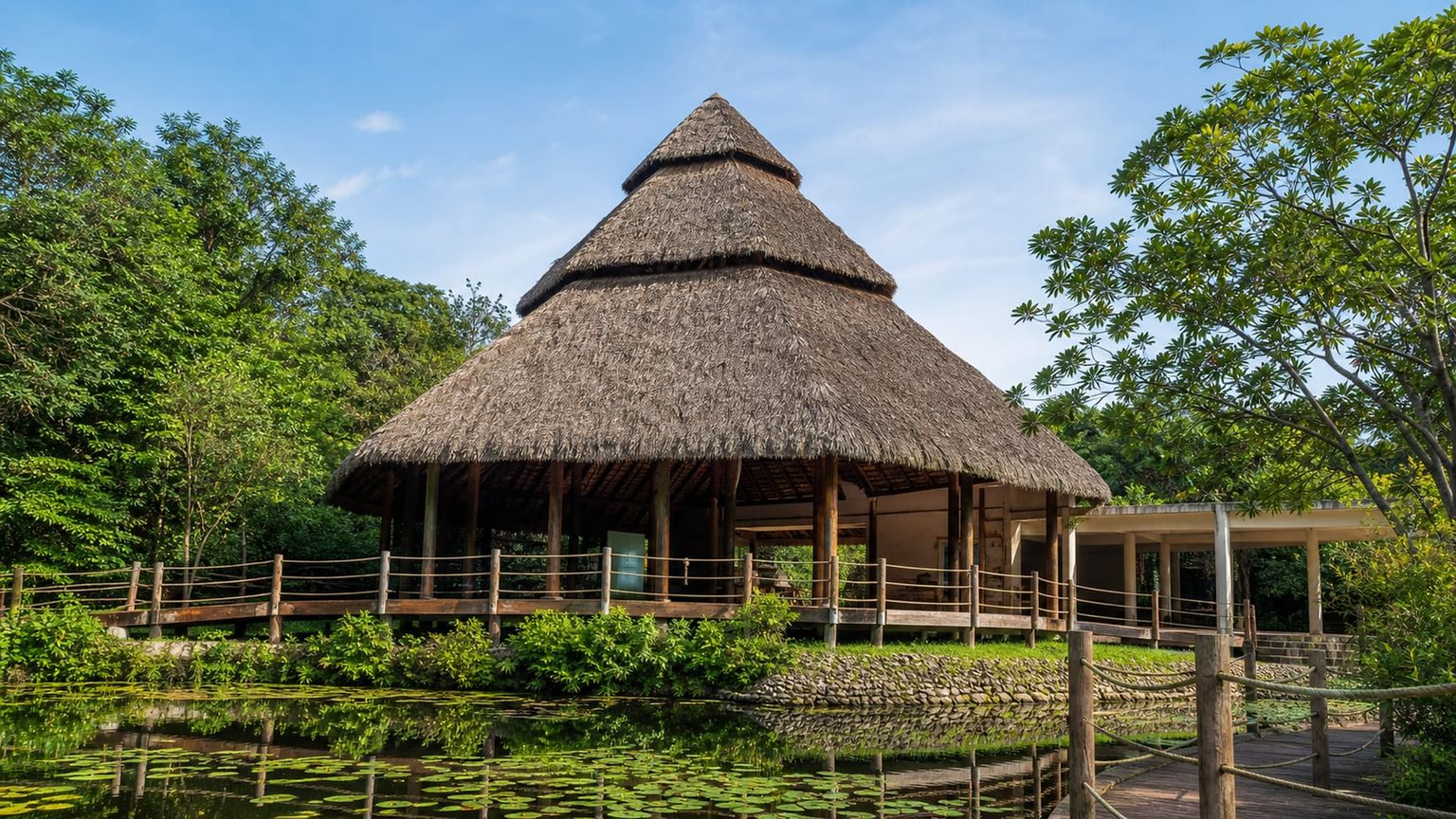
Yumká Ecological Reserve
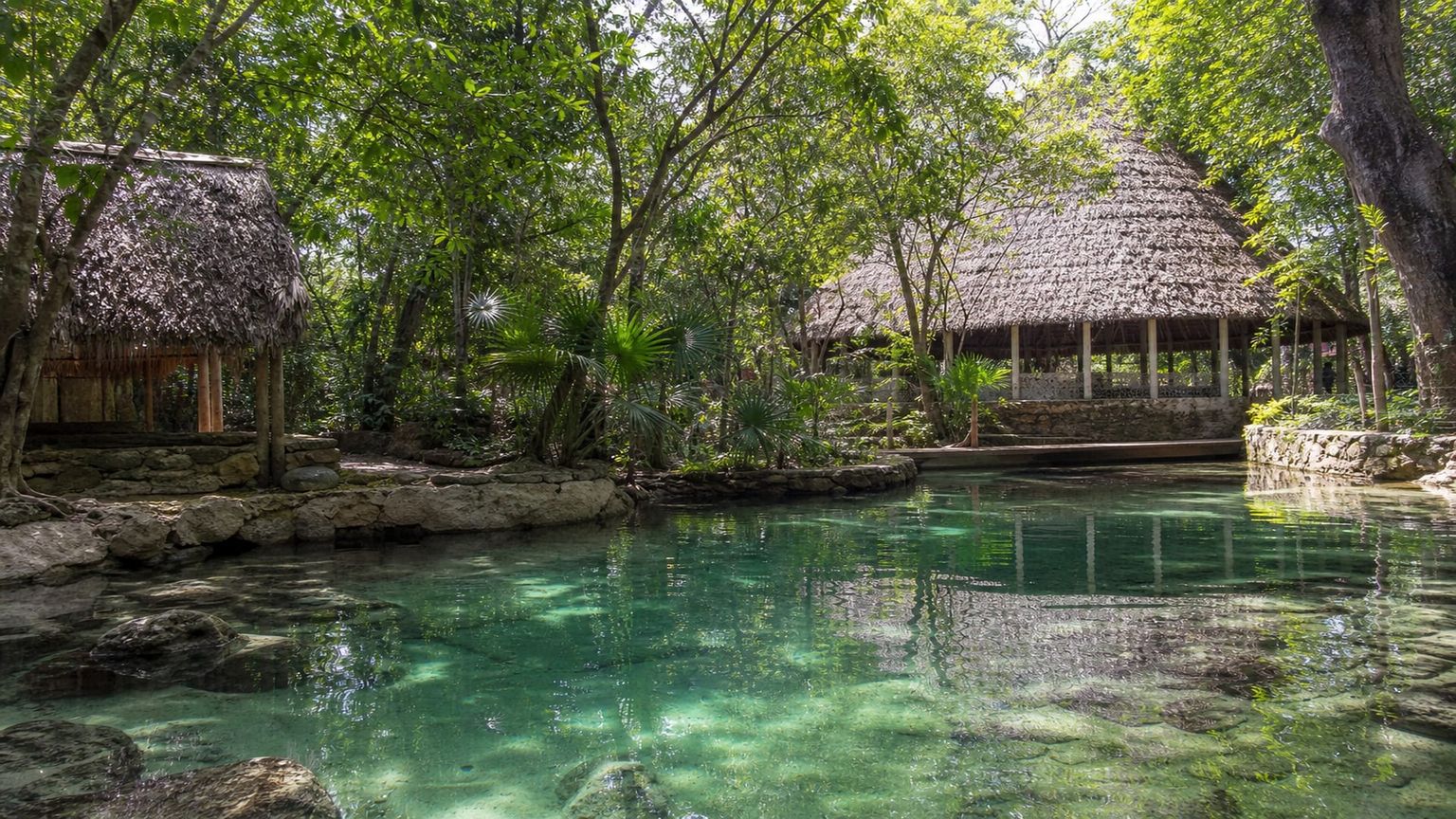
About 15 km from central Villahermosa, Yumká combines forest, wetlands, and open animal habitats in a single reserve. Its tram and boat routes make it one of the clearest nature outings near the city.
Time needed: About 3 to 4 hours
Entry: Admission costs about $4 to $6 ($70 to $100 MXN) for adults, with separate charges for guided tram or boat rides. Visit the official site for details.
Tip: Plan a morning visit, then use the tram and boat before the midday sun gets strong.
Overlooked sites worth visiting

Yumka, Ecological Reserve and Museum of Natural History
This reserve pairs shaded trails with open animal habitats, a butterfly house, and a small natural history museum. Visit for a quieter look at lowland Tabasco flora and fauna inside the city.
Time needed: About 2 to 3 hours
Entry: Admission is roughly $2 to $4 (about MXN 35 to MXN 70) for adults, with lower rates for children and students; check on-site for current hours, guided activity fees, and any separate charges for special exhibits or animal encounters.
Tip: Go early, before the afternoon heat builds.

Zona Luz
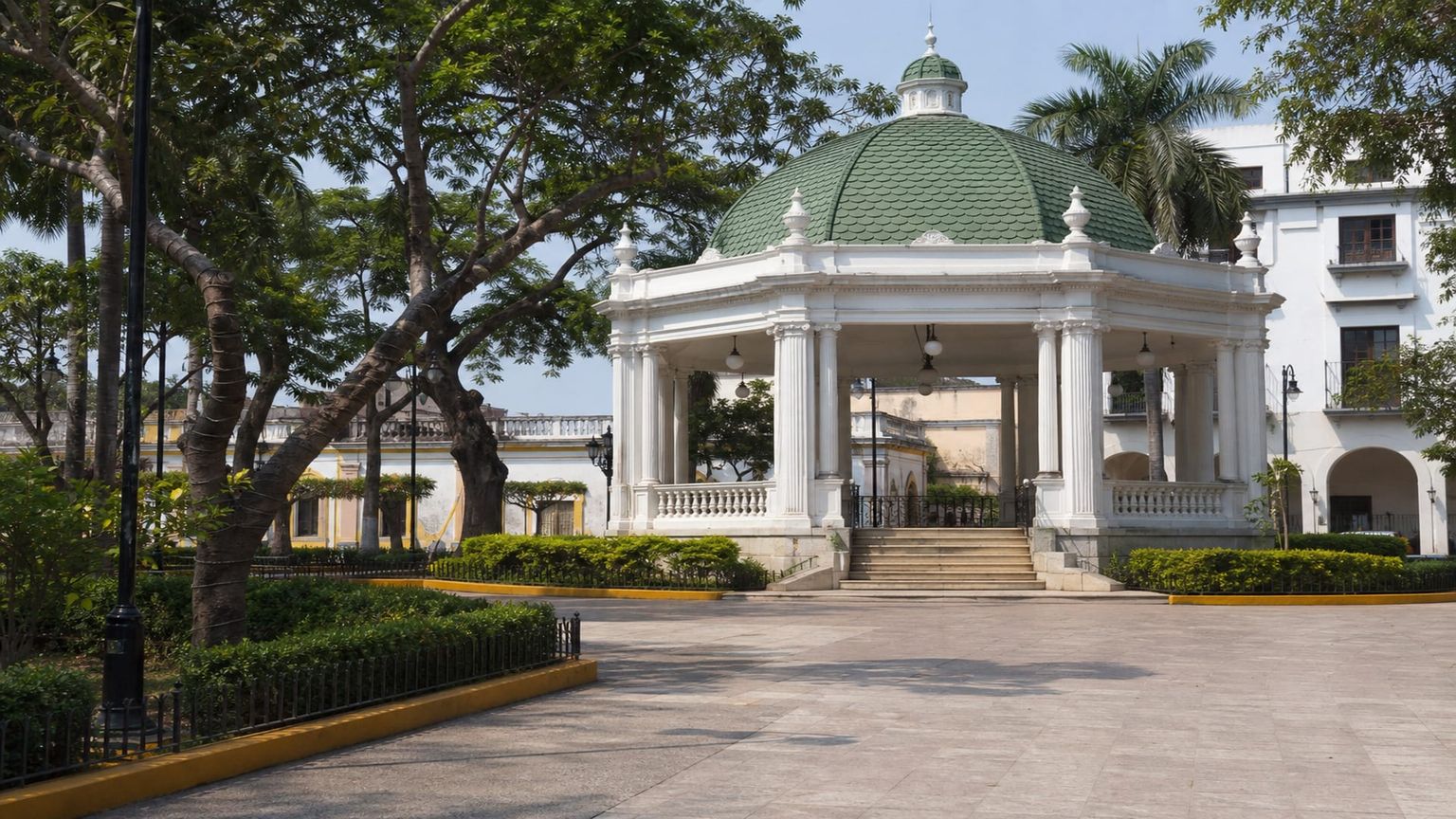
Villahermosa’s compact historic center brings together late-19th-century facades, the Government Palace murals, and small plazas within a short walk. It works well for a brief cultural stop, not a long museum day.
Time needed: About 1 to 2 hours
Entry: Free to access, with no admission charge for the plazas, exterior architecture, and public murals; some nearby museums and churches may have separate opening hours or donations, so check them before you plan a longer walk.
Tip: Visit late afternoon for softer light on the facades.
Traditional food
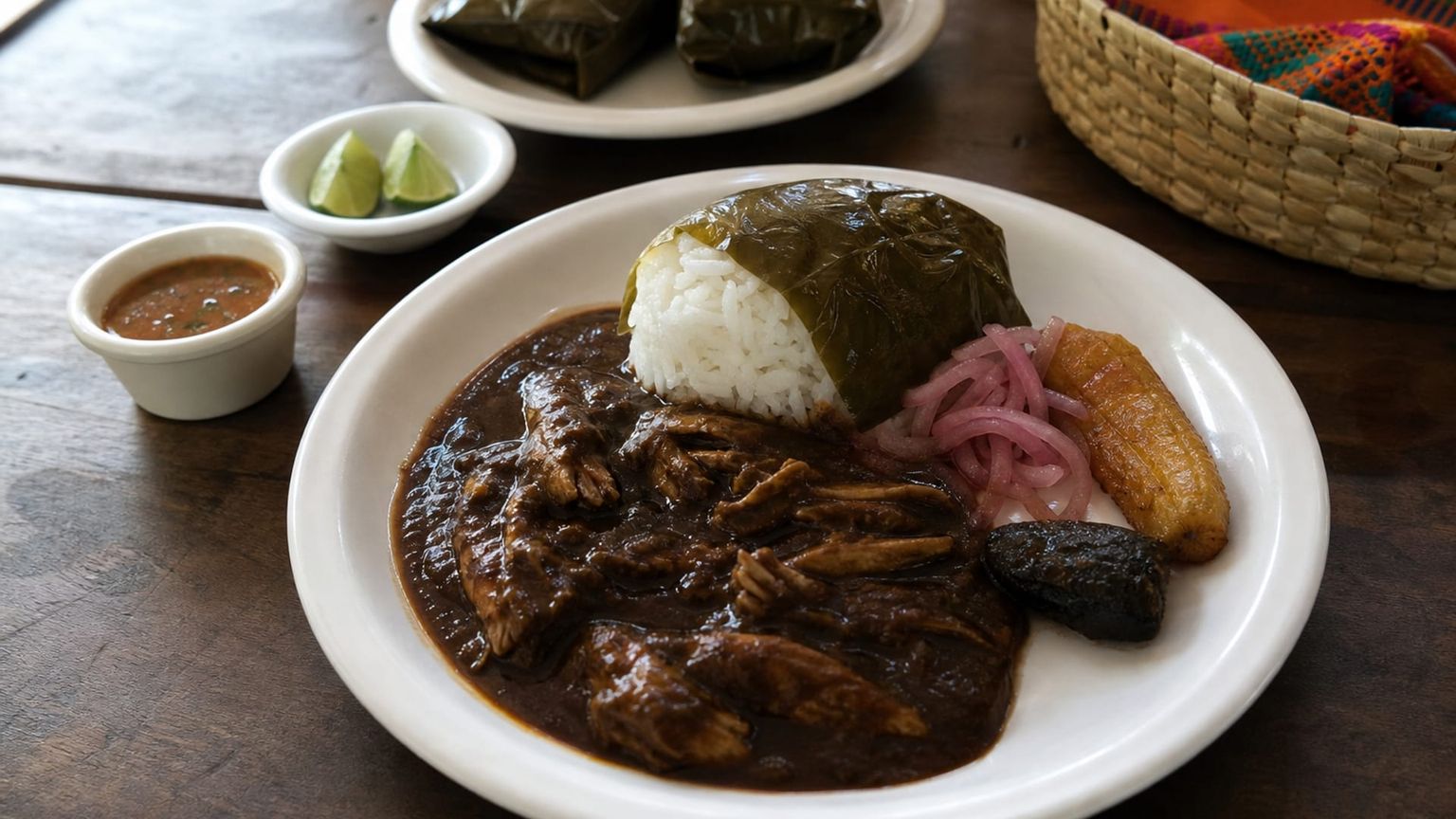
Tabasco cooking leans on corn, chiles, pork, and river fish, with poc chuc, cochinita pibil, pan de cazón, and tamales showing up at the table from breakfast through dinner.
Poc chuc
This Yucatecan-style grilled pork arrives marinated and bright with citrus, then lands well with rice, beans, and tortillas. For a solid Villahermosa stop, try it at Restaurante La Cevichería.
Cochinita pibil
Slow-cooked pork, achiote, and pickled onion give this dish its deep color and strong seasoning. In Villahermosa, El Cabrito is a common reference point for a satisfying version.
Pan de cazón
Layered tortillas, shredded shark, and a tomato-chile sauce make this one of the city’s most recognizable plates. Restaurante La Selva is a reliable place to look for it in town.
Tamales
Corn masa wrapped and steamed in banana leaf or husk turns up as a breakfast or evening staple across the city. At Mercado de la Sierra, you can sample a range of local tamales in one visit.
Best time to visit Villahermosa
Villahermosa stays hot and humid for much of the year, so the best months are the ones that cut the rain, soften the heat, or make museum and reserve visits easier to time.
Best for: Best for drier days and the most comfortable sightseeing windows
What you get: About 73-91°F (23-33°C), with lighter rain and steadier visitor flow than the wet season
Trade-offs: Some afternoons still run warm, so outdoor visits work best early
Best for: Best for compact museum days and early outings to La Venta or Yumká
What you get: About 77-97°F (25-36°C), with rising heat and moderate crowds before the rains
Trade-offs: Midday walking gets tiring fast
Best for: Best for travelers who do not mind wet afternoons and greener reserve visits
What you get: About 75-93°F (24-34°C), with frequent rain and lighter crowds in some museums
Trade-offs: Storms can slow taxi rides and outdoor plans
Best for: Best for travelers seeking fewer tourists and flexible hotel choices
What you get: About 72-90°F (22-32°C), with rain easing gradually and crowds staying manageable
Trade-offs: Early fall can still bring heavy showers
A realistic 5-day plan in Villahermosa
A five-day stay in Villahermosa works best when you group the city by zones, not by individual stops. That means one day for Centro, one for the museum circuit, one for Yumká, and quieter time for Tabasco 2000 and the departure run.
Land at Villahermosa’s Carlos Rovirosa Pérez Airport (VSA), then take a taxi or app-based ride into Centro in about 20 to 30 minutes for roughly $8 to $15. Check in near the Cathedral of the Lord or the Government Palace if you want the shortest evening walk, then rest, rehydrate, and keep dinner close, perhaps in Centro or on Paseo Usumacinta, where a low-key meal costs about $8 to $18. If you arrive before dark, a brief stroll through nearby civic squares gives you an easy first look at the historic core without a full outing.
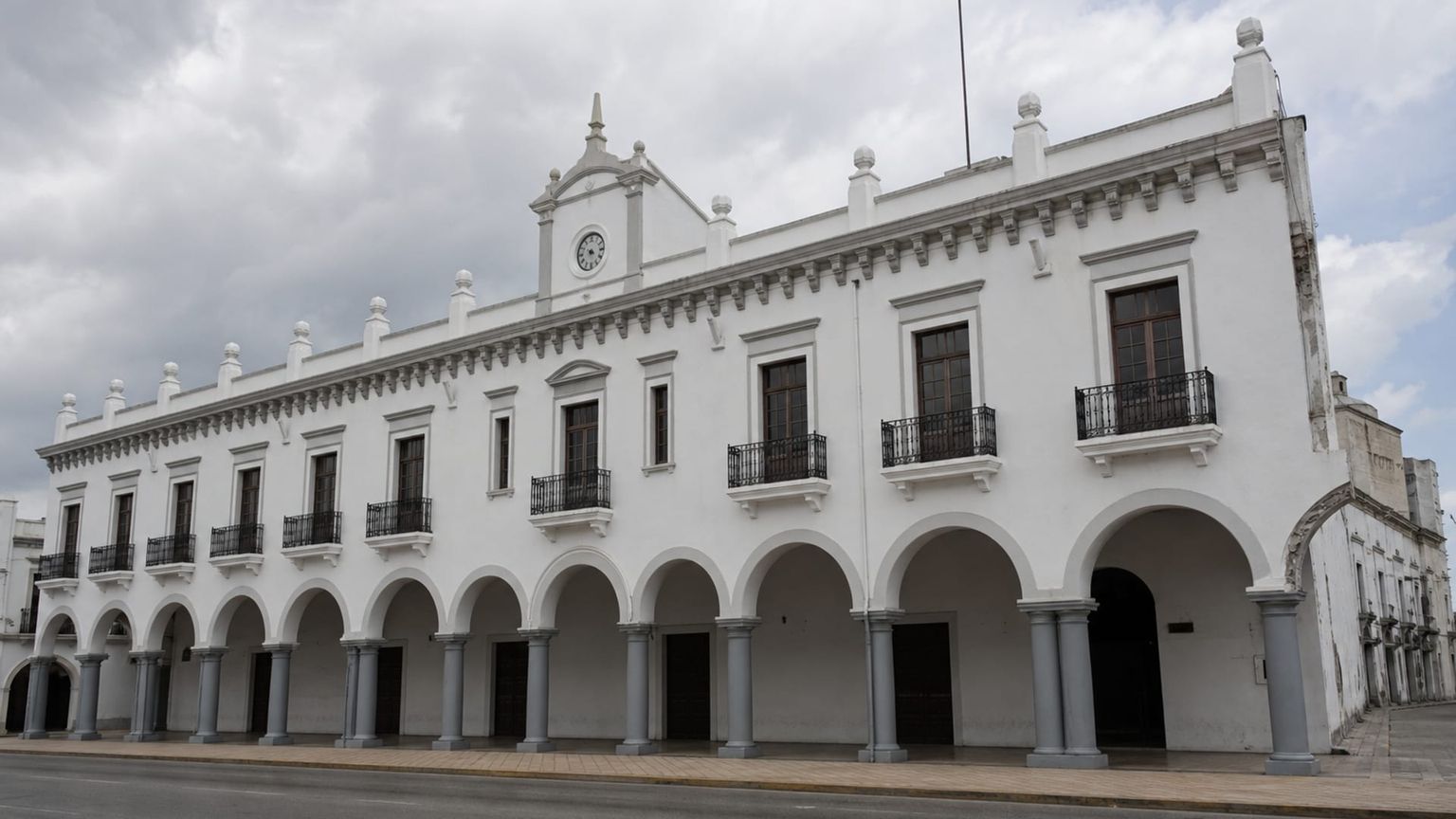
Start with Parque-Museo La Venta, which takes about 2 to 3 hours and sits about 10 to 15 minutes by taxi from Centro, with admission of about $3 to $5 ($50 to $85 MXN). Go early, before the heat builds, then continue about 10 minutes by car to the Museo Regional de Antropología Carlos Pellicer Cámara for another 1 to 2 hours and admission of about $2 to $4 ($35 to $70 MXN). After the museum, return to Centro for lunch, then spend late afternoon in Zona Luz, where the Government Palace murals, plazas, and late-19th-century facades work well for a 1 to 2 hour walk.
Begin the morning at Yumká Ecological Reserve, about 30 to 40 minutes by car from Centro, and plan on 3 to 4 hours there so you can take the tram and boat before midday heat peaks. Admission is about $4 to $6 ($70 to $100 MXN), plus separate charges for guided rides. Afterward, head back into town for a late lunch in Tabasco 2000, then end the day with an easy drive to Paseo Usumacinta, where hotel blocks and wider roads make an uncomplicated base for an early night.
A slower city day works well here, so begin with another pass through Zona Luz in late morning, then walk about 10 to 15 minutes or take a short taxi ride to nearby Centro landmarks you may have missed, including the Cathedral of the Lord and the Government Palace. From there, continue about 10 minutes by car to Tabasco 2000 for coffee, shopping, and a look at the newer commercial side of Villahermosa. Finish with dinner on Paseo Usumacinta, where you can stay near your hotel rather than crossing town after dark.
One last circuit fits neatly into a departure day: start with a final stop at the Museo Regional de Antropología Carlos Pellicer Cámara if you want a compact museum visit before checkout, then head to Tabasco 2000 for shopping and a final meal. If your flight leaves later, a café stop in Centro gives you one more look at the city’s civic core before a taxi back to Villahermosa’s Carlos Rovirosa Pérez Airport (VSA), which usually takes about 20 to 30 minutes from the center depending on traffic.
Business-class flights from the US to Villahermosa
Reaching Villahermosa from either coast usually means a connection, so the useful comparison is less about nonstop convenience and more about where the layover lands. The two routes below show how that plays out from New York and Los Angeles.
From New York, American Airlines, Delta Air Lines, Aeromexico, Copa Airlines, and United Airlines all appear on the route, and the trip usually takes roughly 5 to 6 hours when a nonstop is available. When you connect, common hubs include Mexico City (MEX), Panama City (PTY), Houston (IAH), Atlanta (ATL), and Miami (MIA), with round-trip fares from New York to Villahermosa generally starting at $1,400 and can reach about $2,900; if you do not mind a layover, common routings via Mexico City (MEX) or Panama City (PTY) can cut the fare.
Los Angeles travelers usually see Aeromexico, Volaris, United Airlines, American Airlines, and Delta Air Lines on the route. Expect an 8 to 13 hour journey with a connection through Mexico City (MEX), Panama City (PTY), Houston (HOU), Houston (IAH), or Dallas (DFW), and round-trip fares usually run $1,300 to $2,700 for the same route.
Villahermosa feels different when you slow down
A well-paced Villahermosa trip keeps the walking to Centro and Zona Luz, uses taxis for La Venta and Tabasco 2000, and saves Yumká for a cooler morning. That structure leaves room for meals at the right hours, a quiet return to Paseo Usumacinta, and one last museum stop before the airport. If you want help matching that plan to your dates, the AranGrant experts can build it around your flight and hotel choice







