

Chapters:

Need help with your trip?
Our support team is available 24/7. Request a callback or call us directly at (833) 619-0908
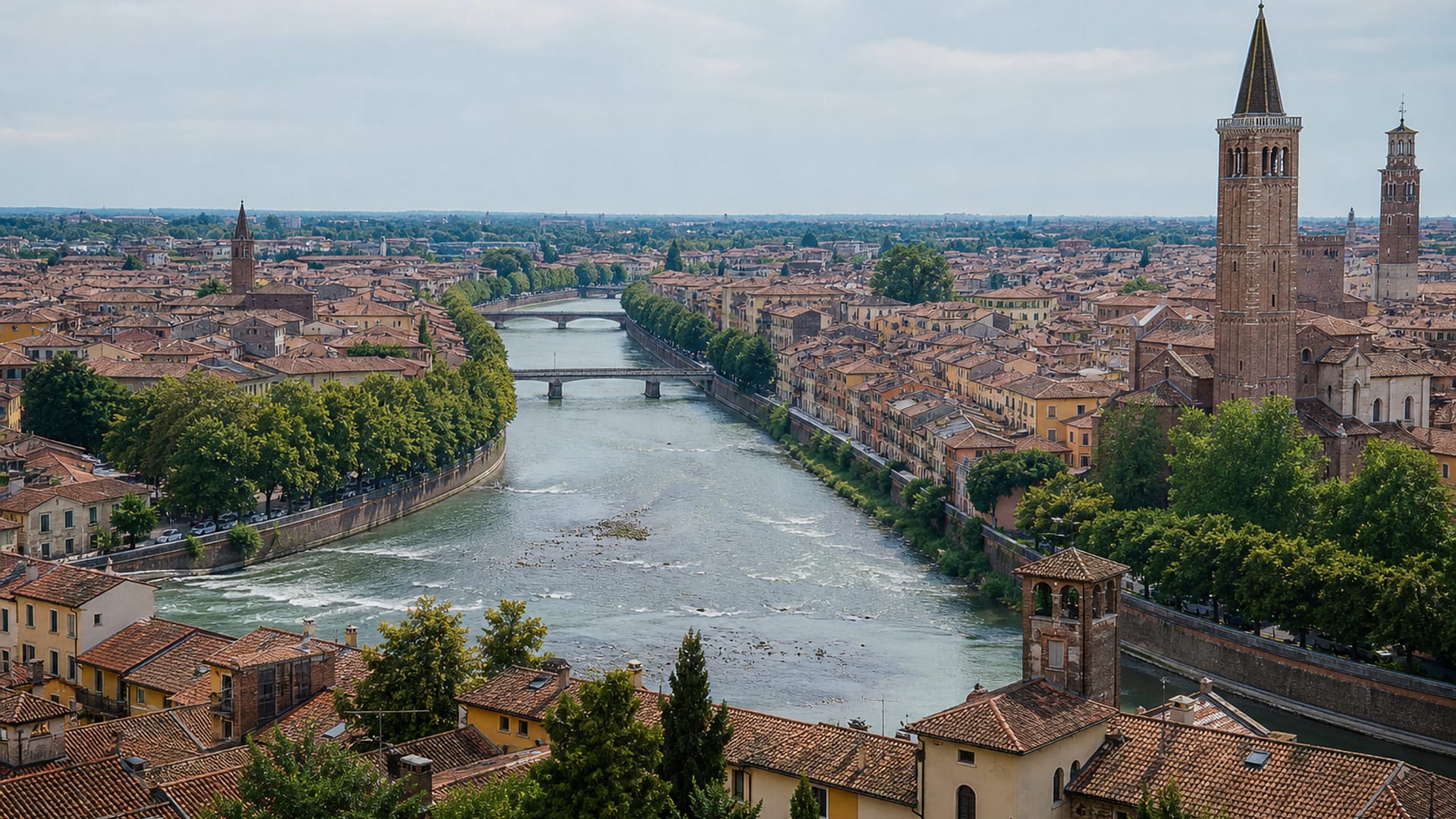
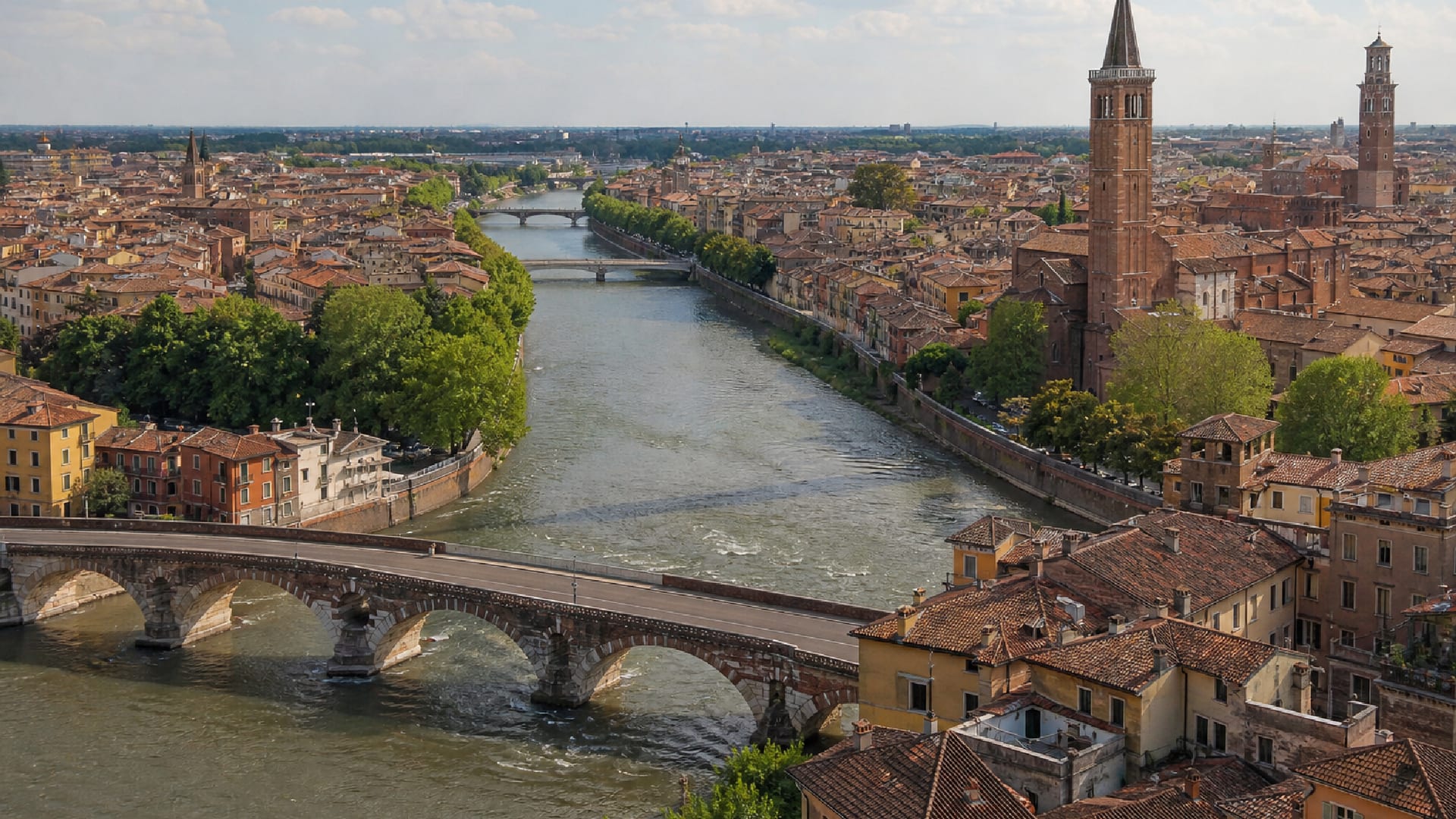
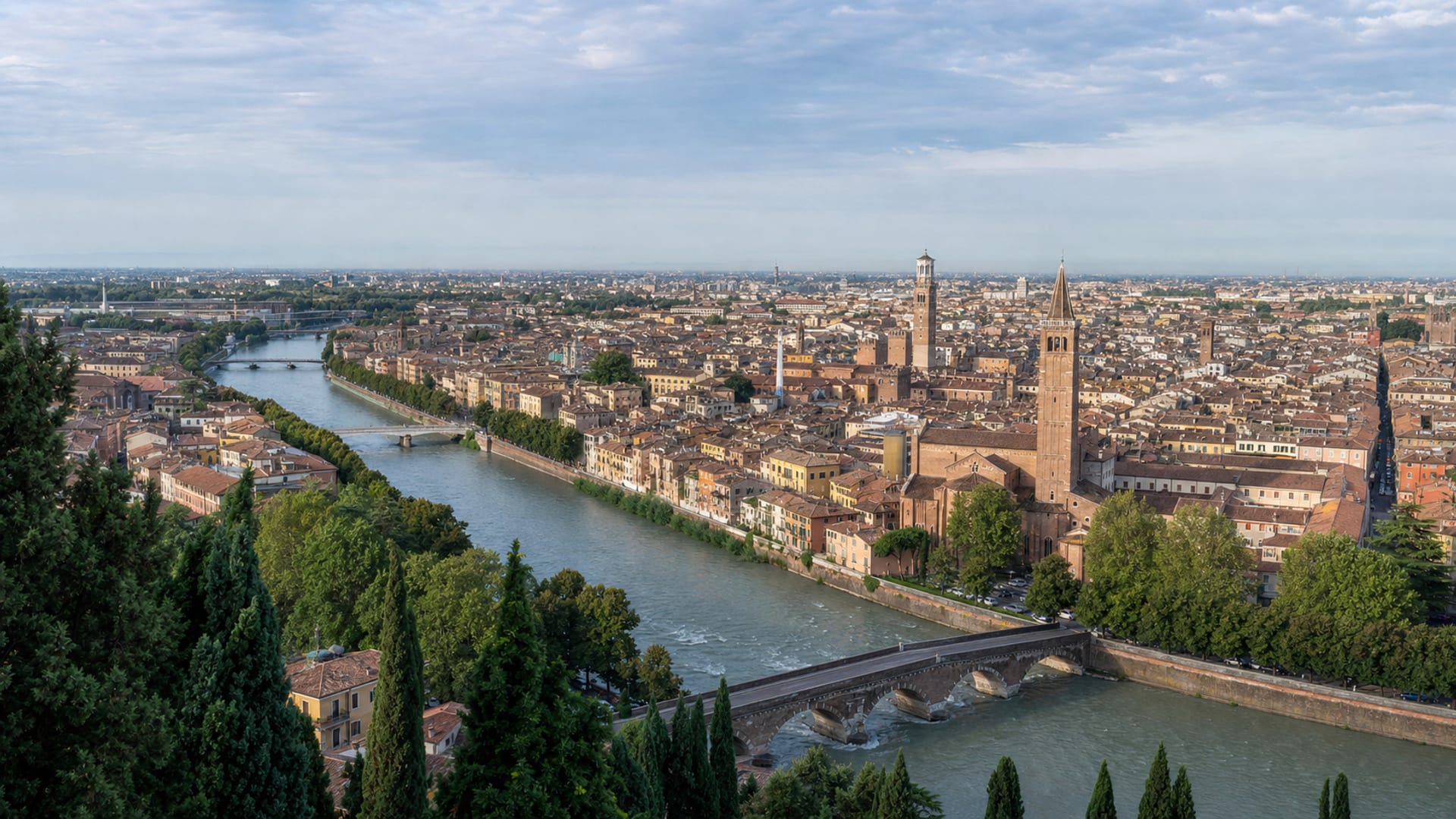
Verona is the kind of city that invites you to slow down a little. Piazza Bra and the Arena are natural starting points, but some of the city’s most rewarding places lie across the Adige or farther west toward San Zeno and Castelvecchio.
Five days give you enough time to see the main landmarks without rushing from one stop to the next. You can spend one day in the historic center, another in Veronetta and its gardens, and still leave room for long lunches, evening walks, and a quieter final morning. Keeping nearby places together also makes each day feel more relaxed.
This guide covers where to stay, how to get around, what to eat, when to visit, and how to plan your time, along with practical details on transport, opening hours, seasonal weather, and flights from the US.
Useful things to know

Main language(s): Italian
Ciao (chow) – Hello
Per favore (pehr fah-VOH-reh) – Please
Grazie (GRAHT-see-eh) – Thank you
Parla inglese? (PAHR-lah een-GLEH-zeh) – Do you speak English?
Quanto costa? (KWAHN-toh KOH-sta) – How much does it cost?

Currency: Euro (EUR, €)

Cash and cards: Cards are widely accepted, and Verona buses accept card payment onboard. Carry a little cash for markets or small purchases.

Tipping: Tipping is not compulsory. In restaurants, about 10% is customary when you are happy with the service; rounding up is fine for smaller bills.

Traditional food: Risotto all’Amarone, pastissada de caval, gnocchi sbatùi di malga, and pandoro are traditional foods associated with Verona and its province.

Water and coffee costs: Bottled water is about €1.50–€3 ($2–$3.50); espresso costs €2–€3 ($2–$3.50), depending on the venue.

Taxis and ride apps: RadioTaxi Verona operates 24 hours a day; book by phone or AppTaxi. FREENOW does not currently operate in Verona.

Plug and voltage: Italy uses Type C, F, and L sockets with a 230V, 50Hz supply. US travelers need a plug adapter; some appliances may need a voltage converter.

Dining and shop opening hours: Breakfast starts at 7:00 am; lunch is typically 12:30–2:30 pm, and dinner is 7:30–11:00 pm. Some shops close roughly 1:00–3:00 pm.

Emergency number: Call 112 for police, fire, or medical emergencies.
Where to stay in Verona
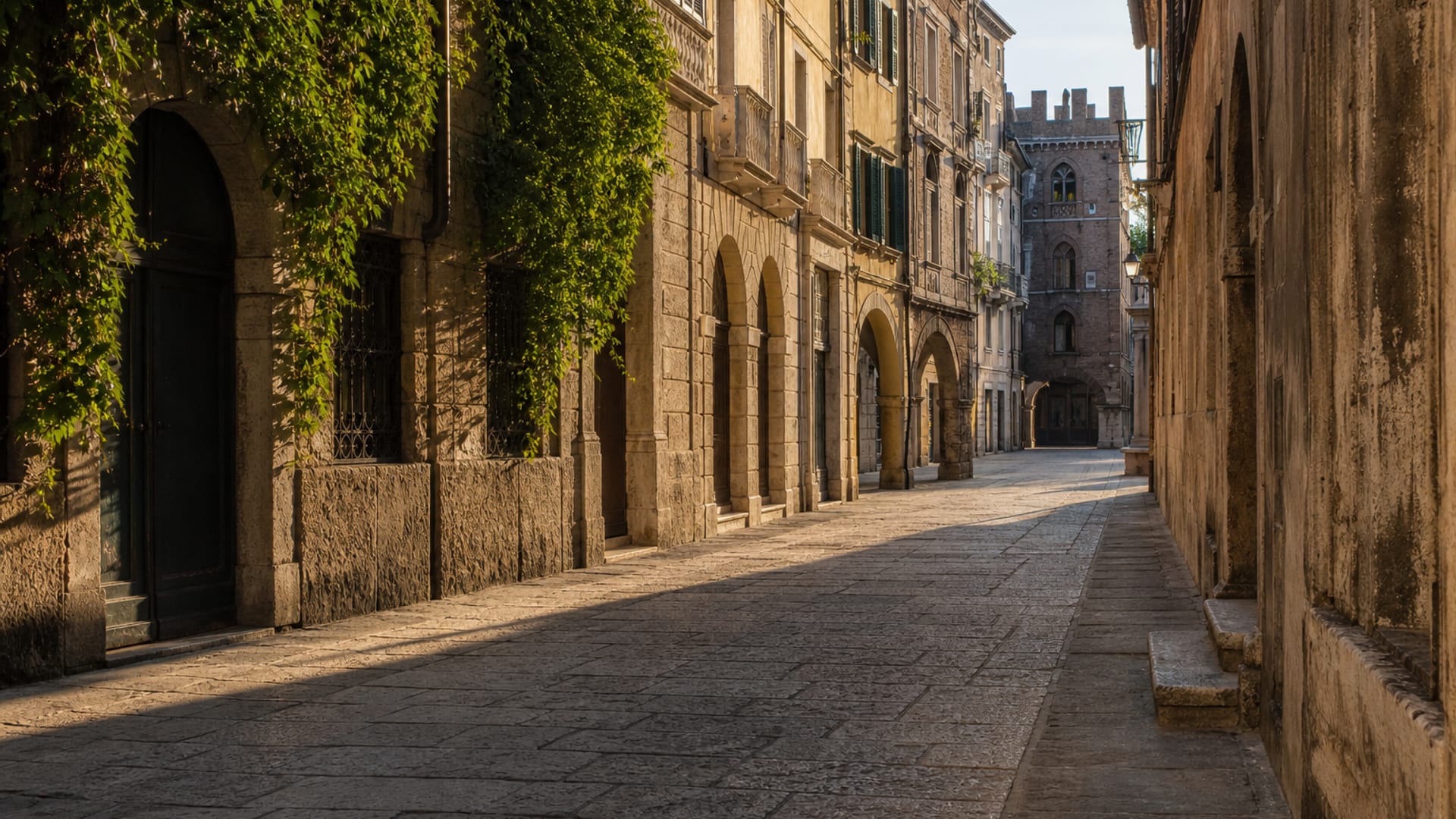
Centro Storico covers Verona’s historic core inside the Adige bend, including Piazza Bra, the Arena, Piazza delle Erbe, and Juliet’s House. Its pedestrian streets keep major sights, restaurants, cafés, and shops within a compact area, while traffic restrictions limit car access for visitors.
Best for: First-time visits, sightseeing, and travelers who want the main monuments within easy walking distance
What to expect: Busy pedestrian streets, full restaurant terraces, and steady foot traffic from morning until late evening.
Hotel prices: Usually about €160 to €320 (~$175 to ~$350) per night for well-rated stays
Distance to major sights: About 5 to 10 minutes on foot to the Arena and Piazza Bra; about 15 minutes on foot to Juliet’s House
Quietness: Lively by day and evening, with late-night noise on the busiest streets.
Main trade-off: Rooms cost more here, and the most central blocks can feel noisy during peak dining hours.
Good to know: If you are driving, ask the hotel about ZTL (Limited Traffic Zone) access and parking before arrival so you know where you can legally enter and leave the car.
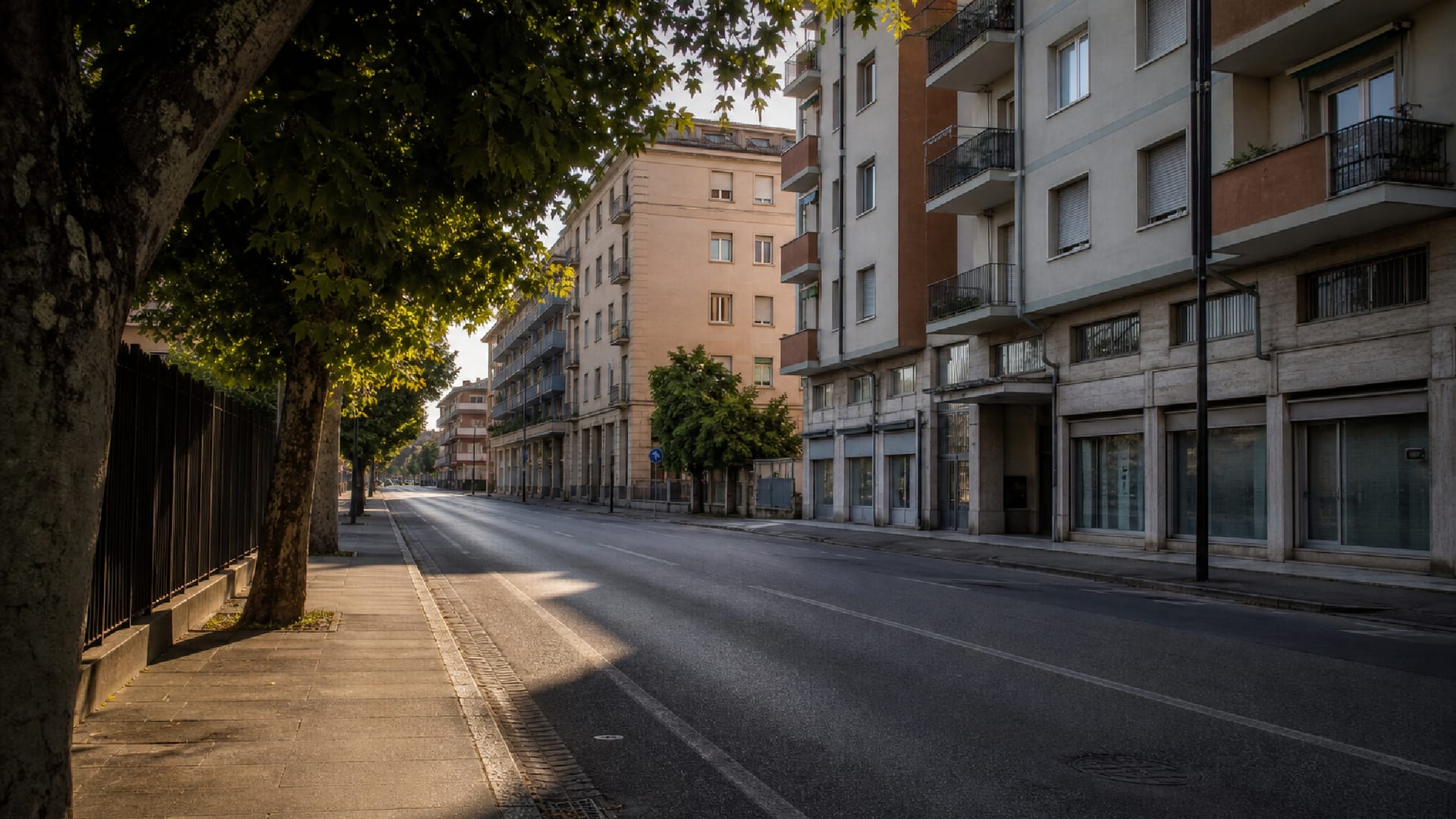
Cittadella extends south from Piazza Bra toward Verona Porta Nuova station, with Corso Porta Nuova linking the historic center and railway area. Hotels, apartments, restaurants, and offices line the district, while the exact address determines whether the Arena or station is nearer.
Best for: Rail arrivals, short city breaks, and travelers who want to split time between the station and the old town
What to expect: A mixed area with hotels, apartments, and steady daytime movement, then quieter side streets at night.
Hotel prices: Usually about €120 to €240 (~$130 to ~$260) per night for well-rated stays
Distance to major sights: About 10 to 15 minutes on foot to the Arena; about 8 minutes on foot to Verona Porta Nuova station
Quietness: Moderate during the day, then calmer at night than the historic core.
Main trade-off: You trade a slightly less atmospheric setting for easier arrivals and faster departures by train.
Good to know: Check the hotel’s position before booking, since distances to the station, Arena, and historic-center sights vary across Cittadella.
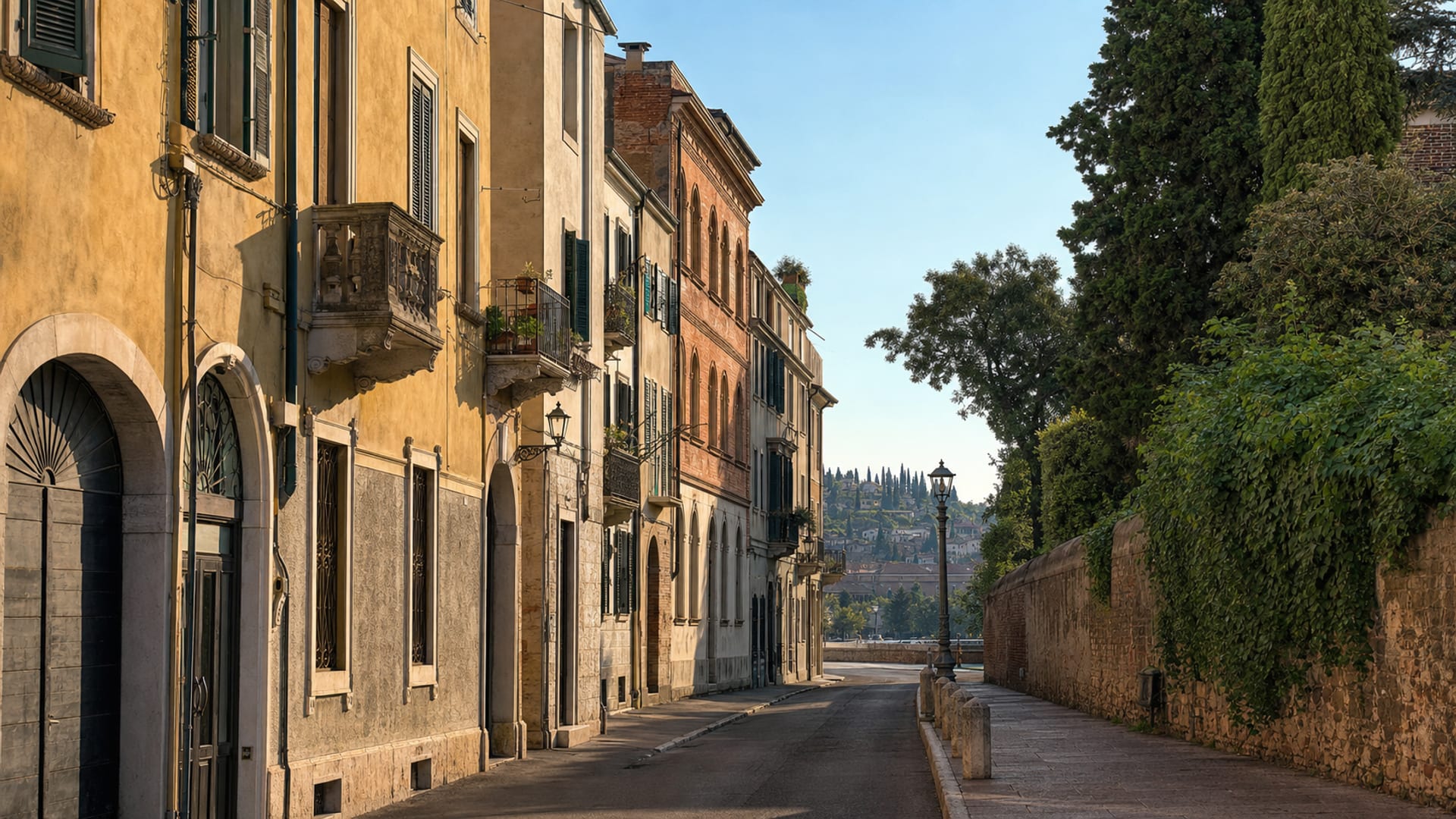
Veronetta stretches east of the Adige, opposite Verona’s historic center, with university buildings, cafés, bars, churches, and residential streets. Ponte Pietra, Ponte Nuovo, and Ponte Navi link the area directly with the old town, while San Pietro hill rises above its northern edge.
Best for: Travelers who want a neighborhood feel, midrange stays, and quick access to the center on foot
What to expect: Student life, neighborhood cafés, and a looser street scene than the main tourist grid.
Hotel prices: Usually about €90 to €180 (~$100 to ~$195) per night for well-rated stays
Distance to major sights: About 10 to 20 minutes on foot to Juliet’s House and the Arena, depending on the bridge and exact address
Quietness: Quieter than the center in the evening, though some blocks stay active near bars and the university.
Main trade-off: You may face more walking uphill on the return trip if you stay near the eastern edge by the hill.
Good to know: Hotels near Ponte Pietra, Ponte Nuovo, or Ponte Navi shorten the walk into the historic center and back after dinner.
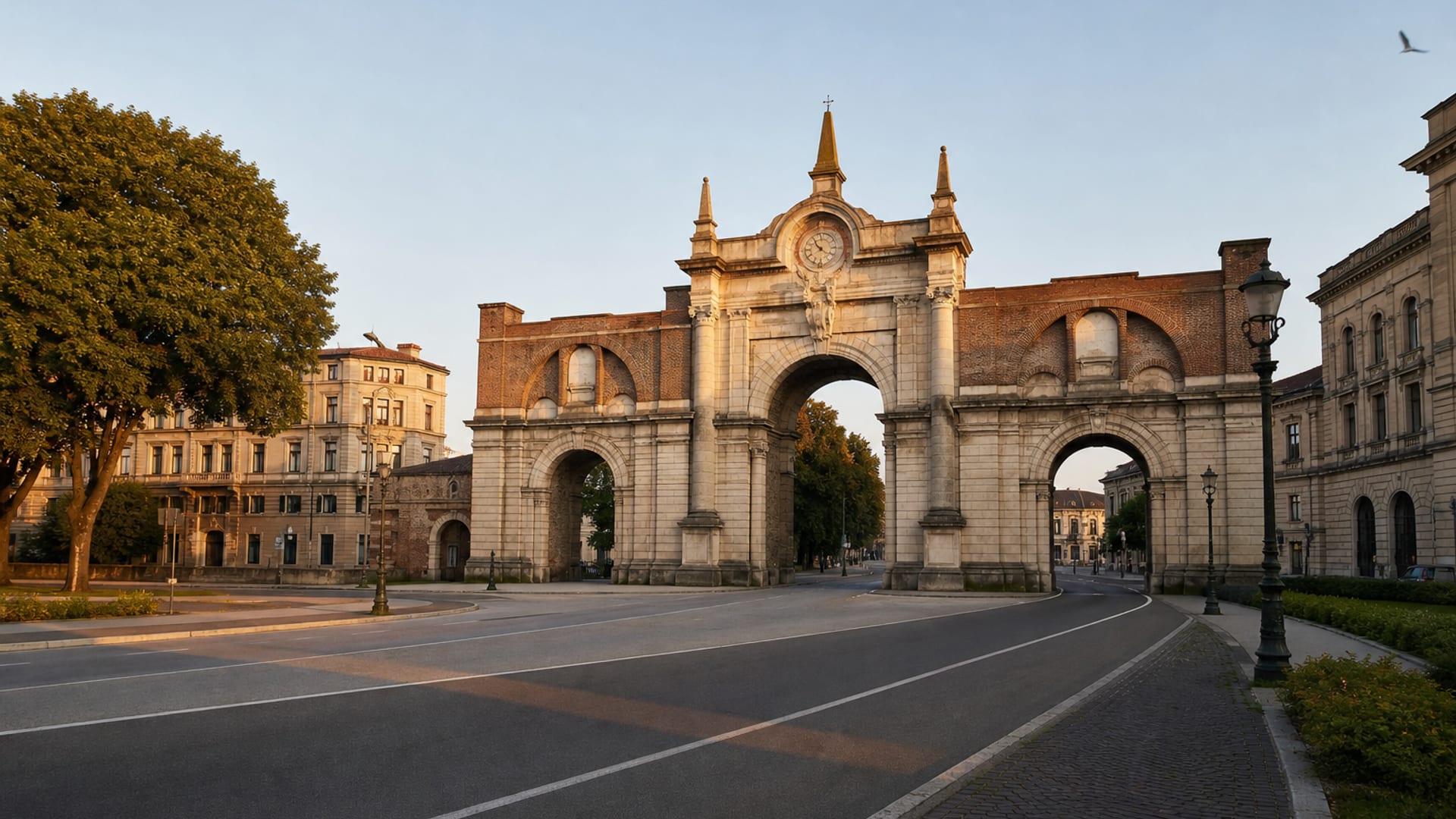
San Zeno lies west of Verona’s historic center, centered on Piazza San Zeno and the Basilica di San Zeno Maggiore. Residential streets, cafés, restaurants, and small hotels fill the area, while Castelvecchio and the western edge of the old town remain within walking distance.
Best for: Rail travelers, overnight stops, and visitors who prioritize station access over a historic setting
What to expect: Transit-heavy streets, hotels, and commuter traffic, with fewer evening dining choices than in the old town.
Hotel prices: Usually about €80 to €170 (~$87 to ~$185) per night for well-rated stays
Distance to major sights: About 10 to 15 minutes by bus or 20 minutes on foot to the Arena; about 5 minutes on foot to Verona Porta Nuova station
Quietness: Busy during the day, then noticeably quieter at night away from the station frontage.
Main trade-off: It is less atmospheric than the center, and the best restaurants usually require a walk or a ride into town.
Good to know: Properties near Castelvecchio shorten the walk into the old town, while addresses farther west increase the distance to central sights.
Travelers focused on central sightseeing may find Borgo Roma, Borgo Milano, and Borgo Venezia less practical, since reaching Piazza Bra and the Arena takes longer. San Zeno and Veronetta keep the historic center within easier walking distance.
Hotel deals
How to get around Verona efficiently
Verona is easy to navigate without a car, with trains for regional trips, buses for city and airport travel, and taxis for direct rides.

Train
for trips beyond Verona
Verona Porta Nuova is the main station for trips to Venice, Milan, Bologna, and Lake Garda. Regional fares start at about €4.05 ($4.70) to Peschiera del Garda and €10 ($11.60) to Venice. The Arena is 15–20 minutes away on foot, so trains are useful for day trips.

Bus
for city and airport trips
ATV buses link central Verona with Porta Nuova station and districts outside the center. A 90-minute ticket costs €1.50 ($1.75), or €2 ($2.35) when paid onboard by card. AirLink line 199 reaches Verona Airport from Porta Nuova in about 15 minutes and costs €7 ($8) one way.

Taxi
for luggage, direct trips, and late hours
Licensed taxis are useful with luggage, after late arrivals, or when the bus route is inconvenient. Radio Taxi Verona charges €10 ($12) by day from Porta Nuova to Piazza Bra and €26 ($30) from Porta Nuova to the airport, with higher fares at night and on holidays.
*Prices are based on rates updated as of September 2026 and may change at the time of travel.
Walk for most trips in the historic center, take ATV buses across the city or to the airport, use trains for day trips, and taxis when you need a direct ride.
Iconic landmarks
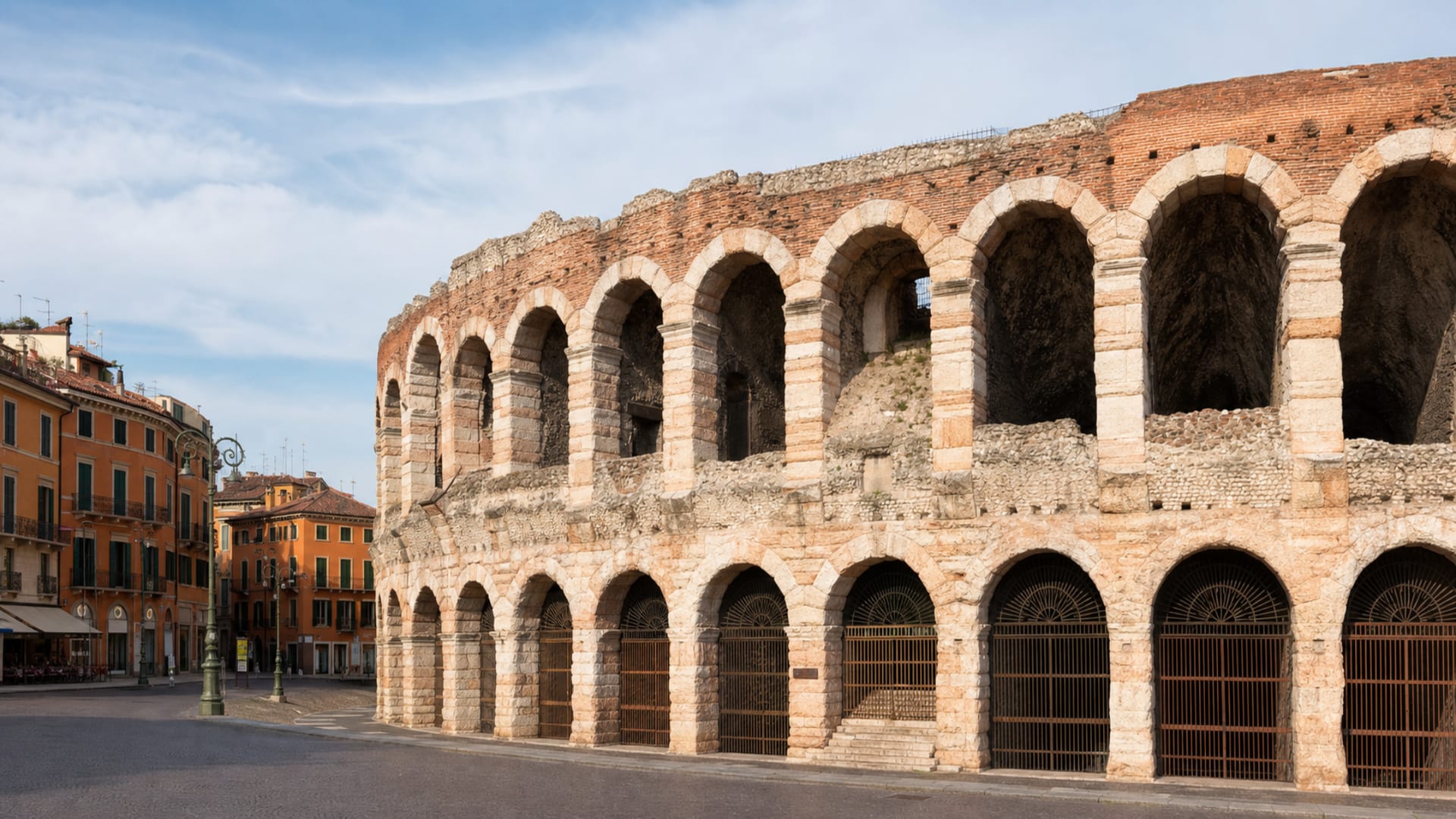
Arena di Verona
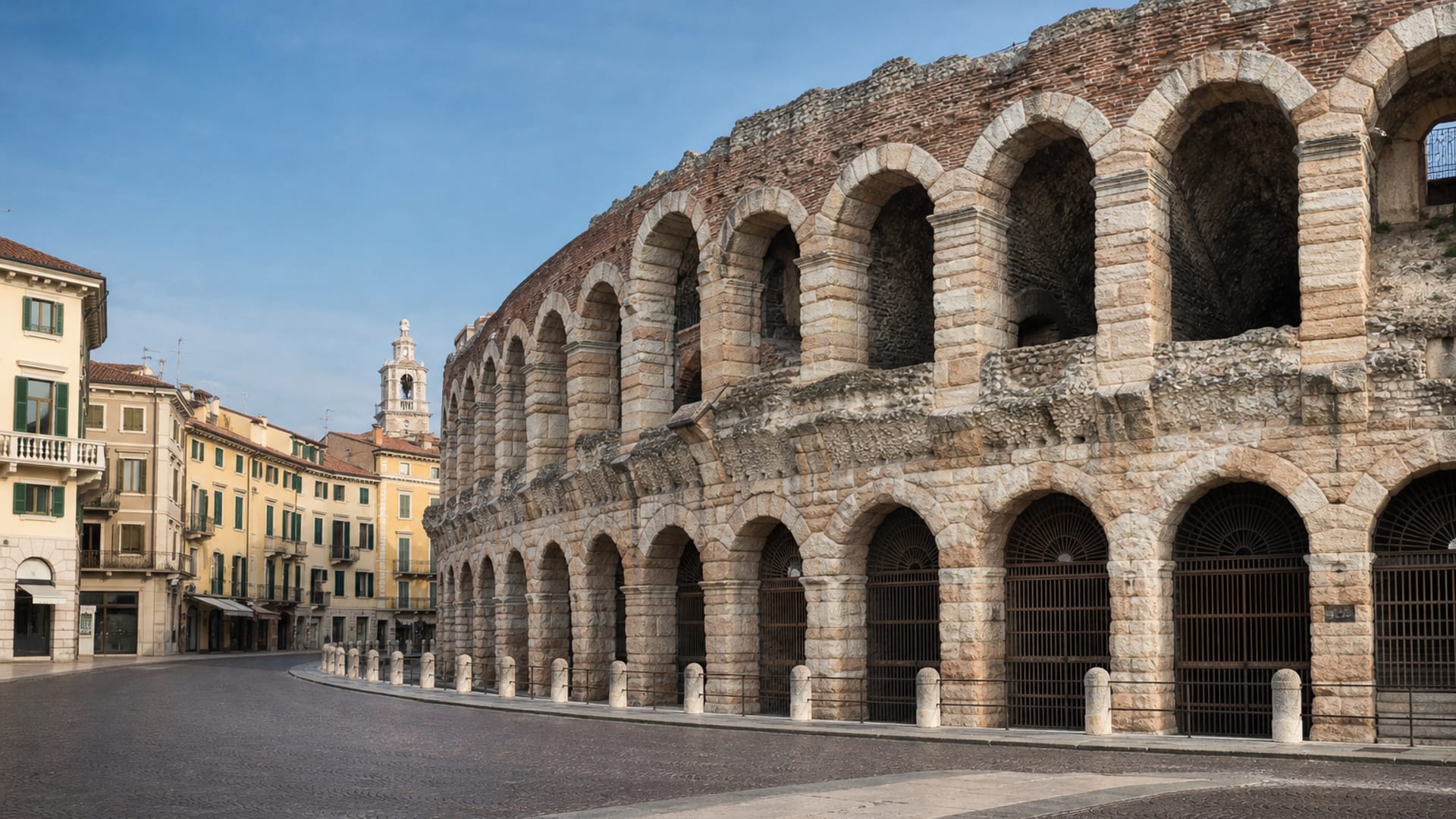
Built in the 1st century AD, Arena di Verona is the Roman amphitheater at the center of Piazza Bra. Visitors can walk through its stone arcades and seat tiers. The venue still hosts the Arena di Verona Opera Festival and other concerts and public events throughout the year.
Time needed: About 1 to 2 hours
Entry: Standard entry costs about $12 to $15 (€11 to €14), with reduced rates for children, students, and some combined city tickets. Visit the official site for details.
Tip: Visiting hours can change on opera and concert days, so check the schedule first.
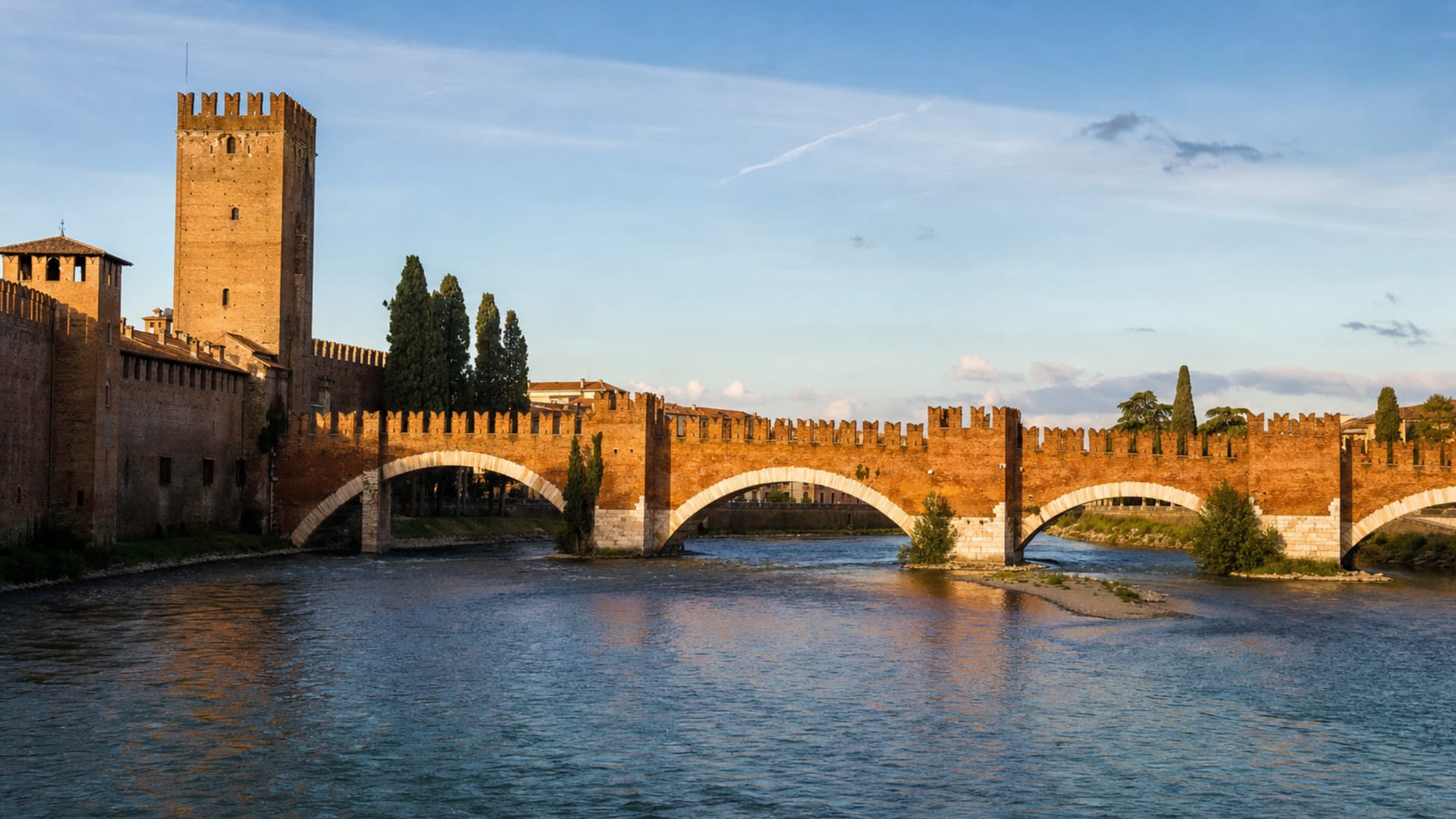
Castelvecchio and Ponte Scaligero
Castelvecchio is a 14th-century Scaliger fortress on the Adige, now home to a museum of medieval, Renaissance, and later art. Beside it, Ponte Scaligero crosses the river between fortified towers, with open views along the water and toward Verona’s historic center from the bridge.
Time needed: About 2 to 3 hours
Entry: Standard tickets cost about $10 to $12 (€9 to €11), with lower rates for children, students, and some city-card holders. Visit the official site for details.
Tip: The museum closes at 6:00 pm, with last entry at 5:15 pm, so visit it before walking to the bridge.
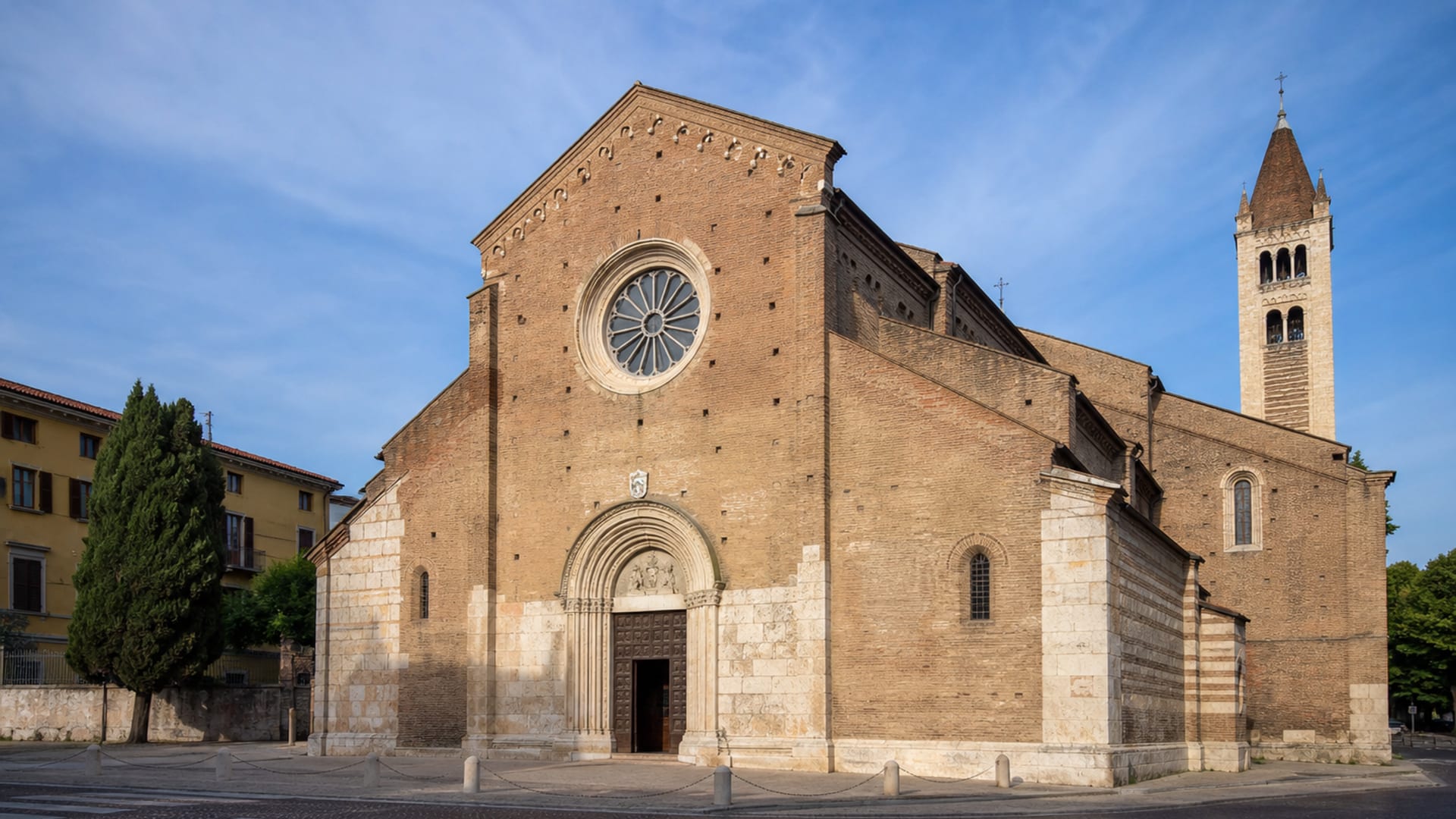
Juliet’s House
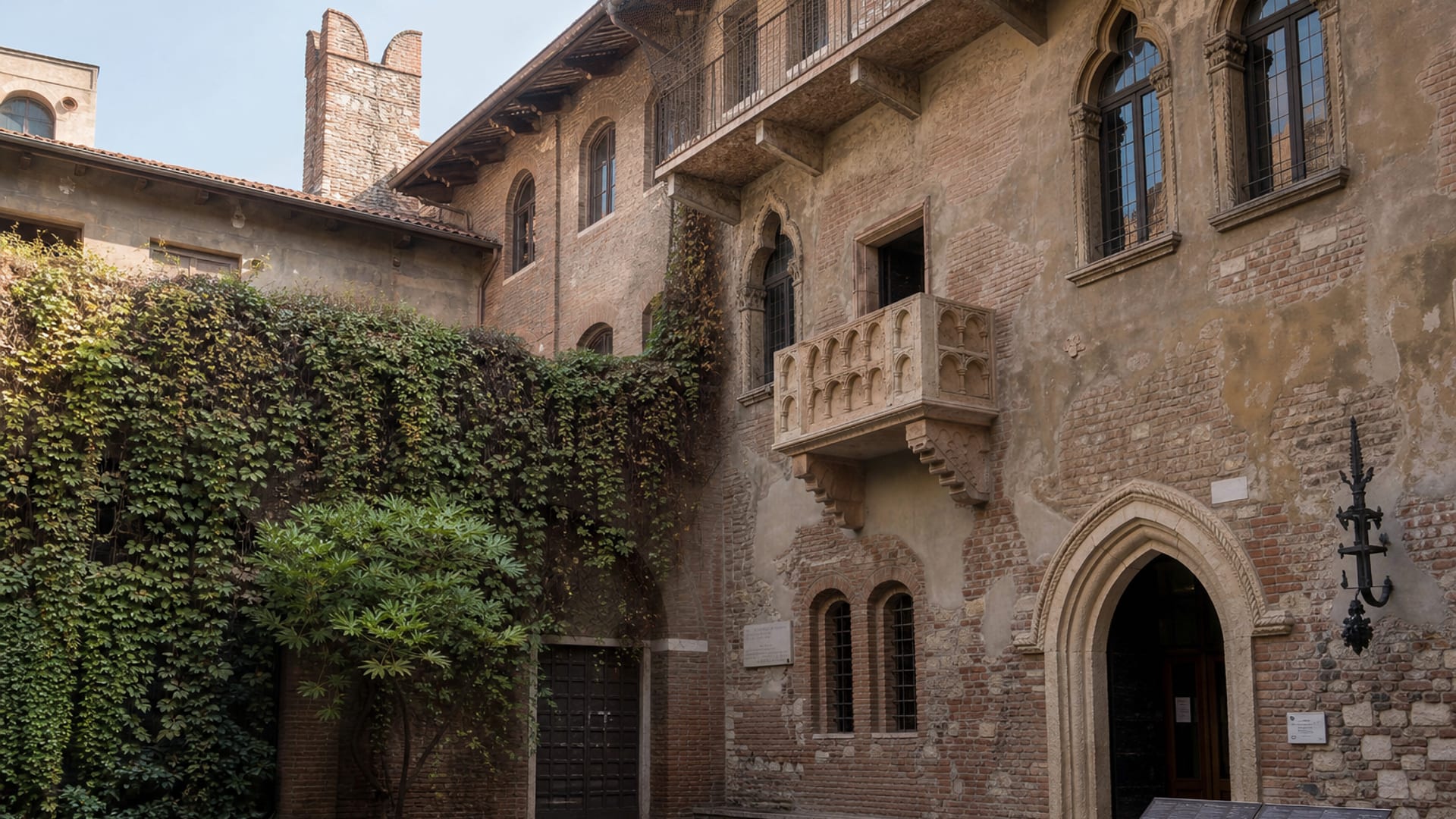
Juliet’s House occupies a medieval building on Via Cappello traditionally linked with Shakespeare’s Capulets. The museum includes period rooms, paintings, film memorabilia, the courtyard, and the famous balcony, which was added during a 20th-century restoration of the house and courtyard.
Time needed: About 45 minutes to 1 hour
Entry: Entry costs about $4 to $5 (€4 to €5), with possible small supplements for the cloister or special areas during events. Visit the official site for details.
Tip: Entry now starts at Teatro Nuovo in Piazzetta Navona, not directly from Via Cappello.
Overlooked sites worth visiting

Giardino Giusti
Giardino Giusti is a 16th-century Renaissance garden in Veronetta, with cypress-lined paths, box hedges, fountains, grottoes, a hedge maze, and an upper viewpoint over central Verona.
Time needed: About 1 to 2 hours
Entry: Standard admission is €12 ($13), with reduced tickets for some students, seniors, and groups; the garden also offers discounted late-afternoon entry on selected dates, and children under 6 enter free. Visit the official site for details.
Tip: Wear comfortable shoes if you plan to climb the upper paths to the viewpoint.

Museo Africano
Museo Africano in Veronetta explores African cultures through masks, textiles, tools, musical instruments, ritual objects, and displays on daily life, work, religion, and social traditions.
Time needed: About 45 minutes to 1 hour
Entry: Admission is €5 ($5), with reduced tickets for students and seniors; opening days can vary by season, so check the museum calendar before you go, and special temporary exhibits may carry a separate fee. Visit the official site for details.
Tip: Check the opening calendar first, as weekend access is limited to specific dates.
Traditional food
Verona’s traditional cooking includes rice, Amarone wine, horse meat, Monte Veronese cheese, polenta, and rich baked desserts. These four dishes are closely tied to the city and its province.
Risotto all'Amarone
Risotto all’Amarone is made by cooking rice with Amarone della Valpolicella, which gives it a deep red color and pronounced wine flavor. The result is creamy and savory. Antica Bottega del Vino currently lists it in central Verona.
Pastissada de caval
Pastissada de caval is horse meat slow-cooked with wine, vegetables, and spices until tender, then traditionally served with polenta. Vescovo Moro currently lists pastissada de caval with polenta at its restaurant in central Verona.
Gnocchi di malga
Gnocchi di malga, or gnochi sbatùi, are made with flour, water, and salt, then served with butter, Monte Veronese cheese, and ricotta for a rich, savory finish. Osteria Verona Antica serves them with smoked ricotta in central Verona.
Pandoro
Pandoro is Verona’s star-shaped, naturally leavened cake made with flour, eggs, butter, sugar, and yeast, then dusted with powdered sugar. Michele Turco 1909 sells its Pandoro di Verona in different sizes.
Best time to visit Verona
Spring and early fall have mild weather for walking, while summer is hot and busy, and winter has colder days and fewer visitors overall.
Best for: Walking, gardens, outdoor sights, and eating outside in mild spring weather
What you get: Highs rise from about 55°F (13°C) in March to 75°F (24°C) in May, with longer days, mild afternoons, and more time outside by late spring.
Trade-offs: Rain is common in April and May, and Vinitaly can bring large crowds and higher hotel demand in April.
Best for: Arena performances, long evenings, outdoor dining, and sightseeing after sunset
What you get: Daytime highs are usually 80°F–87°F (27°C–31°C), with long days, busy central streets, and evening opera performances at the Arena in summer.
Trade-offs: July and August are hot and busy, so long walks at midday can be tiring, and major sights can get crowded.
Best for: City walks, outdoor dining, wine events, and sightseeing in mild fall weather
What you get: September highs average 78°F (26°C); temperatures then fall to 55°F (13°C) by November, with shorter days and more rain later in fall.
Trade-offs: September can still be busy, while rain becomes more common by November and the days get noticeably shorter.
Best for: Museums, churches, Christmas events, and shorter walks through central Verona
What you get: Daytime highs are 43°F–50°F (6°C–10°C), with colder nights, short days, and fewer visitors once the Christmas and New Year period ends.
Trade-offs: Cold evenings, occasional fog, and short days mean less time for outdoor sightseeing and long walks.
A realistic 5-day plan in Verona
Five days are enough for Verona’s main sights, quieter neighborhoods, and a lighter final morning. Keeping nearby places together makes each day easy to follow, while opening hours and reservations help set the order for a few key visits.
Arrive at Verona Airport (VRN) and take Verona AirLink to Verona Porta Nuova, which takes 15 minutes and costs €7 ($8), or a taxi to Piazza Bra for about €30 ($35) by day. After check-in, keep the first afternoon easy with a walk through Piazza Bra and past the Arena. Continue along Via Mazzini for coffee or dinner nearby, then head back to the hotel. It is a gentle first look at central Verona without turning arrival day into a full sightseeing schedule.
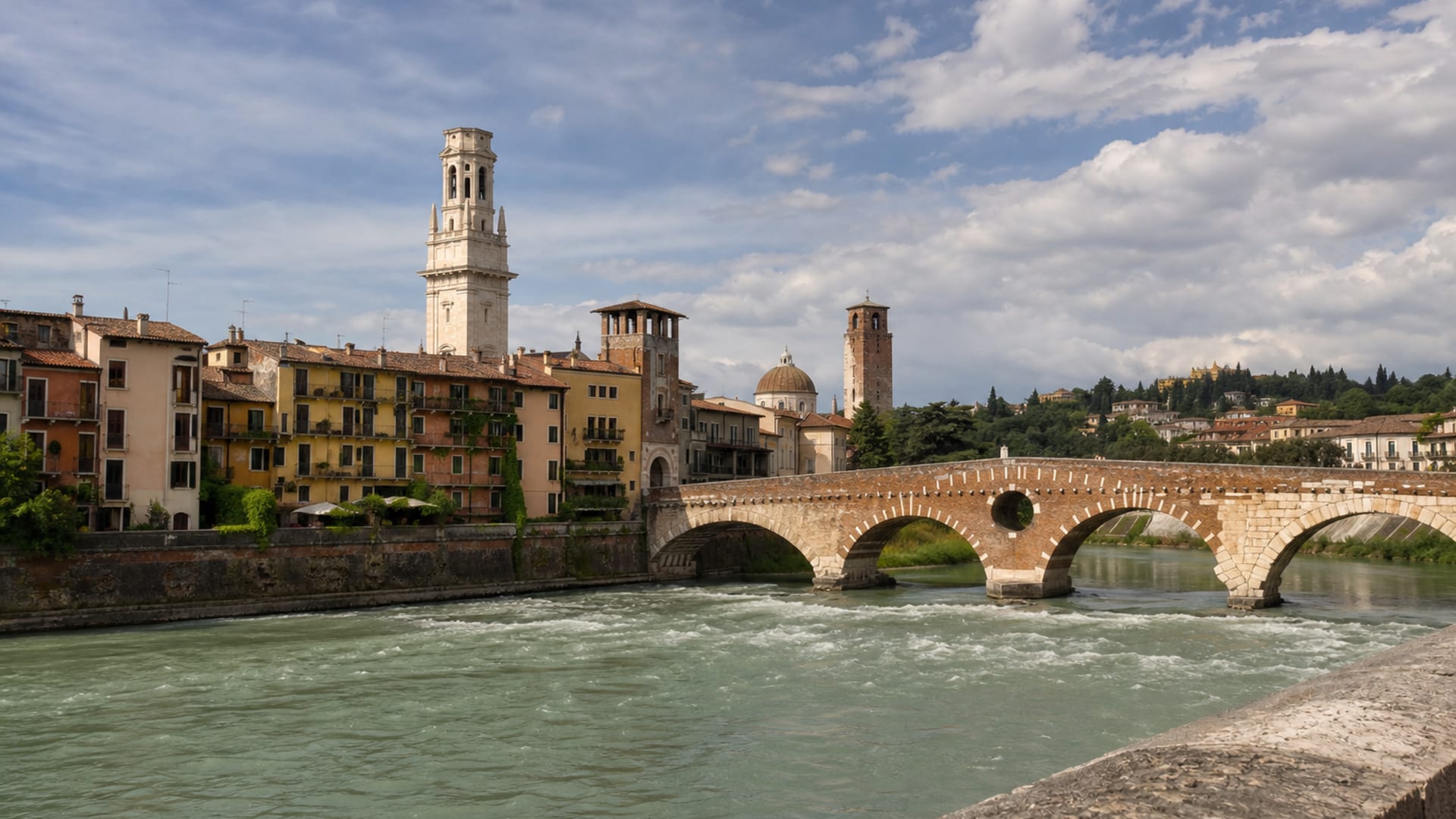
Start at Arena di Verona and spend 1 to 2 hours inside the Roman amphitheater before walking about 10 minutes to Castelvecchio. Explore the museum, then cross Ponte Scaligero for views along the Adige. After lunch, continue west to Basilica di San Zeno Maggiore to see its Romanesque facade, bronze doors, crypt, and Mantegna altarpiece. Both the Arena and Castelvecchio normally close on Mondays, so plan this day from Tuesday to Sunday.
Begin with Juliet’s House, using the advance online reservation required for entry, then continue into Piazza delle Erbe and Piazza dei Signori. Walk through the nearby streets to see medieval facades, market stalls, towers, and civic buildings before lunch. Spend the afternoon near Ponte Pietra and the northern part of the historic center, where the river, old streets, and historic buildings keep the day centered on medieval Verona.
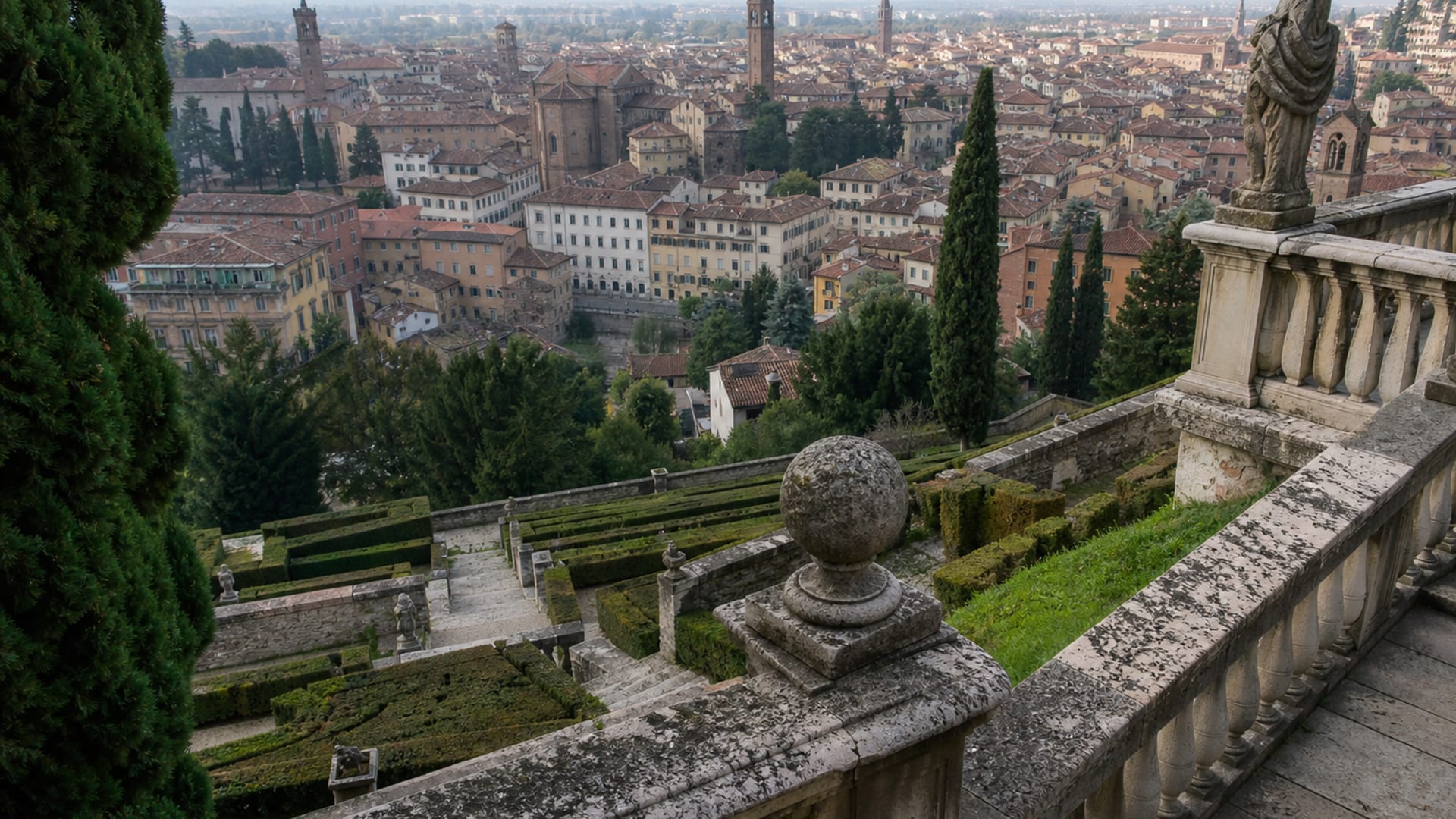
Cross the Adige into Veronetta and start at Giardino Giusti, where formal hedges, cypress-lined paths, grottoes, and the upper viewpoint take 1 to 2 hours to explore. Continue through the neighborhood to Museo Africano when its opening schedule matches your visit, then walk toward Ponte Pietra along the river. Finish with dinner in Veronetta or near the bridge, keeping the afternoon and evening focused on the east side of the city.
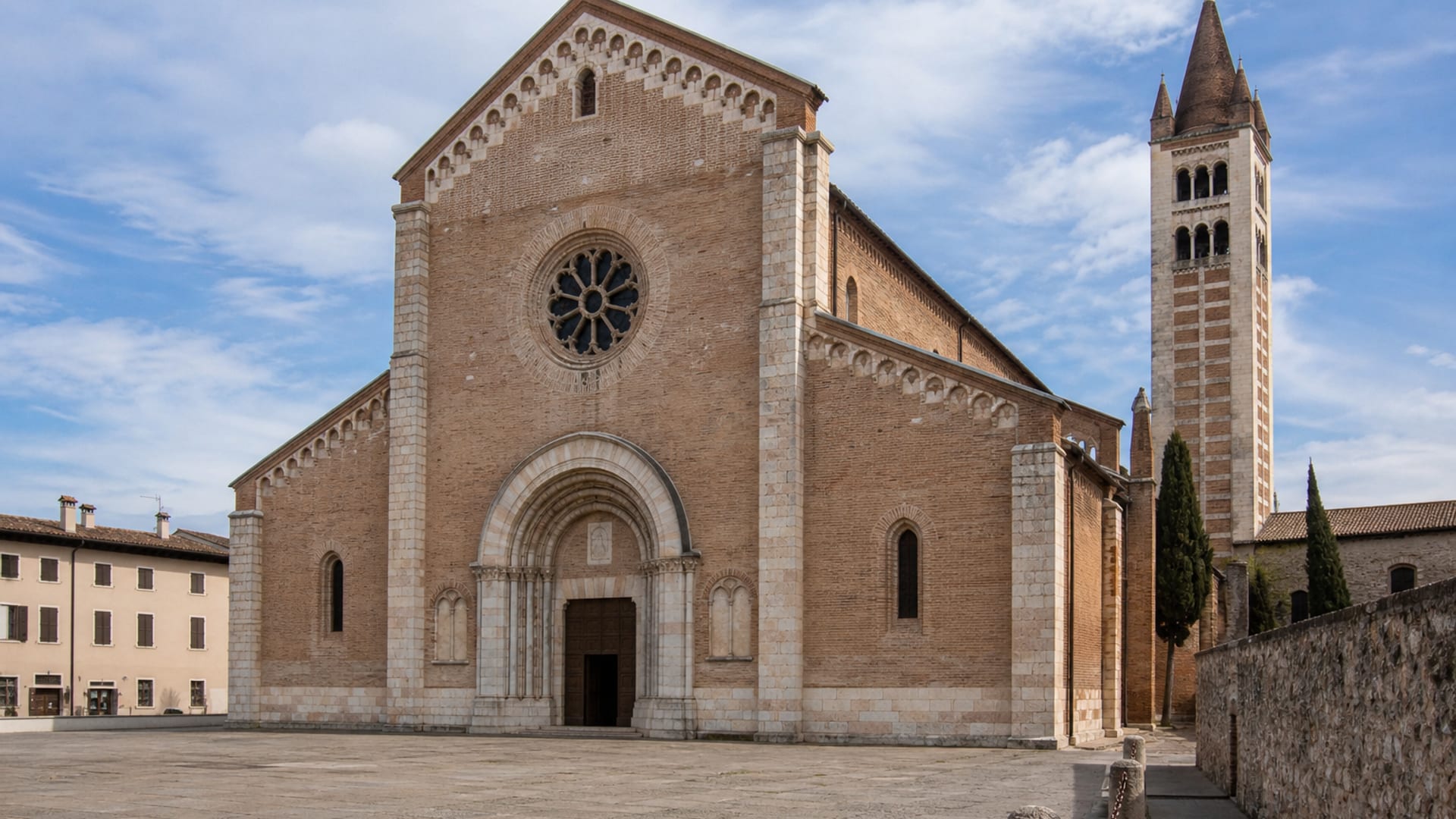
Keep the final morning close to the center and your departure route. Walk along Via Mazzini, Piazza delle Erbe, and Corso Porta Borsari for last-minute shopping, coffee, or one last look at a favorite square. Have lunch near Piazza Bra or your hotel, collect your luggage, and leave for Verona Porta Nuova or Verona Airport without adding another museum or long trip across the city. The lighter pace leaves enough time for a relaxed departure.
Business-class flights from the US to Verona
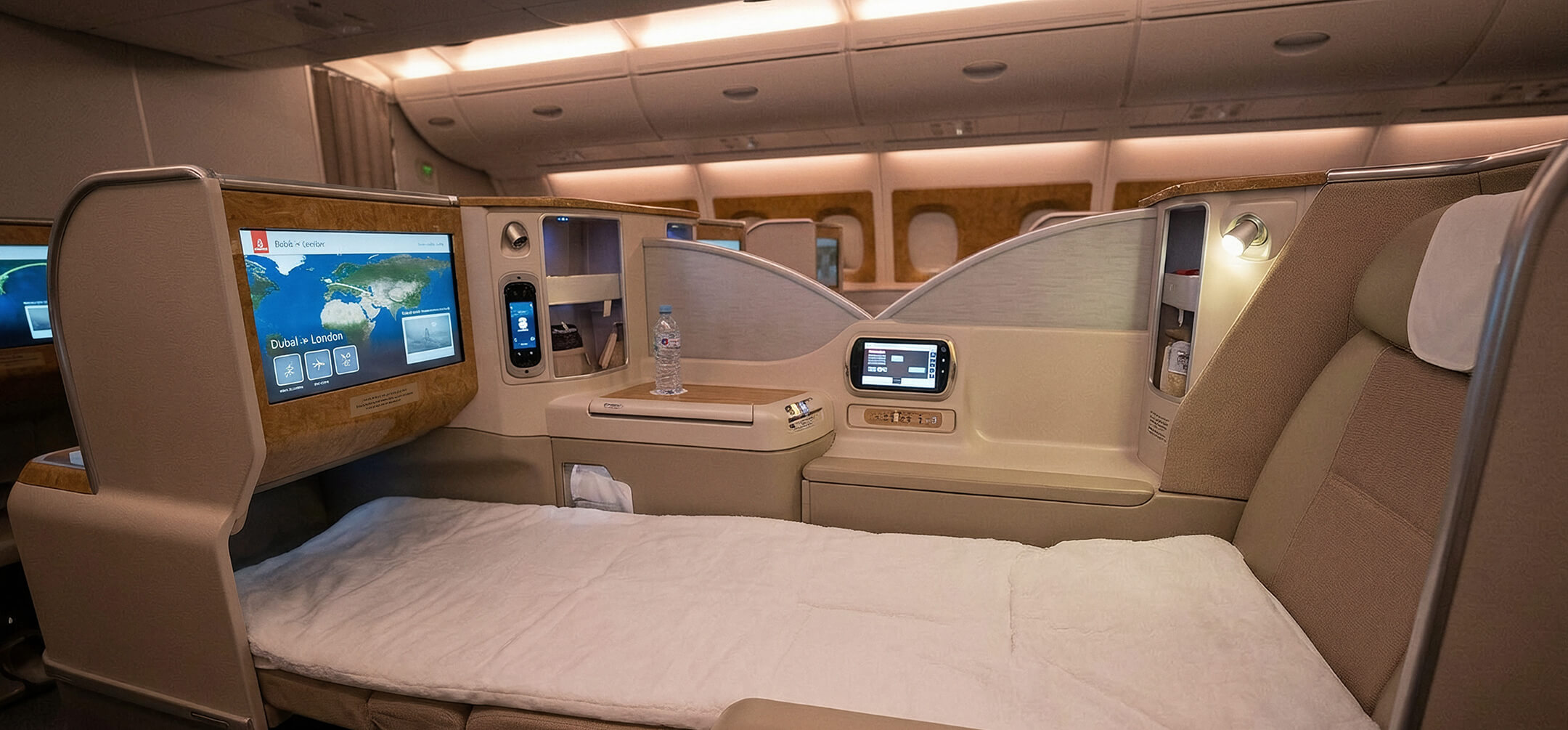
There are no nonstop business-class flights from New York or Los Angeles to Verona, so the shortest trips require one layover in Europe.
New York (JFK) to Verona (VRN)
From New York (JFK), one-stop business-class trips reach Verona through Paris (CDG) with Air France, Munich (MUC) with Lufthansa and Air Dolomiti, or Casablanca (CMN) with Royal Air Maroc. British Airways itineraries through London often involve arriving at Heathrow (LHR) and continuing from Gatwick (LGW). Travel times range from about 11 to 30 hours, with round-trip fares of roughly $3,600 to $10,200.
Los Angeles (LAX) to Verona (VRN)
From Los Angeles (LAX), Lufthansa provides one-stop trips through Munich (MUC) or Frankfurt (FRA), while Finnair flies via Helsinki (HEL). British Airways is another option, although many London itineraries require an airport transfer from Heathrow (LHR) to Gatwick (LGW). Total travel time is about 14 to 34 hours. Round-trip fares are commonly $3,600 to $9,600, although some dates can reach much higher prices due to demand.
Planning Verona at a steady pace
Verona feels most enjoyable when each part of the city has its own time. Keeping the historic center, San Zeno, and Veronetta on separate days leaves room for long lunches, unhurried museum visits, and evenings that do not feel rushed. Once your dates are clear, AranGrant can help you compare business-class flights and hotels that fit your schedule, so the practical side of the trip falls into place more easily.