


Chapters:

Need help with your trip?
Our support team is available 24/7. Request a callback or call us directly at (833) 619-0908
Vancouver trips often begin with the same shortlist: downtown hotels, Stanley Park, Granville Island, and a quick look at Gastown. Travelers sometimes skip the in-between time, though, and that is where the city usually gives away its best details.
The main sights sit close on a map, yet they rarely move in a single line. Seawall walks, ferry crossings, and bridge-side outings each ask for different timing, and crowds build fast at the places most visitors save for midday.
This guide orders the city by pace and distance, with neighborhoods, transit, food, and day trips arranged so each day has a clear purpose and fewer backtracks.
Useful things to know

Main language(s): English

Currency: The local currency is the Canadian dollar (CAD, C$).

Cash and cards: Cards and contactless are widely accepted; carry about C$20 to C$40 (about $15 to $30) for small cash-only buys.

Tipping: Tip 15 to 20% in restaurants; round up for taxis and small bills.

Traditional food: Poutine, butter tarts, salmon candy, Nanaimo bars

Water and coffee costs: Water about C$3 to C$5 ($2 to $4), bar espresso about C$3.50 to C$5 ($3 to $4).

Taxis and ride apps: Uber and Lyft operate here; pick-up points can vary by terminal.

Plug and voltage: Type A/B socket, 120V

Dining and shop opening hours: Breakfast is about 07:00-10:00, lunch 12:00-14:00, and dinner 17:30-21:00. Many kitchens close earlier than in larger U.S. cities.

Emergency number: 911 for police, fire, or medical emergencies.
Where to stay in Vancouver
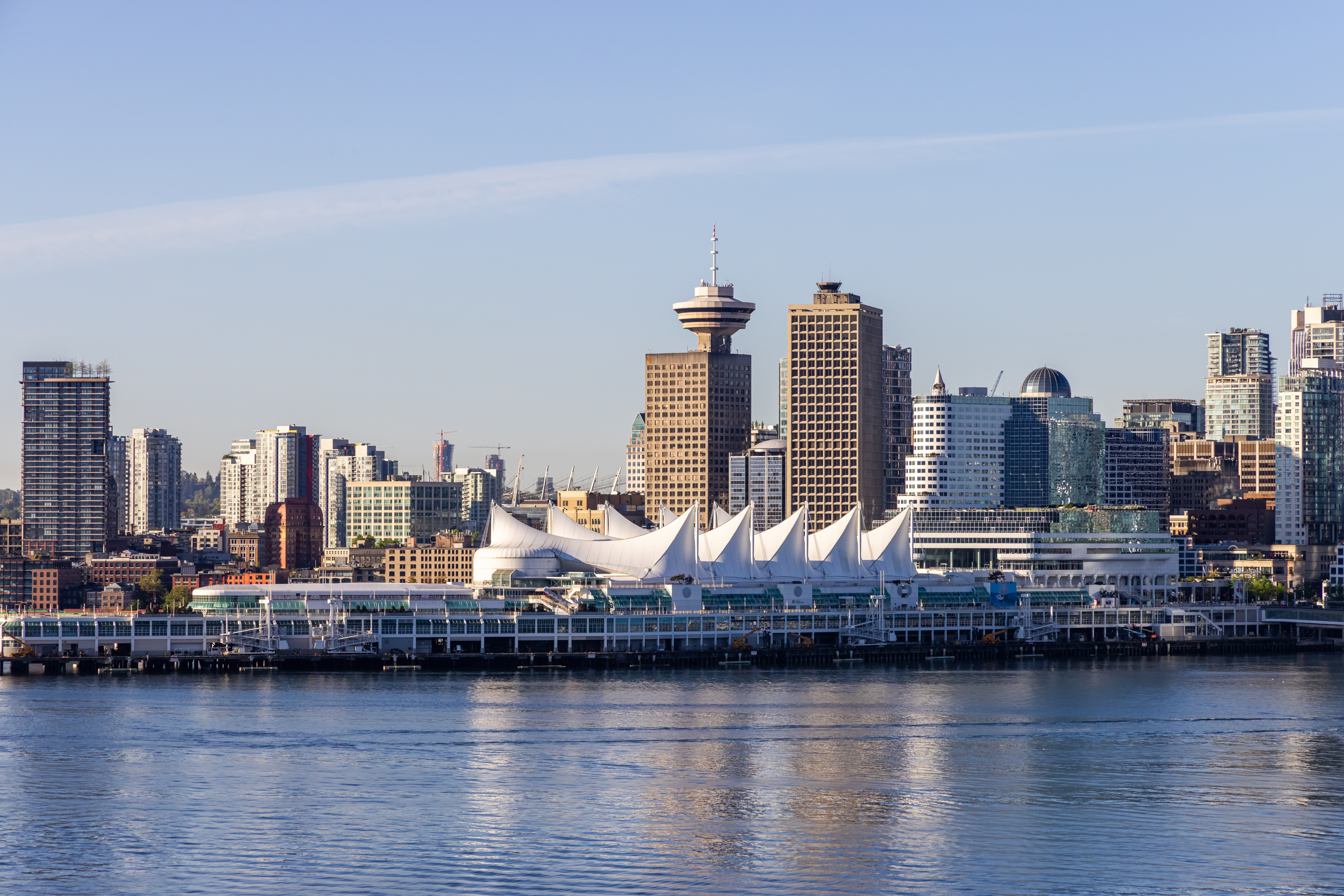
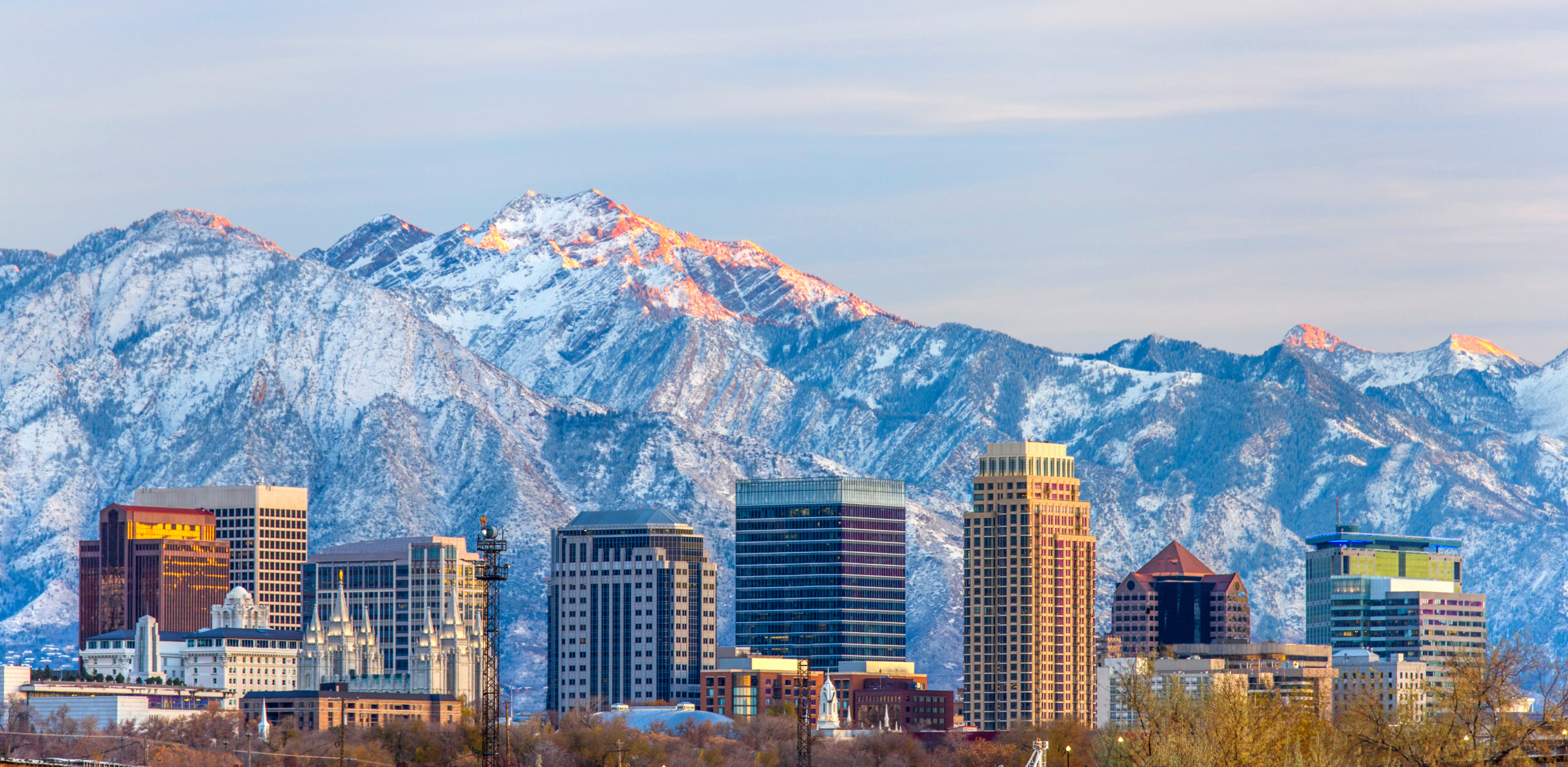
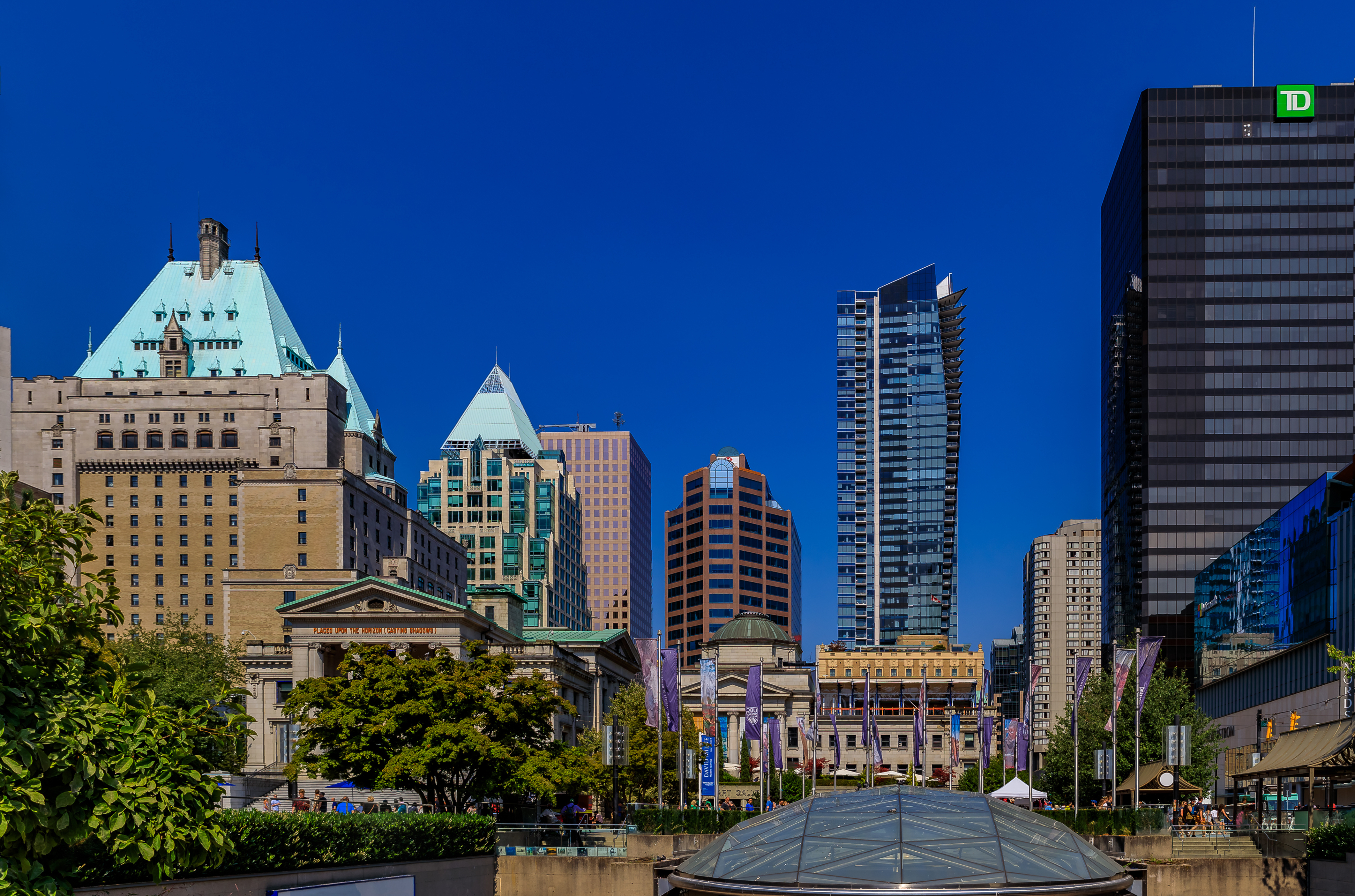
Vancouver’s central hotel district puts you close to the seawall, shopping on Robson Street, and the ferry terminals at the edge of the core. It suits visitors who want the city’s main sights, dining, and transit within an easy walk or short ride.
Best for: First-time visits, transit access, and being near shopping and major sights
What to expect: Busy sidewalks, frequent restaurant traffic, office towers, and steady evening movement near Granville and Robson.
Hotel prices: Usually about $220 to $420 per night for well-rated stays
Distance to major sights: 10 to 20 minutes on foot to Canada Place; about 15 minutes by transit to Stanley Park
Quietness: Lively by day and still active in the evening, especially near entertainment blocks; calmer on residential side streets.
Main trade-off: Rates rise on weekends and in peak seasons, and the busiest blocks can feel loud late at night.
Good to know: Choose a room away from Granville Street if you want less late-night noise, since the entertainment strip is where sound carries the most.
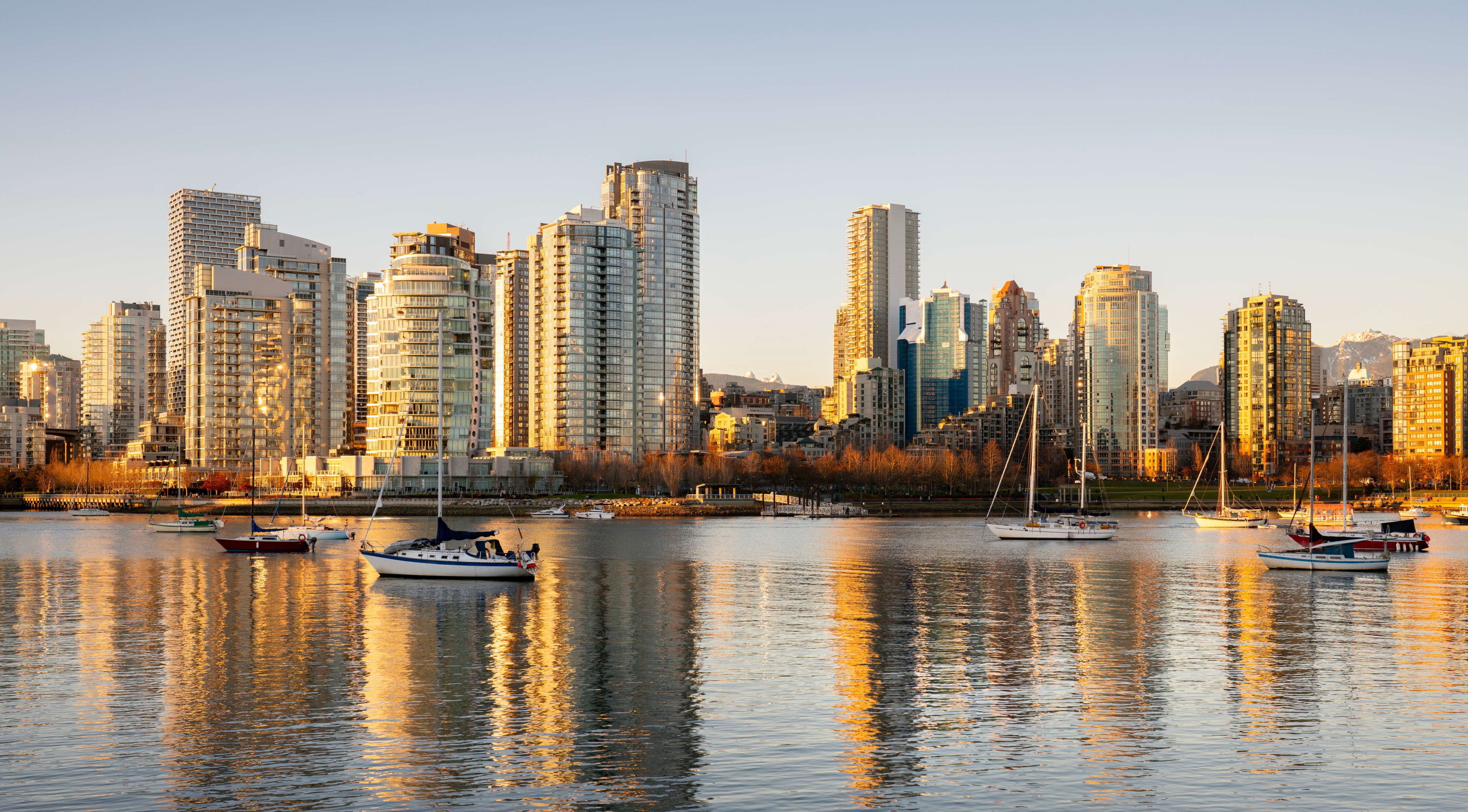
Yaletown mixes converted warehouse blocks with newer towers, waterfront paths, and a dense restaurant scene along its compact streets. It works well if you want an easy base for dining, the seawall, and short walks to the downtown core.
Best for: Dining, waterfront walks, and travelers who want a compact central base
What to expect: Sidewalk patios, cocktail bars, after-work crowds, and a noticeable dinner rush on main streets.
Hotel prices: Usually about $230 to $450 per night for well-rated stays
Distance to major sights: About 15 minutes on foot to Canada Place; about 20 minutes on foot to English Bay
Quietness: Busy through dinner and evening drinks, then quieter on residential blocks after restaurants close.
Main trade-off: You pay for the location, and some blocks sit directly under flight paths and late restaurant noise.
Good to know: Book early if you want a specific room type, because the smaller hotel stock in this area sells out faster than in the larger downtown grid.
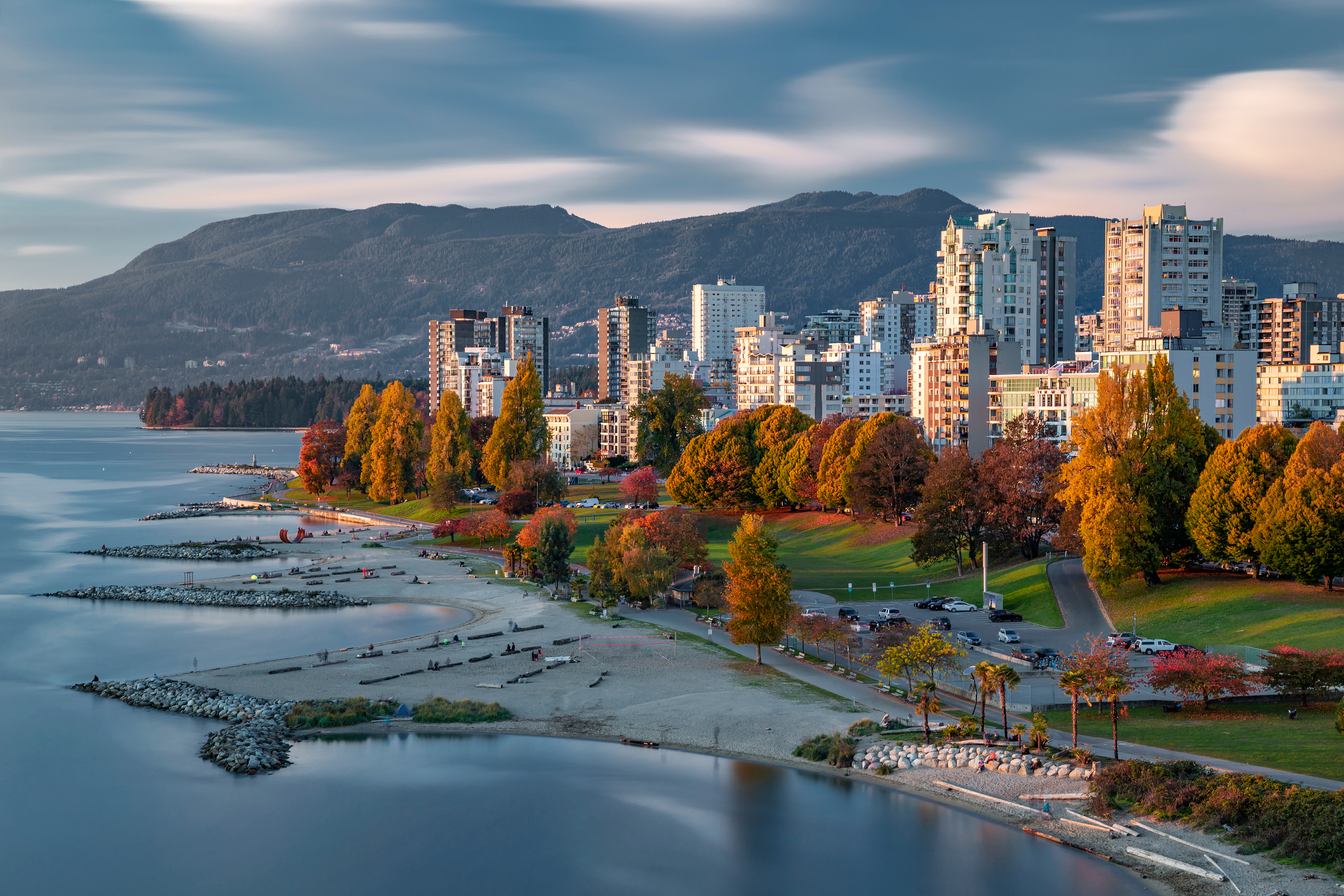
The West End sits between downtown and Stanley Park, with apartment streets, independent cafes, and quick access to the seawall and beaches. It is a strong choice for visitors who want a neighborhood feel while staying close to the central city.
Best for: Stanley Park access, beach time, and travelers who want a residential base near downtown
What to expect: Local foot traffic, coffee shops, casual dining, and a calmer residential feel a few blocks off Denman and Davie.
Hotel prices: Usually about $200 to $380 per night for well-rated stays
Distance to major sights: 10 to 15 minutes on foot to English Bay; about 20 minutes on foot to Stanley Park
Quietness: Brisk and busy on commercial streets by day, quieter at night on side streets and near the park edge.
Main trade-off: You may walk a bit farther for the biggest downtown hotels and business addresses.
Good to know: If beach access matters, look west of Denman Street, since it shortens the walk to English Bay and the park entrances.
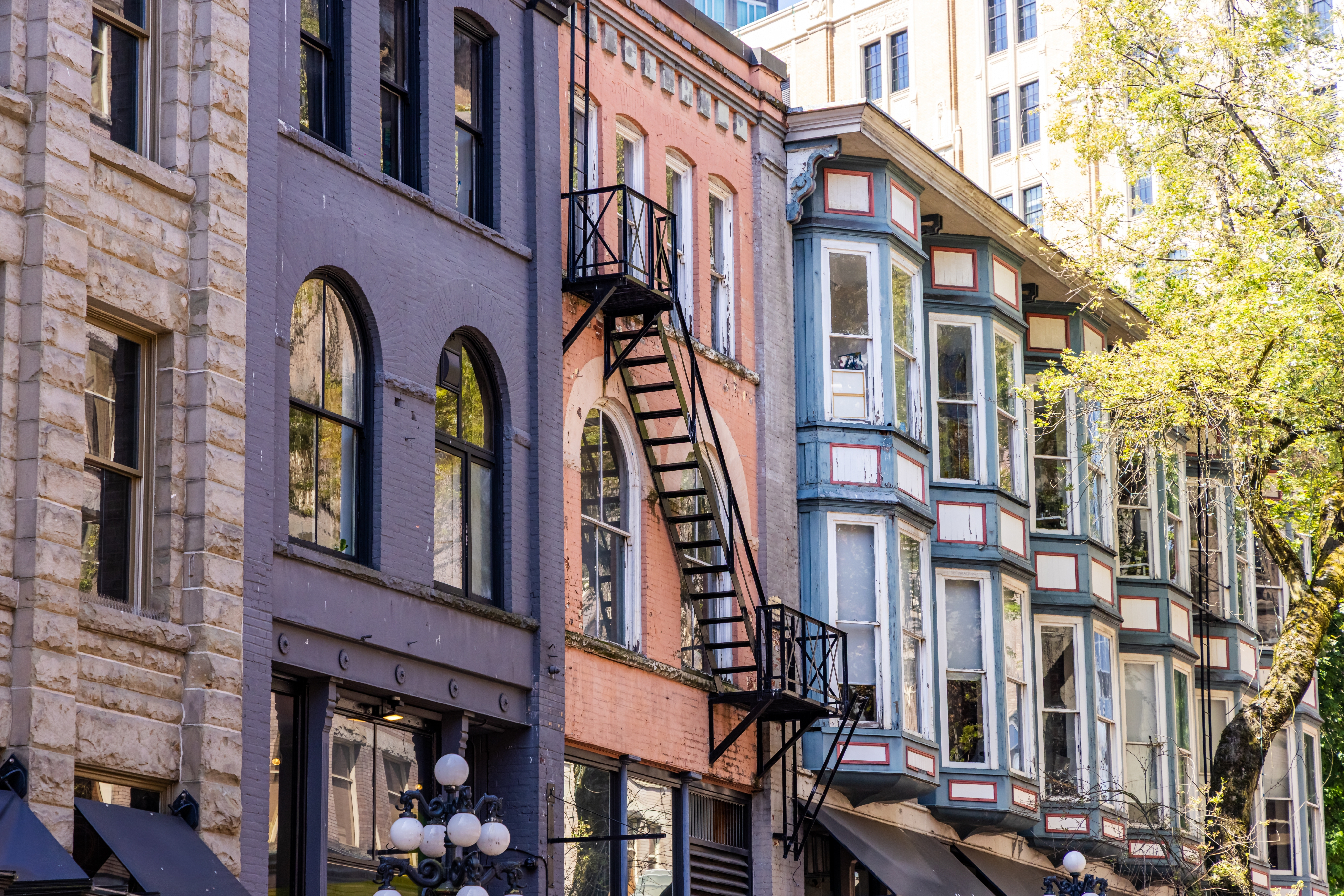
Gastown is Vancouver’s oldest district, known for heritage buildings, independent shops, and a compact grid close to the waterfront. It appeals to travelers who want character and easy access to downtown, the cruise terminal, and transit connections.
Best for: Architecture, short downtown walks, and travelers who want an older urban setting
What to expect: Tour groups by day, restaurant patios, souvenir browsing, and a thinner crowd after office hours.
Hotel prices: Usually about $190 to $360 per night for well-rated stays
Distance to major sights: About 10 minutes on foot to Canada Place; about 15 minutes on foot to the Waterfront Station area
Quietness: Active in the daytime and early evening, then quieter late at night once dining and bars thin out.
Main trade-off: The area is smaller and can feel rougher on the edges after dark than the polished parts of downtown.
Good to know: Check the exact block before booking, because a few streets close to the entertainment corridor bring more late noise than the heritage core.
Travelers usually avoid staying in Surrey, especially Newton and Whalley, because they sit far from Vancouver’s main sights and add a long SkyTrain or car ride to downtown, Stanley Park, and Granville Island. Burnaby’s Edmonds area, Richmond’s airport-side hotels near Vancouver (YVR), and North Vancouver’s Lynn Valley are also less convenient for a first visit, since they have fewer visitor-oriented amenities, longer evening travel times, and little walking access to the city’s main attractions.
Hotel deals
How to get around Vancouver efficiently
Vancouver’s transit mix works best when you pair the Canada Line, TransLink buses, and walking, since the core, the airport, and the waterfront all link without a car.

Metro
for longer distances
Vancouver has no subway or metro. The closest rapid-transit option is TransLink’s Canada Line, which links Vancouver (YVR) with downtown Vancouver in about 25 minutes, plus the SkyTrain network for trips to Richmond and Burnaby; stored fares are zone-based, and a single adult trip is about $2.85 to $5.90 ($2.10 to $4.35) depending on time and zones, with tickets valid for 90 minutes.

Bus
for convenience
TransLink buses cover most of Vancouver, and the 100-series express buses connect key neighborhoods and the University of British Columbia when SkyTrain does not reach directly. Fares use the same 90-minute Compass Ticket or Compass Card transfer window as SkyTrain, with adult cash fares about $2.85 to $5.90 ($2.10 to $4.35), and NightBus routes keep service going after the rail lines close; check routes 025, 084, 099, and 002 for common cross-town trips.

Taxi
for convenience or late hours
Metered taxis queue at Vancouver (YVR), with licensed cabs using a flag drop plus distance and time charges, not fixed citywide flat fares. A ride from the airport to downtown Vancouver usually costs about $35 to $45 ($26 to $33) before tip, depending on traffic and the exact drop-off, and drivers generally accept cash and credit cards.
*Prices are based on rates updated as of June 2026 and may change at the time of travel.
Use the Canada Line for airport and downtown trips, buses for cross-town links, taxis or rideshares for late returns, and walking when your plans stay inside the central neighborhoods.
Iconic landmarks
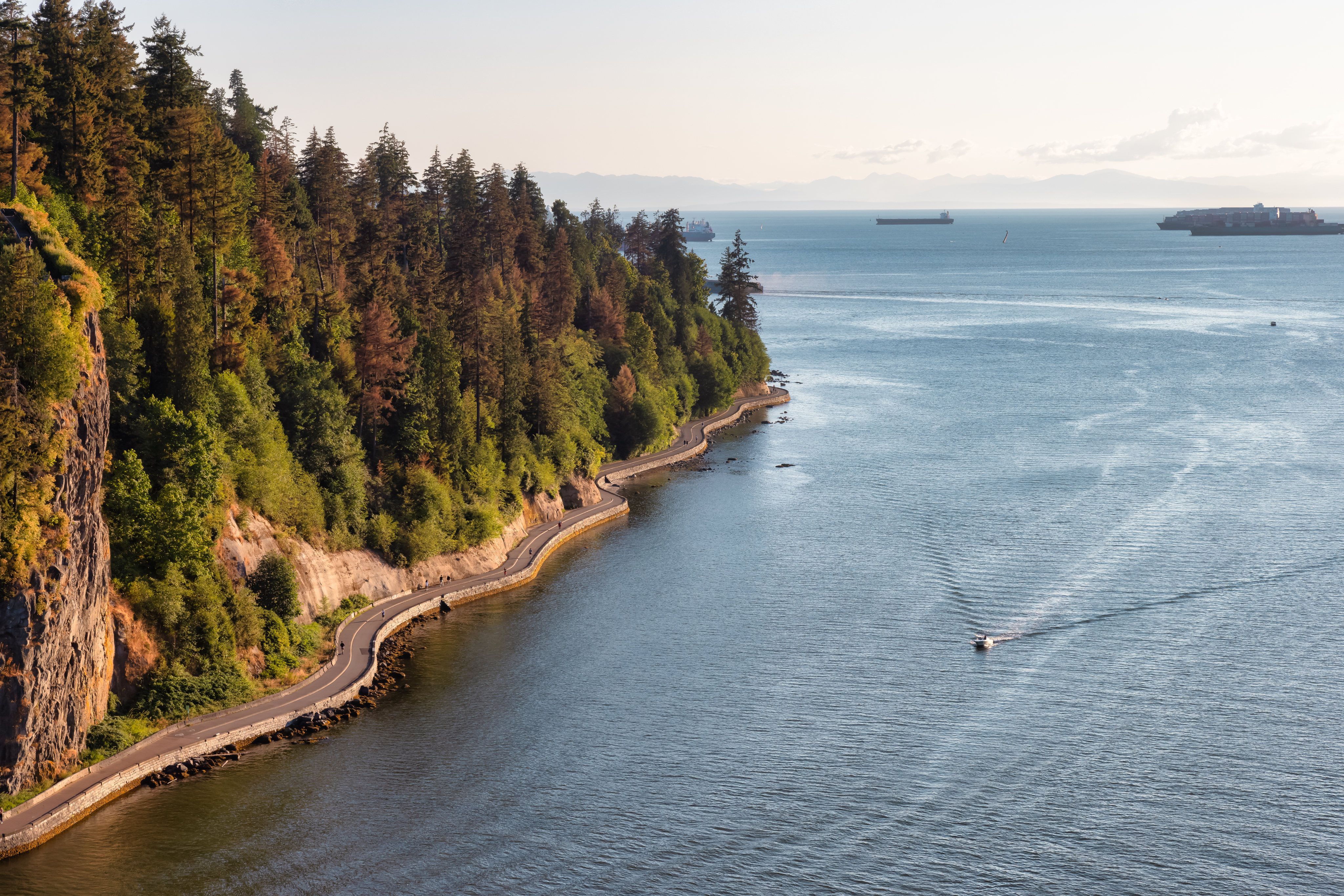
Stanley Park
Vancouver’s largest urban park covers a seawall, forest, beaches, and landmarks such as Brockton Point Lighthouse and the totem poles at Brockton Point. The park sits on a peninsula beside downtown and takes several hours to cover well.
Time needed: About 3 to 5 hours
Entry: Free to access; separate charges apply for the Vancouver Aquarium and some paid activities inside the park Visit the official site for details.
Tip: Start early for quieter seawall sections and softer light at Brockton Point.
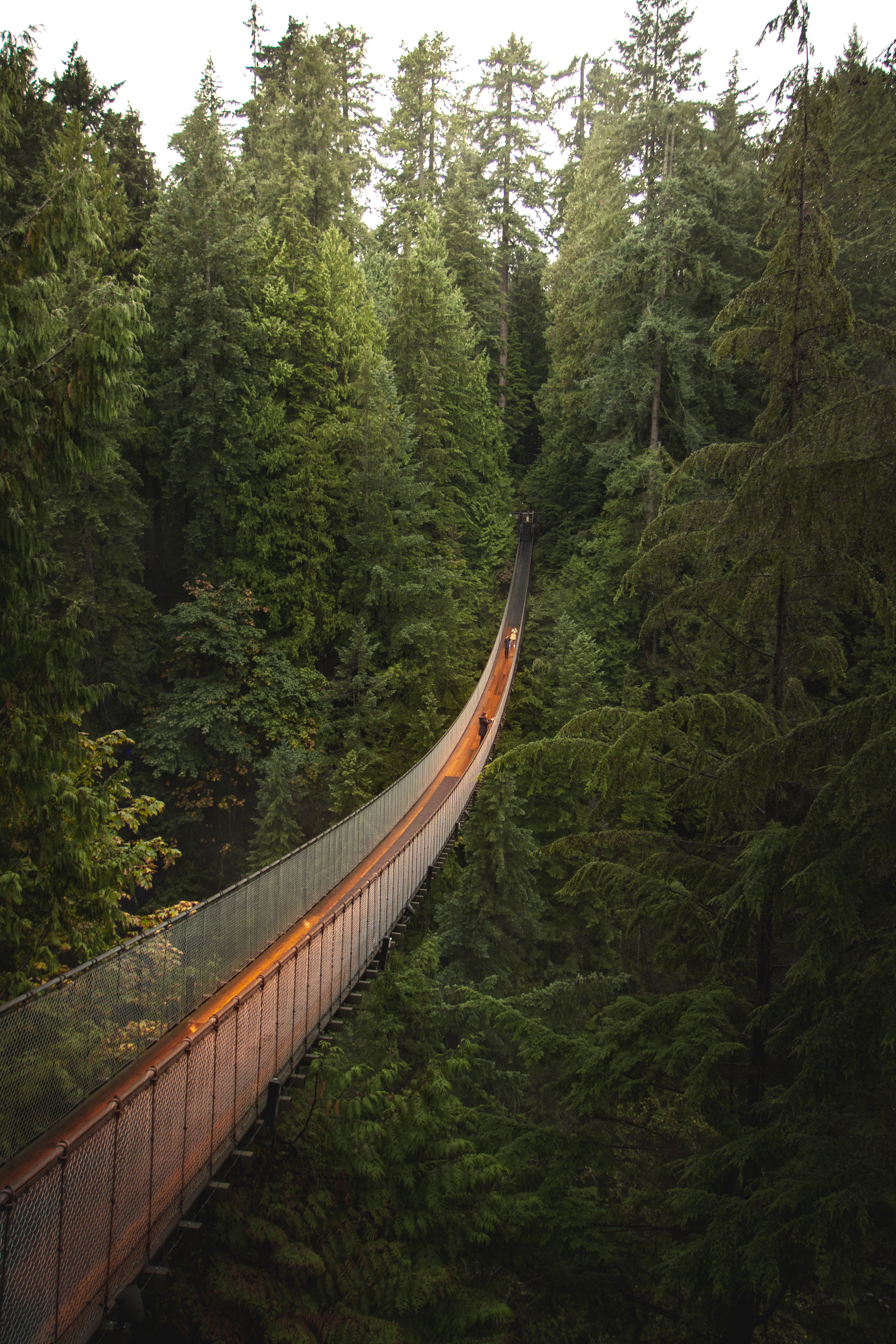
Capilano Suspension Bridge Park
This forest park spans the Capilano River with a 137-meter suspension bridge, cliffside walkways, and treetop platforms. It lies in North Vancouver, about 9 km from downtown, and combines canopy views with river gorge scenery.
Time needed: About 2 to 3 hours
Entry: Adults $71.95 ($78.44), youth $43.95 ($47.93), child $25.95 ($28.31); prices vary by season Visit the official site for details.
Tip: Go on a weekday morning to avoid the longest bridge lines and shuttle queues.
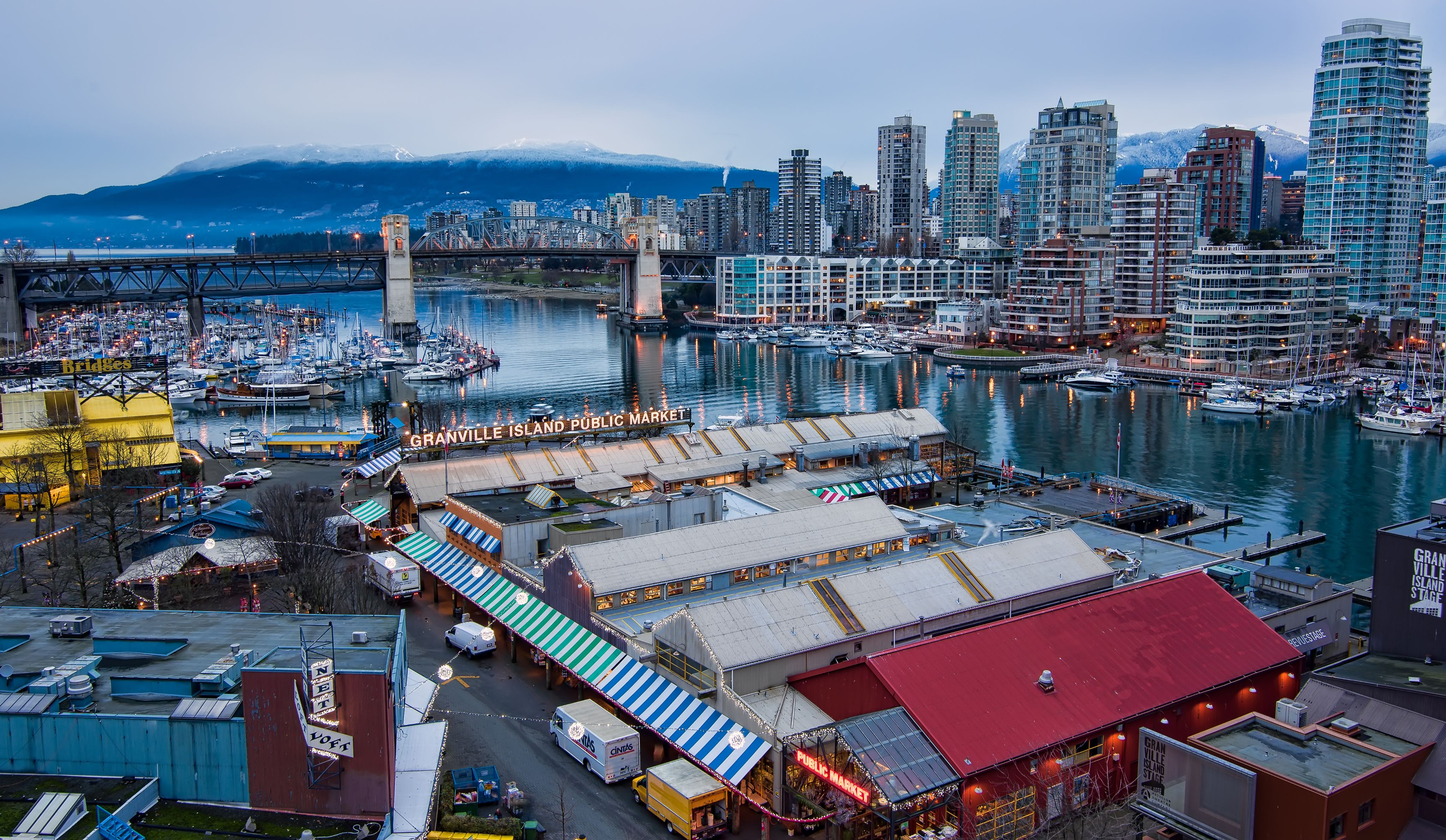
Granville Island Public Market
Granville Island’s public market fills a former industrial area with food stalls, bakeries, produce, and local makers. It sits across False Creek from downtown and works well as part of a longer visit to the island’s galleries and waterfront paths.
Time needed: About 1 to 2 hours
Entry: Free to enter; purchases from vendors, parking, and boat fares cost extra Visit the official site for details.
Tip: Visit before noon, when produce stalls are fullest and the aisles are less crowded.
Overlooked sites worth visiting
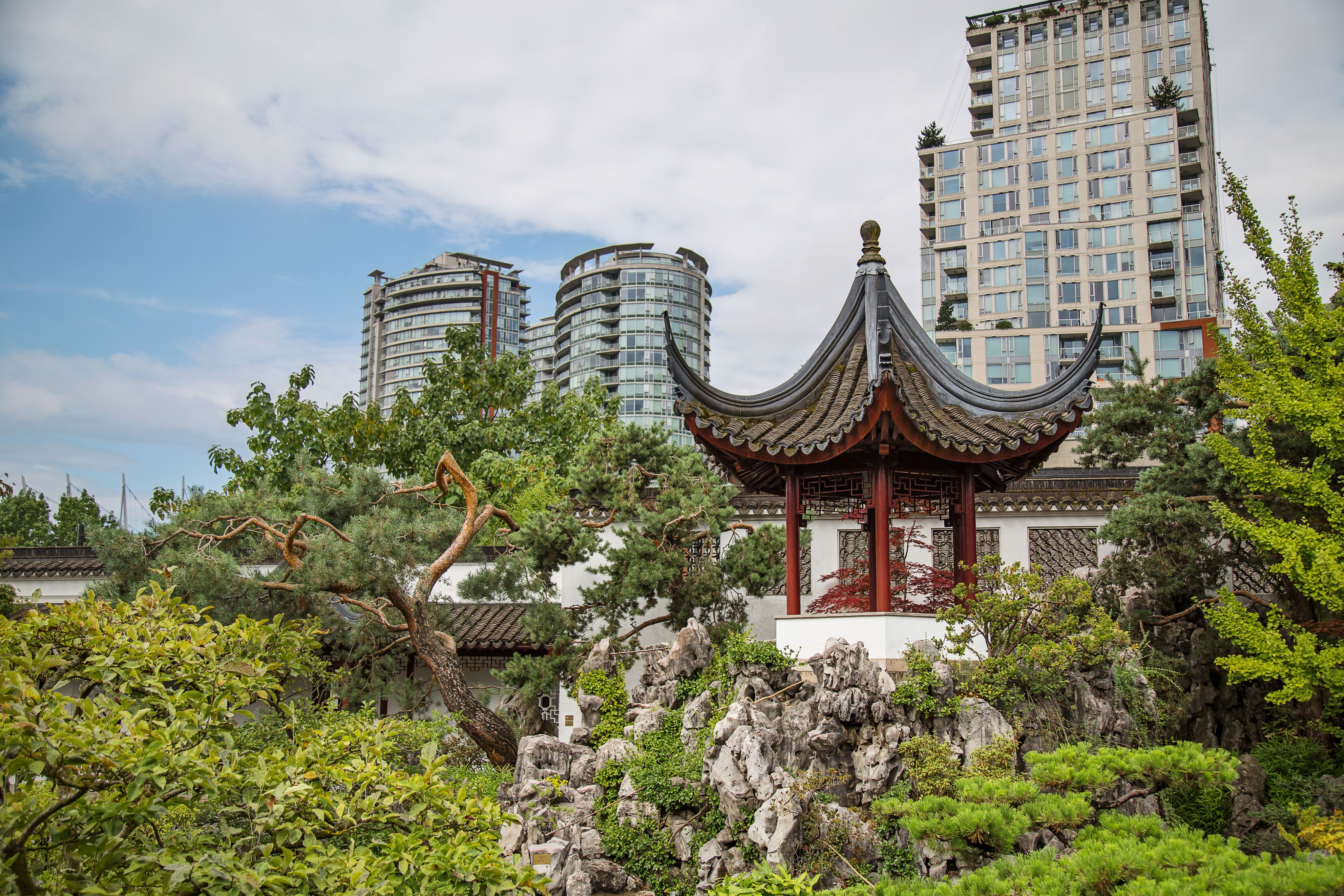
Dr. Sun Yat-Sen Classical Chinese Garden
A compact Ming-style garden in Chinatown, with carved rockeries, koi ponds, moon gates, and covered walkways. It rewards a slow visit, especially when the crowds thin after midday.
Time needed: About 1 hour
Entry: Admission costs $16.75 ($22.59) for adults, $13 ($17.53) for seniors and students, and free for children under 5. Hours vary by season, so check the daily schedule before you go. Visit the official site for details.
Tip: Go early for quieter paths and softer light.

Everett Crowley Park
This forested south Vancouver park has wide trails, wetlands, and a former landfill ridge with views over the Fraser River. It suits a low-key walk, birdwatching, and a quieter hour outside downtown.
Time needed: About 1 to 2 hours
Entry: Free to access. The park has no admission charge, and the trails are open daily from dawn to dusk, with access from several neighborhood entrances on Marine Drive and around Kerr Street.
Tip: Use the upper trails for better river views.
Traditional food

Vancouver’s table leans on Pacific salmon, seafood, and bakery counters, then folds in local favorites like poutine, butter tarts, salmon candy, and Nanaimo bars. Casual lunch spots and early dinners fit the city’s kitchen hours.
Poutine
French fries, cheese curds, and gravy make this the city’s best-known comfort dish. La Belle Patate serves a classic version in Vancouver, with the late-night energy that suits it well.
Butter tarts
These flaky, sweet pastries show up at bakeries across the city, but Purebread is a dependable place to start. The version here tends to balance a crisp shell with a soft, caramel-like center.
Salmon candy
Smoked salmon glazed with sweetness is one of the most local things you can order in Vancouver. Go Fish, on the Granville Island waterfront, is a strong stop for it along with other seafood snacks.
Nanaimo bars
This layered dessert, with a crumb base, custard filling, and chocolate top, belongs on any Vancouver food list. Bel Cafe is a good canonical stop, especially if you want it alongside coffee or another pastry.
Best time to visit Vancouver
Vancouver shifts by season: summer brings the longest sightseeing days, while winter stays mild but wetter, so the best month depends on whether you want beaches, clear views, or fewer crowds.
Best for: Low-season city walks, museums, and quieter hotel availability
What you get: About 37 to 46°F (3 to 8°C), with the lightest crowds outside holiday periods
Trade-offs: Rain is common, and mountain views can stay hidden for days
Best for: Cherry blossoms, milder walks, and early patio season
What you get: About 46 to 61°F (8 to 16°C), with moderate crowds that build toward May
Trade-offs: Showers still interrupt some outdoor plans
Best for: Seawall walks, beaches, ferries, and long daylight hours
What you get: About 57 to 73°F (14 to 23°C), with the biggest crowds at parks and waterfront spots
Trade-offs: Popular areas book up early and daytime lines run longer
Best for: Crisp sightseeing, good visibility, and calmer restaurant timing
What you get: About 45 to 63°F (7 to 17°C), with fewer visitors after Labor Day and more rain by November
Trade-offs: The weather turns less predictable late in the season
A realistic 5-day plan in Vancouver
A five-day stay in Vancouver works best when the city’s waterfront, parkland, and neighborhood streets each get their own day. This plan keeps the first two days close to downtown, then moves outward in a way that limits repeat transit and wasted time.
Land at Vancouver (YVR) and take the Canada Line into downtown, which usually takes about 25 minutes and costs roughly $4 to $11 depending on time of day and extras. Settle into Downtown or Yaletown, then keep the first evening simple with water, a short walk, and dinner on Robson Street or along the Yaletown restaurant blocks. If you want an earlier night, stay near Granville Street only if your hotel sits back from the busiest blocks; otherwise, a room closer to the waterfront or a quieter side street will rest better.
Begin with Stanley Park, where the seawall and Brockton Point are best in the morning, then give yourself about 3 to 5 hours to cover the park at an easy pace. From the park’s downtown edge, walk about 20 minutes or take a short transit ride to the English Bay side of the West End for a late lunch, then continue to the Gastown waterfront in roughly 15 minutes by transit or about 25 minutes on foot for heritage streets, galleries, and an early dinner. If you want a final stop, the Waterfront Station area sits close enough for an easy post-dinner stroll back toward your hotel.
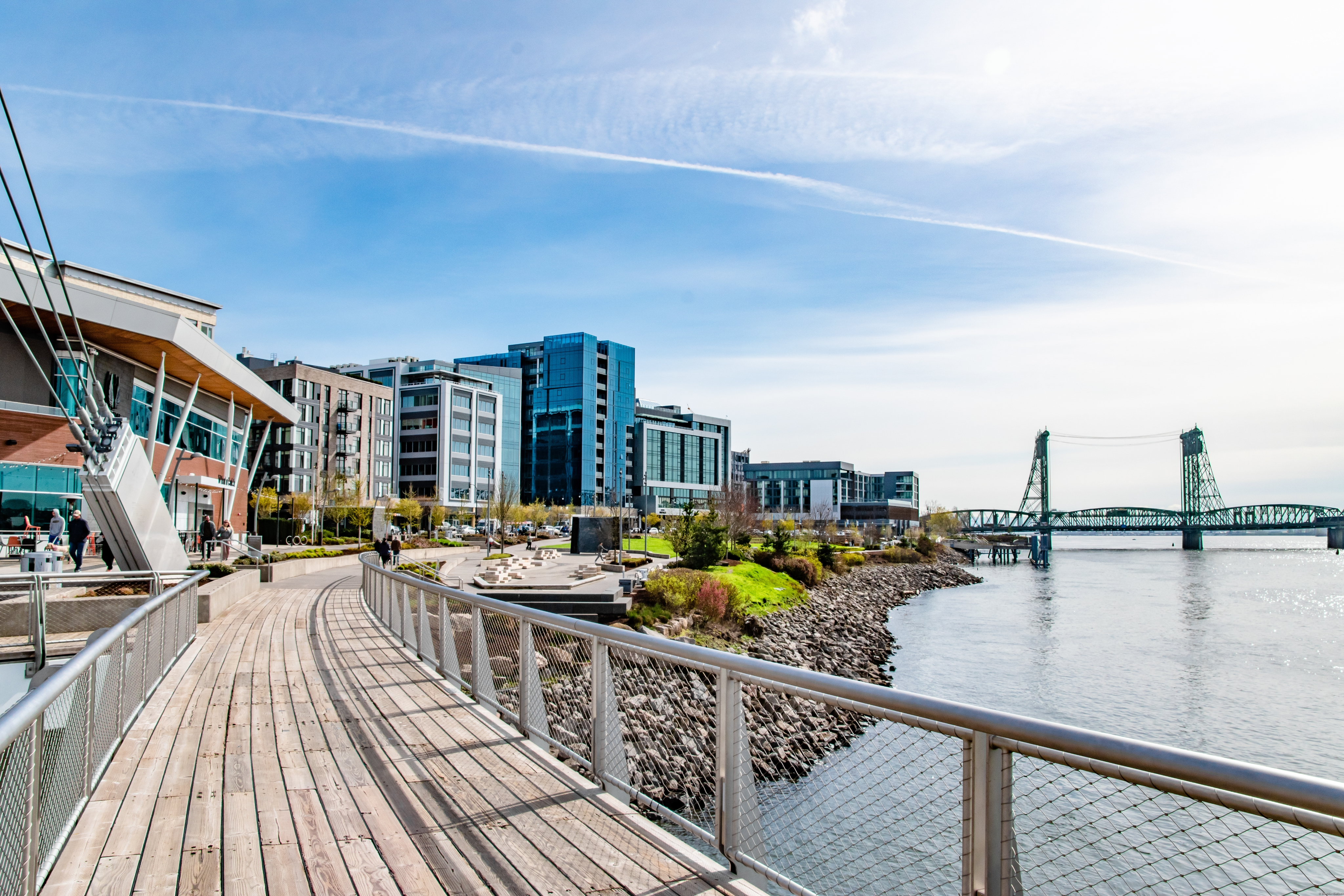
Granville Island works well as a mid-trip focus, and the public market is best before noon when the stalls are fullest. From Downtown or Yaletown, take the False Creek ferry or bus in about 10 to 20 minutes, then spend 1 to 2 hours browsing food counters, bakeries, and local makers before crossing back toward Chinatown. Finish at the Dr. Sun Yat-Sen Classical Chinese Garden, which is about 10 minutes by transit or a 20-minute walk from Gastown, and plan about an hour there for the koi ponds, moon gates, and covered walkways.
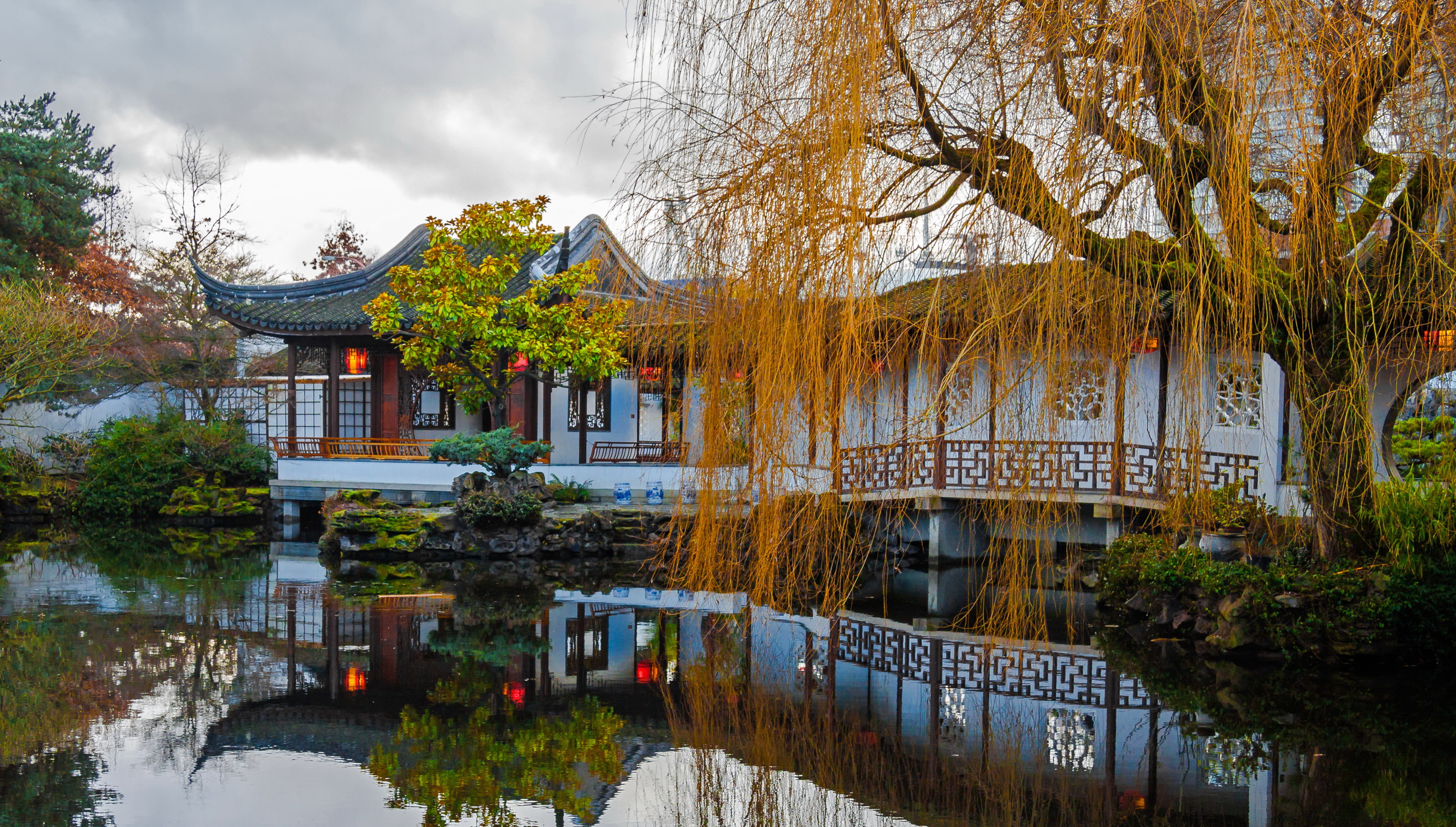
Head north for Capilano Suspension Bridge Park, which takes about 20 to 30 minutes by car or shuttle from downtown, and plan 2 to 3 hours for the bridge, treetop walk, and cliffside paths. On the return, stop in the West End for a seaside break, then continue to English Bay for an easy waterfront walk that is about 10 to 15 minutes on foot from most West End hotels. If you still have energy, finish with a quiet dinner back in Yaletown, where the dinner crowd starts to thin later in the evening.
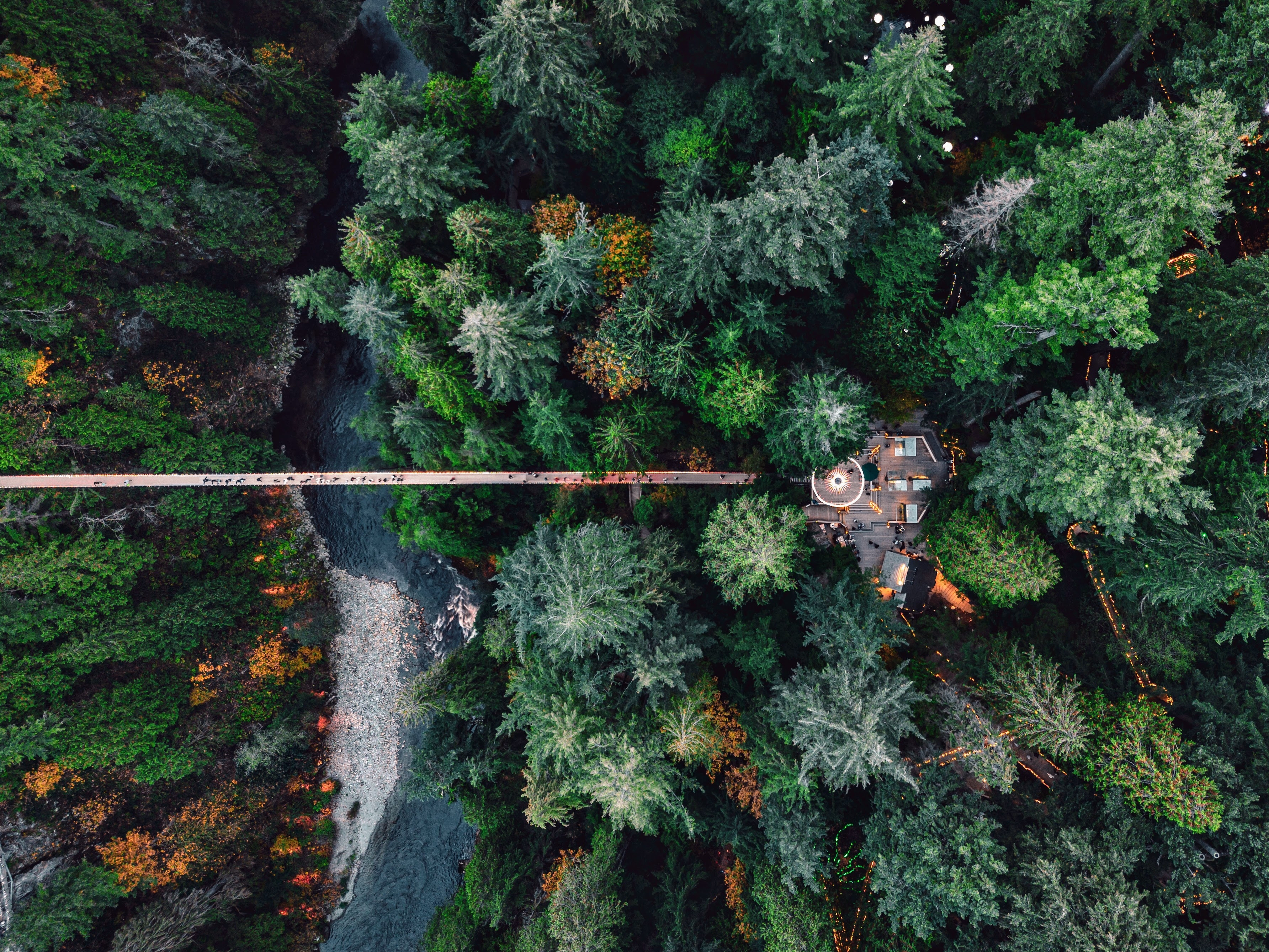
Start the last full day with a gentler outing to Everett Crowley Park if you want fresh air, or pair a shorter walk with a final café stop in the West End before packing. After that, spend your shopping time on Robson Street in Downtown, where the main blocks are close together and easy to cover in an hour or two. If you want one more indoor stop, return to Gastown for a final wander through its heritage storefronts, then head back to your hotel with time to collect bags and make your airport transfer.
Business-class flights from the US to Vancouver
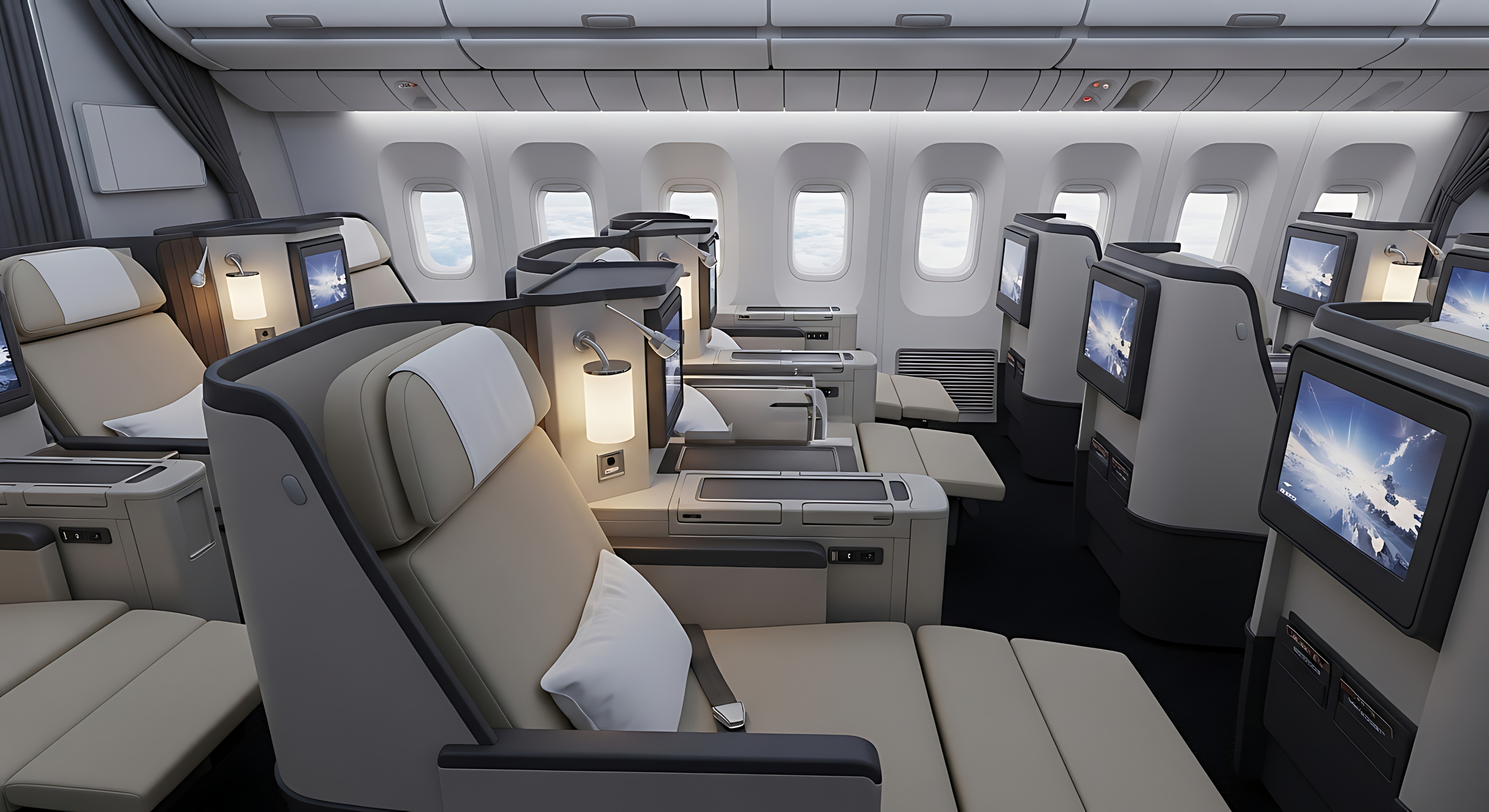
Vancouver usually connects to New York and Los Angeles with a mix of nonstop and one-stop options, and the fare spread changes enough that the routing matters. The examples below show how the trip often pencils out from each city.
From New York, Air Canada, United Airlines, Delta Air Lines, American Airlines, and Alaska Airlines all appear on the route, and nonstop flying takes about 5.5 to 6.5 hours. If you do not mind a layover, common stops through SFO, SEA, ORD, DEN, or YYZ can trim the fare, which usually starts at about $1,200 and can reach $3,000 or more.
Los Angeles offers the shorter hop, with Air Canada, United Airlines, Delta Air Lines, and American Airlines operating nonstop trips of about 2.5 to 3 hours. Round-trip fares usually run from $900 to $2,200, while one-stop options through SFO, SEA, DEN, or YYZ can sometimes price lower.
Vancouver feels different when you slow down
A good Vancouver trip uses the city in layers: the Canada Line from YVR, a morning in Stanley Park, a market stop on Granville Island, then an evening in Yaletown or the West End. Add Gastown when you want heritage streets, and keep Capilano for a day when the weather stays clear. If you want help turning those pieces into a trip that fits your dates, reach out to AranGrant experts for a plan built around your route and neighborhood choice







