

Chapters:

Need help with your trip?
Our support team is available 24/7. Request a callback or call us directly at (833) 619-0908
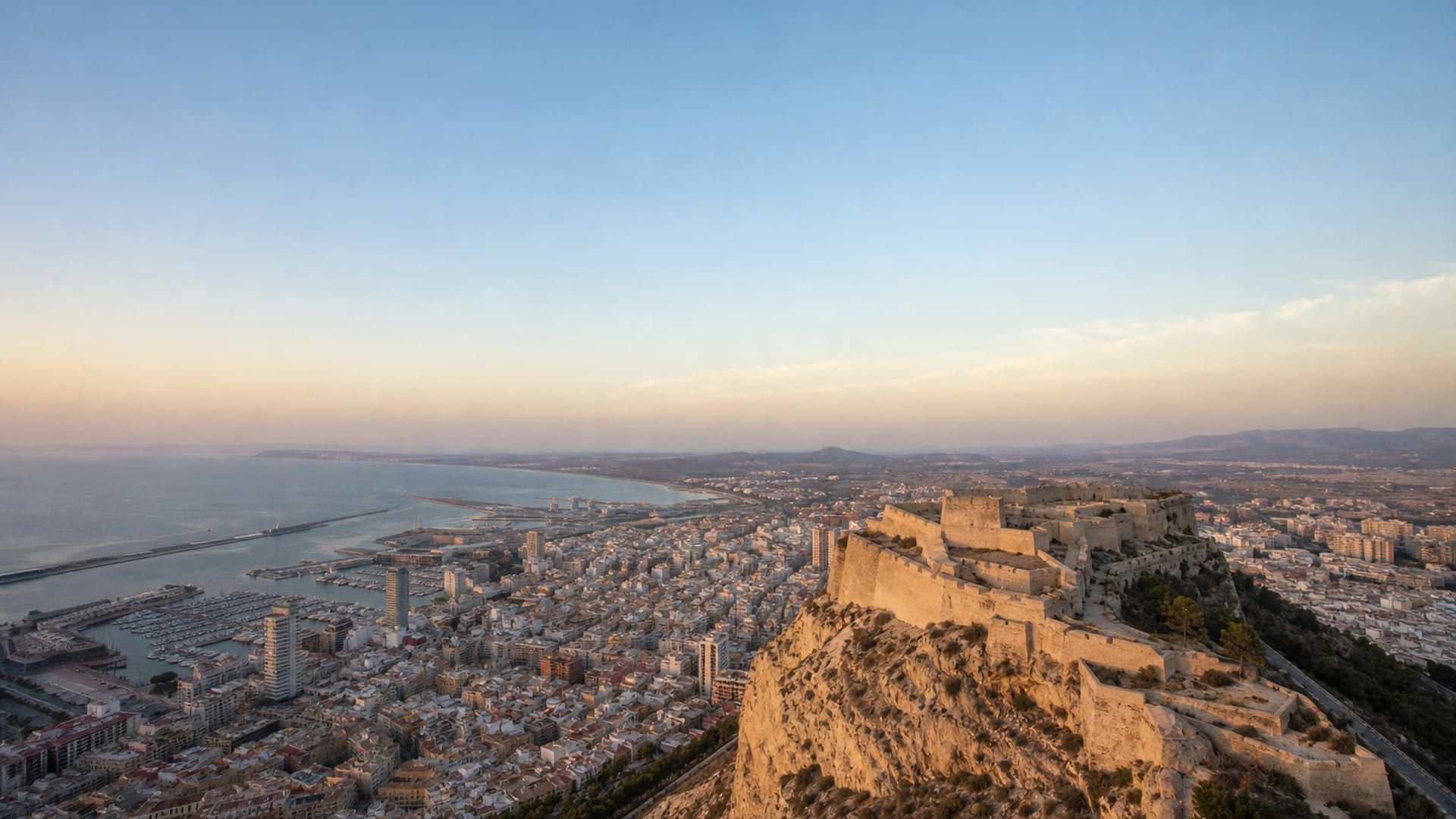
Vadodara rewards travelers who slow down long enough to connect the palace, museum, and market circuit in the right order. Many first visits miss that simple planning gap, then lose time to cross-town taxis and midday heat.
The city looks compact on a map, but its old streets, central districts, and outlying stops ask for timing, not improvisation. Rush hours, lunch closures, and narrow lanes can add delays if you stack too much into one afternoon.
This guide keeps the main sights in a practical sequence, pairs each neighborhood with the right base, and leaves space for food, transit, and a quieter final day before departure.
Useful things to know

Main language(s): Gujarati
Namaskār (na-mas-kaar) – Hello / good morning
Maherbānī (mah-er-baa-nee) – Please
Ābhār (aa-bhaar) – Thank you
Tame English bolī śako cho? (ta-meh English bo-lee sha-ko cho) – Do you speak English?
E ketlūṁ chhe? (eh keh-tlooṁ cheh) – How much does it cost?

Currency: The local currency is the Indian rupee (INR, ₹).

Cash and cards: Cards and contactless are accepted in many hotels, malls, and larger restaurants; carry about ₹1,000 to ₹2,000 ($12 to $24) in cash.

Tipping: Round up small bills; leave about 5-10% at restaurants when service is good.

Traditional food: Gujarati thali, sev usal, dhokla, fafda-jalebi

Water and coffee costs: Water ~₹20 to ₹40 ($0.25 to $0.50), bar espresso ~₹120 to ₹200 ($1.45 to $2.40).

Taxis and ride apps: Uber and Ola operate here; check pickup points carefully at the airport.

Plug and voltage: Type C/D/G socket, 230V

Dining and shop opening hours: Breakfast is about 8:00-10:00 am, lunch 1:00-3:00 pm, and dinner 8:00-10:30 pm. Many kitchens close between lunch and dinner.

Emergency number: 112 for police, fire, and ambulance.
Where to stay in Vadodara
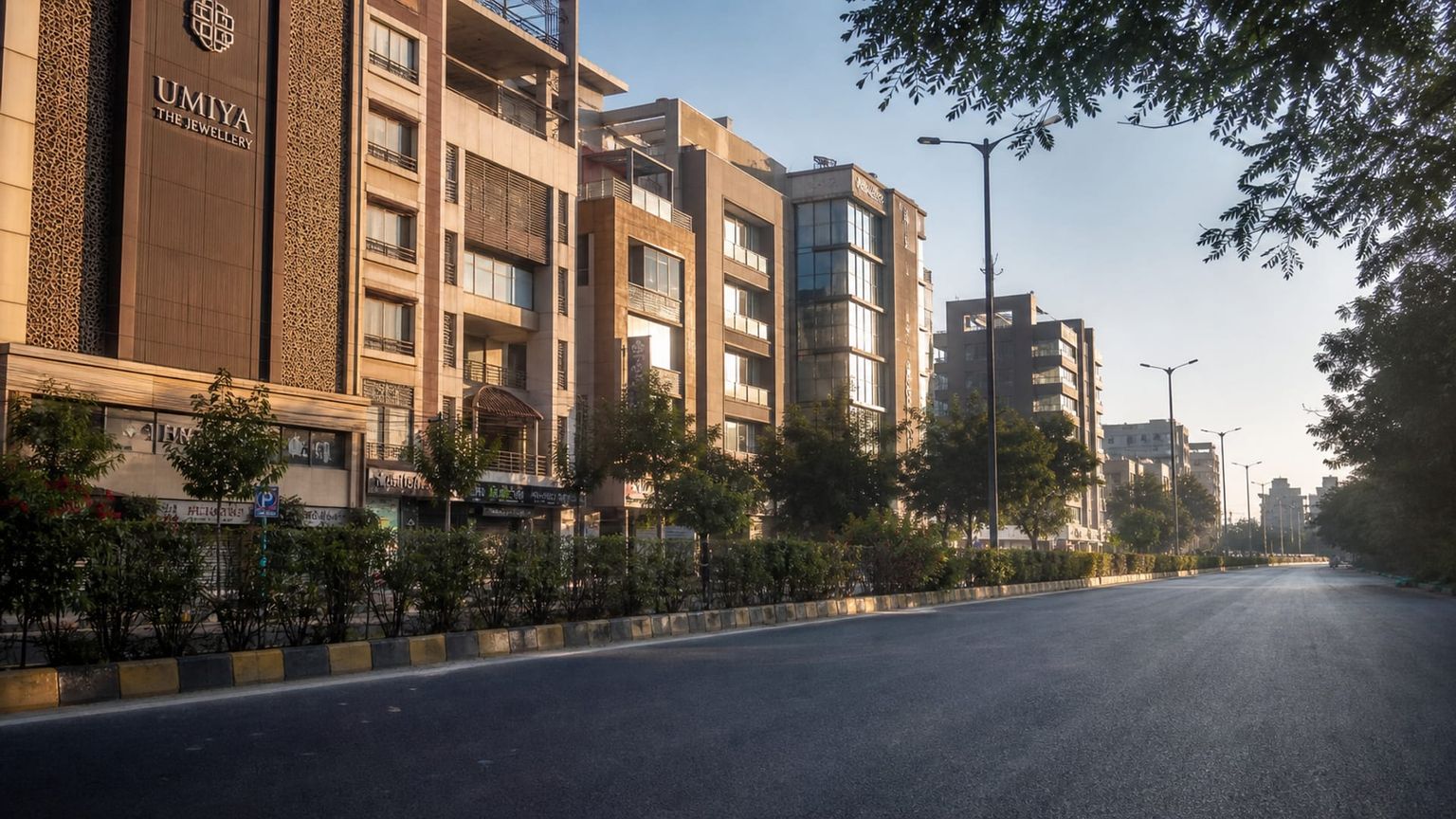
Vadodara’s most established central district, Alkapuri puts you near offices, shopping streets, and major hotels. It works well if you want a base with easy access to the station side of town, Sayaji Baug, and the city’s main dining and retail addresses.
Best for: Business trips, short city stays, and visitors who want central access to dining and shopping
What to expect: Busy roads, hotels, banks, and steady foot traffic through the day, with more movement near restaurants in the evening.
Hotel prices: Usually about ₹3,500 to ₹8,000 ($42 to $96) per night for well-rated stays
Distance to major sights: About 10 to 15 minutes by taxi to Sayaji Baug, about 15 to 20 minutes to Laxmi Vilas Palace
Quietness: Daytime is active and traffic-heavy; evenings are calmer on side streets but still busy on the main roads.
Main trade-off: You pay a premium for location, and the most convenient blocks can be noisy at peak traffic hours.
Good to know: Choose a hotel off the main arterial roads if you want easier sleep, since the busiest stretches carry honking late into the evening.
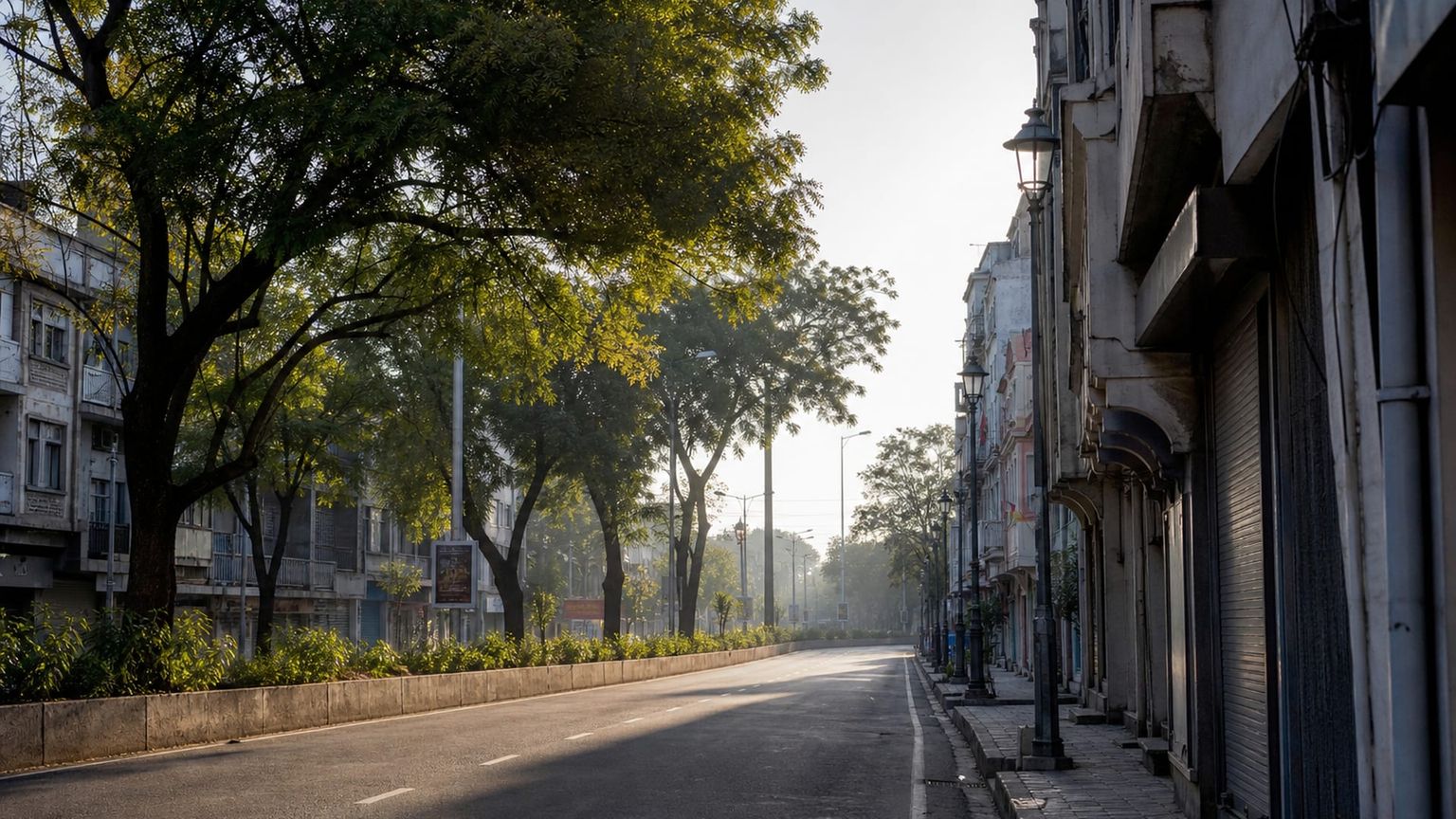
Fatehgunj sits close to the city center and has a younger, more informal street life than the larger commercial districts. Its cafés, hostels, and easy auto-rickshaw access make it a useful base for travelers who want quick movement across Vadodara.
Best for: Budget travelers, solo stays, café hopping, and quick cross-town access
What to expect: Lively streets, student traffic, small eateries, and a mix of local shops and late-opening food spots.
Hotel prices: Usually about ₹2,000 to ₹5,500 ($24 to $66) per night for well-rated stays
Distance to major sights: About 10 minutes by taxi to Vadodara Junction, about 15 minutes to Sayaji Baug
Quietness: Daytime is busy with students and commuters; late evenings are quieter on side lanes but active near food streets.
Main trade-off: Rooms can be cheaper than in Alkapuri, but the liveliest pockets bring more noise and parking pressure.
Good to know: If you are sensitive to noise, ask for an inward-facing room, since the main road sees constant traffic and food stalls late at night.
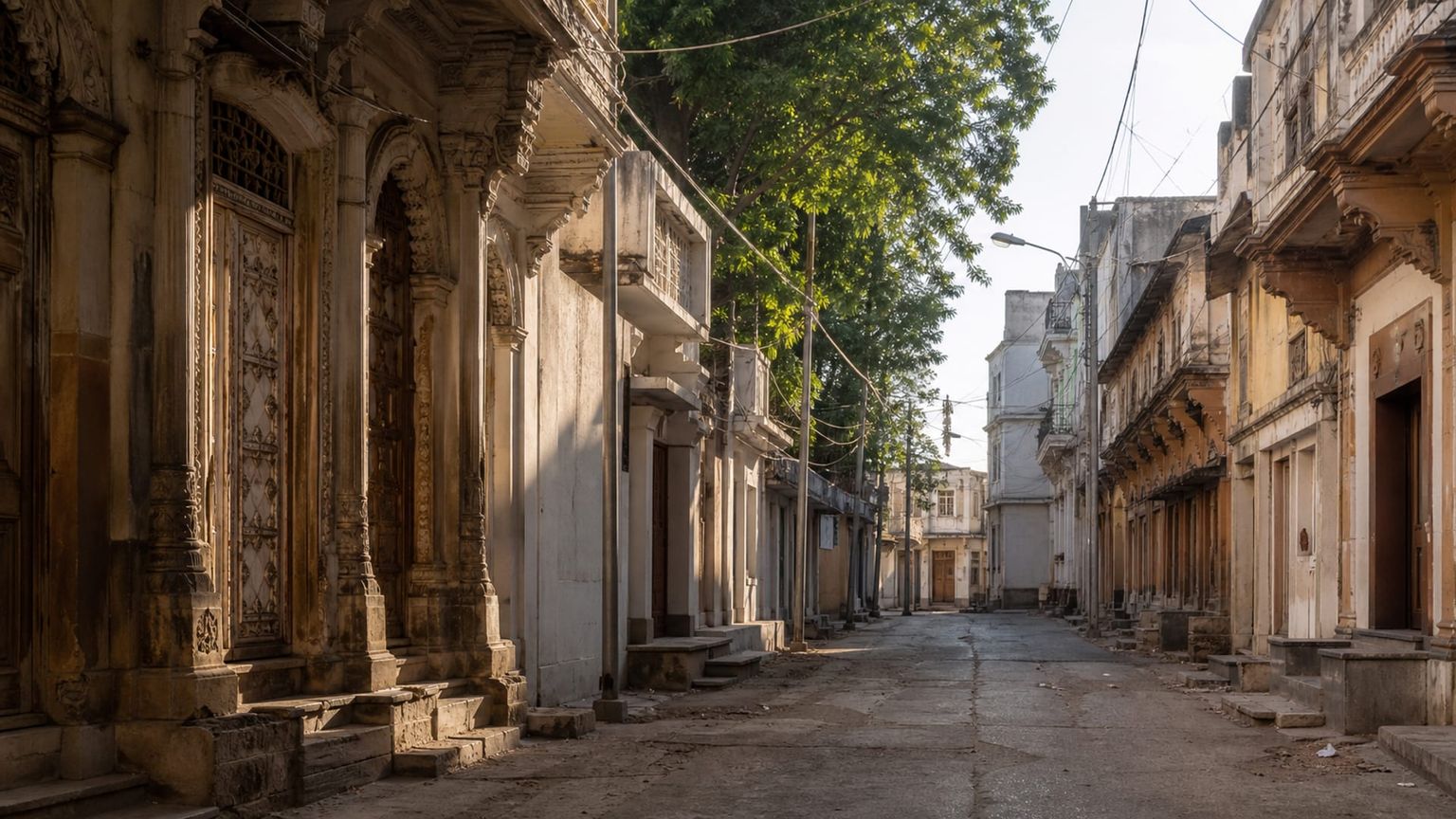
The Old City covers the historic core near the palace and older market streets, where temples, bazaars, and heritage buildings sit close together. Staying here puts you closest to Vadodara’s older layers and keeps major sights within a short ride.
Best for: Heritage-focused stays, walking to historic sights, and travelers who want an old-market setting
What to expect: Dense lanes, local shops, temple activity, and heavy daytime market movement with little suburban spacing.
Hotel prices: Usually about ₹2,500 to ₹6,500 ($30 to $78) per night for well-rated stays
Distance to major sights: About 5 to 10 minutes by taxi to Laxmi Vilas Palace, about 10 to 15 minutes to Sayaji Baug
Quietness: Daytime is crowded and animated; evenings taper off after market hours, though some lanes stay active.
Main trade-off: You gain heritage proximity, but many streets are tight, older buildings may have fewer amenities, and access can be slower.
Good to know: Plan on app-based rides or auto-rickshaws, because narrow lanes and one-way patterns can make parking and direct hotel access difficult.
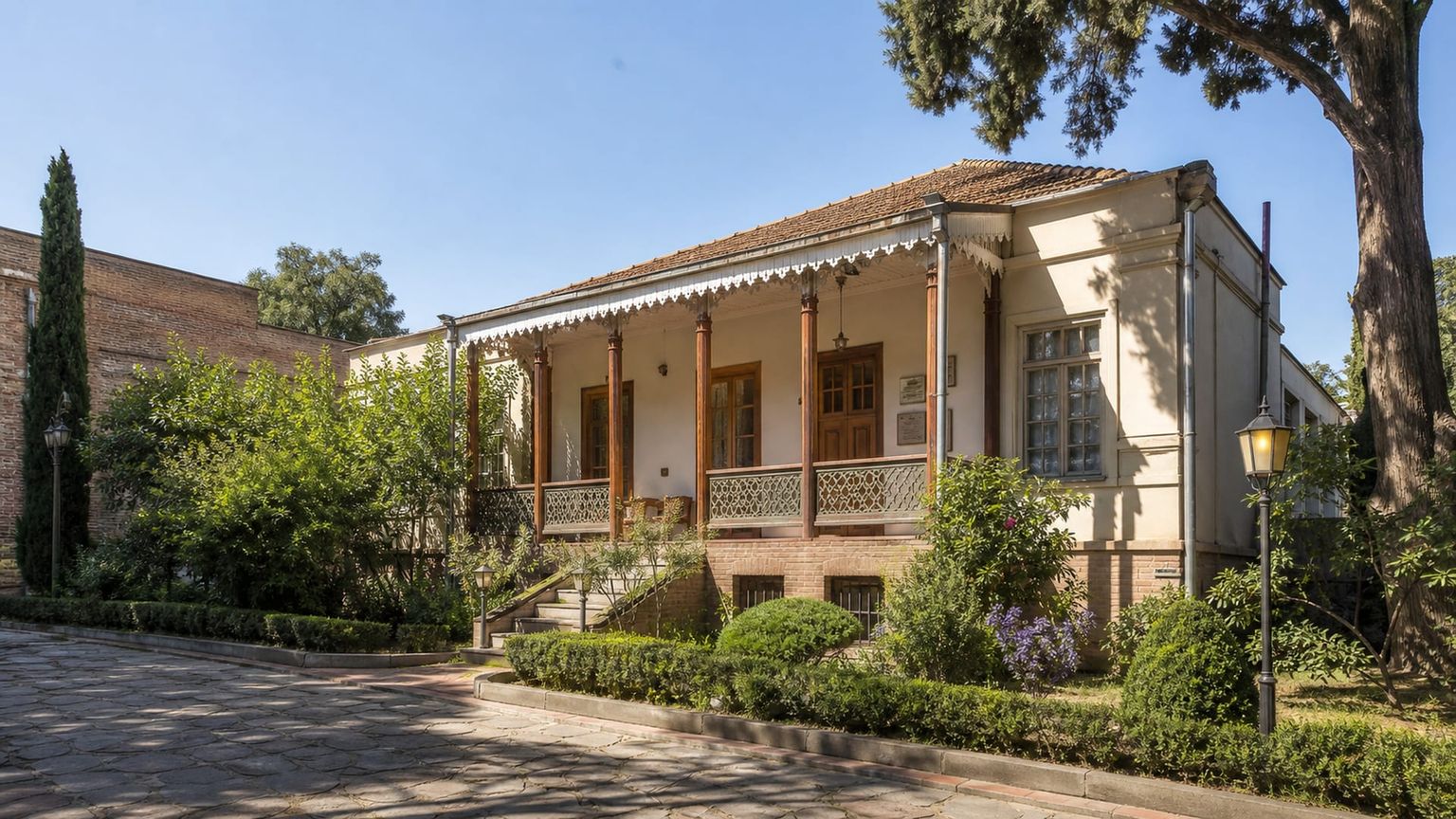
Race Course is one of Vadodara’s more open and leafy residential districts, with parks, schools, and larger homes around its edges. It suits travelers who want a calmer stay while still being within easy reach of the palace, museums, and central shopping.
Best for: Families, longer stays, and travelers who want a quieter residential base
What to expect: Broader roads, fewer storefronts, and a calmer residential atmosphere with movement concentrated around main junctions.
Hotel prices: Usually about ₹3,000 to ₹7,000 ($36 to $84) per night for well-rated stays
Distance to major sights: About 10 minutes by taxi to Sayaji Baug, about 15 to 20 minutes to Laxmi Vilas Palace
Quietness: Quieter than central commercial districts by day and evening, though traffic rises near connecting roads at rush hour.
Main trade-off: You trade direct walkability to nightlife and markets for a more residential setting and fewer stay options.
Good to know: Dining choices thin out after dinner, so you will usually head toward Alkapuri or Fatehgunj for a wider late-evening restaurant selection.
Travelers usually avoid staying in Makarpura, Gotri, and Gorwa if they want to spend time near Vadodara’s main sights, because these areas sit farther from the old city, Lakshmi Vilas Palace, and Sayaji Baug, with fewer visitor-oriented hotels and dining choices. New VIP Road can also be less convenient for a first visit, since it sits away from the historic core and evening taxi trips back from central attractions take longer.
Hotel deals
How to get around Vadodara efficiently
Vadodara has no metro, so most visitors move between districts with app cabs, auto-rickshaws, and short bus rides rather than trying to rely on one network.

Metro
for longer distances
Vadodara has no metro; the closest public-transit option is a limited suburban rail and the city’s bus network, which visitors usually combine with short auto-rickshaw rides. If you are heading farther out than the central districts, expect point-to-point trips rather than a rail grid.

Bus and tram
for convenience
The city bus network centers on select corridors and serves the rail station, major commercial areas, and some suburban stretches, with fares typically about $0.12 to $0.36 (₹10 to ₹30) per ride and tickets valid for that single trip. Buses work best for daytime cross-town travel, but routes are not dense enough to cover every neighborhood, so check the stop list before you board.

Taxi
for convenience or late hours
Licensed taxis and app-based cabs use metered or app-set fares, while airport and long-distance trips may be quoted upfront; a short city ride often costs about $2.40 to $4.80 (₹200 to ₹400), and Vadodara Airport (BDQ) to central Vadodara is often about $4.80 to $9.60 (₹400 to ₹800) depending on traffic. You can book through ride-hailing apps or hire an authorized car at the airport stand, and most drivers accept cash, with card payment more common in apps and larger fleets.
*Prices are based on rates updated as of June 2026 and may change at the time of travel.
Use taxis for palace and airport transfers, buses for daytime cross-town hops, and auto-rickshaws or ride-hailing for the Old City lanes and other narrow streets.
Iconic landmarks
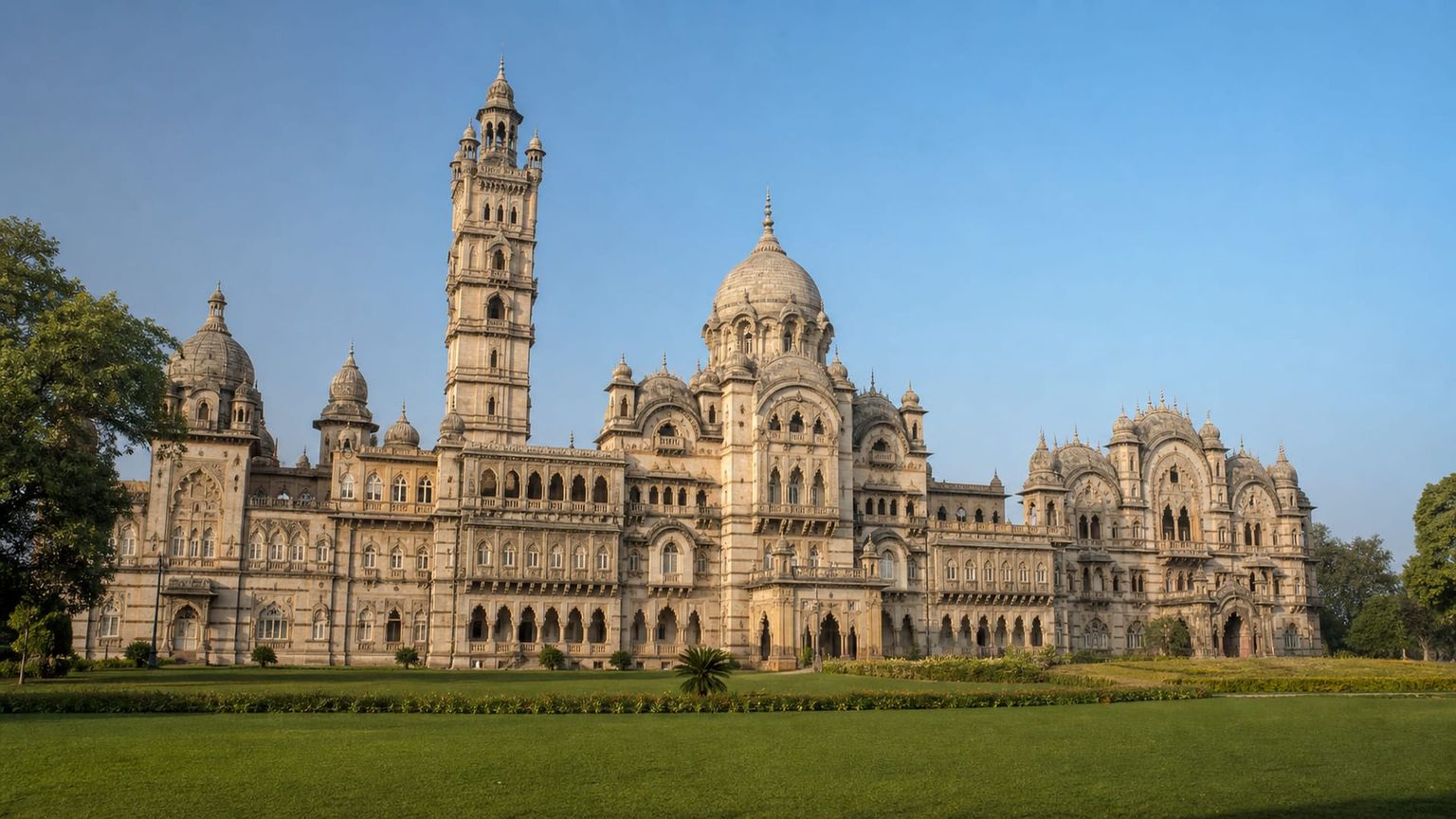
Laxmi Vilas Palace
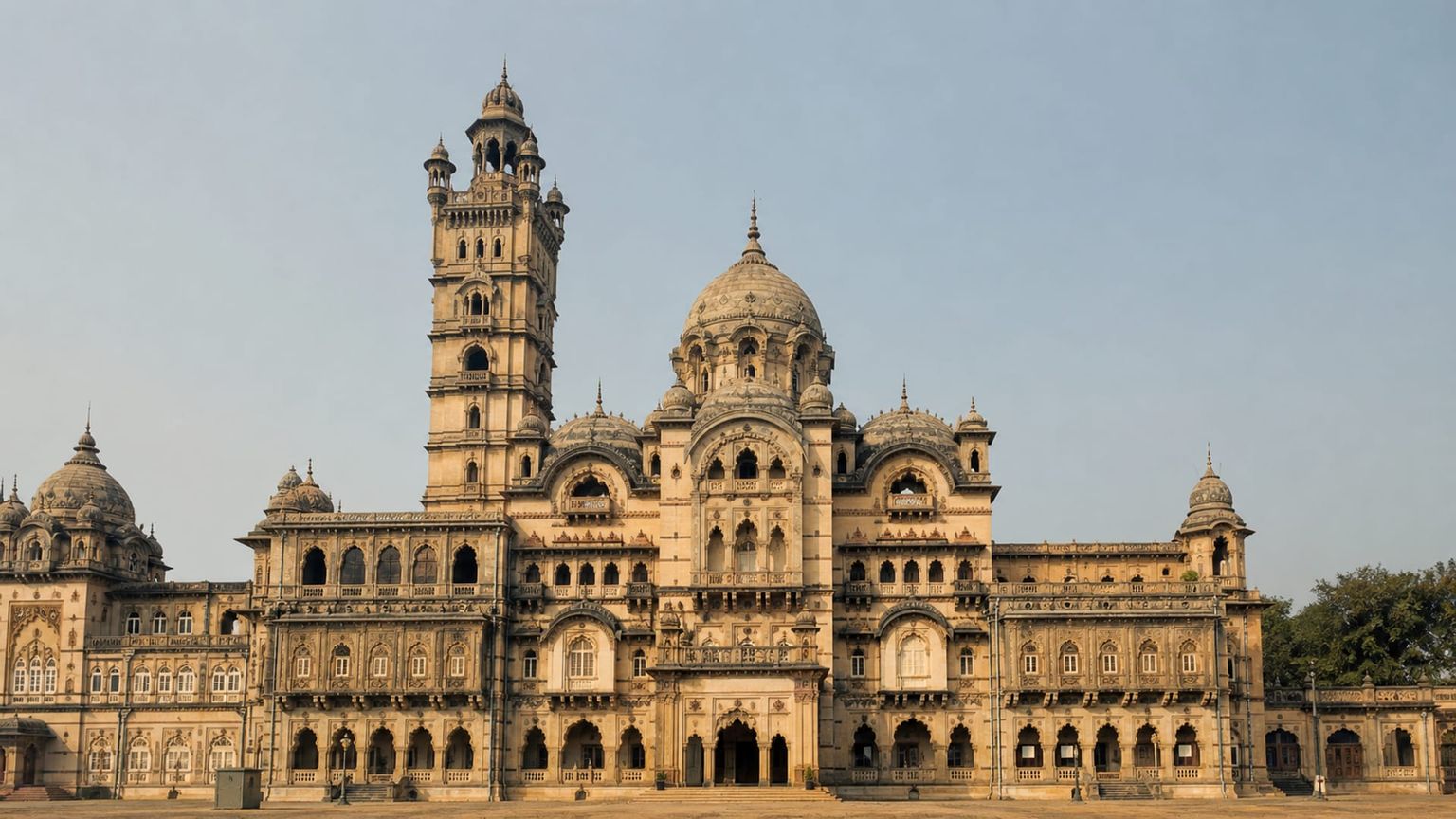
Built in 1890 for the Gaekwad dynasty, Laxmi Vilas Palace pairs Indo-Saracenic architecture with marble halls, stained glass, and a large private collection. The grounds and museum give a clear look at Vadodara’s royal history.
Time needed: About 2 to 3 hours
Entry: Adult tickets cost about $6 (₹500), with lower rates for children and students; palace zones and museum access may differ by ticket type. Visit the official site for details.
Tip: Go early in the day, when the grounds are cooler and light is better for photos.
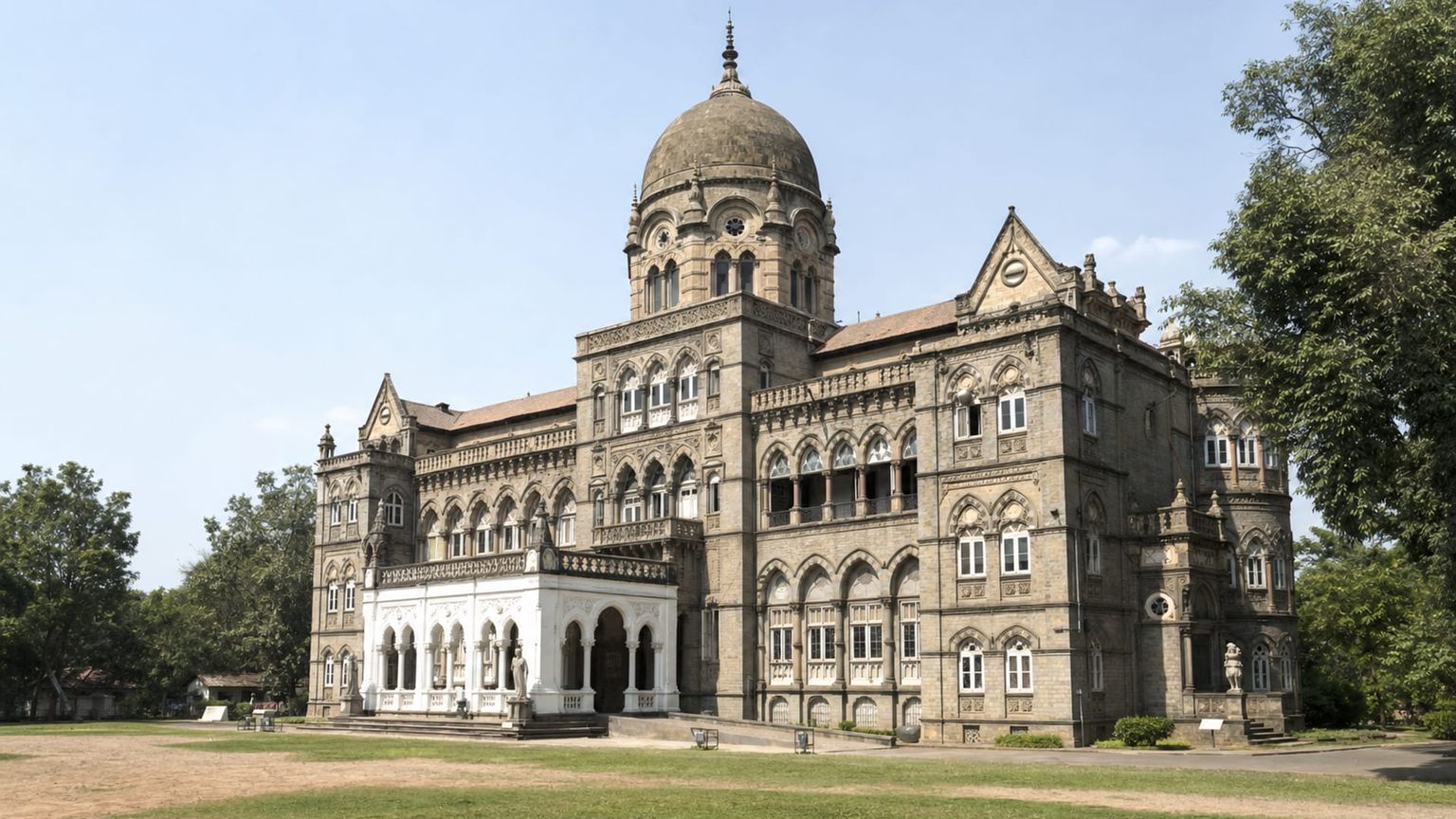
Baroda Museum and Picture Gallery
Set inside Sayaji Baug, the Baroda Museum and Picture Gallery holds sculpture, textiles, Mughal art, and European paintings. Its varied collection makes it one of the city’s best places for a broad look at art and history.
Time needed: About 2 to 3 hours
Entry: Adult tickets cost about $1 (₹40) to $2 (₹100), with lower rates for children and Indian residents depending on the gallery or exhibit. Visit the official site for details.
Tip: Visit in the morning, then continue through Sayaji Baug before midday heat builds.
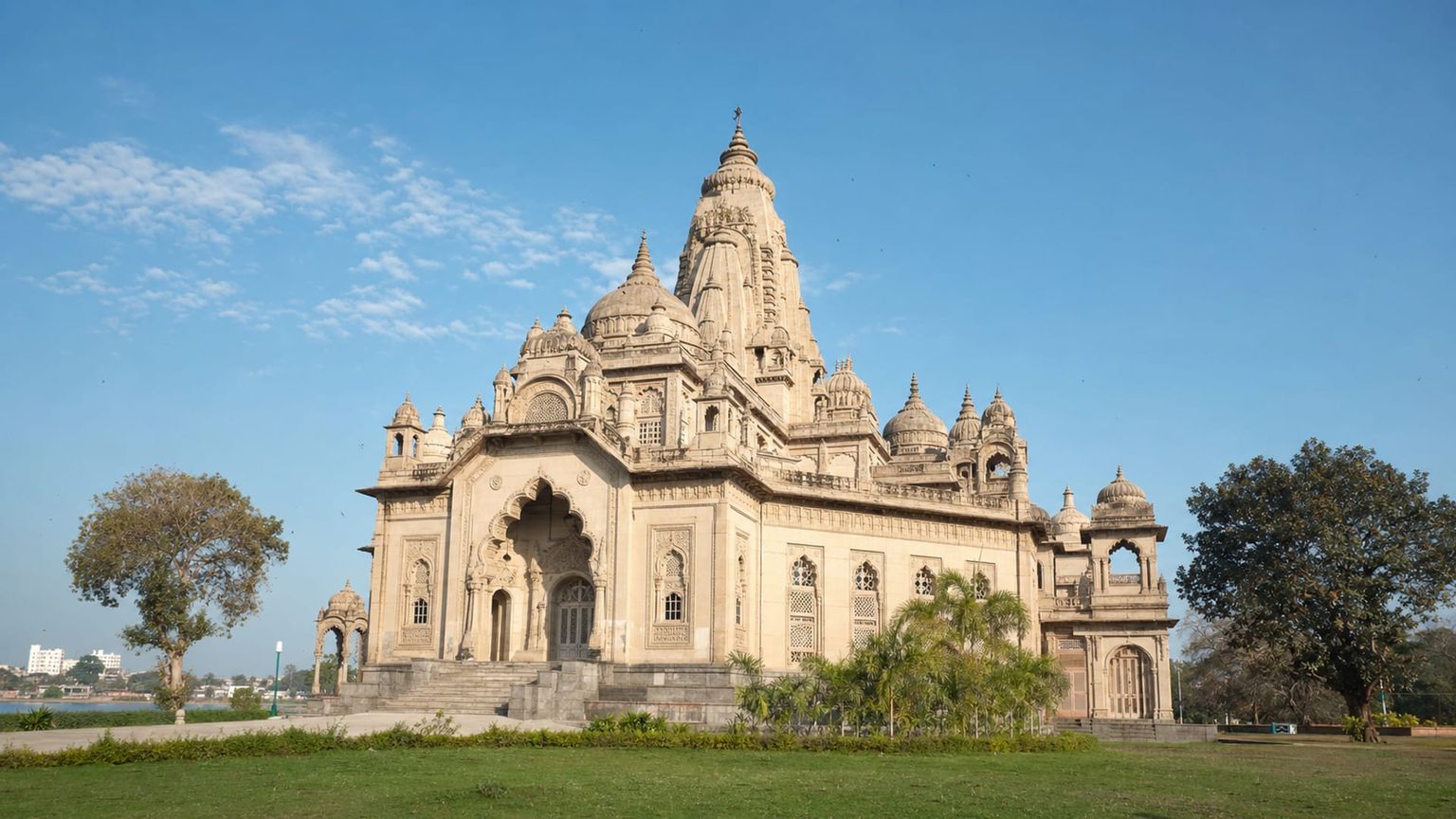
Kirti Mandir
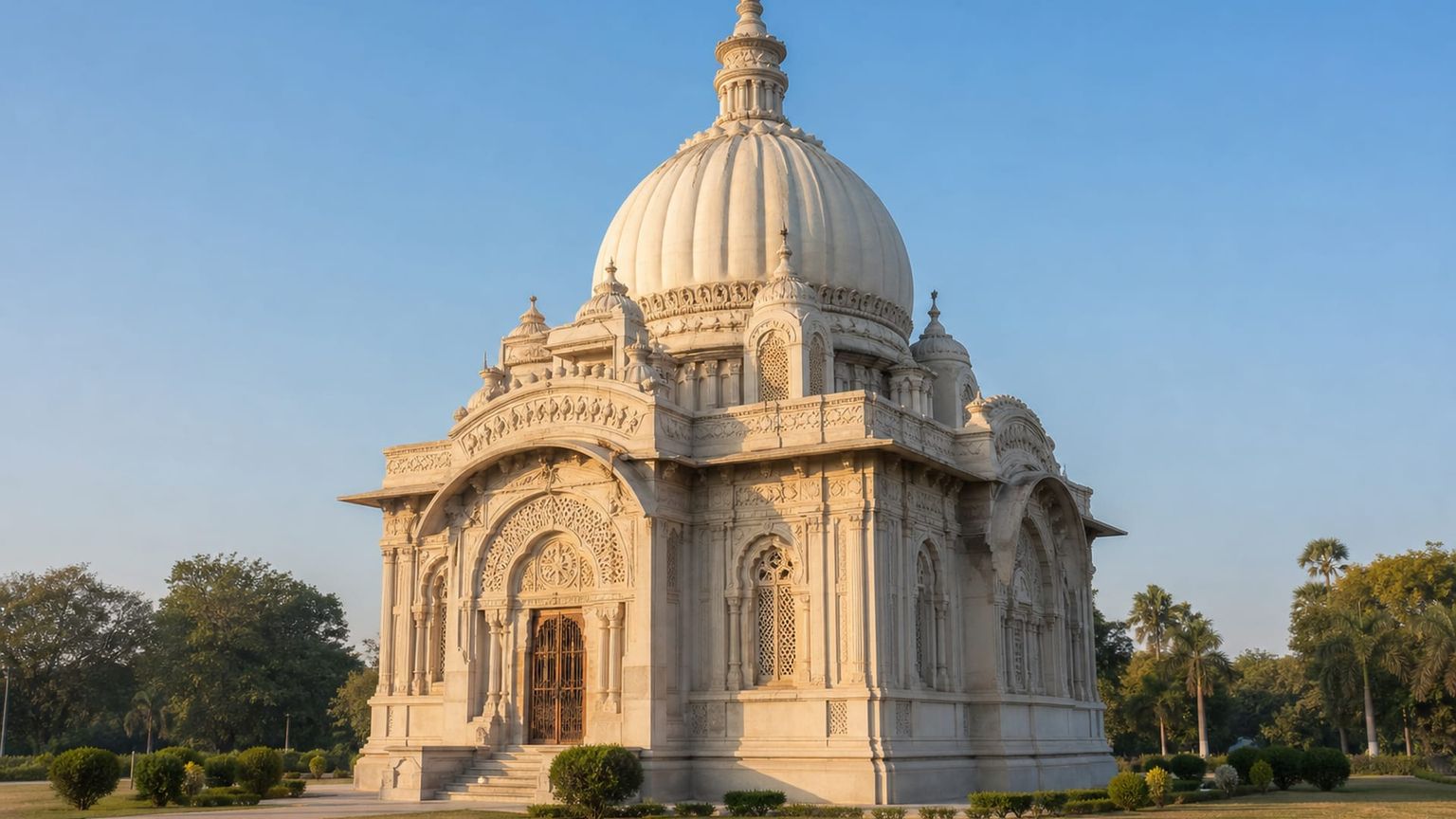
Kirti Mandir, built as a cenotaph for the Gaekwad family, combines carved stone, domes, and temple-like ornament with striking river views nearby. The building gives a concise introduction to the city’s dynastic past.
Time needed: About 1 to 2 hours
Entry: Admission is free, with no timed entry; donations may be welcomed on site, and some interior areas can close during maintenance or ceremonies.
Tip: Visit near sunset for softer light on the stonework and calmer crowds by the river.
Overlooked sites worth visiting

Kansaar Dam
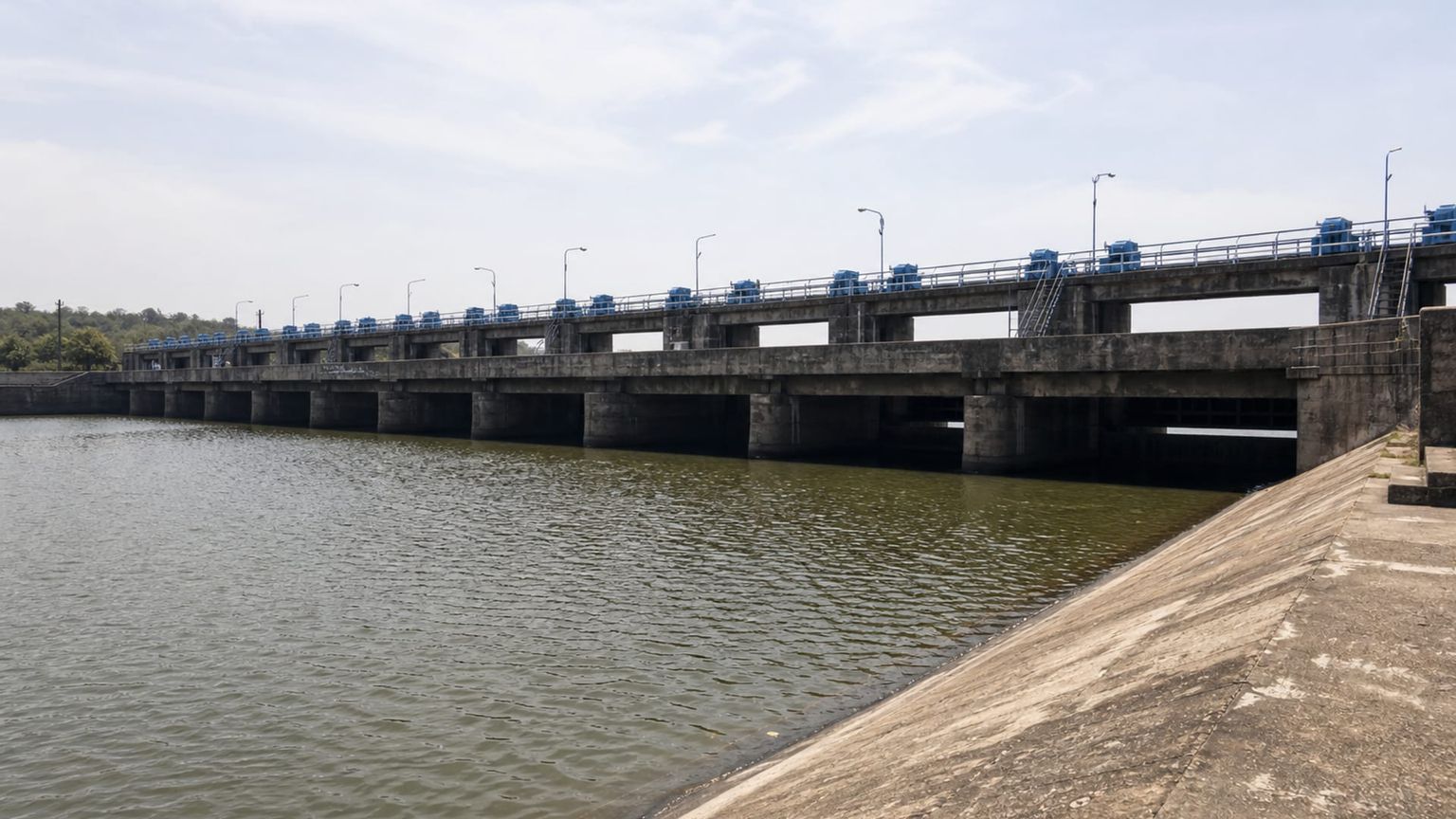
A quiet reservoir on the city edge, Kansaar Dam draws walkers, birdwatchers, and local anglers at sunrise and late afternoon. The waterline changes seasonally, so visit after rain for the fullest view.
Time needed: About 1 to 2 hours
Entry: Free to access; no admission is charged for the dam area or the roadside viewpoints. Bring cash only if you plan to buy tea or snacks from nearby stalls, since facilities are limited and there is no ticketed entry.
Tip: Go at sunrise for cooler air and clearer reflections.

Baroda Museum and Picture Gallery
Inside Sayaji Baug, this compact museum pairs zoology displays, Indian sculpture, and European paintings in one stop. Its galleries suit a short visit, and the building itself is a landmark from the Gaekwad era.
Time needed: About 1 to 2 hours
Entry: Admission is typically about $1 to $2 (₹10 to ₹20) for Indian visitors and about $3 to $5 (₹25 to ₹50) for many foreign visitors, with small camera or video fees that can vary by exhibit and current museum rules.
Tip: Visit on a weekday morning to avoid school-group crowds.
Traditional food
Vadodara’s table leans Gujarati, with sweet-savory thalis, gram flour snacks, and crisp breakfast plates built around ghee, jaggery, lentils, and fermentation. Expect lively daytime counters, then a thinner dining scene after dinner hours.
Gujarati thali
A full Gujarati thali brings dal, shaak, rotli, rice, farsan, and sweets onto one plate, often in sweet-savory balance. Shree Kathiyawadi Khadki is a strong canonical stop for a generous regional meal in Vadodara.
Sev usal
Sev usal pairs a spiced pea curry with sev, onion, and pav, usually served hot and topped for texture. Try it at Sadguru Sev Usal, one of Vadodara’s best-known names for the dish.
Dhokla
Dhokla is a steamed fermented snack with a soft crumb and a light tang, often eaten at breakfast or tea time. Janta Ice Cream and Snacks has long been a popular local stop for it in the city.
Fafda-jalebi
Fafda-jalebi combines crisp gram flour strips with syrupy jalebi, a classic Vadodara breakfast pairing that sells out early. Kalyan Restaurant is a familiar city address for this morning staple.
Best time to visit Vadodara
Vadodara works well in most months, but the hottest weeks push sightseeing toward early mornings and winters make long outdoor stops easier.
Best for: Best for palace visits, museums, and longer walks through the old core
What you get: About 54-83°F (12-28°C), with the lightest crowds on weekday mornings and a busy holiday stretch in December and January
Trade-offs: Popular sightseeing hours can still fill quickly on weekends
Best for: Best for shorter itineraries that start early and finish before afternoon heat
What you get: About 79-104°F (26-40°C), with lighter museum traffic but more strain by late morning
Trade-offs: Afternoons can feel punishing, especially on open streets and at the dam
Best for: Best for greener park scenes and fuller water levels at outlying stops
What you get: About 75-92°F (24-33°C), with moderate crowd levels and occasional rain delays
Trade-offs: Heavy showers can complicate longer taxi legs and open-air sightseeing
Best for: Best for a return to outdoor touring before winter arrives
What you get: About 74-95°F (23-35°C), with moderate crowds and improving walking conditions
Trade-offs: Heat can still linger into the afternoon
A realistic 5-day plan in Vadodara
A five-day Vadodara stay works best when the palace, museum, riverfront, and city-edge reservoir each get their own window. That pacing keeps transfers short, avoids stacked heat, and leaves room for a final day in the central districts.
Land in Vadodara (BDQ) and take a taxi or app-based cab into Alkapuri or the Old City, a ride of roughly 20 to 35 minutes that usually costs about $4 to $9 (₹300 to ₹750), depending on traffic and pickup point. Check in near Alkapuri if you want the easiest dinner options, or stay in the Old City if you want heritage streets close by, then drink plenty of water, settle in, and keep dinner simple with a light meal at a nearby restaurant rather than crossing town after a flight.
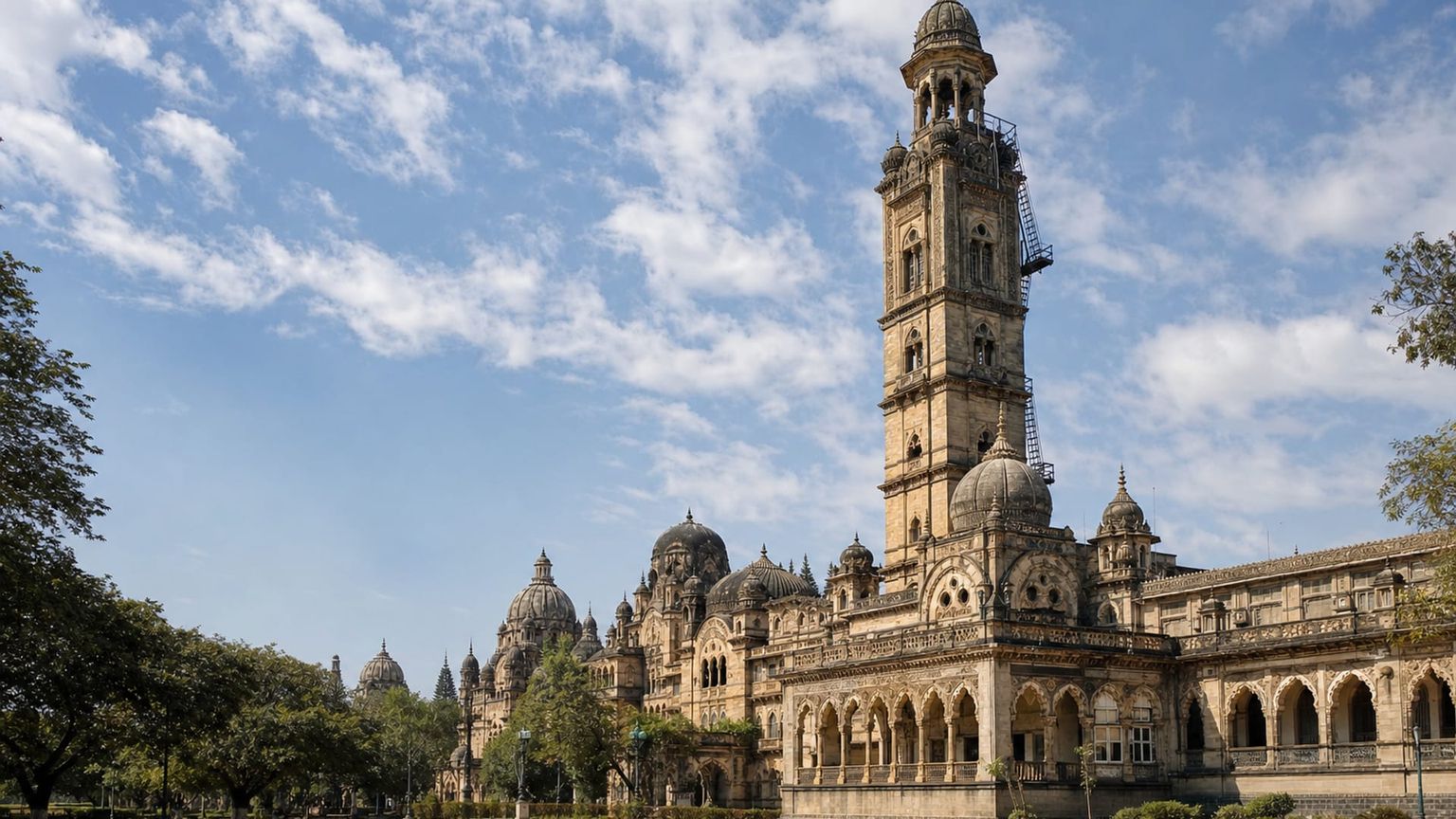
Start early at Laxmi Vilas Palace, where the cooler morning light suits both the grounds and the interiors; from Alkapuri it is about 15 to 20 minutes by taxi, and from the Old City it is usually about 5 to 10 minutes. Spend about 2 to 3 hours there, then take a taxi about 10 to 15 minutes to Sayaji Baug for the Baroda Museum and Picture Gallery, where you can stay another 1 to 2 hours before lunch nearby. If you still have energy, walk or ride a short distance through the park after the museum, then head back to Alkapuri or Fatehgunj for dinner and an early night.
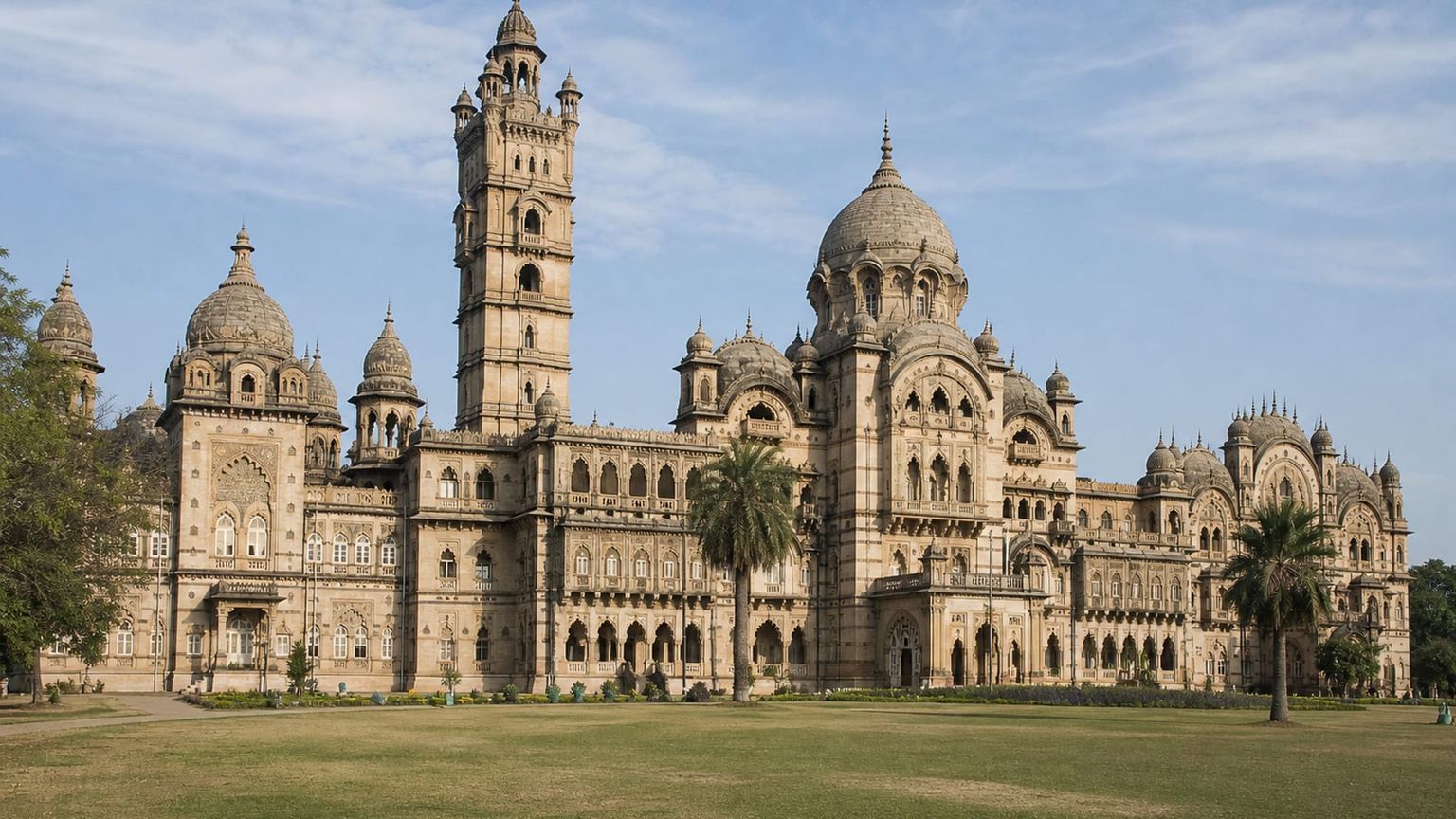
Begin with Sayaji Baug and the Baroda Museum and Picture Gallery if you want a second, slower look, then ride about 10 to 15 minutes to Kirti Mandir for its stonework and river setting. After about 1 to 2 hours at Kirti Mandir, continue by taxi for roughly 15 to 20 minutes to the Old City for a late lunch and a short look at the surrounding heritage streets, temple activity, and market lanes. Finish the afternoon with an easy return to your hotel in Race Course, Alkapuri, or Fatehgunj, depending on where you are staying and how much evening noise you want.
At sunrise, head out to Kansaar Dam, which sits on the city edge and makes the most sense as an early outing before the heat builds. The drive usually takes about 30 to 45 minutes from central Vadodara, and you can spend 1 to 2 hours watching the waterline, walking the roadside viewpoints, and stopping for tea or snacks from nearby stalls. Afterward, return to the city for a relaxed lunch in Alkapuri and a low-key afternoon in Race Course or Fatehgunj, where you can rest before dinner.
For your last day, pair a final museum stop at the Baroda Museum and Picture Gallery with a slow shopping run in Alkapuri, then end with café time in Fatehgunj, where the student-heavy streets make it easy to find an unhurried table. From the museum, Alkapuri is about 10 to 15 minutes by taxi, and Fatehgunj is about 10 minutes farther, so you can shape the day without long cross-town rides. If your flight is late, return to your hotel in Alkapuri or Race Course, collect bags, and head to Vadodara (BDQ) with enough margin for traffic on the main roads.
Business-class flights from the US to Vadodara
Flights into Vadodara usually involve one stop, with the most common connections running through Gulf or European hubs. For long-haul travelers, the route matters as much as the fare, so the examples below focus on the two main origin markets.
From New York, carriers including Etihad Airways, Qatar Airways, Emirates, Lufthansa, and Turkish Airlines commonly connect through AUH, DOH, DXB, FRA, or IST, with total travel time often about 18 to 24 hours. Round-trip fares from New York to Vadodara usually start at about $3,200 and can climb to roughly $6,500.
Los Angeles travelers usually see Qatar Airways, Emirates, Etihad Airways, Lufthansa, and Turkish Airlines on itineraries through DOH, DXB, AUH, FRA, or IST. Round-trip fares from Los Angeles to Vadodara often run from $3,400 to $6,800, though common routings via Doha, Dubai, or Abu Dhabi can cut the price to about $1,000 to $1,800 for lower-cabin tickets.
Vadodara feels different when you slow down
A well-paced Vadodara trip follows the city’s actual geography, with mornings at Laxmi Vilas Palace, afternoons in Sayaji Baug, and later walks that fit Alkapuri, Fatehgunj, or the Old City without forcing long cross-town rides. Taxis make the palace and museum days easier, while auto-rickshaws help in the tighter lanes near heritage streets. If you want help matching your stay to that pattern, the AranGrant experts can shape a trip around the neighborhood that fits your plans







