

Chapters:

Need help with your trip?
Our support team is available 24/7. Request a callback or call us directly at (833) 619-0908
Ürümqi trips often follow a simple loop: arrive, check into a central hotel, and head straight for the Grand Bazaar or a museum. What many travelers miss is how much the city’s wide blocks, district spacing, and late-day market hours shape the pace.
A rushed plan can waste time in taxis and leave little room for Hongshan Park, Saybagh’s neighborhood streets, or an easy evening meal. The city rewards a route that groups sights by district instead of crossing town for every stop.
This guide organizes Ürümqi by location, opening hours, and transfer time, so each day builds on the last without forcing backtracking.
Useful things to know

Main language(s): Mandarin Chinese
你好 (nǐ hǎo) – Hello
请 (qǐng) – Please
谢谢 (xièxie) – Thank you
你会说英语吗? (nǐ huì shuō Yīngyǔ ma?) – Do you speak English?
多少钱? (duōshao qián?) – How much does it cost?

Currency: The local currency is the Chinese yuan (CNY, ¥).

Cash and cards: Cards and contactless are accepted in many hotels and malls; carry about CNY 200 to 400 ($28 to $56) in cash.

Tipping: Tipping is not customary; round up only for very small tips if you want.

Traditional food: Laghman, big plate chicken, hand-pulled noodles, samsa

Water and coffee costs: Water about CNY 3 to 6 ($0.40 to $0.85), bar espresso about CNY 20 to 35 ($2.80 to $4.90).

Taxis and ride apps: DiDi operates here; airport taxis are common, and some apps need a local number.

Plug and voltage: Type A/C socket, 220V

Dining and shop opening hours: Breakfast is about 7:30-10:00, lunch 12:00-14:30, and dinner 19:00-22:00. Some restaurants close between lunch and dinner.

Emergency number: 110 police, 119 fire, 120 ambulance.
Where to stay in Ürümqi
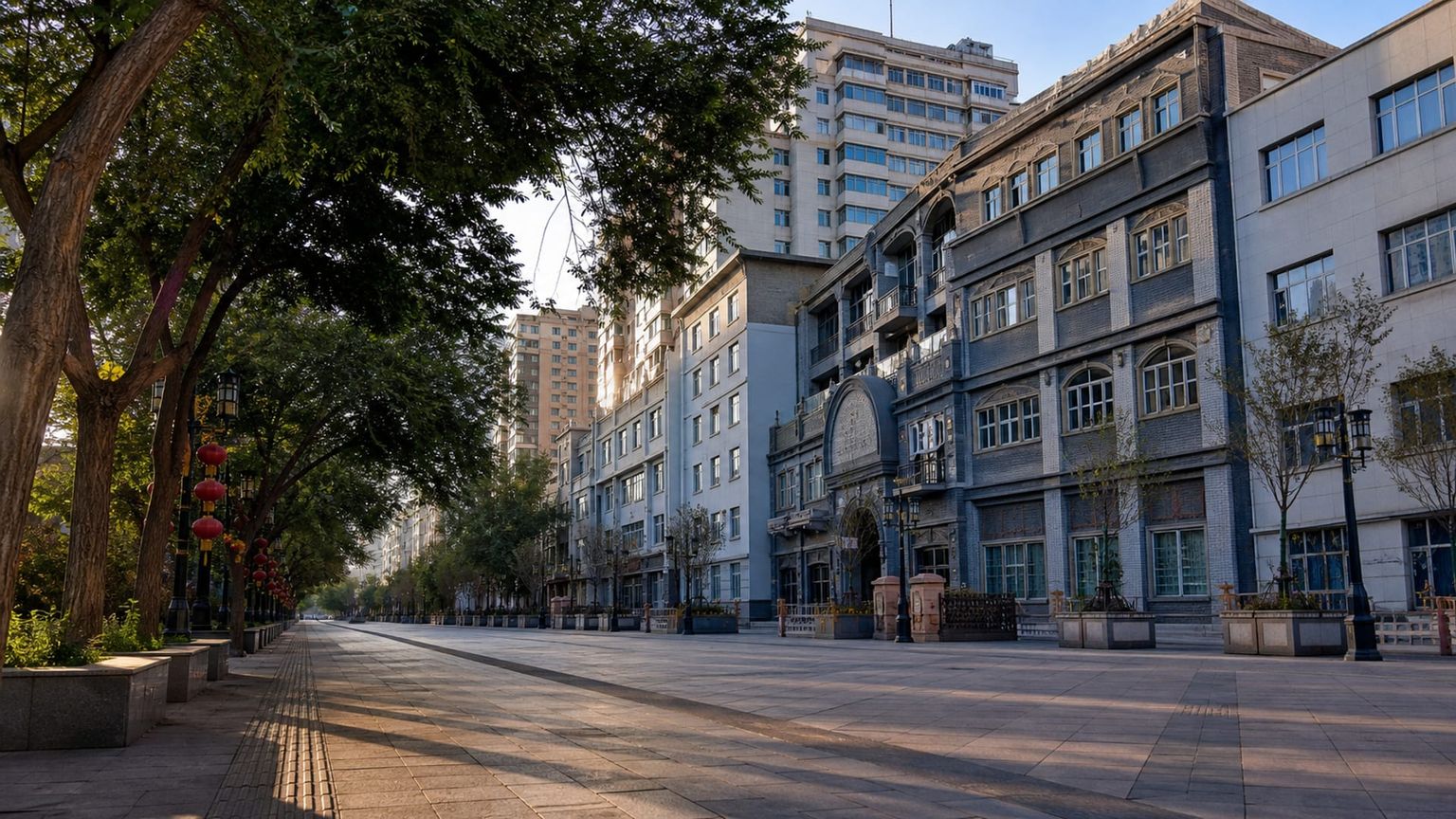
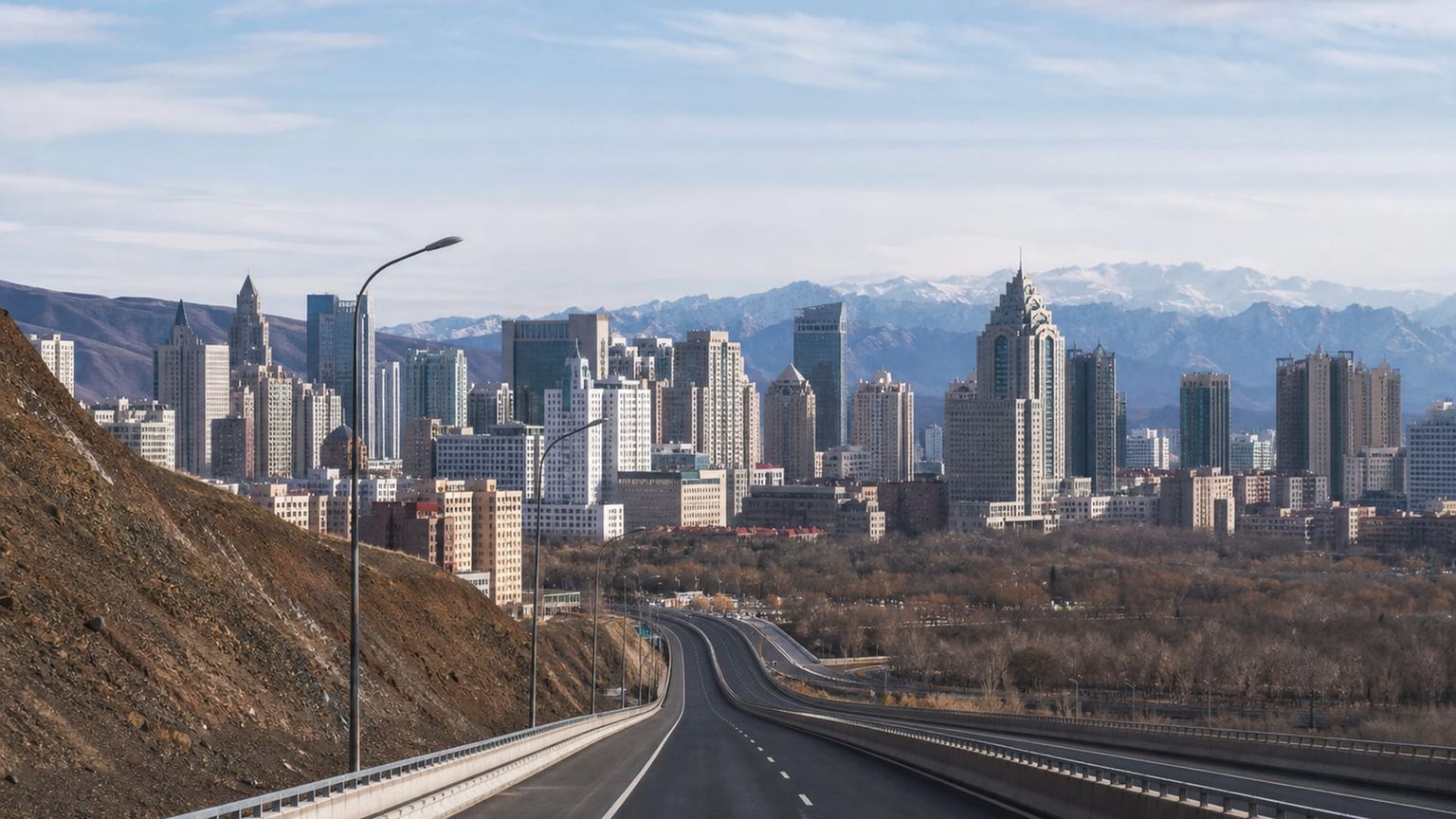
Tianshan District holds Ürümqi’s main civic core, with government offices, shopping streets, and many of the city’s business hotels. It places you close to People’s Park, the Grand Bazaar, and major transit links for moving across the metro area.
Best for: First-time stays, shopping, and access to major sights
What to expect: Busy daytime streets, office traffic, and a steady flow of shoppers near malls and transport hubs.
Hotel prices: Usually about 400¥ to 900¥ (~$55 to ~$125) per night for well-rated stays
Distance to major sights: About 10 to 20 minutes by taxi to the Grand Bazaar, about 15 to 25 minutes to People’s Park
Quietness: Daytime is lively and traffic-heavy, evenings calm down in side streets but remain active near dining blocks.
Main trade-off: You pay more for the central address, and the busiest blocks can feel traffic-heavy at peak hours.
Good to know: Choose a hotel on a side street if you want easier sleep, since the main avenues can stay noisy after dark.
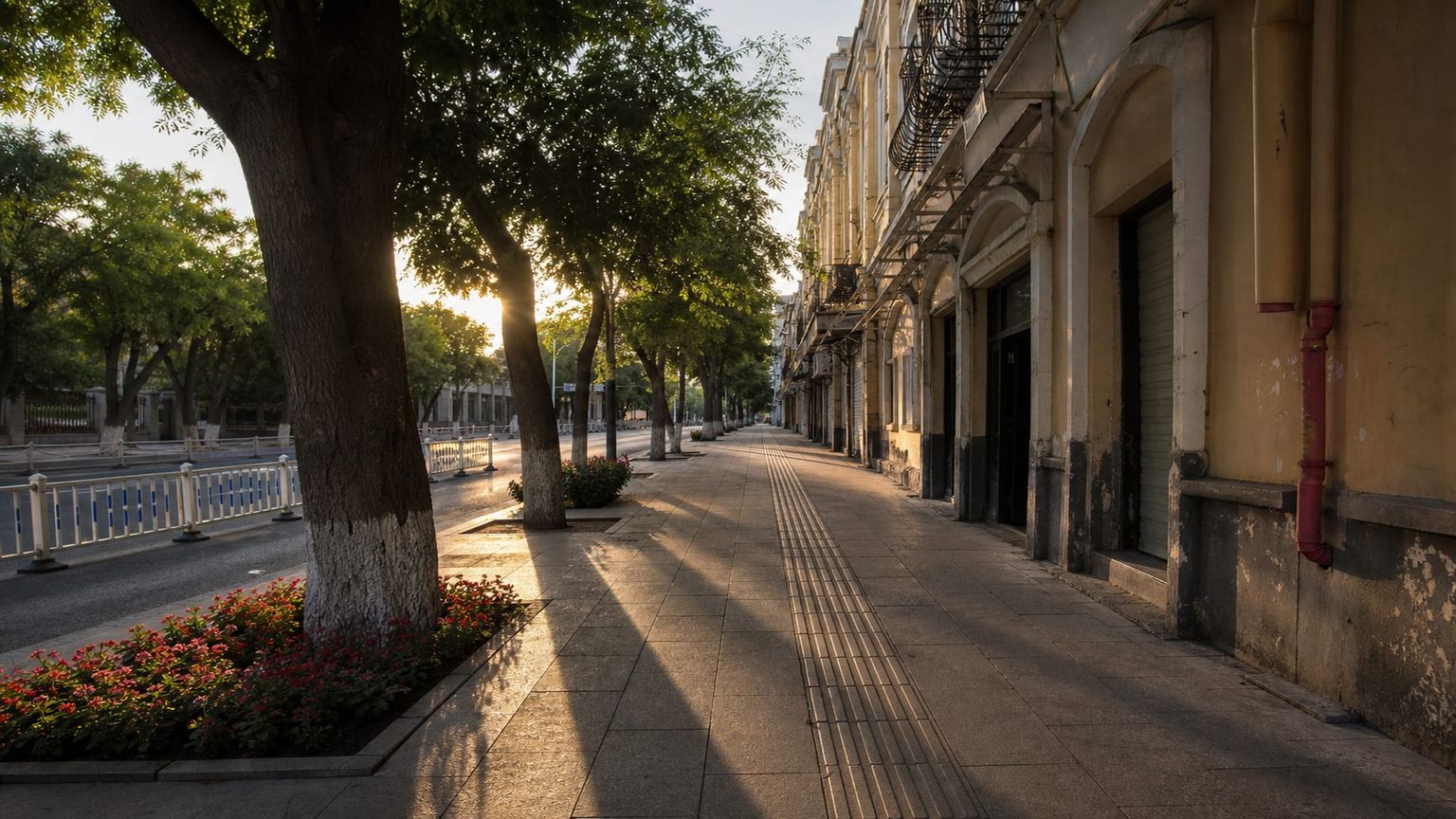
Shaibak District covers the railway-oriented western side of central Ürümqi, where many travelers base themselves for easy train connections and lower-key commercial streets. It works well if you want access to the station without giving up a central city position.
Best for: Rail travelers, short stays, and easy access to the station
What to expect: Functional blocks, local eateries, and regular foot traffic around the transport corridors.
Hotel prices: Usually about 300¥ to 700¥ (~$42 to ~$98) per night for well-rated stays
Distance to major sights: About 5 to 15 minutes by taxi to Ürümqi Railway Station, about 20 to 30 minutes to the Grand Bazaar
Quietness: Daytime is busy around the station, while evenings quiet down once commuter traffic fades.
Main trade-off: You gain train convenience, but the area is less attractive for evening wandering than the central shopping districts.
Good to know: If you have an early departure, pick a hotel close to the station entrance, because station-area blocks vary a lot in walking time.
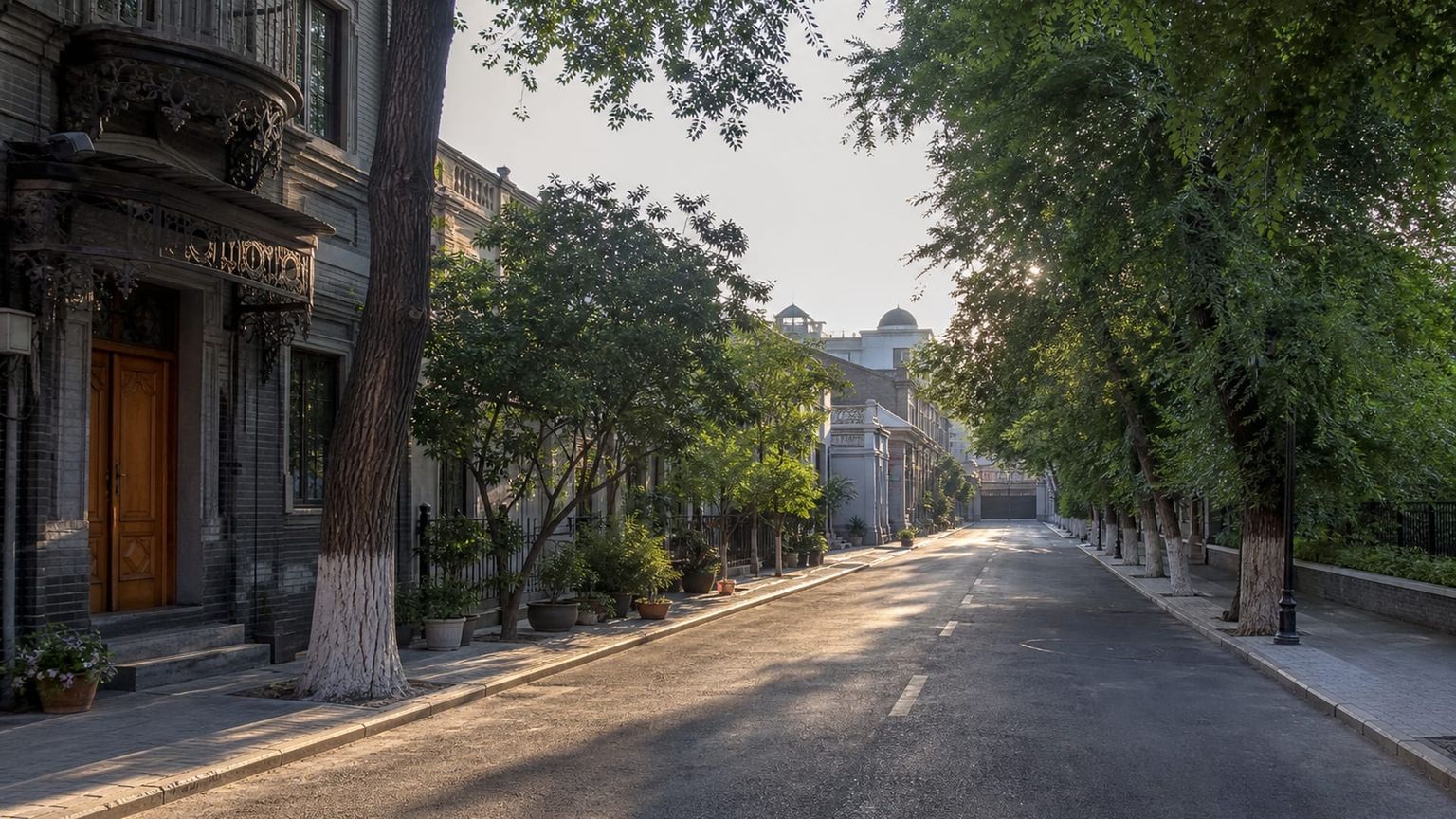
Saybagh District sits on the east-central side of Ürümqi and gives you a residential base with markets, local dining, and access to several of the city’s main roads. It matters for travelers who want to stay close to the center without being in the busiest commercial strip.
Best for: Travelers who want a more local base with city access
What to expect: Residential streets, neighborhood shops, and moderate pedestrian activity rather than dense tourist crowds.
Hotel prices: Usually about 250¥ to 600¥ (~$35 to ~$83) per night for well-rated stays
Distance to major sights: About 15 to 25 minutes by taxi to the Grand Bazaar, about 20 to 30 minutes to People’s Park
Quietness: Quieter than the main commercial core by day, with a calmer evening pace on side streets.
Main trade-off: You save some money, but you’ll rely more on taxis or longer rides to reach the main sights.
Good to know: Street dining is more spread out here, so check the exact hotel block if you want evening food within a short walk.
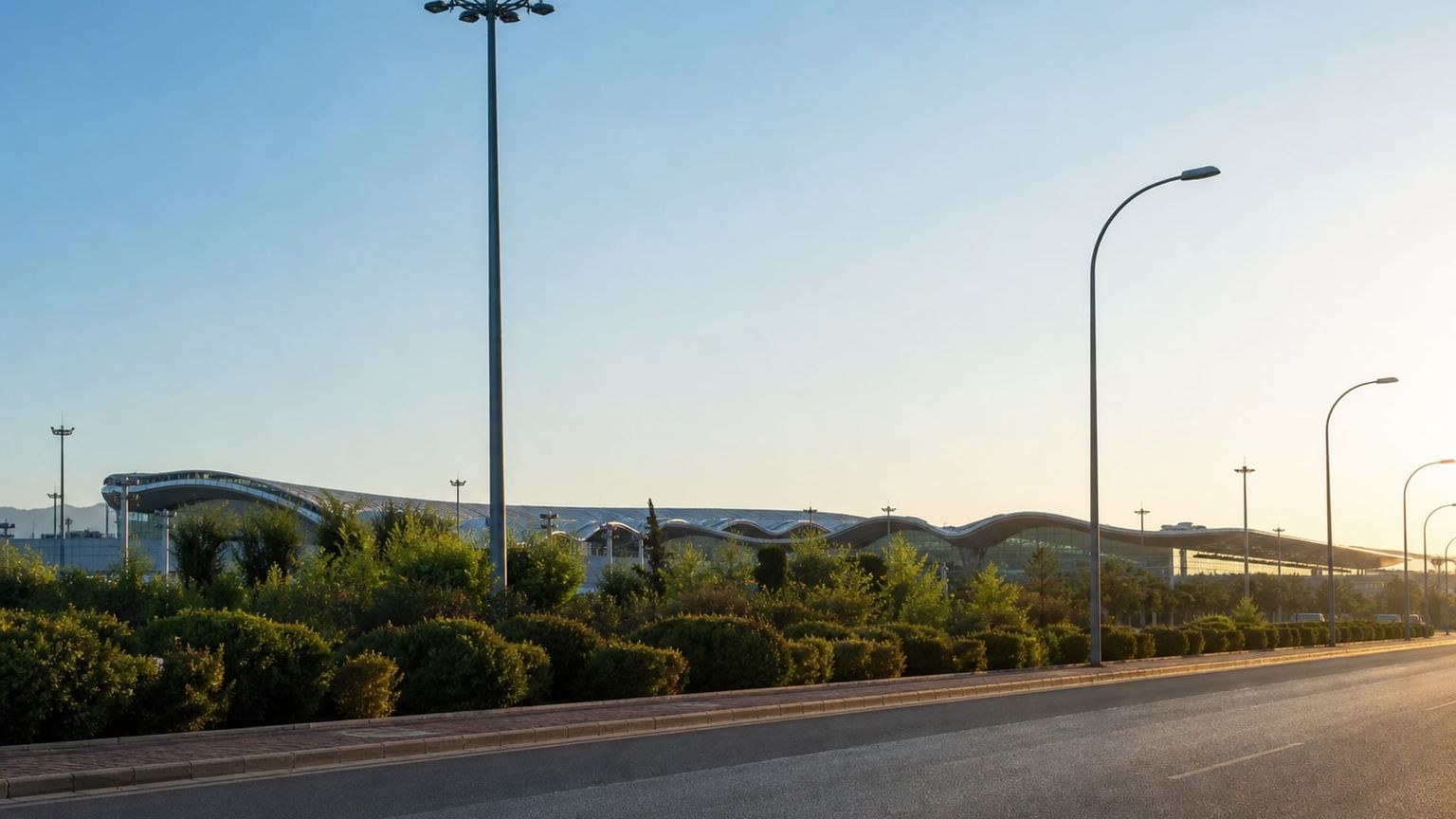
The airport zone in northwest Ürümqi suits late arrivals, early departures, and travelers with a short stopover. It keeps airport transfers short, but you will be outside the main sightseeing core and need transport for almost every outing.
Best for: Late arrivals, early departures, and short layovers
What to expect: Hotel compounds, highway traffic, and little in the way of evening street life.
Hotel prices: Usually about 300¥ to 800¥ (~$42 to ~$111) per night for well-rated stays
Distance to major sights: About 10 to 20 minutes by car to Urumqi Diwopu Airport, about 35 to 50 minutes to the Grand Bazaar
Quietness: Very quiet at night, while daytime activity is mostly airport traffic and hotel check-ins.
Main trade-off: You trade convenience for distance, since central restaurants and tourist sites sit well away from this zone.
Good to know: Book only if your schedule is tight, because taxis into the city core take enough time that airport hotels are a poor fit for sightseeing.
Travelers usually avoid the western outskirts such as the high-rise developments near the Urumqi High-Tech Industrial Development Zone, because they sit far from Red Hill Park, the Grand Bazaar, and other central sights, with fewer visitor-oriented hotels and dining options. Midong District and the far eastern industrial areas are less convenient for overnight stays, since evening taxi rides take longer and many blocks are geared more to logistics and local commuters than to visitors.
Hotel deals
How to get around Ürümqi efficiently
Ürümqi has no metro network, so buses, taxis, and ride-hailing do most of the work, with the station area and airport both sitting far enough from the main sights to justify planning each transfer.

Metro
for longer distances
Ürümqi has no metro network, so the closest rail option is the city’s suburban and rail connections, which do not function as an urban subway for airport transfers or local hops. Plan on buses or taxis for most city movement, then use rail only for intercity trips.

Bus and tram
for convenience
Urban buses cover most districts, with the airport area linked by city routes and shuttle-style services; fares are typically about $0.30 to $0.70 (about ¥2 to ¥5), and many rides are paid in cash or with local transit cards. Expect longer waits outside peak hours, and allow extra time because stops and route signs can be easier to read if you already know your destination.

Taxi
for convenience or late hours
Licensed taxis in Ürümqi use meters for city trips, with an airport pickup often costing about $4 to $8 (about ¥30 to ¥60) to central areas, depending on distance and traffic; late-night rides and longer cross-town journeys can run about $8 to $18 (about ¥60 to ¥130). Hail official cabs or use a ride-hailing app at designated ranks, and pay with cash or a mobile payment method if the driver accepts it.
*Prices are based on rates updated as of June 2026 and may change at the time of travel.
Use taxis for cross-district sightseeing, buses for low-cost hops when you already know the stop, and the airport zone only when your arrival or departure timing makes that trade worth it.
Iconic landmarks
Xinjiang International Grand Bazaar
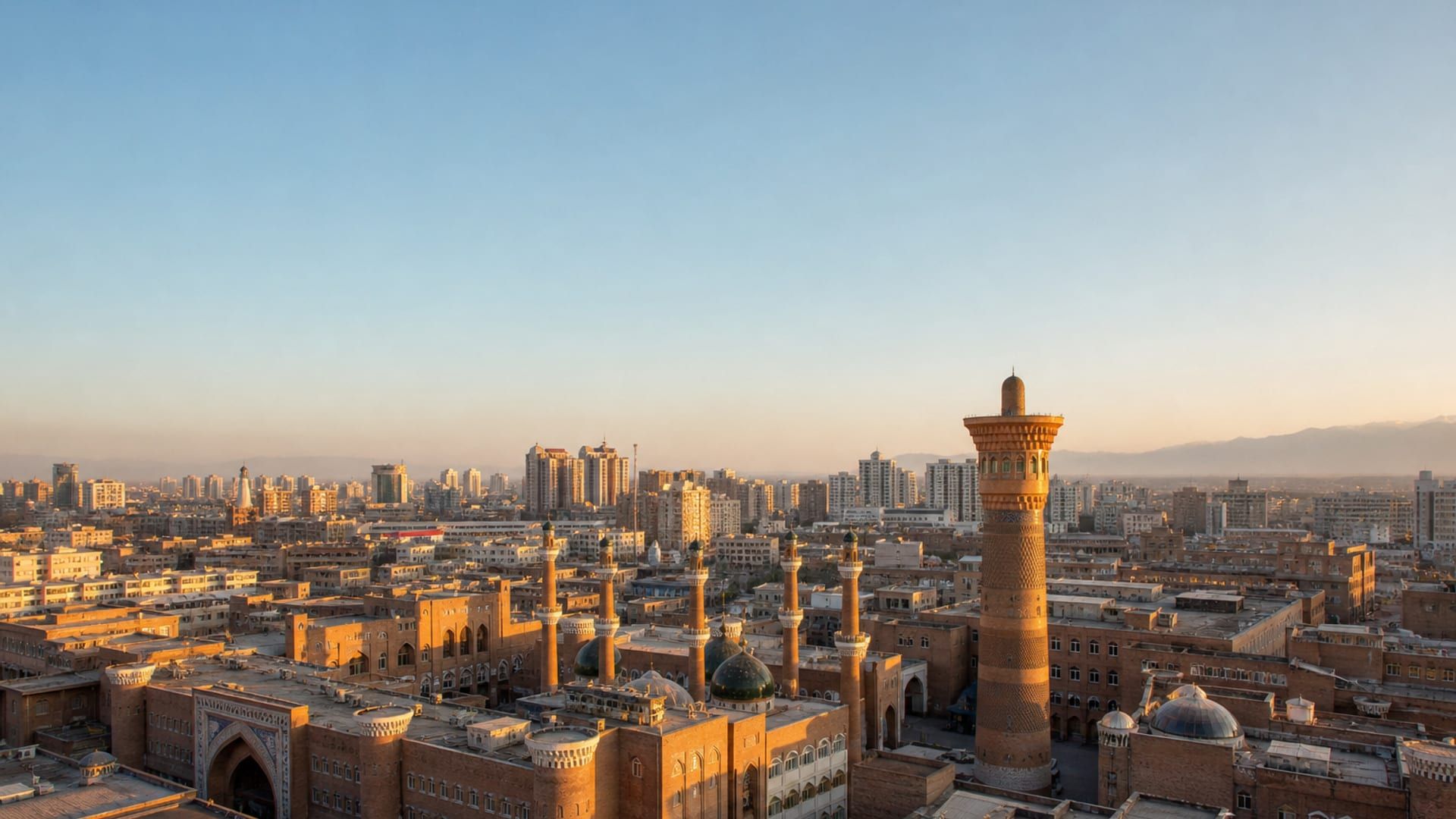
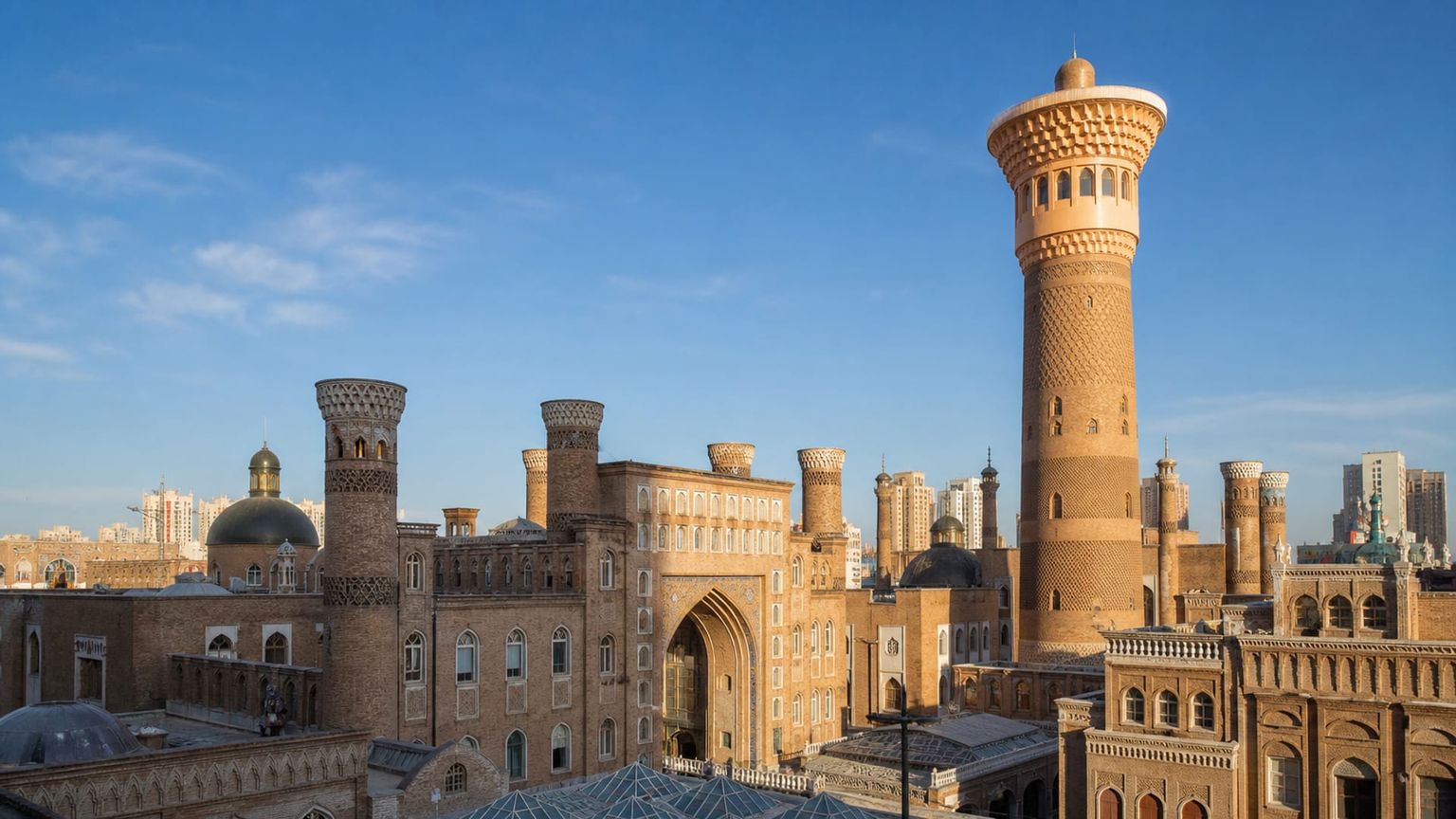
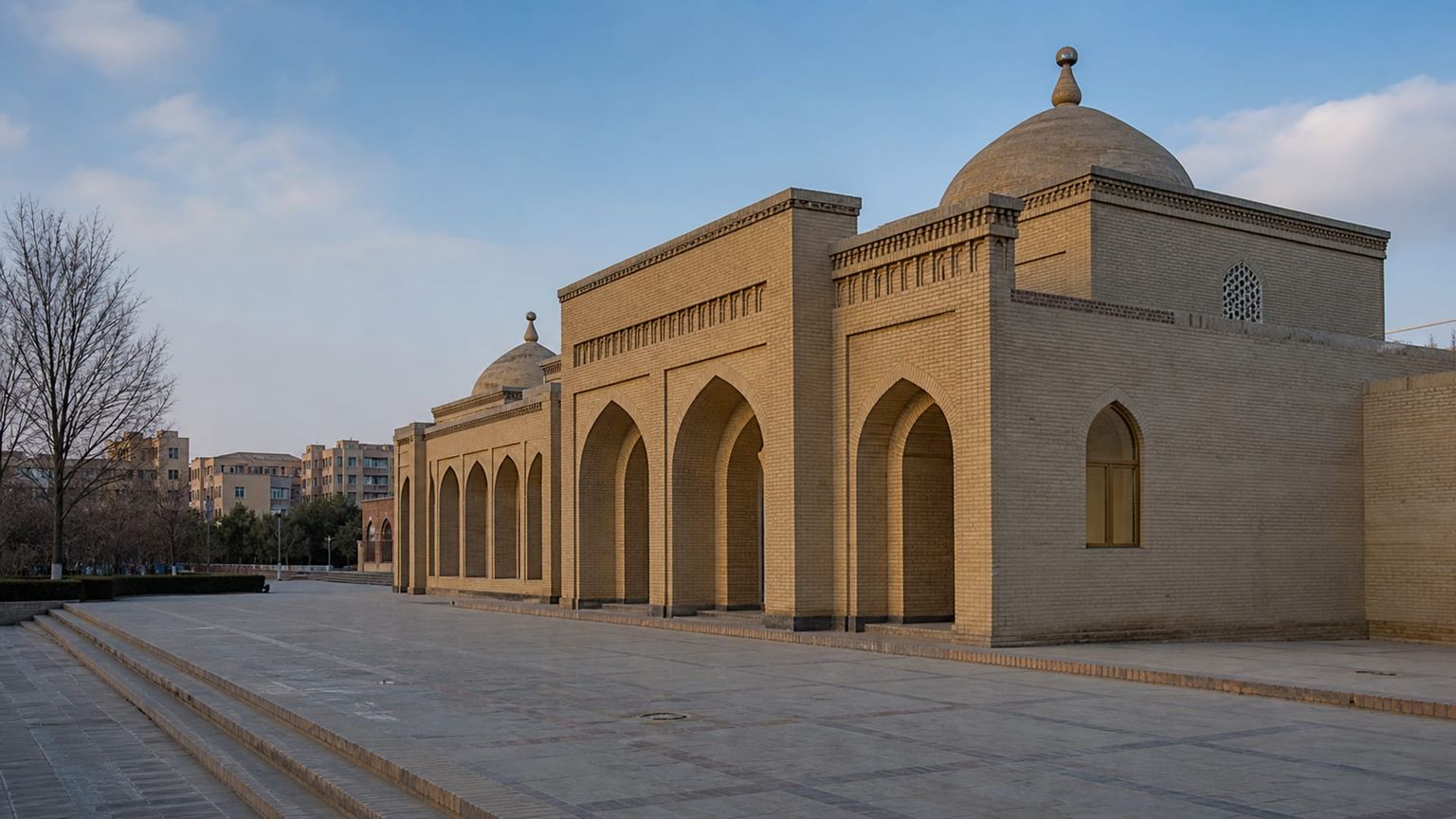
A large commercial and cultural complex near the city center, the bazaar pairs brick towers, Islamic motifs, and a busy market hall with food stalls, crafts, and evening performances. It is one of Ürümqi’s best-known public spaces.
Time needed: About 2 to 3 hours
Entry: Free to enter; food, shopping, and performances are extra, with most snacks and souvenirs priced separately from admission.
Tip: Visit after 6:00 pm for the busiest market hour and lit-up towers around sunset.
Xinjiang Uyghur Autonomous Region Museum
The regional museum presents Silk Road artifacts, ethnic textiles, and the well-known Tarim mummies in a modern exhibition setting. Its collections give a clear overview of Xinjiang’s archaeology, history, and minority cultures.
Time needed: About 2 to 3 hours
Entry: Admission is free, though some special exhibitions may carry a separate charge or limited entry conditions. Visit the official site for details.
Tip: Go early on weekdays, then leave time for the mummy gallery before the last entry rush.
Hongshan Park
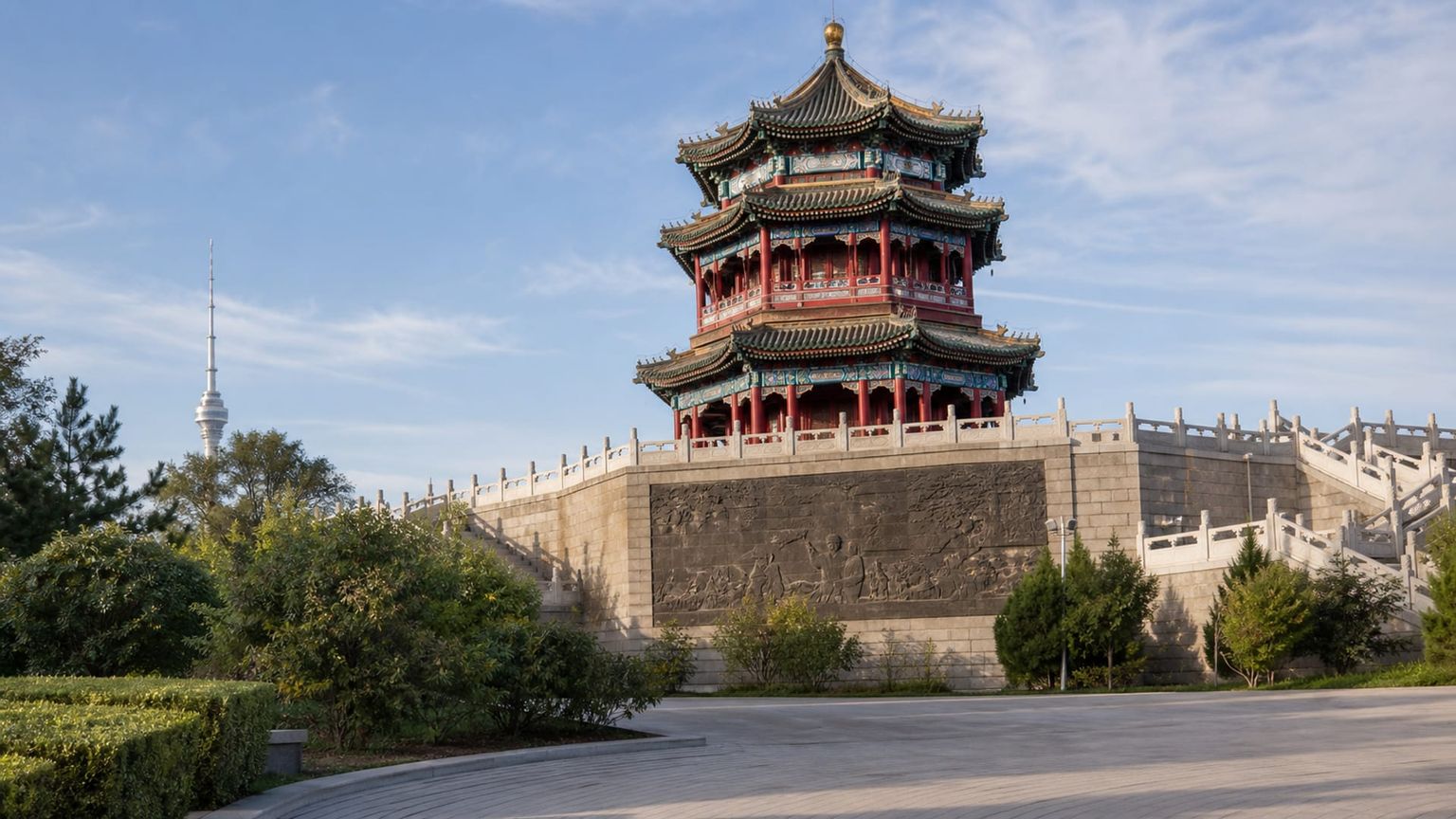
Hongshan Park centers on a red sandstone hill that rises above central Ürümqi, with stairs, pavilions, and a temple complex on the slope. The summit gives wide views across the city and works well for a short climb between museum stops.
Time needed: About 1 to 2 hours
Entry: Free to access; small fees may apply for some temple or ride areas, but the main park and hill paths are open at no charge.
Tip: Go near sunset for the widest city view, then descend before the hill paths get dim.
Overlooked sites worth visiting

Xinjiang International Grand Bazaar
A large pedestrian market in the city center with domes, arcades, and daily trade. Browse spices, dried fruit, knives, and carpet stalls, then pause for Uyghur music on the square.
Time needed: About 2 to 3 hours
Entry: Free to enter. Food, tea, crafts, and performances are priced separately; expect small purchases from about $3 to $15, with fuller snacks and souvenirs costing more depending on the stall and season.
Tip: Visit before sunset for better photos and cooler walking.

Urumqi Museum
This compact museum presents Xinjiang archaeology, ethnic textiles, and local history in well-labeled galleries. Its exhibits cover Silk Road finds, desert mummies, and regional crafts without requiring a long visit.
Time needed: About 1 to 2 hours
Entry: Admission is free for the permanent galleries. Special exhibits, if offered, may charge separately, and the museum can require a passport or ID at security before entry.
Tip: Carry ID and check opening days before you go.
Traditional food
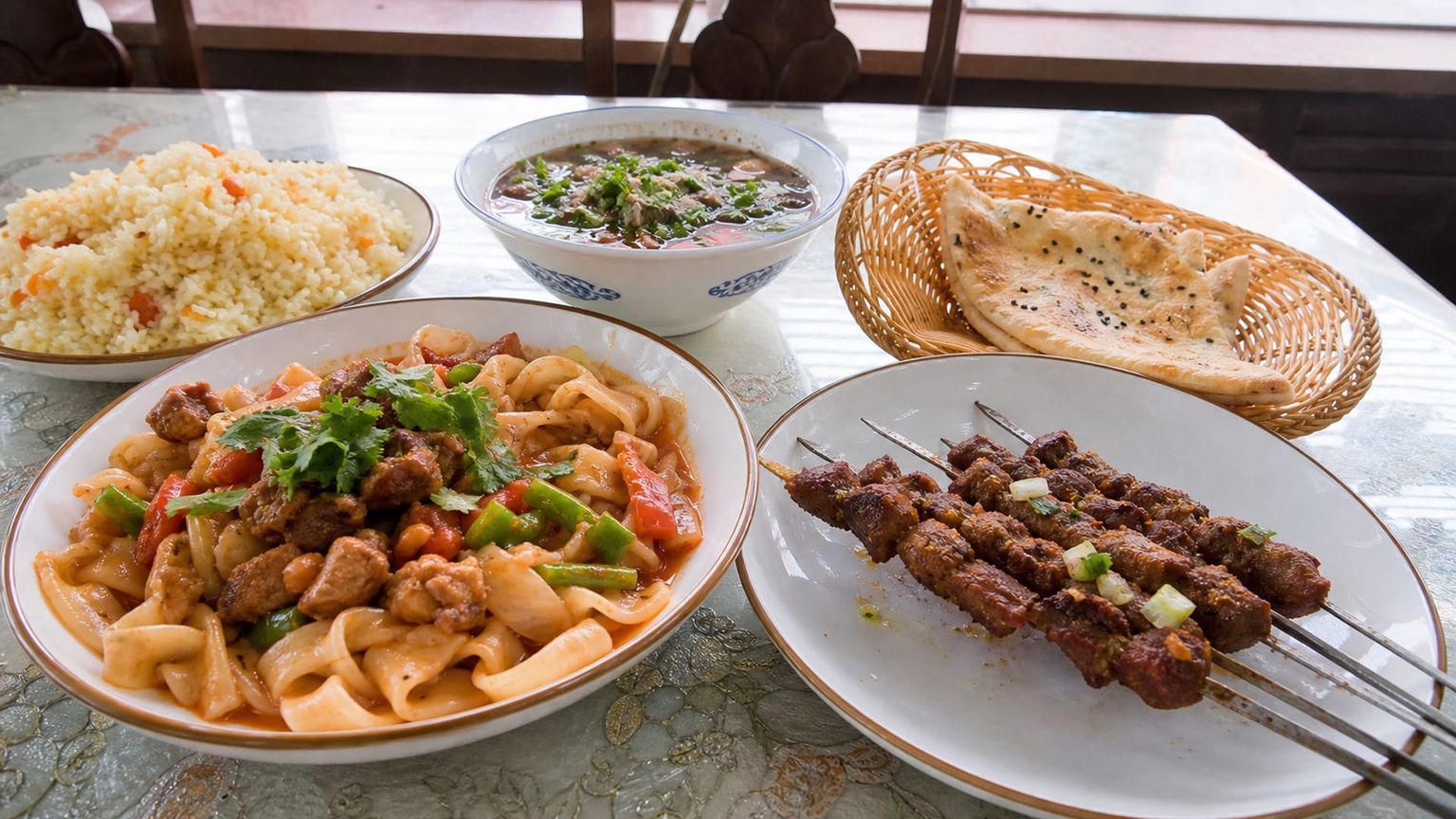
Ürümqi’s food leans on hand-pulled noodles, lamb, wheat dough, and cumin, with laghman, big plate chicken, samsa, and skewers anchored in Uyghur and northern Xinjiang cooking. Dining hours run later than breakfast cafés and often pause between lunch and dinner.
Laghman
Hand-pulled noodles with stir-fried vegetables and meat, laghman is one of the clearest introductions to Uyghur home-style cooking. Kashgar Old Bazaar in Ürümqi is a strong place to order it alongside a broader market meal.
Big plate chicken
This shareable dish pairs chicken, potatoes, chile, and wide noodles in a sauced pan that usually lands at the center of the table. Shouyixiang Big Plate Chicken is a well-known local choice in Ürümqi.
Hand-pulled noodles
Chewy, freshly stretched noodles appear in clear soups or with stir-fried toppings, and they suit a quick lunch between sightseeing stops. Xinjiang Famous Cuisine Restaurant in Ürümqi is a common reference point for this kind of bowl.
Samsa
Baked filled pastries with lamb or onion, samsa work well as a quick snack or a simple breakfast item. Grand Bazaar Food Street is a natural place to try them from a busy stall in central Ürümqi.
Best time to visit Ürümqi
Ürümqi’s best months sit in the middle of a continental climate, with hot, bright summers, crisp shoulder seasons, and winters that call for indoor time and careful layering.
Best for: Museum time, park walks, and lighter sightseeing crowds
What you get: About 45 to 72°F (7 to 22°C), with variable wind and manageable visitor levels before summer travel peaks
Trade-offs: Afternoons can still turn brisk, and weather can change quickly
Best for: Long daylight, evening market visits, and fuller outdoor itineraries
What you get: About 65 to 91°F (18 to 33°C), with the year’s busiest sightseeing period and more activity at the bazaar
Trade-offs: Midday heat can make long walks tiring
Best for: Clear air, comfortable city walks, and outdoor photography
What you get: About 34 to 73°F (1 to 23°C), with lighter crowds after the summer peak
Trade-offs: Temperatures can drop fast once November arrives
Best for: Indoor museums, short transfers, and lower hotel rates
What you get: About 9 to 37°F (-13 to 3°C), with the quietest sightseeing season and colder streets
Trade-offs: Snow and cold reduce the appeal of long outdoor stops
A realistic 5-day plan in Ürümqi
Five days in Ürümqi work best when the city stays divided by district. Start with arrival and a gentle first evening, then pair the museum and Hongshan Park, leave room for the Grand Bazaar and the city museum, and keep the last day light before your flight.
Land at Urumqi Diwopu Airport (URC) and take a taxi into the Tianshan District center, which usually costs about 30¥ to 60¥ and takes roughly 30 to 45 minutes, depending on traffic and hotel location. If you arrive late, the airport zone is the better overnight choice, but for most first trips a hotel near the Grand Bazaar or People’s Park keeps tomorrow’s sightseeing close at hand. Check in, drink plenty of water, and keep dinner simple with noodles or grilled skewers near your hotel, then get an early night so the altitude and travel day do not catch up with you.
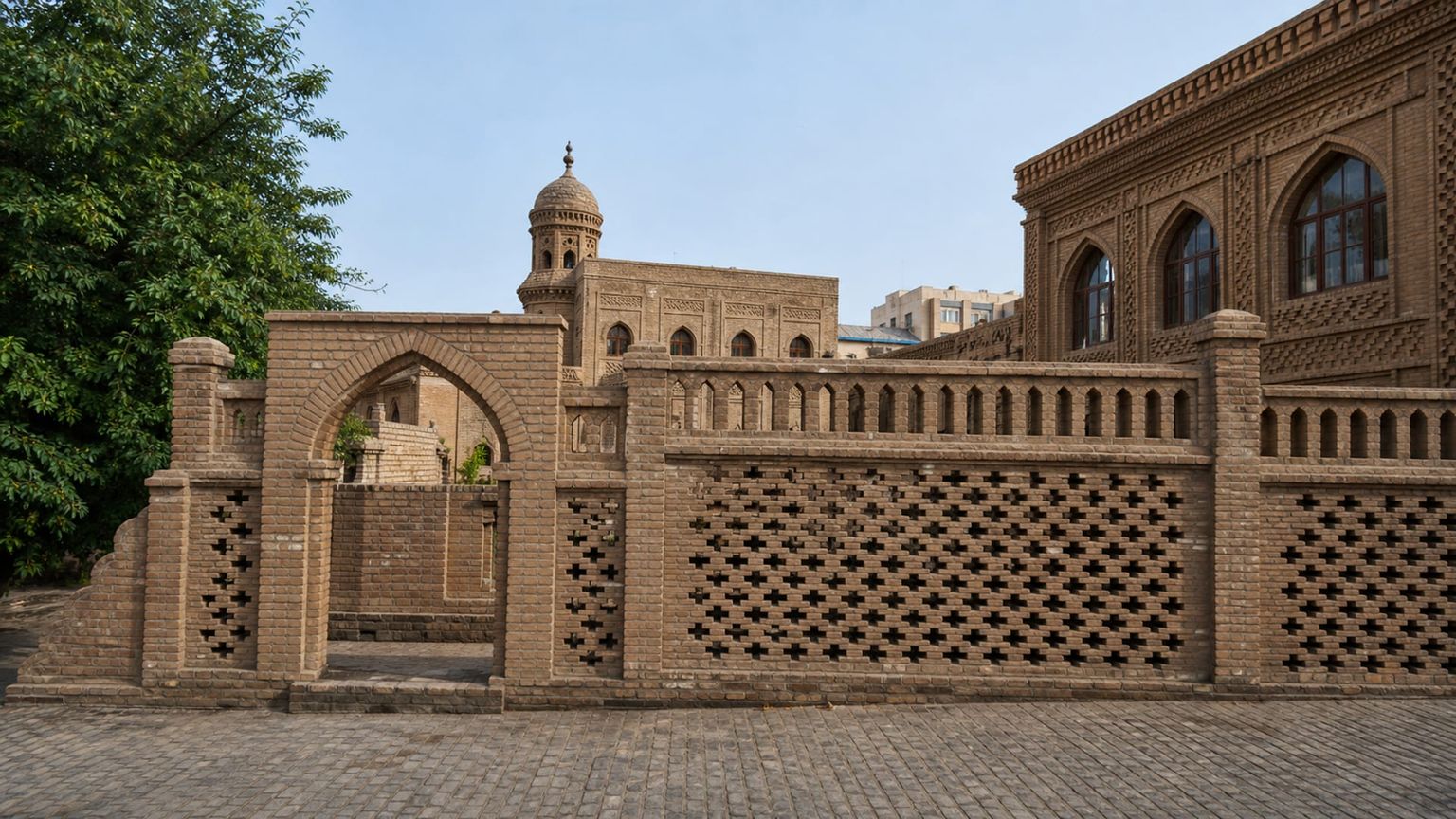
Start with the Xinjiang Uyghur Autonomous Region Museum in the morning, since weekday crowds are lighter and the galleries need about 2 to 3 hours. From the Tianshan District center, a taxi usually takes about 15 to 20 minutes to the museum, and from there it is another 15 to 20 minutes by taxi to Hongshan Park. Climb the hill for city views, pavilions, and the temple complex, then descend before dark and return to the center for dinner near the Grand Bazaar or on a nearby shopping street.
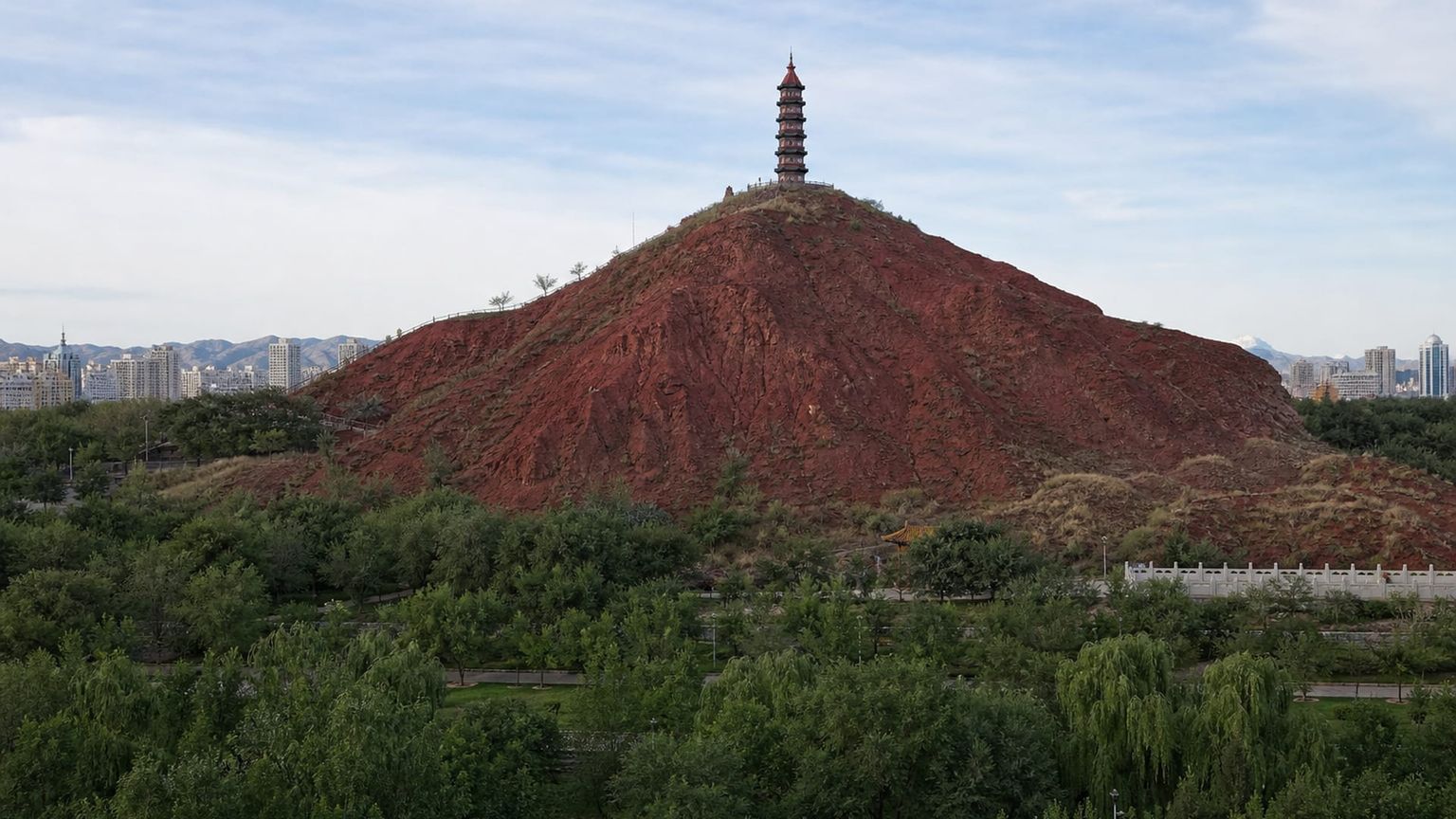
Begin at the Xinjiang International Grand Bazaar, where you can spend about 2 to 3 hours browsing domes, arcades, dried fruit stalls, carpets, and tea shops. If you are staying in Tianshan District center, a taxi usually takes about 10 to 20 minutes, and after lunch the Urumqi Museum is about 10 to 15 minutes away by taxi. The museum adds a shorter second stop, with Silk Road finds and regional history packed into a compact visit, so you can finish the afternoon with an easy walk back toward the hotel or a taxi to dinner in the same district.
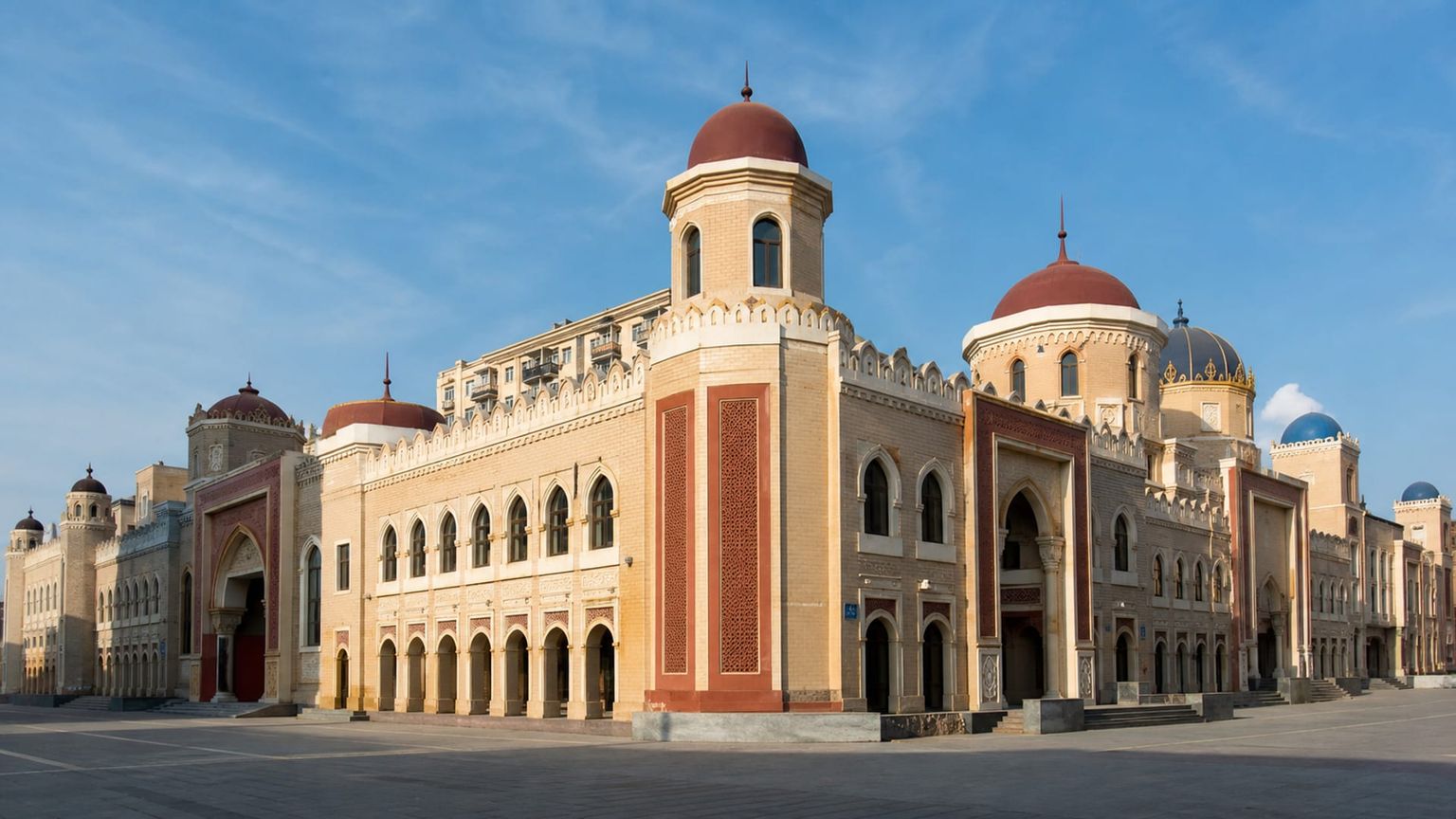
A slower neighborhood day suits Saybagh District, where local streets and markets give you a different view of the city before your last full evening. From the Tianshan District center, reach Saybagh in about 15 to 25 minutes by taxi, then keep the morning open for nearby shopping streets and lunch in a local café or noodle shop. In the afternoon, return to the Xinjiang International Grand Bazaar for another pass through the food stalls and craft counters, and stay for the evening lights if you want the square at its busiest.
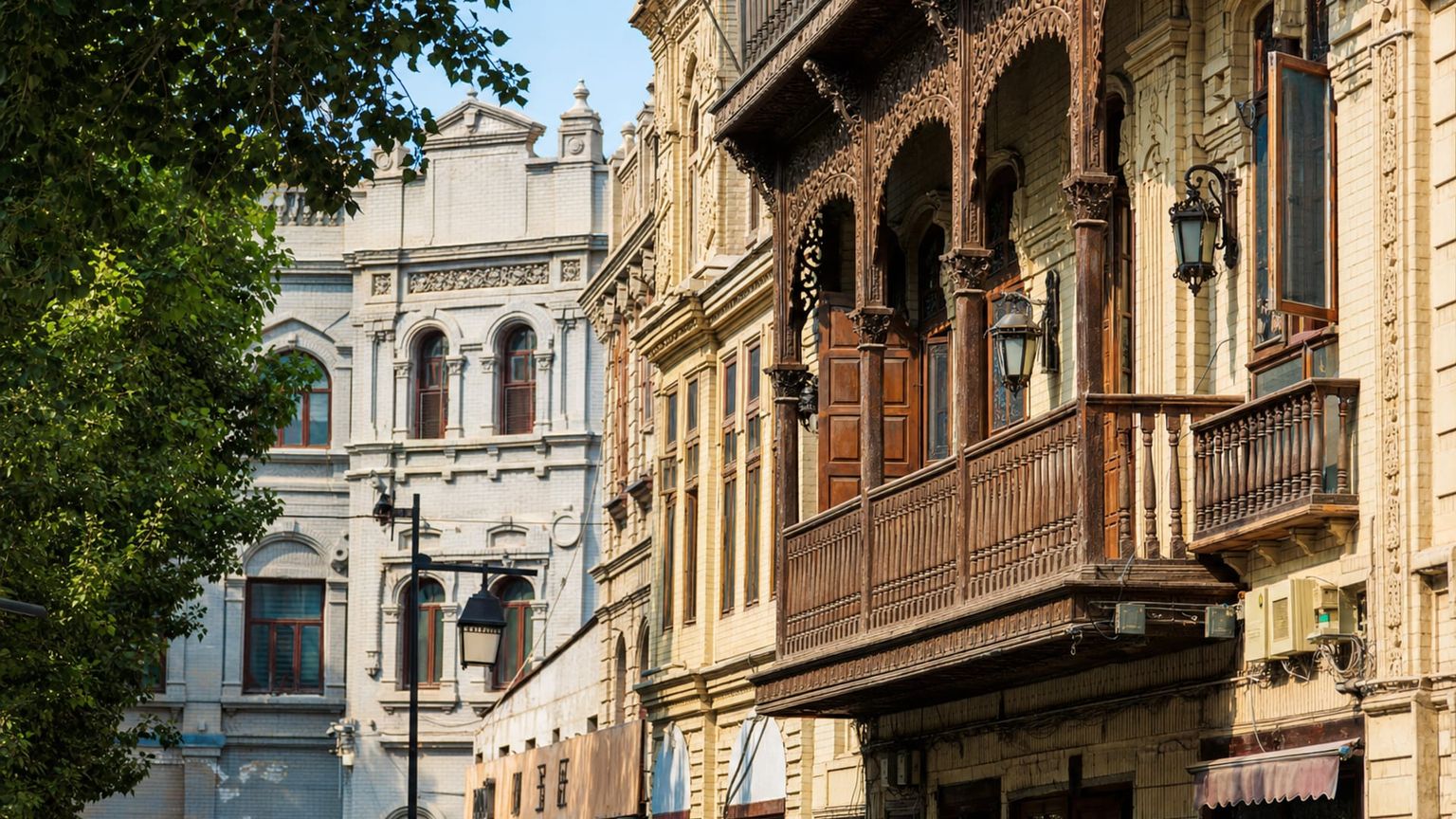
One last morning works well for the Urumqi Museum, especially if you want a shorter indoor stop before departure and the free permanent galleries fit neatly into about 1 to 2 hours. From Shaibak District near the station, the museum is about 15 to 25 minutes away by taxi, and from there you can head back toward Tianshan District for a final round of shopping or tea. End with a café stop in Saybagh District if your flight leaves later, then return to your hotel, collect your bags, and leave enough time for the ride back to Urumqi Diwopu Airport (URC).
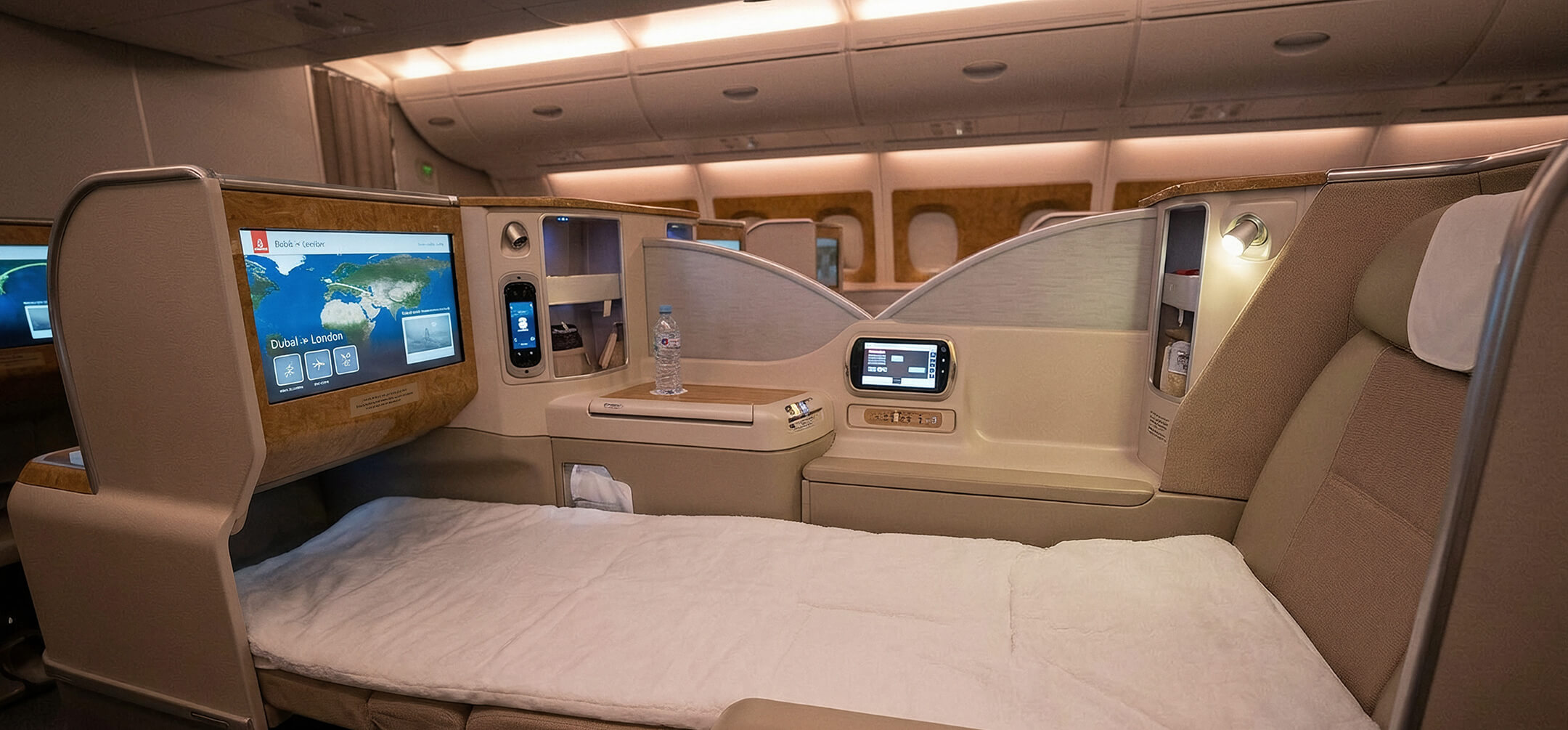
Business-class flights from the US to Ürümqi
Long-haul flights to Ürümqi usually route through major hubs, so the most useful examples for readers from the United States are the East Coast and West Coast patterns. The schedules vary, but the connecting cities and fare bands give a clear sense of what to expect.
From New York, China Southern Airlines, Air China, Qatar Airways, Turkish Airlines, Emirates, and China Eastern Airlines all appear in the mix, with one-stop itineraries usually taking about 19 to 31 hours. Common connecting points include CAN, PEK, DOH, IST, DXB, and PVG, and round-trip fares usually start near $5,800 and can climb to about $9,500.
Los Angeles itineraries on China Southern Airlines, Air China, Qatar Airways, Turkish Airlines, Emirates, and China Eastern Airlines often price between $5,200 and $8,700 round trip. If you do not mind a layover, common routings via DOH, IST, or DXB often cut the fare noticeably, and total travel time usually lands between 18 and 30 hours.
Ürümqi feels different when you slow down
A deliberate Ürümqi trip works best when you stay near Tianshan District, move by taxi between districts, and leave one evening open for the Grand Bazaar after sunset. Hongshan Park, the regional museum, and Saybagh’s quieter streets all fit into that pattern without forcing long cross-town detours. If you want help shaping the route, ask the AranGrant experts to build around your arrival time and hotel area