

Chapters:

Need help with your trip?
Our support team is available 24/7. Request a callback or call us directly at (833) 619-0908
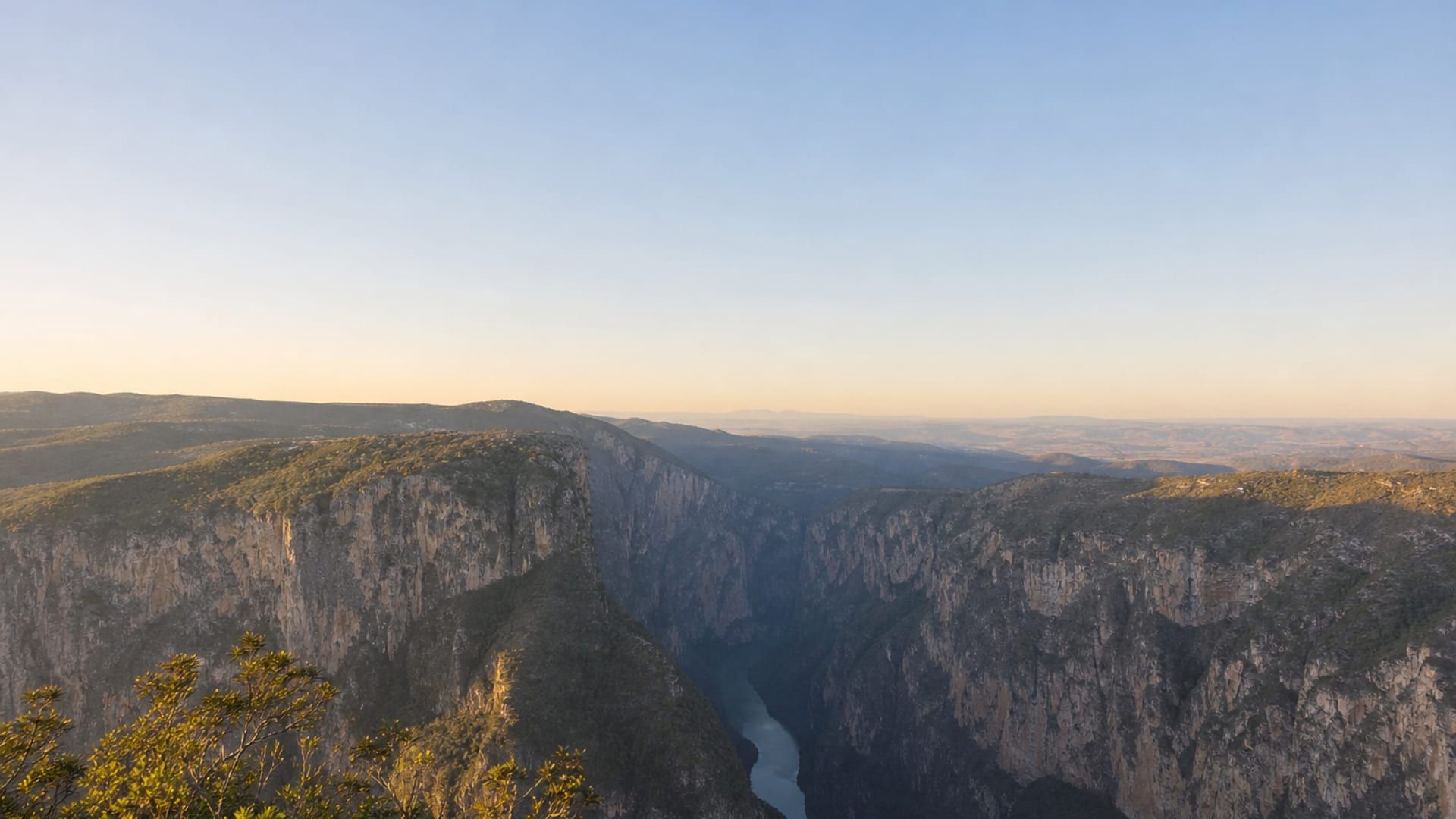
Tuxtla trips often start with Sumidero Canyon or a quick hotel check-in, then rush straight to the next stop. What visitors miss is the city itself, especially the center, where parks, churches, and evening music sit close together.
That habit can work, but it often leads to long taxi hops, crowded midday outings, and a thin sense of how the city moves between errands, meals, and early nights. Tuxtla rewards shorter, better-timed outings.
This guide slows the pace down and groups the city by neighborhoods, meals, and travel timing, so you can see what fits in a day without making every transfer a small project.
Useful things to know

Main language(s): Spanish
Hola (OH-lah) – Hello / good morning
Por favor (por fah-VOR) – Please
Gracias (GRAH-see-ahs) – Thank you
¿Habla inglés? (AH-blah een-GLAYS) – Do you speak English?
¿Cuánto cuesta? (KWAHN-toh KWES-tah) – How much does it cost?

Currency: The local currency is the Mexican peso (MXN, $).

Cash and cards: Cards and contactless work in many hotels and restaurants, but carry about MXN 500 to 1,000 ($29 to $58) in cash.

Tipping: Round up small bills; leave about 10% at restaurants if service is good.

Traditional food: cochito, sopa de chipilín, tamales de chipilín, pepita con tasajo

Water and coffee costs: Water about MXN 15 to 25 ($1 to $1.50), bar espresso about MXN 35 to 50 ($2 to $3).

Taxis and ride apps: Uber and DiDi operate here; check pickup spots at the airport and hotels.

Plug and voltage: Type A/B socket, 127V

Dining and shop opening hours: Breakfast is about 7:00-10:00, lunch 13:00-16:00, and dinner 20:00-23:00. Many places close in the afternoon between lunch and dinner.

Emergency number: Dial 911 for police, fire, and medical emergencies.
Where to stay in Tuxtla
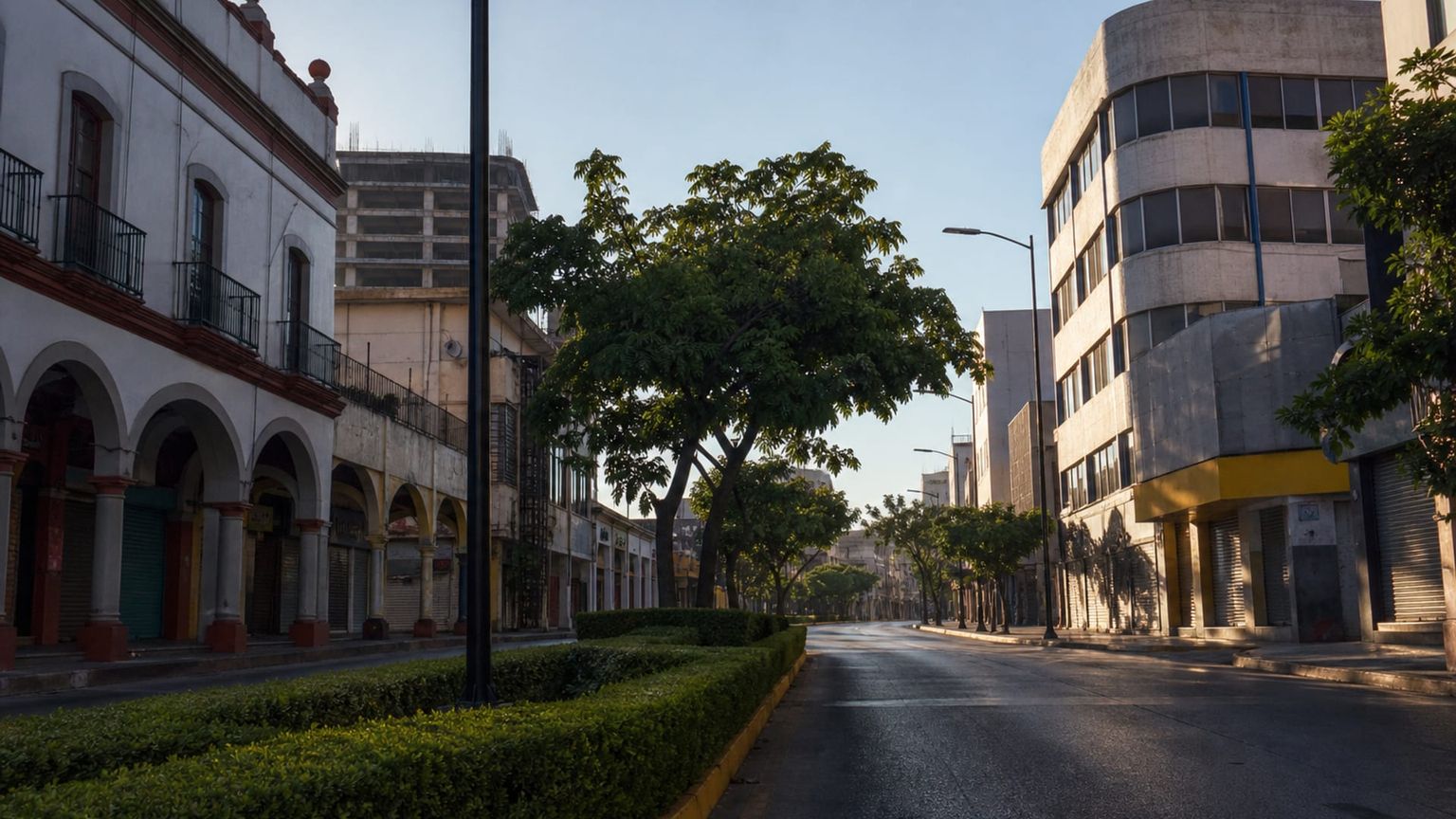
Tuxtla’s historic core clusters government offices, the main plaza, shops, and casual dining within a compact grid. It matters because it puts museums, markets, and taxis within easy reach, and it works well if you want to do most errands on foot.
Best for: Sightseeing, errands on foot, and travelers who want to stay close to the city’s main civic and commercial streets
What to expect: Busy sidewalks by day, with vendors, buses, and office traffic concentrated near the plaza and main avenues.
Hotel prices: Usually about $35 to $85 per night for well-rated stays
Distance to major sights: 5 to 15 minutes on foot to Parque Central and the cathedral; about 10 minutes by taxi to the regional museum
Quietness: Noisy during the day, then much calmer after office hours, though main streets still carry traffic late into the evening.
Main trade-off: You trade away some peace and newer hotel stock for the shortest walks to central sights and transit.
Good to know: Street parking can be tight, so travelers with a car should confirm garage space before booking.
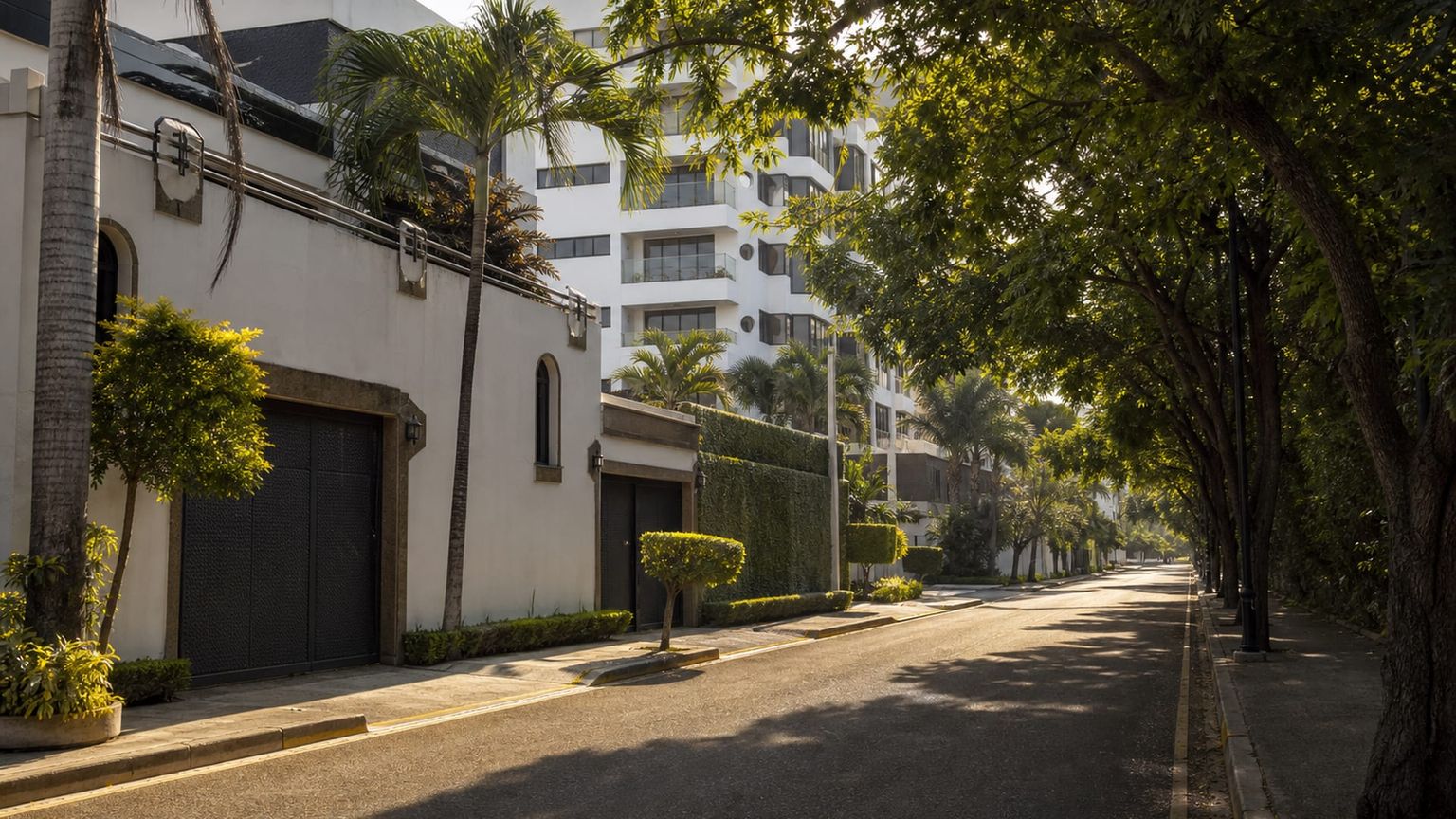
Zona dorada is Tuxtla’s newer hotel and commercial zone along the city’s main east-west corridors. It matters because many chain hotels, restaurants, and shopping centers sit here, so arrivals by car or airport shuttle feel simpler to manage.
Best for: Business travel, road trips, and guests who want newer hotels with easier vehicle access
What to expect: Broader avenues, steady traffic, and a concentration of restaurants, banks, and retail around large intersections.
Hotel prices: Usually about $45 to $120 per night for well-rated stays
Distance to major sights: About 15 to 25 minutes by taxi to Parque Central; roughly 20 minutes by taxi to the regional museum
Quietness: Quieter in hotel interiors at night, but the main roads stay active well past dinner time.
Main trade-off: You gain easier parking and newer lodging, but you give up the walkable feel of the center.
Good to know: Check the exact street location, since some blocks sit on busy avenues where crossing on foot takes time.
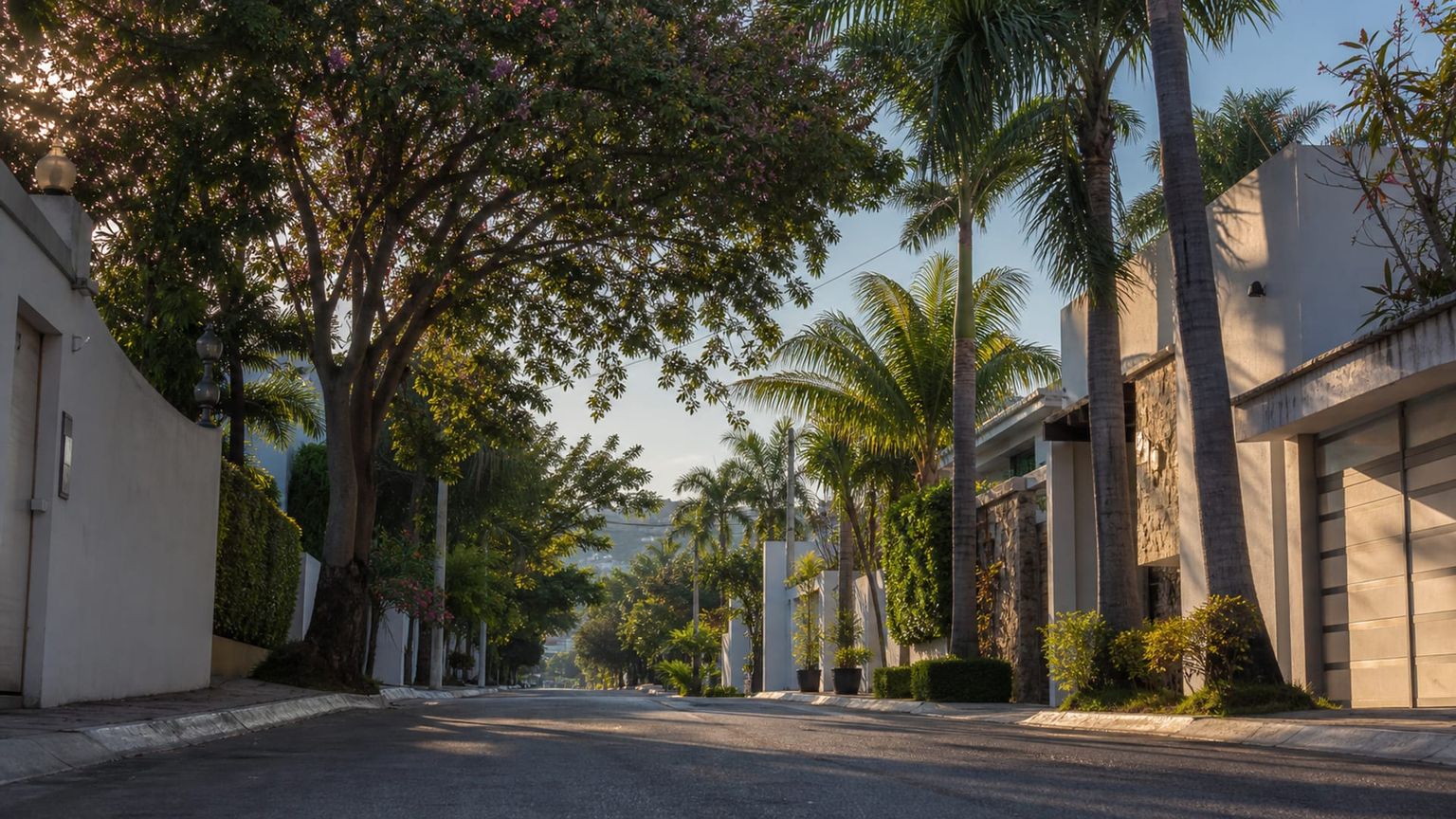
Colonia Las Palmas sits in Tuxtla’s western urban area, with residential streets, small hotels, and easy links to the main roads out of town. It matters for travelers who want a lower-key base with quicker access to the airport corridor.
Best for: Early departures, car travelers, and visitors who prefer a residential setting over central traffic
What to expect: Low-key streets, local stores, and limited nightlife, with activity centered on daytime errands and neighborhood traffic.
Hotel prices: Usually about $30 to $70 per night for well-rated stays
Distance to major sights: About 20 minutes by taxi to Parque Central; about 25 to 35 minutes by taxi to Tuxtla Gutierrez Airport (TGZ)
Quietness: Generally quieter than the center in the evening, with only neighborhood traffic and the occasional late-night car.
Main trade-off: You stay farther from the main sights, so most dinners and outings require a taxi.
Good to know: If you plan morning flights, confirm the hotel’s taxi arrangement the night before, since rides can take longer at peak commute times.
Travelers usually avoid staying in the more industrial edges of the city, including the area near the airport and the northern highway corridors, because they sit far from the main sights and need taxi rides for most evening plans. The outer southern suburbs and newer residential sprawl toward the airport also have fewer visitor-oriented amenities, so they are less convenient as hotel bases.
Hotel deals
How to get around Tuxtla efficiently
Tuxtla has no metro, so most visitors move between the center, the hotel zones, and the airport corridor by bus, shared taxi, ride-hail, or a licensed cab.

Metro
for longer distances
Tuxtla Gutiérrez has no metro, so the closest public-transport option is the city bus network, with most trips handled by buses and shared taxis rather than rail.

Bus and tram
for convenience
City buses cover the main corridors in Tuxtla Gutiérrez and connect the airport area through roads feeding the center, but they do not serve every neighborhood directly. Fares are usually about $0.30 to $0.60 (roughly 5 to 10 MXN), paid in cash, and you should expect about 30 to 60 minutes for central trips depending on traffic and stops.

Taxi
for convenience or late hours
Licensed taxis in Tuxtla Gutiérrez usually use set local fares rather than meters, with airport trips commonly priced at about $10 to $20 (roughly 180 to 360 MXN) depending on the destination and time of day. Use official taxi stands or a hotel call, confirm the fare before boarding, and carry cash because cards are uncommon.
*Prices are based on rates updated as of June 2026 and may change at the time of travel.
Walk in Centro when your plans stay clustered, use buses for cheap cross-city runs, and choose taxis or ride-hail for airport trips, evening returns, and any route that would otherwise require too many transfers.
Iconic landmarks
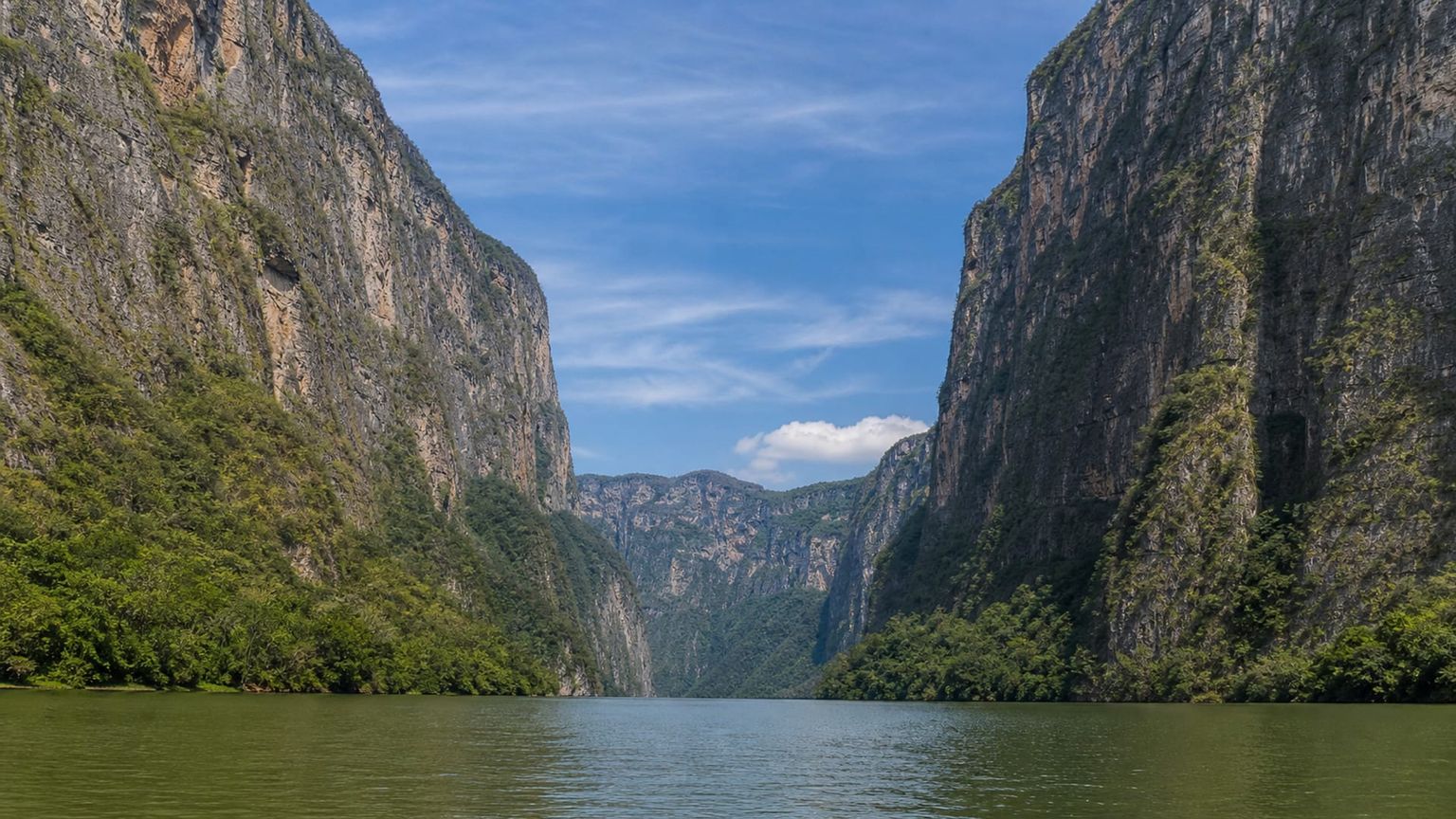
Sumidero Canyon
A steep limestone canyon on the Grijalva River, Sumidero Canyon lies about 10 km north of Tuxtla’s center. Boat trips pass sheer walls, caves, and crocodile sightings; the overlook road adds wide views from above.
Time needed: About 3 to 5 hours
Entry: Boat tours and park access typically cost $20 to $35 (about MXN 340 to MXN 600), depending on operator, dock, and whether transport is included.
Tip: Go early for calmer water and better light on the canyon walls and wildlife.
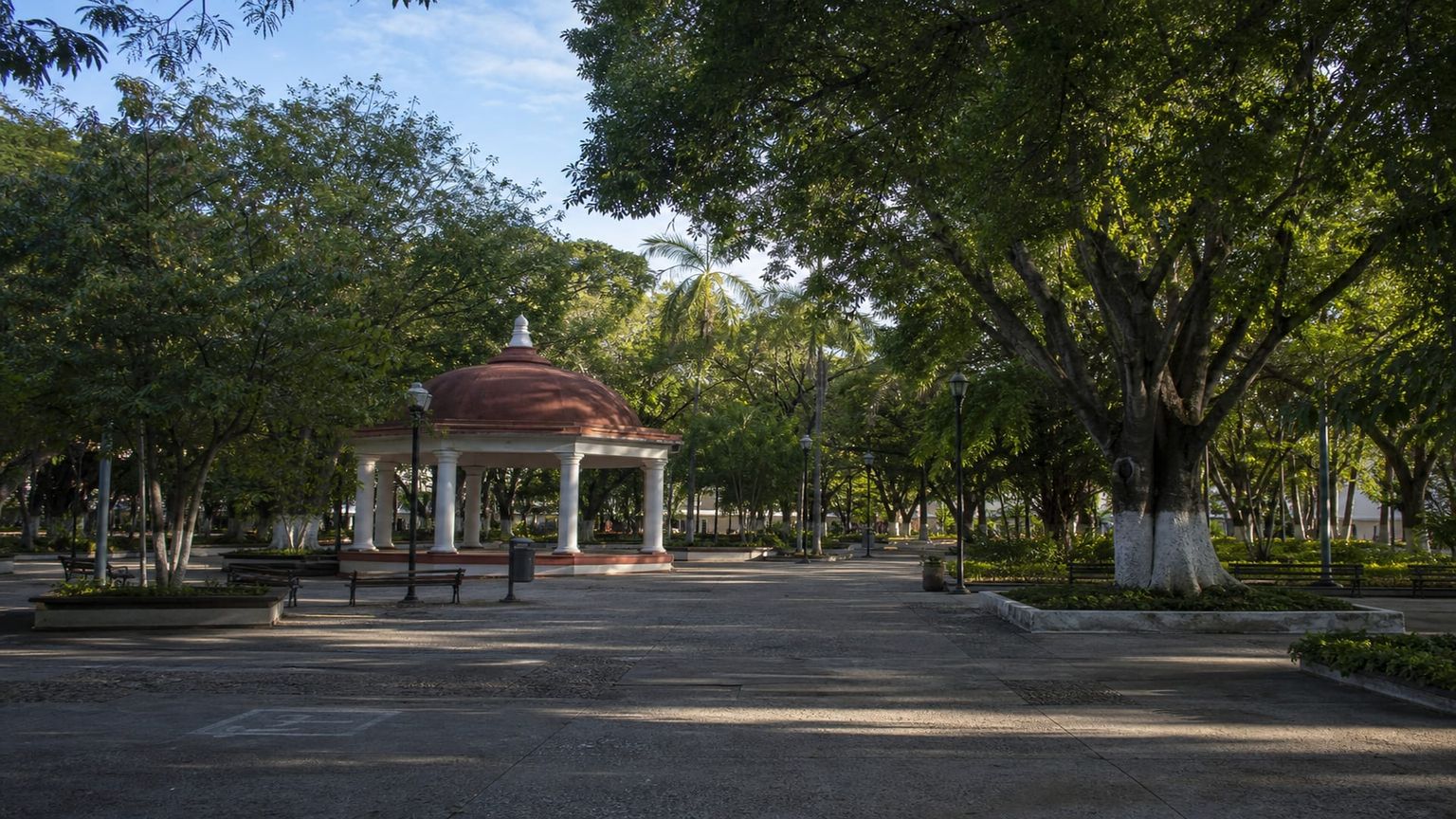
Marimba Park
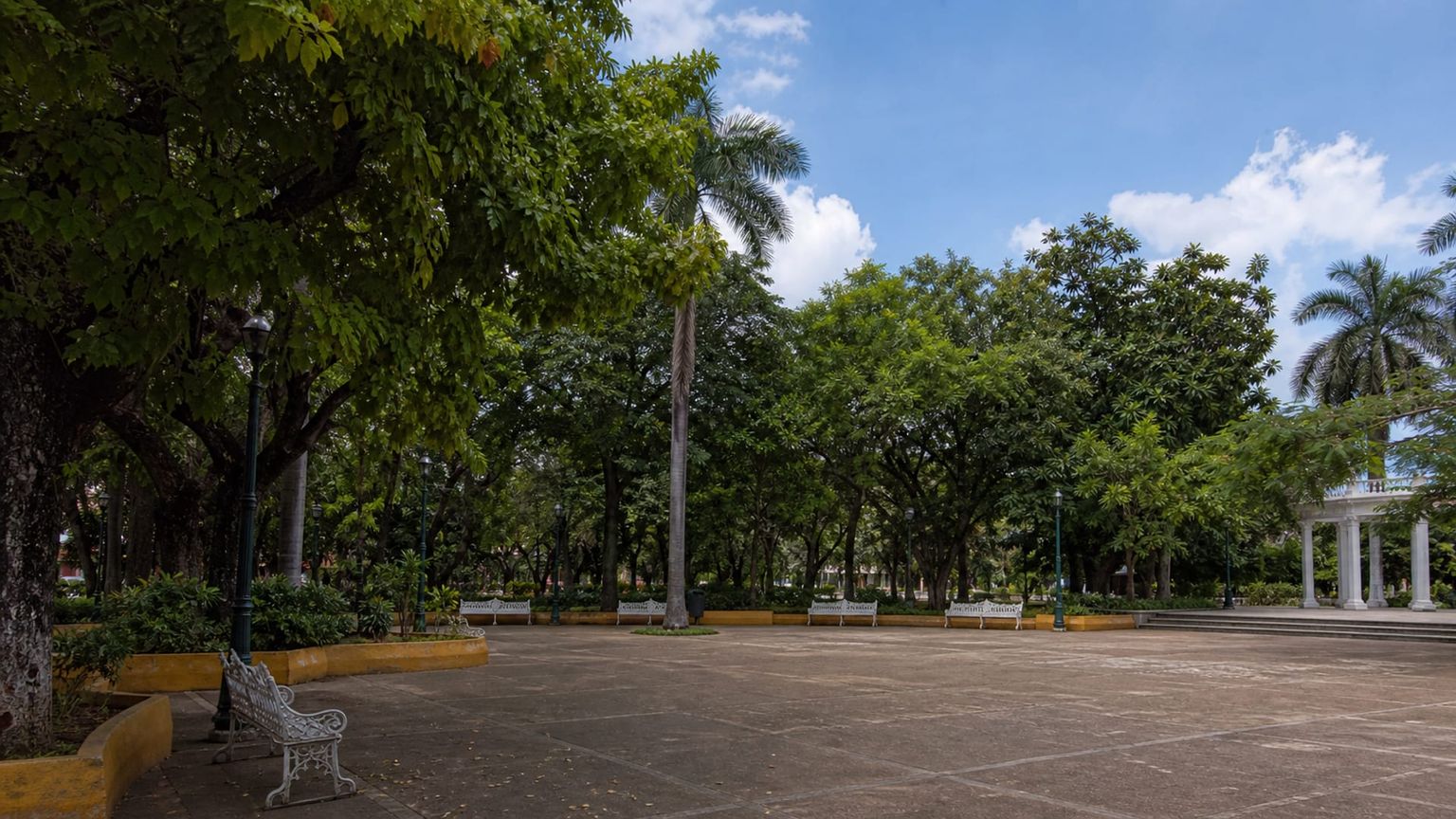
Marimba Park sits in central Tuxtla and centers on the city’s best-known public square. Evenings bring live marimba music, families, and vendors, making it one of the easiest places to see local life without leaving downtown.
Time needed: About 1 to 2 hours
Entry: Free to access
Tip: Visit after sunset, when the marimba performances and plaza activity are at their peak.
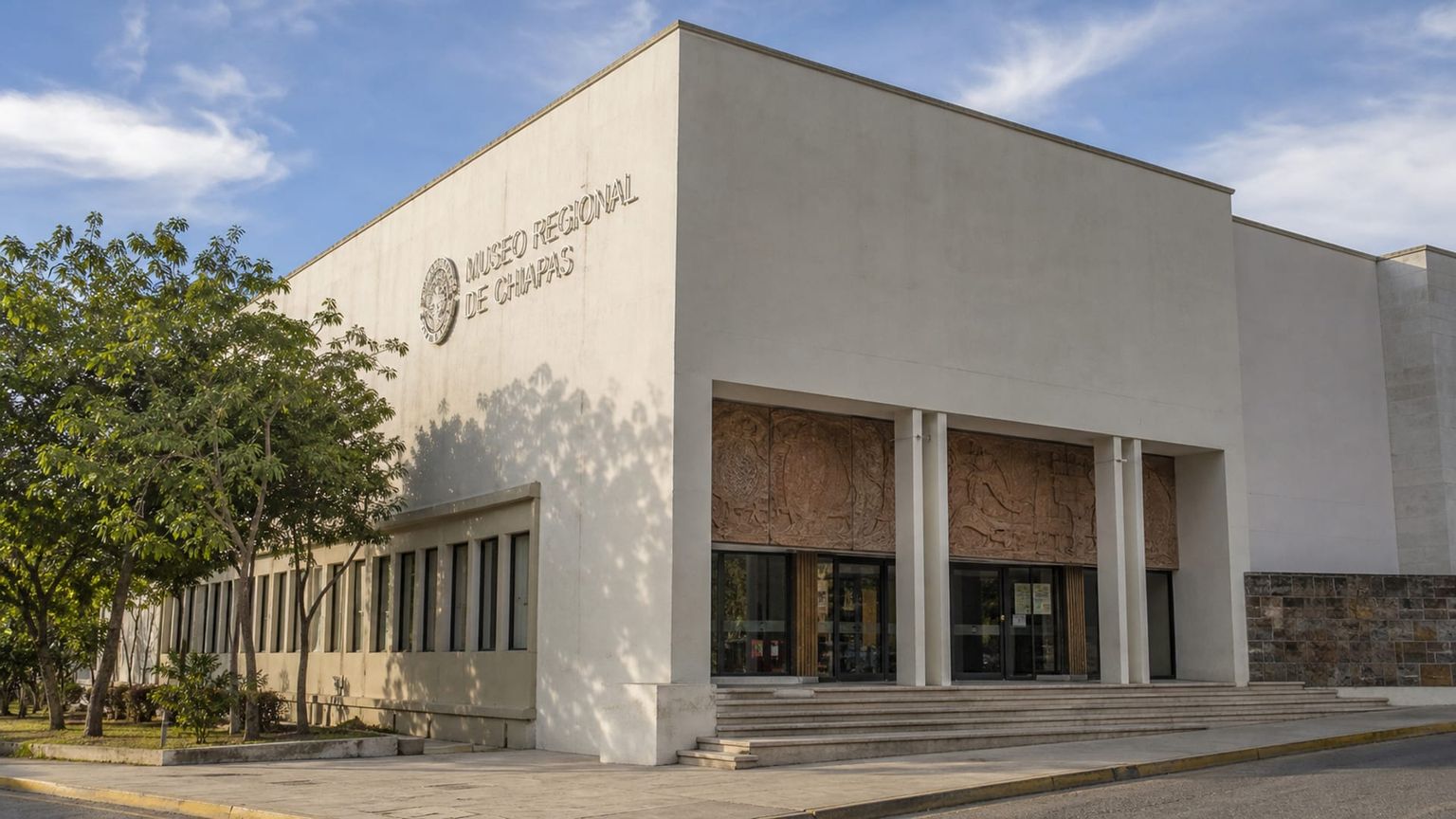
Regional Museum of Chiapas
The Regional Museum of Chiapas presents archaeology, colonial history, and regional art in one downtown stop. Its galleries give useful context for the city’s Zoque and Maya heritage before you head farther into Chiapas.
Time needed: About 1 to 2 hours
Entry: Admission usually costs $2 to $4 (about MXN 35 to MXN 70), with discounts for students, teachers, and some Mexican residents. Visit the official site for details.
Tip: Check opening days first, since museum schedules can change on Mondays and holidays.
Overlooked sites worth visiting

Simeón-Cañas Park
This central park has broad paths, shade trees, and a lake where locals walk, sit, and watch birds. It offers an easy break from the city core without leaving Tuxtla’s downtown area.
Time needed: About 1 hour
Entry: Free to access. The park is open as a public space, with no admission ticket, and costs only apply if you use nearby vendors, pedal boats, or special event facilities when they operate.
Tip: Go before sunset, when the lake gets the best light.

San Francisco de Asís Church
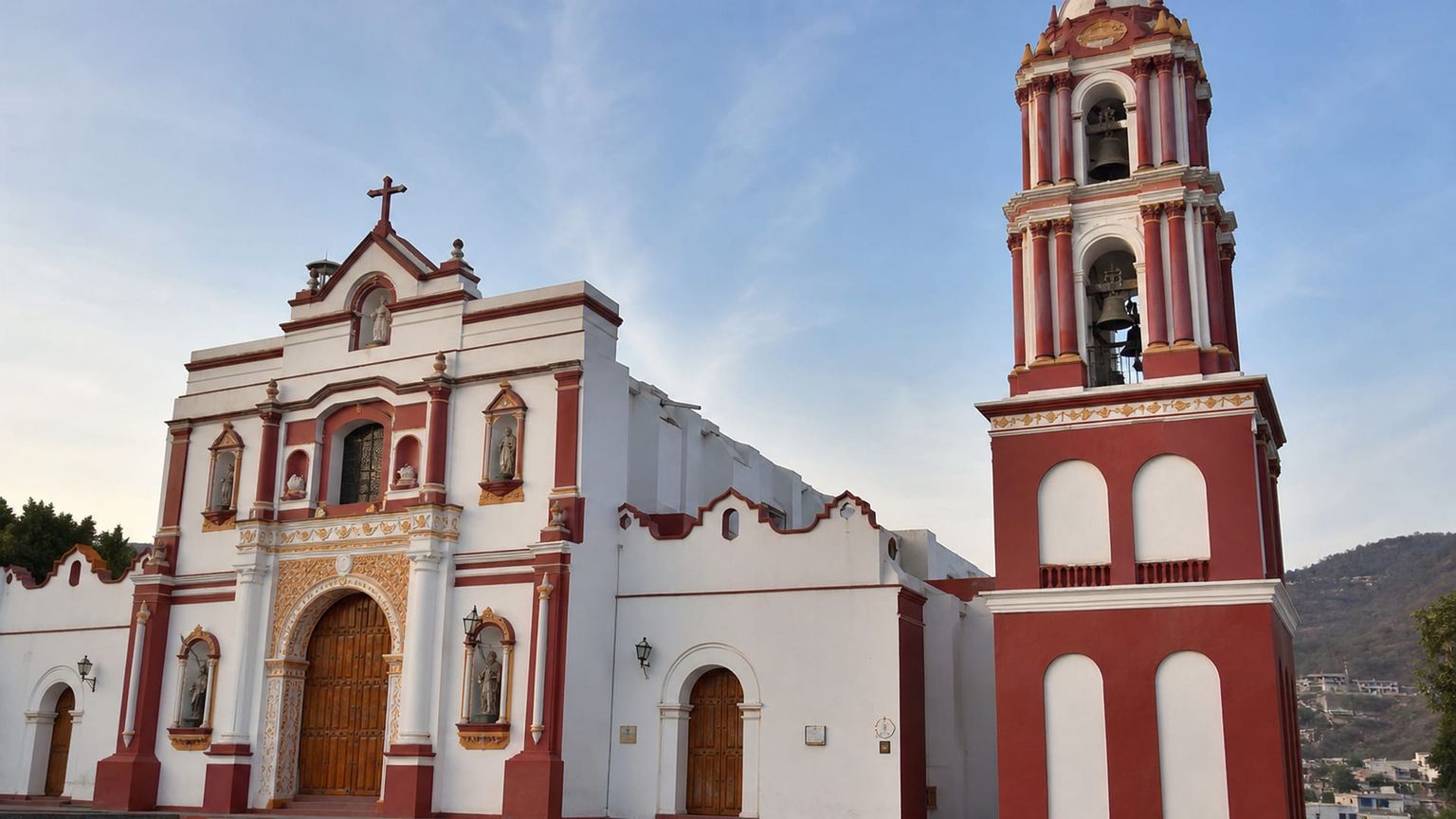
A compact Franciscan church in Tuxtla’s old center, with a carved facade and a small plaza that sees local traffic rather than tour groups. It suits a brief stop between museum visits.
Time needed: About 30 to 45 minutes
Entry: Free to enter; donations are optional and accepted at the entrance. There is no timed admission, and the church is open to walk-in visitors during regular worship hours, with occasional closures for services and holidays.
Tip: Visit late afternoon for softer light on the facade.
Traditional food
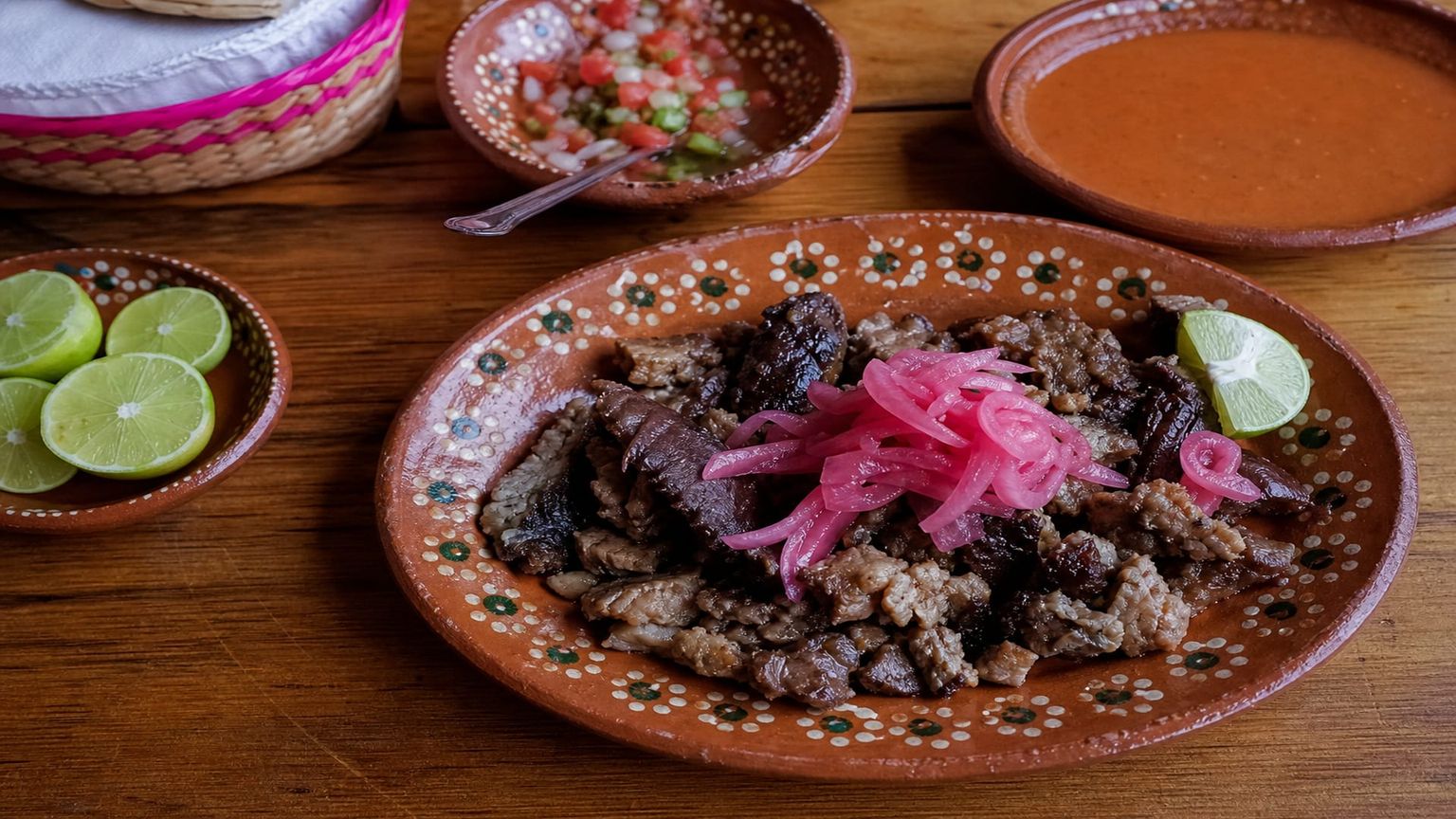
Tuxtla’s cooking leans on corn, herbs, chile, and slow-simmered meats. Expect cochito, sopa de chipilín, tamales of chipilín, and pepita con tasajo, often served in simple rooms where lunch runs long and dinner starts late.
Cochito horneado
Slow-roasted pork in a spiced adobo, cochito is one of Tuxtla’s signature plates and a strong pick for a long lunch. Try it at La Cevichería de Tuxtla, a local restaurant that serves regional favorites in the city center.
Sopa de chipilín
This light but flavorful soup uses chipilín leaves, corn, and broth, which makes it a natural first course in Tuxtla. El Rincón de la Mixteca is a dependable place to order it alongside other Chiapanecan dishes.
Tamales de chipilín
Tamales de chipilín wrap the same herb in masa for an easy breakfast or late snack. Restaurante Parador San Fernando is a common stop for regional cooking and a good place to try them hot from the kitchen.
Pepita con tasajo
Pepita con tasajo combines pumpkin-seed sauce with cured beef for a richer, more filling meal. Los Portales de Tuxtla is a canonical downtown option for regional plates and a fitting place to order it at lunch.
Best time to visit Tuxtla
Tuxtla stays warm most of the year, but the dry months make canyon trips and downtown walks easier, while the wet season brings heavier afternoon showers and a greener landscape.
Best for: Best for dry skies, canyon outings, and easier downtown walking
What you get: About 60 to 86°F (16 to 30°C), with lighter crowds than peak holiday weeks and very little rain
Trade-offs: Mornings can feel cool compared with the rest of the day
Best for: Best for clear sightseeing before the hottest stretch builds
What you get: About 66 to 95°F (19 to 35°C), with moderate visitor numbers and dry conditions early in the season
Trade-offs: Heat rises fast by late spring, especially on midday streets
Best for: Best for greener canyon views and flexible indoor stops
What you get: About 68 to 90°F (20 to 32°C), with lighter daytime sightseeing crowds but frequent afternoon rain
Trade-offs: Showers can interrupt boat trips, park visits, and cross-town movement
Best for: Best for softer temperatures as the rains ease
What you get: About 64 to 88°F (18 to 31°C), with fewer visitors than holiday periods and improving weather by late autumn
Trade-offs: Early autumn can still bring wet afternoons and muddy excursions
A realistic 5-day plan in Tuxtla
A good Tuxtla stay works best when you separate the canyon day, the central sights, and the neighborhood walks instead of trying to cover everything at once. The plan below keeps transit short where possible and leaves room for late lunches, early evenings, and the city’s slower hours.
Land at Tuxtla Gutierrez Airport (TGZ), then take a taxi to Centro, which usually takes about 20 to 30 minutes and costs roughly $8 to $14. If you want easier parking and newer hotels, Zona dorada works well too, with a similar taxi fare and a slightly longer ride. Settle in, drink water, and keep dinner light near the plaza or along the main central streets, where you can find simple soups, grilled chicken, or tacos without staying out late.
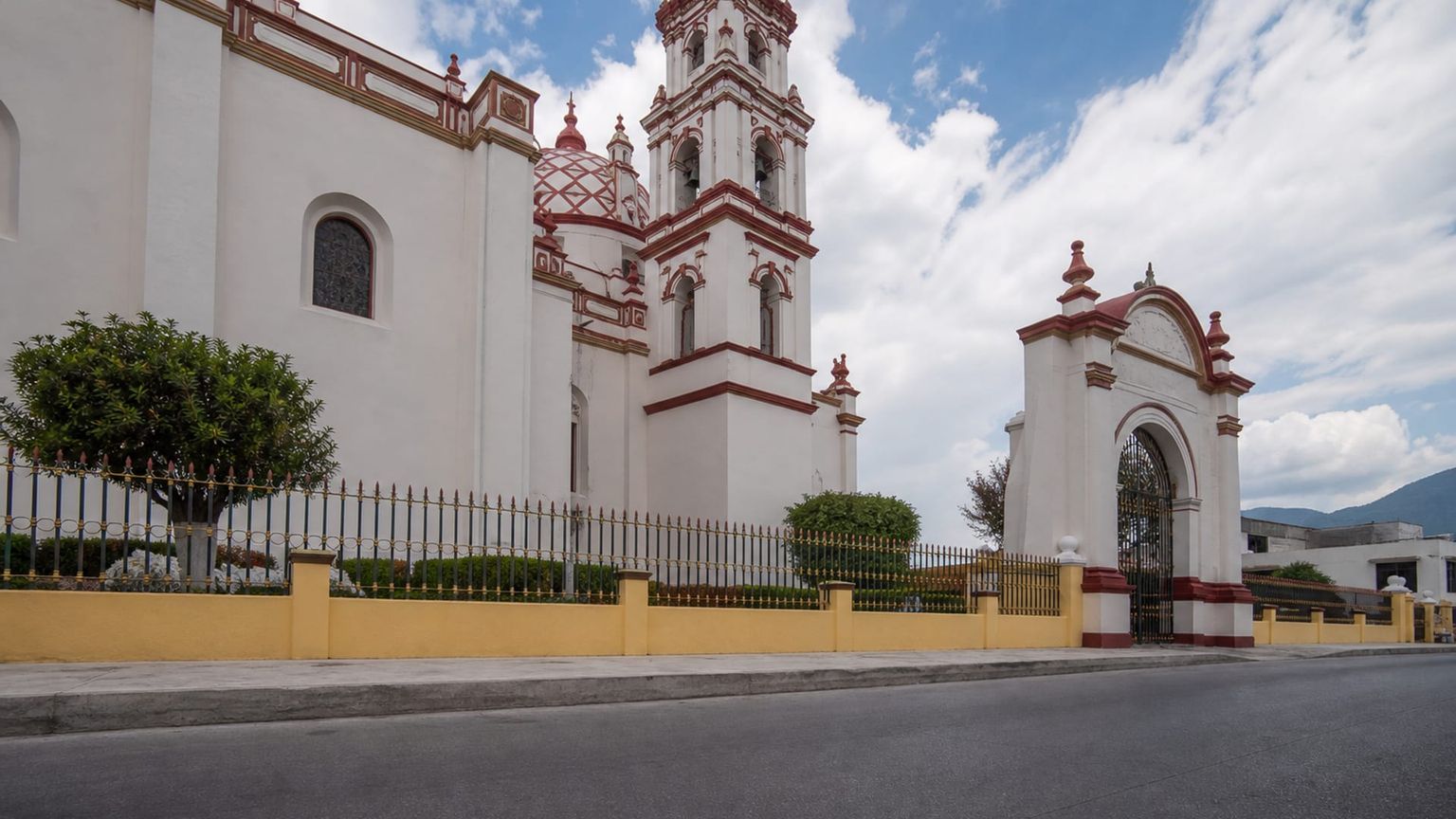
Start early at Sumidero Canyon, since the boat trip from Tuxtla takes about 3 to 5 hours and the morning light is best on the limestone walls. On the way back, stop at the overlook road if your operator includes it, then return to Centro for a late lunch. In the evening, walk about 10 minutes from the historic core to Marimba Park, where the plaza fills with music after sunset and you can linger with an ice cream or a drink nearby.
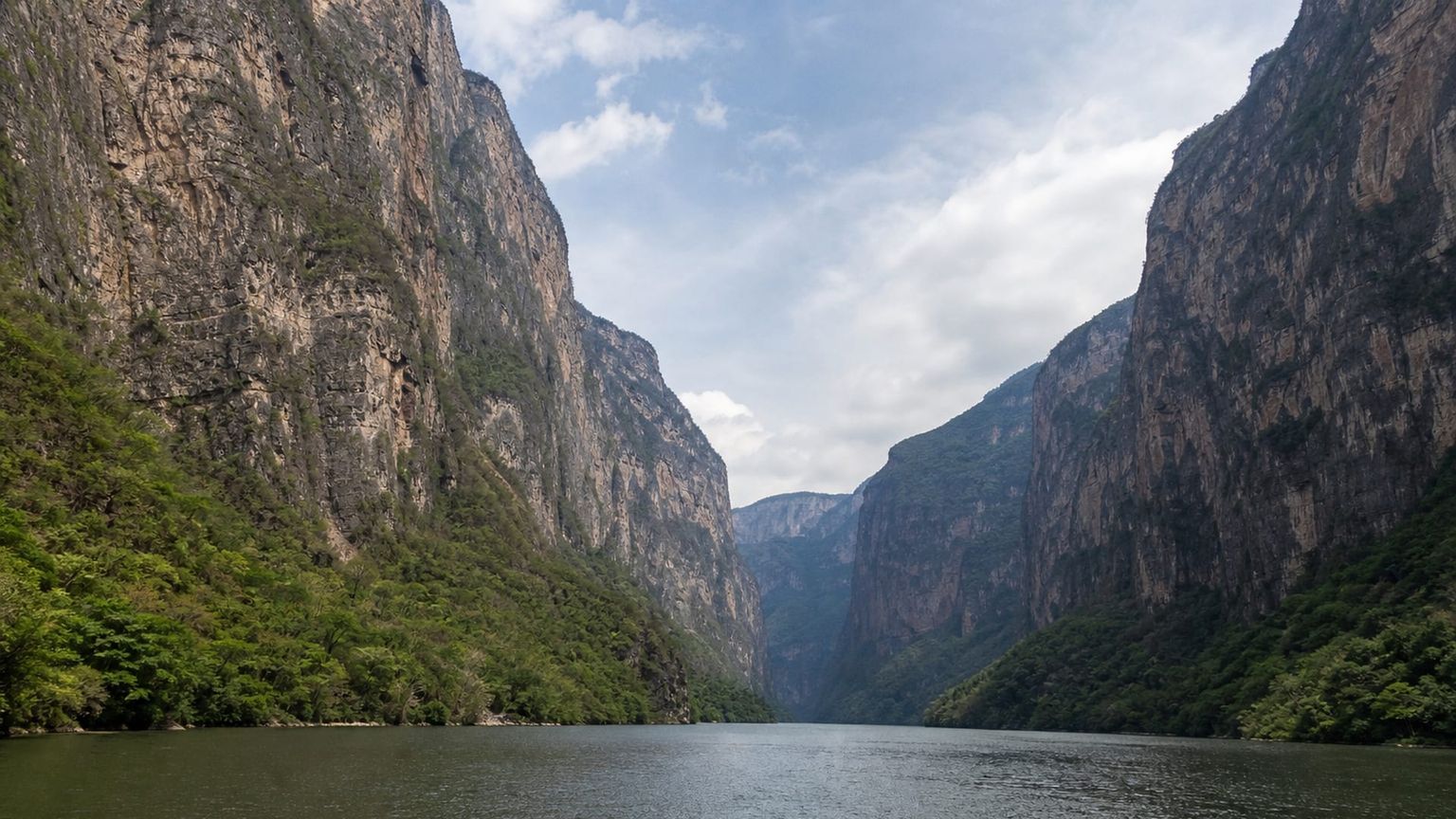
Begin at the Regional Museum of Chiapas in Centro, where admission usually costs $2 to $4, then continue on foot to San Francisco de Asís Church, about 10 to 15 minutes away through the old center. After that, head to Simeón-Cañas Park, about 10 minutes by taxi from the church, for shade, the lake, and a slower hour before dinner. Stay nearby in Centro so you can return without a long ride once the evening traffic builds.
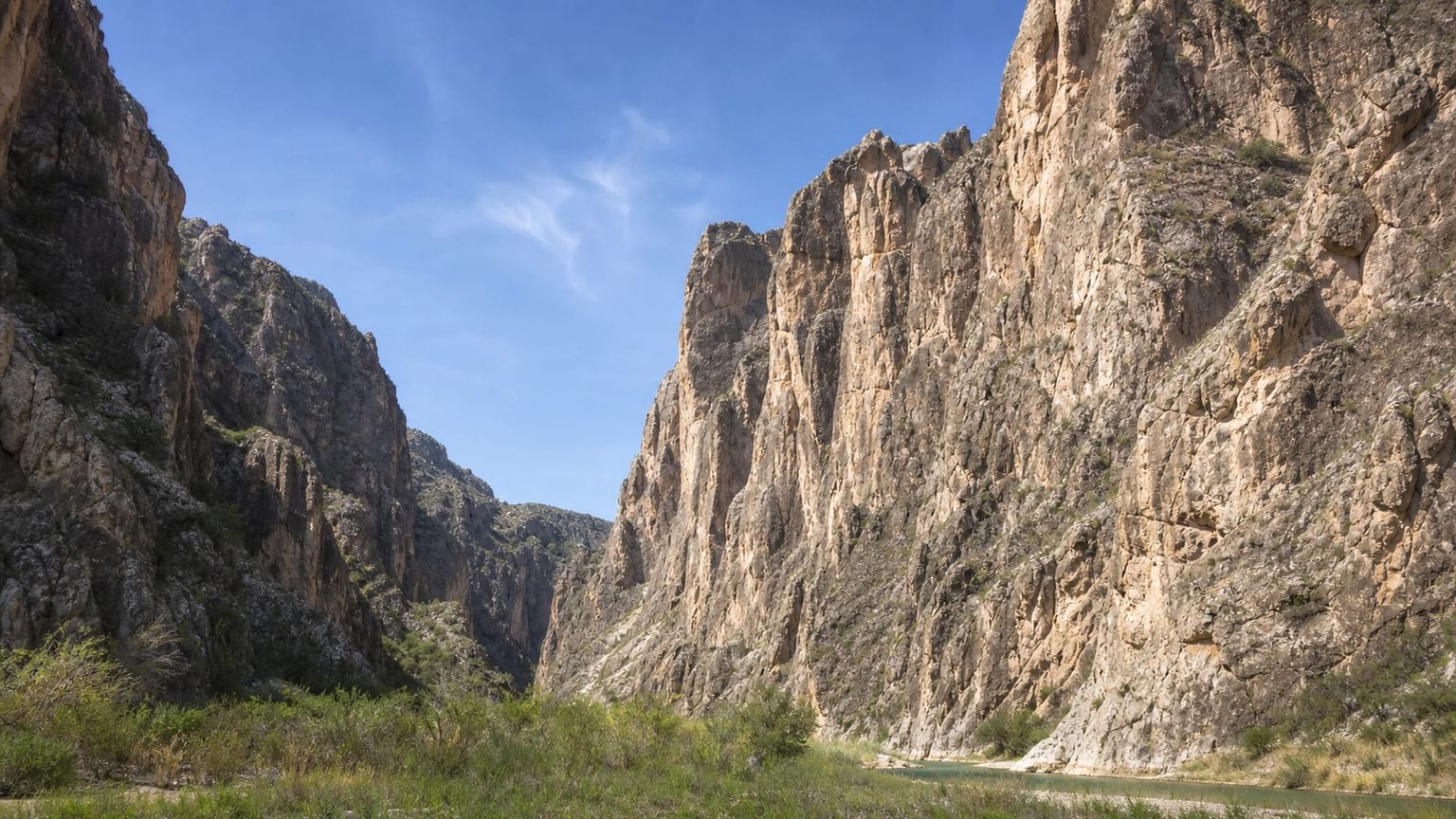
Trade the museum pace for a neighborhood circuit in the central area, starting with a morning walk through Simeón-Cañas Park and then a short taxi ride of about 5 to 10 minutes to Marimba Park for a second look in daylight. From there, continue to San Francisco de Asís Church, roughly 10 minutes on foot from the park, and spend time in the surrounding streets for cafés and small shops. End the afternoon back in Centro, where you can choose an easy dinner without crossing the city after dark.
For a final day, keep your plans close to your hotel and focus on one last stop before departure. If your schedule allows, revisit the Regional Museum of Chiapas for anything you missed, then head to Zona dorada for shopping, banks, and an unhurried lunch. Travelers staying near Colonia Las Palmas can finish with coffee in the neighborhood before arranging a taxi to Tuxtla Gutierrez Airport (TGZ).
Business-class flights from the US to Tuxtla
Flights into Tuxtla usually involve a connection, so the useful comparison is not just price but where the stop falls and how long the full trip takes. From both coasts, the best options depend on whether you want a shorter layover or fewer total hours in transit.
From New York, American Airlines, Aeromexico, Delta Air Lines, and United Airlines all sell routes into Tuxtla, and the journey usually takes about 6 to 10 hours with a stop in MEX. That makes the through-ticket logic fairly simple: the cleanest schedules usually connect through Mexico City, while the best fare often depends on the connection window rather than the carrier alone.
Los Angeles itineraries typically run about 7 to 12 hours and connect through MEX, MZT, or GDL on Aeromexico, American Airlines, Delta Air Lines, or United Airlines. When the fare difference is modest, the shorter total travel time usually matters more than the connection city, since each extra stop adds waiting time to an already long journey.
Tuxtla feels different when you slow down
A deliberate Tuxtla trip keeps the day anchored in Centro, then adds one larger outing such as Sumidero Canyon and one evening hour at Marimba Park. That mix leaves room for the Regional Museum of Chiapas, a walk past San Francisco de Asís Church, and simple dinners close to your hotel in Zona dorada or Colonia Las Palmas. If you want to shape the details around your route and dates, the AranGrant experts can help you line up the right base and timing







