

Chapters:

Need help with your trip?
Our support team is available 24/7. Request a callback or call us directly at (833) 619-0908
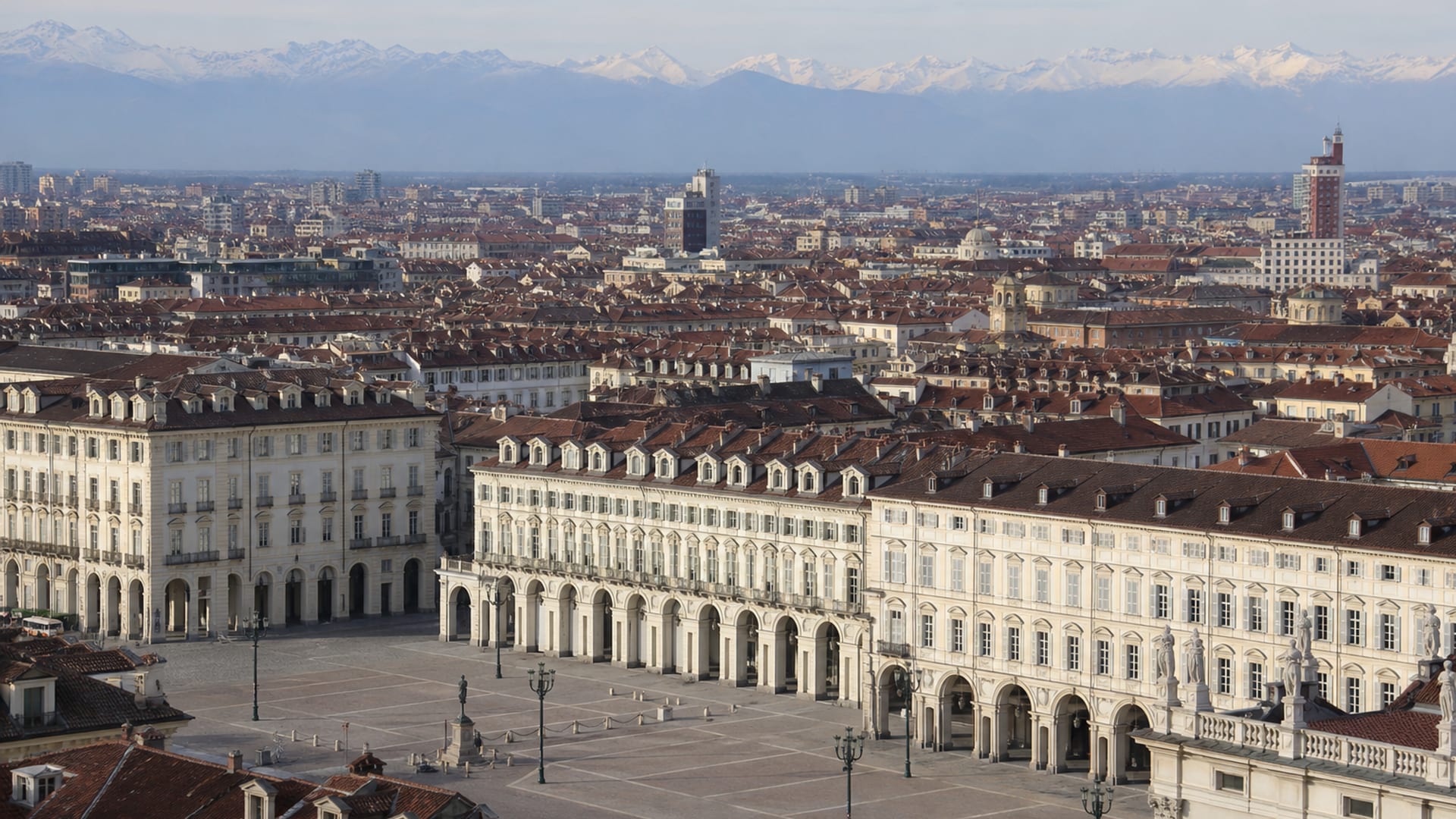
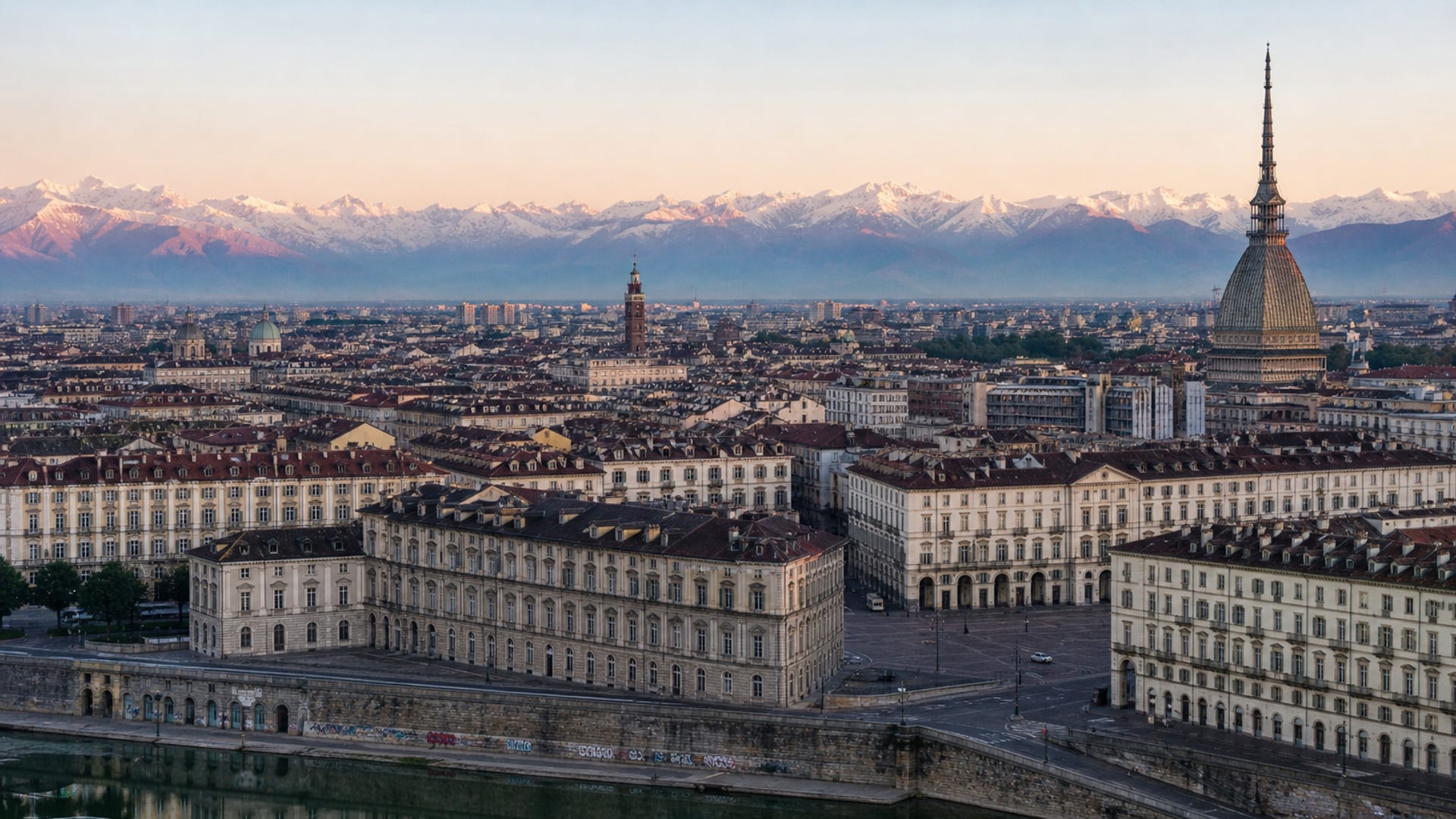
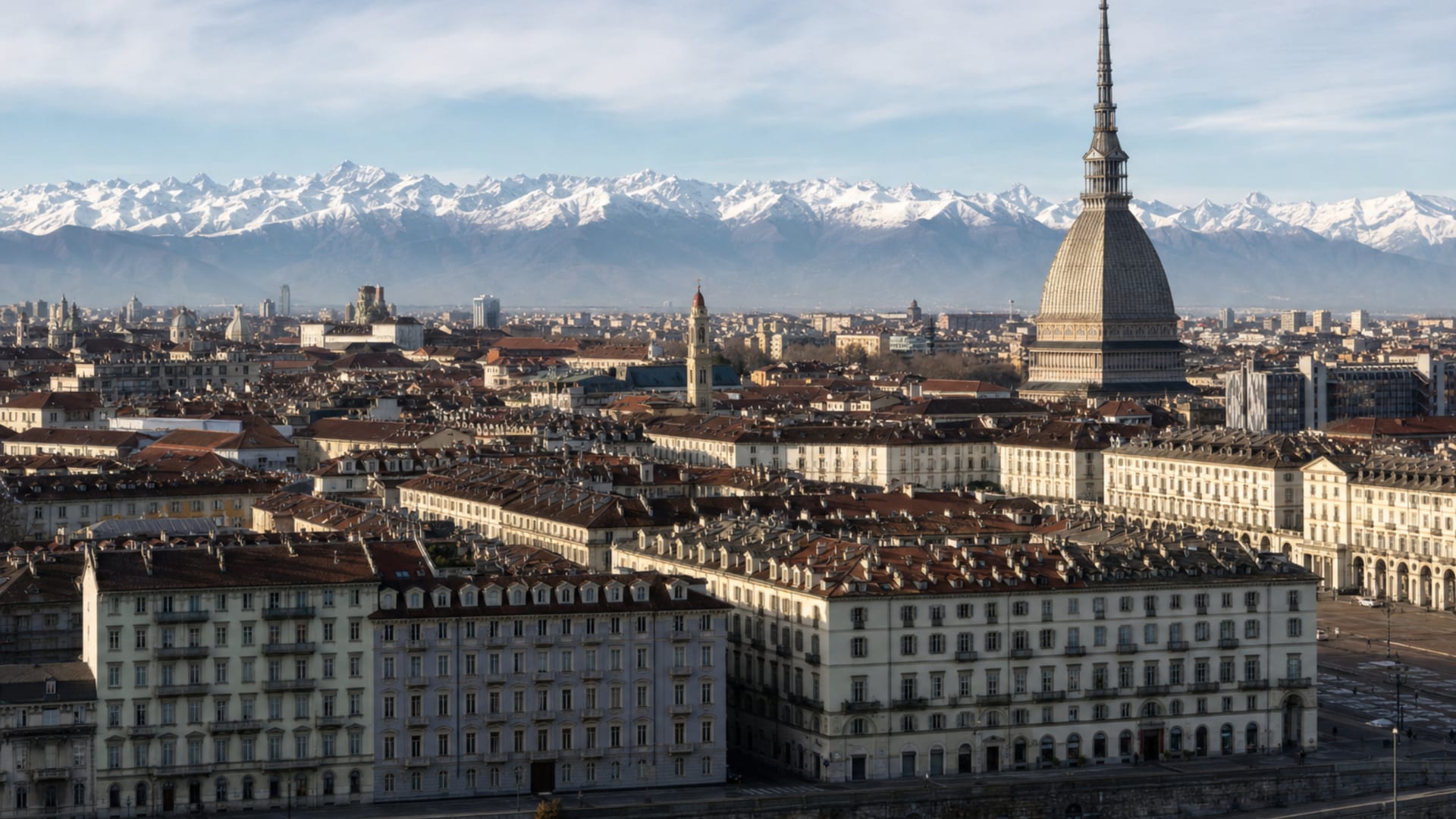
Turin combines grand Savoy-era squares, arcaded shopping streets, major museums, and a café culture closely tied to Piedmont’s food traditions. Centro contains the Royal Palace, Egyptian Museum, and Mole Antonelliana, while San Salvario brings a busier restaurant scene, and the hills east of the Po open onto Superga and wide views across the city.
Five days give you enough time to see those different sides of Turin at a leisurely pace. This article covers the neighborhoods that make the most sense for a stay, transportation, major sights, local food, seasonal conditions, and business-class flights from the US.
Useful things to know

Main language(s): Italian
Ciao / Buongiorno (chow / bwohn-JOR-noh) – Hello
Per favore (pehr fah-VOH-reh) – Please
Grazie (GRAHT-tsyeh) – Thank you
Parla inglese? (PAR-lah een-GLEH-zeh) – Do you speak English?
Quanto costa? (KWAHN-toh KOH-stah) – How much does it cost?

Currency: Euro (EUR, €)

Cash and cards: Hotels, museums, restaurants, and most shops accept cards. Carry €20–€40 ($23–$46.50) for smaller cafés, markets, and cash-only purchases.

Tipping: A service fee is usually included. Round up smaller bills or leave 5%–10% at restaurants when service is particularly good.

Traditional food: Vitello tonnato, agnolotti del plin, bagna cauda, and gianduja

Water and coffee costs: Bottled water commonly costs €1–€2 ($1.20–$2.30), while an espresso at the bar costs €1.50–€2 ($1.70–$2.30).

Taxis and ride apps: Licensed taxis operate throughout Turin. Free Now and WeTaxi offer app-based bookings, while Uber uses licensed professional drivers.

Plug and voltage: Type C/F socket, 230V

Dining and shop opening hours: Cafés commonly open at 7:00 am, lunch begins around 12:30 pm, and dinner starts from 7:30 pm. Many restaurants close between lunch and dinner.

Emergency number: Dial 112 for police, fire, or medical emergencies.
Where to stay in Turin
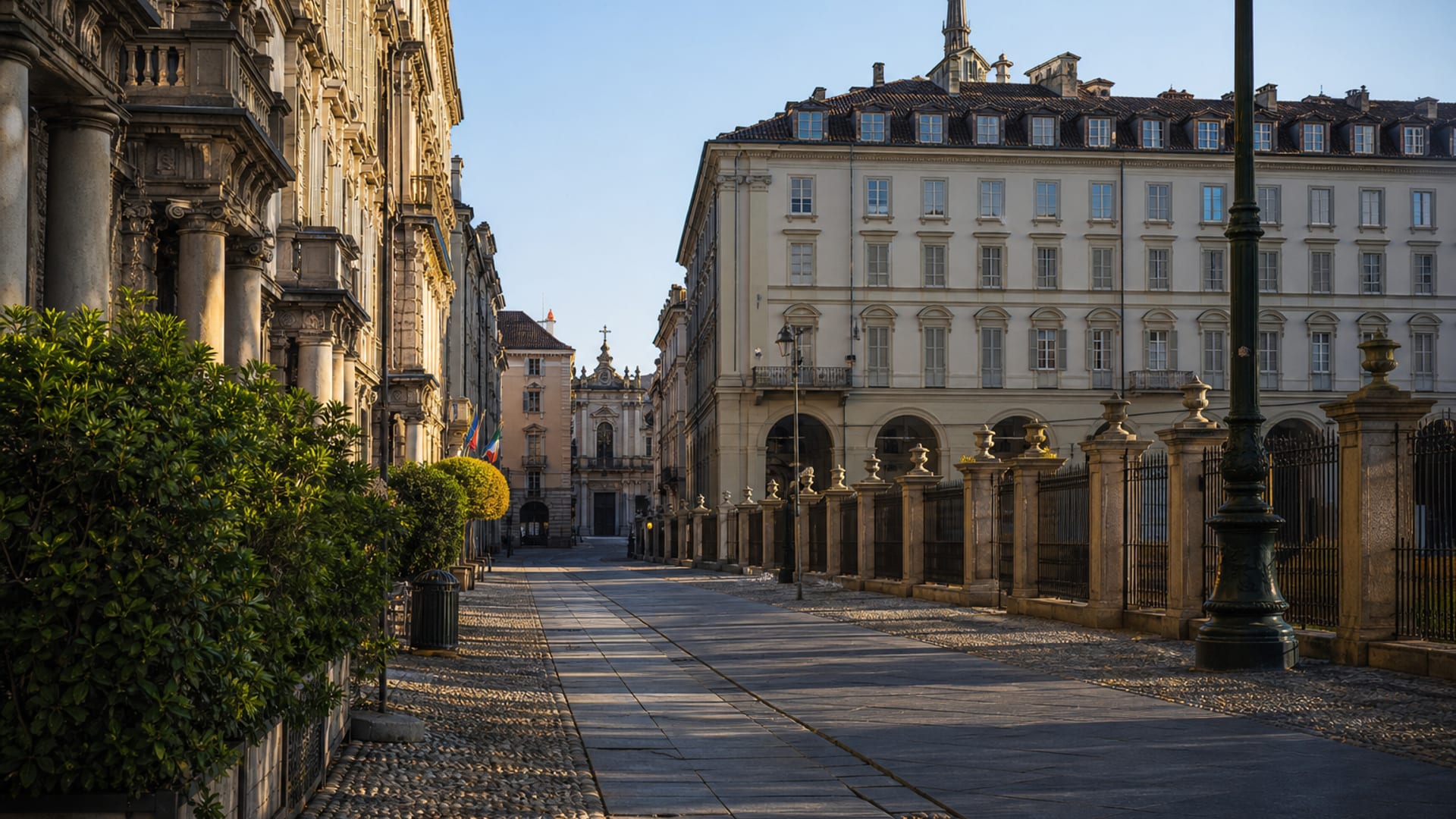
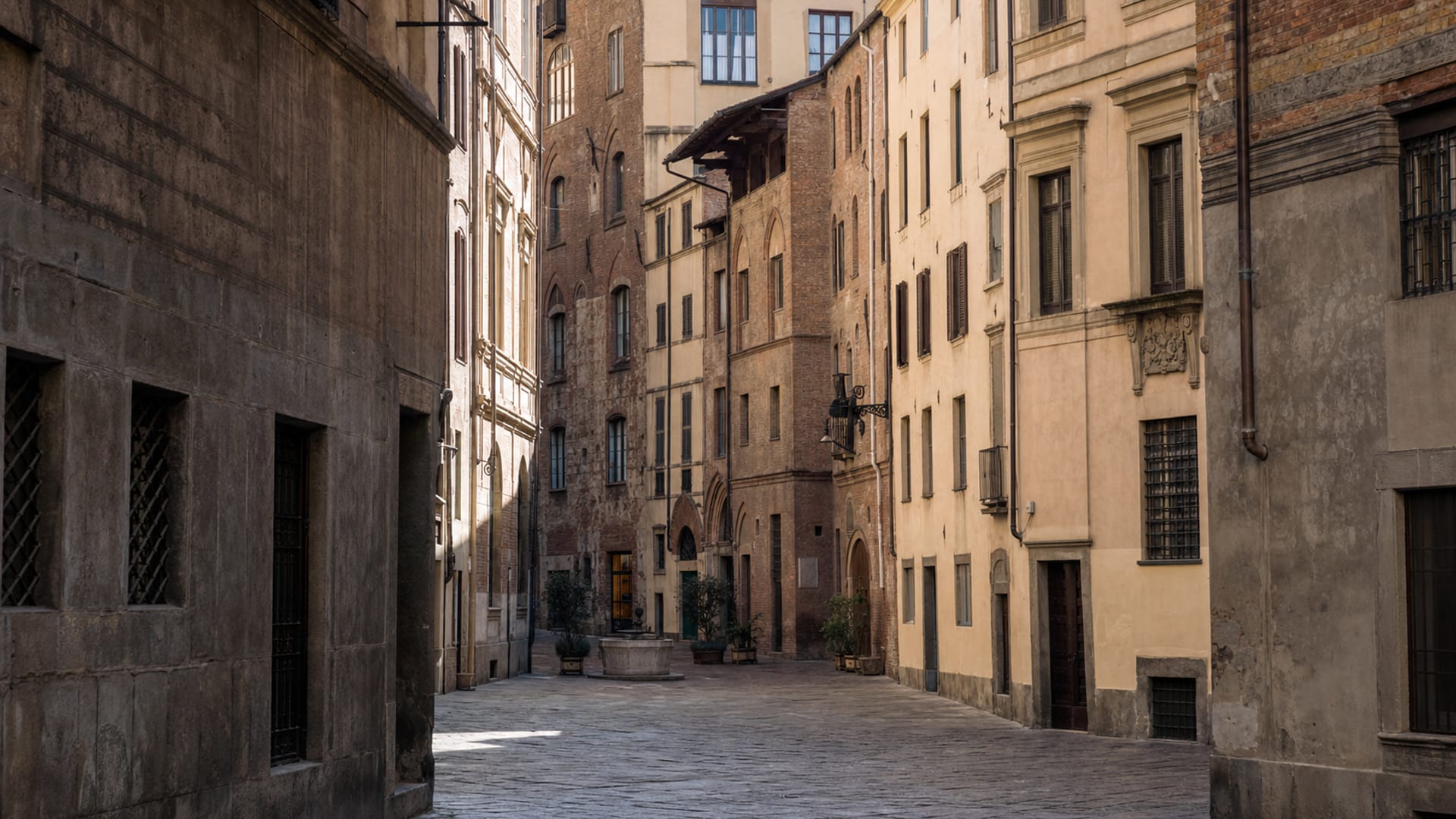
Centro covers Turin’s principal historic squares, Via Roma, the Royal Palace, Egyptian Museum, Mole Antonelliana, cafés, shops, and many of the city’s best-known restaurants. Hotels range from smaller historic properties to luxury stays, and travelers can walk to most iconic sights.
Best for: First visits, museums, shopping, historic sights, and central restaurants
What to expect: Arcaded streets, major squares, museums, cafés, shops, and steady pedestrian activity
Hotel prices: Nightly rates at well-reviewed properties typically range from €150 to €300 ($175–$350).
Distance to major sights: Piazza Castello, the Royal Palace, and the Egyptian Museum are all within the district.
Quietness: Side streets generally become quieter after shops and restaurants close.
Main trade-off: Central hotels cost more, and rooms near major squares can receive street and tram noise.
Good to know: A hotel east of Via Roma keeps both Piazza Castello and the Mole within a comfortable walk.
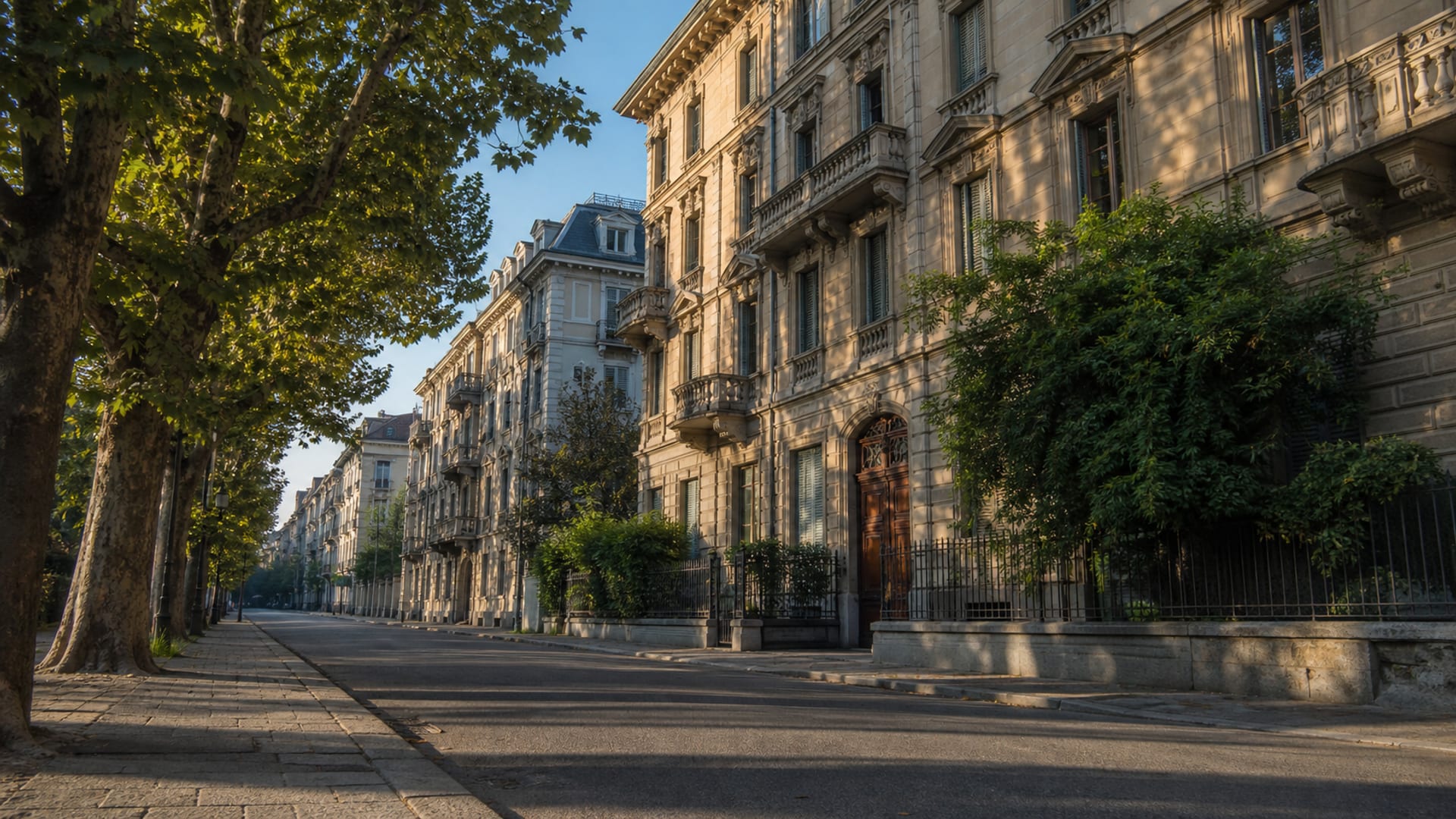
Crocetta is a district southwest of Centro, known for elegant early 20th-century apartment buildings, tree-lined streets, cafés, and its market. It offers fewer tourist crowds than the historic center while keeping Porta Nuova and the main museum district accessible by transport or a longer walk.
Best for: Longer stays, residential streets, local cafés, and quieter evenings
What to expect: Apartment blocks, neighborhood restaurants, local shops, markets, and less visitor traffic
Hotel prices: Rooms in well-reviewed properties generally cost €120–€220 ($140–$255) per night.
Distance to major sights: Porta Nuova is roughly 10 minutes away by tram, with Piazza Castello another short ride north.
Quietness: Most residential streets have less nighttime activity than Centro or San Salvario.
Main trade-off: Reaching major museums requires a tram, bus, or taxi ride, or a longer walk.
Good to know: Check the nearest tram line before booking if you expect to travel into Centro several times a day.
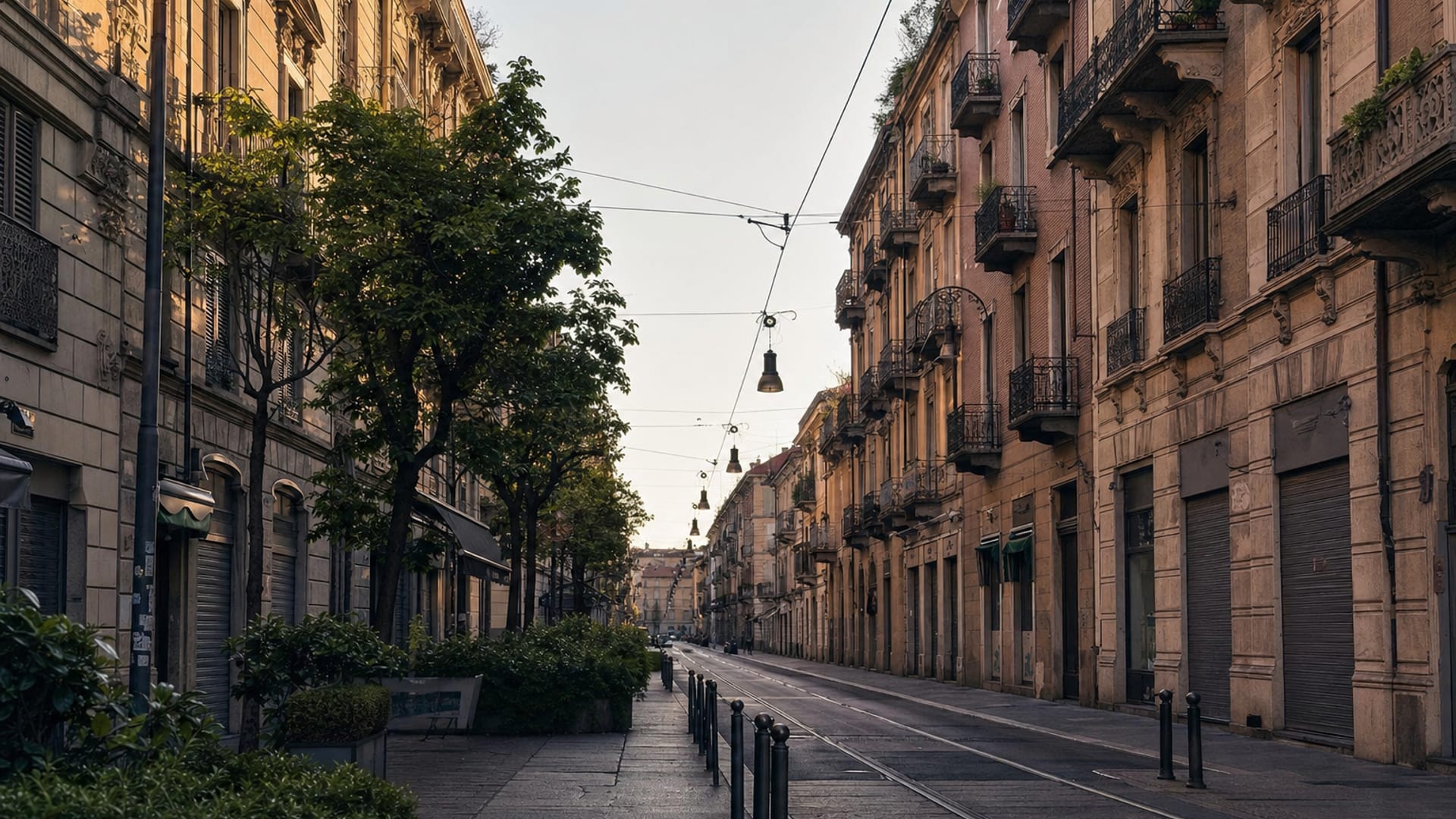
San Salvario extends south of Porta Nuova and features residential blocks, restaurants, bars, cafés, small hotels, and one of Turin’s busiest evening scenes. Its location beside the main railway station is particularly convenient for train trips.
Best for: Restaurants, nightlife, rail arrivals, and evening activity
What to expect: Busy restaurants, bars, residential streets, cafés, and heavier foot traffic after dark
Hotel prices: Expect to pay €110–€230 ($130–$270) per night at many well-reviewed properties.
Distance to major sights: Porta Nuova borders the district, while Parco del Valentino is a short walk east.
Quietness: Residential side streets are quieter than blocks with the highest concentration of bars.
Main trade-off: Weekend nightlife can be loud around the busiest restaurant and bar streets.
Good to know: Choose an interior-facing room if you want access to the district’s restaurants without late-night street noise.
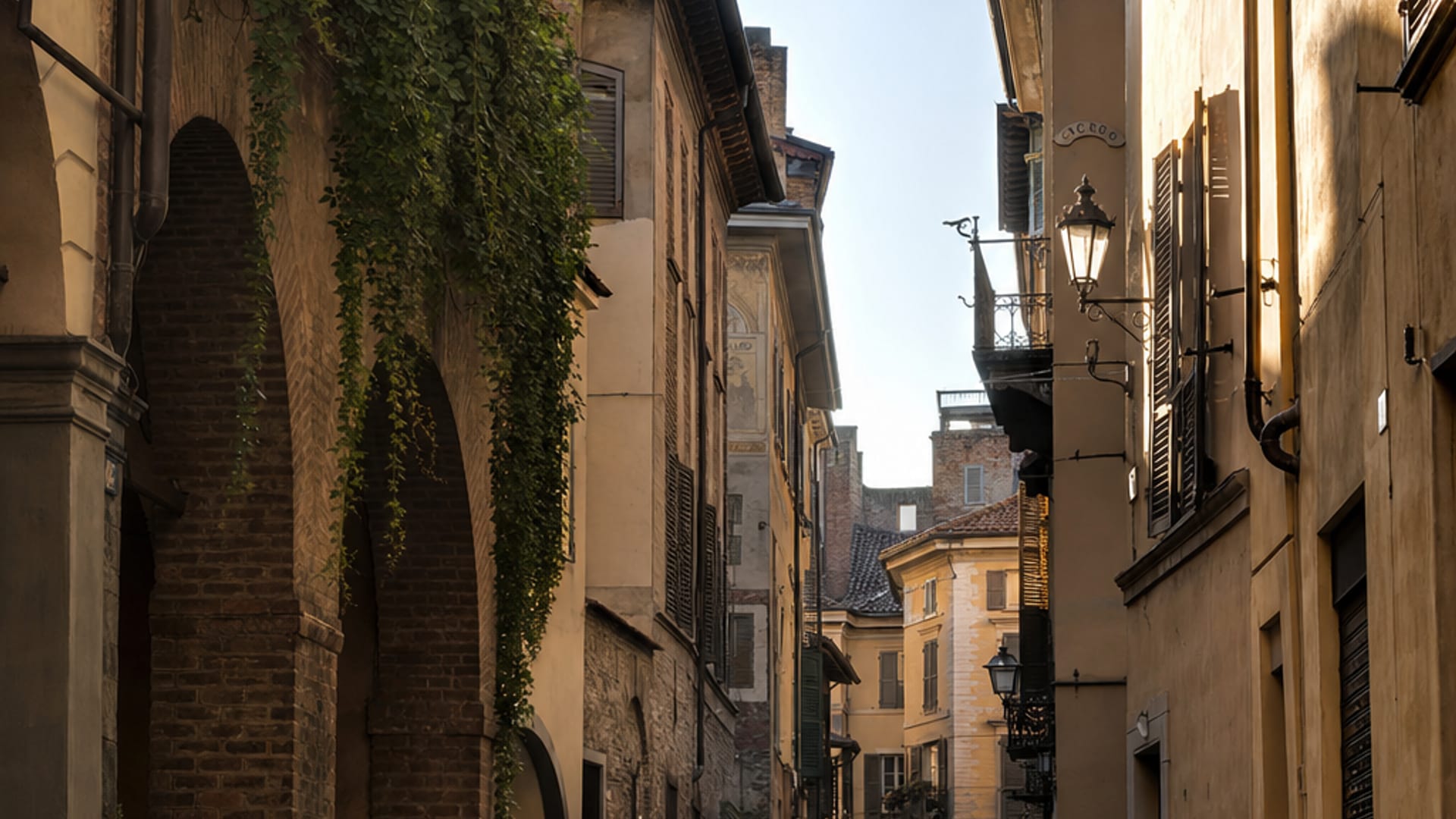
Quadrilatero Romano occupies the oldest part of central Turin northwest of Piazza Castello, with Roman remains, narrow streets, restaurants, bars, historic buildings, and small hotels packed into a compact area. It has many popular dinner and aperitivo venues that are open till late at night.
Best for: Historic character, restaurants, aperitivo, and central evening outings
What to expect: Narrow pedestrian streets, Roman-era traces, restaurant terraces, bars, and busy dinner hours
Hotel prices: Hotels and apartments commonly cost €140–€280 ($163–$325) per night.
Distance to major sights: The Royal Palace is 5- to 10-minute walk away, southeast through the historic center.
Quietness: Streets with restaurants are active later than residential lanes closer to the district edges.
Main trade-off: Parking is limited, and accommodation above nightlife streets can receive considerable evening noise.
Good to know: Check your room orientation carefully if you are staying directly above a restaurant or bar.
Lingotto and Mirafiori are suitable if you have business meetings or events there, but they add extra travel time to a sightseeing-focused stay. Centro, Crocetta, San Salvario, and Quadrilatero Romano provide easier access to Turin’s main sights.
Hotel deals
Getting around Turin
Travelers can use Turin’s metro, extensive bus and tram network, and licensed taxis for journeys in the city.

Metro
for longer distances
Turin’s metro line connects Fermi in the west with Bengasi in the south, stopping at both Porta Susa and Porta Nuova. The City 100 ticket costs €1.90 ($2.20) digitally or €2 ($2.30) on paper and is valid for 100 minutes, including one metro journey. You can buy tickets through the ToMove app.

Bus and tram
for neighborhoods not served by the metro
GTT buses and trams cover Centro, Crocetta, San Salvario, the university districts, and many residential areas. Travelers can purchase the same City 100 ticket we mentioned earlier, as it is valid for bus and tram trips as well. You must validate paper tickets at the start of your journey.

Taxi
for convenience or late hours
Licensed taxis operate from ranks throughout Turin and outside the arrivals area at Turin Airport (TRN). A taxi trip into central Turin costs approximately €40 ($47) and generally takes 30 minutes. Use an official rank or book through Free Now or WeTaxi. Card payment is widely available.
*Prices are based on rates updated as of September 2026 and may change at the time of travel.
Use the metro for the railway stations and southern districts, buses and trams for areas outside Line 1, and taxis when you want a convenient trip.
Iconic places in Turin
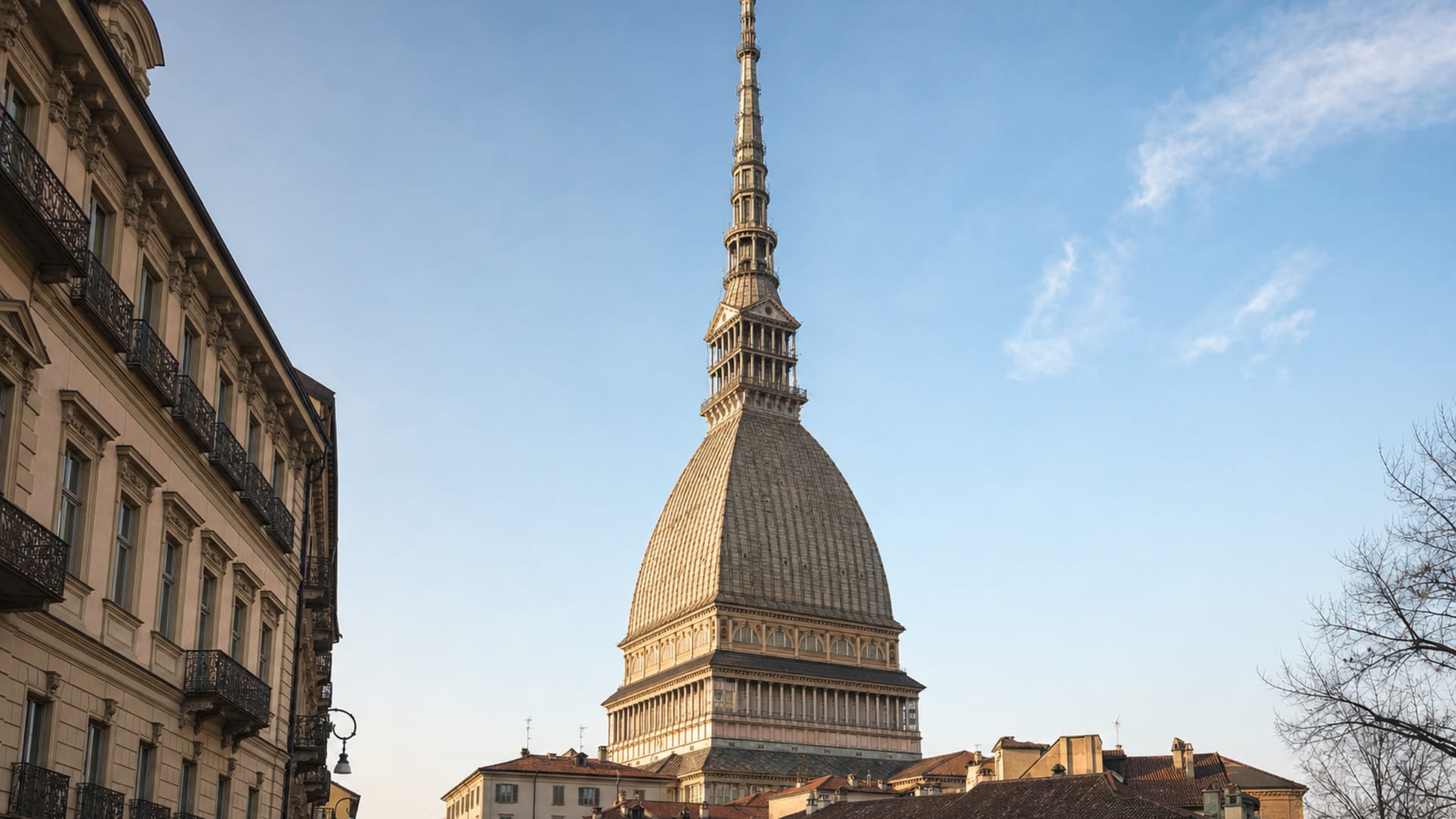
Mole Antonelliana and National Cinema Museum
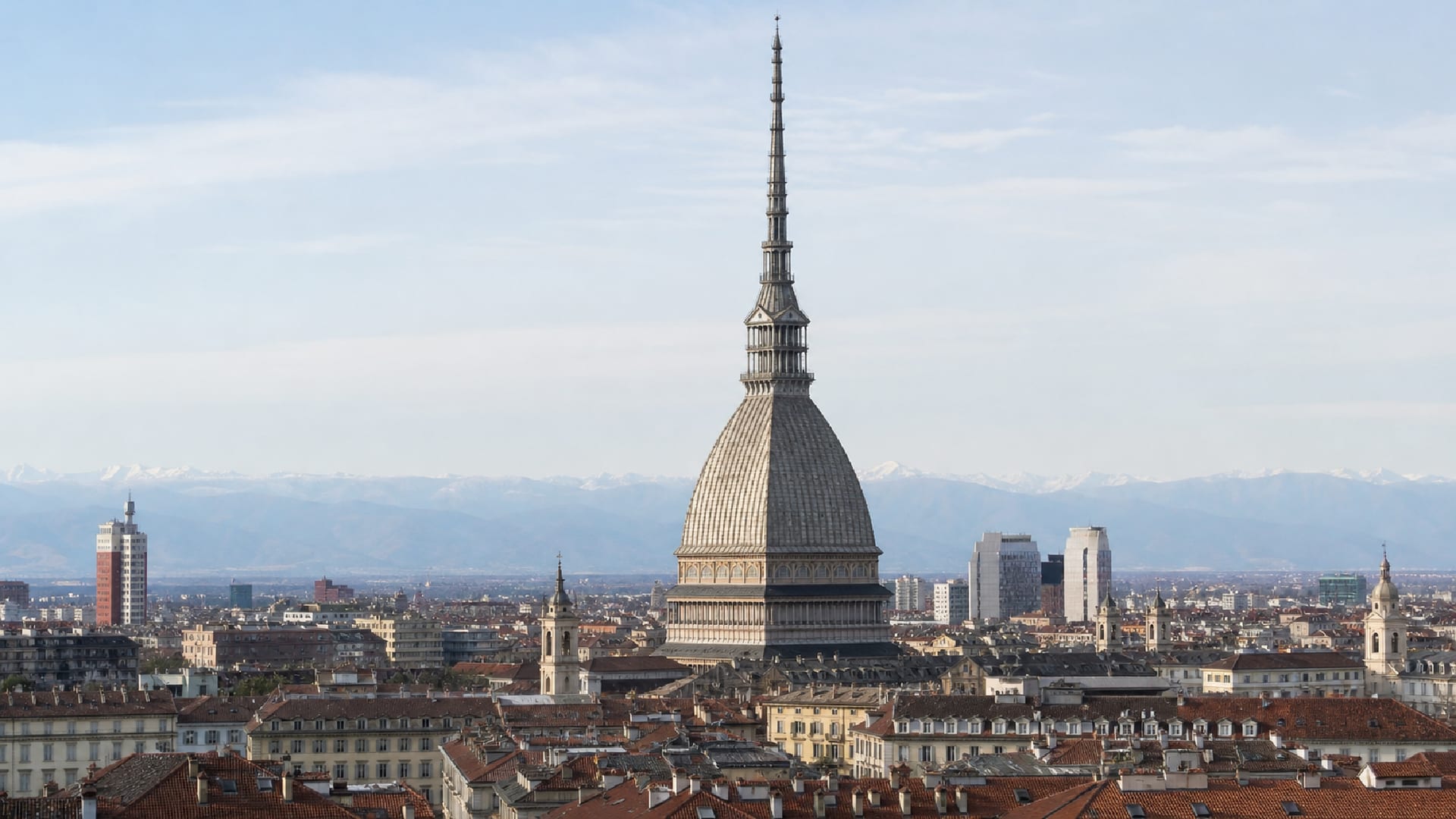
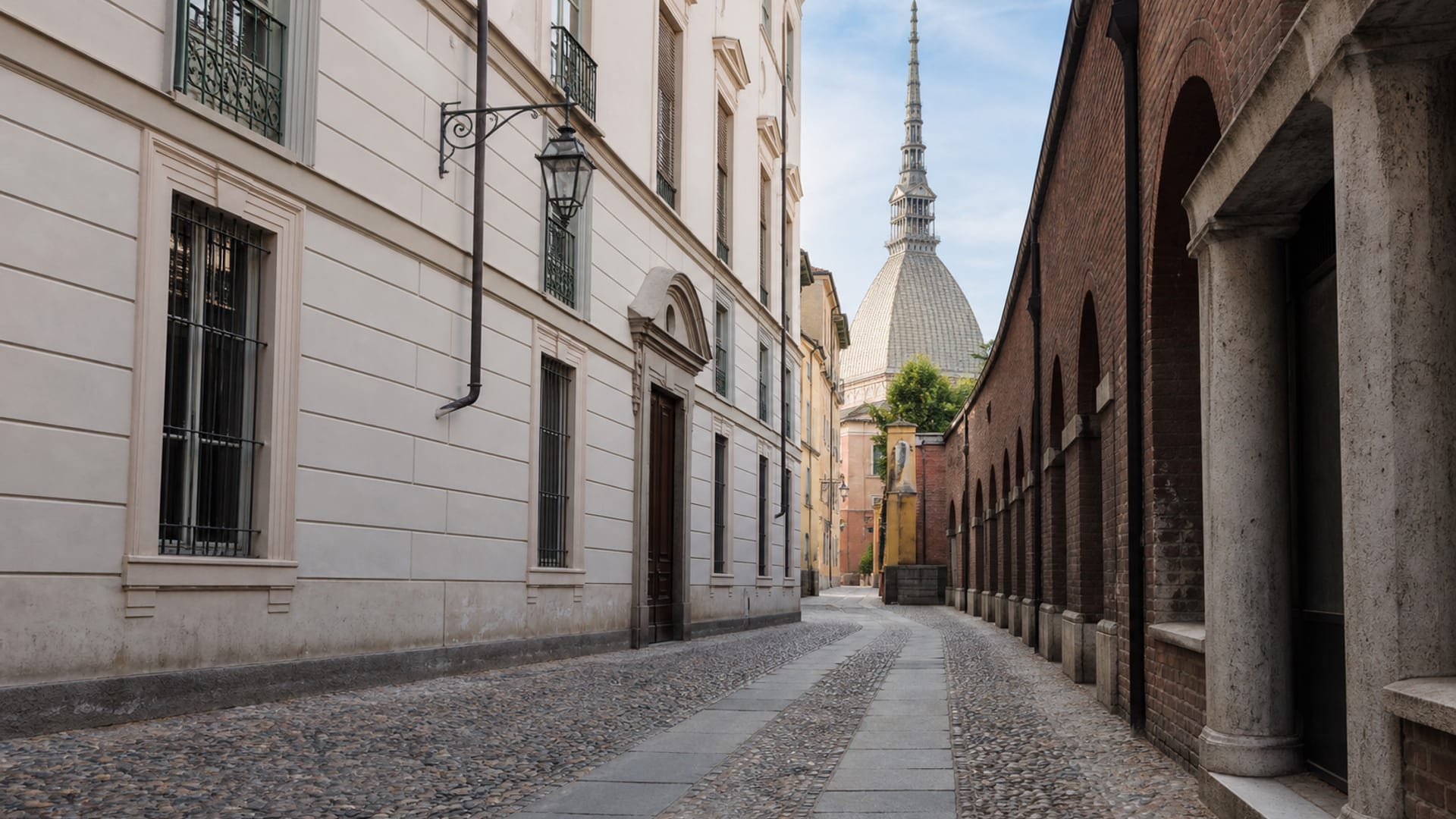
Completed in the late 19th century, the Mole Antonelliana has become Turin’s defining skyline landmark. Its soaring dome now houses the National Cinema Museum, whose galleries cover early optical devices, film history, costumes, and cinema technology beneath the building’s vast central atrium.
Time needed: 2 to 3 hours
Entry: Entry: A museum ticket costs €18 ($21), a lift ticket is €9 ($10.50), while a combined ticket costs €23 ($27). Visit the official site for details.
Tip: Reserve the panoramic lift in advance, especially on weekends.
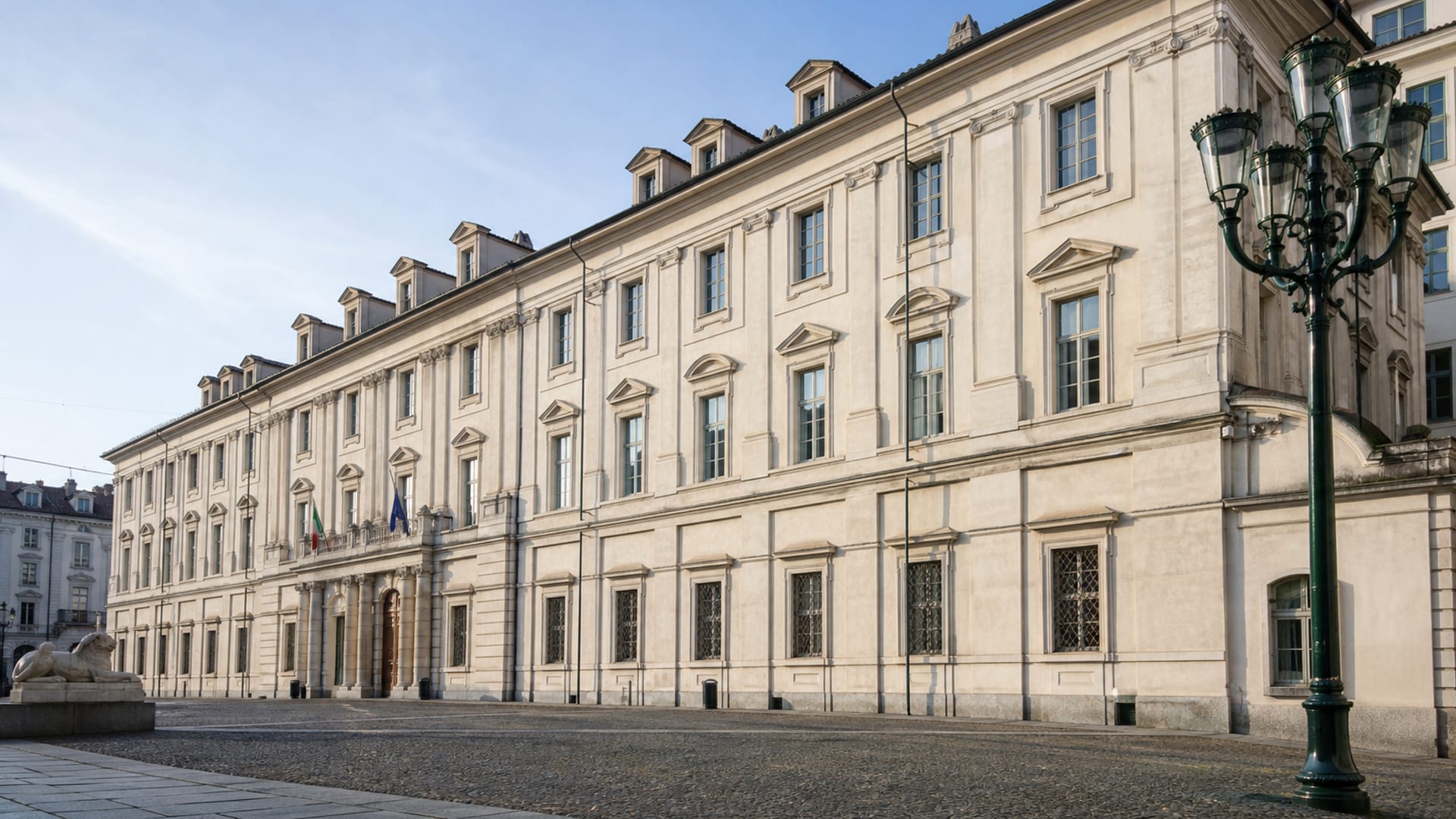
Egyptian Museum
Turin’s Egyptian Museum holds one of the world’s most significant collections of ancient Egyptian material, including monumental statues, sarcophagi, funerary objects, and the intact assemblage from the Tomb of Kha and Merit. Its extensive galleries occupy a historic palace near Piazza Carignano.
Time needed: 2 to 3 hours
Entry: Entry: Admission costs €18 ($21) for adults; visitors over 70 pay €15 ($17); advance online booking required. Visit the official site for details.
Tip: Tip: Book the first morning slot if you want more time before peak visitor hours.
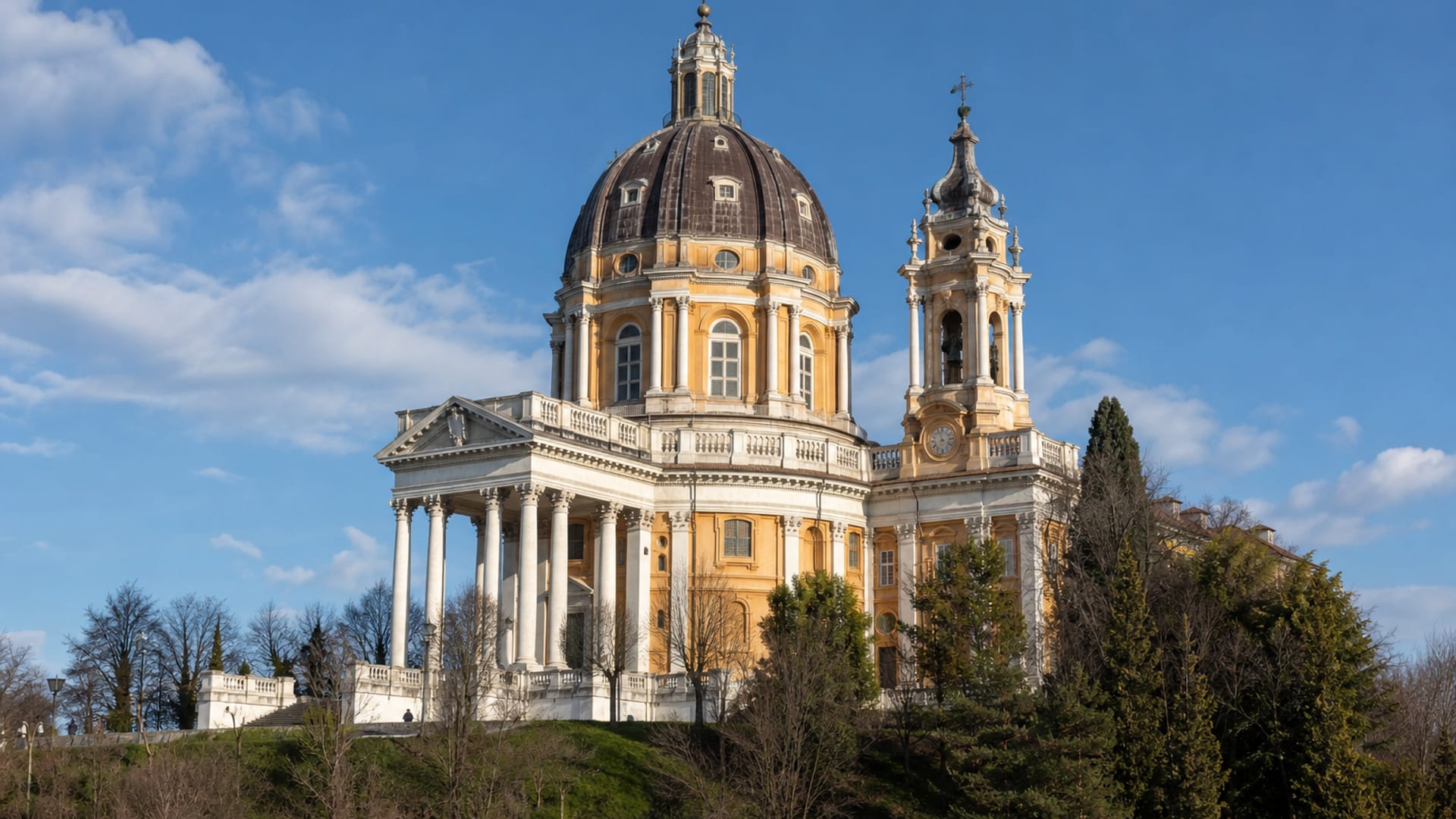
Basilica of Superga
Filippo Juvarra designed the Basilica of Superga for the House of Savoy in the 18th century, placing its monumental Baroque dome high above Turin. The complex includes the basilica, royal tombs, and panoramic terraces, while its hillside position offers wide views toward the city and Alps.
Time needed: 1.5 to 2 hours
Entry: Church access is free; royal areas and the dome require separate tickets. Visit the official site for details.
Tip: Choose a clear morning so you can see the Alps clearly.
Overlooked places in Turin

Parco della Rimembranza
Parco della Rimembranza spreads across the wooded hills southeast of central Turin and was created as a memorial to soldiers killed in World War I.
Time needed: 1 hour
Entry: Free to access
Tip: Wear comfortable shoes because several paths include noticeable climbs.

Museo di Antropologia Criminale Cesare Lombroso
The Cesare Lombroso Museum examines the history of criminal anthropology through documents, photographs, casts, anatomical material, and objects connected with Lombroso’s controversial theories.
Time needed: 45 minutes to 1 hour
Entry: Adult tickets cost €5 ($6), and admission is free on Wednesdays. Visit the official site for details.
Tip: Combine it with nearby university museums on Via Pietro Giuria.
What to eat in Turin
Turin’s traditional cooking uses Piedmontese beef, pasta, anchovies, hazelnuts, butter, and chocolate, with many dishes designed for long lunches and colder months.
Vitello tonnato
Vitello tonnato pairs thin slices of chilled veal with a smooth tuna, anchovy, and caper sauce. The dish is served as an antipasto throughout Piedmont. Consorzio in Quadrilatero Romano serves vitello tonnato among other traditional dishes.
Agnolotti del plin
Agnolotti del plin are small filled pasta parcels traditionally pinched closed by hand and served with roast juices, butter, or a light sauce. Del Cambio near Piazza Carignano is one of Turin’s long-established restaurants for Piedmontese cooking.
Bagna cauda
Bagna cauda is a warm anchovy-and-garlic sauce served with vegetables for dipping. It is particularly associated with Piedmont’s colder months and communal meals. Scannabue in San Salvario specializes in regional dishes, including bagna cauda.
Gianduja
Gianduja combines chocolate with finely ground hazelnuts and appears in pralines, bars, spreads, pastries, and gelato across Turin. Pfatisch is a historic pastry and chocolate shop where you can try traditional gianduja.
Best time to visit Turin
Turin has four distinct seasons, with the most comfortable conditions for long sightseeing days in spring and early fall.
Best for: Museums, café terraces, gardens, and hilltop viewpoints
What you get: Temperatures generally rise from 48°F to 70°F (9°C–21°C), with longer days and mild afternoons by May.
Trade-offs: Spring showers can interrupt outdoor sightseeing.
Best for: Long evenings, parks, outdoor dining, and late sightseeing
What you get: Temperatures commonly range from 65°F to 88°F (18°C–31°C), with long daylight hours through June and July.
Trade-offs: Midday heat can make long walks tiring, and some local businesses close in August.
Best for: Piedmontese food, museums, city walks, and comfortable temperatures
What you get: Temperatures generally fall from 74°F to 50°F (23°C–10°C), with mild conditions early in the season.
Trade-offs: Daylight decreases quickly toward the end of November.
Best for: Museums, cafés, chocolate shops, and traditional cold-weather dishes
What you get: Temperatures commonly range from 34°F to 48°F (1°C–9°C), with fewer visitors outside the holidays.
Trade-offs: Fog, cold mornings, and shorter days reduce time for hilltop sightseeing.
A 5-day plan in Turin
Five days give you enough time for Turin’s major museums, historic center, residential districts, and eastern hills without packing several large attractions into the same morning.
Land at Turin Airport (TRN), then take a taxi into Centro. The airport estimates approximately 30 minutes for the drive and a fare near €40 ($47). After check-in, stay within the historic center instead of adding a museum visit. Walk through Piazza Castello and Via Roma, then have dinner nearby. Saving the Egyptian Museum and Mole for the next day gives both enough time without tying them to your arrival schedule.
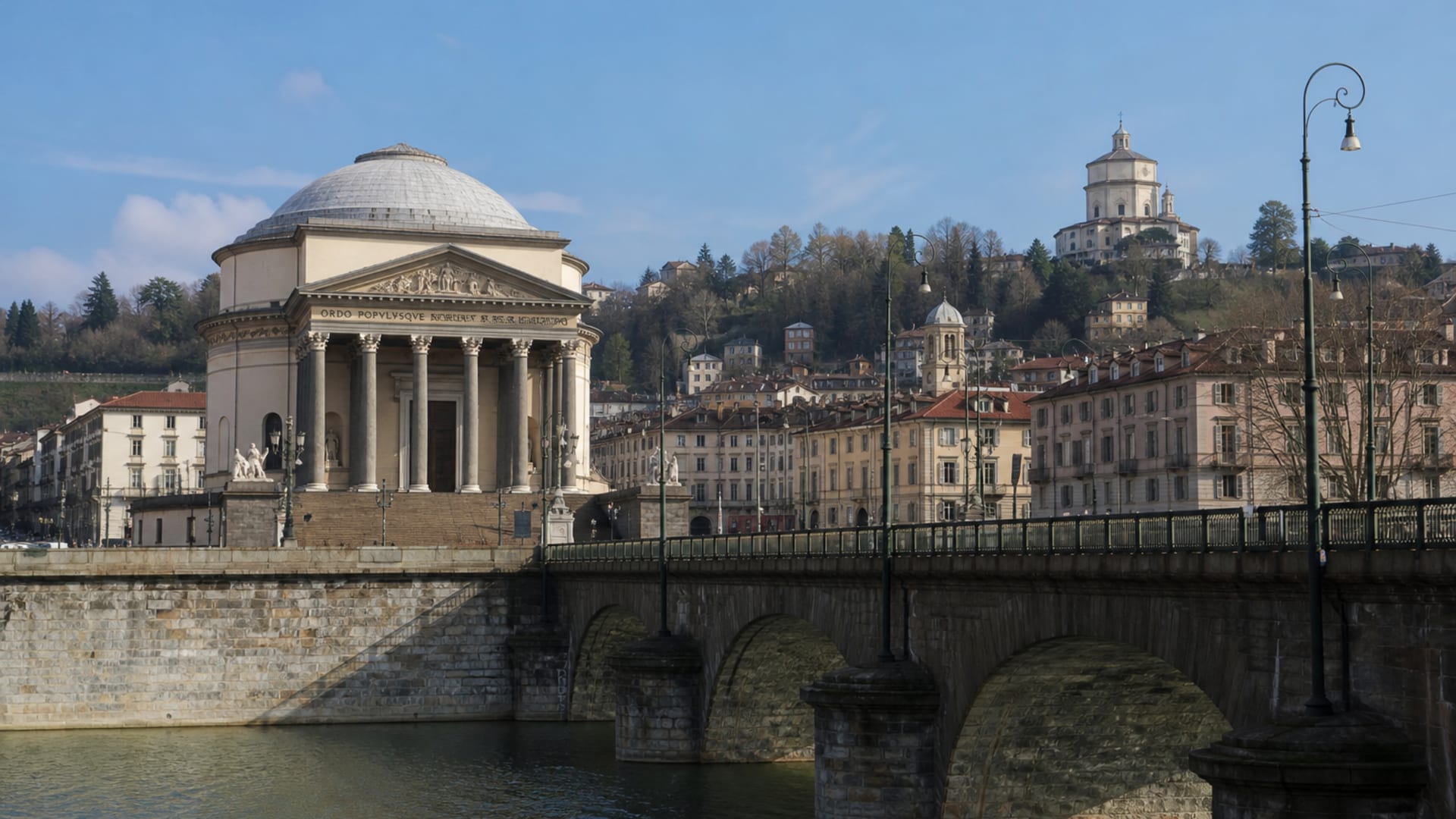
Visit the Egyptian Museum and allow 2–3 hours to see the collection. Adult admission costs €18 ($21), and you must book tickets online. Walk 10 minutes to Piazza Castello for lunch, then continue approximately 15 minutes to the Mole Antonelliana. Spend another 2 to 3 hours at the National Cinema Museum and panoramic lift before staying in Centro or Quadrilatero Romano for dinner.
Start around San Salvario and walk toward Parco del Valentino, then continue to the university museums near Via Pietro Giuria. Allow 45 minutes to 1 hour for the Lombroso Museum, where adult admission costs €5 ($6). Have lunch in San Salvario, then spend the afternoon visiting cafés, shops, or another nearby university museum. Staying south of Centro all day avoids repeated tram rides across the city.
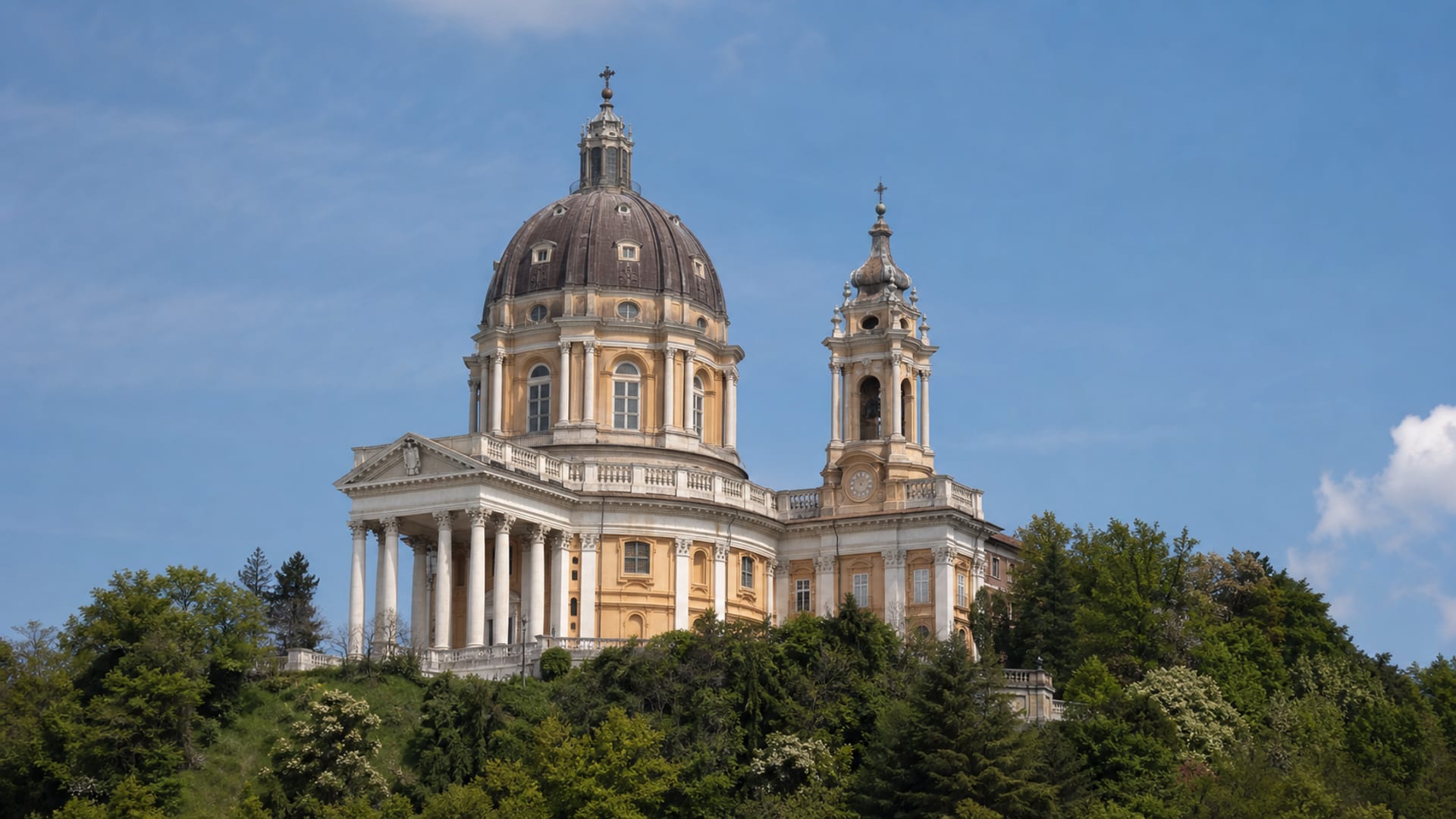
Leave Centro in the morning for the eastern hills and continue toward the Basilica of Superga by public transport or taxi. Allow 1.5 to 2 hours for the church, royal areas, and viewpoints, with additional time for the uphill journey. Return toward the city in the afternoon and stop around the Po or Parco della Rimembranza if the weather is clear. Have dinner back in Centro instead of traveling to a distant neighborhood.
Keep the final morning around Centro or Crocetta for shopping on Via Roma, coffee near Piazza San Carlo, or any central sight you missed earlier. Leave your luggage at the hotel instead of traveling back toward Superga or the southern museums. A taxi to Turin Airport generally takes roughly 30 minutes. Allow additional time for weekday traffic, check-in, and security.
Business-class flights from the US to Turin
There are no nonstop flights from New York (JFK) or Los Angeles (LAX) to Turin (TRN), so both routes require at least one connection through Europe.
New York (JFK) to Turin (TRN)
Travelers from John F. Kennedy International Airport (JFK) can fly to Turin with Lufthansa, Air France, KLM, ITA Airways, and British Airways. Common layovers include Frankfurt (FRA), Munich (MUC), Paris Charles de Gaulle (CDG), Amsterdam (AMS), and Rome Fiumicino (FCO). The flights take between 10 and 16 hours. Round-trip business-class tickets with these airlines range from $2,800 to $5,200.
Los Angeles (LAX) to Turin (TRN)
Flights from Los Angeles International Airport (LAX) to Turin (TRN) also require layovers, commonly through Frankfurt (FRA), Munich (MUC), Paris Charles de Gaulle (CDG), Amsterdam (AMS), Istanbul (IST), or another European hub. Airlines like Air France, ITA Airways, Lufthansa, and United Airlines typically operate the flights on this route. The flights have a duration of 14 to 21 hours. Round-trip business-class tickets on this route commonly cost between $3,800 and $6,400.
Turin extends well beyond its museum district
Turin is easiest to appreciate when the major museums are given their own time and the rest of the stay moves into the neighborhoods around them. Centro covers the monumental side of the city, San Salvario adds local dining and street life, while Superga changes the view entirely from the hills above the Po. Travelers who are planning to visit Turin soon can contact our AranGrant experts for help with booking business-class flights and hotels.







