

Chapters:

Need help with your trip?
Our support team is available 24/7. Request a callback or call us directly at (833) 619-0908
Tulum looks compact on a map, but its beach hotels, Pueblo restaurants, archaeological zone, and cenotes occupy separate parts of the destination. A hotel on the sand can leave you several taxi rides from dinner in town, while staying in Pueblo means planning transportation whenever you want the beach.
Heat, traffic, and entrance times make those distances more noticeable. The ruins are easier early in the day, cenotes need their own time, and the coast becomes slower to reach as traffic builds. This guide organizes Tulum by area, season, and day so you can plan hotels, historic sites, swimming, meals, and airport transportation without repeatedly crossing town.
Useful things to know

Main language(s): Spanish
Hola (OH-lah) – Hello
Por favor (por fah-VOR) – Please
Gracias (GRAH-see-ahs) – Thank you
¿Habla inglés? (AH-blah een-GLAYS) – Do you speak English?
¿Cuánto cuesta? (KWAN-toh KWES-tah) – How much does it cost?

Currency: Mexican peso (MXN, $)

Cash and cards: Cards and contactless payments are widely accepted at hotels and larger restaurants, but carry MXN 1,000 to MXN 2,000 ($55 to $110) for taxis, tips, cenotes, and smaller businesses.

Tipping: Leave 10% to 15% at restaurants when service is good, and a service charge has not already been included.

Traditional food: Cochinita pibil, panuchos, sopa de lima, poc chuc

Water and coffee costs: Bottled water costs MXN 30 ($1.65), while an espresso costs MXN 60 ($3.30).

Taxis and ride apps: Licensed taxis are a primary option for local trips. Ride-app availability can be inconsistent, so do not rely on an app for time-sensitive airport or hotel pickups.

Plug and voltage: Type A and B sockets, 127V, 60Hz

Dining and shop opening hours: Breakfast commonly starts from 7:00 am, while restaurants serving dinner often remain open until 10:00 pm or later. Individual hours vary between Pueblo and the Beach Zone.

Emergency number: Call 911 for police, fire, and medical emergencies.
Where to stay in Tulum
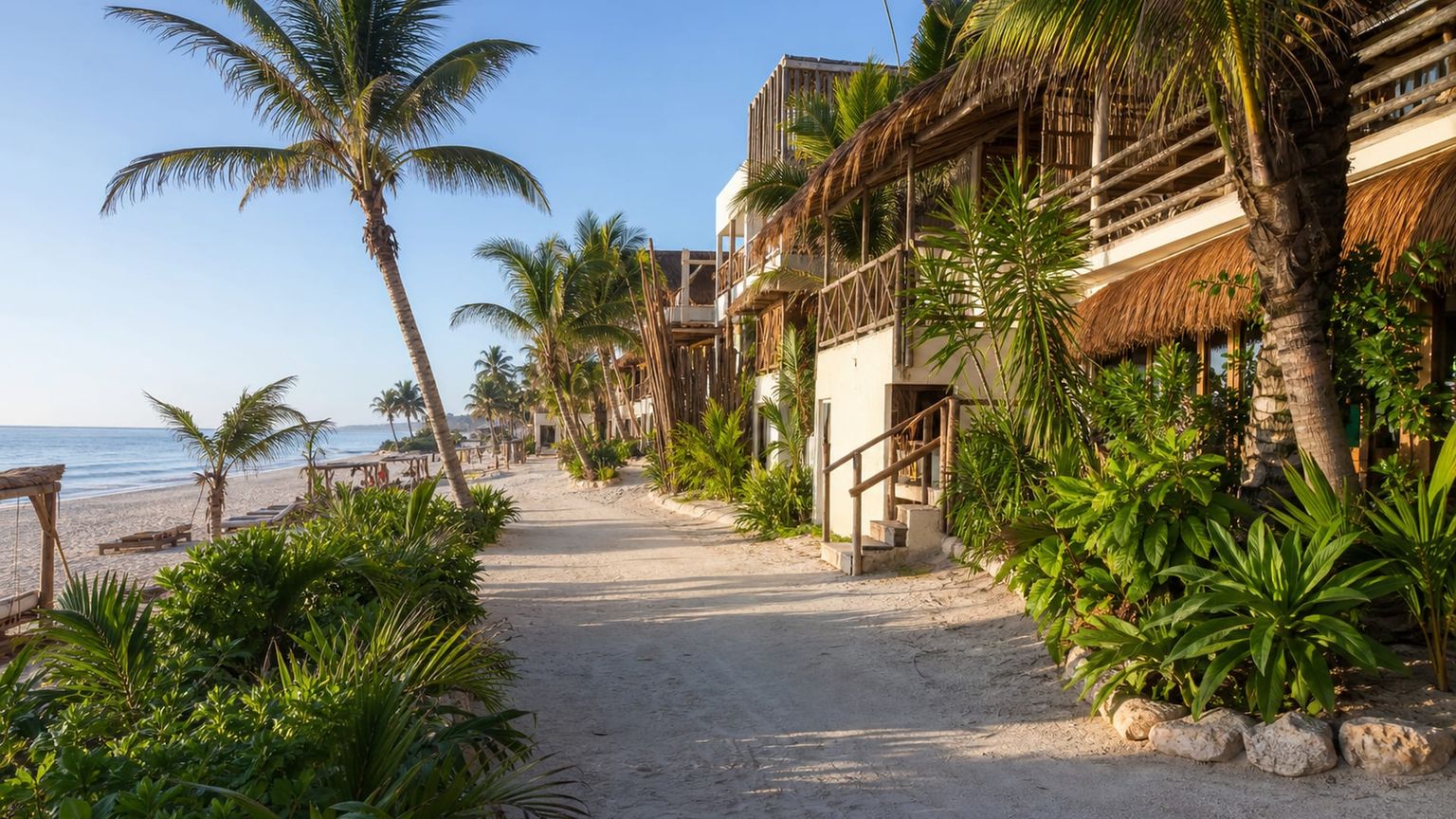
The Beach Zone follows the Caribbean coast south of the archaeological area, with boutique hotels, beach clubs, restaurants, and low-rise properties near the sand. Choose it when beach access takes priority over quick trips to Pueblo, and you are comfortable relying on taxis or bikes.
Best for: Beach time, upscale stays, and travelers who want the sea close to their hotel
What to expect: Boutique hotels, restaurants, beach clubs, cyclists, and regular road traffic
Hotel prices: MXN 4,000 to MXN 10,900 ($220 to $600) per night for well-rated stays
Distance to major sights: 10 to 20 minutes by taxi to the Tulum Archaeological Zone
Quietness: Varies considerably, with more noise near restaurants and beach clubs
Main trade-off: Higher room rates and slower trips into Pueblo when traffic builds
Good to know: Check the hotel’s exact position on the beach road before booking because distances along the strip add up quickly.
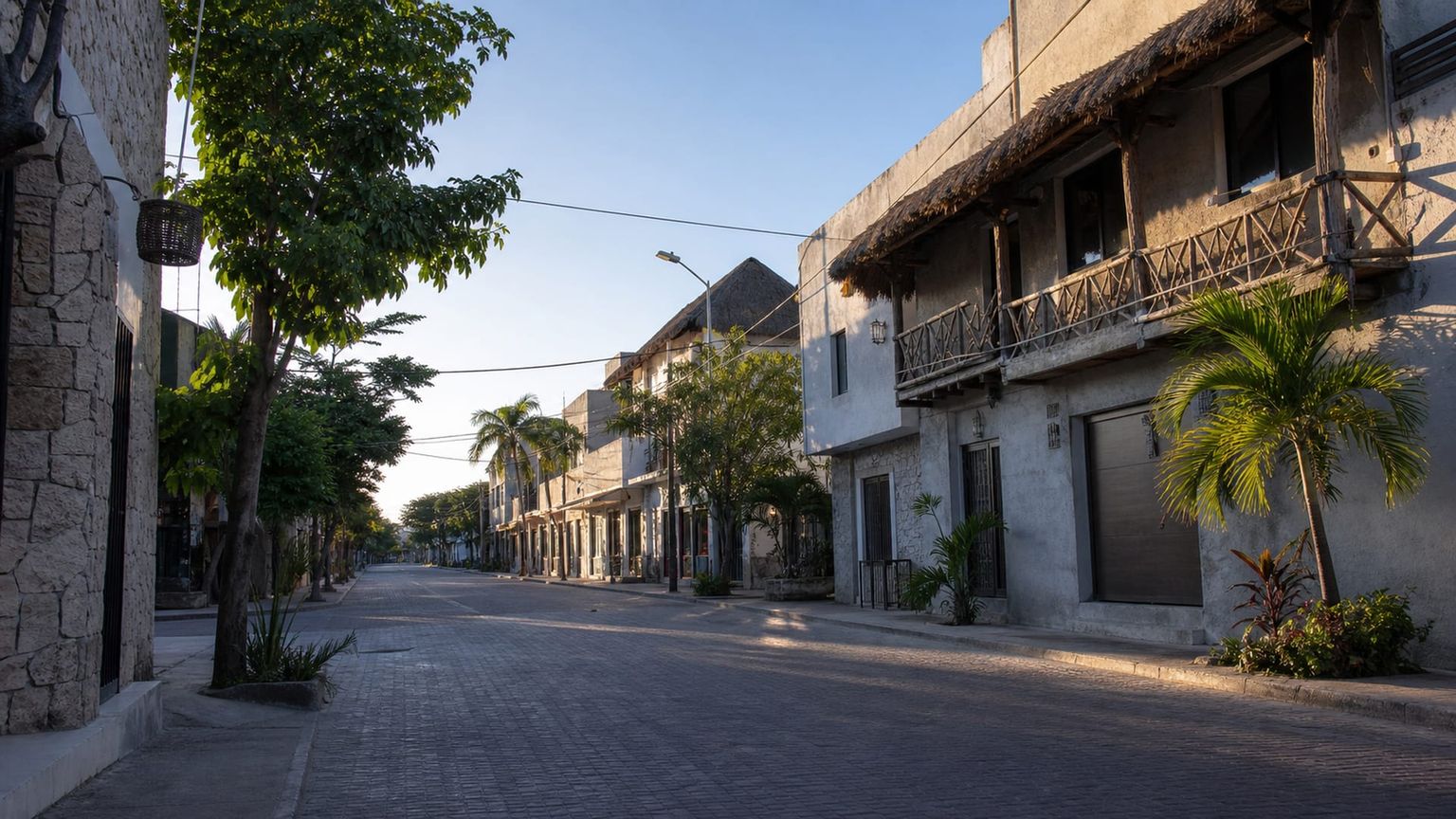
Tulum Pueblo has the broadest concentration of taquerias, restaurants, shops, midrange hotels, and transportation services. It gives you easier access to everyday dining and Highway 307, but every beach day requires transportation toward the coast.
Best for: Dining, midrange hotels, convenient transport, and travelers who want more everyday services close by
What to expect: Restaurants, shops, hotels, regular traffic, and a livelier street scene from late afternoon into the evening
Hotel prices: MXN 1,270 to MXN 4,000 ($70 to $220) per night for well-rated stays
Distance to major sights: 15 to 25 minutes by taxi to the archaeological zone
Quietness: Side streets settle down earlier, while the main restaurant and shopping streets stay busy into the evening.
Main trade-off: You get easier access to dining and services, but every beach visit still requires a taxi, bike, or other transportation.
Good to know: Stay within easy reach of your preferred restaurant streets if you expect to eat in Pueblo most evenings.
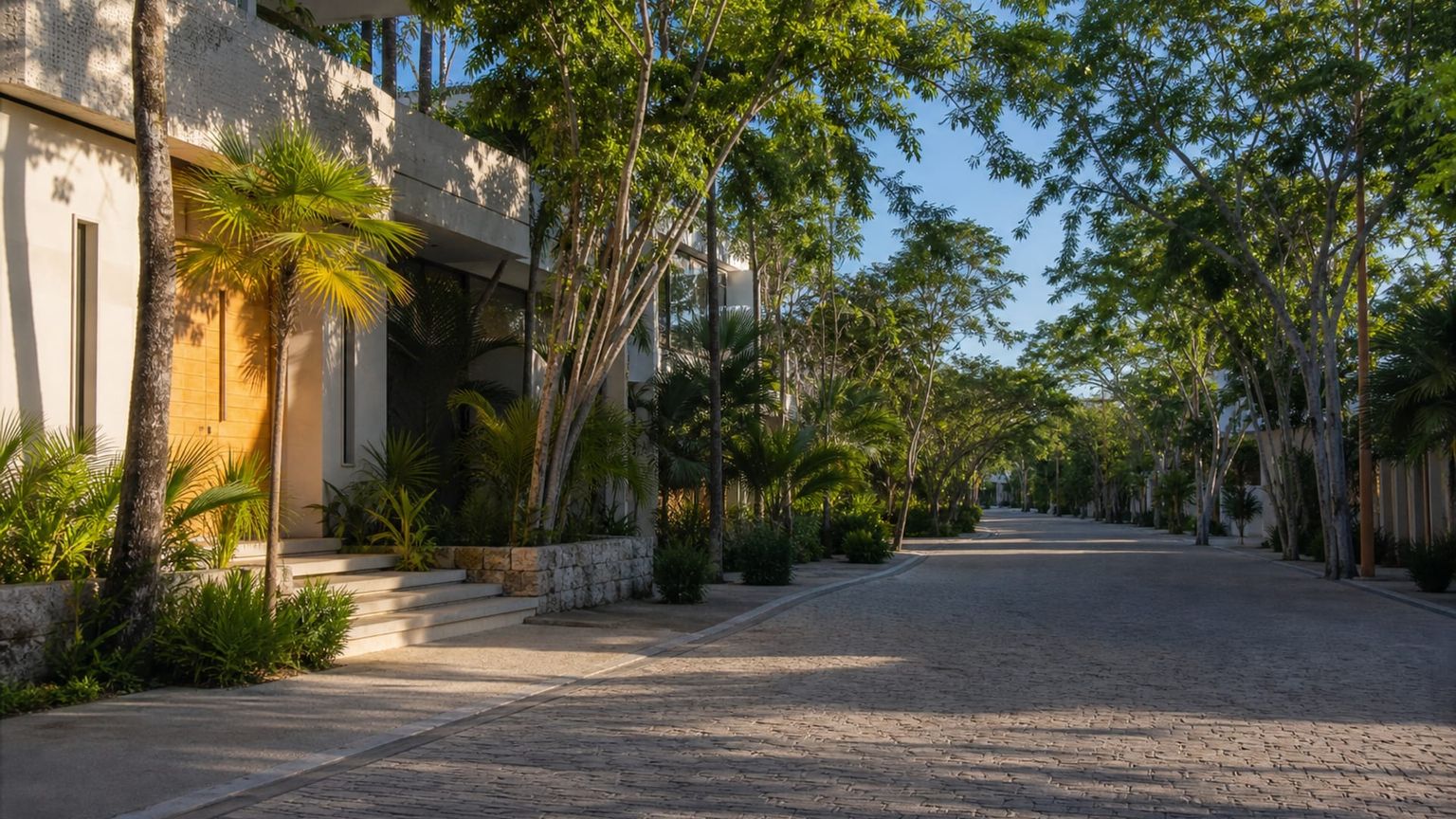
Aldea Zama is a newer residential development between Pueblo and the coast, with condo-style hotels, villas, cafés, and newer apartment buildings. Its location shortens the trip to both sides of Tulum, although most days still involve a bike, taxi, or car.
Best for: Longer stays, villas, and travelers who expect to divide their time between Pueblo and the Beach Zone
What to expect: Newer buildings, residential streets, cafés, vacation rentals, and some ongoing construction in developing blocks
Hotel prices: MXN 2,180 to MXN 5,450 ($120 to $300) per night for well-rated stays
Distance to major sights: 10 to 15 minutes by taxi to either Pueblo or the Beach Zone
Quietness: Residential streets are generally quieter than Pueblo and the busiest stretches of the beach road, especially at night.
Main trade-off: The central position reduces travel time, but most beaches, restaurants, and major sights still require transportation.
Good to know: Check the exact block before booking because lighting, road conditions, and nearby construction can vary across the development.
La Veleta is south of central Pueblo, less convenient for a visit focused on the beach and archaeological zone. The far southern beach zone near the Sian Ka’an entrance is also far from Pueblo, the archaeological area, and cenotes north of town.
Hotel deals
How to get around Tulum efficiently
Tulum’s main areas are separated enough that visitors usually combine buses, taxis, and bikes instead of relying on a single transportation option.

ADO bus
for airport and regional trips
ADO connects Felipe Carrillo Puerto International Airport (TQO) with Tulum Pueblo. A one-way airport ticket costs MXN 220 ($12), and the trip generally takes 40 to 50 minutes. Buy the ticket for the specific departure you intend to use.

Bike
for shorter daytime trips
A bike is useful to get between Pueblo, Aldea Zama, the archaeological area, and parts of the Beach Zone. Daily rentals start near MXN 250 to MXN 320 ($14 to $18), depending on the provider. Use dedicated paths where available and avoid poorly lit roads after dark.

Taxi
for Pueblo, the Beach Zone, cenotes, and late-evening trips
Licensed taxis provide point-to-point transportation throughout Tulum and generally do not use meters. A trip from Pueblo to the Beach Zone commonly costs MXN 150 to MXN 250 ($8 to $14) and takes 15 to 25 minutes, depending on the destination and traffic. Confirm the fare before getting in.
*Prices are based on rates updated as of October 2026 and may change at the time of travel.
Use ADO for the airport and longer regional journeys, taxis when distance or heat makes cycling impractical, and a bike for shorter daytime trips.
Iconic landmarks
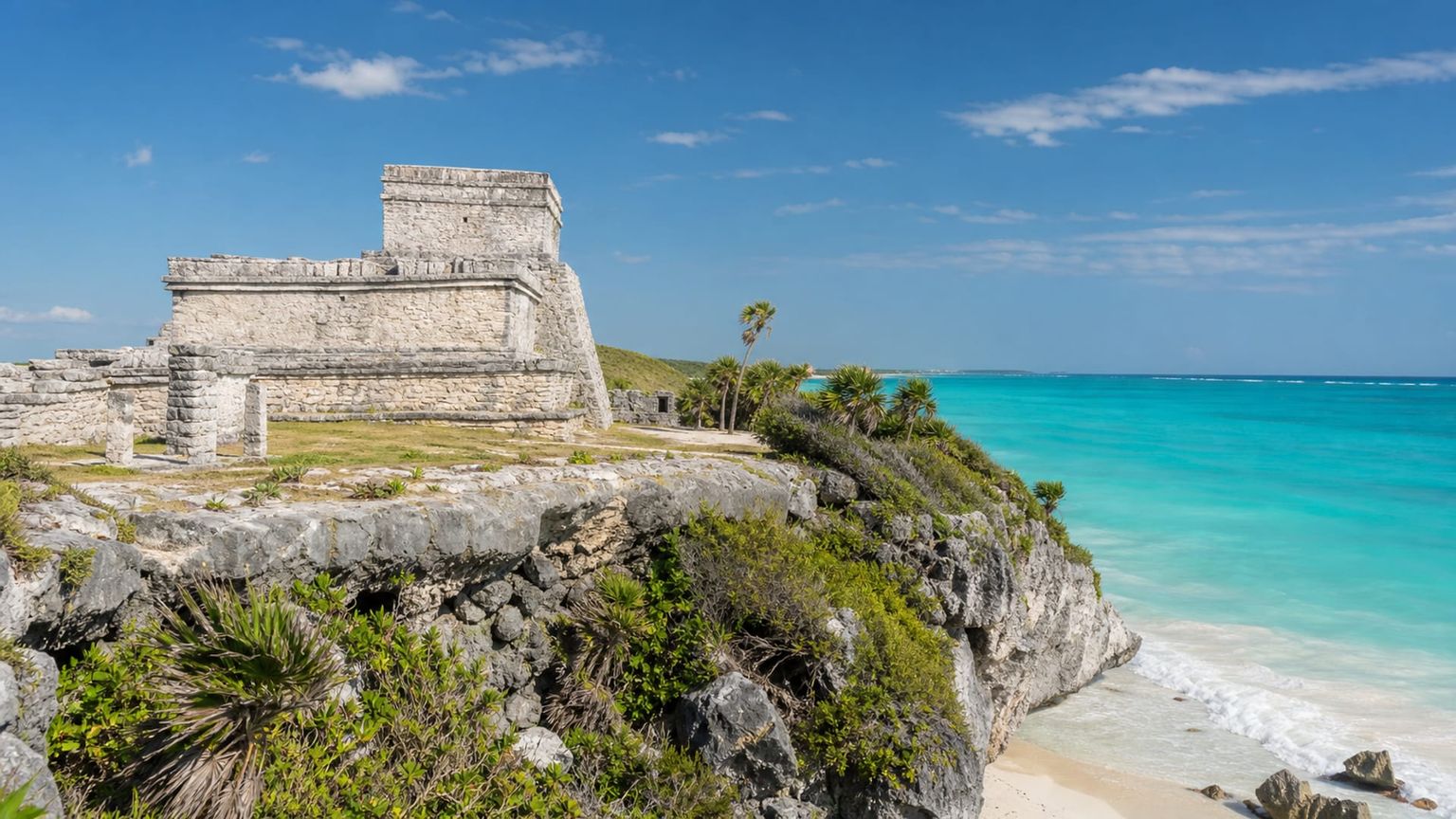
Tulum Archaeological Zone
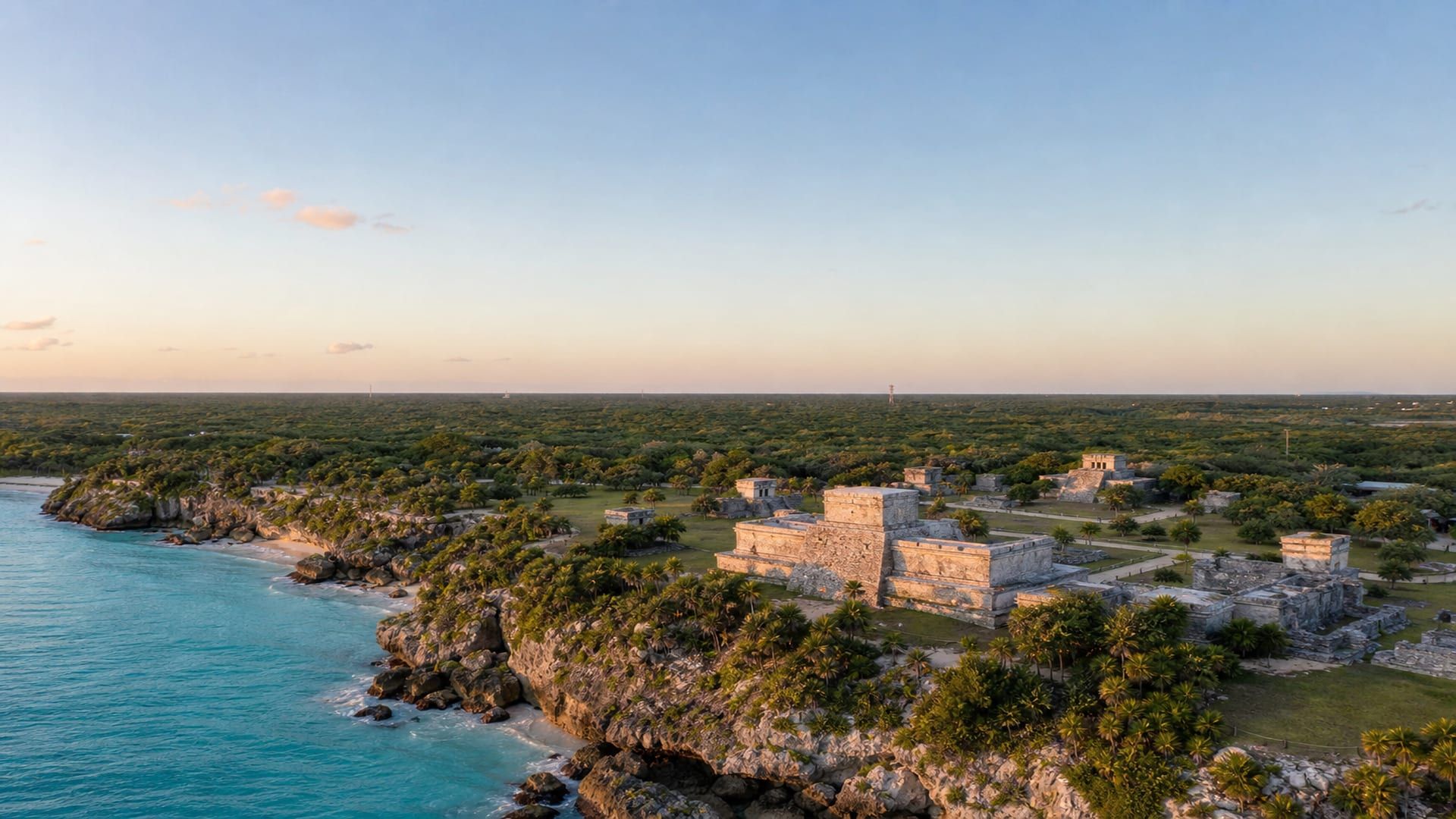
Tulum’s walled Maya settlement occupies limestone cliffs above the Caribbean, with El Castillo, the Temple of the Frescoes, and other structures concentrated inside a compact archaeological site. The surrounding Parque del Jaguar controls the main visitor approach.
Time needed: 2 to 3 hours
Entry: Admission is MXN 210 ($12) for foreign visitors. Separate Parque del Jaguar and CONANP charges also apply. The archaeological zone opens daily from 8:00 am to 5:00 pm, with last entry at 3:30 pm. Visit the official site for details.
Tip: Arrive at opening to avoid the strongest heat and leave enough time for the park entry process.

Gran Cenote
Gran Cenote lies on the road from Tulum toward Cobá and combines open freshwater pools with a partially covered cavern system. Its clear water and freshwater turtles make it one of the area’s better-known swimming and snorkeling stops.
Time needed: 1 to 2 hours
Entry: Adult admission is MXN 500 ($28), with some equipment charged separately.
Tip: Bring pesos and arrive early because admission and equipment policies can change at the gate.
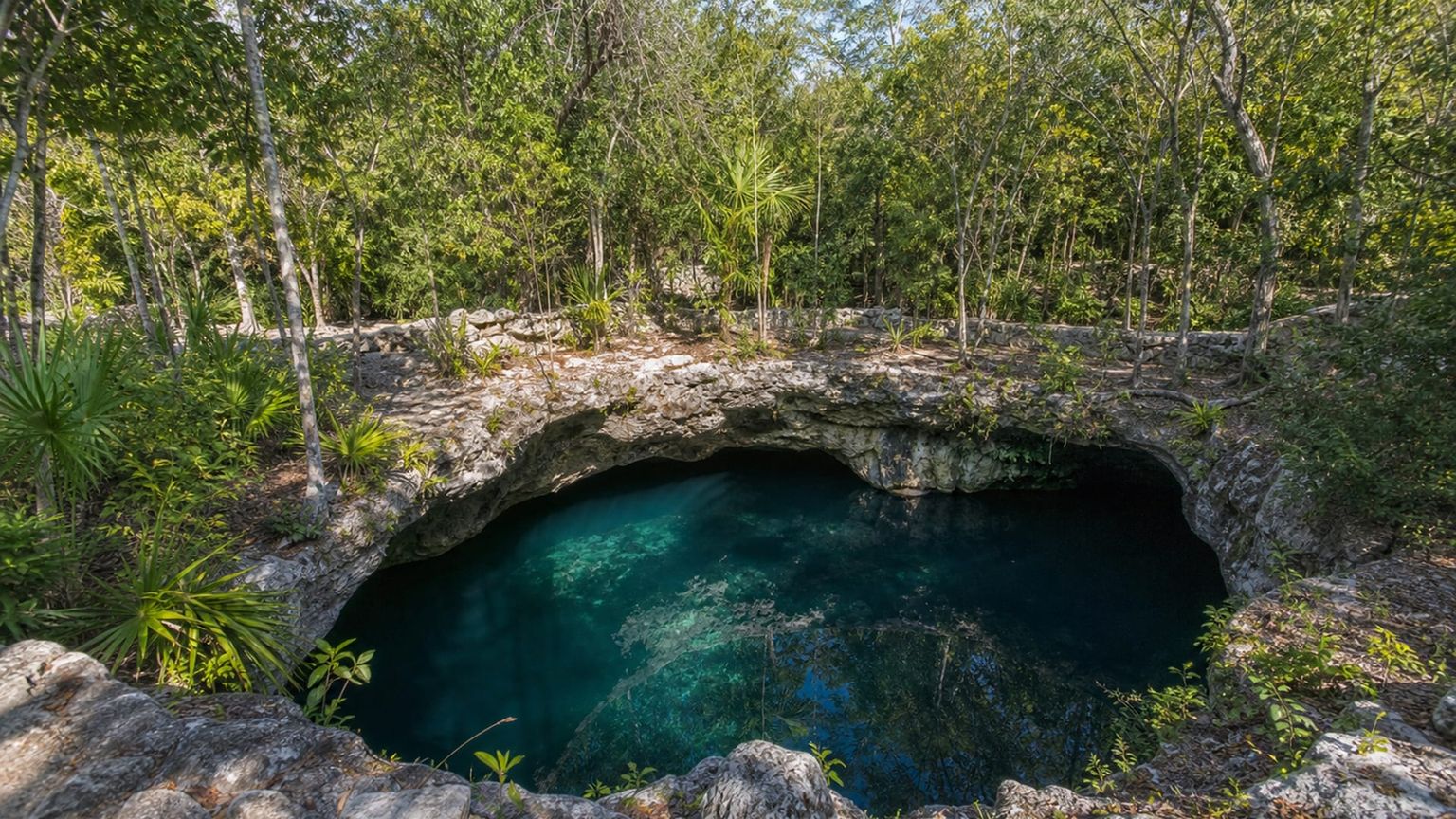
Cenote Calavera
Cenote Calavera is a compact limestone sinkhole north of Tulum, known for its three circular openings, ladder access, and clear freshwater. It is a quick swim stop compared with larger cenotes and is easy to reach from Pueblo.
Time needed: 1 to 2 hours
Entry: Admission is typically MXN 250 to MXN 350 ($14 to $19), depending on included facilities.
Tip: Visit early for calmer water and better light through the openings.
Overlooked sites worth visiting

Sian Ka'an Biosphere Reserve
South of Tulum, UNESCO-listed Sian Ka’an protects tropical forest, wetlands, mangroves, lagoons, coastline, and part of the Mesoamerican Barrier Reef. The Muyil side provides access to lagoons and canals once used by Maya traders.
Time needed: Half day
Entry: Protected-area admission is MXN 225 ($12.50) per person. Boat trips and guided excursions cost extra.
Tip: Choose the Muyil lagoon side for a shorter trip from Tulum; Punta Allen requires considerably more travel time.

Muyil Archaeological Zone
Fifteen and a half miles (25 km) southwest of Tulum, Muyil preserves Maya structures beside the forests and wetlands of Sian Ka’an. Its setting provides a quieter alternative to Tulum’s heavily visited coastal ruins.
Time needed: 1 to 1.5 hours
Entry: Admission is MXN 145 ($8) for foreign visitors. The site is open daily from 8:00 am to 5:00 pm, with last entry at 4:30 pm.
Tip: Archaeological admission is separate from the Sian Ka’an entrance fee and any lagoon or boat excursion you arrange nearby.
Traditional food
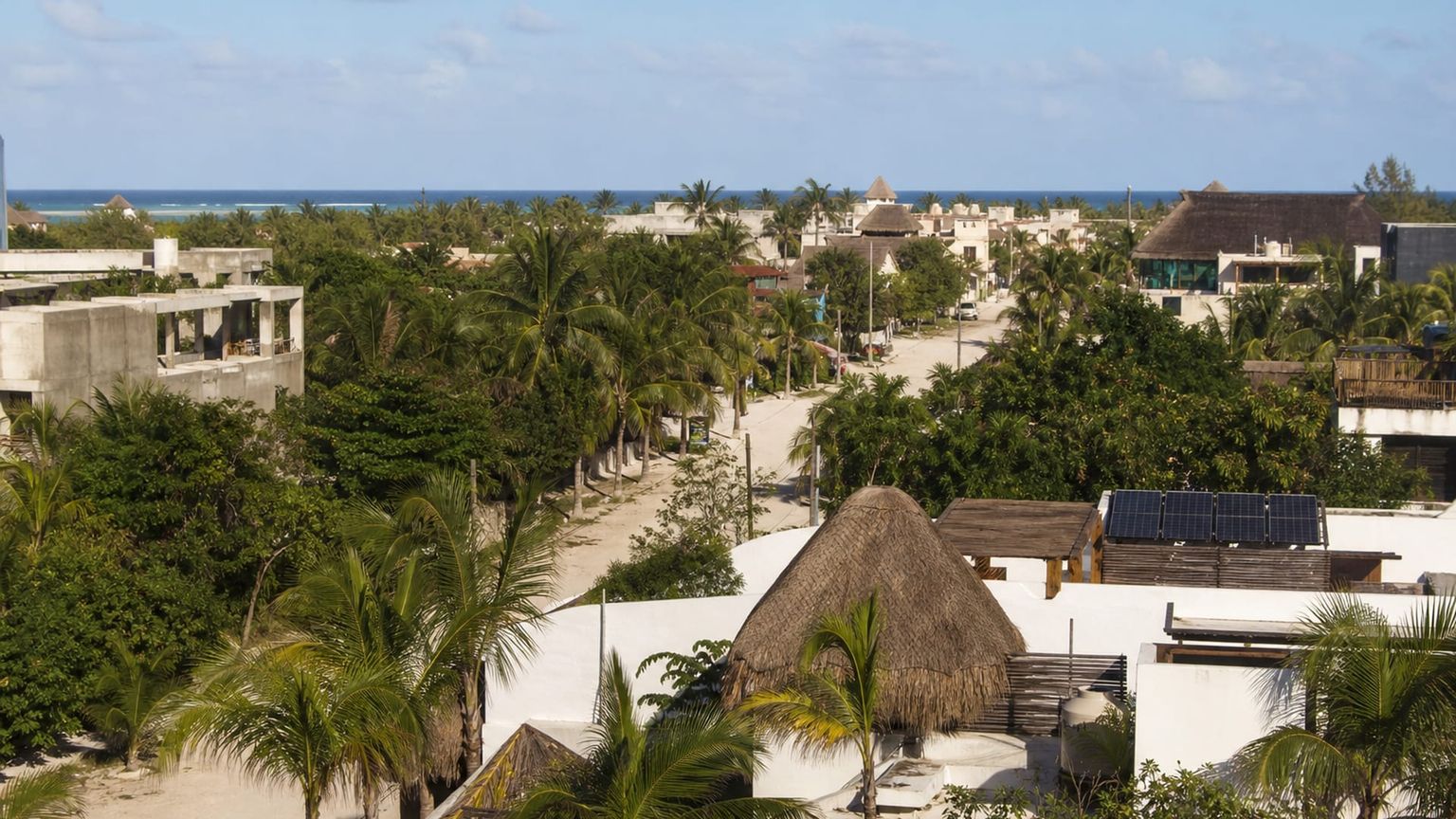
Tulum’s Yucatecan dishes use ingredients such as achiote, sour orange, corn, beans, and slow-cooked or grilled meats.
Cochinita pibil
Cochinita pibil is pork marinated with achiote and citrus, then slow-cooked until tender and served with pickled red onion and tortillas. Taqueria Honorio in Tulum currently serves cochinita pibil as both a full order and tacos.
Panuchos
Panuchos are fried corn tortillas filled with refried beans and topped with ingredients such as meat, lettuce, tomato, onion, and cheese. Ajal Tulum currently serves panuchos on its Tulum menu.
Sopa de lima
Sopa de lima combines chicken broth, Yucatecan lime, tortilla strips, onion, cilantro, and other fresh ingredients. Cetli, run by chef Claudia Pérez Rivas, is one of the most cited addresses in the area for gourmet Yucatecan cooking
Poc chuc
Poc chuc uses pork marinated with sour orange and spices before grilling over high heat. Taqueria Honorio currently serves poc chuc as a full order, taco, and torta.
Best time to visit Tulum
Tulum’s seasons differ most in heat, rainfall, humidity, and tropical-storm risk, which directly affects beach time and outdoor sightseeing.
Best for: Beach days, archaeological sites, cenotes, and lower humidity
What you get: 72°F–82°F (22°C–28°C), with warm days and some of the driest conditions of the year
Trade-offs: Hotel rates rise and popular archaeological sites and cenotes become busier.
Best for: Warm water, longer daylight, cenotes, and early archaeological visits
What you get: 77°F–90°F (25°C–32°C), with temperatures and humidity increasing toward May
Trade-offs: Easter travel increases demand, while late-spring afternoons become considerably hotter.
Best for: Warm sea temperatures, greener vegetation, and travelers comfortable with heat
What you get: 79°F–91°F (26°C–33°C), with high humidity and more frequent rainfall
Trade-offs: Heat and rain can interrupt outdoor plans, and Atlantic hurricane season begins in June.
Best for: Lower hotel demand and travelers with flexible outdoor plans
What you get: 75°F–88°F (24°C–31°C), with temperatures easing as November approaches
Trade-offs: September and October fall within the wetter part of hurricane season.
A realistic 5-day plan in Tulum
Five days gives you enough time to separate Tulum’s archaeological zone, cenotes, Sian Ka’an, and beach areas instead of repeatedly crossing between them. Early starts also keep the most exposed outdoor stops away from the strongest afternoon heat.
Land at Felipe Carrillo Puerto International Airport (TQO) and continue to your hotel by ADO bus, private transportation, or taxi. After check-in, keep the first evening near your hotel. If you are staying in Pueblo, use it for an easy dinner and a short walk through the restaurant area instead of heading immediately to the beach.
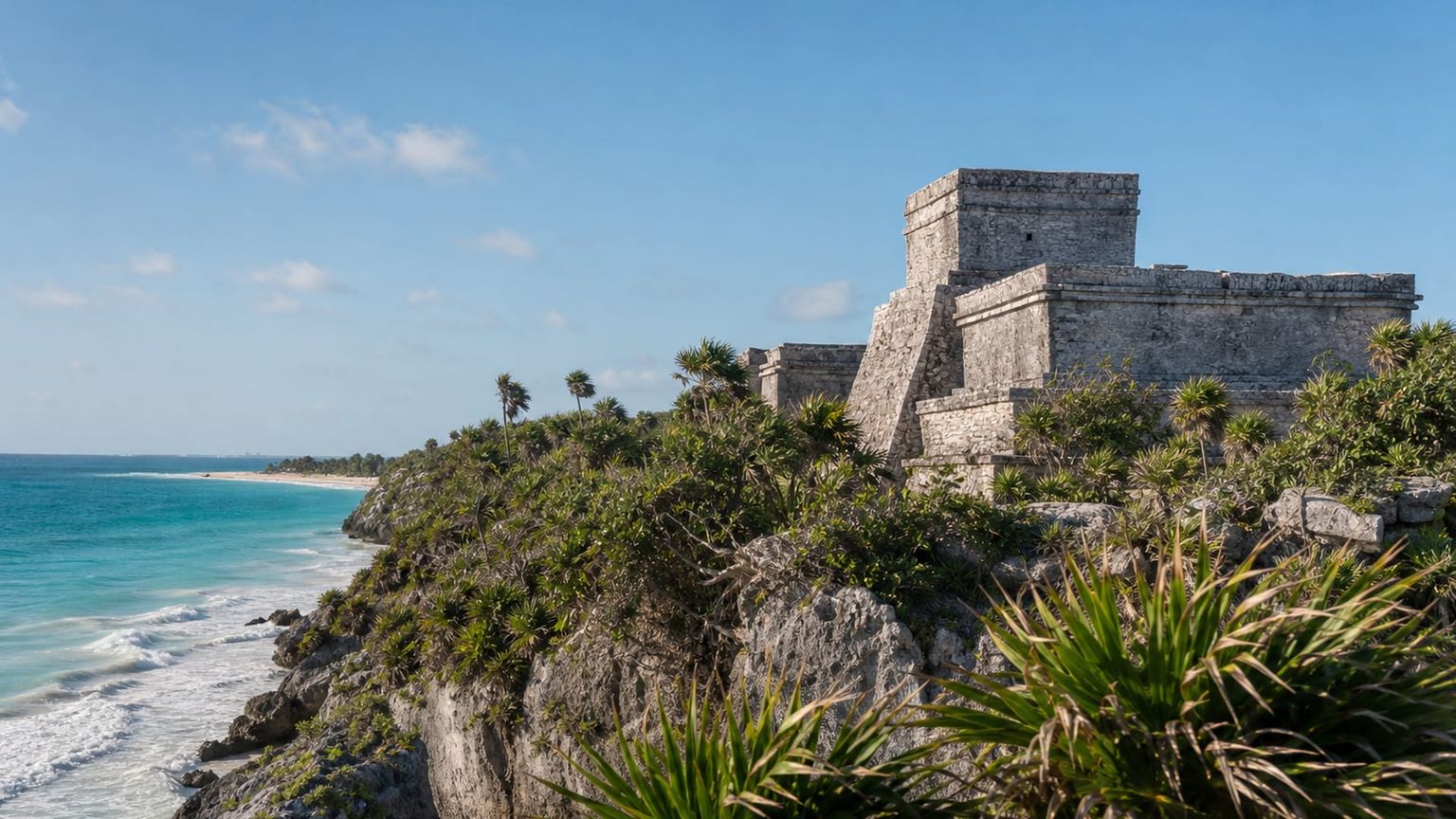
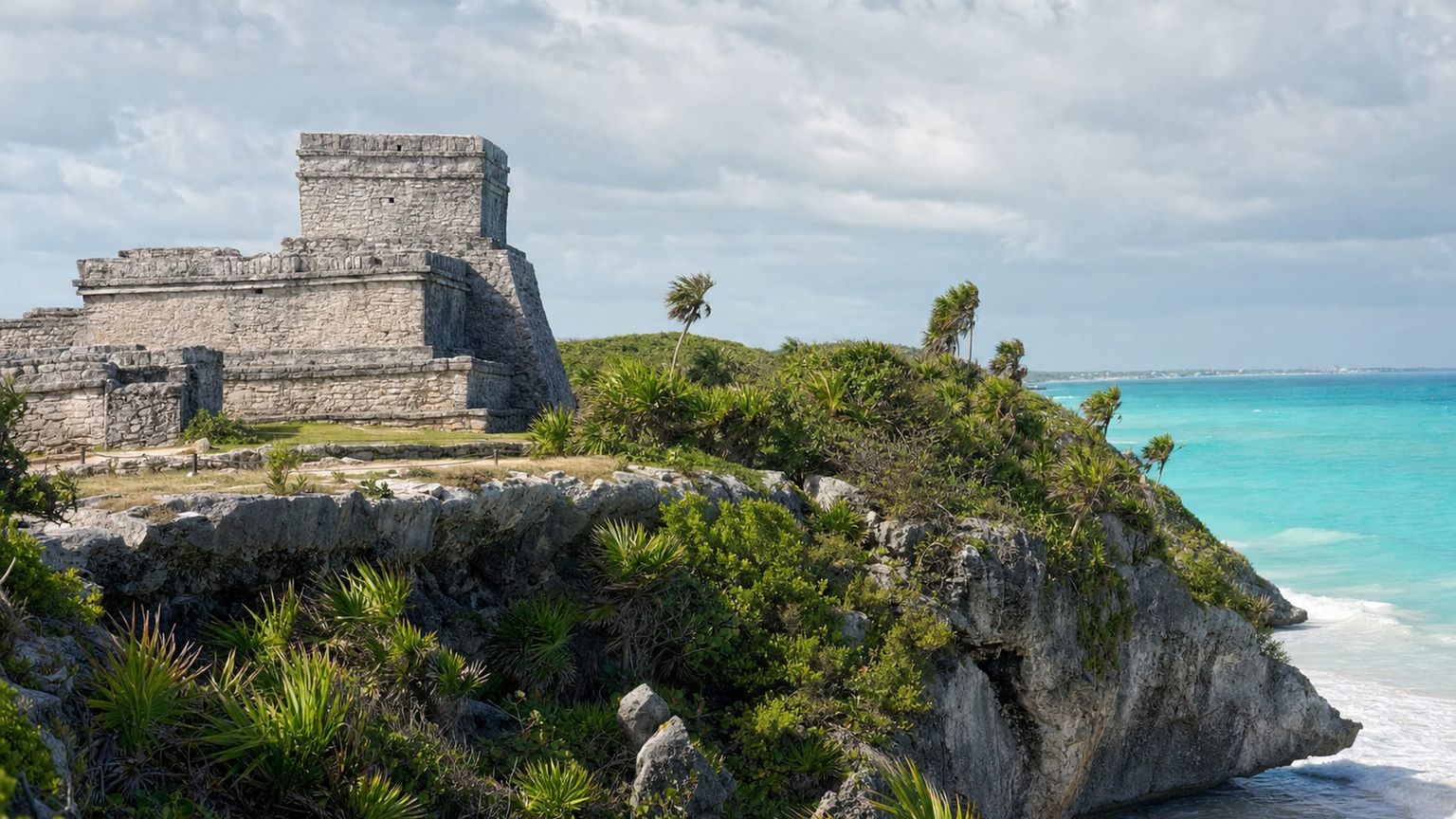
Arrive at Parque del Jaguar for the 8:00 am opening of the Tulum Archaeological Zone, the only coastal Mayan site in Mexico, set on a 39-foot (12-meter) cliff above the Caribbean. The main structures include El Castillo, which served as a lighthouse for Mayan sailors, and the Temple of the Frescoes, known for its well-preserved murals. Allow 2 to 3 hours. Continue toward the Beach Zone afterward for lunch and an afternoon near the Caribbean instead of returning to Pueblo between stops.
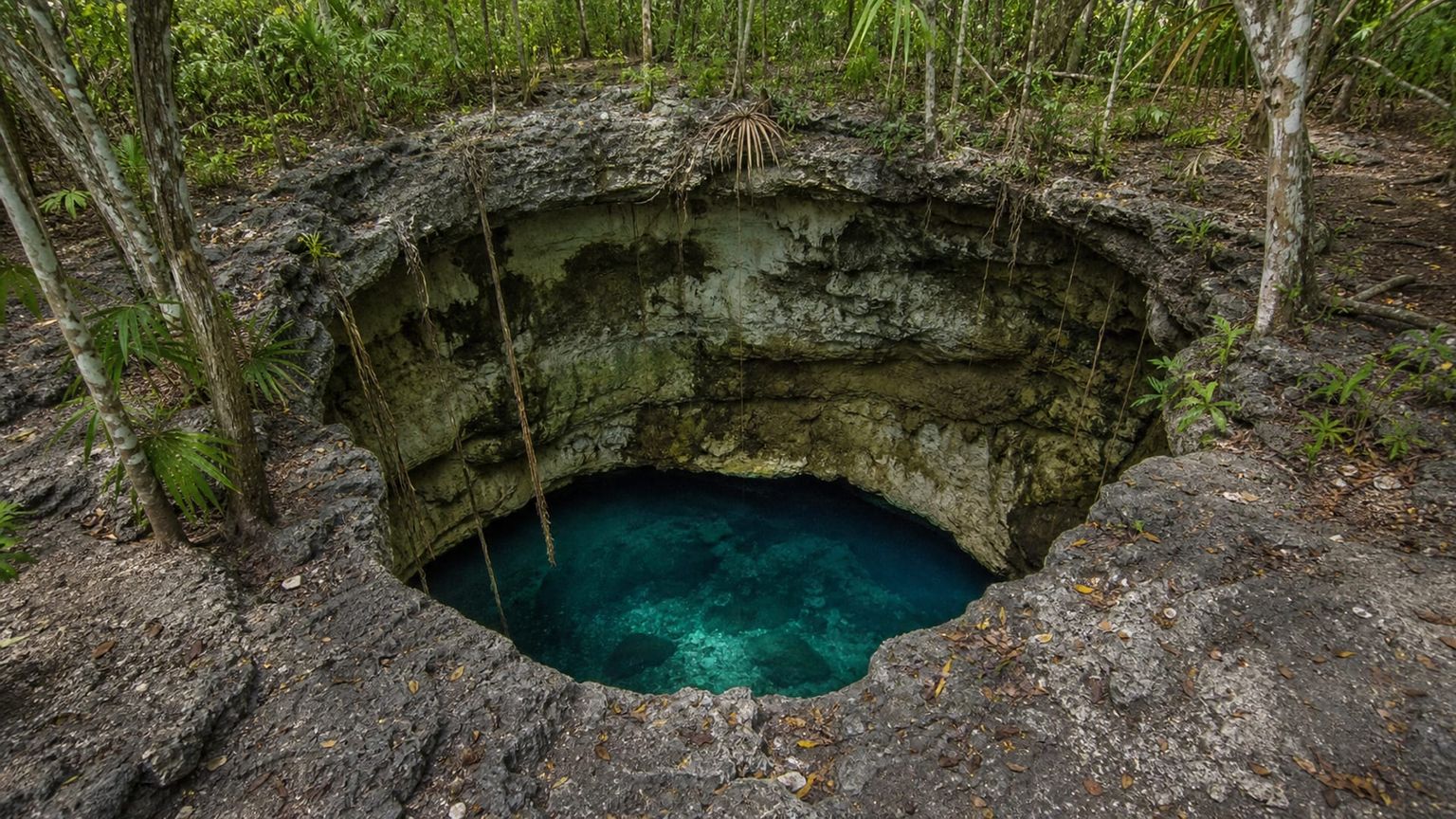
Visit Gran Cenote early, when the first hour after its 8:00 am opening is significantly less crowded than midday. The cenote is a semi-open, half-cave freshwater system a few miles from Tulum Pueblo, with resident freshwater turtles visible most mornings. Allow 1 to 2 hours. Cenote Calavera is 1.25 miles (2 km) further along the same road, with three natural openings in the rock through which you can jump directly into the water. Allow 30 to 45 minutes there, then return to your hotel for a slower afternoon.
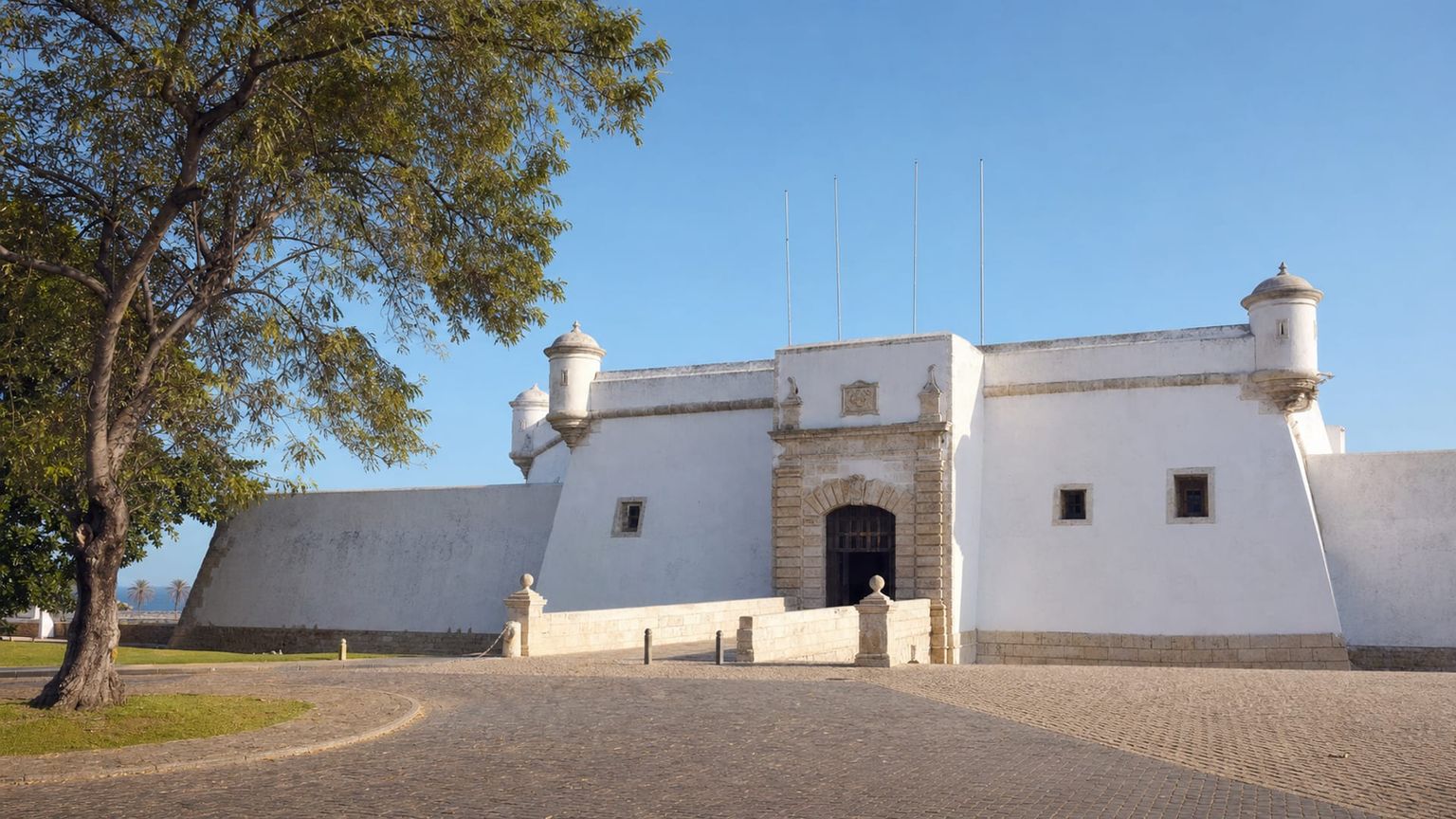
Travel southwest to the Muyil Archaeological Zone, located approximately 15.5 miles (25 km) south of Tulum, within the Sian Ka’an Biosphere Reserve. Muyil is one of the earliest and longest-inhabited Mayan sites on the Yucatan Peninsula’s eastern coast, with a jungle trail leading from the ruins to the Muyil Lagoon, where boat tours through the Sian Ka’an canals can be arranged separately on site. After exploring the ruins, continue with a Sian Ka’an lagoon or canal excursion.
Use the final morning close to your hotel. If you are staying on the coast, leave time for the beach before checking out; from Pueblo, choose breakfast and shopping instead of adding another cross-town excursion. Collect your luggage and leave sufficient time for the trip to Tulum Airport, especially when traffic is heavy.

Business-class flights from the US to Tulum
Business-class itineraries to Tulum vary considerably by origin and schedule. The examples below require two connections, making the routing and total travel time especially important when comparing fares.
Los Angeles (LAX) to Tulum (TQO)
From Los Angeles, United Airlines, American Airlines, and Delta Air Lines offer one-stop and two-stop flights to Tulum. United Airlines offers several daily flights, some with only one layover at Houston George Bush Airport (IAH) and others with two layovers: one at Phoenix Sky Harbor International Airport (PHX) and another at Miami International Airport (MIA). Depending on the number and duration of layovers, total travel time ranges from 7 to 17 hours. Round-trip business-class fares range from $1,400 to $3,600.
Los Angeles travelers usually see American Airlines, Delta Air Lines, United Airlines, Aeromexico, and Alaska Airlines on the schedule, with nonstop flights taking about 4 to 5 hours. One-stop options through MEX, DFW, or IAH often price lower, roughly $400 to $850 round trip, while typical business fares from Los Angeles to Tulum range from $900 to $1,900 round trip.
Plan Tulum by area
Tulum is easier to explore when you keep the archaeological zone, cenotes, Pueblo, and the Beach Zone in separate parts of the trip instead of crossing between them repeatedly. AranGrant experts can help you compare business-class flights and hotels that fit your dates and preferred location.







