


Most travelers planning a trip to Japan start with a familiar question: which hotel should you book? Yet a traditional ryokan belongs in that conversation alongside Japan’s best hotels, especially when you want the stay itself to carry cultural meaning. A ryokan is a traditional Japanese inn where lodging, meals, bathing, clothing, and hospitality come together in one overnight experience.
For travelers who prefer business-class flights, refined hotels, and well-timed itineraries, a ryokan adds something different. It offers comfort through attentive service, warm baths, seasonal meals, and a room designed for rest rather than excess. Instead of using the room simply as a place to sleep between activities, you experience the stay as one of the trip’s planned highlights.
Read in this post:
What is a traditional ryokan and how does it differ from a hotel
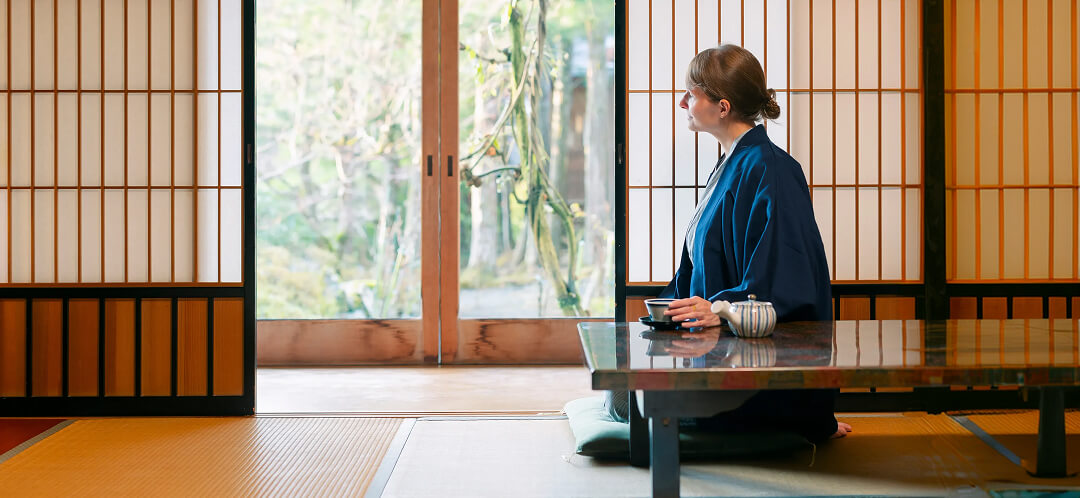
A traditional ryokan is a Japanese inn where the room, meals, bathing, clothing, and service all follow a traditional Japanese lodging format. The main difference in the ryokan vs hotel comparison is that a hotel gives you a private room and optional services, while a ryokan guides the entire overnight stay. Dinner, breakfast, bathing customs, staff guidance, and room preparation are part of the experience from the start.
A traditional ryokan includes:
- Tatami-matted rooms with low furniture
- Futon bedding laid out by staff
- Yukata robes for use inside the property
- Private or shared baths, with access varying by room category and property style
- Dinner and breakfast included in standard full-stay plans
- More staff guidance than a standard hotel
Together, these details answer the practical question behind what is a ryokan: it is not just a room with Japanese design elements, but a lodging style built around service, meals, bathing, and local tradition.
The hospitality style also sets the ryokan apart. Ryokan service reflects omotenashi, a Japanese approach to hospitality built around anticipation, attentiveness, and care. Staff explain mealtimes, bathing customs, room use, and the order of the stay, so you do not have to interpret each detail on your own.
Meals are part of the ryokan format, not a separate reservation. A hotel treats the room, dining, and service as separate choices. A ryokan brings them together, which gives the stay a more personal and complete feel than a standard hotel night.
Room choice matters. If you prefer a Western-style bed, private bathroom, or in-room bath, check the room category carefully before booking. The most traditional room is not always the most comfortable choice for every traveler.
What to expect during an overnight stay, from tatami rooms to onsen baths
When you arrive at a ryokan, staff greet you at the entrance, ask you to remove your shoes, show you to your room, and explain the dining and bathing schedule. After you settle into the tatami room, the evening centers on kaiseki dinner and bathing, with staff preparing the futon bedding later for sleep. The next morning begins with a traditional Japanese breakfast before check-out.
Dinner is often the most memorable part of the evening. Many ryokan serve kaiseki, a multi-course dinner built around local and seasonal ingredients. Service takes place either in your room or in a communal dining hall, based on the property’s dining format. Regional ingredients and seasonal dishes give kaiseki much of its local character.
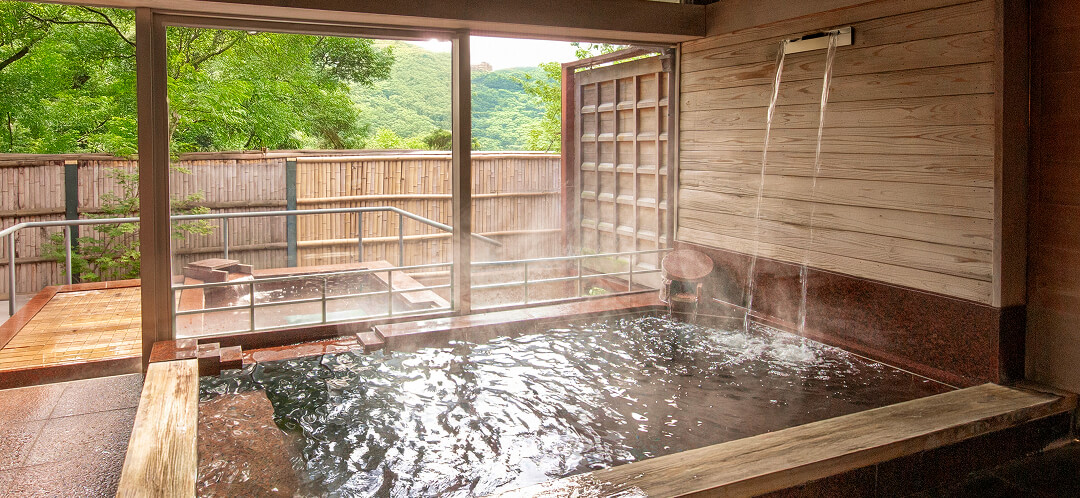
Bathing is another core part of the stay, especially at ryokan with onsen, or natural hot-spring baths. Most onsen baths are communal and gender-segregated, with bathing areas separated from changing spaces. Some properties also offer private in-room baths or reservable private baths for travelers who prefer privacy or want to avoid communal bathing.
The next morning includes a traditional Japanese breakfast. Expect a more structured meal than a typical hotel buffet, with small dishes, rice, soup, fish, pickles, and seasonal items chosen by the property.
Keep the evening and morning free when you book a ryokan. The stay loses much of its value if dinner, bathing, and breakfast are squeezed between late sightseeing plans.
Ryokan etiquette worth knowing before you arrive
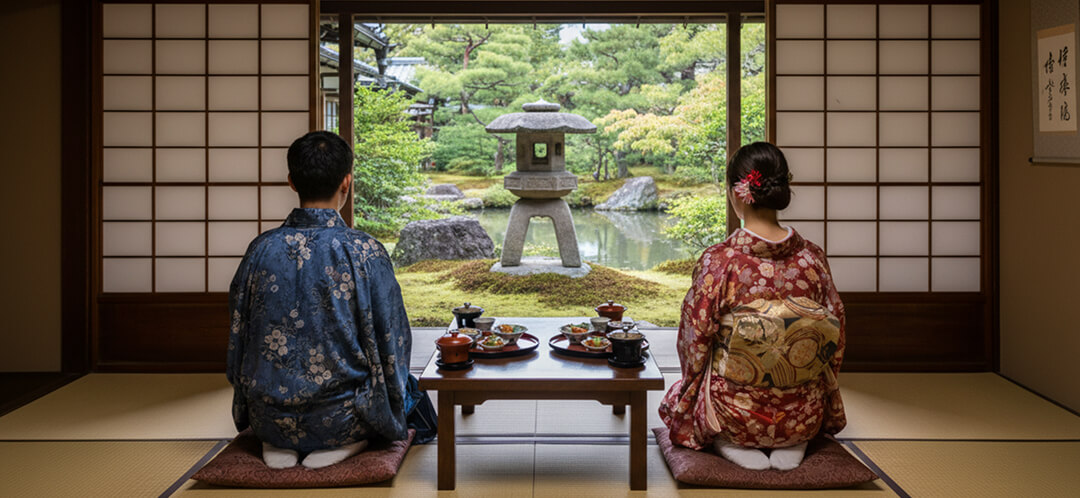
Ryokan etiquette means following the inn’s rules for shoes, tatami rooms, communal baths, tattoos, and dinner timing. It is an important part of the stay because it protects shared spaces and shows respect for the inn, staff, and other guests.
The main rules are simple:
- Remove your shoes where staff indicate
- Never step onto tatami flooring with slippers
- Wash and rinse before entering an onsen
- Keep towels, soap, shampoo, and long hair out of the bathwater
- Check tattoo rules before using shared baths
- Arrive by 6 pm when dinner is included
Tattoo policies require planning before arrival. Many onsen restrict visible tattoos, although tattoo-friendly baths exist, and some towns, including Kinosaki, are known for a more open approach. Private baths, sometimes called kashikiri-buro, remove the concern for travelers who prefer not to use shared bathing areas. They are available at many properties and cost about ¥1,000 to ¥5,000 ($7 to $35) for a 40- to 60-minute session.
Arrival timing affects dinner service. Check-in hours vary, but dinner-included stays follow set evening meal times. Arriving after 6 pm can affect the meal service, especially at smaller ryokan where the kitchen works around a fixed schedule.
Weekday stays give you a calmer and better-priced option in many popular hot-spring towns. Weekend demand rises quickly in destinations within easy reach of major cities, so midweek dates give you more room choice and a quieter atmosphere.
The safest plan is to arrive in the afternoon, settle into the room, ask any questions, and leave time for dinner and bathing before bed.
Where to find Japan’s most historic ryokan
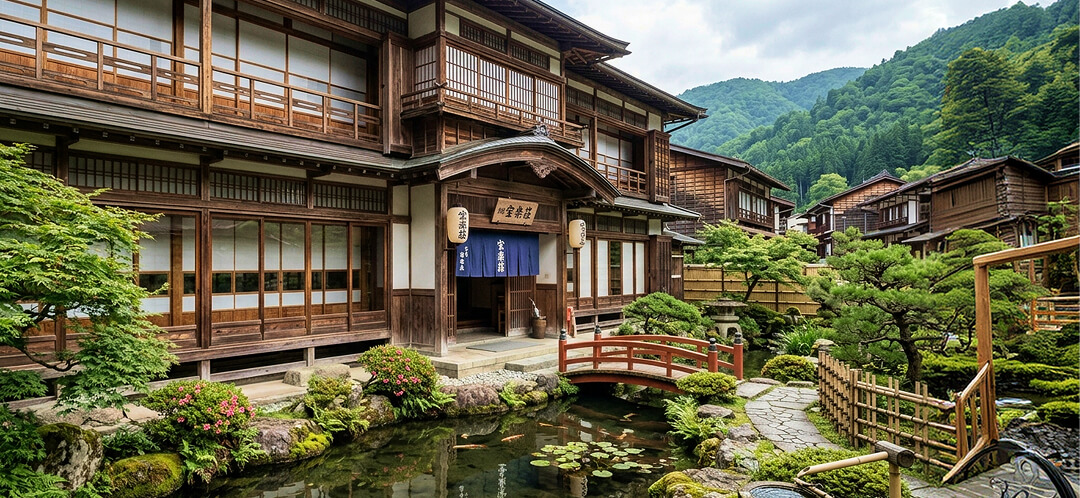
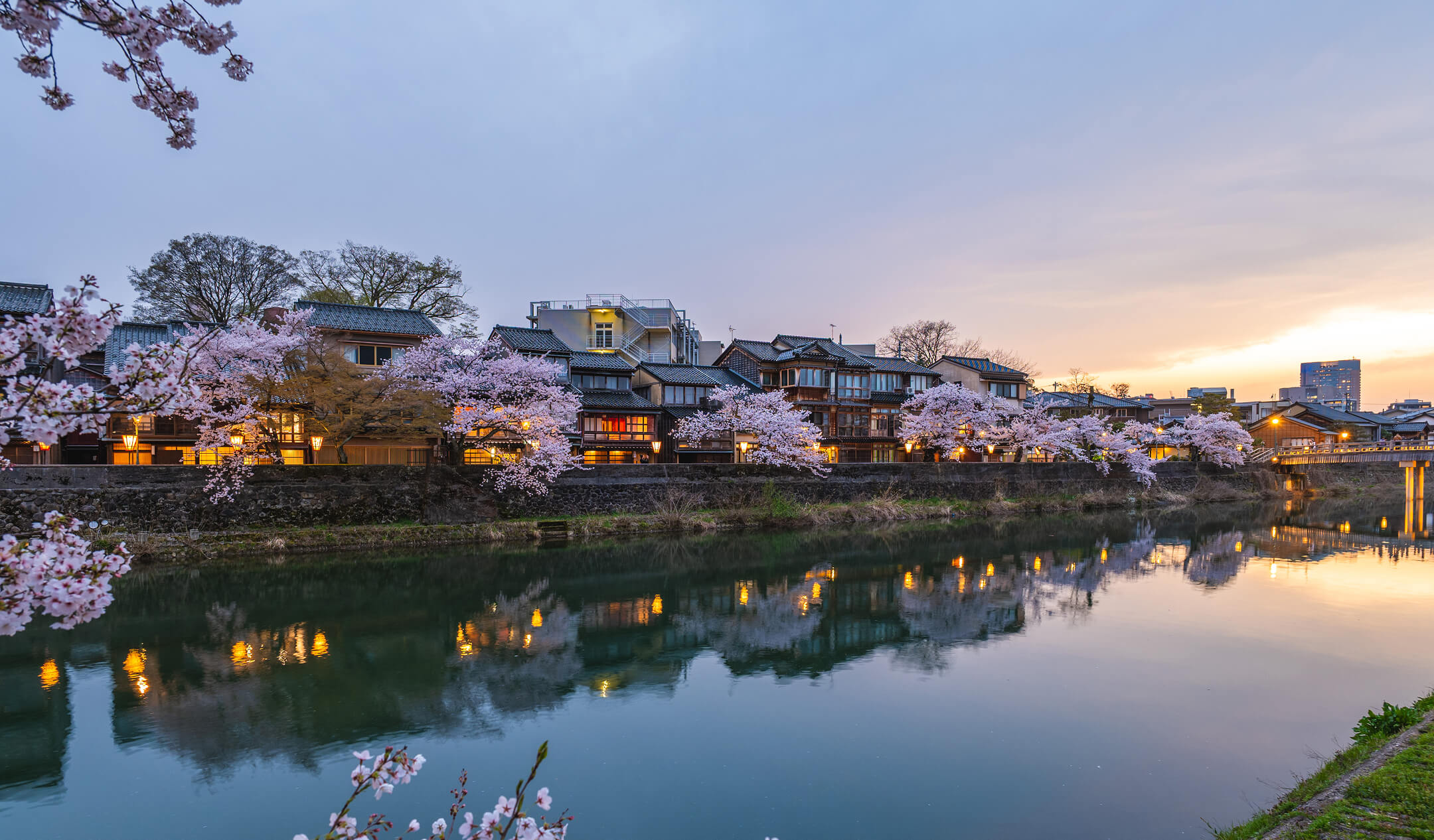
Japan’s most historic ryokan are found in hot-spring towns, former capitals, and mountain regions where innkeeping has shaped travel for centuries. Some of the world’s oldest continuously operating inns are ryokan, and the tradition traces its roots to the Nara period, from 710 to 784 AD. The setting you choose changes the stay: hot-spring towns focus on bathing, historic cities place you near temples and gardens, and mountain retreats give the experience a quieter natural backdrop.
The best ryokan in Japan are not limited to one region. You will find them across several types of destinations:
- Hakone: hot springs, mountain scenery, and easy access from Tokyo
- Kinosaki: classic onsen-town atmosphere and public bathhouses
- Kyoto: traditional inns near temples, gardens, and historic districts
- Nara: temples, gardens, and a quieter historic setting near ancient capital sites
- Nagano: mountain retreats, cooler air, hot springs, and alpine scenery
Some ryokan have remained in the same families for centuries, which shows how closely the format is tied to place, continuity, and inherited hospitality. You do not need to choose the oldest inn in Japan to feel that heritage. The more practical decision is choosing the region that matches the kind of stay you want.
Hakone suits travelers who want hot springs without adding a complicated travel leg from Tokyo. Kinosaki gives you a classic onsen-town stay, with public bathhouses and ryokan forming the center of the visit. Kyoto and Nara suit travelers who want traditional lodging near cultural sites, while Nagano suits those who want mountain scenery, cooler air, and a quieter retreat.
Onsen ryokan and city ryokan serve different purposes. Choose an onsen ryokan when bathing and rest are the main focus. Choose a city ryokan when you want traditional lodging with easier access to temples, gardens, restaurants, and historic neighborhoods.
The right region depends on whether you want hot springs, historic sightseeing, mountain scenery, or a combination of all three.
What a stay costs and how far ahead to book
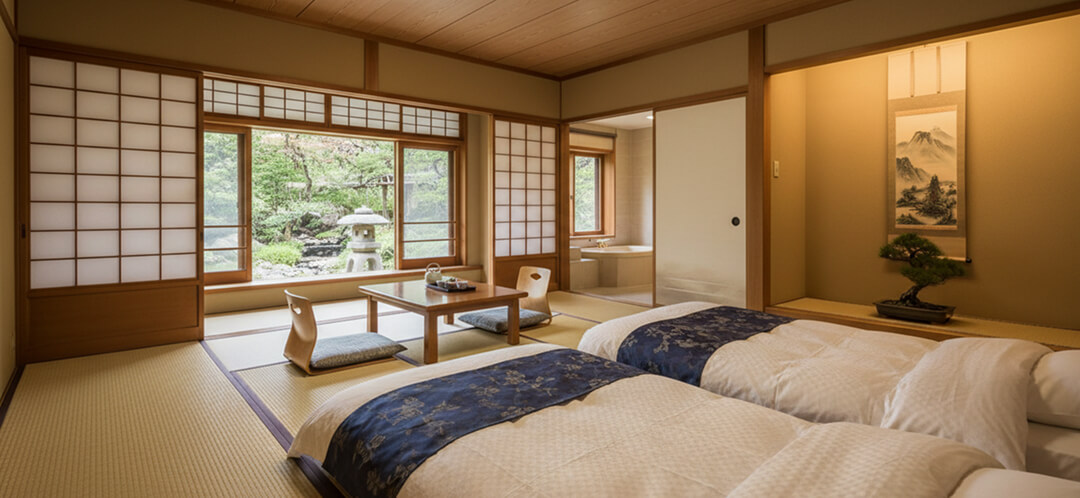
Ryokan pricing starts at about ¥15,000 ($100) per person per night, with many properties priced higher. High-end ryokan, especially those with private in-room baths, elaborate kaiseki dinners, or strong seasonal demand, reach ¥30,000 to ¥80,000 ($195 to $515) per person per night. Pricing is per person, not per room, and dinner and breakfast are included in the standard full-stay plans at many ryokan.
For planning purposes, expect:
- Entry point: ¥15,000 ($100) per person per night
- High-end ryokan: ¥30,000 to ¥80,000 ($195 to $515) per person per night
- Pricing style: per person, not per room
- Usually included: dinner and breakfast
- Best booking window: several months ahead for October and November
This pricing structure matters when you compare a ryokan with a hotel. A hotel rate may look simpler at first, but dinner, breakfast, and service often fall outside the room price. A ryokan rate reflects the full overnight stay, especially when kaiseki dining and bathing facilities are included.
Fall requires earlier planning. October and November are peak months for foliage travel in many parts of Japan, and the most historic or highly rated ryokan sell out months ahead. Booking early gives you a better chance of securing the right room type, dinner plan, and bath arrangement.
If you are arranging a longer Japan itinerary, you can pair one or two ryokan nights with city hotels in Tokyo, Kyoto, Osaka, or other stops. Use AranGrant’s hotel search to compare the rest of your Japan lodging while keeping the ryokan stay as a distinct part of the trip.
Book the ryokan before finalizing nearby hotel nights if you are traveling in autumn, staying in a small hot-spring town, or looking for a room with a private in-room onsen. These room types have limited inventory, and your transfer times, sightseeing plans, and next hotel stay become easier to arrange once the ryokan date is fixed.
Final thoughts
A ryokan stay belongs on a Japan itinerary when you want the trip to include traditional hospitality, regional dining, and time away from the pace of Japan’s major cities. It lets you experience Japanese hospitality through the parts of the trip travelers often remember most: the room, the meal, the bath, and the quiet morning before departure.
For the full ryokan experience without the etiquette learning curve, look for a property with a private in-room onsen. This removes the communal bathing consideration while preserving the comfort, privacy, and atmosphere that make the stay distinctive.