

Chapters:

Need help with your trip?
Our support team is available 24/7. Request a callback or call us directly at (833) 619-0908
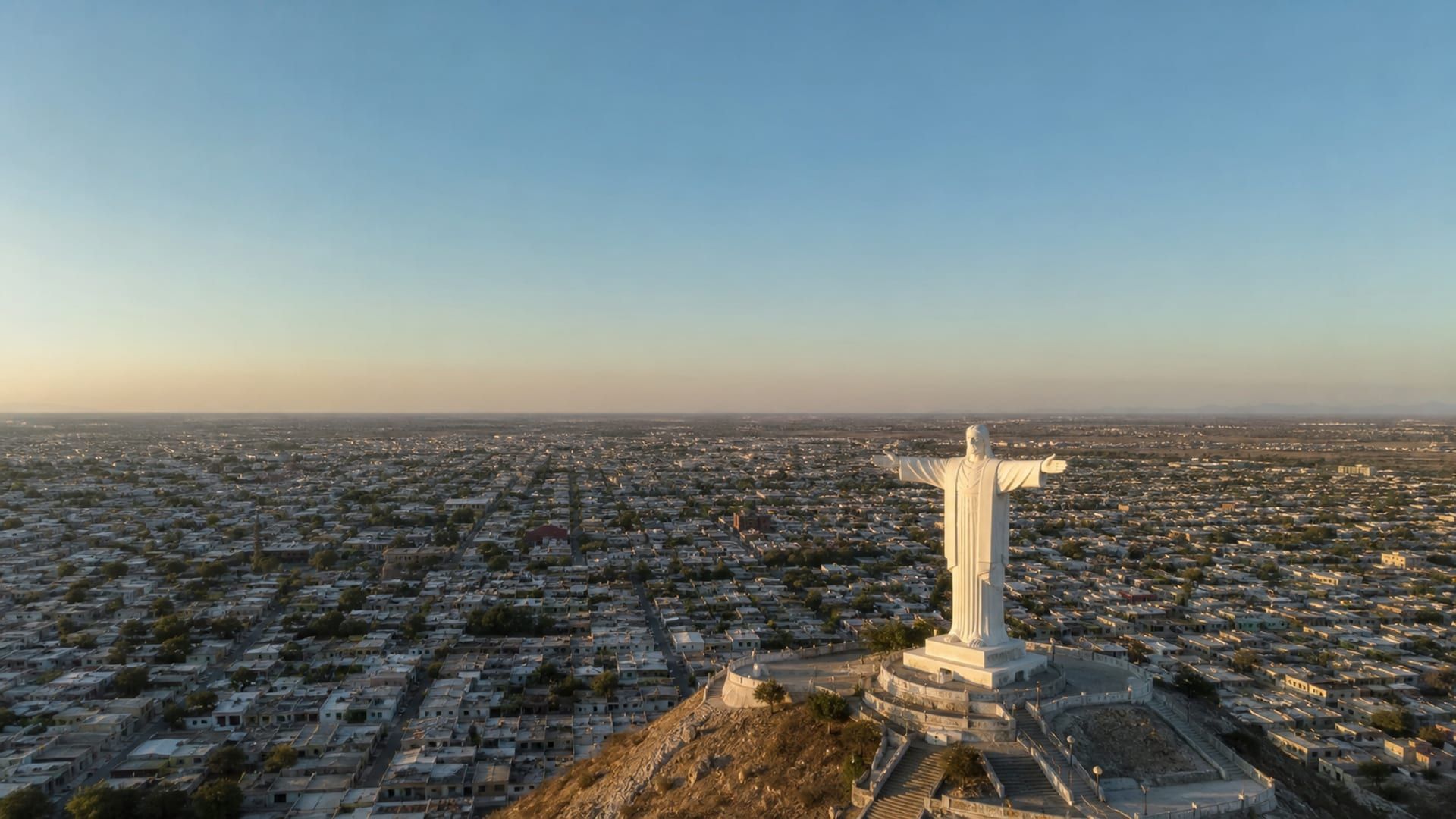
Torreón trips often start with a hotel near the center, a quick visit to the plaza, and one hilltop stop before departure. Travelers usually miss how much the city changes once they move beyond the main square.
That simple loop can leave out the distances between attractions, the midday closures that cut into lunch plans, and the time it takes to cross town for a canyon visit or an evening lookout.
This guide arranges Torreón into a clearer sequence, with neighborhoods, transit, food, and day trips set out so you can see what fits together and what needs a separate block of time.
Useful things to know

Main language(s): Spanish
Hola (OH-lah) – Hello
Por favor (por fah-VOR) – Please
Gracias (GRAH-see-ahs) – Thank you
¿Habla inglés? (AH-blah een-GLEHS) – Do you speak English?
¿Cuánto cuesta? (KWAN-toh KWEHS-tah) – How much does it cost?

Currency: The local currency is the Mexican peso (MXN, $).

Cash and cards: Cards and contactless are widely accepted; carry about MXN 300 to 600 in cash for small purchases and taxis.

Tipping: Round up small bills; leave about 10% at sit-down restaurants if service is good.

Traditional food: cabrito, discada, asado de puerco, gorditas

Water and coffee costs: Water about MXN 20 ($1), bar espresso about MXN 40 ($2).

Taxis and ride apps: Uber and DiDi operate here; availability can thin late at night.

Plug and voltage: Type A/B socket, 127V

Dining and shop opening hours: Breakfast is about 07:00-10:30, lunch 14:00-16:00, and dinner 20:00-23:00. Many restaurants close midafternoon.

Emergency number: 911 for police, fire, and medical emergencies.
Where to stay in Torreon
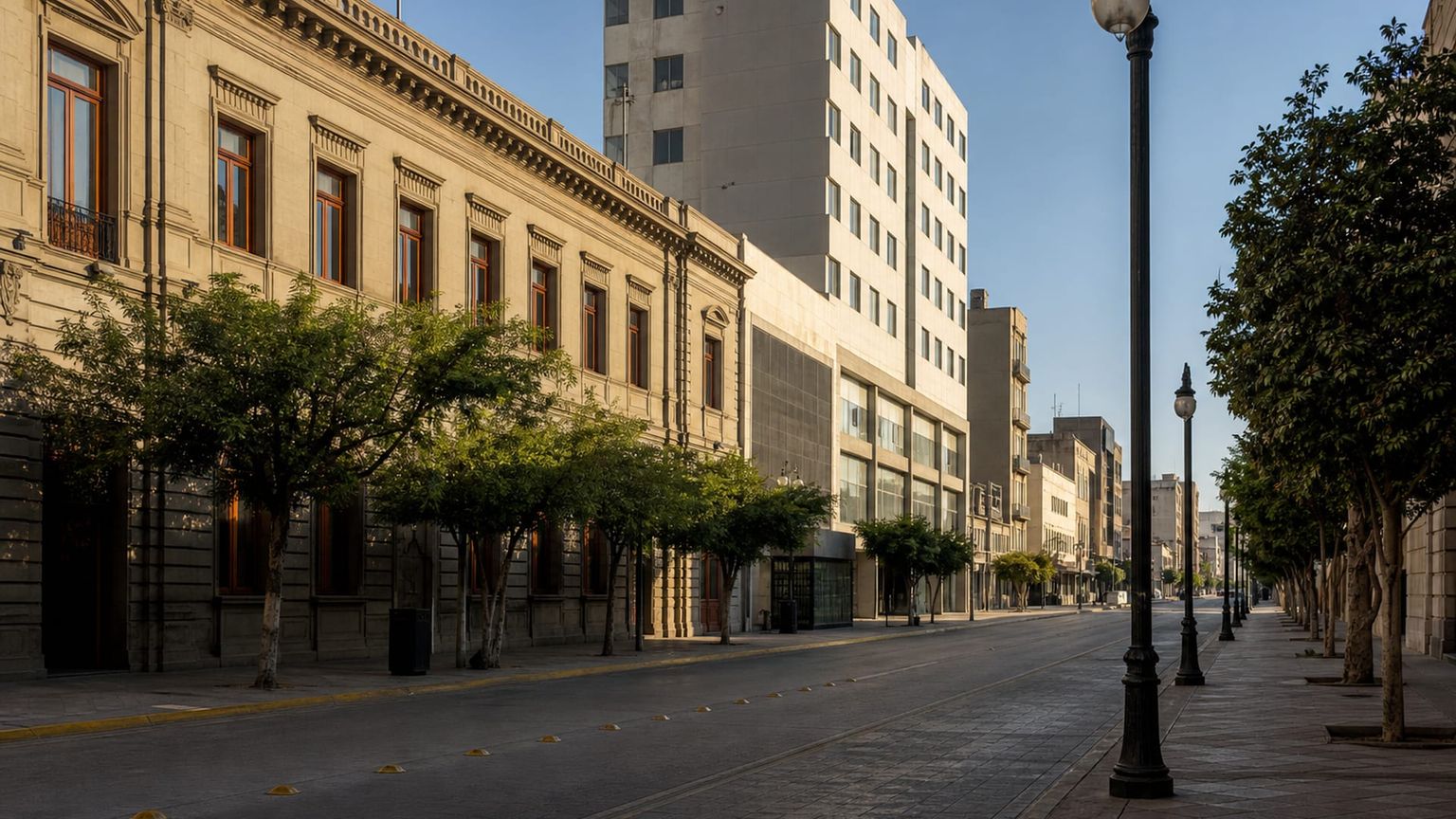
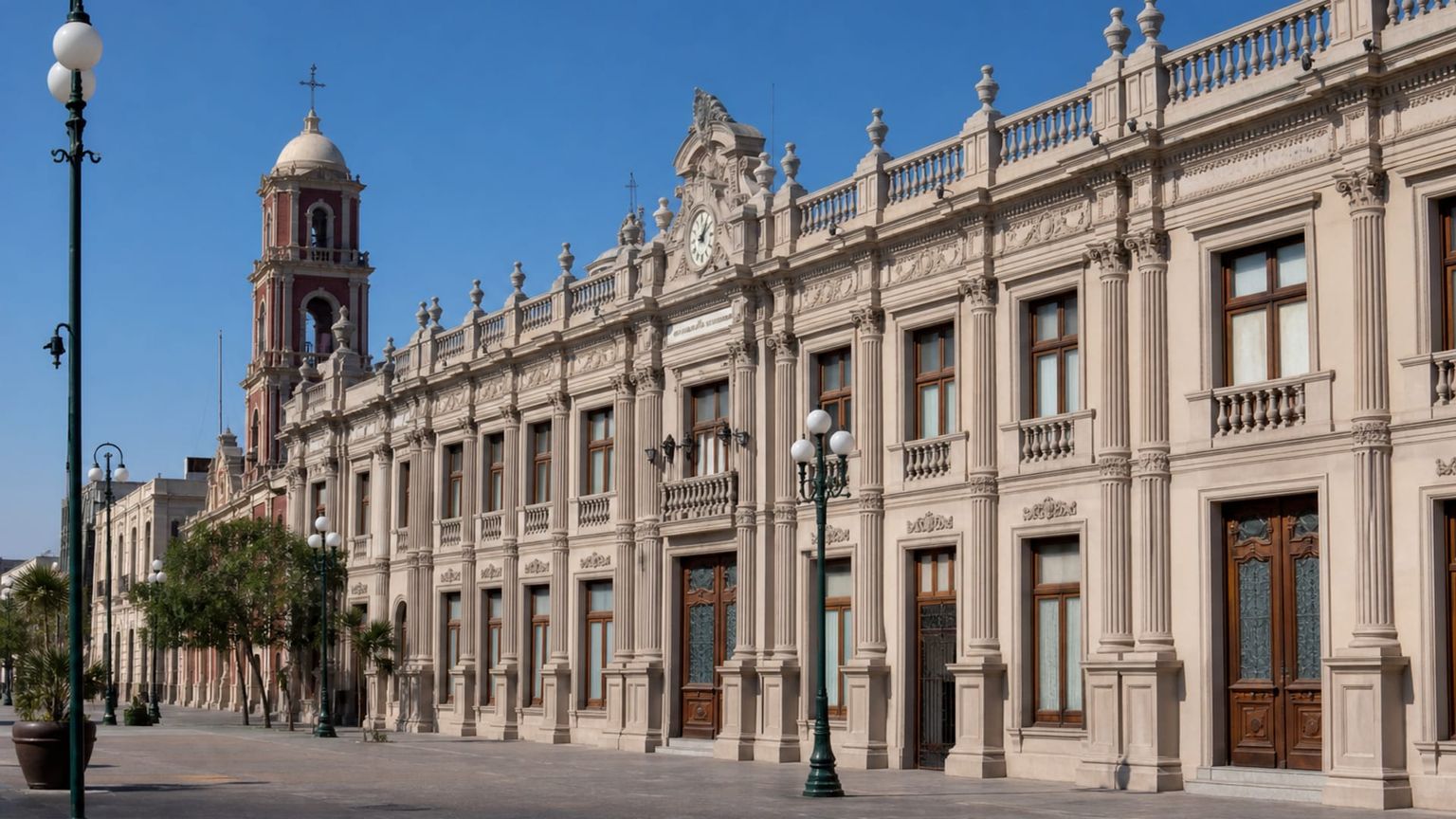
Torreon’s historic center puts you near the main plaza, the cathedral, markets, and older commercial streets. It works well for seeing the city on foot, with the densest cluster of municipal buildings, local eateries, and transit connections in one place.
Best for: First-time visits, sightseeing, and travelers who want to move around without long transfers
What to expect: Busy sidewalks by day, more subdued streets after dark, with the most activity near shops, offices, and food stalls
Hotel prices: Usually about MXN 900 to MXN 1,800 (~$53 to ~$106) per night for well-rated stays
Distance to major sights: 5 to 15 minutes on foot to Plaza de Armas and the cathedral
Quietness: Lively during business hours, quieter in the evening once shops close
Main trade-off: Older buildings and smaller rooms are common, and parking can be limited on narrow streets
Good to know: Choose a room away from the main square if you want less street noise at night
Travelers usually avoid the industrial fringe north of the center, especially zones near Parque Industrial La Laguna and the airport corridor, because they sit far from the main sights and offer few visitor-oriented hotels or restaurants. The far east in and beyond Ciudad Nazas, plus the southern edge toward Matamoros, is also less convenient for visitors, since evening taxi and rideshare options thin out and you spend more time crossing town for the historic center, Plaza Mayor, and museums.
Hotel deals
How to get around Torreon efficiently
Torreón has no metro, so most visitors move between Centro, the museums, and Cristo de las Noas with short taxi rides, city buses, or app-based cars.

Metro
for longer distances
Torreón has no metro network, so visitors rely on city buses, taxis, and private cars for local travel. For longer hops, intercity buses link the Torreón area with nearby towns and other Coahuila and Durango destinations, while central districts and hotel areas usually stay within a short taxi ride of one another.

Bus and tram
for convenience
Route 1 and similar city buses cover the main corridors between downtown Torreón, the Zaragoza and Abastos areas, and the bus terminal, with many rides costing about $0.30 to $0.60 (roughly 5 to 10 pesos). Pay onboard in cash, ask the driver or a local for the correct stop, and expect limited English signage, so mapping your destination before boarding saves time.

Taxi
for convenience or late hours
Licensed taxis in Torreón typically use negotiated fares rather than meters, with short urban trips often costing about $3 to $7 (roughly 50 to 120 pesos) and airport or cross-town rides often landing closer to $10 to $20 (roughly 170 to 340 pesos). At Torreón International Airport (TRC), use the official taxi counter or ask your hotel to call one, and carry cash, since many drivers prefer pesos, though some accept cards or transfer apps.
*Prices are based on rates updated as of June 2026 and may change at the time of travel.
Walk in Centro, take buses for low-cost cross-town hops, and use taxis or ride apps when you need to reach the airport, the canyon, or the hilltop after sunset.
Iconic landmarks
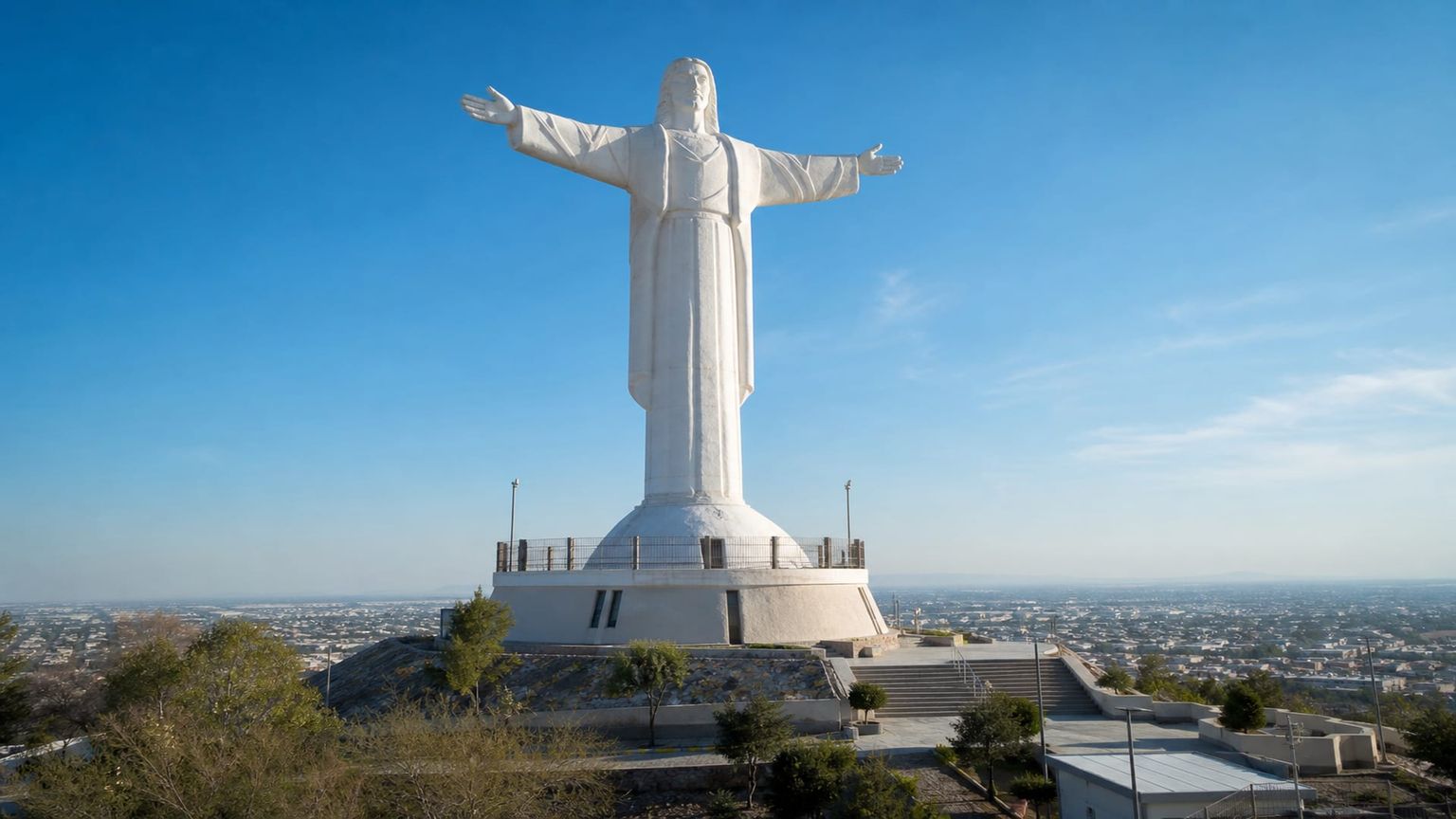
Cristo de las Noas
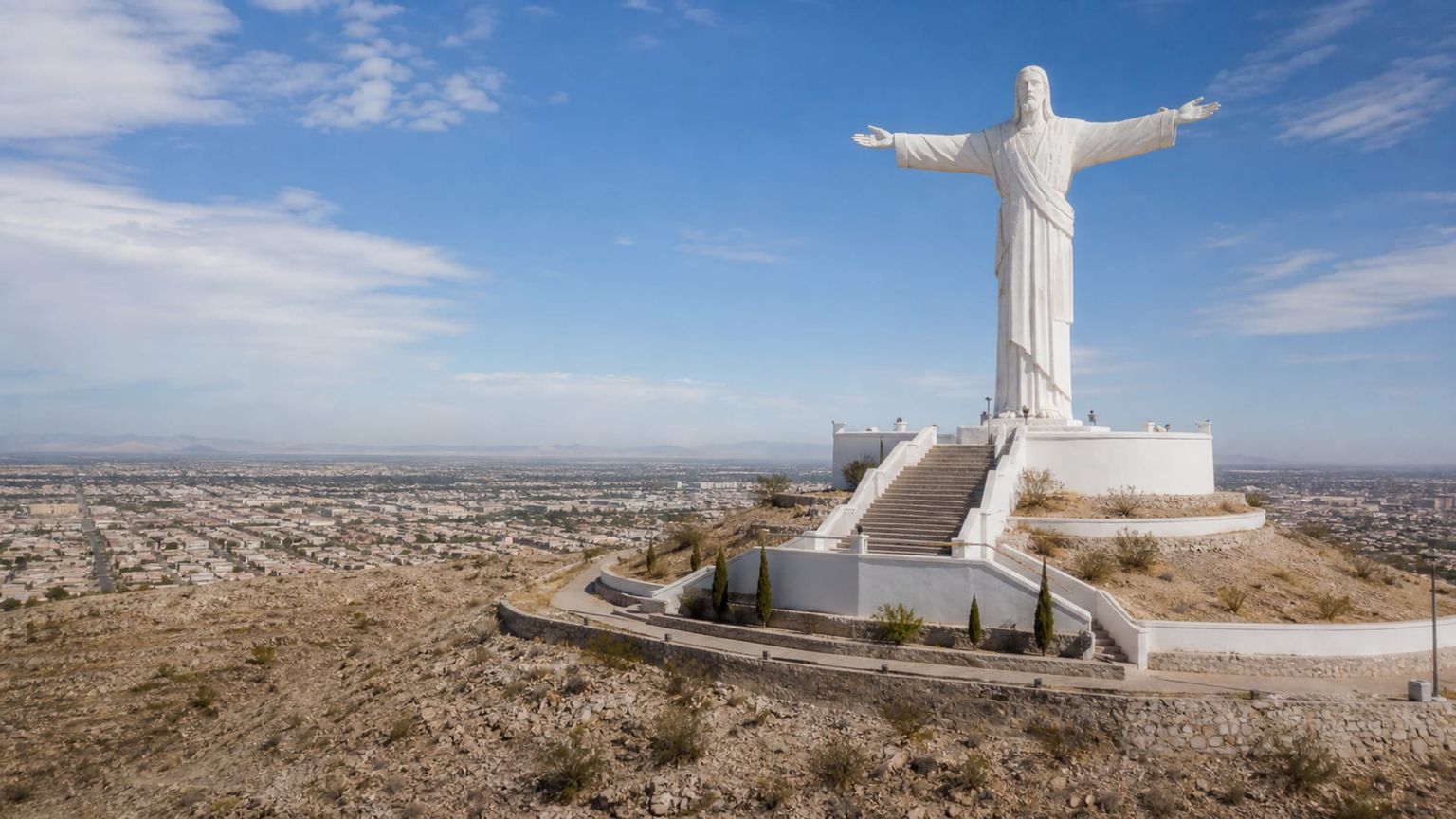
Perched on Cerro de las Noas, this hilltop statue looks over Torreón and the Laguna region. Visitors come for the panoramic city view, the chapel, and the cable car that links the summit to the valley below.
Time needed: About 1 to 2 hours
Entry: Cable car and site access cost about $2 to $5 ($35 to $87 MXN), with separate charges for some chapel areas or special events. Visit the official site for details.
Tip: Go near sunset for clearer views, then ride down before darkness if you want city lights.
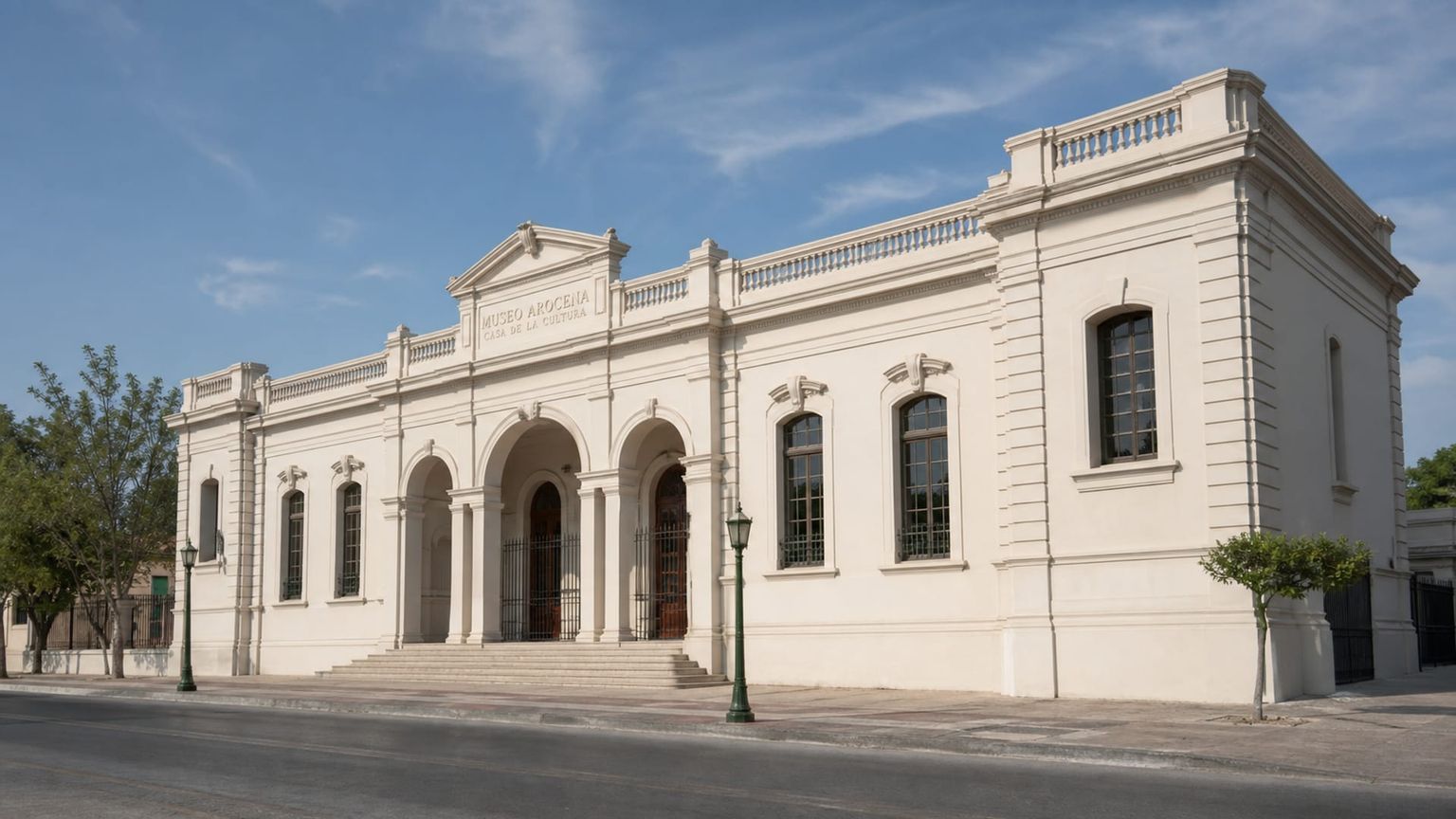
Museo Arocena
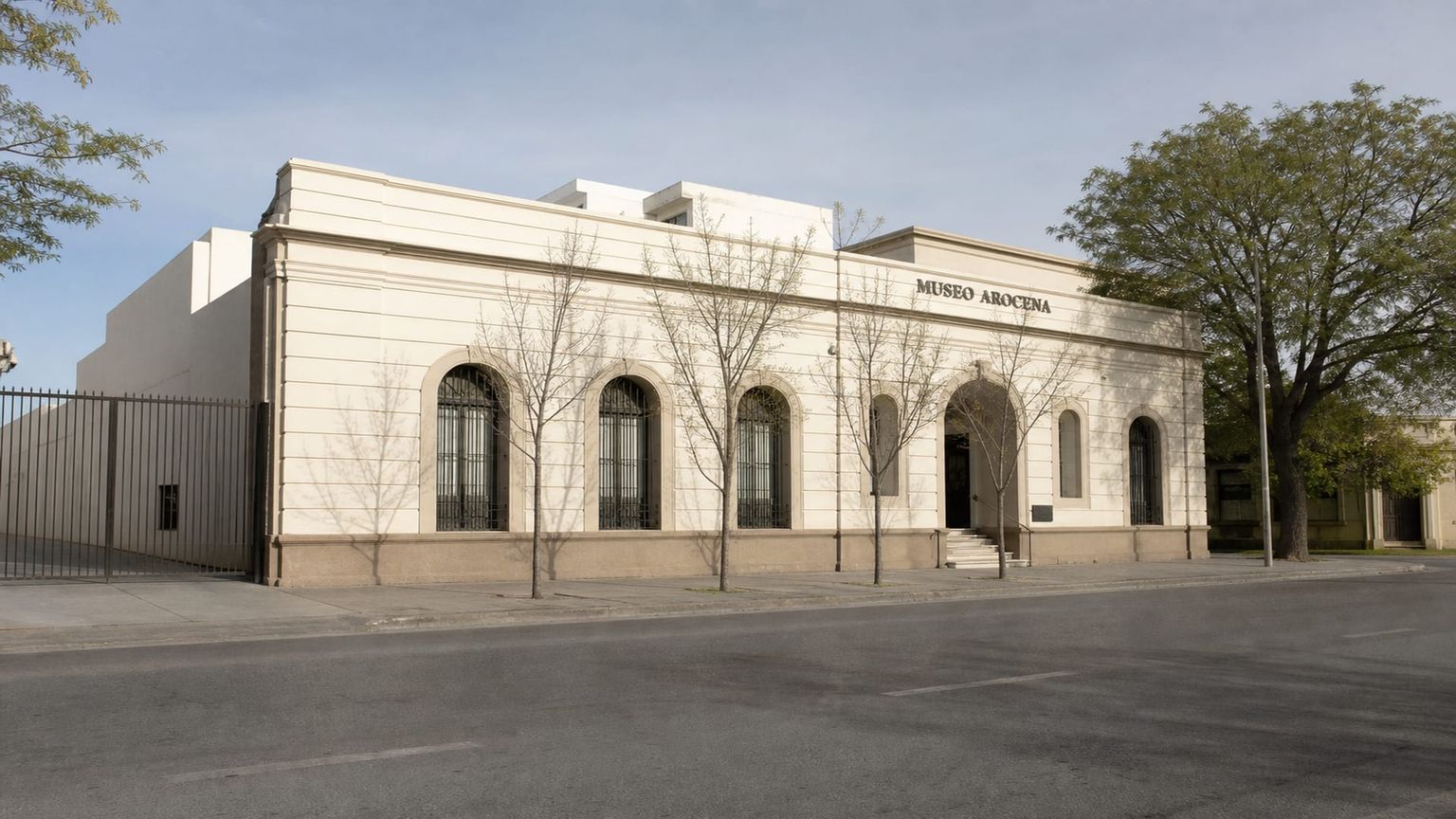
Housed in a restored former hotel, Museo Arocena combines regional history, colonial art, and rotating exhibitions in one compact stop. Its galleries also preserve the building’s early 20th-century architecture in the center of Torreón.
Time needed: About 1 to 2 hours
Entry: Admission costs about $4 to $6 ($70 to $105 MXN), with reduced rates for students and free entry on select local cultural days. Visit the official site for details.
Tip: Visit in the morning, then pair it with a walk through the nearby historic center.
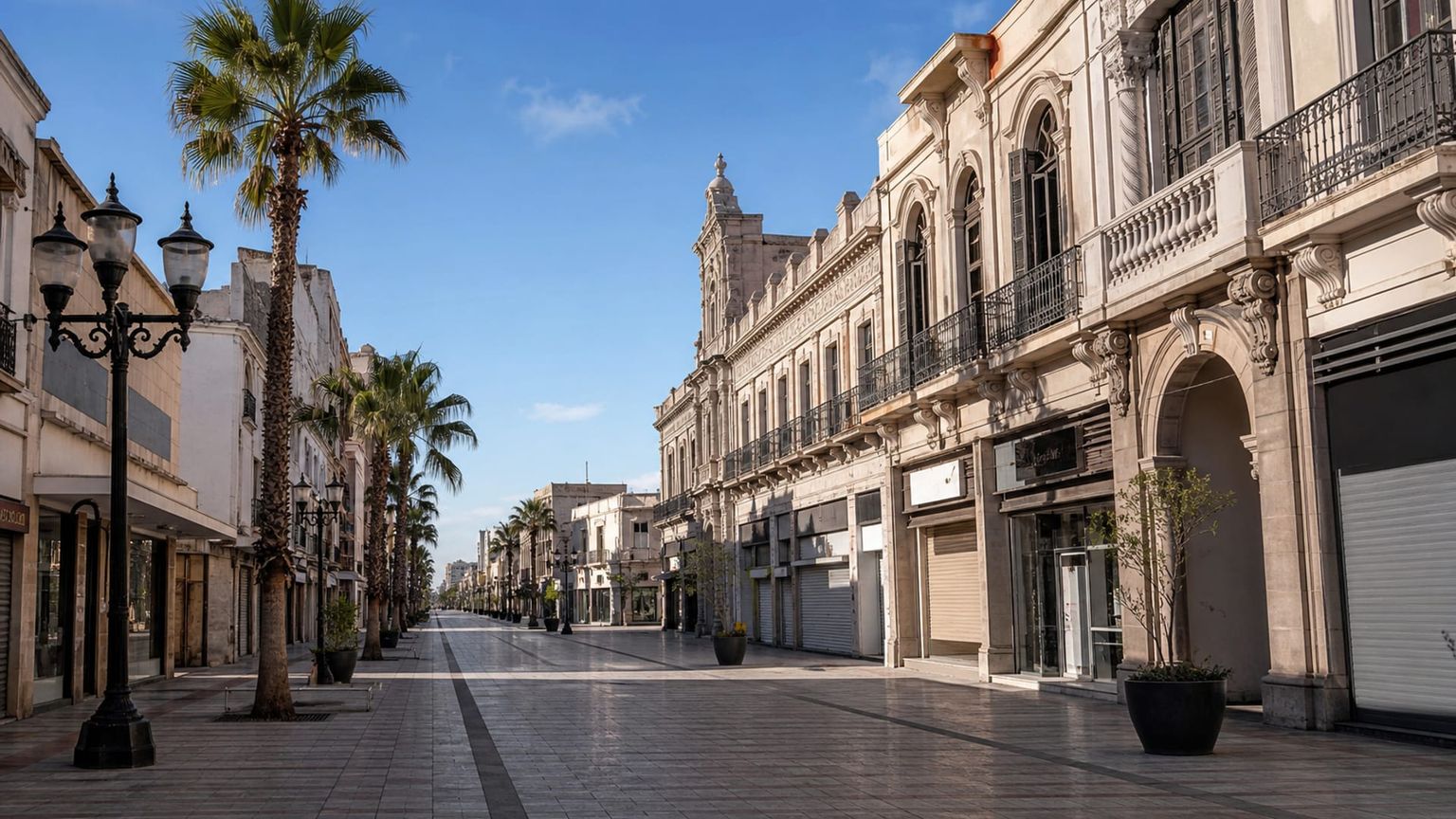
Paseo Morelos
Paseo Morelos is Torreón’s pedestrian corridor, lined with cafés, public art, and older commercial buildings. It gives a quick look at the city center on foot and connects easily with nearby plazas and museums.
Time needed: About 1 to 2 hours
Entry: Free to access, with optional purchases at cafés, shops, and nearby museums along the pedestrian corridor and adjacent plazas.
Tip: Come late afternoon, when the shade improves and nearby cafés fill the pedestrian street.
Overlooked sites worth visiting

Cañón de la Cabeza de Vaca
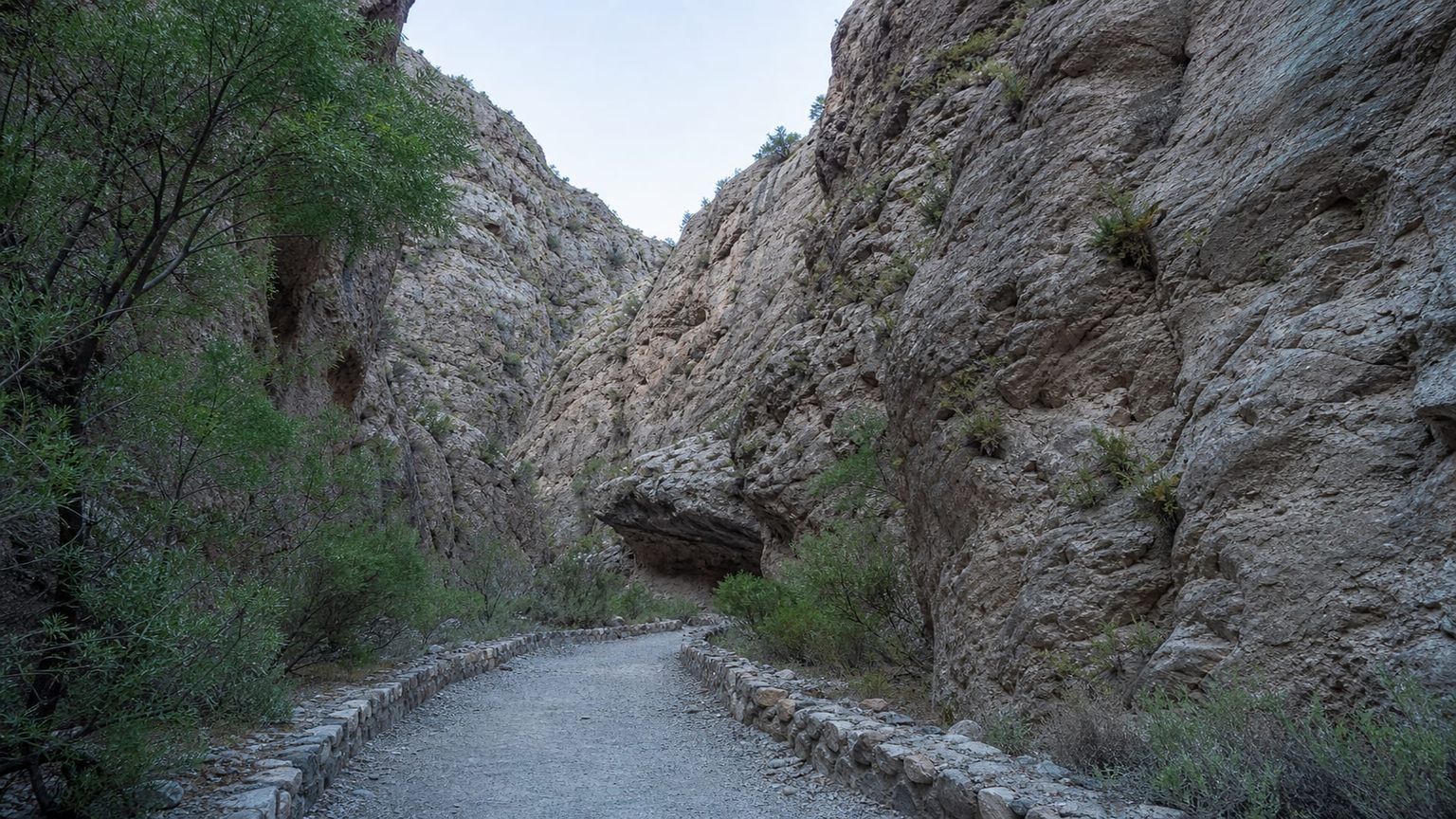
This rocky canyon in the Sierra de Jimulco offers short walks, birdwatching, and wide desert views about 30 km from Torreón. Visit after rain, when the stone walls and seasonal pools show most clearly.
Time needed: About 2 to 3 hours
Entry: Free to access; bring water, closed-toe shoes, and sun protection, since there is no visitor center or staffed gate at the site. Parking is informal, and access can change after heavy rain, so check local conditions before you go.
Tip: Go early for cooler air and better light on the canyon walls.

Museo Arocena
Set in a former 19th-century building on the Plaza Mayor, this museum pairs regional history with Mexican and European art in compact galleries. The courtyards and rotating exhibits make it a good stop between city walks.
Time needed: About 1 to 2 hours
Entry: Admission is about $6 to $8 ($100 to $140 MXN) for adults, with lower rates for students and seniors on some days. Temporary exhibitions can carry separate charges, and guided visits may require reserving a time slot at the museum desk. Visit the official site for details.
Tip: Plan a midday visit, then continue to the Plaza Mayor on foot.
Traditional food
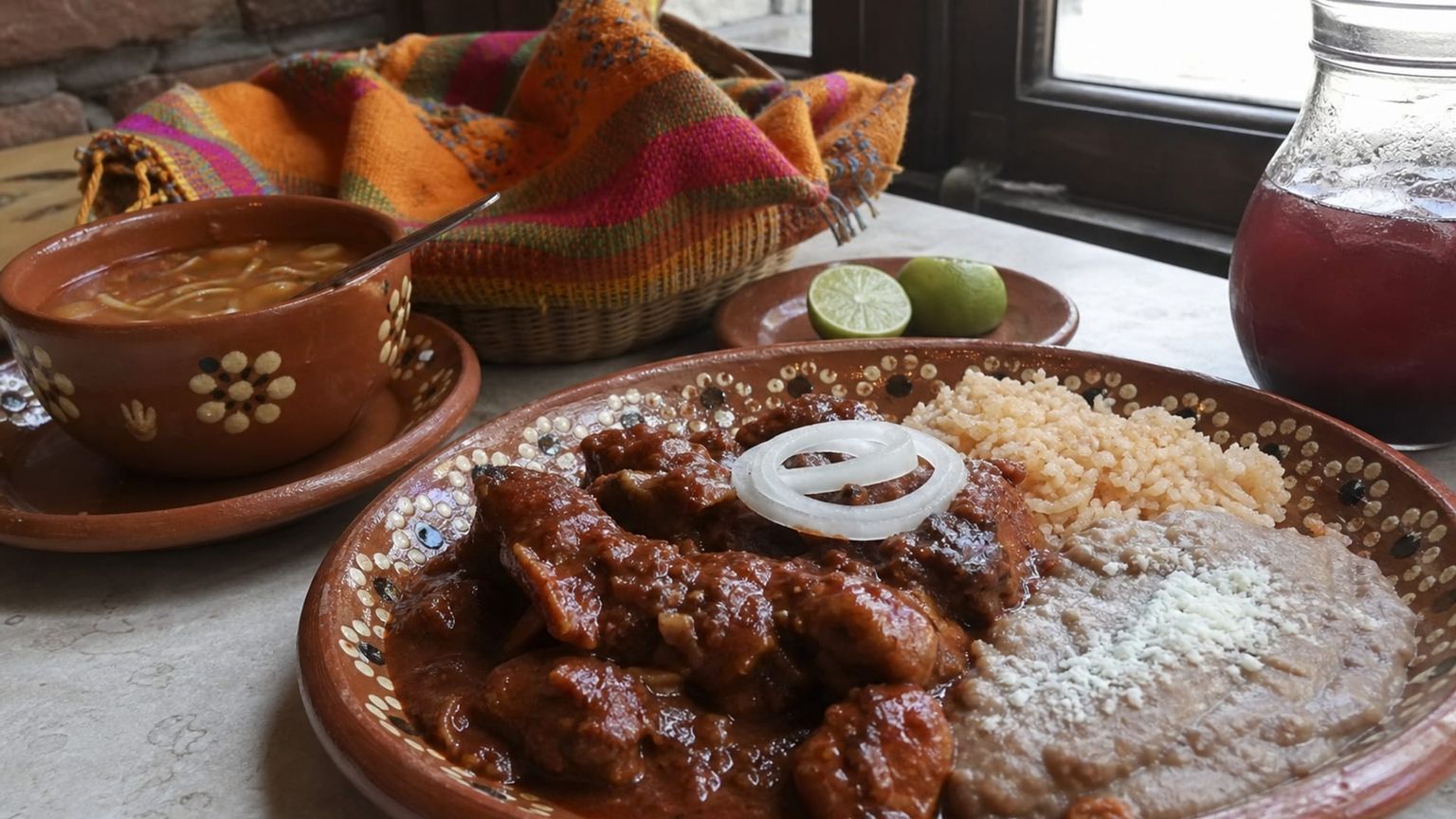
Torreón’s table leans on northern Mexican staples: cabrito, discada, asado de puerco, and gorditas, with grilled meat, corn, and salsas shaping most meals. Lunch runs late, dinner starts later, and many kitchens pause in the afternoon.
Cabrito
Tender young goat is a regional staple in Torreón, often roasted until the meat turns rich and lightly smoky. For a classic meal in the metro area, try it at Los Arcos, a longtime local favorite with a strong grill focus.
Discada
This mixed-meat skillet dish brings together several cuts, aromatics, and seasonings in one pan, then serves well with tortillas. In Torreón, Garufa offers a polished version that suits a long lunch or an early dinner.
Asado de puerco
Pork simmered in a red chile sauce gives Torreón’s home-style cooking its deeper, savory side. At La Espiga de Oro, the dish fits a broader menu of northern classics and breads that work well for a midday meal.
Gorditas
Thick corn pockets with savory fillings make an easy breakfast or afternoon bite, especially when you are moving through Centro. At Gorditas Doña Tota, a familiar local chain, you can compare fillings without leaving the city.
Best time to visit Torreon
Torreón stays hot for much of the year, so the best season depends on whether you want milder daytime walks, clearer canyon views, or the quieter months when the city sees fewer visitors.
Best for: Best for museum days, plaza walks, and early canyon trips
What you get: About 75 to 97°F (24 to 36°C), with warm afternoons and moderate visitor numbers
Trade-offs: Heat builds quickly by late spring
Best for: Best for travelers who do not mind very warm mornings and indoor stops
What you get: About 82 to 102°F (28 to 39°C), with fewer crowds at some sights and more time spent indoors
Trade-offs: Afternoon heat can make long walks tiring
Best for: Best for balanced sightseeing and easier hilltop visits
What you get: About 68 to 90°F (20 to 32°C), with lighter crowds and more comfortable evenings
Trade-offs: Early autumn can still feel hot at midday
Best for: Best for calm center-city touring and the clearest all-around walking weather
What you get: About 48 to 76°F (9 to 24°C), with manageable crowds and crisp mornings
Trade-offs: Some evenings turn cool, especially after sunset
A realistic 5-day plan in Torreon
A five-day Torreón stay works best when you alternate center-city walks with one or two larger outings. The schedule below keeps the historic core close together, then sets aside separate time for the canyon and the hilltop so you are not trying to fold them into the same afternoon.
Land at Torreón (TRC), then take a taxi or app-based ride into Centro in about 20 to 30 minutes, usually for roughly $8 to $15. Check in near Plaza de Armas so you can walk to dinner without much effort, then keep the evening simple with agua fresca, a light meal on Paseo Morelos, and an early night if you arrived on a late flight.
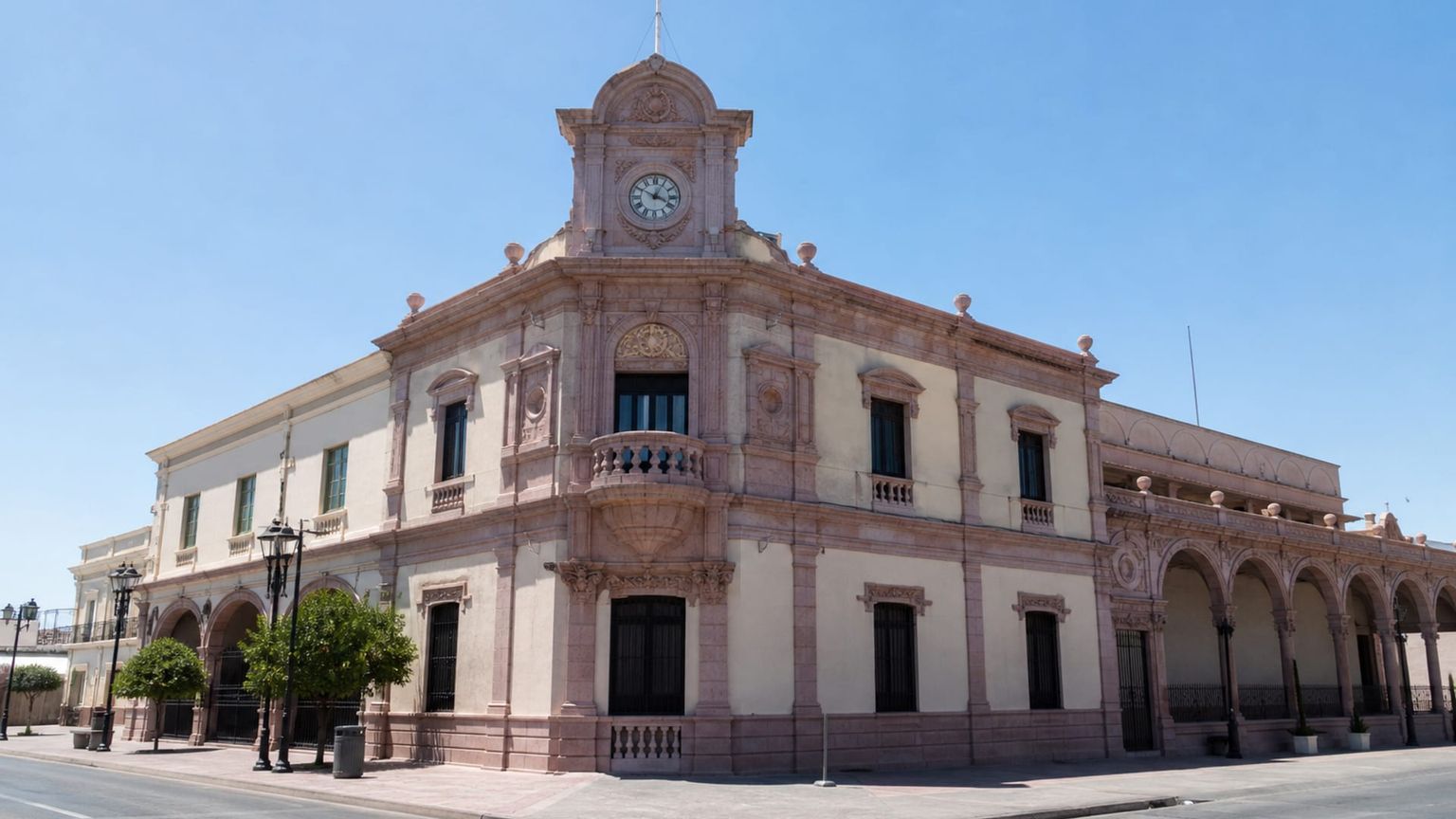
Start with Museo Arocena in the morning, since it sits close to the Plaza Mayor and pairs well with a short center-city walk. Spend about 1 to 2 hours in the galleries, then continue on foot to Paseo Morelos in roughly 5 to 10 minutes for cafés, public art, and a slow lunch. In the late afternoon, walk back toward Centro’s older streets for a second look at the cathedral and nearby plazas before dinner nearby.
Begin early for Cañón de la Cabeza de Vaca, about a 45 to 60 minute drive from Centro depending on traffic and road conditions. Plan 2 to 3 hours on site, with time for short walks, birdwatching, and desert views, and carry water, sun protection, and closed-toe shoes because there is no staffed gate or visitor center. Return to Torreón for an easy dinner in Centro, where the evening can stay low-key after the canyon outing.
Head uphill near sunset for Cristo de las Noas, which takes about 15 to 25 minutes by car from Centro, or longer if you combine a taxi ride with the cable car. Spend 1 to 2 hours at the summit for the chapel and wide city view, then ride down before dark if you want the city lights below. If you have energy afterward, end with a late snack near the main plaza rather than a full sit-down meal.
Start the morning with one last stop at Museo Arocena if you want a final museum hour, then walk back through Centro for any shopping around the Plaza Mayor and surrounding streets. After that, settle into a café in the historic center for coffee and a pastry, with enough time to pack, check out, and head to Torreón (TRC) without rushing.
Business-class flights from the US to Torreon
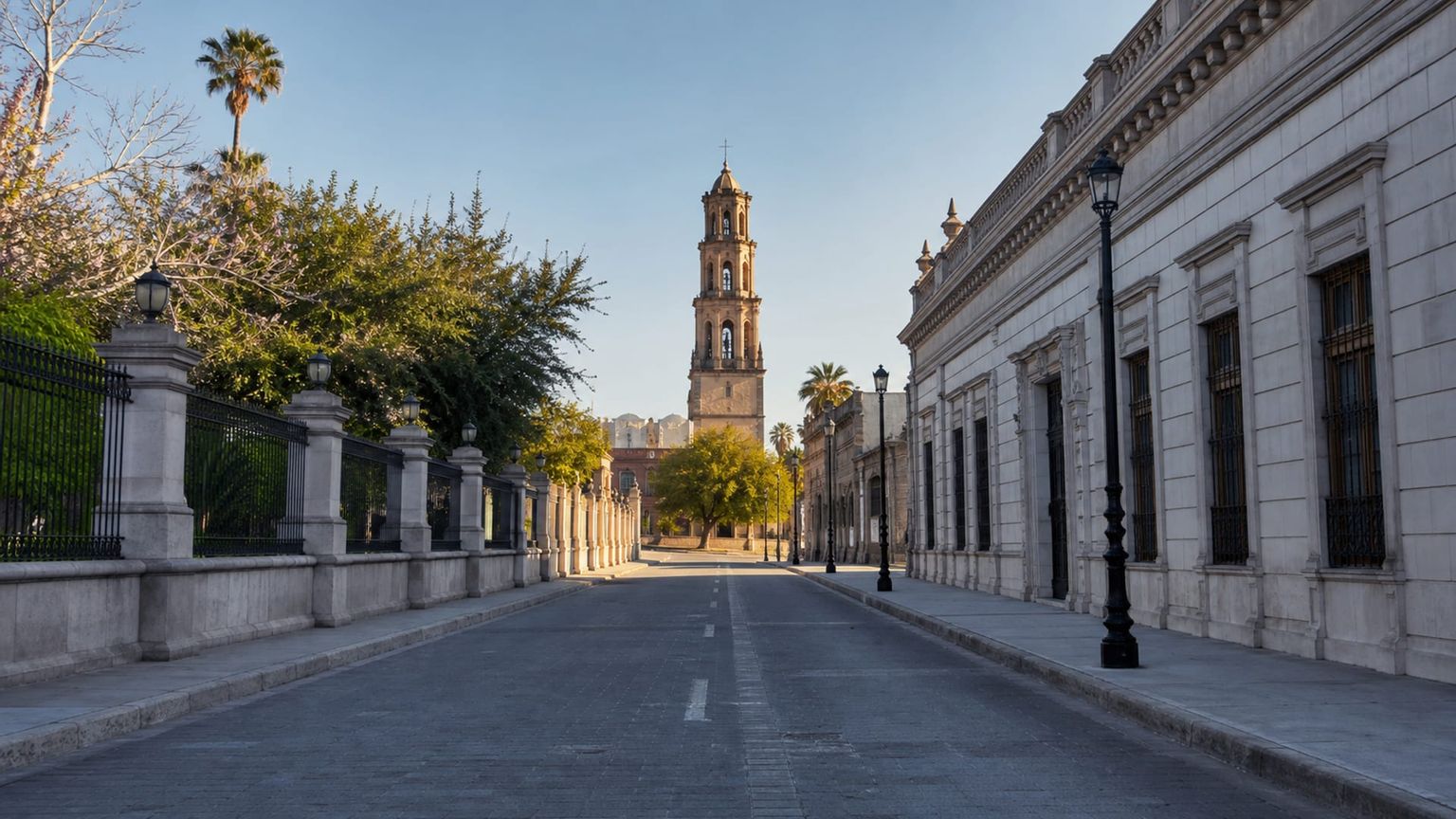
Flights to Torreón usually come through a connection rather than a clean nonstop from the U.S. East Coast or West Coast. The route you choose depends on whether you value the shortest total time or the fewest airport changes.
From New York, Aeromexico, American Airlines, Delta Air Lines, United Airlines, and Volaris all appear on itineraries that usually take about 4 to 5 hours nonstop, when available. If you connect, common hubs include MEX, ATL, IAH, DFW, and DEN, with total travel time roughly 7 to 12 hours. Round-trip fares usually start from $1,100 and can reach about $2,800.
Los Angeles itineraries often run a bit shorter on the clock, with nonstop options taking about 3 to 4 hours when they are available. Aeromexico, American Airlines, Delta Air Lines, United Airlines, and Volaris also appear on one-stop trips through MEX, PHX, DFW, IAH, and DEN, and those connections usually stretch the journey to about 5 to 9 hours. Round-trip fares usually run from $900 to $2,300.
Torreon feels different when you slow down
A deliberate Torreón trip gives you time to stay in Centro, move on foot between Plaza Mayor, Museo Arocena, and Paseo Morelos, then save the longer ride for Cristo de las Noas or the canyon in Sierra de Jimulco. Taxis and ride apps fill the gaps, while the city’s late dining hours keep dinner flexible after a museum day or sunset lookout. If you want to shape the trip around the city’s center and its outer edges, let the AranGrant experts help you plan it







