

Chapters:

Need help with your trip?
Our support team is available 24/7. Request a callback or call us directly at (833) 619-0908
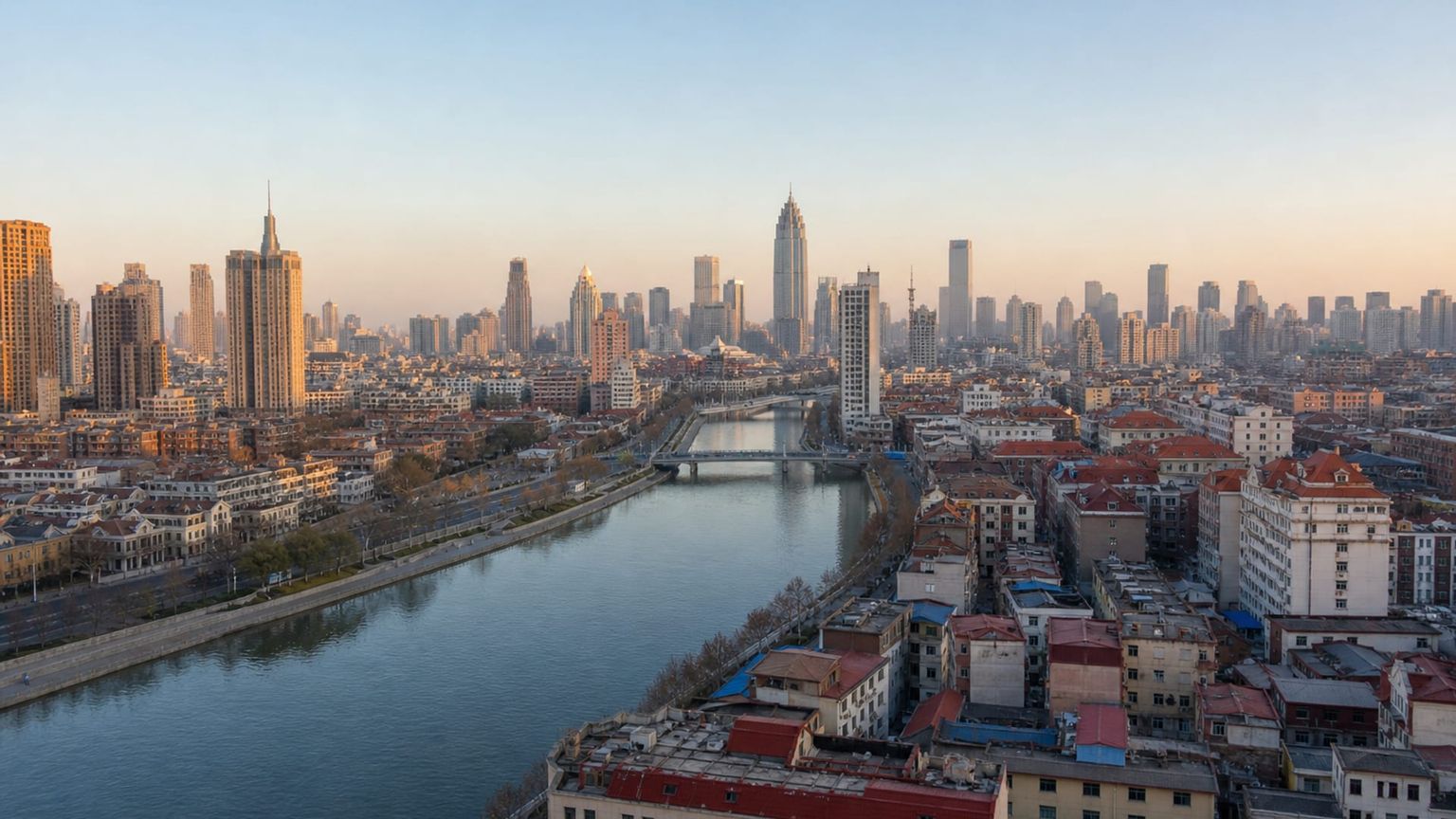
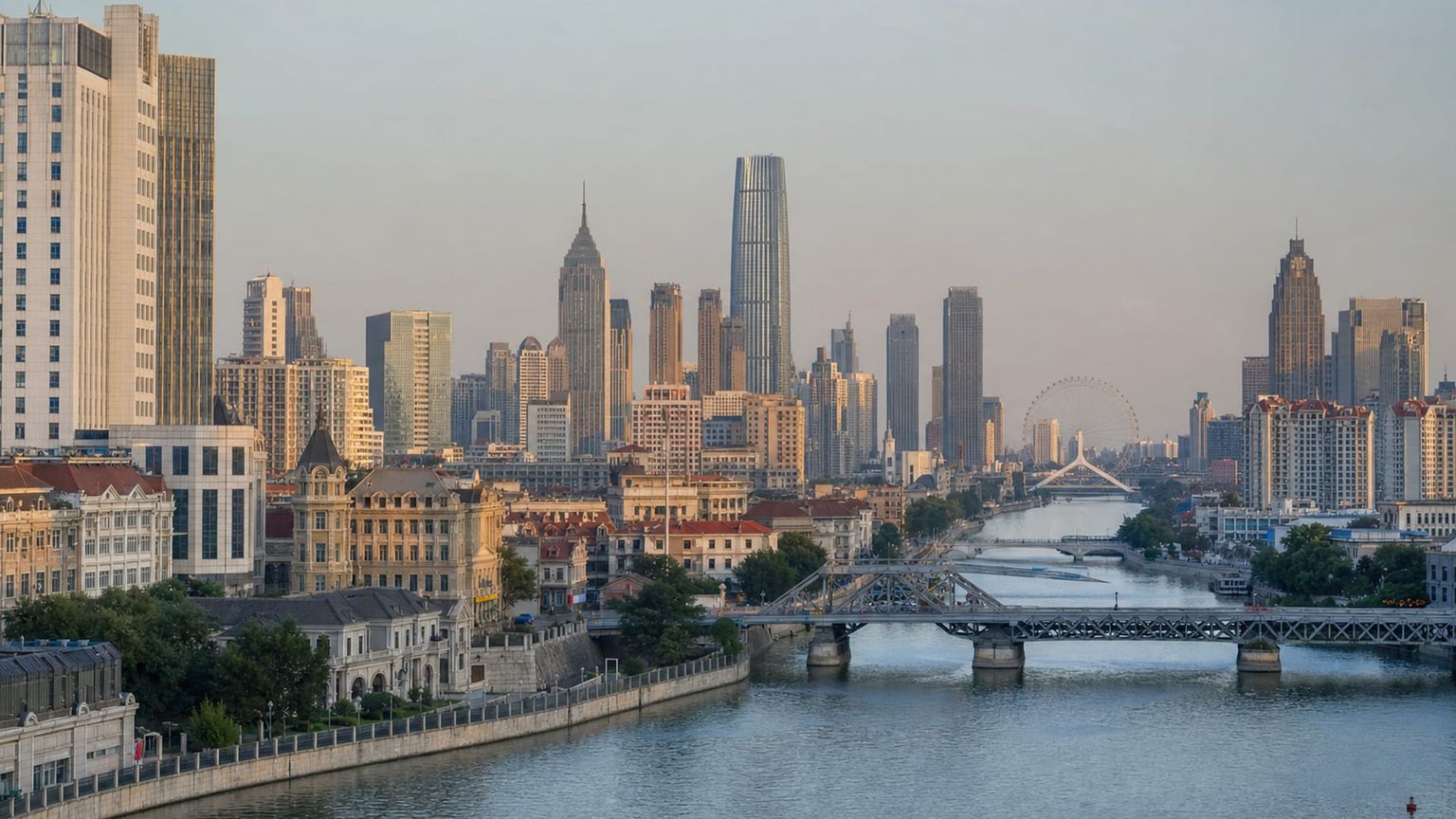
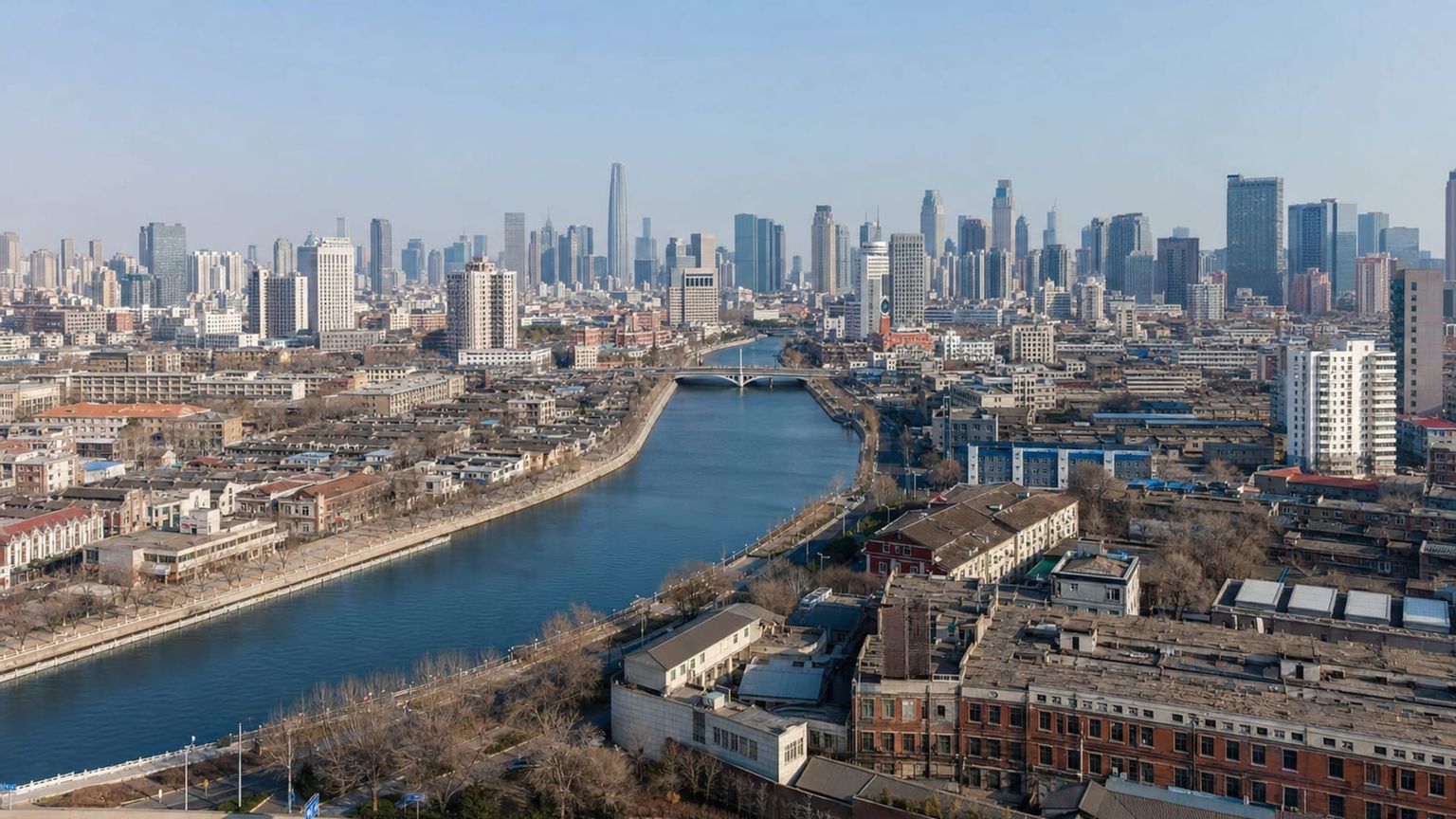
Tianjin is a city of contrasts that are easiest to notice when you give each area its own time. Along the Haihe River, former concession buildings and modern towers face the water, while Heping preserves the Five Great Avenues and some of the city’s best-known historic architecture. Farther north, Ancient Culture Street brings Tianjin’s older commercial and religious traditions into a much denser setting.
That spread matters when you plan a few days here. Riverfront walks, historic houses, museums, and old-city streets are easier to enjoy when they are grouped by area instead of squeezed into one long route.
This guide organizes Tianjin into clear daily sections, so you can see more of each district without spending the day doubling back across the city.
Useful things to know

Main language(s): Mandarin Chinese
你好 (nǐ hǎo) – Hello/good morning
请 (qǐng) – Please
谢谢 (xièxie) – Thank you
你会说英语吗? (nǐ huì shuō yīngyǔ ma?) – Do you speak English?
多少钱? (duōshao qián?) – How much does it cost?

Currency: Chinese yuan (CNY, ¥)

Cash and cards: Alipay and WeChat Pay dominate everyday payments. Both apps accept foreign cards; carry ¥200–¥500 ($28–$70) in cash as backup.

Tipping: Tipping is not customary in restaurants or taxis. Pay the listed amount unless a hotel or tour clearly adds a service charge.


Water and coffee costs: Bottled water costs ¥2–¥5 ($0.30–$0.70), while coffee in a café often costs ¥20–¥35 ($3–$5).

Taxis and ride apps: DiDi operates in Tianjin, with an English interface, foreign phone-number registration, and support for international bank cards.

Plug and voltage: China uses Type A, C, and I plugs with a 220V, 50Hz supply. US travelers should bring an adapter and check device voltage.

Dining and shop opening hours: Restaurants commonly serve lunch from 11:00 am to 2:00 pm and dinner from 5:00 pm to 9:00 pm. Malls often stay open until 10:00 pm; smaller shops vary.

Emergency number: Call 110 for police, 119 for fire, and 120 for medical emergencies.
Where to stay in Tianjin
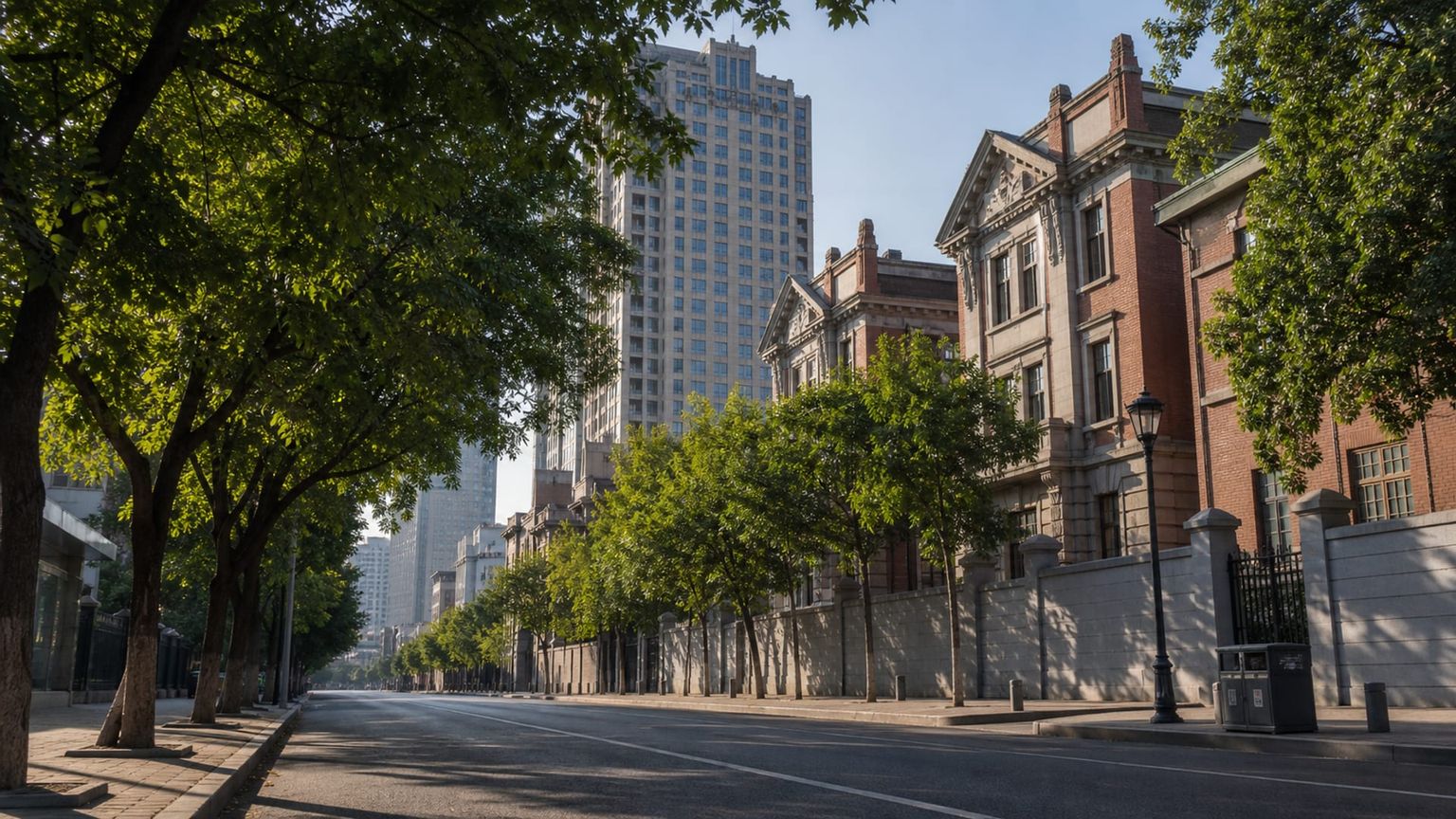
Heping is the most convenient area in Tianjin for a first stay. The Five Great Avenues, Binjiang Road, Heping Road, historic concession-era buildings, malls, cafés, and major hotels are all close together. By metro, you can easily reach the Haihe River, Tianjin Railway Station, and nearby districts.
Best for: First-time visits, sightseeing, shopping, and staying near major central sights
What to expect: Busy sidewalks, frequent traffic, and a constant mix of office workers, shoppers, and hotel guests.
Hotel prices: Usually about $80 to $220 per night for well-rated stays
Distance to major sights: 10 to 20 minutes by taxi to the Tianjin Eye, about 15 to 25 minutes by transit to Ancient Culture Street
Quietness: Quieter late at night than by day, though main avenues stay active into the evening.
Main trade-off: Central locations cost more, and the liveliest blocks can bring traffic noise and slower curbside pick-ups.
Good to know: Choose a hotel a block or two off the busiest roads if you want easier sleep and faster access to the metro.
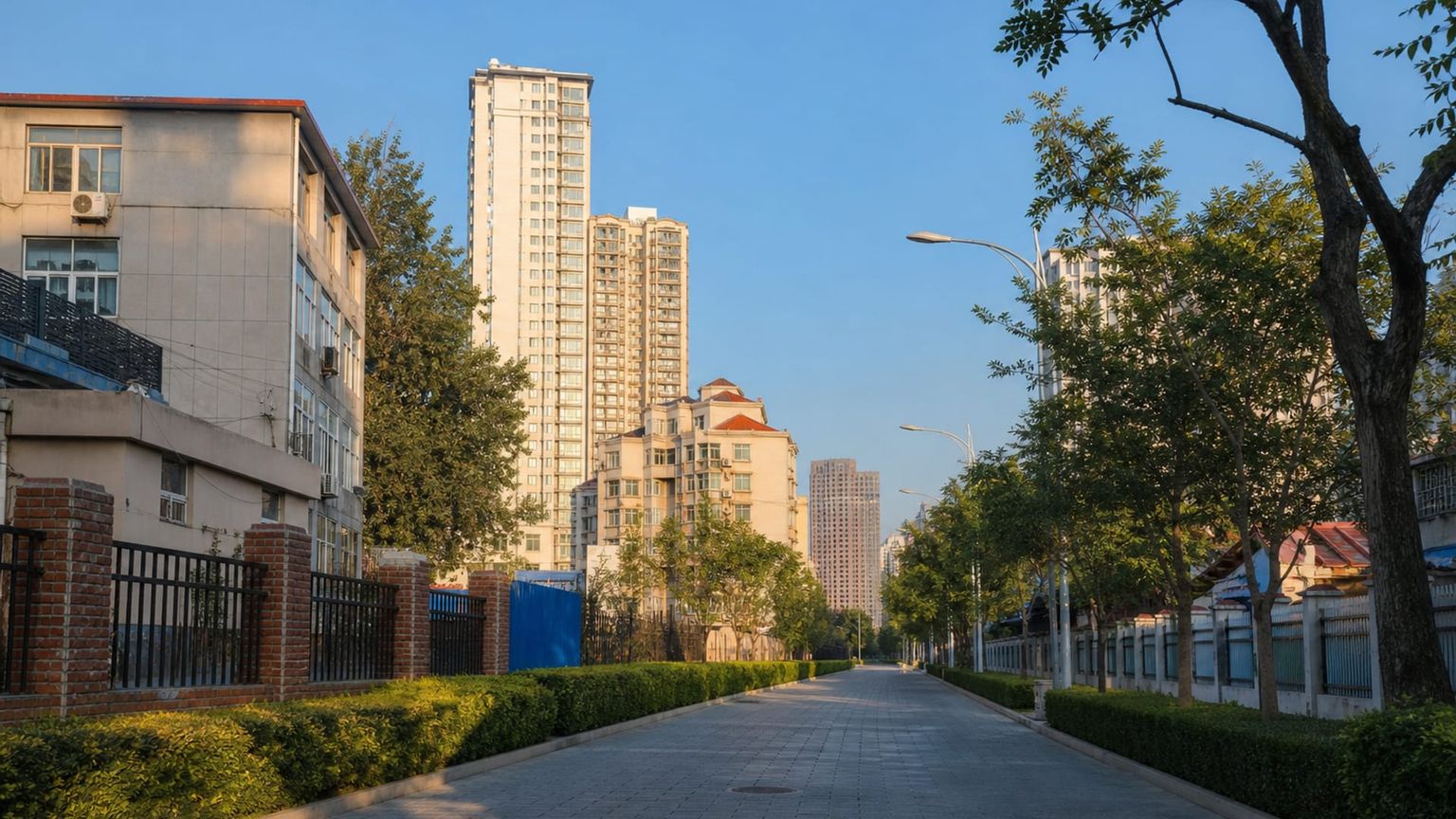
Hebei District lines the Haihe north of the center and includes the Italian Style Town, historic residences, riverside streets, and access toward the Tianjin Eye. It offers more heritage scenery than a purely commercial district while keeping central Tianjin just a short metro or taxi ride away.
Best for: River walks, heritage architecture, and travelers who want a slightly less central base
What to expect: Mixed residential blocks, local shops, and calmer side streets that open onto busier main roads.
Hotel prices: Usually about $50 to $130 per night for well-rated stays
Distance to major sights: 15 to 25 minutes by taxi to Ancient Culture Street, about 20 to 30 minutes to the Tianjin Eye
Quietness: Moderate by day and generally quieter in the evening, with activity fading on residential streets.
Main trade-off: You may save on room rates, but some hotels sit a bit farther from the most concentrated dining and sightseeing blocks.
Good to know: Check the exact address, since some listings are close to the river while others sit in quieter residential pockets.
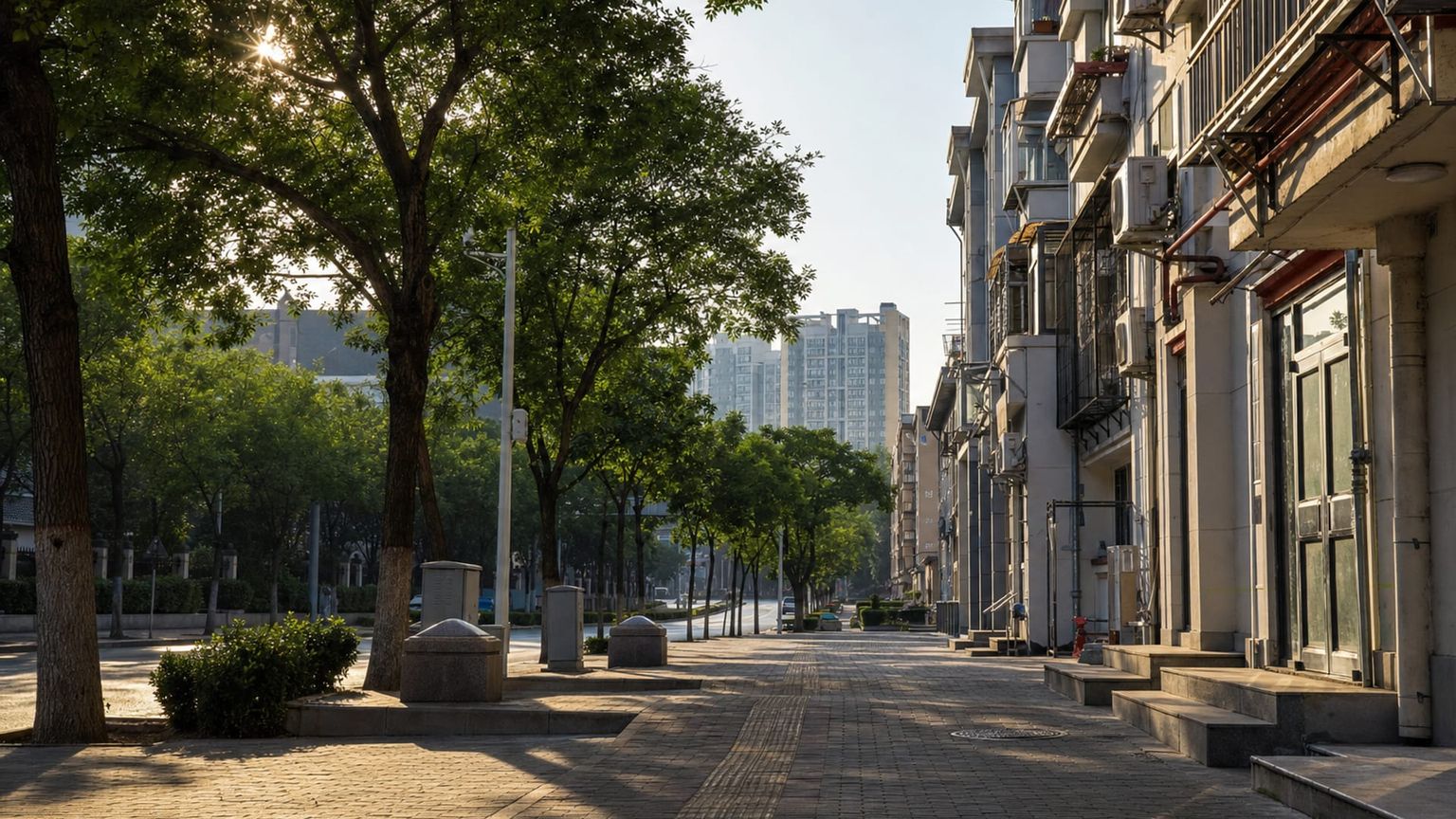
Nankai combines Tianjin’s old-city heritage with universities, neighborhood restaurants, and major sights such as Ancient Culture Street, Tianhou Temple, and the Drum Tower. Travelers can stay near historic attractions here without choosing Heping’s busier shopping and hotel district.
Best for: Food-focused stays, university-area energy, and travelers who want easier transit access
What to expect: Student traffic, local eateries, and a steady flow of commuters rather than heavy sightseeing crowds.
Hotel prices: Usually about $45 to $120 per night for well-rated stays
Distance to major sights: 20 to 30 minutes by taxi to Ancient Culture Street, about 25 to 35 minutes to the Tianjin Eye by transit
Quietness: Active through the day, then calmer at night except near restaurant clusters and major roads.
Main trade-off: You gain lower rates and more local dining, but you will usually spend longer reaching the riverfront and heritage center.
Good to know: Late-night dining is better along the larger commercial strips, while smaller side streets empty out earlier.
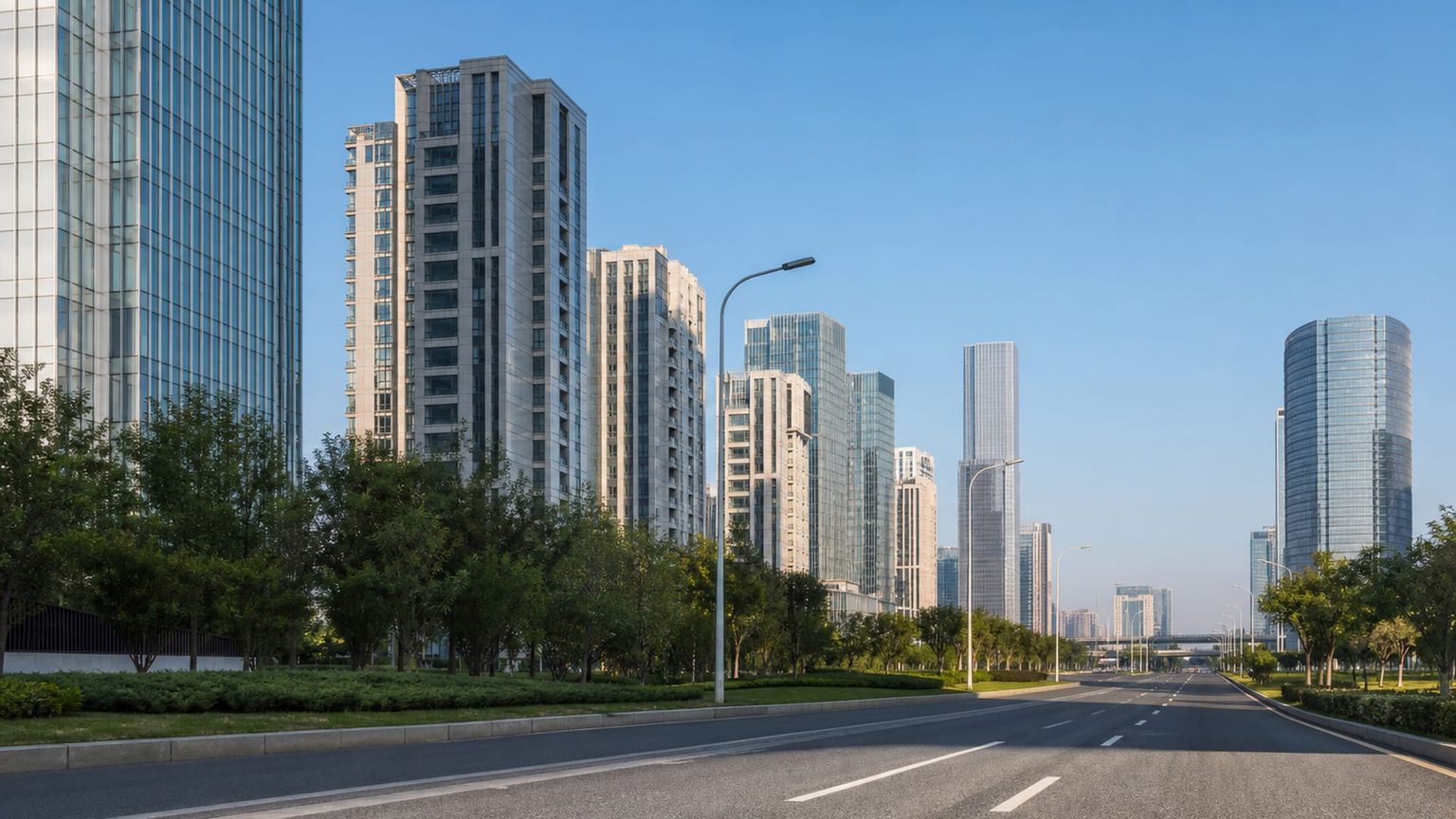
Binhai New Area is a separate eastern hub built around Tianjin Port, TEDA, business parks, and attractions such as Binhai Library and the National Maritime Museum. It is convenient for port-area meetings or Binhai sightseeing, but staying here puts you far from Tianjin’s historic center.
Best for: Business trips, airport-side stays, and visitors focused on the eastern development zone
What to expect: Wide boulevards, newer towers, and lighter foot traffic than central Tianjin, with activity concentrated around malls and office parks.
Hotel prices: Usually about $55 to $160 per night for well-rated stays
Distance to major sights: About 35 to 50 minutes by taxi to Ancient Culture Street, roughly 30 to 45 minutes to Tianjin Binhai International Airport (TSN) depending on traffic
Quietness: Calm at night in many hotel zones, with more movement during office hours and around shopping centers.
Main trade-off: It is farther from the old city sights, so sightseeing days can become long if you split your time between east and center.
Good to know: If your trip includes both downtown and Binhai appointments, expect to budget extra transit time between the two ends of the metro.
For a first stay, Heping gives you the easiest access to central sights, shopping, and metro links. Choose Nankai for Ancient Culture Street and the old city, while Binhai only makes sense if port-area business or eastern attractions are part of the trip.
Hotel deals
How to get around Tianjin efficiently
Tianjin’s metro handles most sightseeing trips, while airport buses and taxis cover luggage, late arrivals, and direct transfers.

Metro
for the airport and most cross-city sightseeing
Line 2 connects Tianjin Binhai International Airport (TSN) directly with Tianjin Railway Station, while other lines cover Heping, Nankai, and Hebei. Metro fares cost ¥2–¥5 ($0.30–$0.70). Buy a single ticket at the station or pay by QR code, bank card, or mobile wallet.

Airport bus
for luggage and direct rides to major rail stations
The airport bus is a convenient option if you have luggage and want a direct ride to a major rail hub. A ticket costs ¥15 ($2) to Tianjin Railway Station or ¥20 ($3) to Tianjin West. Buses leave Terminal 2, with tickets sold in arrivals or through the airport bus WeChat mini-program.

Taxi
for late arrivals, luggage, and direct hotel transfers
Licensed taxis are useful after the metro closes or when you want a door-to-door ride. The meter starts at ¥11–¥13 ($1.60–$1.80) for the first 2 miles (3 km), while airport-to-center trips usually cost ¥50–¥70 ($7–$10). A 30% night surcharge applies from 11:00 pm to 5:00 am.
*Prices are based on rates updated as of October 2026 and may change at the time of travel.
Use the metro for most sightseeing, airport buses when luggage makes a direct station transfer easier, and taxis for late arrivals or door-to-door trips.
Iconic landmarks
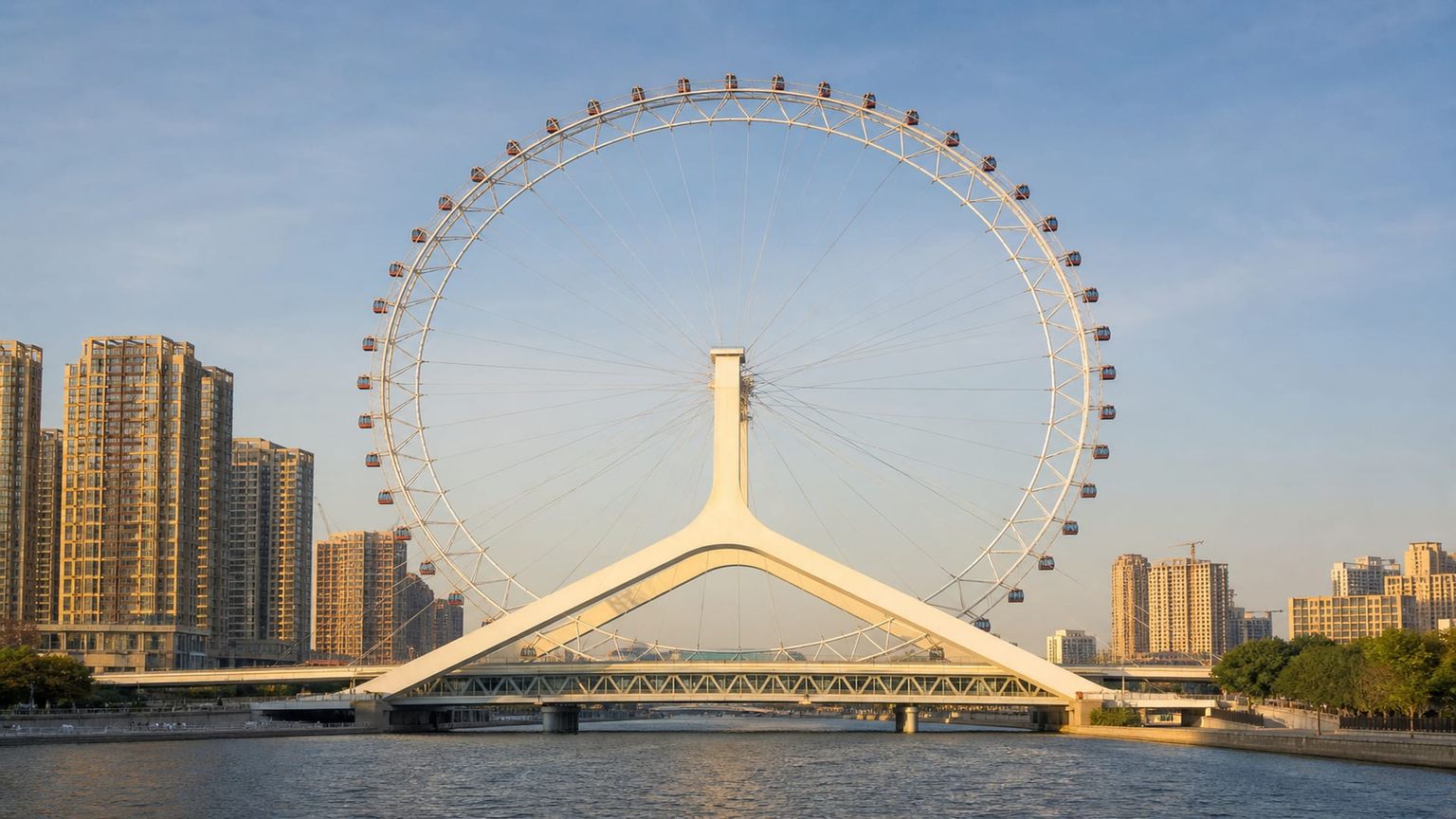
Tianjin Eye
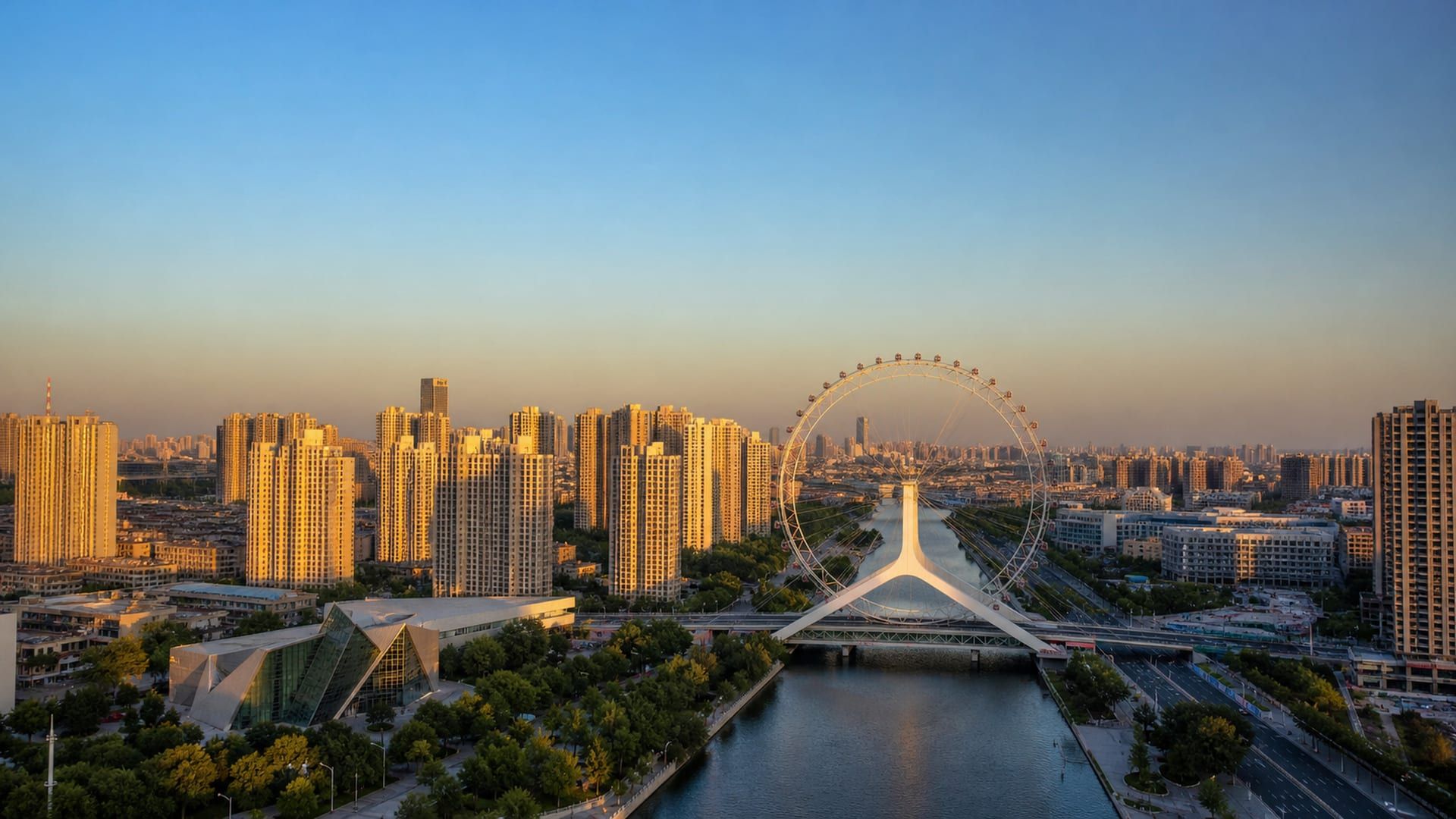
Tianjin Eye rises 394 feet (120 meters) above the Haihe River on Yongle Bridge, making it one of the city’s most recognizable landmarks. A full rotation takes around 30 minutes and opens up views across the river, bridges, and central Tianjin.
Time needed: A visit takes 45–60 minutes.
Entry: Day tickets cost ¥90 ($13), while night tickets cost ¥138 ($20). Visit the official site for details.
Tip: Visit near sunset to see the river before and after the lights come on.
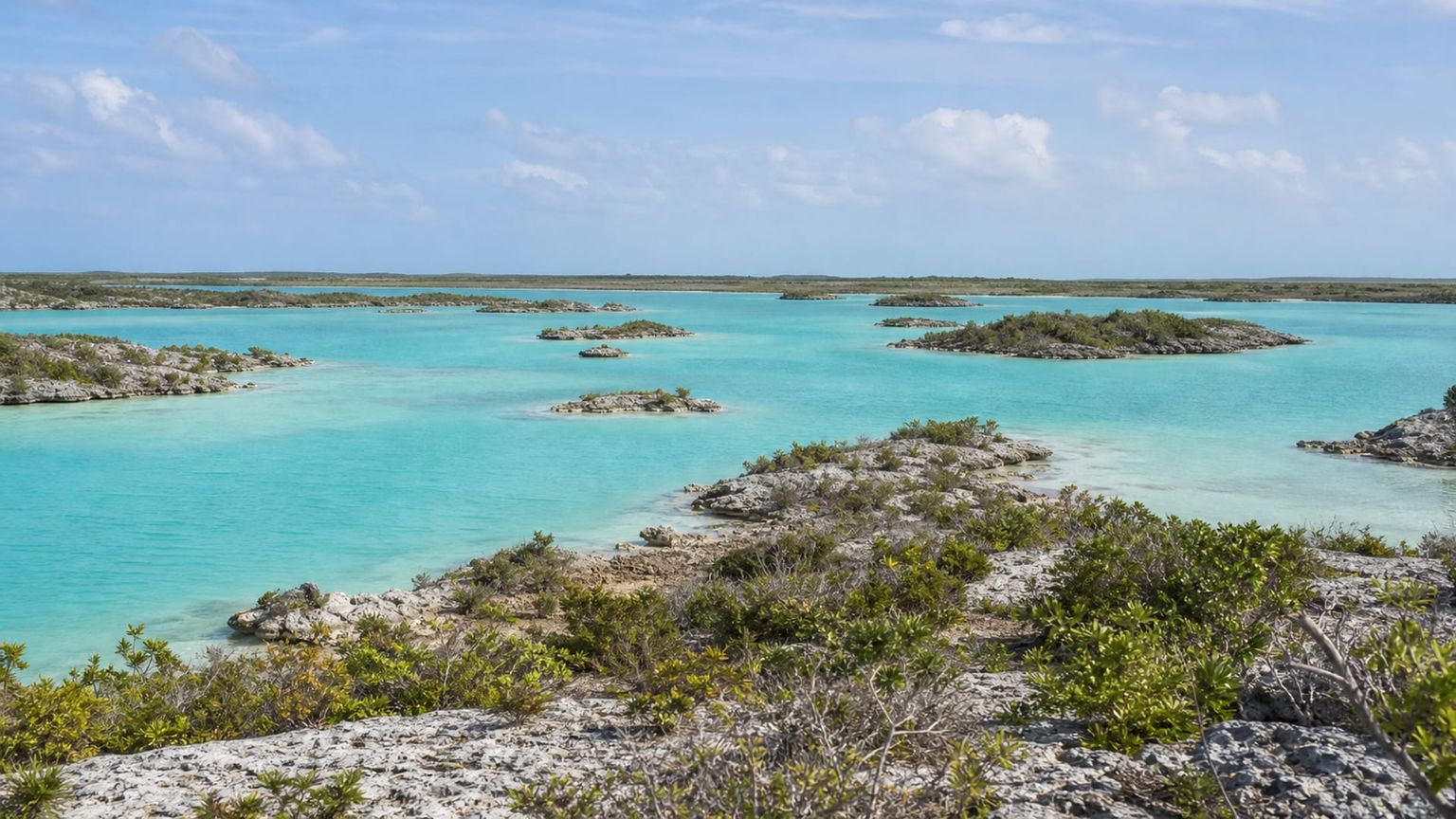
Five Great Avenues
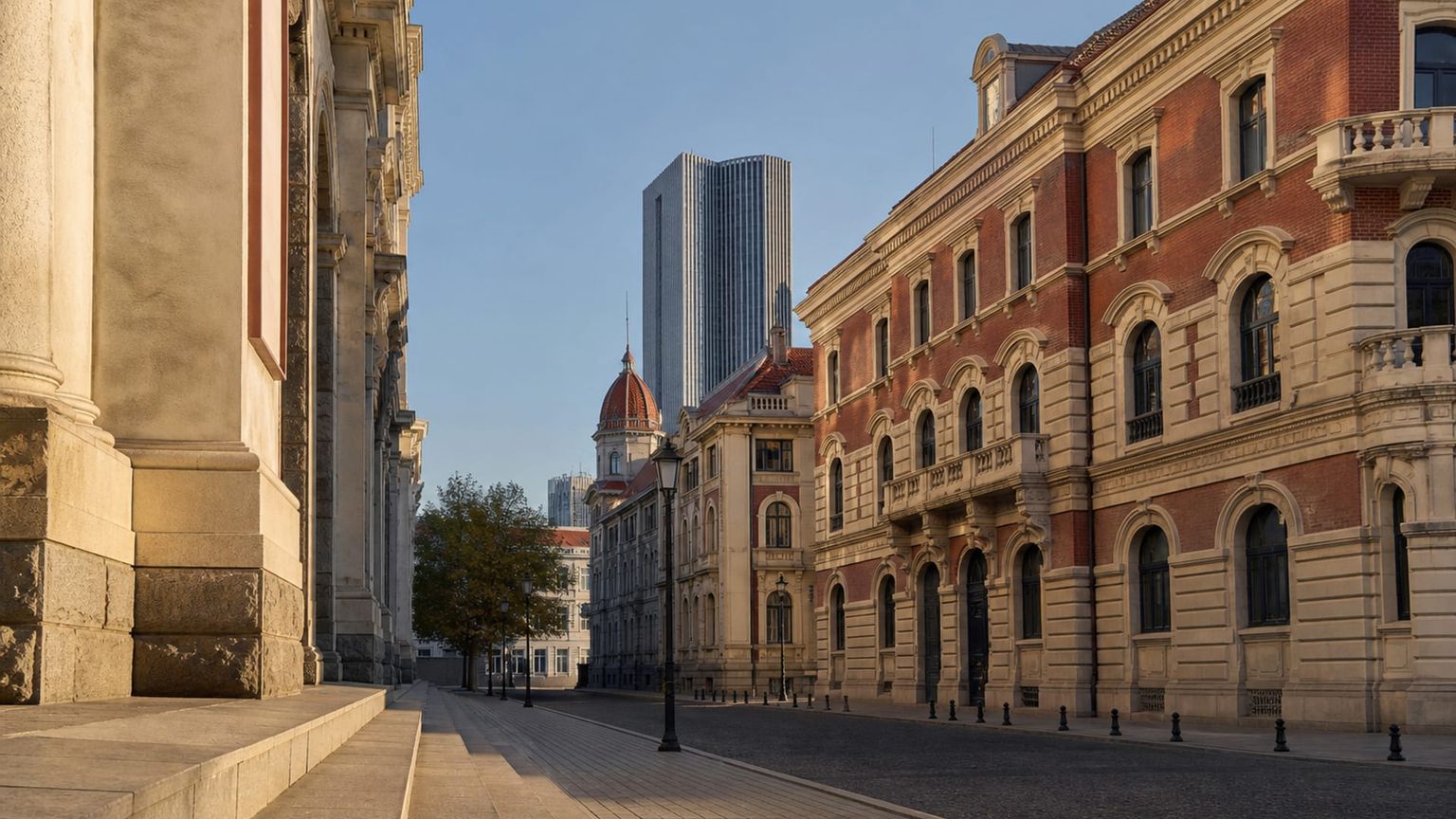
Five Great Avenues preserves 436 historic Western-style buildings across Heping District, including former residences and early 20th-century villas. The streets around Minyuan Square show how deeply Tianjin’s concession-era architecture shaped this part of the city.
Time needed: A visit takes 2–3 hours.
Entry: You can explore the streets for free.
Tip: Use Minyuan Square as an easy starting point for exploring the district.
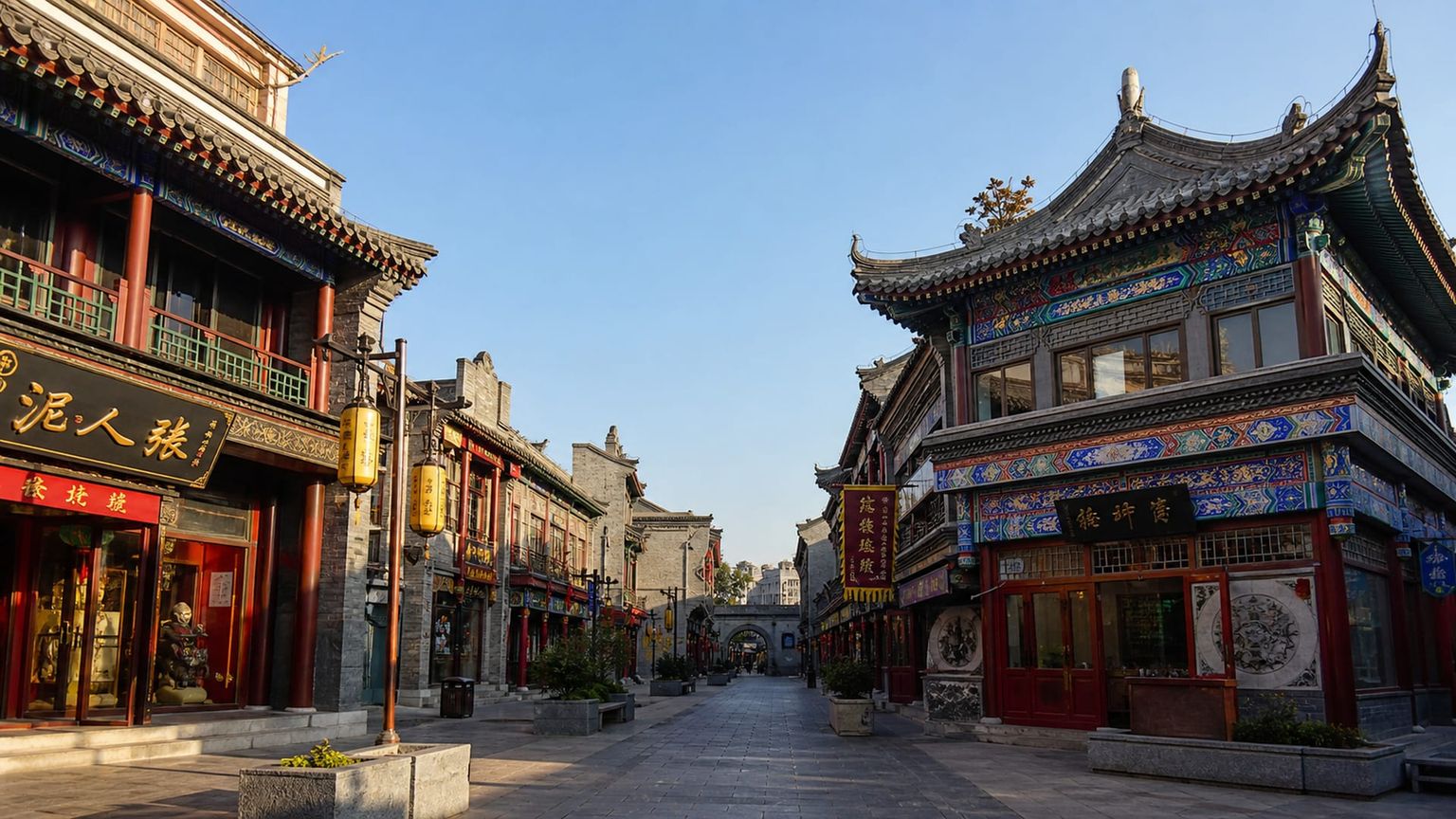
Ancient Culture Street
Ancient Culture Street follows a 1,920-feet (580-meter) route through Tianjin’s old city, with Ming- and Qing-style buildings, traditional craft shops, Tianhou Temple, and local snack stalls. Its connection to the Haihe and older waterborne trade makes it one of Tianjin’s defining historic areas.
Time needed: A visit takes 1.5–2 hours.
Entry: You can enter the street for free, and no advance booking is required. Visit the official website for details.
Tip: Look for Clay Figure Zhang and Yangliuqing prints among the traditional craft shops.
Overlooked sites worth visiting

Tianjin Museum
Tianjin Museum traces the city’s history through ancient art, ceramics, calligraphy, documents, and modern exhibits inside Tianjin’s Cultural Center.
Time needed: A visit takes 2–3 hours.
Entry: General admission is free, but advance reservation is required. Visit the official website for details.
Tip: Start with the permanent Tianjin history galleries before temporary exhibitions.

Tianjin Natural History Museum
Tianjin Natural History Museum holds extensive biological collections, fossils, minerals, and ecological displays, with exhibitions focused on life and the natural world.
Time needed: A visit takes 1.5–2 hours.
Entry: You can visit for free, but advance reservation is required. Visit the official website for details.
Tip: Check temporary exhibitions before visiting, as displays change through the year.
Traditional food
Tianjin’s best-known foods come from its breakfast stalls and old snack shops, where steamed buns, mung beans, sesame oil, fried dough, and savory sauces define many local favorites.
Goubuli baozi
Goubuli baozi wrap seasoned pork filling in soft, pleated steamed dough, making them one of Tianjin’s best-known snacks. Goubuli Restaurant on Heping Road serves the classic buns alongside other traditional Tianjin dishes.
Erduoyan zhagao
Erduoyan zhagao uses glutinous rice dough around sweet red-bean paste, then fries it in sesame oil until crisp outside and soft inside. Erduoyan Fried Cake’s Dongbeijiao branch specializes in the traditional version.
Guobacai
Guobacai starts with thin mung-bean crepes cut into strips and covered with a warm, savory gravy, usually finished with coriander. Dafu Lai’s Ancient Culture Street branch is a long-established place to try it.
Jianbing guozi
Jianbing guozi spreads mung-bean batter on a griddle, adds egg, sweet bean sauce, fermented tofu paste, scallions, and crisp fried dough. Ersaozi Jianbing Guozi’s Weijin Road flagship serves the traditional Tianjin style.
Best time to visit Tianjin
Tianjin has four distinct seasons. Spring and fall are the easiest for long days outside, while summer is humid and winter is cold and dry.
Best for: Five Great Avenues, river walks, parks, and longer afternoons outdoors
What you get: Temperatures span 35°F–79°F (2°C–26°C); March starts cool, then April and May bring milder days and more comfortable walking weather.
Trade-offs: Wind can be strong in early spring, and warmer days arrive quickly by May.
Best for: Evening river walks, museums, indoor sights, and late dinners by the Haihe
What you get: Expect 69°F–88°F (20°C–31°C), high humidity, and Tianjin’s wettest stretch of the year, with July and August bringing the most rain.
Trade-offs: Heat, humidity, and summer rain can make long midday walks tiring.
Best for: Historic districts, photography, riverfront walks, and outdoor sightseeing
What you get: September stays warm, then temperatures ease to 33°F–79°F (0°C–26°C) by late fall as drier weather returns after the summer rains.
Trade-offs: November cools quickly, so later trips need warmer layers for mornings and evenings.
Best for: Museums, quieter historic streets, cafés, and short daytime sightseeing
What you get: Cold, dry conditions dominate at 18°F–42°F (-8°C–5°C), with January bringing the lowest temperatures and almost no rainfall across the city.
Trade-offs: Freezing mornings and sharp winds shorten the time you will want to spend outdoors.
A realistic 5-day plan in Tianjin
Five days give you time to separate Tianjin’s museums, old city, concession-era architecture, and Haihe waterfront without repeating the same routes. Each day stays focused on one area, with an easy arrival and a lighter final morning.
After landing at Tianjin Binhai International Airport (TSN), take Line 2 or a taxi toward Heping and keep the first evening close to the hotel. Binjiang Road is an easy dinner option and a short walk, without committing to a major sight. If the flight arrives late, skip sightseeing altogether. Checking in, setting up Alipay or WeChat Pay, and having an early meal will make the next morning easier.
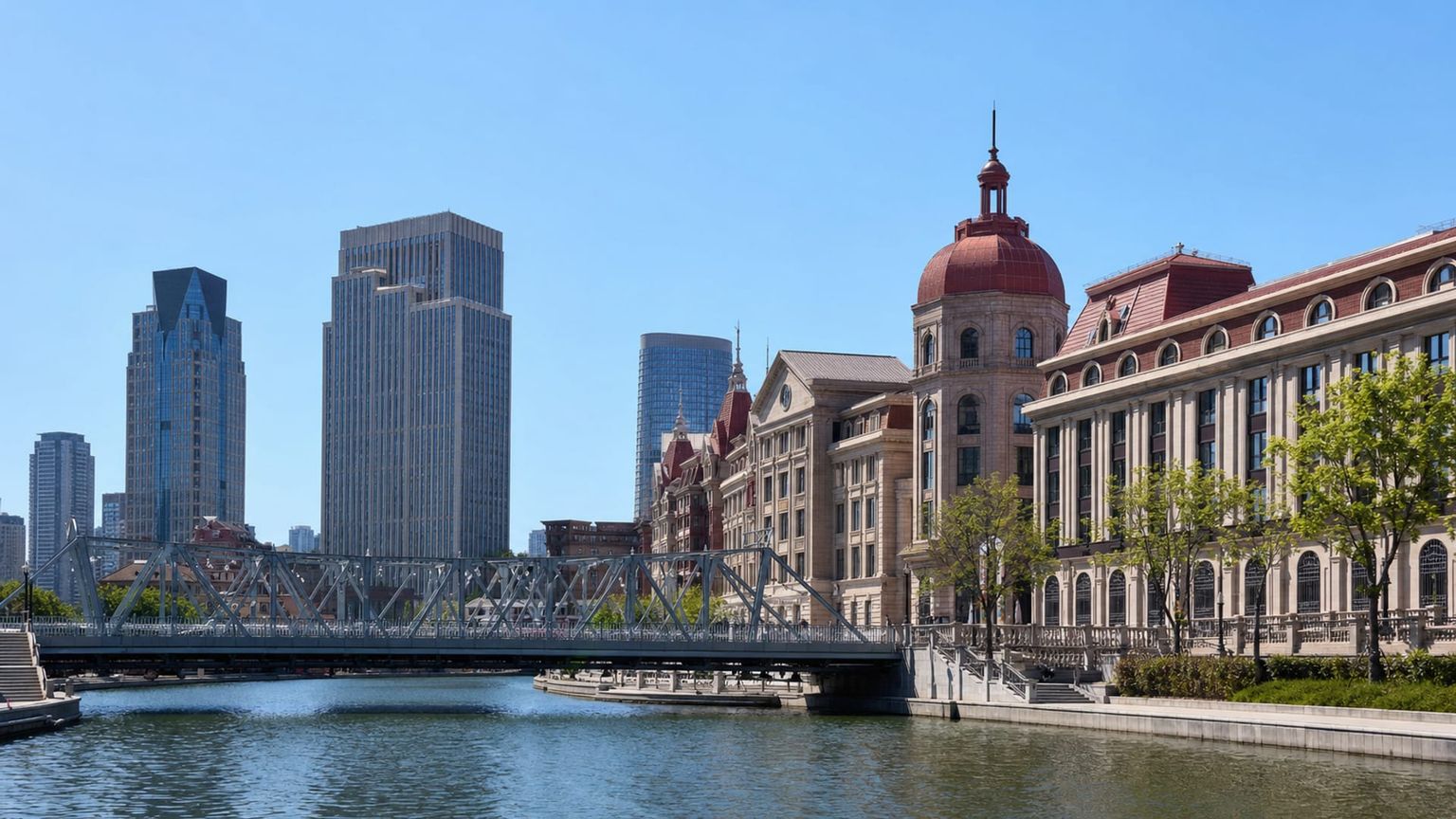
Give the second day to Tianjin Museum and the surrounding Cultural Center in Hexi. The museum gives useful context before you explore Tianjin’s historic streets, with collections covering the city’s development, art, and regional history. Spend the morning inside, take a proper lunch break nearby, then use the afternoon for the Cultural Center’s public spaces or another exhibition instead of crossing back toward the old city.
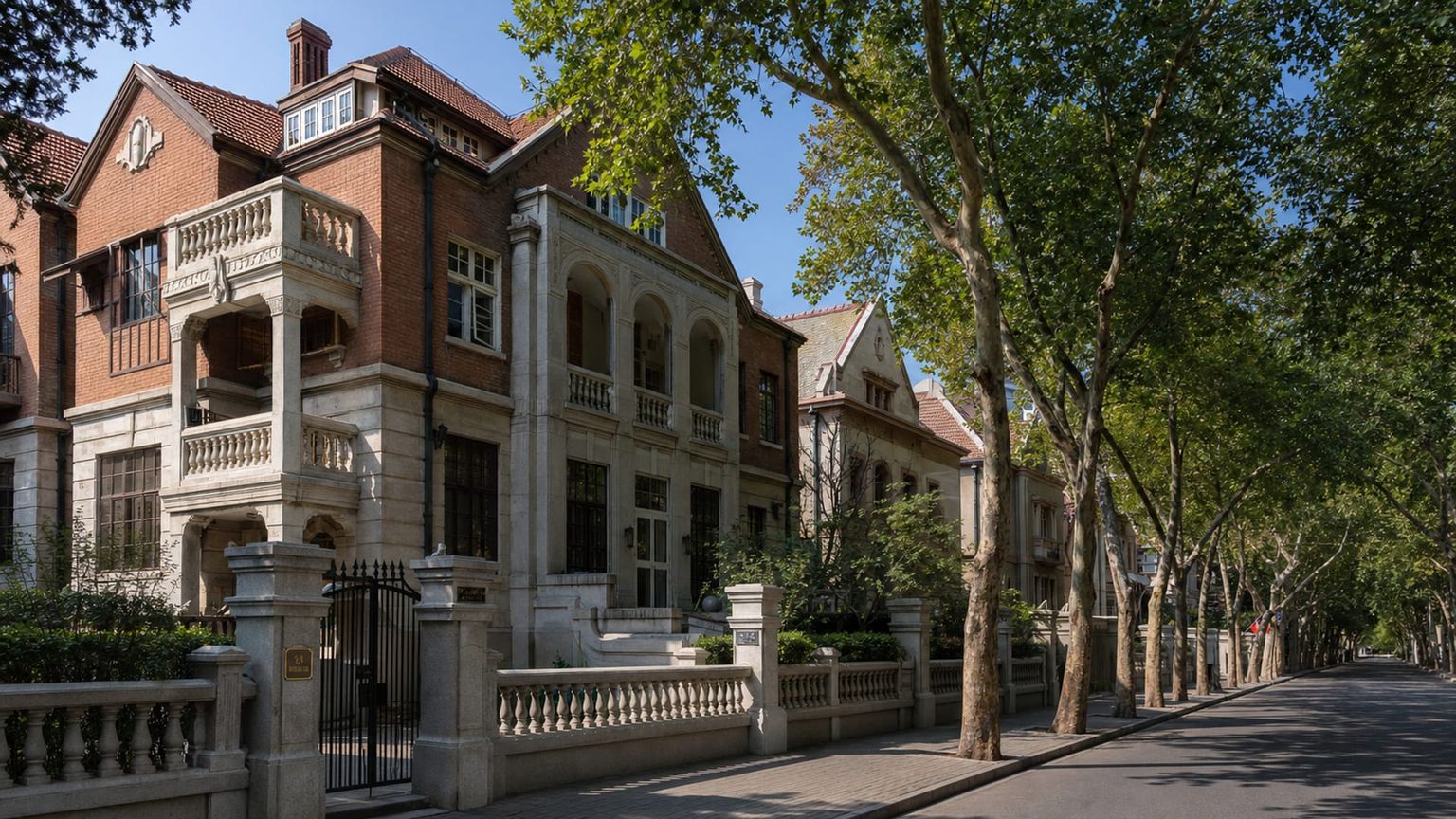
If Tianjin’s older history interests you, focus on Ancient Culture Street and the surrounding old-city area. Walk the historic street, visit Tianhou Temple, and look for local crafts such as Clay Figure Zhang and Yangliuqing prints. After lunch, continue toward the Haihe and reach the Tianjin Eye later in the day. Keeping these stops together gives you time to see Tianjin’s older commercial and religious traditions before the river lights come on.
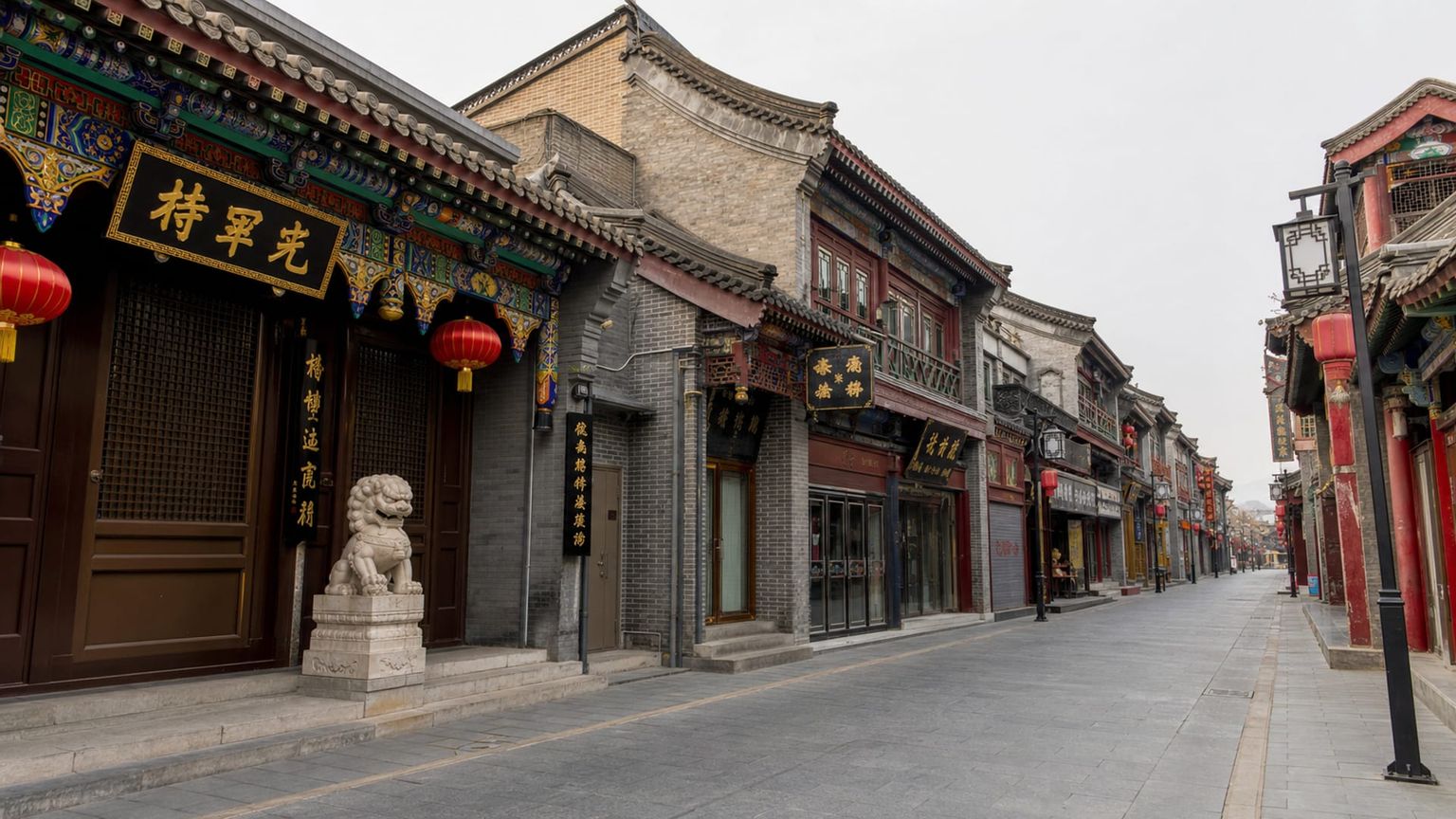
Spend the fourth day in the Five Great Avenues, where early 20th-century villas and former residences fill a compact part of Heping. Begin near Minyuan Square, then follow the quieter side streets instead of trying to cover every avenue. The Modern Tianjin Museum adds context to the district’s concession-era history without pulling you away from the area. Leave time for coffee or a longer lunch before dinner nearby.
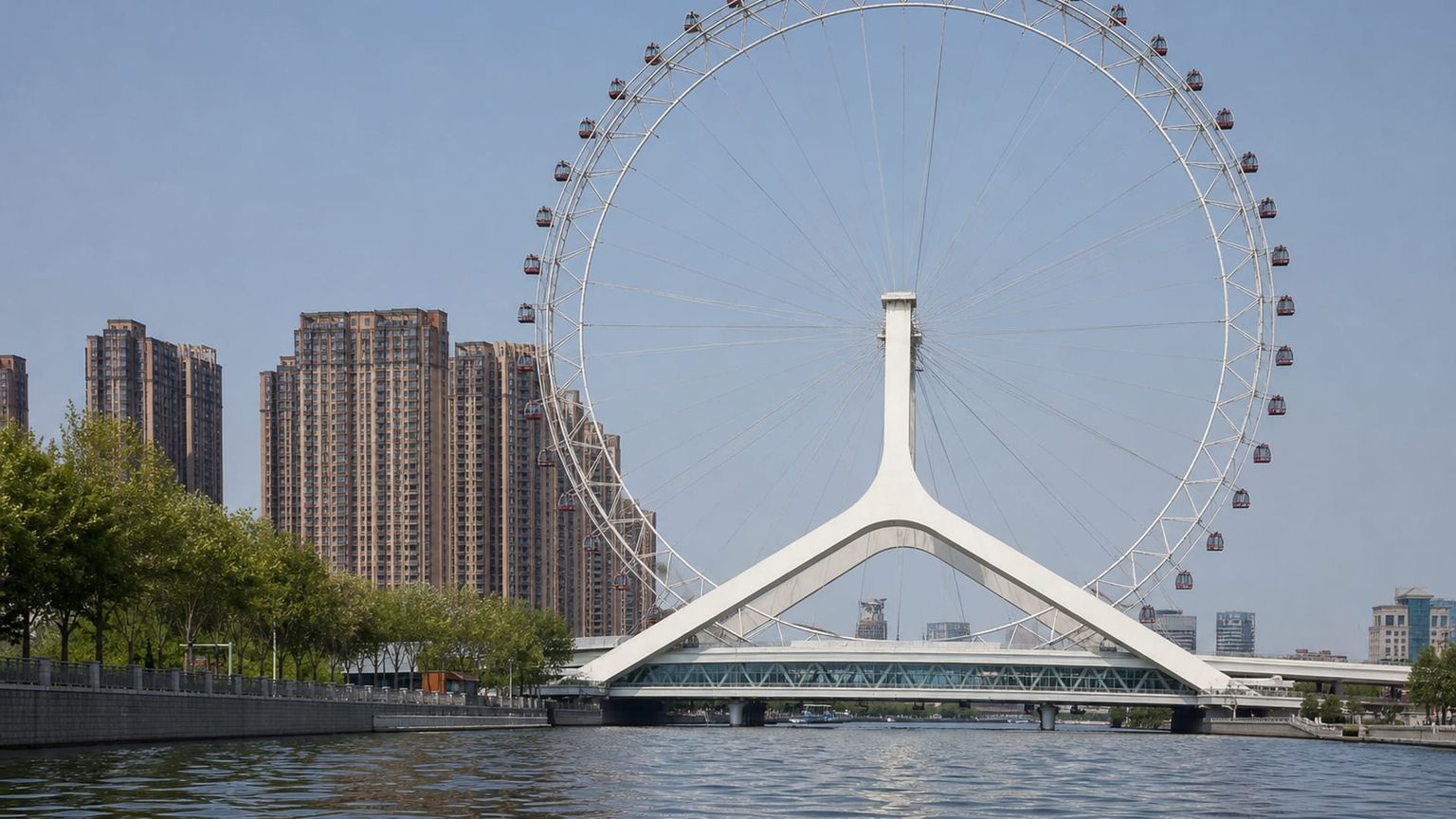
Keep the final day easy in Italian Style Town, where historic villas line the streets near the Haihe. Walk through Marco Polo Square, stop for coffee, and take one last look at the river without adding another museum or long transfer. The area is close to Tianjin Railway Station, which keeps the route toward Line 2 and Tianjin Binhai International Airport (TSN) practical once you collect your bags.
Business-class flights from the US to Tianjin
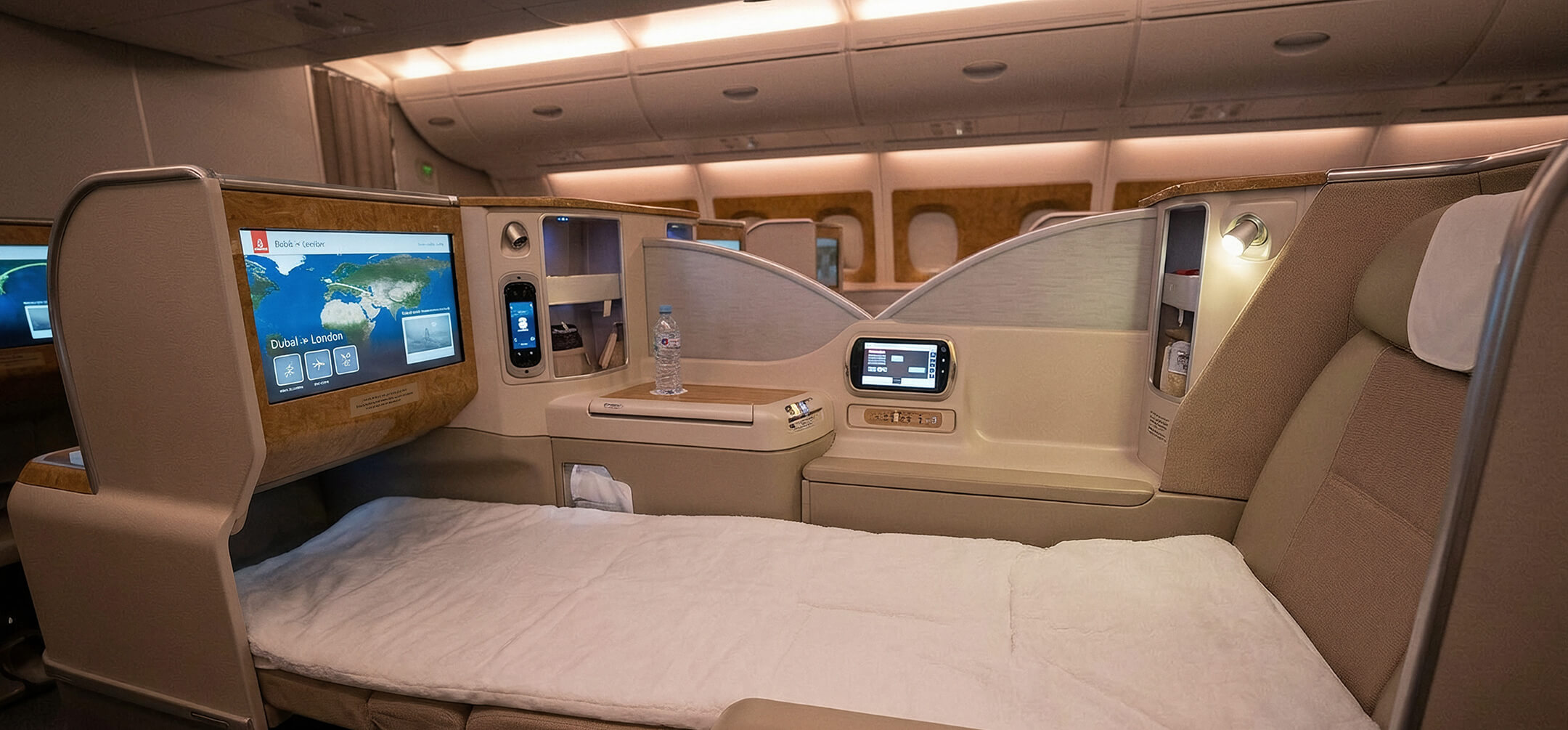
Neither New York nor Los Angeles has nonstop service to Tianjin, so both routes require one connection, most often through Seoul.
New York (JFK) to Tianjin (TSN)
From New York, Korean Air and Asiana Airlines offer one-stop itineraries through Seoul (ICN), with business-class seats on the transpacific flight before the shorter connection to Tianjin. Total travel time usually falls between 19–21 hours, depending on the layover. Round-trip business-class fares generally range from $6,000–$9,000.
Los Angeles (LAX) to Tianjin (TSN)
Flights from Los Angeles to Tianjin also connect through Seoul (ICN) with Korean Air or Asiana Airlines, but the shorter Pacific flight keeps the overall journey closer to 18–20 hours. The long-haul sector carries the full business-class product, but the regional flight to Tianjin may feature domestic business class or premium economy cabins. Expect round-trip fares of $4,300–$7,000.
Tianjin makes more sense one district at a time
Tianjin is easier to experience when its riverfront, concession-era streets, old-city sights, and museum districts each have their own place in the trip. Heping, Nankai, Hebei, and the Haihe all show a different side of the city, and grouping them by area keeps travel time under control. When you are ready to plan your stay, AranGrant travel agents can help you compare business-class flights to Tianjin and hotels in the district that fits your trip.