

Chapters:

Need help with your trip?
Our support team is available 24/7. Request a callback or call us directly at (833) 619-0908
Most trips to Terceira Island start in Angra do Heroísmo, then stay close to the harbor, the main squares, and a few headline sights. Travelers often miss how much the west coast, the volcanic interior, and the smaller museum stops change the island’s pace.
That can leave too many miles between meals, viewpoints, and check-ins, with extra time spent on rural roads and too little time in the historic center after dark.
This guide sets out a tighter five-day arc, pairing Angra, the interior, and the western coast in a sequence that matches the island’s distances.
Useful things to know
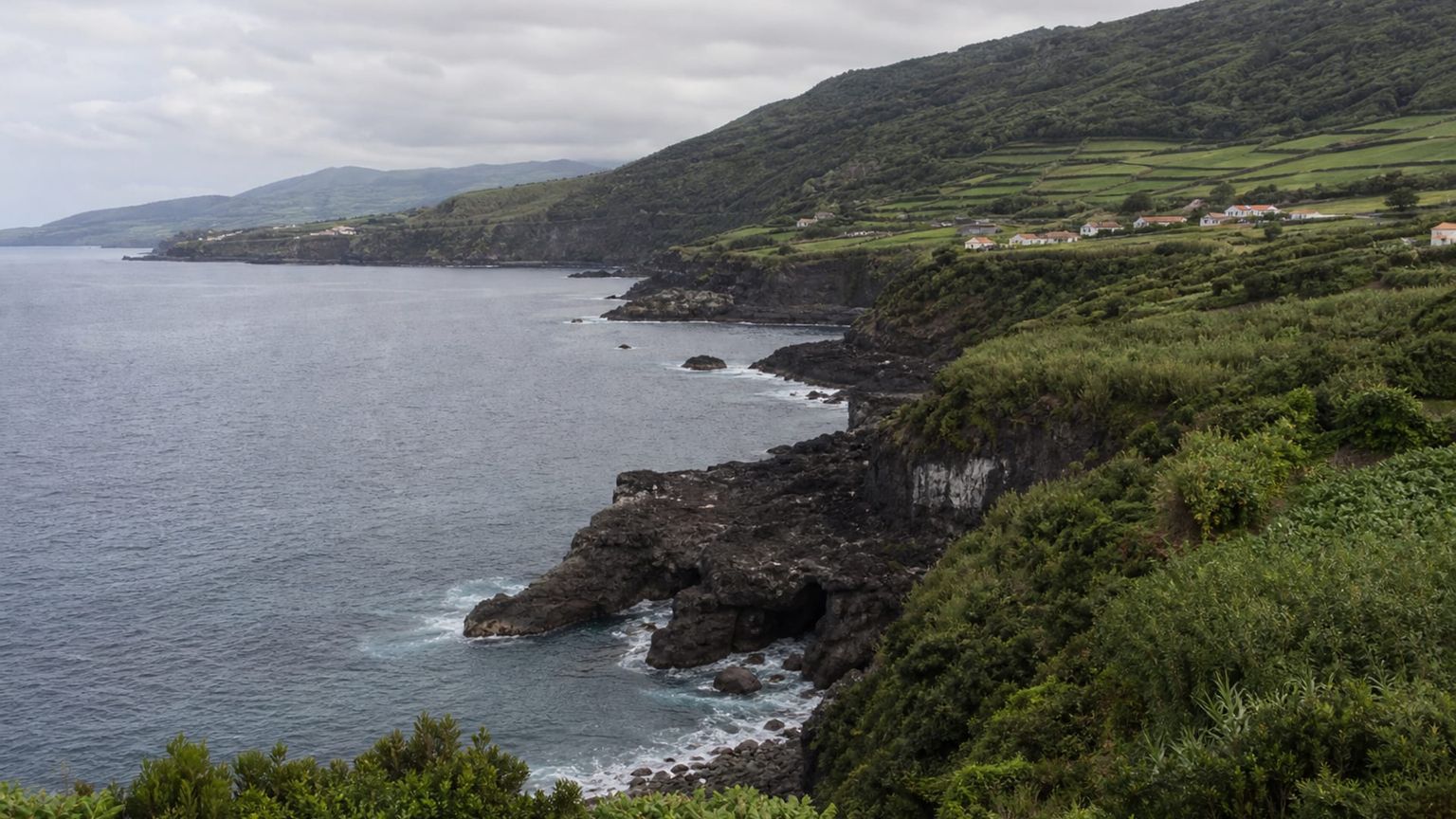

Main language(s): Portuguese
Olá (oh-LAH) – Hello
Por favor (por fah-VOR) – Please
Obrigado (oh-bree-GAH-doo) – Thank you
Fala inglês? (FAH-lah een-GLAYS?) – Do you speak English?
Quanto custa? (KWAN-too KOOS-tah?) – How much does it cost?

Currency: The local currency is the euro (EUR, €).

Cash and cards: Cards and contactless are widely accepted in towns, carry about €20 to €40 ($22 to $44) in cash for small cafés and rural stops.

Tipping: Round up small bills; 5-10% is appreciated in restaurants.

Traditional food: Alcatra, lapas grelhadas, cracas, Queijadas da Terceira

Water and coffee costs: Water ~€1.50 ($2), bar espresso ~€1.20 ($1.30).

Taxis and ride apps: Bolt and local taxis operate here; app coverage thins in rural areas.

Plug and voltage: Type C/F socket, 230V

Dining and shop opening hours: Breakfast is about 7:30-10:00, lunch 12:00-14:30, and dinner 19:00-22:00. Many kitchens close between lunch and dinner, and earlier on Sundays.

Emergency number: 112 for police, fire, and ambulance.
Where to stay in Terceira Island
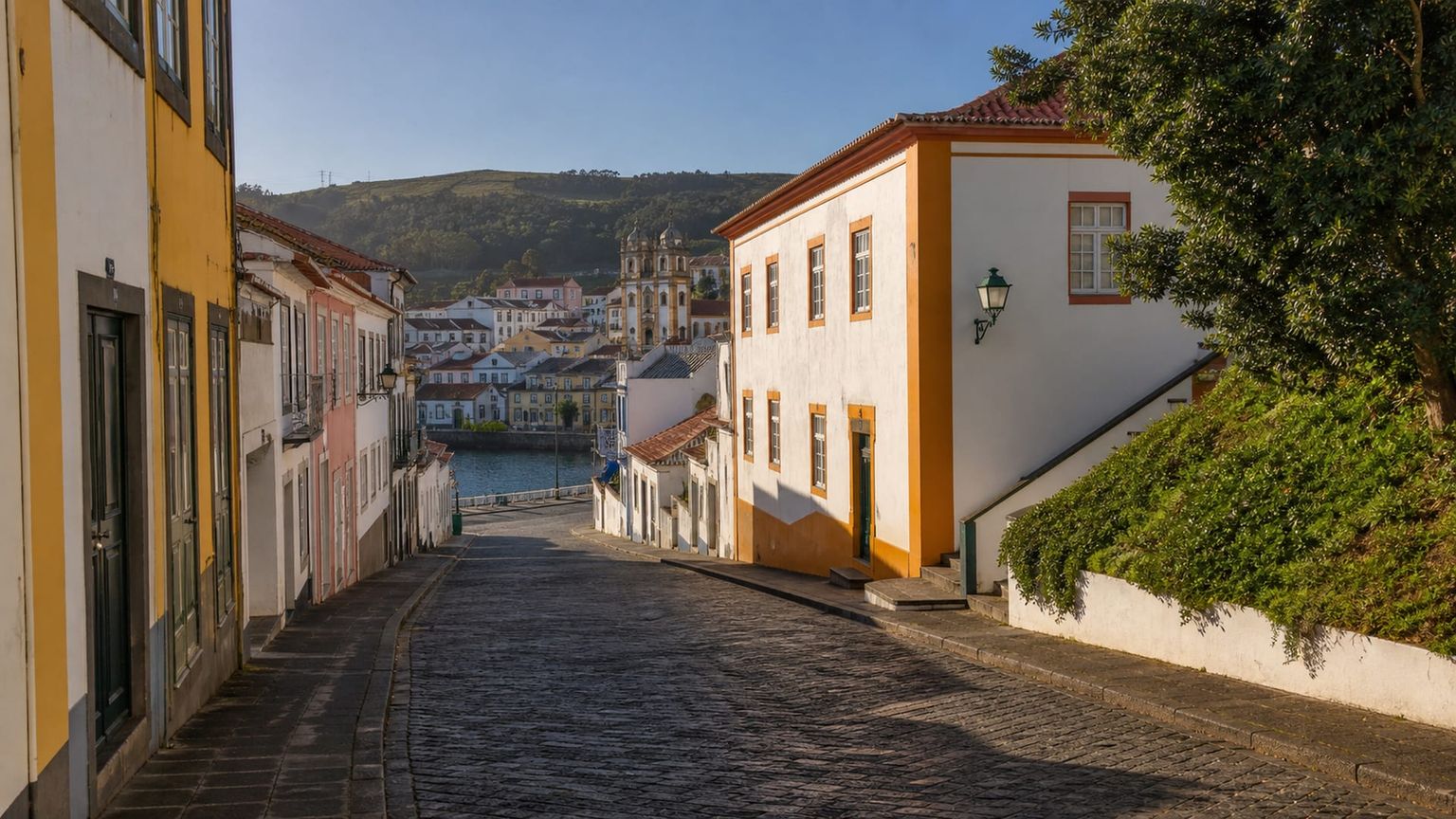
UNESCO-listed streets, harbor views, and the island’s main restaurant cluster make this the most convenient base on Terceira. You can walk to monuments, cafés, and the marina, then use Angra as a launch point for island driving.
Best for: First-time visits, sightseeing, and travelers who want to walk to dining and waterfront sights
What to expect: Busy streets by day, especially near the marina and main squares, with a clear drop in pace after dinner.
Hotel prices: Usually about $90 to $180 per night for well-rated stays
Distance to major sights: 5 to 15 minutes on foot to Monte Brasil and the marina
Quietness: Daytime can be lively and evening noise varies by street, while side lanes stay calmer.
Main trade-off: You will pay more here than in outlying villages, and parking can be limited in the tight historic streets.
Good to know: If you plan early starts and dinners out, this is the easiest area for leaving the car parked most of the day.
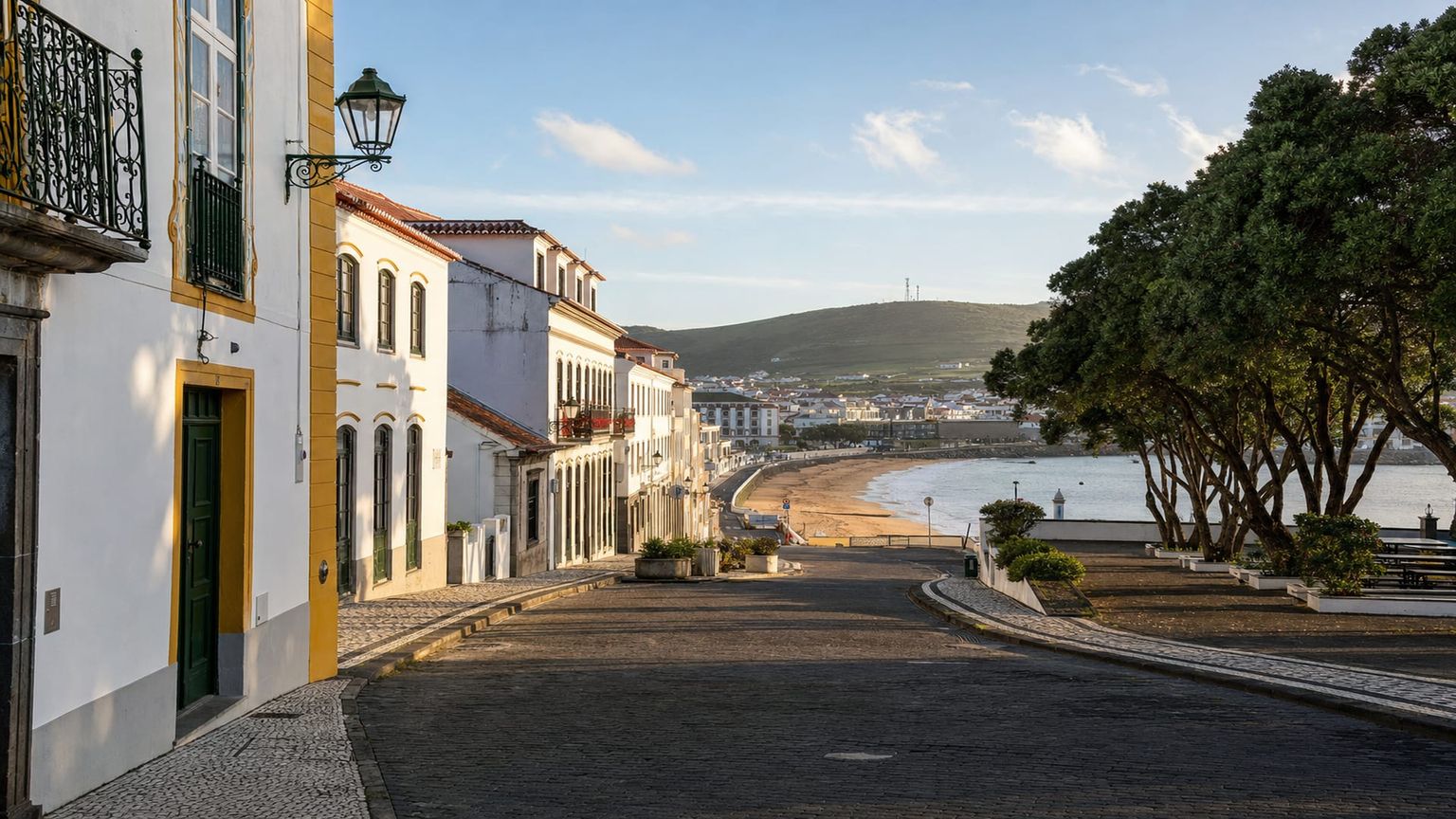
This is Terceira’s main east-coast town center, with a long bay, practical shops, and the island’s closest concentration of services to the airport. It suits travelers who want seafront walks and an easy overnight before a flight.
Best for: Airport access, short stays, and travelers who want a seafront base with everyday amenities
What to expect: Moderate activity along the bay, a few busy blocks near cafés, and a more local pace after dark.
Hotel prices: Usually about $70 to $140 per night for well-rated stays
Distance to major sights: 10 minutes by car to Terceira (TER), about 20 minutes by car to Angra do Heroísmo
Quietness: Busier near the waterfront in the afternoon, quieter on residential streets and later in the evening.
Main trade-off: You trade a more scenic historic setting for a flatter, more functional town center that is less compact than Angra.
Good to know: Late arrivals and early departures work well here because the airport transfer is short and taxis are easy to arrange.
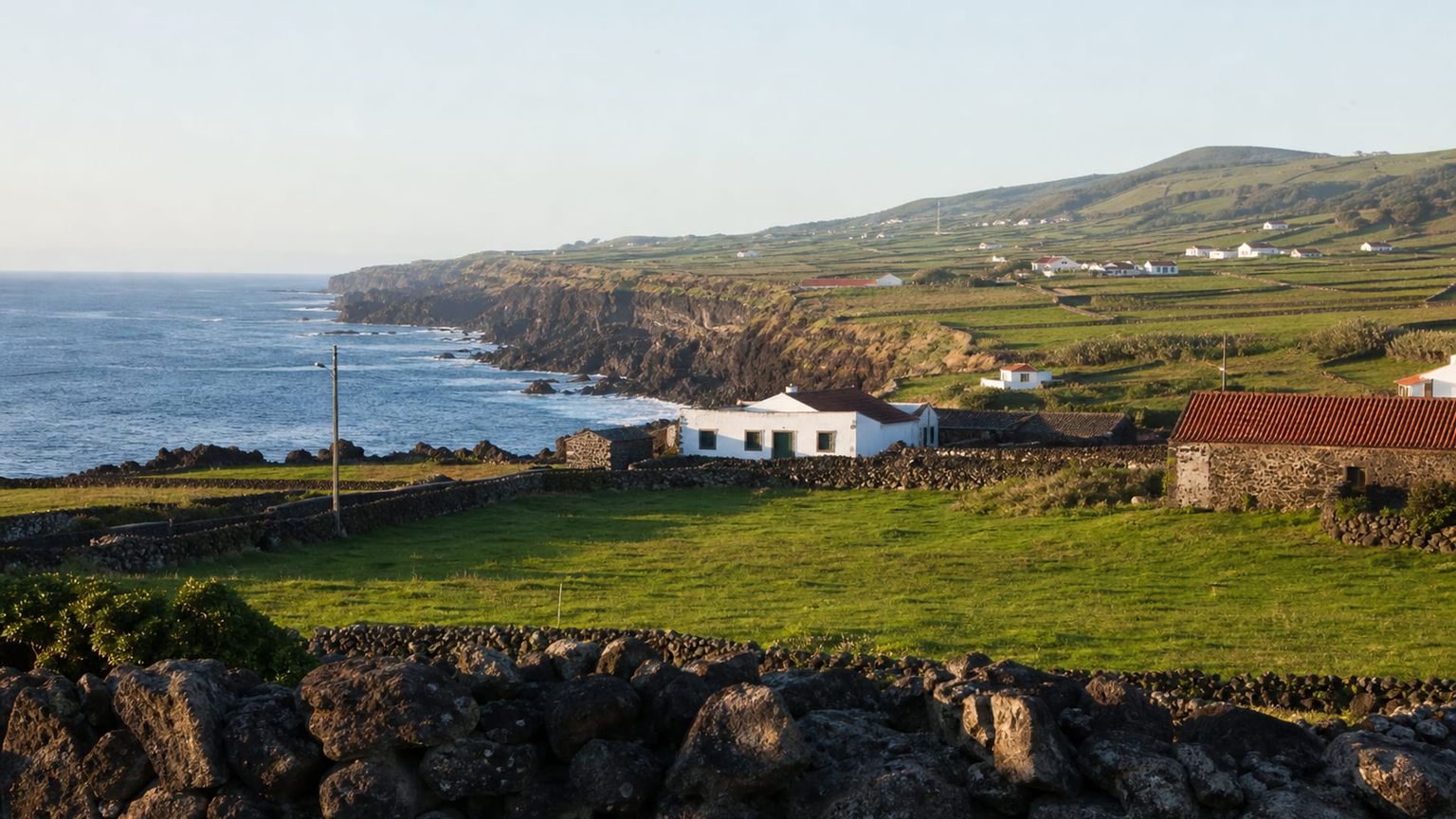
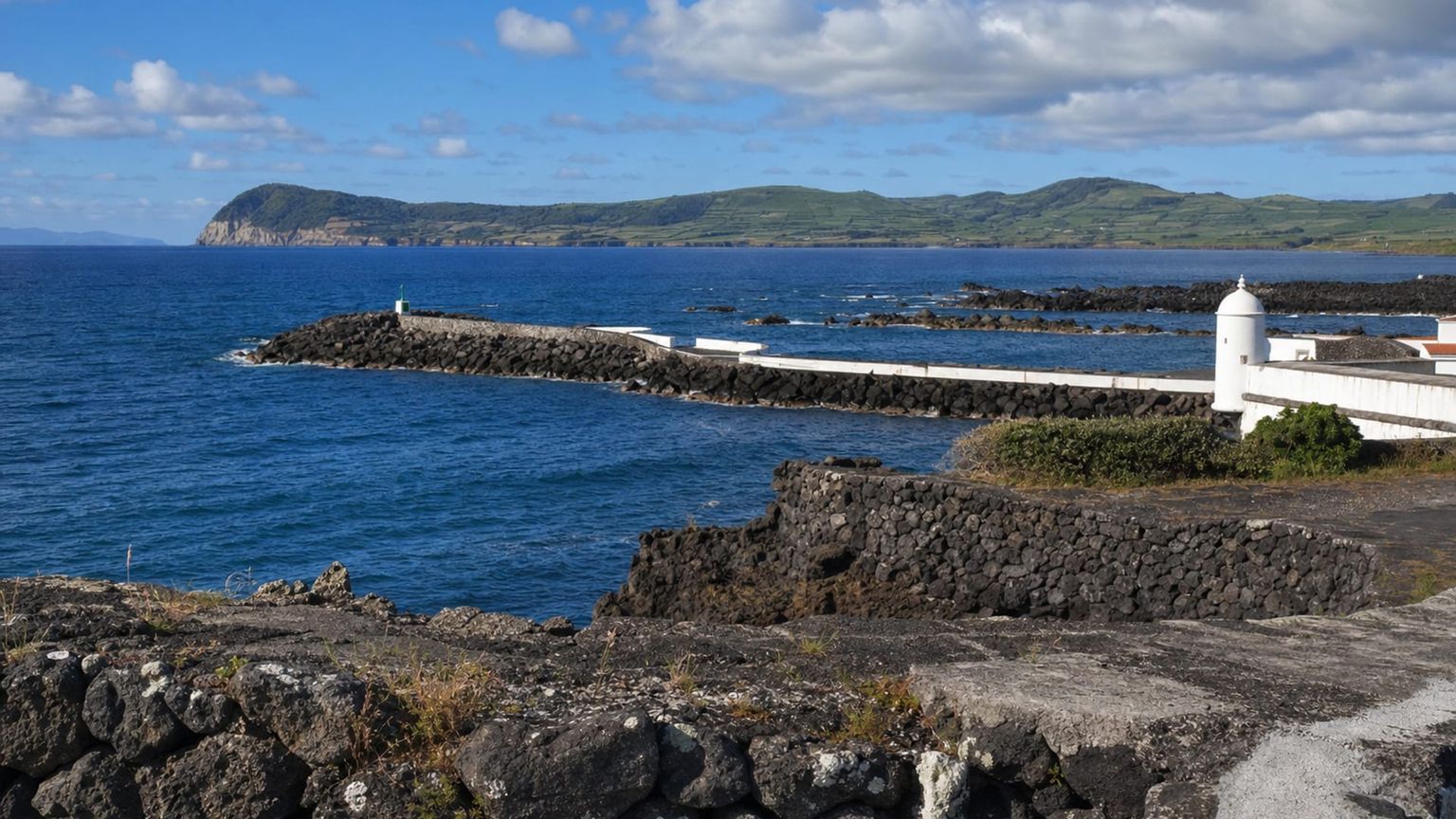
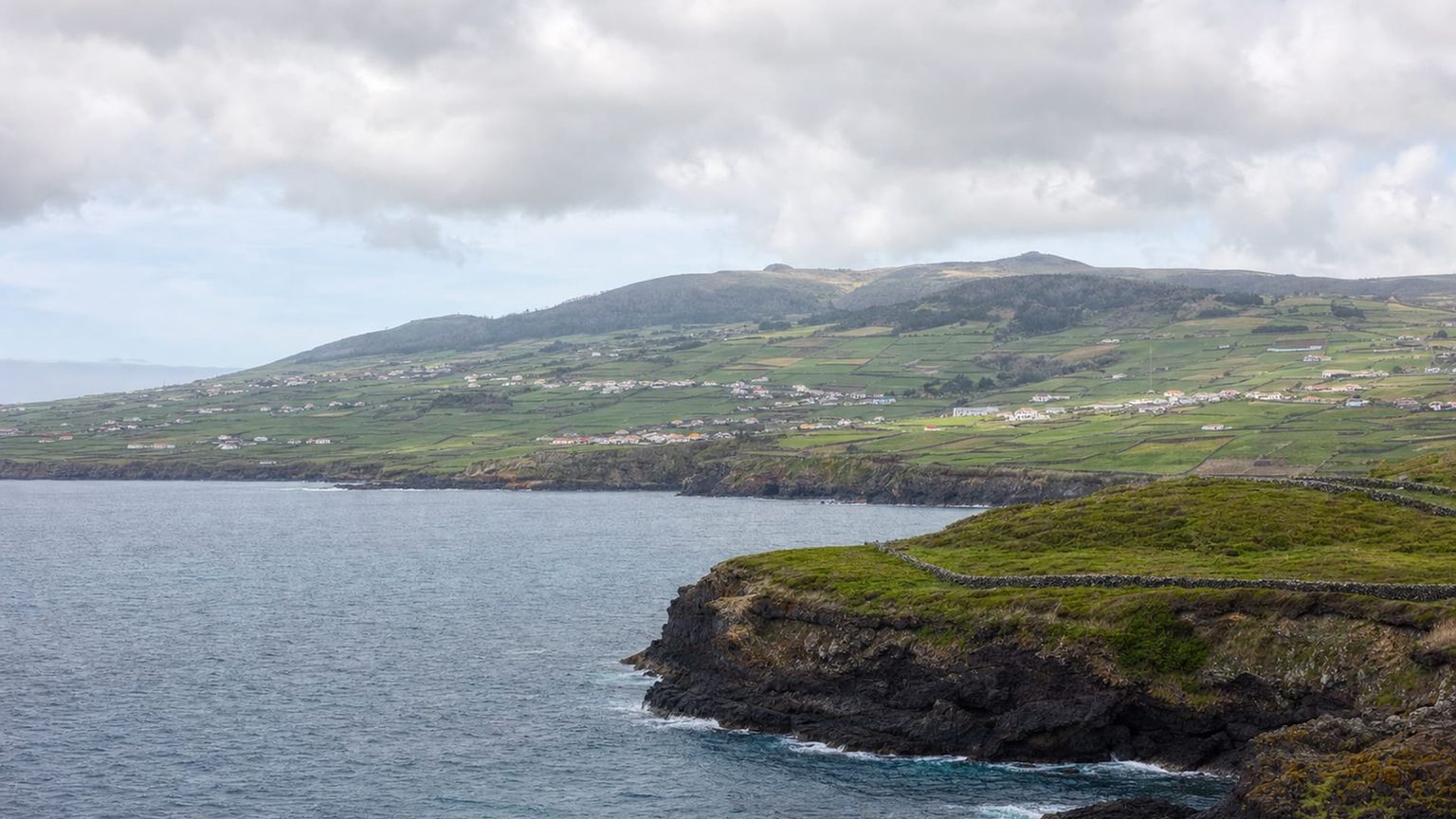
Altares and the nearby west coast give you a rural base with lava fields, sea cliffs, and wide Atlantic views. It matters if you want quieter nights and easier access to the island’s western pools and lookout points by car.
Best for: Nature-focused stays, road trips, and travelers who prefer a village setting
What to expect: Very low street activity, with most movement limited to local traffic, daytime sightseeing, and the occasional café stop.
Hotel prices: Usually about $60 to $120 per night for well-rated stays
Distance to major sights: About 25 to 35 minutes by car to Angra do Heroísmo, about 20 minutes by car to Biscoitos pools
Quietness: Quiet both day and night, with the most sound coming from passing cars and weather.
Main trade-off: You will need a rental car, and dining and shopping options are thinner than in Angra or Praia.
Good to know: Choose this area only if you are comfortable planning meals and errands around a car, since evening options are limited.
Travelers usually avoid staying in the far western and eastern rural parishes of Terceira, including Biscoitos, Altares, and Praia da Vitória’s outer residential edges, because they sit far from Angra do Heroísmo’s main sights and have fewer visitor amenities after dark. The airport-side outskirts near Lajes are also less convenient for a base, since they suit early flights more than sightseeing and dining.
Hotel deals
How to get around Terceira Island efficiently
On Terceira, walking covers Angra do Heroísmo well, while buses, taxis, and rental cars handle the longer stretches between the airport, Praia da Vitória, and the west coast.

Metro
for longer distances
Terceira Island has no metro or subway. The closest equivalent is the island bus network, which links Angra do Heroísmo, Praia da Vitória, and the airport area, but services are infrequent and limited outside peak times. For airport transfers and intercity trips, expect the bus to suit only light, planned travel.

Bus and tram
for convenience
Bus service on Terceira is centered on regional routes connecting the airport area with Praia da Vitória and Angra do Heroísmo, with some local links to nearby parishes. Fares are low, typically about $2 to $5 (€2 to €5) depending on distance, and tickets are usually valid for a single ride rather than timed transfers. Check timetables in advance, because weekend and evening departures can be sparse.

Taxi
for convenience or late hours
Licensed taxis use metered fares rather than set citywide flat rates, though airport runs may be quoted as fixed prices by some drivers. A short hop in the airport area usually costs about $8 to $15 (€8 to €15), while trips to Angra do Heroísmo or Praia da Vitória are commonly about $25 to $45 (€25 to €45), depending on distance, luggage, and time of day. Taxis line up at Terceira Island (TER), and drivers usually accept cash, with card payment varying by vehicle.
*Prices are based on rates updated as of June 2026 and may change at the time of travel.
Use buses for budget point-to-point rides, taxis for airport and evening transfers, and a rental car when you want to reach Algar do Carvão, Altares, and the western lookout points on your own schedule.
Iconic landmarks
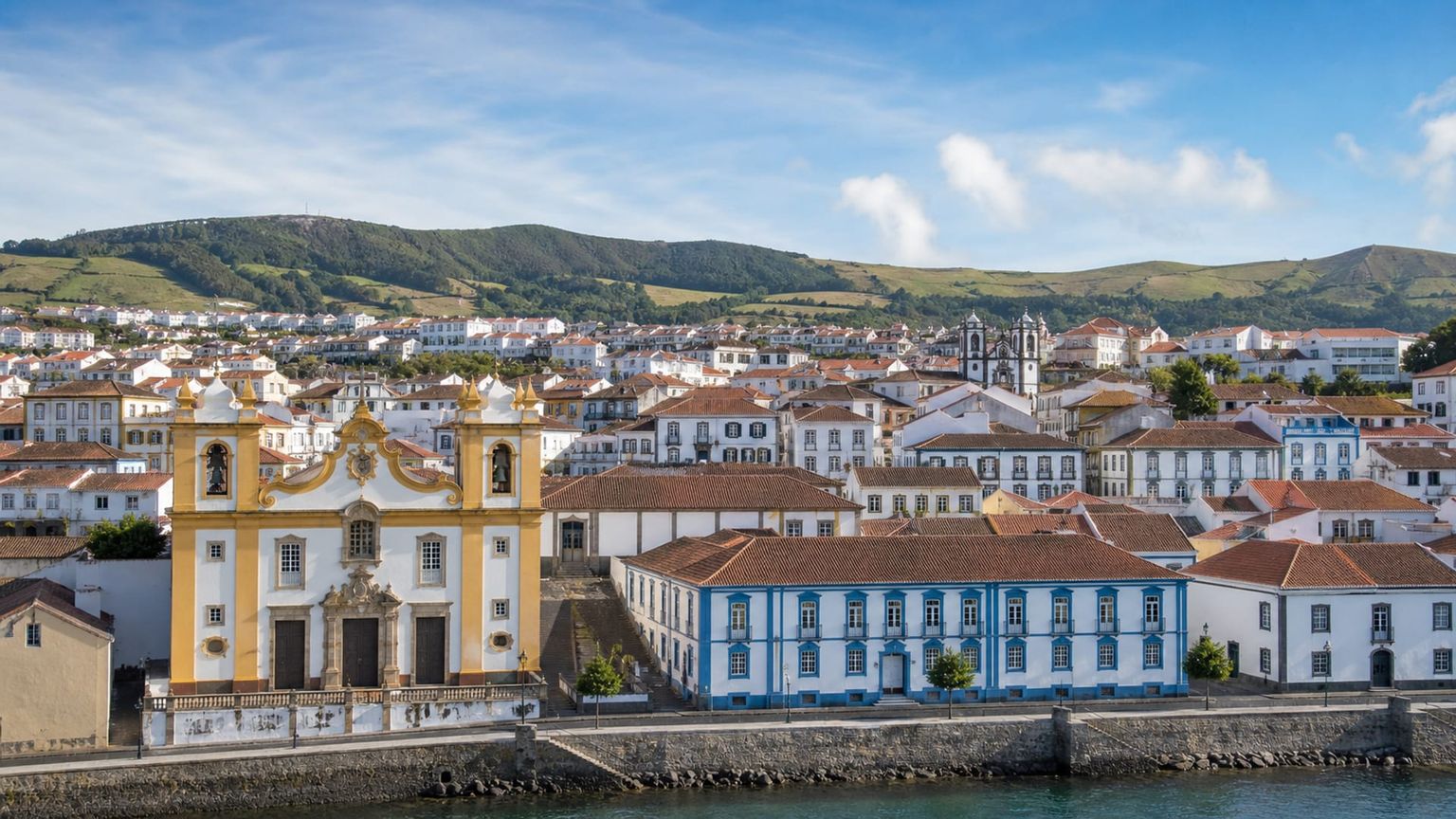
Angra do Heroísmo Historic Centre
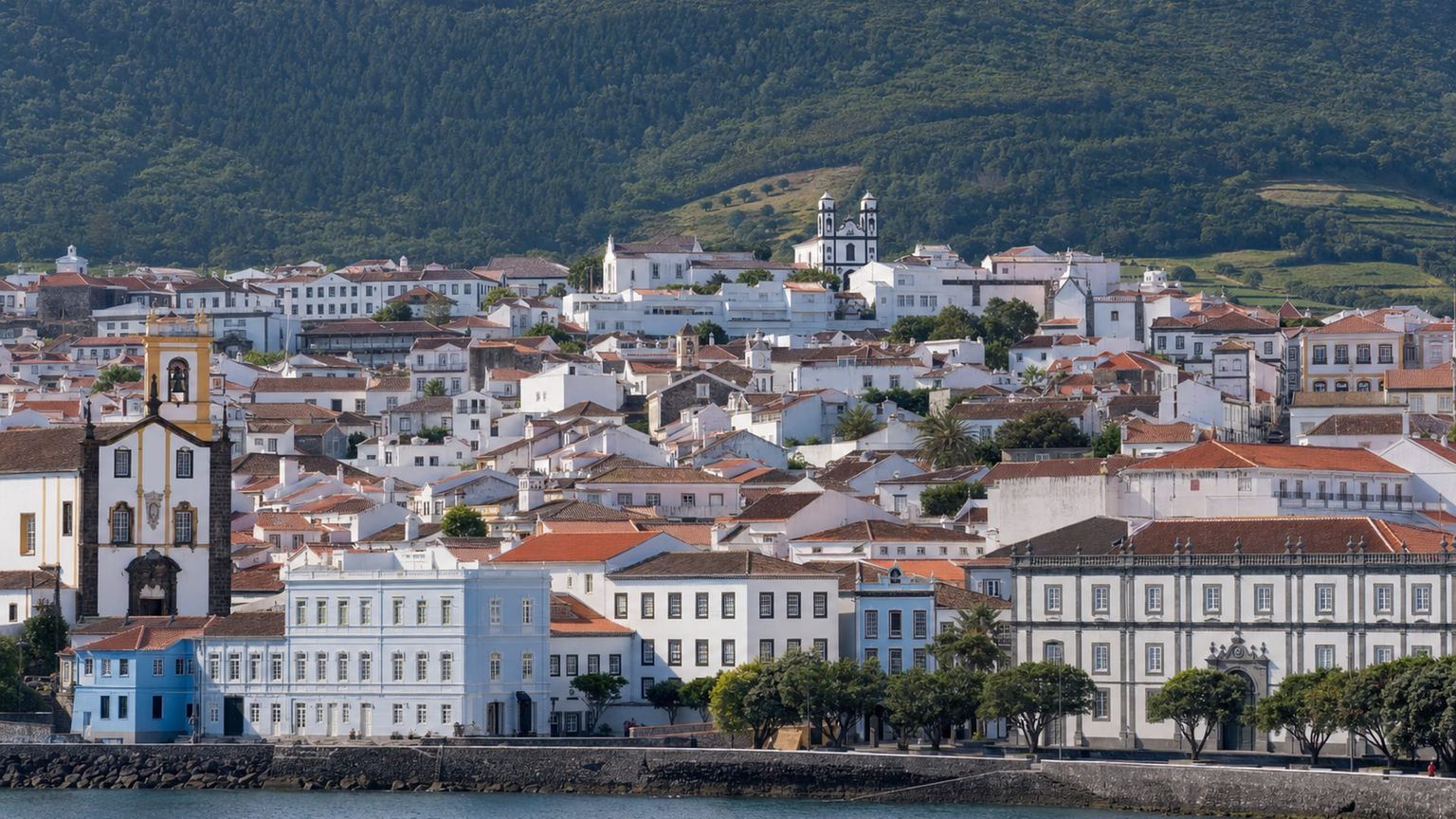
UNESCO-listed streets, churches, and sea walls fill Angra do Heroísmo’s center, the island’s main historic core. Visit for 16th- to 18th-century stonework, the Cathedral, and compact lanes shaped by naval history.
Time needed: About 3 to 4 hours
Entry: Free to access; individual museums, churches, and towers inside the historic center may charge separate admission for their own interiors.
Tip: Start early, then continue uphill after lunch when the streets are quieter and shaded.
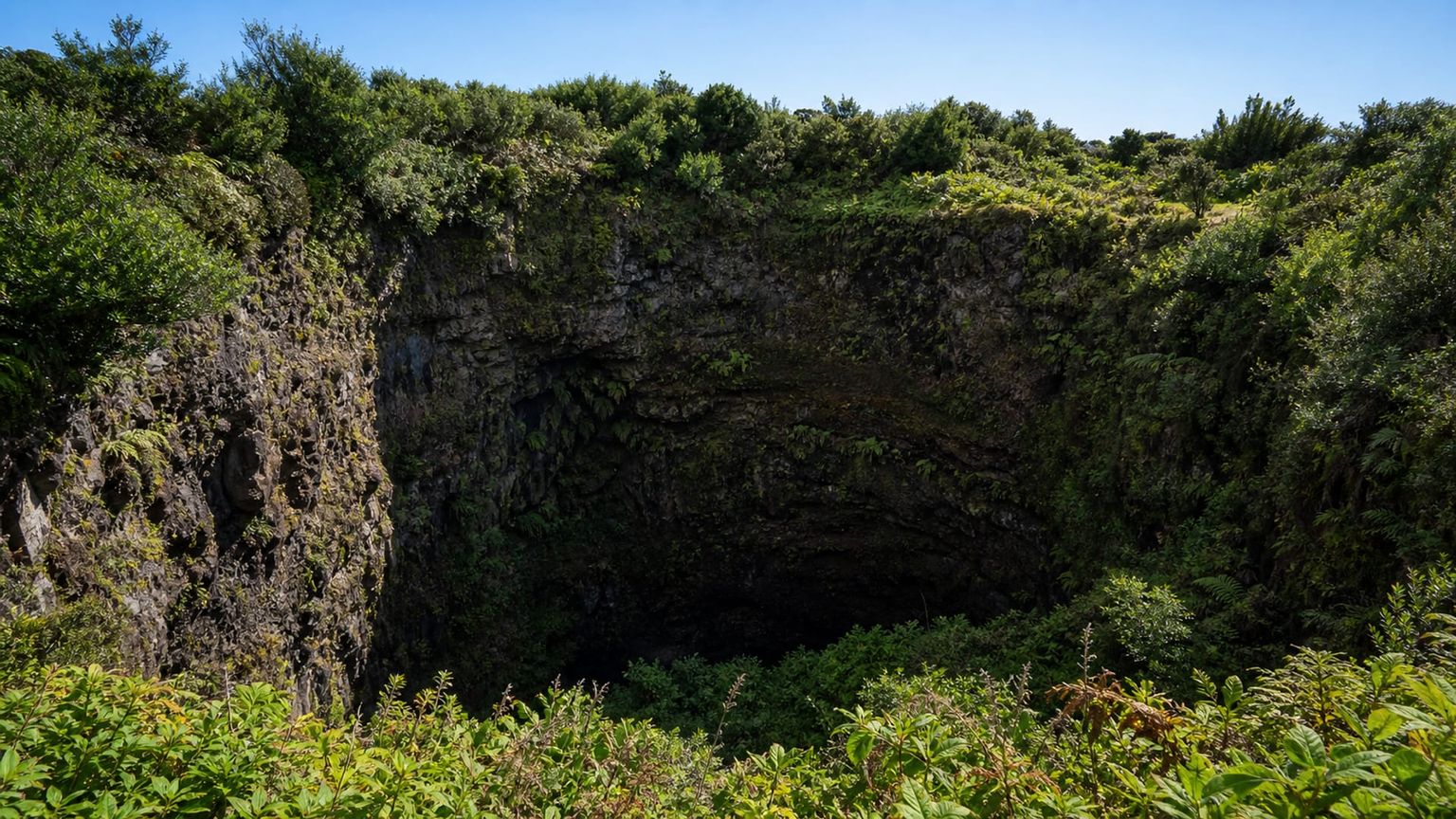
Algar do Carvão
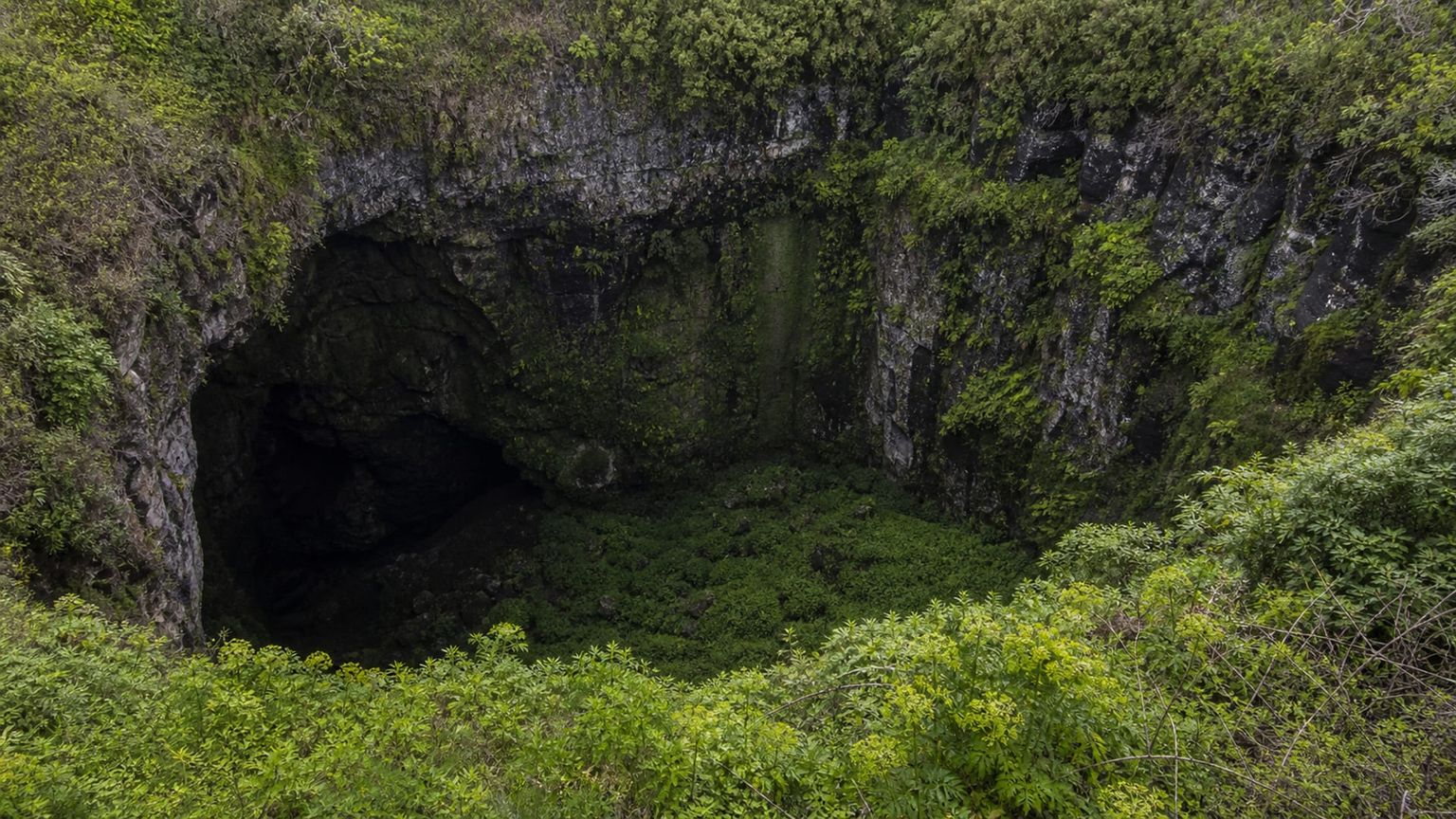
This volcanic chimney drops into a lava tube beneath the island’s interior, with moss, basalt walls, and a still pool at the bottom. The descent gives a clear look at Terceira’s volcanic geology in a short visit.
Time needed: About 1 to 2 hours
Entry: Admission costs about $10 to $12 (€9 to €11) for adults, with lower prices for children and students when discounts apply. Visit the official site for details.
Tip: Go before midday for better light in the shaft, then wear shoes with good grip on damp steps.
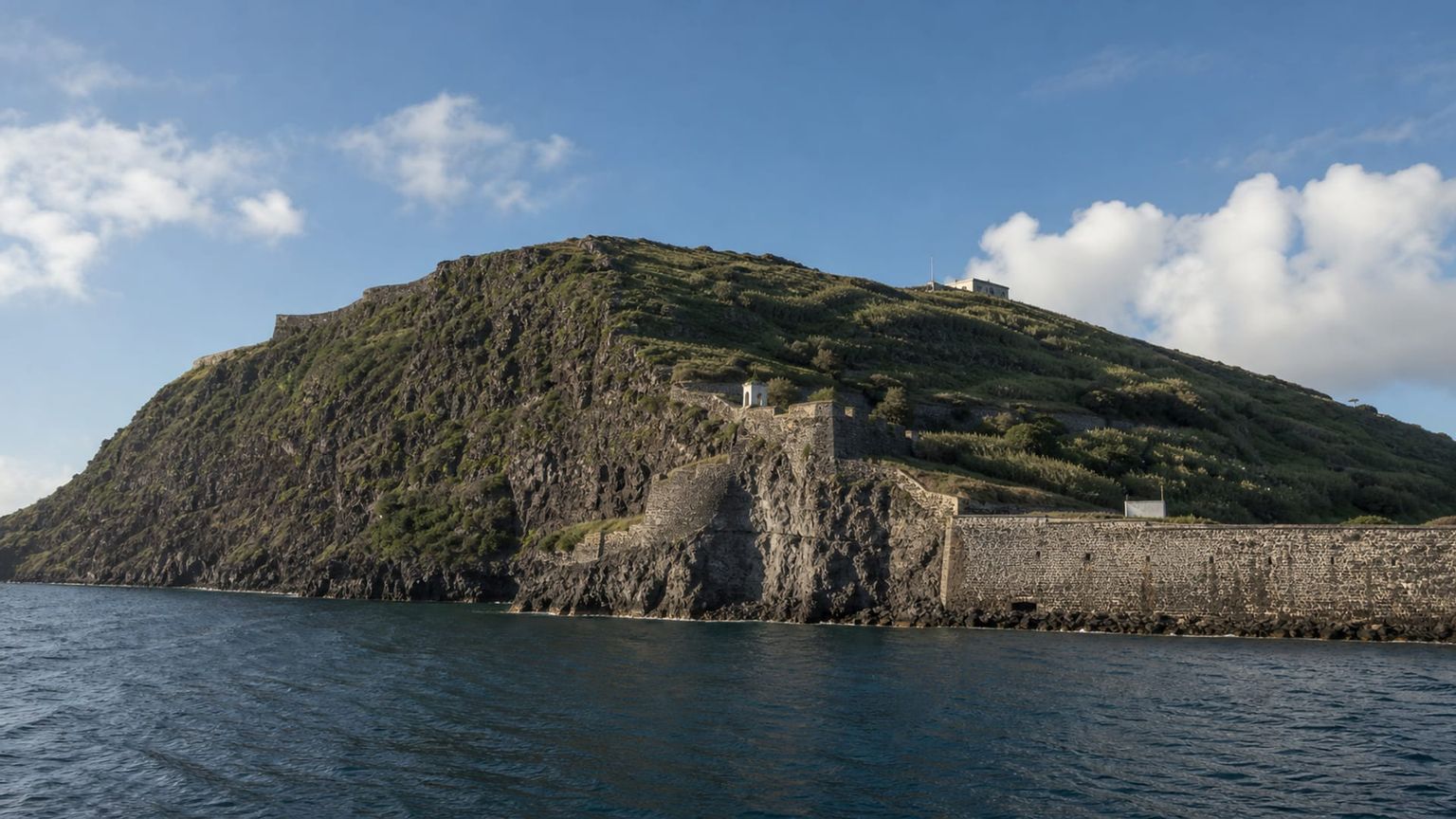
Monte Brasil
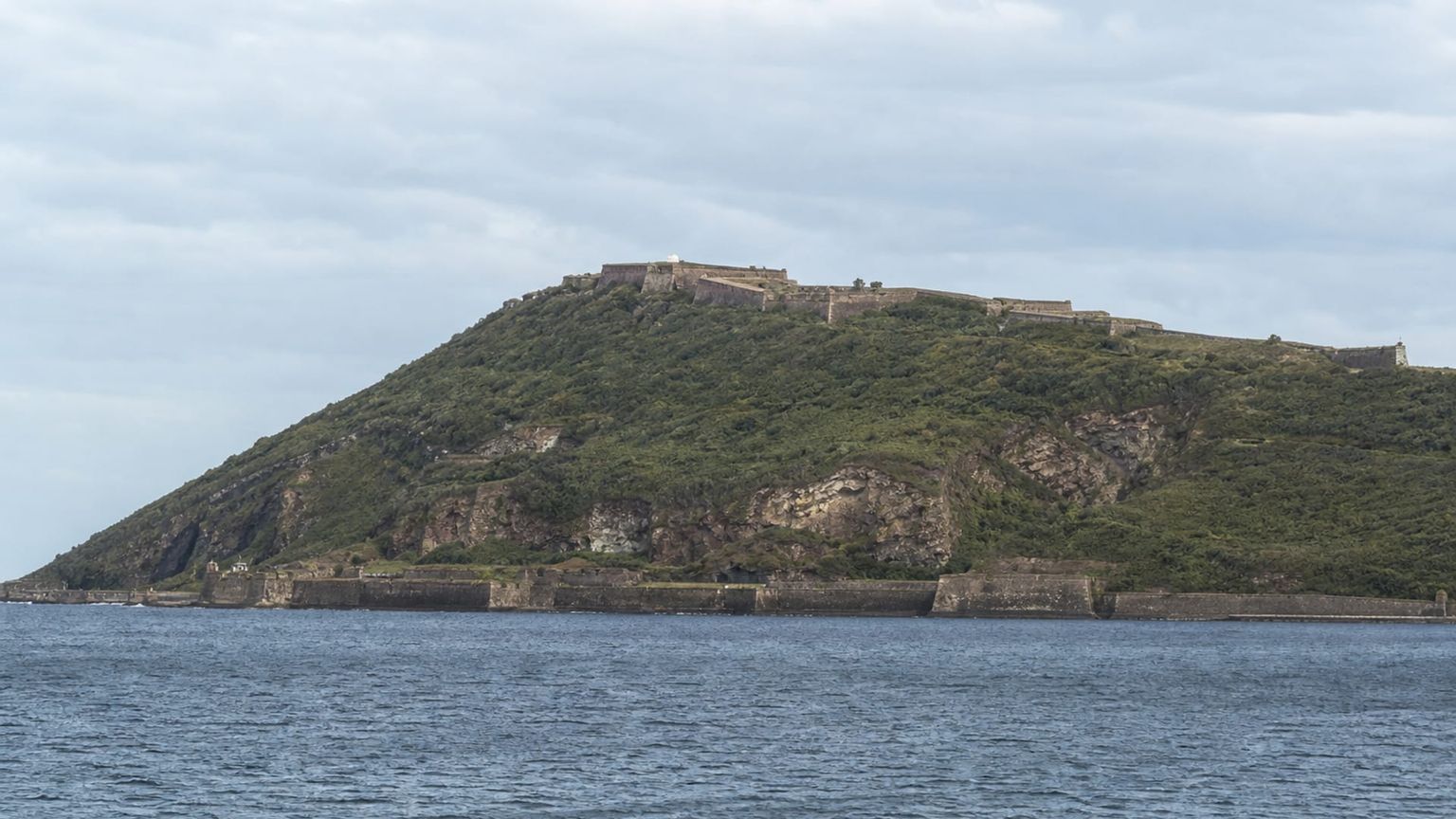
This wooded volcanic peninsula rises beside Angra do Heroísmo and mixes coastal views, fortifications, and walking paths. The summit area gives wide sightlines over the harbor, with old military works along the route.
Time needed: About 2 to 3 hours
Entry: Free to access; some fort sections and managed facilities may charge separate admission for exhibits or guided visits when open.
Tip: Use the late-afternoon light for the best harbor views and cooler walking temperatures.
Overlooked sites worth visiting

Monte Brasil
This extinct volcanic peninsula south of Angra do Heroísmo has coastal trails, views over the harbor, and Fort of São João Baptista. It suits an unhurried walk or a short drive to viewpoints.
Time needed: About 2 to 3 hours
Entry: Free to access. Fort access can be limited during military use, and guided visits or special events may have separate pricing; check local notices before you go, especially if you want interior access.
Tip: Go late afternoon for softer light over Angra do Heroísmo.

Museu de Angra do Heroísmo
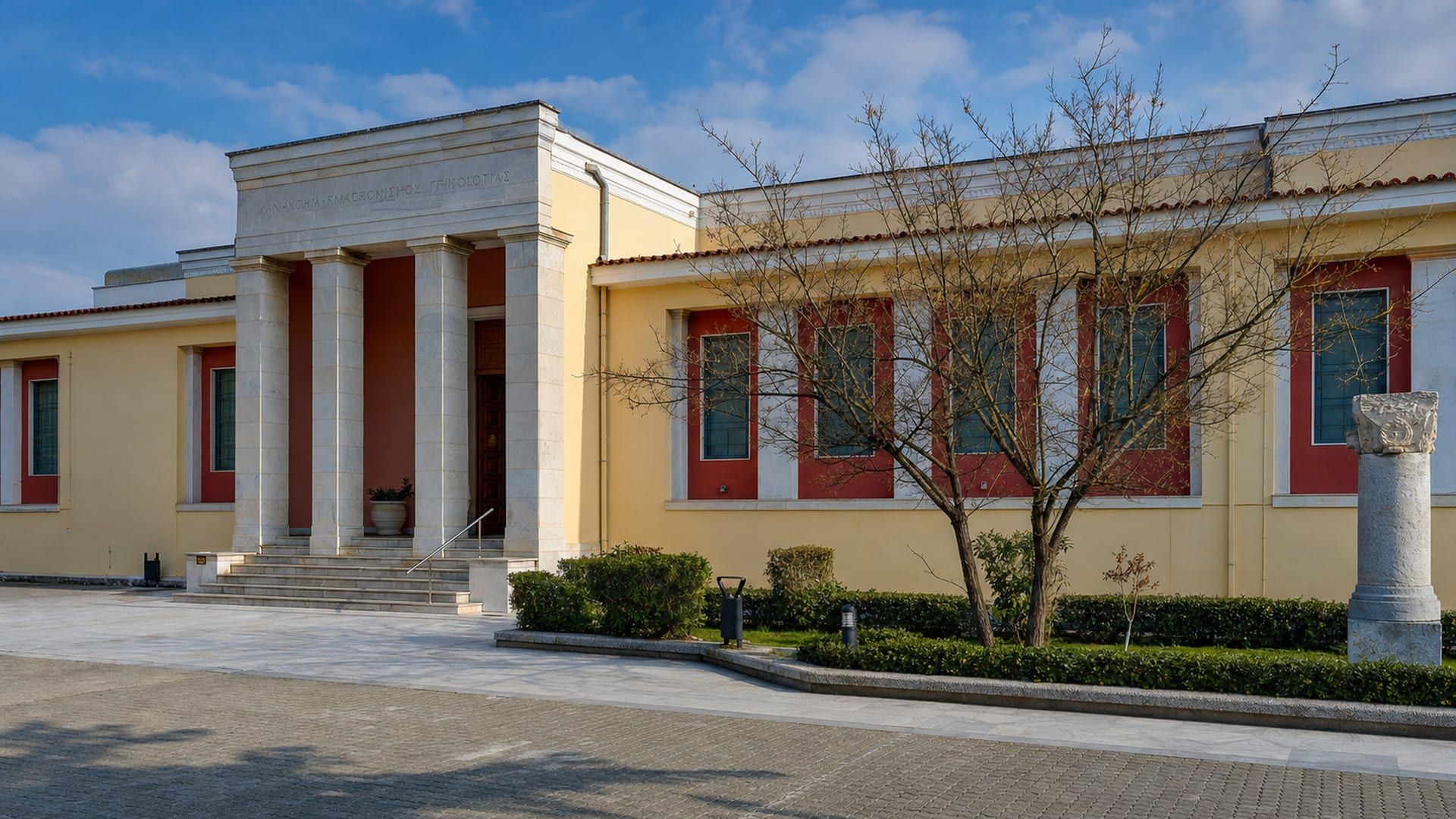
Housed in the former Convent of São Francisco, this compact museum covers Terceira’s history, seafaring, and religious art. Its rooms make an easy stop in central Angra do Heroísmo.
Time needed: About 1 to 2 hours
Entry: Standard admission costs about $6 to $8 (€5 to €7), with lower prices for students and seniors; some temporary exhibitions or combined tickets can change the total, so confirm the current rate at the desk. Visit the official site for details.
Tip: Pair it with a short walk through Angra’s historic center.
Traditional food
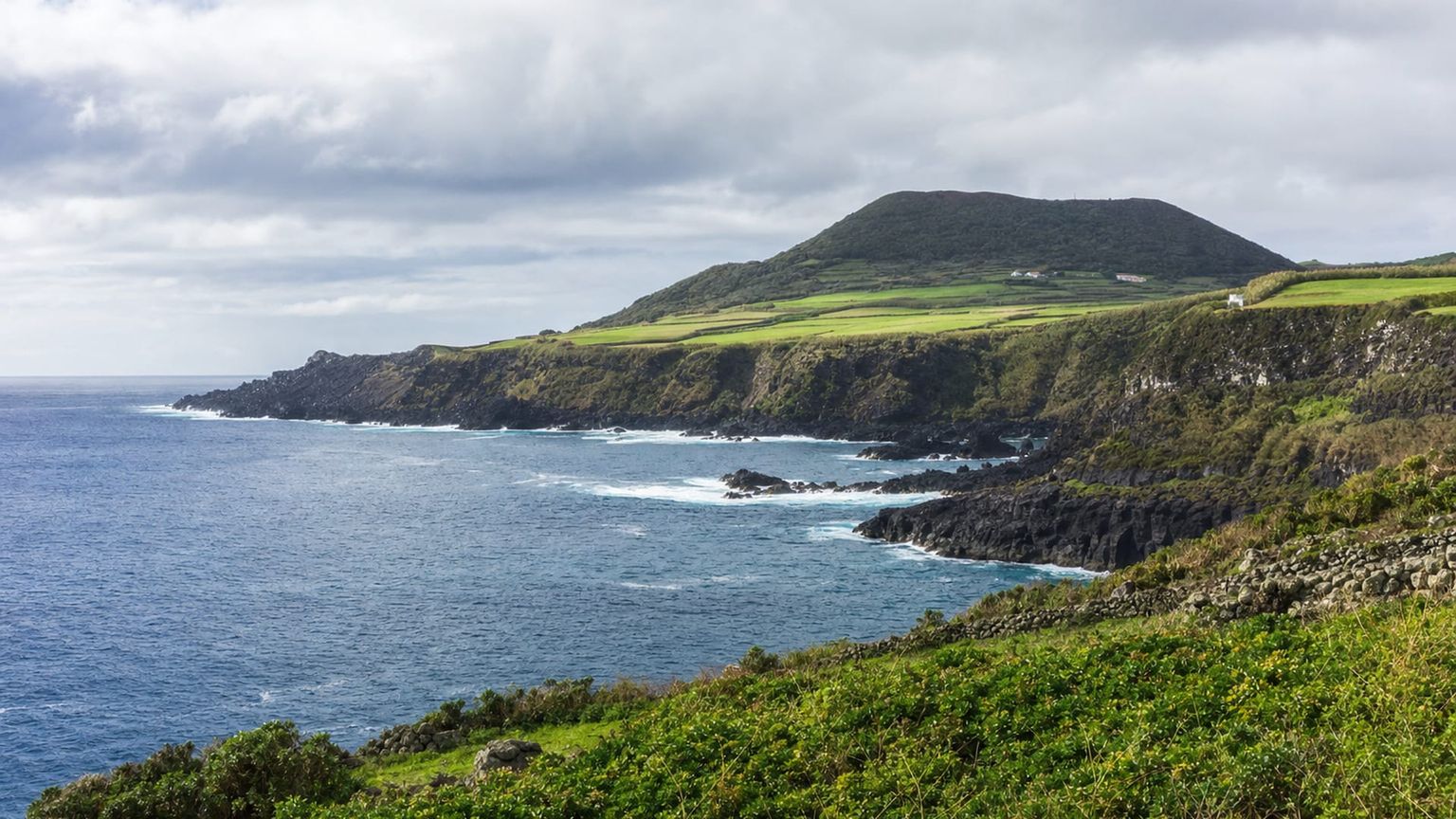
Terceira’s table leans on beef, shellfish, cheese, and sweets, with slow-cooked alcatra, grilled limpets, and local pastries anchoring meals. Lunch and dinner often follow the island’s kitchen hours, so timing matters.
Alcatra
This slow-cooked beef stew is one of Terceira’s signature dishes, usually served rich and deeply seasoned. O Alpendre in Angra do Heroísmo is a strong canonical stop for it, with a menu that suits a long island lunch.
Lapas grelhadas
Grilled limpets arrive with garlic, butter, and citrus, giving you one of the clearest tastes of the Azores coastline. Caneta in Angra do Heroísmo is a dependable place to order them alongside seafood and wine.
Cracas
These volcanic barnacles are a local specialty with a briny, distinctive flavor that many visitors try at least once. Beira Mar in Biscoitos is a canonical choice, especially if you are combining lunch with a west coast drive.
Queijadas da Terceira
These small custard tarts are the island’s best-known sweet, with a soft center and a lightly caramelized top. A Bajada in Angra do Heroísmo is a classic place to buy them for dessert or a coffee break.
Best time to visit Terceira Island
Terceira stays mild through much of the year, but the best mix of walking weather, sea views, and road-trip comfort shifts with wind, rain, and summer demand.
Best for: Flowered hillsides, clear driving days, and lower room rates
What you get: About 59-68°F (15-20°C), with moderate crowds and changeable weather
Trade-offs: Rain can still interrupt west coast plans
Best for: Beach stops, swimming, and long daylight for island driving
What you get: About 66-77°F (19-25°C), with the largest crowds and the busiest hotel calendar
Trade-offs: Popular sights and restaurants need more advance planning
Best for: Balanced sightseeing, warmer sea water, and comfortable city walks
What you get: About 63-73°F (17-23°C), with lighter crowds than summer
Trade-offs: Stormier days can affect ferries, swims, and cliff viewpoints
Best for: Quiet streets, museum time, and lower prices on stays
What you get: About 54-63°F (12-17°C), with the smallest crowds and the most rain
Trade-offs: Shorter days and wetter roads limit outdoor plans
A realistic 5-day plan in Terceira Island
The five-day plan follows Terceira’s most useful sequence: settle into Angra, spend time in the historic center, move into the volcanic interior, then give the west coast a full day before a lighter departure morning.
From Terceira (TER), the simplest arrival plan is a taxi or prebooked transfer into Angra do Heroísmo historic center, about 20 minutes away for roughly $18 to $25. Stay near the marina or the main squares if you want an easy first evening, then settle in with water, a short walk along the waterfront, and a light dinner in the old town so you are not crossing the island after a flight.
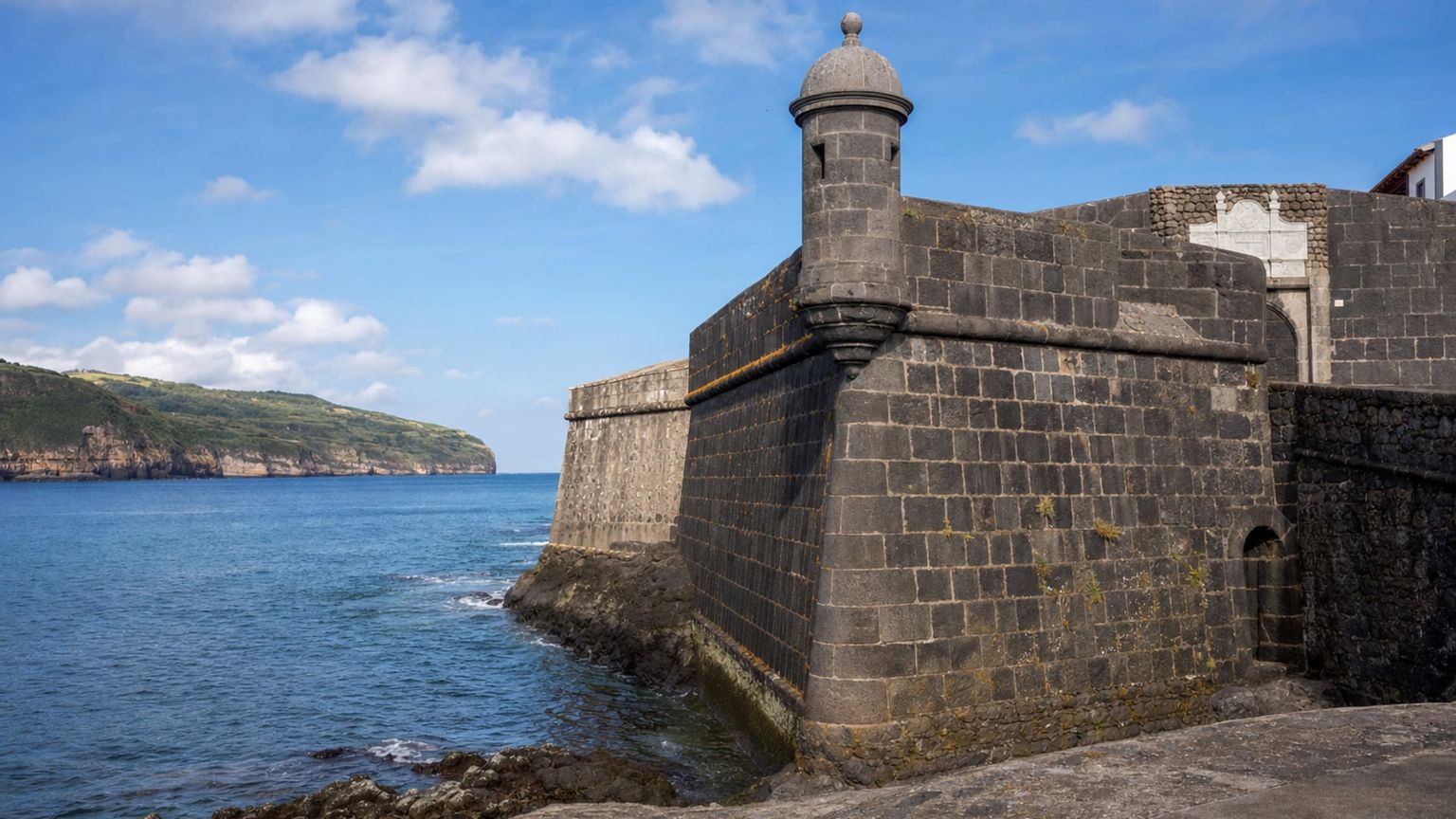
Start in the Angra do Heroísmo Historic Centre, where the Cathedral, sea walls, and compact stone streets are close enough for a 3 to 4 hour walk, then break for lunch before continuing uphill when the light softens. From the center, walk about 15 minutes to Museu de Angra do Heroísmo for a 1 to 2 hour visit inside the former Convent of São Francisco, then return to the streets around the marina for an easy dinner nearby.
Begin with Monte Brasil, since the trails and fort views work well before the day warms up, and plan about 2 to 3 hours for the peninsula. After that, drive about 20 minutes inland to Algar do Carvão, where the descent into the volcanic shaft takes about 1 to 2 hours; arrive before midday if you want better light in the chamber. Back in Angra, keep dinner near your hotel so the evening stays simple.
A west coast drive changes the pace completely, so head toward Altares and the western coast for sea cliffs, lava fields, and low-traffic roads. Spend the morning at lookout points and coastal stops, then return east in the afternoon, about 25 to 35 minutes by car to Angra do Heroísmo or roughly 20 minutes to the Biscoitos pools if you want one more bathing stop before dinner. Finish in Praia da Vitória center if you prefer a bayfront meal and an easier route back to the airport the next morning.
For your last morning, aim for a short museum stop in Angra do Heroísmo, then walk the surrounding streets for shopping before lunch. The district near the historic center and marina has the best concentration of cafés, so you can pause there for coffee, pick up local products, and keep your bags close before heading to Terceira (TER).
Business-class flights from the US to Terceira Island
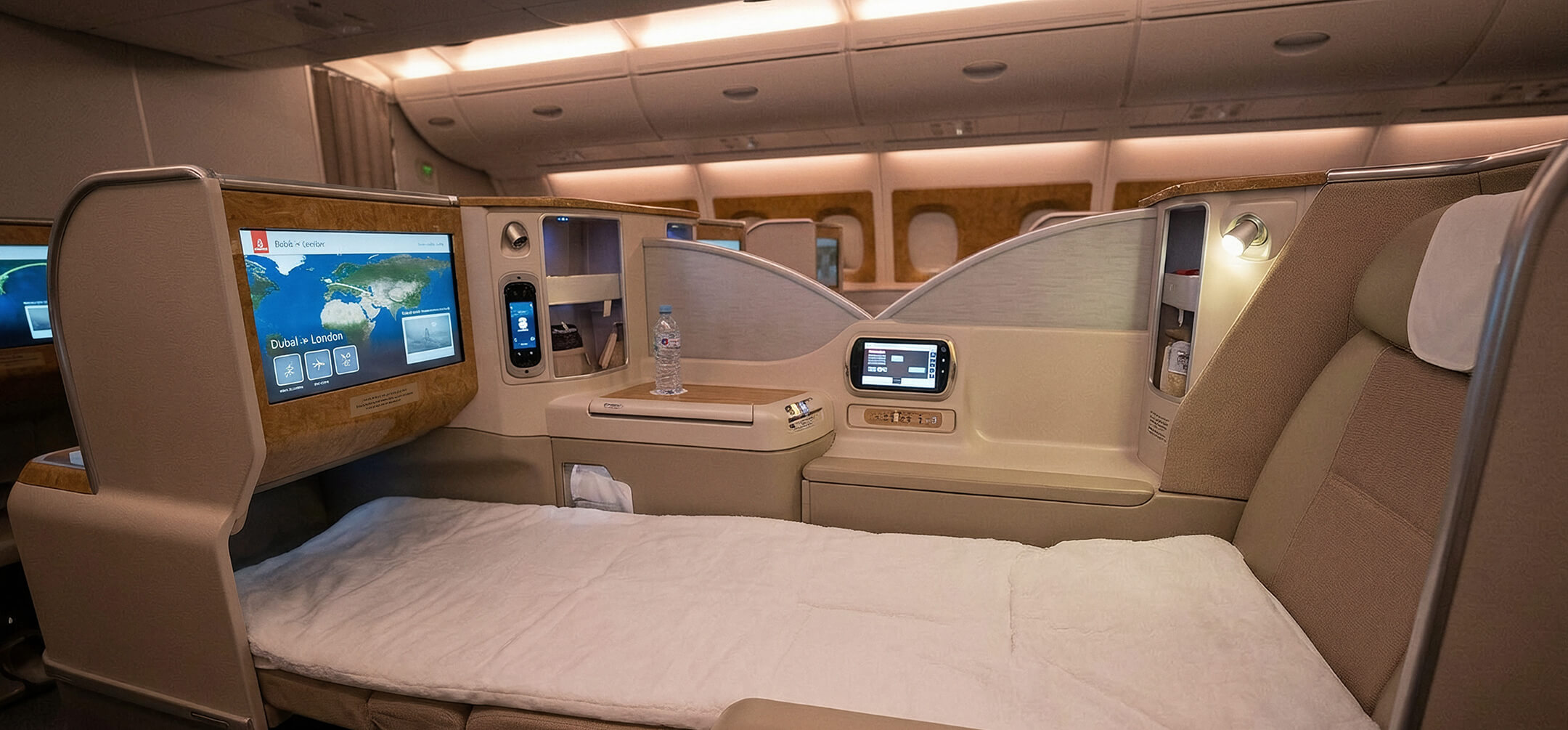
Reaching Terceira usually means one stop, and the better itineraries vary by coast. From New York and Los Angeles, the most useful comparisons are the layover cities, total travel time, and how much the fare rises for faster connections.
From New York, Azores Airlines, SATA Air Açores, TAP Air Portugal, Iberia, and United Airlines typically connect through Lisbon (LIS), Ponta Delgada (PDL), Madrid (MAD), or Porto (OPO). Typical round-trip fares from New York usually start at $1,800 and can reach $4,200.
Los Angeles itineraries usually route on TAP Air Portugal, Azores Airlines, SATA Air Açores, Iberia, or Air France, with connections through Lisbon (LIS), Madrid (MAD), Paris (CDG), or Ponta Delgada (PDL). Expect roughly $2,400 to $5,500 for a round trip from Los Angeles.
Terceira Island feels different when you slow down
A good Terceira Island trip ties Angra do Heroísmo’s streets to Monte Brasil, the interior shaft at Algar do Carvão, and one long west coast drive, with taxis, buses, and a rental car used where each makes sense. That approach keeps meals near the places you already planned to see, rather than scattering the day. If you want help matching neighborhoods, flight timing, and island routes, the AranGrant experts can shape the details around your dates