

Chapters:

Need help with your trip?
Our support team is available 24/7. Request a callback or call us directly at (833) 619-0908
Tepic rewards travelers who stay near the center and treat the city as a place of short moves, not big crossings. Many visits focus on the cathedral and a hill view, then miss the museum, park, and neighborhood meals that fill out the day.
That narrow approach can waste time in taxi traffic and leave dinner decisions to whatever is nearest after dark. Tepic spreads modestly, but the useful sights sit close enough together that pacing matters more than distance.
This guide organizes the city into clear blocks, from arrival and central walks to a hill climb, a museum stop, and a final neighborhood meal, so you can move through Tepic with fewer backtracks and better timing.
Useful things to know

Main language(s): Spanish
Hola (OH-lah) – Hello/good morning
Por favor (por fah-VOR) – Please
Gracias (GRAH-syahs) – Thank you
¿Habla inglés? (AH-blah een-GLAYS) – Do you speak English?
¿Cuánto cuesta? (KWAN-toh KWES-tah) – How much does it cost?

Currency: The local currency is the Mexican peso (MXN, $).

Cash and cards: Cards and contactless are accepted at many hotels and larger shops, but carry about MXN 300 to 500 ($18 to $30) in cash.

Tipping: Round up small bills; leave about 10% in restaurants if service is good.

Traditional food: Aguachile, pescado zarandeado, chilorio, tamales barbones

Water and coffee costs: Water ~MXN 20 to 35 ($1 to $2), bar espresso ~MXN 35 to 50 ($2 to $3).

Taxis and ride apps: Uber and DiDi operate here; availability can thin out late at night.

Plug and voltage: Type A/B socket, 127V

Dining and shop opening hours: Breakfast is about 07:00-10:00, lunch 14:00-16:00, and dinner 20:00-23:00. Many restaurants close between lunch and dinner.

Emergency number: 911 for police, fire, and medical emergencies.
Where to stay in Tepic
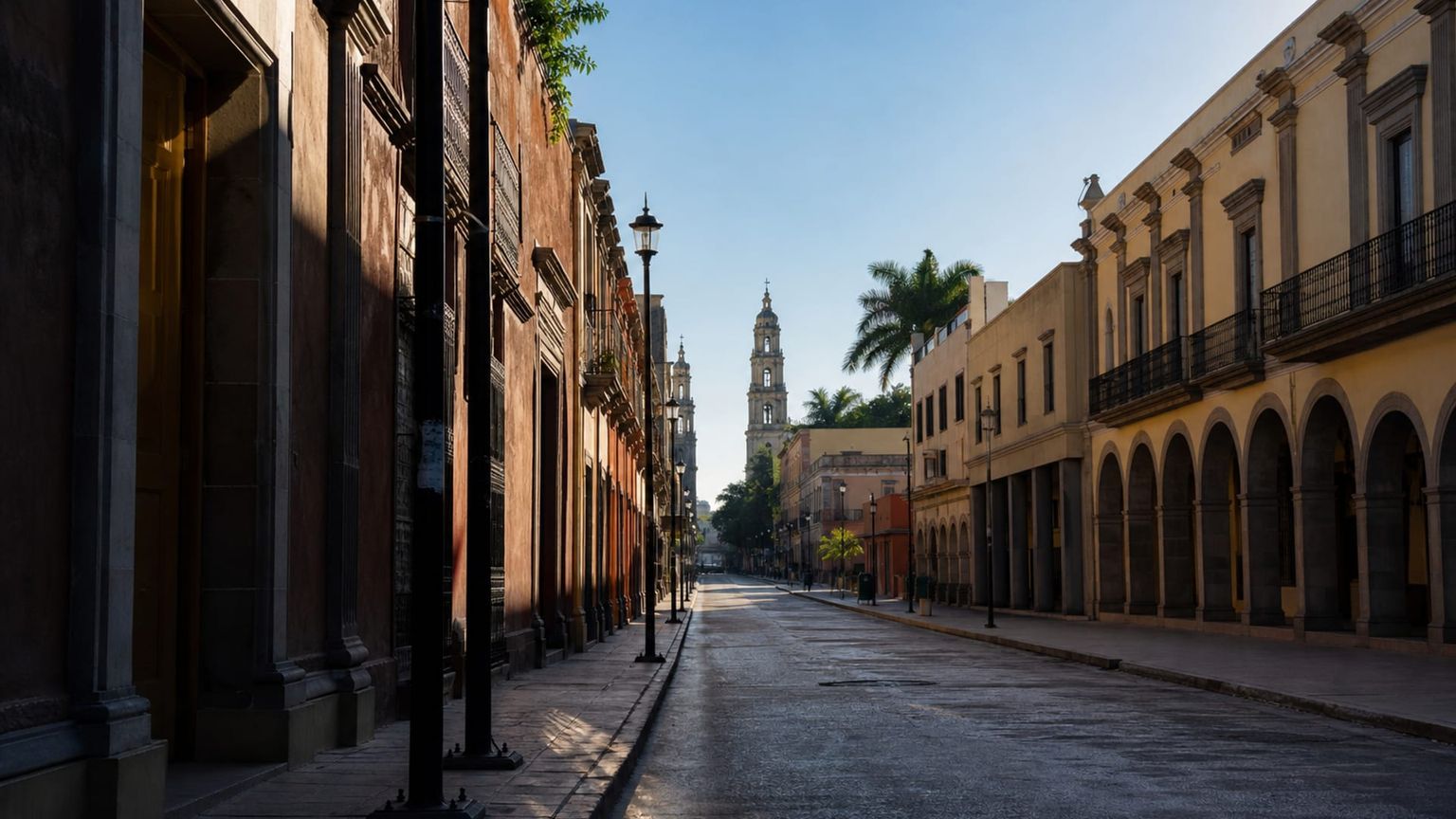
Tepic’s historic center puts you near the cathedral, plazas, markets, and the city’s oldest streets. It suits travelers who want to walk to daytime sights, café stops, and simple dining without relying on long rides.
Best for: First-time visits, walking to landmarks, and easy access to downtown dining
What to expect: Busy sidewalks by day, with office traffic, market activity, and a modest evening scene around the main squares.
Hotel prices: Usually about $35 to $90 per night for well-rated stays
Distance to major sights: 5 to 15 minutes on foot to Catedral de Tepic and Plaza Principal
Quietness: Quieter late at night, though traffic and foot movement stay active near the main squares until early evening.
Main trade-off: Parking can be tight, and the liveliest blocks bring more noise than outlying neighborhoods.
Good to know: If you want to join daily city life on foot, choose a street a few blocks off the main plaza, because the busiest corners get the most noise after dark.
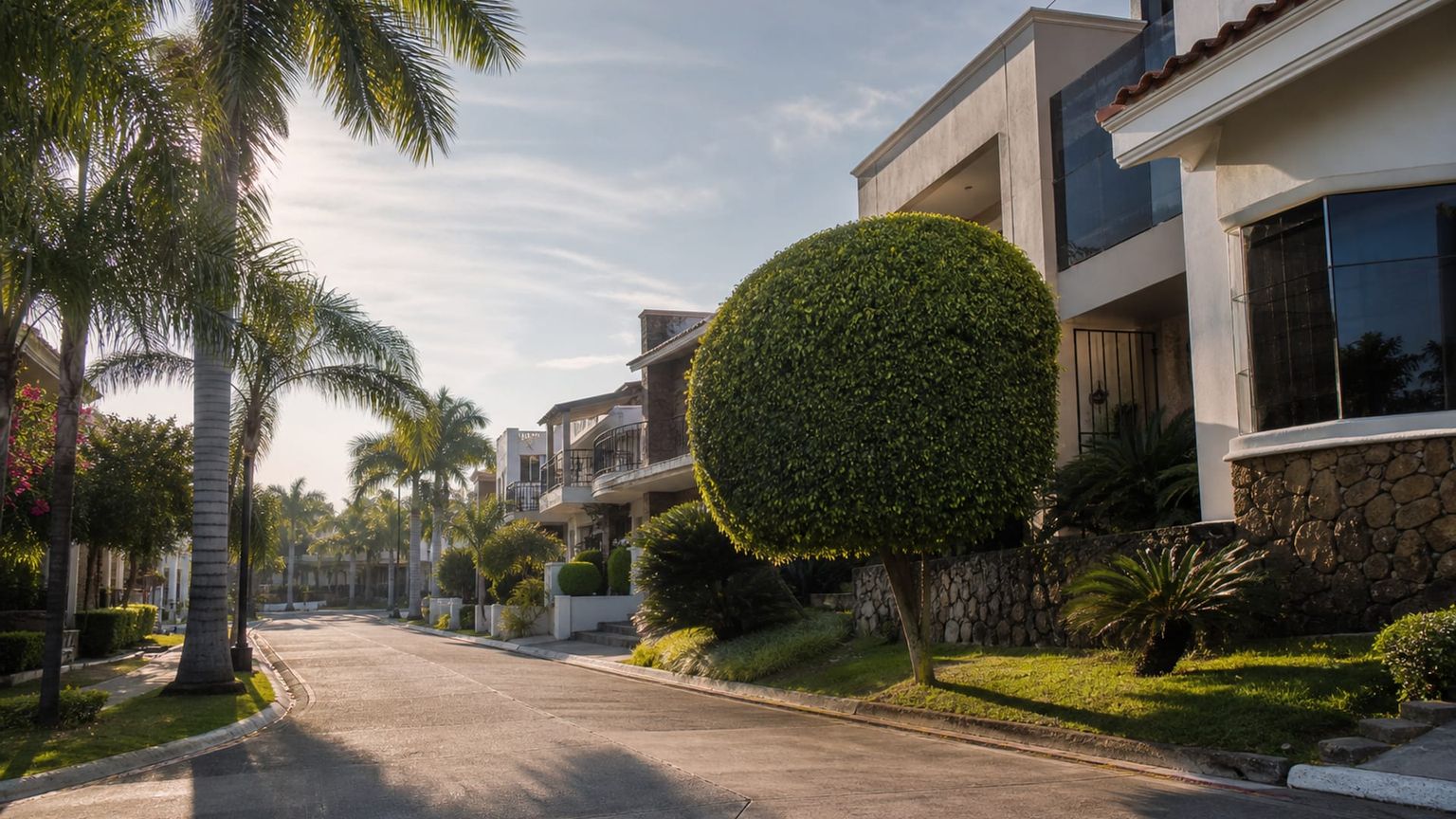
Lomas de Tepic is an upper-residential area with newer homes, local shops, and wider streets than the center. It matters for travelers who want a calmer base with easy car or taxi access to downtown and the main roads.
Best for: Families, longer stays, and visitors who prefer residential streets with easier parking
What to expect: Low-rise residential blocks, neighborhood commerce, and lighter pedestrian traffic than the historic core.
Hotel prices: Usually about $40 to $110 per night for well-rated stays
Distance to major sights: About 10 to 20 minutes by taxi to Catedral de Tepic and Plaza Principal
Quietness: Quieter in the evening than downtown, with only local traffic and neighborhood activity near shops.
Main trade-off: You will usually need a taxi or car for central restaurants, museums, and evening outings.
Good to know: Plan on using rides for most central sightseeing, because the area works best as a residential base rather than a walk-everywhere address.
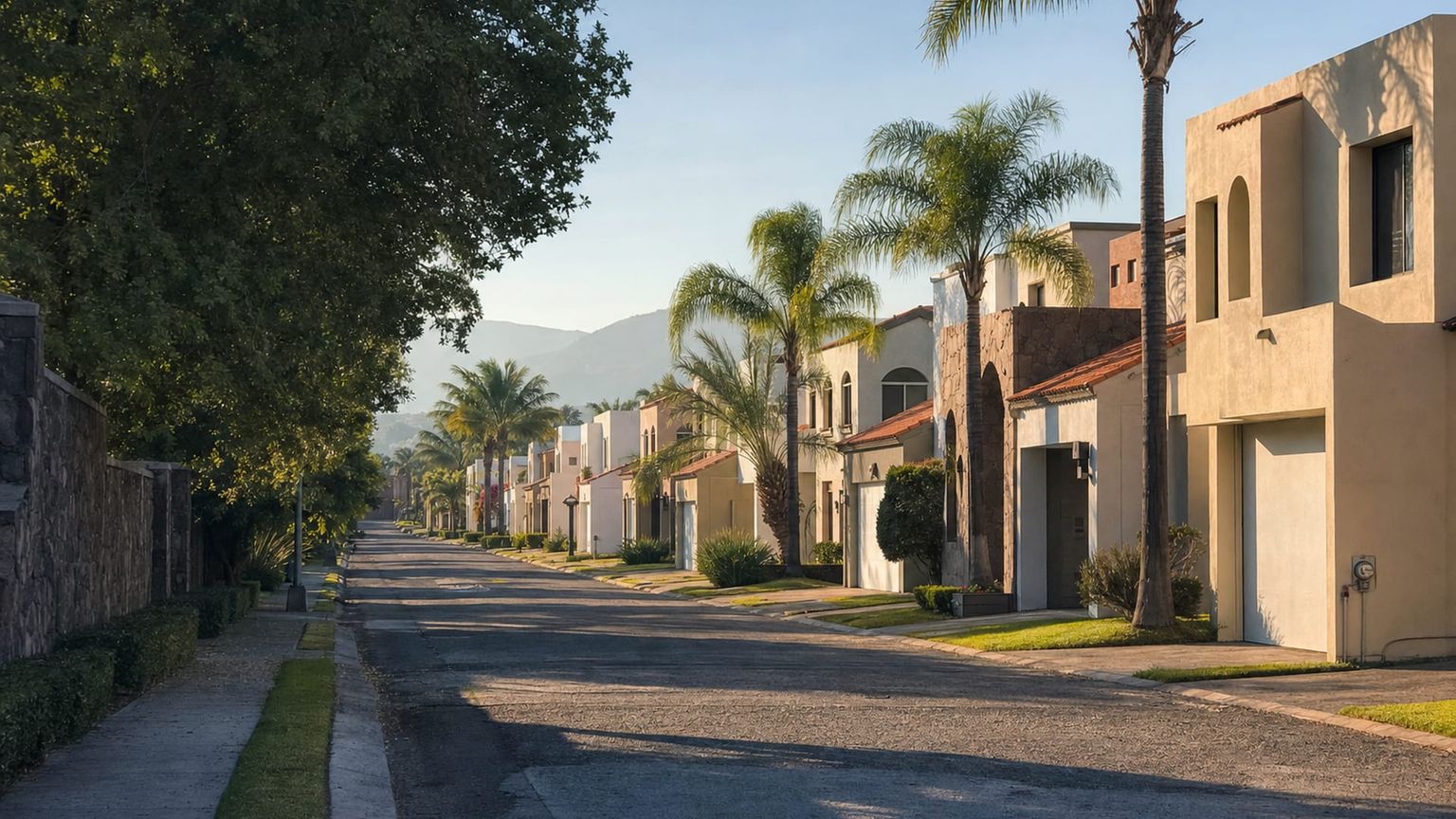
Ciudad del Valle is a modern residential and commercial district on Tepic’s south side, with malls, clinics, and everyday conveniences. It works well for travelers who want newer lodging and quick access to services without staying in the oldest streets.
Best for: Business trips, families, and travelers who want newer hotels with nearby shops
What to expect: A mix of apartment blocks, retail strips, and steady car traffic, with more chain businesses than atmosphere.
Hotel prices: Usually about $45 to $120 per night for well-rated stays
Distance to major sights: About 15 to 25 minutes by taxi to Catedral de Tepic and the historic center
Quietness: Calmer at night in residential sections, though commercial corridors stay active into the evening.
Main trade-off: It sits farther from the historic core, so sightseeing and dinner in Centro add taxi time.
Good to know: Choose this area if you expect to move mostly by car, because the hotel stock is newer but the main landmarks are not within an easy walk.
Travelers usually avoid staying in industrial and outlying eastern Tepic, including Ciudad Industrial and settlements along the city’s eastern edge, because they sit far from the historic center, Cathedral, and main dining areas, with limited visitor amenities. Los Sauces and the far south of the city are also less convenient, since evening travel back from central sights can take longer and hotel choice is thinner than in the center or north-central neighborhoods.
Hotel deals
How to get around Tepic efficiently
Tepic has no metro, so most visitors rely on Route 1 and Route 2 buses, taxis, ride apps, and walking for short center-to-center moves.

Metro
for longer distances
Tepic has no metro or subway, so there is no rail-based urban network to use as a city center alternative. Visitors usually rely on buses, colectivos, or taxis for cross-town trips, with longer regional moves handled by intercity buses.

Bus and tram
for convenience
Route 1 and Route 2 buses cover much of central Tepic and the main neighborhoods, with fares usually about $0.50 to $1 (roughly 10 to 20 MXN) per ride and no timed transfer ticket. Most buses are cash only, and stops can be informal, so it helps to confirm the destination with the driver before boarding.

Taxi
for convenience or late hours
Licensed taxis in Tepic use set fares on some common city and airport trips, while other rides are metered or quoted before departure; typical city fares run about $4 to $12 (roughly 80 to 200 MXN), with longer cross-town trips costing more. At Tepic airport, taxis usually quote a fixed price to central Tepic, and drivers commonly accept cash in MXN, while card payment is uncommon.
*Prices are based on rates updated as of June 2026 and may change at the time of travel.
Walk in Centro Histórico, take taxis for cross-town trips, use buses for low-cost central rides, and keep ride apps in reserve for late evenings or longer gaps between neighborhoods.
Iconic landmarks
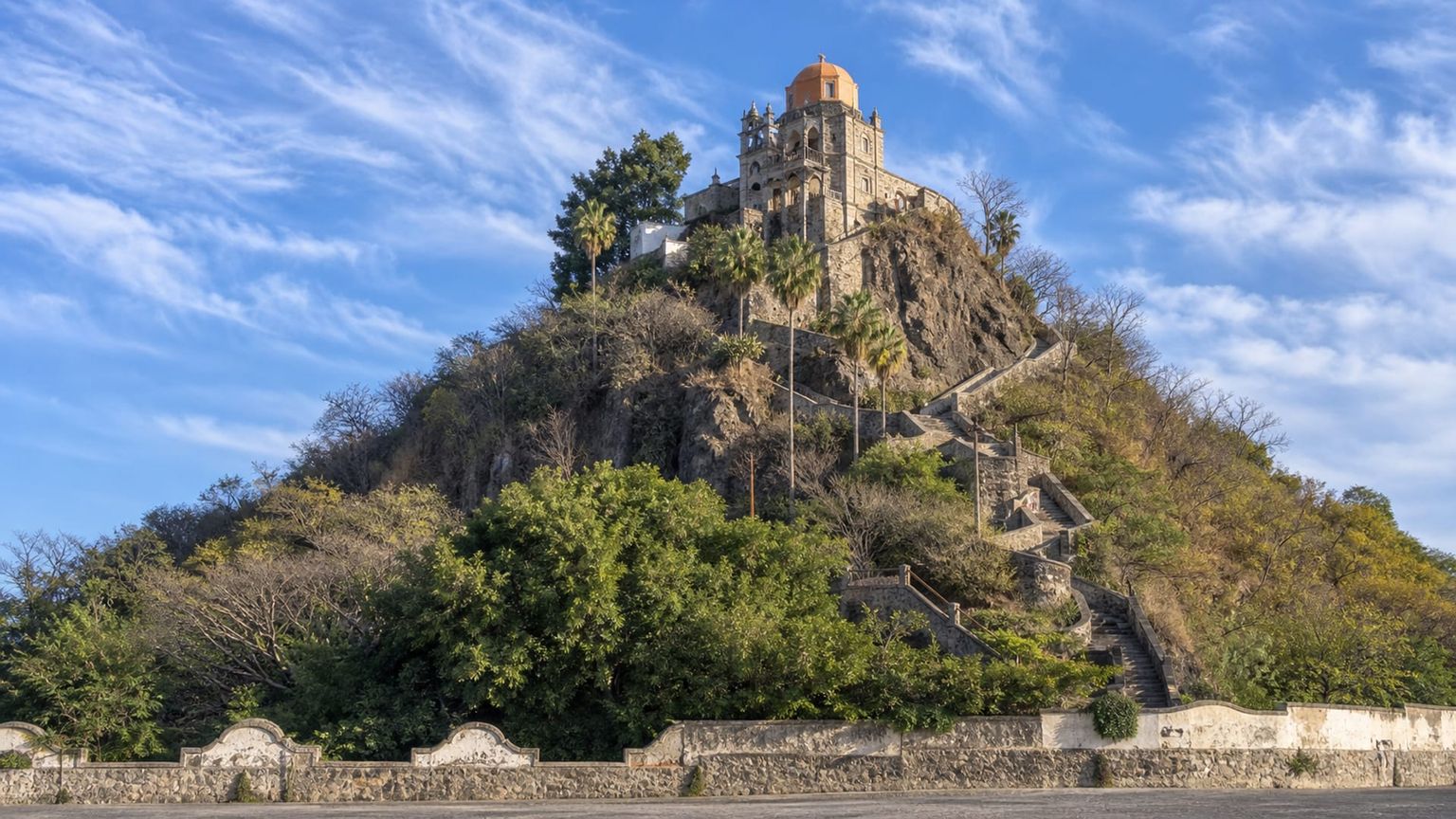
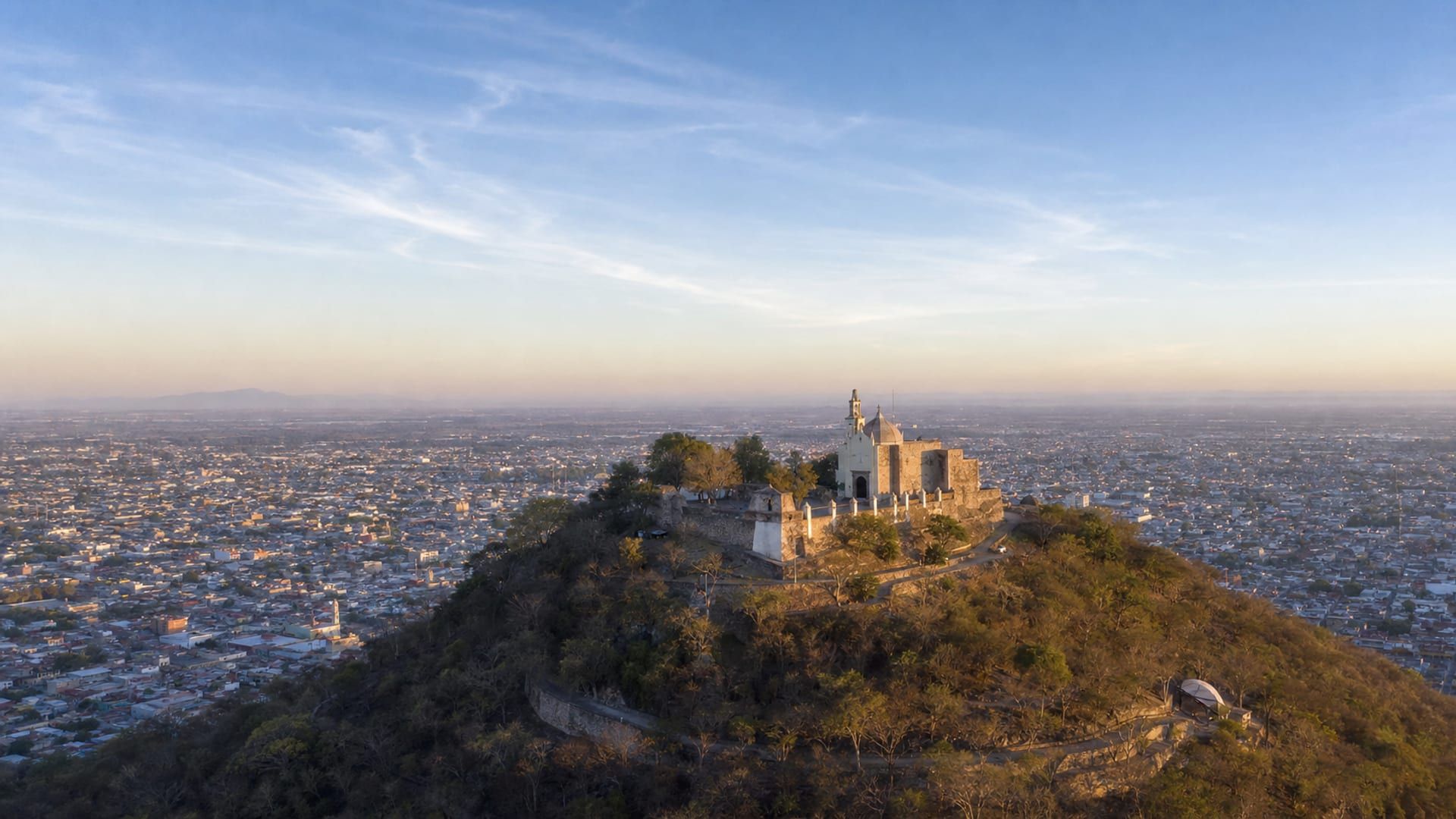
Cerro de San Juan
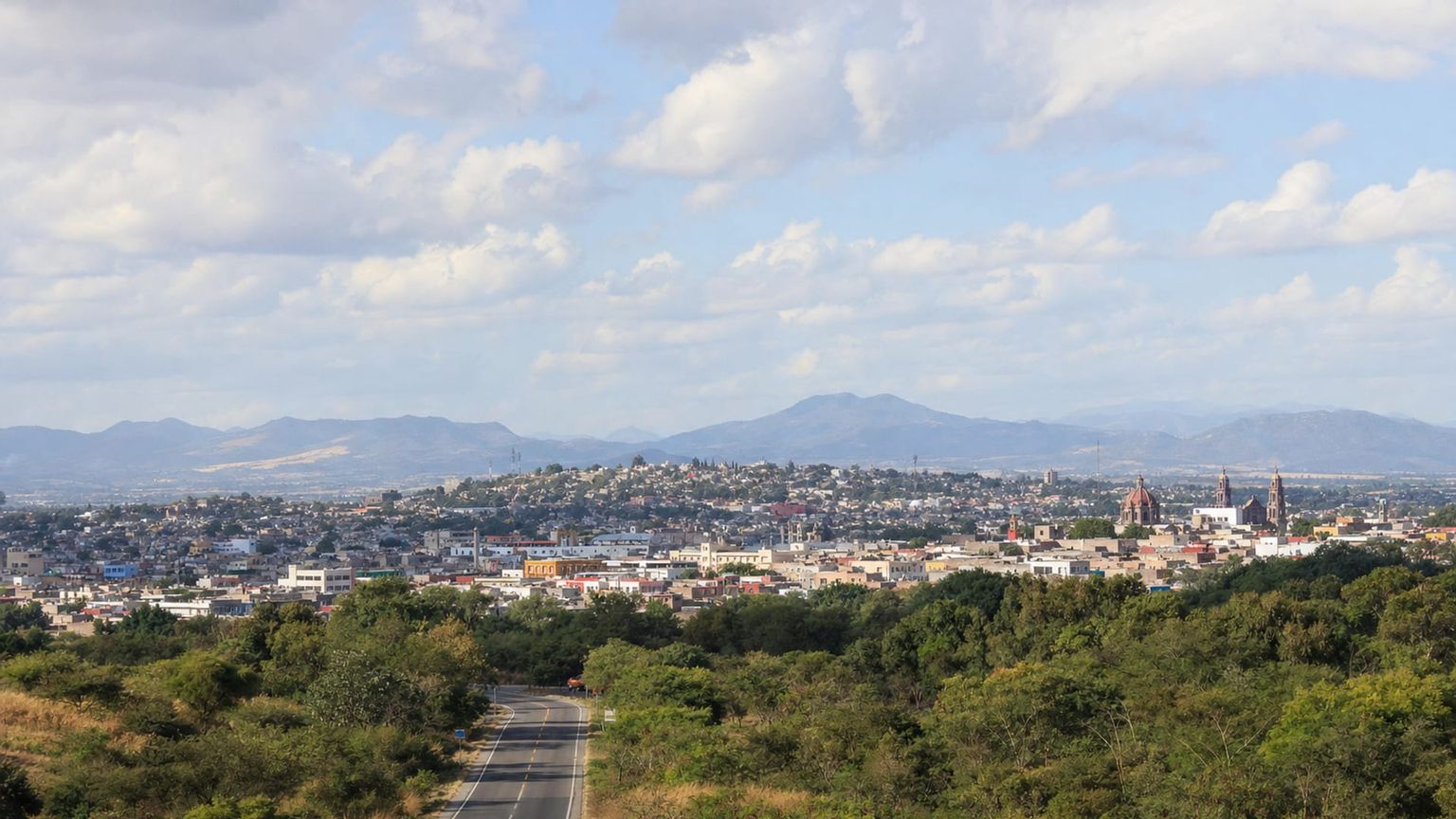
This volcanic hill rises above Tepic and gives the city its best broad view. A concrete stairway and roadside pullouts make the climb simple to follow, and the summit’s white statue of Christ marks the skyline from much of the center.
Time needed: About 1 to 2 hours
Entry: Free to access; no timed entry, no tickets, and no fixed visitor facilities at the summit. Access is by public road and stairways from the city side.
Tip: Go near sunrise or sunset, when the light is better and the heat is lower.
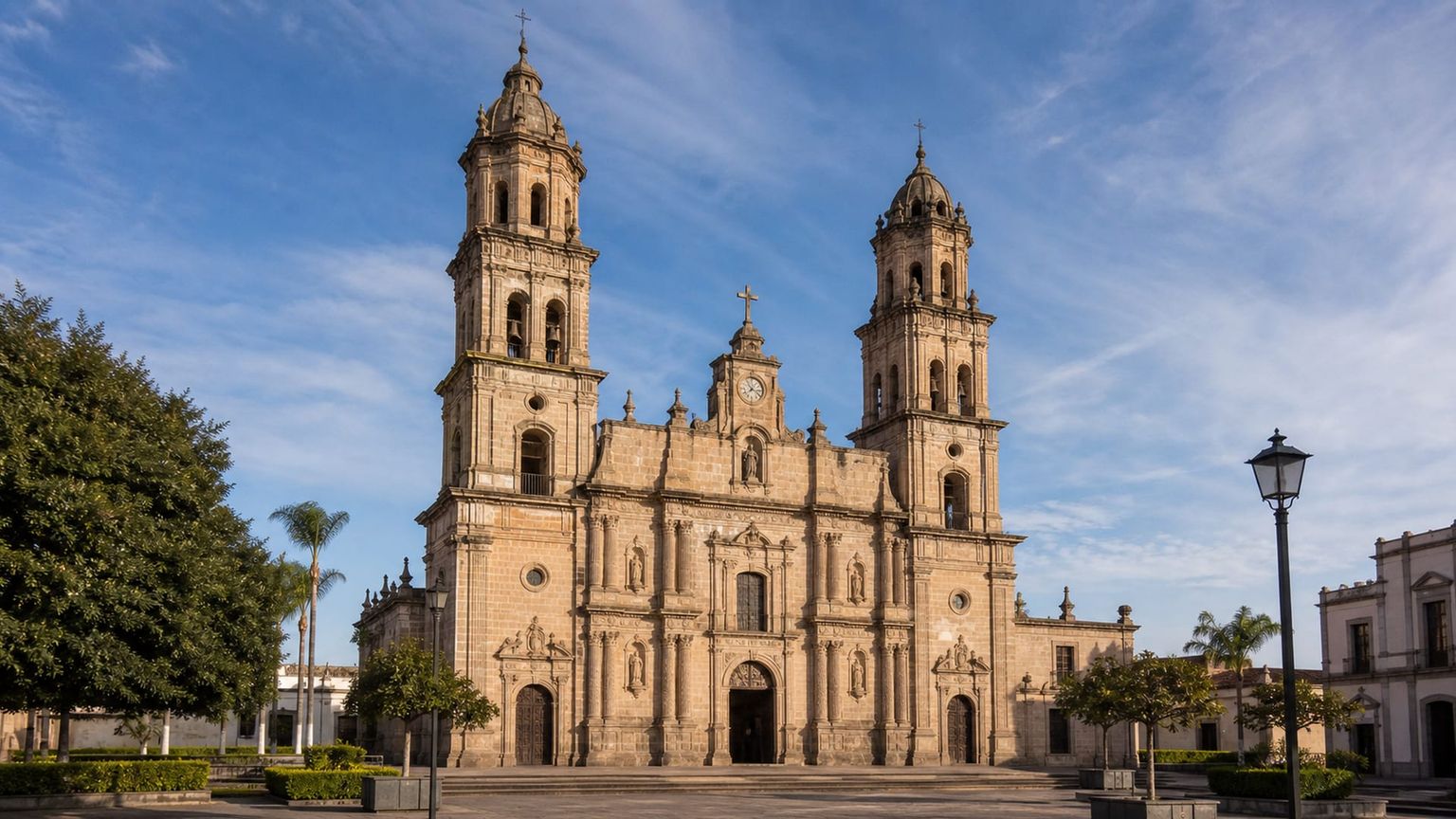
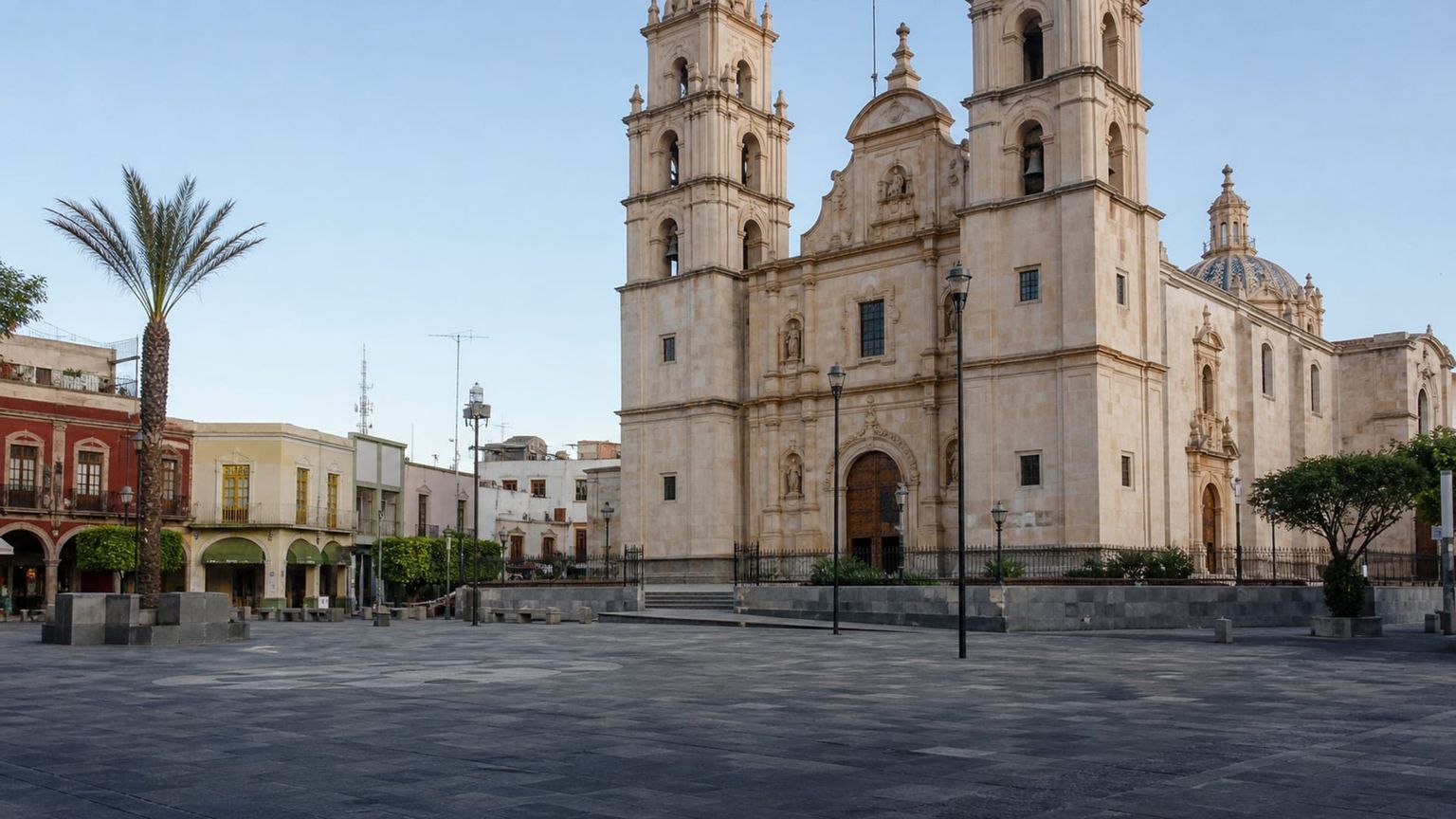
Catedral de Tepic
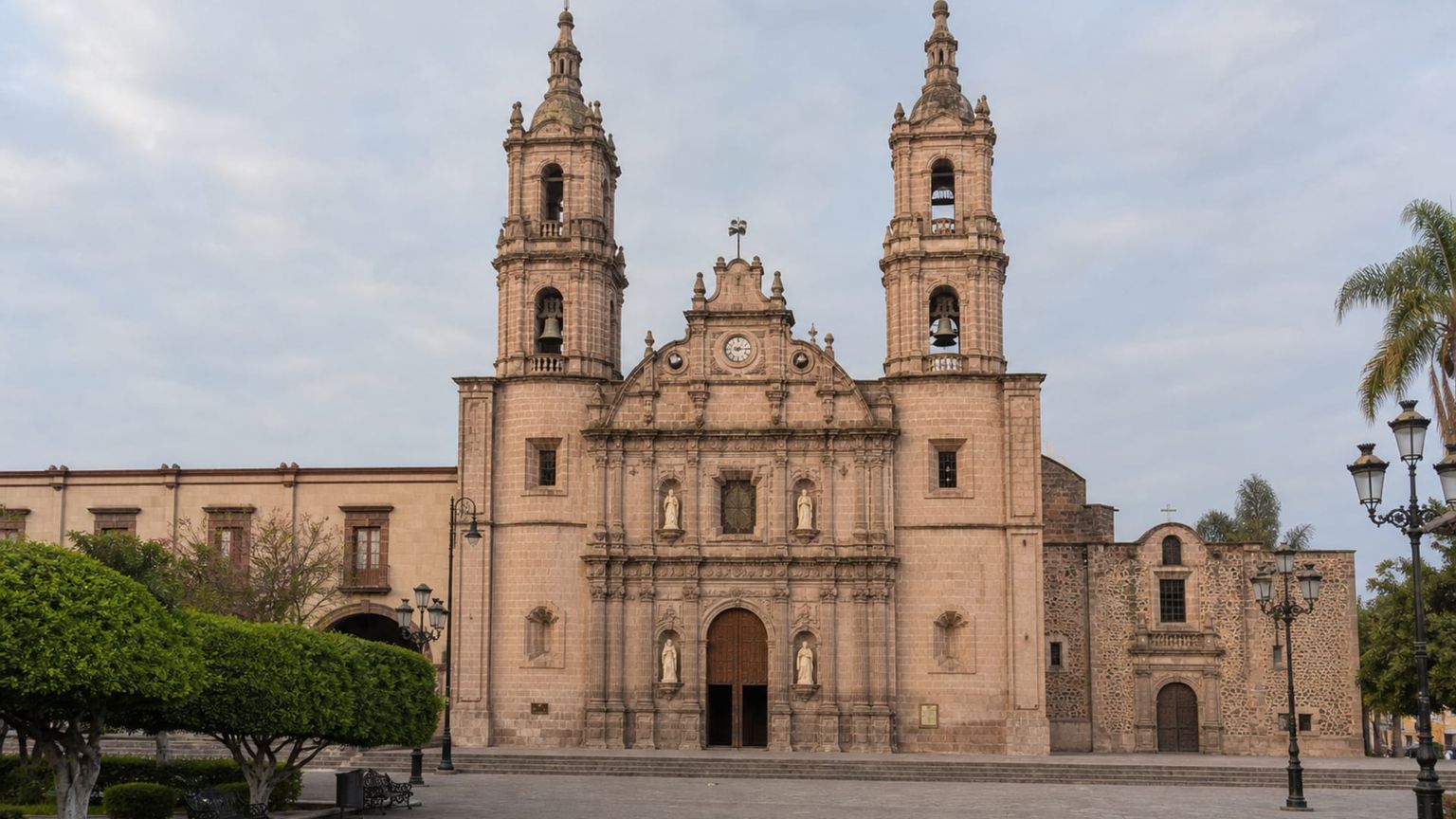
Tepic’s cathedral anchors the main square with twin towers, a carved stone facade, and a bright interior. It gives a direct look at the city’s historic core and the daily life that gathers in Plaza Principal just outside the doors.
Time needed: About 30 to 45 minutes
Entry: Free to enter; no timed entry, no ticket required, and donations are voluntary during open hours.
Tip: Visit before dusk, when the facade is lit and the square is busiest.
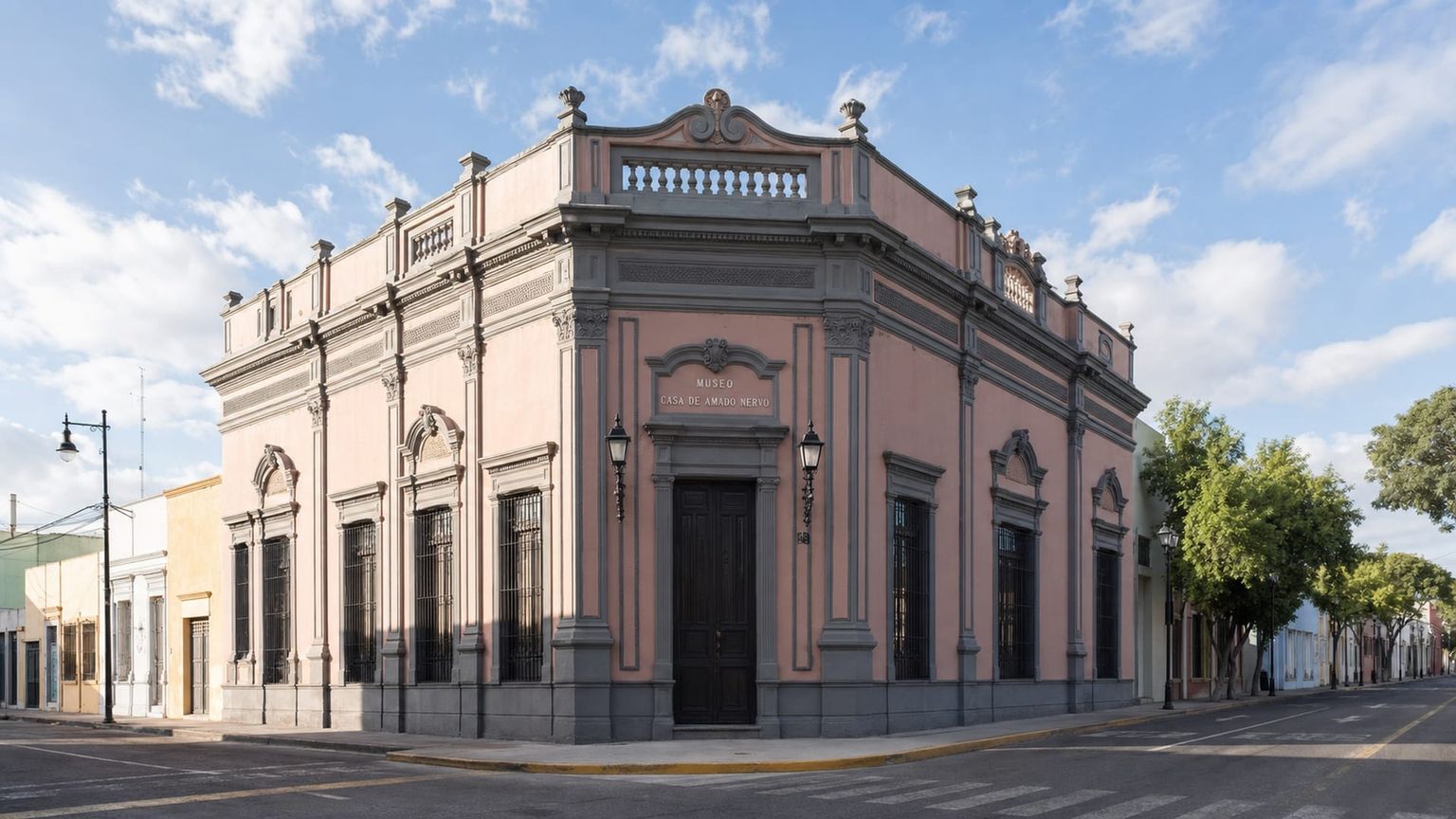
Amado Nervo House Museum
Housed in the poet’s former home, this museum presents manuscripts, photographs, furniture, and personal objects tied to Amado Nervo, one of Mexico’s best-known modern writers. The small scale makes the visit focused and easy to pair with the nearby center.
Time needed: About 45 to 60 minutes
Entry: Admission is usually about $3 ($50 MXN) for adults; reduced rates may apply to students, seniors, and children. Visit the official site for details.
Tip: Check opening days first, since museum hours can change on Mondays and holidays.
Overlooked sites worth visiting

La Loma Park
La Loma Park offers shaded paths, benches, and open lawns on a hill above downtown, with city views and a small lake. It works well for an unhurried walk, especially at sunset.
Time needed: About 1 hour
Entry: Free to access, with no ticket required for the park grounds or walking paths. Small fees may apply for temporary events, paddle boats, or amusement rides when operating, but the core site stays open without charge.
Tip: Visit near sunset for cooler air and softer light.

Amado Nervo House Museum
This small museum occupies the poet’s childhood home and shows manuscripts, photographs, and period rooms that trace his early life in Tepic. It suits a short cultural stop in the city center.
Time needed: About 45 minutes
Entry: Admission is usually free, though special exhibitions or guided visits may charge a small fee of about $1 to $3 ($17 to $51) depending on the program and local scheduling.
Tip: Go in the morning for the quietest visit.
Traditional food

Tepic’s table leans on seafood, pork, corn, and citrus, with aguachile, pescados, chilorio, and tamales barbones showing up in local cooking and market meals. Lunch runs late, dinner even later, so the city’s best plates often arrive after a slower afternoon.
Aguachile
Bright, chile-forward shrimp with lime and herbs, usually served cold and fast. In Tepic, Mariscos El Güero is a strong place to order it with a fresh seafood menu built around local taste.
Pescado zarandeado
Whole fish is seasoned, grilled, and served with a smoky, lightly charred surface that suits Nayarit’s coastal cooking. El Rincón del Mar in Tepic is a dependable stop for it.
Chilorio
Slow-cooked pork comes shredded and seasoned with chile, giving it a deep red color and rich, peppery finish. Restaurante La Guadalupana in Tepic is a classic place to look for it.
Tamales barbones
These shrimp tamales bring a coastal ingredient into a compact, filling format that works well for lunch or a late snack. Cocina de Maíz in Tepic is a good bet when they are on the menu.
Best time to visit Tepic
Tepic stays usable year-round, but the dry months make hill walks and plaza time easier, while the rainy season brings greener views and more afternoon interruptions.
Best for: Best for clear mornings and comfortable city walks
What you get: About 54 to 82°F (12 to 28°C), with lighter crowds and very little rain
Trade-offs: Nights can feel cool, and popular lunch spots still fill quickly
Best for: Best for market visits and early starts to Cerro de San Juan
What you get: About 59 to 91°F (15 to 33°C), with moderate crowds and hotter afternoons by late spring
Trade-offs: Midday heat builds fast, so outdoor plans need earlier starts
Best for: Best for green hills and slower indoor sightseeing
What you get: About 66 to 88°F (19 to 31°C), with fewer visitors and frequent afternoon rain
Trade-offs: Showers can interrupt walks and make uphill outings less comfortable
Best for: Best for balanced temperatures and easier day planning
What you get: About 59 to 86°F (15 to 30°C), with shoulder-season crowds and tapering rain
Trade-offs: Some late-season humidity lingers before the dry months settle in
A realistic 5-day plan in Tepic
Five days in Tepic works best as a sequence of short, connected outings. The plan below keeps the center in view, adds one hill day, and leaves room for slower afternoons in La Loma Park or Ciudad del Valle.
Land at Tepic, then take a taxi from Tepic (TPQ) to Centro Histórico in about 20 to 30 minutes for roughly $12 to $20 ($200 to $350 MXN). Staying near Plaza Principal keeps the first evening simple, with a short walk to dinner, water, and an early night after the flight. If you arrive with energy left, limit yourself to a nearby café or an easy meal in the historic center, then settle in before the city grows busier again in the morning.
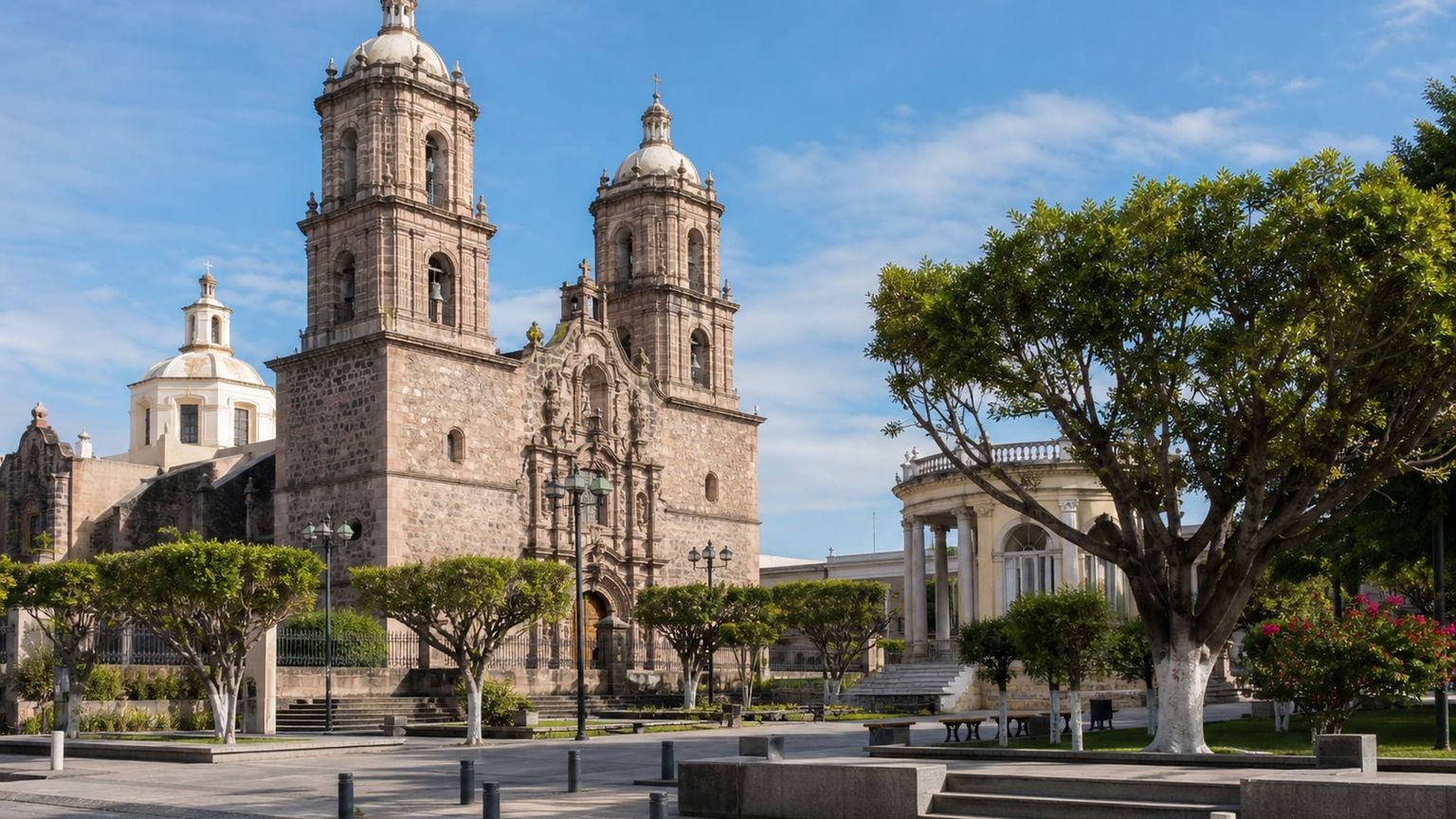
Start in Centro Histórico with Catedral de Tepic and Plaza Principal, then walk about 5 to 10 minutes to the Amado Nervo House Museum for a compact look at the poet’s life and papers. From there, it is another 10 to 15 minutes on foot to La Loma Park, where shaded paths and a small lake give you a calmer late-afternoon pause. Finish back in the center for dinner near the cathedral, where the streets stay most active before dusk.
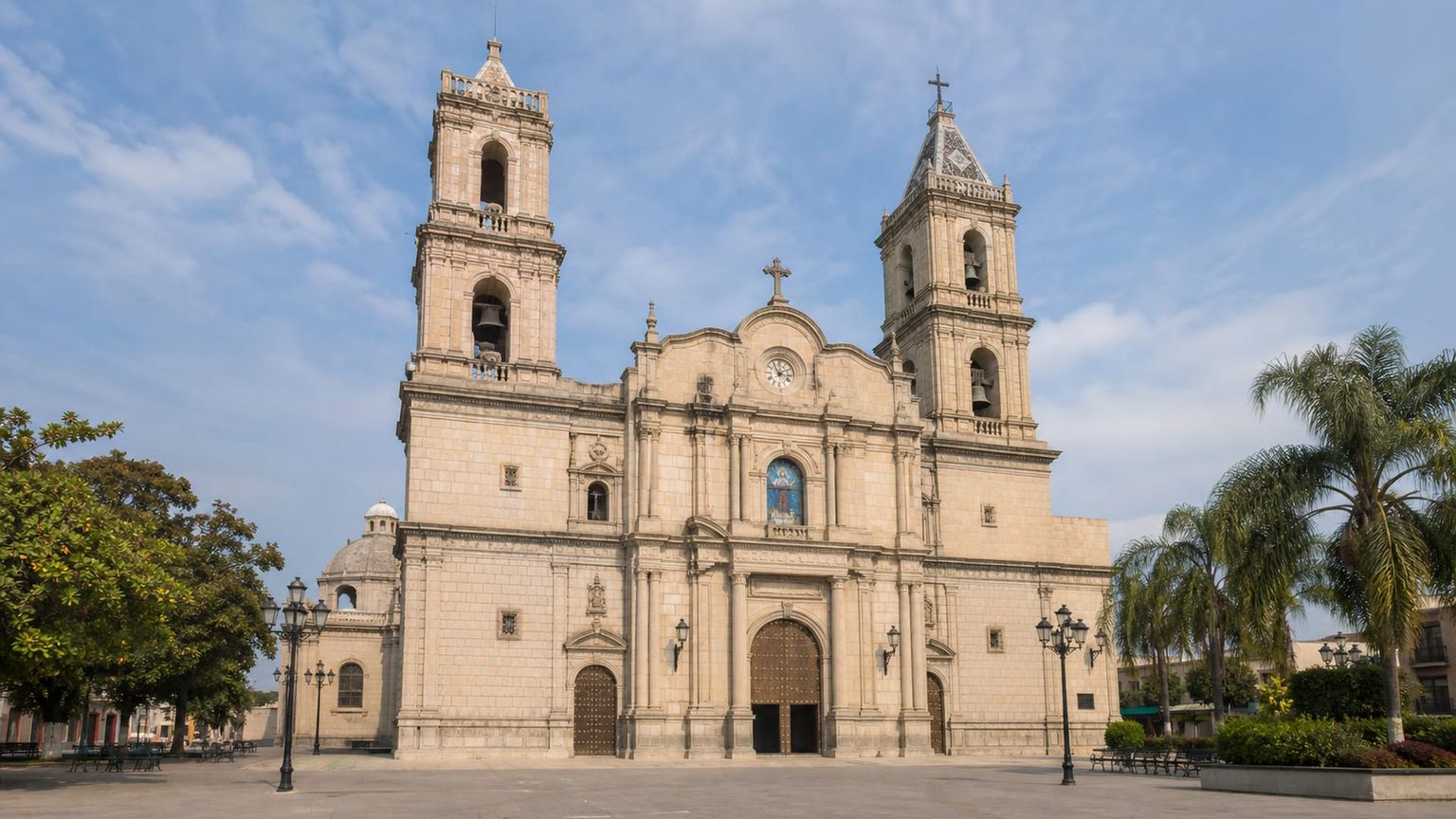
Cerro de San Juan sets the pace for this day, so go early and plan on about 1 to 2 hours for the climb, the city views, and a stop at the summit statue. Return to Centro Histórico for lunch, then spend the afternoon at La Loma Park, which sits about 10 minutes by taxi from the center and works well for a slower second half of the day. If you want one more easy stop, end with a coffee in the historic core rather than adding another crossing of the city.
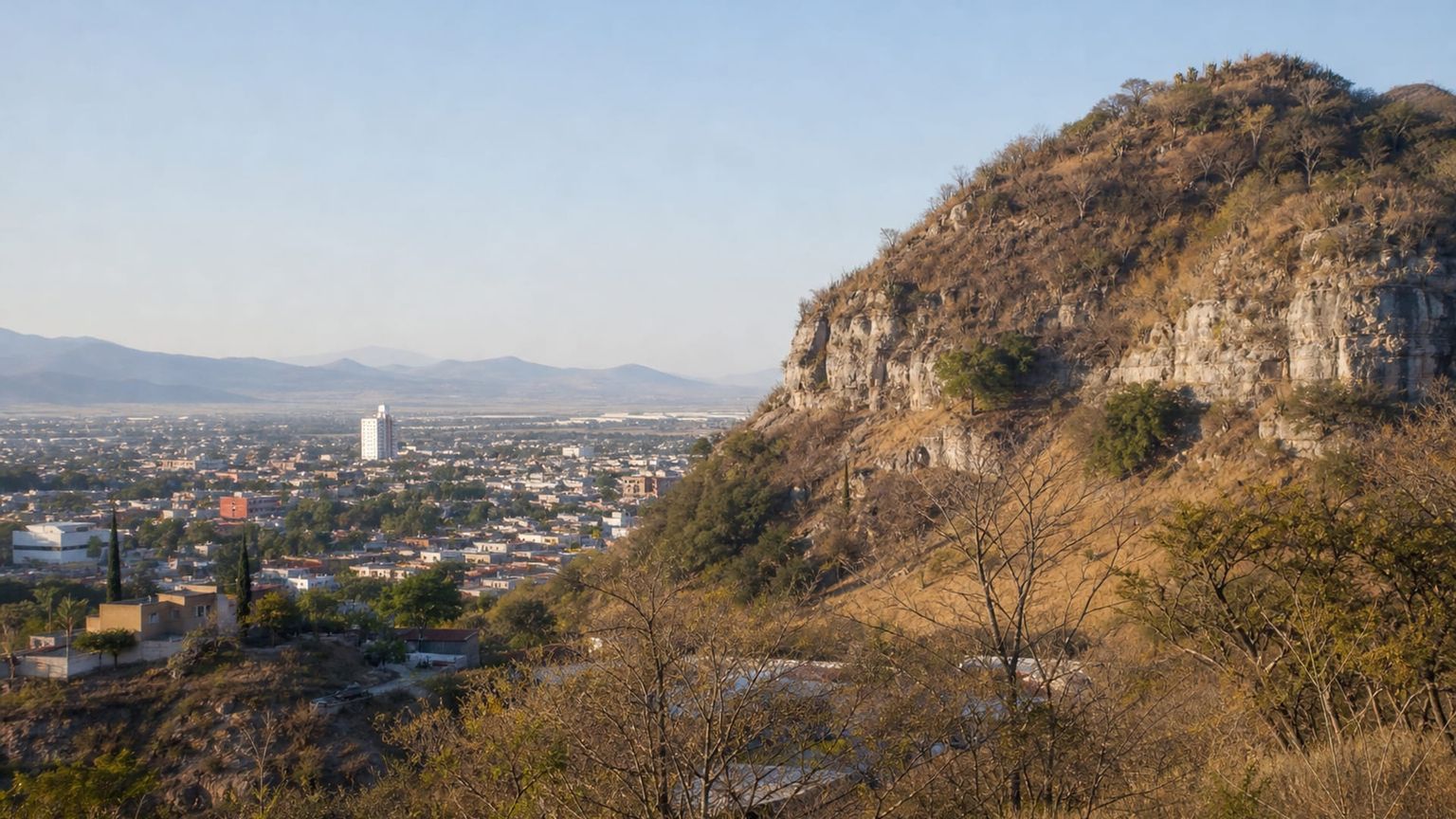
Begin in Lomas de Tepic or Ciudad del Valle, where the wider streets make a low-key morning departure easier, then head by taxi to Amado Nervo House Museum in about 15 to 25 minutes from either district. After about 45 to 60 minutes inside, continue to Catedral de Tepic and Plaza Principal for the strongest contrast between the museum’s quiet rooms and the city’s main civic square, reached in roughly 5 to 10 minutes on foot. Wrap up with an evening walk through Centro Histórico before dinner, since the area gives you the best access to simple dining without another long ride.
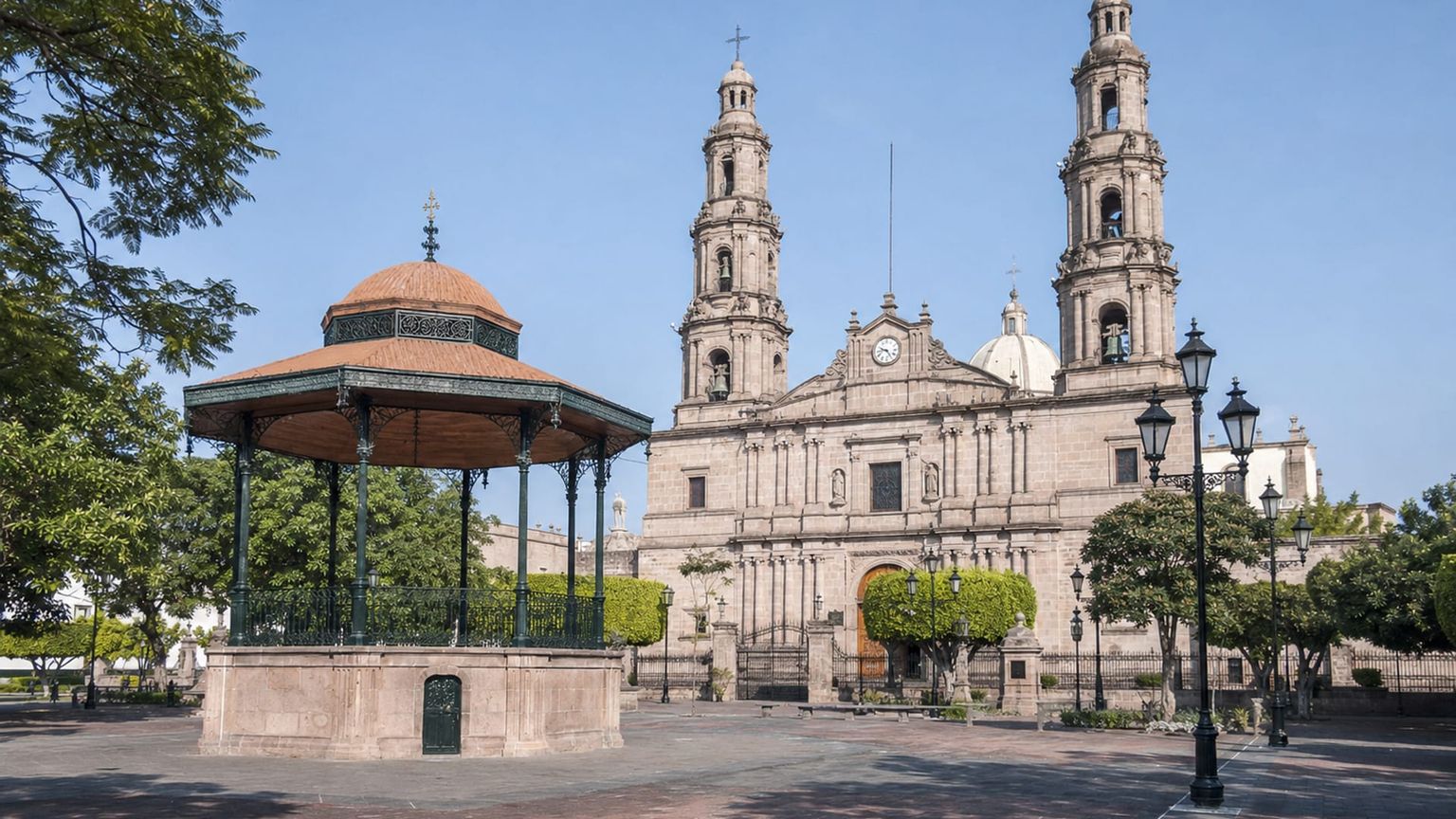
A final slow morning works well with one last stop at Amado Nervo House Museum, especially if you missed it earlier or want a shorter revisit to Tepic’s literary history. Then head to Ciudad del Valle for errands, shopping, or a last meal at a modern café or shopping strip, about 15 to 25 minutes by taxi from the historic center. If your departure comes later in the day, return to Centro Histórico for a relaxed coffee near Plaza Principal and keep your luggage close rather than adding a longer outing.
Business-class flights from the US to Tepic
Trips to Tepic usually connect through larger Mexican hubs, so the route you choose depends more on timing than distance. From New York and Los Angeles, the schedules and layovers can look quite different.
From New York, American Airlines, Alaska Airlines, Aeromexico, United Airlines, and Delta Air Lines all appear on itineraries to Tepic, and the total trip usually runs about 7 to 11 hours with one stop. Common hubs include MEX, DFW, ORD, IAH, and ATL, and round-trip fares from New York to Tepic usually start at $1,050 and can climb to about $2,100.
Los Angeles often offers shorter total travel time, roughly 4 to 7 hours, with American Airlines, Alaska Airlines, Aeromexico, and United Airlines on the market. Common routings via Mexico City (MEX), Dallas-Fort Worth (DFW), or Phoenix (PHX) often lower the fare, and round-trip prices usually run $900 to $1,800.
Tepic feels different when you slow down
A good Tepic trip uses Centro Histórico for walking, La Loma Park for a slower pause, and Cerro de San Juan for the city view that explains the layout. Taxis handle the longer links, while buses and short walks keep the center easy to manage. If you want help matching Tepic neighborhoods, flight timing, and a day plan that fits your pace, the AranGrant experts can build it with the right balance of movement and time on the ground







