

Chapters:

Need help with your trip?
Our support team is available 24/7. Request a callback or call us directly at (833) 619-0908
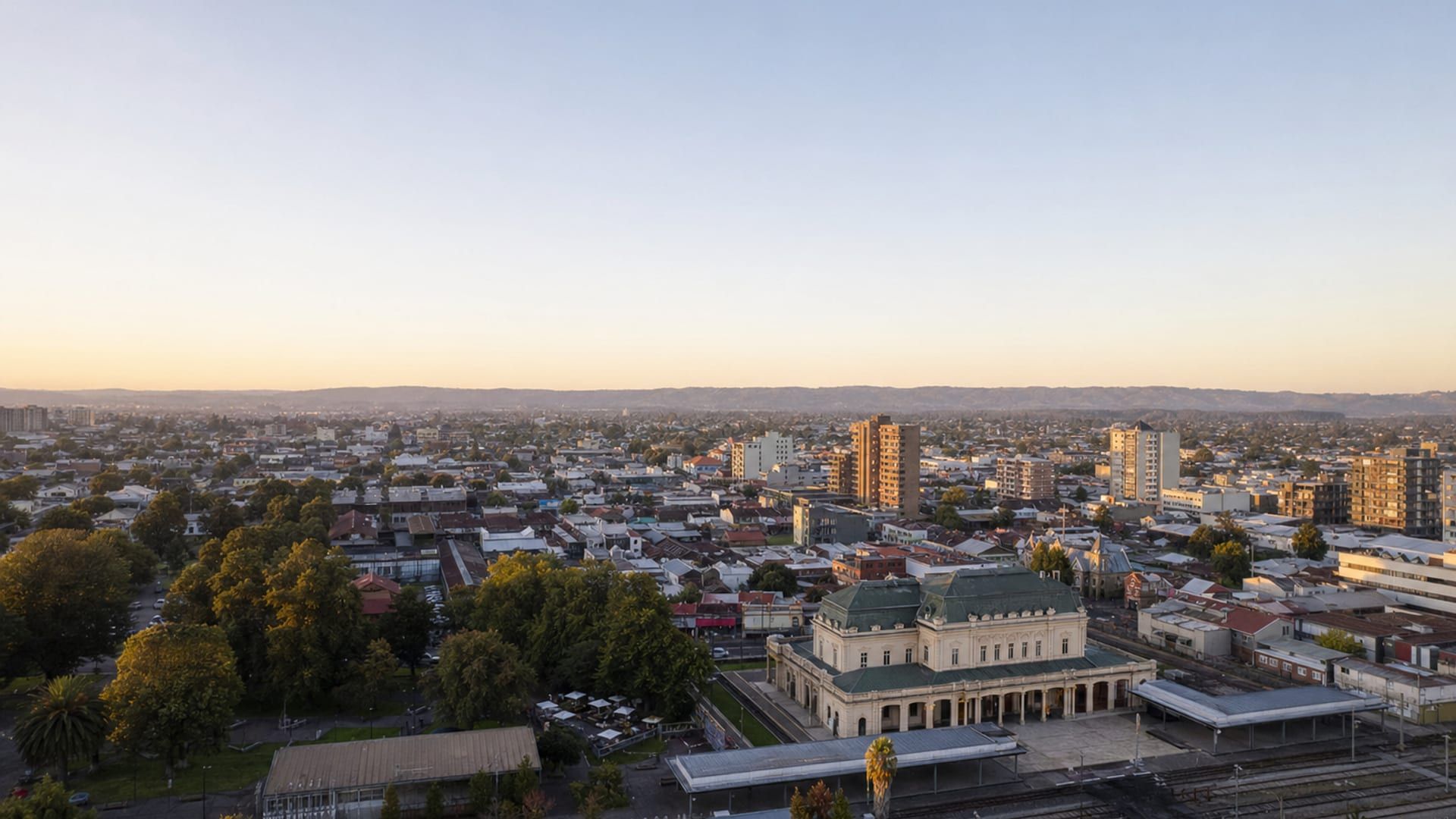
Temuco rewards travelers who slow the pace and look past the first hotel search results. Many visits center on a quick market stop, one museum, and a taxi back to dinner, while the hill, rail yard, and neighborhood streets get left out.
That short list can work, but it leaves gaps. Distances are not large, yet crossing town for meals or a second museum still takes planning, and the busiest streets near the center can add noise and traffic at the wrong time of day.
This guide lays out a calmer sequence, with neighborhoods, food, transport, and day plans arranged so the city opens in useful layers instead of one rushed loop.
Useful things to know

Main language(s): Spanish
Hola (OH-lah) – Hello
Por favor (por fah-VOR) – Please
Gracias (GRAH-see-ahs) – Thank you
¿Habla inglés? (AH-blah een-GLAYS) – Do you speak English?
¿Cuánto cuesta? (KWAHN-toh KWES-tah) – How much does it cost?

Currency: The local currency is the Chilean peso (CLP, $).

Cash and cards: Cards and contactless are widely accepted, but carry about CLP 20,000 to CLP 30,000 for taxis and small shops.

Tipping: Round up small bills; leave 5-10% at restaurants if service is good.

Traditional food: Curanto, pastel de choclo, empanada de pino, cazuela de ave

Water and coffee costs: Water about CLP 1,500 ($2), bar espresso about CLP 2,500 ($3).

Taxis and ride apps: Uber and Cabify operate here; confirm the fare before you ride.

Plug and voltage: Type C/L socket, 220V

Dining and shop opening hours: Breakfast is about 7:30-10:00, lunch 13:00-15:00, and dinner 20:00-22:00. Many shops close on Sunday afternoon.

Emergency number: 911 for police, ambulance, and fire.
Where to stay in Temuco
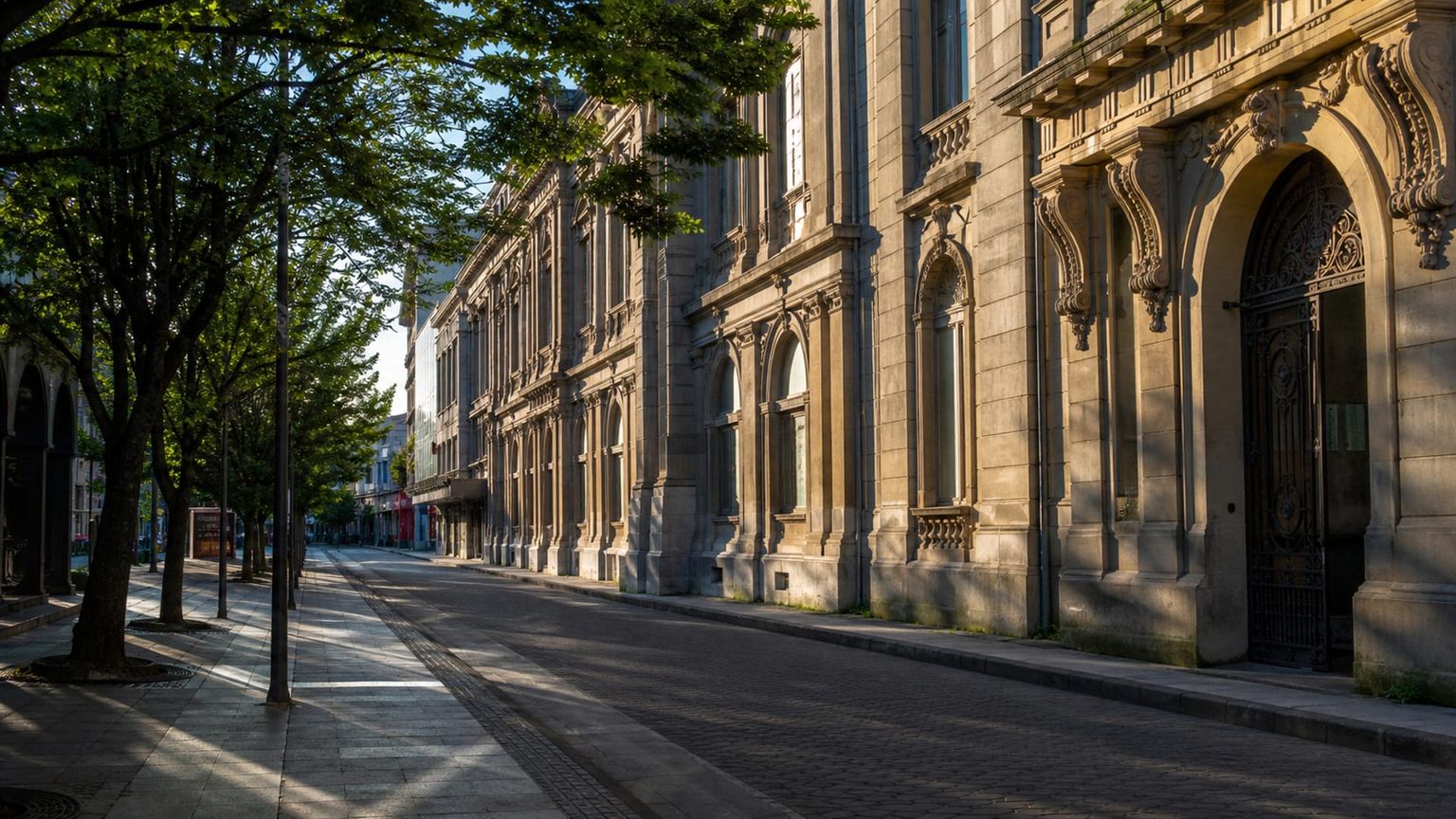
Temuco’s center puts you beside the city’s main shops, banks, eateries, and the civic core. It works well if you want to move on foot for errands and reach the market, museum stops, and bus connections without long cross-town transfers.
Best for: First-time visits, errands, dining, and access to public transport
What to expect: Busy sidewalks, steady weekday traffic, and the most daytime activity in the city.
Hotel prices: Usually about $45 to $95 per night for well-rated stays
Distance to major sights: 10 to 15 minutes on foot to Museo Regional and about 15 to 20 minutes on foot to Mercado Municipal
Quietness: Lively in the day, with a noticeable drop in foot traffic after shops close.
Main trade-off: You get the shortest hops to daily essentials, but some streets pick up noise from traffic, buses, and late-open businesses.
Good to know: Check room orientation if you are sensitive to street noise, since main avenues carry the most sound at peak hours.
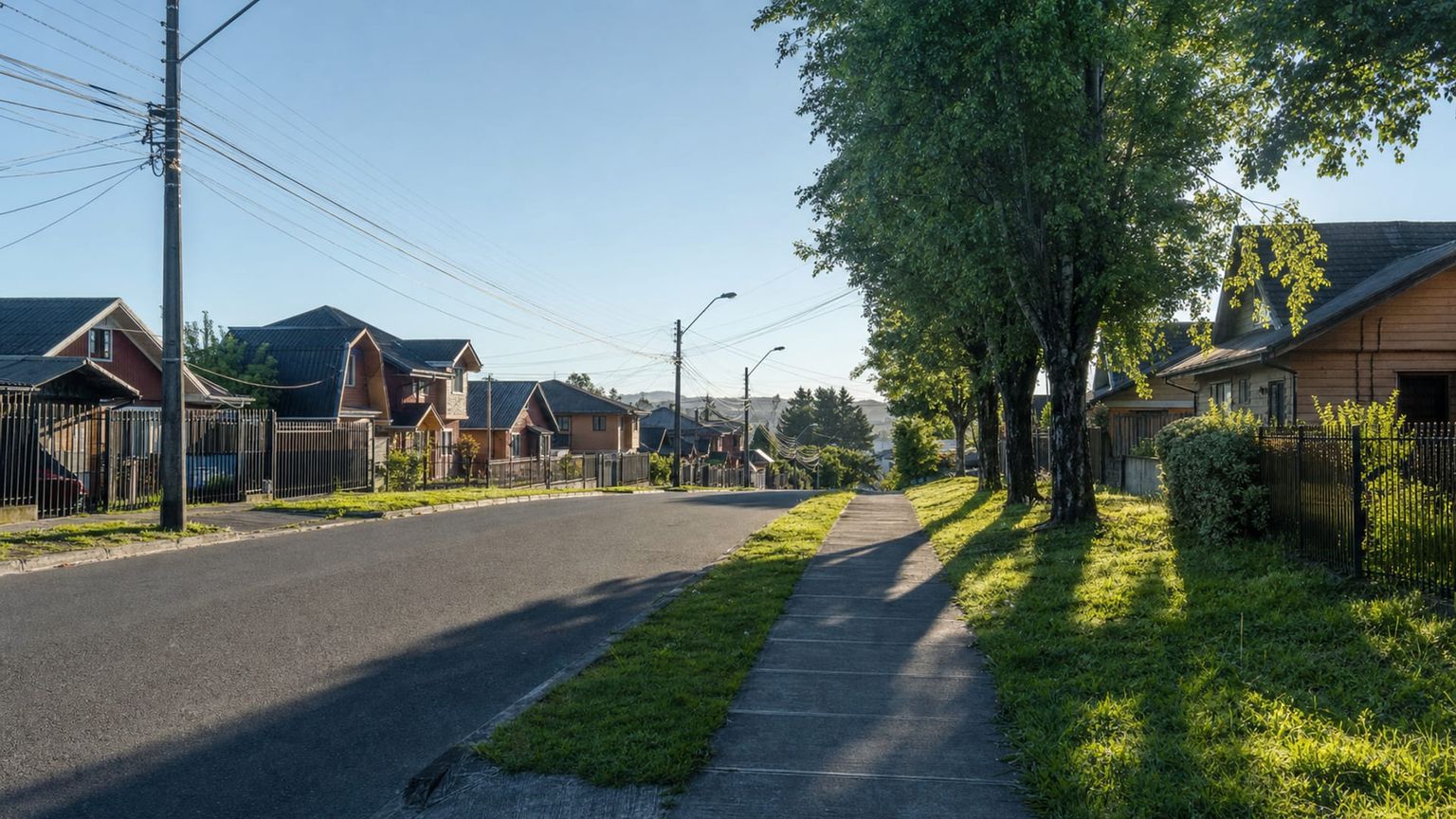
Pablo Neruda is a residential area with apartment blocks, local shops, and easier parking than the center. It suits travelers who want a more local base while still keeping central Temuco within a short taxi or bus ride.
Best for: Longer stays, self-drive trips, and travelers who prefer residential streets
What to expect: Mostly local traffic, neighborhood commerce, and quieter sidewalks than in the core.
Hotel prices: Usually about $40 to $80 per night for well-rated stays
Distance to major sights: About 15 to 25 minutes by taxi to Plaza de Armas and Mercado Municipal
Quietness: Calmer in the evening, with modest daytime movement around stores and transit stops.
Main trade-off: Rates can be lower than in the center, but you will depend more on taxis or buses for restaurant and sightseeing plans.
Good to know: If you plan late dinners downtown, factor in a return ride, since evening frequencies can be thinner away from the core.
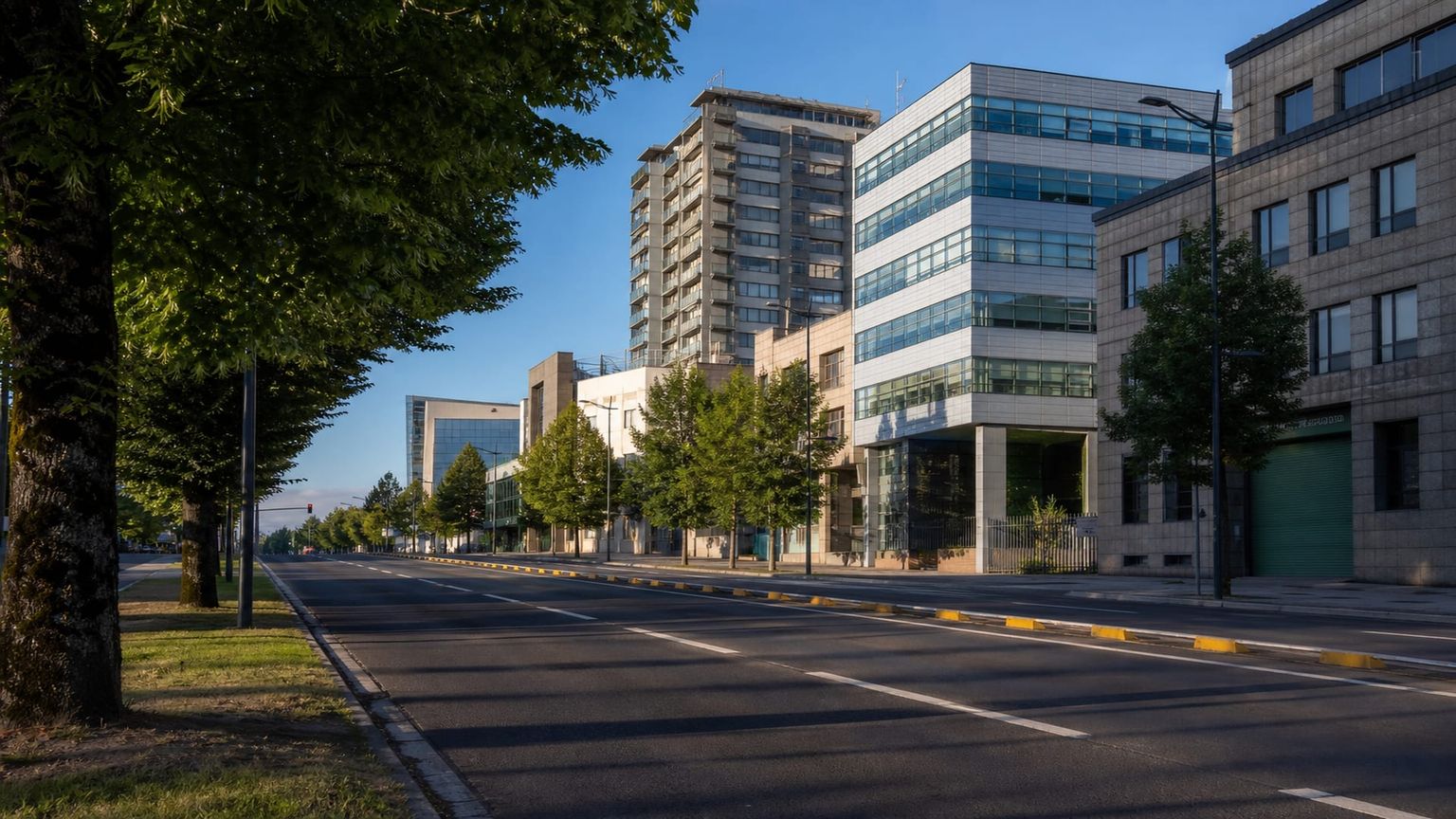
Avenida Alemania is one of Temuco’s better-known corridors, lined with restaurants, shops, and mid-rise hotels. It matters because it gives you an active base with faster access to dining than a purely residential area, while still sitting close to central Temuco.
Best for: Dining, short business stays, and travelers who want an active corridor
What to expect: Moderate traffic, visible evening movement, and plenty of people around restaurant hours.
Hotel prices: Usually about $50 to $110 per night for well-rated stays
Distance to major sights: About 10 to 15 minutes by taxi to Plaza de Armas and about 20 minutes by bus to Museo Regional
Quietness: Busier through dinner and on weekends, then calmer later at night on side streets.
Main trade-off: You will pay more for the location, and some rooms face traffic or late-night restaurant activity.
Good to know: Choose a side street or upper-floor room if you want less road noise, because the avenue itself stays active well into the evening.
Travelers usually avoid staying in Labranza, Pueblo Nuevo, and Fundo El Carmen, since these areas sit well away from Temuco’s main sights and central dining streets, and evening taxi or rideshare trips can take longer. Los Pinos and Santa Rosa are also less convenient for visitors, because they have fewer hotel options and fewer amenities geared to short stays.
Hotel deals
How to get around Temuco efficiently
Temuco has no metro, so most visitors move between Centro, Avenida Alemania, and the airport by bus, taxi, or app ride, with walking filling in the short links between sights.

Metro
for longer distances
Temuco has no metro system, so visitors rely on city buses, taxis, and intercity coaches instead. For airport-area trips from Temuco Airport (ZCO), expect to use road transfer only, with downtown Temuco roughly 20 to 25 minutes by car depending on traffic.

Bus and tram
for convenience
Local buses cover central Temuco, the Universidad district, shopping areas, and nearby neighborhoods, with higher frequency on main corridors than on cross-town links. Fares are typically about $0.70 to $1.00 (CLP 700 to CLP 1,000), paid on board in cash, and a single ride usually takes 10 to 30 minutes within the urban core, depending on distance and stops. Intercity coaches from Temuco Terminal link nearby towns and regional destinations, which makes them the main option when you need to leave the city.

Taxi
for convenience or late hours
Licensed taxis use metered fares rather than fixed street prices, and airport trips from Temuco Airport (ZCO) to central Temuco usually cost about $16 to $24 (CLP 16,000 to CLP 24,000), with short city rides often landing in the $3 to $8 (CLP 3,000 to CLP 8,000) range. You can hail them on major streets, pick them up at stands, or book by phone through local radio-taxi operators, and most drivers accept cash; some also take card or transfer, but it is best to confirm before departure.
*Prices are based on rates updated as of June 2026 and may change at the time of travel.
Use buses for low-cost trips within the urban core, taxis or ride apps for airport transfers and evening returns, and walking when you stay close to Centro or the market.
Iconic landmarks
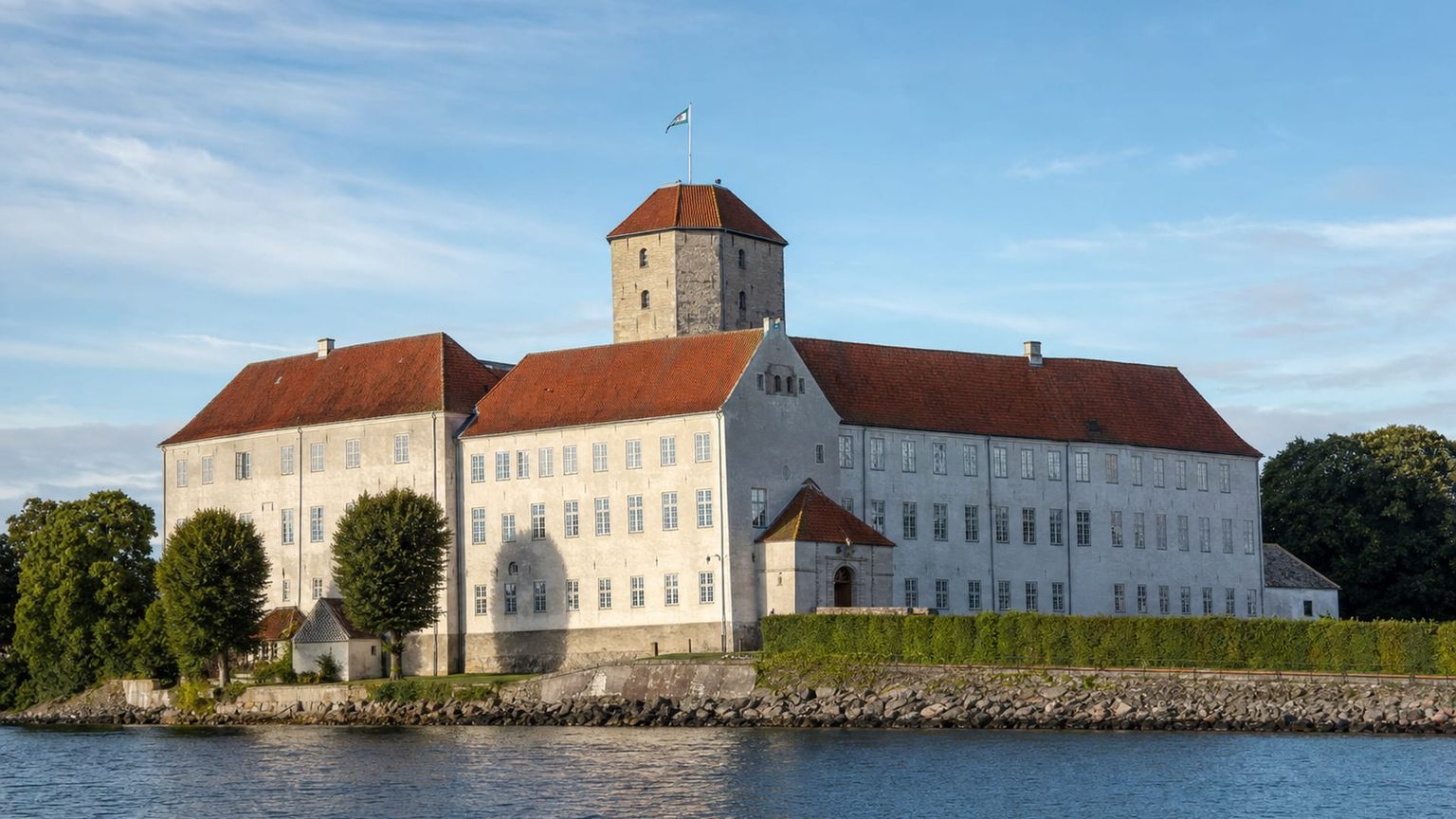
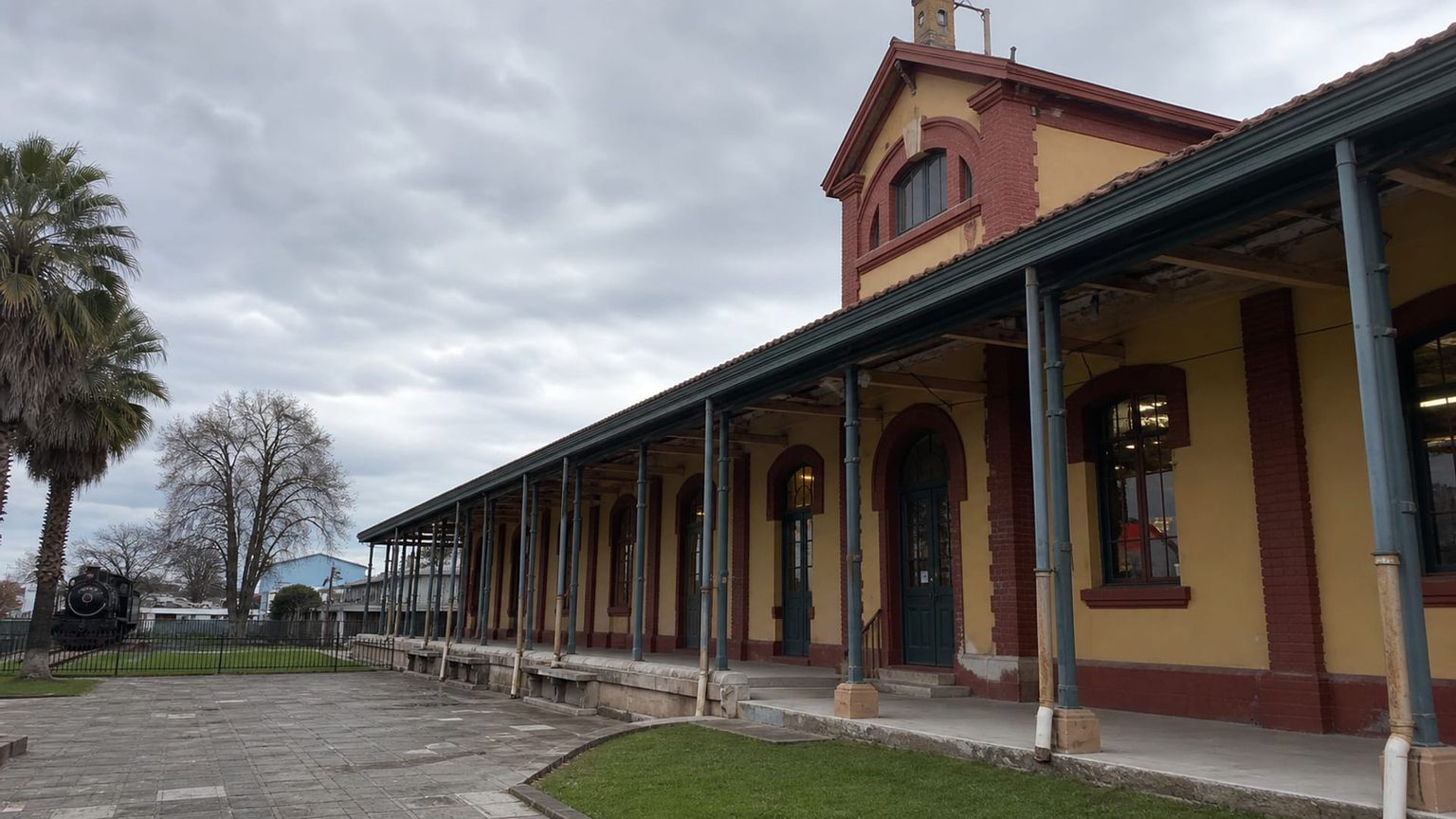
Museo Nacional Ferroviario Pablo Neruda
This open-air railway museum shows Chilean steam locomotives, passenger cars, and rail equipment beside the old station yard. Its named collection links Temuco to the history of southern rail transport and the poet Pablo Neruda.
Time needed: About 1 to 2 hours
Entry: Admission is free for general access, with some special exhibits or events priced separately when scheduled on site.
Tip: Go in the morning for softer light and fewer visitors in the yard.
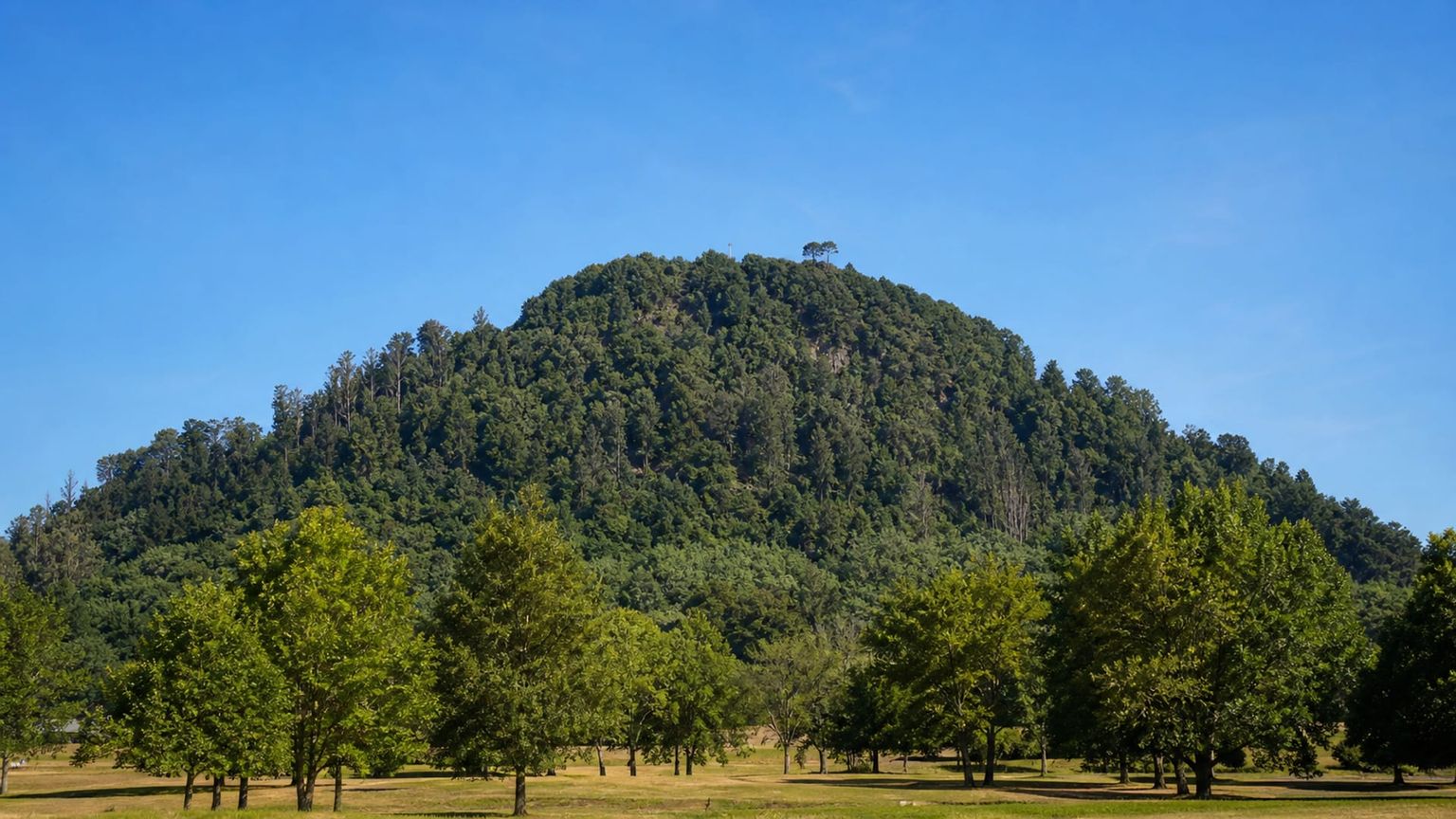
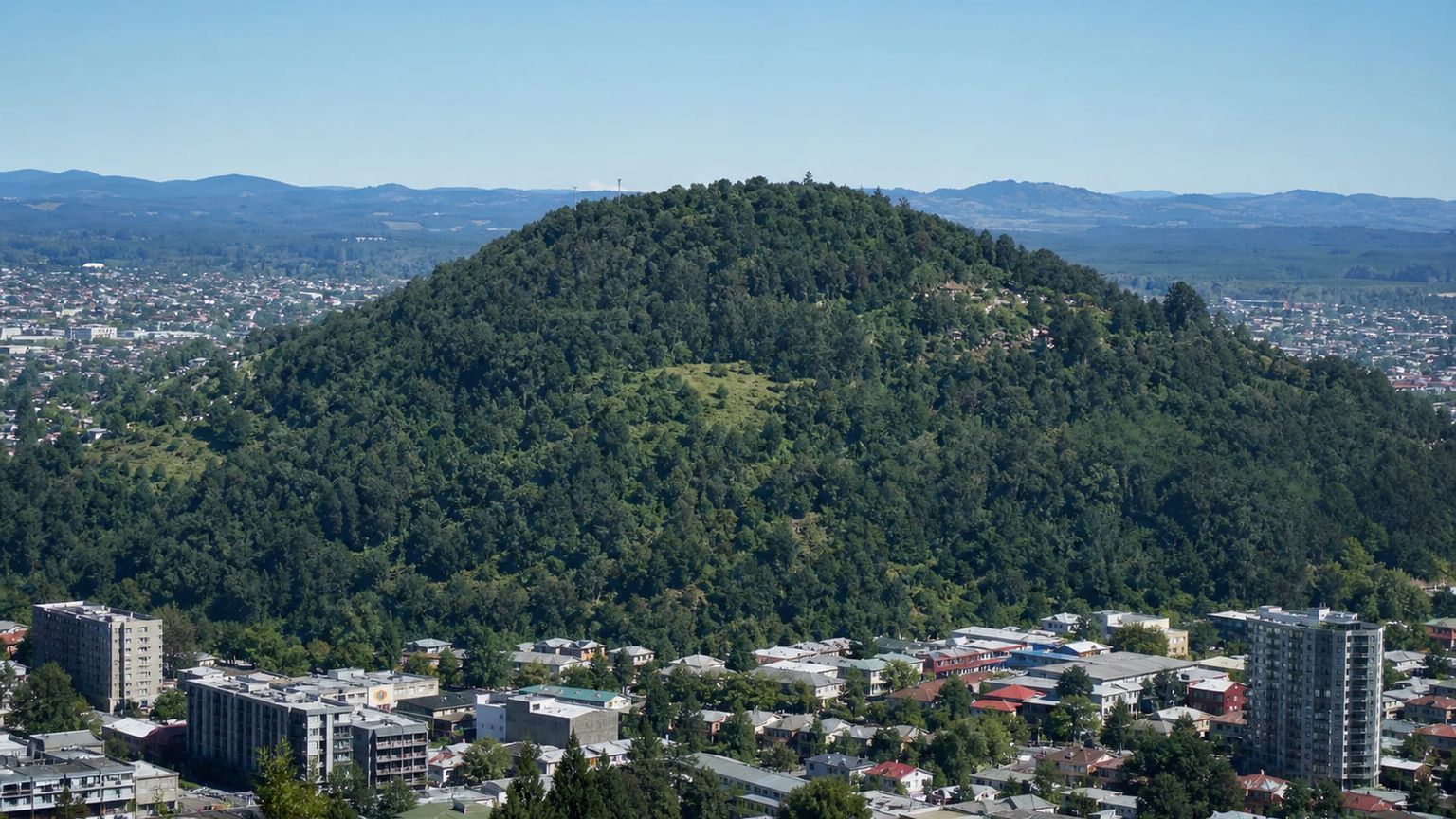
Monumento Natural Cerro Ñielol
This protected hill rises just north of the center and preserves native forest, short trails, and city views from marked lookouts. It also holds the Araucanian Peace Patios, a site tied to Mapuche history and local ceremonies.
Time needed: About 2 to 3 hours
Entry: Free to access; no timed entry is required, and park use follows posted opening hours and trail rules at the entrance. Visit the official site for details.
Tip: Visit early or near sunset, when the views are clearer and the paths are cooler.
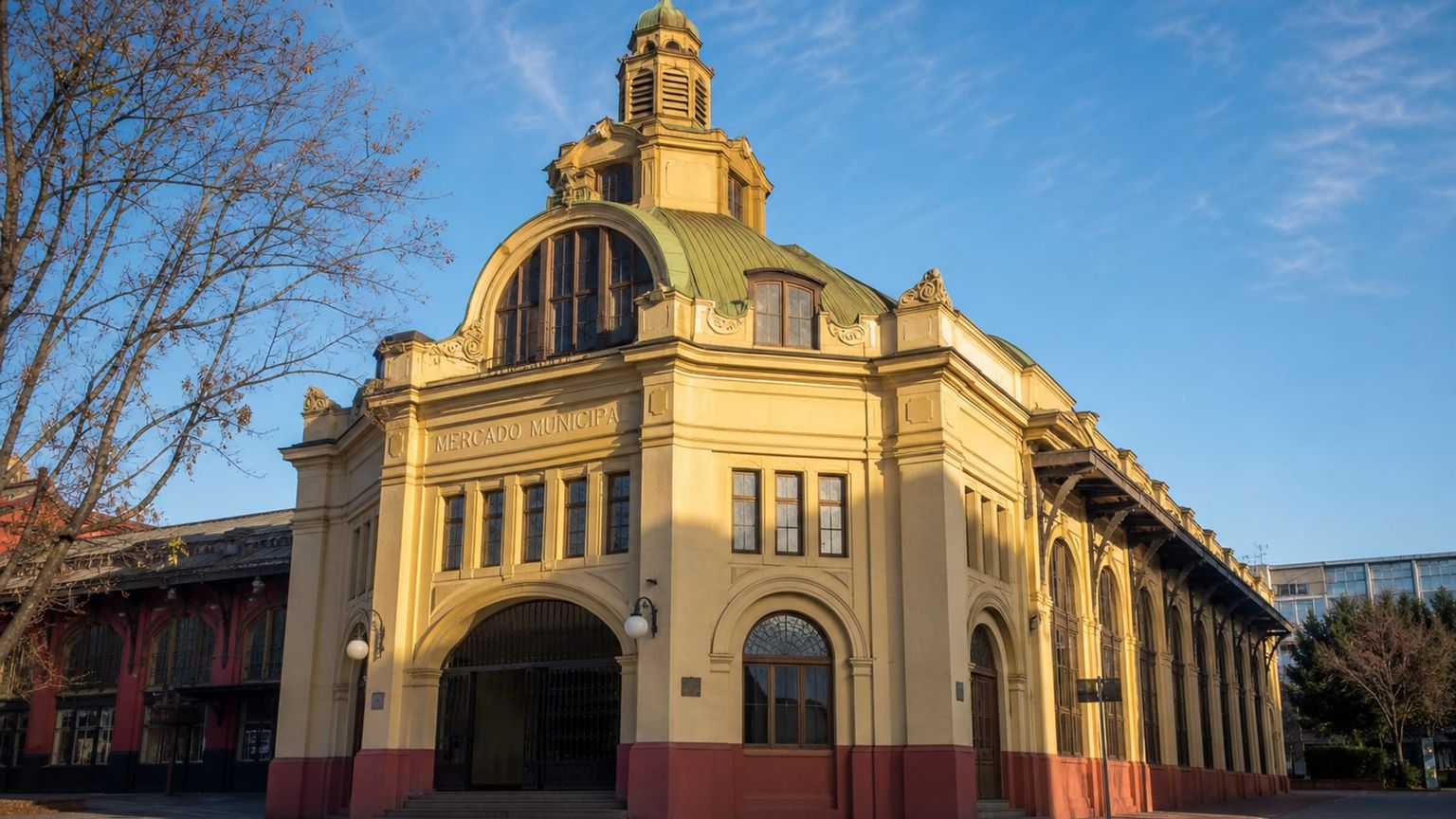
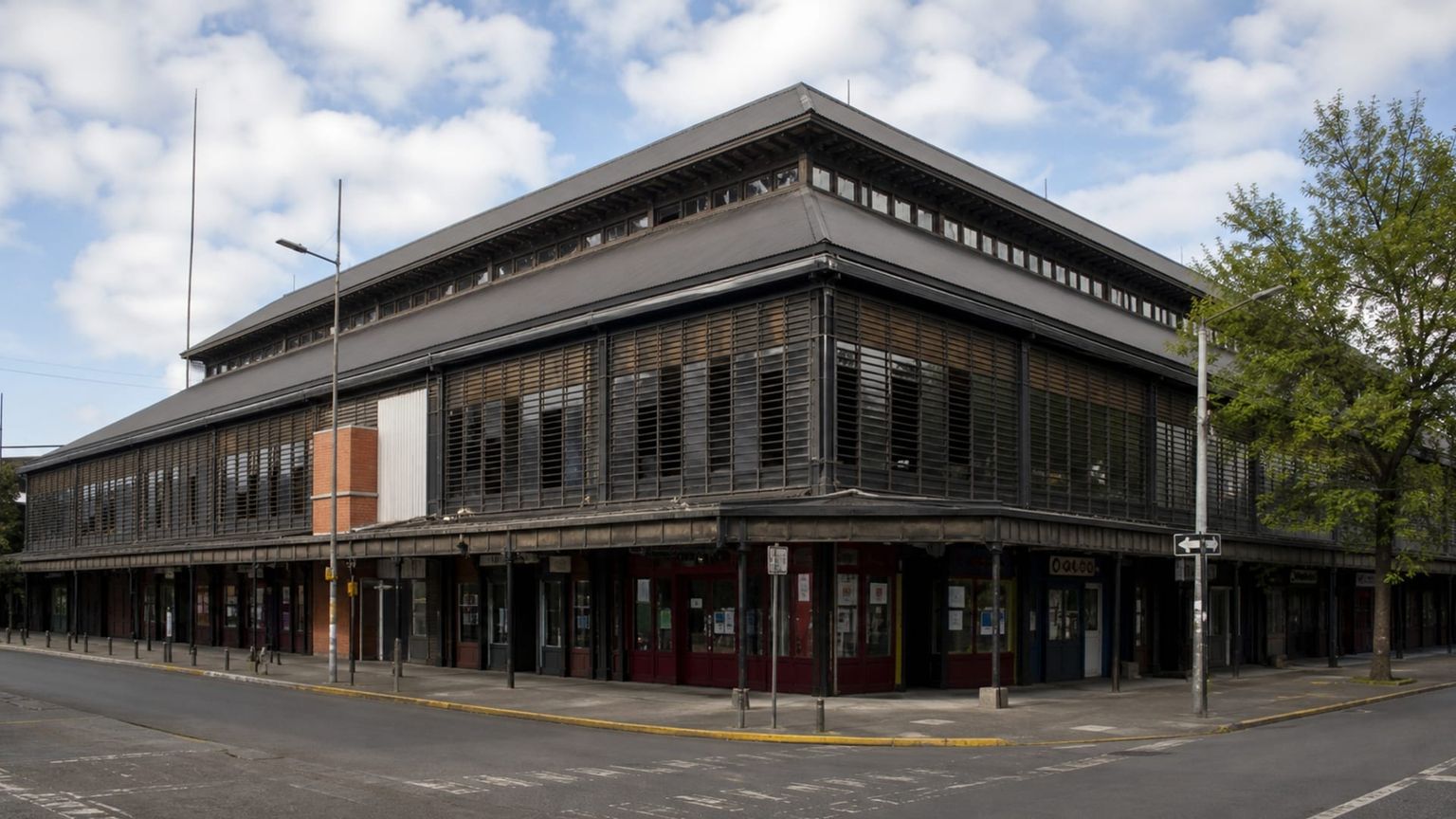
Mercado Municipal de Temuco
Temuco’s municipal market concentrates produce, seafood, crafts, and small eateries under one roof near the center. It gives a direct look at daily buying habits in the region and the ingredients behind southern Chilean cooking.
Time needed: About 1 to 2 hours
Entry: Free to enter, with food, drinks, and crafts priced by each stall; most stands accept cash and some take cards.
Tip: Come before lunch for the fullest selection and easier movement through the aisles.
Overlooked sites worth visiting

Museo Nacional Ferroviario Pablo Neruda
This compact rail museum displays historic locomotives, passenger cars, and station equipment beside the former Temuco railway yards. The collection also links the city to Pablo Neruda’s rail-themed writing.
Time needed: About 1 hour
Entry: Admission is usually free or costs a small fee for special exhibits, commonly about $1 to $3 ($900 to $2,700). Check for limited opening days and occasional maintenance closures before you go.
Tip: Go late morning for open cars and easier photo angles.

Museo Regional de la Araucanía
Inside a 19th-century mansion, this regional museum presents Mapuche textiles, carved woodwork, ceramics, and local history. Its smaller galleries make it a quiet stop with clear context for Temuco’s cultural roots.
Time needed: About 1 to 1.5 hours
Entry: Tickets usually cost about $2 to $4 ($1,800 to $3,600) for adults, with reduced prices for students and seniors. Some temporary exhibits or event days may have separate admission, so verify current rates at the door.
Tip: Visit in the afternoon, when the galleries are least crowded.
Traditional food
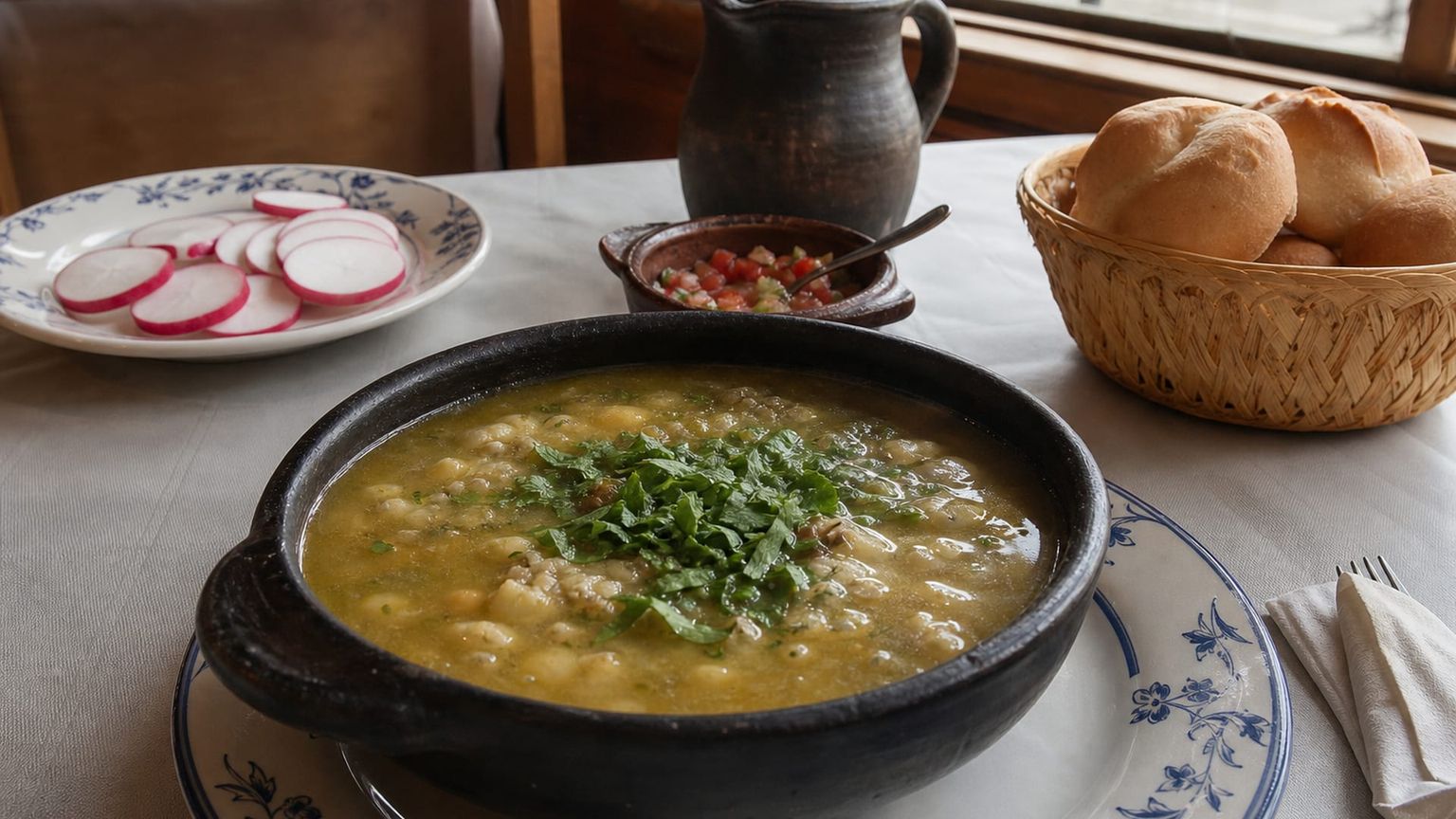
Temuco’s cooking leans on southern Chilean staples, with meat, corn, broth, and seafood showing up in market stalls and neighborhood dining rooms. Curanto, pastel de choclo, empanada de pino, and cazuela de ave fit the city’s table well.
Curanto
This seafood, meat, and potato bake suits Temuco’s hearty southern cooking style, and Mercado Municipal de Temuco is a good place to find a local-serving version in the city center.
Pastel de choclo
Corn topping, minced meat, and a baked finish make this one of the region’s most recognizable dishes. La Cumbre Temuco serves a dependable version in Avenida Alemania.
Empanada de pino
A filling of beef, onion, egg, olive, and raisin makes this a common snack or light meal across Chile. In Temuco, Makuñ Restaurant is a solid place to order one alongside a larger lunch.
Cazuela de ave
This chicken stew brings broth, vegetables, and a home-style finish that fits cooler weather in southern Chile. Restaurant Las Tranqueras in Temuco is a classic address for it.
Best time to visit Temuco
Temuco shifts most clearly between cool, wet months and brighter, drier stretches, so the best time to visit depends on whether you want greener trails, easier walking, or warmer evenings.
Best for: Best for longer daylight, Cerro Ñielol walks, and café time on Avenida Alemania
What you get: Temperatures usually sit about 50-77°F (10-25°C), with the city at its liveliest and some visitor traffic on weekends
Trade-offs: Afternoons can feel warm for uphill walks, and popular dining spots fill more quickly
Best for: Best for market visits, museum time, and easier movement through the center
What you get: Expect about 41-68°F (5-20°C), with thinner crowds than summer and cooler evenings
Trade-offs: Rain can return by late season, so layers matter
Best for: Best for quiet museum days and slower urban sightseeing
What you get: Typical temperatures run about 34-55°F (1-13°C), with fewer visitors and the most need for warm clothing
Trade-offs: Short days and frequent rain can limit time on the hill and outdoor routes
Best for: Best for fresh green scenery and comfortable city walking
What you get: Temperatures are usually about 43-70°F (6-21°C), with moderate crowds and changing weather
Trade-offs: Showers can appear without much notice, especially early in the season
A realistic 5-day plan in Temuco
A five-day stay in Temuco works well when you alternate compact city days with one hill outing and one rail-focused stop. The schedule below keeps the market, museums, and Avenida Alemania in a sequence that limits unnecessary cross-town backtracking.
Land at Temuco (ZCO), then take a taxi or prebooked transfer into Centro or Avenida Alemania, which usually takes about 20 to 30 minutes and costs roughly $10 to $18 ($9,000 to $16,000). Settle into a hotel near Plaza de Armas or one of the restaurants on Avenida Alemania, drink water before heading out, and keep dinner simple with soup, grilled meat, or empanadas at a nearby downtown spot so the first evening stays close to your room.
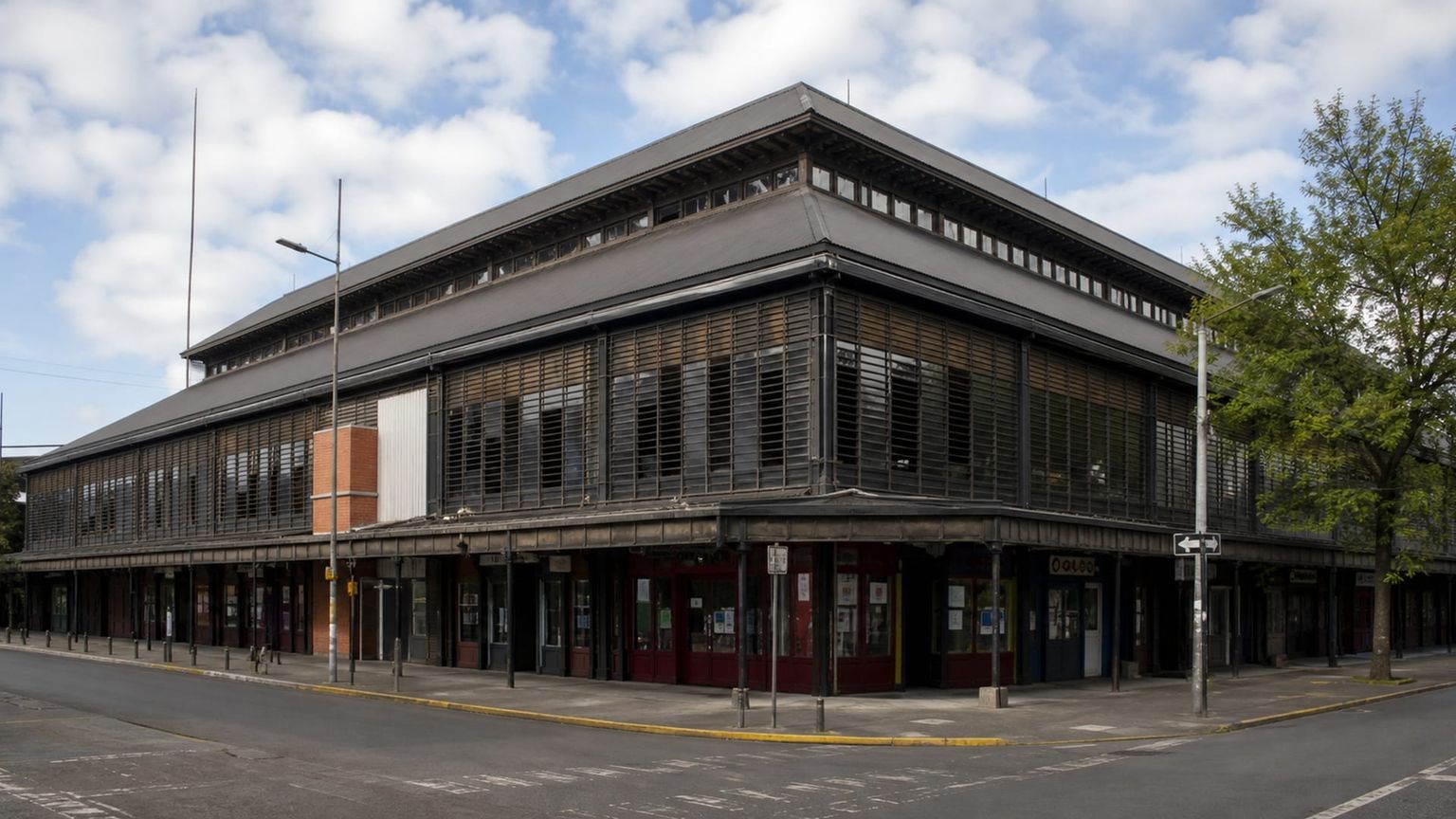
Begin at Mercado Municipal de Temuco before lunch, when stalls still have the widest selection, then walk about 15 to 20 minutes to Museo Regional de la Araucanía for an afternoon visit. From there, a taxi back to Centro takes about 10 minutes, which leaves time for a quiet dinner in the center after the museum. If you like a longer walk, add about 15 minutes on foot between the market and the museum area instead of breaking the day into rides.
Start early at Monumento Natural Cerro Ñielol, where the trails and viewpoints take about 2 to 3 hours, then return to the center for lunch. In the afternoon, ride about 10 minutes to Museo Nacional Ferroviario Pablo Neruda, whose rail yard and historic cars need about 1 to 2 hours. The two stops pair well because one gives forest paths and city views, while the other places you beside Temuco’s railway history without a long cross-town trip.
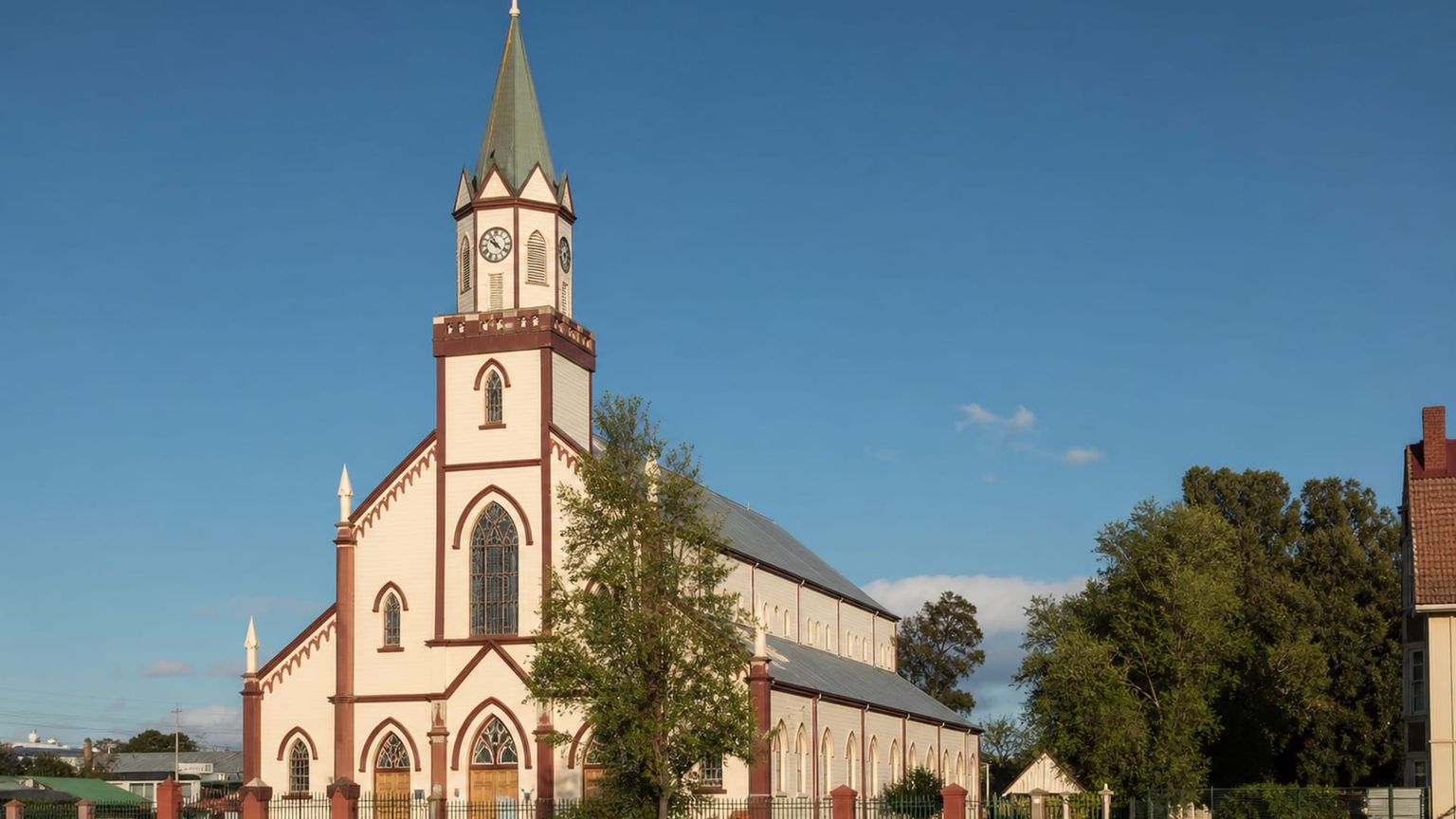
A full day in Centro works best for slower sightseeing, so begin at Museo Regional de la Araucanía if you want a second look at the collection, then spend time on foot in the civic core and around nearby streets. Walk about 15 minutes from Plaza de Armas to Mercado Municipal de Temuco for lunch, then continue with a short taxi or bus ride, about 10 to 15 minutes, to Avenida Alemania for dinner. The route keeps the day anchored to central Temuco, with easy movement between the market, museum stops, and the city’s dining corridor.
Finish with one last museum stop in the morning, then head to Avenida Alemania for coffee and a slow lunch, where cafés and restaurants make an easy final base before your flight. If you want a bit of shopping, stay in the corridor near the avenue rather than crossing town, because the area has the highest concentration of shops and late lunch options. From there, return to your hotel, collect bags, and take a taxi back to Temuco (ZCO) with enough time for the same 20 to 30 minute transfer as on arrival.
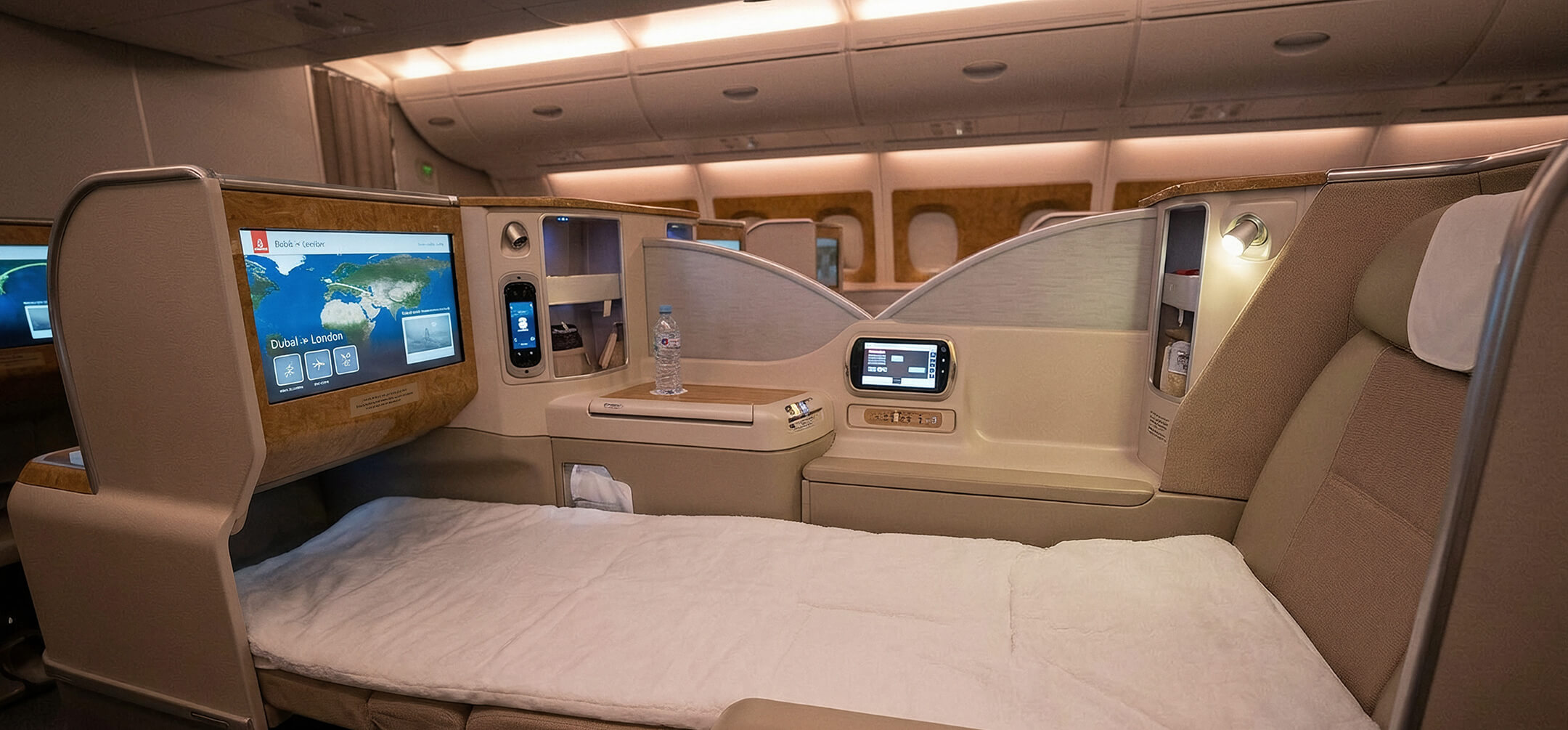
Business-class flights from the US to Temuco
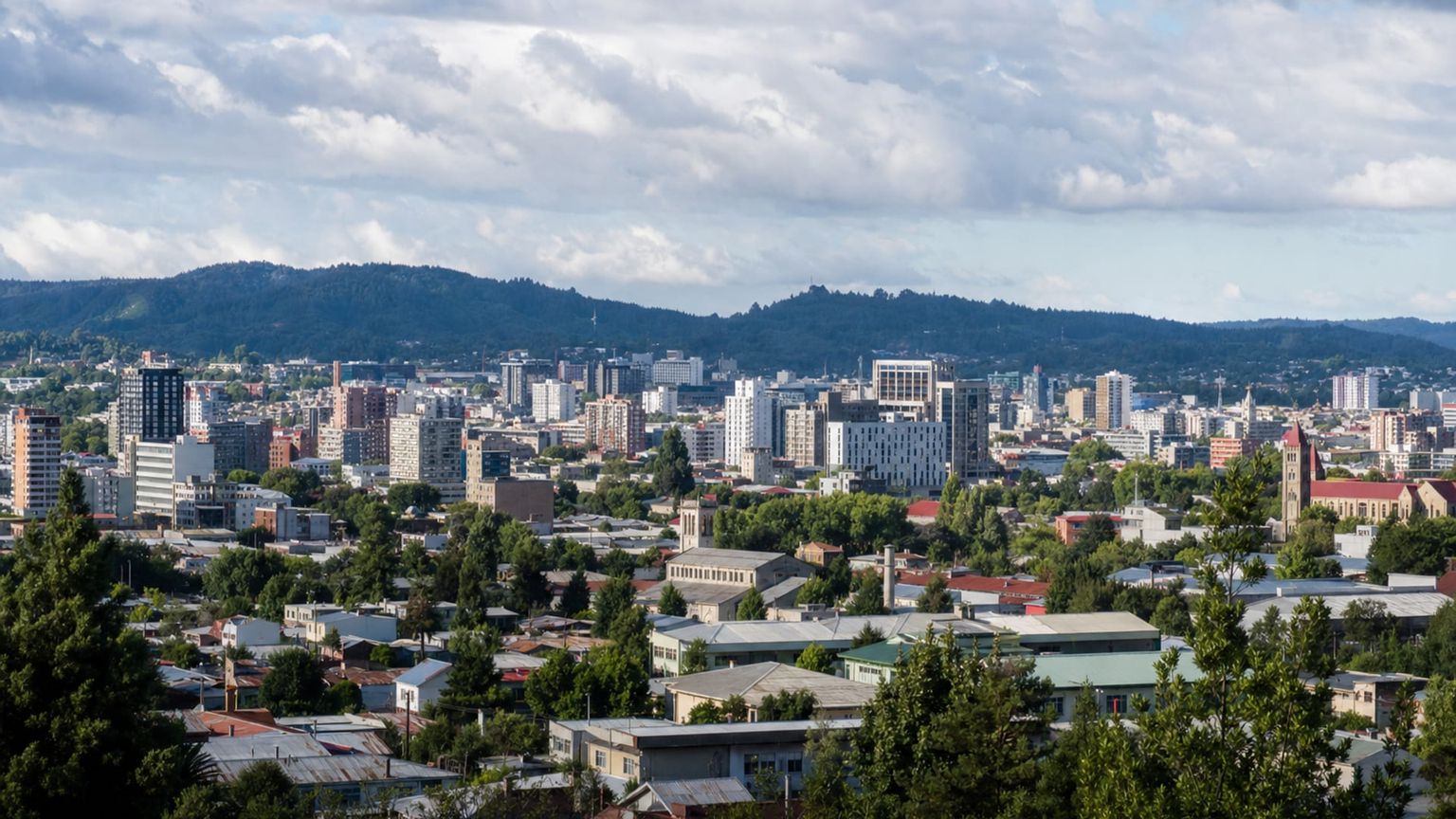
Flights to Temuco usually route through one or more major hubs, so the useful comparison is less about nonstop speed and more about which connection path fits your departure city. The two examples below show how East Coast and West Coast travelers usually get there.
From New York (JFK), airlines such as LATAM Airlines, American Airlines, Delta Air Lines, Copa Airlines, and Aeromexico commonly appear on the route. Round-trip fares from New York (JFK) to Temuco usually start at about $1,900 and can reach $3,500; if you do not mind a layover, common routings via Santiago (SCL) or Lima (LIM) often bring the price down.
From Los Angeles (LAX), round-trip fares generally run $1,700 to $3,200, with higher dates pushing above that band. LATAM Airlines, American Airlines, Delta Air Lines, Copa Airlines, and Aeromexico all show up on itineraries from Los Angeles (LAX), and the trip usually involves a connection through hubs such as Santiago (SCL), Lima (LIM), Panama City (PTY), Miami (MIA), or Mexico City (MEX).
Temuco feels different when you slow down
A deliberate Temuco trip starts with Centro for the market, museum visits, and short rides, then adds Cerro Ñielol for forest paths and Avenida Alemania for dinner without forcing long transfers across town. That mix gives you the city’s daily routine, its rail history, and its restaurant corridor in one compact stay. If you want help shaping the route, the AranGrant experts can turn this Temuco plan into a cleaner booking choice