

Chapters:

Need help with your trip?
Our support team is available 24/7. Request a callback or call us directly at (833) 619-0908
Tbilisi trips often start with the old town, a bath, and a hilltop view, then stop there. Travelers miss how much the city changes between Avlabari, Rustaveli, and Vera, and how quickly a good plan can turn into extra crossings and uphill detours.
That matters because Tbilisi spreads across the river and climbs hard in places. If you move without a clear order, short visits get eaten up by backtracking, busy lanes, and taxi waits on steep streets.
This guide groups sights, meals, and transport by district, so each day builds on the last instead of repeating the same loop.
Useful things to know

Main language(s): Georgian
Gamarjoba (gah-mar-joh-bah) – Hello
T'k'ven (tkh-ven) – Please
Madloba (mah-dloh-bah) – Thank you
Inglisturi laparak'obt? (ing-list-oo-ree lah-pah-rah-kobt) – Do you speak English?
Raan ghirs? (rahn gheers) – How much does it cost?

Currency: The local currency is the Georgian lari (GEL, ₾).

Cash and cards: Cards and contactless are widely accepted; keep about GEL 20 to 40 ($7 to $15) in cash for taxis, markets, and small cafés.

Tipping: Round up small bills; 5-10% is appreciated in nicer restaurants.

Traditional food: khachapuri, khinkali, pkhali, chakapuli

Water and coffee costs: Water about GEL 2 to 4 ($1 to $2), bar espresso about GEL 5 to 8 ($2 to $3).

Taxis and ride apps: Bolt and Yandex Go operate here; confirm the plate before you ride.

Plug and voltage: Type C/F socket, 220V

Dining and shop opening hours: Breakfast is about 8:00-10:00, lunch 13:00-15:00, and dinner 19:00-22:00. Many restaurants close between lunch and dinner, especially outside central areas.

Emergency number: 112 for police, fire, and medical emergencies.
Where to stay in Tbilisi
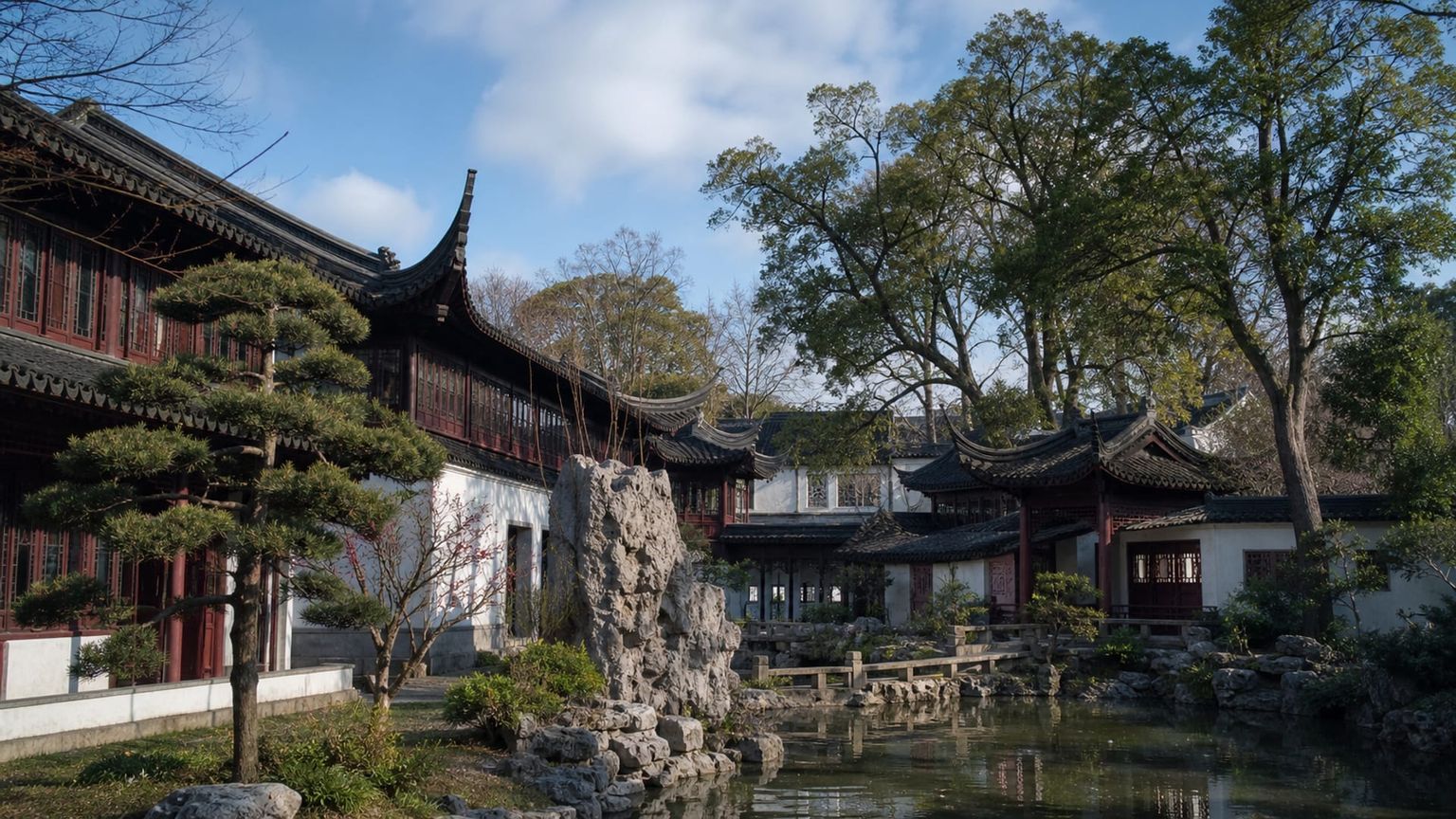
Tbilisi’s historic core wraps the Narikala hillside, sulfur baths, churches, and restored wooden balconies into a compact base. It puts major sights, dining, and evening walks close together, though the busiest streets can feel lively late into the night.
Best for: First-time visits, sightseeing, and travelers who want to walk to major landmarks
What to expect: Stone lanes, terrace cafes, tour groups by day, and more music and foot traffic after dark.
Hotel prices: Usually about $80 to $220 per night for well-rated stays
Distance to major sights: 5 to 15 minutes on foot to Freedom Square and the sulfur baths; roughly 15 to 25 minutes on foot to Narikala
Quietness: Busy by day and often lively into the evening, especially on the main lanes; side streets are calmer.
Main trade-off: Central streets bring noise from bars, restaurants, and tour traffic, and parking can be difficult.
Good to know: Pick a room on a side street or higher floor if you want to sleep earlier, because the main lanes stay active late.
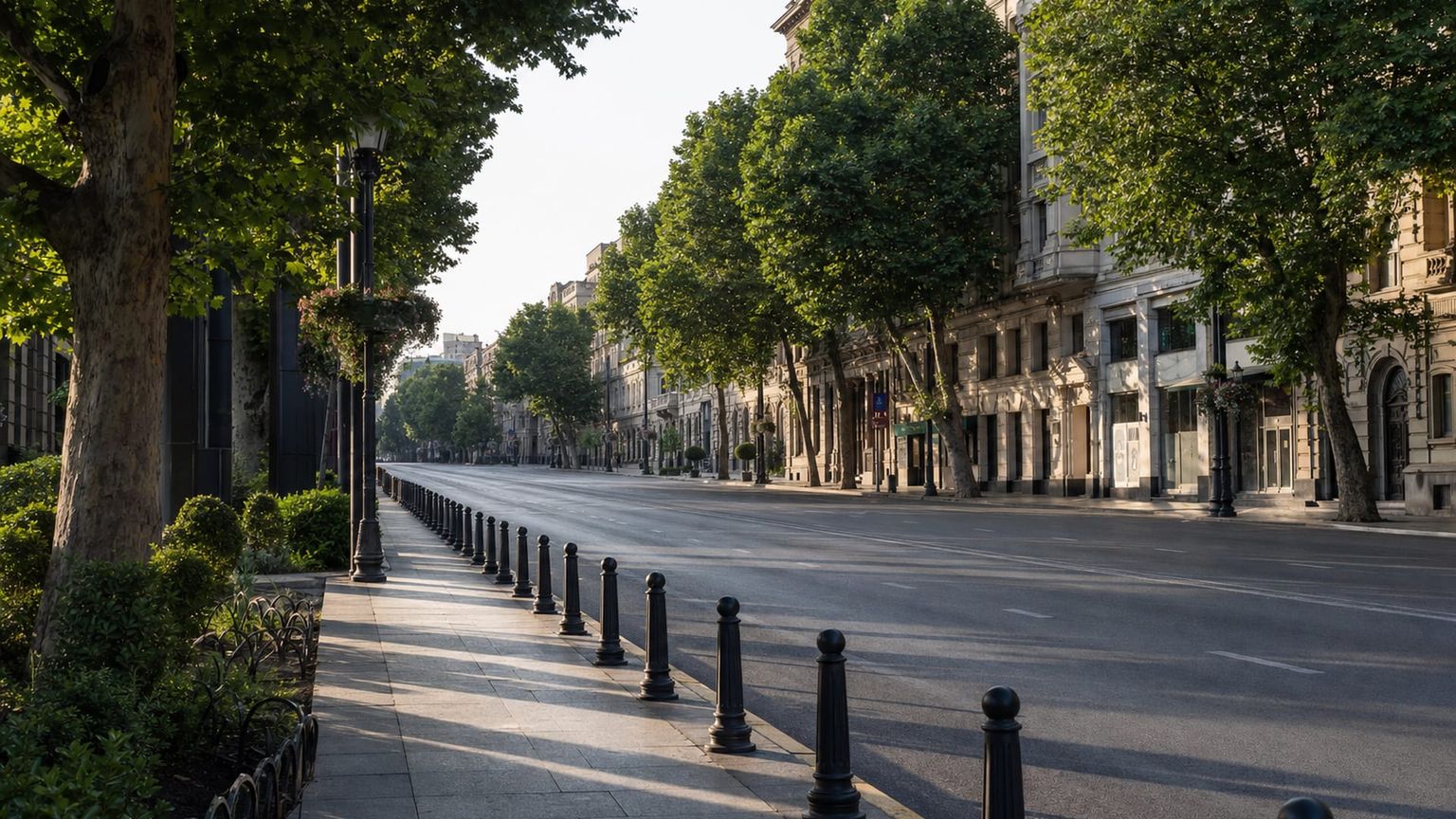
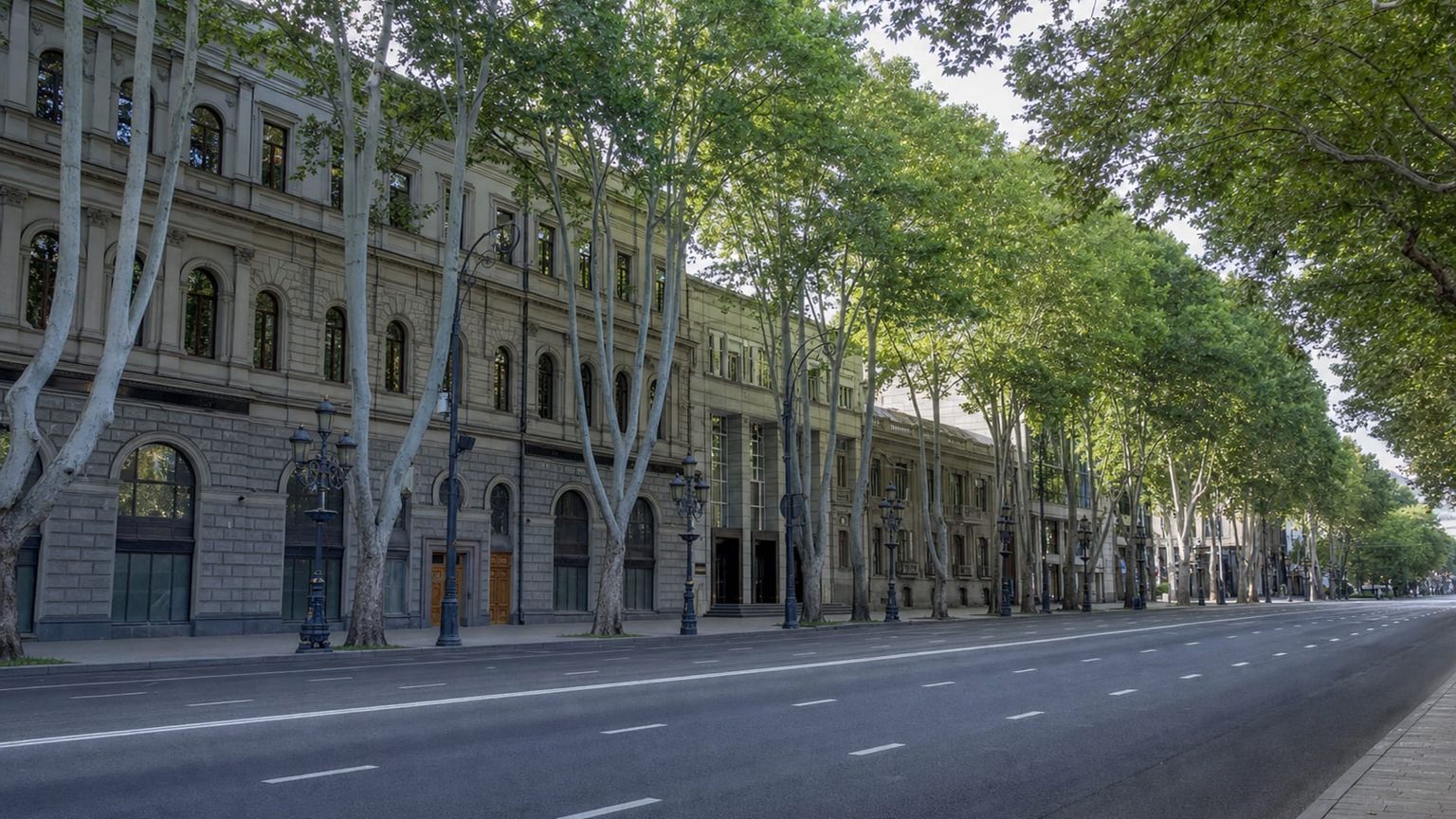
Rustaveli runs along Tbilisi’s main boulevard, with museums, theaters, grand hotels, and easy metro access. It suits travelers who want a central base with fast connections across the city and a broader choice of business-style and upscale stays.
Best for: Museum visits, theater nights, and travelers who want central transport links
What to expect: Wide sidewalks, steady traffic, office buildings, galleries, and a busier feel during commuting hours.
Hotel prices: Usually about $90 to $260 per night for well-rated stays
Distance to major sights: 10 to 20 minutes on foot to Freedom Square; roughly 10 to 15 minutes by metro or taxi to the Dry Bridge Market
Quietness: Quieter in the late morning and afternoon away from the boulevard edge, but traffic noise rises at rush hour and on weekend evenings.
Main trade-off: You gain transit access and hotel choice, but the boulevard environment is less atmospheric than the old town.
Good to know: If you plan to use taxis often, confirm the drop-off point, since crossings and one-way sections can add extra minutes at peak times.
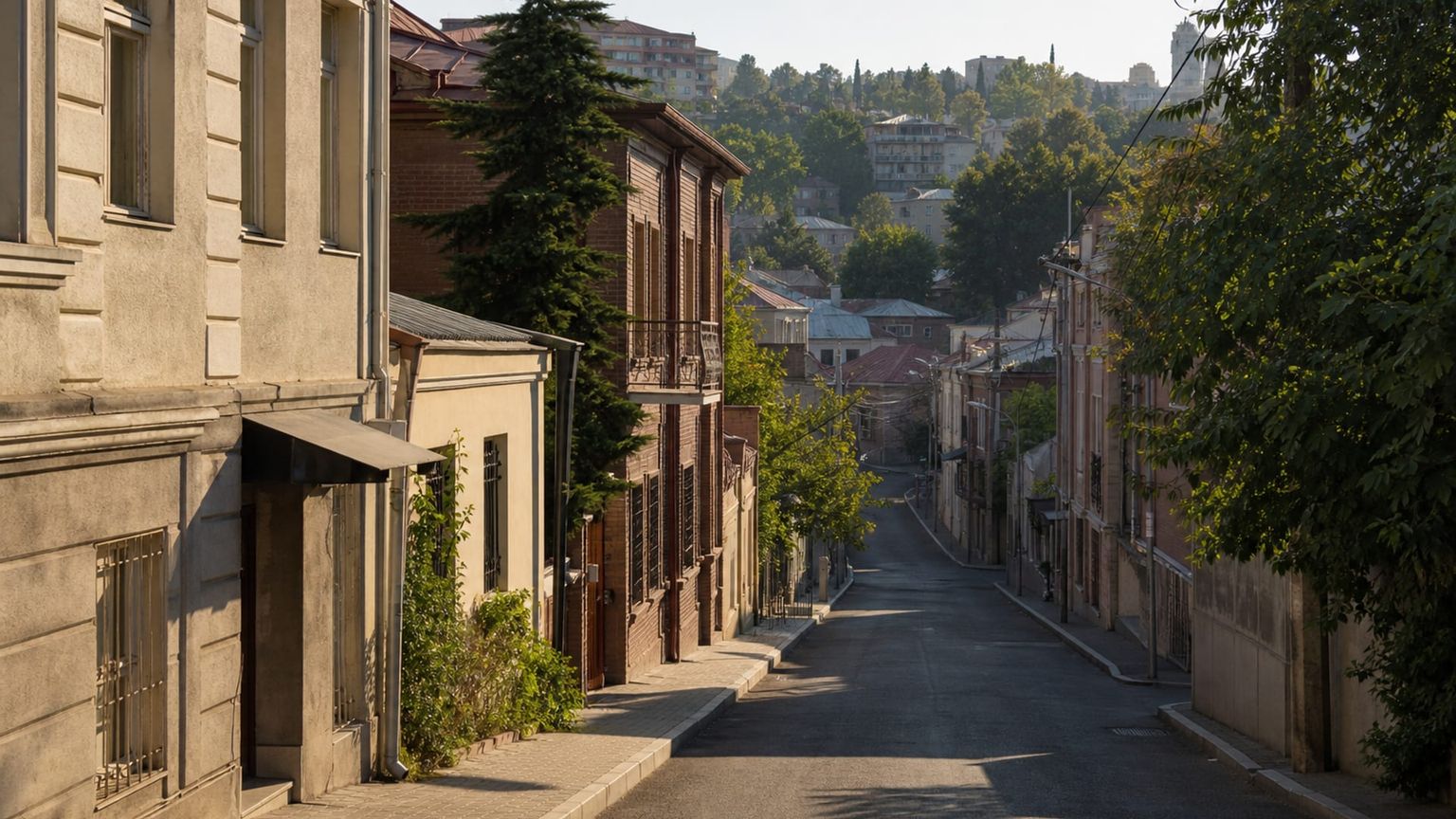
Vera sits just north of Rustaveli and pairs local apartment blocks with cafes, wine bars, and small guesthouses. It gives you close access to the center without staying in the busiest historic streets, which works well for longer stays.
Best for: Longer stays, cafe hopping, and travelers who want a neighborhood feel near the center
What to expect: Residential streets, neighborhood cafes, small shops, and moderate evening activity around dining spots.
Hotel prices: Usually about $60 to $170 per night for well-rated stays
Distance to major sights: 10 to 20 minutes on foot to Rustaveli Avenue; roughly 15 to 25 minutes by taxi to Old Tbilisi
Quietness: Generally quieter than the center during the day, with a modest rise in noise around cafes and wine bars after dark.
Main trade-off: You trade immediate old-town access for a more uphill walk and fewer hotel options.
Good to know: Many streets climb sharply, so check the exact address before booking if you prefer to avoid steep walks with luggage.
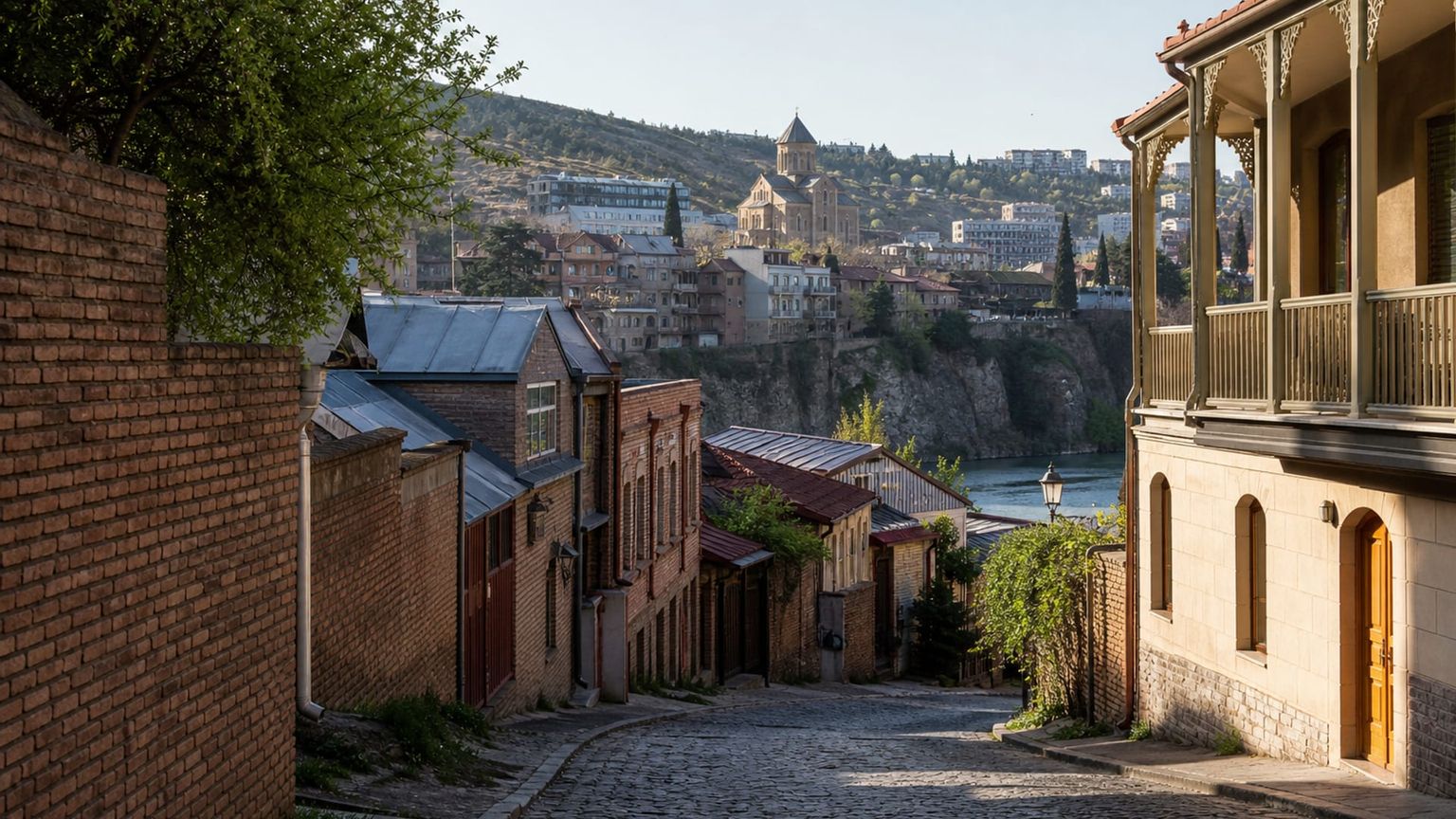
Avlabari sits across the river from Old Tbilisi and links the historic core with the Metekhi area, Sameba Cathedral, and major metro connections. It works well for travelers who want quick access to the old town while staying slightly outside the densest tourist blocks.
Best for: Sightseeing, cathedral visits, and travelers who want a slightly calmer base near Old Tbilisi
What to expect: Mixed residential streets, church views, local shops, and lighter foot traffic than the old core.
Hotel prices: Usually about $50 to $140 per night for well-rated stays
Distance to major sights: 10 to 15 minutes on foot to Metekhi and the riverfront; roughly 15 to 20 minutes on foot to Freedom Square
Quietness: Quieter in the morning and midday, with some evening movement near the metro and main roads.
Main trade-off: You may walk uphill on the way back from the river, and the immediate dining choice is thinner than in Old Tbilisi.
Good to know: If you want easy transit, stay close to the Avlabari metro stop, since it saves time on cabs when traffic slows the bridges.
Travelers usually avoid staying in Didi Dighomi, as it sits far from Tbilisi’s main sights and has limited visitor-oriented amenities. Gldani, Isani, Samgori, and the airport side of Vazisubani are also less convenient, since they place you away from the Old Town, Rustaveli, and the main dining areas, with slower evening travel back to the center.
Hotel deals
How to get around Tbilisi efficiently
Tbilisi’s metro, buses, and taxis each solve a different part of the city, from cross-town hops to the steeper streets above the river.

Metro
for longer distances
Tbilisi has one metro system, with two lines that link major hubs such as Station Square, Rustaveli, and Freedom Square. A single ride costs $0.30 (about GEL 1) and works for 90 minutes, which is enough for one continuous trip across the network. Trains are useful for crossing the city quickly, although stations can be busy at peak hours and some central stops sit on steep streets.

Bus and tram
for convenience
Tbilisi’s buses, minibuses, and a short tram-free surface network cover most neighborhoods more widely than the metro, including the airport corridor, Didube, and the old city edge. A fare is $0.30 (about GEL 1) and stays valid for 90 minutes after tap-in, so you can change vehicles within that window without paying again. Use the city card or contactless payment at the reader, and expect more frequent service on main corridors than on hillside or late-night routes.

Taxi
for convenience or late hours
Licensed taxis in Tbilisi use metered or app-based pricing rather than a fixed citywide tariff, and airport rides usually cost about $10 to $18 ($27 to GEL 50), depending on traffic and the app. From the airport into central Tbilisi, the trip often takes about 25 to 40 minutes. Book through a reputable app or take an airport stand taxi, confirm the price before departure if the meter is not running, and pay by card or cash when the driver accepts both.
*Prices are based on rates updated as of June 2026 and may change at the time of travel.
Use the metro for fast links to central hubs, buses for wider neighborhood coverage, and taxis or ride-hail when hills, bridges, or late dinners make the walk home longer than you want.
Iconic landmarks
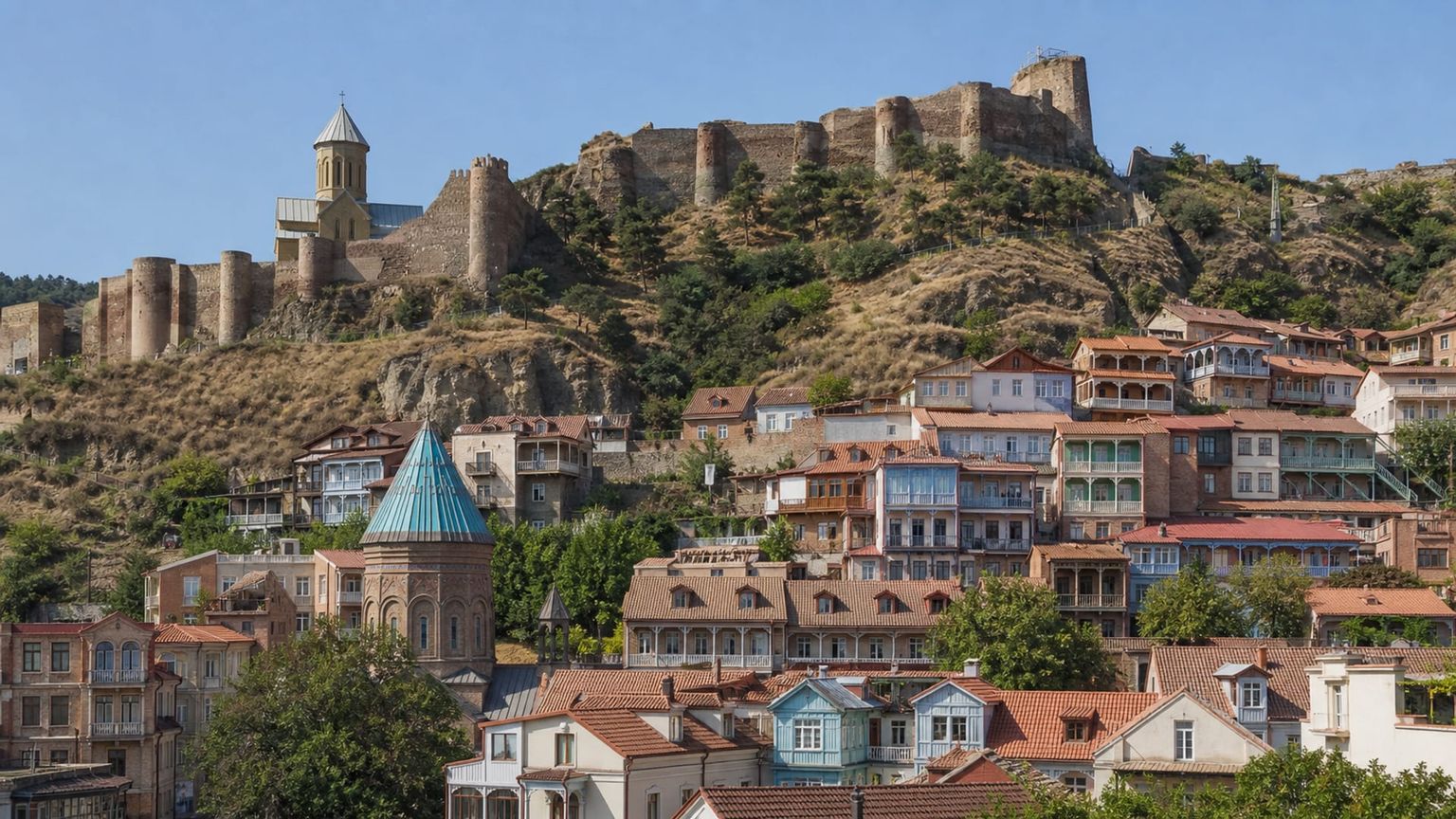
Narikala Fortress
Perched above the Old Town, Narikala Fortress offers Tbilisi’s most direct city panorama, with the Mtkvari River, sulfur bath quarter, and roofline below. The climb links easily with the cable car and the hilltop Mother of Georgia statue.
Time needed: About 1 to 2 hours
Entry: Free to access; cable car tickets from Rike Park cost $1.50 to $2.00 (about 4 to 5 GEL) each way.
Tip: Visit late afternoon for clear light, then walk down through the Old Town lanes to the bath district.
Holy Trinity Cathedral of Tbilisi
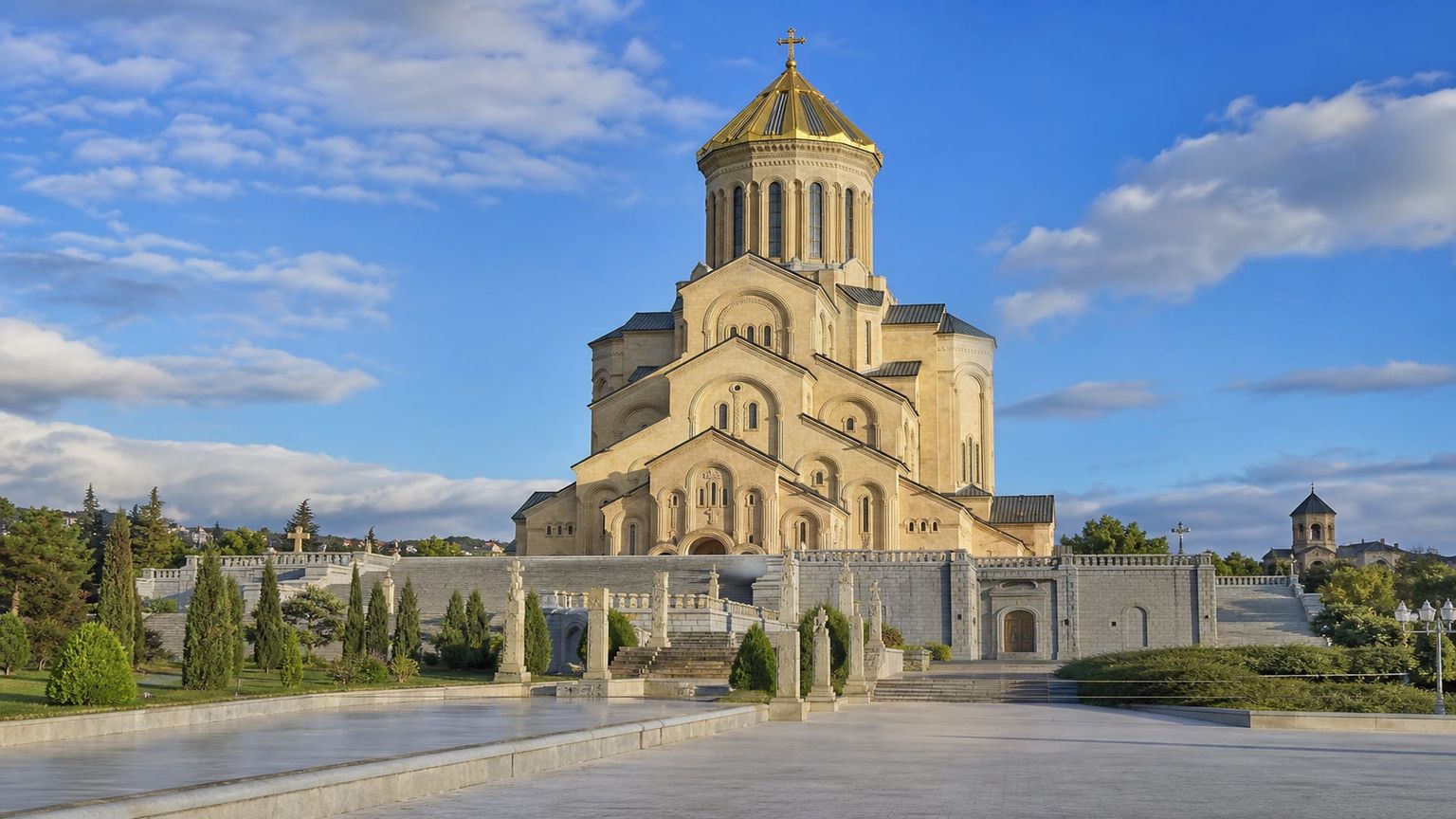
Holy Trinity Cathedral, known locally as Sameba, dominates the Avlabari hill with a gold-capped dome and a vast courtyard. Inside, the icon-filled nave and calm scale make it one of the city’s most important modern religious sites.
Time needed: About 1 hour
Entry: Free to enter; donations are optional, and modest dress is expected inside the cathedral and cloister. Visit the official site for details.
Tip: Go in the morning for fewer visitors, and dress modestly so you can enter without delay.
Old Tbilisi and the sulfur bath district
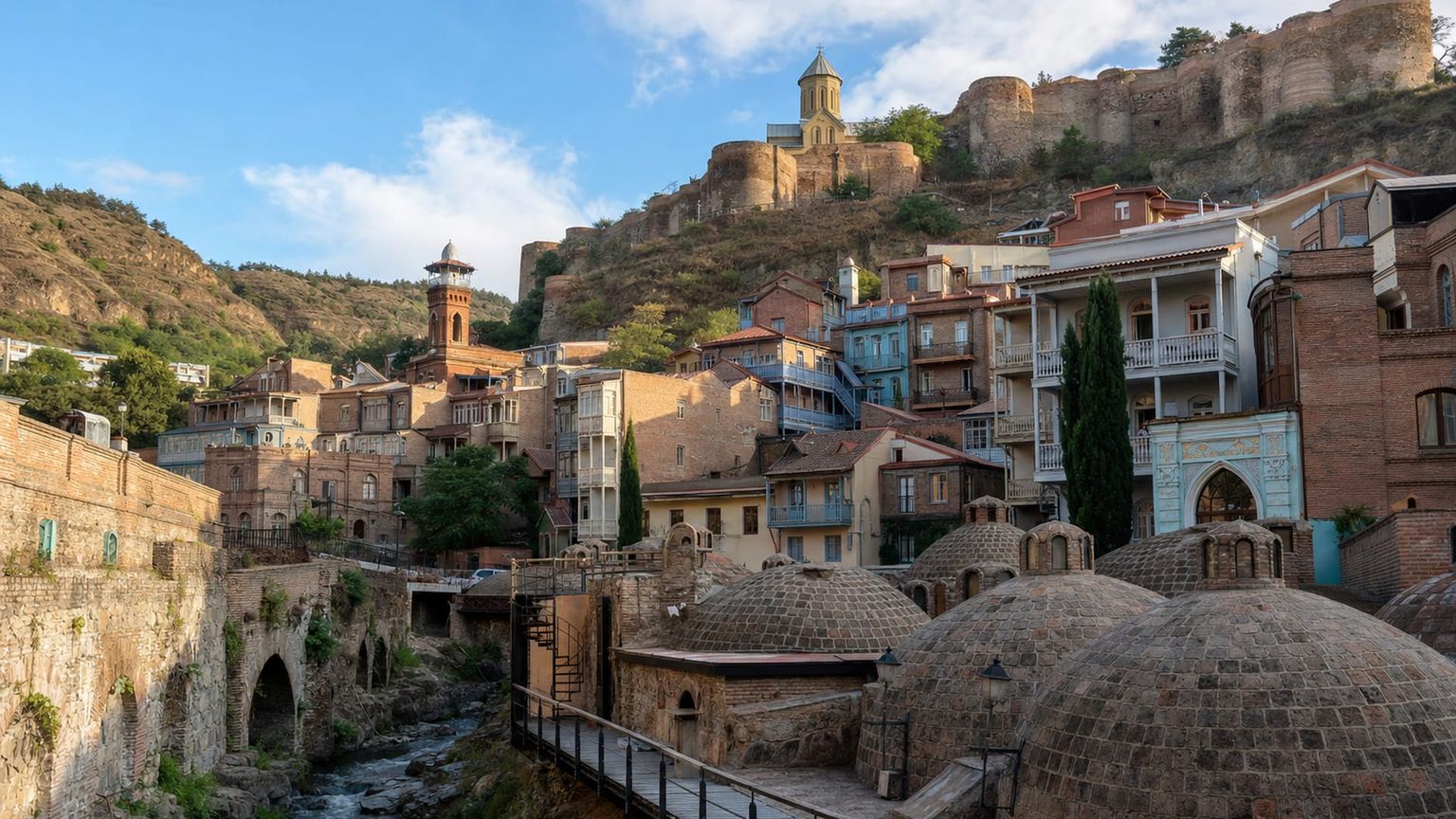
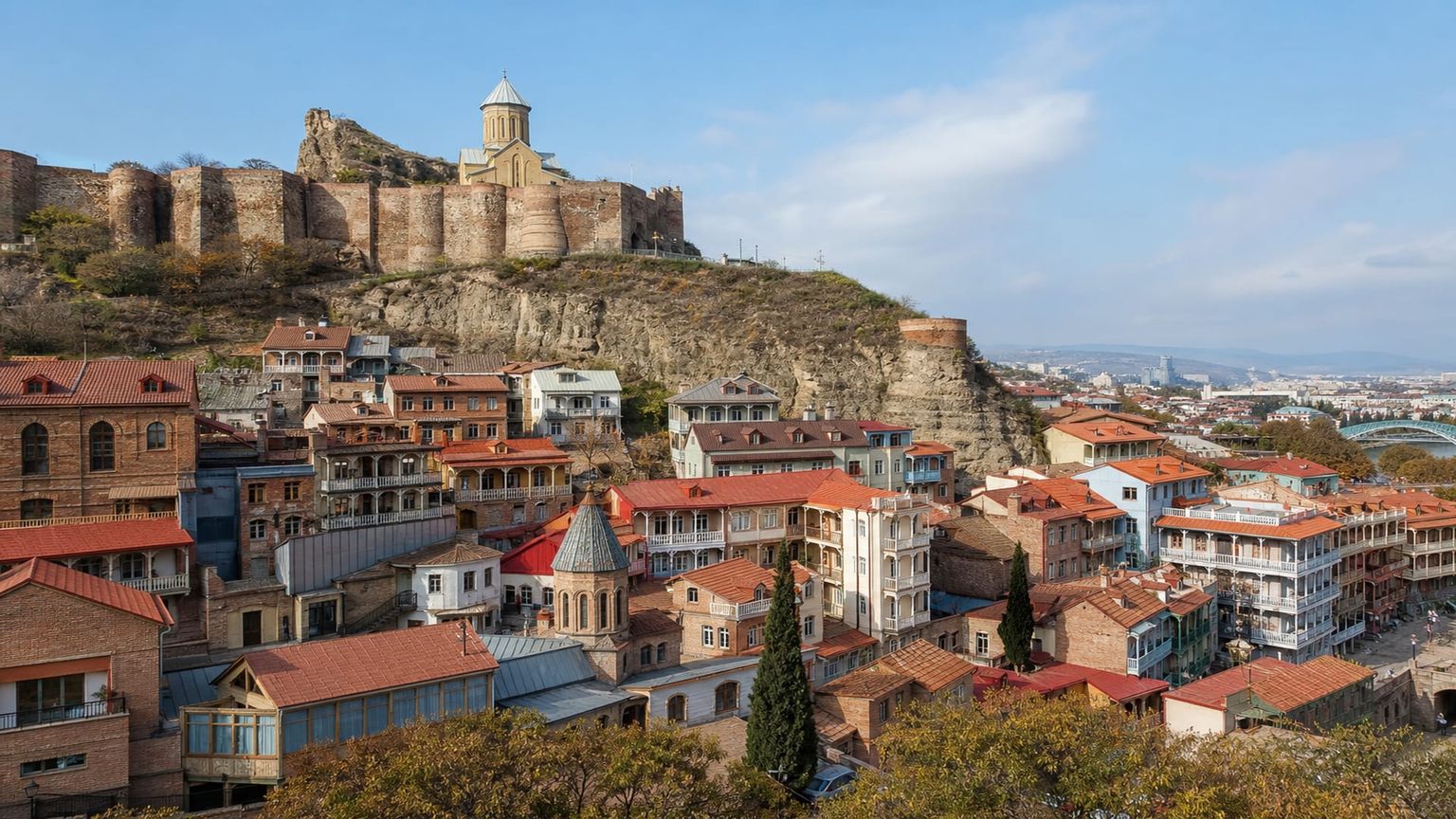
Old Tbilisi centers on winding lanes, carved balconies, Orthodox churches, and the sulfur bath district beside the river. This is the city’s densest historic area, where restored facades sit next to lived-in courtyards and small wine bars.
Time needed: About 2 to 3 hours
Entry: Free to walk through; bath houses charge separate rates, usually $10 to $25 (about 27 to 68 GEL) for a basic soak.
Tip: Start before sunset, when the balconies, church domes, and bath quarter take on warm light.
Overlooked sites worth visiting

Tbilisi Sea Club coastline
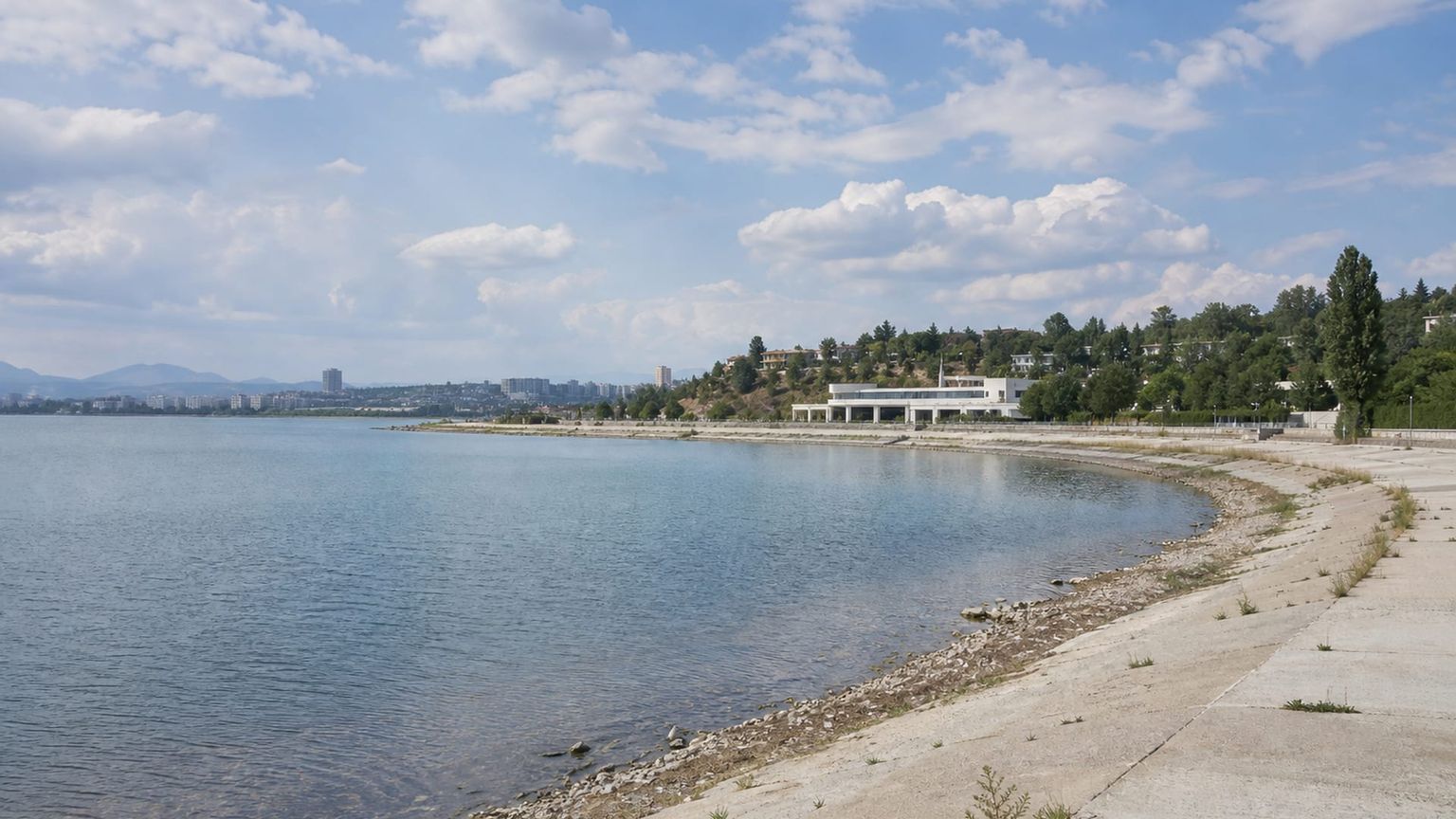
The shoreline at Tbilisi Sea Club is quieter than the lake’s main promenades, with wide water views, a flat walking path, and room for a late-afternoon pause. Sunset light hits the reservoir and city edge.
Time needed: About 1 to 2 hours
Entry: Free to access for the waterfront paths and public shoreline sections. Some club-managed loungers, water sports, or event areas may carry separate charges, but simple walking and viewing do not require a ticket or reservation.
Tip: Go near sunset for cooler air and the clearest views.

Ilia Chavchavadze House-Museum
This small house-museum in Sololaki preserves the writer and statesman’s rooms, manuscripts, and photographs in a compact setting. It gives a tight look at Tbilisi’s literary history without a long visit.
Time needed: About 45 minutes
Entry: Typical admission is about $3 to $5 (approximately 8 to 13 GEL) for adults, with lower rates for students or children when offered. Prices can change for special exhibitions, so check the museum’s current schedule before you go.
Tip: Pair it with a short walk through Sololaki’s old courtyards.
Traditional food
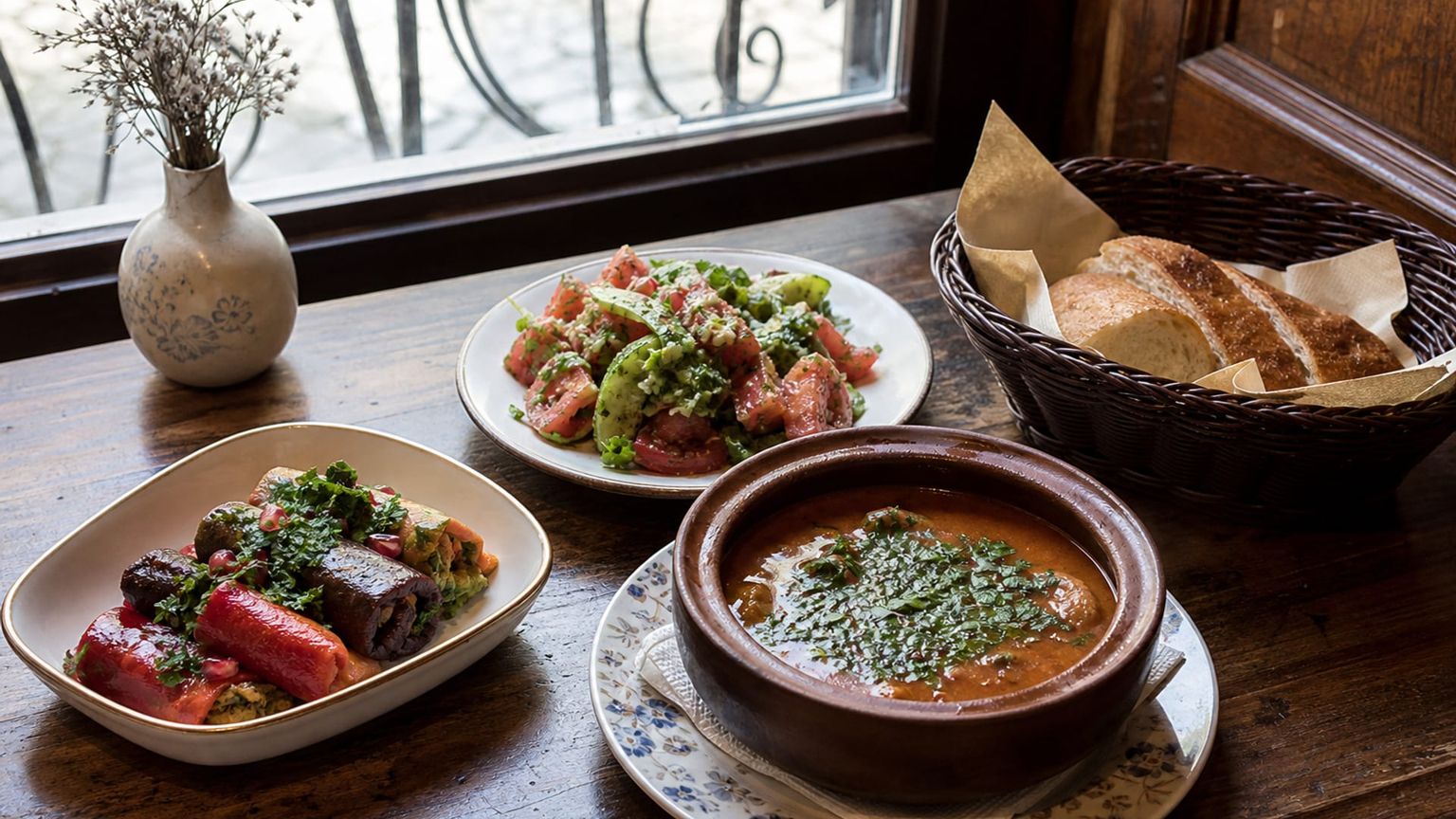
Tbilisi’s table leans on walnuts, herbs, cheese, and slow-simmered meat, with khachapuri, khinkali, pkhali, and chakapuli showing up across the city. Meals often stretch long, especially when wine or shared plates join the table.
Khachapuri
This cheese-filled bread is the city’s most familiar staple, best ordered hot so the crust stays crisp and the center stays rich. For a classic version in Tbilisi, see Machakhela on Rustaveli Avenue.
Khinkali
These twisted dumplings arrive with broth inside, so locals lift and bite carefully before finishing the rest. Pasanauri in Tbilisi has long been a dependable reference point for them.
Pkhali
Pkhali brings chopped vegetables, herbs, and walnut paste into a cool starter that balances richer dishes on the table. Salobie Bia serves a well-known version in the city.
Chakapuli
Chakapuli is a spring stew built with herbs and tart notes, and it gives a good sense of Georgia’s lighter, fresher side. Shavi Lomi is a strong Tbilisi address for it.
Best time to visit Tbilisi
Tbilisi changes most between the heat of summer, the clear shoulder seasons, and the colder weeks when evenings shorten and hill walks feel steeper.
Best for: Old Tbilisi walks, courtyard cafes, and hilltop views
What you get: About 45 to 72°F (7 to 22°C), with moderate crowds and comfortable daytime walking
Trade-offs: Rain can interrupt longer outdoor plans
Best for: Late dinners, riverfront walks, and evening sightseeing
What you get: About 68 to 93°F (20 to 34°C), with heavier tourist traffic and busier nights in the center
Trade-offs: Afternoon heat can make uphill sections tiring
Best for: Museums, wine bars, and long neighborhood days
What you get: About 48 to 75°F (9 to 24°C), with comfortable weather and fewer crowd bottlenecks than midsummer
Trade-offs: Temperatures fall quickly by late November
Best for: Cafes, baths, and a slower city pace
What you get: About 30 to 46°F (-1 to 8°C), with light crowds and shorter daylight hours
Trade-offs: Cold wind and occasional snow can complicate hillside plans
A realistic 5-day plan in Tbilisi
Five days in Tbilisi works well when you divide the city by hill, boulevard, and river. The plan below starts with arrival and nearby dining, then moves through Avlabari, Old Tbilisi, Rustaveli, Vera, and a final morning that keeps departure simple.
Land at Tbilisi (TBS), then take a taxi or ride-hail into Old Tbilisi or Avlabari, roughly 20 to 35 minutes in light traffic and about $10 to $20. Check into a room near the river or the Avlabari metro stop, drink some water, and keep dinner close by with a simple khachapuri or soup in Old Tbilisi so you are not crossing the city after a long flight.
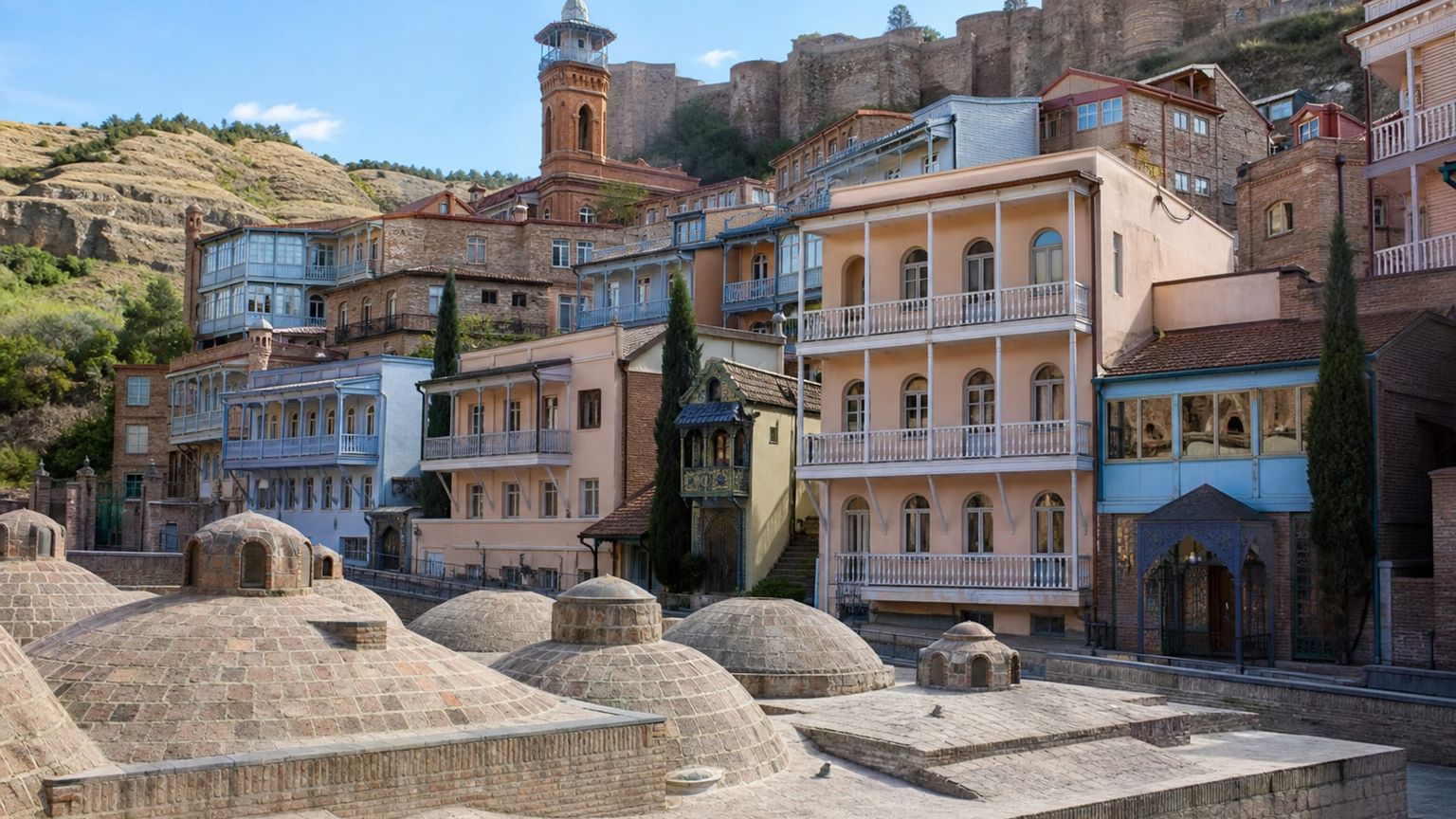
Begin in Avlabari at the Holy Trinity Cathedral of Tbilisi, which takes about 1 hour, then walk about 15 minutes down toward Metekhi and the riverfront before crossing into Old Tbilisi for the sulfur bath district. From there, spend 2 to 3 hours threading the old lanes and ending at Narikala Fortress, where the cable car from Rike Park costs $1.50 to $2.00 each way and the late-afternoon views over the river are strongest.
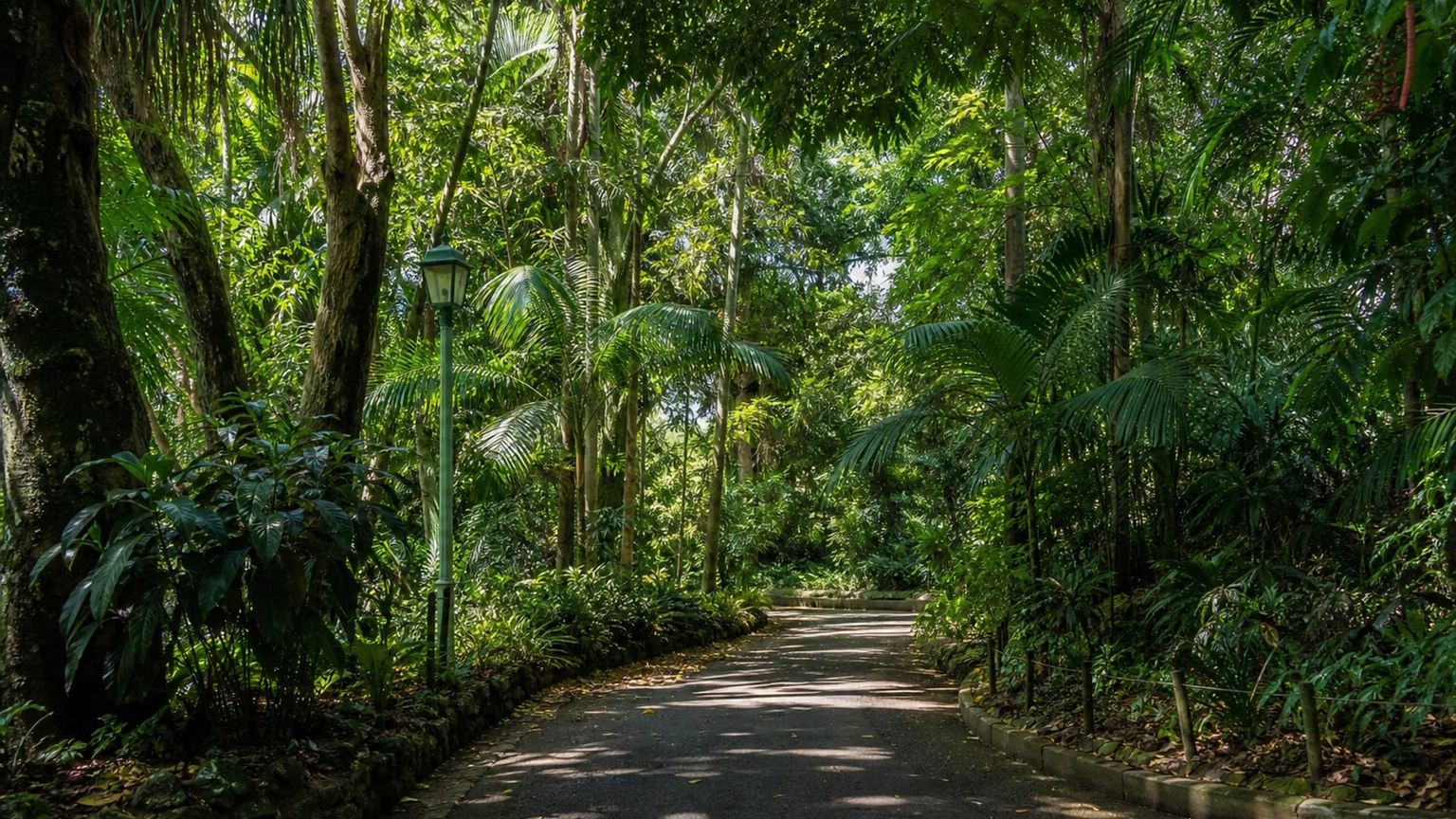
Start on Rustaveli Avenue with the Ilia Chavchavadze House-Museum in nearby Sololaki, about 45 minutes, then continue on foot or by taxi to the city center for a slower stretch through the boulevard district. After that, move back into Old Tbilisi for dinner, or stay on Rustaveli for a theater performance, since the boulevard keeps museums, dinner spots, and taxi links within about 10 to 20 minutes of one another.
A quieter shift works well here: head to the Tbilisi Sea Club coastline in the late afternoon, roughly 25 to 40 minutes by taxi from Old Tbilisi depending on traffic, and walk the waterfront paths for about 1 to 2 hours. Return to Vera afterward for wine bars or a late cafe stop, then stay in the neighborhood for an easy dinner before the evening gets too late.
Morning works best for one last stop at the Old Tbilisi and the sulfur bath district if you want a final walk through the historic lanes, then head to Rustaveli for shopping or one more museum visit before your departure. Finish with coffee in Vera, where neighborhood cafes make an easy pause before a taxi back to Tbilisi (TBS), and keep your luggage ready so you can leave on your own schedule.
Business-class flights from the US to Tbilisi
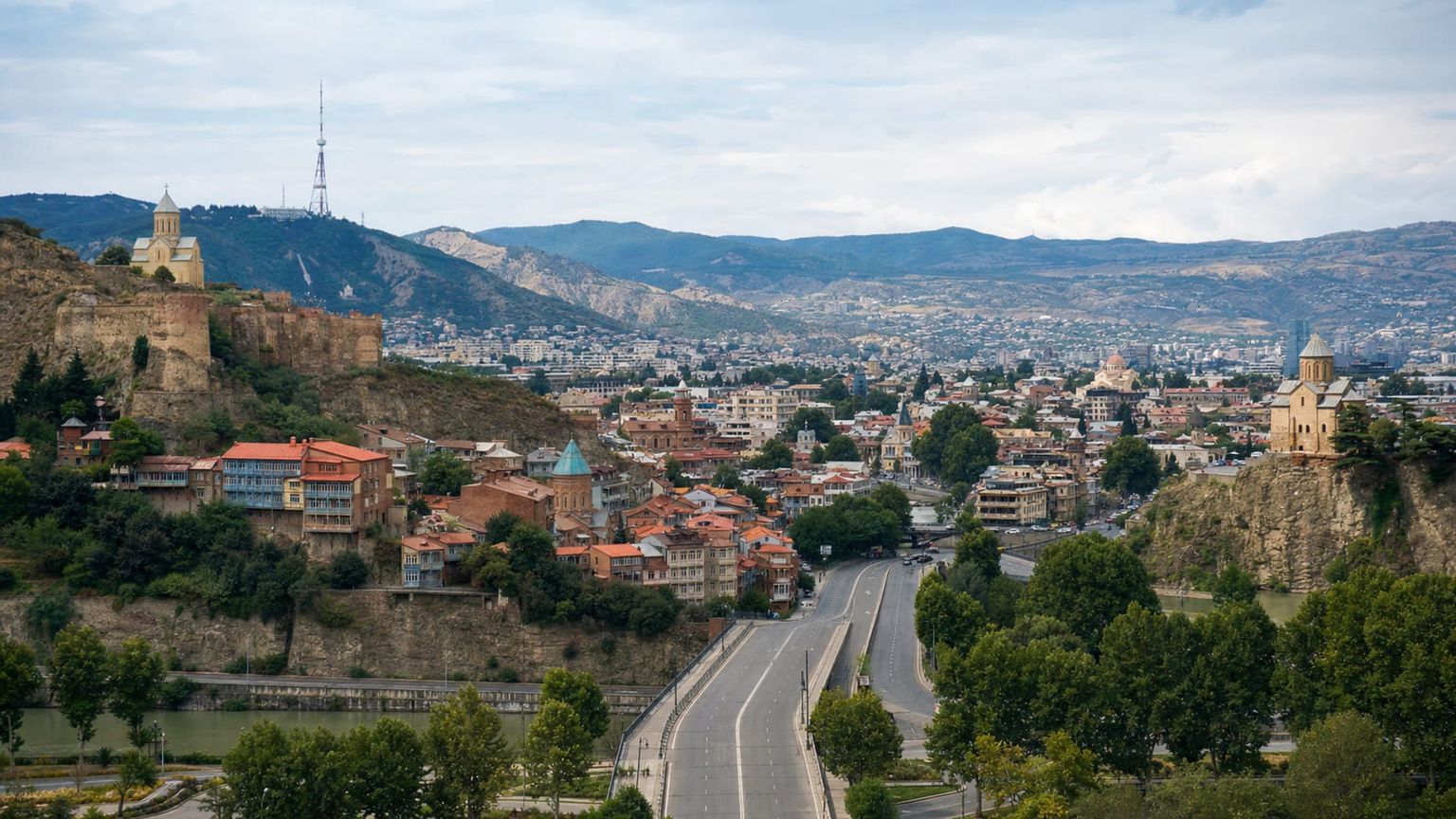
Reaching Tbilisi from either coast usually means choosing between one-stop itineraries and long travel times, so the best fare often depends on which hubs line up cleanly. The examples below show how the route shape changes from New York and Los Angeles.
From New York, Turkish Airlines, Qatar Airways, Lufthansa, Austrian Airlines, Air France, and Georgian Airways all appear on common one-stop options, with layovers through IST, DOH, FRA, MUC, VIE, or CDG. Round-trip fares usually start from $2,400 and can reach $4,800.
From Los Angeles, expect roughly $2,900 to $5,600 round-trip, with Turkish Airlines, Qatar Airways, Lufthansa, Emirates, Air France, and LOT Polish Airlines appearing on common one-stop itineraries through IST, DOH, DXB, FRA, or CDG.
Tbilisi feels different when you slow down
A deliberate Tbilisi trip keeps the days linked by place, not by guesswork, so Avlabari can lead into Old Tbilisi, Rustaveli can carry the museum day, and Vera can close the evening without a long cross-city ride. Add the cable car at Narikala, a bath district walk, and one good khachapuri stop, and the city starts to make sense in real time. If you want help shaping that kind of trip, the AranGrant experts can build it around the neighborhoods and season that fit you best