

Chapters:

Need help with your trip?
Our support team is available 24/7. Request a callback or call us directly at (833) 619-0908
Tapachula trips often begin and end with the airport, a hotel, and one quick dinner, while the city center gets only a brief glance. Travelers also miss how much time the heat and traffic can add between stops.
That can leave the historic core, coffee history, and newer corridors scattered across a rushed schedule, with too much backtracking and too little shade.
This guide gives Tapachula a clearer order, with each day built around a manageable area and a specific reason to move there.
Useful things to know
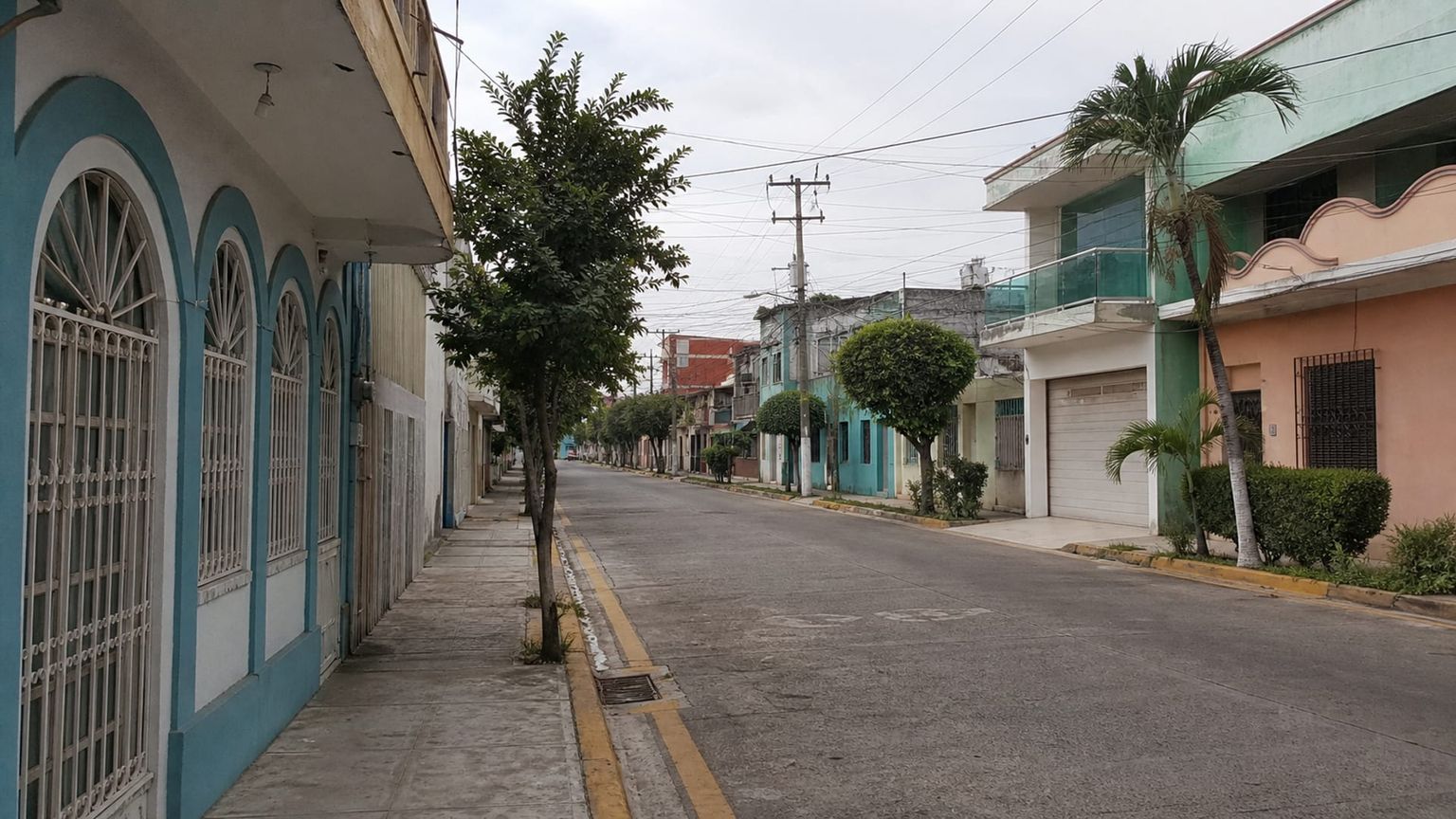

Main language(s): Spanish
Hola (OH-lah) – Hello/good morning
Por favor (por fah-VOR) – Please
Gracias (GRAH-see-ahs) – Thank you
¿Habla inglés? (AH-blah een-GLAYS) – Do you speak English?
¿Cuánto cuesta? (KWAN-toh KWES-tah) – How much does it cost?

Currency: The local currency is the Mexican peso (MXN, $).

Cash and cards: Cards and contactless are accepted in larger hotels and supermarkets, but carry about MXN 500 to 1,000 in cash.

Tipping: Tip about 10% in restaurants if service is not included; round up small bills and taxis.

Traditional food: Tacos de cochito, tamales de chipilín, pozol, pescado a la tikin xic

Water and coffee costs: Water about MXN 20 to 30 ($1 to $2), bar espresso about MXN 40 to 60 ($2 to $3).

Taxis and ride apps: Uber and inDriver operate here; confirm pickup details before you ride.

Plug and voltage: Type A/B socket, 127V

Dining and shop opening hours: Breakfast is about 07:00-10:00, lunch 13:00-16:00, and dinner 19:00-22:00. Many kitchens close between meals.

Emergency number: Dial 911 for police, fire, and medical emergencies.
Where to stay in Tapachula
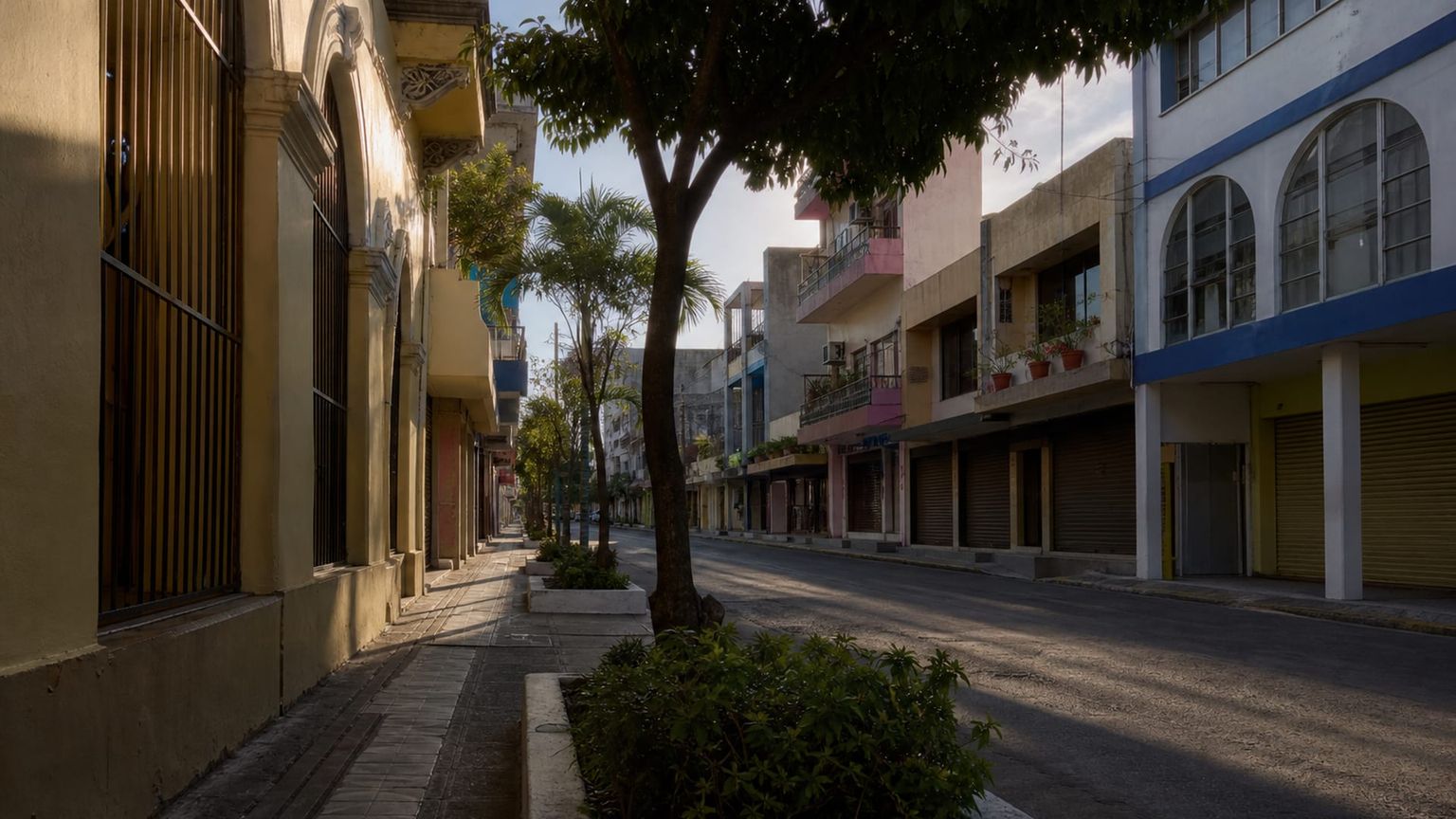
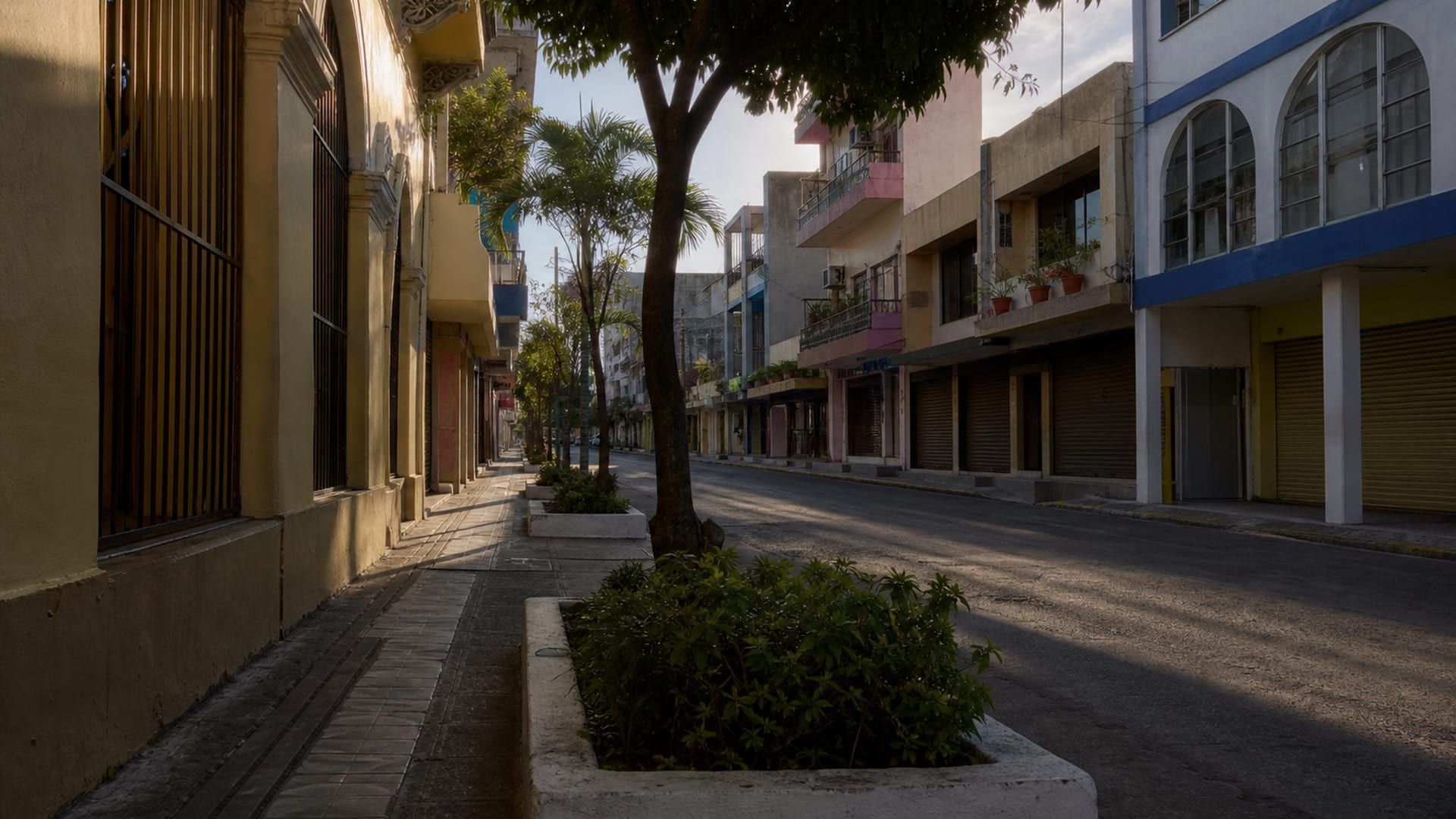
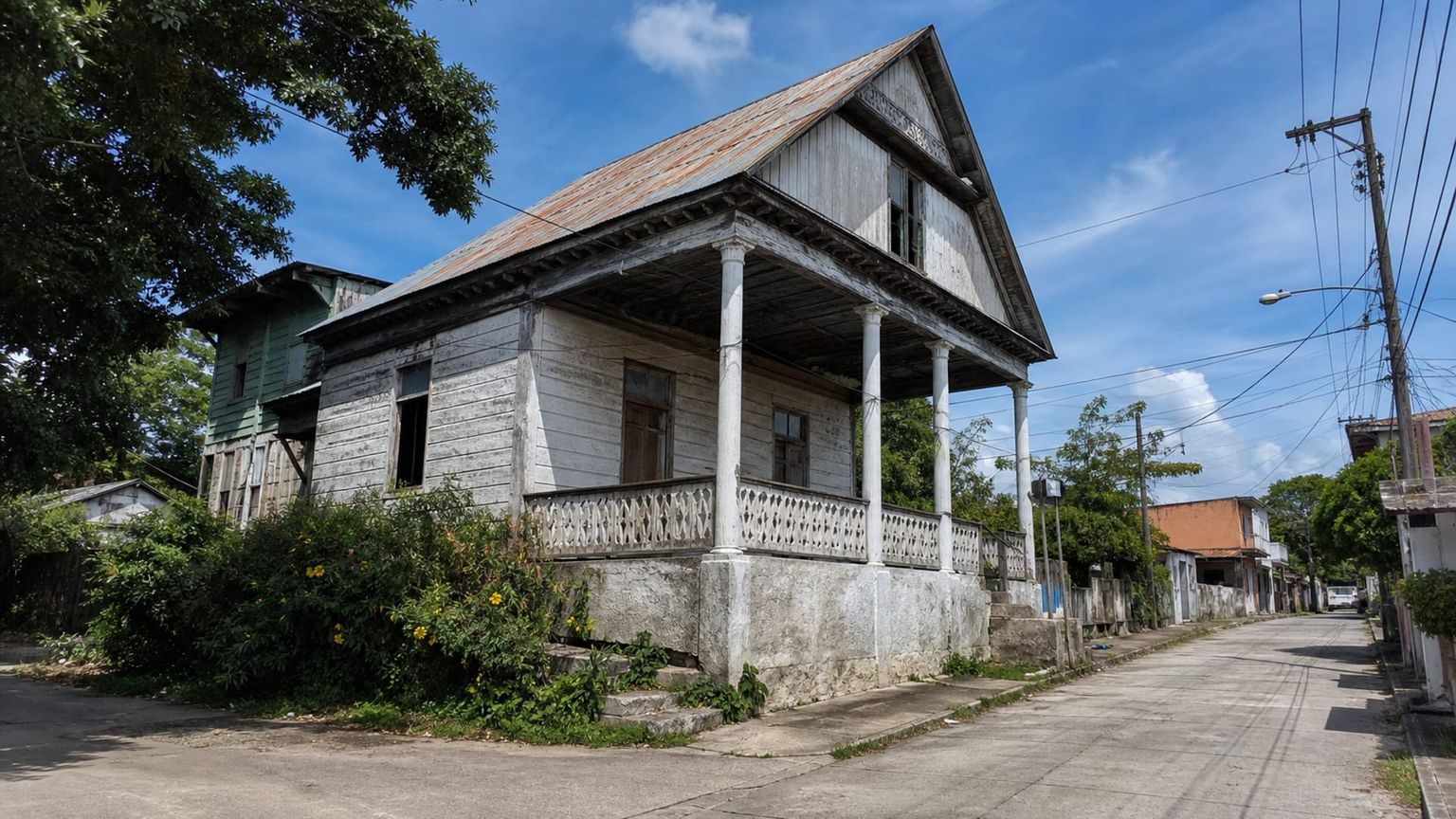
Tapachula’s historic center clusters the main plazas, Cathedral, markets, banks, and the city’s busiest commercial blocks. It suits travelers who want the widest choice of restaurants, taxis, and daily errands within an easy walk.
Best for: First-time visits, walking access to restaurants and shops, and short business trips
What to expect: Busy daytime sidewalks, steady traffic, and the most constant street activity in the city.
Hotel prices: Usually about MXN 600 to MXN 1,300 (~$35 to ~$75) per night for well-rated stays
Distance to major sights: 5 to 10 minutes on foot to Parque Bicentenario and the Cathedral
Quietness: Lively in the day, with quieter blocks after stores close, though traffic can continue on main avenues.
Main trade-off: You gain the most convenient location, but the busiest streets bring more noise and less relaxed evenings.
Good to know: Choose a room on an interior block if possible, because the main avenues can get loud from traffic and late business activity.
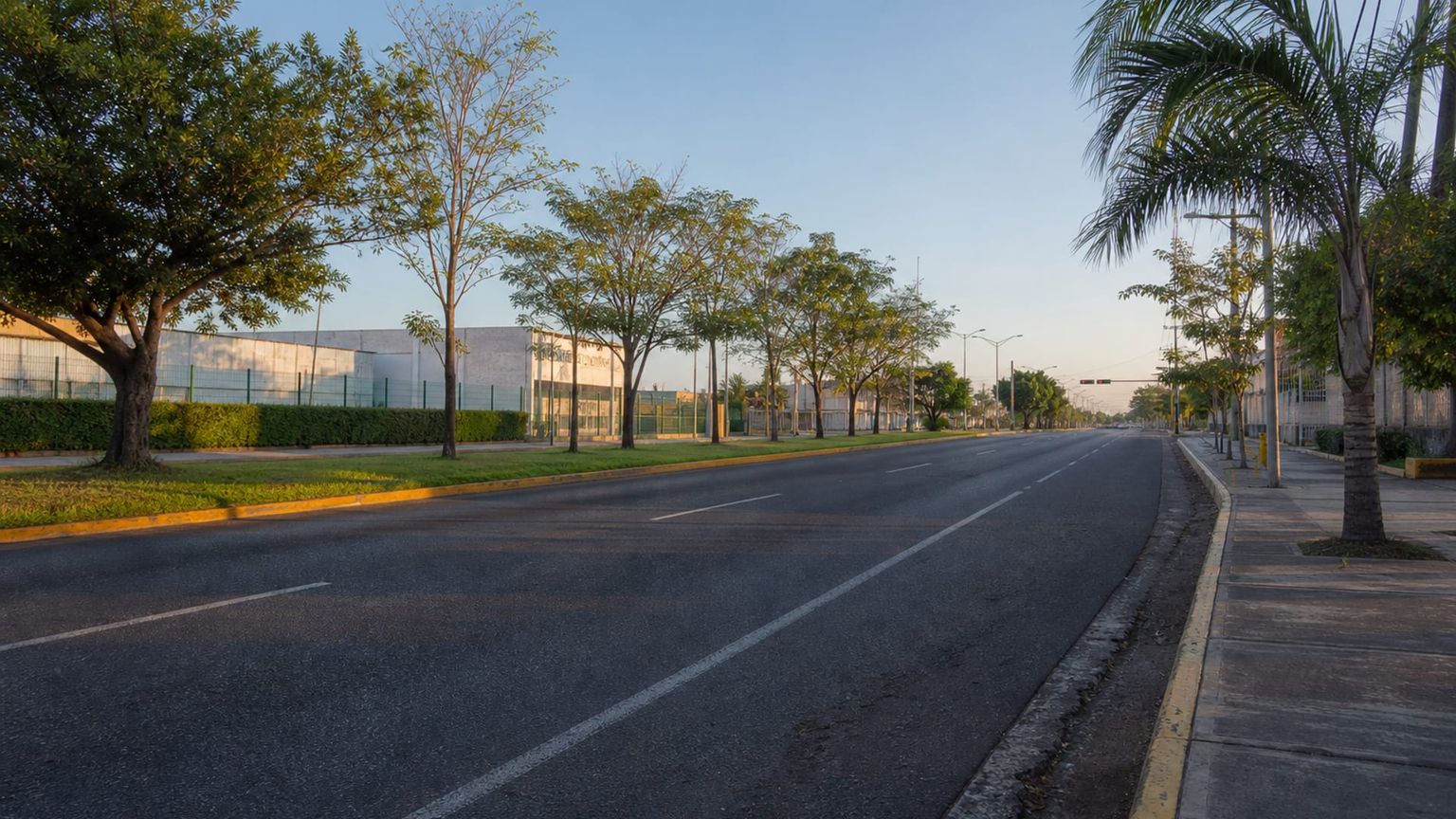
The Boulevares area sits along Tapachula’s newer commercial corridors, with hotels, chain stores, clinics, and easy road access. It matters for travelers who want quick car connections and a broader range of midrange lodging than the center often offers.
Best for: Travelers with a car, longer stays, and people who prefer newer hotels
What to expect: Wide avenues, shopping traffic, and a more car-oriented atmosphere than the historic core.
Hotel prices: Usually about MXN 700 to MXN 1,500 (~$40 to ~$85) per night for well-rated stays
Distance to major sights: 10 to 15 minutes by taxi to the Cathedral and central plazas
Quietness: Quieter than Centro at night, but traffic and commercial activity stay active on the main roads during the day.
Main trade-off: You will usually depend on taxis or rideshares for most sightseeing, and the area has less of a walkable evening scene.
Good to know: Book here if you plan to drive in and out of town, since parking and wider roads are easier to manage than in the historic center.
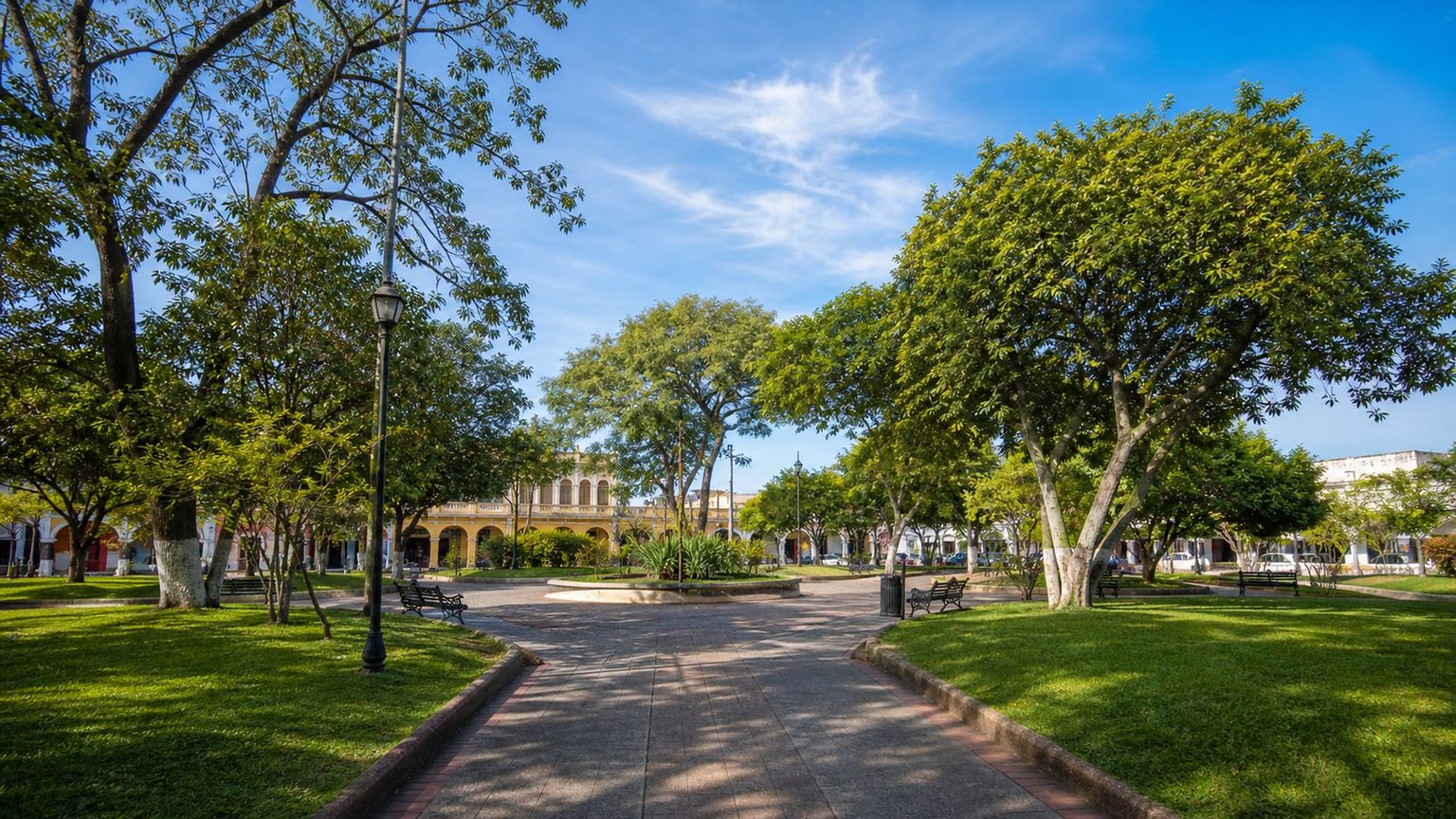
The airport zone near Tapachula International Airport is a sparse, functional strip of hotels and access roads on the city’s edge. It matters for very early departures, late arrivals, and travelers who want to minimize airport transfer time.
Best for: Early flights, late arrivals, and overnight airport stays
What to expect: Thin street life, hotel traffic, and little to do beyond the airport and nearby road-side businesses.
Hotel prices: Usually about MXN 650 to MXN 1,400 (~$38 to ~$80) per night for well-rated stays
Distance to major sights: 10 to 20 minutes by taxi to the Cathedral and central plazas
Quietness: Quiet overnight, with more road noise and movement during flight peaks and commute hours.
Main trade-off: You will save time on airport transfers, but dining, sightseeing, and evening options are limited.
Good to know: Check restaurant hours before you book, because late arrivals may find only hotel kitchens or nearby convenience stops open.
Travelers usually avoid staying in the farther-out edges of Tapachula’s eastern and southern sprawl, including area around the city’s industrial and airport-side corridors, because they sit well away from the historic center, main dining streets, and most visitor amenities. The immediate highway and transit-adjacent strips on the city’s outskirts are also less convenient for evening travel, since they are built for through traffic rather than walking to restaurants or sights.
Hotel deals
How to get around Tapachula efficiently
Tapachula has no metro or suburban rail, so most visitors move between Centro, Boulevares, and the airport by taxi, rideshare, or occasional colectivos.

Metro
for longer distances
Tapachula has no metro or suburban rail, so there is no rail alternative to use for airport-area trips. For most visitors, that means planning on road transport into the city center or to nearby hotels, with journey times depending on traffic and the exact drop-off point.

Bus and tram
for convenience
City buses and colectivos cover the airport area only loosely, and you may need to walk a short distance to reach the nearest stop. Fares are typically about $0.30 to $0.60 (MXN 5 to MXN 10), paid in cash, and most local rides are short, about 10 to 30 minutes within the urban area.

Taxi
for convenience or late hours
Licensed taxis and app-based cars usually use set fares for airport trips rather than meters, with fares to central Tapachula often about $10 to $20 (MXN 170 to MXN 340) depending on time of day and exact destination. Confirm the price before departure, carry small bills, and expect the trip to take about 15 to 30 minutes in normal traffic.
*Prices are based on rates updated as of June 2026 and may change at the time of travel.
Walk in Centro, use taxis or rideshares for cross-town hops, and keep colectivos for short, low-cost daytime trips when you do not mind a little extra time.
Iconic landmarks
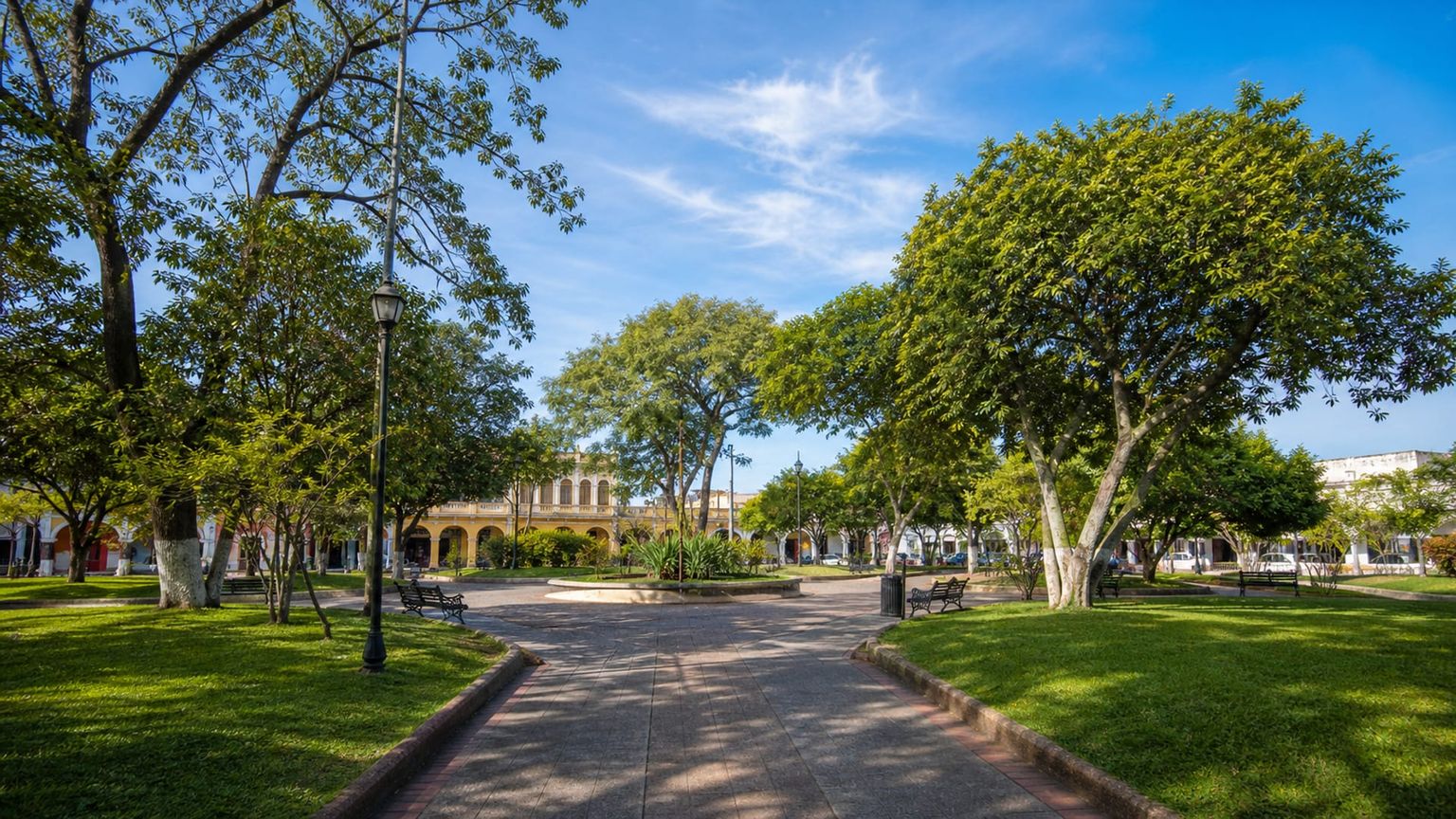
Miguel Hidalgo Central Park
Tapachula’s central plaza anchors the old core with shaded walks, benches, and a steady view of daily city life. It sits beside civic buildings and shops, so you can pair a short stop with the historic center in one visit.
Time needed: About 30 to 45 minutes
Entry: Free to access, with open public grounds and no timed entry or ticket required for casual visits during normal daytime hours.
Tip: Go in the morning for cooler shade and clearer views of the square and facades.
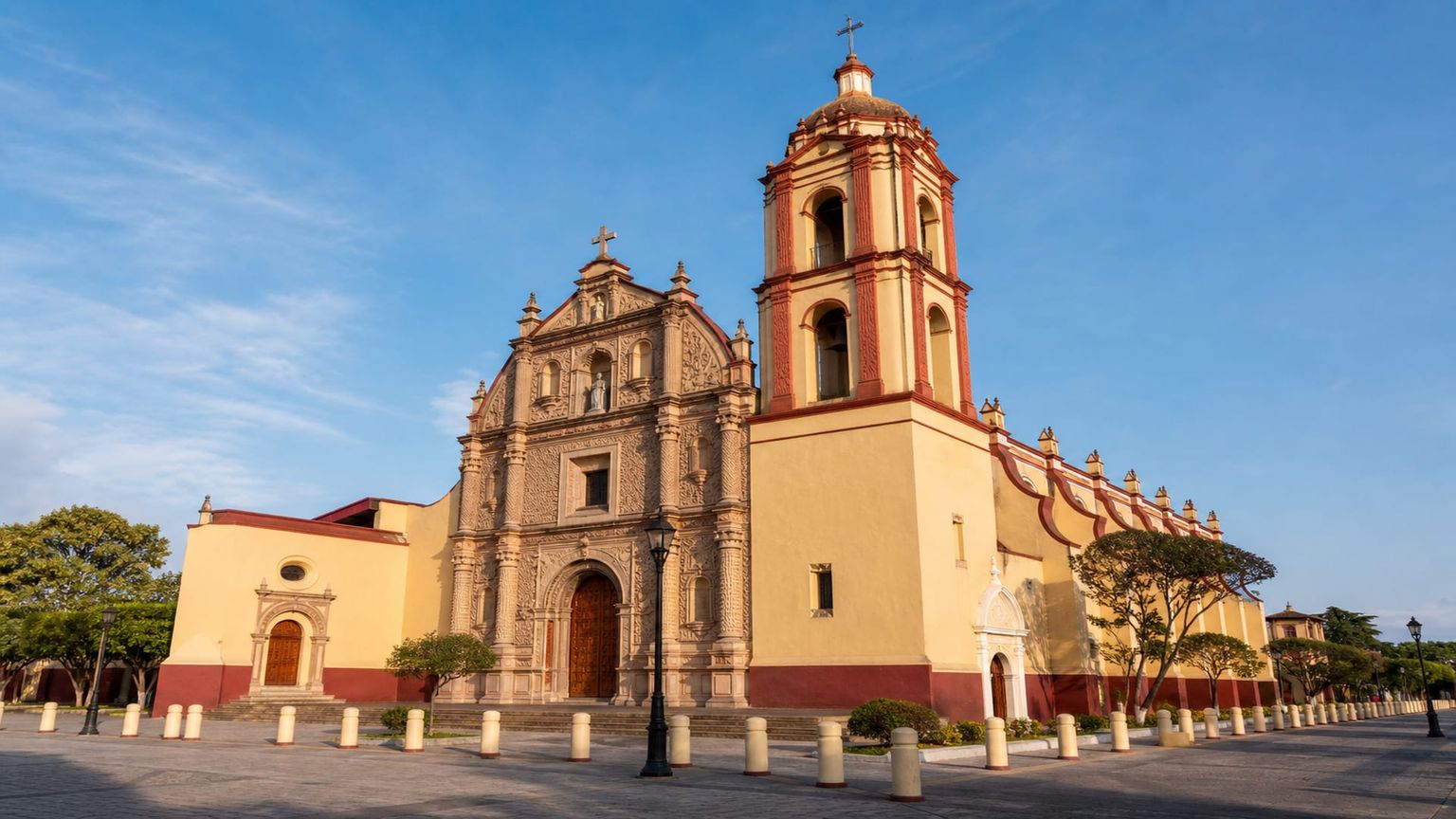
San Agustín Temple
This parish church stands near the center and gives Tapachula one of its most recognizable historic facades. Inside, the layout is compact and the visit works well as a short stop between the park, markets, and nearby streets.
Time needed: About 30 to 45 minutes
Entry: Free to enter for regular visits, with no timed entry and donations optional if you choose to leave one at the church.
Tip: Visit outside mass times if you want a quiet look at the nave and altar area.
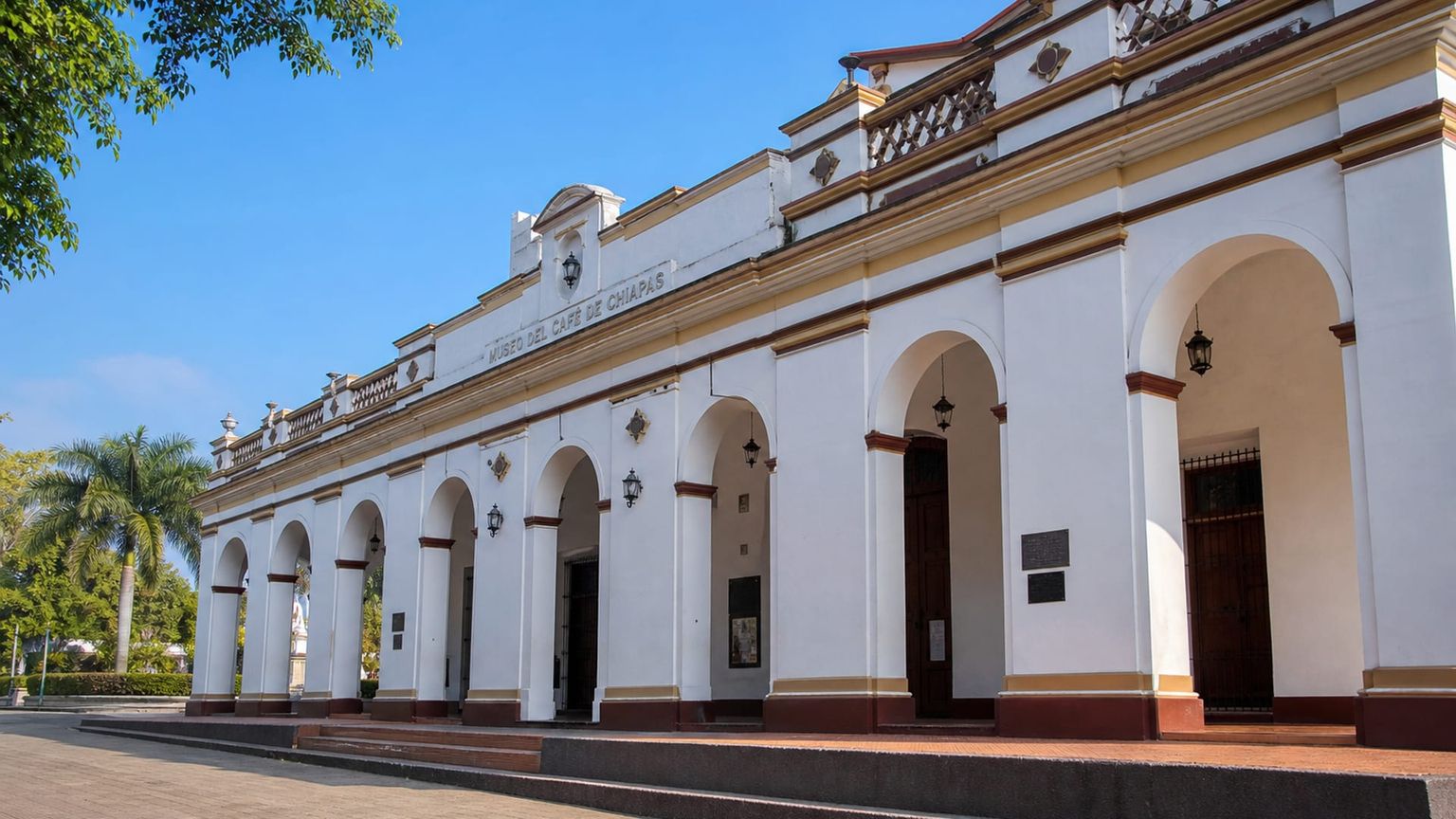
Mayan Coffee Museum
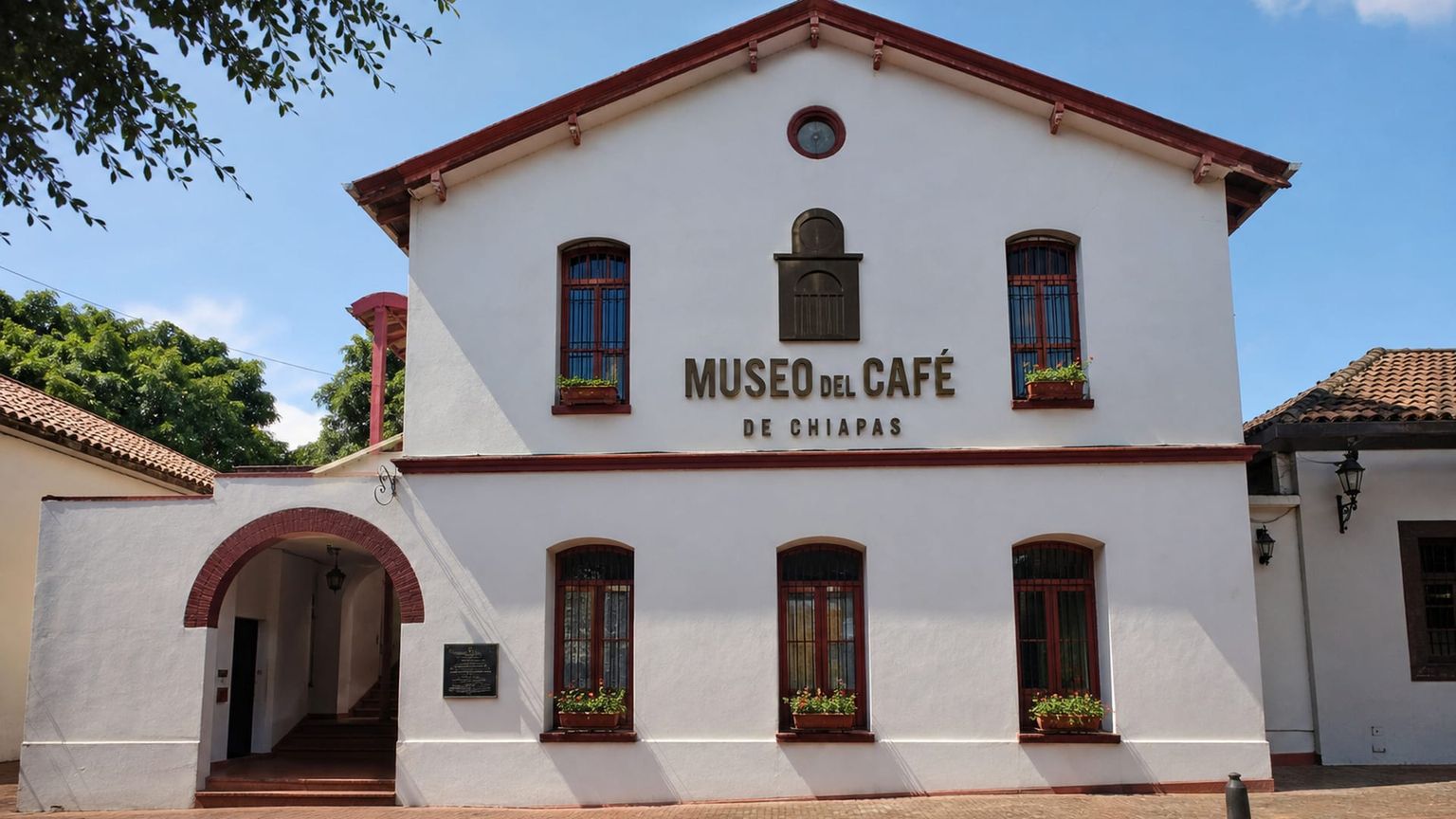
This museum traces the region’s coffee culture, from cultivation to roasting, and places Tapachula in the middle of Chiapas coffee country. Exhibits focus on local history, tools, and processing, giving the visit a clear regional context.
Time needed: About 1 to 2 hours
Entry: Admission typically costs about $3 to $5 ($50 to $90 MXN) for adults, with possible discounts for children and seniors.
Tip: Leave time for the small exhibits and ask which displays are currently open before you start.
Overlooked sites worth visiting

Miguel Hidalgo Central Park
Tapachula’s main square has shade trees, benches, and an early-20th-century kiosk ringed by municipal buildings. Visit at dawn or after sunset for cooler walking and local street life.
Time needed: About 30 to 45 minutes
Entry: Free to access; the square is open day and night, with no ticket required. Costs come from food, coffee, or market purchases nearby, and the main activity is walking, resting, or people-watching in the park.
Tip: Go early for cooler air and fewer cars on the surrounding streets.

Tapachula Regional Museum
This small museum presents Chiapas history, archaeology, and regional crafts in a compact downtown building. It suits a short indoor stop, with displays you can cover without rushing.
Time needed: About 45 minutes to 1 hour
Entry: Admission typically costs about $2 to $4 ($35 to $70 MXN), with possible discounts for students and seniors. Hours can change on holidays, so verify current opening times before you go. Visit the official site for details.
Tip: Check opening hours before lunch, since short schedules are common.
Traditional food
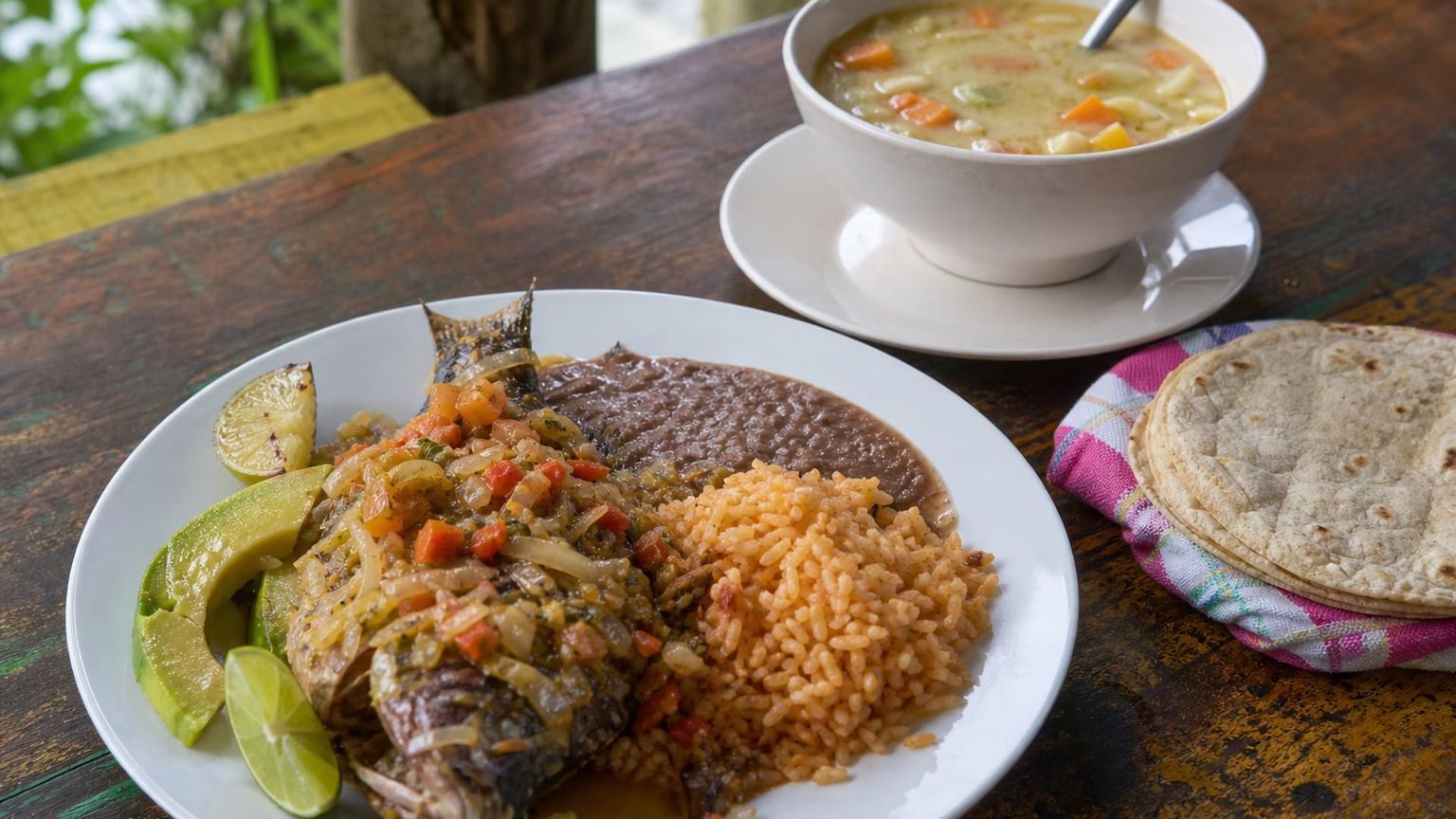
Tapachula’s table leans on corn, coffee, chile, and coastal flavors, with dishes like tacos de cochito, tamales de chipilín, pozol, and fish seasoned in the Yucatán style. Many kitchens keep set meal hours, so timing matters.
Tacos de cochito
Pork cooked with local seasoning and served in tacos, often with a bright salsa on the side. Tacos de cochito are a fitting order at Taquería Los Arbolitos, a Tapachula standby for this regional favorite.
Tamales de chipilín
These tamales use chipilín leaves for a herbal, earthy flavor that pairs well with a morning coffee. Elotes y Tamales Doña Mary is a common Tapachula stop for them, especially at breakfast.
Pozol
A cold corn-and-cocoa drink that works as a midday pause in the heat. You can order a good version at Café Museo, where regional drinks and coffee culture sit side by side.
Pescado a la tikin xic
This fish dish brings achiote, citrus, and a lightly smoky finish to the plate. It fits well at Flor de Caña, where local seafood preparations sit comfortably on the menu.
Best time to visit Tapachula
Tapachula stays warm most of the year, but rain, humidity, and daylight hours change how comfortable the city feels on foot.
Best for: Best for the driest weather and the easiest sightseeing days
What you get: About 66 to 88°F (19 to 31°C), with lighter crowds than the holiday peak and manageable afternoons
Trade-offs: Cooler mornings do not remove the midday heat, so you still need shade breaks
Best for: Best for clear mornings and coffee-focused outings before the rains
What you get: About 72 to 95°F (22 to 35°C), with moderate visitor levels and hotter afternoons
Trade-offs: Heat builds quickly, and late-day walks can feel tiring
Best for: Best for lush scenery and indoor visits between showers
What you get: About 72 to 90°F (22 to 32°C), with lighter tourist traffic and frequent rain
Trade-offs: Downpours can interrupt errands and make traffic slower
Best for: Best for lower travel demand and a calmer city pace after the heaviest rains
What you get: About 70 to 88°F (21 to 31°C), with fewer crowds and improving conditions toward November
Trade-offs: September and October still bring wet days and occasional schedule changes
A realistic 5-day plan in Tapachula
Five days gives Tapachula enough time to separate the center, the coffee story, and the newer commercial corridors without turning the trip into a series of long taxi rides. The plan below keeps each day tied to one area, so the city is easier to read as you move through it.
Land at Tapachula International Airport (TAP), then take a taxi into Centro in about 20 to 30 minutes for roughly $10 to $18 (MXN 170 to MXN 310). If you are staying in Boulevares, expect a similar fare and a slightly longer drive, about 25 to 35 minutes depending on traffic. Settle in, drink water, and keep dinner close to your hotel, such as a simple meal near the main commercial streets in Centro, where you can walk a few blocks without planning a long outing.
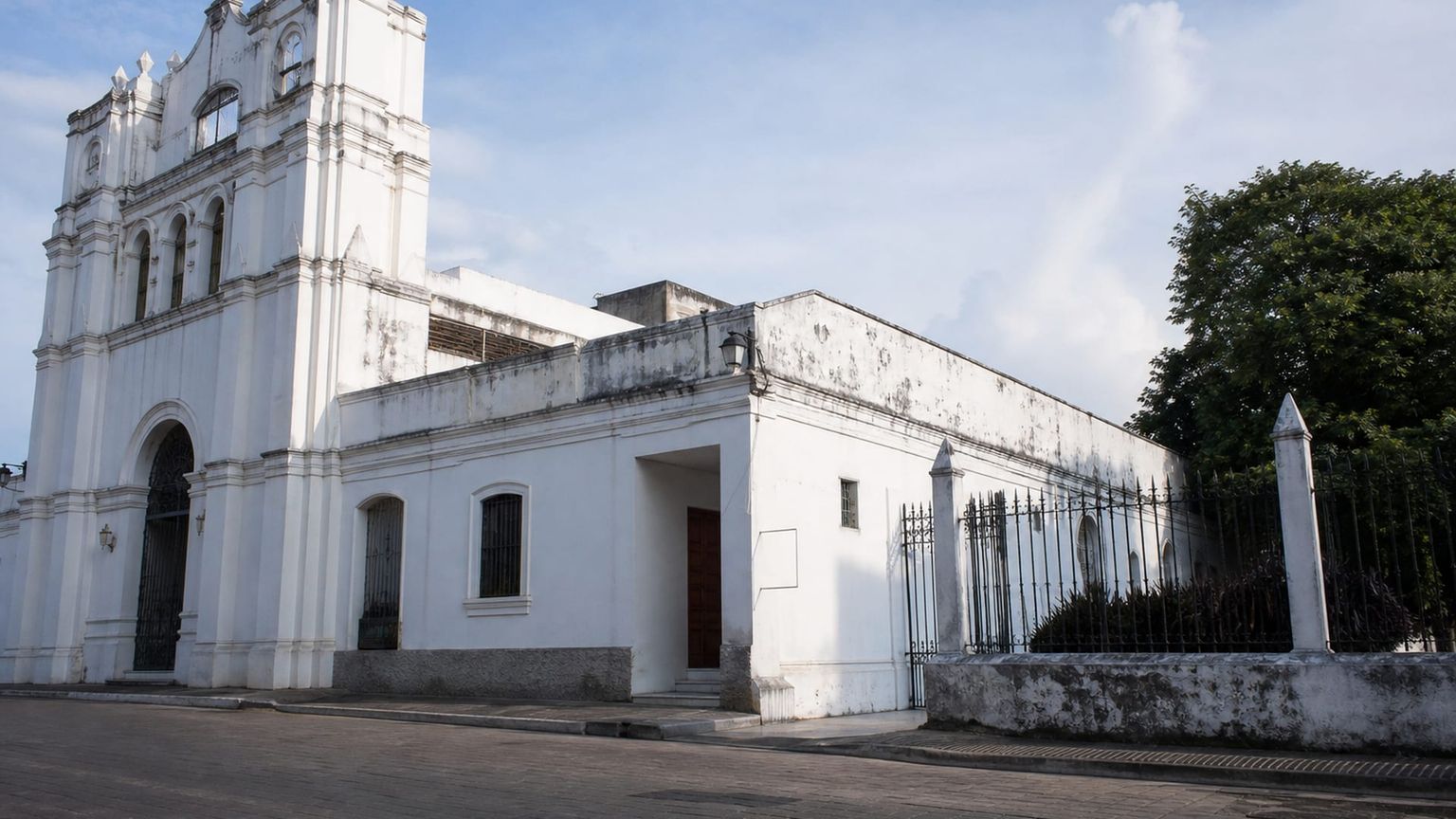
Begin at Miguel Hidalgo Central Park at about 8:00 am, then walk 5 to 10 minutes to San Agustín Temple for a short visit before the heat builds. From there, continue about 5 minutes on foot to the Tapachula Regional Museum, and allow 45 minutes to 1 hour inside if the opening hours match your schedule. Finish with lunch or coffee back near the park, where the historic center puts most cafes and casual restaurants within a short walk.
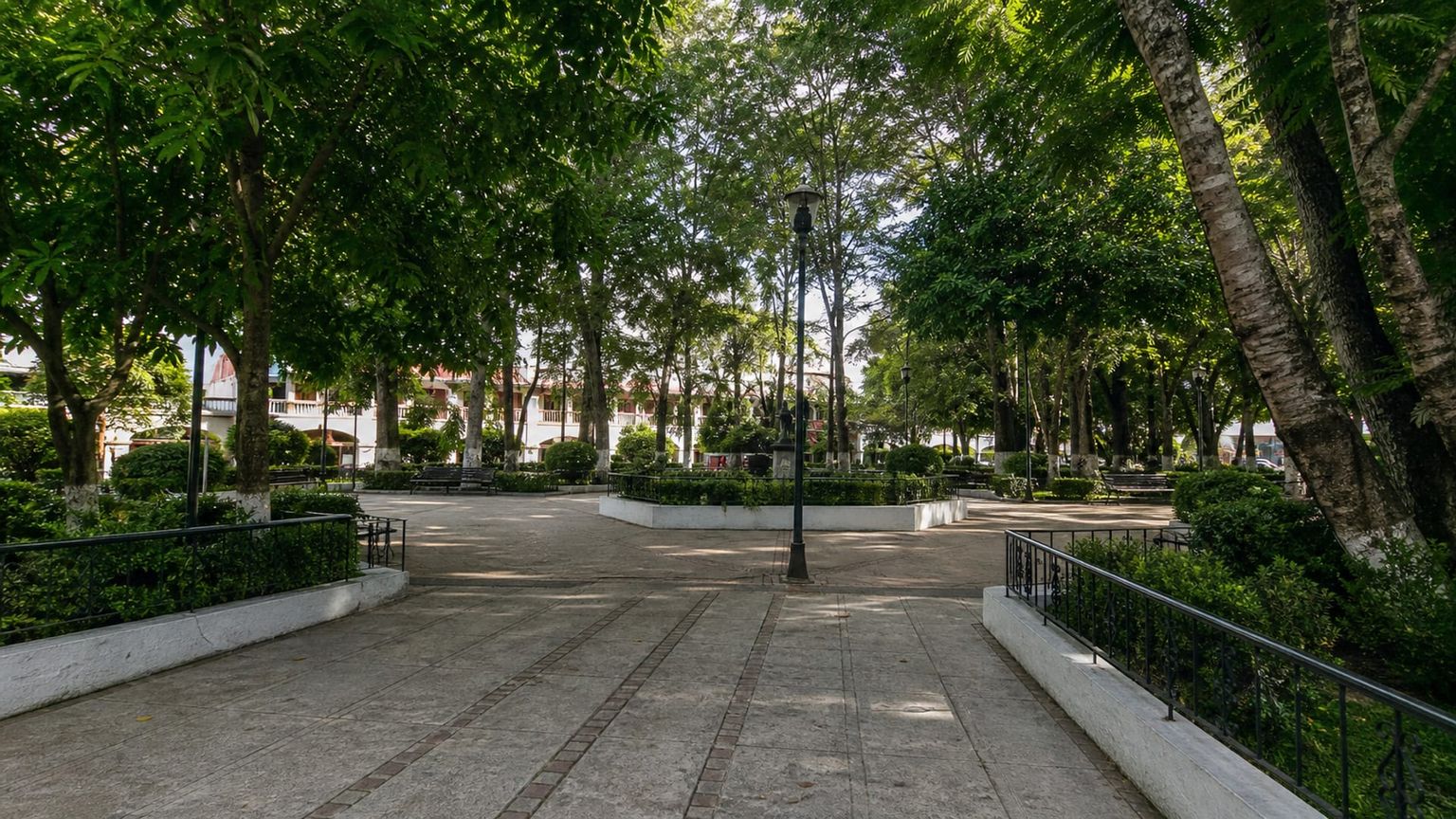
Coffee history makes the strongest theme for this day, so start at the Mayan Coffee Museum and spend about 1 to 2 hours there before heading back toward the center. The museum sits within easy reach of Centro, usually about 5 to 10 minutes by taxi from the main plazas, so you can pair it with a relaxed lunch nearby without crossing town. In the afternoon, return to Miguel Hidalgo Central Park for a second pass, then walk the surrounding blocks for photos of the plaza, kiosk, and civic facades while the streets stay active.
A slower fourth day works well in Boulevares, where wider roads and newer hotels make car-based movement easier than in the old core. Start with breakfast near your hotel, then take a taxi about 10 to 15 minutes into Centro for a final loop through San Agustín Temple and the central plaza, or reverse the order if you prefer to avoid midday traffic. Spend the late afternoon back in Boulevares for shopping and an early dinner, where chain stores and newer commercial blocks give you a different view of the city than the historic center.
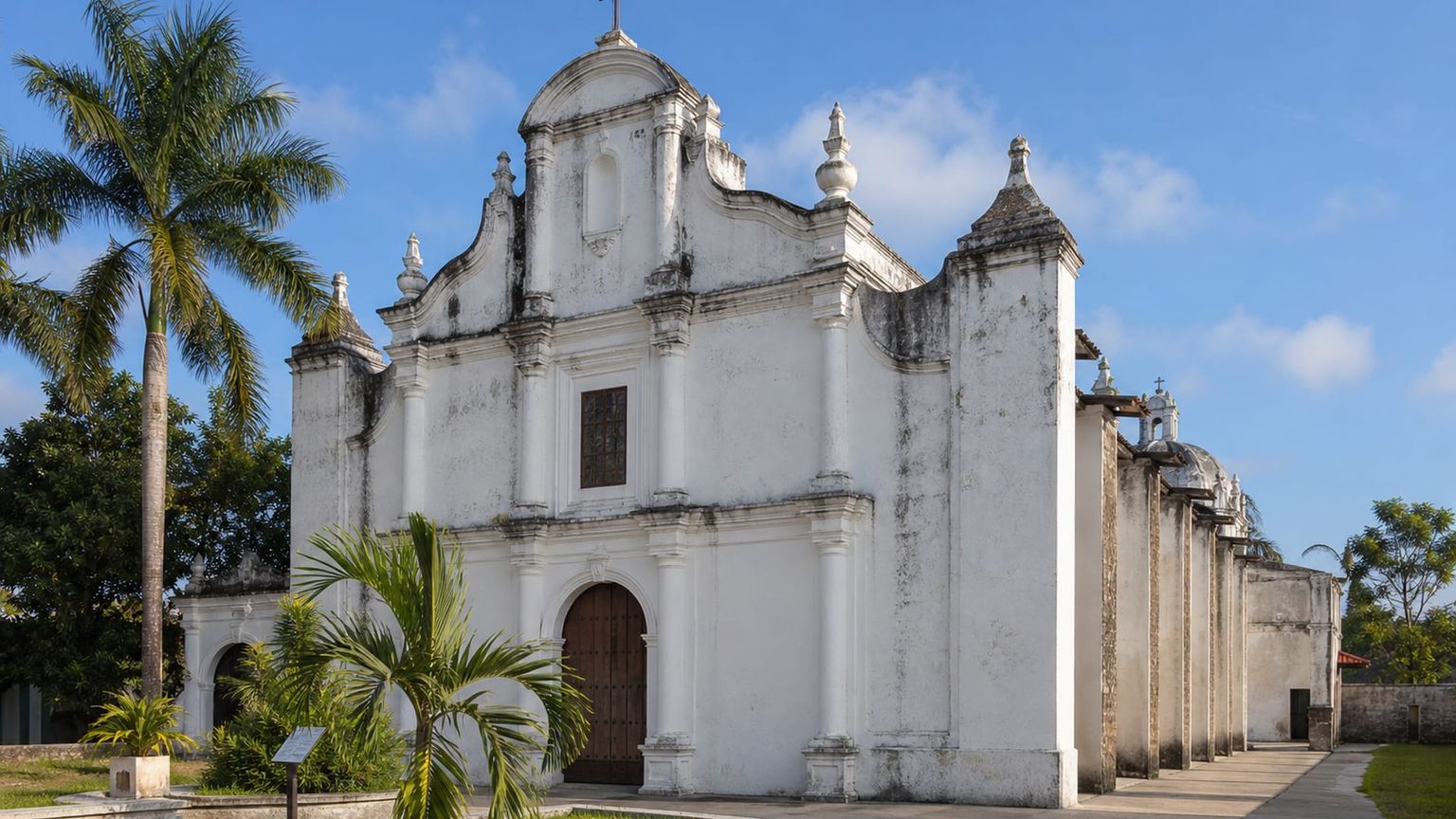
One last morning in Tapachula fits best with a short museum stop and a calm café break, so begin at the Tapachula Regional Museum if it is open, then continue to a café in Centro for coffee and a late breakfast. If you have several hours before your flight, browse the shops and banks near Miguel Hidalgo Central Park, which keeps you close to taxis and the main roads without straying far from your hotel. Head to Tapachula International Airport (TAP) about 2 hours before departure if you are checking bags, or roughly 90 minutes before a domestic-style connection if you are traveling light.
Business-class flights from the US to Tapachula
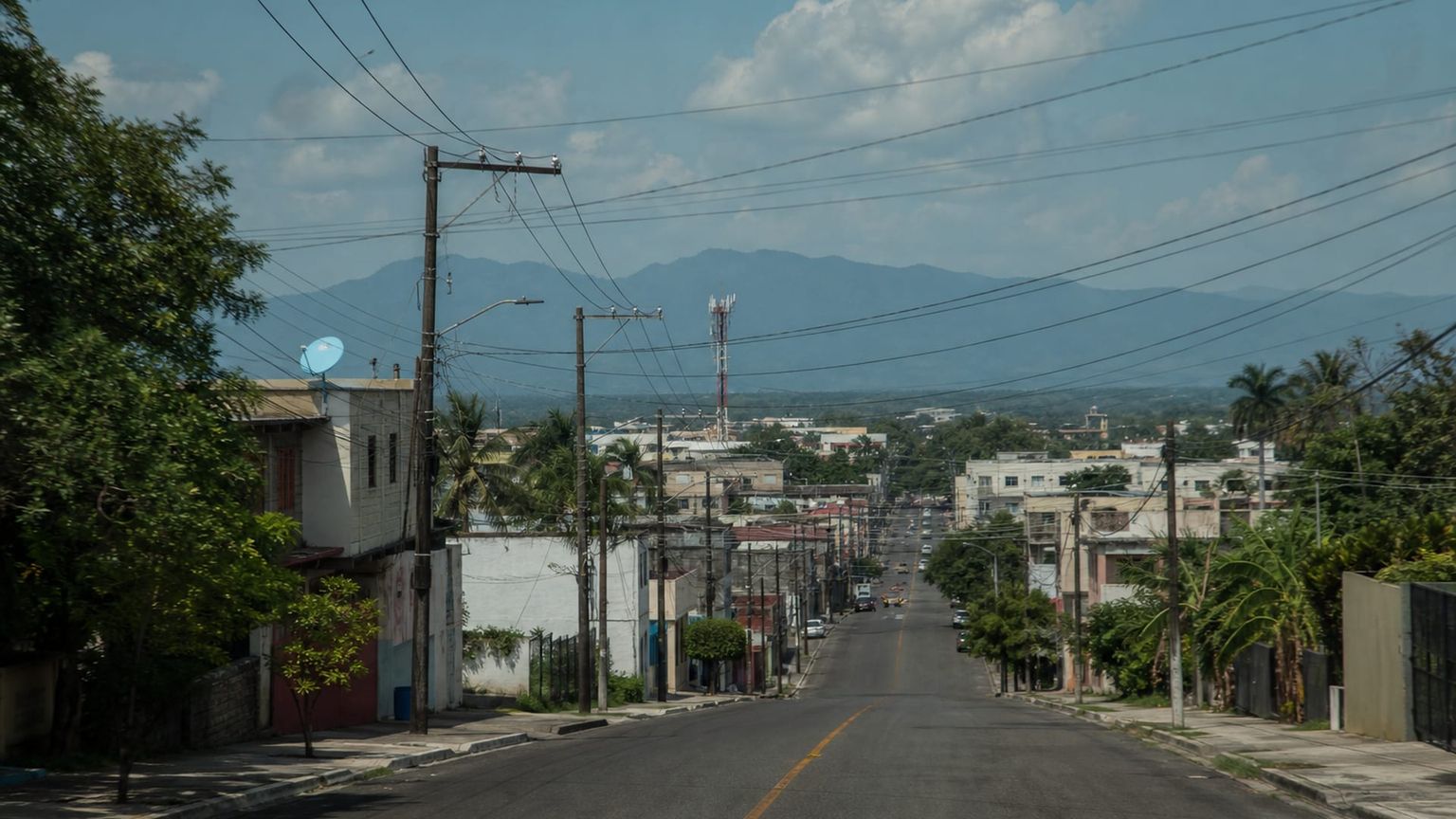
Flights into Tapachula usually connect through Mexico City or another major hub, so the useful comparison is not nonstop speed but the quality of the layover. From New York and Los Angeles, the best options tend to balance total time, fare, and the number of handoffs.
From New York, Aeromexico, Delta Air Lines, United Airlines, American Airlines, and Volaris commonly appear on itineraries to Tapachula. If you do not mind a layover, common routings via Mexico City (MEX) take 7 to 13 hours and often lower the fare. Round-trip fares from New York to Tapachula usually start at $1,300 and can reach $2,800.
Los Angeles travelers usually see Aeromexico, Volaris, Delta Air Lines, American Airlines, and United Airlines on the route. Expect about $1,100 to $2,500 for a round-trip from Los Angeles to Tapachula, with total travel time shaped by the connection you choose through Mexico City (MEX), Guadalajara (GDL), Atlanta (ATL), Houston (IAH), or Dallas (DFW).
Tapachula feels different when you slow down
A well-paced Tapachula trip stays grounded in place, first in Centro for Miguel Hidalgo Central Park, San Agustín Temple, and the Regional Museum, then in Boulevares for newer hotels and easier road access. Taxis, short walks, and one careful museum stop can carry the whole plan. If you want help matching that structure to your dates, ask the AranGrant experts to shape a Tapachula stay around the center, the coffee museum, or an airport-night arrival