

Chapters:

Need help with your trip?
Our support team is available 24/7. Request a callback or call us directly at (833) 619-0908
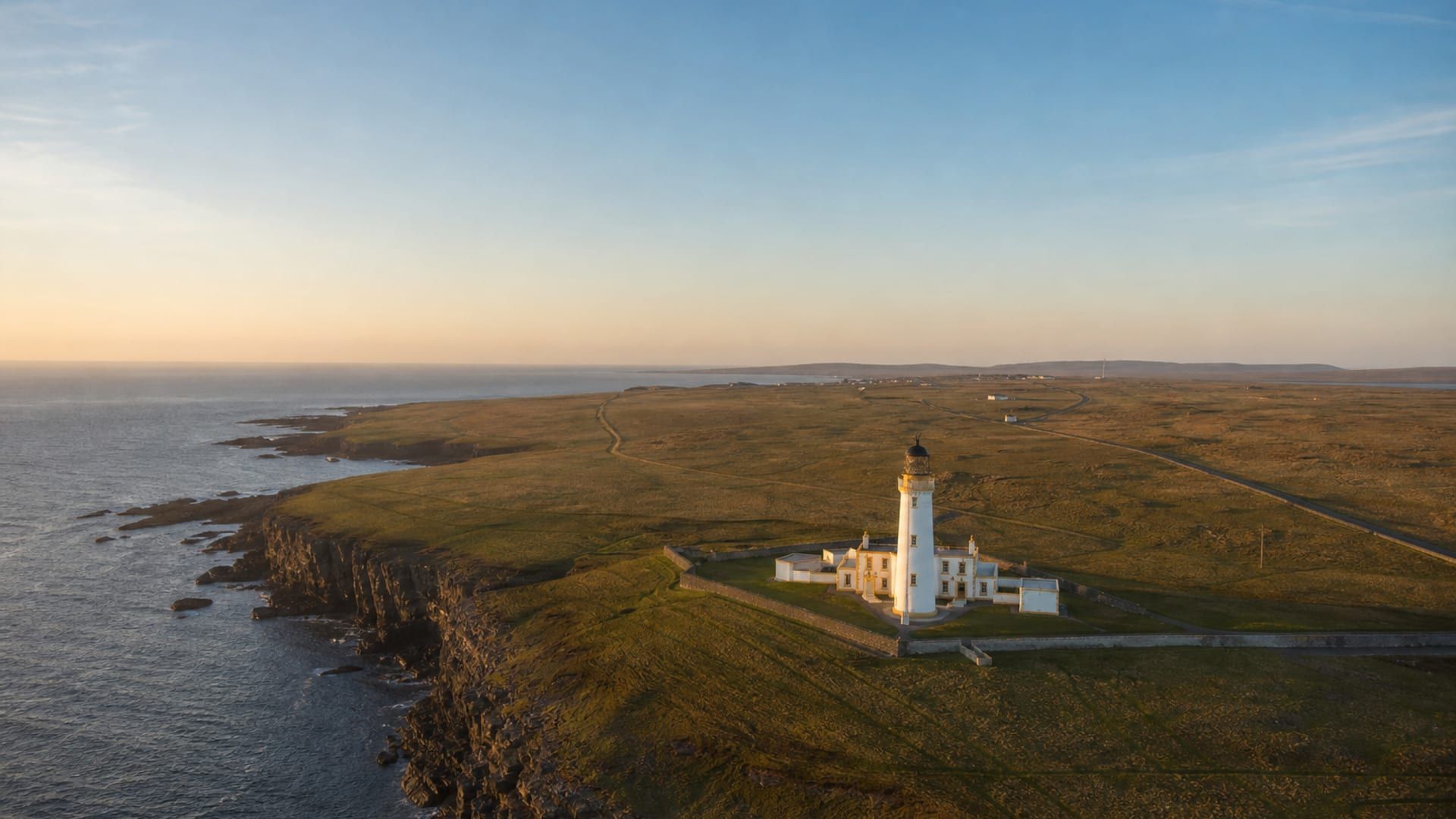
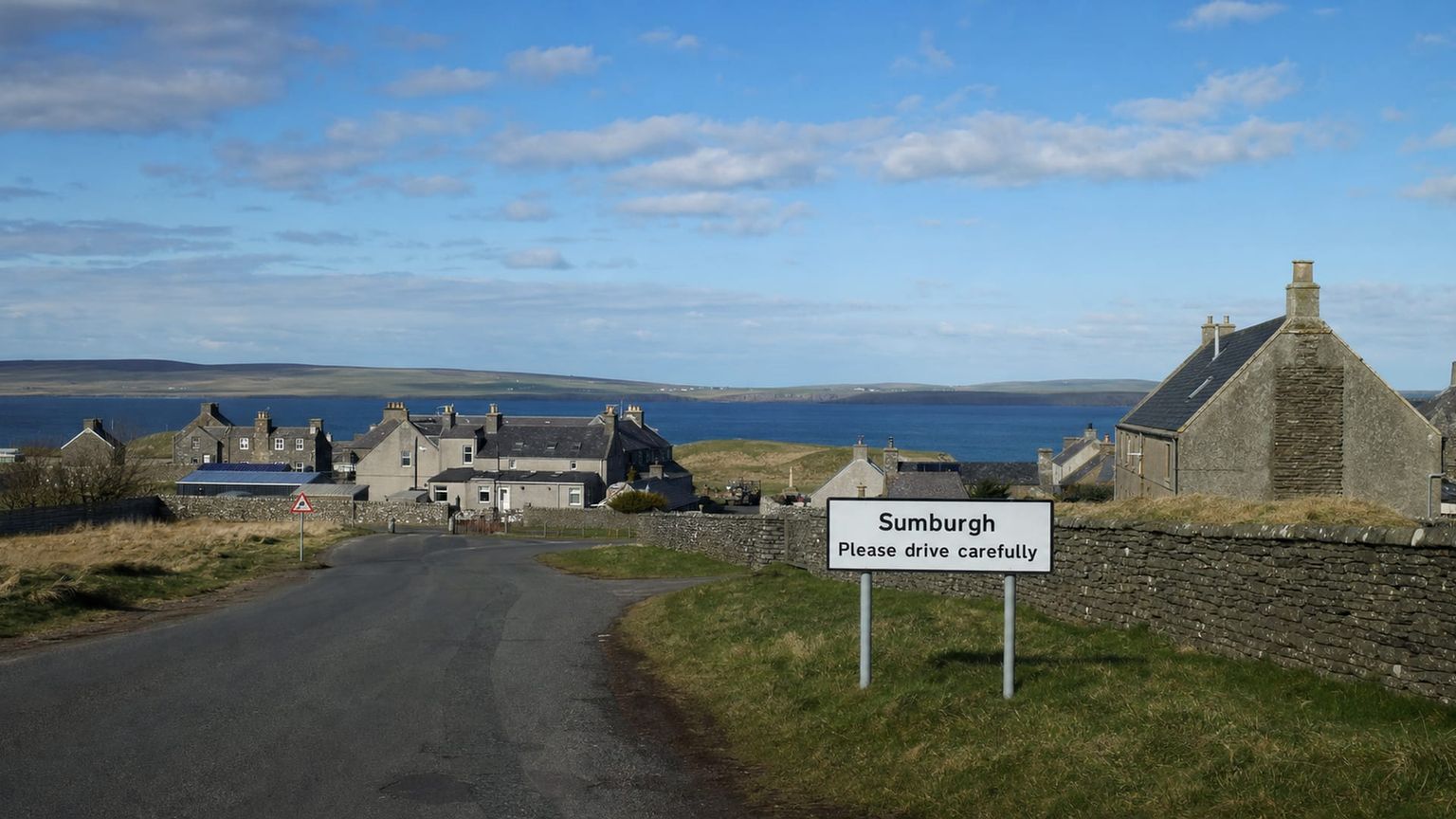
Most visits to Sumburgh follow the same pattern, a quick landing, one or two headline sites, then an early retreat toward the airport road. What travelers often miss is how much the peninsula changes the day once the wind, tides, and opening hours are taken seriously.
The distances are short on a map, but the choices are limited, and evenings can thin out fast. If you do not plan meals, transfers, and site timing together, you spend time backtracking between Scatness, Jarlshof, and Sumburgh Head.
This guide sets out a slower, more exact plan, with clear base choices, seasonal timing, and routing that keeps each day tied to the south end of Shetland.
Useful things to know

Main language(s): English

Currency: The local currency is the pound sterling (GBP, £).

Cash and cards: Cards and contactless are widely accepted; carry about £20 to £40 in cash for small purchases.

Tipping: Round up small bills; tipping is not expected, but leave about 10% in restaurants if the meal was excellent.

Traditional food: Shetland mussels, reestit mutton, Shetland bannocks, fish and chips

Water and coffee costs: Water about £1.50 ($2), bar espresso about £3 ($4).

Taxis and ride apps: Uber and local taxis operate, but prebook taxis if you need a guaranteed pick-up.

Plug and voltage: Type G socket, 230V

Dining and shop opening hours: Breakfast is about 07:00-09:00, lunch 12:00-14:00, and dinner 18:00-20:00. Many places close early, and some kitchens stop serving on Sundays.

Emergency number: 999 or 112 for police, fire, and ambulance.
Where to stay in Sumburgh
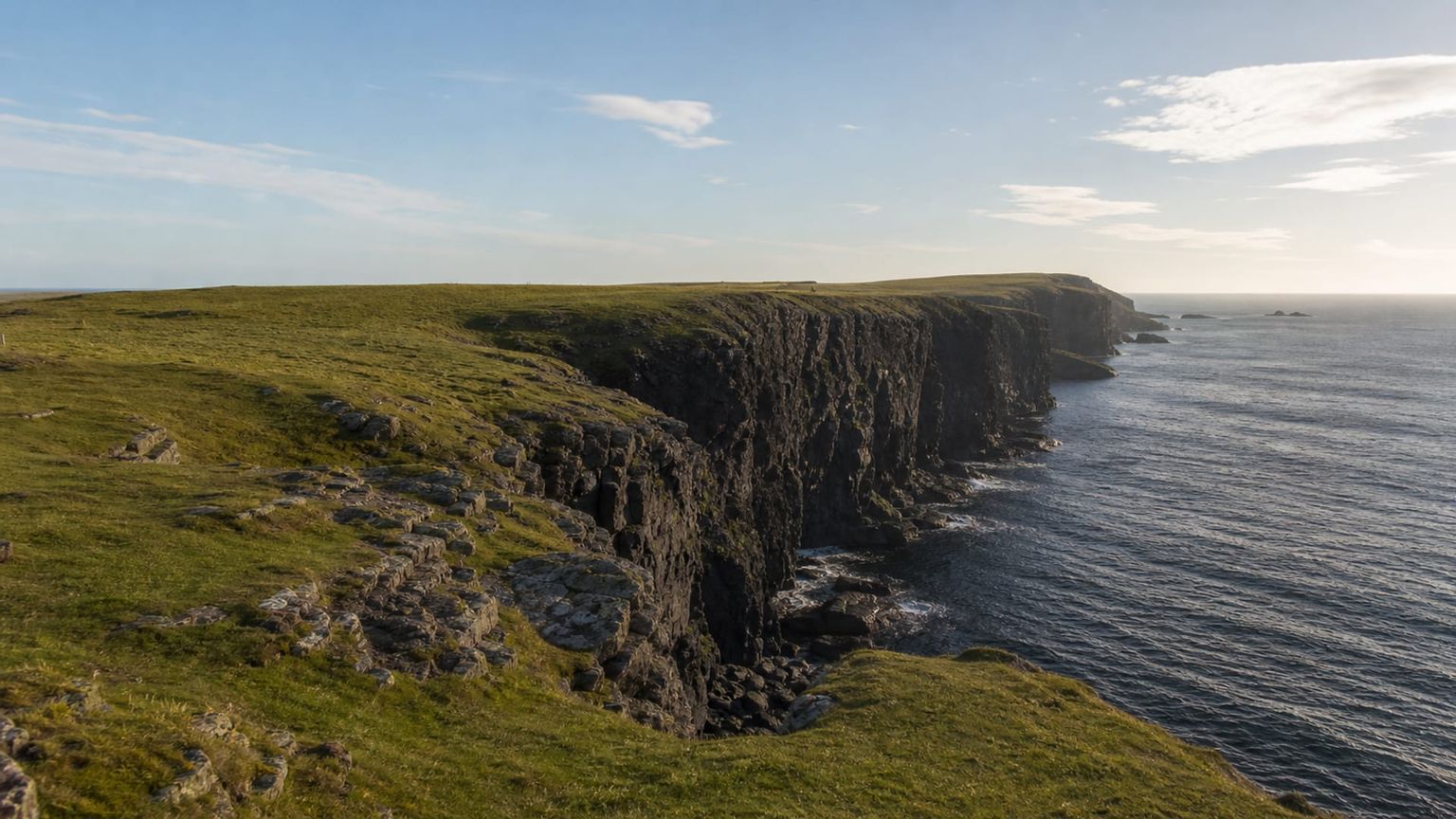
The headland by Sumburgh Head Lighthouse gives you the island’s most dramatic south-end setting, with cliffs, seabirds, and clear views over the sea. It suits travelers who want scenery first and do not mind staying some distance from shops and evening dining.
Best for: Scenery, birdwatching, and travelers with a car
What to expect: A sparse coastal setting with a few visitors by day and very little street activity after dark.
Hotel prices: Usually about $180 to $320 per night for well-rated stays
Distance to major sights: About 5 minutes on foot to Sumburgh Head Lighthouse; about 10 minutes by car to Jarlshof
Quietness: Quiet during the day, very quiet in the evening
Main trade-off: You gain sea views and easy access to the headland, but you will need to drive for most meals and any broader services.
Good to know: Bring supplies with you, because late-night food and everyday essentials are limited this far from the main road.
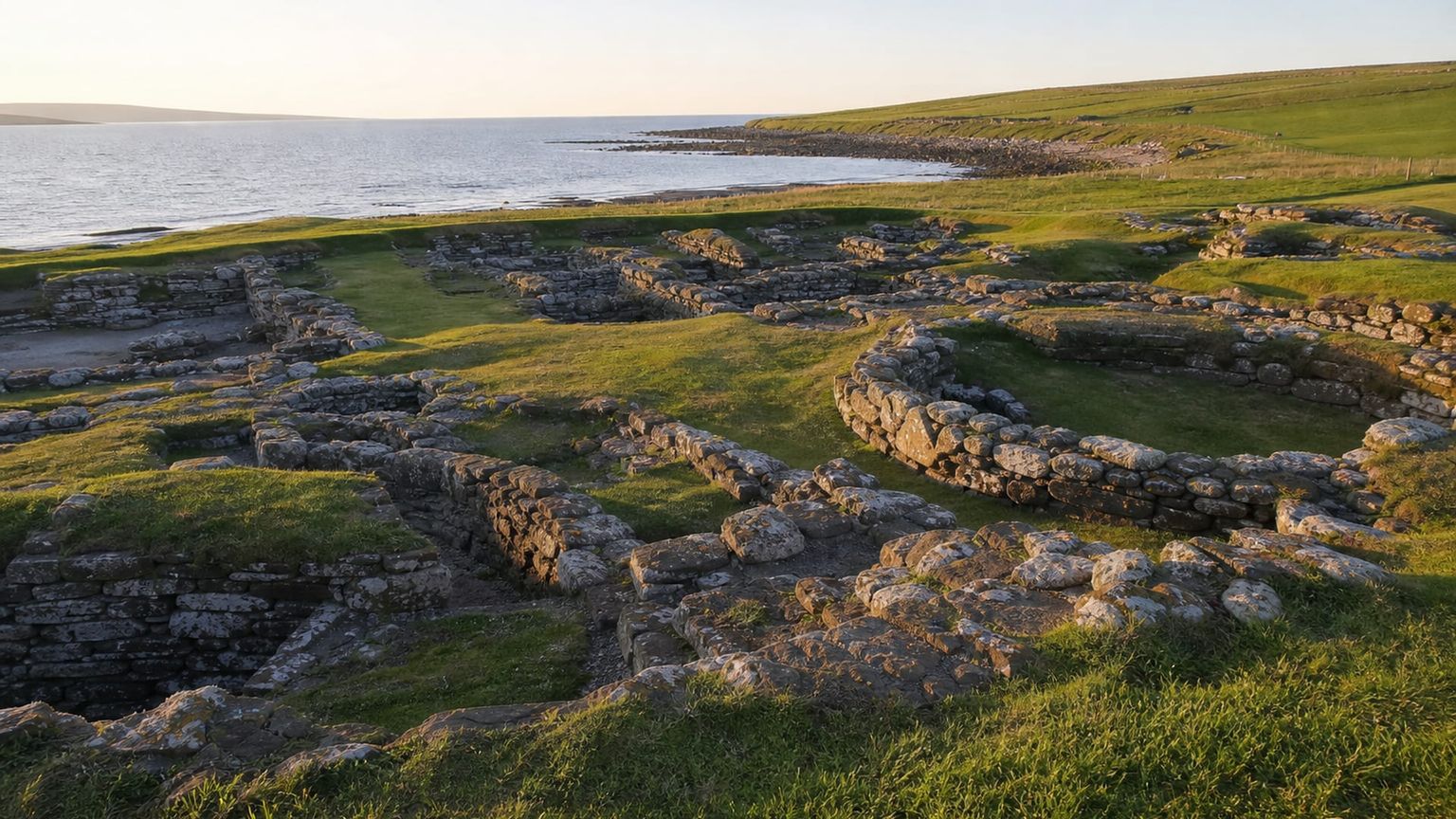
The Jarlshof area sits beside one of Shetland’s most important archaeological sites, close to the airport road and the island’s south coast. It works well if you want to pair an early start or late arrival with quick access to the museum site and the airport.
Best for: Short stays, archaeology visits, and airport access
What to expect: A low-key area with visitor traffic around the site and little in the way of nightlife.
Hotel prices: Usually about $170 to $300 per night for well-rated stays
Distance to major sights: About 5 minutes on foot to Jarlshof; about 5 minutes by car to Sumburgh (SDZ)
Quietness: Calm in the day, very quiet after the site closes
Main trade-off: You are close to Jarlshof and the airport, but accommodation choices are limited and dining options are thin.
Good to know: If you have an early departure, this area cuts down morning travel, but you should not expect many late-open places nearby.
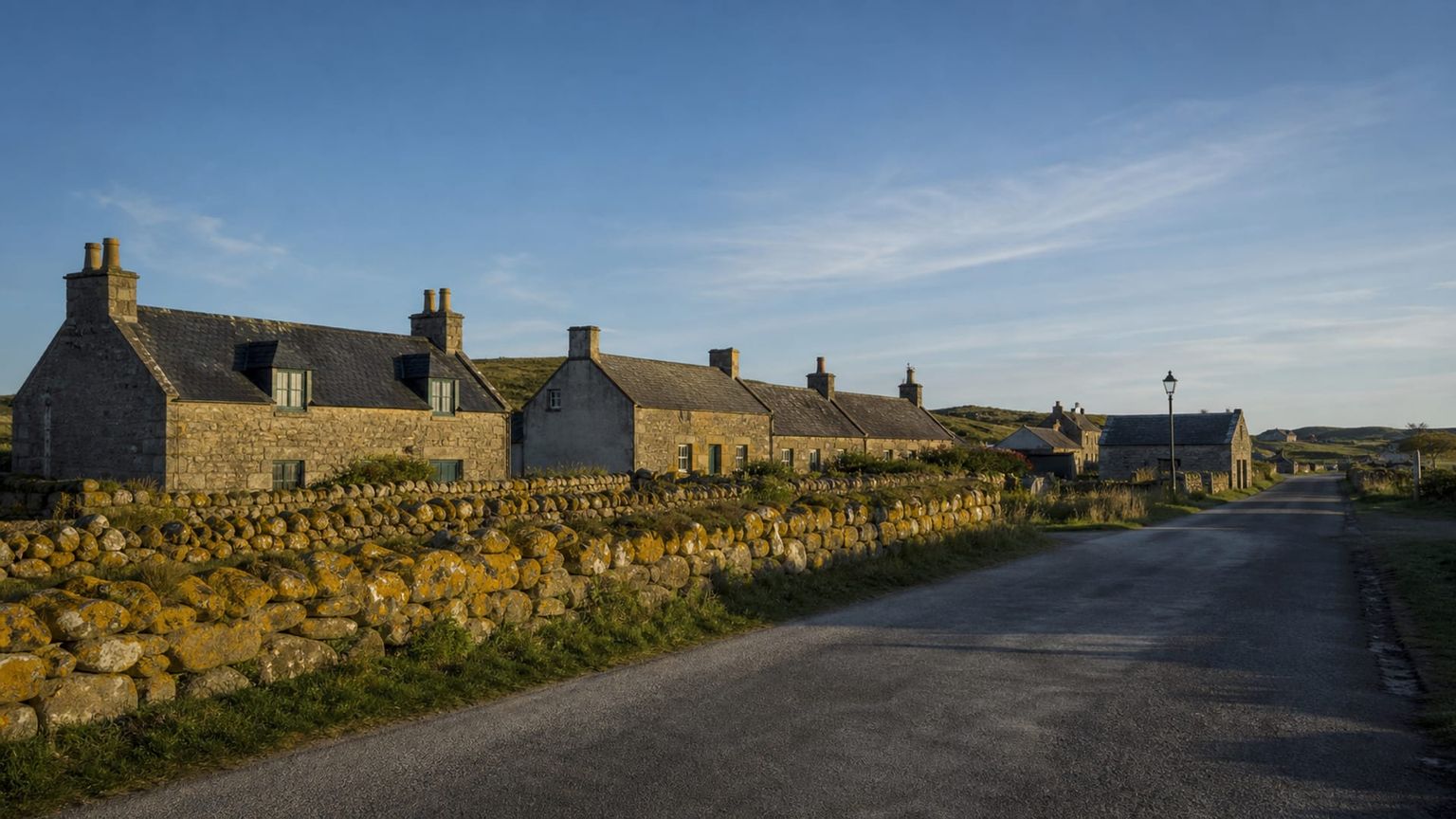
Scatness is the small settlement just north of the airport zone, with access to the south Mainland coast and the ancient settlement at Old Scatness. It suits visitors who want a rural base with slightly easier access to both the airport and the archaeological sites.
Best for: Archaeology, rural stays, and airport proximity
What to expect: Scattered homes, open ground, and very light traffic, with little to no evening activity.
Hotel prices: Usually about $160 to $280 per night for well-rated stays
Distance to major sights: About 10 minutes on foot to Old Scatness; about 5 minutes by car to Sumburgh (SDZ)
Quietness: Quiet by day, almost silent at night
Main trade-off: It is convenient for the airport and heritage sites, but you will likely need a car for shops, restaurants, and wider exploring.
Good to know: Check transport plans carefully, because taxis and evening options can be limited once you are outside the airport strip.
Travelers usually avoid staying in the far south around Sumburgh Airport and the wider Sumburgh Head area, since it sits far from Lerwick and most visitor amenities are limited. Skeld and Sandwick are also less convenient for short stays, because they are rural, spread out, and add extra evening driving for dinner or sightseeing.
Hotel deals
How to get around Sumburgh efficiently
With no metro or rail link, Sumburgh depends on buses, taxis, and short drives along the airport road and the south mainland.

Metro
for longer distances
Sumburgh has no metro or suburban rail; the main public transport link is the bus network, with services connecting the airport area to Lerwick and nearby stops on mainland Shetland.

Bus and tram
for convenience
The local bus network centers on routes between Sumburgh Airport, Lerwick, and the southern mainland, with frequency thinned on evenings and Sundays. Fares are typically about $5 to $12 (£4 to £10) for common point-to-point trips, and single tickets usually cover one ride rather than timed transfers, so check the timetable before setting out.

Taxi
for convenience or late hours
Licensed taxis use metered fares, not fixed airport flat rates, and a short airport transfer can cost roughly $25 to $45 (£20 to £36), with longer runs to Lerwick often about $60 to $85 (£48 to £68). You can book by phone or use ranks where available; most drivers accept cards, but carry some cash in case the card reader is offline.
*Prices are based on rates updated as of June 2026 and may change at the time of travel.
Use buses for lower-cost trips to Lerwick, taxis for point-to-point timing, and a car when you want Sumburgh Head, Scatness, and Jarlshof on your own schedule.
Iconic landmarks
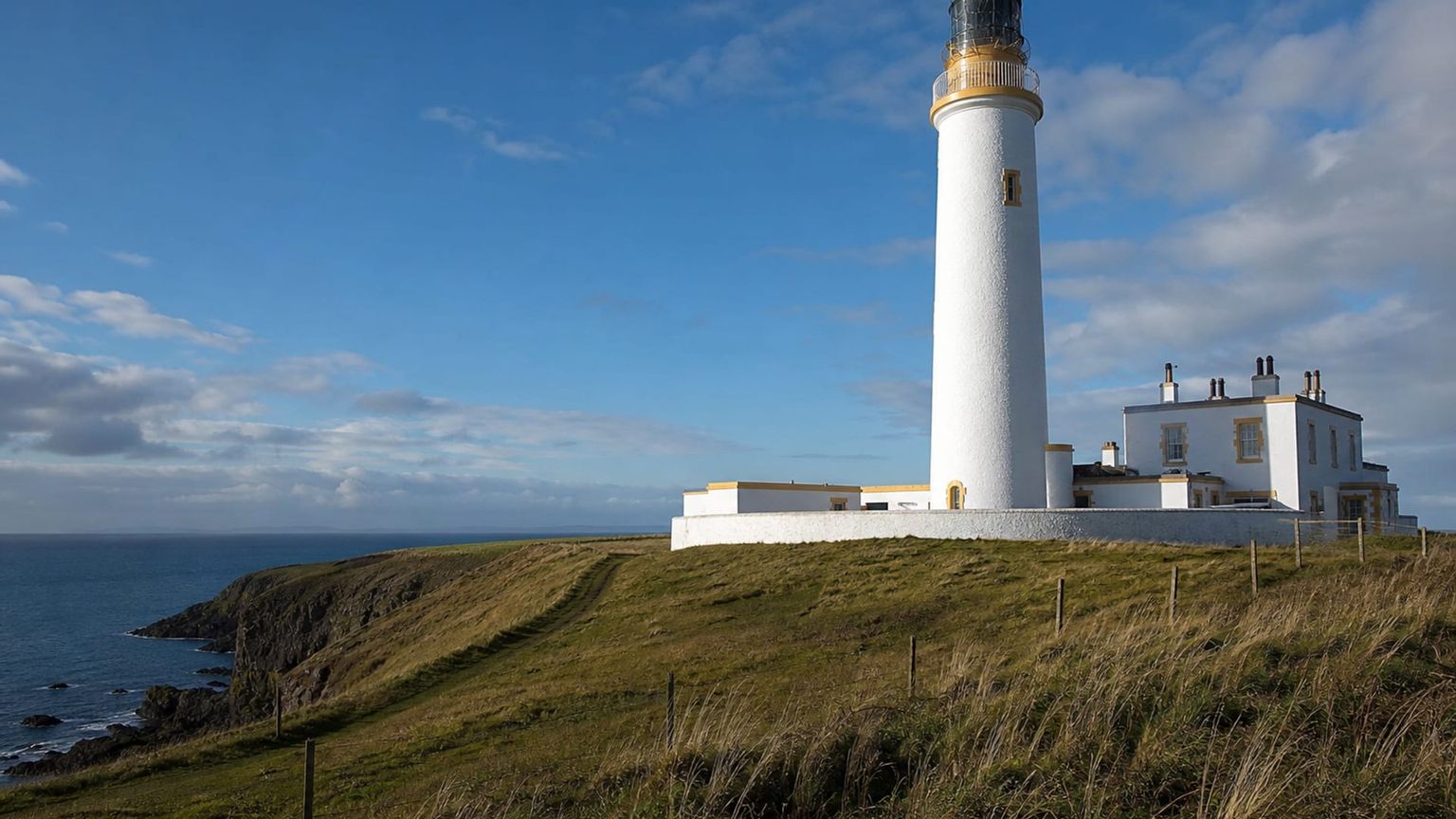
Sumburgh Head Lighthouse and Nature Reserve
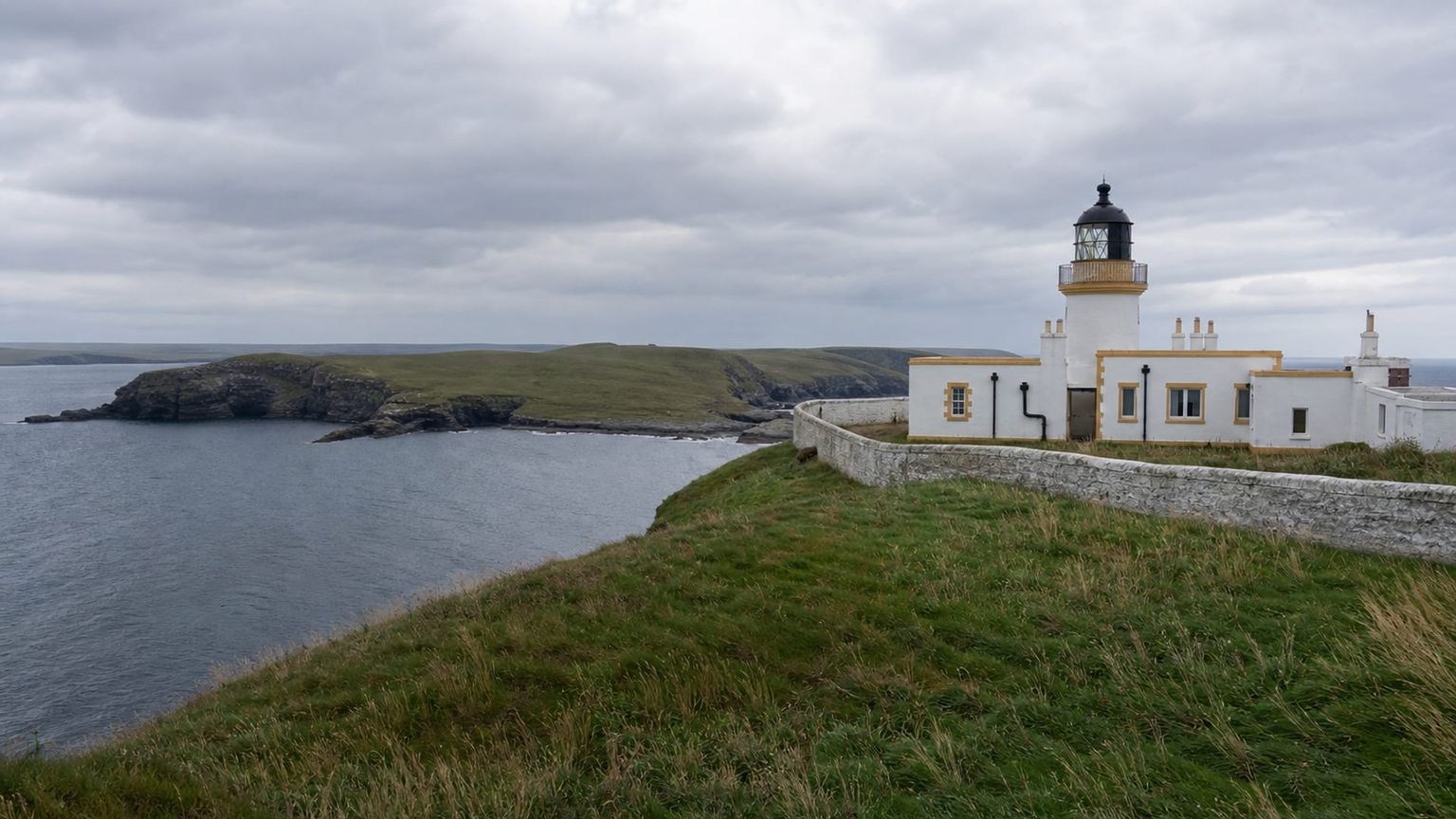
Perched on a high headland at Shetland’s southern tip, Sumburgh Head combines a working lighthouse with dramatic seabird cliffs. In spring and summer, puffins, guillemots, and kittiwakes nest close to the path.
Time needed: About 2 to 3 hours
Entry: Admission is free for the reserve; lighthouse and visitor facilities may charge small separate fees during opening periods. Visit the official site for details.
Tip: Go in the morning for calmer paths and the clearest cliff views.
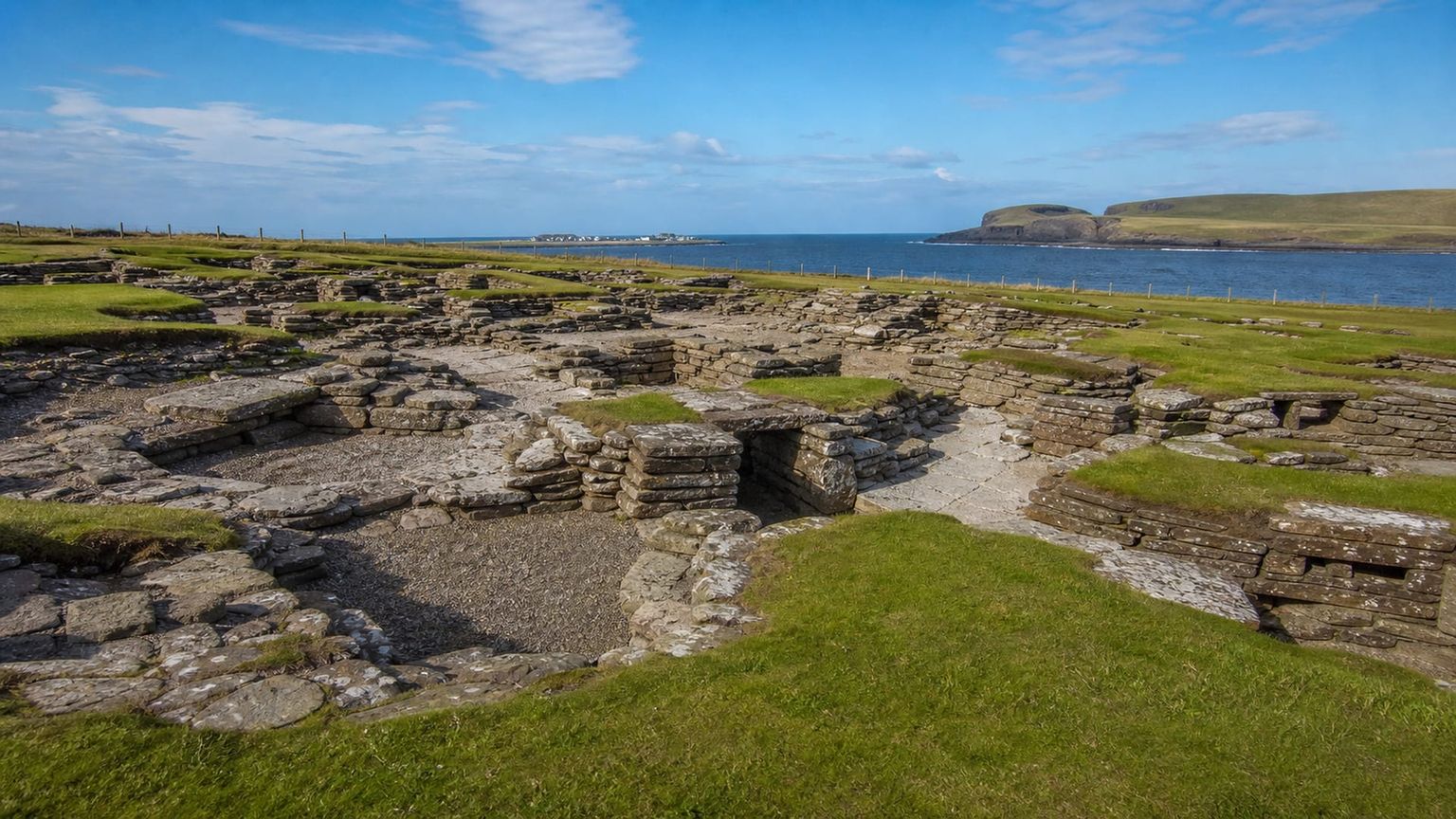
Jarlshof Prehistoric and Norse Settlement
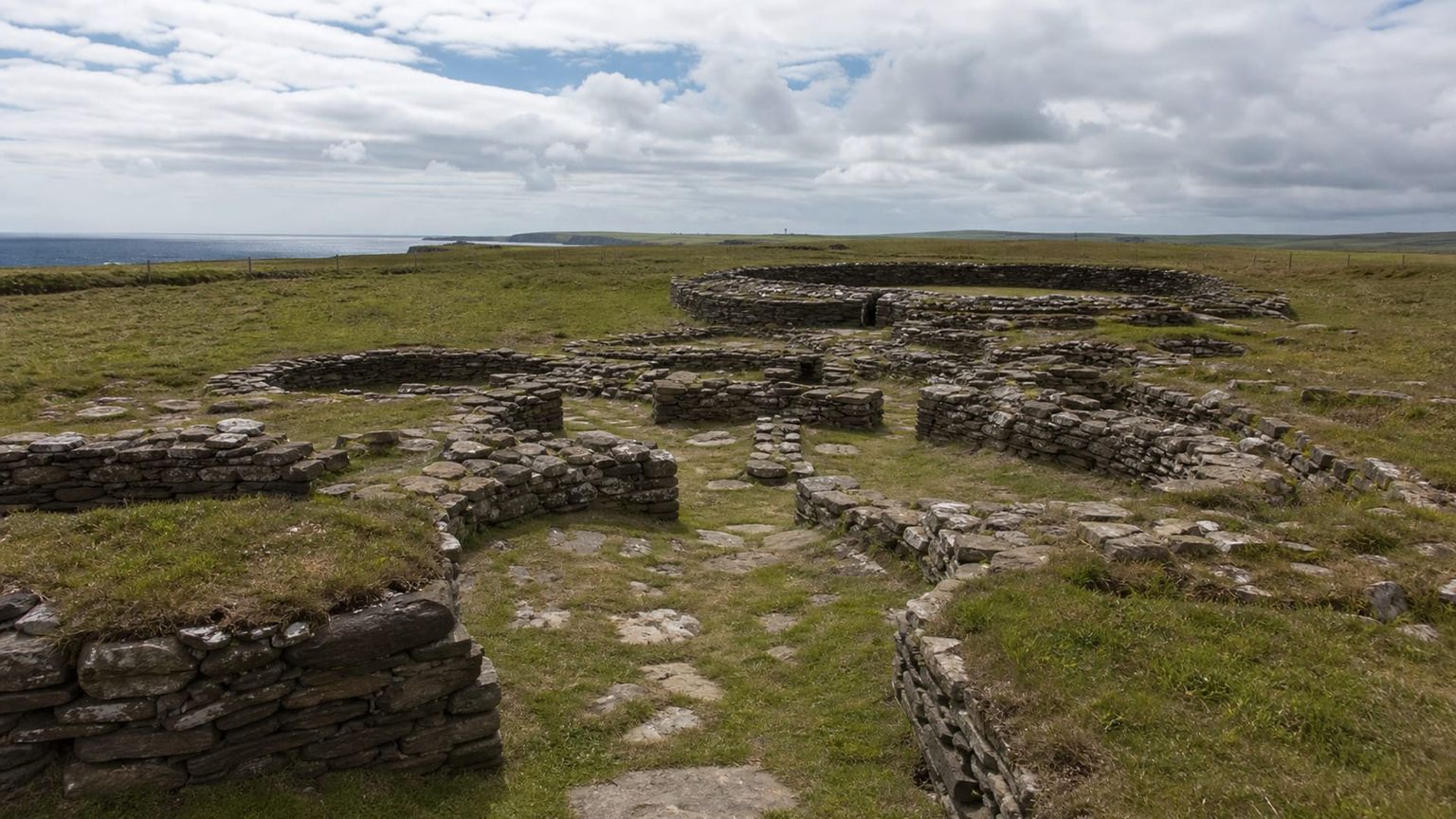
Jarlshof compresses more than 4,000 years of occupation into one coastal site, from Bronze Age houses to a Norse longhouse and a later laird’s house. The stone walls sit low and exposed beside the airfield fence.
Time needed: About 1.5 to 2 hours
Entry: Adult admission is about $12 ($10), with lower rates for children, students, and concession tickets sold at the entrance. Visit the official site for details.
Tip: Wear sturdy shoes, because the paths are uneven and often exposed to wind.
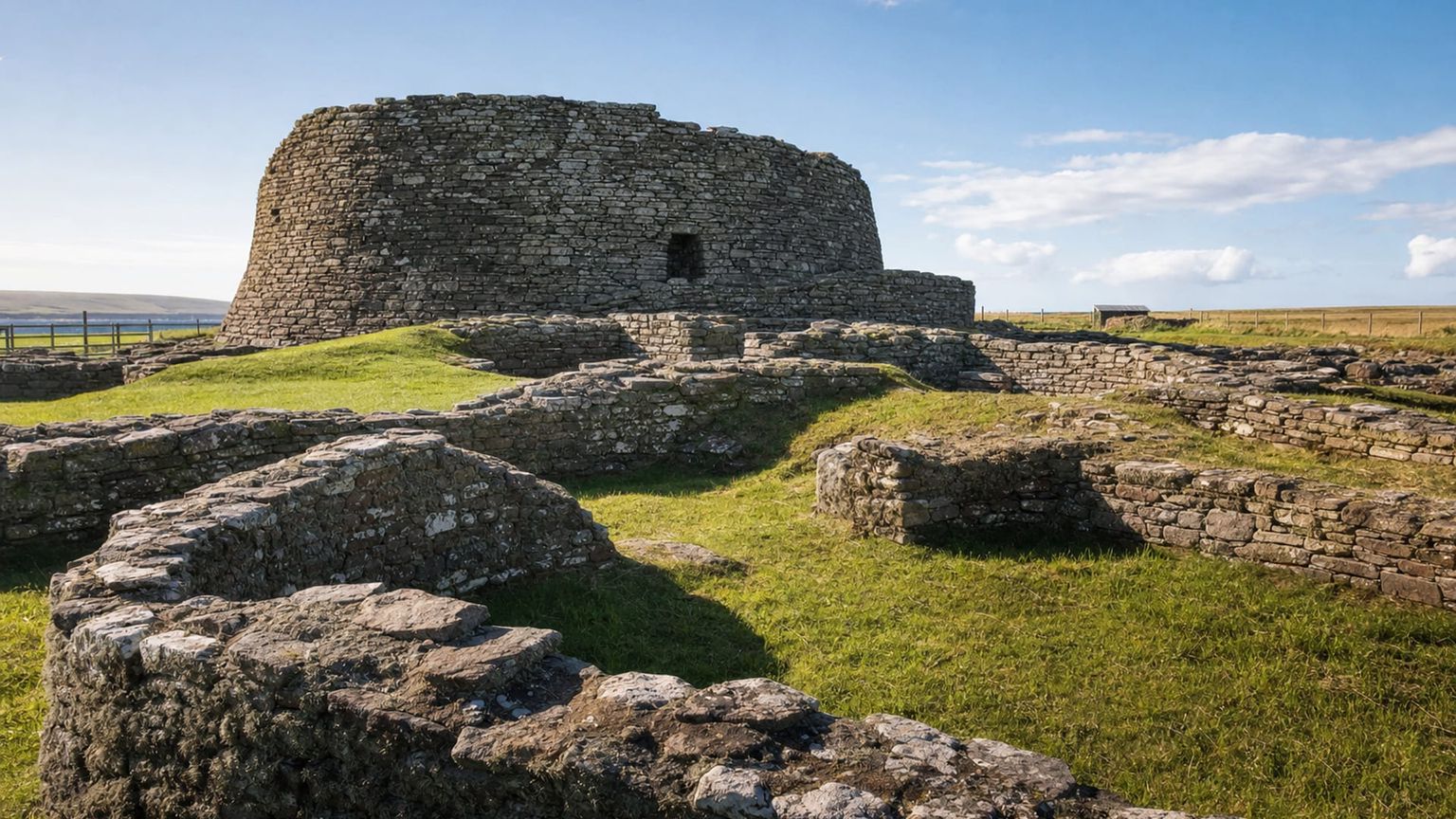
Old Scatness Broch and Iron Age Village
Old Scatness preserves a broch, wheelhouses, and later Viking-era layers on a hill above the coast. Excavated remains and reconstructed walls make the Iron Age layout easier to read than at many open sites.
Time needed: About 1.5 to 2 hours
Entry: Admission is usually about $12 ($10), with reduced rates for children and concessions when the site is open. Visit the official site for details.
Tip: Visit in dry weather, because the exposed site can be slippery after rain.
Overlooked sites worth visiting

Jarlshof Prehistoric and Norse Settlement
This excavated settlement layers stone homes, wheelhouses, a broch, and a Norse longhouse on the Sumburgh Head peninsula. Short paths link the ruins, with sea views and sheep grazing nearby.
Time needed: About 1 to 2 hours
Entry: Admission costs about $15 ($12) for adults, about $9 ($7) for children, and about $38 ($30) for a family ticket. Tickets are sold on site by Historic Environment Scotland; check current opening times before you go. Visit the official site for details.
Tip: Go in low wind for the best walk between the ruins.

Sumburgh Head Lighthouse and Nature Reserve
At Shetland’s southern tip, this lighthouse complex pairs cliff paths with nesting seabirds and wide views over the Fair Isle Channel. The compact museum explains the foghorn, optics, and station history.
Time needed: About 1 to 2 hours
Entry: Access to the reserve grounds is free, while lighthouse and museum entry costs about $12 ($9.50) for adults and about $7 ($5.50) for children. The site opens seasonally, and the operator sells tickets at the visitor center; confirm hours before visiting. Visit the official site for details.
Tip: Visit in late spring for puffins and longer daylight.
Traditional food
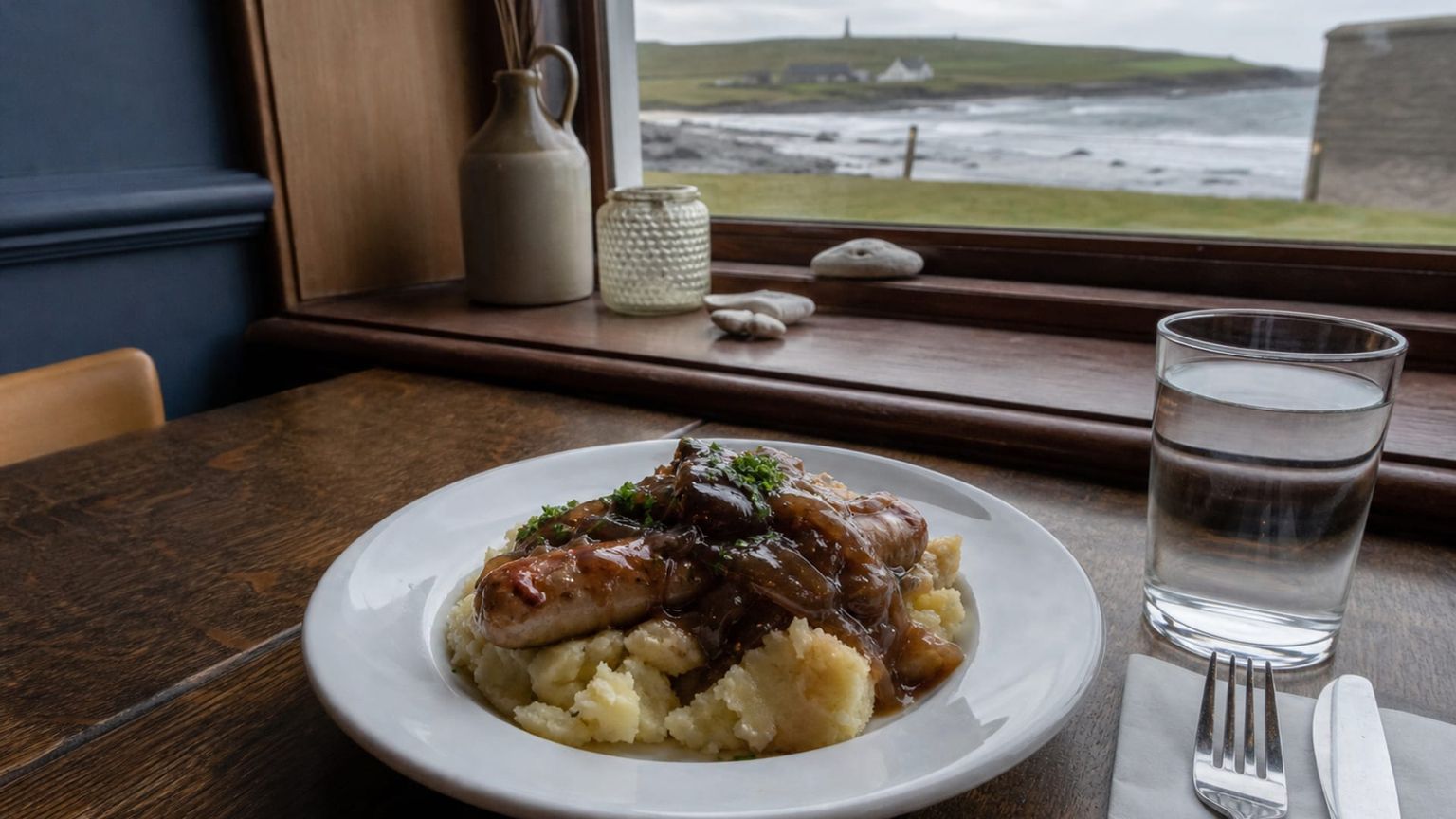
Sumburgh’s table leans on coastal seafood, mutton, bannocks, and simple hot plates, with early dinners and limited late-opening kitchens shaping the meal pattern.
Shetland mussels
Sweet, briny mussels suit the island well and usually come simply prepared so the shellfish stays front and center. The Sumburgh Hotel is the canonical stop for a seafood-led meal near the airport road.
Reestit mutton
This salted, dried mutton brings a deeper, cured flavor that pairs well with potatoes and bannocks. The Shetland Hotel in Lerwick is a dependable canonical choice for a traditional plate on a broader island stay.
Shetland bannocks
These oat-based breads show up at breakfast or alongside soup and fish, giving the meal a dense, earthy base. The Sumburgh Hotel is the most suitable canonical setting for trying them near the peninsula.
Fish and chips
A familiar standby that still works well after a wet cliff walk, especially when kitchens close early. The Sumburgh Hotel serves a canonical version for travelers staying close to the south end.
Best time to visit Sumburgh
Weather shifts quickly on the south coast, so late spring and summer reward you with the best birdlife and longest daylight, while winter keeps the same sights quieter and shorter on daylight.
Best for: Puffins return, and the cliff paths become more active
What you get: Temperatures sit about 38°F to 49°F (3°C to 9°C), with moderate visitor numbers and changing wind
Trade-offs: Rain and exposed paths can interrupt longer walks
Best for: Longest days, seabirds, and the easiest sightseeing pace
What you get: Temperatures are about 50°F to 59°F (10°C to 15°C), with the busiest visitor periods and the clearest daylight window
Trade-offs: Popular sites can feel busier, and lodging books early
Best for: Quieter site visits and strong coastal color
What you get: Temperatures hover about 41°F to 52°F (5°C to 11°C), with lighter crowds and brisker weather
Trade-offs: Shorter days and stronger winds can limit outdoor time
Best for: Low-key archaeology visits and a very quiet south coast
What you get: Temperatures are about 34°F to 43°F (1°C to 6°C), with the fewest visitors and the shortest daylight
Trade-offs: Some attractions keep reduced hours, and storms can affect timing
A realistic 5-day plan in Sumburgh
A five-day stay works best when you cluster the archaeological sites, the headland, and the airport-road bases instead of treating Sumburgh as a single stop. The plan below keeps the peninsula in logical pieces, so the short drives and early evenings do not waste time.
Land at Sumburgh (SDZ), then take a taxi or prebooked car for roughly 5 to 10 minutes into Scatness, about $15 to $25. If you prefer to sleep closer to the cliffs, drive about 10 minutes farther to Sumburgh Head, where the setting is quieter and best for travelers with a car. Settle in, drink plenty of water after the trip, and keep dinner simple with an early meal near the airport road or in Lerwick before returning to your base.
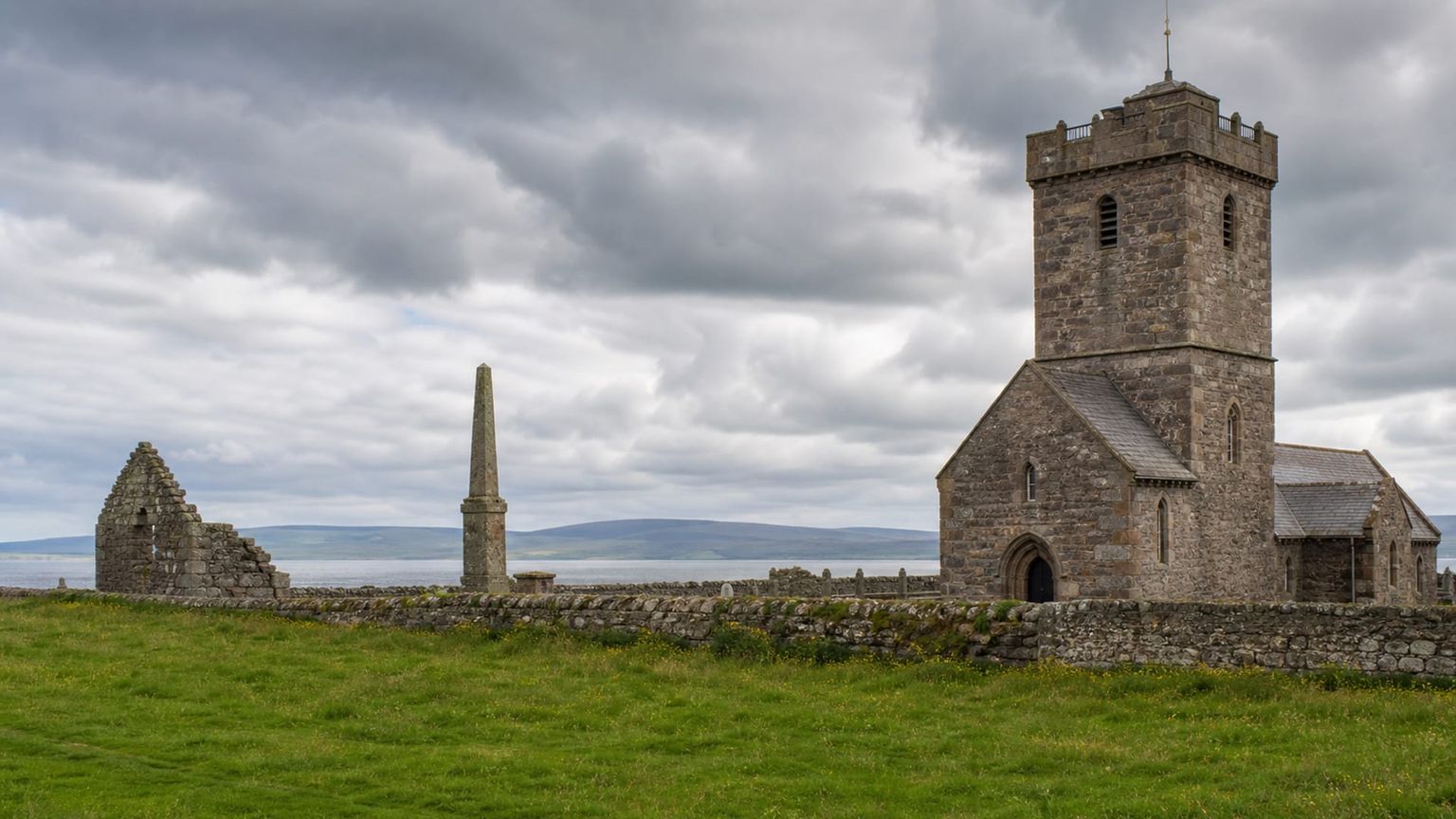
Start at Jarlshof Prehistoric and Norse Settlement, where a 5-minute ride from the Jarlshof area or a short drive from Scatness gets you to the site for about 1.5 to 2 hours. From there, continue about 5 minutes by car to Old Scatness Broch and Iron Age Village, then spend another 1.5 to 2 hours reading the broch, wheelhouses, and coastal layers. Finish with a low-key evening near Scatness or the Jarlshof area, since both areas keep you close to the airport road and avoid a long nighttime drive.
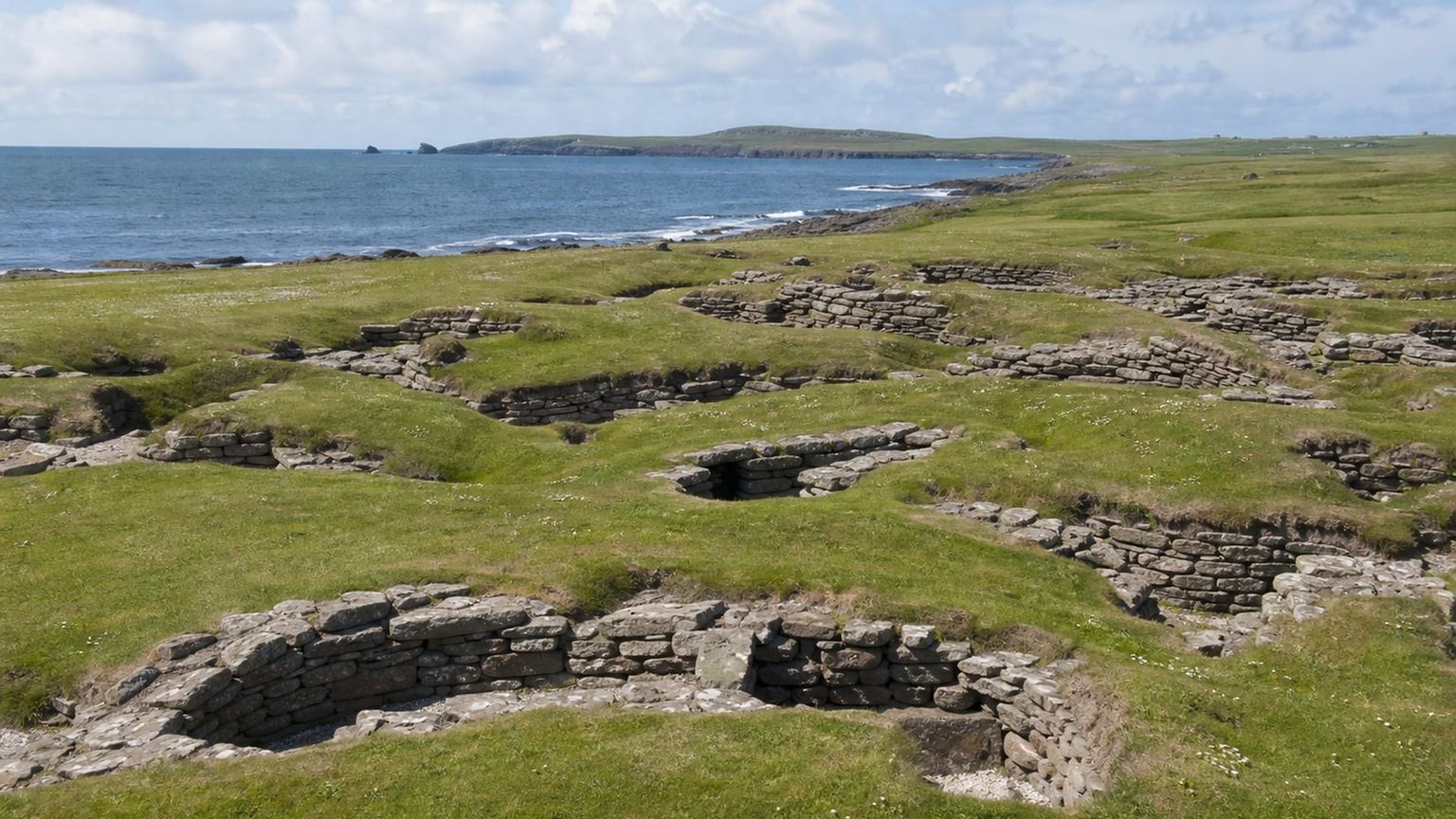
Begin with the Sumburgh Head Lighthouse and Nature Reserve, where a morning visit gives you the best chance of calmer paths and seabirds on the cliff edge. Plan about 2 to 3 hours there, then drive about 10 minutes to Jarlshof for a second look at the peninsula’s archaeology in a different setting. If you are staying at Sumburgh Head, you can return there for a packed lunch or a rest before a short drive back toward your lodging.
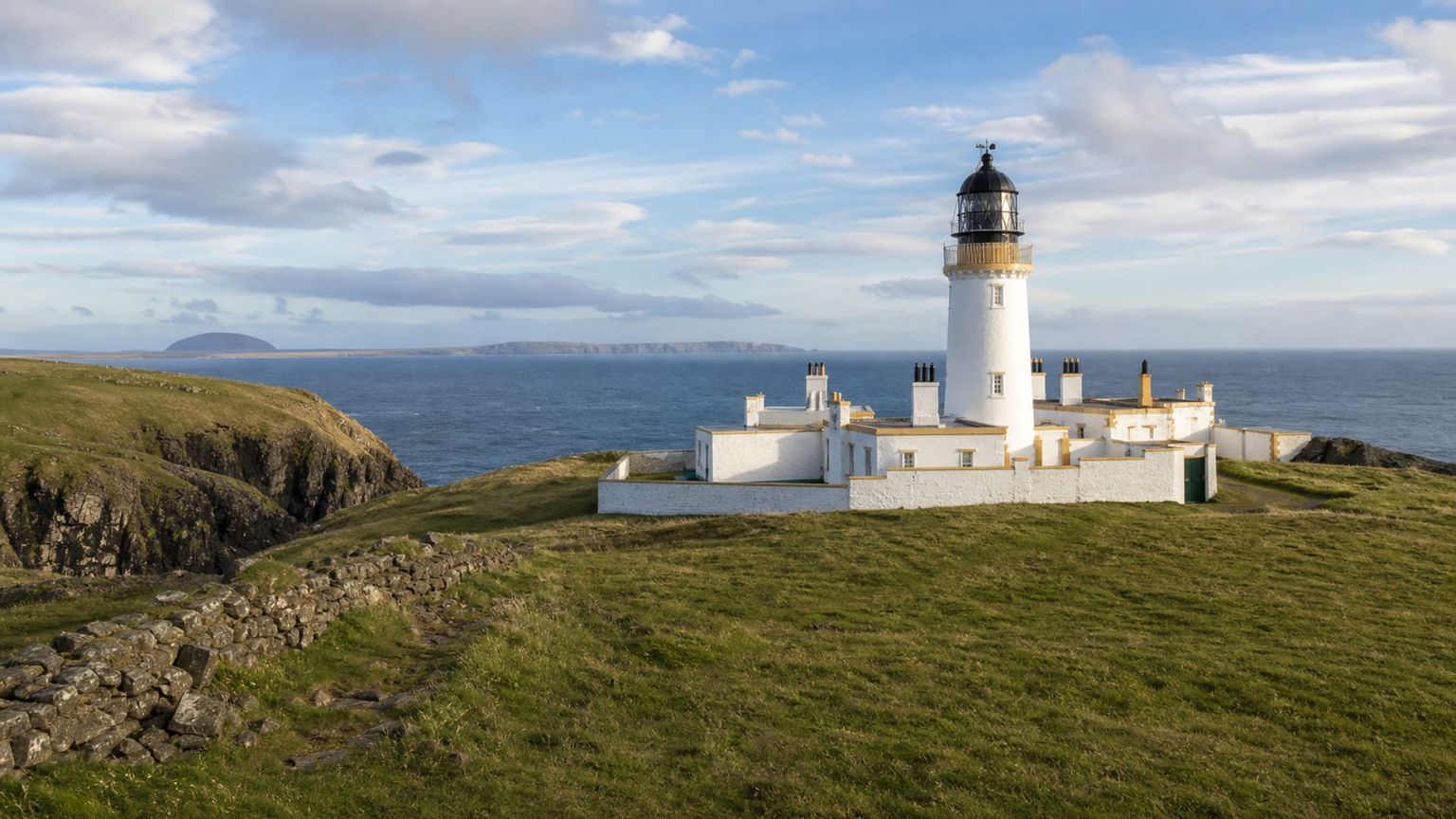
Old Scatness makes a strong center for this day, so start there and spend about 1.5 to 2 hours among the broch and Iron Age village remains. Afterward, drive about 5 minutes to Jarlshof and compare the two sites, which gives you a fuller read on Shetland’s coastal past without a long transfer. In the afternoon, head back toward Sumburgh Head for a cliff walk and a final look over the sea before dinner near your base.
For your last morning, pair one final stop at Sumburgh Head Lighthouse and Nature Reserve with a slow coffee stop in Scatness, then keep the rest of the day close to the airport road. If you have extra time before departure, return to Jarlshof for a shorter revisit or browse any small local stop in the Jarlshof area for snacks and gifts. Stay near your accommodation rather than pushing for a longer outing, then head to Sumburgh (SDZ) with enough time for check-in and security.
Business-class flights from the US to Sumburgh
Reaching Sumburgh usually means connecting through one European hub, and the best fares shift with season and layover length. The East Coast and West Coast examples below show how the same airport can sit inside very different routing patterns.
From New York, KLM, British Airways, Lufthansa, Icelandair, and Air France typically appear on the long-haul options, with one-stop trips via Amsterdam (AMS), London (LHR), or Frankfurt (FRA) often trimming the fare. Round-trip fares usually run from $4,500 to $7,500.
Los Angeles itineraries usually run on KLM, British Airways, Lufthansa, Air France, or Icelandair, and one-stop tickets via Amsterdam (AMS), London (LHR), Paris (CDG), or Keflavik (KEF) are more common than anything close to nonstop. Round-trip fares usually start at $4,800 and can reach $8,200.
Sumburgh feels different when you slow down
A deliberate Sumburgh stay means matching Scatness or the Jarlshof area to your arrival time, then using taxis, short drives, or the bus when you head toward Lerwick. It also means giving Sumburgh Head and Old Scatness enough time to reward the trip, not just pass through. If you want help shaping that balance, ask AranGrant experts to build the route around your flight, your base, and the weather window







