

Chapters:

Need help with your trip?
Our support team is available 24/7. Request a callback or call us directly at (833) 619-0908
Sulaymānīyah trips often start with a museum stop, a café on Salim Street, and a taxi up to Azmar, yet many visitors leave the city center with only a thin sense of how it fits together. They see the headline sites, then miss the neighborhood links that shape each day.
That approach can leave too much time in transit and too little time in the places that give the city context. Distances are short on a map, but traffic, hill climbs, and scattered meal stops can change how a day unfolds.
This guide sets out a tighter sequence, with clear base areas, timed visits, food stops, and flight options, so you can move through Sulaymānīyah with a plan that matches the city’s pace.
Useful things to know

Main language(s): Kurdish
Silav (see-lav) – Hello
Ji kerema xwe (zhee ke-reh-mah khweh) – Please
Spas (spahs) – Thank you
Tu English qise dikî? (too english kee-see dee-kee) – Do you speak English?
Ev çiqas e? (ev chee-qahs eh) – How much does it cost?

Currency: The local currency is the Iraqi dinar (IQD, ع.د).

Cash and cards: Cards and contactless are accepted at larger hotels and shops, but carry about IQD 20,000 to 50,000 ($15 to $38) in cash.

Tipping: Round up small bills; add about 5% to 10% in restaurants if service is good.

Traditional food: Kurdish dolma, biryani, kebab, qesrawi

Water and coffee costs: Water about IQD 500 to 1,000 ($0.40 to $0.80), bar espresso about IQD 1,500 to 3,000 ($1 to $2).

Taxis and ride apps: Careem and local taxi apps operate here; confirm the fare before setting off.

Plug and voltage: Type C/F socket, 230V

Dining and shop opening hours: Breakfast is about 07:00-09:00, lunch 12:30-14:30, and dinner 19:30-22:30. Many restaurants close between lunch and dinner.

Emergency number: Dial 104 for ambulance, police, and fire.
Where to stay in Sulaymānīyah
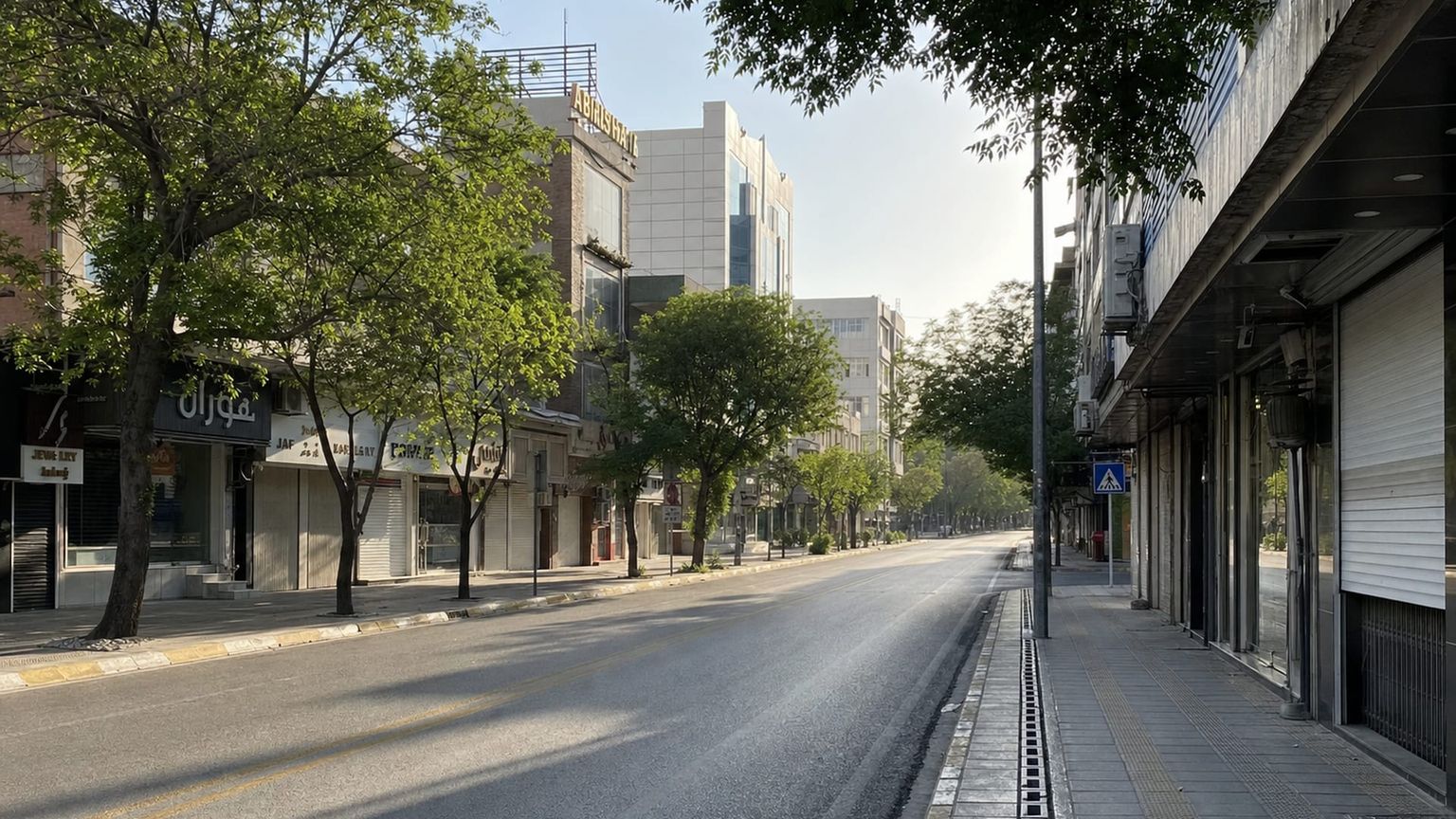
Sulaymānīyah’s main central corridor, lined with shops, cafés, banks, and midrange hotels. It puts you close to daily errands, taxis, and the city’s busiest commercial blocks, so many visitors use it as a base for shopping and easy evening dining.
Best for: Shopping, cafés, and staying close to central city life
What to expect: Busy sidewalks by day, steady traffic, and plenty of people out for errands and meals.
Hotel prices: Usually about $50 to $120 per night for well-rated stays
Distance to major sights: About 10 minutes by taxi to Sulaymaniyah Museum and 15 minutes to Aram Tower
Quietness: Lively during the day, with noticeably less activity late in the evening.
Main trade-off: You trade quieter nights for traffic noise and a less intimate streetscape.
Good to know: Plan on using taxis after dark, since late-night movement is easier along the main roads than on smaller side streets.
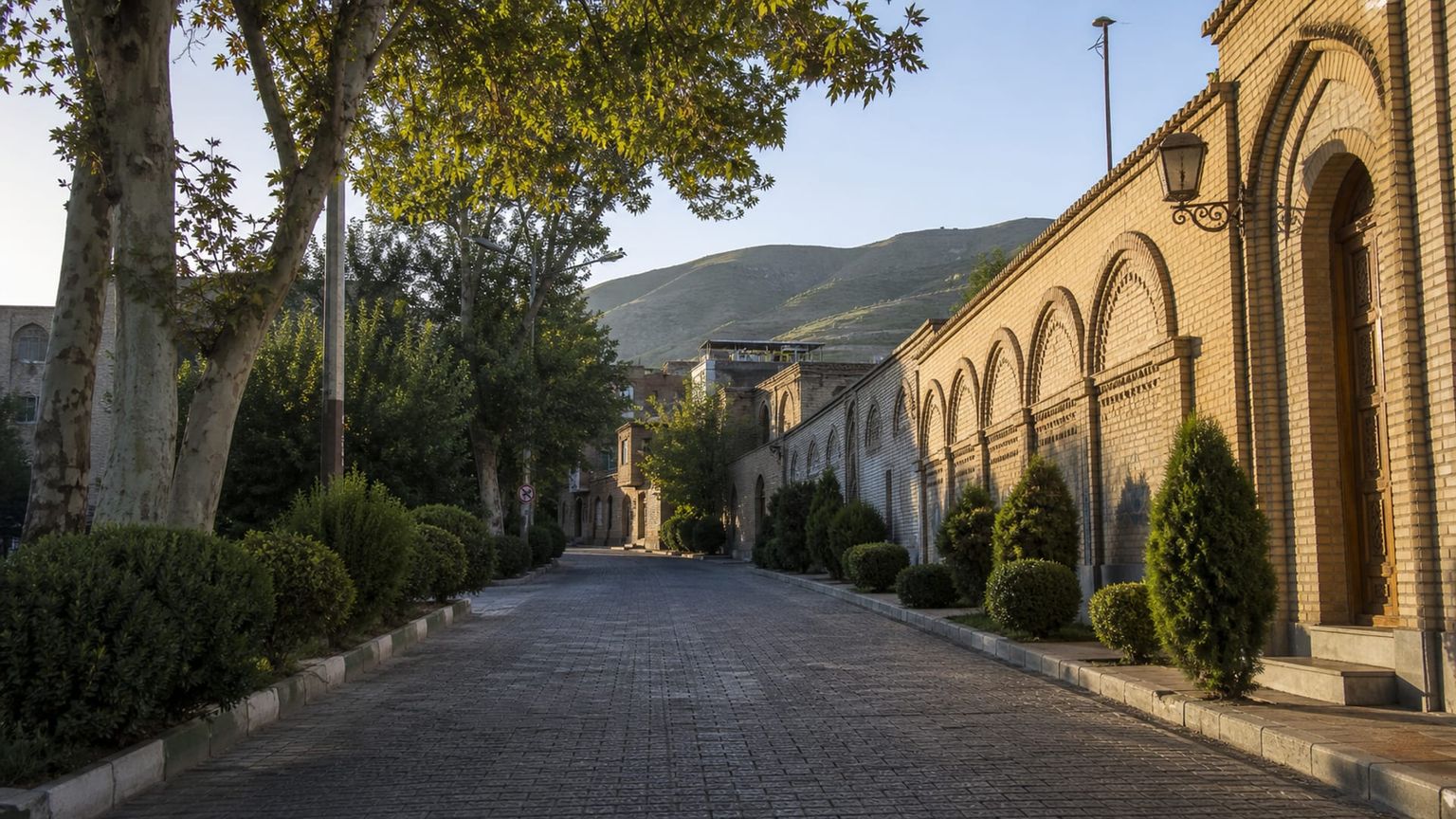
A central residential and commercial district with apartment blocks, local shops, and easier access to the city’s main roads. It works well if you want a neighborhood base that still keeps restaurants, groceries, and taxis close at hand.
Best for: Longer stays, independent travelers, and access to everyday conveniences
What to expect: Moderate street activity, neighborhood shops, and a mix of residents and passing traffic.
Hotel prices: Usually about $40 to $90 per night for well-rated stays
Distance to major sights: About 12 minutes by taxi to Sulaymaniyah Museum and 20 minutes to Sulaimani Polytechnic University
Quietness: Busier in the daytime, quieter at night with a more residential feel.
Main trade-off: You will usually be a little farther from the liveliest café strip than guests staying on the main commercial streets.
Good to know: If you plan to self-cater, this area makes grocery runs easier than staying in the most hotel-heavy center.
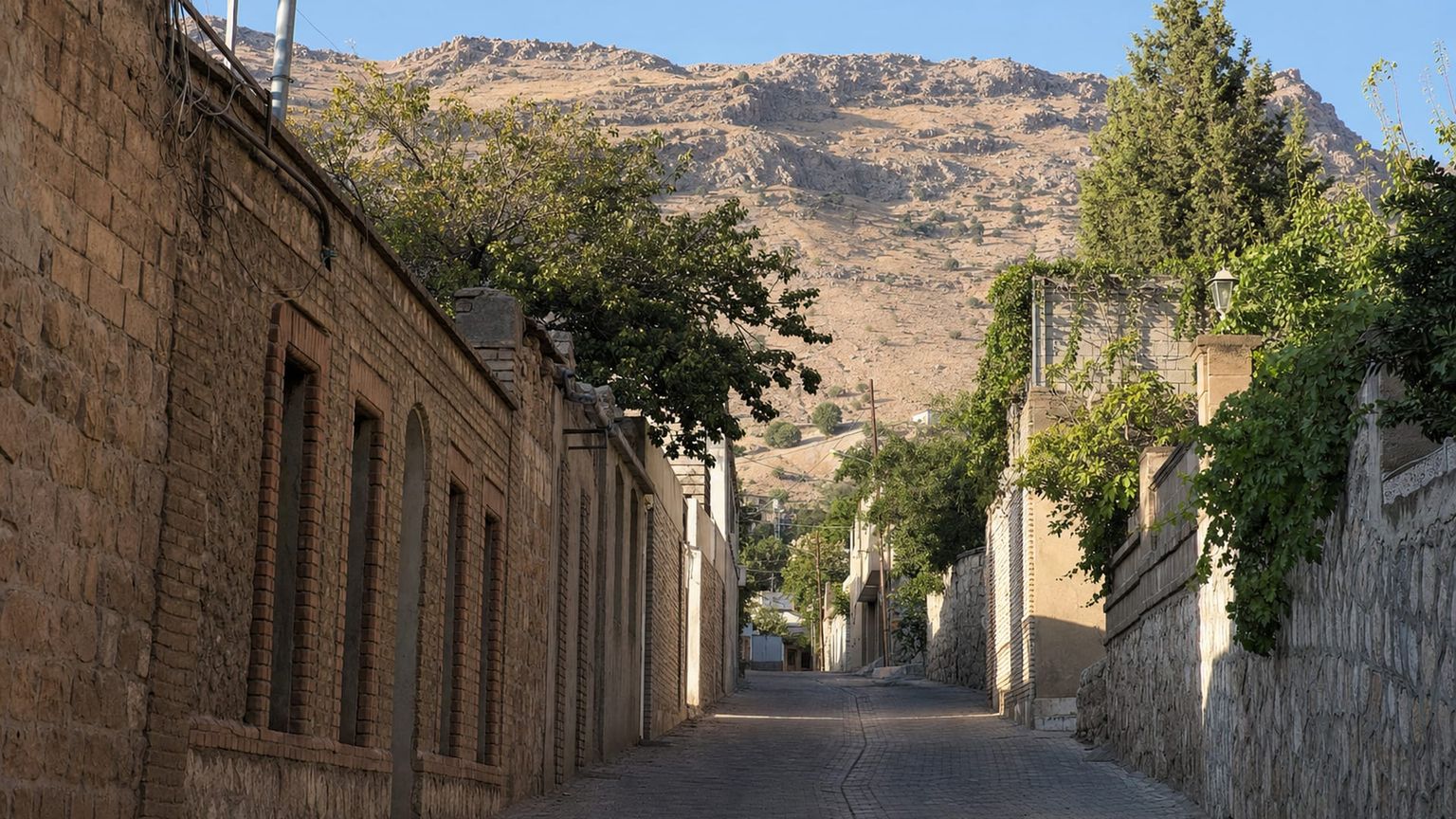
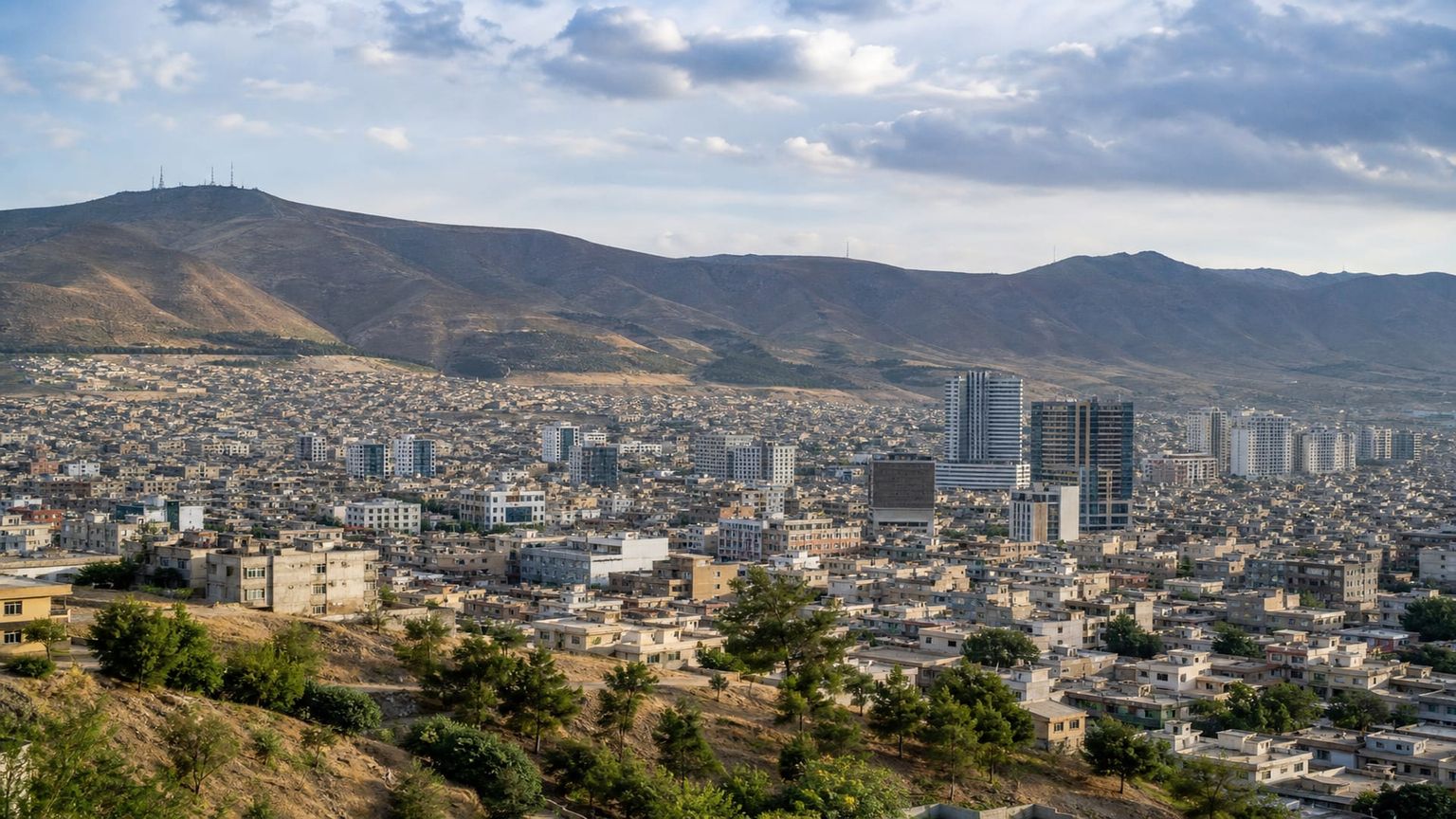
An upscale hillside district on the edge of the city, known for wider streets, newer housing, and views over Sulaymānīyah. It appeals to visitors who want more space and a calmer base while still staying within easy reach of the center.
Best for: Quieter evenings, longer stays, and travelers who prefer newer residential areas
What to expect: Mostly residential streets, fewer shops, and a calmer pace than the core center.
Hotel prices: Usually about $60 to $140 per night for well-rated stays
Distance to major sights: About 15 minutes by taxi to Sulaymaniyah Museum and 20 minutes to Chavi Land
Quietness: Quiet in the day and even calmer at night, with limited street activity.
Main trade-off: You will rely more on taxis because dining and shopping clusters are thinner here.
Good to know: Choose this area if you value a room with more space, but budget extra for rides into the center.
Travelers usually avoid staying in Faruq, the airport-side neighborhoods south of the city, and the newer fringe districts near Sulaymaniyah International Airport, because they sit well outside the main souqs, restaurants, and hotel clusters, which makes evening taxi rides less convenient. Areas on the outer eastern and southern edges of Sulaymānīyah are also less convenient, since they have fewer visitor amenities and add time to trips to places such as Chavi Land, the city center, and the main markets.
Hotel deals
How to get around Sulaymānīyah efficiently
Sulaymānīyah has no metro, so most visitors move between districts by taxi or limited city bus, with Careem and local taxi apps adding another option for shorter city hops.

Metro
for longer distances
Sulaymānīyah has no metro, so visitors depend on taxis and buses rather than rail-based urban transit. The airport area is served by road links only, with central trips usually taking about 15 to 25 minutes by car depending on traffic.

Bus and tram
for convenience
City buses cover limited local corridors rather than a dense tram or subway grid, so most visitors use them for simple point-to-point trips inside town. Fares are typically about $0.25 to $0.50 per ride, usually paid in cash on boarding, and waits can be long outside peak periods.

Taxi
for convenience or late hours
At Sulaymānīyah International Airport (ISU), taxis use set airport fares for most rides into the city, while street taxis may negotiate the price before departure. Expect about $10 to $20 to central areas, with shorter hops lower and longer cross-city rides higher; payment is usually cash in U.S. dollars or Iraqi dinars, and it helps to confirm the fare before you get in.
*Prices are based on rates updated as of June 2026 and may change at the time of travel.
Buses suit simple low-cost rides on limited corridors, taxis handle most cross-town trips, and walking works best inside the central blocks near Salim Street and the main museums.
Iconic landmarks
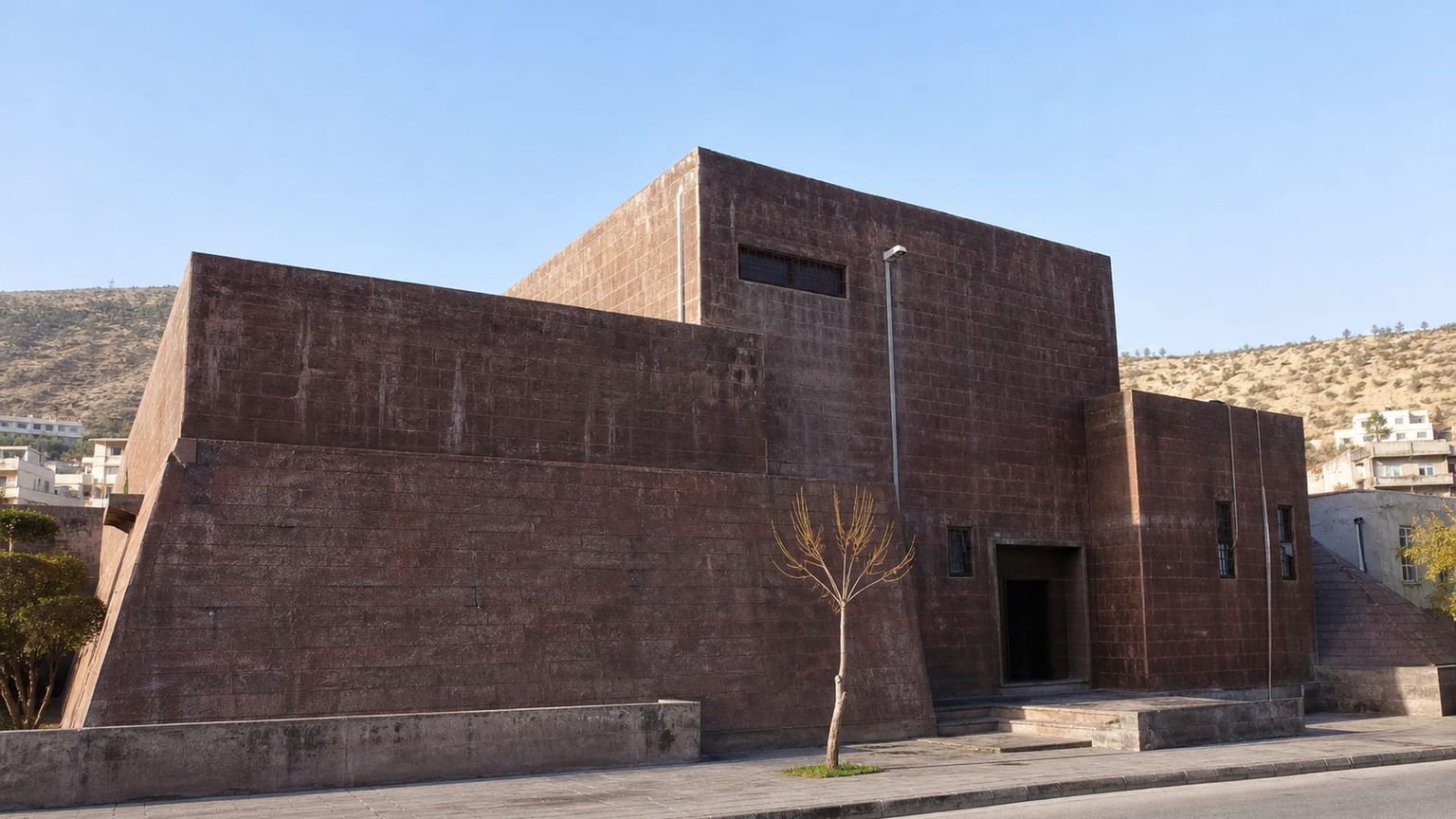
Amna Suraka Museum
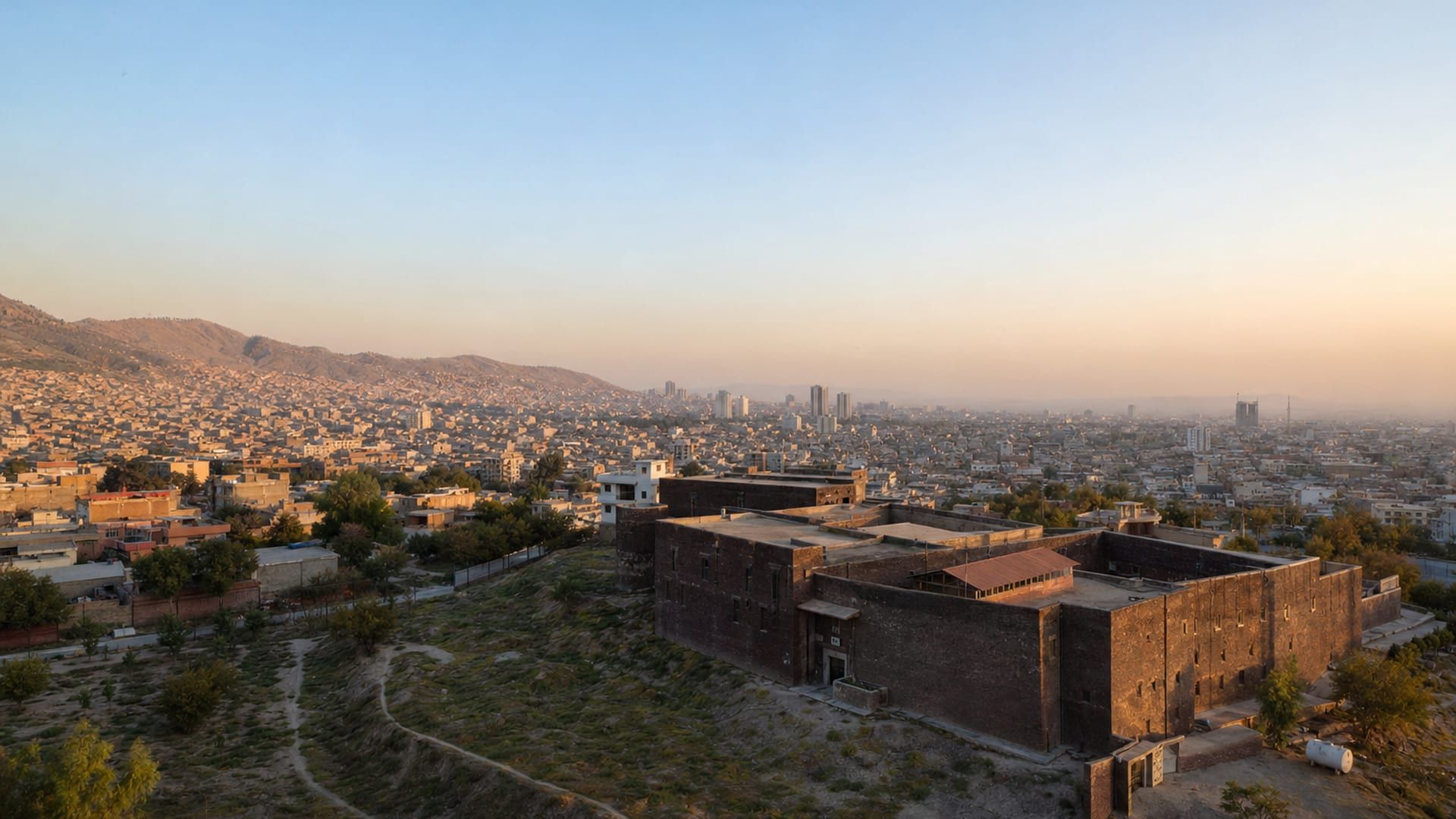
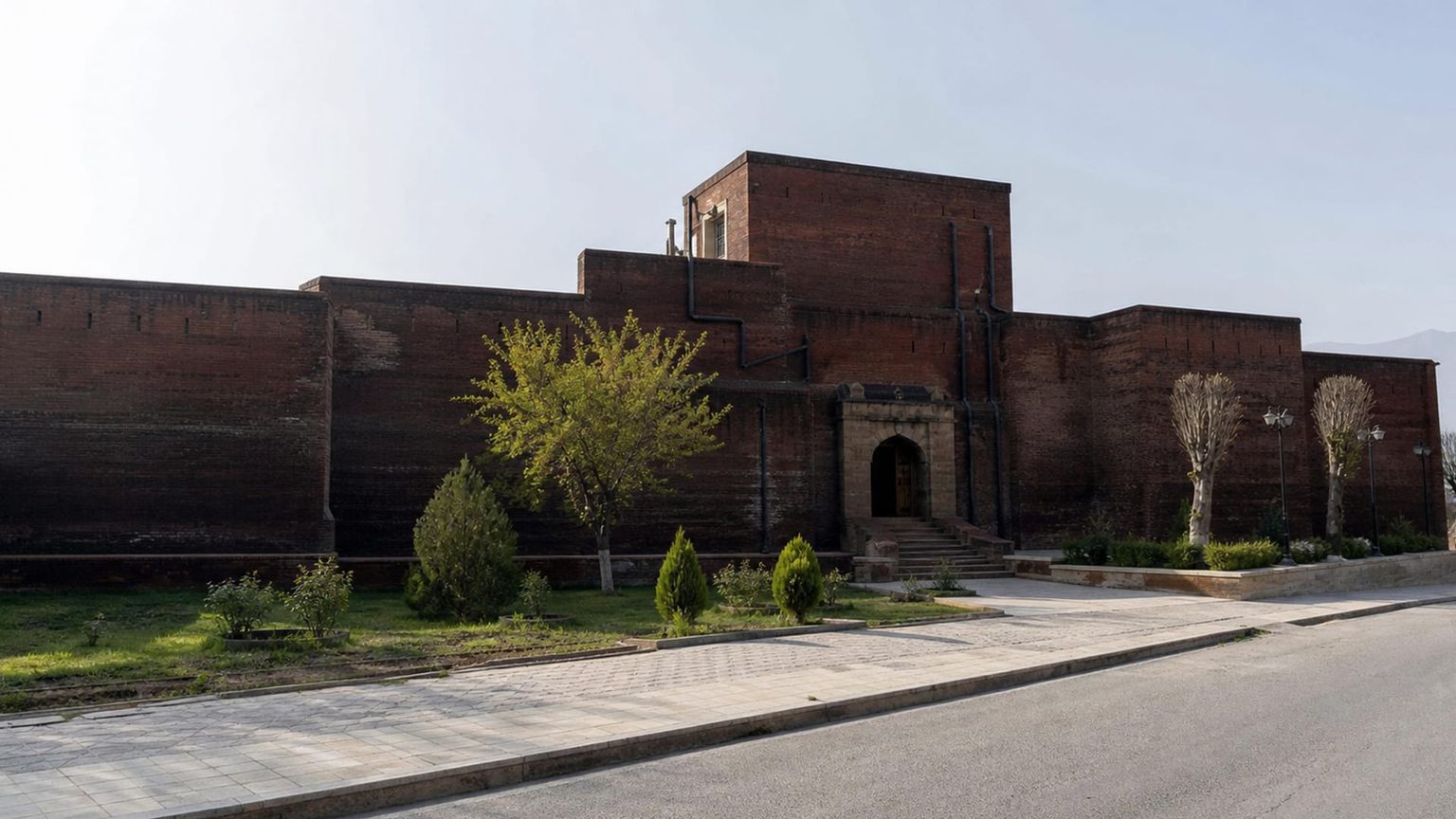
This former intelligence headquarters documents the Anfal campaign and the 1991 uprising through preserved cells, exhibits, and testimony from survivors. The red-brick complex sits in central Sulaymānīyah and gives clear context for modern Kurdish history.
Time needed: About 1 to 2 hours
Entry: Admission costs about $3 to $5 (4,000 to 6,500 IQD) for adults, with lower rates for students and local visitors; opening hours vary by season.
Tip: Go earlier in the day, when the galleries are quieter and the outdoor courtyard is cooler.
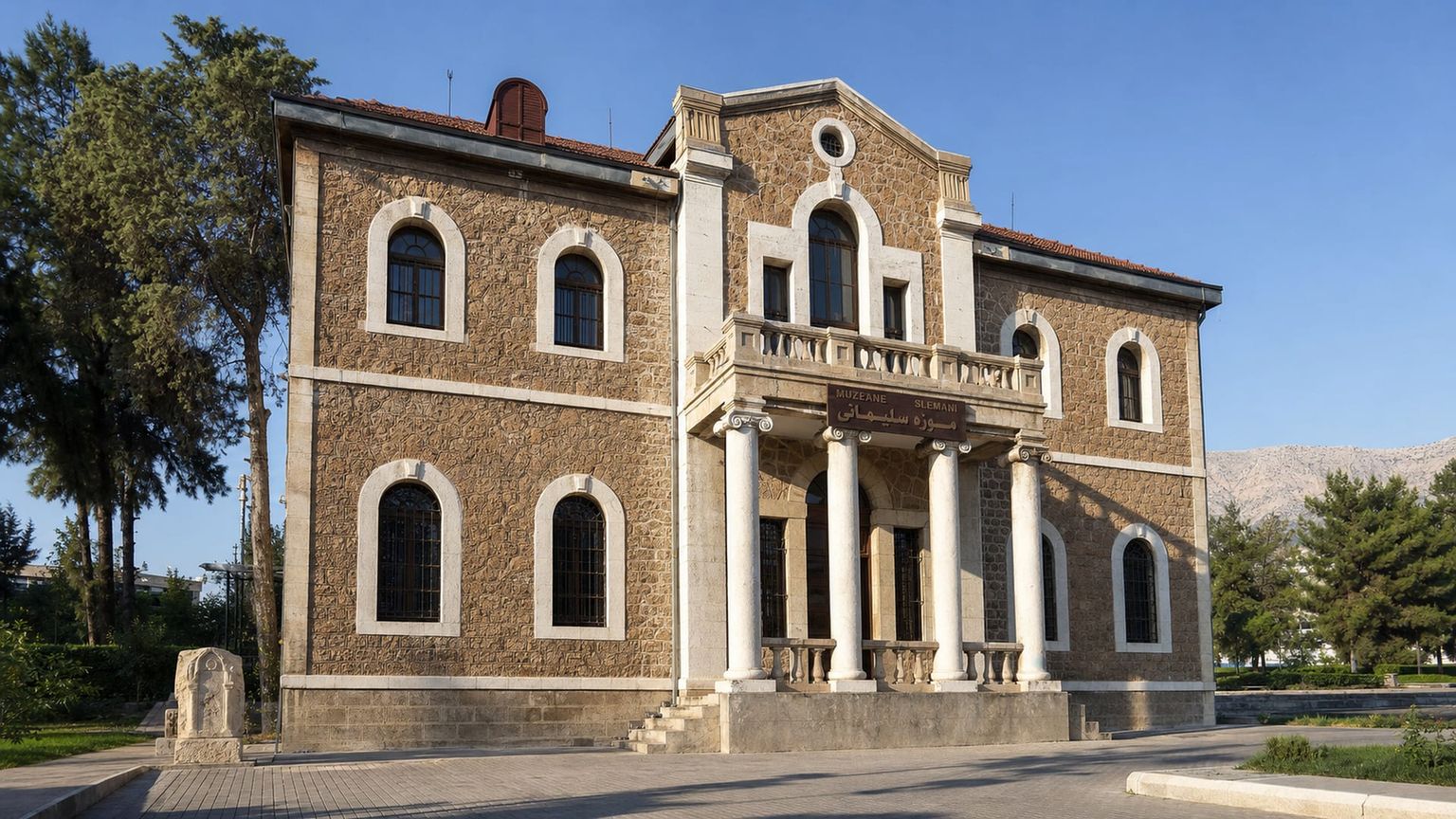
Slemani Museum
This compact museum holds one of Iraqi Kurdistan’s best archaeological collections, including artifacts from the region’s ancient settlements and trade routes. Galleries are arranged by period, so you can follow the area’s history from prehistory to the Islamic era.
Time needed: About 1 to 2 hours
Entry: Tickets cost about $2 to $4 (2,500 to 5,000 IQD) for adults, with reduced prices for children and students; some special exhibits cost extra.
Tip: Visit in the morning, then pair it with a short walk through the nearby city center streets.
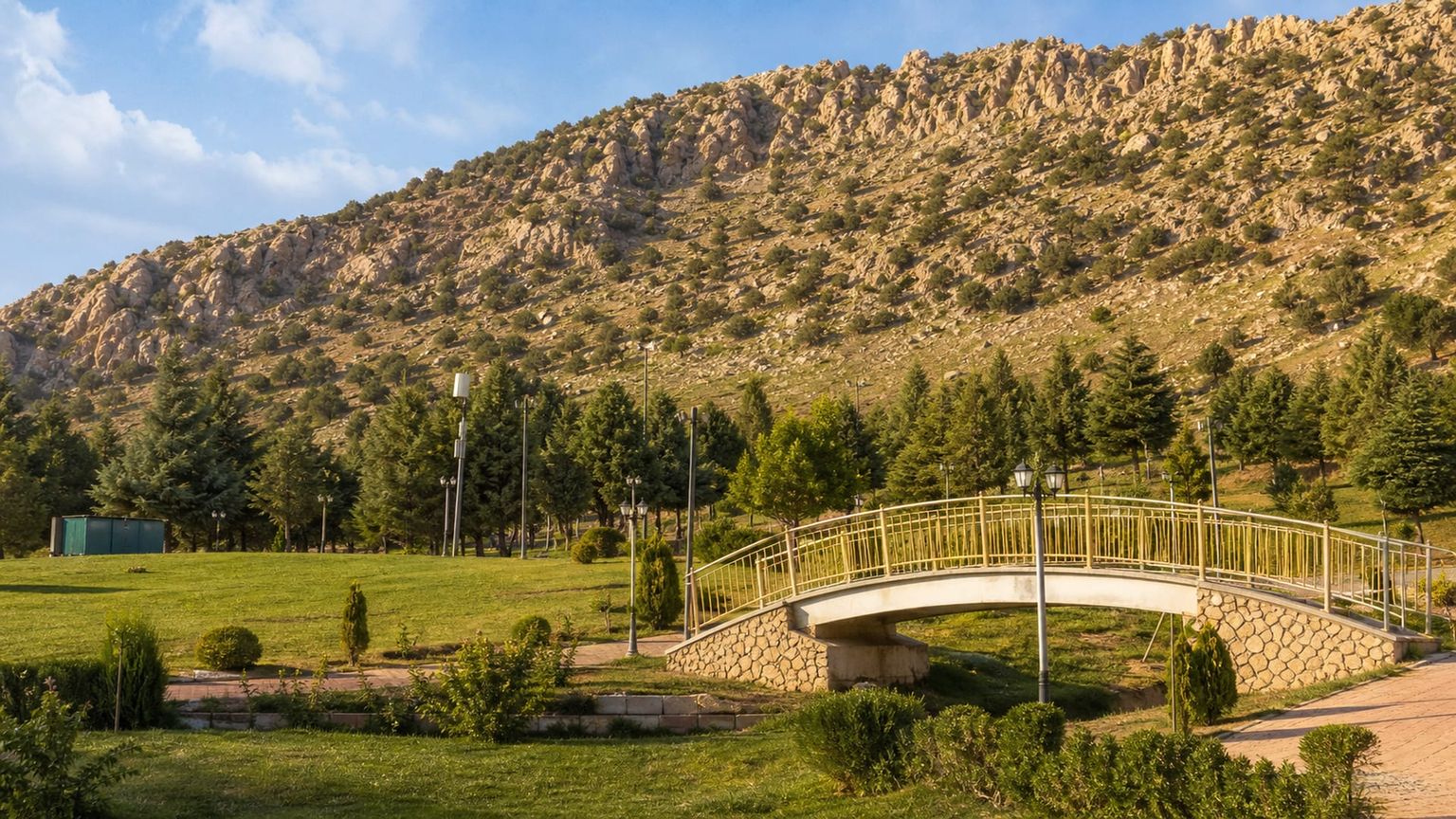
Azmar Mountain Park
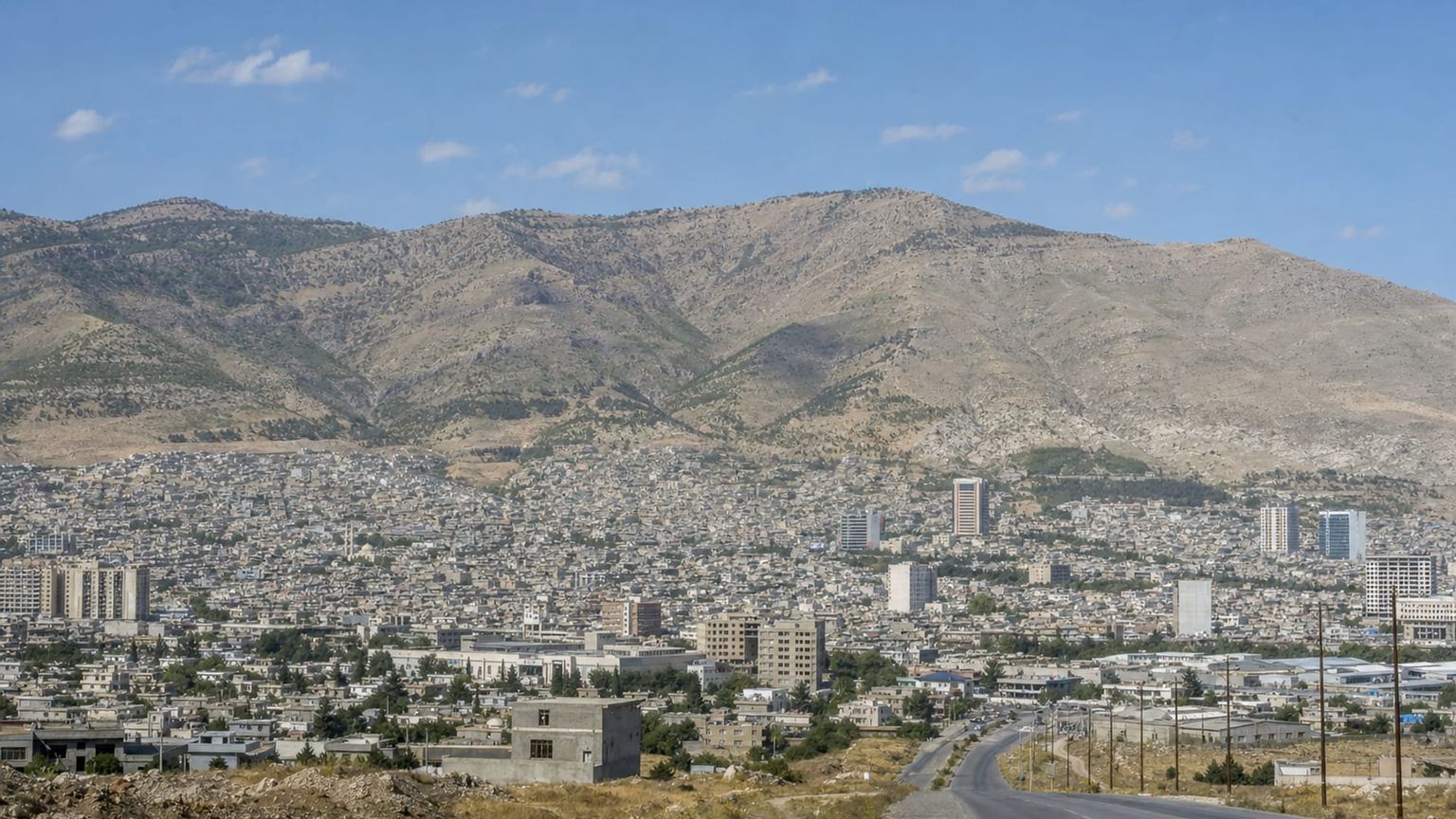
Azmar Mountain rises west of the city and draws locals for wide views over Sulaymānīyah, picnic spots, and evening walks. The roads climb quickly out of town, so the lookout areas give you a clear sense of the city’s setting in the surrounding hills.
Time needed: About 2 to 3 hours
Entry: Entry is free to access, and you may pay about $1 to $3 (1,000 to 4,000 IQD) for parking at some lots or roadside pull-offs.
Tip: Plan for late afternoon, when the light is best and the city view opens up after haze thins.
Overlooked sites worth visiting

Sulaimani Public Park
Large green space with walking paths, shaded lawns, and open areas for picnics, it draws local families in the evening. The park is best for an unhurried break close to the center.
Time needed: About 1 to 2 hours
Entry: Free to access. There is no admission fee for the park itself, though small cafés and snack stalls inside the grounds charge separately. Expect easy walk-in access during daylight and evening hours, with no ticketing or timed entry at the gate.
Tip: Visit near sunset for cooler paths and softer light.

Amna Suraka Museum
This former intelligence complex is one of the city’s most important historical sites, with preserved prison cells, archive rooms, and memorial displays. It offers a compact, serious stop on the city’s recent history.
Time needed: About 1 hour
Entry: Admission is typically free or nominal, and visitors usually pay only for any temporary exhibition or audio guide that may be offered on site. Opening hours can vary by day, so check locally before you go, especially if you plan a late-afternoon visit.
Tip: Go earlier in the day, when the galleries are quieter.
Traditional food
Kurdish tables here lean on rice, grilled meat, stuffed vegetables, and spice-forward stews, with dolma, biryani, kebab, and qesrawi anchoring everyday meals. Dining hours are concentrated, so lunch and dinner often come in clear windows.
Kurdish dolma
Stuffed vegetables or leaves, usually filled with rice, herbs, and meat, make a classic Kurdish meal. HEMA Restaurant serves a well-known version in central Sulaymānīyah, where the dish fits neatly into a slow lunch or family-style dinner.
Kurdish biryani
This local biryani layers rice with meat, spices, and sometimes chickpeas or nuts, producing a fuller meal than the South Asian dish some travelers expect. Sarchnar Restaurant is a common pick in Sulaymānīyah for a generous plate.
Kebab
Grilled kebab appears across the city in many forms, from minced meat skewers to larger mixed platters. Akl Awal Restaurant is a dependable central choice for kebab alongside salads and rice.
Qesrawi
Qesrawi is a Kurdish dessert made with pastry, syrup, and nuts, often ordered after a heavy meal. You can finish with it at Franso Hariri Stadium-area cafés or dessert spots that serve it after dinner; one canonical stop is Taza Bakery.
Best time to visit Sulaymānīyah
Sulaymānīyah shifts more by temperature and visibility than by daylight alone, with spring and autumn giving the clearest days for hills, museums, and longer walks.
Best for: Museum visits, park walks, and hill views
What you get: About 55°F to 79°F (13°C to 26°C), with comfortable days and growing visitor numbers in the late spring
Trade-offs: Rain can interrupt an outdoor afternoon
Best for: Early starts, indoor sights, and evening drives to Azmar
What you get: About 73°F to 101°F (23°C to 38°C), with thinner daytime crowds and heavier reliance on air-conditioned spaces
Trade-offs: Midday heat can shorten outdoor plans
Best for: Balanced sightseeing and hillside evenings
What you get: About 54°F to 84°F (12°C to 29°C), with clear weather and moderate visitor levels
Trade-offs: Popular sites can feel busier on weekends
Best for: Quiet museum time and city-center meals
What you get: About 34°F to 57°F (1°C to 14°C), with lighter crowds and occasional cold spells
Trade-offs: Short days limit late outdoor plans
A realistic 5-day plan in Sulaymānīyah
Five days gives Sulaymānīyah enough room for its museums, a hill outing, a park walk, and time on Salim Street without forcing long cross-city detours. The sequence below keeps the center as the base and adds the quieter edges only when they fit naturally.
Arrive at Sulaymānīyah International Airport (ISU), then take a taxi into the city center, which usually costs about $8 to $15 and takes roughly 20 to 30 minutes depending on traffic. Stay near Salim Street if you want easy access to cafés, banks, and evening dining, or choose Bakhtiary if you prefer a quieter residential base with shops and taxis close by. After checking in, keep dinner simple, a nearby grilled-meat or rice meal on Salim Street works well, then drink plenty of water and turn in early so you are ready for the museum circuit tomorrow.
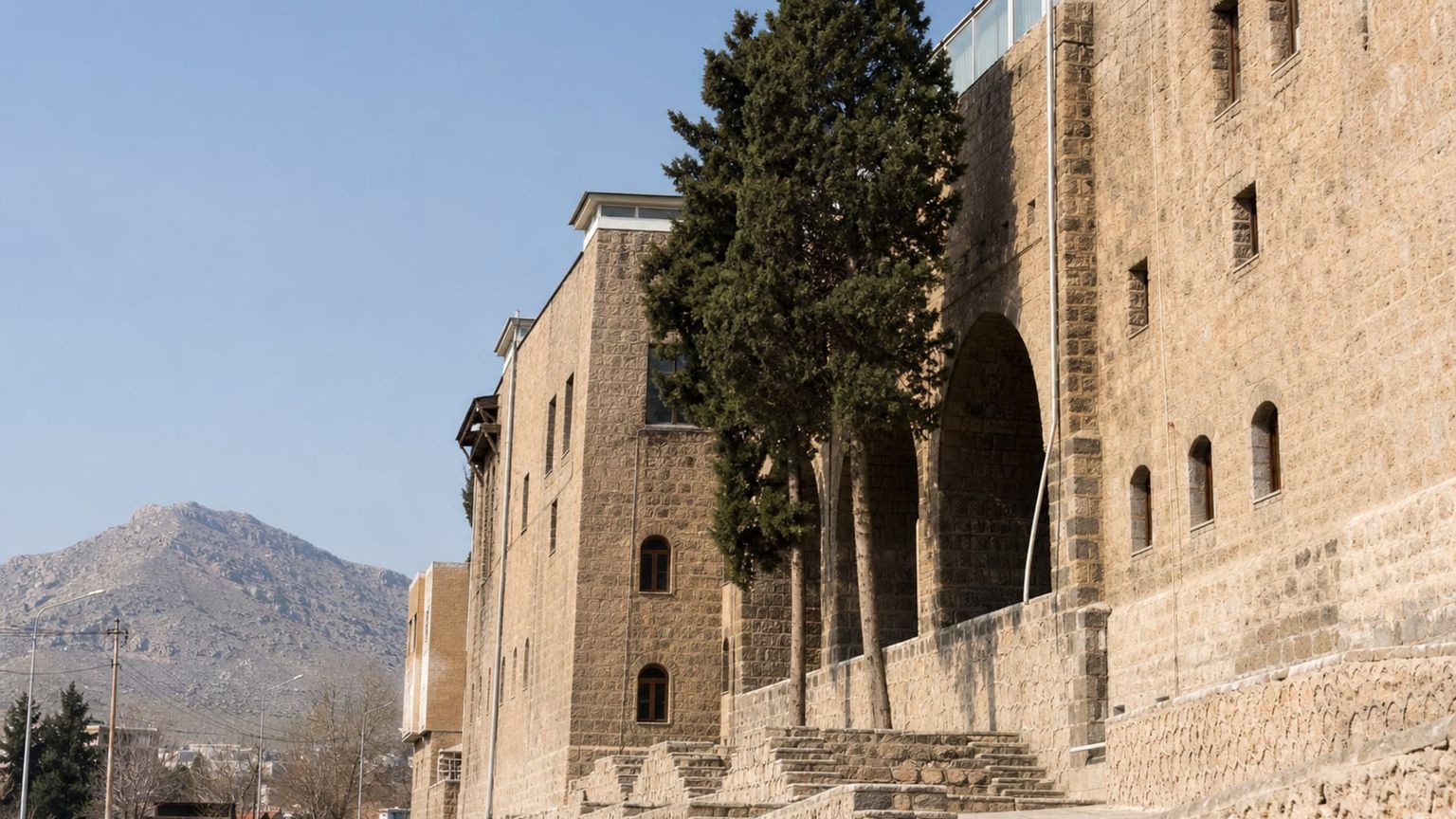
Start at Slemani Museum in the morning, since its galleries work best before the day warms up, and allow about 1 to 2 hours plus 10 to 15 minutes by taxi from Salim Street. From there, head about 10 minutes by taxi to Amna Suraka Museum, where the preserved cells and exhibits give the city’s modern history necessary context; plan another 1 to 2 hours. Finish with a short taxi ride back to central streets for an easy dinner near your hotel, where you can stay close to Salim Street without adding a long evening crossing of the city.
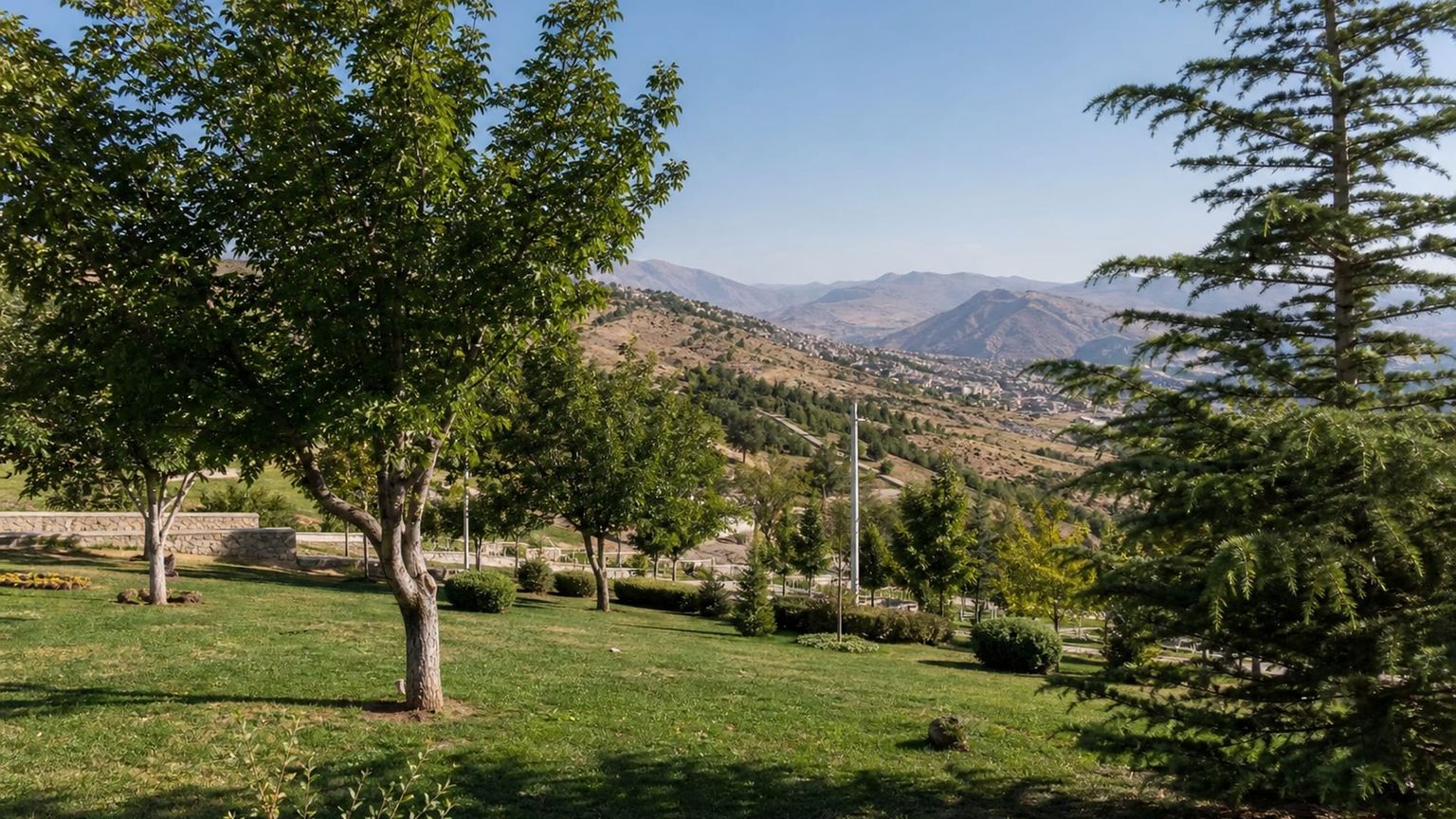
A hillside afternoon makes sense today, beginning with Azmar Mountain Park, about 20 to 30 minutes by taxi from central Sulaymānīyah, for wide views and walking time of roughly 2 to 3 hours. Return downhill and stop at Sulaimani Public Park, which is usually about 15 to 20 minutes from Azmar, for a slower stroll among shaded lawns and local families in the evening. If you are staying in Goizha, the drive back is shorter than from the central corridor, so it works well as a quieter place to sleep after a day outdoors.
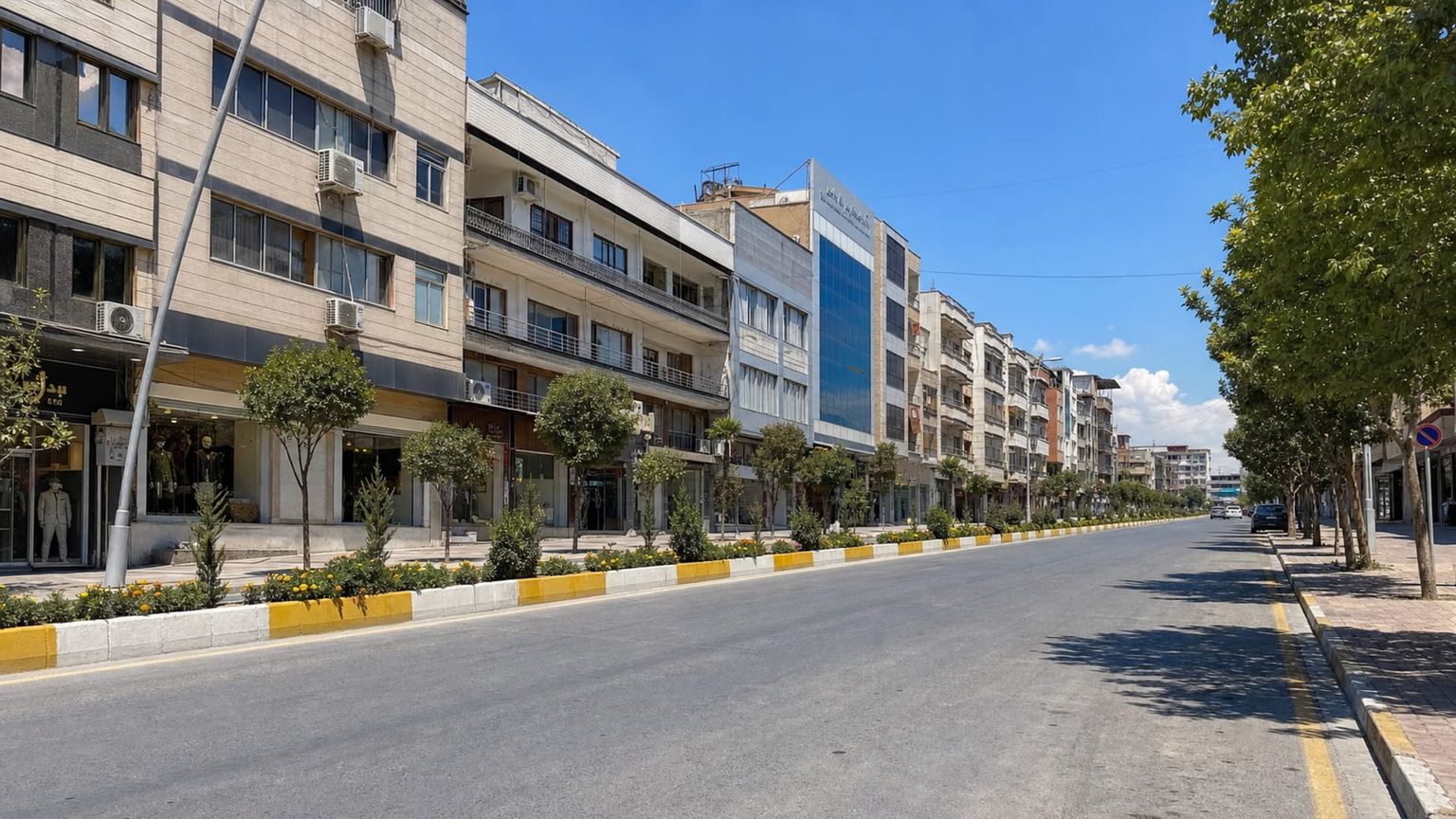
Begin with a slower neighborhood morning in Bakhtiary, where local shops and everyday cafés give you an easy start before the city gets busy, then take a taxi to Amna Suraka Museum if you want a second look at the site or a deeper visit to any temporary displays. After that, return to Salim Street, usually about 10 to 15 minutes away, for lunch and a walk through the busiest commercial blocks, where you can shop, stop for tea, and watch the city’s midday pace. An evening drive to Azmar Mountain Park gives you a second chance for city views, and the last light is often the best time to be there.
For your final day, pair one last museum stop with a low-key afternoon in the center, beginning at Slemani Museum if you missed anything or want a shorter repeat visit before packing. Then spend time shopping on Salim Street, where banks, cafés, and midrange stores make it easy to pick up small purchases without crossing town. End with coffee in Bakhtiary, which keeps you near taxis and the main roads for an uncomplicated trip back to Sulaymānīyah International Airport (ISU).
Business-class flights from the US to Sulaymānīyah
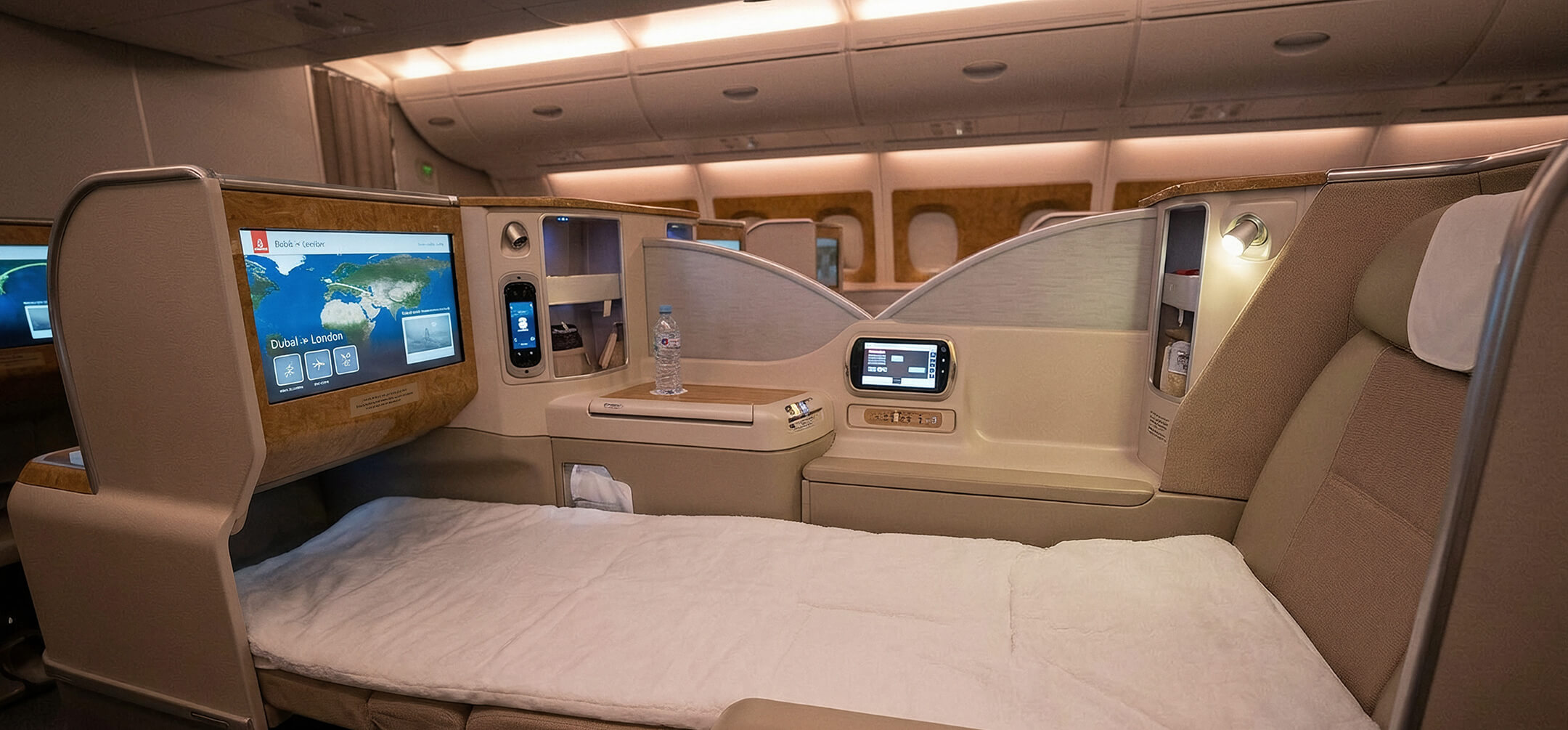
Reaching Sulaymānīyah from the United States usually means one-stop long-haul travel, so the best options depend on whether you start on the East Coast or the West Coast. The examples below show the main carriers, layover hubs, and fare bands to expect.
From New York (JFK), Qatar Airways, Turkish Airlines, Emirates, Royal Jordanian, and Lufthansa usually sell itineraries that take about 15 to 22 hours overall, with common connection points in Doha (DOH), Istanbul (IST), Dubai (DXB), Amman (AMM), or Frankfurt (FRA). Round-trip fares usually start near $3,800 and can reach $6,500.
Los Angeles travelers generally connect through Doha (DOH), Istanbul (IST), Dubai (DXB), Amman (AMM), or Frankfurt (FRA) on Qatar Airways, Turkish Airlines, Emirates, Lufthansa, or Royal Jordanian, and total trip time runs about 15 to 21 hours. One-stop pricing can come in lower than many expect, with round-trip tickets from $3,400.
Sulaymānīyah feels different when you slow down
A good Sulaymānīyah stay pairs central mornings on Salim Street with museum time, then saves the hill drive for late light at Azmar and an easy final coffee in Bakhtiary. Taxis do most of the work, while a few short walks fill the gaps between meals and sights. If you want help fitting those pieces into a cleaner route, ask the AranGrant experts to shape the trip around the district that suits you best