

Chapters:

Need help with your trip?
Our support team is available 24/7. Request a callback or call us directly at (833) 619-0908
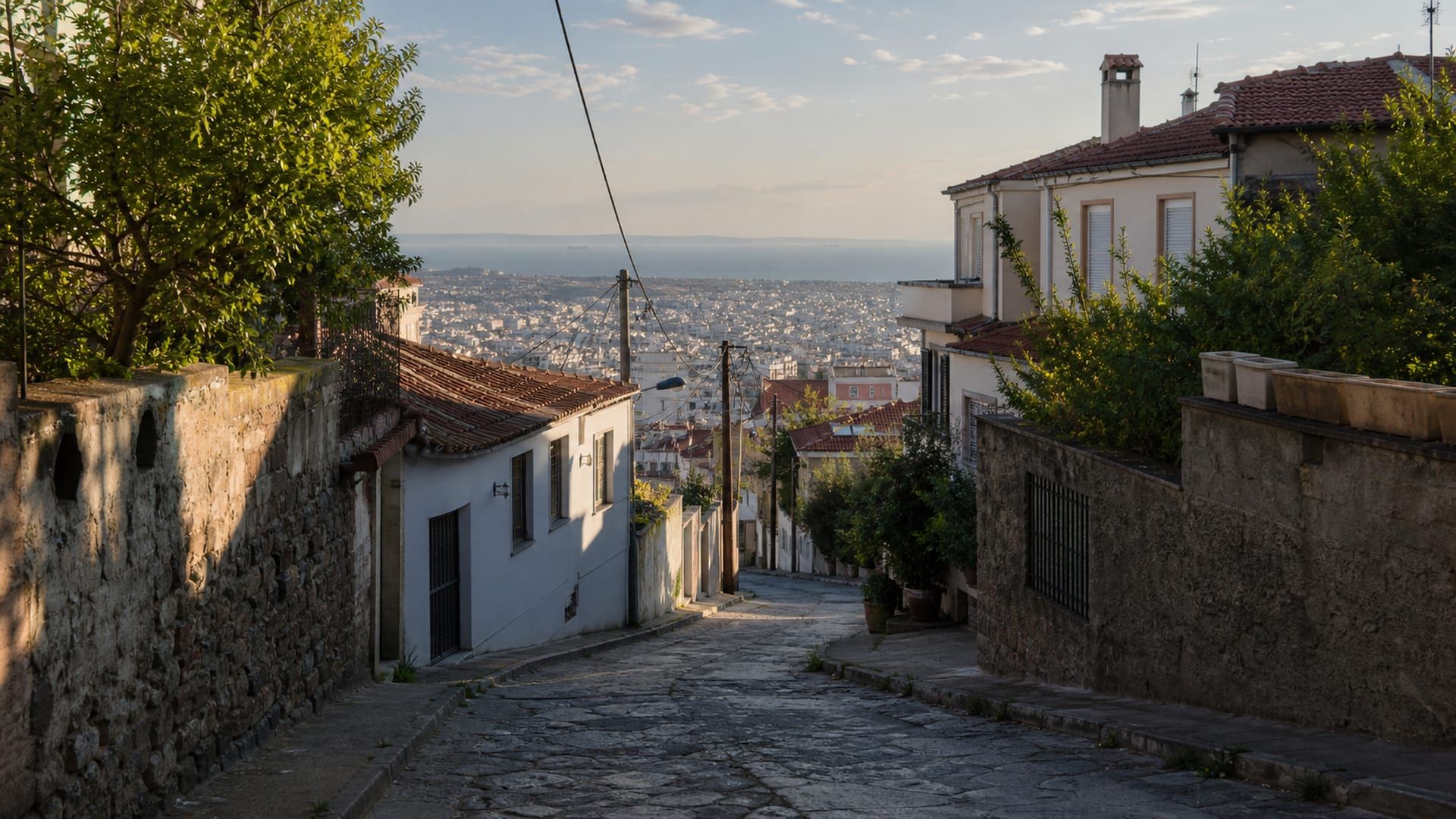
Stuttgart trips often start with the museums near Schlossplatz, then add a quick museum hop in Bad Cannstatt and a dinner back near the hotel. What many visitors miss is how much time gets lost between districts, especially if they try to stack sights without checking transit first.
The center, the hills, and the Neckar side each pull the day in different directions, and the city rewards a plan that respects those gaps. Crowds also build in the main shopping streets and at major venues, which can turn an easy outing into a long cross-town move.
This guide keeps the route order clear, pairs each area with the right time of day, and leaves room for slower meals and short transfers. The result is a trip that fits Stuttgart’s layout instead of fighting it.
Useful things to know

Main language(s): German
Hallo (HAH-loh) – Hello
Bitte (BIT-teh) – Please
Danke (DAHN-keh) – Thank you
Sprechen Sie Englisch? (SHPREH-khen zee ENG-lish?) – Do you speak English?
Wie viel kostet das? (Vee feel KOS-tet dahs?) – How much does it cost?

Currency: The local currency is the euro (EUR, €).

Cash and cards: Cards and contactless are widely accepted; carry about €20 to €40 ($22 to $44) in cash for small purchases.

Tipping: Round up or leave about 5% to 10% at restaurants if the service was good.

Traditional food: Maultaschen, Spätzle, Schupfnudeln, Zwiebelkuchen

Water and coffee costs: Water ~€2 ($2), bar espresso ~€2.50 ($3).

Taxis and ride apps: Uber, Bolt, and FREE NOW operate here; taxis are common too.

Plug and voltage: Type C/F socket, 230V

Dining and shop opening hours: Breakfast is about 6:30-9:30, lunch 12:00-14:00, and dinner 18:00-21:00. Many restaurants close by 23:00, and kitchens may stop earlier on Sundays.

Emergency number: Call 112 for police, fire, or medical emergencies.
Where to stay in Stuttgart
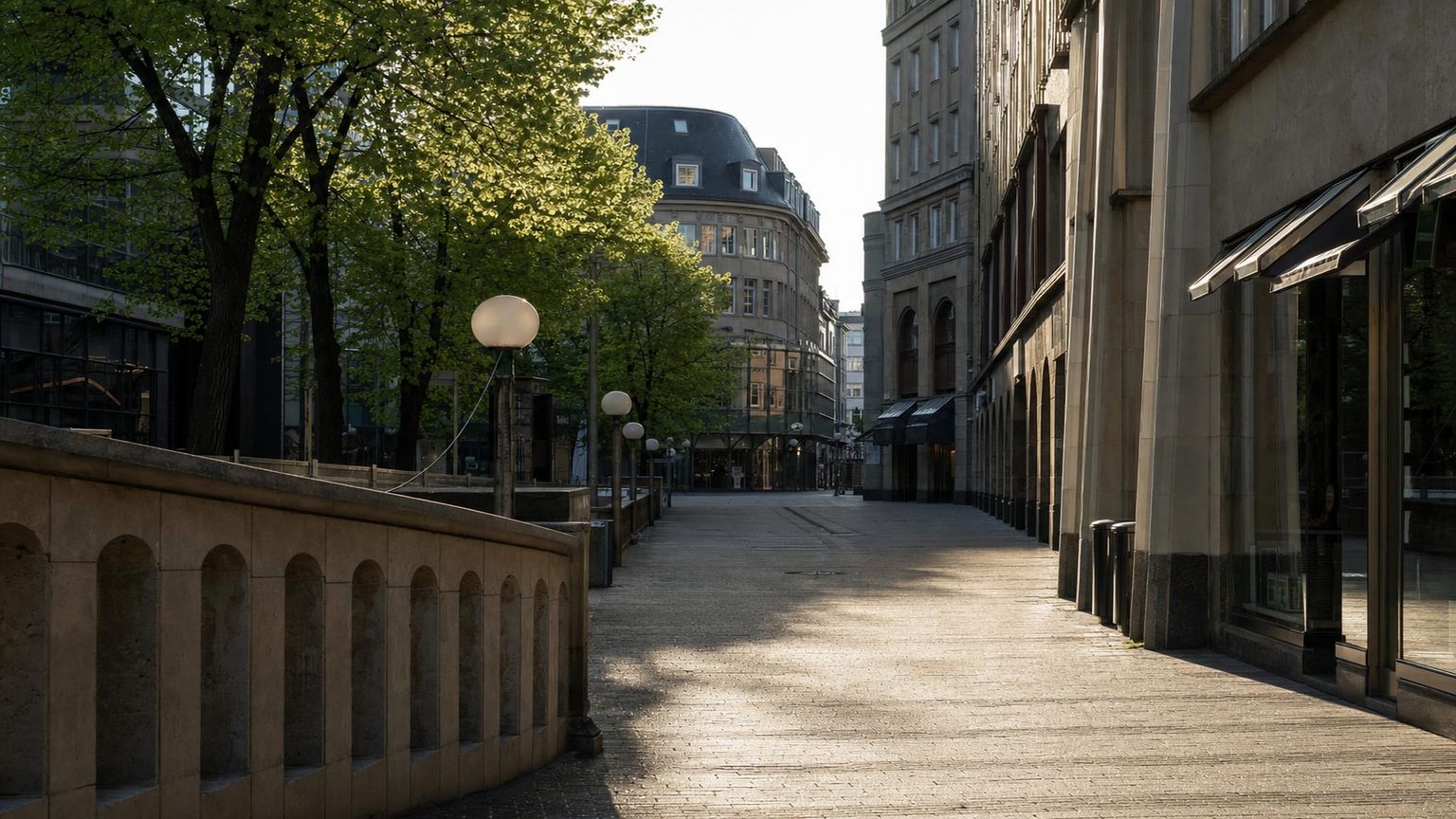
Stuttgart’s core district centers on Schlossplatz, the Königstrasse shopping mile, and the main museums around the palace gardens. It puts you closest to the city’s main sights, transit links, restaurants, and late shopping.
Best for: First-time visits, shopping, museums, and travelers who want the shortest hop to the main sights
What to expect: Busy sidewalks, constant transit movement, and the city’s most active retail stretch from morning through early evening.
Hotel prices: Usually about €130 to €240 (~$143 to ~$264) per night for well-rated stays
Distance to major sights: 5 to 12 minutes on foot to Schlossplatz and the New Palace; about 10 minutes by transit to the Mercedes-Benz Museum
Quietness: Active by day and early evening, then noticeably calmer once shops close.
Main trade-off: Central locations cost more, and the busiest blocks can feel crowded during shopping hours and event weekends.
Good to know: If you plan to rely on trains and trams, staying here cuts down on transfers, but many larger hotel rooms sit a little outside the very center.
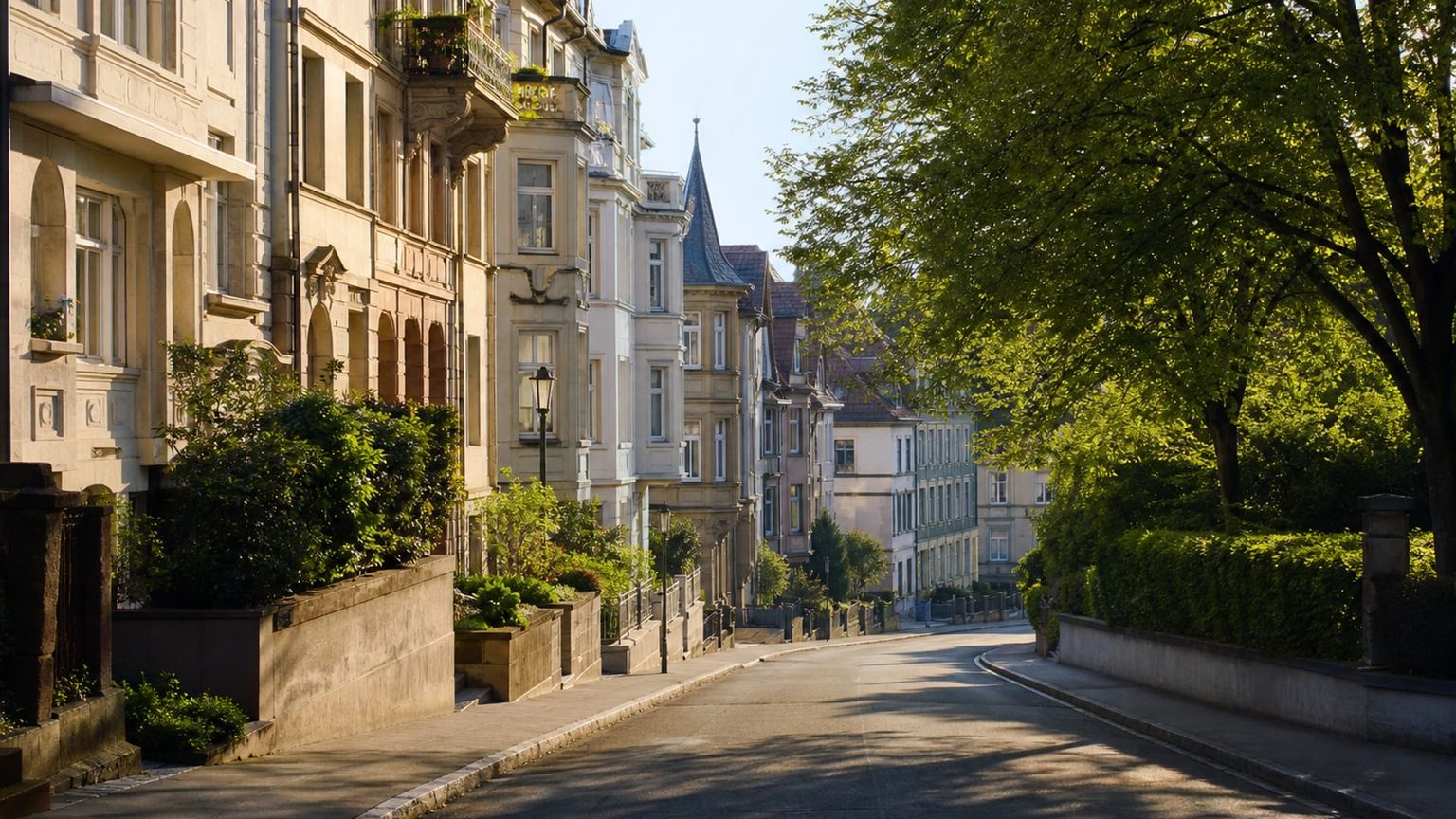
West sits just west of the center, with leafy residential streets, local cafes, and easy access to the city center by U-Bahn. It suits travelers who want a neighborhood base without giving up quick reach to Stuttgart’s main sights.
Best for: Longer stays, cafe hopping, and travelers who want a residential base near the center
What to expect: Local foot traffic, small shops, and a quieter street pattern than the shopping core, with more residents than visitors.
Hotel prices: Usually about €100 to €190 (~$110 to ~$209) per night for well-rated stays
Distance to major sights: About 10 to 15 minutes by U-Bahn to Schlossplatz; roughly 20 minutes by transit to the Mercedes-Benz Museum
Quietness: Calmer in the evening than the center, though main roads stay active at commute times.
Main trade-off: You trade a little walkability to museums and shops for more local dining and somewhat lower rates.
Good to know: Check the exact U-Bahn stop, since a room near a main avenue can be louder than one a few blocks back.
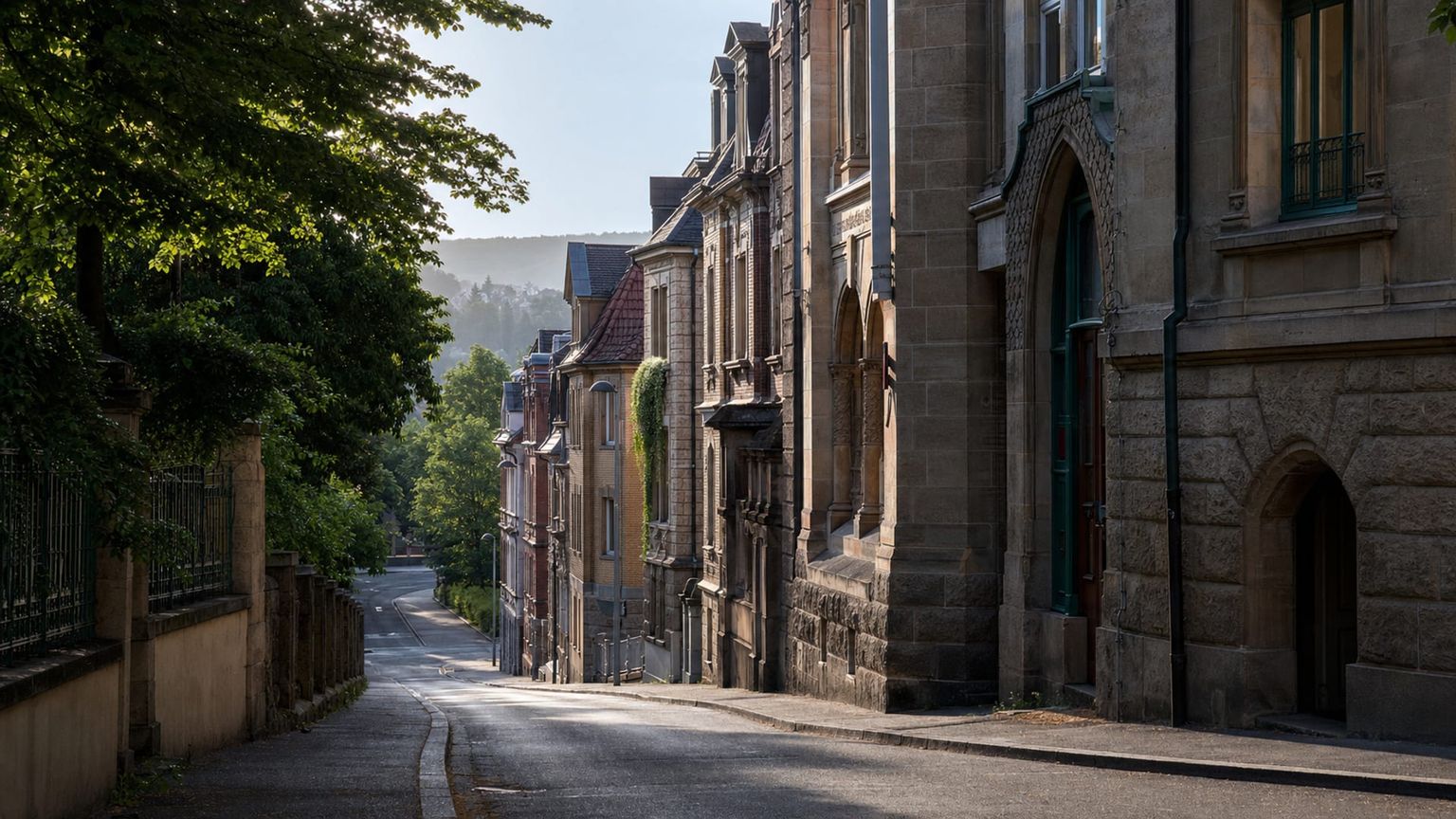
Bad Cannstatt is Stuttgart’s oldest district, known for mineral baths, the zoo, and the large event grounds near the Neckar. It works well if you want a cheaper base with direct rail access and easy stadium or museum visits.
Best for: Budget-minded stays, event visits, mineral baths, and access to the Mercedes-Benz Museum and stadium area
What to expect: A mixed urban district with busy transit nodes, everyday shops, and more visitors near the baths, arena, and event venues.
Hotel prices: Usually about €85 to €160 (~$94 to ~$176) per night for well-rated stays
Distance to major sights: About 10 minutes by S-Bahn to Stuttgart Hauptbahnhof; roughly 15 minutes on foot to the Mercedes-Benz Museum from central Bad Cannstatt
Quietness: Quieter on side streets, but lively around the station and major event sites in the evening.
Main trade-off: Rates are often better, but the center is a train ride away and event nights can bring crowd noise.
Good to know: If you are attending a match or concert, staying here can save late-night transit time, but plan ahead for sold-out event days.
Travelers usually avoid staying in Bad Cannstatt if they want to be near the main museums and Schlossplatz, since it sits east of the center and evening trips back can take time. Zuffenhausen is also less convenient for a short visit because it is far from the core sights and has fewer visitor-oriented dining and shopping options, and Weilimdorf, Möhringen, and Plieningen are best skipped for a first trip if you want easy access to the city center, since they sit on the edge of Stuttgart and put more distance between you and the main attractions.
Hotel deals
How to get around Stuttgart efficiently
Stuttgart does not have a separate metro, so the city works best with a mix of S-Bahn, U-Bahn, buses, and taxis, depending on whether you are linking the airport, the center, or the districts on the edge.

Metro
for longer distances
Stuttgart has no separate metro, so visitors usually use the S-Bahn and U-Bahn instead; the S-Bahn links Stuttgart Airport (STR) to the main station in about 30 minutes, while U-Bahn and S-Bahn tickets are time-based, with a single ride costing about $3 to $4 (€3 to €4) and valid for roughly 90 minutes.

Bus and tram
for convenience
Trams and buses cover the dense central districts, the airport area, and the hills above the city, with a single ticket typically about $3 to $4 (€3 to €4) and valid for roughly 90 minutes; buy from machines or the VVS app, then check zone boundaries before boarding because longer cross-city trips need a higher-fare ticket.

Taxi
for convenience or late hours
Licensed taxis wait at ranks, and you can also book by phone or app; fares use a meter, with airport trips to central Stuttgart usually about $35 to $50 (€32 to €46), short city rides often about $12 to $25 (€11 to €23), and card payment is usually accepted, though it is wise to confirm before departure.
*Prices are based on rates updated as of June 2026 and may change at the time of travel.
Use the S-Bahn for the airport and main-station link, the U-Bahn and buses for central sightseeing, and taxis or ride apps when you want a direct late-night trip back to the hotel.
Iconic landmarks
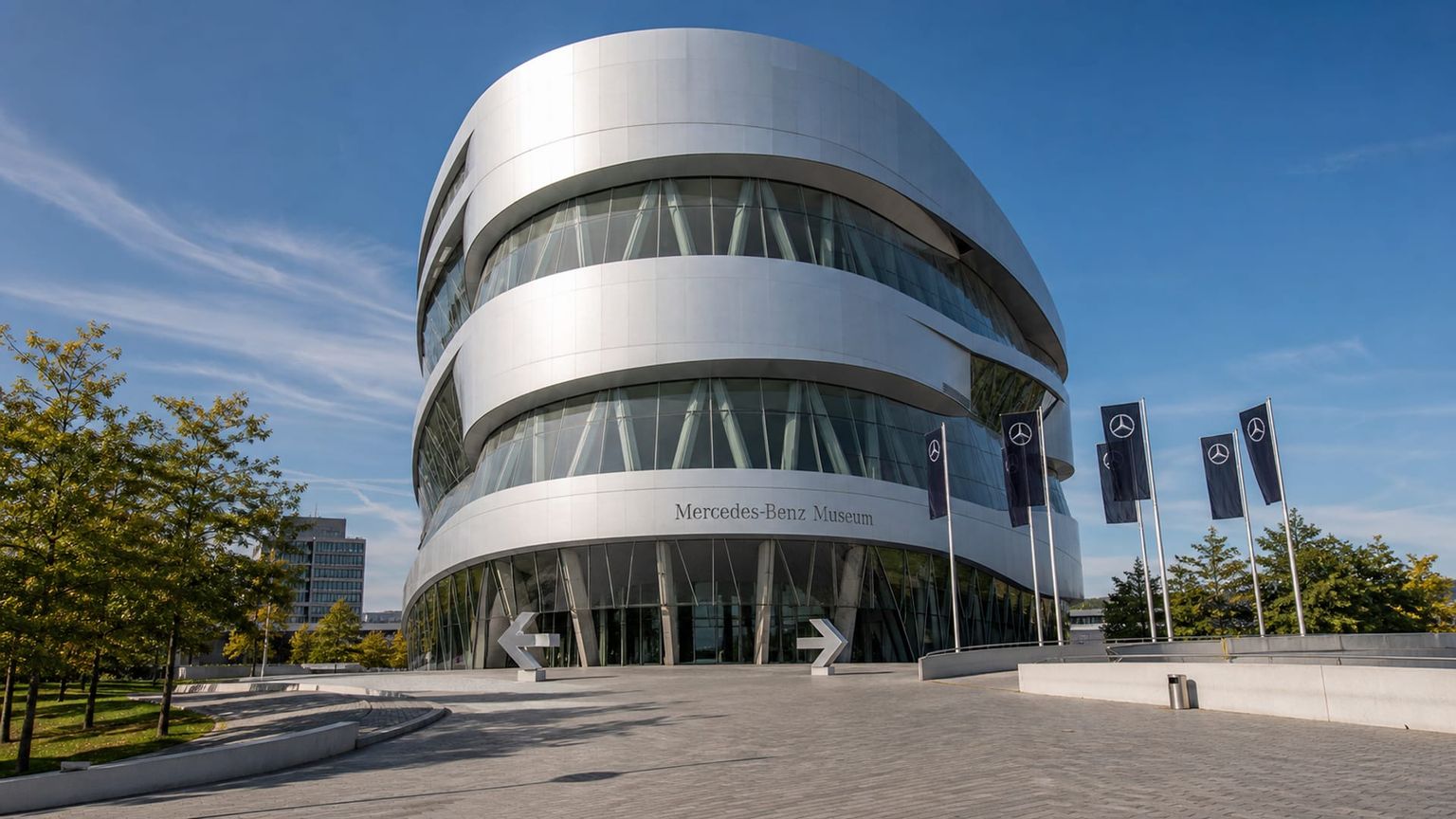
Mercedes-Benz Museum
This nine-floor museum traces 135 years of automotive history with more than 160 vehicles, from early motor cars to modern concept models. The building’s spiral route also includes racing cars, buses, and design exhibits.
Time needed: About 2 to 3 hours
Entry: Standard tickets cost $15 (€14) for adults, $8 (€7) for children ages 6 to 17, and free for children under 6. Visit the official site for details.
Tip: Go early on weekends, when galleries are quieter and the top-level views open up first.
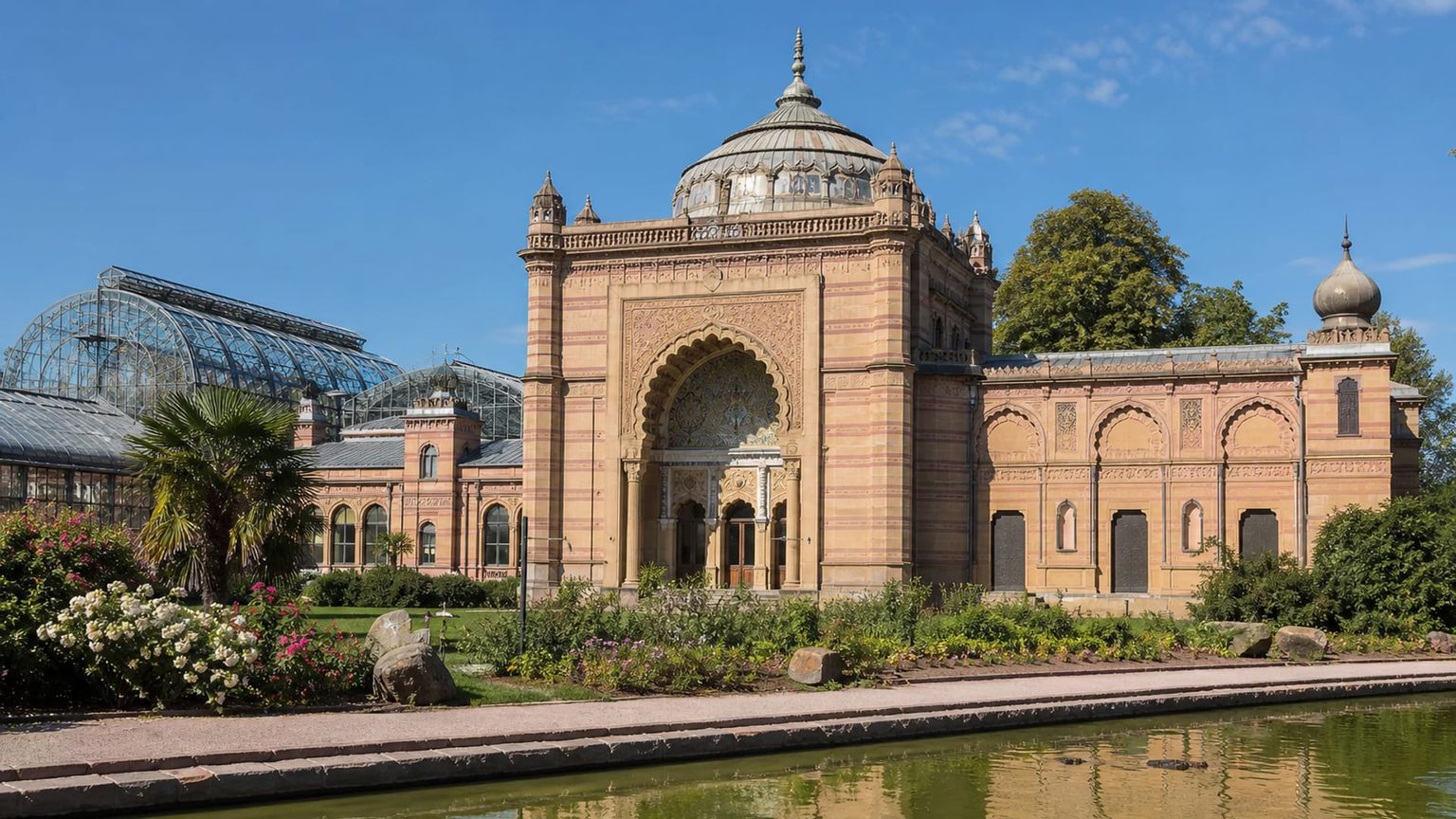
Wilhelma
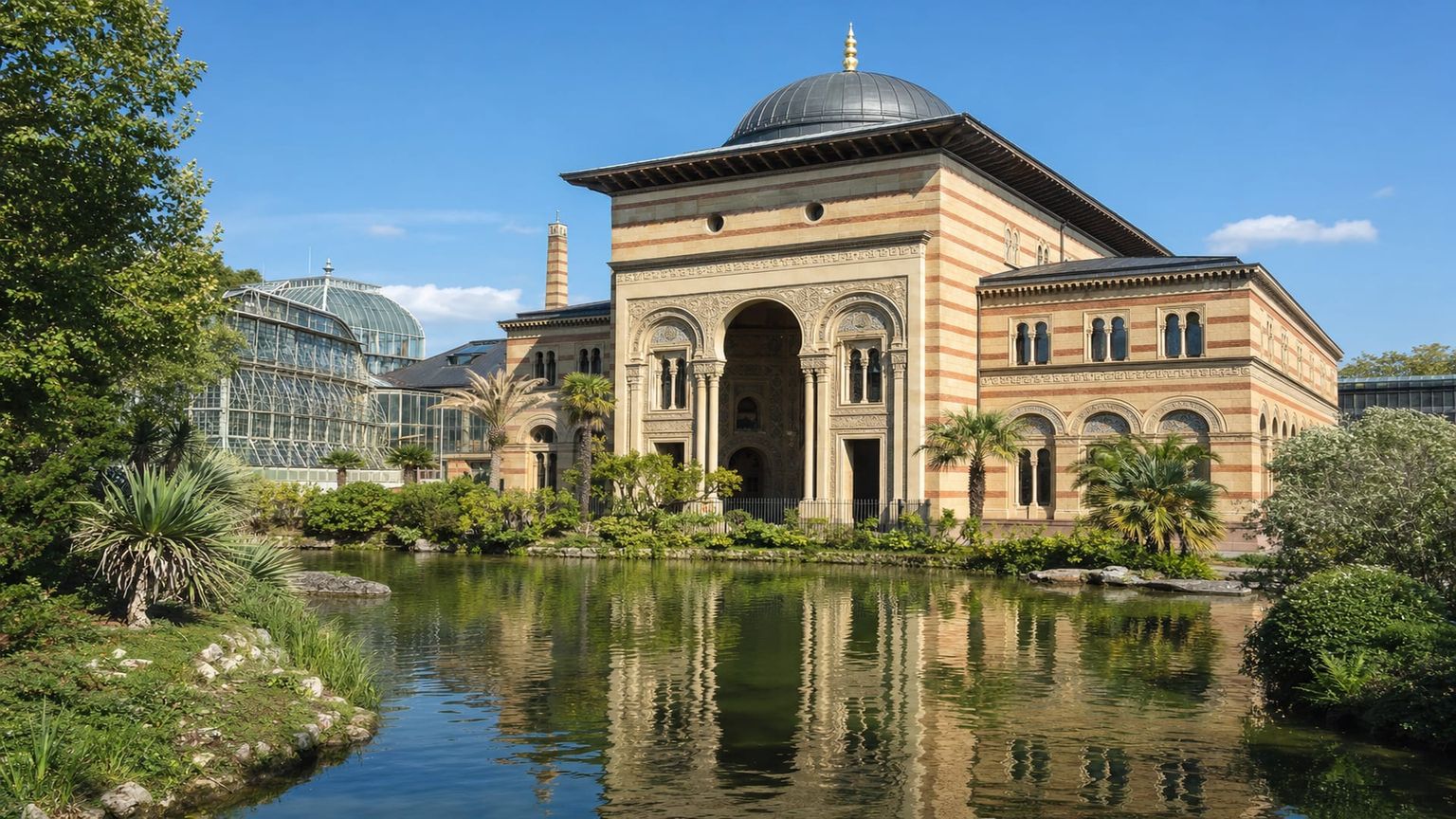
Wilhelma combines a botanical garden, zoological park, and historic Moorish-style palace grounds within one landscaped estate. Highlights include glasshouses, seasonal blooms, and a large collection of animals spread through shaded paths.
Time needed: About 3 to 4 hours
Entry: Standard tickets cost $27 (€24) for adults, $15 (€14) for children ages 6 to 17, and free for children under 6. Visit the official site for details.
Tip: Start with the glasshouses in the morning, then move to the animal areas before the afternoon heat.
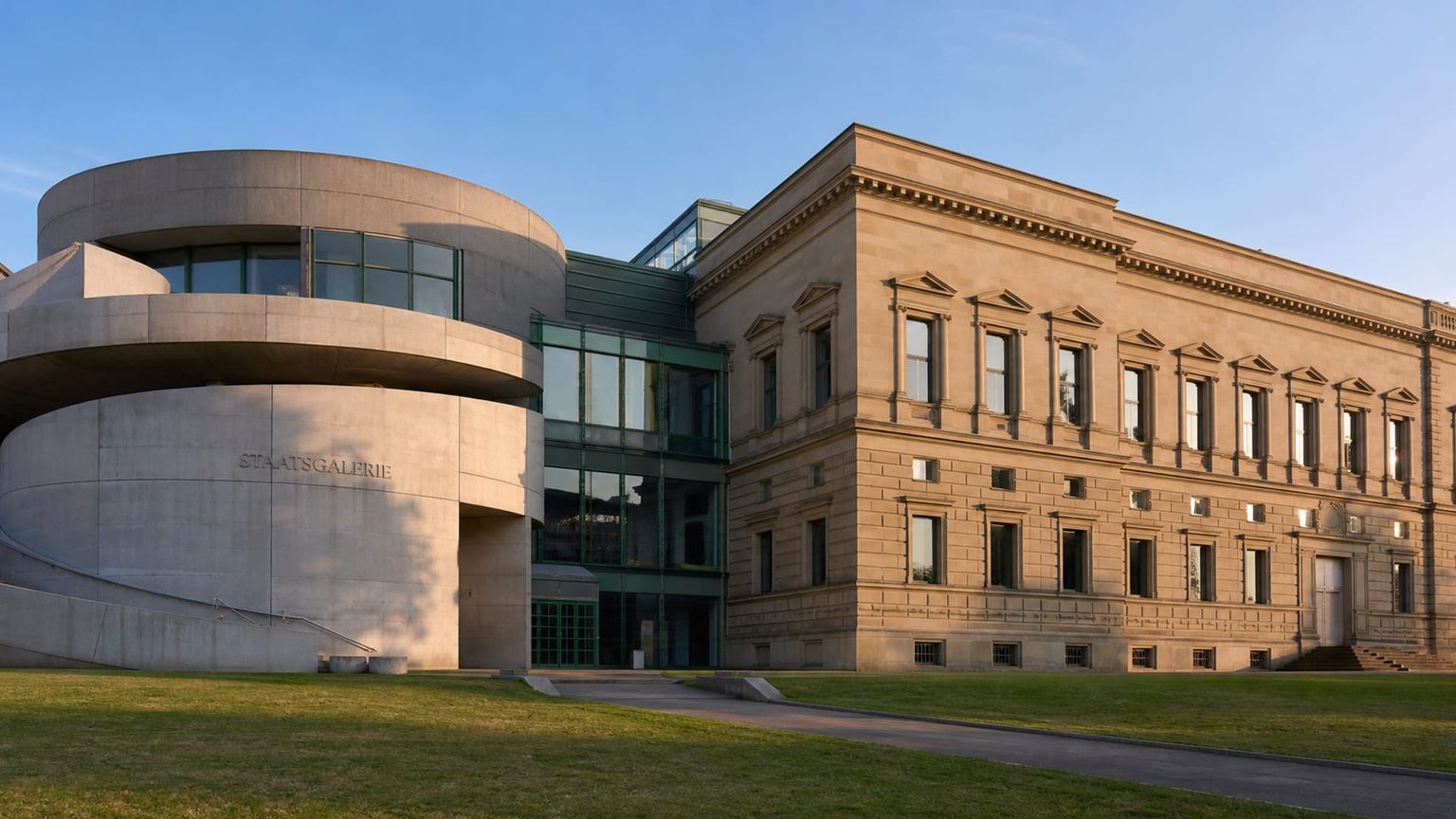
Staatsgalerie Stuttgart
The Staatsgalerie pairs a 19th-century museum building with a bold modern extension and a collection that spans Old Masters to Picasso, Matisse, and contemporary art. Its holdings make it one of southern Germany’s key art museums.
Time needed: About 2 hours
Entry: Standard tickets cost $14 (€12) for adults, $7 (€6) for reduced admission, and free for children under 18. Visit the official site for details.
Tip: Visit on Wednesday evenings if you want fewer crowds and time for the modern galleries.
Overlooked sites worth visiting

Weissenburg Park
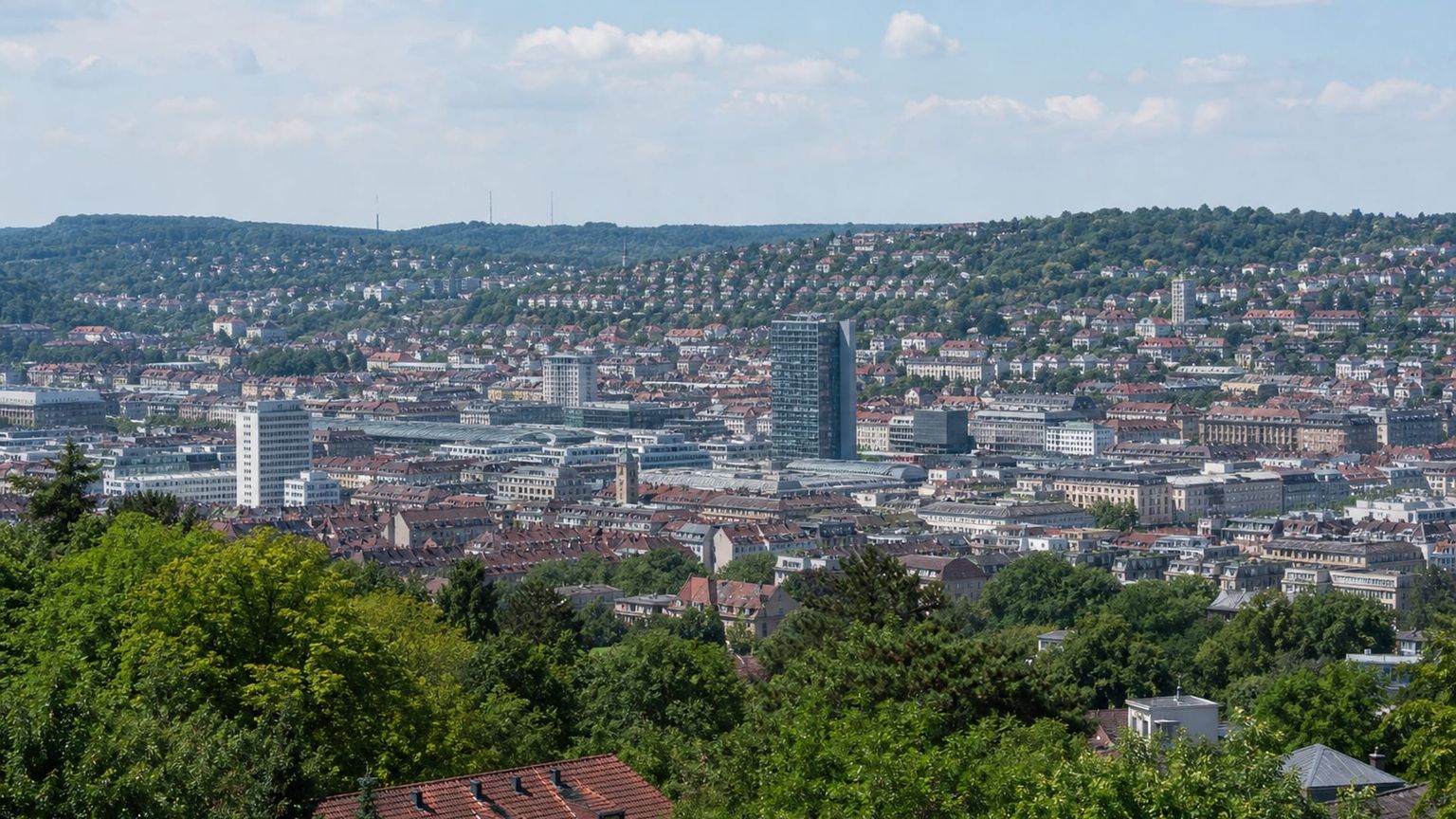
A hillside park above the city center with lawns, old trees, and long views toward Stuttgart’s basin. It rewards a slow walk, and the paths connect to quiet corners that many visitors skip.
Time needed: About 1 hour
Entry: Free to access. The park has no admission fee, and you can walk in at any time during daylight hours. Bring comfortable shoes if you want to climb the steeper paths and reach the upper viewpoints, which are best for a short, unhurried stop.
Tip: Go near sunset for the clearest basin views.

Württemberg State Museum
Inside Stuttgart Old Castle, this compact museum traces the region from early settlements to royal collections. Its small galleries make it easy to see bronze pieces, jewelry, and medieval objects without a long visit.
Time needed: About 1 to 2 hours
Entry: Standard tickets cost about $8 to $10 (€7 to €9) for adults, with reduced admission for students and seniors. Special exhibitions may cost extra, and children under 18 often enter free on selected days or with family tickets. Visit the official site for details.
Tip: Check the temporary exhibits before you go.
Traditional food
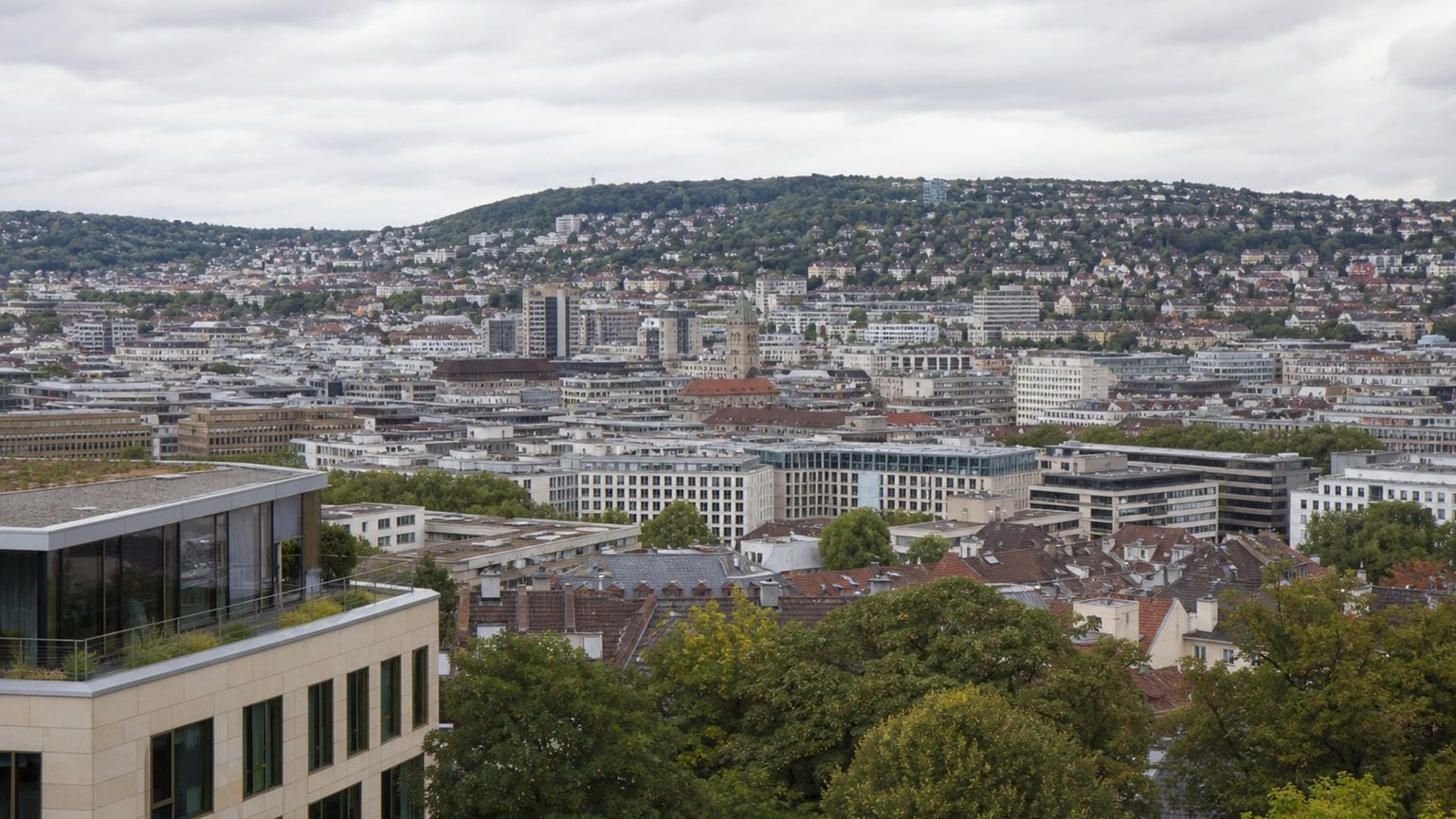
Stuttgart’s food leans Swabian, with dumplings, noodles, onions, and pork-rich plates built for cellar dining rooms and unfussy lunch spots. Maultaschen, Spätzle, Schupfnudeln, and Zwiebelkuchen show up often, usually with local wine or beer.
Maultaschen
These stuffed pasta pockets are a Stuttgart staple, usually served in broth, pan-fried, or with onions and potato salad. For a classic plate, try Carls Brauhaus near Schlossplatz, where the central setting matches the city’s traditional menu.
Spätzle
Soft egg noodles arrive as a side or the base for Kässpätzle, often with fried onions and a rich cheese finish. The canonical stop is Stuttgarter Stäffele, a long-running address for Swabian cooking in the center-west side of town.
Schupfnudeln
These hand-rolled potato noodles are pan-seared until crisp and commonly paired with cabbage or bacon. Alte Kanzlei, by Schlossplatz, is a strong place to order them alongside other regional dishes.
Zwiebelkuchen
This savory onion tart appears most often in autumn, with a soft, custardy filling and a yeast or shortcrust base. A good canonical choice is Weinstube Fröhlich, where the wine-list setting fits the dish well.
Best time to visit Stuttgart
Stuttgart shifts noticeably by season, with brighter walking weather in spring and autumn, warmer afternoons in summer, and colder, quieter sightseeing days in winter.
Best for: Museum days, park walks, and mild terrace lunches
What you get: About 45°F to 68°F (7°C to 20°C), with moderate crowds and some rain
Trade-offs: Weather can change quickly, so you may need a backup indoor stop
Best for: Long daylight, outdoor views, and late dinners
What you get: About 58°F to 82°F (14°C to 28°C), with the busiest sightseeing periods and fuller transit
Trade-offs: Popular sites and central restaurants can feel crowded at peak hours
Best for: Wine season, clear views, and comfortable city walking
What you get: About 43°F to 68°F (6°C to 20°C), with lighter crowds after summer
Trade-offs: Shorter days make late sightseeing less convenient
Best for: Christmas markets, indoor museums, and slower city days
What you get: About 30°F to 43°F (-1°C to 6°C), with the lightest tourist traffic outside holiday weeks
Trade-offs: Cold, damp weather can cut short hillside walks
A realistic 5-day plan in Stuttgart
Five days gives Stuttgart enough room for its main museums, one or two hillside detours, and a last look at the center without rushing between districts. The plan below keeps the heaviest sightseeing in the middle of the trip and leaves the final day open for shopping or an easier museum stop.
A taxi from Stuttgart Airport (STR) to Mitte takes about 20 to 30 minutes and usually costs roughly $45 to $60, while the S-Bahn is the cheaper choice at about 25 to 30 minutes for a few dollars. Check in near Schlossplatz or the main station, then keep dinner close to the hotel, such as a simple Swabian meal in Mitte or a cafe in West, and drink plenty of water after the flight so the evening stays easy.
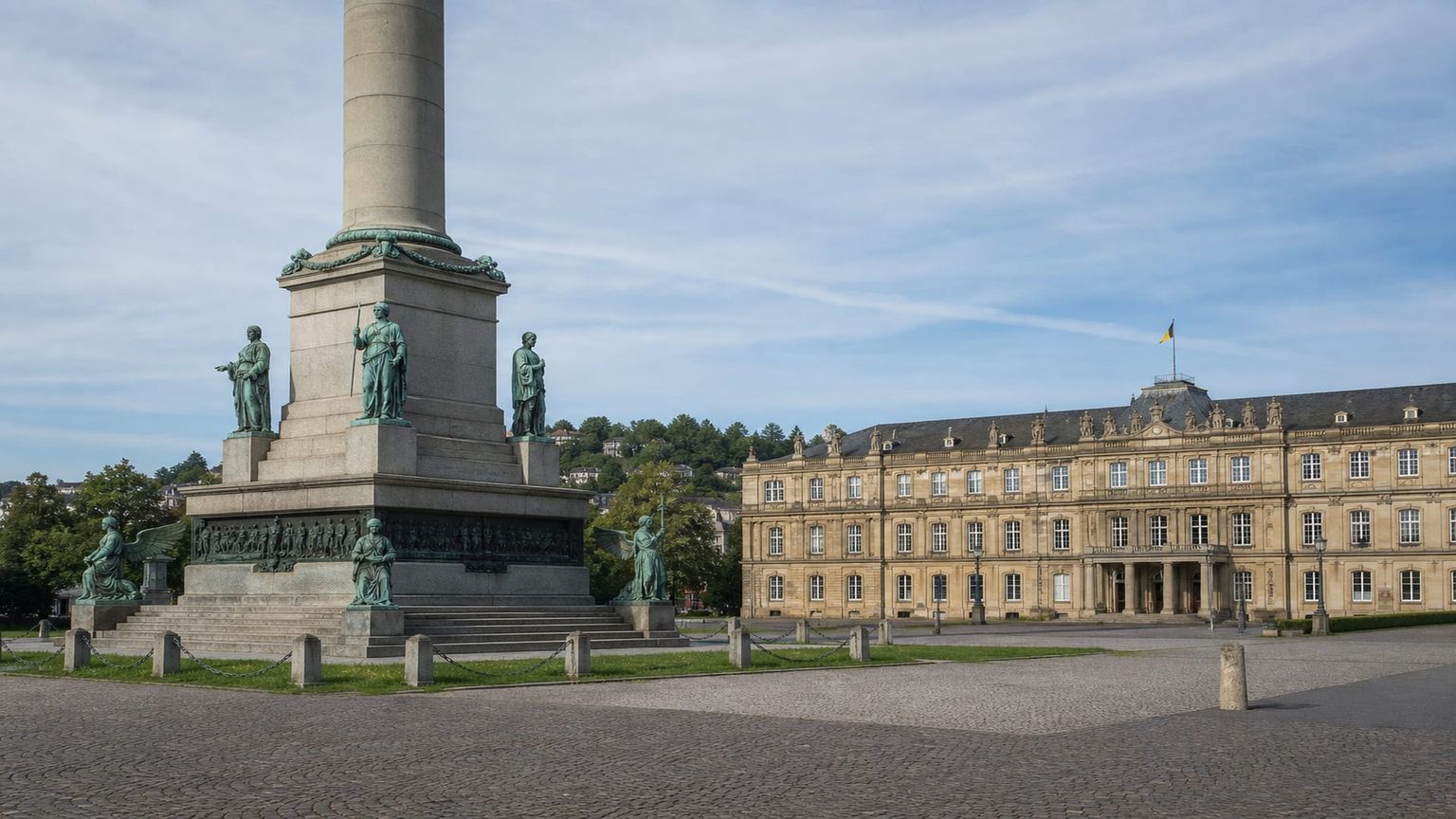
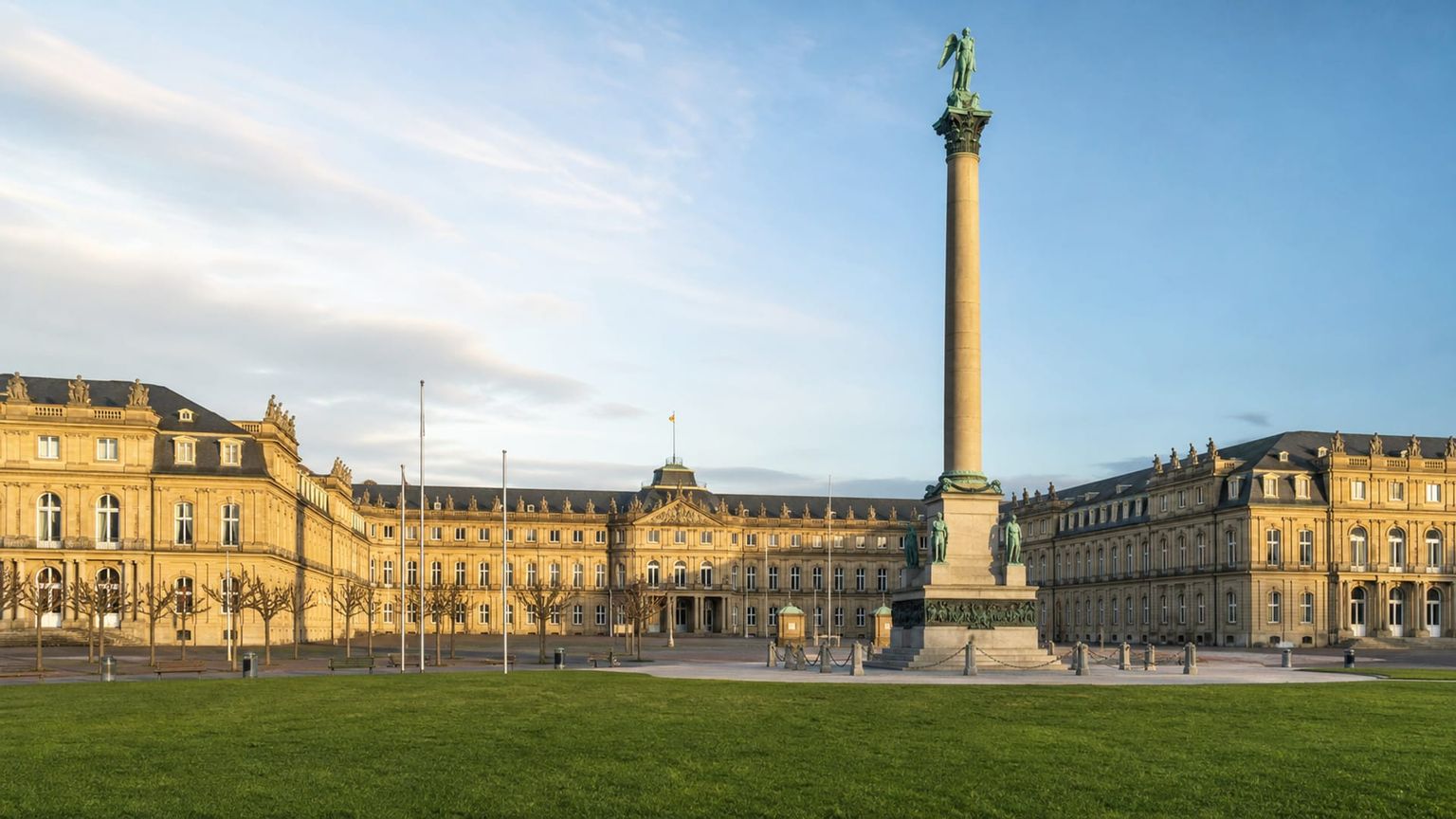
Start at the Mercedes-Benz Museum in Bad Cannstatt, where the visit takes about 2 to 3 hours, then ride back toward the center for the Staatsgalerie Stuttgart, which needs about 2 hours and sits about 15 minutes away by transit. From there, walk roughly 10 minutes to Schlossplatz and the New Palace area, then finish with an easy stroll along Königstrasse before dinner in Mitte.
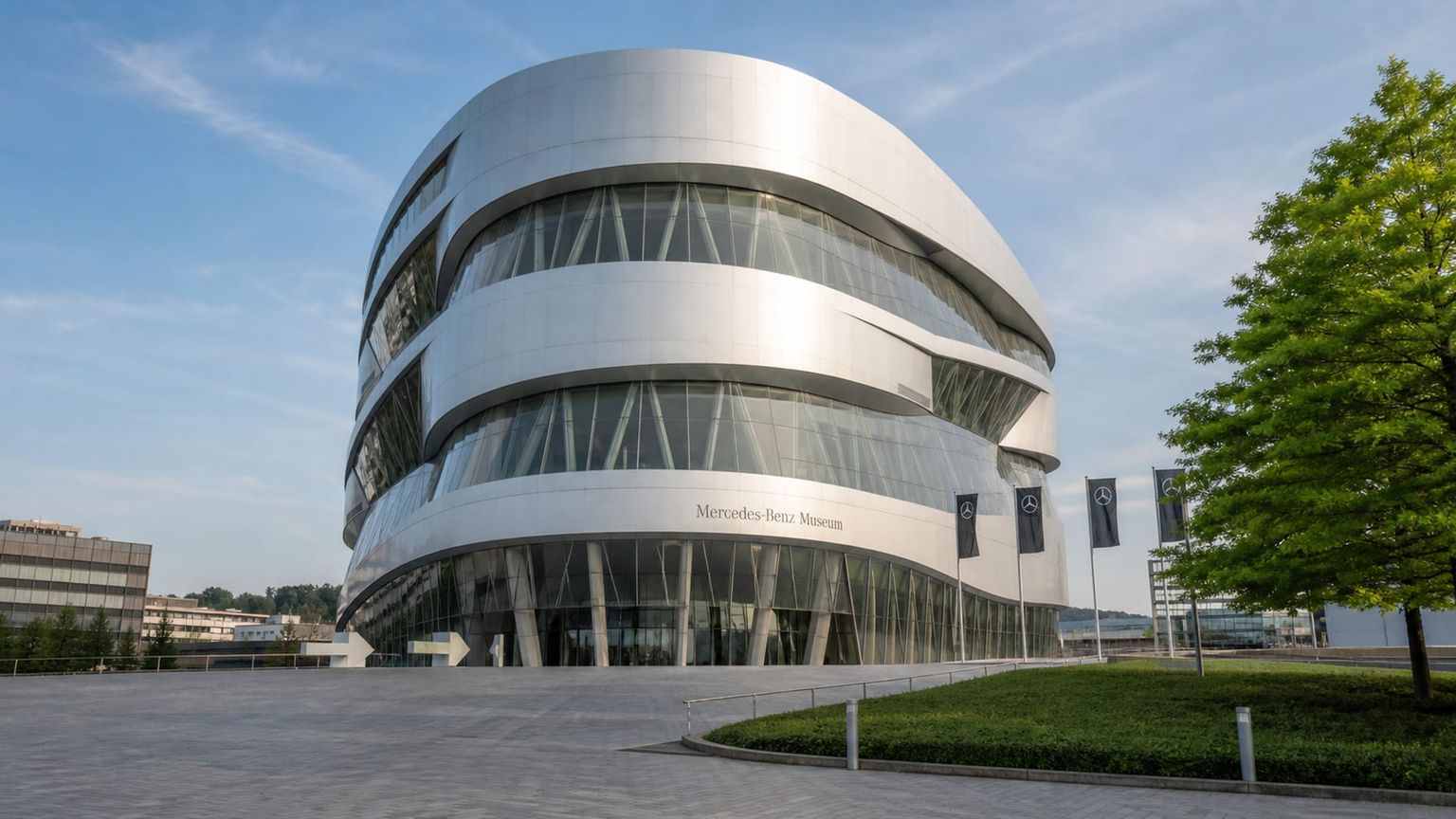
Begin in the palace gardens and step into the Württemberg State Museum inside Stuttgart Old Castle, which takes about 1 to 2 hours and sits about 10 minutes on foot from Schlossplatz. After that, walk about 15 minutes uphill to Weissenburg Park for broad basin views, then return by transit to West for a late cafe stop or a relaxed neighborhood dinner.
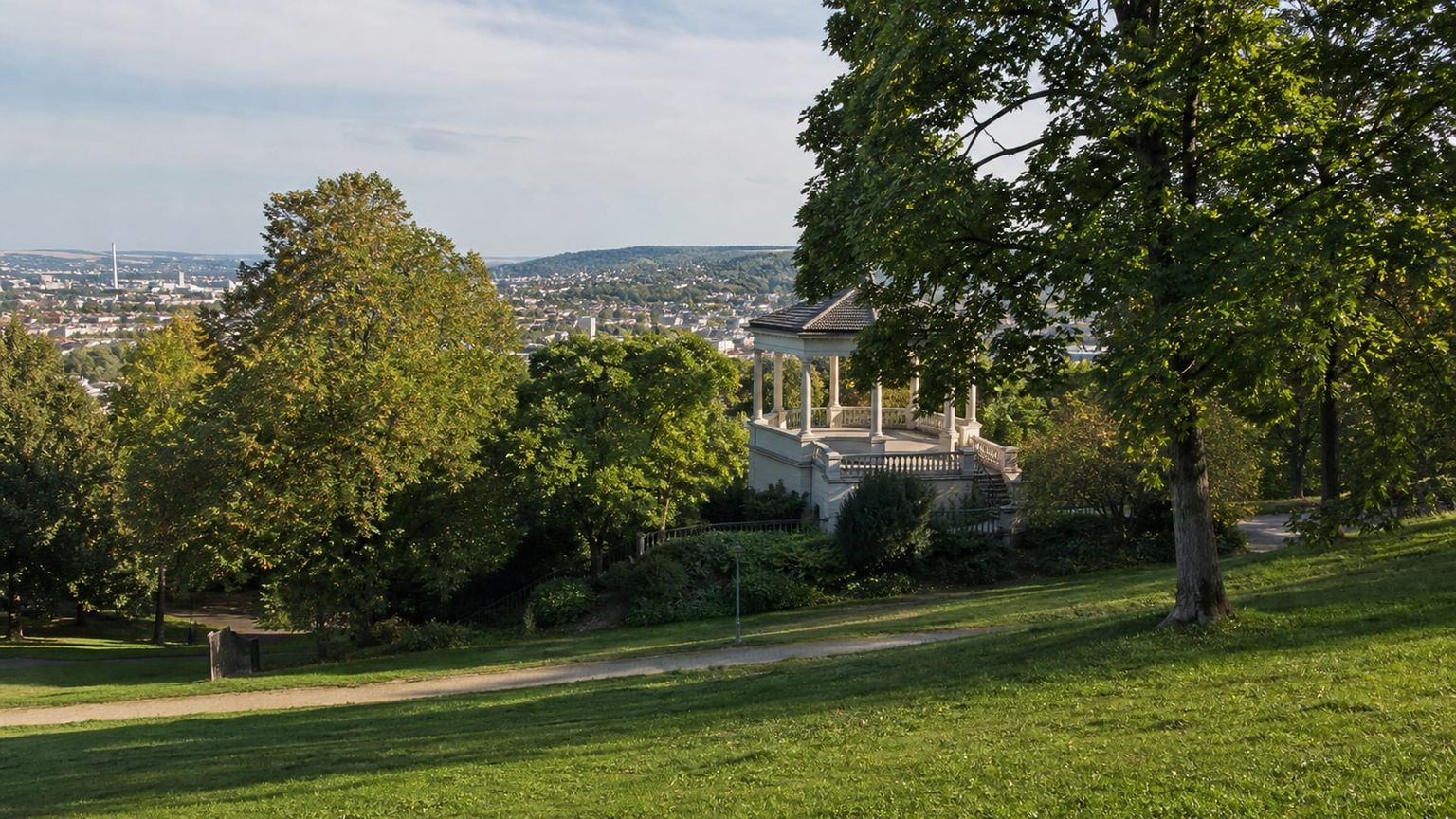
Wilhelma fills most of the morning, and if you enter early you can move through the glasshouses before the animal areas, then stay about 3 to 4 hours total. From Bad Cannstatt, it is roughly 15 minutes on foot or a short transit ride to the Mercedes-Benz Museum area, so you can pair the two if you want a fuller day, or return to the center for a quieter evening in Mitte.
For a last day in Stuttgart, start with one final museum stop at the Staatsgalerie Stuttgart if you want a short art visit, then spend the rest of the day in Königstrasse for shopping and café breaks in Mitte. If you prefer a slower finish, take the U-Bahn to West for a final coffee, then head back through the center with time for an easy early dinner before departure.
Business-class flights from the US to Stuttgart
For long-haul trips to Stuttgart, the main choice is usually whether to accept a connection in exchange for a better fare or a stronger airline schedule. The two examples below show how the East Coast and West Coast often connect into the city.
Lufthansa, United Airlines, Delta Air Lines, Air France, British Airways, and Turkish Airlines all appear on New York to Stuttgart itineraries, and the journey is usually about 7 to 8 hours when a nonstop is available. If you do not mind a stop, common connections via Frankfurt, Munich, Amsterdam, Paris, London, or Istanbul often bring fares down to about $1,300 to $2,400.
From Los Angeles, Lufthansa, United Airlines, Air France, British Airways, and Turkish Airlines are the main names to watch, and one-stop trips usually take about 13 to 17 hours. These itineraries set the market for most travelers, with fares for this market typically running about $2,700 to $6,500.
Stuttgart feels different when you slow down
A good Stuttgart trip keeps you close to the center when you need it, then branches out to Bad Cannstatt, Weissenburg Park, and Wilhelma only when the transit timing makes sense. That approach leaves room for a proper lunch, an easy ride back to Mitte, and an unhurried final walk on Königstrasse. If you want help shaping the right itinerary, ask the AranGrant experts to build it around your dates and preferred pace







