

Chapters:

Need help with your trip?
Our support team is available 24/7. Request a callback or call us directly at (833) 619-0908
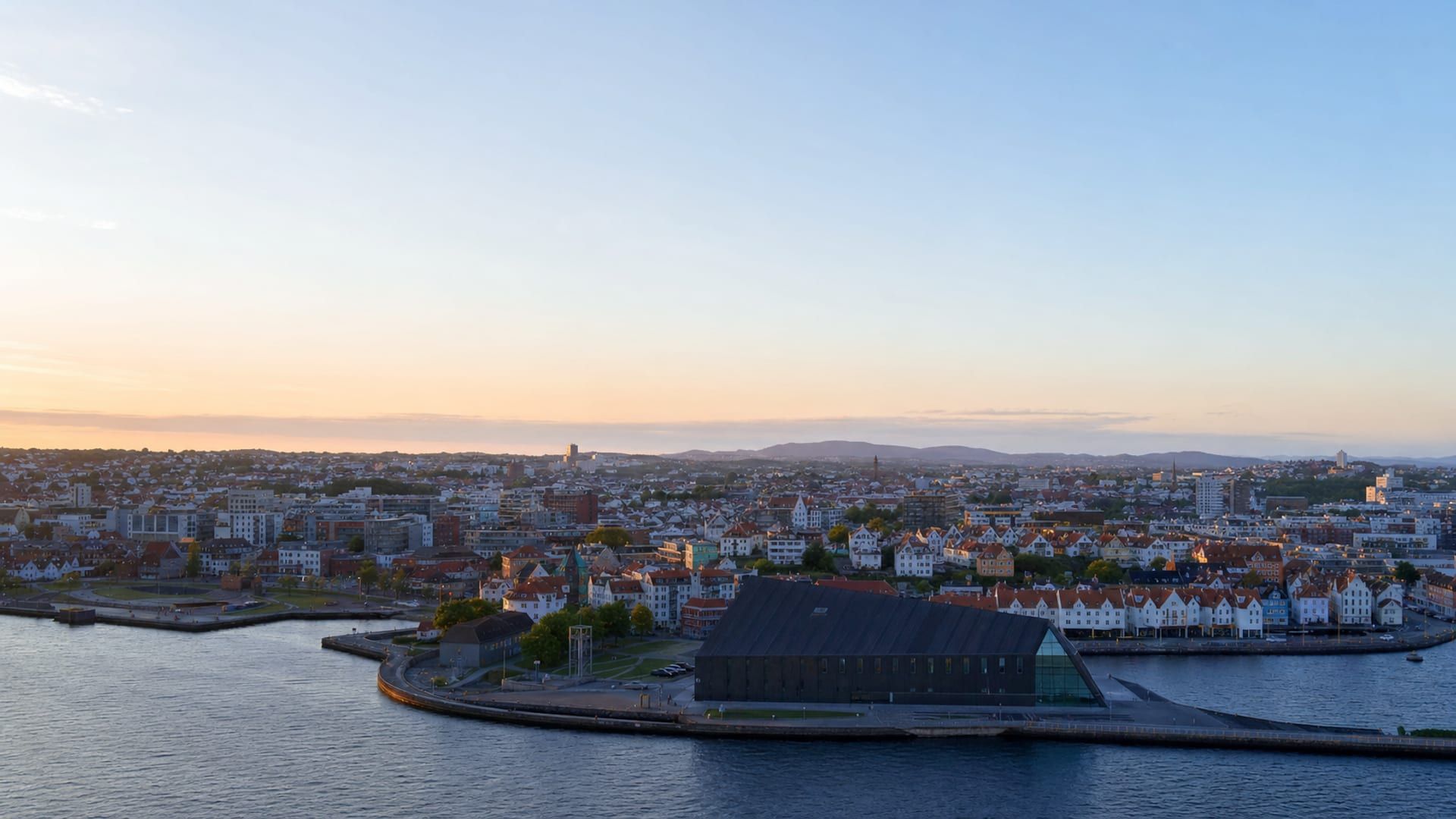
Stavanger’s story is unusually easy to read in its streets. White wooden houses in Gamle Stavanger recall the herring-and-canning era, while the harbor leads to the Norwegian Petroleum Museum and a city reshaped by North Sea energy. Between them, narrow lanes, cafés, galleries, and colorful Øvre Holmegate keep the center lively without feeling oversized.
That contrast gives Stavanger more depth than a simple gateway to Preikestolen or Lysefjord. The compact center rewards time on foot, but its museums, waterfront, and dining scene deserve attention of their own.
This guide brings those layers together across five days, from old merchant streets and industrial history to harbor views, local food, and the wider fjord landscape.
Useful things to know

Main language(s): Norwegian
Hei (hay) – Hello
Vær så snill (vair soh snill) – Please
Takk (tahk) – Thank you
Snakker du engelsk? (SNAH-ker doo ENG-elsk?) – Do you speak English?
Hvor mye koster det? (vohr MEE-eh KOS-ter deh?) – How much does it cost?

Currency: Norwegian krone (NOK, kr)

Cash and cards: Cards and contactless payments are accepted almost everywhere. Carry NOK 100–NOK 200 (US$11–US$21) for small purchases or payment-system outages

Tipping: Tipping is optional. In bars and restaurants, leaving a 5%–15% tip is common when the food or service is especially good.

Traditional food: Fish soup, pickled herring, komle, and lapper are among the foods closely tied to Stavanger and southwest Norway.

Water and coffee costs: Water costs NOK 50–NOK 85 ($5.40–$9) in cafes, while an espresso costs NOK 45–NOK 55 ($5–$6).

Taxis and ride apps: Licensed taxis, Uber, and Bolt operate in Stavanger. Ride apps show the fare estimate before booking.

Plug and voltage: Stavanger uses Type C/F sockets and 230V, 50Hz power. US travelers need a plug adapter and should check device voltage.

Dining and shop opening hours: Central shops are often open from 10 am to 8 pm Monday to Friday, and from 10 am to 6 pm on Saturday; many close on Sunday. Restaurant hours vary.

Emergency number: Call 112 for police, 110 for fire rescue, and 113 for medical emergencies.
Where to stay in Stavanger
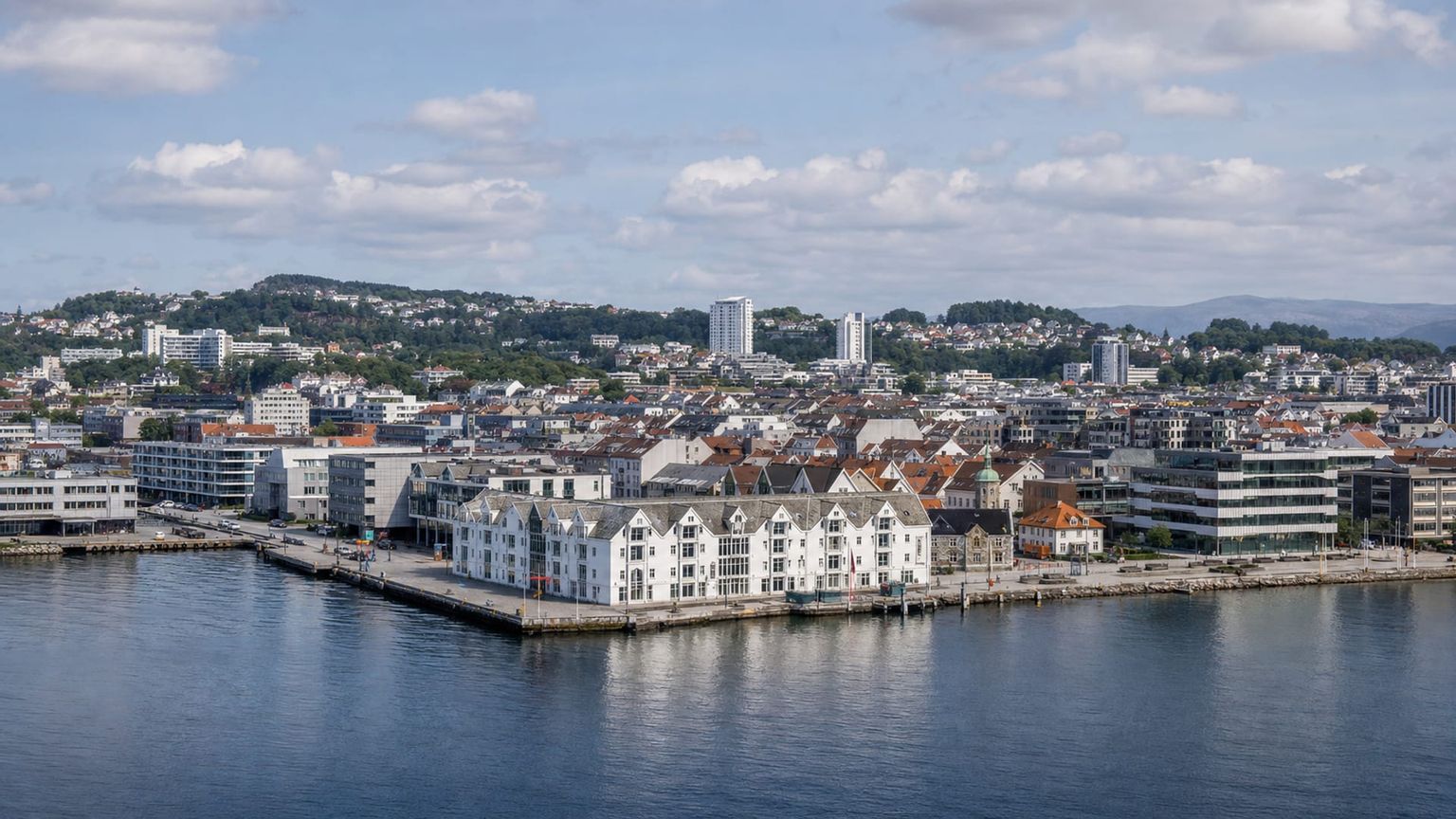
Stavanger sentrum curves around Vågen harbor and stretches east toward the cathedral, Torget, Øvre Holmegate, and the Norwegian Petroleum Museum. Ferries leave from the waterfront, while shopping streets and restaurants fill the compact blocks behind it, making this the city’s most central area.
Best for: First-time visits, car-free stays, dining, and easy access to museums and harbor walks
What to expect: Busy sidewalks by day, with a steady flow of shoppers, office workers, and diners; evenings stay active near the waterfront and restaurant streets.
Hotel prices: Usually about 1,300 kr to 2,400 kr (~$120 to ~$220) per night for well-rated stays
Distance to major sights: 5 to 10 minutes on foot to the Norwegian Petroleum Museum and about 10 minutes on foot to Old Stavanger
Quietness: Daytime is lively and often crowded; evenings are calmer on side streets but stay active near the harbor and bars.
Main trade-off: Central stays cost more, and weekend noise can rise on streets with late bars.
Good to know: Choose a hotel near the harbor if early fjord cruises or ferry departures are part of your plans.
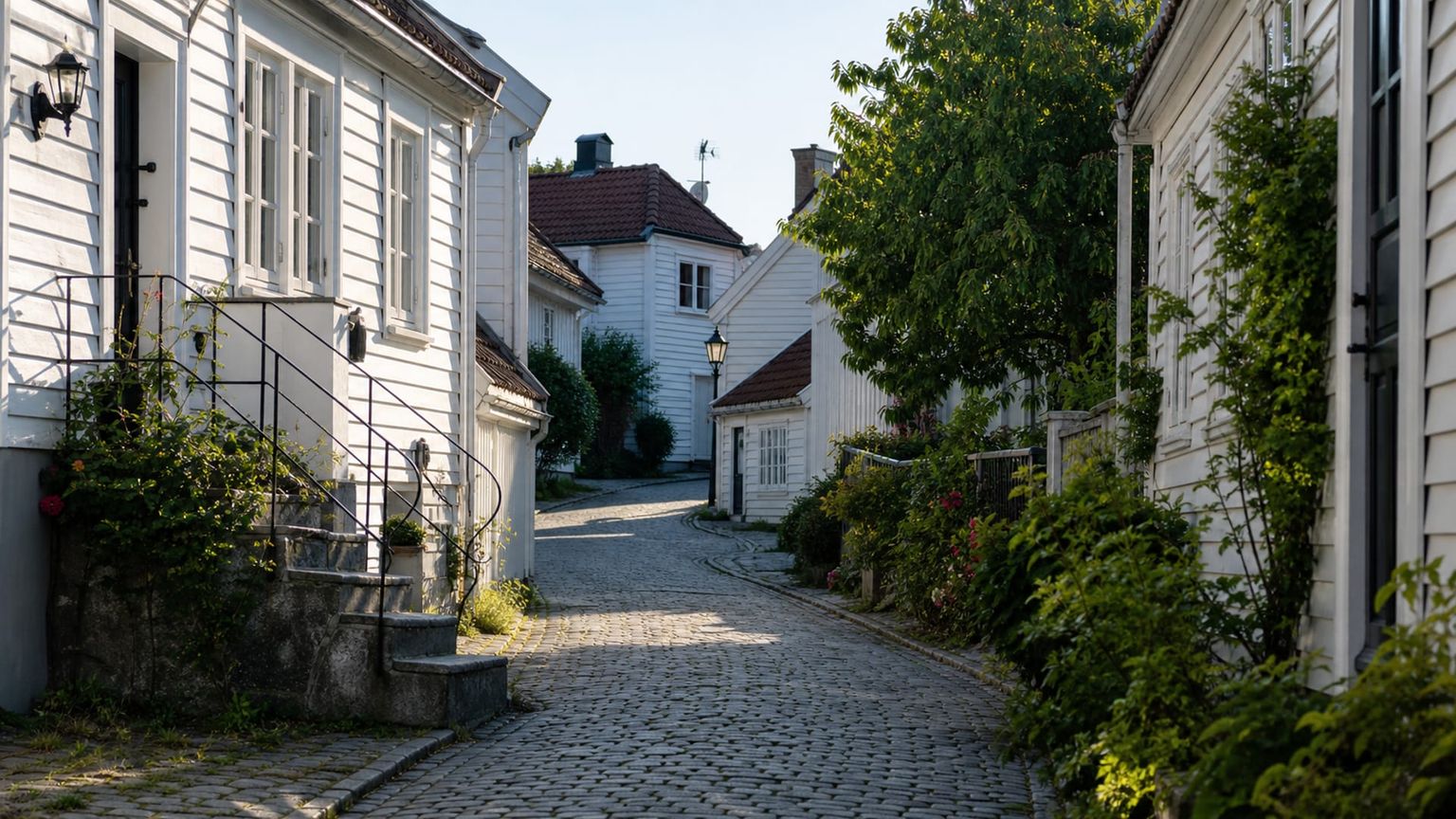
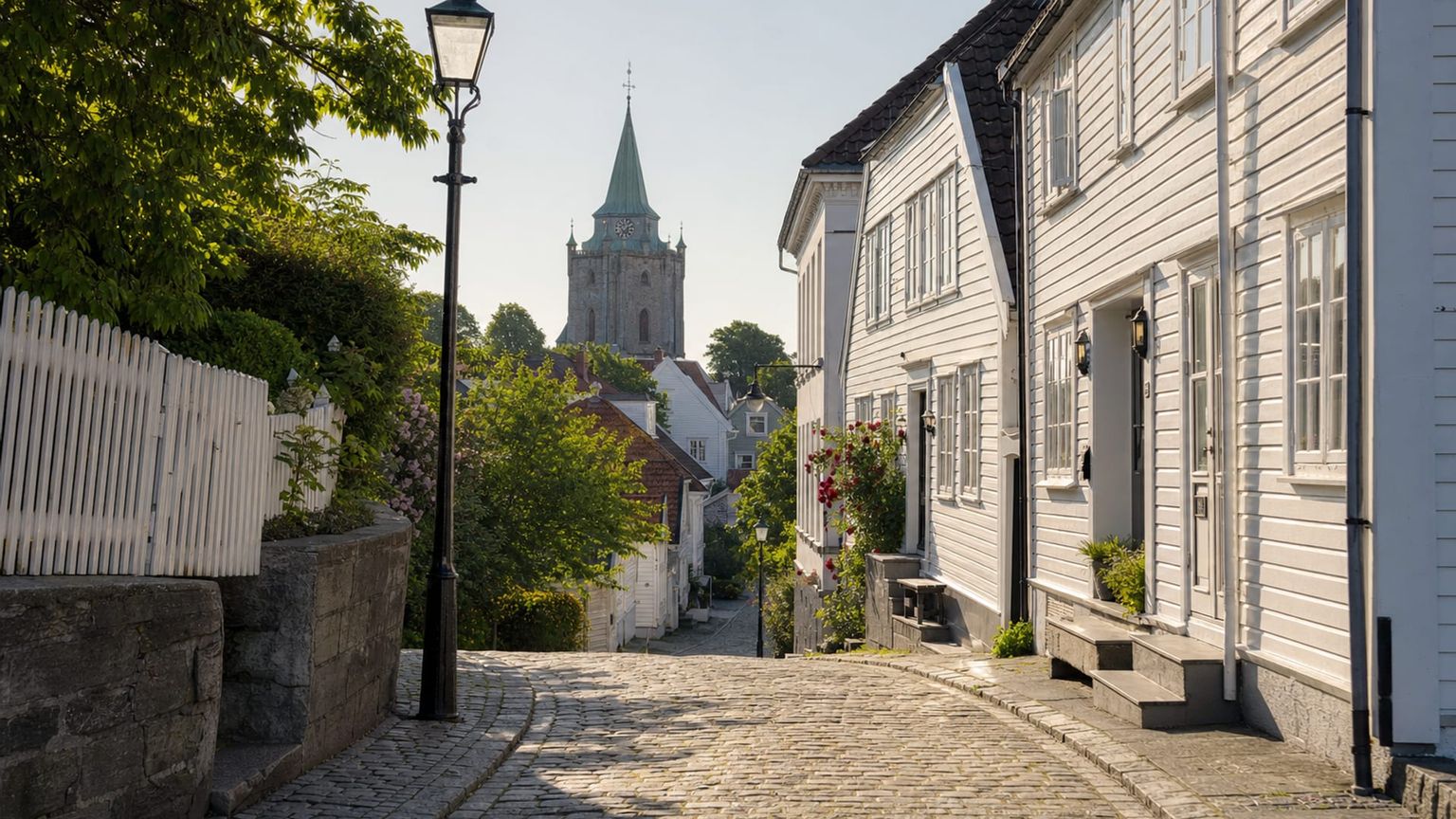
Old Stavanger lies immediately west of Vågen, climbing gently from the harbor through narrow lanes lined with white wooden houses, gardens, and small galleries. IDDIS sits within the district, while the city center and ferry piers remain just a short walk east across the waterfront.
Best for: Historic atmosphere, quieter evenings, photography, and walkers who still want downtown close by
What to expect: Small lanes, light foot traffic, and many visitors during the day, especially near the most photographed streets; evenings turn quiet once day trippers leave.
Hotel prices: Usually about 1,500 kr to 2,700 kr (~$140 to ~$250) per night for well-rated stays
Distance to major sights: 5 minutes on foot to the Norwegian Petroleum Museum and about 12 minutes on foot to Stavanger Cathedral
Quietness: Calm in the evening, though daytime visitor traffic can be noticeable on the main lanes.
Main trade-off: Inventory is limited, so prices can run higher than in the rest of central Stavanger.
Good to know: Check if your hotel is easy to access by car before booking; several lanes are narrow, cobbled, and unsuitable for direct car drop-off.
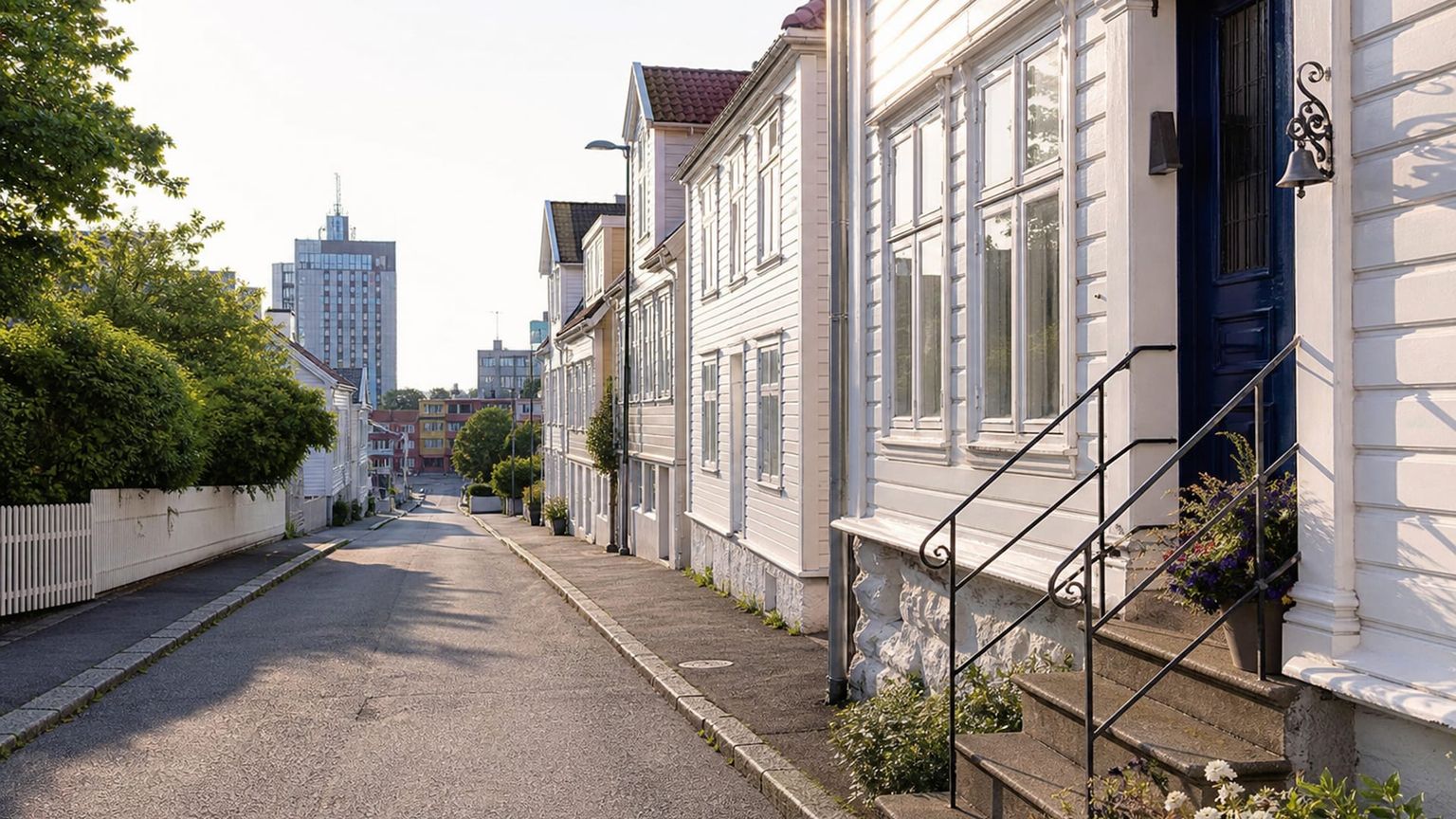
Våland rises south of Stavanger sentrum, between the train station and the higher ground around Vålandshaugen. The district is mostly residential, with older villas, leafy streets, schools, and small parks, while downtown lies downhill to the north and remains reachable on foot or by bus.
Best for: Calmer stays, longer visits, and travelers who prefer residential streets over the downtown core
What to expect: Mostly local traffic, few late-night venues, and a quieter pace than the harbor district, with everyday neighborhood life rather than tourist crowds.
Hotel prices: Usually about 1,100 kr to 2,000 kr (~$100 to ~$185) per night for well-rated stays
Distance to major sights: 15 to 20 minutes on foot to Stavanger sentrum and about 20 minutes on foot to the Norwegian Petroleum Museum
Quietness: Quiet at night, with moderate daytime activity on busier through streets.
Main trade-off: You will usually rely more on walking hills or buses, and the area has fewer restaurants right outside the door.
Good to know: Check the elevation and nearest bus stop if steep walks are a concern.
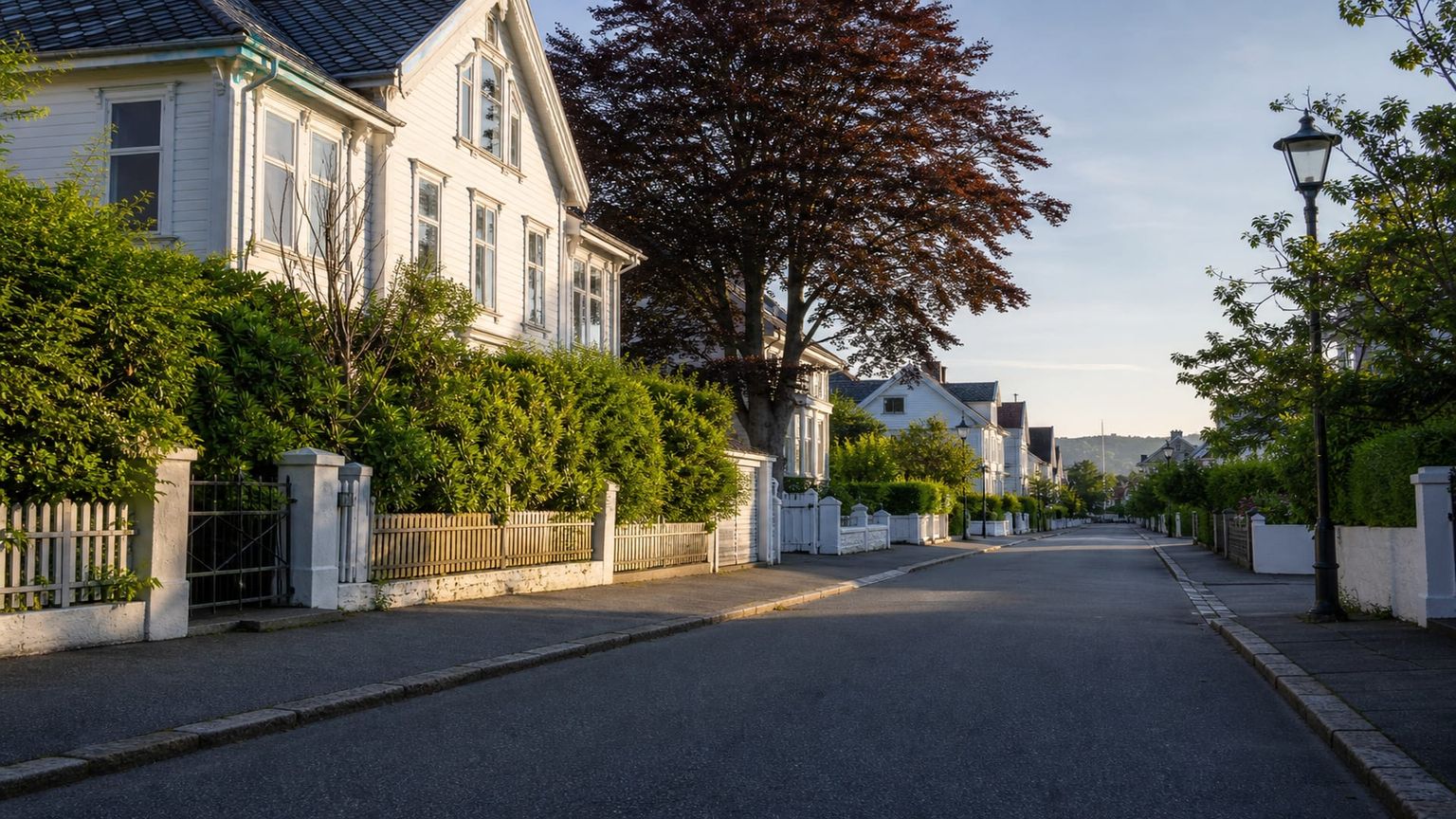
Eiganes spreads west and northwest of Stavanger sentrum, around stately villa streets, mature trees, and landmarks such as Ledaal and Breidablikk. The neighborhood sits between the city center and the greener western residential districts, with Vågen still within a short walk or bus ride.
Best for: Families, longer stays, and travelers who want a quieter residential base near downtown
What to expect: Low-key streets, light evening activity, and fewer tourists than in the center, with a local residential pace and easy access to transit.
Hotel prices: Usually about 1,200 kr to 2,100 kr (~$110 to ~$195) per night for well-rated stays
Distance to major sights: 15 to 25 minutes on foot to Stavanger sentrum and about 10 minutes by transit to Old Stavanger
Quietness: Generally quiet both day and night, with only modest traffic on main roads.
Main trade-off: You may walk a bit farther for restaurants and waterfront dining, and the area offers fewer hotel choices than downtown.
Good to know: Stay closer to the eastern edge if you want easier access to the harbor without giving up the quieter setting.
For a first stay, choose Stavanger sentrum or Old Stavanger for easy access to the harbor and main sights. Våland and Eiganes are quieter, but they leave you farther from restaurants, museums, and ferry departures.
Hotel deals
How to get around Stavanger efficiently
Stavanger’s center is compact, while buses, local trains, and taxis cover neighborhoods, nearby towns, the airport, and late-night trips.

Kolumbus buses
for longer distances
Kolumbus buses link Stavanger sentrum with Våland, Eiganes, Sola, Sandnes, and other districts. A one-zone adult ticket costs NOK 49 ($5.30) and is valid for 60 minutes. Buy it in the Kolumbus Billett app before boarding; onboard purchases cost NOK 20 ($2.20) extra.

Jæren local trains
for convenience
Local trains on the Jæren line run south from Stavanger station toward Sandnes, Bryne, and Jæren. Kolumbus tickets are valid on these services. The Stavanger–Sandnes route covers one zone; tickets are NOK 49 ($5.30). Stavanger–Bryne rides cover two zones and cost NOK 87 ($9.30).

Licensed taxis
for convenience or late hours
Stavanger taxis charge by distance and time. Stavanger Taxi’s daytime minimum fare is NOK 150 ($16), with higher rates in the evening, on weekends, and at night. Airport pickups add NOK 24 ($2.60), and companies can quote a maximum or fixed price before departure.
*Prices are based on rates updated as of October 2026 and may change at the time of travel.
Use buses for local neighborhoods, trains for Sandnes and Jæren, and taxis when you travel with luggage, to the airport, or at late hours.
Iconic landmarks
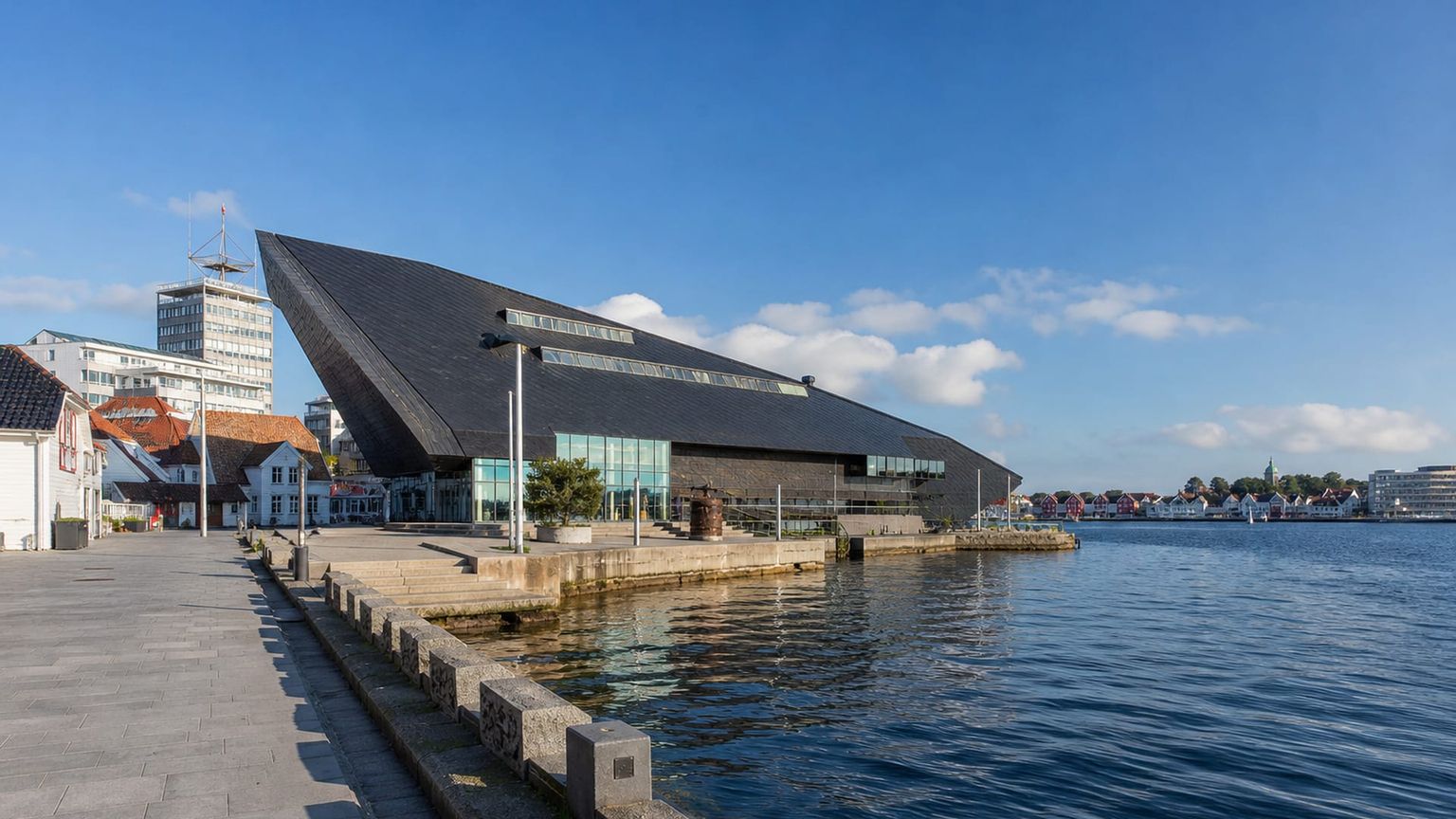
Norwegian Petroleum Museum
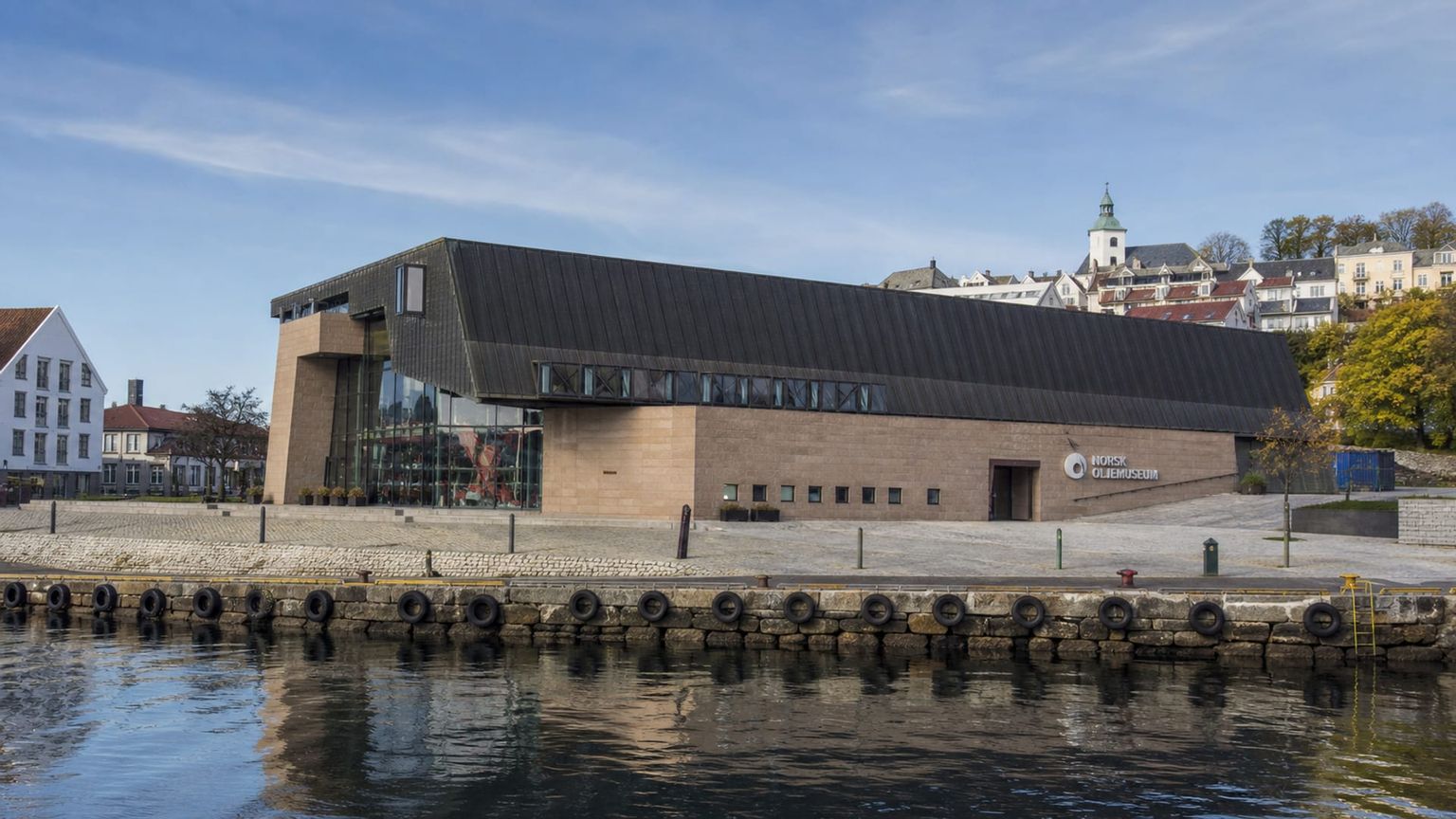
The Norwegian Petroleum Museum stands on Stavanger’s waterfront and traces how North Sea oil and gas transformed Norway. Original equipment, scale models, films, and interactive exhibits explain offshore drilling, engineering, safety, and the industry’s wider effect on Norwegian society.
Time needed: A visit takes 2–3 hours.
Entry: Adult admission costs NOK 180 ($19). Visit the official website for details.
Tip: Visit earlier in the day if you want more time for the interactive exhibits.
Gamle Stavanger
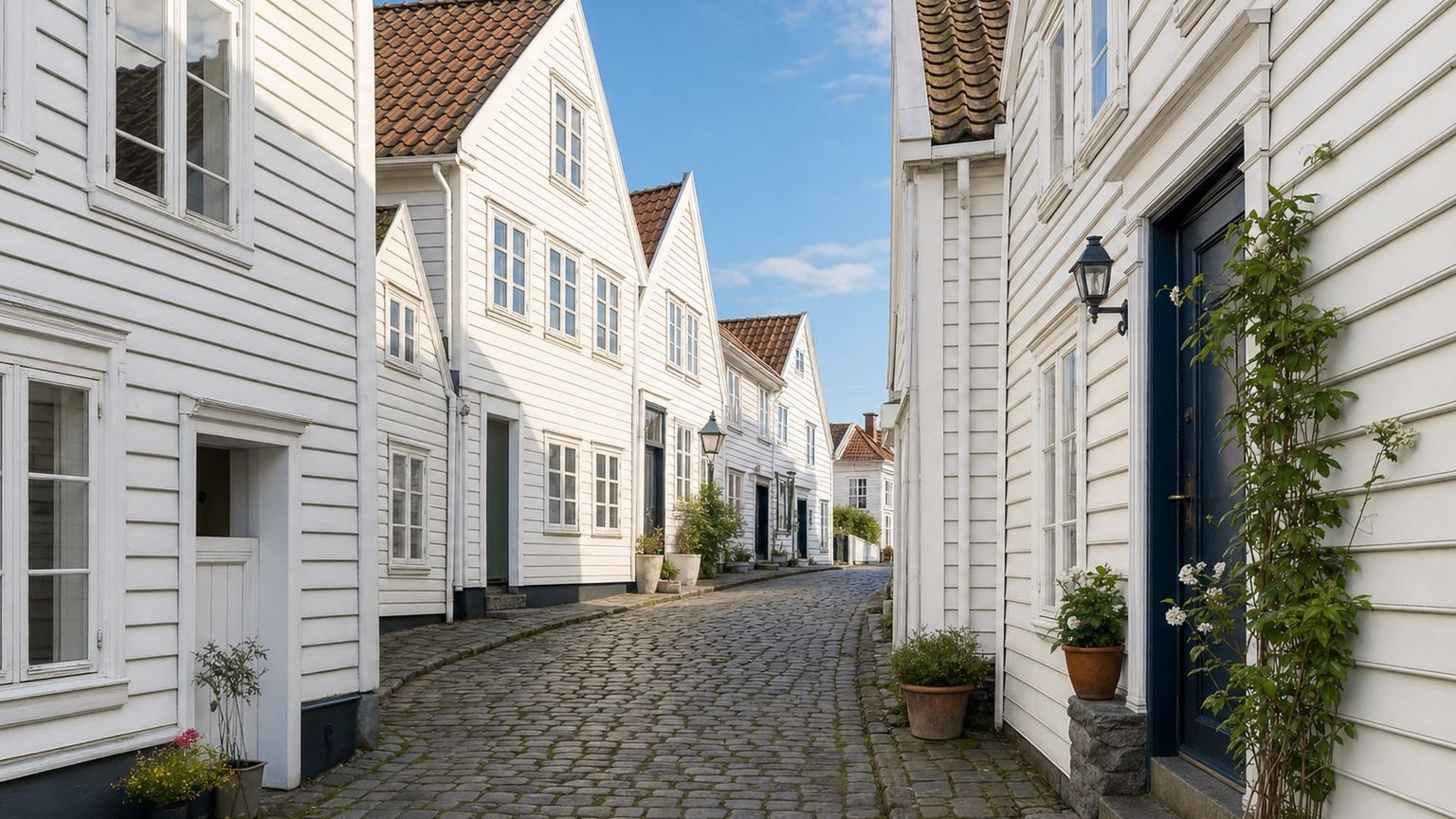
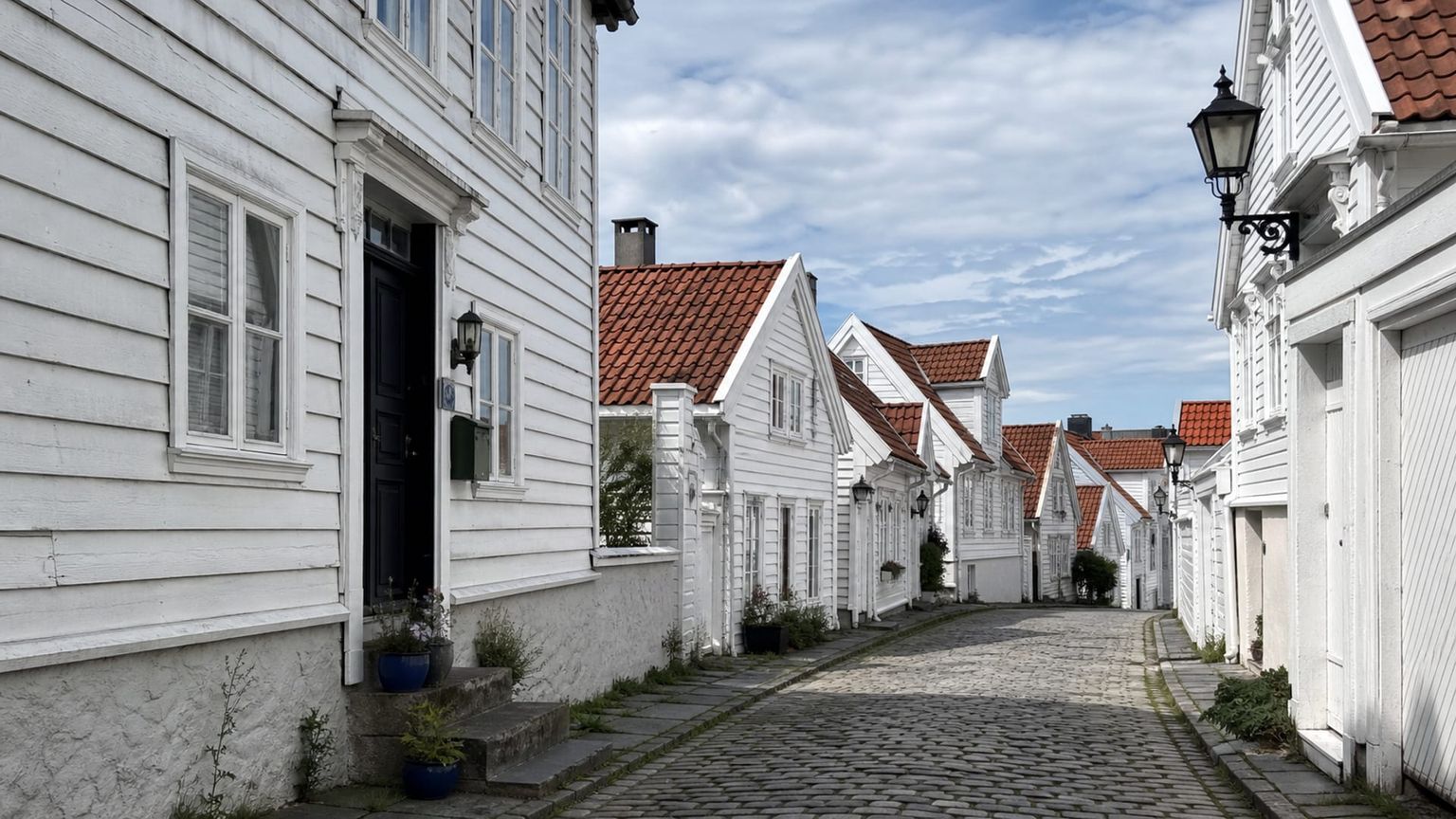
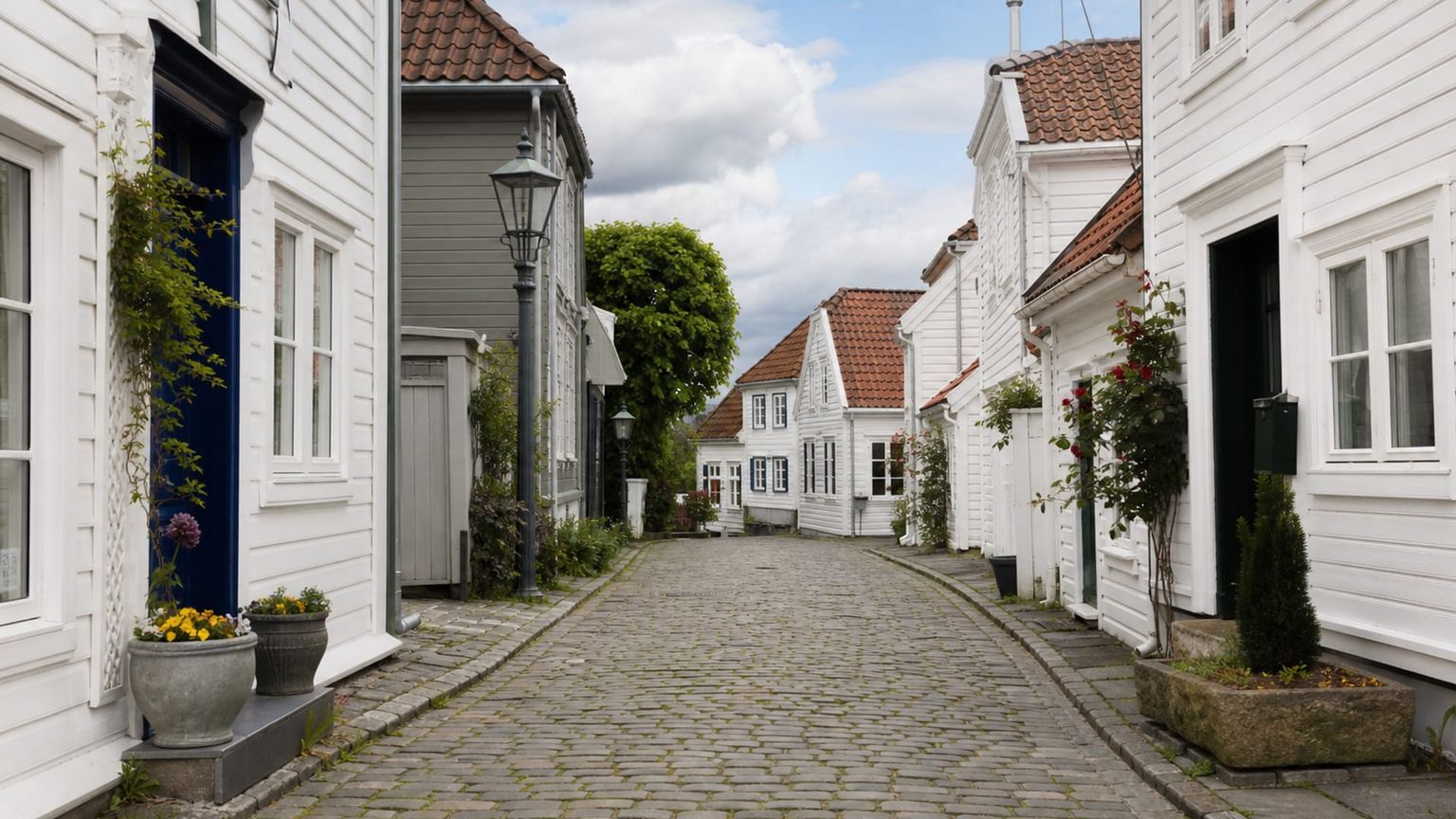
Gamle Stavanger spreads across the hillside west of Vågen, with 173 preserved wooden houses dating mainly from the late 1700s and early 1800s. White façades, cobbled lanes, gardens, galleries, and IDDIS preserve the character of the working neighborhood that grew during Stavanger’s herring era.
Time needed: A visit takes 1–2 hours.
Entry: Visit in the morning before the narrow lanes become busier with visitors.
Tip: Visit in the morning for softer light and fewer people in the narrow lanes.
Sverd i fjell
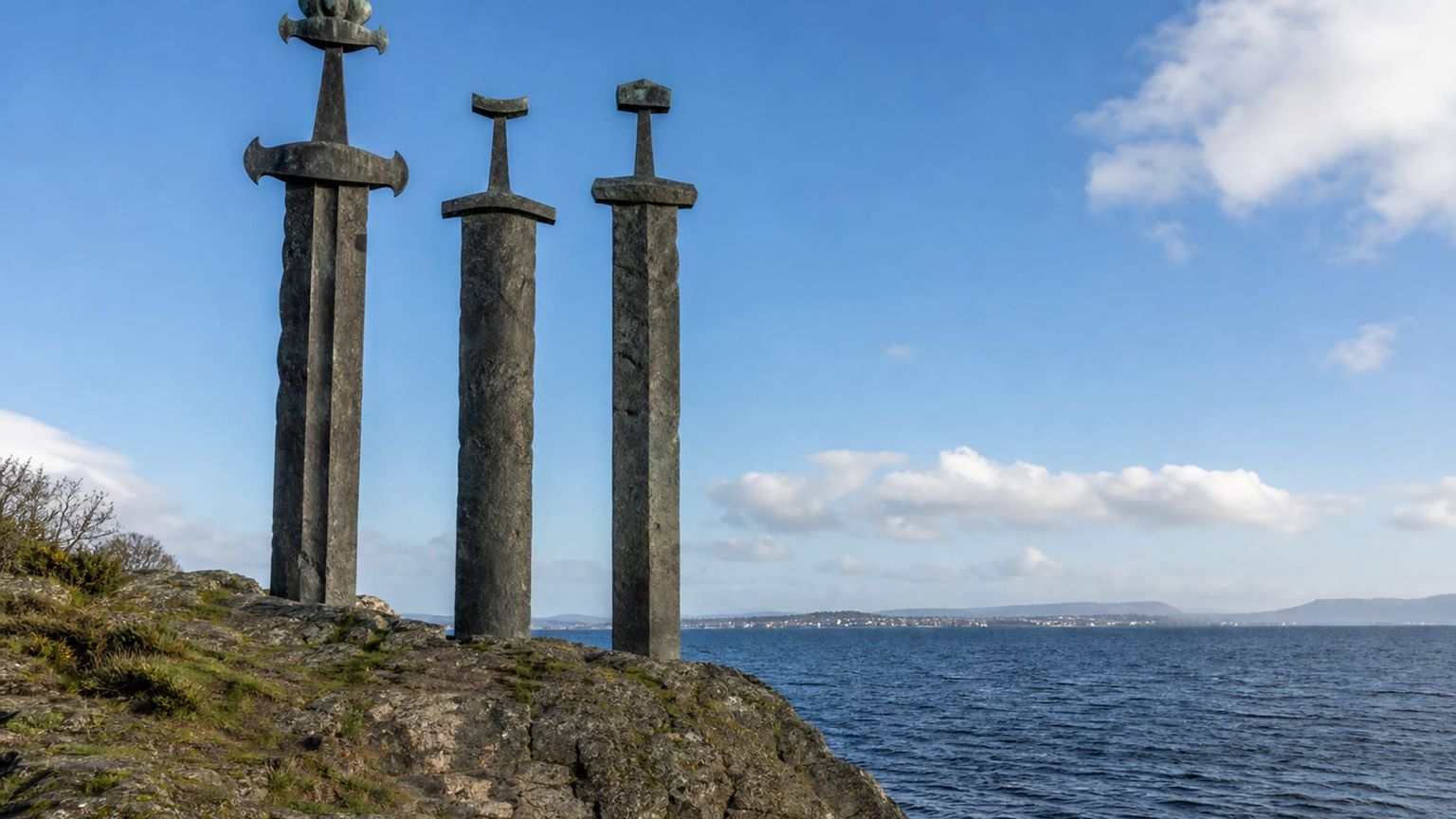
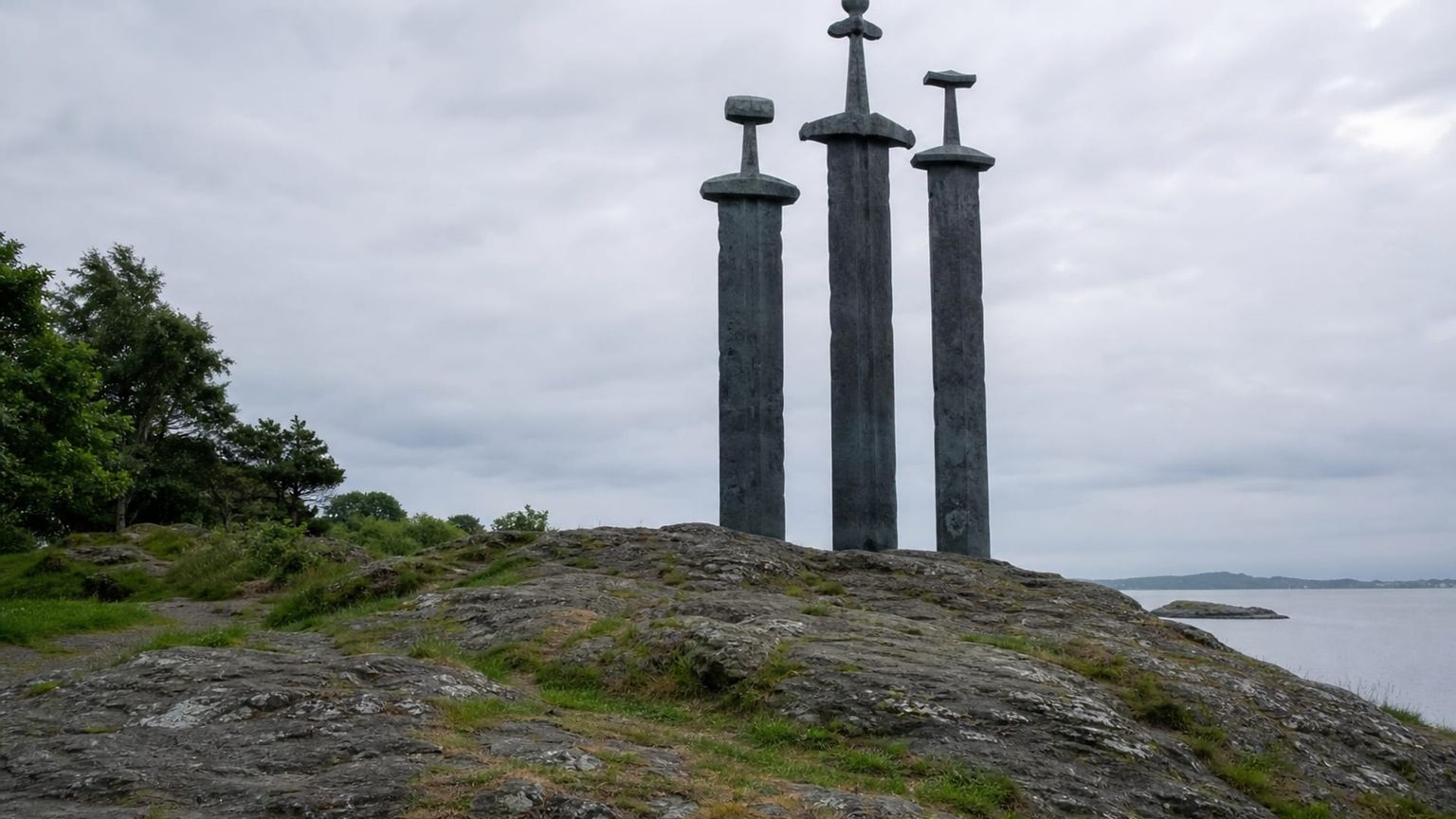
Sverd i fjell is a monument of three 33-foot (10-meter) bronze swords set into the rock beside Hafrsfjord. It commemorates the Battle of Hafrsfjord, dated to 872. Unveiled in 1983, the monument represents peace, unity, and Norway’s consolidation under Harald Fairhair.
Time needed: A visit takes 30–45 minutes.
Entry: Free
Tip: Visit near sunset for softer light across the swords and Hafrsfjord.
Overlooked sites worth visiting

Norwegian Canning Museum
The Norwegian Canning Museum occupies a former cannery in Gamle Stavanger and traces how sardines were smoked, packed, and labeled using original machinery and historic packaging.
Time needed: A visit takes 1–1.5 hours.
Entry: Admission costs NOK 170 ($18); under-18s and students enter free. Booking is optional. Visit the official website for details.
Tip: Combine it with Gamle Stavanger, which begins just outside the museum.

Breidablikk
Breidablikk is an 1880s villa on Eiganesveien with original interiors, carved woodwork, period furniture, and a preserved garden showing how Stavanger’s wealthy families lived.
Time needed: About 30 to 45 minutes
Entry: Admission costs NOK 170 ($18); under-18s and students enter free. It is open from June 15 to August 15. Visit the official website for details.
Tip: Pair it with nearby Ledaal and Holmeegenes, which share the same ticket.
Traditional food

Stavanger’s food reflects the North Sea and Rogaland countryside, with seafood, preserved fish, potato dumplings, and griddle cakes appearing in both traditional and modern settings.
Fish soup
Fish soup in Stavanger is usually creamy, with white fish, shrimp, vegetables, and herbs in a rich broth. Fisketorget Stavanger keeps it on the menu year-round, using local seafood from Vågen harbor.
Pickled herring
Pickled herring is a classic Norwegian cold-table dish, often served with rye bread, sour cream, onion, and herbs. Skagen Fiskerestaurant serves spiced herring on rye with sour cream, capers, and pickled cranberries.
Komle
Komle are dense potato dumplings traditionally served with salted meat, sausage, swede mash, and melted butter. Matsalen in Stavanger serves this Rogaland staple as a filling example of southwest Norwegian home cooking.
Lapper
Lapper are soft, thick griddle cakes usually eaten with butter, jam, or brown cheese and served with coffee. The Sunday café at Vålandstårnet sells homemade lapper in a hilltop setting above the city.
Best time to visit Stavanger
Weather in Stavanger is relatively mild for Norway, but daylight. Rainfall and wind change noticeably throughout the year, and visitor numbers change with them.
Best for: City walks, Gamle Stavanger, and longer days before the summer crowds arrive
What you get: Temperatures rise to 41°F–56°F (5°C–13°C), daylight expands quickly, gardens begin to bloom, and the harbor comes alive outdoors.
Trade-offs: March can still feel chilly, and rain or wind may interrupt longer outdoor plans.
Best for: Fjord cruises, Preikestolen trips, outdoor dining, and long daylight hours
What you get: Expect 54°F–66°F (12°C–19°C), very long days, fuller ferry schedules, and the easiest conditions for fjord cruises and outdoor excursions.
Trade-offs: Hotels cost more, and the harbor, ferries, and major viewpoints draw the largest crowds.
Best for: Museums, food-focused weekends, and city walks with fewer summer visitors
What you get: Temperatures fall to 43°F–57°F (6°C–14°C), fall color deepens, summer crowds fade, and the wetter West Coast pattern returns.
Trade-offs: Rain and wind become more frequent, especially from September through November.
Best for: Museums, restaurants, quiet streets, and a lower-key city break by the harbor
What you get: Temperatures hover near 34°F–43°F (1°C–6°C), daylight is short, snow is uncommon in town, and the center feels noticeably quieter.
Trade-offs: Short days and wet, windy weather limit how much outdoor sightseeing you can comfortably do.
A realistic 5-day plan in Stavanger
Five days in Stavanger are enough to see the city’s maritime history, old wooden neighborhoods, fjord-facing landmarks, and quieter residential areas without turning each day into a race. The plan below gives every part of the city its own mood and pace.
After landing at Stavanger Airport (SVG), head into the city, check in, and keep the first evening close to Vågen. A slow walk along the harbor is enough after the flight, especially with the old warehouses, boats, and waterfront cafés all within easy reach. Stop for fish soup or a simple seafood dinner, then wander through the center as the crowds thin. The evening gives you time to get a sense of Stavanger’s scale before the fuller sightseeing days begin.
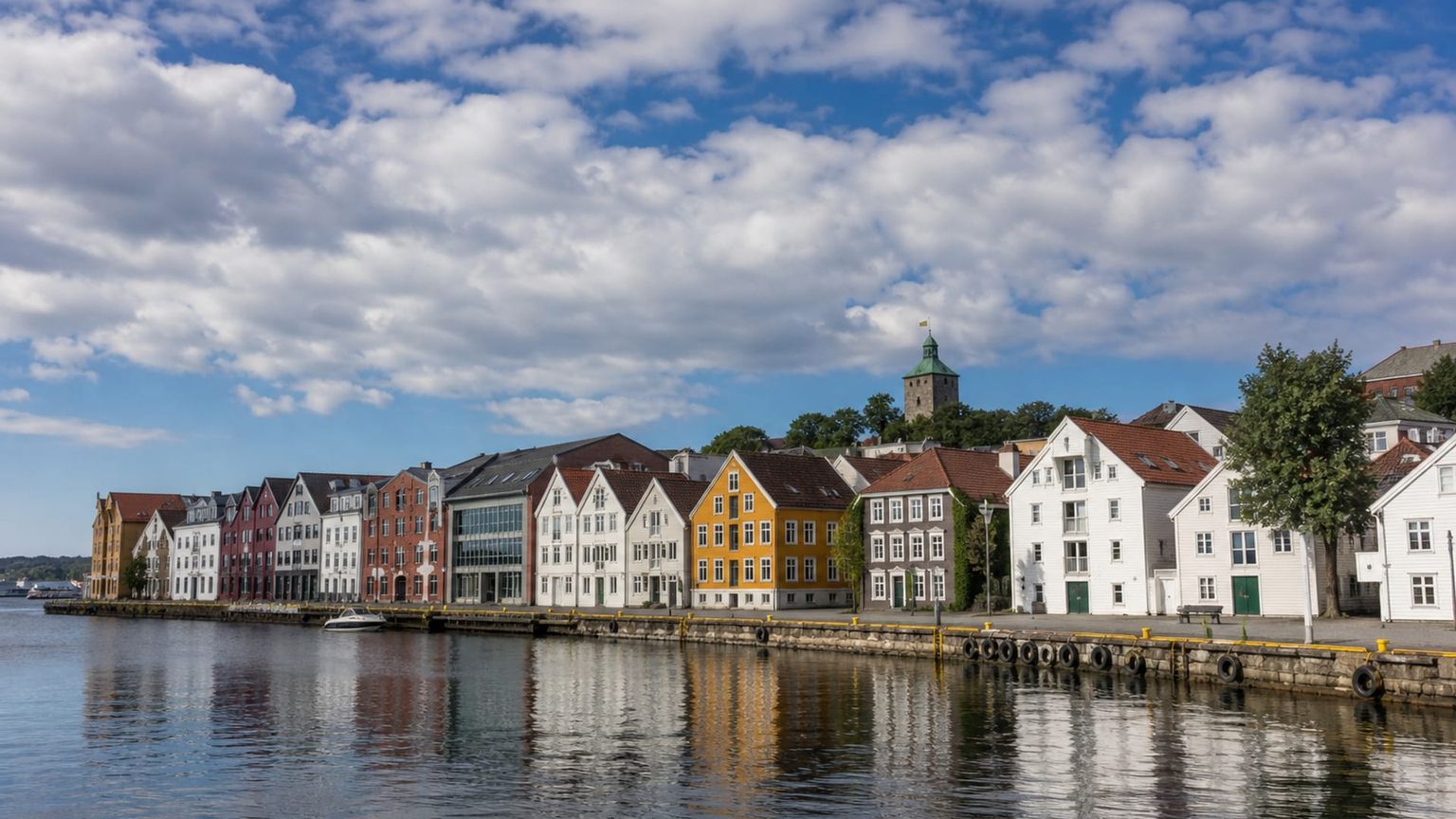
Start in Gamle Stavanger while the lanes are still quiet, and take time to notice the white wooden houses, small gardens, and how the district rises above the harbor. Continue into IDDIS to see how canning and printing shaped Stavanger’s working life, then walk back toward Vågen for lunch. Spend the afternoon at the Norwegian Petroleum Museum, where the story shifts from sardines to offshore energy, and end with dinner along the waterfront.
Use the third day for Stavanger’s older history beyond the center. Begin at Sverd i fjell beside Hafrsfjord, where the three bronze swords mark the battle traditionally linked to Norway’s unification. Continue to the Iron Age Farm at Ullandhaug, reconstructed on its original archaeological site, to step inside turf-roofed houses and see how people lived here 1,500 years ago. The farm opens seasonally; in winter, switch to the Archaeological Museum in town.
Keep the fourth day in central Stavanger and let it unfold mostly on foot. Start at Stavanger Cathedral and Breiavatnet, then continue toward Øvre Holmegate for its colorful façades, independent shops, and cafés. Have lunch near the harbor, browse the lanes around Vågen, and leave time for coffee or an early dinner instead of adding another museum. This is the day to notice how compact the center really is and enjoy the spaces between the major sights.
Make the last morning lighter with a visit to Stavanger Museum, about a 10-minute walk from the center, where natural history and local cultural collections give one final layer of context before departure. Afterward, circle back toward Breiavatnet or settle into a café near the station for lunch. If time is short, skip the museum and simply stay central. From there, collect your bags and head to Stavanger Airport (SVG) without squeezing in another cross-city stop.
Business-class flights from the US to Stavanger
Flights to Stavanger usually connect through major European hubs, and the best option depends on where you start. From New York and Los Angeles, itineraries often differ more in elapsed time and layover length than in airline choice.
New York (JFK) to Stavanger (SVG)
KLM offers flights from New York (JFK) to Amsterdam (AMS) featuring its signature World Business Class, with seats that convert into fully flat beds. After the layover, travelers continue to Stavanger (SVG) on aircraft equipped with short-haul Europe Business Class cabins, with reclining seats. The full trip usually takes 10–13 hours, and round-trip business-class fares generally range from $3,200 to $5,500.
Los Angeles (LAX) to Stavanger (SVG)
From Los Angeles (LAX), SAS offers a one-stop itinerary through Copenhagen (CPH). On the transatlantic flight, the aircraft features the SAS Business cabin with fully flat beds; the shorter Copenhagen–Stavanger flight features a short-haul business-class cabin. Total travel time usually falls between 14–17 hours, with round-trip business-class prices typically ranging from $3,800 to $6,500.
Stavanger is shaped by more than its fjords
Stavanger’s character comes from the contrast between Gamle Stavanger, the working harbor, North Sea energy, and the quieter residential districts beyond the center. The city feels strongest when those layers have room to stand on their own, from wooden-house streets and museums to seafood and fjord views. When you are ready to book, AranGrant travel advisors can help you compare business-class flights and hotels in Stavanger.