

Chapters:

Need help with your trip?
Our support team is available 24/7. Request a callback or call us directly at (833) 619-0908
Split rewards travelers who slow down enough to read its layout. Many first visits focus on Diocletian’s Palace, the Riva, and a beach stop, then leave the hillside, museum, and ferry-side neighborhoods for another trip.
That approach can work, but it often means extra backtracking through crowded lanes, missed ferry windows, and too much time spent deciding where to eat or sleep. Split is compact, yet the best days still depend on timing and direction.
This guide sets out a clearer order: where to stay, how to move, what to eat, when to go, and how to fit the palace, Marjan, and the waterfront into five usable days.
Useful things to know

Main language(s): Croatian
Dobar dan (DOH-bahr dahn) – Hello/good day
Molim (MOH-leem) – Please
Hvala (HVAH-lah) – Thank you
Govorite li engleski? (go-VOH-ree-teh lee ENG-lehs-kee) – Do you speak English?
Koliko košta? (KOH-lee-koh KOH-shta) – How much does it cost?

Currency: The local currency is the euro (EUR, €).

Cash and cards: Cards and contactless are widely accepted; keep about €20 to €40 ($22 to $44) in cash for small kiosks and taxis.

Tipping: Round up small bills; leave about 10% in restaurants for good service.

Traditional food: Pašticada, black risotto, Gregada, soparnik

Water and coffee costs: Water ~€2 ($2), bar espresso ~€1.50 to €2.50 ($2 to $3).

Taxis and ride apps: Uber and Bolt operate here; pickup points can vary by zone.

Plug and voltage: Type C/F socket, 230V

Dining and shop opening hours: Breakfast is about 07:00-10:00, lunch 12:00-15:00, and dinner 19:00-22:00. Many kitchens close midafternoon, and some restaurants shut one day a week.

Emergency number: 112 for police, fire, and ambulance.
Where to stay in Split
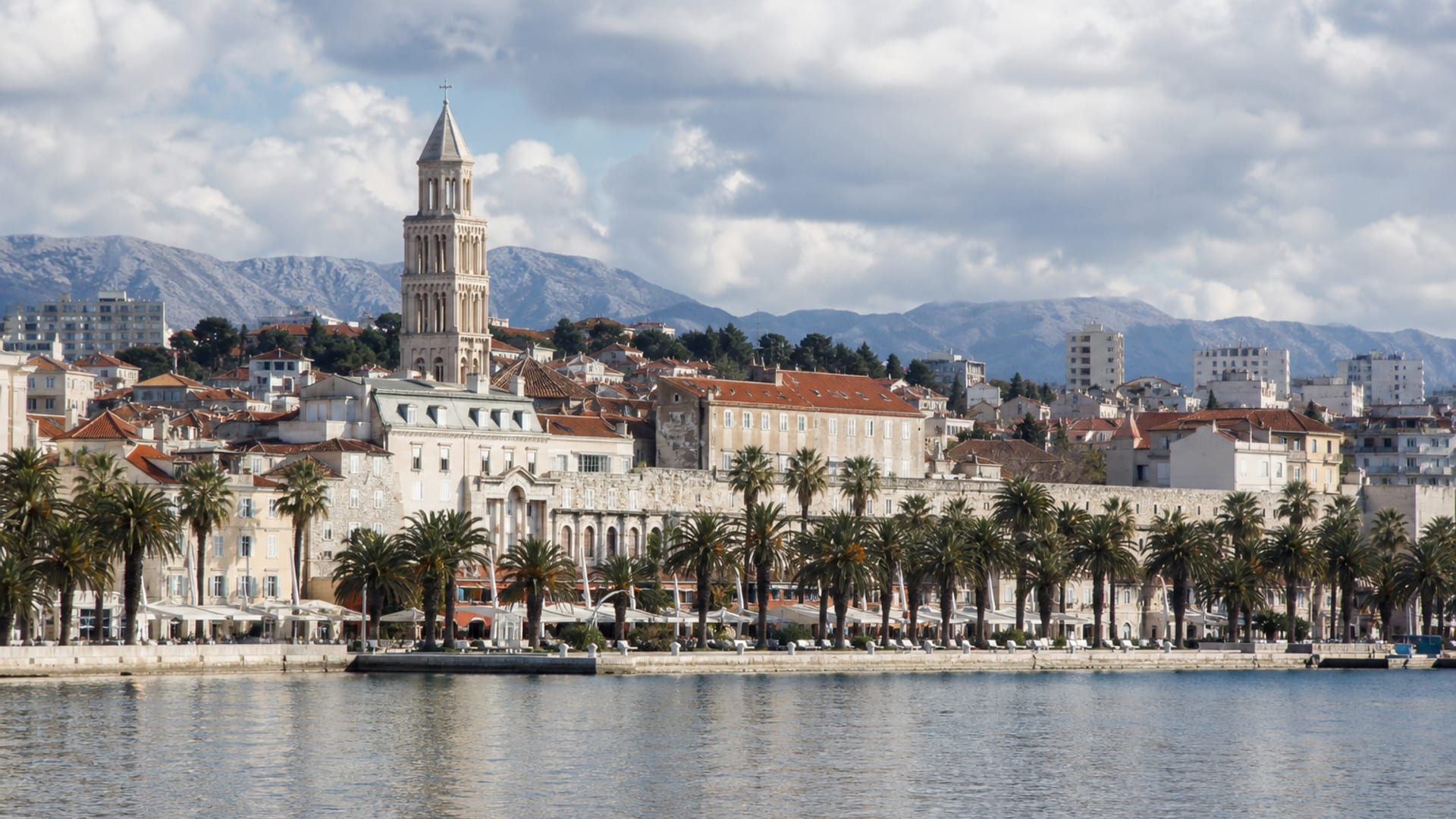
Split’s historic core wraps the Roman palace, Peristyle, and dense lanes beside the Riva. It puts you closest to major sights, ferry departures, and evening dining, but the narrow streets stay busy and many buildings have limited elevator access.
Best for: First-time visits, sightseeing, ferries, and travelers who want to walk to most central sights
What to expect: Pedestrian lanes, cafe tables, day-tripper traffic, and a steady evening crowd near the waterfront
Hotel prices: Usually about €140 to €280 (~$150 to ~$305) per night for well-rated stays
Distance to major sights: 0 to 5 minutes on foot to Peristyle, the Cathedral of Saint Domnius, and the Riva
Quietness: Busy through the day and lively well into the evening, with the noisiest streets near bars and restaurants
Main trade-off: You pay more for smaller rooms, older buildings, and some stairs, especially in the oldest stone houses
Good to know: Plan for limited car access, since luggage drop-off can be awkward in the pedestrian core
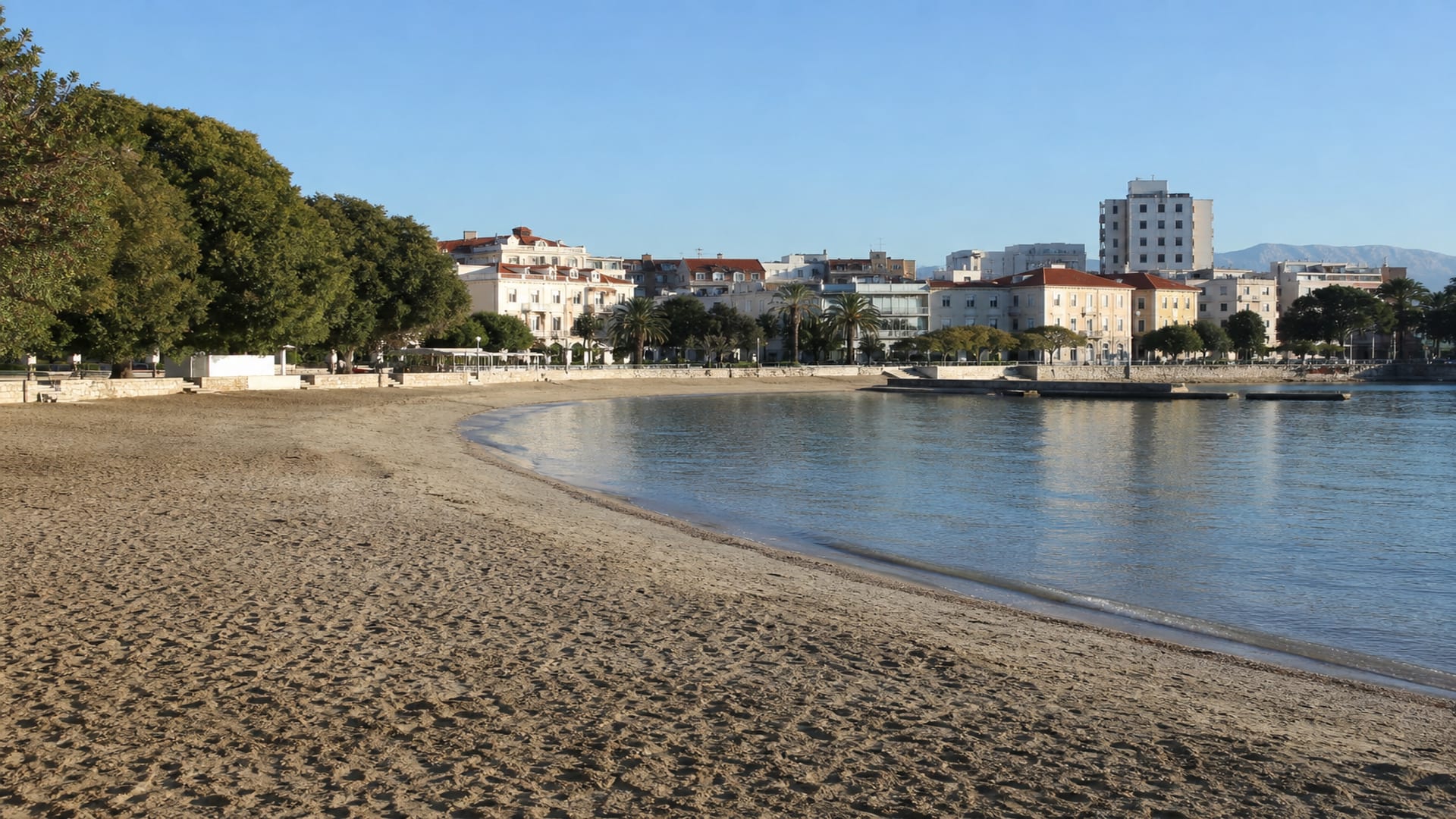
Bacvice sits just east of the old town, anchored by Split’s best-known swimming beach and a strip of hotels and apartments. It gives you quick access to the center, the ferry port, and waterfront walks, with easier arrivals than the palace zone.
Best for: Beach access, short walks to the center, and travelers who want easy arrivals near the port
What to expect: A mix of local residents, beachgoers, and hotel guests, with more activity along the shore than on side streets
Hotel prices: Usually about €110 to €220 (~$120 to ~$240) per night for well-rated stays
Distance to major sights: 10 to 15 minutes on foot to Diocletian’s Palace and about 5 minutes on foot to the ferry port
Quietness: Quieter inland at night, but the beach promenade and nearby bars stay active in summer evenings
Main trade-off: The best locations near the sand and port often cost more, while some streets feel less atmospheric than the old town
Good to know: Expect more summer noise on warm nights, especially near the waterfront and popular beach bars
Lovret lies west of the old town, a mostly residential area with supermarkets, cafes, and good bus links. It works well as a lower-key base with more everyday amenities, while still keeping the center within easy reach.
Best for: Longer stays, lower-key evenings, and travelers who prefer residential surroundings with easy access to the center
What to expect: Apartment blocks, local cafes, and everyday traffic rather than tourist crowds
Hotel prices: Usually about €90 to €180 (~$100 to ~$195) per night for well-rated stays
Distance to major sights: 15 to 20 minutes on foot to Diocletian’s Palace and about 10 minutes by bus to the Riva
Quietness: Calmer than the old town by day and evening, with only main roads carrying noticeable traffic
Main trade-off: You gain more space and local shops, but you will walk or ride to most waterfront and ferry-side plans
Good to know: Check the exact street before booking, since some blocks sit closer to busy roads than the map suggests
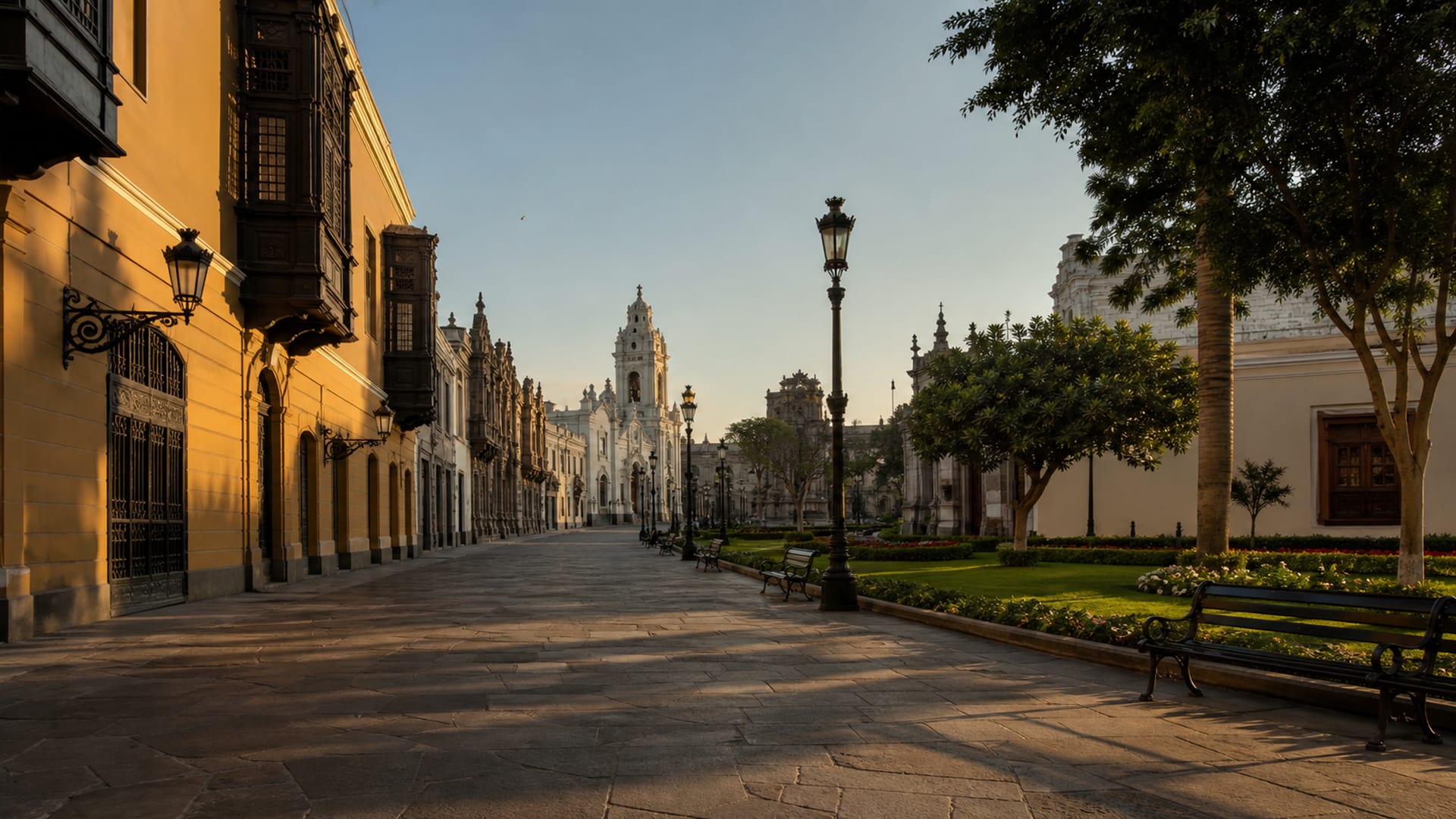
Meje sits on the slopes just west of the center, above Marjan Hill and close to the shoreline paths. It suits travelers who want a quieter residential setting with sea views and fast access to parks, while the old town stays within walking range or a short taxi ride.
Best for: Scenic stays, quieter evenings, and travelers who want easy access to Marjan Hill and the coast
What to expect: Residential streets, uphill walks, and fewer tourists, with more movement near beach access points and hill paths
Hotel prices: Usually about €100 to €210 (~$110 to ~$230) per night for well-rated stays
Distance to major sights: 15 to 25 minutes on foot to Diocletian’s Palace and about 10 minutes on foot to Marjan Hill trails
Quietness: Quieter than central Split both day and evening, though some hill roads carry traffic and occasional tour vehicles
Main trade-off: The setting is calmer, but the slope can make walks back from dinner or the waterfront feel longer
Good to know: Choose a place near a bus stop if you do not want to rely on taxis after dark
In Split, travelers usually avoid staying in Mejaši, Žnjan, and Stobreč if they want easy access to the Old Town, since these areas sit farther from the main sights and rely on longer tram, bus, or taxi rides for evening plans. Bacvice can also be less convenient for some visitors, because the beach zone is livelier than central and has fewer hotel choices right by the historic core.
Hotel deals
How to get around Split efficiently
Split has no metro, so most visitors move between the old town, Bacvice, Marjan, and the airport with buses, taxis, ride apps, and walking.

Metro
for longer distances
Split has no metro. The closest equivalent is the city bus network, which links Split Airport (SPU) with the center, the ferry port, and nearby suburbs; for longer hops, use intercity buses or the ferry, since there is no rail-based urban transit to rely on.

Bus and tram
for convenience
Bus No. 37 connects Split Airport (SPU), Kaštela, and Split’s main bus station, usually every 30 to 60 minutes, with the ride to central Split taking roughly 30 to 40 minutes. Single tickets typically cost about $2 ($2.20) on board or about $1.50 ($1.65) if bought in advance, and they are valid for about 60 minutes on most city routes.

Taxi
for convenience or late hours
Licensed taxis at Split Airport (SPU) use metered fares, with the trip to central Split usually costing about $35 to $45 during the day and more late at night or with extra luggage. Look for the official taxi rank outside arrivals, confirm the estimate before you set off, and expect cash or card payment, depending on the company.
*Prices are based on rates updated as of June 2026 and may change at the time of travel.
Walk for the old town and waterfront, take Bus No. 37 for the airport and main bus station, and use taxis or ride apps when luggage, heat, or a late return makes sense of the extra cost.
Iconic landmarks
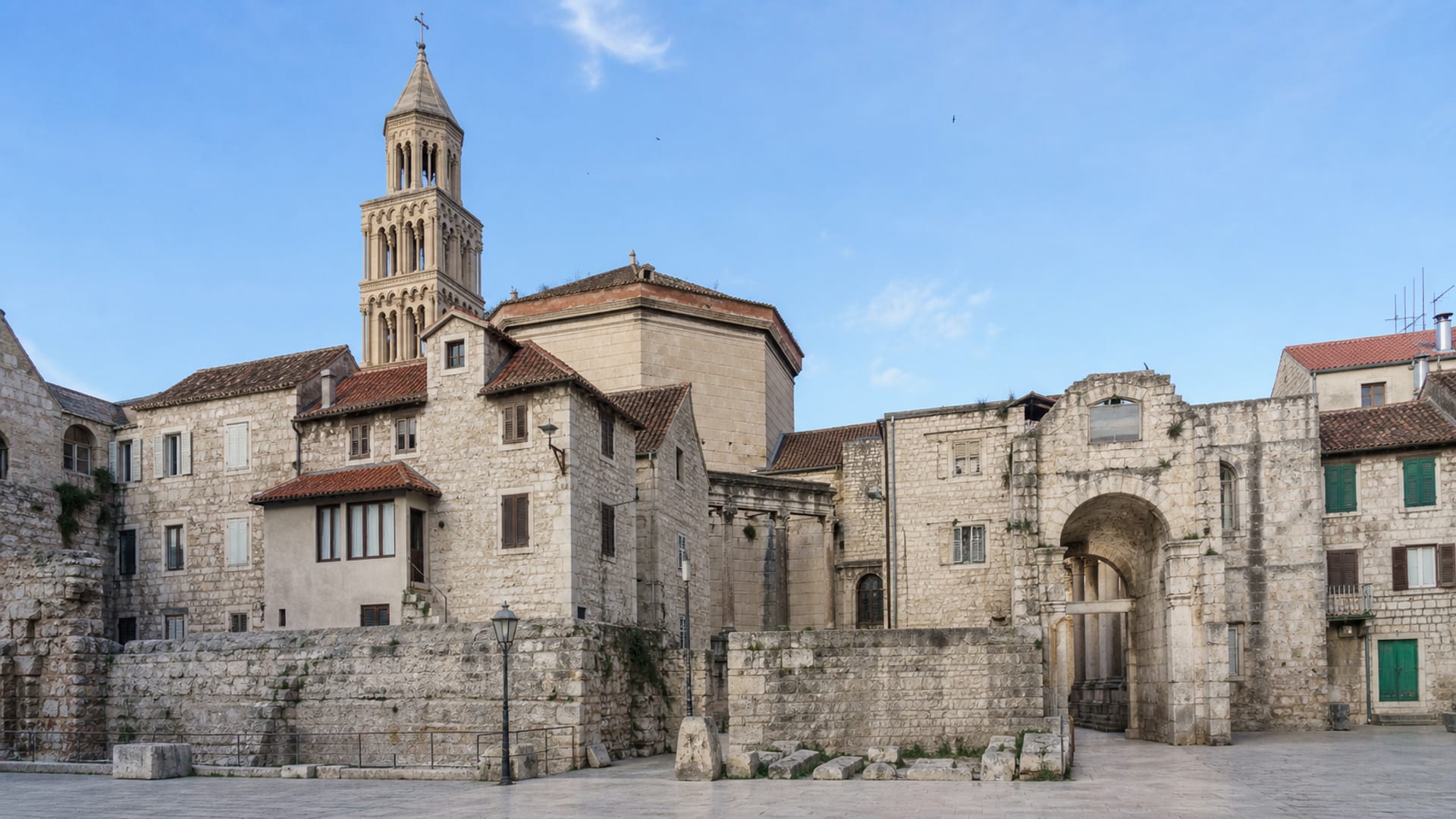
Diocletian's Palace
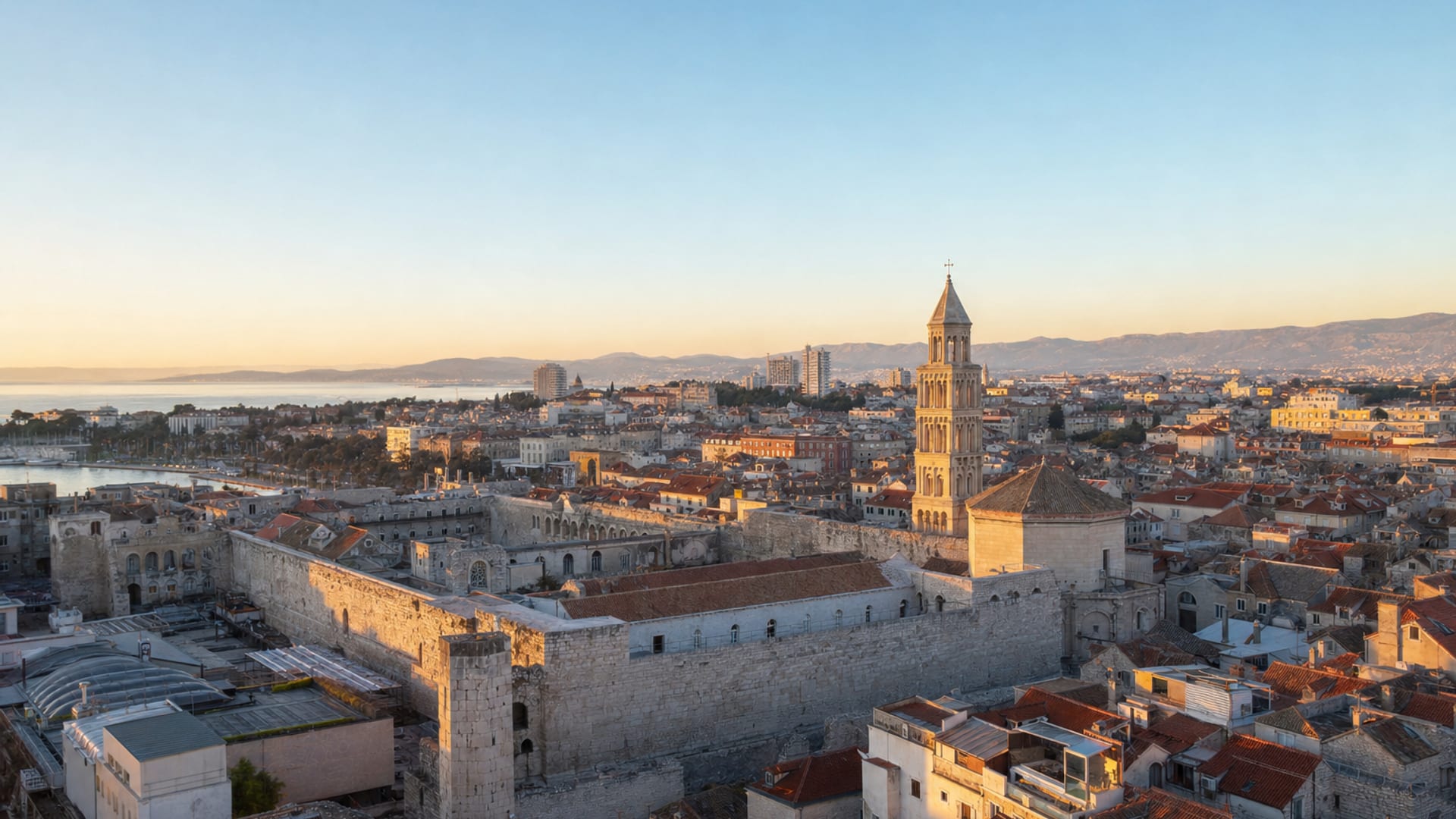
A Roman imperial palace at the heart of Split, with substructures, the Peristyle, and later streets built into its walls. It anchors the old town and gives a direct read on the city’s layered history.
Time needed: About 2 to 3 hours
Entry: Free to access the public streets and courtyards; separate museum and basement tickets cost about $7 to $16 (€6 to €14) Visit the official site for details.
Tip: Go early or late, when cruise crowds thin and the Peristyle is easier to enjoy.
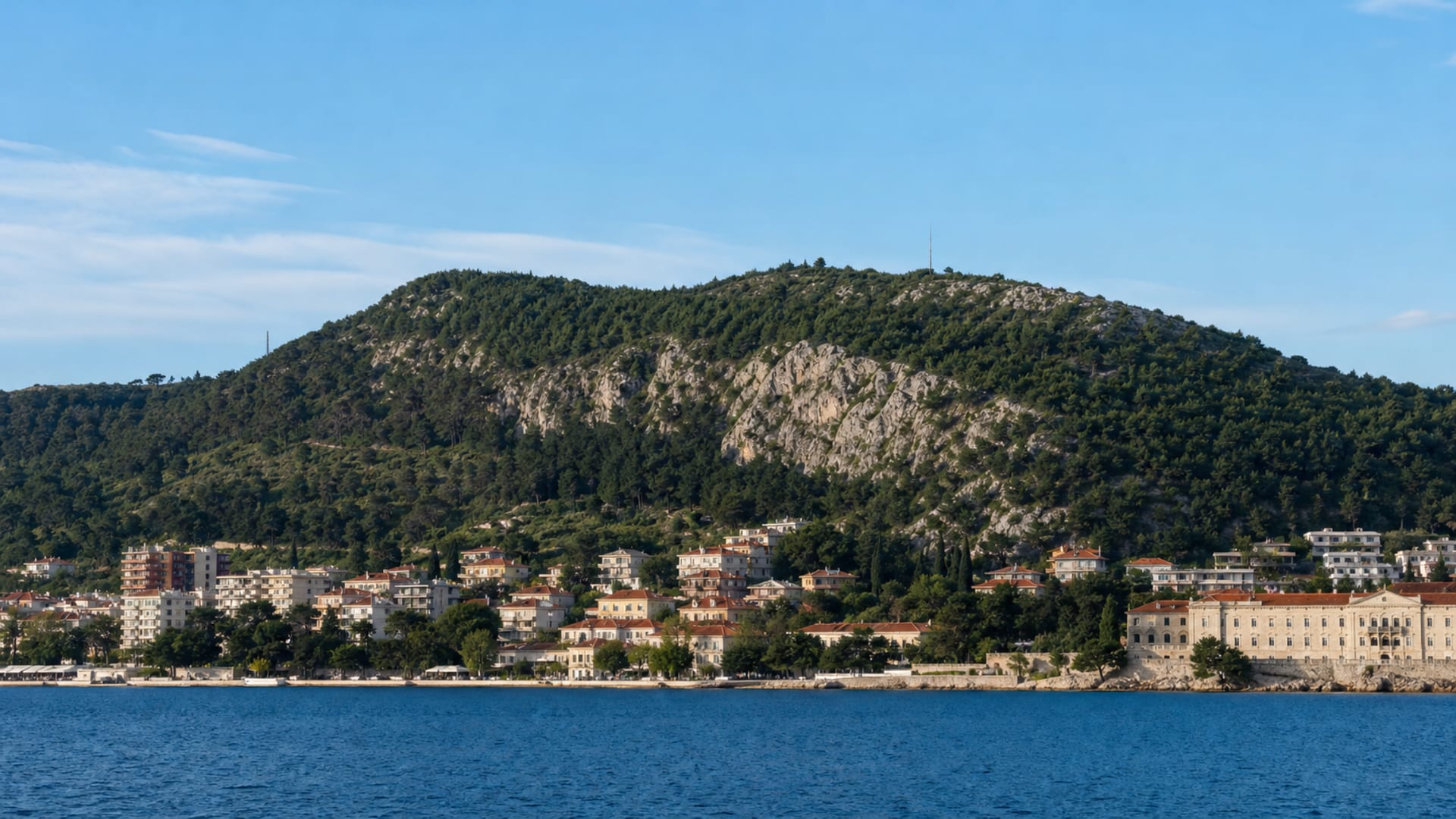
Marjan Hill
A wooded ridge west of the center, with stone chapels, lookouts, and paths above the sea. It gives broad views over Split, the harbor, and nearby islands, with beaches at its base.
Time needed: About 2 to 4 hours
Entry: Free to access; beach facilities, rentals, and guided activities cost extra on site
Tip: Start before midday in summer, then stay for sunset from one of the west-facing viewpoints.
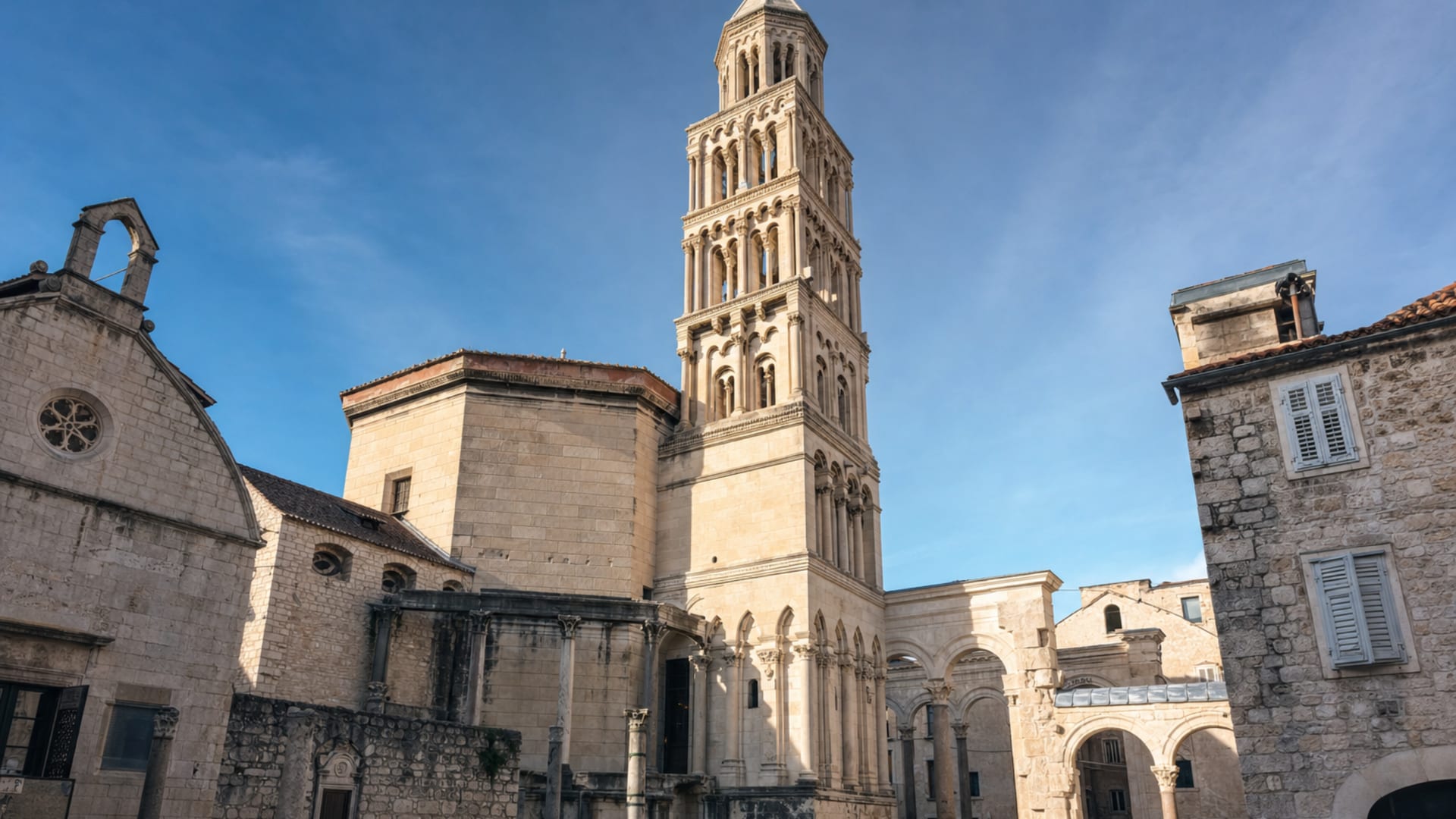
Cathedral of Saint Domnius
Built inside Diocletian’s former mausoleum, this cathedral pairs early Christian structure with a later bell tower that now marks Split’s skyline. Its interior, treasury, and tower make it one of the city’s essential stops.
Time needed: About 1 to 2 hours
Entry: Standard admission costs about $8 to $12 (€7 to €10), with tower access usually sold separately Visit the official site for details.
Tip: Visit near opening for quieter interiors, then climb the tower before the afternoon heat builds.
Overlooked sites worth visiting

Marjan Hill Forest Park
Shaded trails climb above Split’s old town, passing lookouts, a small zoo, and quiet chapels. Early morning brings cooler air and clearer views over the harbor and nearby islands.
Time needed: About 2 to 3 hours
Entry: Free to access; the hill’s walking paths, viewpoints, and park grounds do not charge admission. Some attractions on the hill, such as the zoo or small exhibition spaces, may have separate fees, but the main trail network is open without a ticket.
Tip: Go early for cooler trails and fewer cyclists.

Croatian Maritime Museum
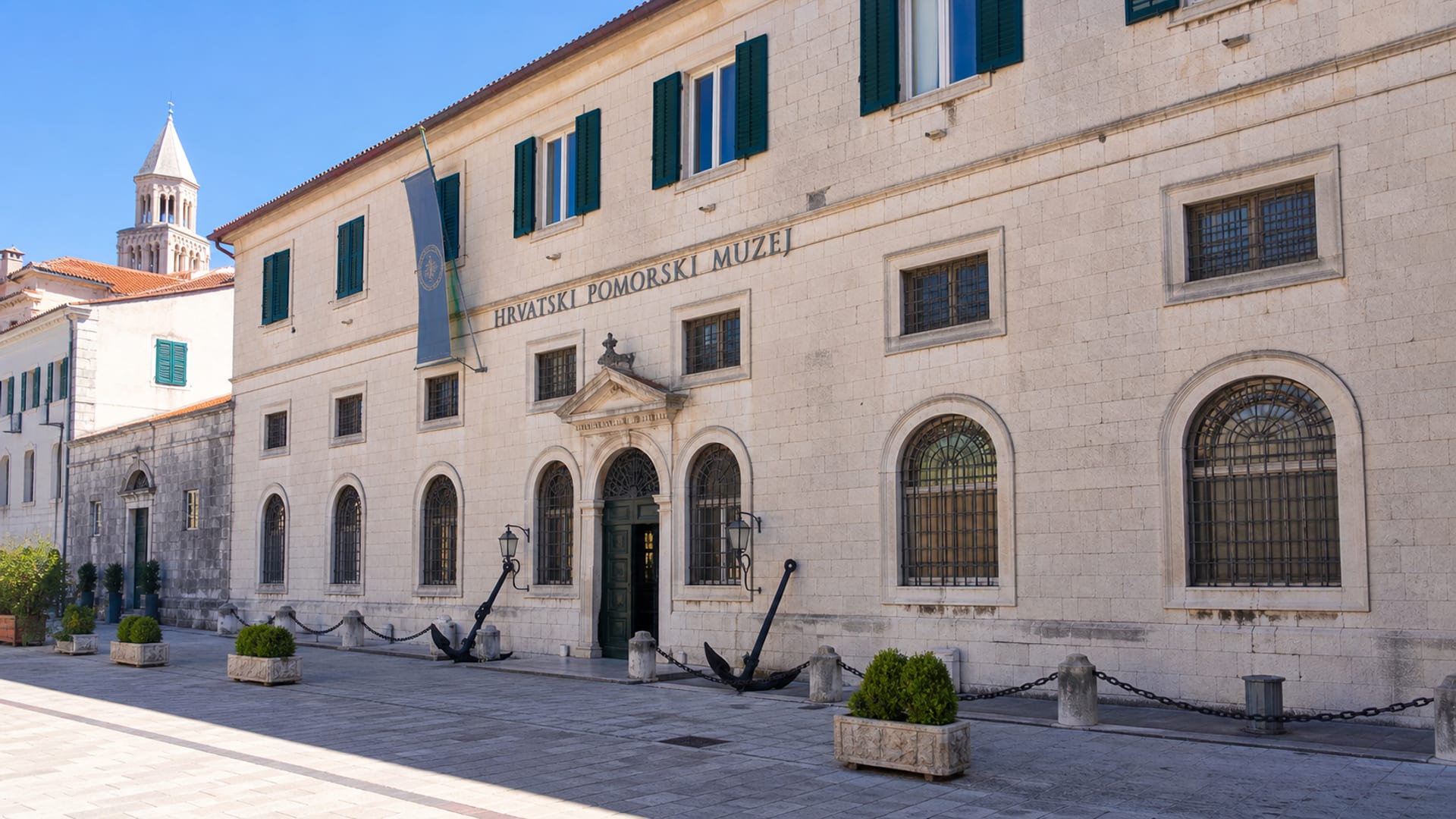
Inside the Gripe fortress complex, this compact museum traces Adriatic shipping, naval history, and local seamanship through models, uniforms, maps, and weapons. It suits a short visit between meals.
Time needed: About 1 to 1.5 hours
Entry: Admission is about $7 ($6) for adults, with reduced rates for students and seniors. Check the museum desk for current pricing, as temporary exhibitions or guided visits can change the standard ticket structure Visit the official site for details.
Tip: Pair it with the fortress courtyard for a short stop.
Traditional food
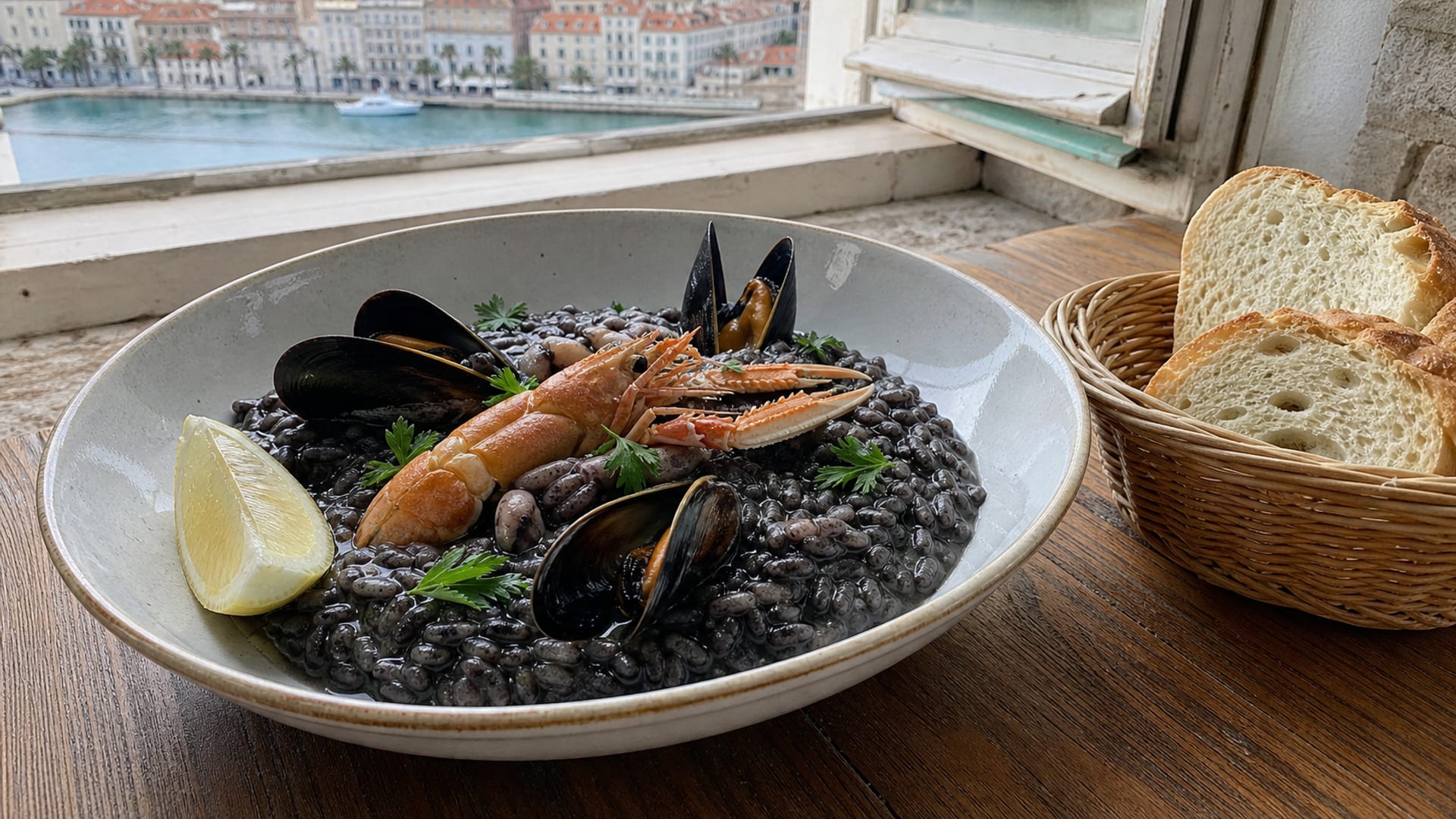
Split’s cooking leans on Adriatic fish, olive oil, herbs, and slow-cooked coastal flavors. Pašticada, black risotto, Gregada, and soparnik show how the city balances rich inland sauces with lighter seafood and pastry traditions.
Pašticada
This beef dish arrives braised in wine, prunes, and spices, then served with pasta or gnocchi. Konoba Matejuška is a strong Split address for a classic version.
Black risotto
Cuttlefish or squid gives the rice its dark color and briny depth, with garlic and wine rounding it out. Fife is one of the city’s best-known places for a traditional plate.
Gregada
This Dalmatian fish stew keeps the broth clear and clean, letting potatoes, onions, and fresh catch do the work. Konoba Varoš serves a version that suits the old-town setting.
Soparnik
A thin Swiss chard pie from the region, baked with olive oil and garlic, often works as a snack or light lunch. Konoba Laganini is a useful stop if you want to try it in a casual setting.
Best time to visit Split
Split shifts with the seasons, from busy beach weather and warm evenings to quieter winter days when museum visits and cafe stops take priority.
Best for: Palace walks, hill trails, and lighter crowds
What you get: Temperatures sit about 54°F to 73°F (12°C to 23°C), with moderate crowds and comfortable walking weather
Trade-offs: Sea swimming can still feel cool early in the season
Best for: Beach time, long evenings, and ferry-linked day plans
What you get: Temperatures usually run about 72°F to 90°F (22°C to 32°C), with the largest crowds and the fullest waterfronts
Trade-offs: Heat and cruise traffic make midday touring slower
Best for: Balanced sightseeing and easier restaurant reservations
What you get: Temperatures are about 57°F to 79°F (14°C to 26°C), with fewer visitors after peak summer
Trade-offs: Some beach facilities begin to shorten their hours
Best for: Low-key city breaks, cafes, and museum time
What you get: Temperatures generally fall about 41°F to 55°F (5°C to 13°C), with light crowds and shorter days
Trade-offs: Swimming weather is mostly off the table
A realistic 5-day plan in Split
The five-day plan follows Split in a practical order: arrival near the waterfront, then the palace core, Marjan, the museum district, and a final morning that leaves room for shopping and one last cafe stop before the airport.
Land at Split (SPU), then take a taxi or prebooked transfer to Diocletian’s Palace, Bacvice, or Meje in about 30 to 40 minutes, usually for about €30 to €45 (~$33 to ~$49). Check into a hotel or apartment near the Riva or the Bacvice waterfront, drink some water, and keep dinner simple, perhaps at a cafe in the old town or along the beach promenade if you arrive early enough for a short walk.
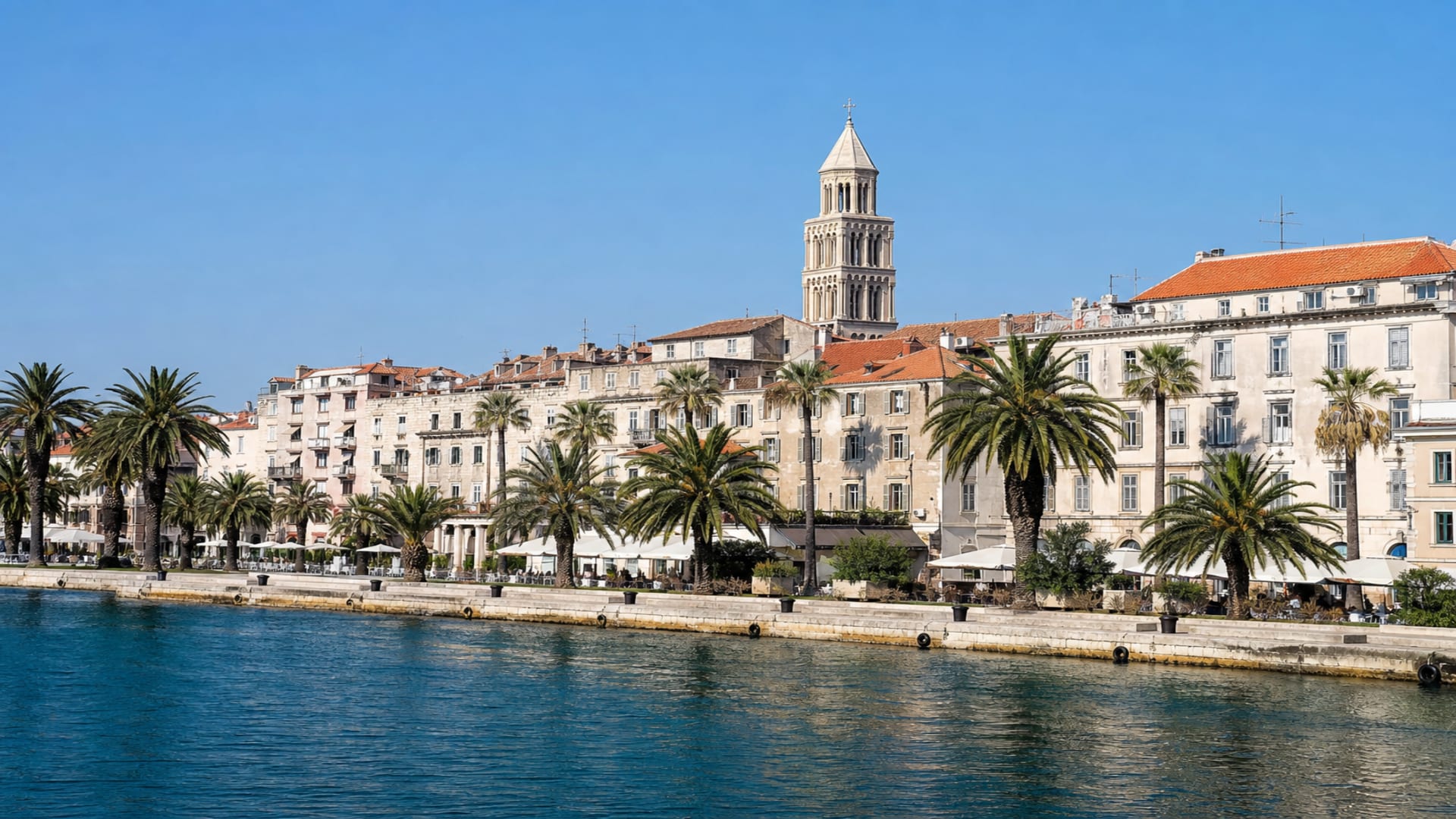
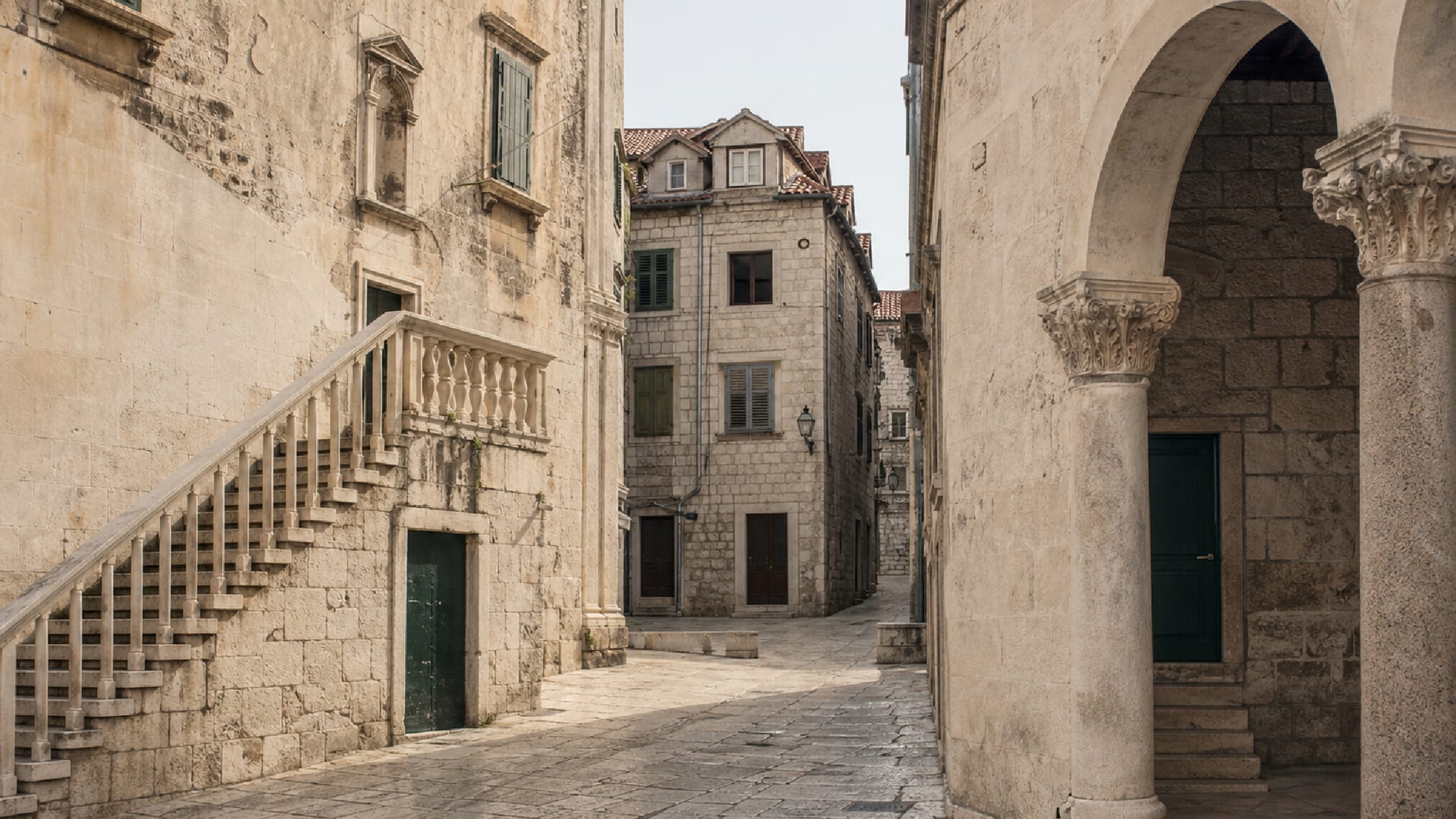
Start with Diocletian’s Palace, then walk 5 minutes to the Cathedral of Saint Domnius and another few minutes to the Peristyle, where the public courtyards and lanes are easiest to read before the day crowds build. After that, it is about a 10-minute walk to the Riva for lunch by the waterfront, then continue through the old town streets on foot, stopping for coffee or a late-afternoon break before an easy dinner nearby.
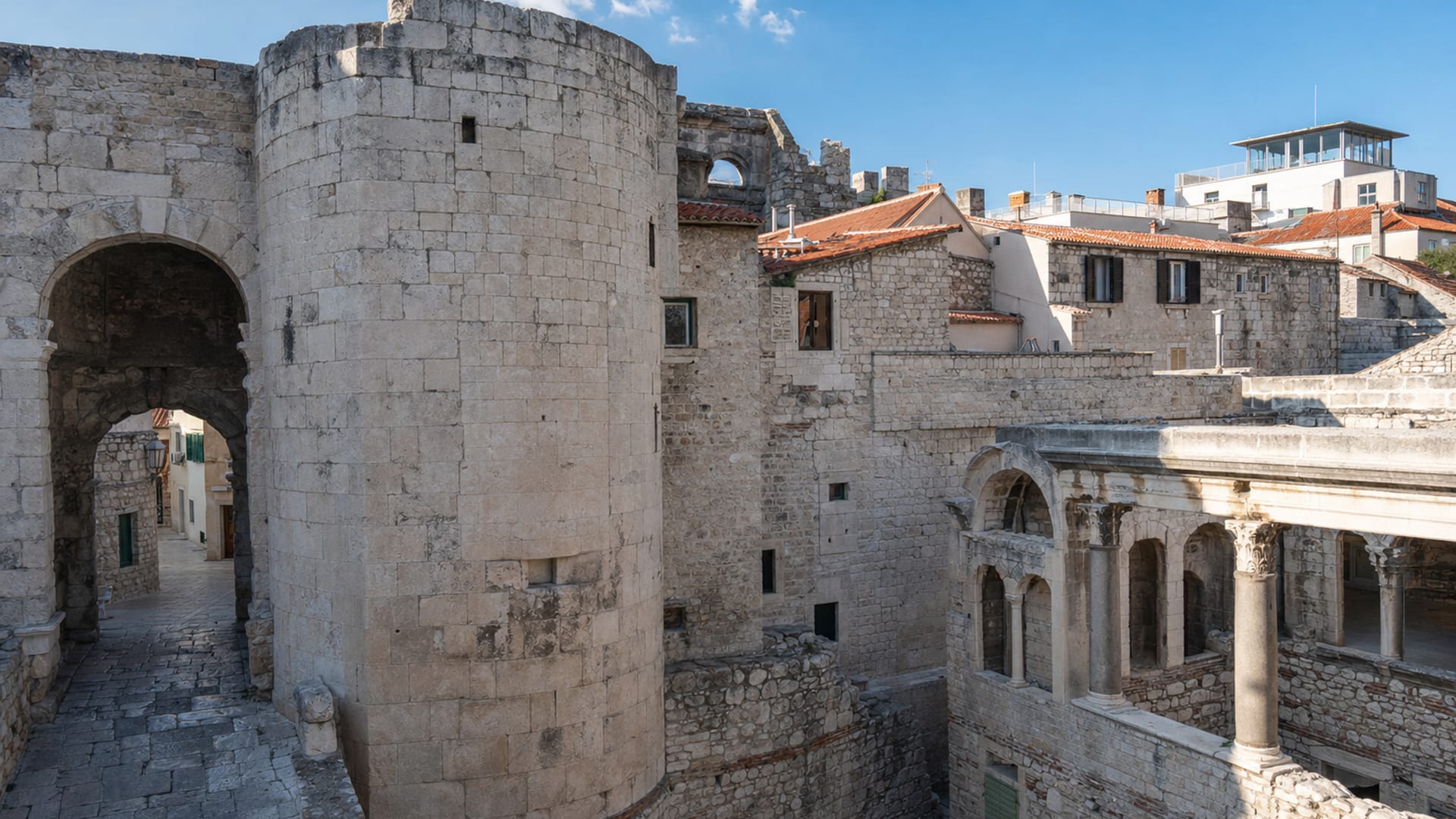
Head west to Marjan Hill Forest Park in the morning, about 15 to 20 minutes by bus from the old town or a longer walk if you want the climb, and spend about 2 to 3 hours on the shaded trails and lookouts. From there, continue to Marjan Hill, where the sea views open up above the peninsula, then return toward the center for a late lunch and an unhurried evening in the old town or Bacvice, depending on where you are staying.
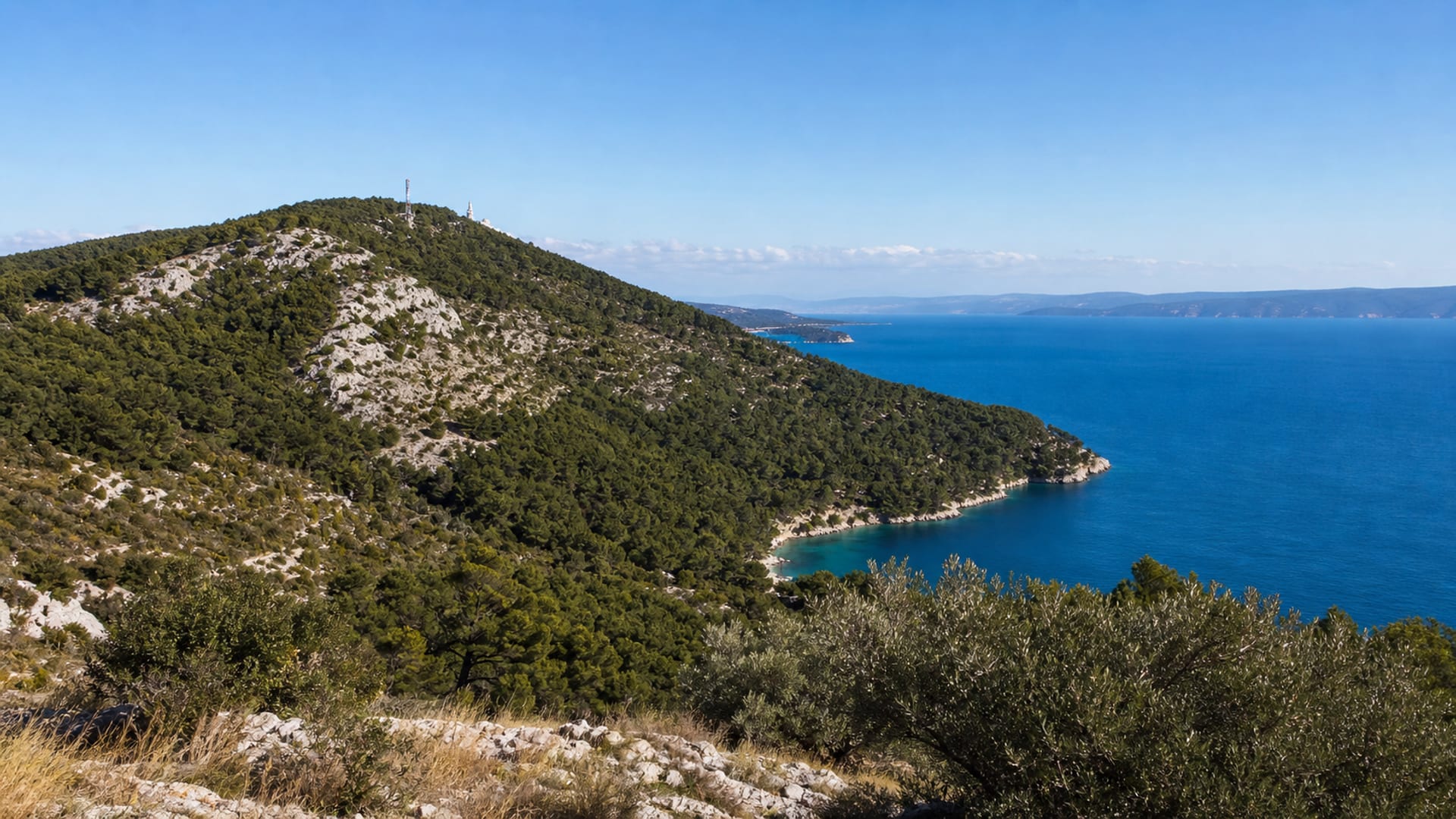
Begin at the Croatian Maritime Museum inside the Gripe fortress complex, roughly 15 minutes on foot from Diocletian’s Palace, and pair the visit with the fortress courtyard for a compact midmorning stop. Afterward, walk back toward the center in about 15 minutes for lunch, then spend the rest of the afternoon dividing time between the palace lanes, the Riva, and a beach stop at Bacvice if the weather is warm enough for a swim or a drink by the shore.
A final morning works well for one last museum stop, a slow cafe visit, and a little shopping in Diocletian’s Palace and the streets just off the Riva, where you can still buy local olive oil, wine, and souvenirs without crossing town. If you are staying in Lovret or Bacvice, return there for luggage pickup, then have an early coffee in the neighborhood and head to Split (SPU) with enough time for the airport ride.
Business-class flights from the US to Split
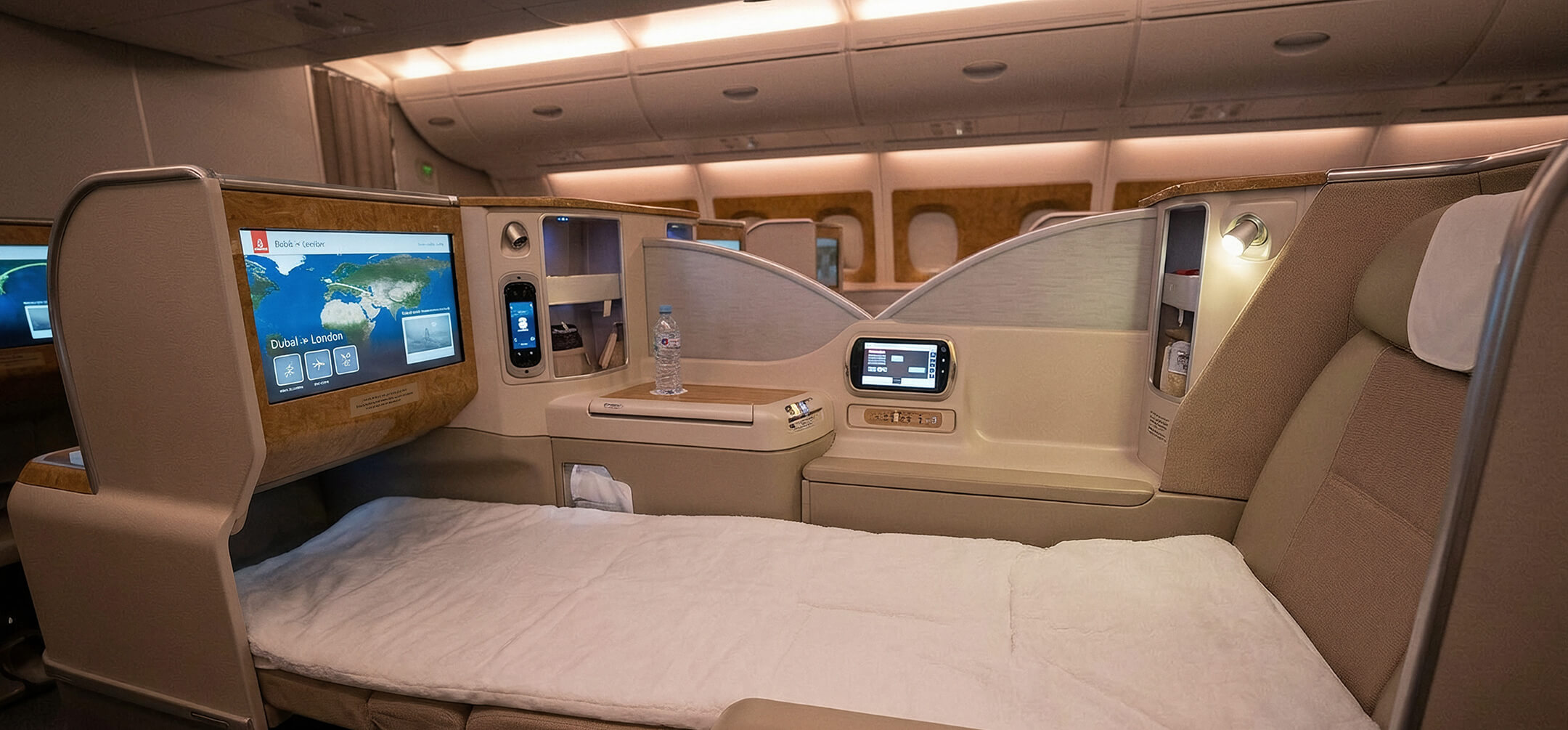
Split usually requires a connection from both New York and Los Angeles, so the route often matters as much as the fare. The strongest options pair a major European hub with a manageable overnight or daytime link onward to Split (SPU).
From New York City, round-trip fares usually start at $2,400, with pricier dates reaching about $5,200. Delta Air Lines, Lufthansa, Austrian Airlines, Turkish Airlines, British Airways, and Air France all operate on this market, and common connections run via Frankfurt, Munich, Vienna, Istanbul, London, or Paris.
Flights from Los Angeles to Split usually begin near $2,900 round trip and can rise to roughly $6,000 on peak dates. Lufthansa, British Airways, Turkish Airlines, Air France, KLM, and Austrian Airlines are among the names to watch, with one-stop options via Frankfurt, Munich, Istanbul, London, Paris, or Amsterdam often lowering the fare at the cost of a long connection.
Split feels different when you slow down
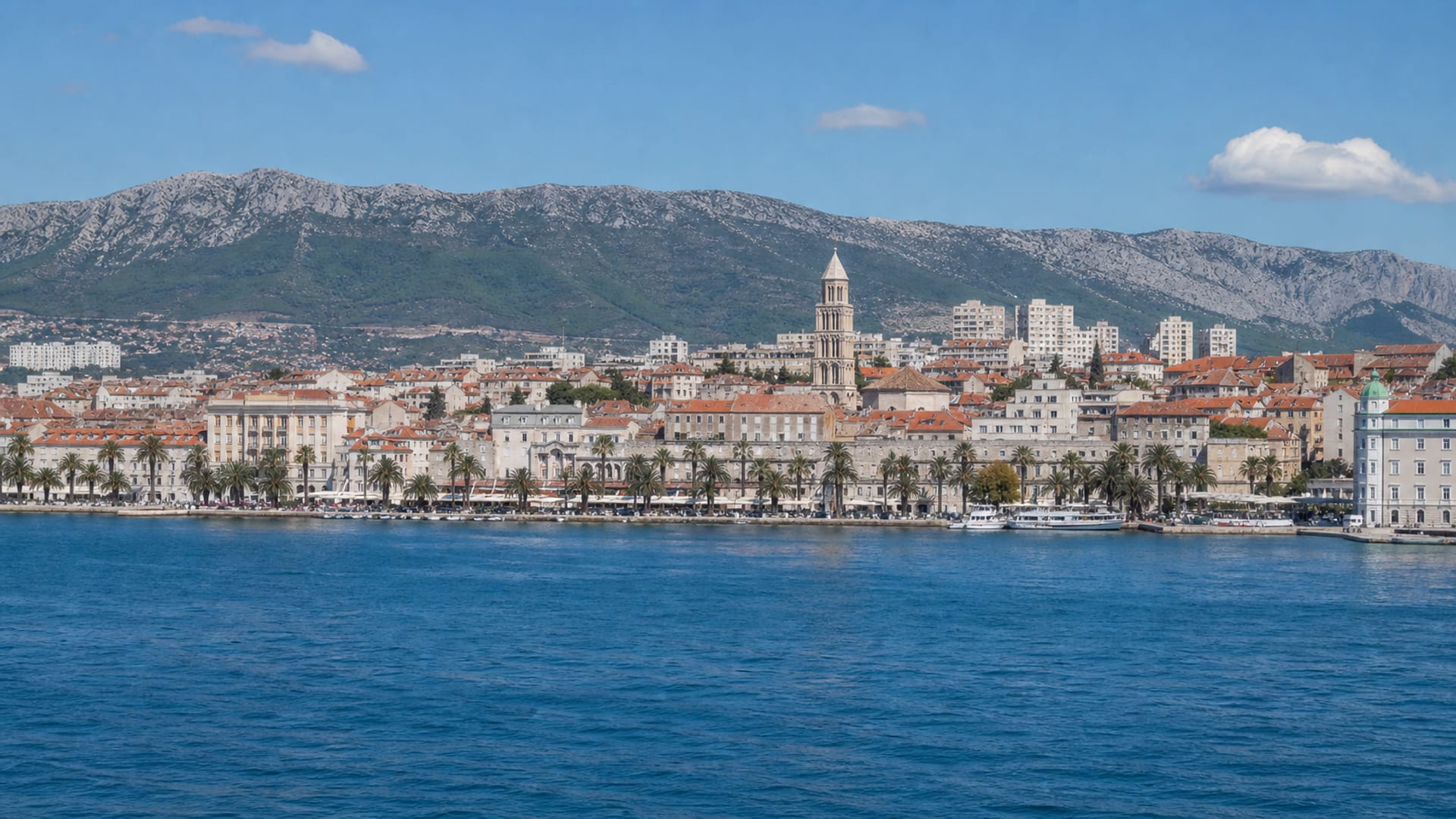
A well-planned Split trip moves in layers, from Diocletian’s Palace and the Riva to Marjan Hill, Bacvice, and the Gripe fortress area, with buses, walking, and the occasional taxi filling the gaps. That pace gives the city room to show both its Roman core and its everyday coastal life. If you want help building the right stay and route through it, AranGrant experts can shape a Split plan around the neighborhoods and sights that fit your dates