


Chapters:

Need help with your trip?
Our support team is available 24/7. Request a callback or call us directly at (833) 619-0908
Southampton trips often begin and end with the port, the station, and a quick look at the Old Town, while the city’s quieter residential edges go unnoticed. Travelers who keep everything near the terminal can miss how the center, the waterfront, and the medieval streets connect on foot.
That can make the city feel more spread out than it is, with extra taxi rides, rushed meals, and backtracking between the station, the quayside, and the historic core. The busiest blocks also change quickly between daytime shopping and evening dining.
This guide maps the city by day, then by area, so you can place museums, waterfront walks, and dinner in a cleaner order and spend less time recalculating each move.
Useful things to know


Main language(s): English

Currency: The local currency is the pound sterling (GBP, £).

Cash and cards: Cards and contactless are widely accepted; keep about £20 to £30 ($25 to $38) in cash for small buys.

Tipping: Tip 10 to 12% in sit-down restaurants if service is good; rounding up is common for small bills.

Traditional food: Hampshire watercress soup, Southampton parkin, fish and chips, crab sandwiches

Water and coffee costs: Water about £1.50 ($2), bar espresso about £2.50 ($3).

Taxis and ride apps: Uber operates here; Bolt may be limited, so check availability before you rely on it.

Plug and voltage: Type G socket, 230V

Dining and shop opening hours: Breakfast is about 07:00-10:00, lunch 12:00-14:30, and dinner 18:00-21:30. Many pubs stop serving food by 21:00, and some kitchens close on Sunday evenings.

Emergency number: 999 or 112 for police, fire, ambulance, and coastguard.
Where to stay in Southampton
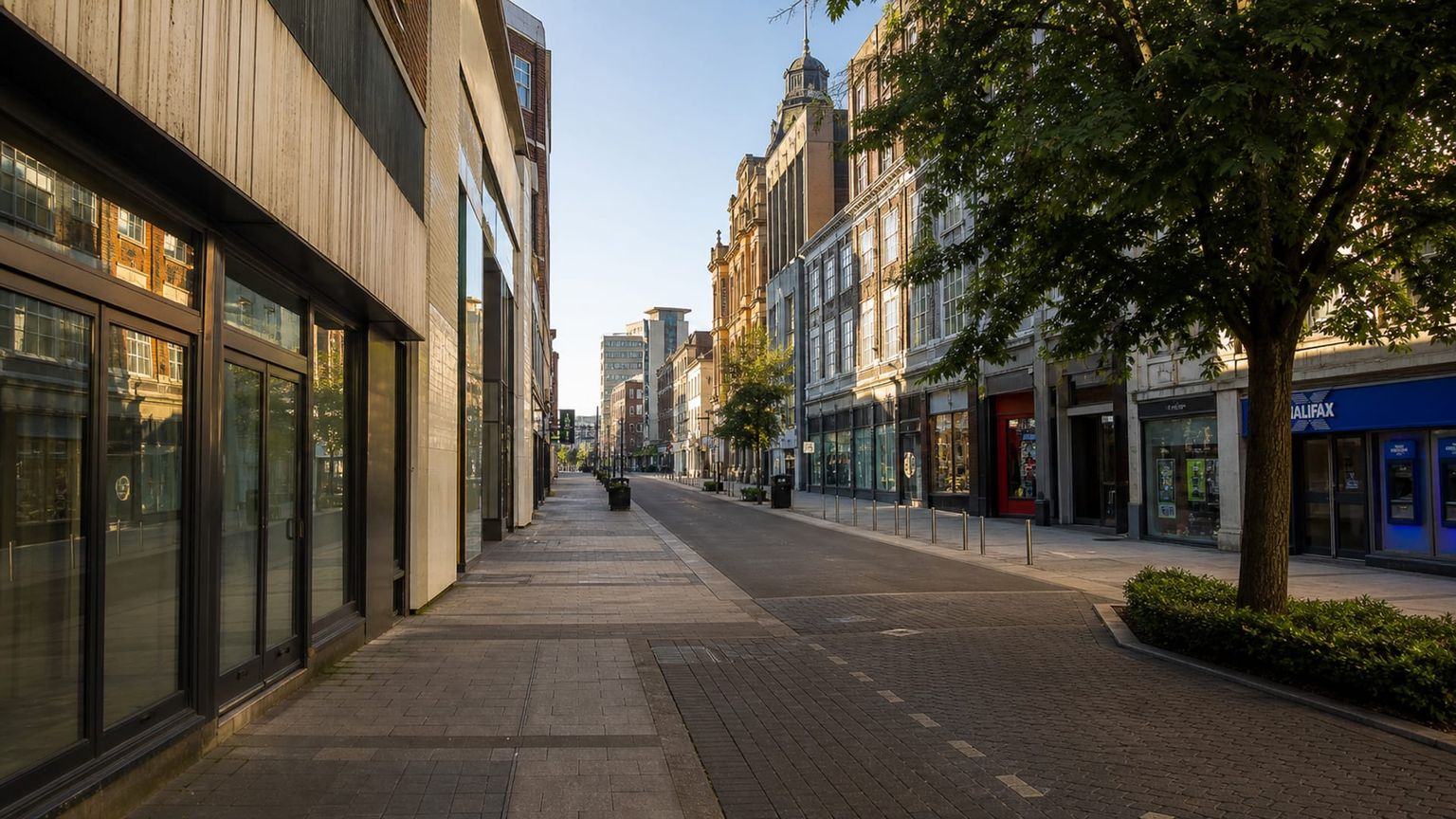
Southampton’s City Centre puts you by the main shopping streets, civic buildings, and the ferry and rail links that tie the city together. It suits visitors who want the densest mix of restaurants, museums, and transit within a short walk.
Best for: Short stays, rail arrivals, dining, and easy access to the main sights
What to expect: Busy daytime foot traffic, late-opening bars, and a steady flow of shoppers and commuters.
Hotel prices: Usually about $110 to $220 per night for well-rated stays
Distance to major sights: 5 to 15 minutes on foot to Westquay, Solent Sky, and the Medieval City Walls
Quietness: Noisy by day and lively in the evening, with more traffic on weekend nights.
Main trade-off: You get the best central access, but rooms near the main roads and nightlife can cost more and run noisier.
Good to know: Choose a higher floor or an interior room if you are sensitive to street noise, especially on Friday and Saturday nights.
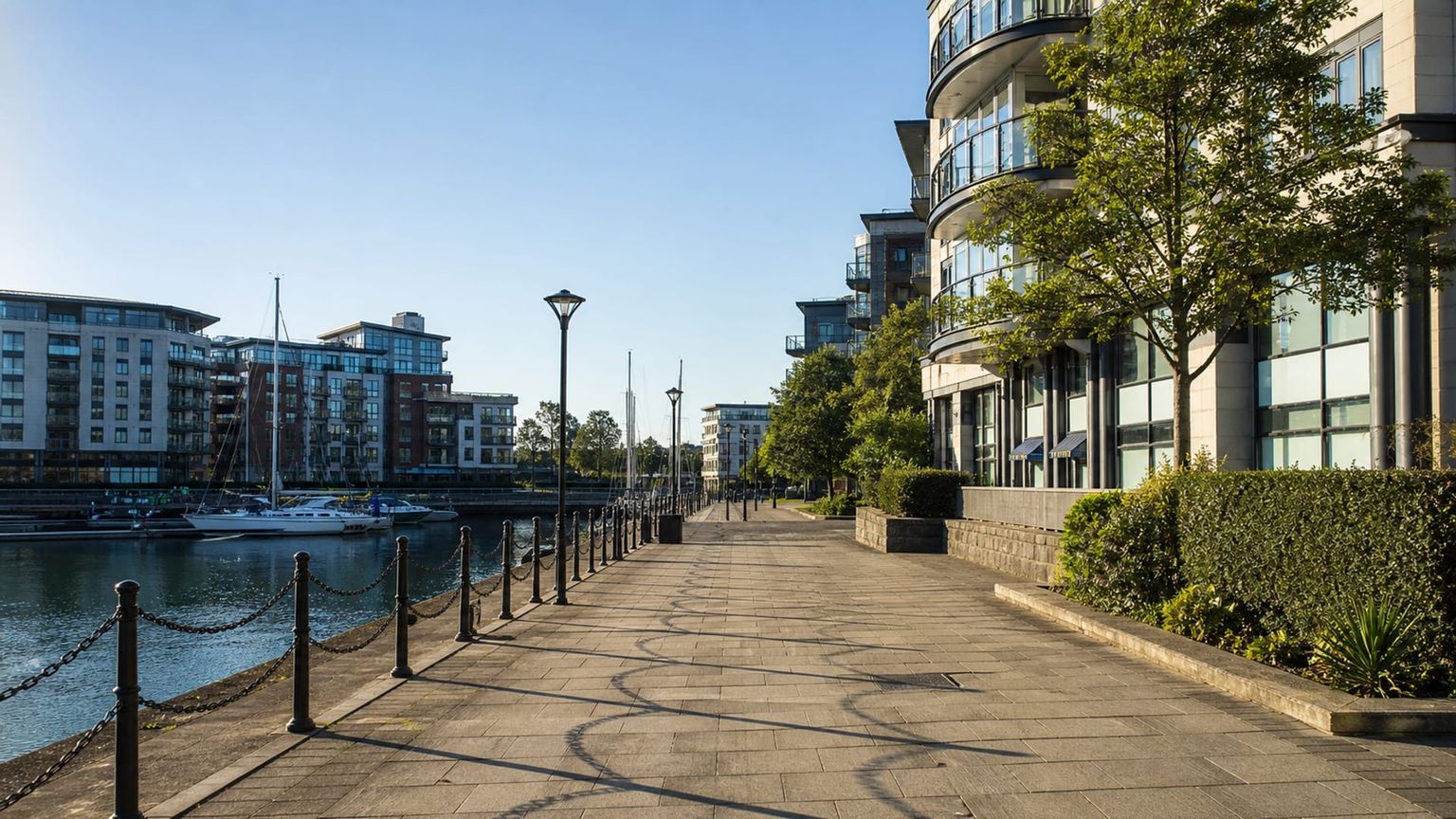
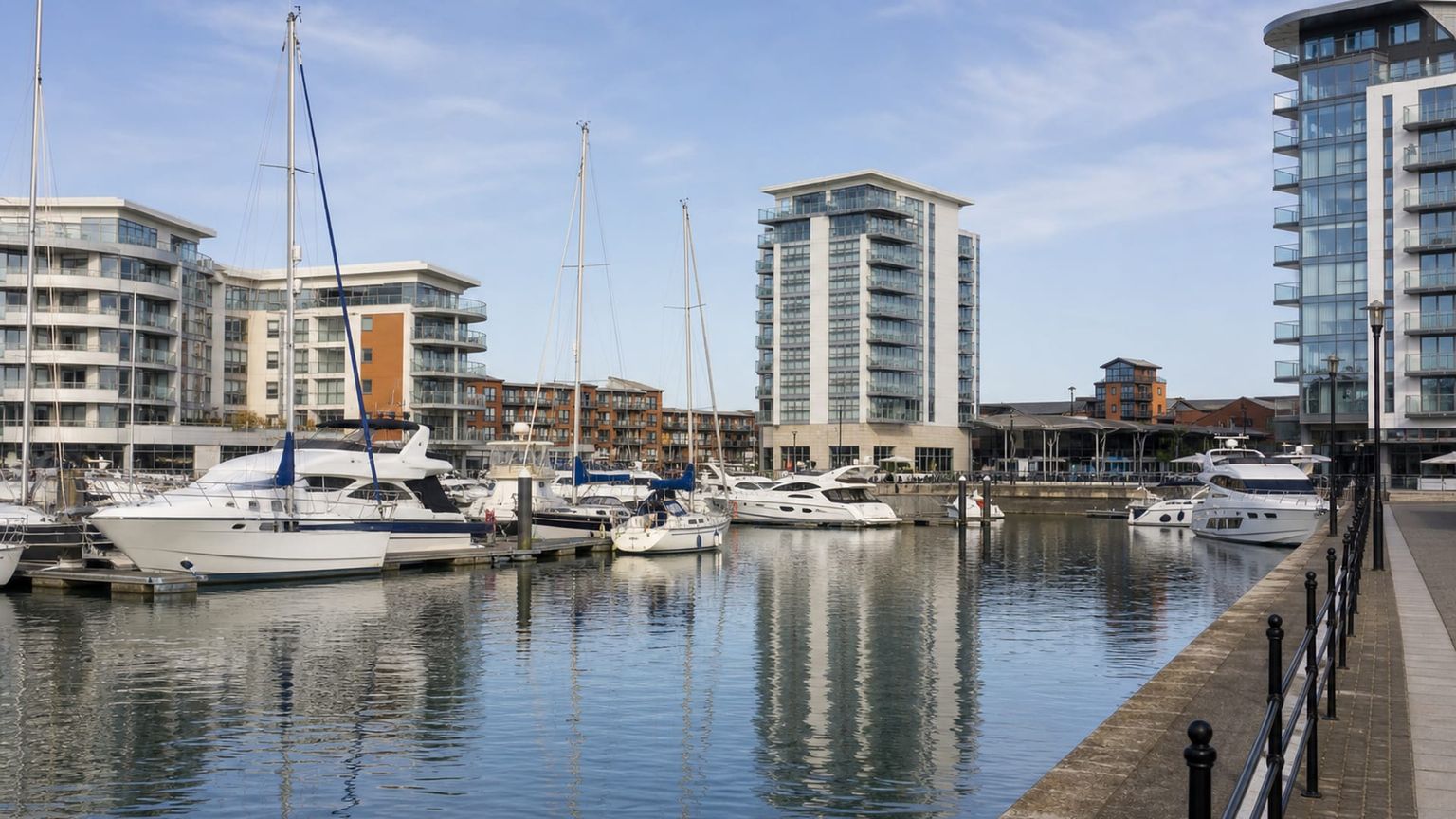
Ocean Village is the waterfront district just southeast of the center, with marinas, modern apartments, and a cluster of restaurants facing the harbor. It matters if you want a newer base with water views and easy access to the old town and central docks.
Best for: Waterfront stays, dining by the marina, and travelers who want a modern setting
What to expect: Leisurely waterfront foot traffic, diners on the quayside, and more movement around restaurants than on residential streets.
Hotel prices: Usually about $130 to $260 per night for well-rated stays
Distance to major sights: 15 to 20 minutes on foot to the City Centre and about 25 minutes to the Medieval City Walls
Quietness: Calmer in the morning and through much of the day, then livelier near the restaurants after dinner.
Main trade-off: The setting is more scenic, but you will walk farther for major shopping streets and some late-night options.
Good to know: Taxis and ride shares are useful after dinner, because the walk back from the center feels longer once the waterfront restaurants close.
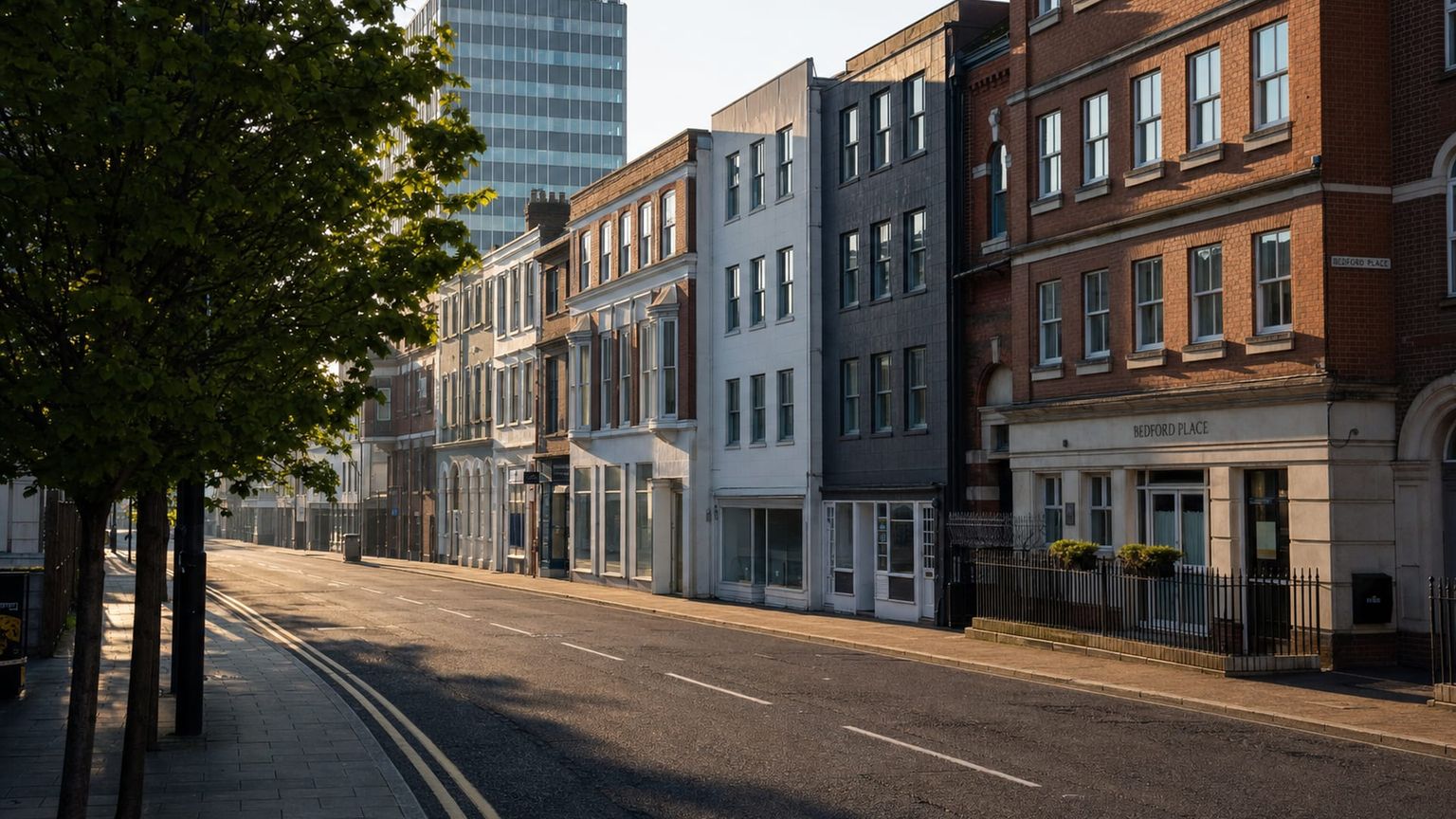
Bedford Place sits just north of the center and has one of Southampton’s strongest clusters of bars, late-night dining, and casual hotels. It suits visitors who want to step out to restaurants quickly and still reach the main sights without a long ride.
Best for: Nightlife, casual dining, and travelers who want bars within a short walk
What to expect: Busy pavements in the evening, especially on weekends, with a younger crowd and late openings.
Hotel prices: Usually about $100 to $190 per night for well-rated stays
Distance to major sights: 10 to 15 minutes on foot to Westquay and about 15 minutes to the Medieval City Walls
Quietness: Daytime is fairly calm, but evenings are louder and weekends can run late.
Main trade-off: The area is convenient for nights out, but street noise and late returns can be an issue in some blocks.
Good to know: If sleep matters, check whether your room faces the street, because the busiest bars concentrate on a few blocks.
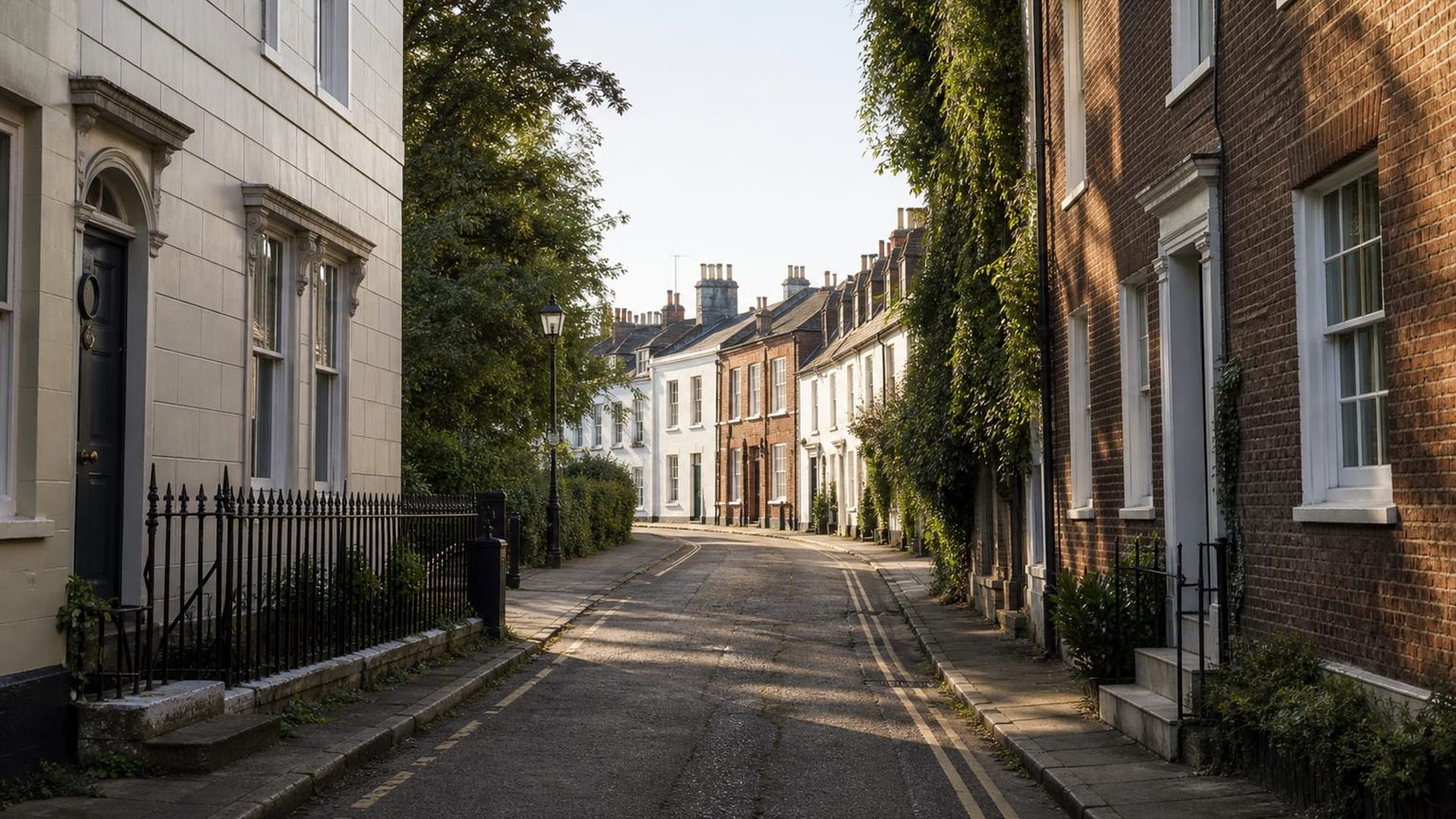
The Polygon is a residential quarter northwest of the center with guesthouses, smaller hotels, and a more local street pattern than the core shopping area. It is useful for travelers who want central access without staying directly on the main retail strip.
Best for: Quieter central stays, longer visits, and travelers who prefer guesthouses
What to expect: Mostly residential streets with light local foot traffic, fewer restaurants, and a calmer pace after dark.
Hotel prices: Usually about $90 to $170 per night for well-rated stays
Distance to major sights: 10 to 20 minutes on foot to Westquay and the Medieval City Walls
Quietness: Quiet during the day and generally quieter at night than the center, with less late activity.
Main trade-off: You will walk a bit farther for shopping and dinner, and restaurant choice is thinner than in the core.
Good to know: Plan dinner before you return, because late-night options close sooner here than they do in the center.
Travelers usually avoid sleeping far out in Thornhill, Sholing, and Bitterne, since these areas sit away from the waterfront, Old Town, and the main rail links, with fewer visitor-facing hotels and dining options. Peartree and Weston are also less convenient for short stays, because they sit on the city fringe, add time to evening trips back from the center, and do not place you close to the main sights.
Hotel deals
How to get around Southampton efficiently
Southampton has no metro, so most visitors move between the airport, station, center, and waterfront with a mix of walking, Unilink buses, taxis, and the local rail line.

Metro
for longer distances
Southampton has no metro system. The closest equivalent for airport-area trips is the local rail network, with Southampton Airport Parkway on the main line, about 5 to 10 minutes from the terminal on foot and roughly 7 minutes to Southampton Central by train; tickets often run about $3 to $8 (£2 to £6), and the ticket is valid for the booked train only unless you buy an off-peak fare.

Bus and tram
for convenience
Unilink buses link Southampton Airport with the city center, the university, and nearby neighborhoods, with Route U1C among the main options and stops near the terminal; a single fare is often about $3 to $5 (£2.50 to £4), day tickets about $6 to $9 (£5 to £7), and most tickets are valid for the stated journey or the rest of the day depending on what you buy. Look for contactless payment or exact operator rules at the stop, then allow about 20 to 35 minutes to central Southampton depending on traffic.

Taxi
for convenience or late hours
Licensed black cabs and prebooked minicabs use metered fares or fixed quotes rather than one airport flat rate, so a trip into central Southampton usually costs about $25 to $40 (£20 to £32), with late-night or heavier traffic pushing it higher. Use the taxi rank or a licensed app or operator, expect card payments on most vehicles, and budget about 15 to 25 minutes to the center, longer if the docks or match traffic clog the roads.
*Prices are based on rates updated as of June 2026 and may change at the time of travel.
Walk for the center, use the bus for budget airport transfers, choose the train for Southampton Airport Parkway, and book a taxi when you need the quickest door-to-door ride after dinner or with luggage.
Iconic landmarks
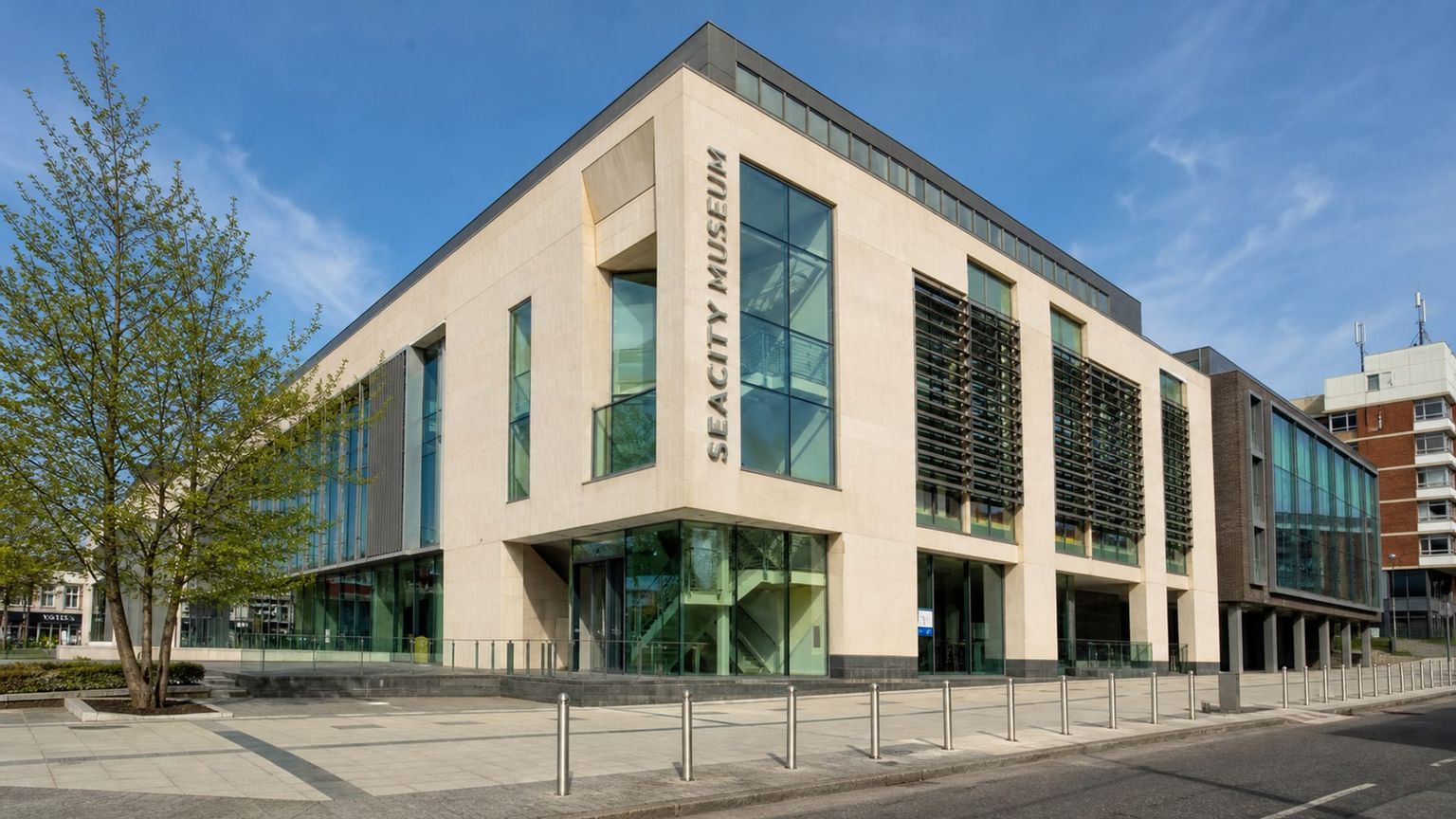
SeaCity Museum
Southampton’s maritime story fills this museum in the city center, from Titanic to the port’s role in wartime evacuations and postwar migration. The Titanic Story gallery uses original objects, documents, and shipboard voices to anchor the collection.
Time needed: About 2 to 3 hours
Entry: Adult admission is £15.50 ($20), with reduced rates for children, students, and families; temporary exhibitions may carry separate charges. Visit the official site for details.
Tip: Go early on a weekday, when the Titanic gallery is easier to read without crowds.
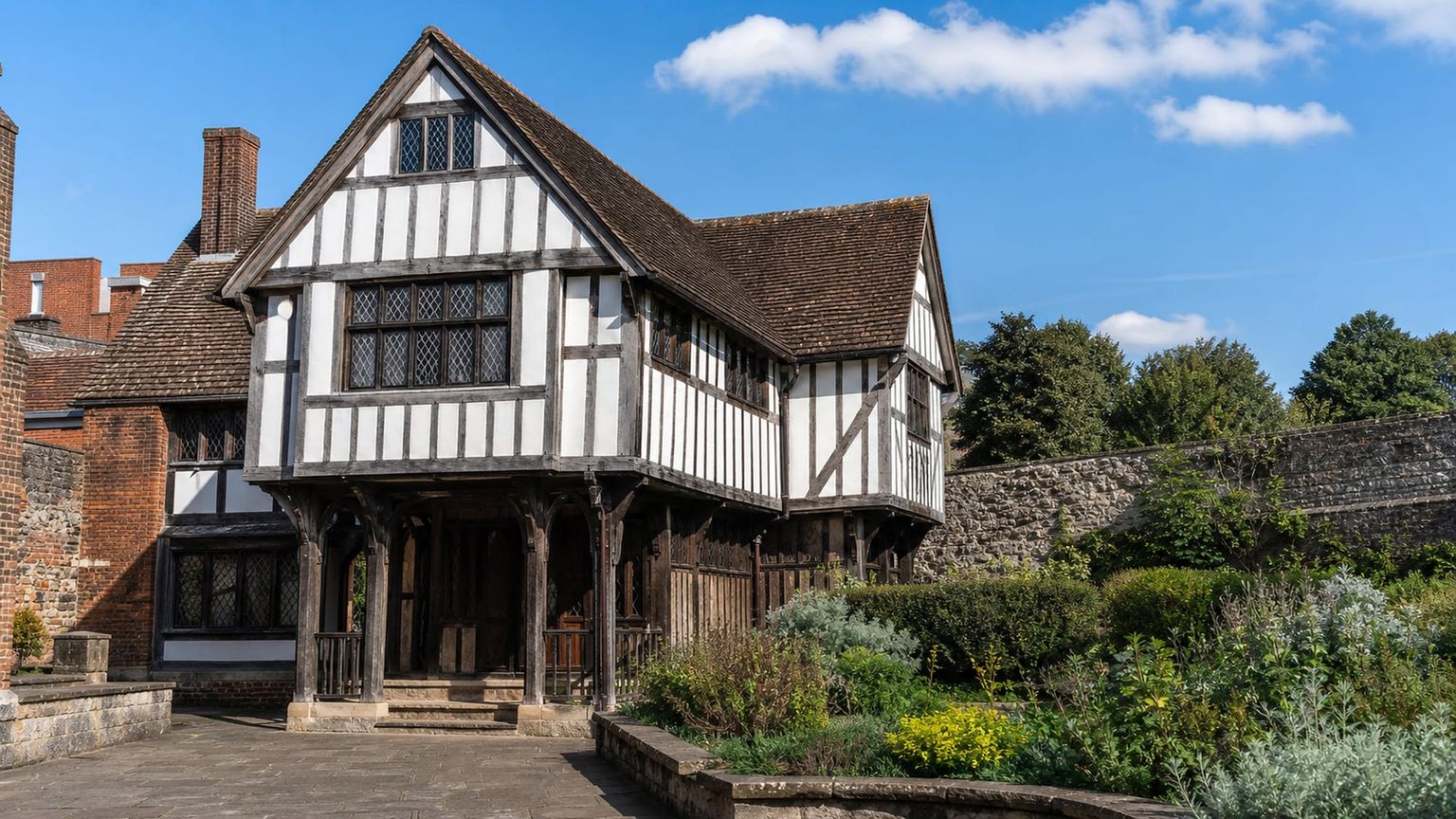
Tudor House and Garden
This timber-framed house traces more than 800 years of Southampton life through restored rooms, archaeology, and domestic objects. Its walled garden adds a rare medieval-era setting beside the Old Town streets.
Time needed: About 1 to 2 hours
Entry: Adult admission is £11.50 ($15), with lower prices for children and concessions; garden access is included with house entry. Visit the official site for details.
Tip: Visit in the afternoon, then step into the garden for clearer light on the timber work.
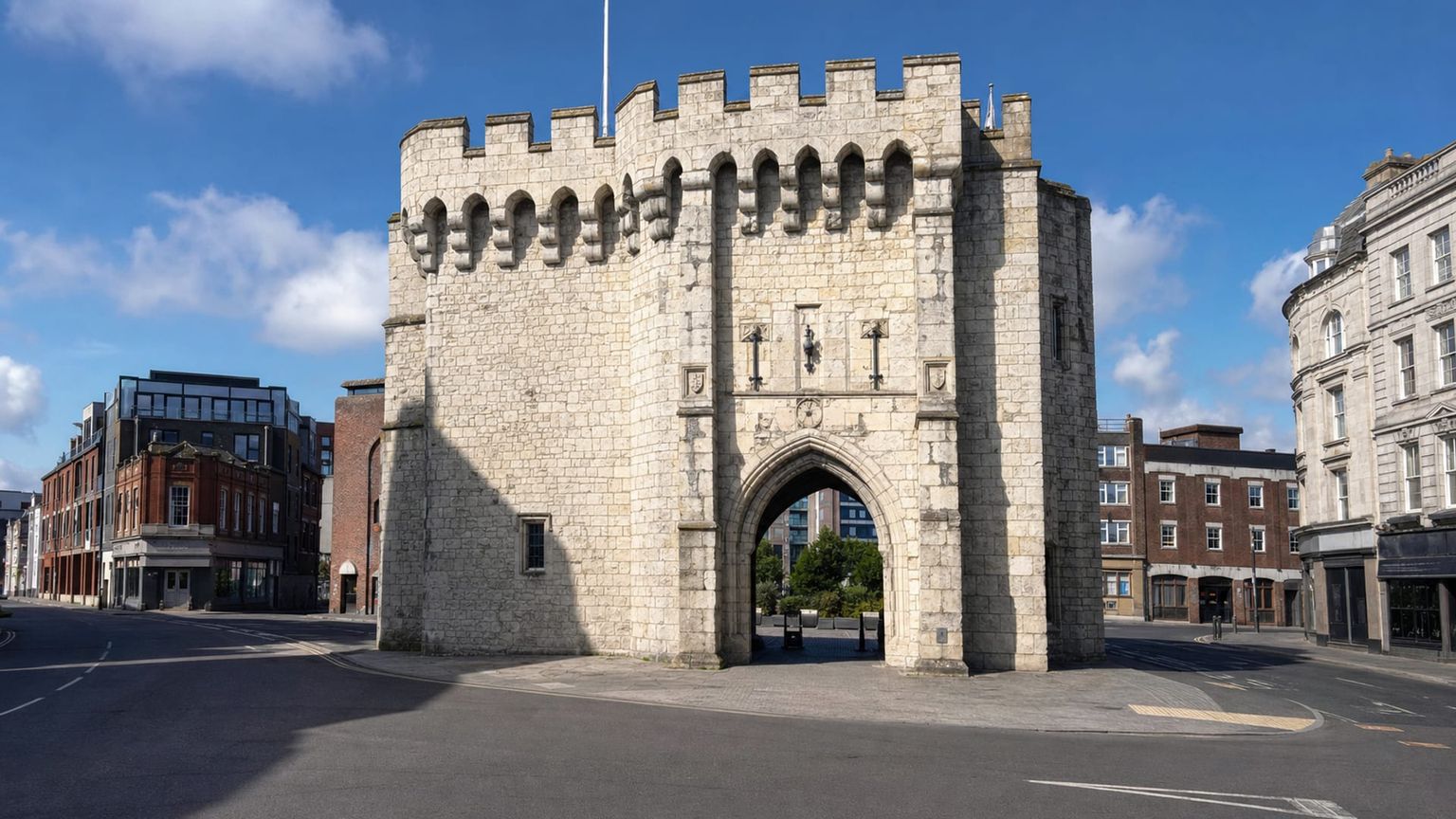
Bargate
The Bargate is Southampton’s best-known medieval gate, built in the 12th century and later widened with a towered front facing the Old Town. It anchors the historic street pattern and marks the former line of the city walls.
Time needed: About 30 to 45 minutes
Entry: Free to access at street level; the monument is outdoors and open at all hours, with no ticket office or timed entry.
Tip: Come near sunset, when the stonework shows best and the surrounding streets are quieter.
Overlooked sites worth visiting

The Watercress Line, Alresford
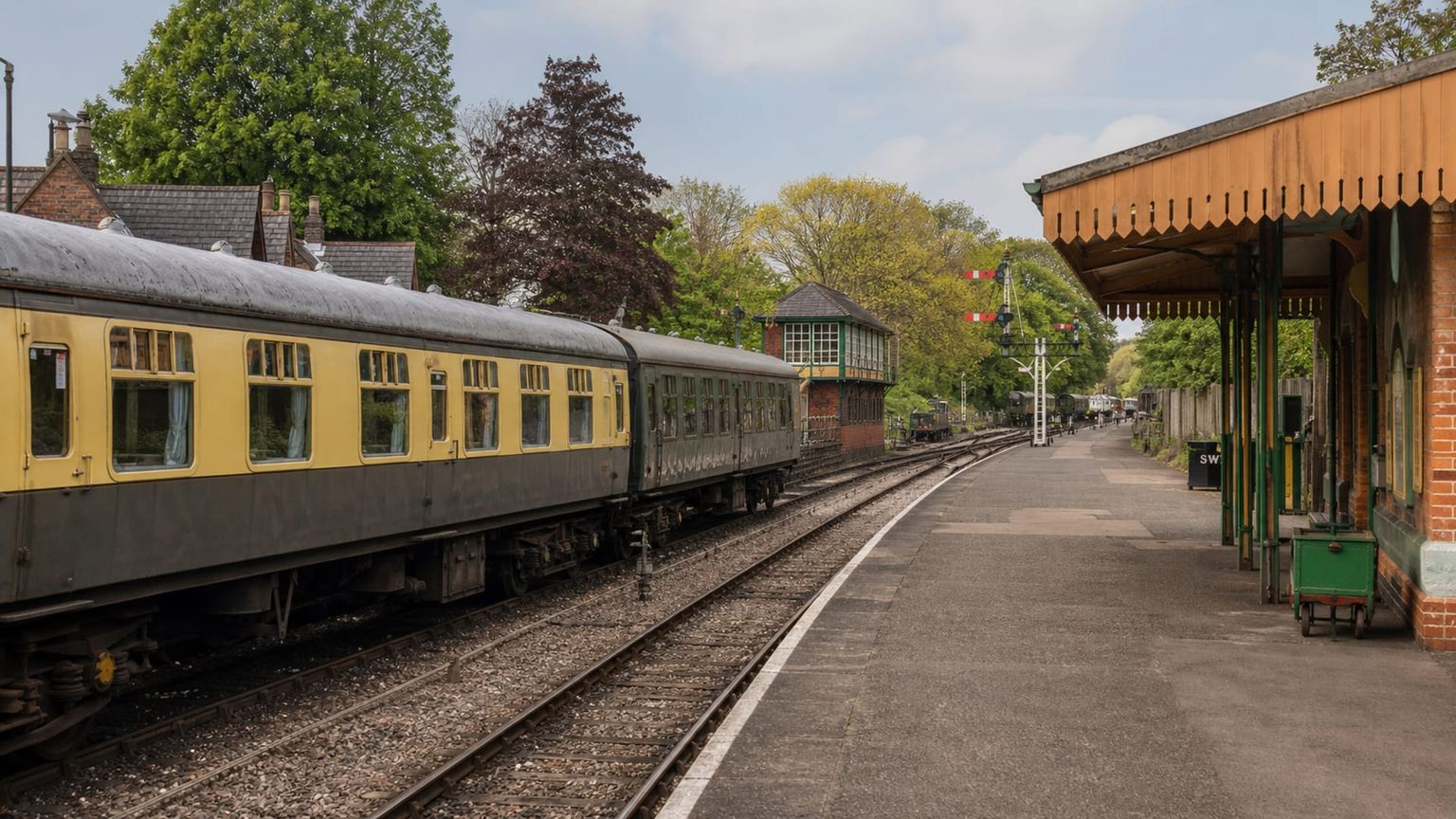
A heritage railway with steam trains through the Itchen Valley, this line suits a slower outing and gives clear countryside views from the carriage windows. Alresford station adds a tidy, small-town stop before or after the ride.
Time needed: About 2 to 3 hours
Entry: Adult return fares usually cost $27 to $49 (£22 to £39), depending on the day and train type. Special events, dining trains, and family tickets can cost more, and children’s fares are lower. Check the timetable before you go. Visit the official site for details.
Tip: Take an early train for quieter carriages and better light.

SeaCity Museum
This compact museum tells Southampton’s maritime story, with the Titanic Story exhibition as its core draw. It also covers the port, migration, and wartime damage, all in a visit that works well in the center.
Time needed: About 1 to 2 hours
Entry: Adult tickets usually cost $15 to $18 (£12 to £15). Children, students, and seniors pay reduced rates, and family tickets are available. Some special exhibitions may have a separate charge, so check current prices before you visit. Visit the official site for details.
Tip: Pair it with the nearby museum quarter for an easy half-day.
Traditional food
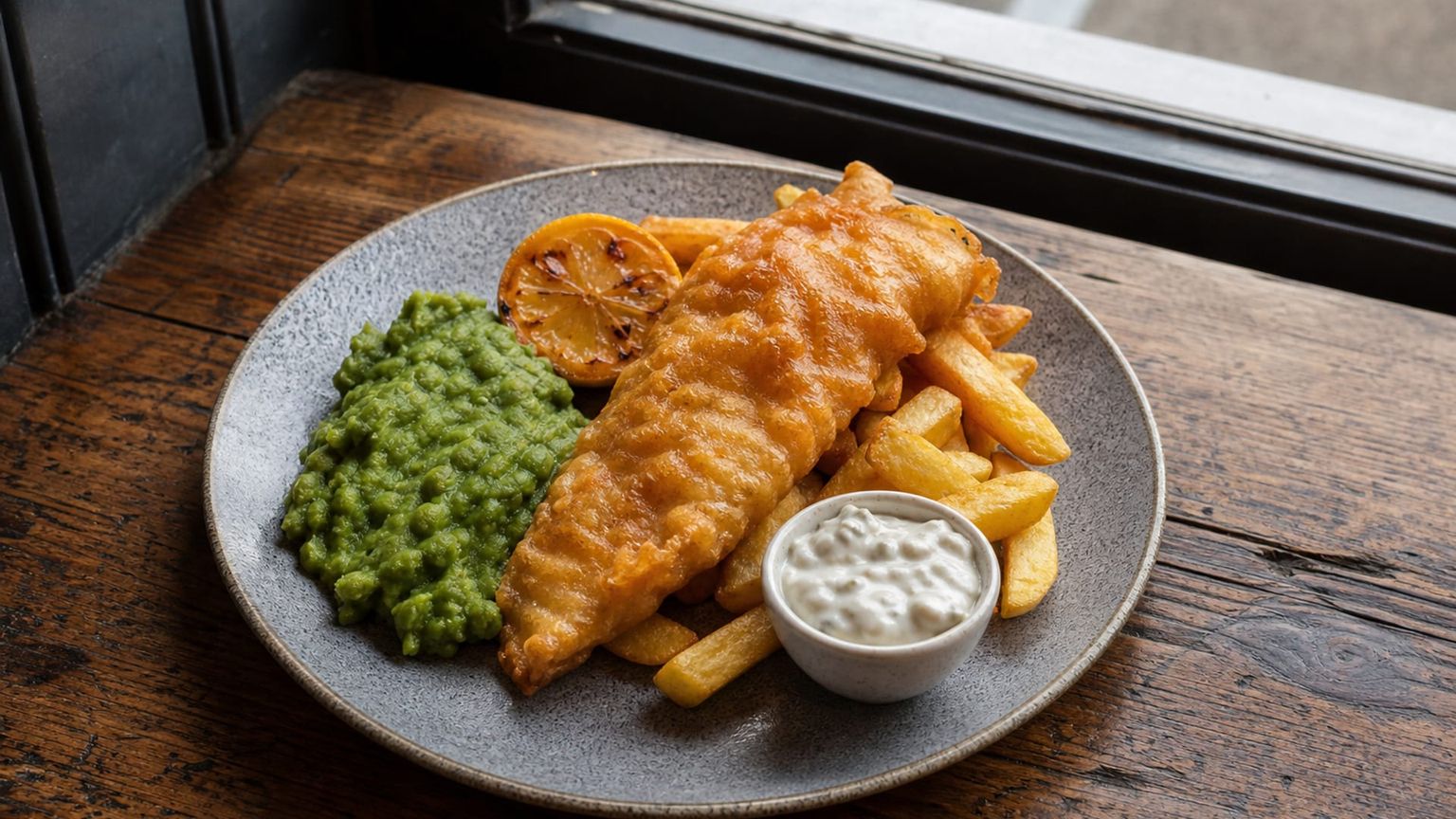
Southampton’s table leans on coastal produce, pub cooking, and Hampshire traditions, from watercress soup to parkin, with fish and chips and crab sandwiches showing up in both casual cafés and classic pubs.
Hampshire watercress soup
A local classic built around peppery watercress and a light, savory base. The Mayflower in the city center is a strong fit, with pub dining that suits this regional dish.
Southampton parkin
This spiced oat and ginger cake suits an afternoon coffee stop or a simple dessert. Coffee Lab in Southampton is a good match, because the café menu handles baked goods and drinks without fuss.
Fish and chips
Southampton’s harbor setting makes this one of the easiest dishes to seek out after a waterfront walk. The Dancing Man Brewery is a canonical choice, with pub food and a dockside setting near the old port.
Crab sandwiches
Fresh crab on bread suits a lunch stop near the water or a relaxed daytime meal in town. Oxford Brasserie serves a polished version in the center, with a menu that works well for a lighter seafood lunch.
Best time to visit Southampton
Southampton works in every season, but the balance between waterfront walks, museum time, and day trips shifts with daylight, sea air, and school holidays.
Best for: Museum visits, harbor walks, and day trips with longer light
What you get: Temperatures usually run about 46 to 61°F (8 to 16°C), with moderate crowds and changeable weather
Trade-offs: Rain showers can interrupt outdoor plans
Best for: Longest evenings, marina dining, and easy outdoor sightseeing
What you get: Temperatures usually run about 57 to 72°F (14 to 22°C), with the largest crowds and fuller hotel demand
Trade-offs: The center and waterfront feel busier, especially on weekends
Best for: Comfortable walking, clearer museum visits, and calmer restaurant evenings
What you get: Temperatures usually run about 48 to 64°F (9 to 18°C), with lighter crowds after summer
Trade-offs: Shorter days arrive quickly in late autumn
Best for: Indoor sightseeing, pub meals, and lower-key city breaks
What you get: Temperatures usually run about 37 to 48°F (3 to 9°C), with the quietest streets and the shortest daylight
Trade-offs: Wind and rain can limit time by the water
A realistic 5-day plan in Southampton
Five days in Southampton works best when you keep the historic core together, give the waterfront its own block of time, and leave room for one outside excursion. The plan below follows that pattern, with lighter movement on arrival and departure days.
Land at Southampton (SOU) and take a taxi or ride share into the City Centre or Ocean Village, which usually takes about 15 to 25 minutes and costs roughly $25 to $35. If you arrive by rail instead, the city center works best for a first night because Westquay, the main dining streets, and the ferry links sit within a short walk. Settle in, drink water, and keep dinner close to your hotel, then head to a quiet spot in Bedford Place or the City Centre for an easy meal before an early night.

Start with SeaCity Museum in the City Centre, then walk about 5 minutes to the Bargate and another 8 to 10 minutes to Tudor House and Garden for a tight look at Southampton’s port history and Old Town streets. SeaCity usually takes about 2 to 3 hours, Tudor House about 1 to 2 hours, and the walk between them keeps you in the historic core without extra transit. Finish with a relaxed dinner near Westquay or back in Bedford Place, depending on whether you want quicker table options or a livelier evening.
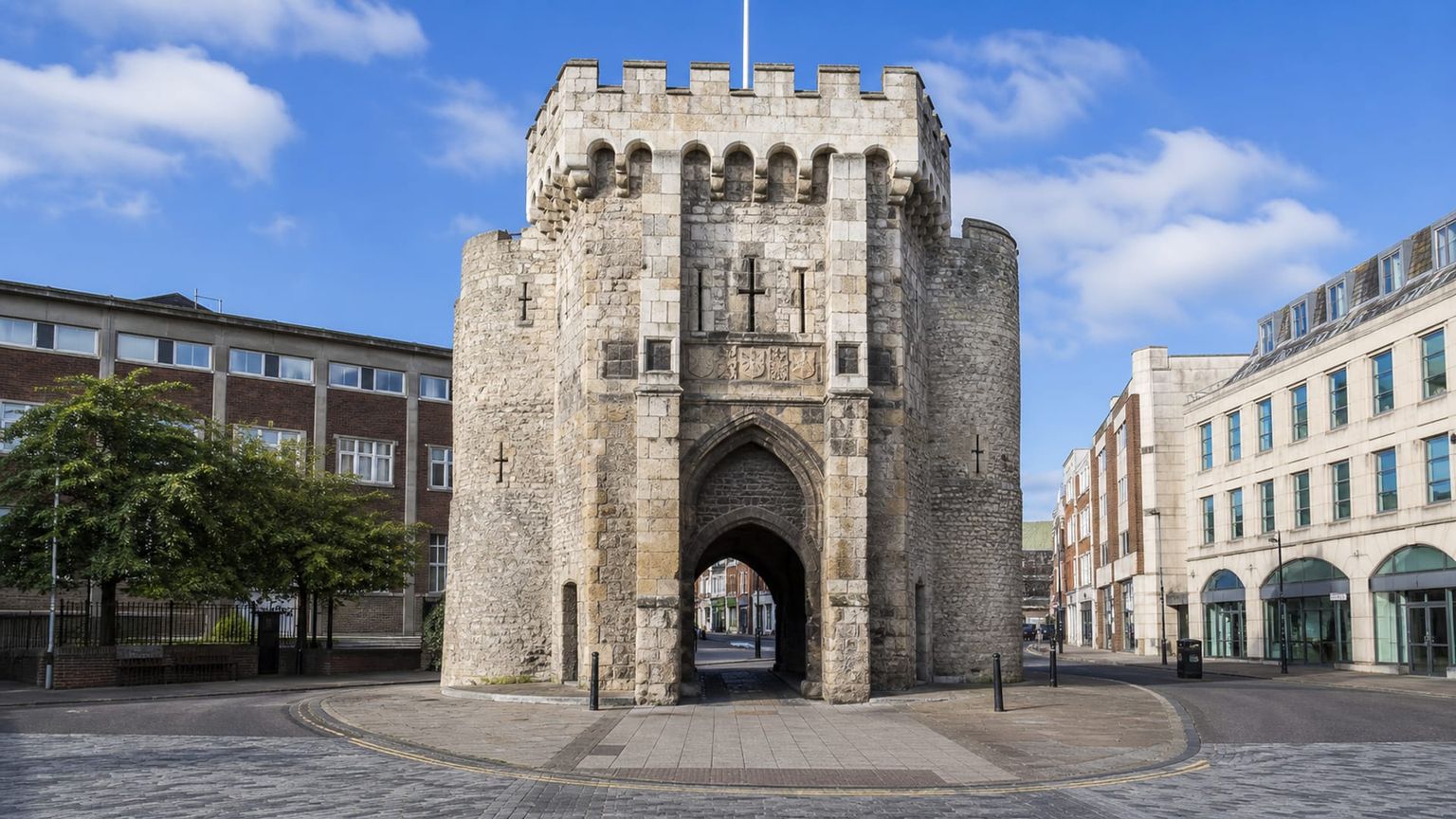
Begin in the Old Town with the Bargate, then spend about 10 minutes on foot reaching the medieval walls and the surrounding streets before moving on to the water in Ocean Village. From the center, a taxi or a 20-minute walk gets you to the marina, where you can linger by the quayside for lunch and harbor views. In the evening, return to Bedford Place for dinner, since it gives you the shortest walk to late openings after a day split between stone gate, walls, and waterfront.
A steam outing on the Watercress Line makes the strongest full-day contrast with the city, so take the train to Alresford for a ride that lasts about 2 to 3 hours and return to Southampton by late afternoon. Tickets usually cost about $27 to $49, and an early departure gives you quieter carriages and better light through the Itchen Valley. After you get back, keep the evening simple with a walk near your base in the City Centre or The Polygon and an early dinner within 10 to 15 minutes on foot.
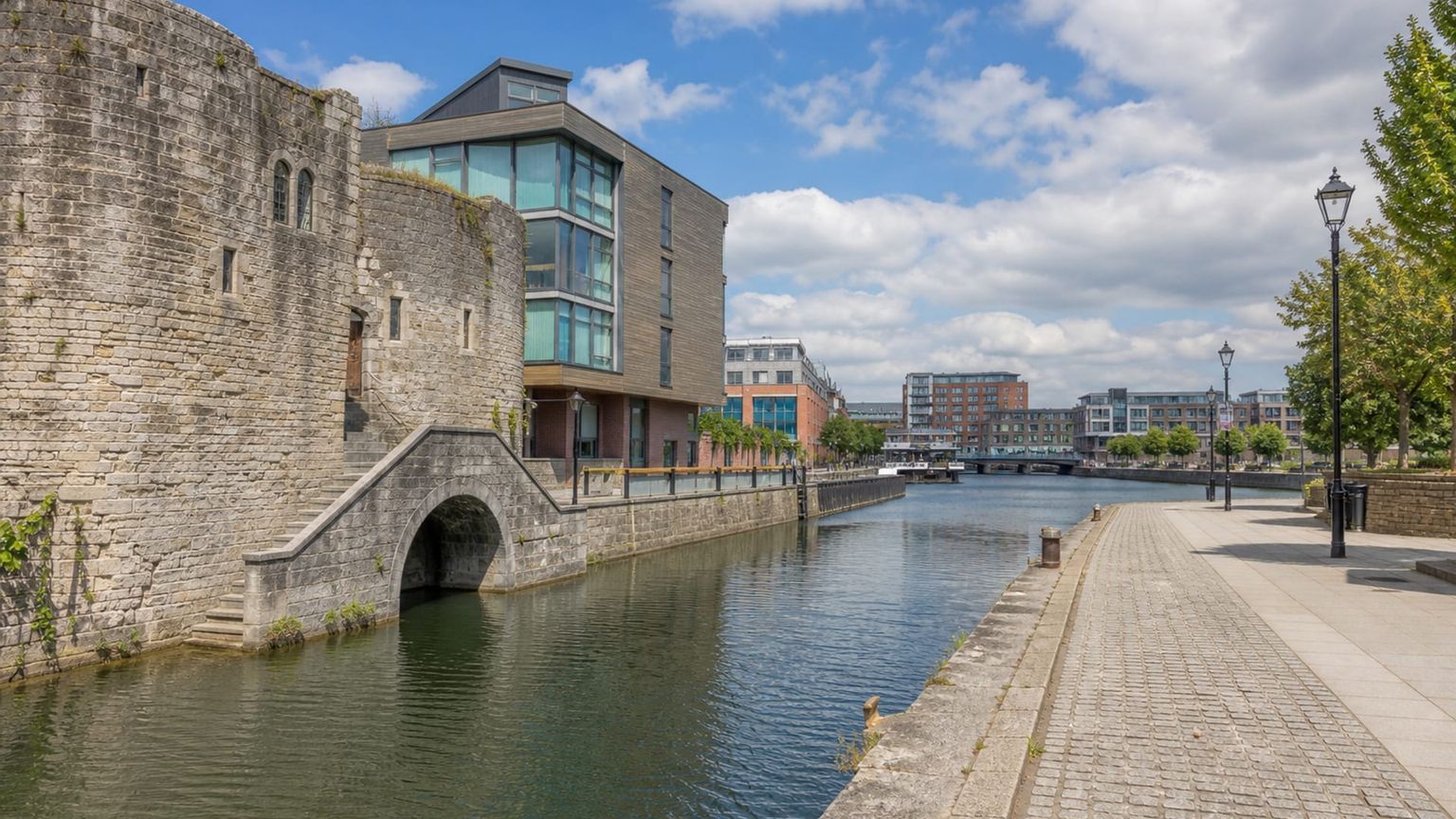
Before you head out, pair one last museum stop with an easy round of shopping in Westquay, where you can browse without leaving the City Centre. If your departure is later in the day, stop for coffee in The Polygon, then make your way back to the station or Southampton (SOU) with enough time to avoid a rushed transfer. This last stretch works best for a museum revisit, a few purchases, and a calm sit-down before you leave.
Business-class flights from the US to Southampton
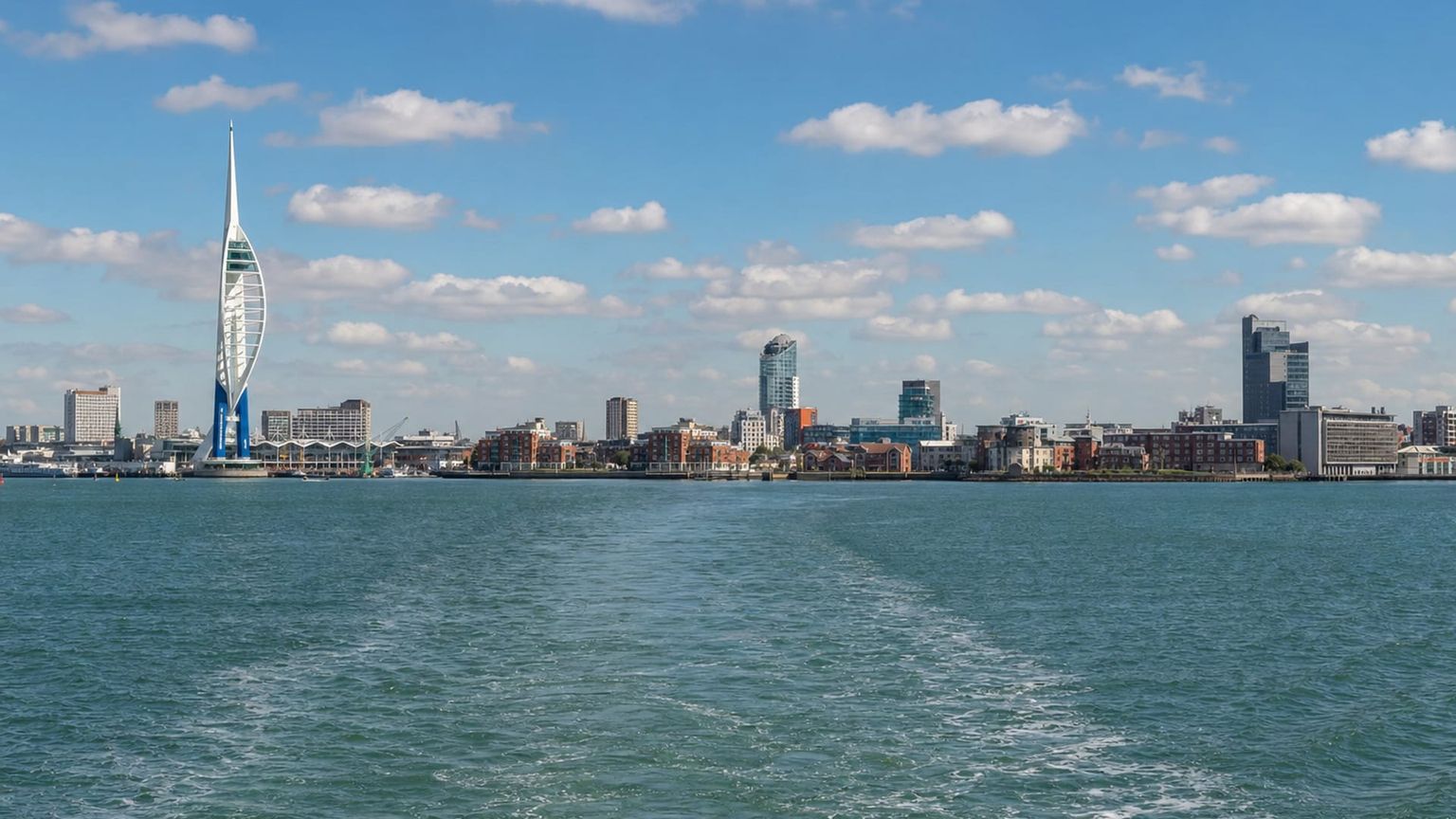
Business-class trips to Southampton usually route through major European hubs, so the best fare often depends on whether you are flying from the East Coast or the West Coast. The examples below show how that plays out from New York and Los Angeles.
From New York (JFK), Delta Air Lines, British Airways, Virgin Atlantic, Air France, KLM, and Lufthansa usually quote fares from $2,200 to $5,500. If you do not mind a layover, common routings via London (LHR), Paris (CDG), Amsterdam (AMS), Frankfurt (FRA), or Madrid (MAD) can cut the fare to roughly $900 to $1,800, and the trip usually takes about 10 to 14 hours with connections.
From Los Angeles (LAX), British Airways, Virgin Atlantic, Air France, KLM, Lufthansa, and Delta Air Lines usually price fares at about $2,600 to $6,500. One-stop itineraries often cost less than two-stop options, and the trip usually takes about 14 to 18 hours when you connect through hubs such as London (LHR), Paris (CDG), Amsterdam (AMS), Frankfurt (FRA), Madrid (MAD), or Doha (DOH).
Southampton feels different when you slow down
A deliberate Southampton trip keeps the city’s pieces in sequence, with the station, the City Centre, the Bargate, Ocean Village, and one day on the Watercress Line each doing a different job. Use the bus or train for airport links, then walk the center and save taxis for late returns from dinner. If you want help shaping dates around the Old Town, the waterfront, or a quiet base in The Polygon, AranGrant experts can build the trip around those details