

Chapters:

Need help with your trip?
Our support team is available 24/7. Request a callback or call us directly at (833) 619-0908
Sofia often starts as a quick stopover, then turns into a city people try to fit between flights, cathedral visits, and one long walk on Vitosha Boulevard. What they miss is how much the center changes from morning to evening, and how easily a rushed plan can skip the neighborhoods that make the city read clearly.
Distances are not large, yet they still shape the day. Cathedral square, the National Palace of Culture, Boyana, and the metro all sit in different parts of the map, so unplanned backtracking adds time and leaves the main streets feeling crowded rather than legible.
This guide keeps the days in a tighter order, with neighborhood choices, transit notes, and food stops arranged to match Sofia’s actual pace.
Useful things to know
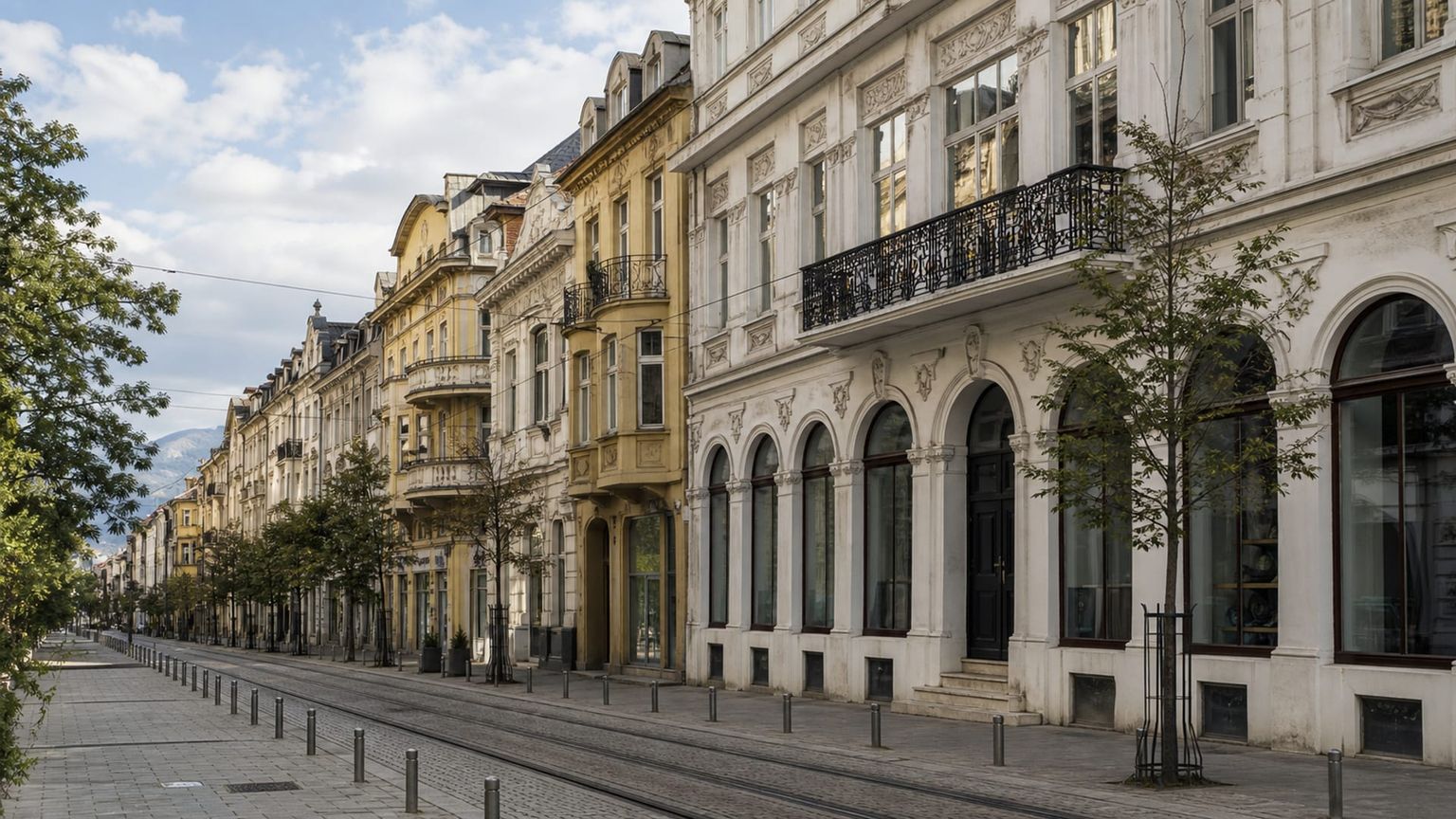

Main language(s): Bulgarian
Zdraveyte (zdrah-VAY-teh) – Hello/good morning
Molya (MOH-lya) – Please
Blagodarya (blah-go-DAR-ya) – Thank you
Govorite li angliyski? (go-VO-ree-teh lee ahng-LEES-kee) – Do you speak English?
Kolko struva? (KOHL-koh STROO-vah) – How much does it cost?

Currency: The local currency is the Bulgarian lev (BGN, лв).

Cash and cards: Cards and contactless are widely accepted; carry about BGN 20 to 40 ($11 to $22) for small shops, taxis, and markets.

Tipping: Round up small bills; leave 10% in restaurants if service is good.

Traditional food: banitsa, shopska salad, kebapche, tarator

Water and coffee costs: Water about BGN 2 to 4 ($1 to $2), bar espresso about BGN 2 to 5 ($1 to $3).

Taxis and ride apps: TaxiMe and Yellow Taxi operate here; confirm the fare in-app or with the driver before setting off.

Plug and voltage: Type C/F socket, 230V

Dining and shop opening hours: Breakfast is about 07:30-10:00, lunch 12:00-14:30, and dinner 19:00-22:00. Many restaurants close between lunch and dinner in quieter areas.

Emergency number: 112 for police, fire, and ambulance.
Where to stay in Sofia
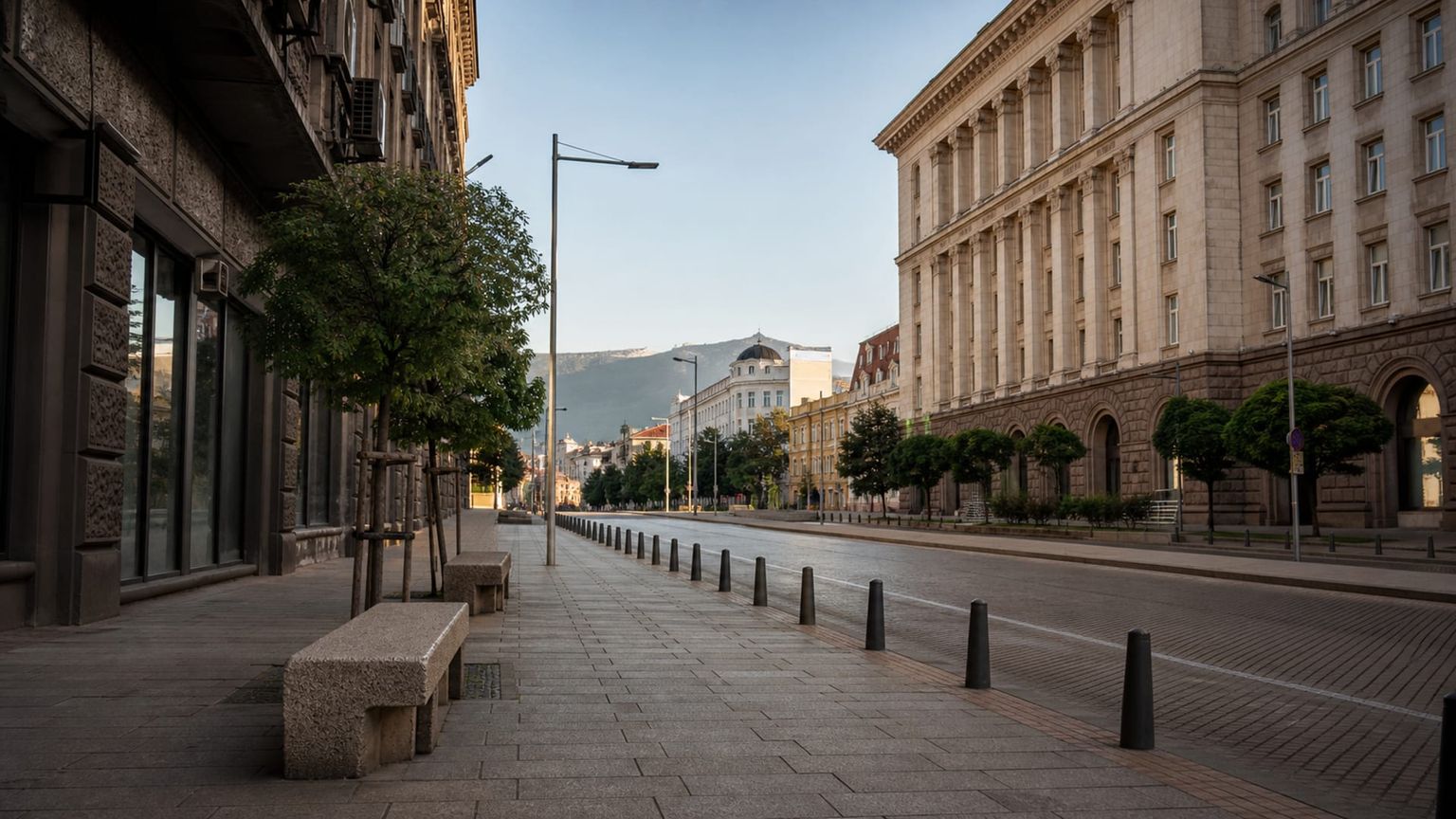
Sofia’s core wraps Vitosha Boulevard, the National Palace of Culture, and the main shopping streets, with museums, cafes, and tram links close together. It suits visitors who want the city’s main sights, restaurants, and transport in easy reach.
Best for: First-time visits, sightseeing, dining, and transit access
What to expect: Busy sidewalks, the heaviest concentration of cafes and shops, and the most movement in the city after work and on weekends.
Hotel prices: Usually about 180€ to 300€ (~$198 to ~$330) per night for well-rated stays
Distance to major sights: 10 to 20 minutes on foot to Alexander Nevsky Cathedral; about 10 minutes by metro to Sofia Central Station
Quietness: Lively during the day and evening, with the noisiest streets near Vitosha Boulevard and the main traffic corridors.
Main trade-off: Hotel rates rise here, and the most central streets can stay active late, especially on weekends.
Good to know: If you plan many museum and restaurant stops, this area cuts down on transit time, but it is the least quiet option in the center.
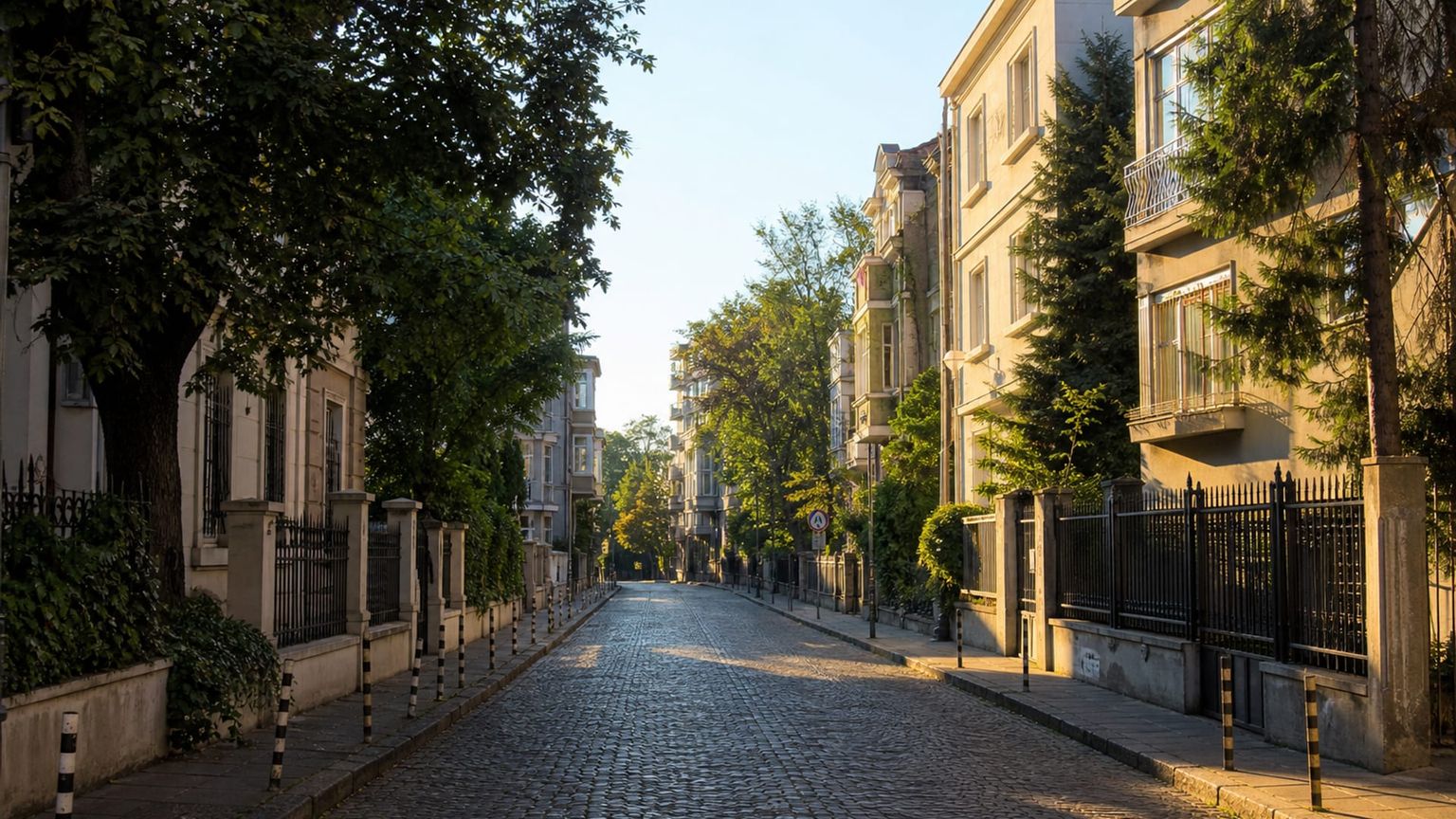
Oborishte sits just northeast of the historic core, with embassy streets, leafy blocks, and some of Sofia’s better apartment-style stays. It gives you quick access to Alexander Nevsky Cathedral, the cathedral gardens, and central museums without staying on the busiest boulevard.
Best for: Couples, longer stays, and travelers who want a quieter central base
What to expect: Residential streets, embassies, small cafes, and lighter foot traffic than the main shopping zone.
Hotel prices: Usually about 140€ to 240€ (~$154 to ~$264) per night for well-rated stays
Distance to major sights: 5 to 15 minutes on foot to Alexander Nevsky Cathedral; about 20 minutes on foot to the National Palace of Culture
Quietness: Quieter than the city center by day, and notably calmer at night once the cafes close.
Main trade-off: You will walk a little farther for late dinners and nightlife, and the best stay options are fewer than in the center.
Good to know: Check tram and taxi access before you book, since the area works best when you are happy walking to central sights.
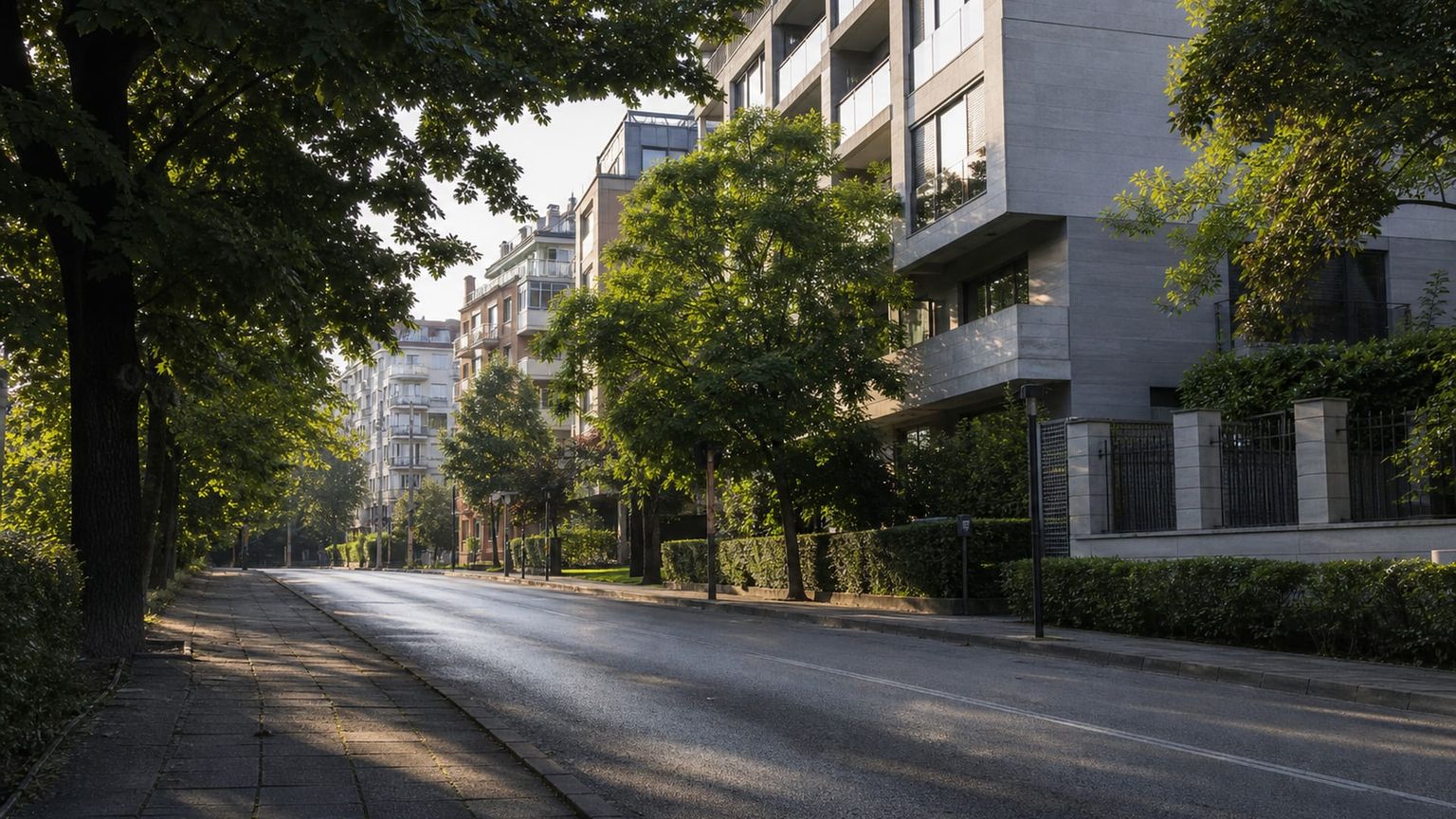
Lozenets lies south of the center near Borisova Gradina and the National Palace of Culture, with apartment buildings, neighborhood cafes, and several upscale hotels. It suits visitors who want a residential feel while staying close to central Sofia and the main park.
Best for: Longer stays, park access, and travelers who prefer a residential neighborhood close to the center
What to expect: A local everyday feel, with cafes, supermarkets, and busier roads at the edges rather than on every block.
Hotel prices: Usually about 120€ to 220€ (~$132 to ~$242) per night for well-rated stays
Distance to major sights: 15 to 25 minutes on foot to the National Palace of Culture; about 15 minutes by metro to Alexander Nevsky Cathedral
Quietness: Calmer than the city center during the day, though main roads can be active and some blocks have more traffic in the evening.
Main trade-off: You get more space and a neighborhood setting, but some stays sit farther from the Old Town-style core and top nightlife streets.
Good to know: Choose a place near a metro stop if you want quick center access, because the neighborhood spreads out more than it looks on a map.
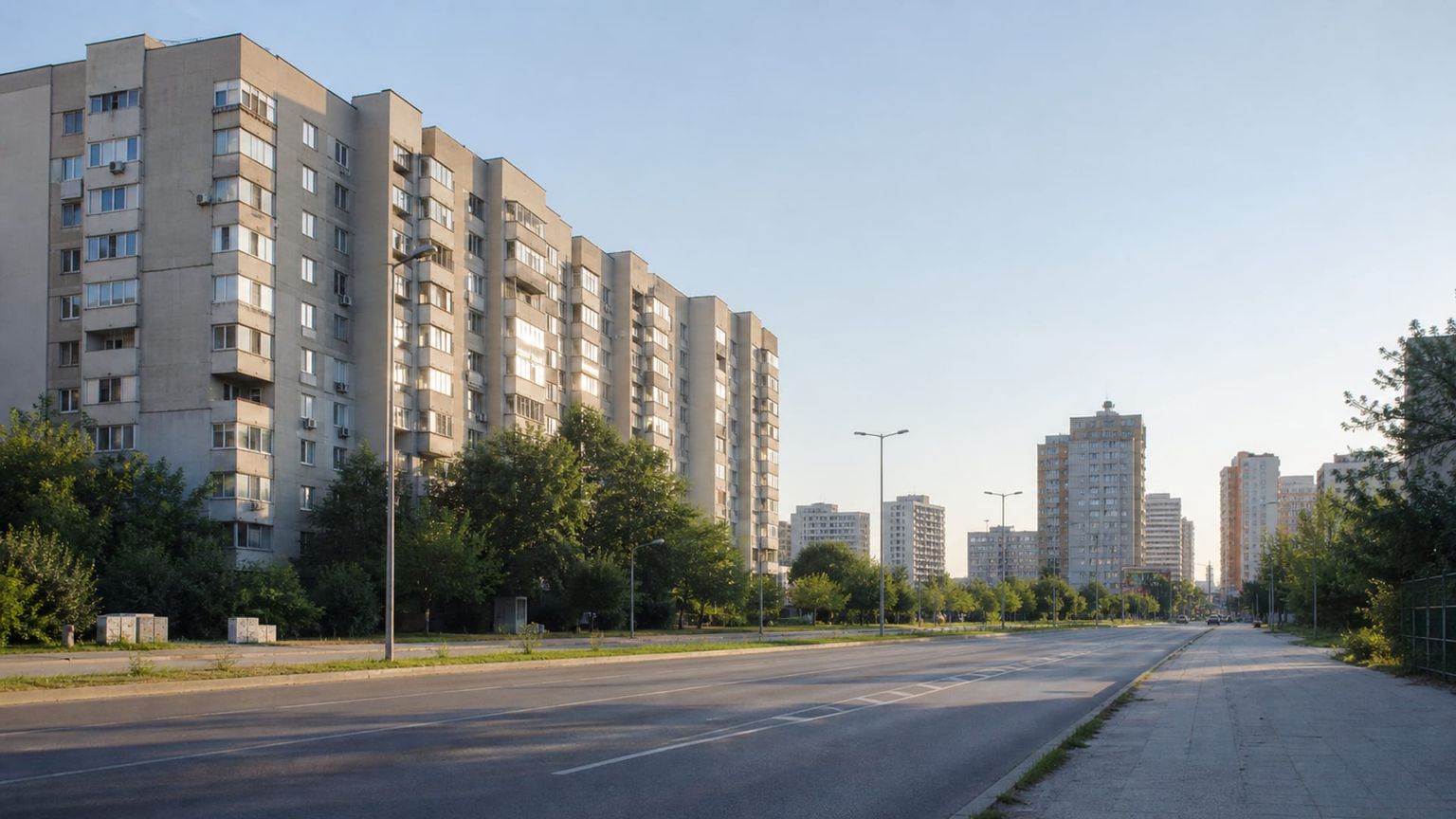
Studentski Grad sits southeast of the center and centers on universities, bars, and newer apartment blocks. It matters for travelers who want a lower-cost stay and do not mind using buses, taxis, or ride-hailing to reach Sofia’s main sights.
Best for: Budget stays, nightlife, and visitors who do not mind transport into the center
What to expect: Dense student traffic, late-night bars, fast food spots, and a younger crowd that stays out later than in most districts.
Hotel prices: Usually about 70€ to 130€ (~$77 to ~$143) per night for well-rated stays
Distance to major sights: 25 to 35 minutes by transit to Alexander Nevsky Cathedral; about 20 minutes by car to Sofia Airport (SOF)
Quietness: Active late into the evening, then quieter in the morning before classes and commuting start again.
Main trade-off: Room rates are lower, but the district sits farther from the main historic sights and can be noisy at night.
Good to know: Pick this area only if nightlife or price matters more than walking to the center, because evening noise is part of the deal.
Travelers usually avoid staying in Nadezhda and Obelya, which sit far from central sights and have fewer visitor-oriented hotels and restaurants. Lyulin is also less convenient for a short stay because it is a long metro or taxi ride to the main museums and the pedestrian center, while parts of Studentski Grad and Druzhba can mean more time spent on evening transit than on sightseeing.
Hotel deals
How to get around Sofia efficiently
Sofia’s metro, buses, trams, and taxis all work best when you use them for short hops between sights, because the main attractions sit in a few separated clusters.

Metro
for longer distances
Sofia Metro links Sofia Airport (SOF) with the center on Metro Line 4, and the ride to Serdika takes roughly 20 to 25 minutes. A single ticket costs about $0.90 (about 1.60 BGN) and stays valid for 30 minutes on the metro network. Trains usually run from early morning until late evening, with straightforward connections to the main rail and intercity bus stations via Serdika and Central Railway Station.

Bus and tram
for convenience
Bus 84 and Bus 184 connect Sofia Airport (SOF) with the center, while the wider network reaches most districts through a mix of buses, trolleybuses, and trams. A single paper ticket costs about $0.90 (about 1.60 BGN) and is valid for 30 minutes; day passes and longer-validity cards are sold at major stops and stations. Buses 84 and 184 usually take about 25 to 40 minutes to the center, depending on traffic.

Taxi
for convenience or late hours
Licensed taxis in Sofia use meters, and airport rides do not have a fixed flat fare, so confirm the rate before you leave the curb. From Sofia Airport (SOF) to the center, expect roughly $9 to $18 (about 16 to 32 BGN), with nighttime traffic and congestion pushing the total higher. Official cars wait at the designated taxi rank outside the terminal, and most accept cash; some also take cards, but you should ask first.
*Prices are based on rates updated as of June 2026 and may change at the time of travel.
Walk the center when you are already near the cathedral or Vitosha Boulevard, use the metro for quick cross-town links, and take taxis or buses for Boyana and late-evening returns.
Iconic landmarks
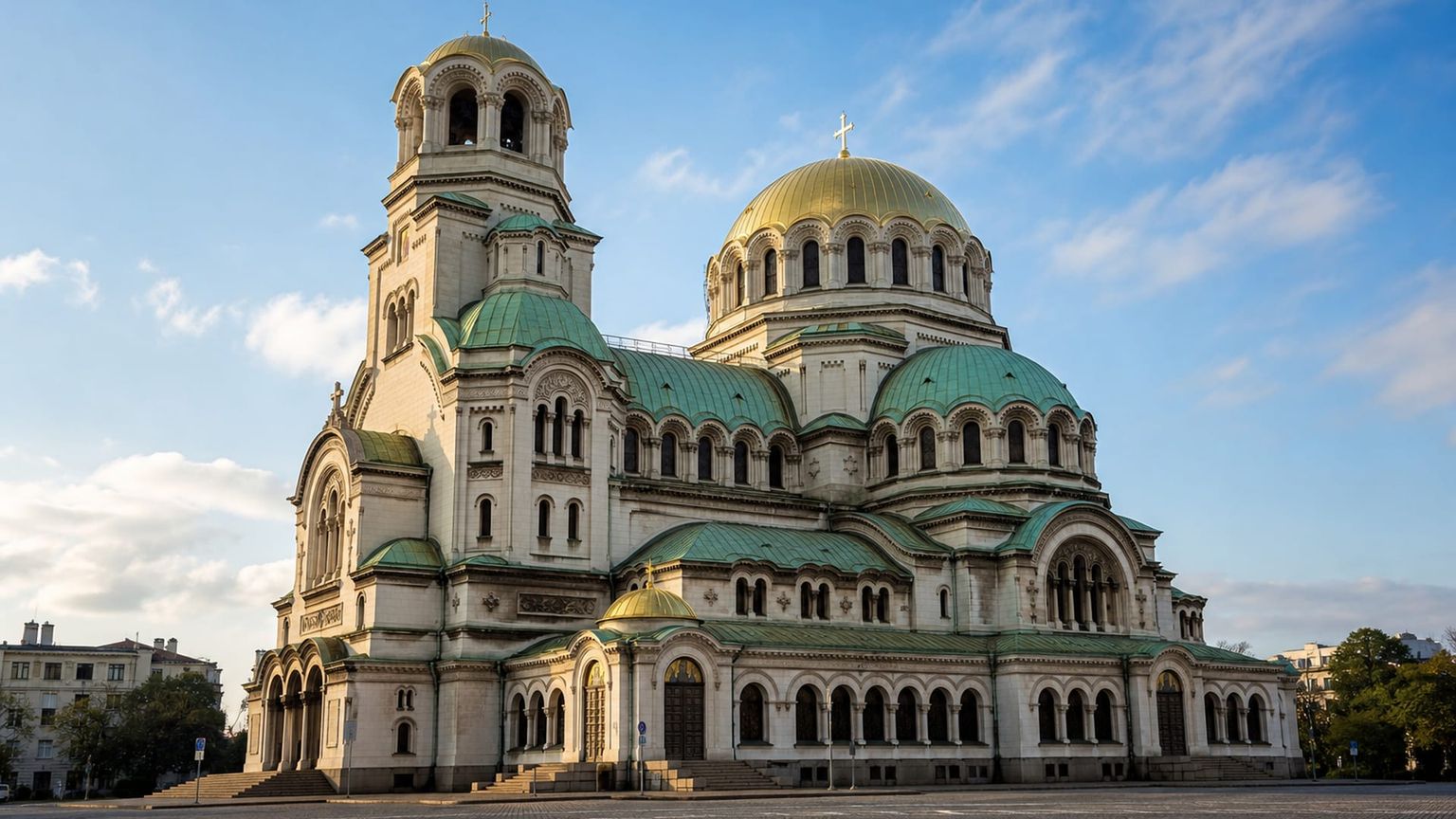
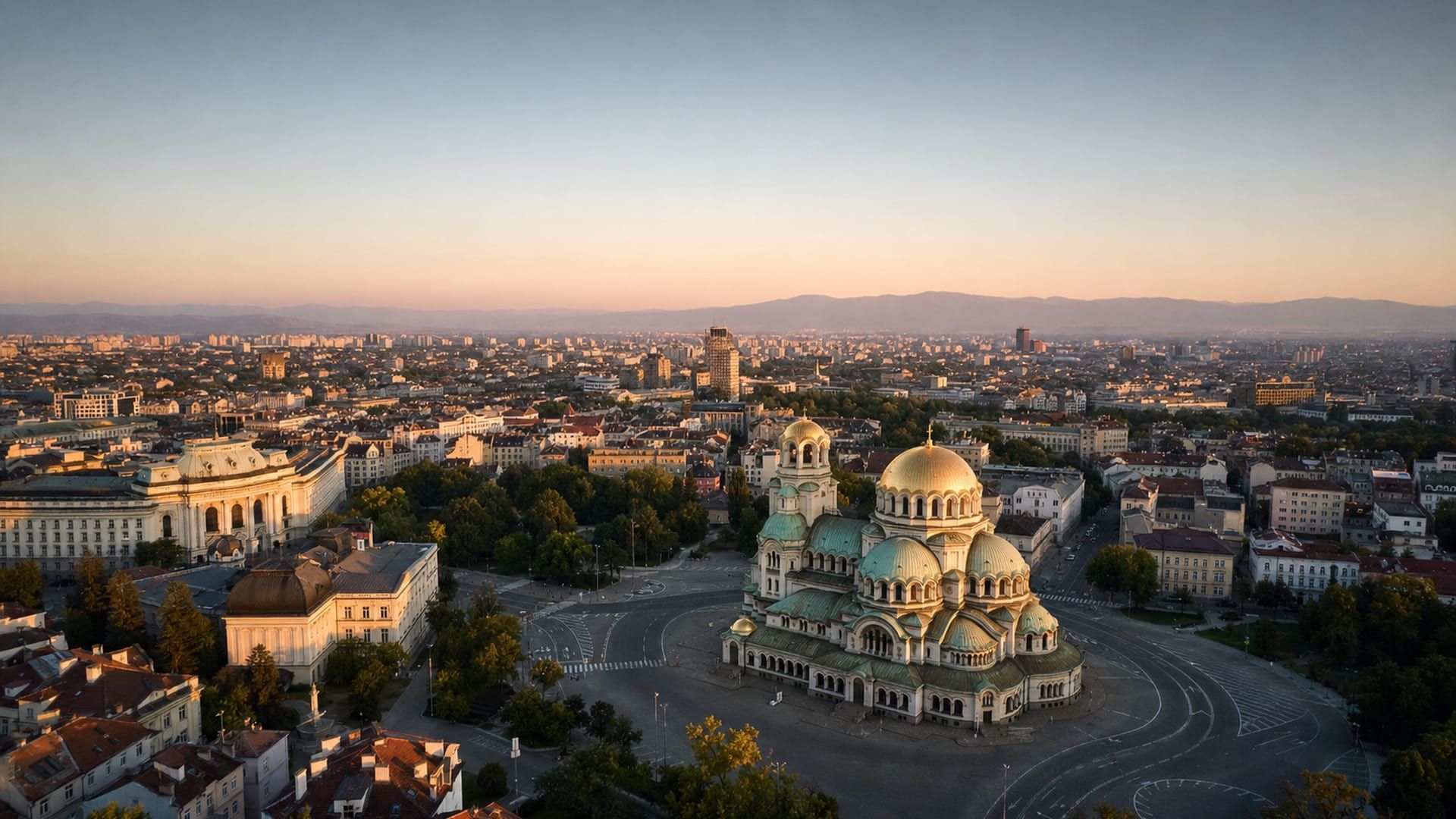
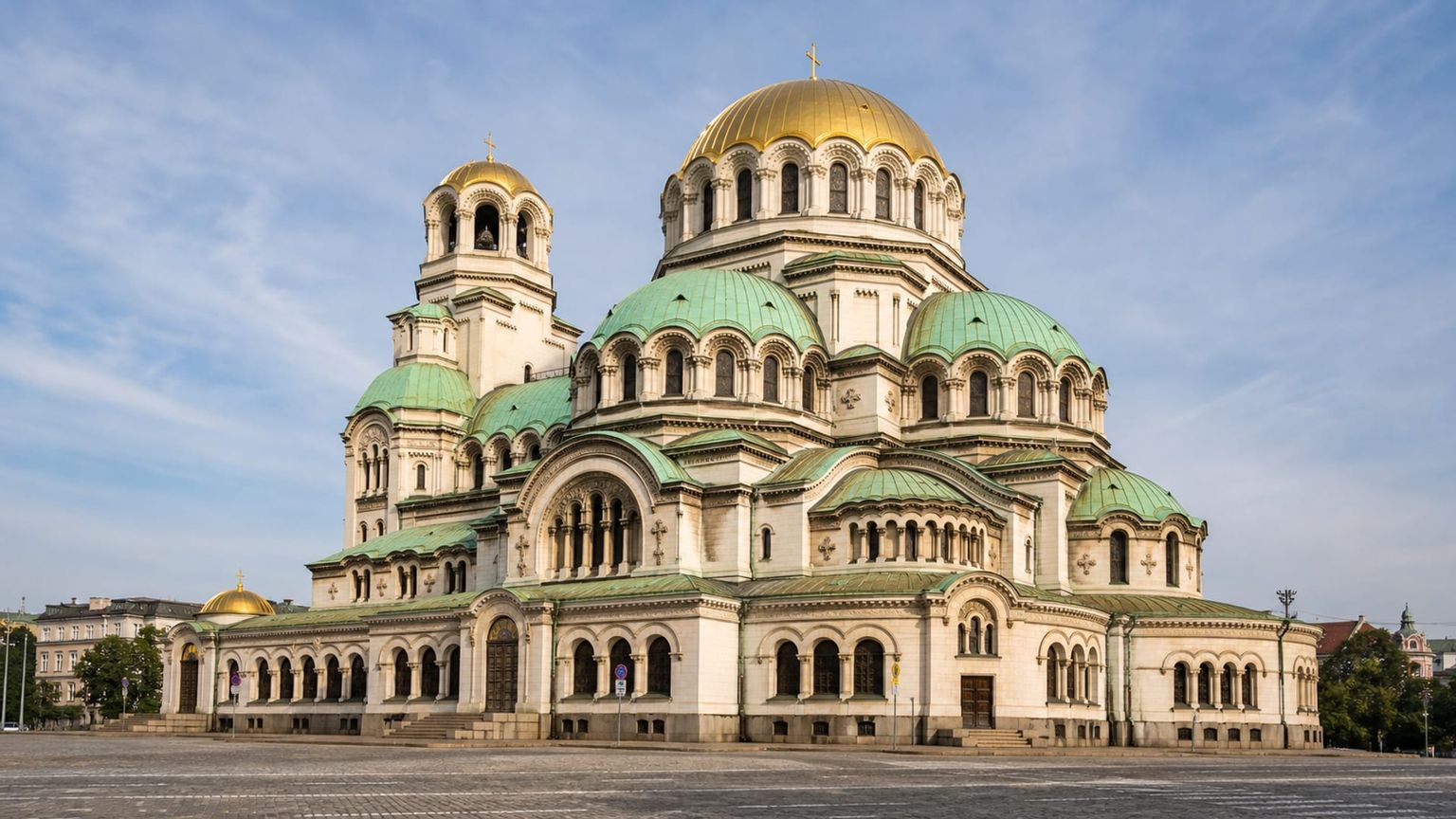
Alexander Nevsky Cathedral
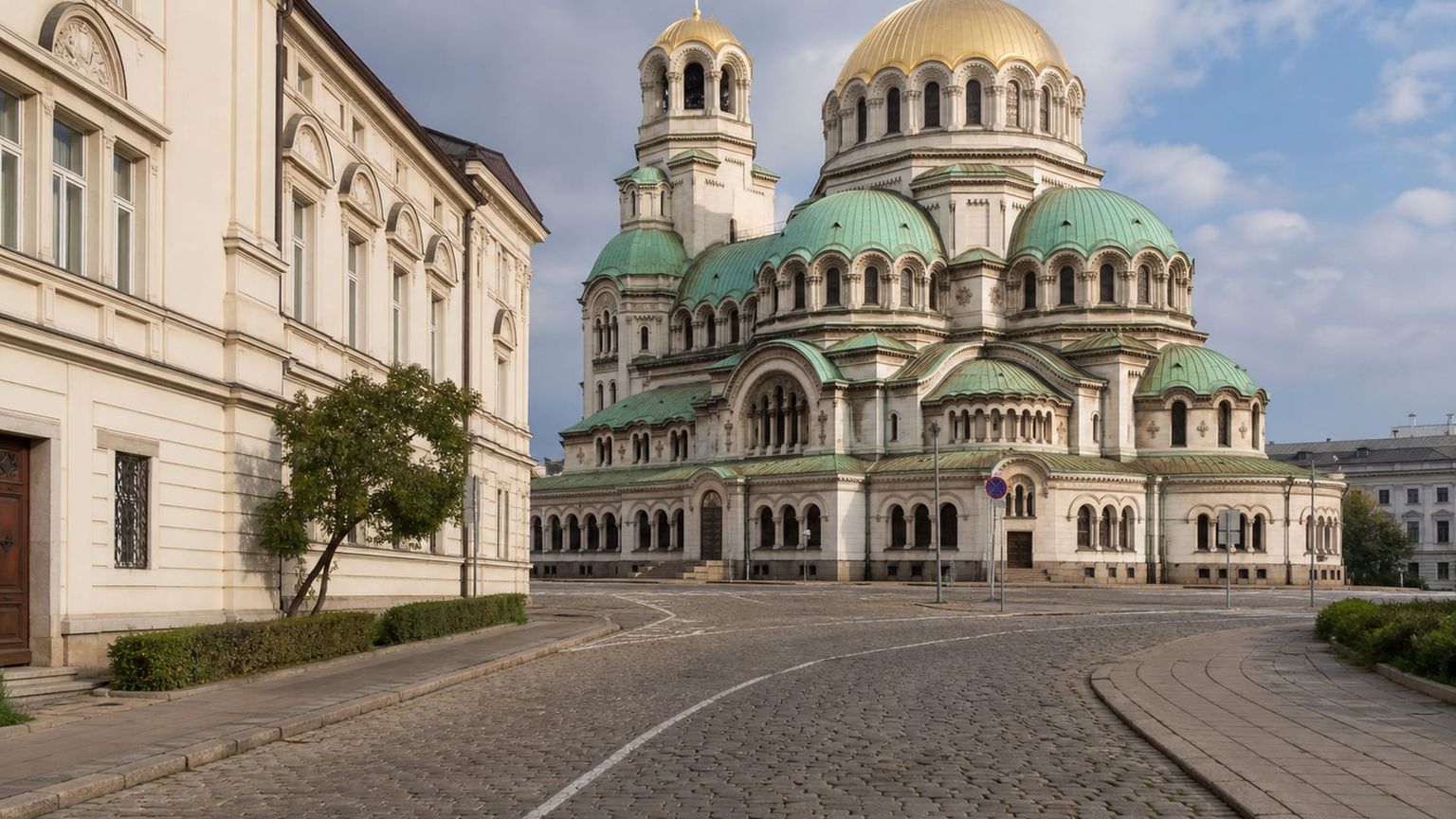
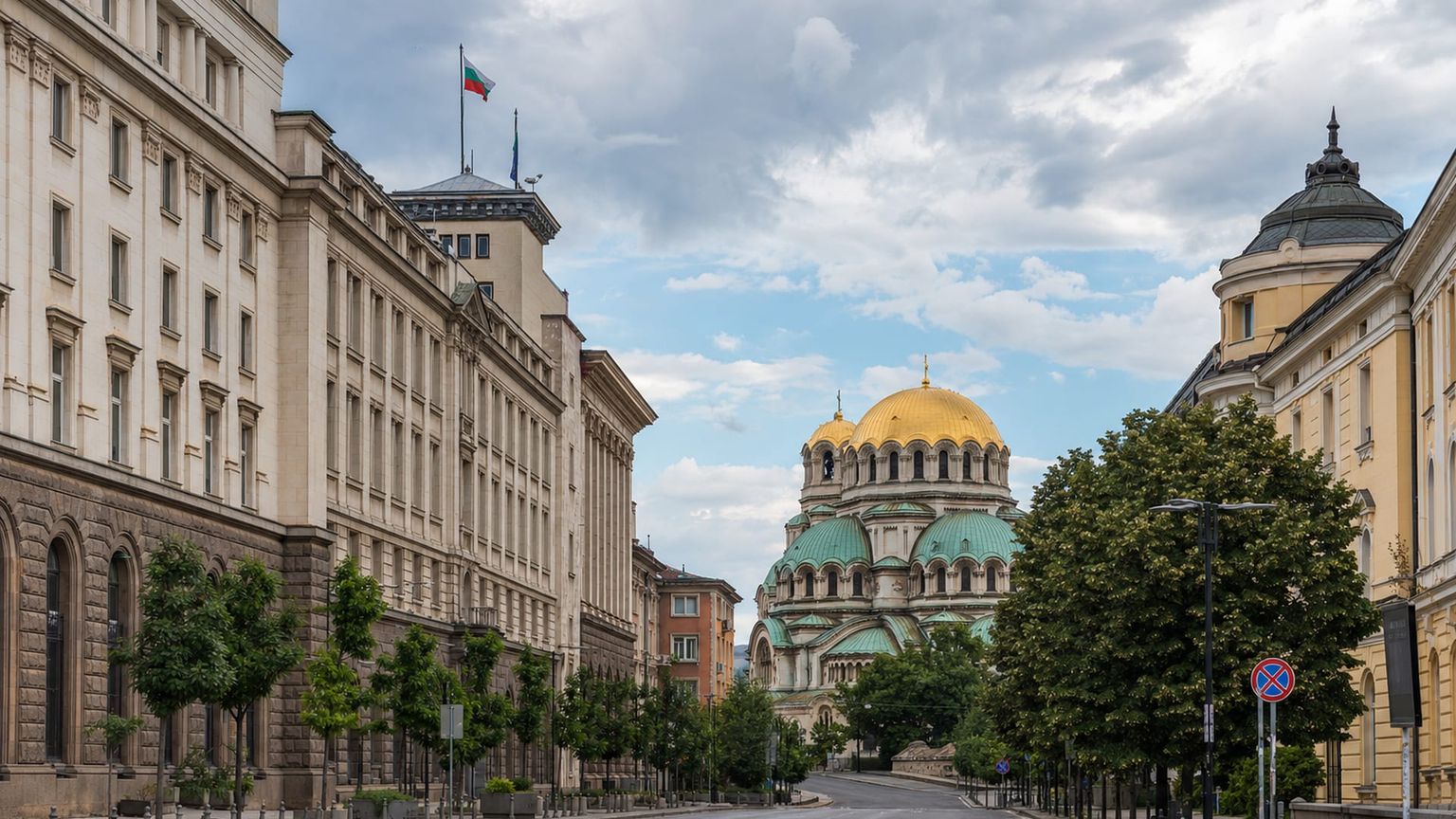
Sofia’s largest church rises with gold domes, granite cladding, and a vast Neo-Byzantine interior. Built between 1882 and 1912, it honors Russian soldiers who died in the Russo-Turkish War and anchors the city center.
Time needed: About 45 minutes
Entry: Free to enter; donations are welcome, and crypt museum tickets cost about $4 ($7), sold separately on site during opening hours.
Tip: Visit early morning for quieter nave views and cleaner light on the domes.
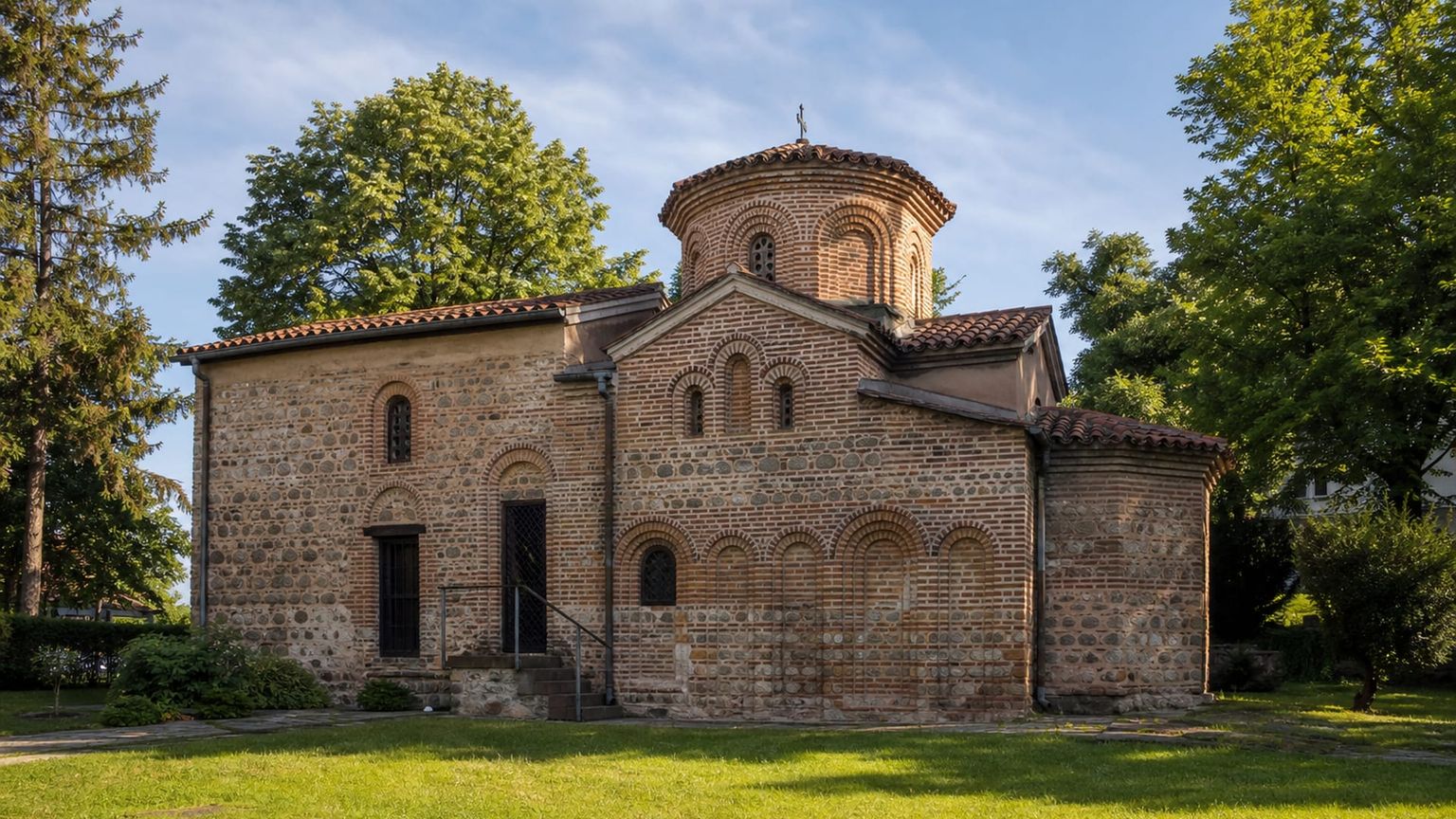
Boyana Church
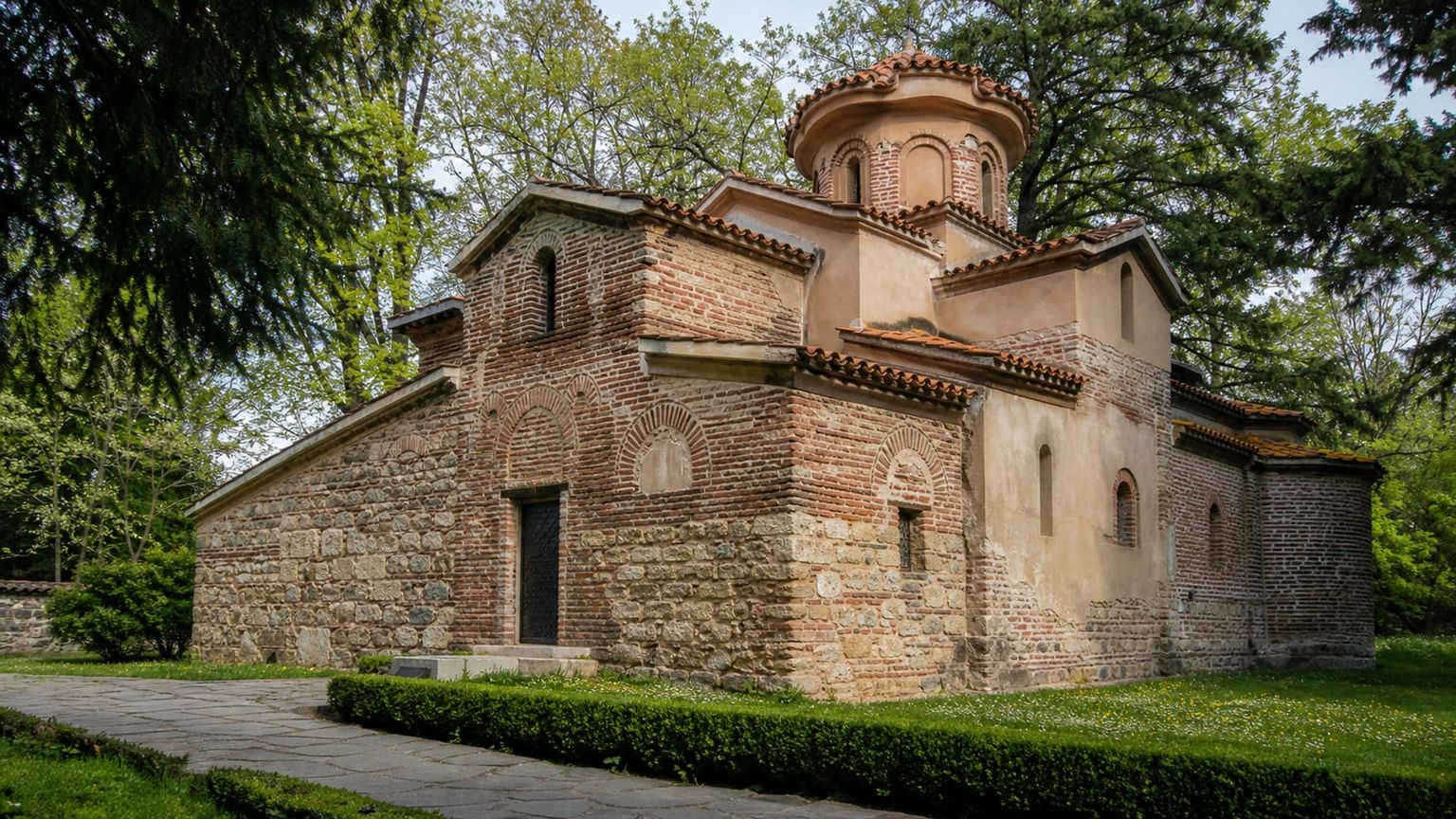
This UNESCO-listed church at the foot of Vitosha preserves 13th-century frescoes that mark an early step toward Renaissance naturalism. The small medieval building stands beside later annexes and a tree-lined courtyard.
Time needed: About 1 hour
Entry: Timed admission costs about $6 ($10) for adults, with reduced rates for students and children; the interior limits visitor numbers at each slot Visit the official site for details.
Tip: Allow extra time for the bus ride, then visit on a weekday to avoid the heaviest crowds.
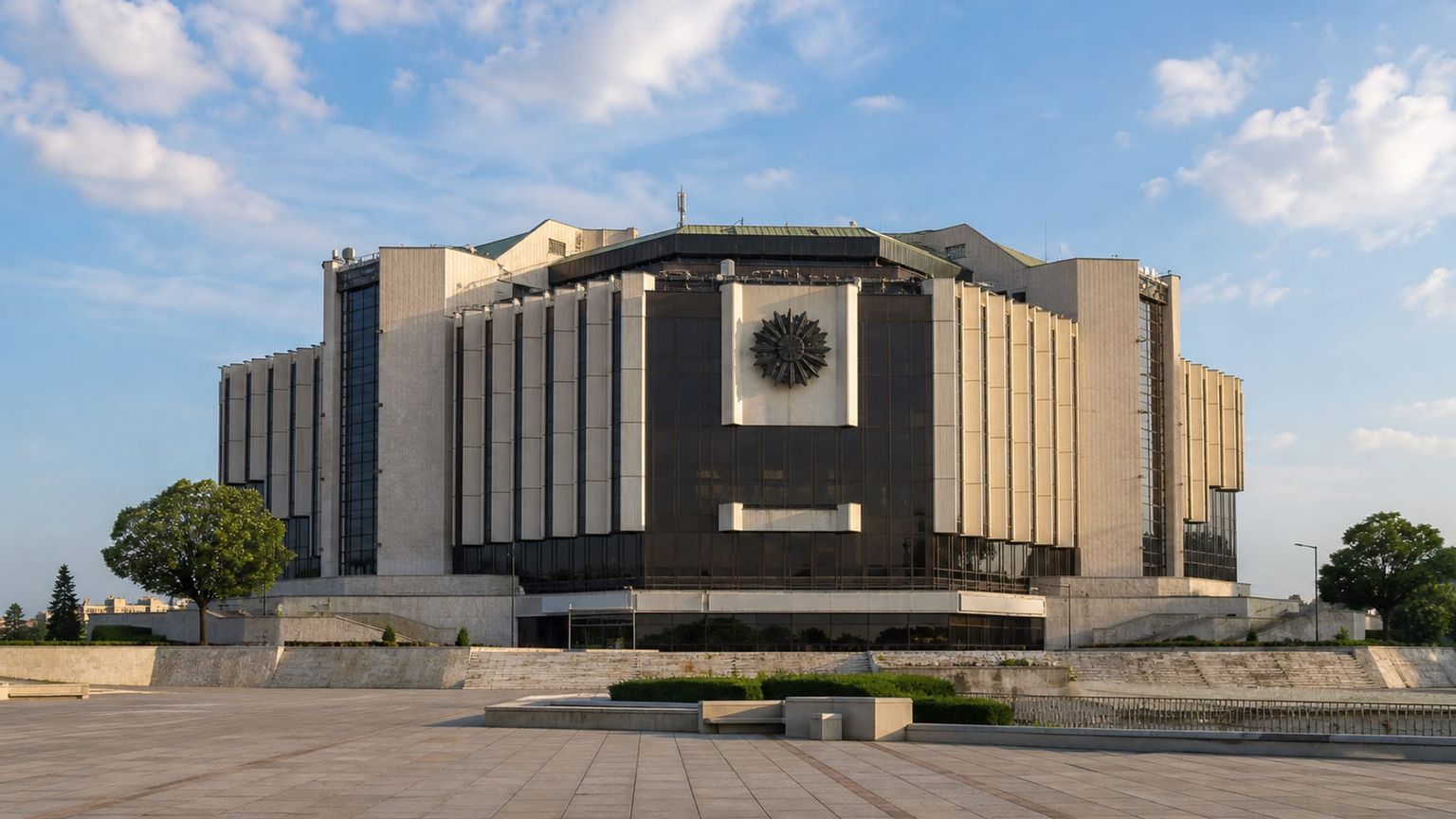
National Palace of Culture
This vast 1980 complex is Sofia’s main modernist landmark, set by a fountain plaza and backed by a park. It hosts concerts, exhibitions, and seasonal events, while the surrounding grounds stay active throughout the day.
Time needed: About 1 hour
Entry: Free to enter the exterior grounds; event and exhibition tickets vary, with most paid programs costing about $6 to $22 ($10 to $40) Visit the official site for details.
Tip: Go near sunset, when the fountains, plaza, and facade take better color.
Overlooked sites worth visiting

Vitosha Boulevard
Sofia’s main pedestrian street is lined with 19th-century facades, cafés, and galleries, but side streets lead to quieter courtyards and bookshops. It works well for a slow wander without crossing the whole center.
Time needed: About 1 to 2 hours
Entry: Free to access; expect optional spending only if you stop for coffee, snacks, or shopping. No ticket is needed to walk the boulevard, and the street stays open all day and evening.
Tip: Go before 11:00 am for fewer crowds and softer light.

The Red Flat
This apartment-museum recreates a late-1980s Sofia home with original furniture, household items, and audio stories from one family. The rooms are compact, but the detail makes it one of the city’s sharpest social history stops.
Time needed: About 1 hour
Entry: Admission is about $8 ($14) for adults, with reduced rates for students and children when offered. Visits are usually by timed entry, and the museum has limited space, so you may wait for the next available slot Visit the official site for details.
Tip: Arrive early in the day to secure a close entry time.
Traditional food
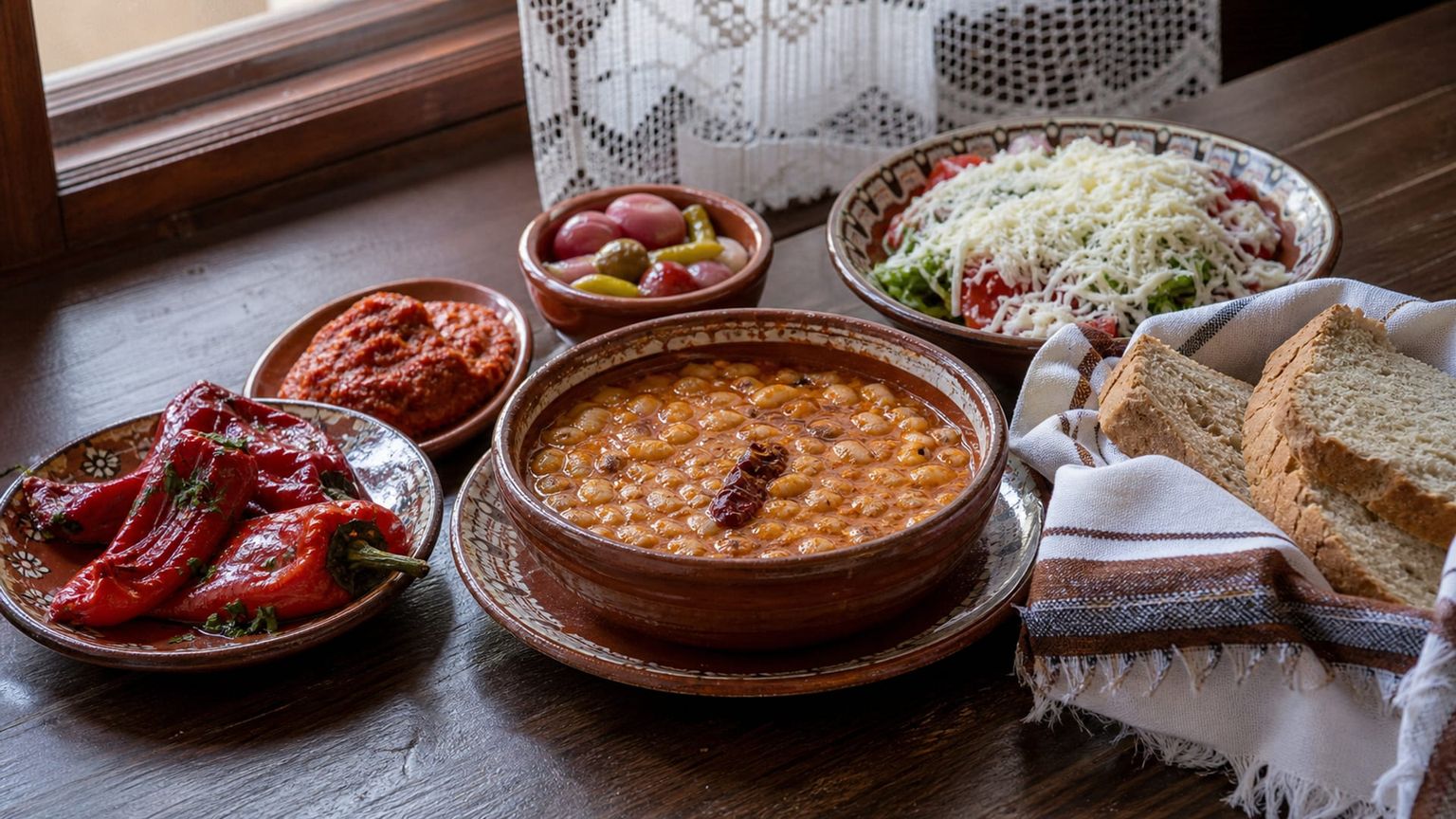
Sofia’s cooking leans on yogurt, peppers, cheese, grilled meats, and chilled soups, with banitsa and shopska salad appearing in both casual cafes and long, unhurried lunches.
Banitsa
This layered pastry appears at breakfast or as a snack, crisp on the outside and rich with cheese inside. For a classic version in Sofia, Dobro focuses on baked Bulgarian staples in a central setting.
Shopska salad
Tomatoes, cucumbers, peppers, and grated white cheese give this salad its familiar sharp, fresh finish. Made from clear local produce, it fits well at Made in Home, where Bulgarian dishes sit beside lighter daily cooking.
Kebapche
These grilled minced-meat sausages come with a direct, smoky flavor and usually arrive with mustard, fries, or salad. SkaraBar serves a dependable version in a city-center grill setting.
Tarator
This chilled yogurt, cucumber, dill, and walnut soup is one of Sofia’s most useful warm-weather dishes. Try it at Shtastlivetsa, where the menu covers Bulgarian classics in a polished central restaurant.
Best time to visit Sofia
Sofia changes most between spring and fall, when the center is comfortable for walking, while summer brings warmer afternoons and winter can feel sharper on the open streets.
Best for: Cathedral walks, boulevard time, and early terrace lunches
What you get: 45°F to 72°F (7°C to 22°C), with lighter crowds before summer travel peaks
Trade-offs: Rain can interrupt longer outdoor plans
Best for: Long evenings on Vitosha Boulevard and late dinners outdoors
What you get: 60°F to 86°F (16°C to 30°C), with busier streets and fuller cafes
Trade-offs: Midday heat can make museum hopping less comfortable
Best for: Museum days, park walks, and relaxed neighborhood meals
What you get: 43°F to 75°F (6°C to 24°C), with moderate crowds and good walking weather
Trade-offs: Shorter daylight starts to limit late sightseeing
Best for: Indoor museums, cathedral visits, and quiet central streets
What you get: 25°F to 46°F (-4°C to 8°C), with lighter tourist traffic and colder mornings
Trade-offs: Snow or icy sidewalks can slow cross-town movement
A realistic 5-day plan in Sofia
The five-day plan keeps Sofia in a practical order: center first, then the quieter historic blocks, then Boyana and the southern edge, with the final day left open for one last museum or shopping stop.
Land at Sofia (SOF) and plan a taxi or metro ride into the city center, which usually takes about 20 to 40 minutes depending on traffic and your hotel’s exact location. A taxi to Oborishte, Lozenets, or the city center typically costs about $12 to $20, while the metro is the cheaper option if you are traveling light and staying near a station. Settle in near the city center if you want the easiest first-night access to cafes and dinner, or choose Oborishte for quieter streets close to the cathedral. Keep dinner simple, with soup, grilled vegetables, or a light Bulgarian plate near Vitosha Boulevard or a neighborhood cafe, then drink plenty of water and turn in early.
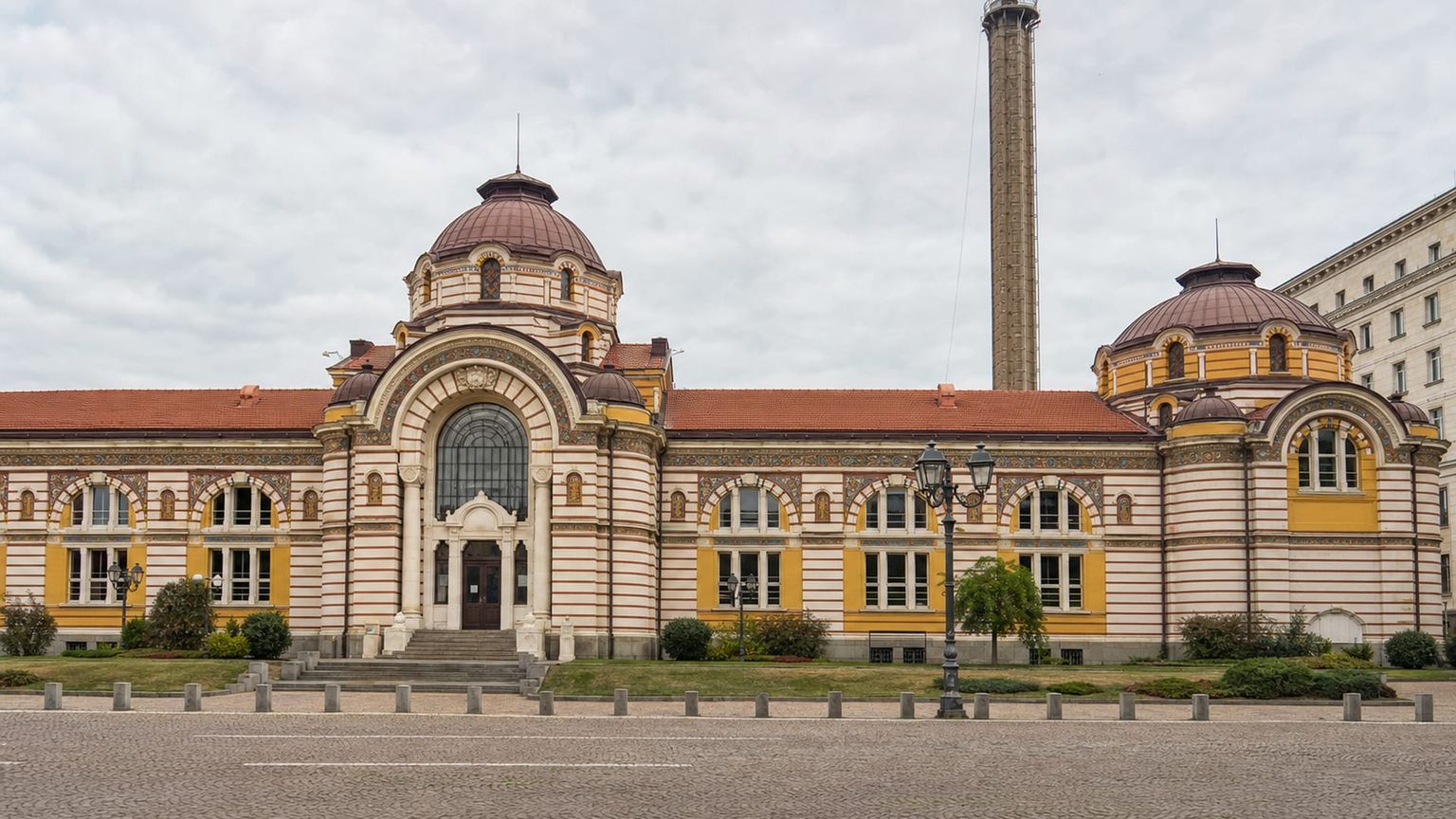
Start in the city center with Alexander Nevsky Cathedral, which needs about 45 minutes, and go early for quieter nave views and better light on the domes. From there, walk roughly 10 minutes to Vitosha Boulevard for a 1 to 2 hour stroll past facades, galleries, and side-street courtyards before lunch. In the afternoon, take a taxi or metro south to the National Palace of Culture, about 10 to 15 minutes from the center, and spend about an hour among the plaza, fountains, and exterior grounds. Stay nearby for dinner so you can walk back without another transfer.
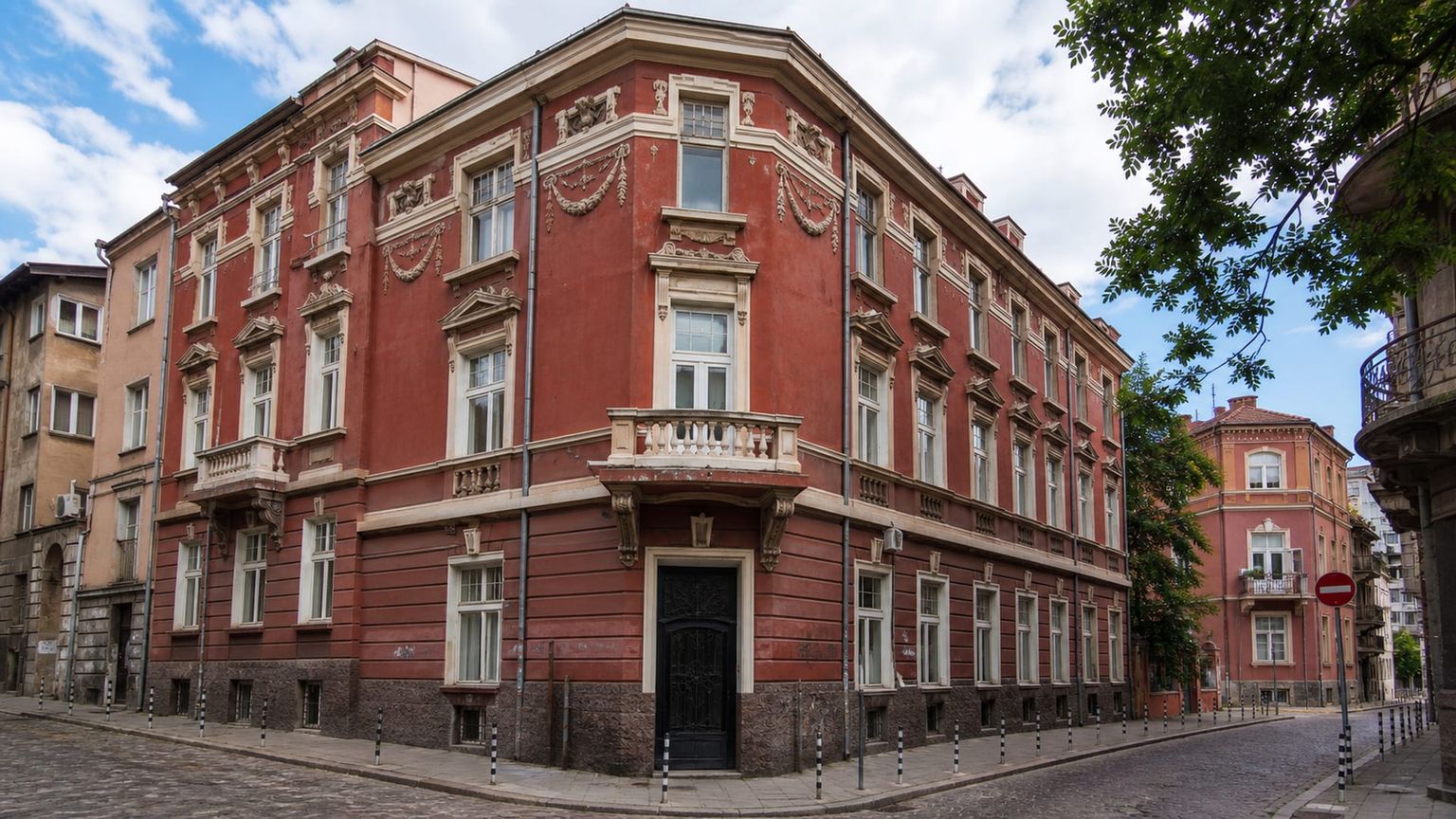
Begin with The Red Flat, where a timed visit takes about 1 hour and works best if you arrive early in the day. After that, continue to Oborishte, about 10 to 15 minutes on foot, for a slower lunch and a look at the embassy streets and residential blocks around Alexander Nevsky Cathedral. Spend the late afternoon back at the cathedral gardens and nearby central streets, then choose an easy dinner in the same district so the day stays compact and walkable. If you want one extra stop, fit it in before dinner rather than after, because many smaller museums and cafes close earlier than the main boulevard.
Take the bus or a taxi south to Boyana Church, and expect the trip from the center to take about 30 to 45 minutes each way. Book a timed entry, spend about 1 hour inside and in the courtyard, then continue with a short walk in the area before heading back toward town. On the return, stop again at the National Palace of Culture if you want an evening view of the fountains and facade, which look better near sunset. Finish with dinner in Lozenets or the city center, depending on whether you want a quieter neighborhood meal or more restaurant choice.
For a final Sofia day, begin with a last museum stop in the center, then shift to a calm shopping stretch along Vitosha Boulevard and the nearby streets for books, gifts, and local design pieces. After that, sit down for coffee in Oborishte, where the cafes are close to the cathedral and the streets stay quieter than the main boulevard district. If your flight leaves later, an unhurried walk past Alexander Nevsky Cathedral or a final lunch near the National Palace of Culture fits easily into the afternoon without adding much transit.
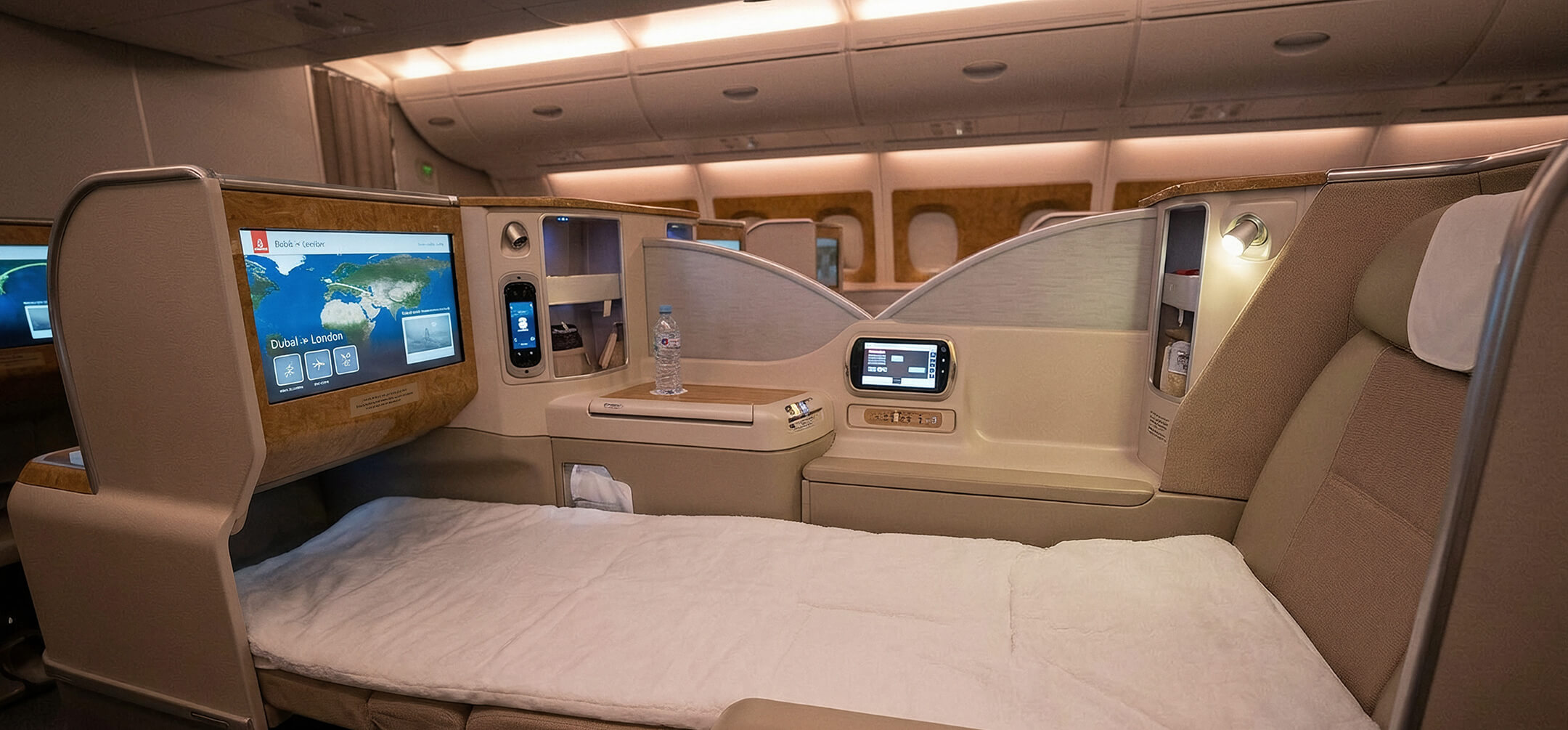
Business-class flights from the US to Sofia
For long-haul arrivals, Sofia usually connects through a European or Istanbul hub, and the fare spread depends more on stop length and booking window than on a single airline. The two routes below show how that plays out from the East Coast and West Coast.
Round-trip fares from New York (JFK) to Sofia usually start at $2,200 and can reach $4,800; Lufthansa, Turkish Airlines, Austrian Airlines, Air France, KLM, and British Airways all appear on common itineraries. If you do not mind a layover, connections via Frankfurt (FRA), Istanbul (IST), or Amsterdam (AMS) often bring the fare down.
From Los Angeles (LAX), round-trip fares to Sofia usually run $2,800 to $5,800, and Lufthansa, Turkish Airlines, Austrian Airlines, Air France, KLM, and British Airways are common choices. One-stop itineraries through FRA, MUC, IST, CDG, AMS, or LHR often price below the rare higher-end options, with schedule and advance purchase making the biggest difference here.
Sofia feels different when you slow down
A well-paced Sofia trip puts the cathedral, Vitosha Boulevard, the National Palace of Culture, and Boyana in the right order, then leaves room for one metro ride, one taxi, and one unhurried meal in Oborishte or the city center. That mix gives the city its shape without forcing long cross-town detours. If you want a trip built with that kind of detail, AranGrant experts can help you turn it into a route that fits your dates and arrival time