

Chapters:

Need help with your trip?
Our support team is available 24/7. Request a callback or call us directly at (833) 619-0908
Most trips to Siem Reap center on Angkor Wat at sunrise, followed by a return to town for meals and rest. That approach covers the headline sights but can leave out quieter stops such as Wat Athvea and Angkor National Museum, along with the benefits of choosing the right neighborhood.
Temple visits, riverfront evenings, and airport transfers each need their own time in the itinerary. Plan the order poorly, and you lose time to backtracking, peak crowds, and unnecessary tuk-tuk rides between town and the archaeological park.
This guide separates temple time from time in central Siem Reap and shows where to stay, how to get around, what to eat, and how to organize five days without overfilling them.
Useful things to know
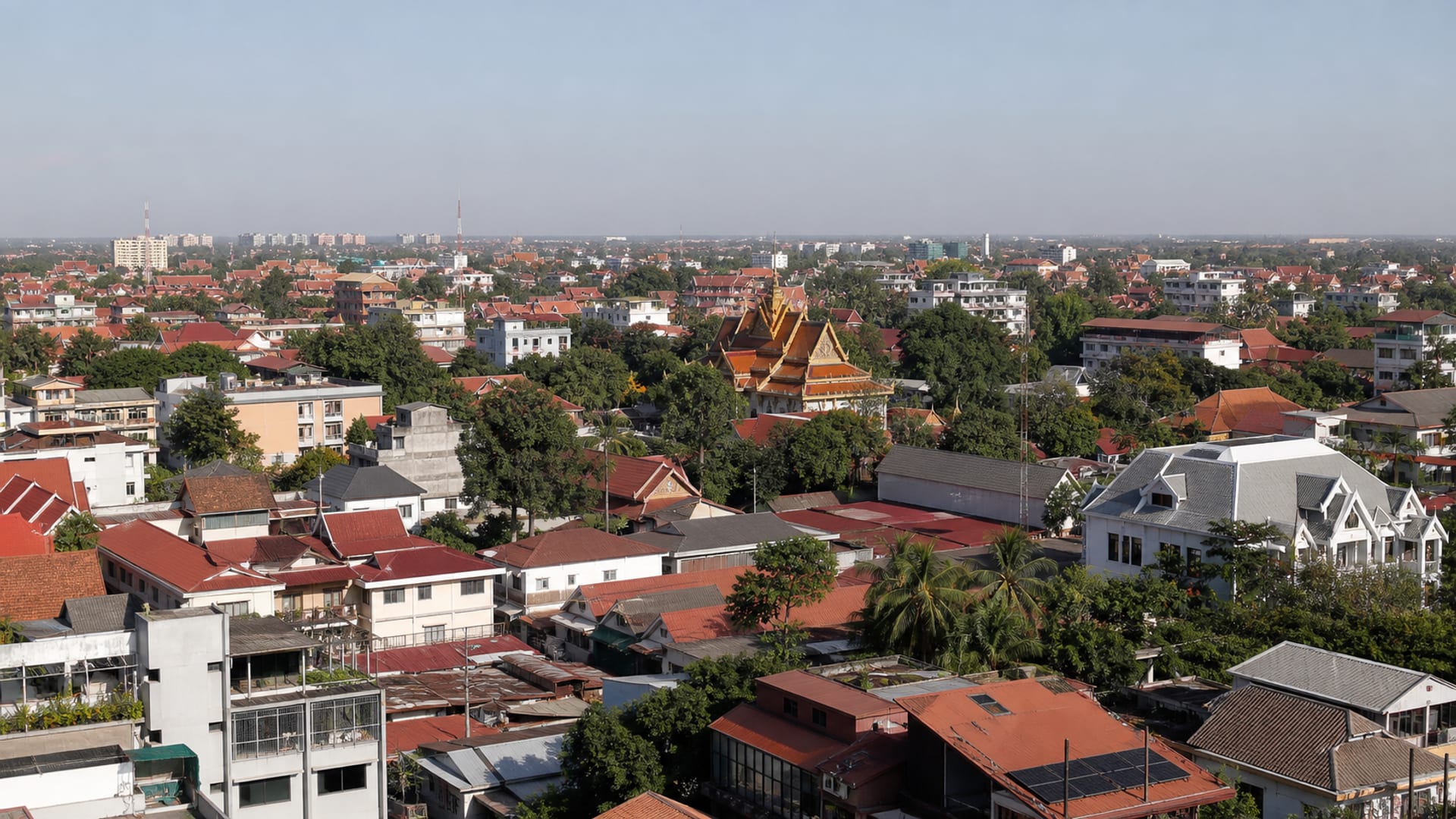

Main language(s): Khmer
សួស្តី (suosdey) – Hello
សូម (saum) – Please
អរគុណ (arkun) – Thank you
តើអ្នកនិយាយភាសាអង់គ្លេសបានទេ? (tae anak niyeay phea sa angkleh ban te?) – Do you speak English?
ថ្លៃប៉ុន្មាន? (thlai bonman?) – How much does it cost?

Currency: Cambodian riel (KHR, ៛)

Cash and cards: Cards and contactless payments are common at larger hotels and restaurants. Carry ៛79,000–៛157,000 ($20–$40) for tuk-tuks, markets, small shops, and street-food stalls.

Tipping: Tipping is optional. Rounding up small bills is common, while 5%–10% is appreciated at higher-end restaurants.

Traditional food: Amok trey, Khmer red curry, kuy teav, and num banh chok are among Cambodia’s best-known dishes.

Water and coffee costs: Bottled water costs ៛4,000–៛6,000 ($1–$1.50), while a café espresso is commonly ៛10,000–៛16,000 ($2.50–$4).

Taxis and ride apps: Grab and PassApp operate in Siem Reap. Cash is common for short rides, although payment options vary by app and driver.

Plug and voltage: Type A, C, and G sockets, 230V, 50Hz

Dining and shop opening hours: Breakfast is usually served from 6:30 am to 9:00 am, lunch from 11:30 am to 2:00 pm, and dinner from 6:00 pm to 9:30 pm.

Emergency number: Dial 117 for police, 118 for fire, and 119 for ambulance services.
Where to stay in Siem Reap
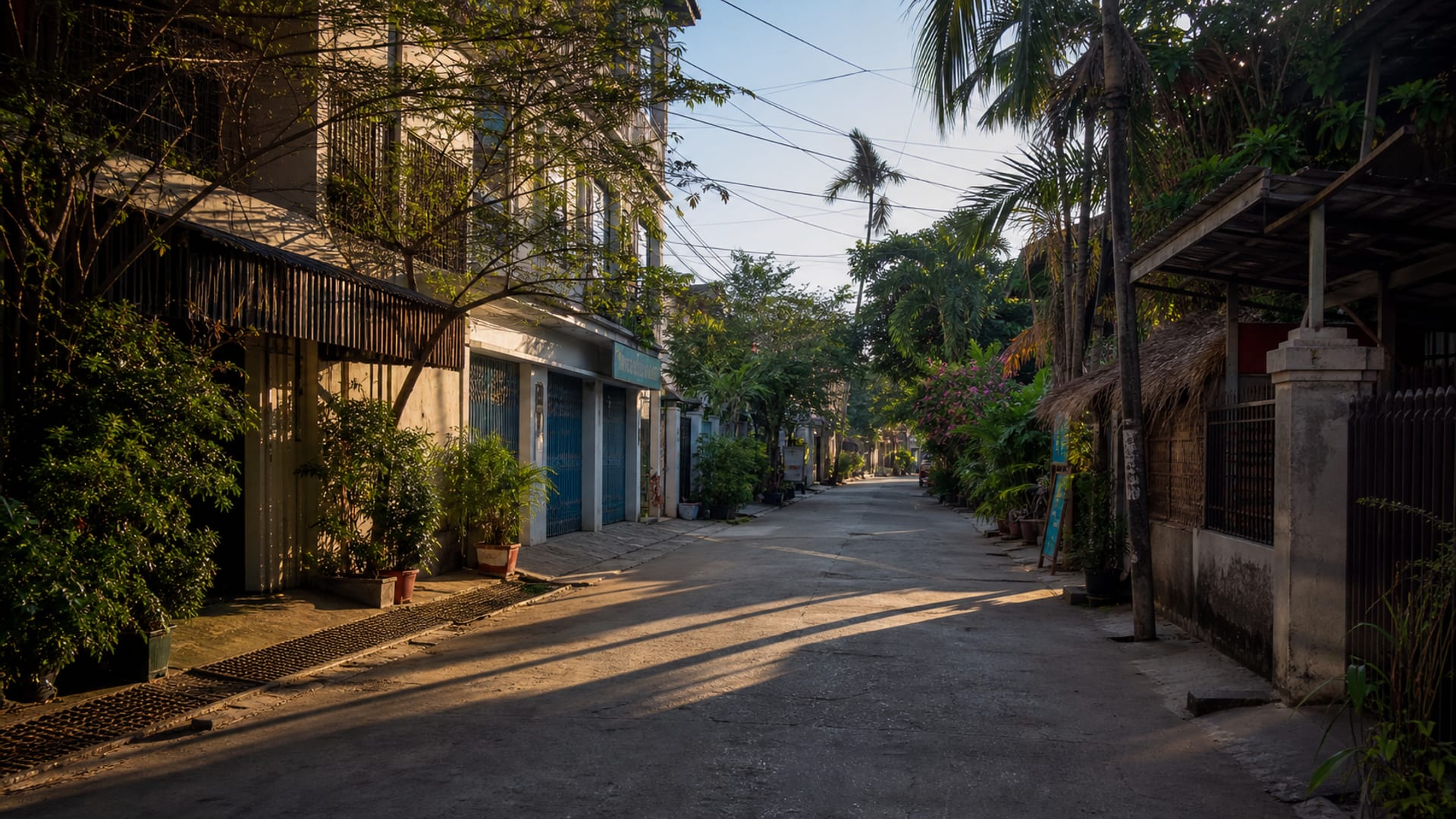
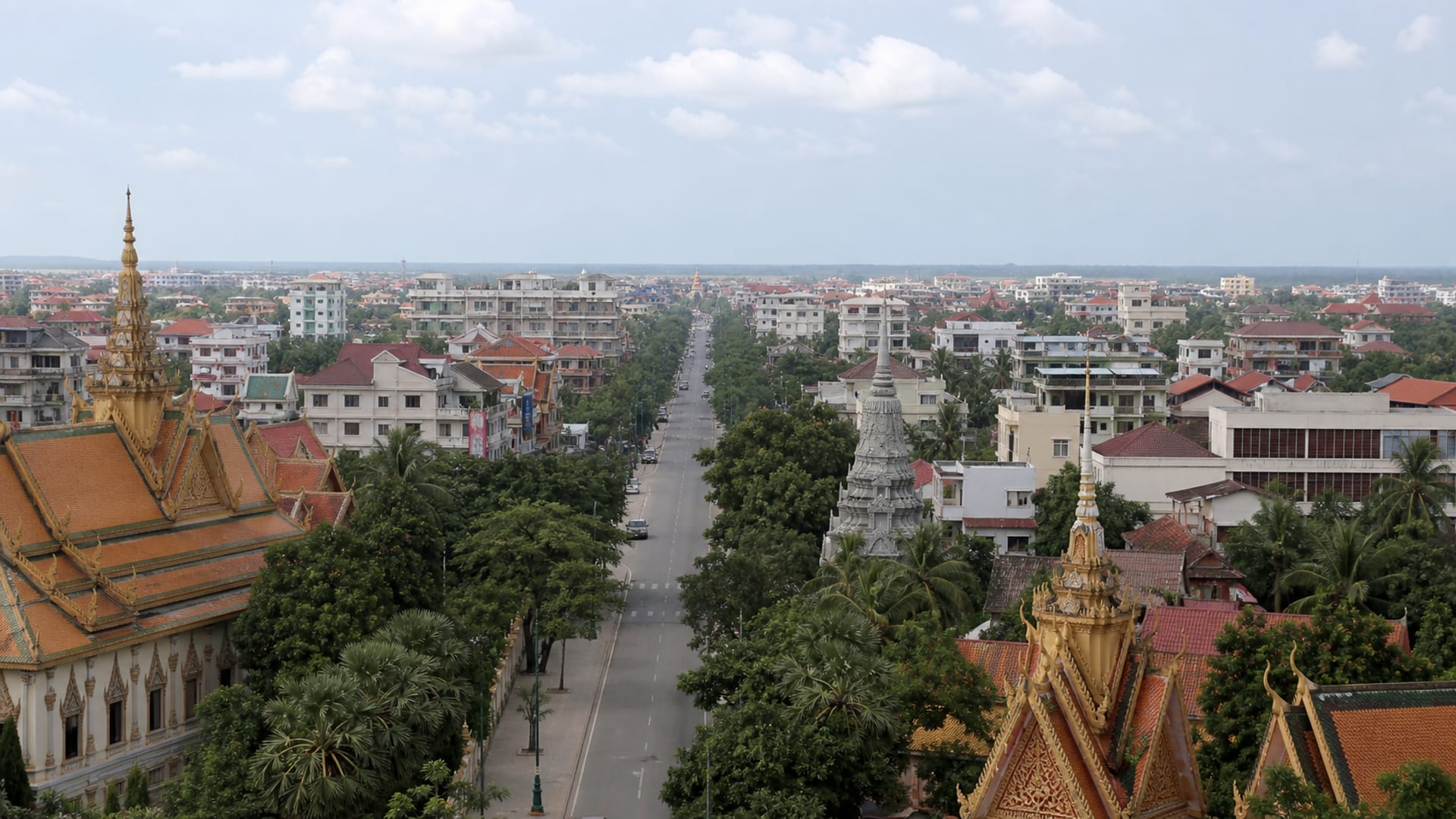
The Old French Quarter and Riverside place you near the Siem Reap River, boutique hotels, restaurants, and some of the city’s busiest dining and nightlife streets. Pub Street and the Old Market are within walking distance, while tuk-tuks for Angkor are easy to arrange nearby.
Best for: First-time stays, dining, and walkers who want the city’s main sights close by
What to expect: Busy streets, restaurants, bars, and frequent tuk-tuk traffic throughout the central area
Hotel prices: Nightly rates typically range from ៛236,000–៛707,000 ($60–$180) for well-rated stays.
Distance to major sights: Pub Street and the Old Market are 5 to 15 minutes away on foot.
Quietness: Traffic is busy by day, while nightlife noise is concentrated near Pub Street.
Main trade-off: Hotels cost more than in outer districts, and the busiest blocks stay noisy later at night.
Good to know: Light sleepers should choose an inner-courtyard room or a hotel away from the main bar streets.
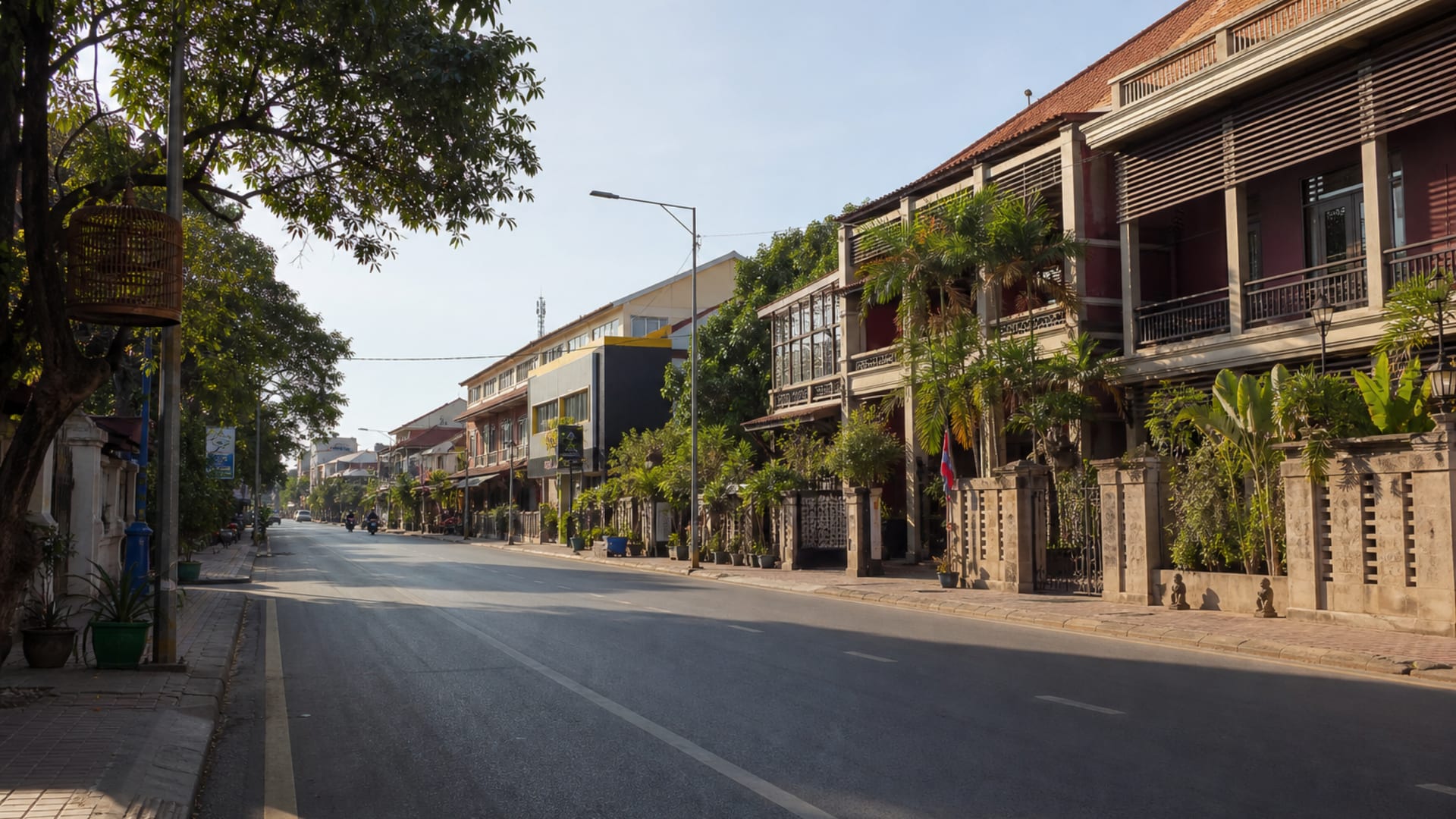
Wat Bo Road runs east of the river, with boutique hotels, guesthouses, cafés, restaurants, and low-rise residential streets. Central Siem Reap is still within easy reach, but the area sees less late-night noise than the blocks surrounding Pub Street and the Old Market.
Best for: Couples, midrange stays, central access, and travelers who prefer quieter evenings
What to expect: Cafés, restaurants, temples, and moderate street activity throughout the day
Hotel prices: Well-rated properties generally charge ៛138,000–៛432,000 ($35–$110) per night.
Distance to major sights: Pub Street is 10 to 20 minutes away on foot; Angkor National Museum is a short tuk-tuk ride away.
Quietness: Evenings are generally quieter than near Pub Street, especially away from the main road.
Main trade-off: Pub Street and some late-night venues require a short walk or tuk-tuk ride across the river.
Good to know: Check breakfast hours before booking if you plan to leave for Angkor before sunrise.
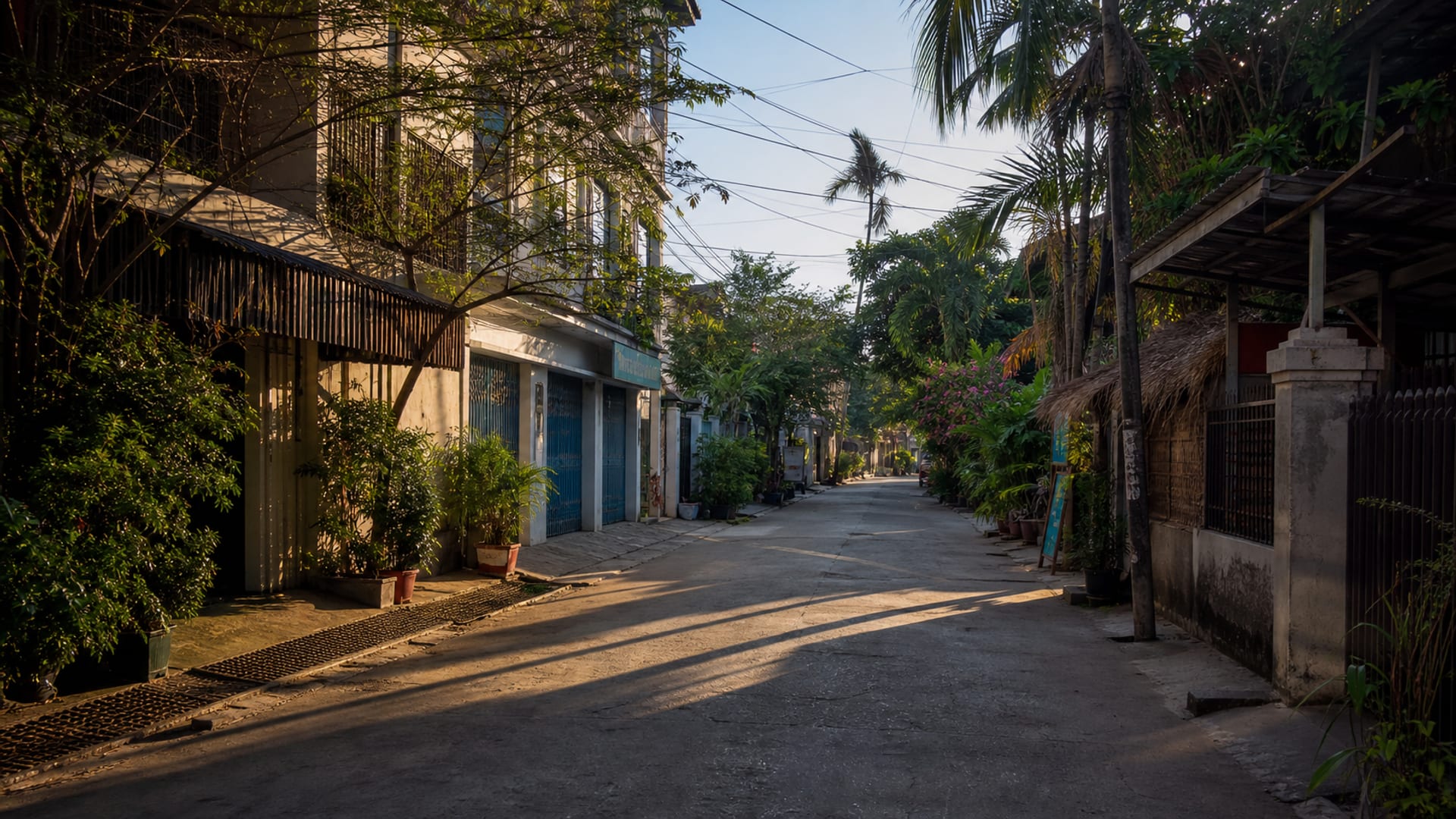
Taphul Village lies west of the center, with affordable hotels, local shops, restaurants, and easy access to the road toward Angkor. Lower room rates suit travelers who want to stay near central Siem Reap without paying riverfront prices.
Best for: Budget-minded travelers, short stays, and visitors who plan to use tuk-tuks frequently
What to expect: Local shops, small hotels, restaurants, and everyday traffic away from the main nightlife blocks
Hotel prices: Rooms in well-rated properties generally cost ៛79,000–៛275,000 ($20–$70) per night.
Distance to major sights: The Old Market is 10 to 20 minutes away on foot, depending on the hotel location.
Quietness: Local traffic is noticeable by day, while most streets become quieter later in the evening.
Main trade-off: The area has fewer restaurants and bars than the Riverside and Old Market districts.
Good to know: Check room insulation and air conditioning when comparing lower-priced hotels.
Travelers usually avoid hotels near Siem Reap Angkor International Airport (SAI) and the far outskirts, which add travel time to Angkor, the Old Market, and central restaurants.
Hotel deals
How to get around Siem Reap efficiently
Siem Reap has no urban rail network, so tuk-tuks and taxis handle most trips. The airport is far outside the center, so airport transfers take longer than most city trips.

Tuk-tuk
For short city trips and temple circuits
Tuk-tuks handle most short trips in Siem Reap. City rides typically cost ៛8,000–៛24,000 ($2–$6), while drivers typically quote ៛59,000–៛98,000 ($15–$25) for a full-day Angkor circuit arranged in advance.

Airport shuttle
for low-cost airport transfers
A public airport bus links Siem Reap Angkor International Airport (SAI) with central Siem Reap on a fixed schedule. A one-way ticket costs ៛31,000 ($8). SAI is 31 miles (50 km) from the city, and the trip usually takes 45 to 60 minutes, with delays possible in heavier traffic.

Taxi
for convenience or late hours
Airport taxis to central Siem Reap typically cost ៛98,000–៛138,000 ($25–$35). Book at the airport desk, through your hotel, or with a ride app. Taxis are especially convenient for luggage, late arrivals, and door-to-door transfers.
*Prices are based on rates updated as of June 2026 and may change at the time of travel.
Tuk-tuks cover most city and temple trips, while the airport shuttle costs less for SAI transfers. Use a taxi for luggage-heavy trips, late arrivals, or door-to-door airport transfers.
Iconic landmarks
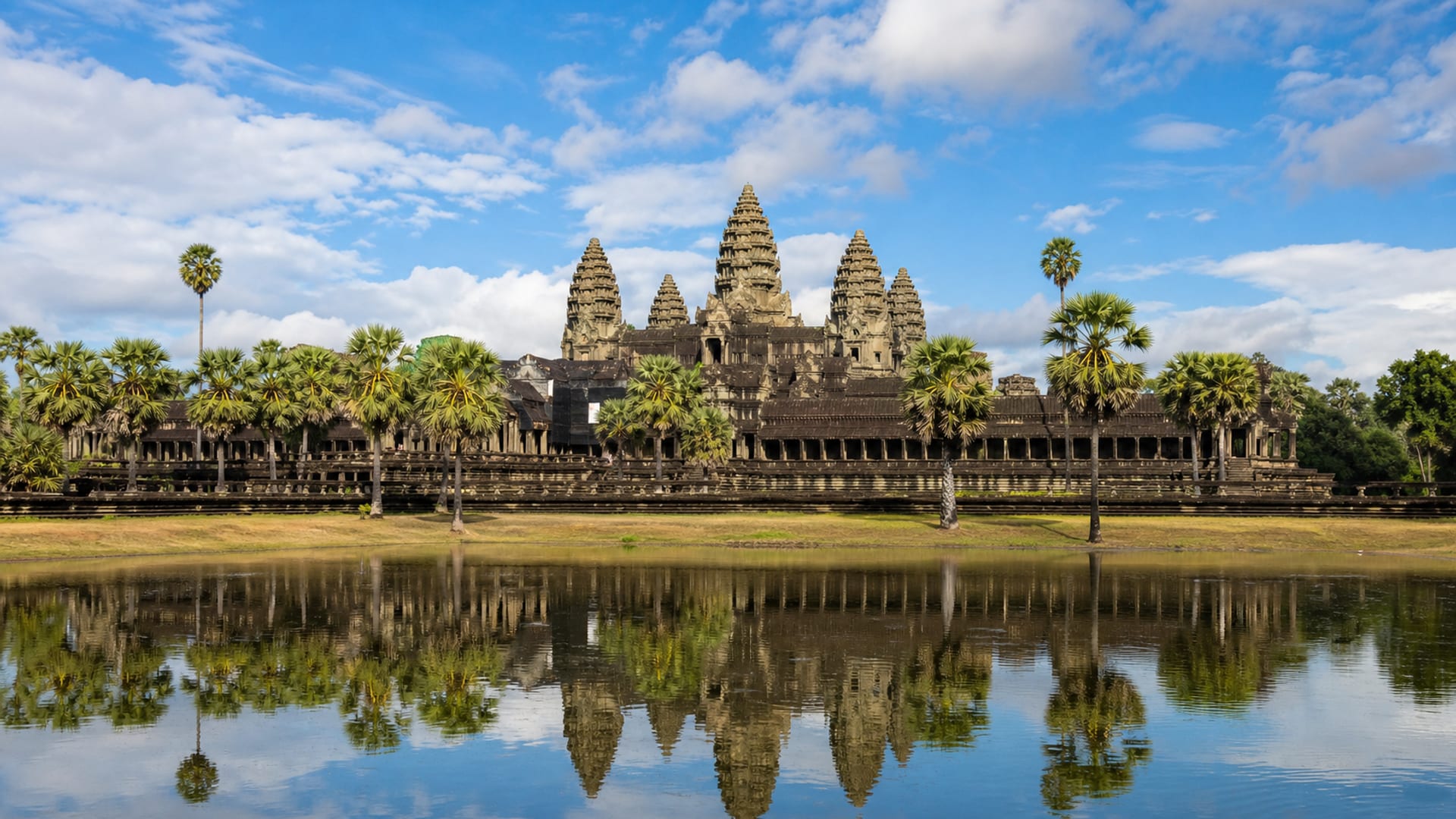
Angkor Wat
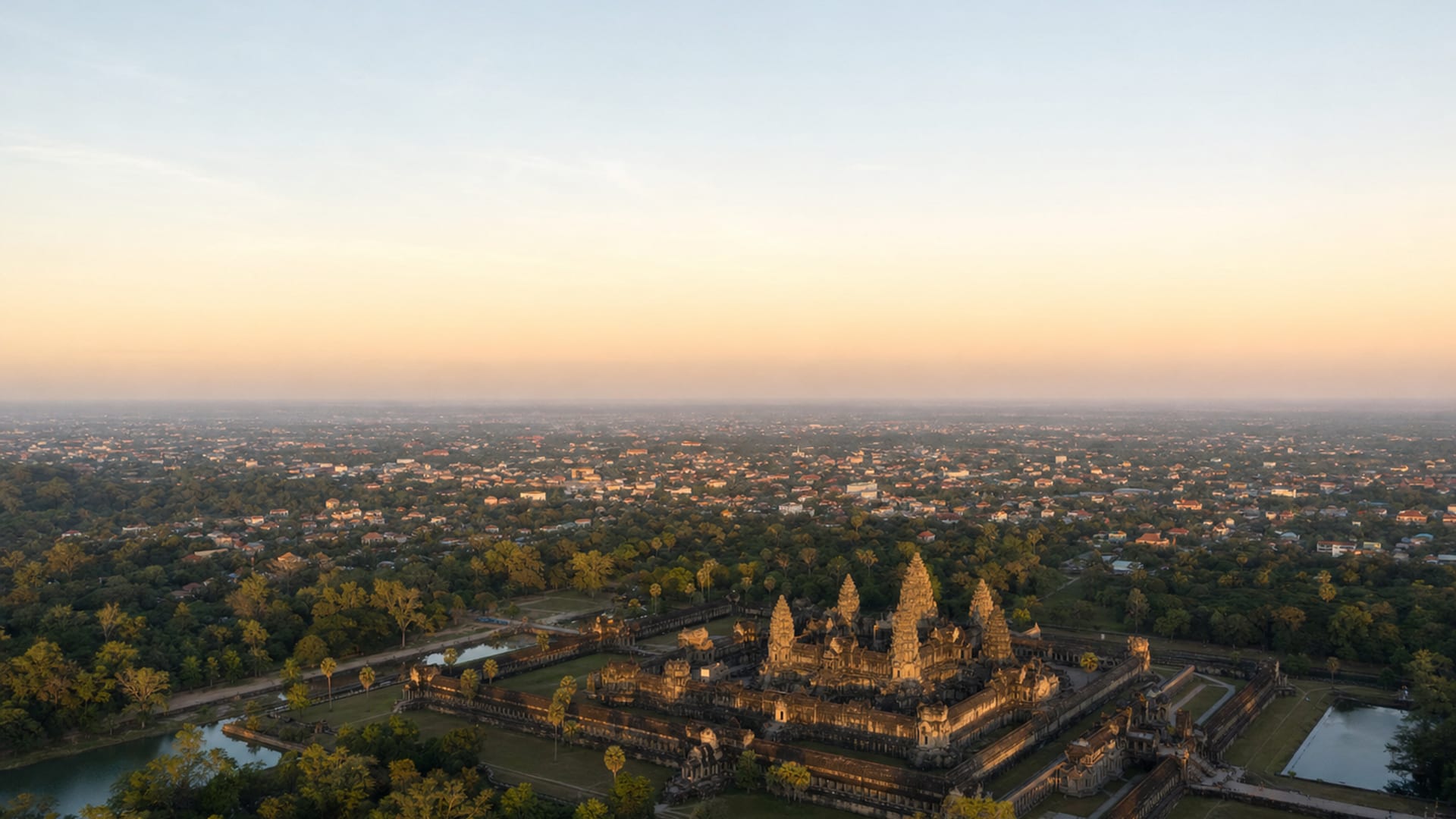
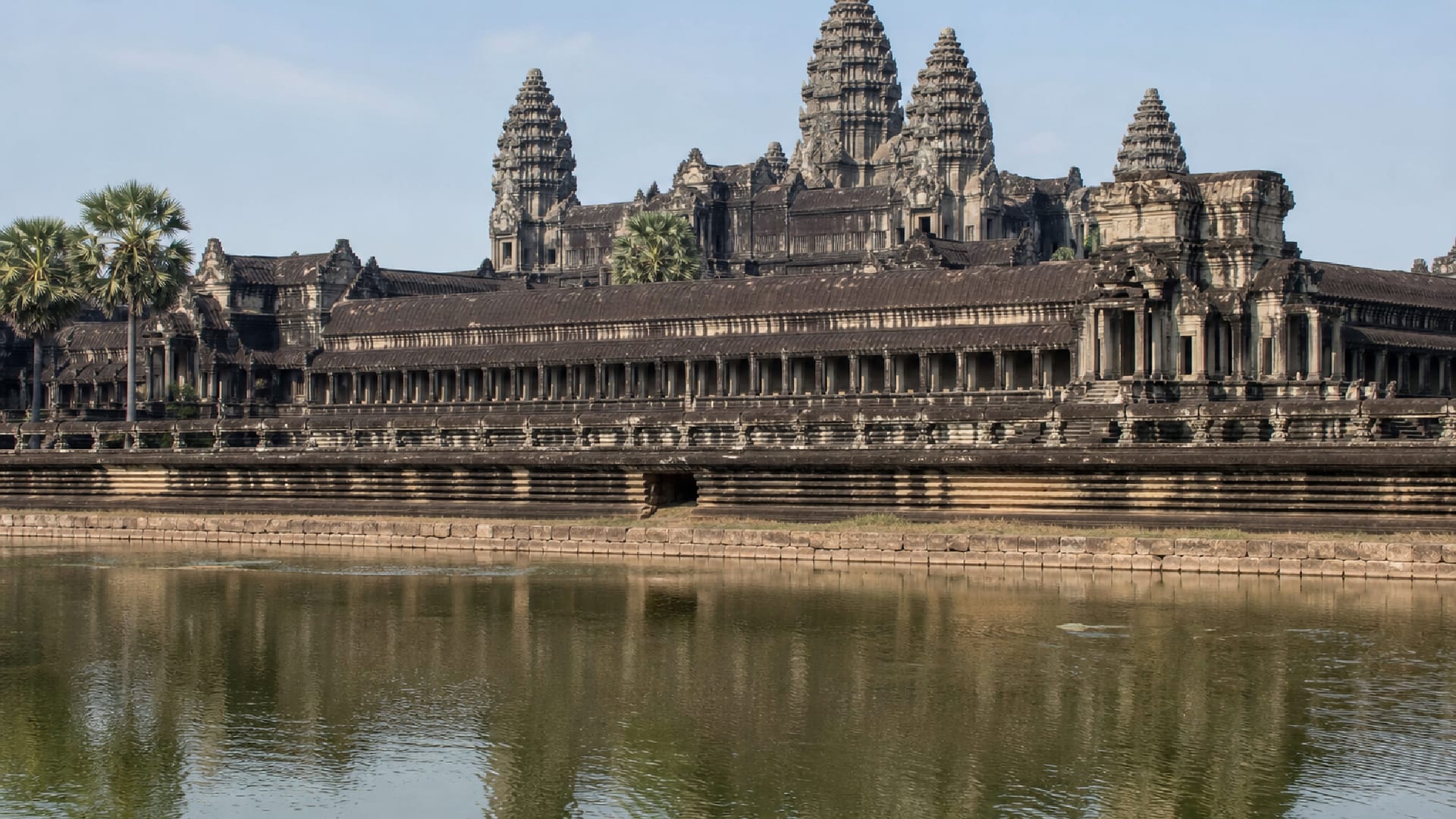
Angkor Wat is Cambodia’s best-known temple complex, with a broad moat, five lotus-shaped towers, and extensive galleries of Hindu and Buddhist reliefs. Sunrise brings the largest crowds to the western causeway and reflecting pools.
Time needed: 2 to 3 hours
Entry: A 1-day Angkor pass costs ៛145,000 ($37). Visit the official site for details.
Tip: Arrive before sunrise, then visit the inner galleries after the initial crowds disperse
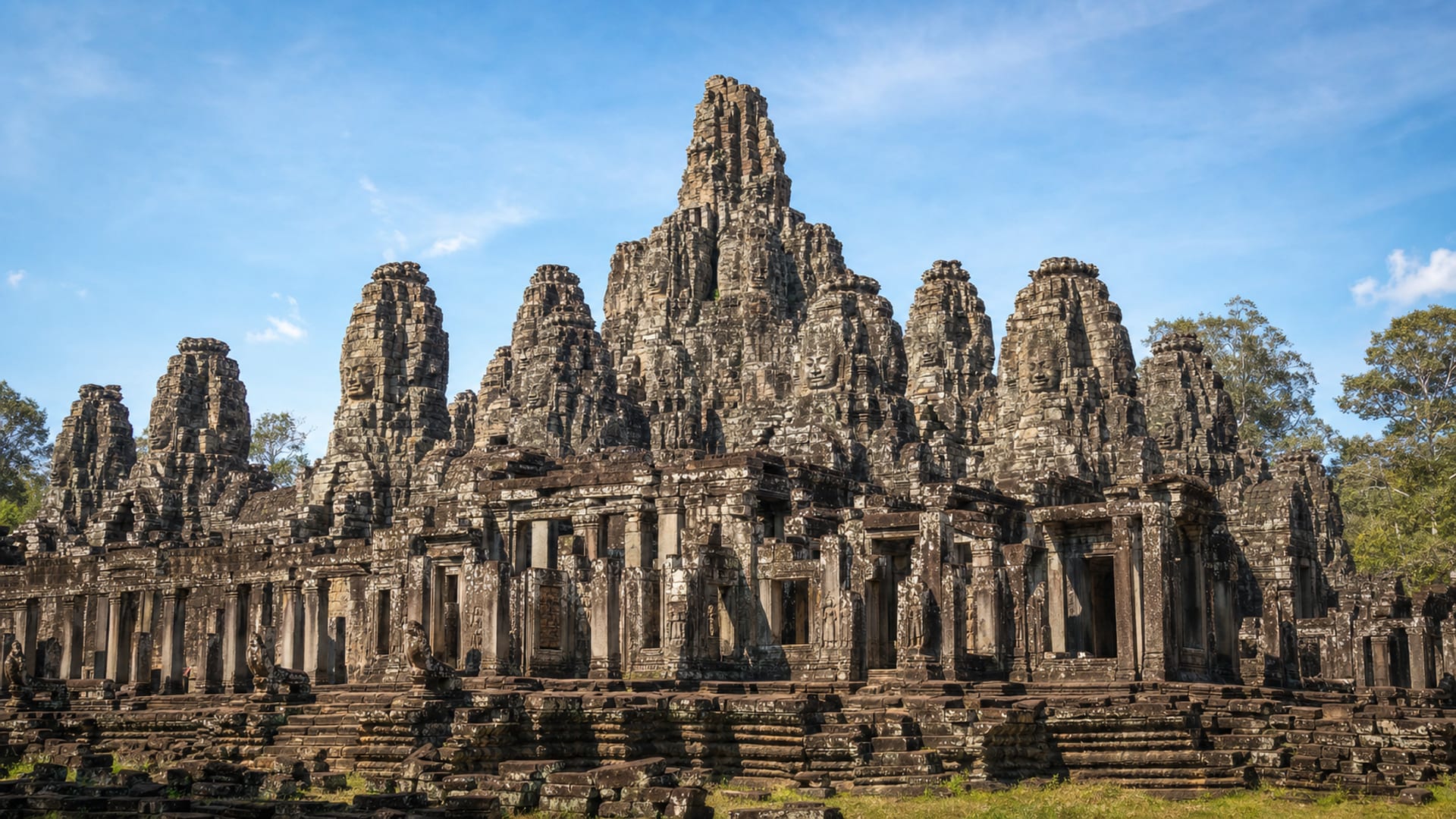
Bayon Temple
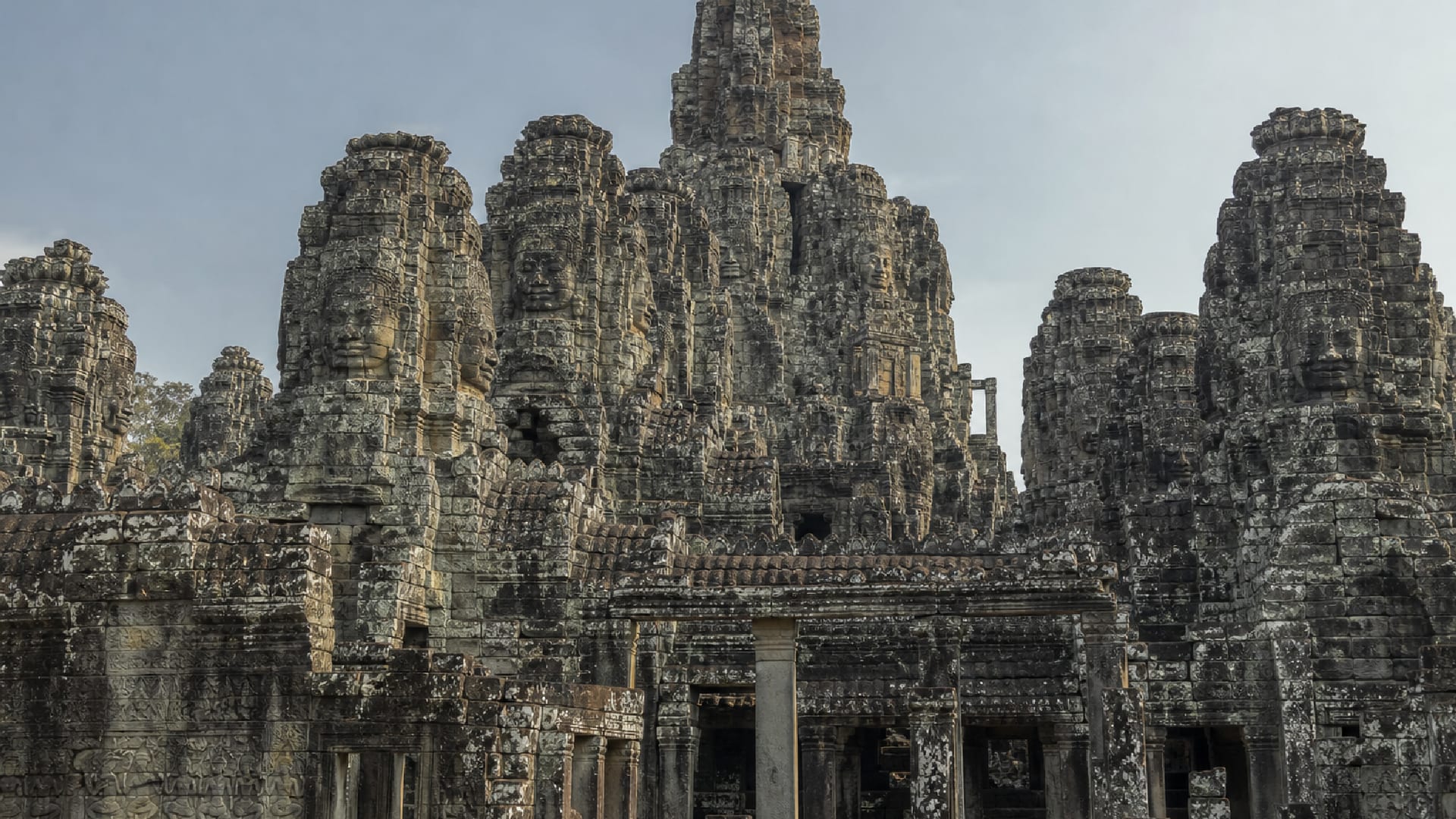
At the center of Angkor Thom, Bayon is known for its monumental stone faces, closely grouped towers, and bas-reliefs depicting battles, royal processions, markets, and scenes from daily Khmer life.
Time needed: 1 to 2 hours
Entry: Access is included in the Angkor pass, starting at ៛145,000 ($37) for one day. Visit the official site for details.
Tip: Visit in the morning before the central terraces become busier
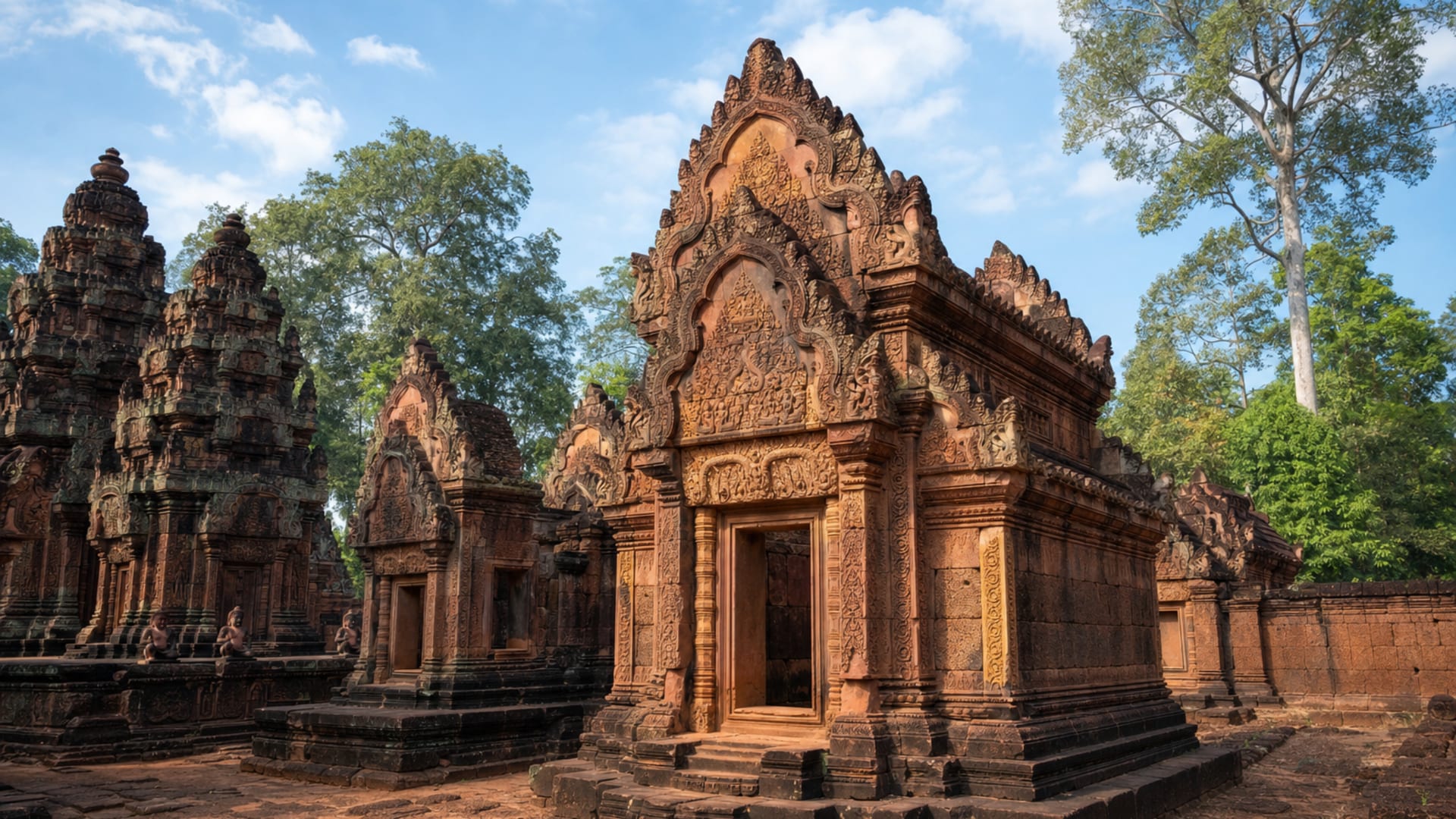
Banteay Srei
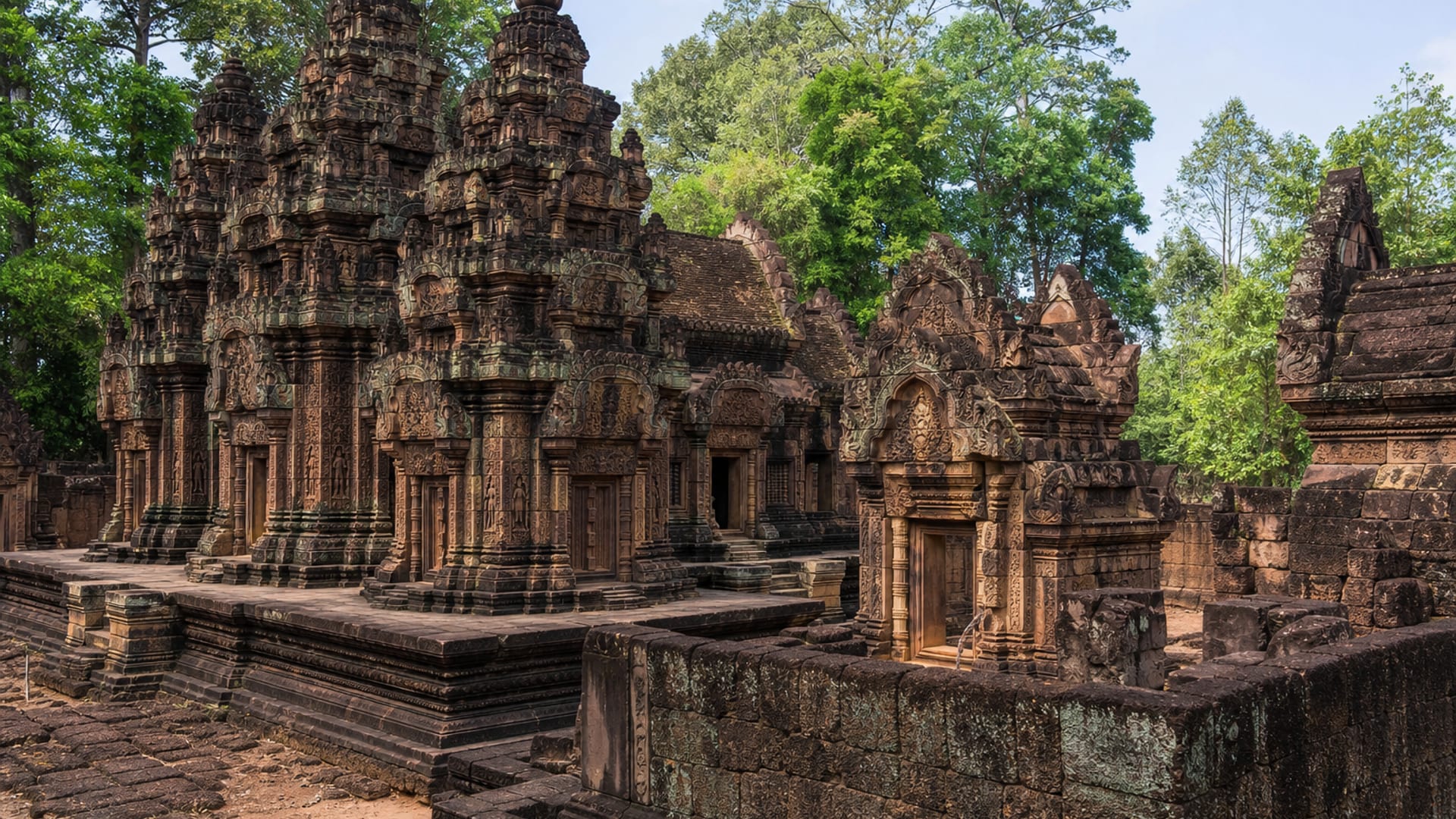
Banteay Srei lies 16 miles (25 km) northeast of central Siem Reap and is known for its pink sandstone and exceptionally detailed carvings. Its smaller scale makes the lintels, pediments, and decorative door frames easy to examine closely.
Time needed: 1 hour
Entry: Access is included in the Angkor pass, starting at ៛145,000 ($37) for one day. Visit the official site for details.
Tip: Arrive early to see the carvings before larger tour groups arrive
Overlooked sites worth visiting

Wat Athvea
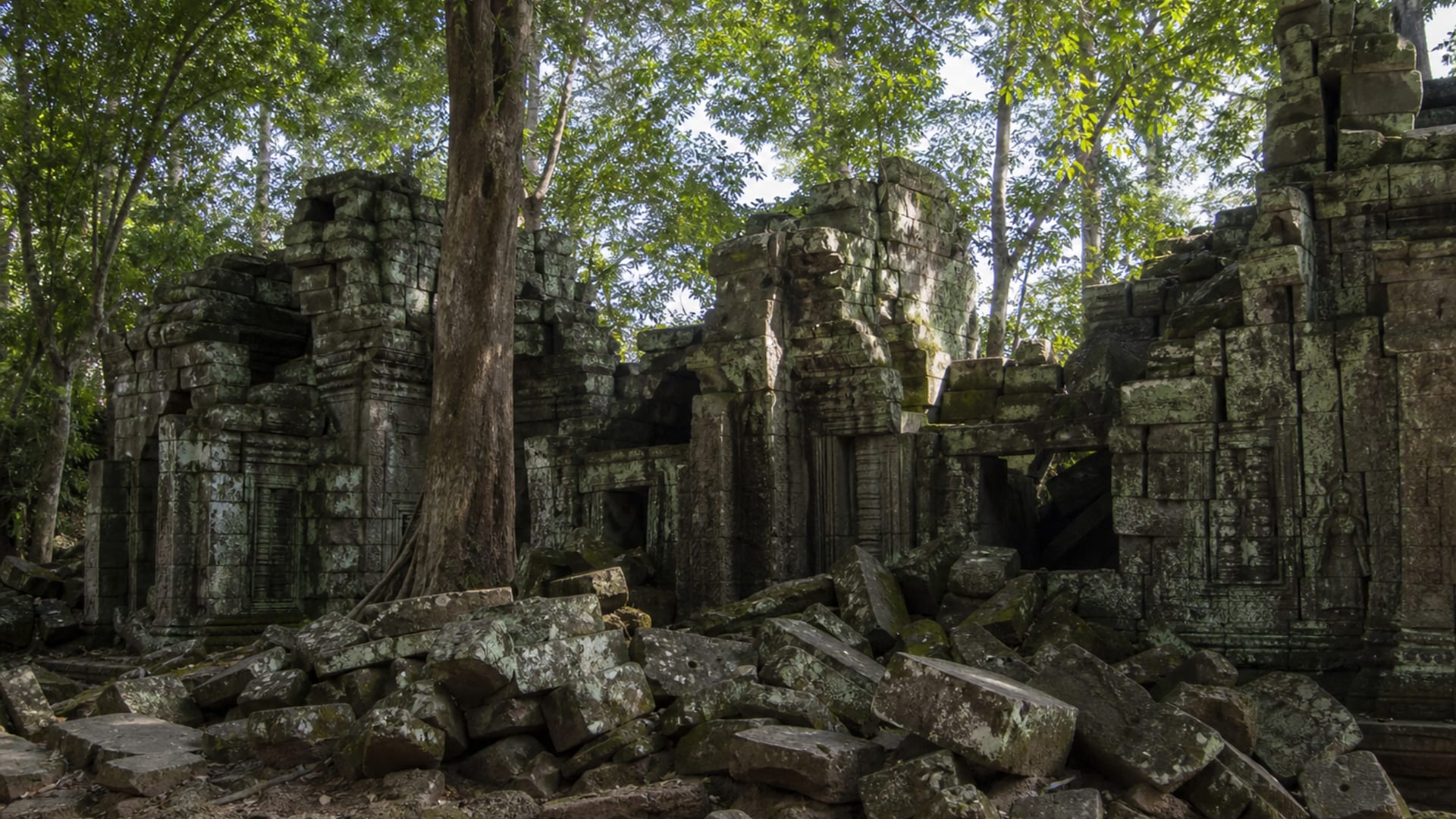
Wat Athvea is a quiet 12th-century temple south of central Siem Reap. Its laterite causeway, moat, and partially restored sanctuary attract far fewer visitors than the major Angkor temples.
Time needed: 45 to 60 minutes
Entry: Free; no advance booking required
Tip: Visit early for cooler temperatures and fewer visitors

Angkor National Museum
Angkor National Museum presents Khmer sculpture, religious art, lintels, and bronze work in chronological galleries that provide useful context before or after visiting the Angkor temples.
Time needed: 1.5 to 2 hours
Entry: Adult admission costs ៛47,000 ($12); audio guides cost extra. Visit the official site for details.
Tip: Visit before Angkor if you want historical context for the temples
Traditional food
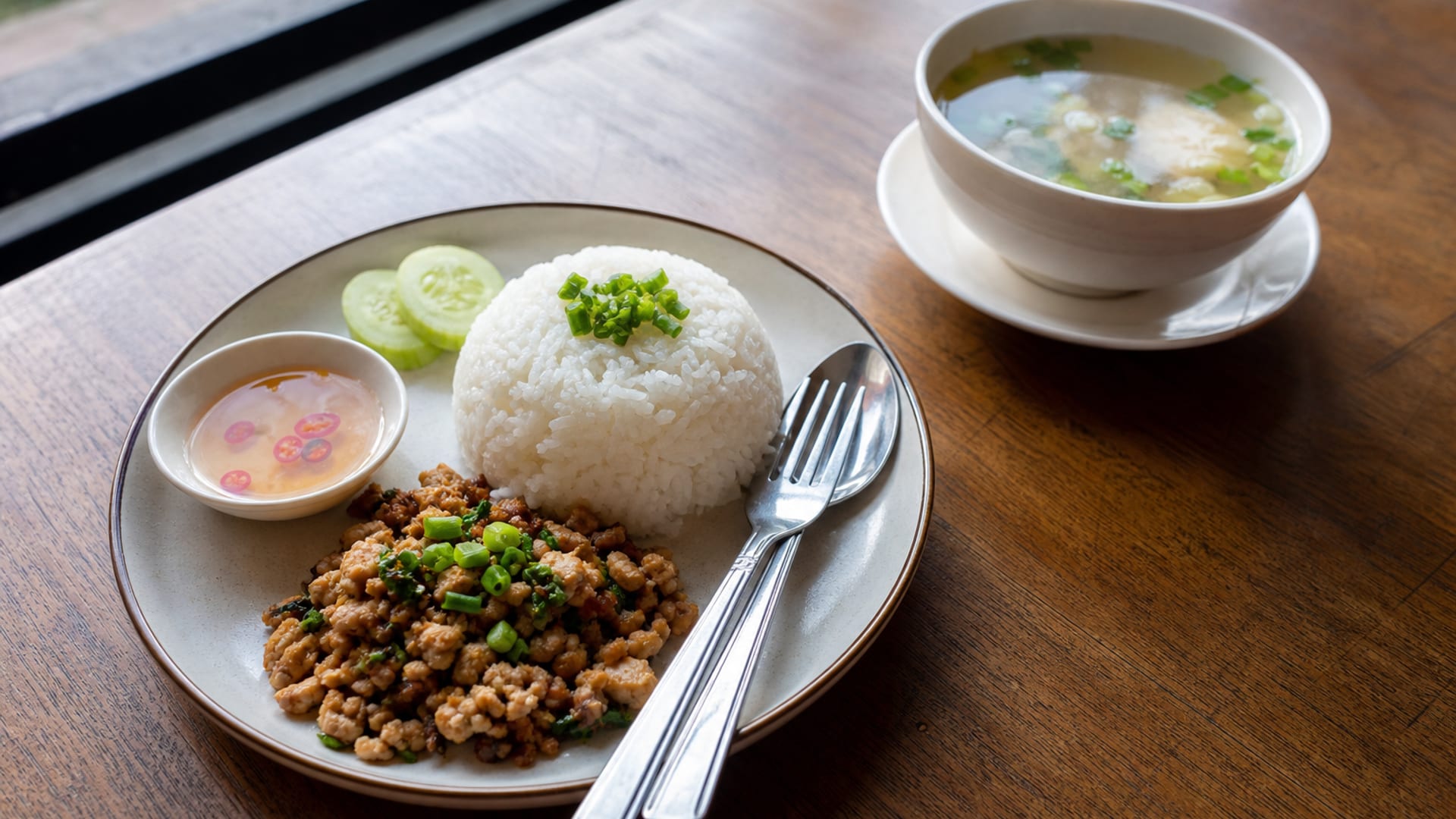
Siem Reap’s food scene includes Khmer curries, rice noodles, freshwater fish, herbs, coconut, and kroeung spice pastes.
Amok trey
Amok trey combines fish with coconut milk, eggs, and kroeung, then is steamed until softly set, often in a banana-leaf container. Chanrey Tree serves a polished version alongside other traditional Cambodian dishes in central Siem Reap.
Khmer red curry
Khmer red curry combines coconut milk, kroeung, vegetables, and meat in a mild, aromatic sauce. Sister Srey Cafe near the river is one central place to try it.
Kuy teav
Kuy teav is a rice-noodle soup commonly prepared with pork or beef broth, herbs, lime, and chili served on the side. Khmer Taste Restaurant is one central place to try Cambodian dishes near Pub Street.
Num banh chok
Num banh chok pairs fresh rice noodles with a green fish-based curry sauce, herbs, and vegetables and is commonly eaten for breakfast. Sam Khmer Noodles specializes in the dish and serves it with fresh vegetables and traditional Khmer green gravy.
Best time to visit Siem Reap
Siem Reap changes most with heat, rainfall, and visitor numbers, with the cooler dry months offering the most comfortable conditions for long temple days.
Best for: Sunrise temple visits, long walks, and cooler mornings
What you get: Temperatures of 70–88°F (21–31°C), dry conditions, cooler mornings, and the highest visitor numbers of the year
Trade-offs: Peak dates bring higher hotel prices and larger sunrise crowds at Angkor Wat.
Best for: Lighter crowds and combining temples with indoor attractions
What you get: Temperatures of 79–97°F (26–36°C), increasingly hot afternoons, and fewer visitors after the winter peak
Trade-offs: April and May heat can make midday temple visits tiring.
Best for: Greener temple grounds, fewer visitors, and quieter temple circuits
What you get: Temperatures of 76–90°F (24–32°C), regular rain, lush vegetation around Angkor, and moderate visitor numbers
Trade-offs: Heavy rain can interrupt temple visits and slow road travel.
Best for: Greener landscapes and drier weather toward November
What you get: Temperatures of 75–89°F (24–32°C), declining rainfall later in the season, and gradually increasing visitor numbers
Trade-offs: Heavy rain is still possible in September and early October.
A realistic 5-day plan in Siem Reap
Five days gives you time to separate Angkor’s major temples, an outer-temple trip, and central Siem Reap into distinct days. Grouping nearby stops also limits repeated drives between town and the archaeological park.
Land at Siem Reap Angkor International Airport (SAI), then take a prebooked taxi or hotel car to the Old French Quarter or Riverside. The 50- to 70-minute transfer typically costs ៛98,000 to ៛138,000 ($25–$35). After check-in, walk along the Siem Reap River and explore the Old Market area. Have dinner nearby and turn in early before the next morning’s Angkor Wat sunrise visit.
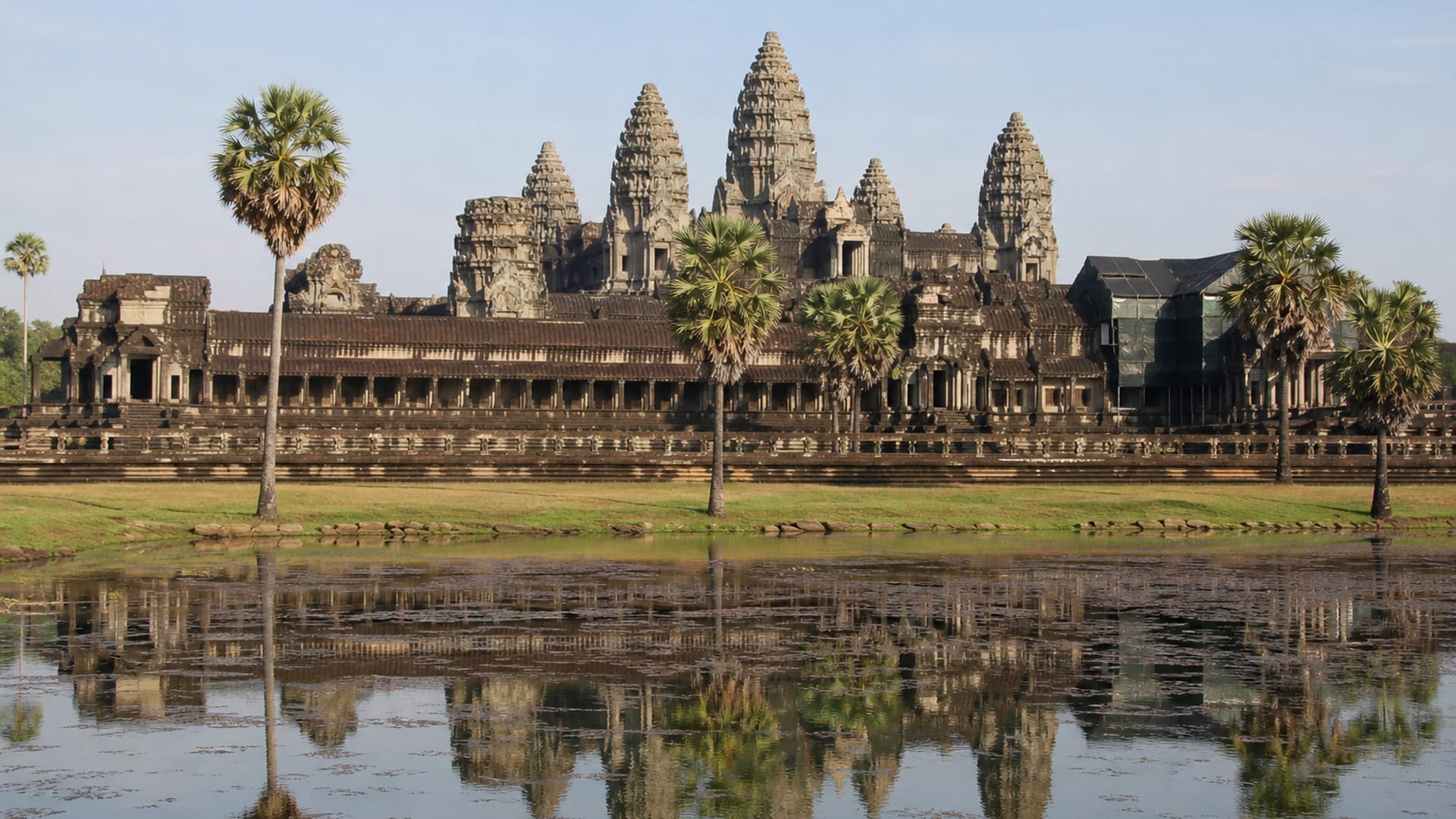
Leave before sunrise for Angkor Wat, 20 to 30 minutes by tuk-tuk from central Siem Reap. A 1-day Angkor pass costs ៛145,000 ($37). Allow 2 to 3 hours for the temple and grounds, then continue 15 to 20 minutes to Angkor Thom for Bayon, the Terrace of the Elephants, and nearby ruins. Spend another 2 to 3 hours here, then return to town for lunch and a break after the early start.
Leave early for Banteay Srei, 45 to 60 minutes northeast of central Siem Reap by car or tuk-tuk. Allow 1 to 1.5 hours for the pink sandstone carvings, then travel back toward the main Angkor complex and stop at Ta Prohm. Allow another 1 to 1.5 hours for its tree-covered ruins before returning to Siem Reap for dinner on Wat Bo Road.
Spend 1.5 to 2 hours at Angkor National Museum, where adult admission costs ៛47,000 ($12). Its Khmer sculpture, religious art, and archaeological displays help explain what you saw at Angkor. Continue by tuk-tuk to Wat Bo Road, then walk toward the river, Old French Quarter, and Old Market. Finish with dinner and shopping near the Old Market.
If your flight leaves later in the day, take a short tuk-tuk ride south to Wat Athvea for a 45 to 60-minute visit. Return to central Siem Reap for coffee, last-minute shopping at the Old Market, and lunch near your hotel. Allow 50 to 70 minutes for the drive to Siem Reap Angkor International Airport (SAI).
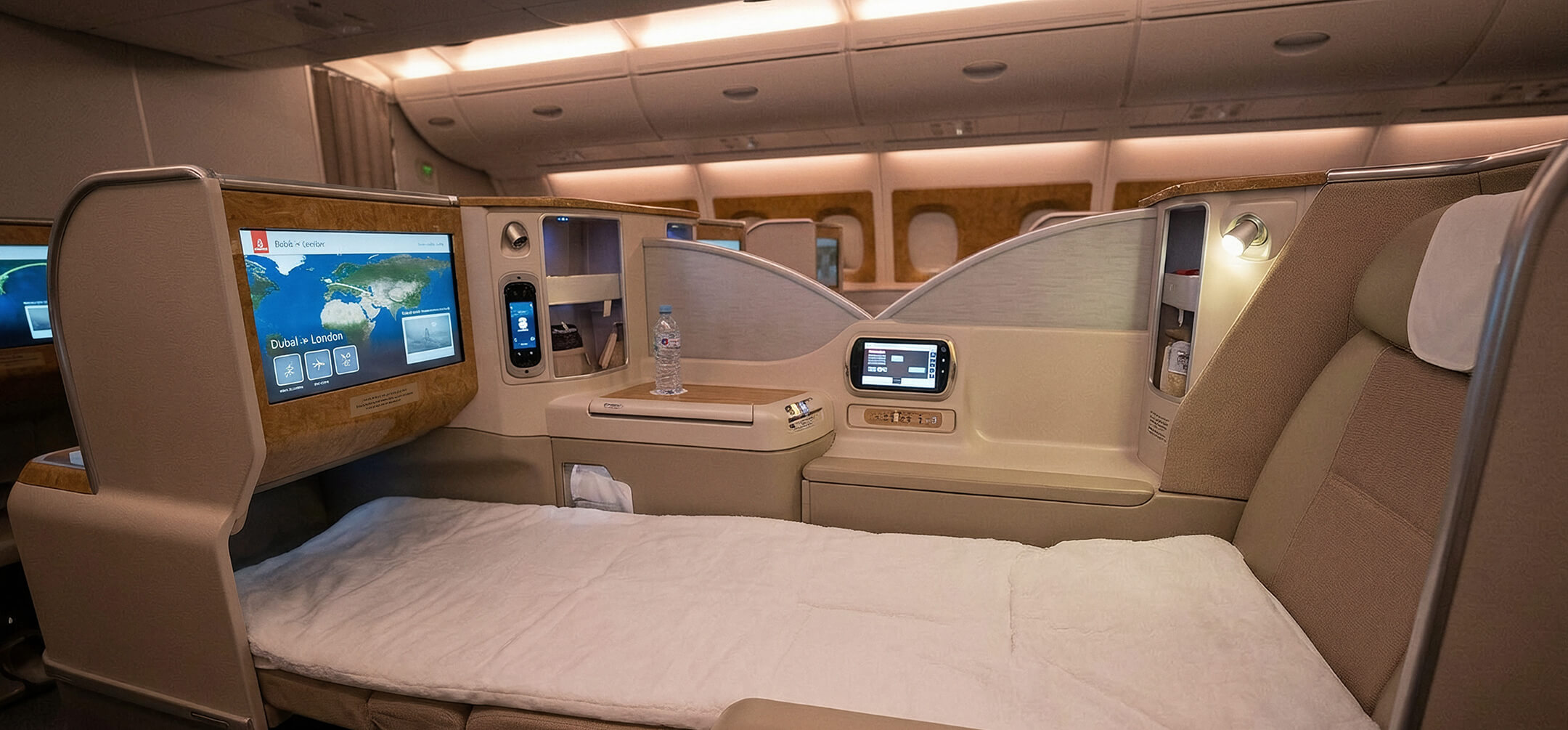
Business-class flights from the US to Siem Reap
Flights to Siem Reap usually involve a connection, so the main choice is whether you prefer a shorter total trip or a cheaper layover path. From both coasts, the long-haul pattern changes by hub more than by airline.
From New York, AirAsia, Qatar Airways, Singapore Airlines, EVA Air, and Korean Air all show up on common itineraries to Siem Reap. Typical one-stop connections run through DOH, SIN, ICN, TPE, or BKK, with total travel times of about 21 to 31 hours. Business fares from New York generally run $2,900 to $5,800 round trip. If you do not mind a layover, common routings via DOH, SIN, or ICN can bring the fare down to about $1,200 to $2,100.
Los Angeles travelers usually see Singapore Airlines, EVA Air, Korean Air, Cathay Pacific, and Qatar Airways on the board. The trip normally takes about 19 to 27 hours with a connection, often through SIN, TPE, HKG, ICN, or DOH. From Los Angeles, business fares usually fall between $2,700 and $5,400 round trip for the long-haul journey to Siem Reap.
Siem Reap feels different when you slow down
A well-paced Siem Reap trip separates temple mornings from time in the Old French Quarter, Wat Bo Road, and the riverfront. Tuk-tuks cover most local trips, while taxis make the airport transfer easier. Leave room for one sunrise at Angkor Wat, then give the rest of the trip enough space for quieter temples, riverfront walks, and evenings back in town. AranGrant can help you compare business-class flights and hotels that fit your travel dates.