

Chapters:

Need help with your trip?
Our support team is available 24/7. Request a callback or call us directly at (833) 619-0908
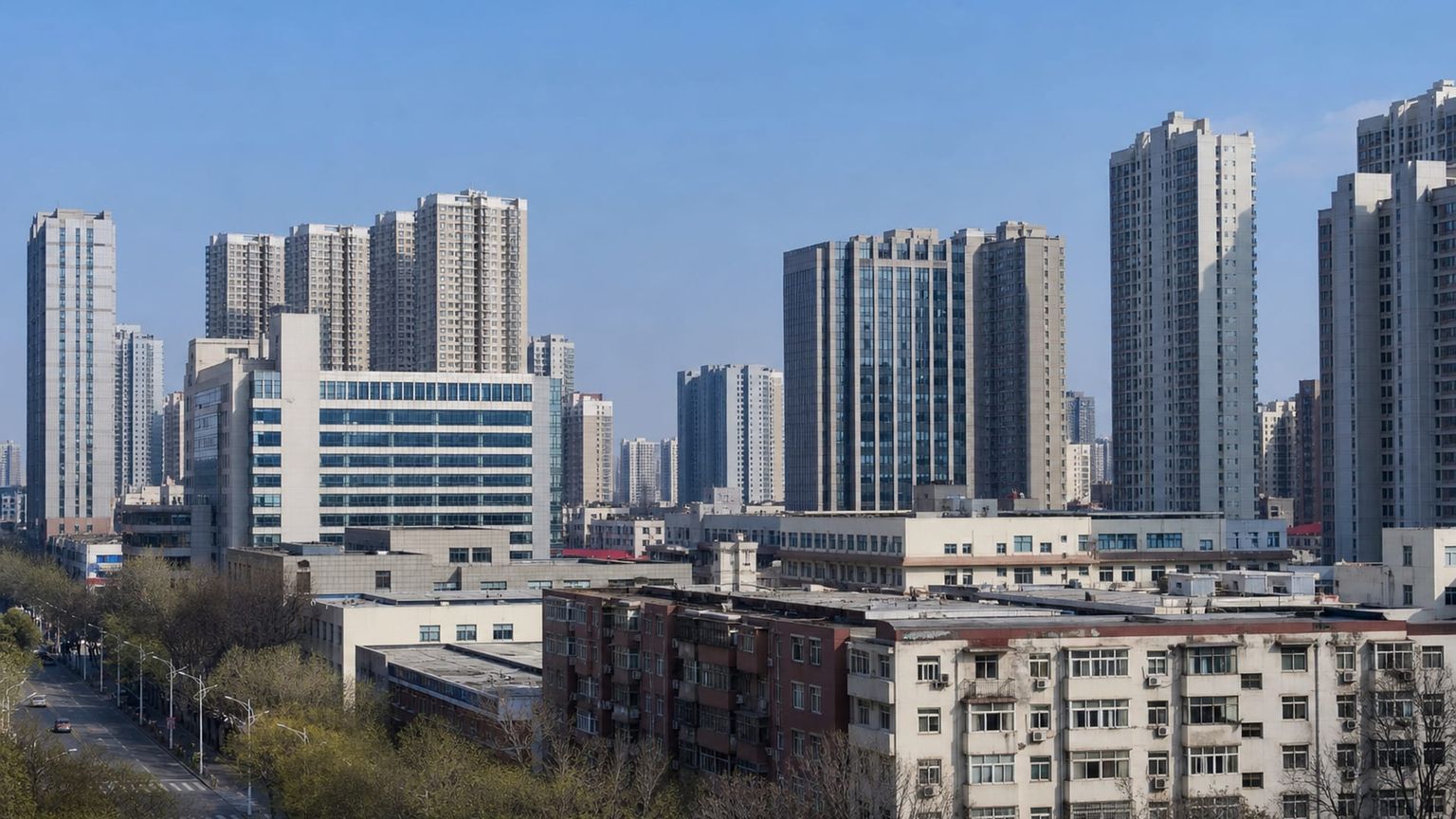
Shijiazhuang rarely rewards a scattershot plan. Many first trips jump between a hotel near the rail lines, a museum, and one distant landmark, then lose time to cross-town rides and rushed meals.
That pattern leaves the city’s best parts, broad districts, quieter park paths, and the long approach to places like Zhaozhou Bridge or Cangyan Mountain, squeezed into short windows.
This guide spaces the days so the central museums, parks, and outer sights each get their own pace, with transit and dining choices matched to distance.
Useful things to know

Main language(s): Mandarin Chinese
你好 (nǐ hǎo) – Hello
请 (qǐng) – Please
谢谢 (xièxie) – Thank you
你会说英语吗? (nǐ huì shuō yīngyǔ ma?) – Do you speak English?
多少钱? (duōshao qián?) – How much does it cost?

Currency: The local currency is the Chinese yuan (CNY, ¥).

Cash and cards: Cards and contactless work at larger hotels and chains; carry about ¥200 to ¥300 ($28 to $42) in cash.

Tipping: Tipping is not customary; rounding up is rare.

Traditional food: Donkey Burger, Dingzhou Braised Chicken, Shaobing, Sanxian Noodles

Water and coffee costs: Water about ¥2 to ¥5 ($0.30 to $0.70), bar espresso about ¥20 to ¥30 ($3 to $4).

Taxis and ride apps: DiDi works here; local taxis are easy to flag on the street.

Plug and voltage: Type A/C/I socket, 220V

Dining and shop opening hours: Breakfast is about 7:00-9:00 am, lunch about 11:30 am-1:30 pm, and dinner about 5:30-8:00 pm. Many restaurants close midafternoon.

Emergency number: Call 110 for police, 120 for ambulance, 119 for fire.
Where to stay in Shijiazhuang
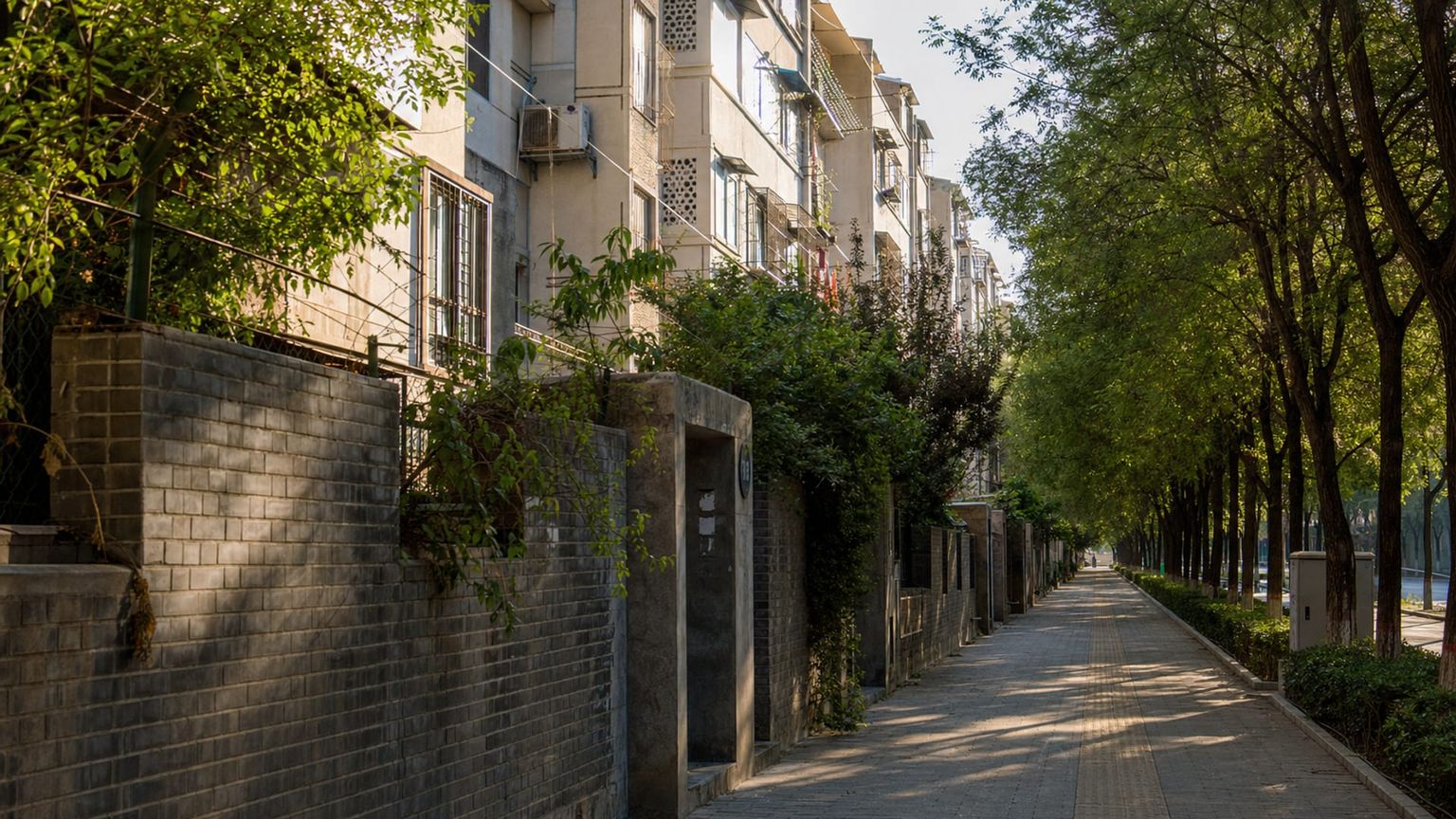
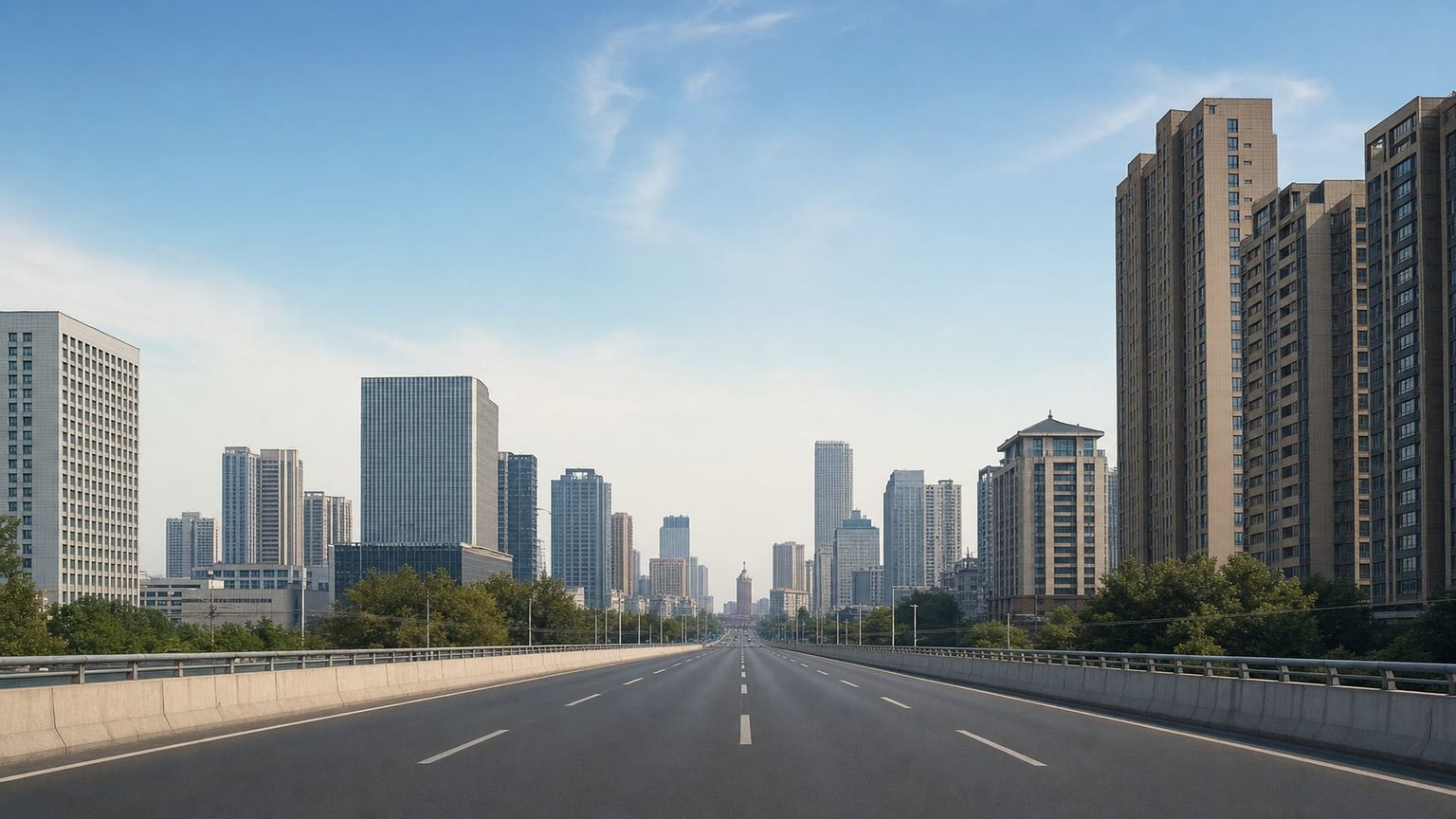
Chang’an District holds many of Shijiazhuang’s main offices, shopping streets, and higher-end hotels. It suits visitors who want to stay near central transit, commercial dining, and easy taxi access to the city’s main sights.
Best for: First-time visits, business trips, and access to central dining and shopping
What to expect: Busy arterial roads, hotel towers, mall traffic, and a steady flow of commuters and shoppers.
Hotel prices: Usually about $60 to $140 per night for well-rated stays
Distance to major sights: About 15 to 25 minutes by taxi to Hebei Provincial Museum and about 20 to 30 minutes to Shijiazhuang Railway Station
Quietness: Busy in the day and active into the evening near commercial streets, with quieter side roads after dark.
Main trade-off: Hotels here usually cost more than in outer districts, and the main roads can feel noisy at peak commuting times.
Good to know: If you plan to move around by taxi, this district cuts down on cross-city transit and gives you the widest choice of dependable midrange and upscale hotels.
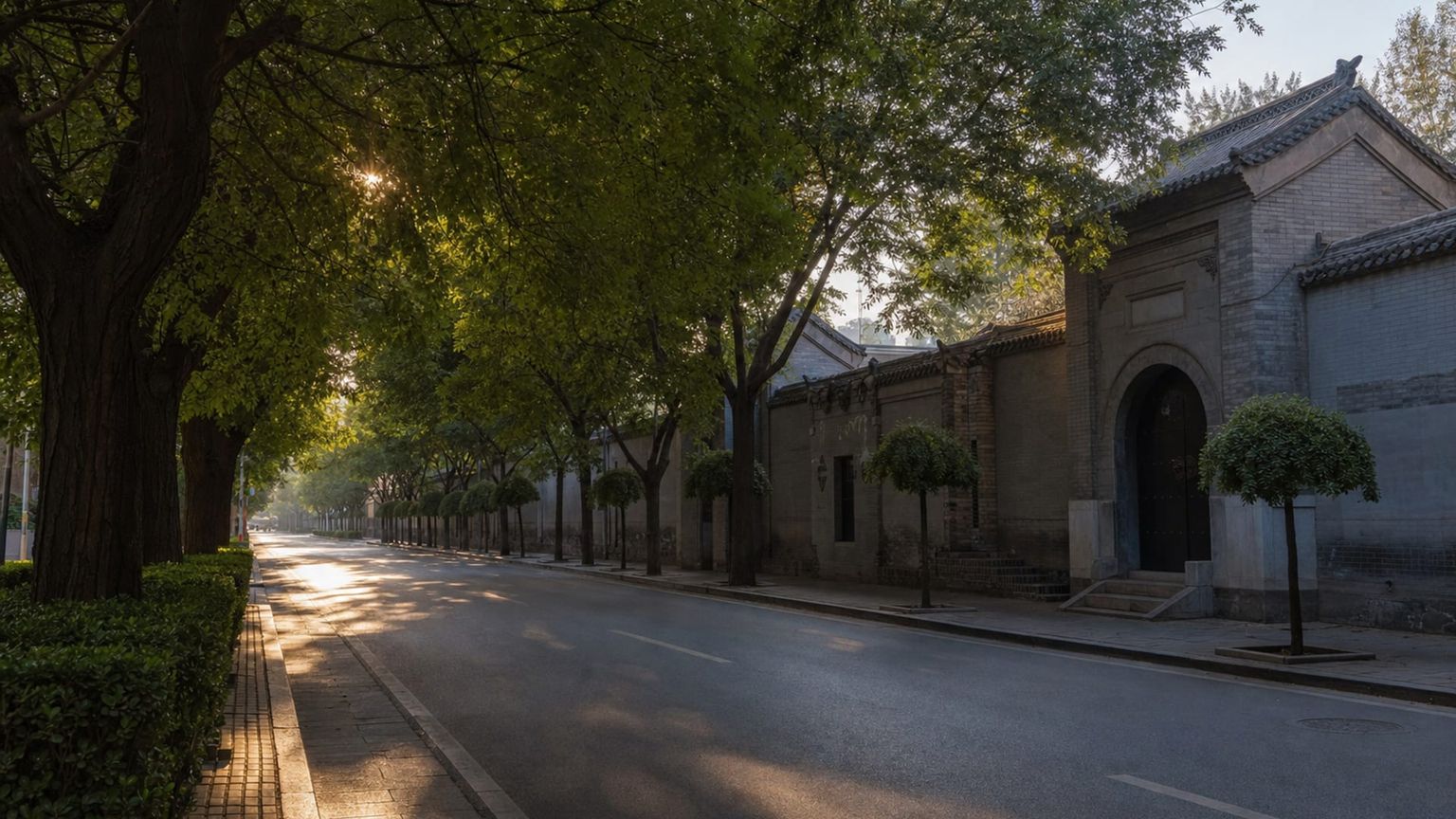
Yuhua District sits southeast of the center and mixes residential blocks with shopping streets, restaurants, and several modern hotel clusters. It works well if you want a local base with easy access to the city center without staying in the busiest office corridor.
Best for: Families, longer stays, and travelers who want restaurants and shops close by
What to expect: Local neighborhoods, evening food spots, neighborhood retail, and moderate foot traffic rather than nonstop crowds.
Hotel prices: Usually about $45 to $100 per night for well-rated stays
Distance to major sights: About 20 to 30 minutes by taxi to Hebei Provincial Museum and about 15 to 25 minutes to Shijiazhuang People’s Hall
Quietness: Calmer than the main central commercial zone by day, with a quieter evening scene on residential streets and more activity around dining strips.
Main trade-off: You will usually spend a bit more time reaching the busiest downtown sightseeing blocks, especially during rush hour.
Good to know: Choose a hotel near a main road or metro stop, because some residential pockets sit farther from late-night dining and make evening returns slower.
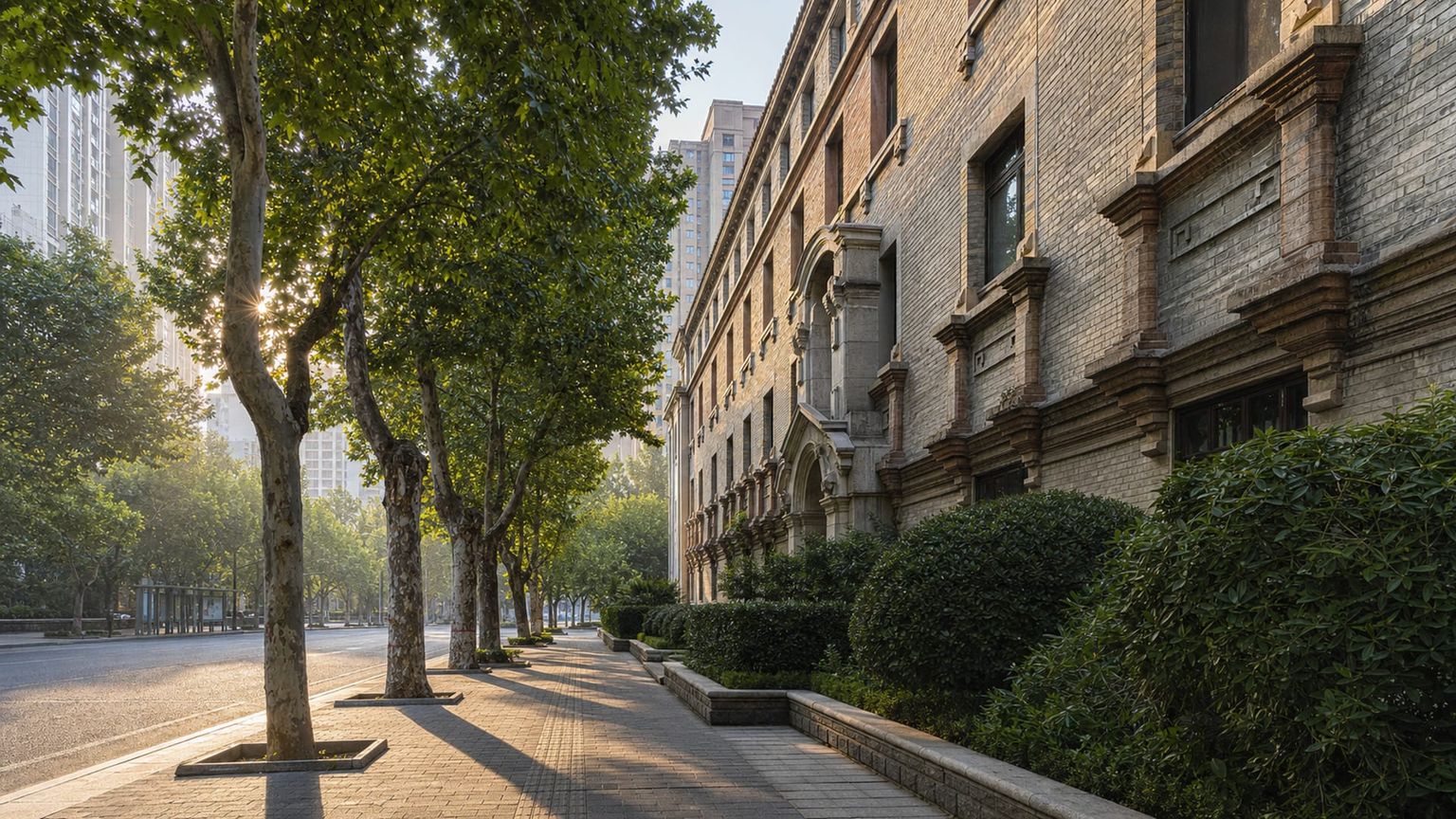
Qiaoxi District covers the older west side of central Shijiazhuang, including long-established commercial streets, markets, and transport links. It appeals to travelers who want lower room rates and easy rail access, with the city center still within reach.
Best for: Budget-conscious stays, rail travelers, and visitors who do not mind a busier urban feel
What to expect: Dense traffic, older storefronts, local markets, and a constant mix of shoppers, commuters, and street vendors.
Hotel prices: Usually about $35 to $80 per night for well-rated stays
Distance to major sights: About 10 to 20 minutes by taxi to Shijiazhuang Railway Station and about 20 to 30 minutes to Hebei Provincial Museum
Quietness: Noisy through the day, and some blocks stay active in the evening, especially near markets and transport hubs.
Main trade-off: You save on lodging, but many streets feel older and busier, and the best hotels are not concentrated in one area.
Good to know: This is a good place to keep your budget in check if you expect to use taxis or subways for sightseeing rather than walking everywhere.
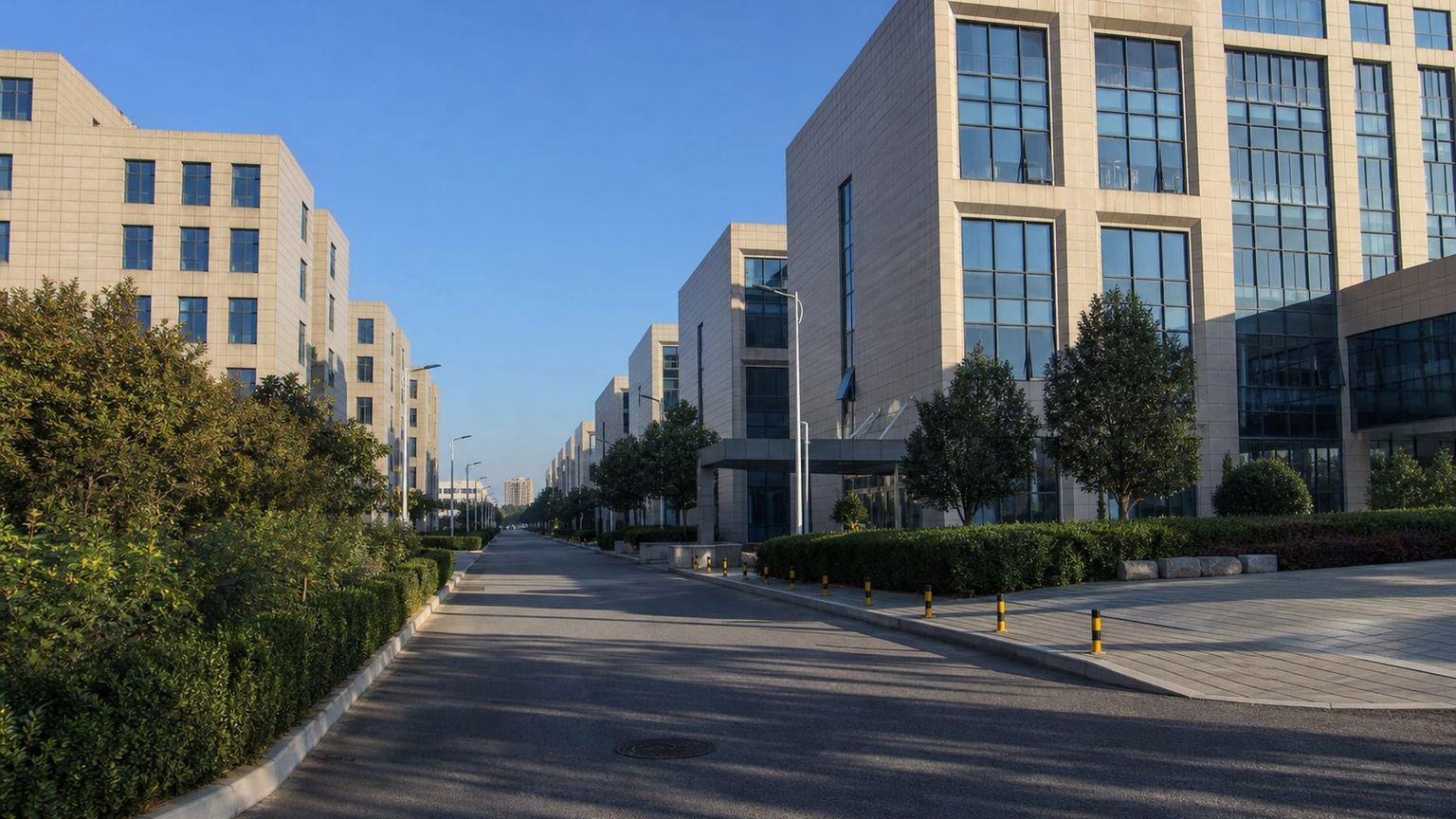
Shijiazhuang’s high-tech industrial development zone lies east of the center and has newer hotels, wide roads, and business parks. It suits travelers who want modern lodging and do not need to be in the thick of the downtown scene every night.
Best for: Business travel, newer hotels, and travelers with meetings in the east side of the city
What to expect: Wide avenues, office parks, new apartment blocks, and lighter evening foot traffic than in the core districts.
Hotel prices: Usually about $45 to $110 per night for well-rated stays
Distance to major sights: About 25 to 35 minutes by taxi to Hebei Provincial Museum and about 20 to 30 minutes to Shijiazhuang Railway Station
Quietness: Quieter than the center in the day and noticeably calmer at night, aside from hotel clusters and main roads.
Main trade-off: You get newer accommodation, but you will rely more on taxis for central dining, museums, and major sightseeing streets.
Good to know: Late-night dining options thin out quickly here, so plan dinner before you return if you do not want to head back into the center afterward.
Travelers usually avoid staying in Yuanshi County, Xinji, and the outer edges of Luquan District, since they sit well away from Shijiazhuang’s main sights, shopping streets, and rail hubs, which makes evening travel slower. The far southwest and far east of the metro area are also less convenient because visitor amenities are thinner and taxi rides back from central districts can take a long time.
Hotel deals
How to get around Shijiazhuang efficiently
Shijiazhuang’s metro covers key cross-city links, while buses widen the reach and taxis do the last stretch to museums, parks, and outlying sights.

Metro
for longer distances
Shijiazhuang does have a metro network, with Line 1 linking the main rail area and central districts to the airport rail corridor, and single rides typically costing about $0.30 to $0.90 (¥2 to ¥6) depending on distance. Trains usually run from about 6:00 am to 10:00 pm, and tickets are valid for the specific trip you take after entry, so keep your fare media until you exit. Use it for cross-city hops that would take much longer by road during peak hours; station names and transfer signs appear in Chinese and English at the busiest stops.

Bus and tram
for convenience
Bus routes cover most of Shijiazhuang more broadly than the metro, with flat fares often about $0.20 to $0.45 (¥1 to ¥3) for ordinary city buses and longer runs priced higher on some suburban lines. A stored-value transit card or mobile payment is usually the easiest way to board, while exact stops and route numbers are posted in Chinese, so checking the destination before you get on saves time. Expect lower speeds than the metro but better reach for neighborhoods, markets, and bus links to rail stations; some transfers are time-based on the same card, but validity rules vary by operator.

Taxi
for convenience or late hours
Licensed taxis use meters, not fixed citywide fares, and daytime rides usually start at about $1.80 to $2.50 (¥12 to ¥18), with typical inner-city trips landing roughly between $4 and $12 (¥30 to ¥85) before tolls or longer-distance surcharges. Hail one at a marked taxi stand or use a ride-hailing app, since street pickup is common near stations and hotels but less predictable elsewhere. Most drivers accept cash, and many also take Alipay or WeChat Pay; for Shijiazhuang Airport (SJW), expect a higher metered total rather than a published flat airport fare unless your hotel arranges a prebooked car.
*Prices are based on rates updated as of June 2026 and may change at the time of travel.
Use the metro for faster central hops, buses for cheaper wider coverage, and taxis when you are heading to Chang’an Park, Zhaozhou Bridge, or Cangyan Mountain on a tight schedule.
Iconic landmarks
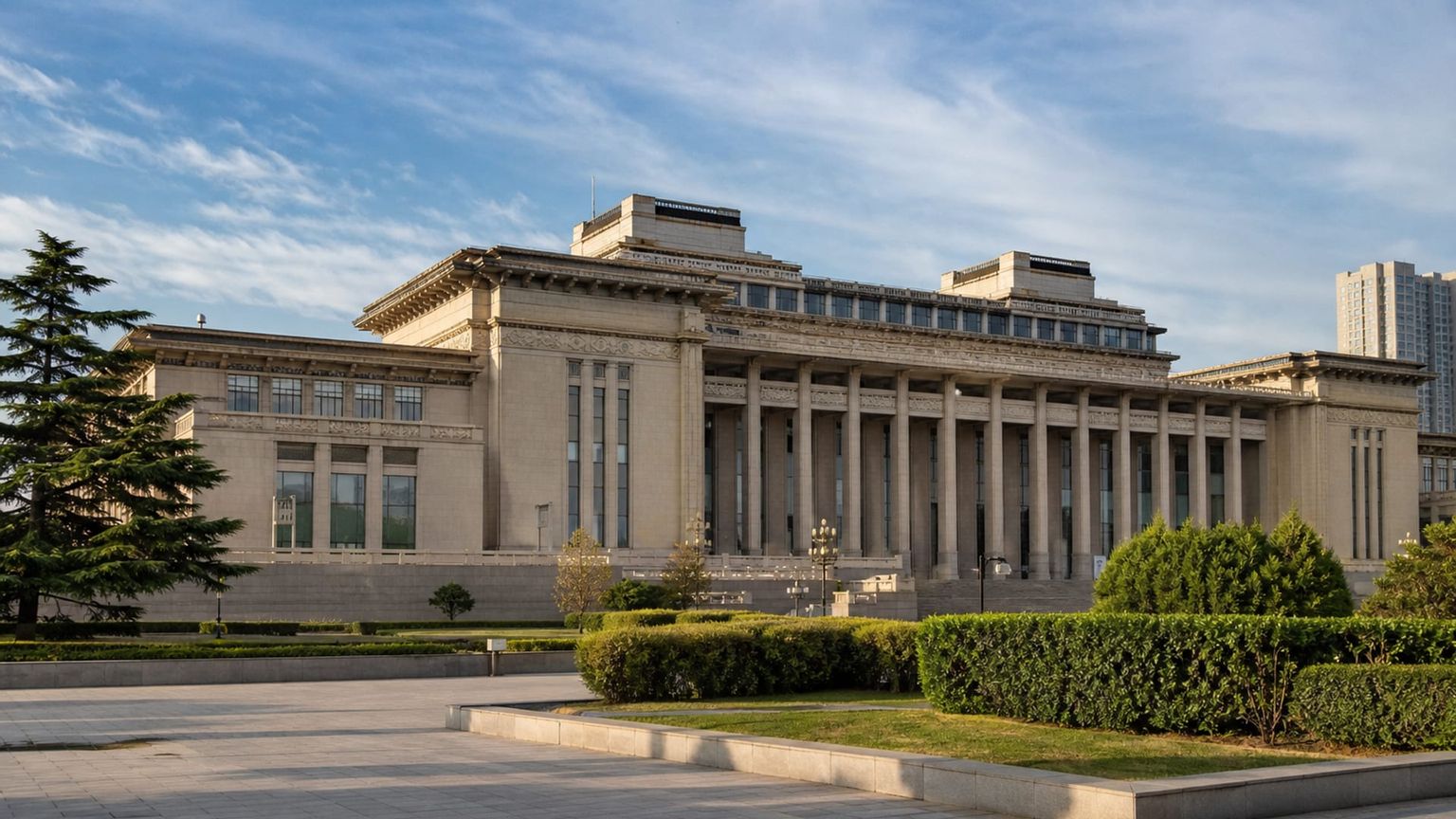
Hebei Provincial Museum
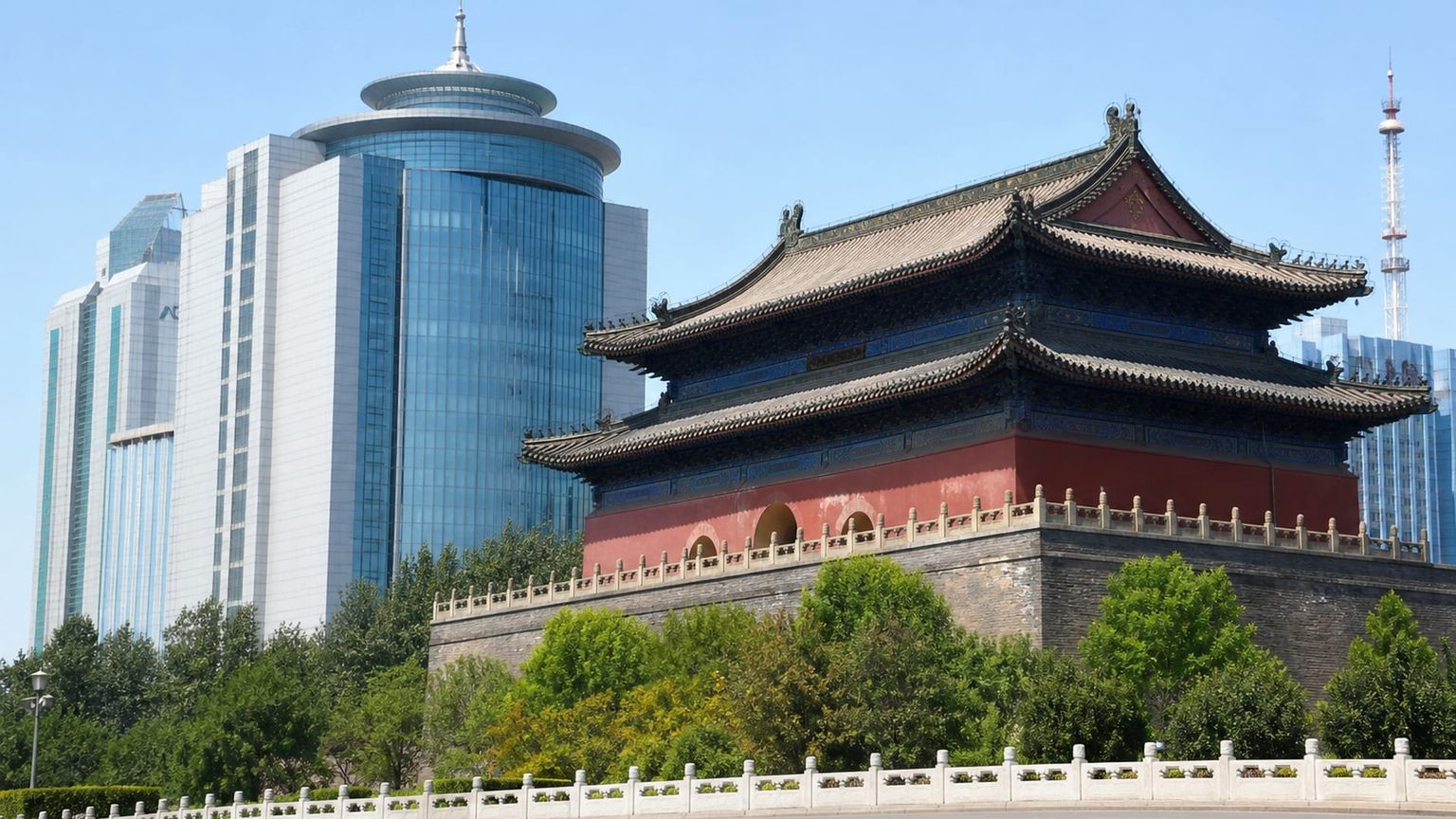
Hebei Provincial Museum presents archaeological finds, calligraphy, ceramics, and folk art from across the province. Its best-known pieces include Bronze Age objects, Han and Tang material, and rotating special exhibitions in a central museum setting.
Time needed: About 2 to 3 hours
Entry: Free to enter; special exhibitions may carry a separate charge Visit the official site for details.
Tip: Go early on weekdays to avoid school groups and give yourself time for the main galleries.
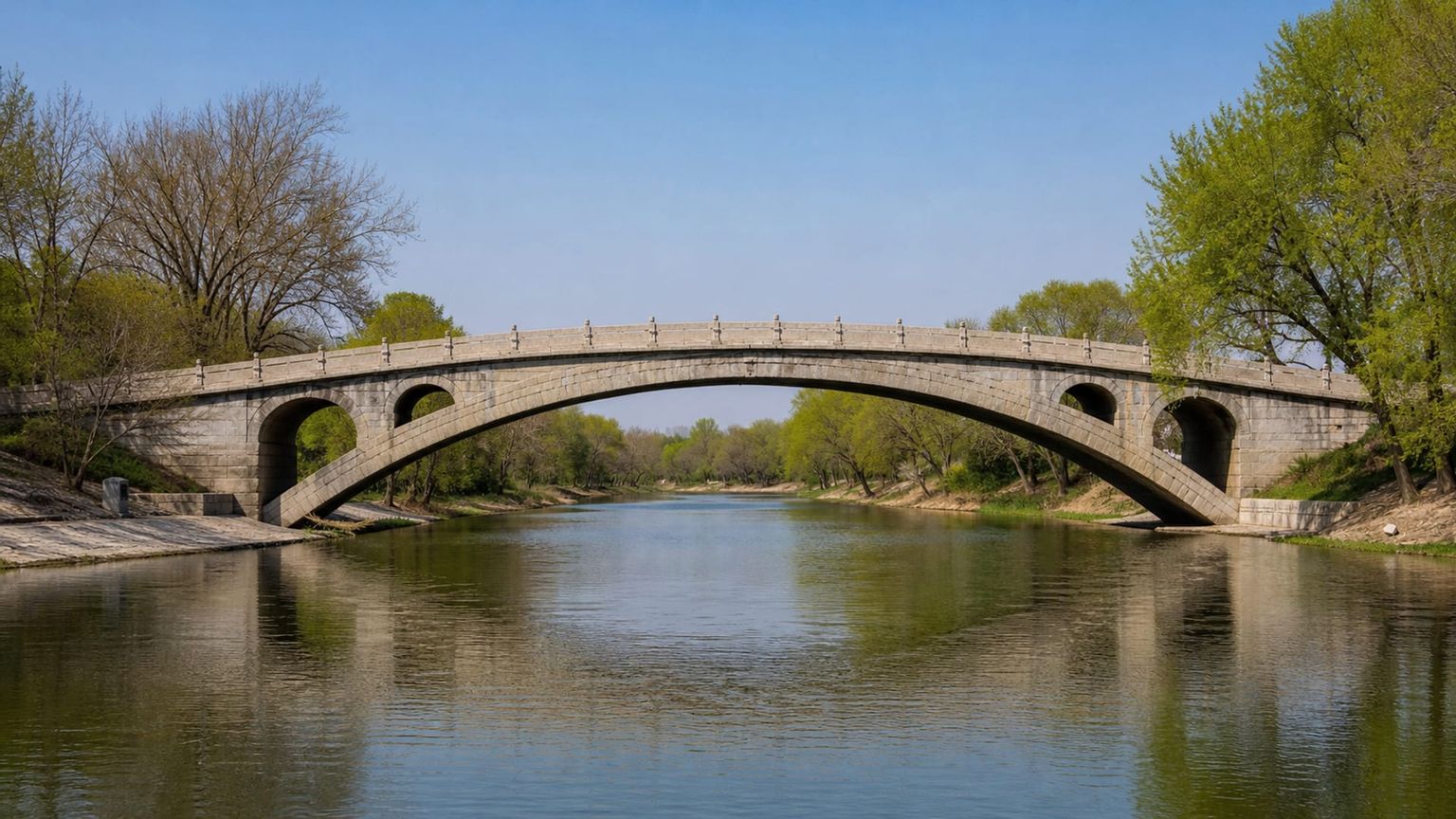
Zhaozhou Bridge
Zhaozhou Bridge, also called Anji Bridge, is a Sui dynasty stone arch bridge spanning the Xiao River about 30 km south of Shijiazhuang. Its single-span design and surviving masonry make it a landmark in Chinese engineering history.
Time needed: About 1 to 2 hours
Entry: Tickets cost about $7 ($50) per person
Tip: Visit in clear daylight, when the arch, railings, and inscription panels photograph best.
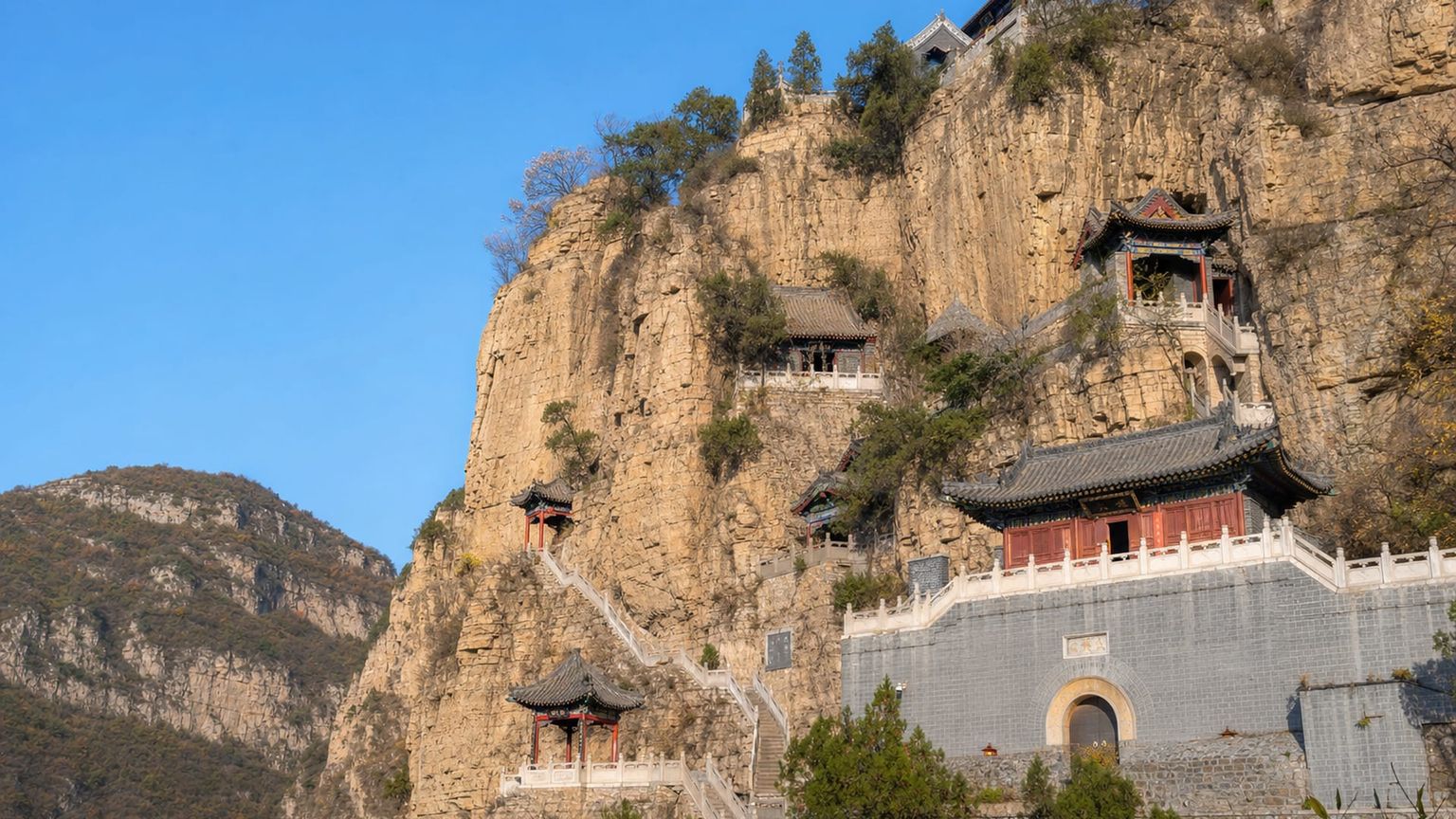
Cangyan Mountain Scenic Area
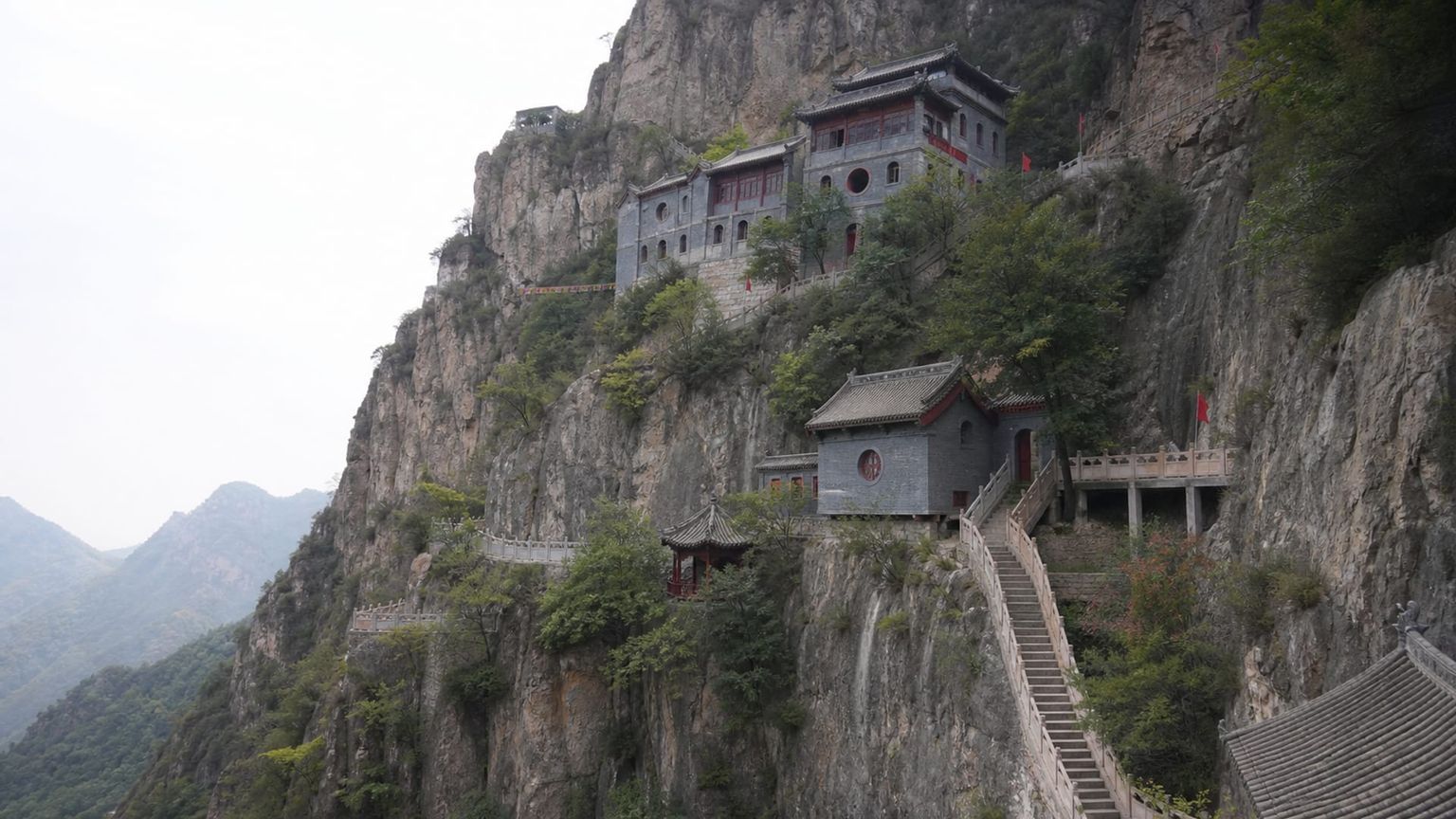
Cangyan Mountain Scenic Area sits about 70 km southeast of central Shijiazhuang, so it is outside the city limit but often paired with the area. The cliff temple complex and stone bridge draw visitors for steep stairs, cliff views, and historic halls.
Time needed: About 3 to 5 hours
Entry: Tickets cost about $15 ($108) per person Visit the official site for details.
Tip: Wear shoes with grip, since the upper temple paths and stairs can be slick after rain.
Overlooked sites worth visiting

Chang'an Park
A large urban park east of the center, with willow-lined paths, lakes, and open lawns that draw locals for walks and exercise. Go at sunrise for calmer paths and softer light.
Time needed: About 1 to 2 hours
Entry: Free to access. The park is open to the public without a ticket, though some inside facilities such as boating, rentals, or seasonal amusement features may charge separately. Bring cash or mobile payment for extras.
Tip: Visit early for quieter paths and better light.

Hebei Museum
Shijiazhuang’s main museum packs bronze ware, ceramics, and provincial history into a compact stop near the city center. Its best rooms reward a focused visit of about an hour or two.
Time needed: About 1 to 2 hours
Entry: Free admission with a valid ID or ticket check at the entrance. Special exhibitions may need a separate paid ticket, while the permanent galleries are free. Check the current hours before you go.
Tip: Allow extra time for ID screening at peak hours.
Traditional food
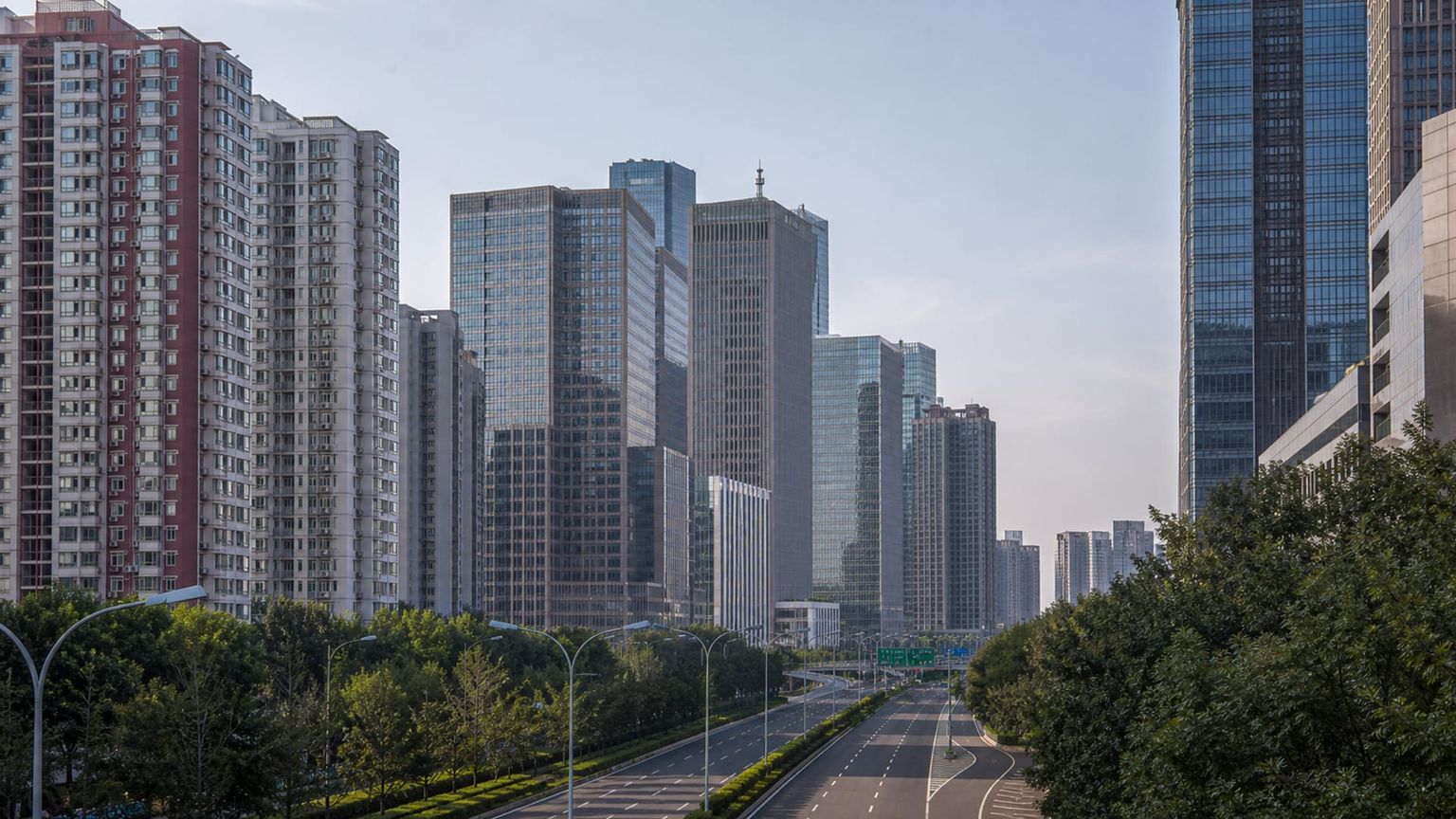
Shijiazhuang cooking leans on wheat-based staples, braised meats, and assertive savory flavors. Donkey Burger, Dingzhou Braised Chicken, Shaobing, and Sanxian Noodles show up often, usually at simple, busy places that serve them hot and fast.
Donkey Burger
A soft bun filled with sliced, seasoned donkey meat, usually served warm and lightly sauced. Gaocheng Quanjude Donkey Meat Restaurant is a well-known local place to try it in the metro area.
Dingzhou Braised Chicken
This dish brings deeply seasoned chicken with tender meat and a rich braising sauce. Huijia Braised Chicken Restaurant in Shijiazhuang is a common stop for a classic version.
Shaobing
These sesame-topped baked flatbreads come crisp outside and layered inside, often eaten with soup, meat, or as a quick breakfast. Zhengding Shaobing is a local favorite for a fresh, simple version.
Sanxian Noodles
The noodles usually come with a three-ingredient topping mix that can include meat, egg, and vegetables, giving the bowl a savory, home-style finish. Shijiazhuang Old Street Noodle House is a solid place to order them.
Best time to visit Shijiazhuang
Spring and autumn usually give the easiest sightseeing weather, while summer brings heat and winter turns outdoor visits sharper and shorter.
Best for: Museum days, park walks, and bridge trips in mild weather
What you get: About 41 to 79°F (5 to 26°C), with moderate crowds and comfortable city travel
Trade-offs: Late spring can bring dust and a few windy stretches
Best for: Long daylight hours for museums in the morning and mountain trips on clearer days
What you get: About 68 to 90°F (20 to 32°C), with heavier crowds at major sights and more heat in the afternoons
Trade-offs: Humidity and strong sun can make midday walking tiring
Best for: Dry air, clear views, and the best balance for Cangyan Mountain and Zhaozhou Bridge
What you get: About 43 to 77°F (6 to 25°C), with manageable crowds and good visibility
Trade-offs: Temperatures drop quickly in late November
Best for: Quieter museums and simpler hotel availability in the center
What you get: About 18 to 43°F (-8 to 6°C), with light crowds and cold, dry conditions
Trade-offs: Outdoor landmarks feel brisk and some visits need shorter stops
A realistic 5-day plan in Shijiazhuang
The five days below move from arrival to central museums, then out to the bridge and mountain day trips, before ending with a lighter final loop through shopping and cafés. That order keeps long transfers from stacking up.
Land at Shijiazhuang Zhengding International Airport, then take a taxi into Chang’an District, which usually takes about 35 to 50 minutes and costs roughly $11 to $16. If you arrive near dinner, stay near a hotel on or just off the district’s main roads, then keep supper simple at a nearby noodle shop or dumpling restaurant before an early night. Hydrate after the flight, settle your bags, and avoid planning anything farther than a short walk from the hotel.
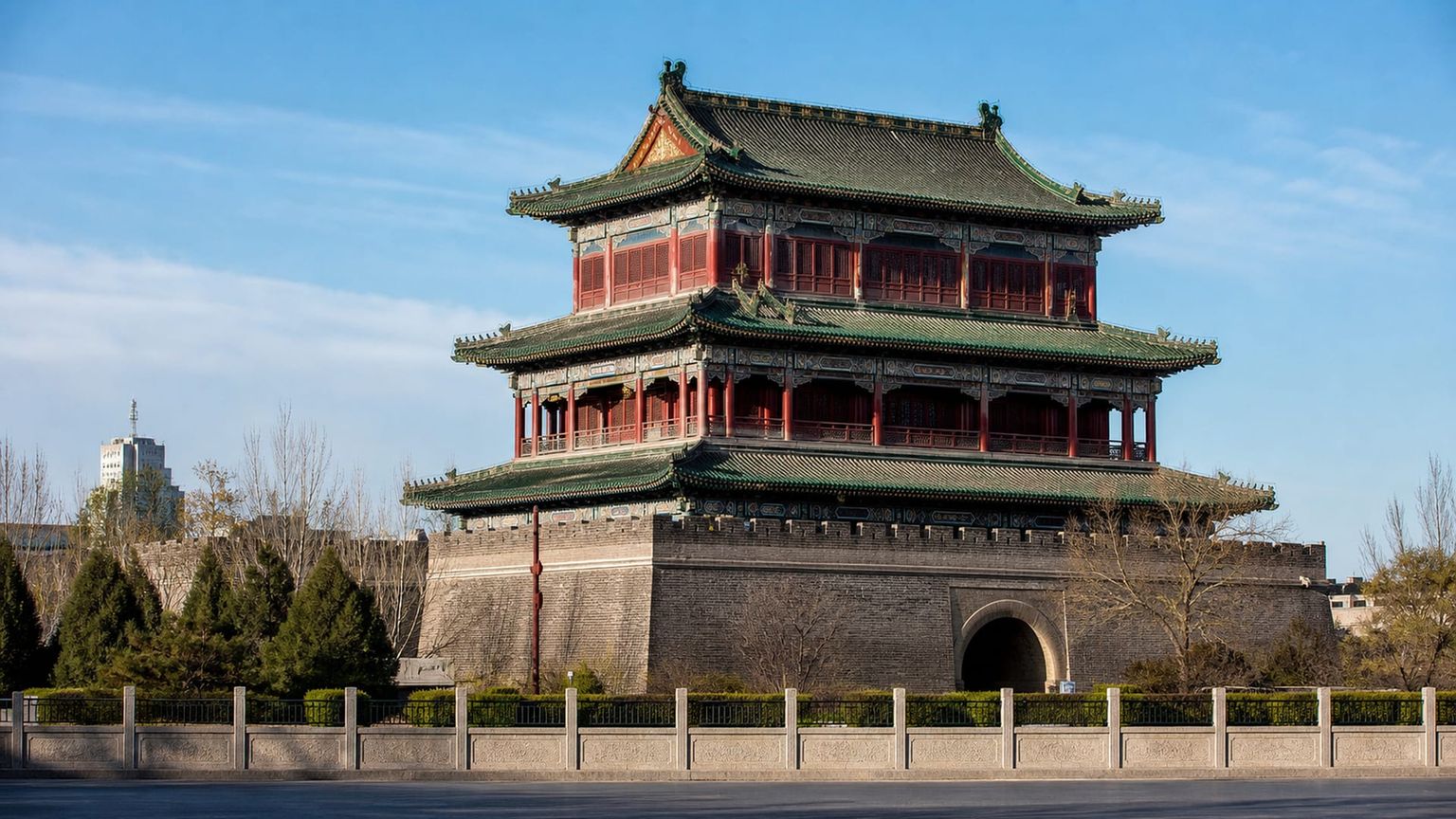
Start early at Hebei Provincial Museum, which is about 15 to 25 minutes by taxi from Chang’an District and about 20 to 30 minutes from Yuhua District. Spend roughly 2 to 3 hours on the galleries, then continue to Hebei Museum, a short taxi ride away, for another 1 to 2 hours of bronze ware, ceramics, and provincial history. Finish the afternoon with an easy walk or taxi ride to Chang’an Park, where the lakes and willow-lined paths make a calm closing stop before dinner in nearby Chang’an District.
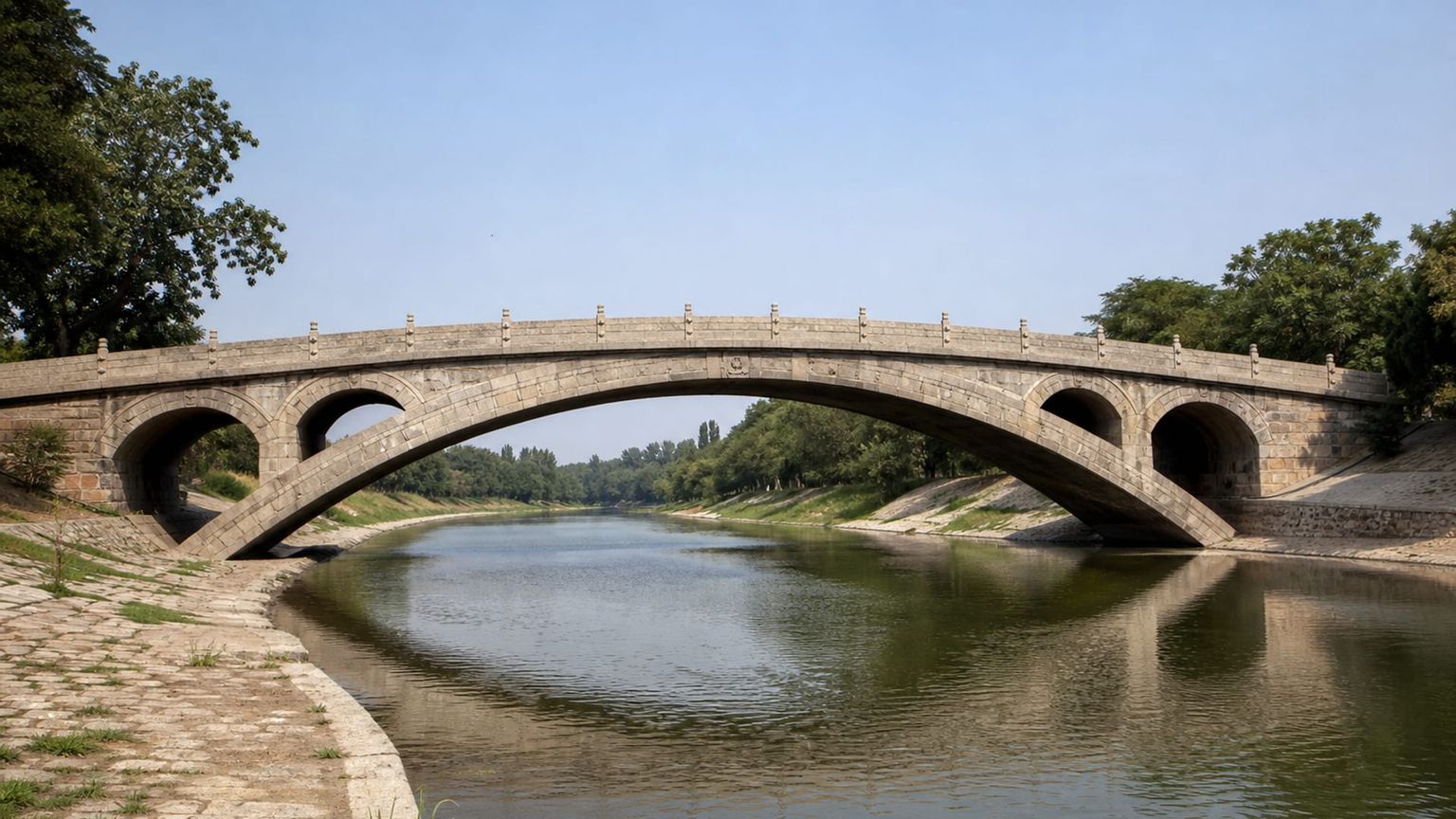
Zhaozhou Bridge makes the strongest day trip from the city, so leave central Shijiazhuang after breakfast and plan about 1 to 1.5 hours each way by car, depending on traffic. The bridge itself needs about 1 to 2 hours, and the stone arch, railings, and river setting photograph best in clear daylight. Return to the center for an early dinner in Qiaoxi District or Chang’an District, where you can keep the evening unhurried after the drive.
Set aside a full mountain day for Cangyan Mountain Scenic Area, which sits about 70 km southeast of central Shijiazhuang and usually takes roughly 1.5 to 2 hours each way by road. Spend 3 to 5 hours climbing the stairs, visiting the cliff temples, and pausing for the valley views, then come back to the city before evening. If you still have energy, keep the last stop near your hotel so dinner does not turn into another long transfer.
Begin with a final museum stop, either Hebei Provincial Museum if you want the larger collection again or Hebei Museum for a shorter visit of about 1 to 2 hours. After that, head to Chang’an District for one last round of shopping, then finish with a café break in Yuhua District, where the dining streets and residential blocks make an easy late-trip pause. If your flight leaves in the evening, stay near the airport road or your hotel and avoid starting anything that needs a long cross-city taxi ride.
Business-class flights from the US to Shijiazhuang
Flights to Shijiazhuang usually involve a connection, so the useful comparison is how long you spend in transit and which hubs fit each coast. The two examples below show the main options from New York and Los Angeles.
From New York, carriers such as Air China, China Eastern Airlines, China Southern Airlines, Hainan Airlines, Qatar Airways, and Turkish Airlines typically route you through hubs like PEK, PVG, CAN, HKG, DOH, or IST. The trip usually takes about 16 to 22 hours with a connection, and fares start from $3,500 to $7,500 round-trip.
Los Angeles travelers also usually connect, with Air China, China Eastern Airlines, China Southern Airlines, Hainan Airlines, Qatar Airways, and Turkish Airlines among the carriers to look at. Expect about 15 to 21 hours in transit, with common layover points including PEK, PVG, CAN, HKG, DOH, and IST, and prices from $3,300 to $7,000 round-trip.
Shijiazhuang feels different when you slow down
A well-paced Shijiazhuang trip gives each part of the city room to work: Chang’an District for hotels and dinner, Hebei Provincial Museum for a focused morning, Chang’an Park for an easy afternoon walk, then Zhaozhou Bridge or Cangyan Mountain when you are ready for a longer ride. The city rewards travelers who plan by distance and not just by a map pin. If you want help matching that structure to your dates, ask AranGrant experts to build it out for you