

Chapters:

Need help with your trip?
Our support team is available 24/7. Request a callback or call us directly at (833) 619-0908
Shenzhen trips often begin with a hotel near Futian, a fast rail ride from the airport, and a list of big-name sights. What travelers miss is how much time disappears when they string together far-flung stops without checking district boundaries first.
The city looks compact on a map, yet Futian, Nanshan, Luohu, and the airport area all pull in different directions. Add peak-hour traffic, large metro interchanges, and mall-based dining, and a loose plan can turn simple transfers into long detours.
This guide sorts the city by neighborhood, transport, food, and season, then builds five days in a sequence that matches how Shenzhen actually works.
Useful things to know

Main language(s): Chinese
你好 (nǐ hǎo) – Hello
请 (qǐng) – Please
谢谢 (xiè xie) – Thank you
你会说英语吗? (nǐ huì shuō yīngyǔ ma?) – Do you speak English?
多少钱? (duō shǎo qián?) – How much does it cost?

Currency: The local currency is the Chinese yuan (CNY, ¥).

Cash and cards: Cards and contactless are widely accepted; carry about ¥200 to ¥300 ($28 to $42) for small vendors and transit top-ups.

Tipping: Tipping is not customary in most places; round up small bills or leave a little for exceptional restaurant service.

Traditional food: Cantonese roast goose, dim sum, salt-baked chicken, claypot rice

Water and coffee costs: Water about ¥3 to ¥6 ($0.40 to $0.85), bar espresso about ¥25 to ¥40 ($3.50 to $5.60).

Taxis and ride apps: DiDi works here; keep cash for some drivers and late-night pickups.

Plug and voltage: Type A/C socket, 220V

Dining and shop opening hours: Breakfast is usually 07:00-09:00, lunch 12:00-13:30, and dinner 18:00-20:30. Many restaurants keep later hours in shopping areas.

Emergency number: Call 110 for police, 119 for fire and medical emergencies.
Where to stay in Shenzhen
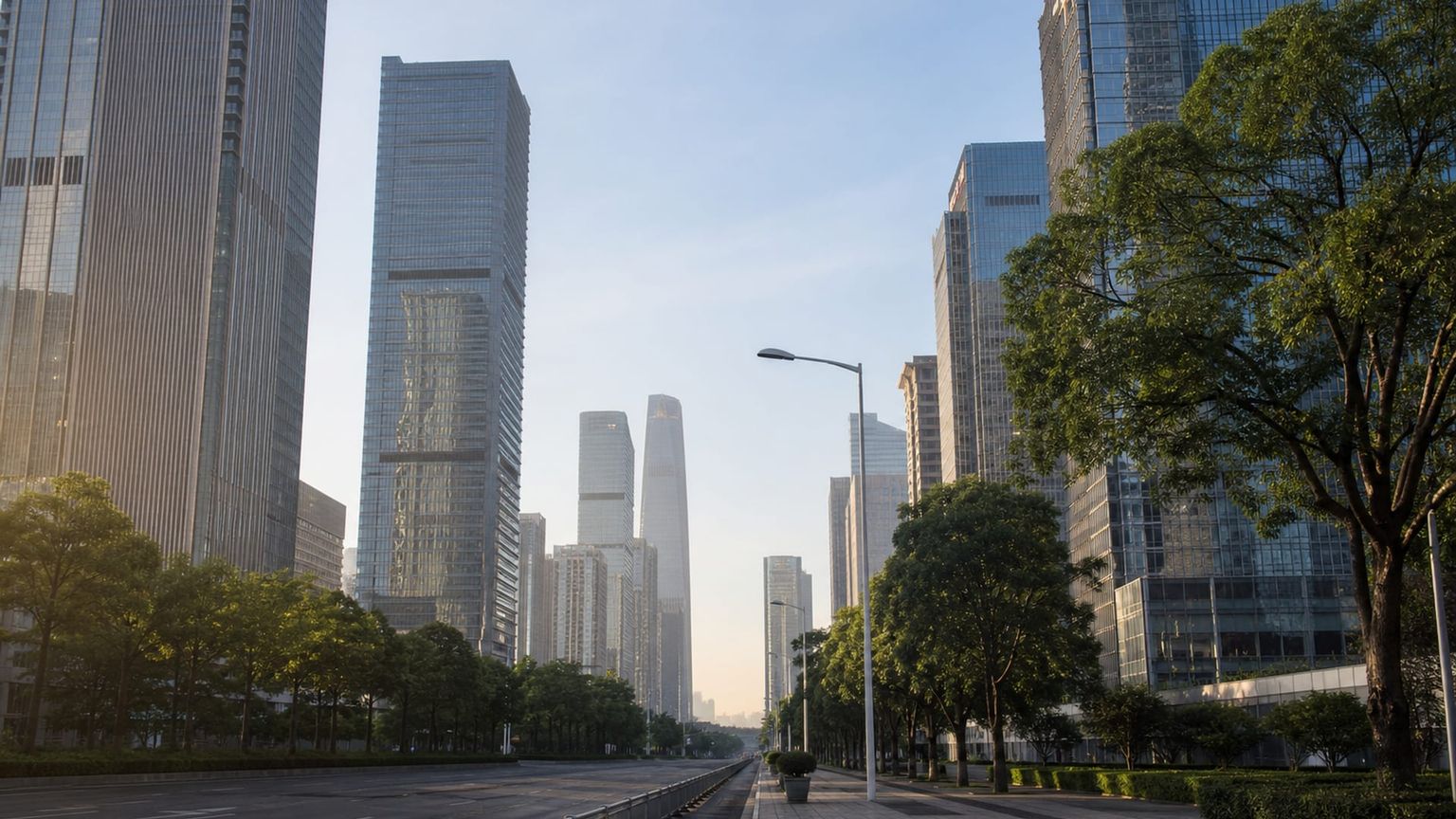
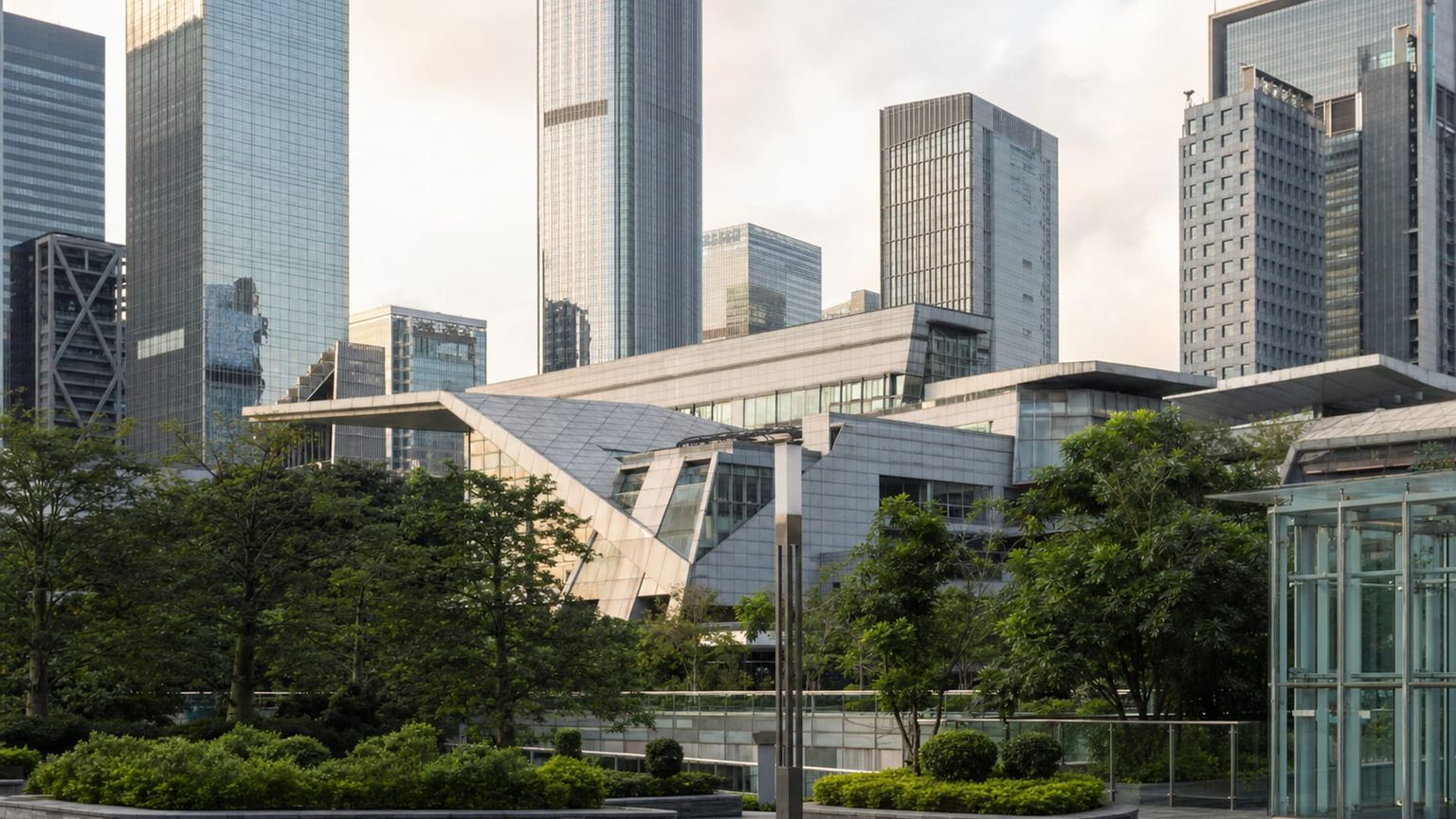
Shenzhen’s central business district, Futian clusters office towers, major malls, and high-end hotels beside Civic Center and the Convention and Exhibition Center. It suits visitors who want fast metro links, easy dining, and a central base for cross-city meetings or sightseeing.
Best for: Business trips, shopping, and first-time visitors who want central metro access
What to expect: Wide avenues, glass towers, busy mall concourses, and steady foot traffic through the day, then a calmer scene after office hours.
Hotel prices: Usually about $120 to $260 per night for well-rated stays
Distance to major sights: 10 to 20 minutes by metro to Shenzhen Museum and 15 to 25 minutes to Window of the World
Quietness: Busy and noisy in the day, quieter at night once offices close, though hotel zones stay active near the malls.
Main trade-off: You will pay more for central addresses, and the district is less atmospheric than older parts of the city.
Good to know: Late-night dining is concentrated in mall complexes and hotel clusters, so street-level options thin out after dinner.
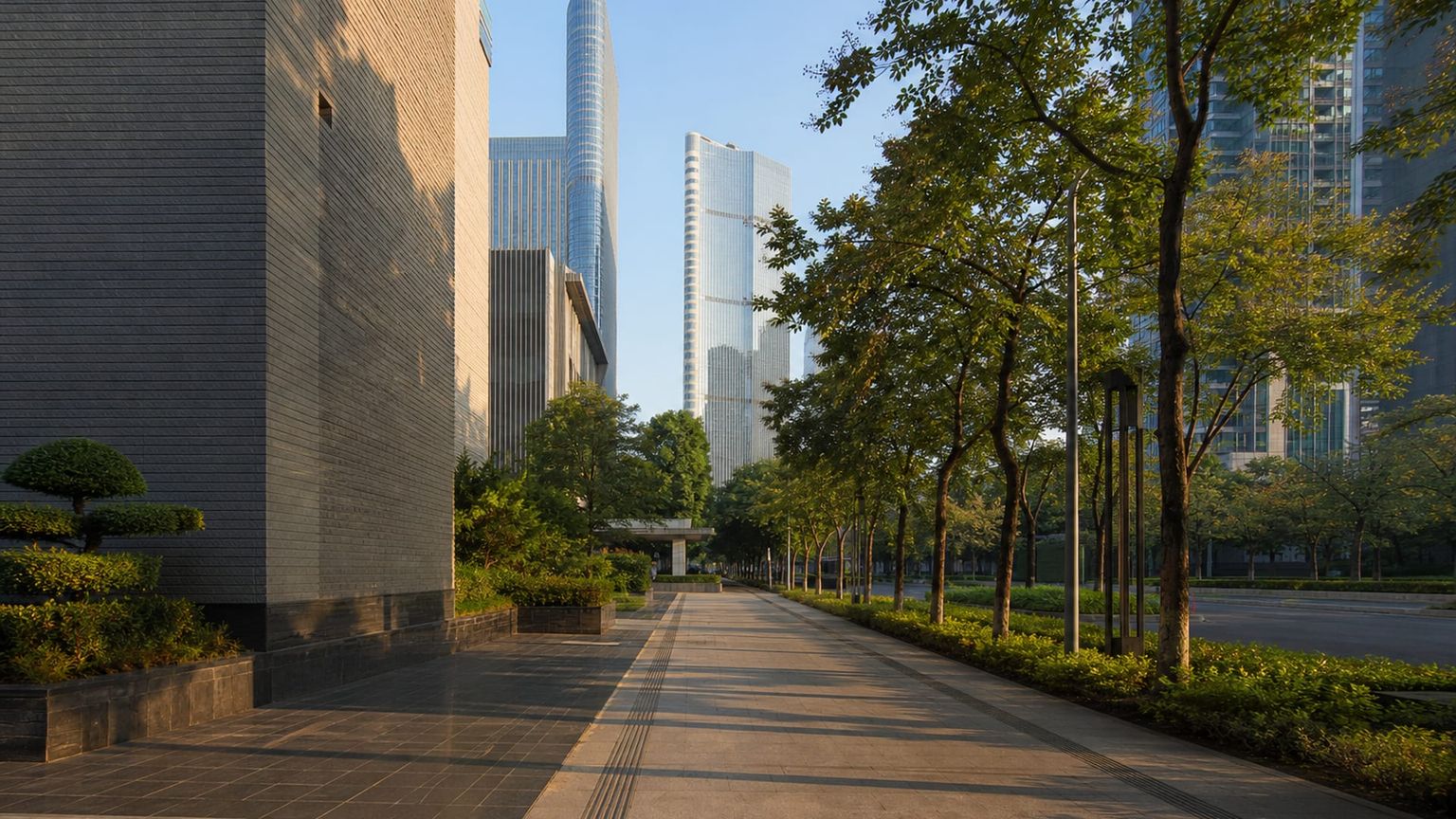
Nanshan covers a broad western district that includes tech campuses, Sea World, Shenzhen Bay, and several large shopping and dining clusters. It matters because it combines waterfront access, newer hotels, and easy rides to theme parks and the Qianhai area.
Best for: Waterfront walks, business travel, and visitors heading to theme parks or the western district
What to expect: Modern towers, campus streets, mall plazas, and a steady flow of diners and commuters, with busy pockets near the main retail nodes.
Hotel prices: Usually about $100 to $220 per night for well-rated stays
Distance to major sights: 15 to 25 minutes by taxi to Window of the World and 20 to 30 minutes to Shenzhen Bay Park
Quietness: Active during the day, then calmer in residential pockets at night, while Sea World and mall areas stay lively later.
Main trade-off: Distances can be longer if you plan to split time between the west side and Futian’s civic core.
Good to know: Choose your hotel carefully, because different parts of Nanshan sit far from one another and can add time to simple dinner plans.
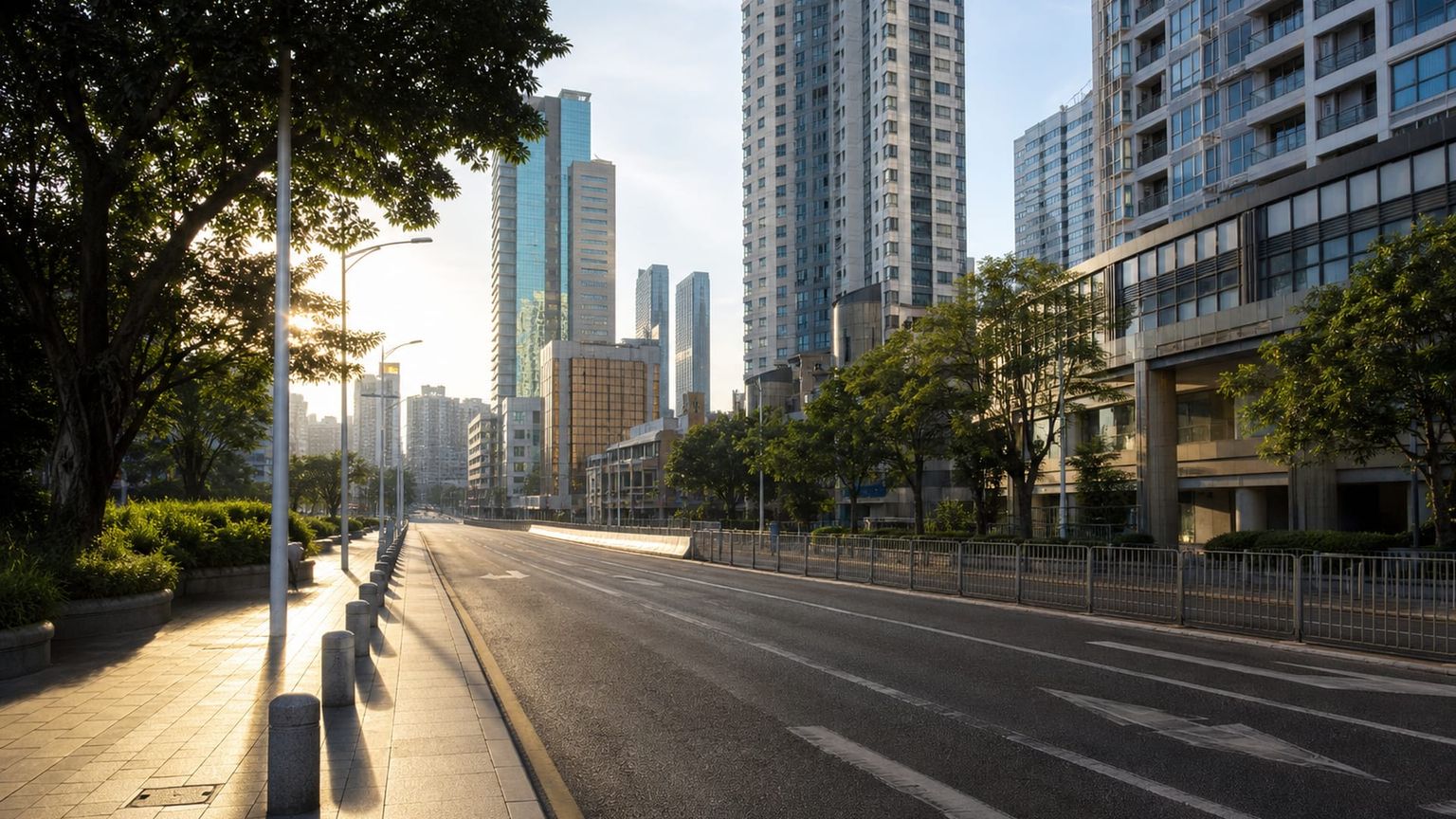
Luohu sits on Shenzhen’s eastern side around the rail border crossing, older shopping streets, and several long-running hotel strips. It matters for travelers who want direct rail access, budget to midrange stays, and an easy base for the city center’s older commercial core.
Best for: Train arrivals, border crossings, budget-minded stays, and shopping trips
What to expect: Dense streets, constant taxi flow, packed malls, and a heavier local crowd than in the newer districts, especially near the station area.
Hotel prices: Usually about $70 to $170 per night for well-rated stays
Distance to major sights: 5 to 15 minutes on foot to Luohu Port and 15 to 25 minutes by metro to Dongmen Pedestrian Street
Quietness: Loud and busy through the day, with some streets staying active late; side streets near hotels can be noticeably calmer.
Main trade-off: The area is convenient for transport, but the surroundings can feel worn compared with newer parts of Shenzhen.
Good to know: Border and rail traffic can make check-in and taxi pickup slower during peak arrival periods, so allow extra time.
Travelers usually avoid staying in Longgang, Pingshan, and Guangming for a first visit, since they sit far from Shenzhen’s main visitor areas such as Futian, Nanshan, and Luohu, and late-night cross-city trips can take a long time. Bao’an neighborhoods near the airport are also less convenient for sightseeing, because they are closer to transit and business links than to the city’s main attractions and late-evening dining zones.
Hotel deals
How to get around Shenzhen efficiently
Shenzhen Metro, licensed taxis, and DiDi cover most visitor routes cleanly enough that you can move between Futian, Nanshan, Luohu, and the airport without committing to long surface trips.

Metro
for longer distances
Shenzhen Metro serves Shenzhen Bao’an International Airport, with Line 11 linking the airport to Futian in about 30 minutes and to Shenzhen North in about 25 minutes; single rides usually cost about $0.28 to $1.80 (¥2 to ¥13), and stored-value cards and QR payments work across the network. Trains are frequent, signage is in English and Chinese, and the system is the best option for reaching major business districts and interchange stations.

Bus and tram
for convenience
Airport and city buses fill gaps that the metro does not cover, with the M419 and other airport-area routes connecting nearby districts and metro interchanges for roughly $0.42 to $1.40 (¥3 to ¥10) per ride. Fares vary by distance and route, so check the display or app before boarding; buses are useful for late-night transfers, industrial zones, and neighborhoods beyond the rail map, while tram coverage is limited compared with the metro.

Taxi
for convenience or late hours
Licensed taxis use metered fares, not fixed airport prices, and a daytime trip from Shenzhen Bao’an International Airport into central Futian or Nanshan usually costs about $13 to $28 (¥95 to ¥200), with tolls and late-night surcharges adding to the total. Queue at the official taxi rank, use the meter, and pay with cash, Alipay, WeChat Pay, or a local card; ride-hailing apps also work, but only licensed cars should pick up from the designated areas.
*Prices are based on rates updated as of June 2026 and may change at the time of travel.
Use the metro for airport runs and cross-district hops, taxis or DiDi for late dinners and point-to-point trips, and buses when you need a cheaper link beyond the rail map.
Iconic landmarks
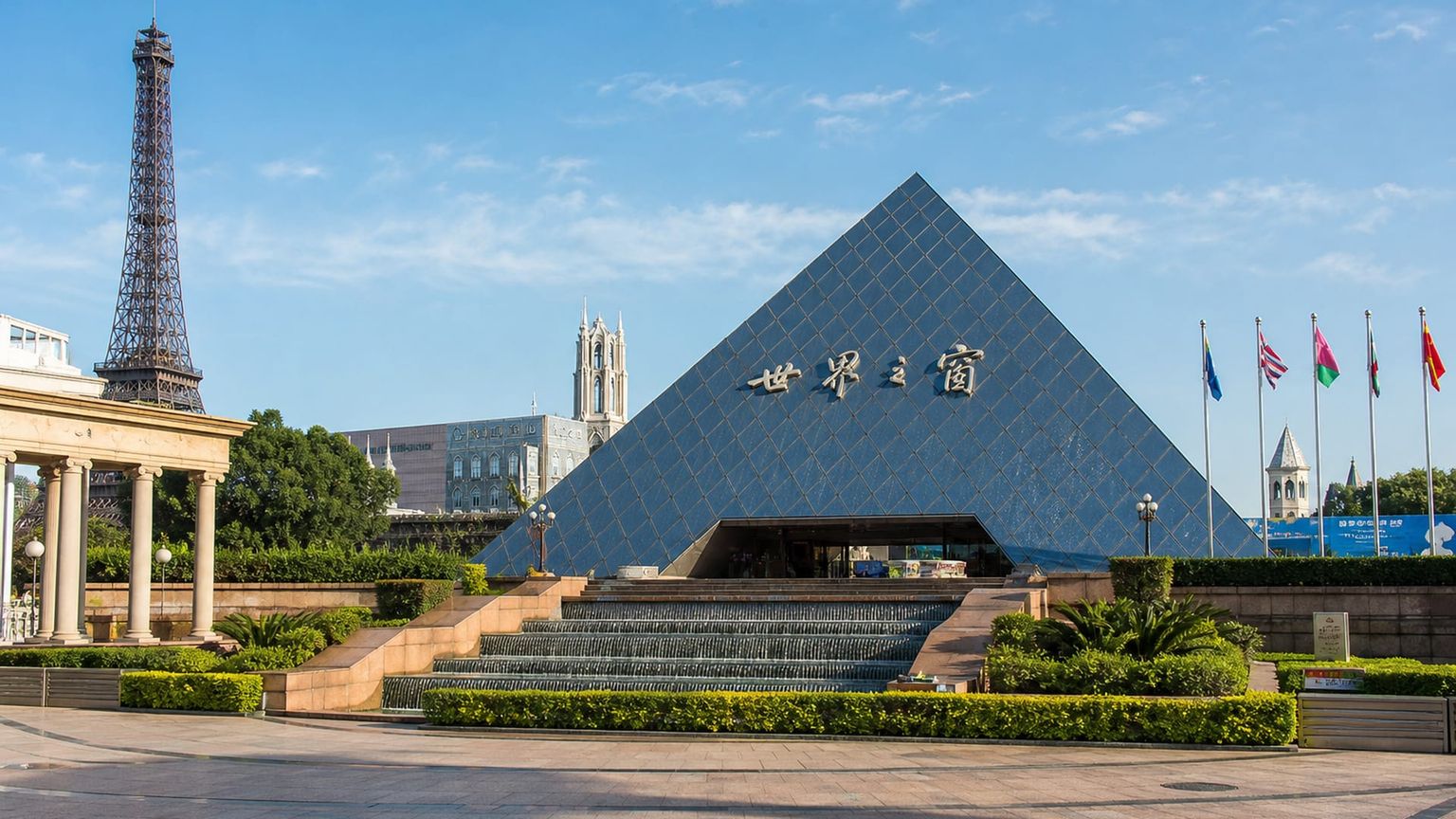
Window of the World
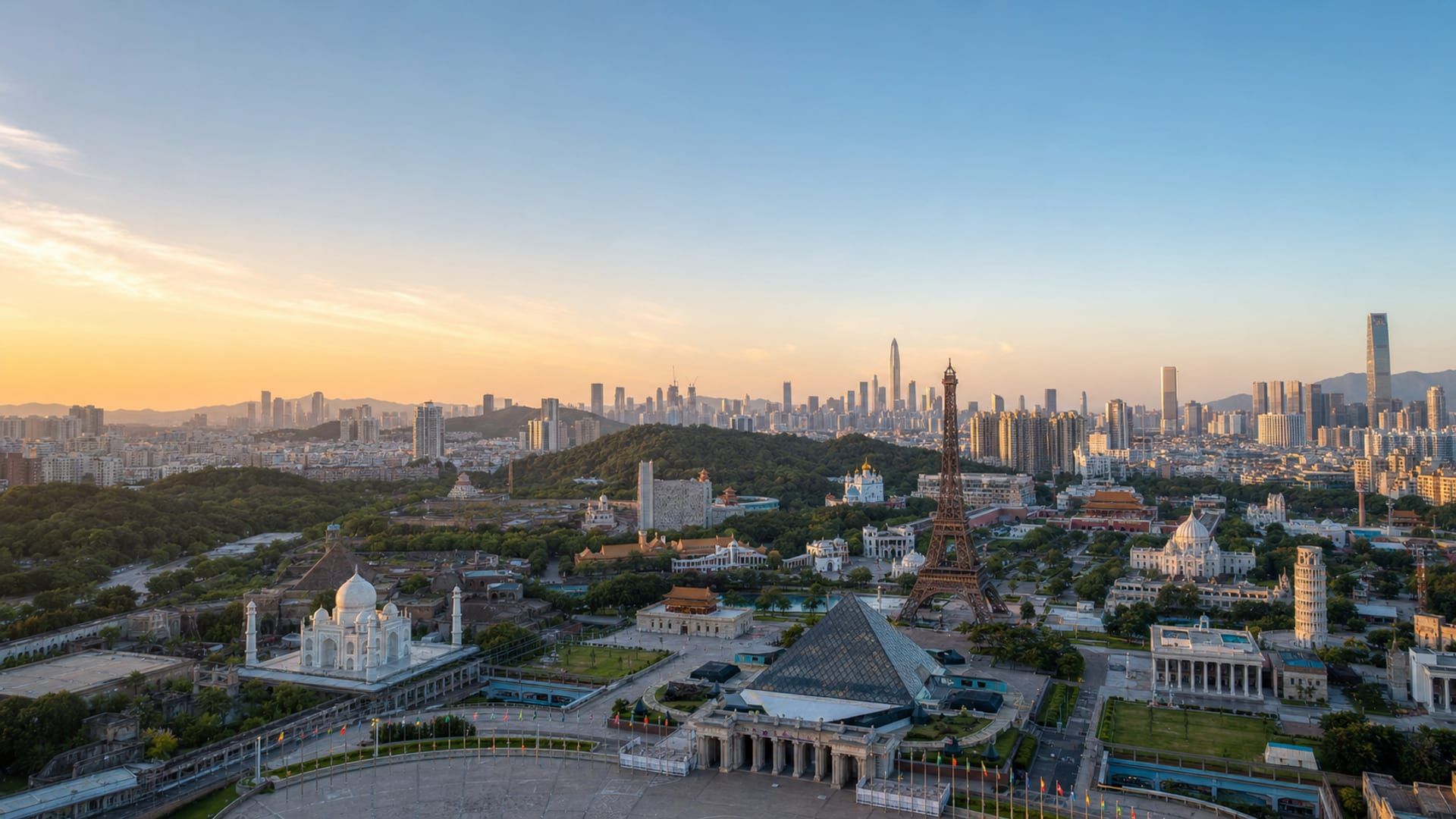
This theme park condenses famous landmarks into walkable miniature zones, from the Eiffel Tower to the Taj Mahal. The nightly light and fountain show adds the main reason to stay after sunset.
Time needed: About 3 to 4 hours
Entry: Standard tickets cost $45 to $49 (¥328 to ¥358), with separate pricing for children, seniors, and evening admission on selected dates. Visit the official site for details.
Tip: Arrive late afternoon, then stay for the evening show and cooler walking hours.
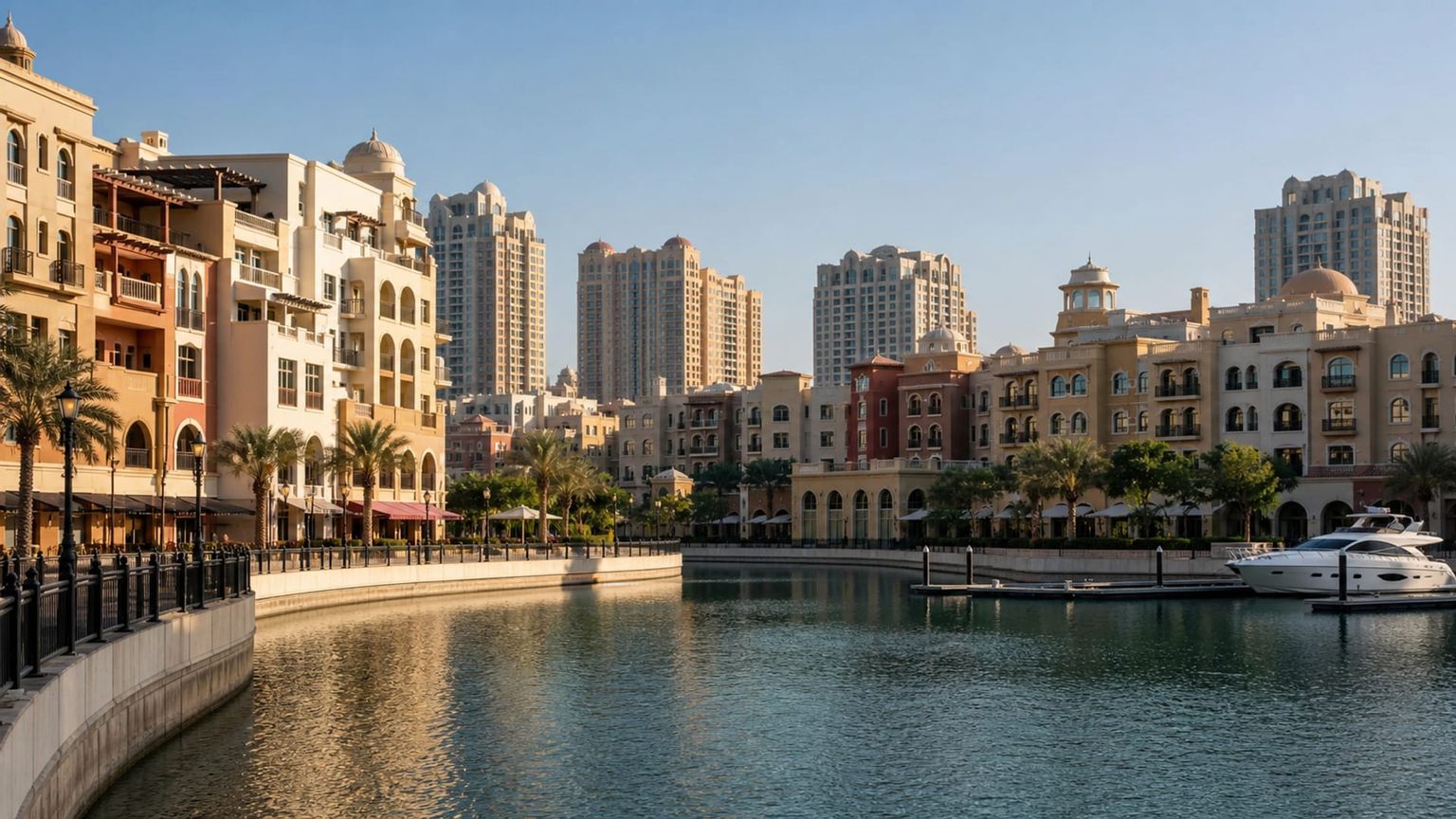
Dafen Oil Painting Village
Dafen mixes studio workshops, gallery lanes, and wall-to-wall art shops in a former village turned creative district. You can watch painters at work, compare originals and copies, and browse finished canvases.
Time needed: About 2 to 3 hours
Entry: Free to access; individual galleries, workshops, and art purchases are priced separately, and some studios charge for custom portrait work or framing.
Tip: Go on a weekday morning, when studios are open and the lanes stay easier to walk.
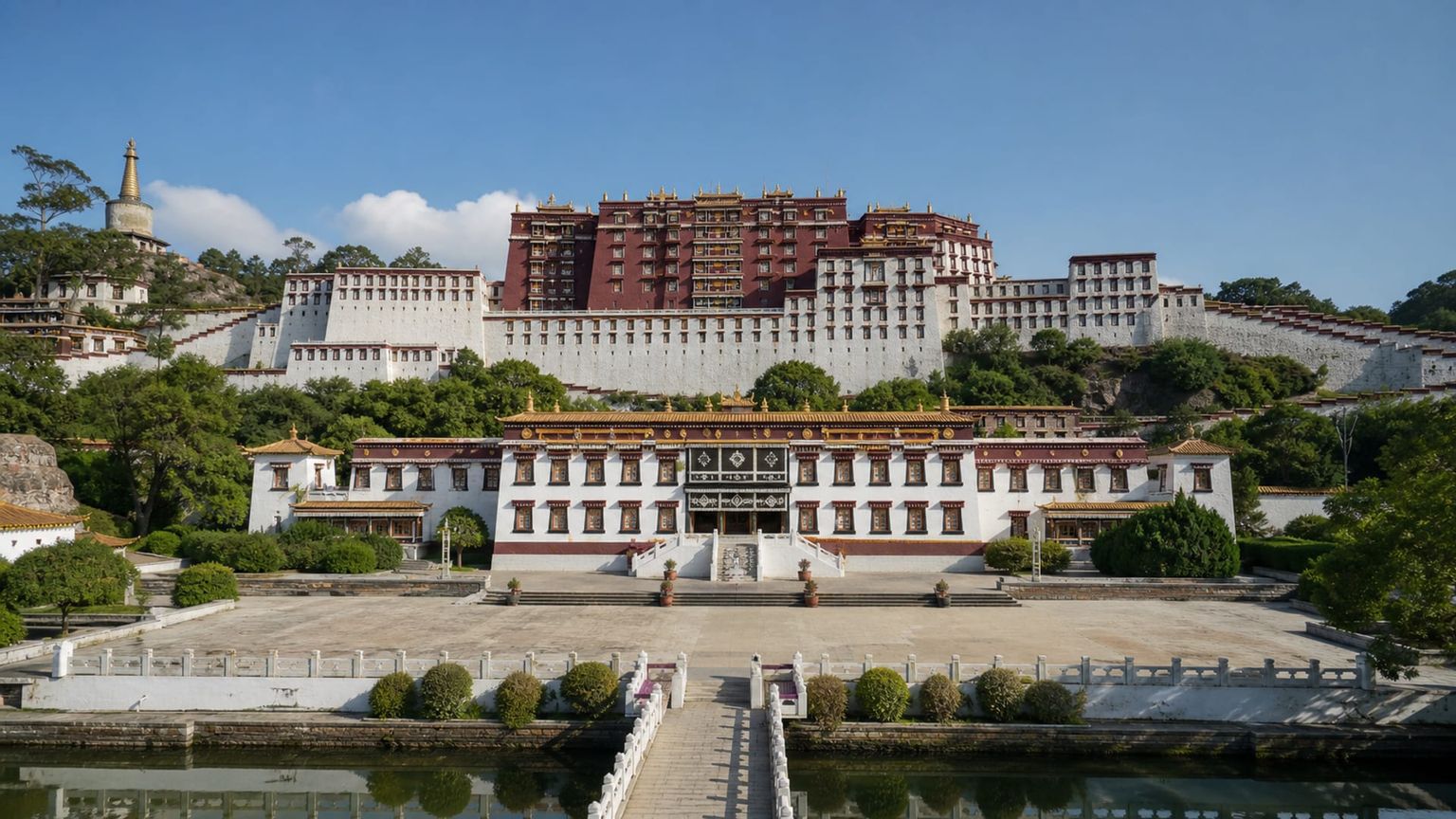
Splendid China Folk Village
This large park pairs scale models of major Chinese landmarks with performances and craft displays tied to regional traditions. Its layout lets you compare architecture, costumes, and stage shows in one visit.
Time needed: About 4 to 5 hours
Entry: Standard tickets cost $43 to $50 (¥318 to ¥368), with lower prices for children and some evening entry options on select dates. Visit the official site for details.
Tip: Start early, then map your route by show times so you do not miss the main performances.
Overlooked sites worth visiting

Dafen Oil Painting Village
This compact art district packs studio-lined lanes, souvenir galleries, and live painters copying classics or producing custom portraits. It suits a short stop between neighborhoods, with most activity inside a few pedestrian blocks.
Time needed: About 1 to 2 hours
Entry: Free to enter. Individual studios may charge for commissioned portraits, copied artworks, or framed prints, and prices vary by size and medium; browse first because some shops set fixed rates while others negotiate on the spot.
Tip: Visit before noon for quieter lanes and clearer studio light.

Hongfa Temple
Set beside Wutong Mountain’s lower slopes, this Buddhist temple draws fewer visitors than Shenzhen’s malls and parks, yet it offers incense halls, painted roofs, and a calm courtyard circuit. The hill backdrop makes it a useful half-day cultural stop.
Time needed: About 1 to 2 hours
Entry: Free to enter. Donations are optional, and some seasonal incense or candle offerings may have small posted charges at the counter; bring cash in small notes if you plan to leave an offering or buy temple supplies.
Tip: Go early on a weekday to avoid peak worship periods.
Traditional food
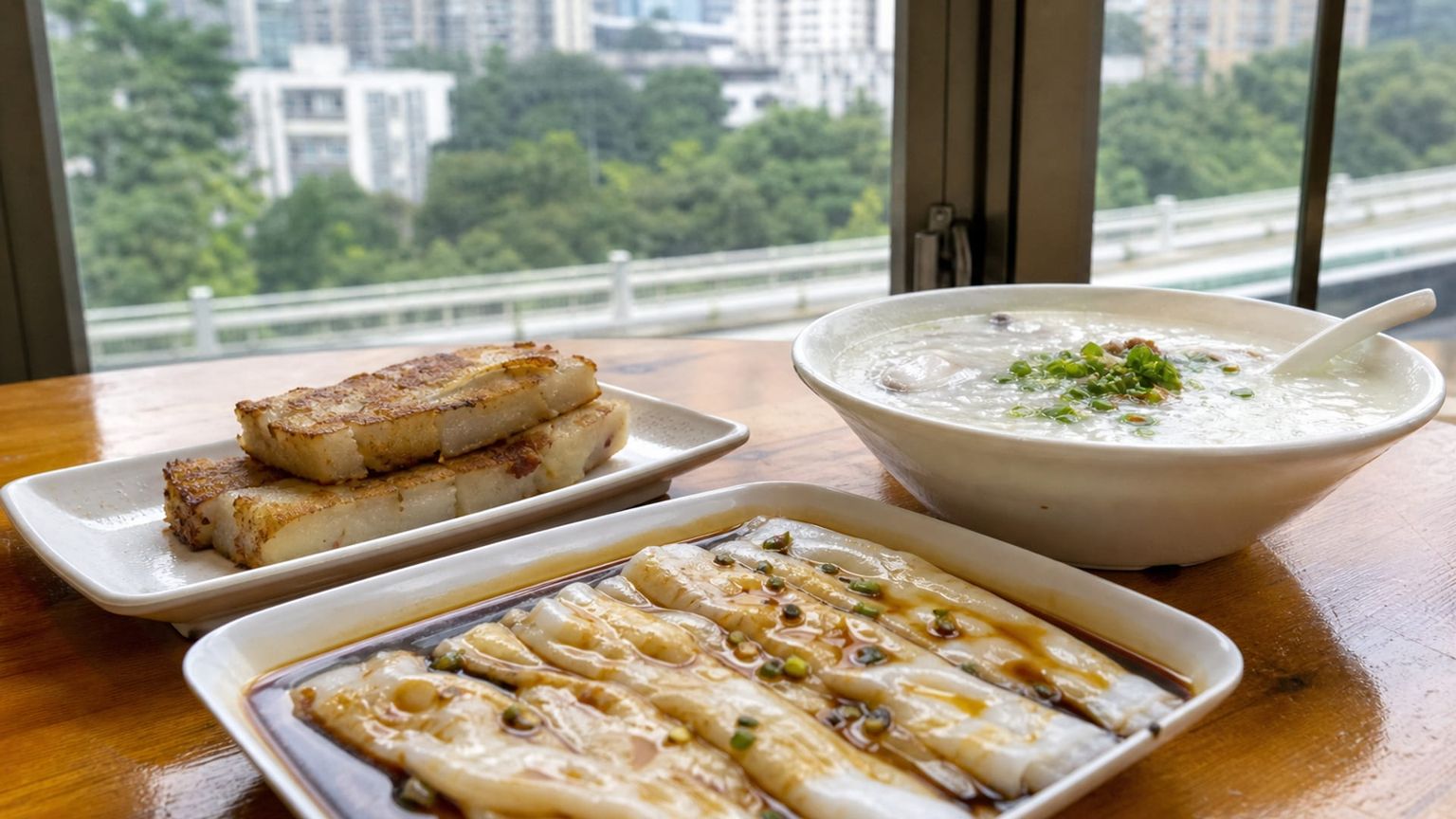
Shenzhen’s table leans on Cantonese roast goose, dim sum, salt-baked chicken, and claypot rice, with clean seasoning, fresh seafood, and meal times that stretch later in mall districts than in older neighborhoods.
Cantonese roast goose
Crisp skin, rich meat, and a savory glaze make roast goose one of Shenzhen’s core Cantonese orders. Yue Heen at the Four Seasons is a strong place to try it in a refined setting.
Dim sum
Shenzhen’s dim sum spreads usually mix steamed dumplings, buns, and small plates best shared at lunch. China Lodge at The Langham serves a polished Cantonese version that fits the city’s hotel-dining scene.
Salt-baked chicken
This dish delivers fragrant meat under a seasoned salt crust, often with a cleaner, lighter finish than roast poultry from northern kitchens. Laurel at Futian is a dependable place to order it in central Shenzhen.
Claypot rice
Claypot rice arrives with crisp rice at the bottom and a savory topping that soaks into each spoonful as the pot stays hot. Yung’s Bistro in Futian is a solid choice for a classic version.
Best time to visit Shenzhen
Shenzhen stays hot and humid for much of the year, but spring and autumn bring the most comfortable walking weather, while summer demands more indoor time and winter stays mild.
Best for: Parks, district walking, and outdoor sightseeing
What you get: About 63 to 84°F (17 to 29°C), with rising humidity and moderate crowds outside holiday periods
Trade-offs: Late spring can turn warm and wet quickly
Best for: Indoor museums, malls, and evening outings
What you get: About 79 to 92°F (26 to 33°C), with high humidity, frequent rain, and heavier visitor flow in air-conditioned sites
Trade-offs: Heat and sudden downpours can slow outdoor plans
Best for: The most comfortable season for a full sightseeing plan
What you get: About 65 to 86°F (18 to 30°C), with clearer skies and manageable crowd levels before the holiday rush
Trade-offs: Popular dates can book up quickly
Best for: Museum visits, food outings, and easier hotel availability
What you get: About 49 to 66°F (9 to 19°C), with lighter crowds and cool, dry conditions
Trade-offs: Outdoor evenings can feel chilly after sunset
A realistic 5-day plan in Shenzhen
The five days below follow a simple geographic logic: settle into Futian, pair central sights with nearby metro stops, then move east and west so you do not repeat long crossings of the city.
Land at Shenzhen Bao’an International Airport, then take the metro or a taxi into Futian CBD, where the trip usually takes about 35 to 50 minutes by taxi and roughly 45 to 60 minutes by rail depending on your hotel. A taxi from the airport often costs about $18 to $28, while the metro is much cheaper but takes longer with changes. Settle into a hotel near Civic Center or the Convention and Exhibition Center, drink some water, and choose an easy first dinner in a mall complex such as COCO Park or in one of the hotel dining clusters nearby.
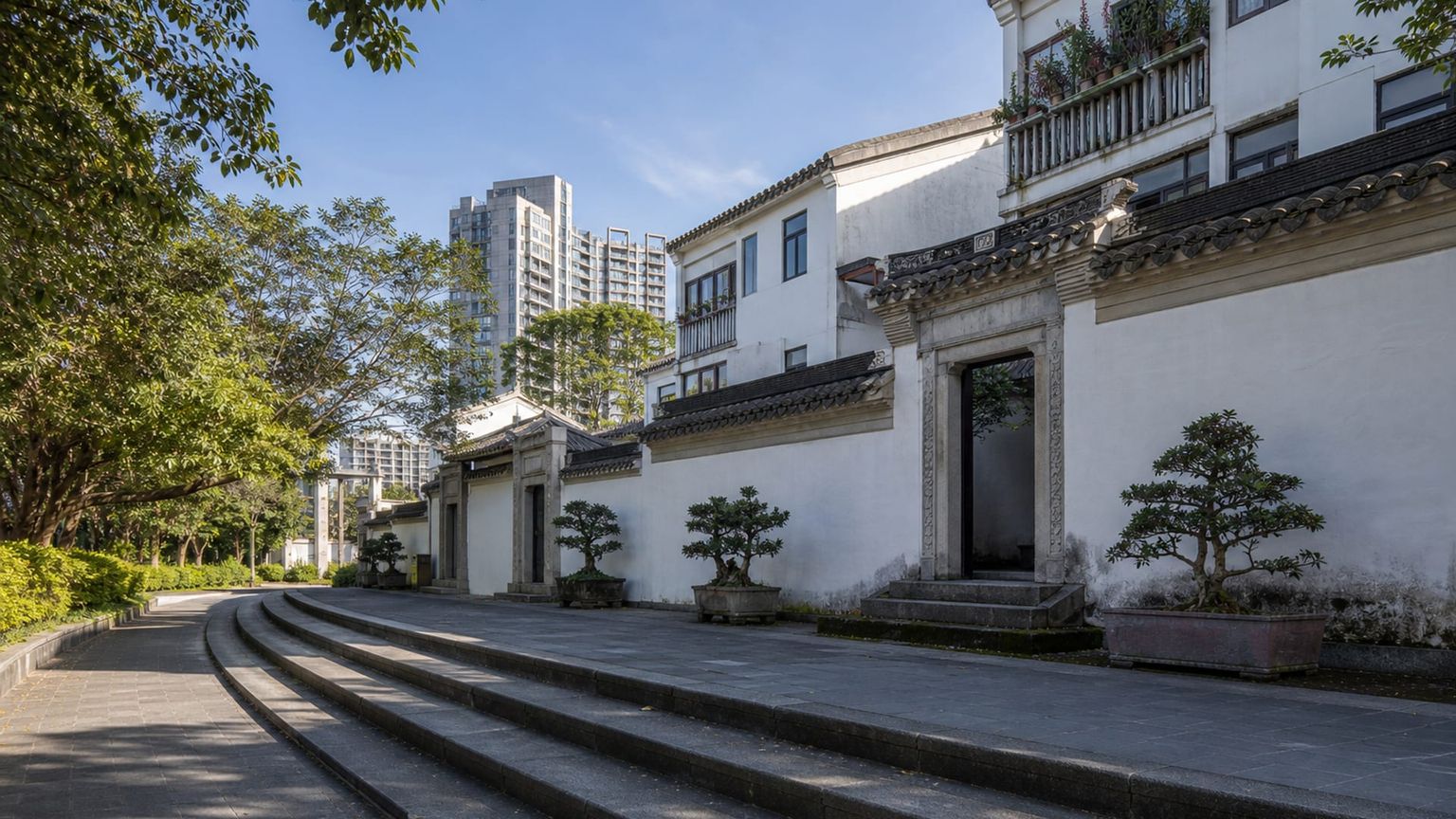
Begin in Futian CBD with Shenzhen Museum, then ride the metro about 15 to 20 minutes west to Window of the World for an afternoon among the miniature landmarks. Plan about 2 to 3 hours at the museum and 3 to 4 hours at Window of the World, including time for the evening show if you stay late. If you want a smoother sequence, eat lunch near the Civic Center, then arrive at Window of the World in late afternoon, when the light is better and the park fills less quickly.
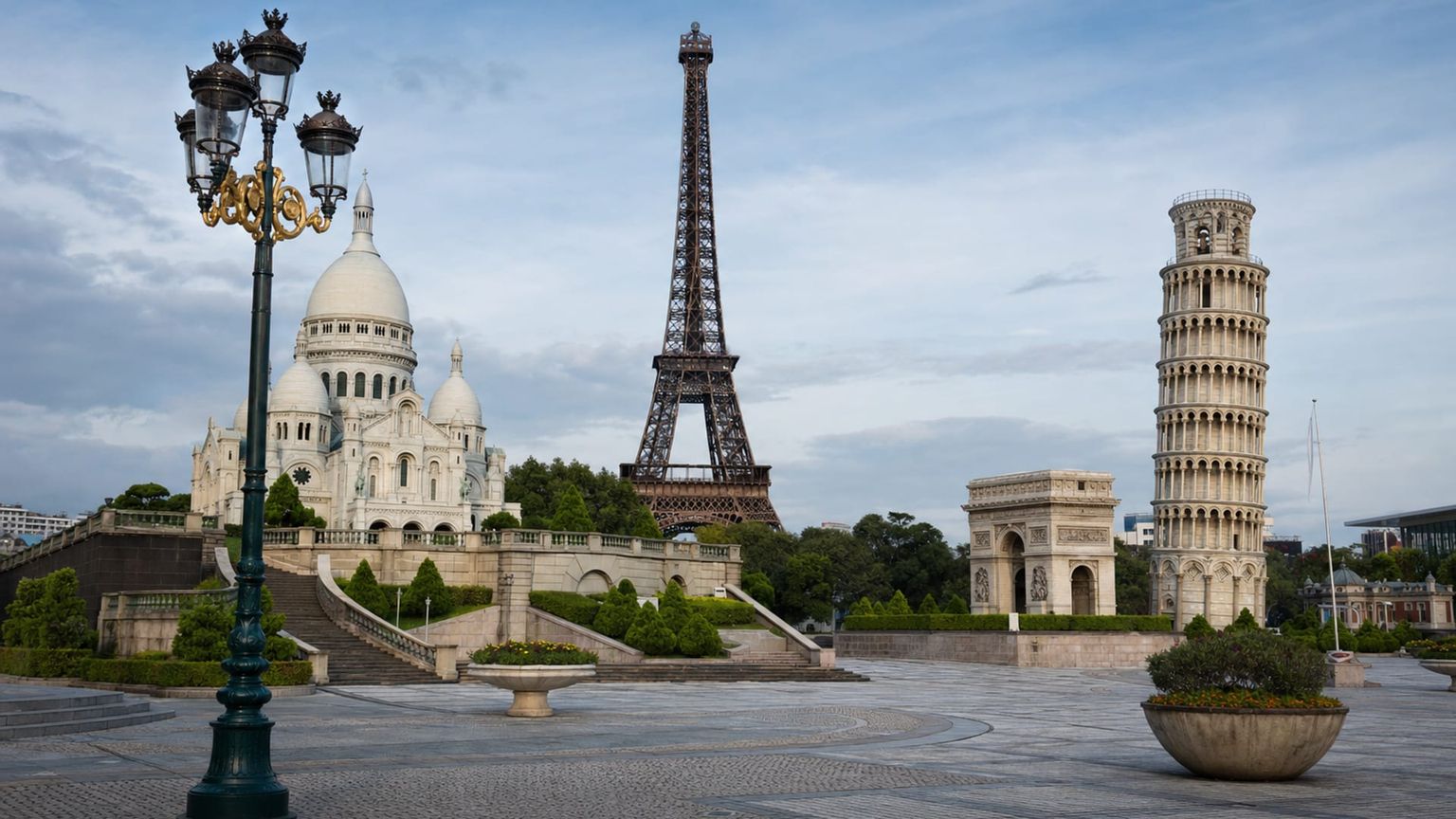
Head east in the morning to Dafen Oil Painting Village, where the studio lanes are easiest to walk before noon, then continue to Hongfa Temple for a quieter cultural stop beside the lower slopes of Wutong Mountain. The taxi ride between Dafen and Hongfa Temple takes about 20 to 30 minutes, so you can handle both in one day without rushing. Allow about 1 to 2 hours in Dafen and another 1 to 2 hours at the temple, then return to your base in Luohu or Futian for an early dinner.
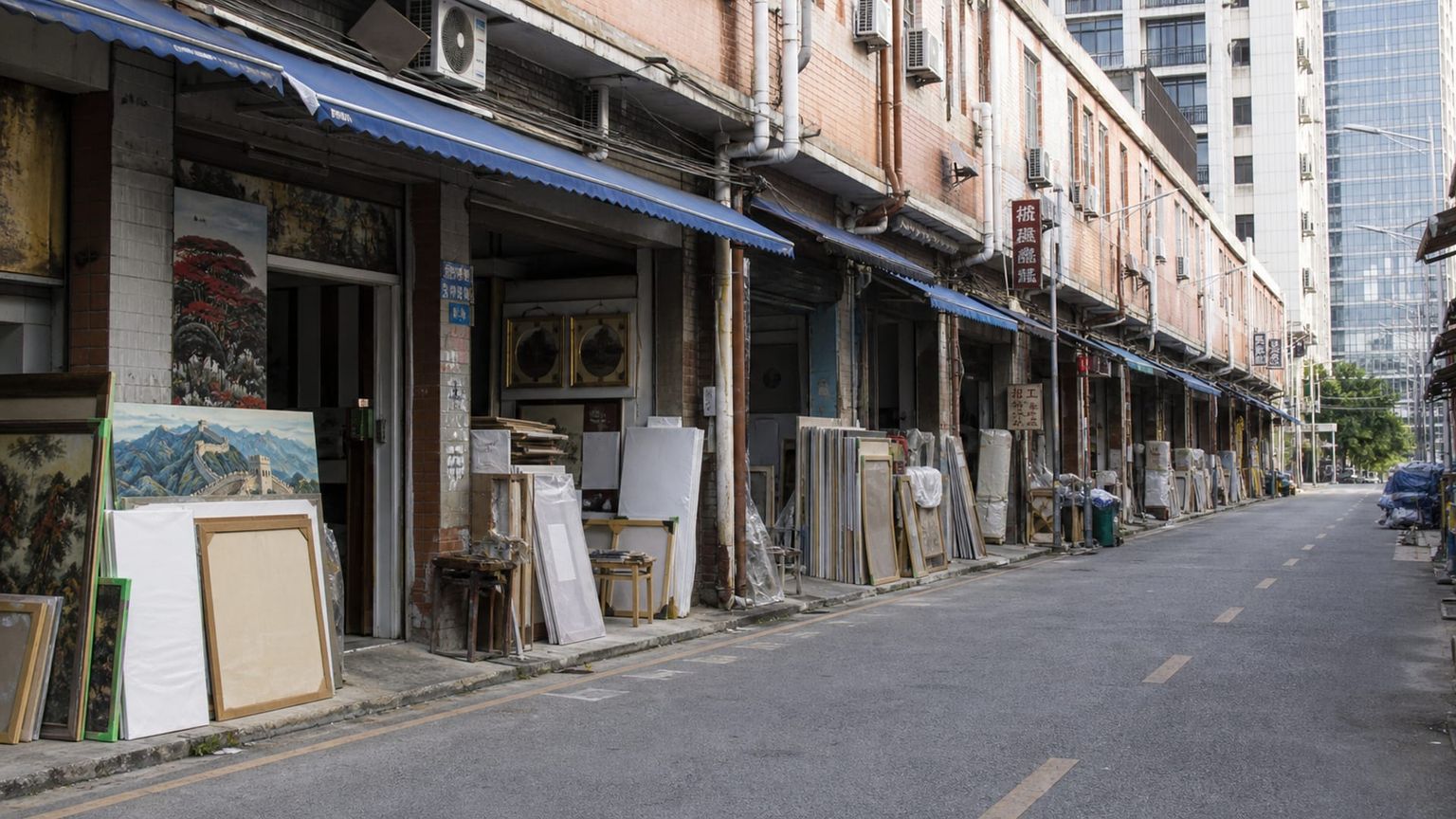
Start with Splendid China Folk Village and give it most of the day, since the park needs about 4 to 5 hours and the performances work best when you follow the posted show times. From Futian CBD, the trip by taxi or metro typically takes about 20 to 30 minutes, and Window of the World sits nearby if you want a second stop afterward, about 10 to 15 minutes away by taxi. If energy lasts, finish the evening with a return to the mall restaurants in Nanshan or Futian, where dinner options stay open later than in older districts.
For a final, lower-pressure circuit, start with one last museum visit or a short return to Shenzhen Museum if you missed a section earlier, then head to Dongmen Pedestrian Street in Luohu for shopping and souvenir browsing. The metro between Futian CBD and Dongmen usually takes about 20 to 25 minutes, and you can break up the afternoon with coffee in a Luohu hotel café or a nearby mall café before heading to the airport. Keep your bag close, check your flight time, and leave enough margin for the ride back to Shenzhen Bao’an International Airport.
Business-class flights from the US to Shenzhen
Shenzhen usually reaches New York and Los Angeles through one-stop itineraries, with the best options depending on which Pacific hub fits your schedule. Fares can swing sharply by season and connection time.
From New York, carriers such as Cathay Pacific, EVA Air, Korean Air, Japan Airlines, China Eastern Airlines, and Air China typically route you through HKG, TPE, ICN, NRT, PVG, or PEK, with total travel times of about 17 to 24 hours. Round-trip fares from New York to Shenzhen start at about $4,200 and often reach $7,500.
Los Angeles travelers can choose among China Southern Airlines, Cathay Pacific, EVA Air, Korean Air, Japan Airlines, and China Airlines, usually via HKG, TPE, ICN, NRT, CAN, or PVG, and the trip generally takes about 15 to 20 hours. From Los Angeles, round-trip fares usually run $3,600 to $6,500.
Shenzhen feels different when you slow down
A good Shenzhen trip has a clear base in Futian, a west side day for Window of the World or Splendid China, and an east side stop for Dafen or Dongmen before departure. Metro rides keep the city readable, while taxis fill the gaps when dinner runs late in mall districts. If you want AranGrant experts to shape a stay around Futian, Nanshan, or Luohu, start with the neighborhood that matches your flight and your plans







