

Chapters:

Need help with your trip?
Our support team is available 24/7. Request a callback or call us directly at (833) 619-0908
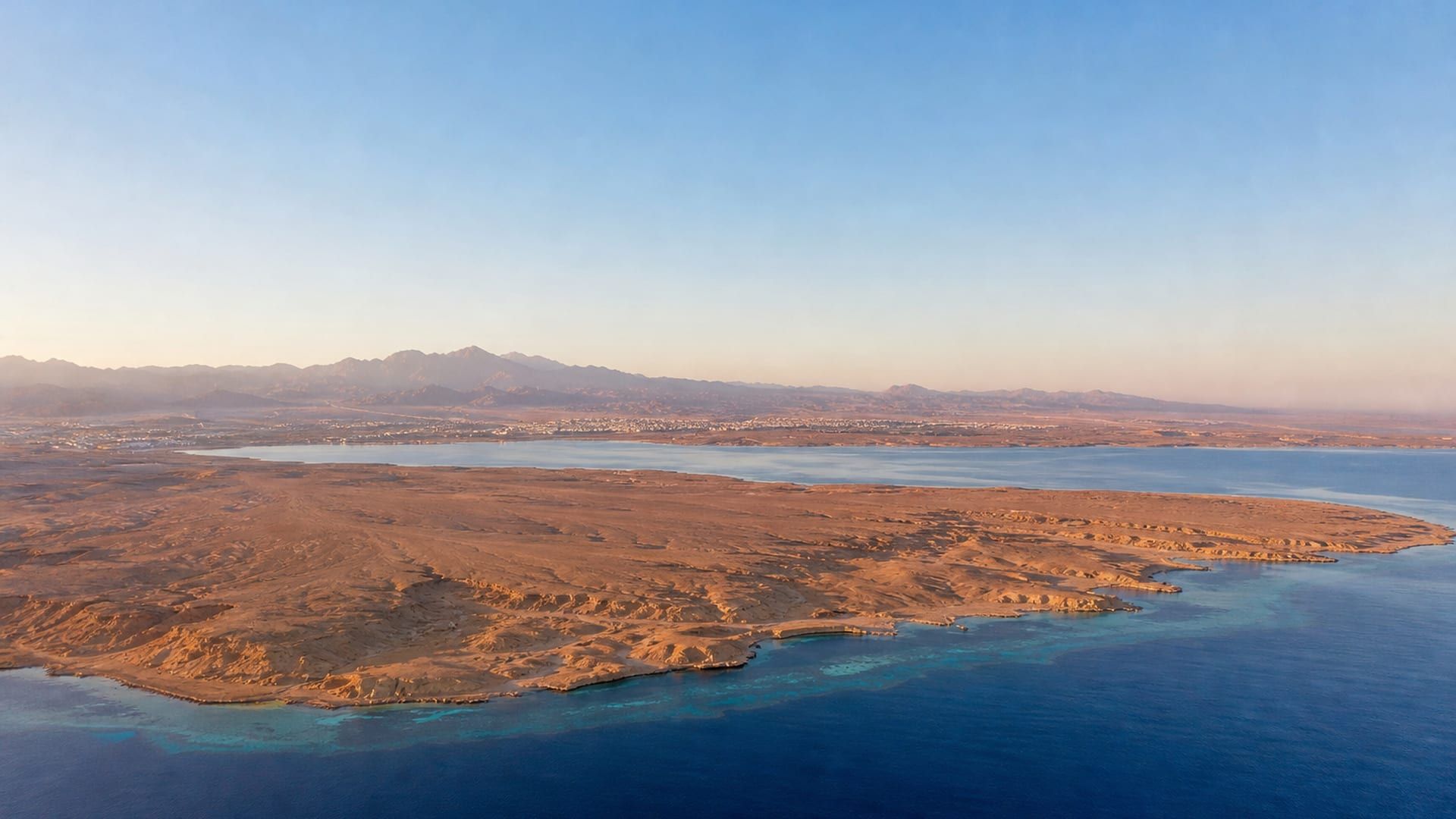
Sharm el-Sheikh often gets treated as a beach stop with one reef outing and a dinner near the hotel, while the Old Market and hilltop memorials get left for the last hour, if they appear at all.
That shortcut works poorly here because the main sights sit apart, taxis use negotiated fares, and the evenings pull people into different districts, from Naama Bay to the south side of town.
This guide sets a clearer order, so you can match each day to the right part of the city and avoid backtracking.
Useful things to know

Main language(s): Arabic
marhaban (mar-ha-ban) – hello
min fadlak (min fad-lak) – please
shukran (shook-ran) – thank you
hal tatahaddath al-ingliziyya? (hal ta-ta-had-dath al-in-gli-zi-ya) – Do you speak English?
kam al-thaman? (kam al-tha-man) – How much does it cost?

Currency: The local currency is the Egyptian pound (EGP, EGP).

Cash and cards: Cards and contactless are accepted at many hotels, resorts, and larger restaurants, but carry about EGP 500 to 1,000 ($10 to $20) in cash.

Tipping: Round up small bills; leave about 5-10% in restaurants if service is good.

Traditional food: fatta, grilled seafood, stuffed camel, kofta

Water and coffee costs: Water about EGP 20 to 40 ($0.40 to $0.80), bar espresso about EGP 60 to 120 ($1.20 to $2.40).

Taxis and ride apps: Uber and inDrive operate here; confirm the fare before you ride.

Plug and voltage: Type C/F socket, 220V

Dining and shop opening hours: Breakfast is about 7:00-10:00 am, lunch 1:00-3:00 pm, and dinner 8:00-11:00 pm. Many tourist restaurants stay open later, while some smaller spots close between meals.

Emergency number: 112 for police, ambulance, and fire.
Where to stay in Sharm el-Sheikh
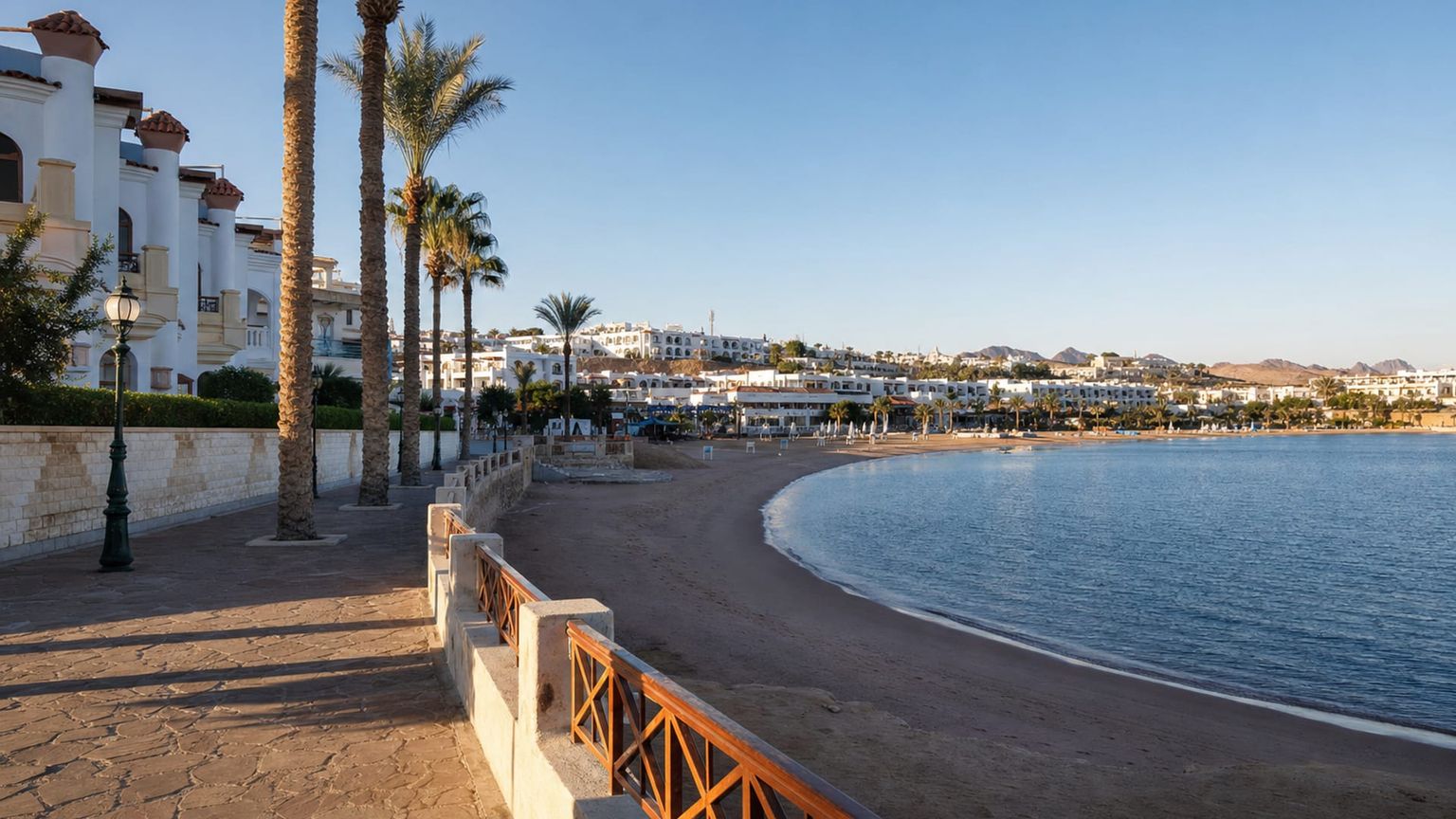
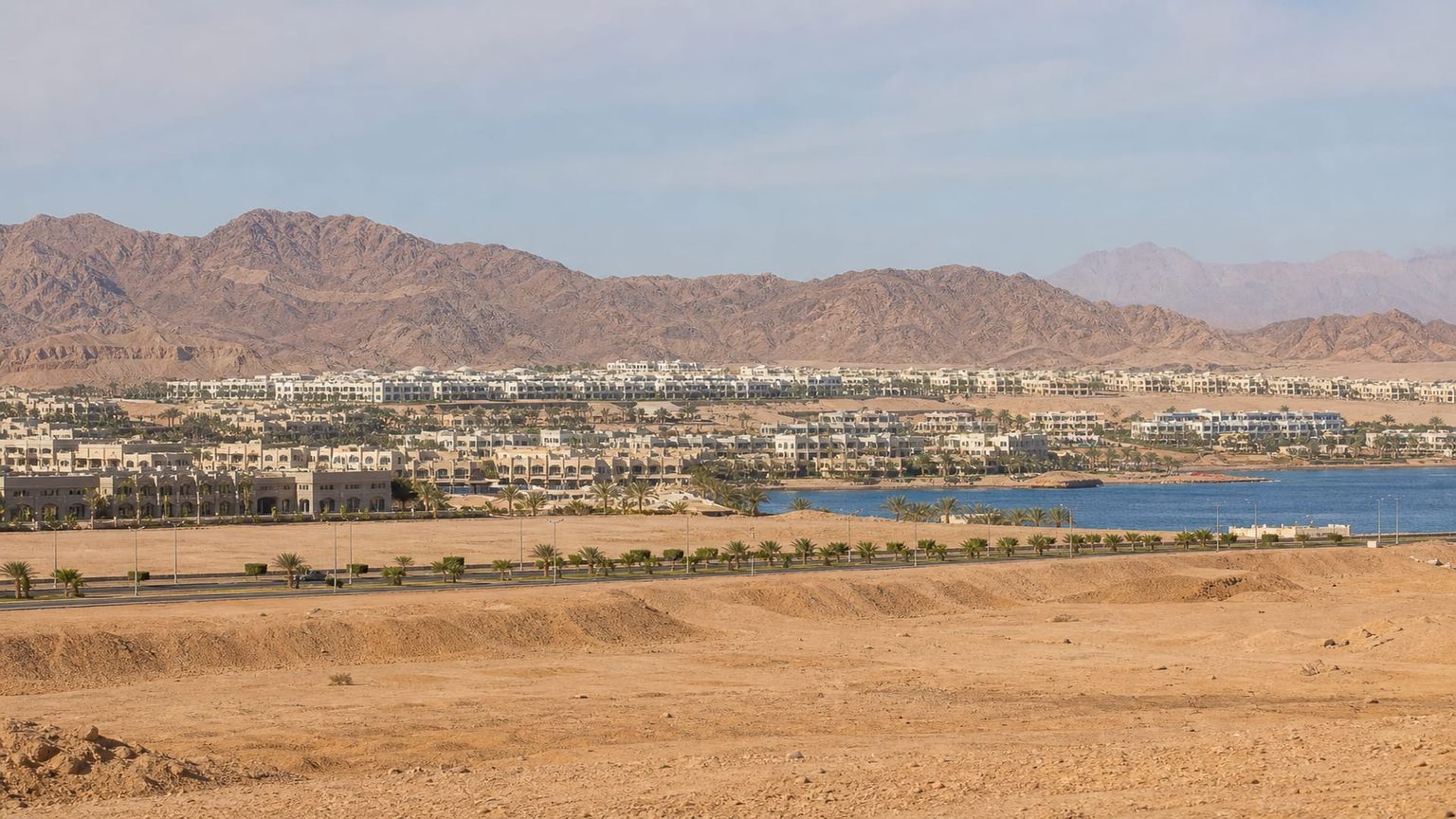
Sharm el-Sheikh’s best-known resort strip, Naama Bay pairs a sandy beach with the city’s densest cluster of hotels, restaurants, and dive shops. It suits travelers who want easy access to the water, evening dining, and boat departures without crossing town.
Best for: Beach breaks, snorkeling trips, and travelers who want the widest choice of hotels and dining
What to expect: The promenade is busy from late morning through evening, with steady foot traffic, taxis, and tour desks.
Hotel prices: Usually about $80 to $250 per night for well-rated stays
Distance to major sights: About 15 minutes by car to Old Market; about 20 minutes by car to Sharm El Sheikh International Airport (SSH)
Quietness: Quieter in the morning, then noticeably busier after lunch and into the night.
Main trade-off: You pay for the central position and beachfront access with more traffic, brighter nights, and higher room rates than in outer districts.
Good to know: If you plan to book dives or boat trips, many operators have pickups along the bay, which can save time on departure mornings.
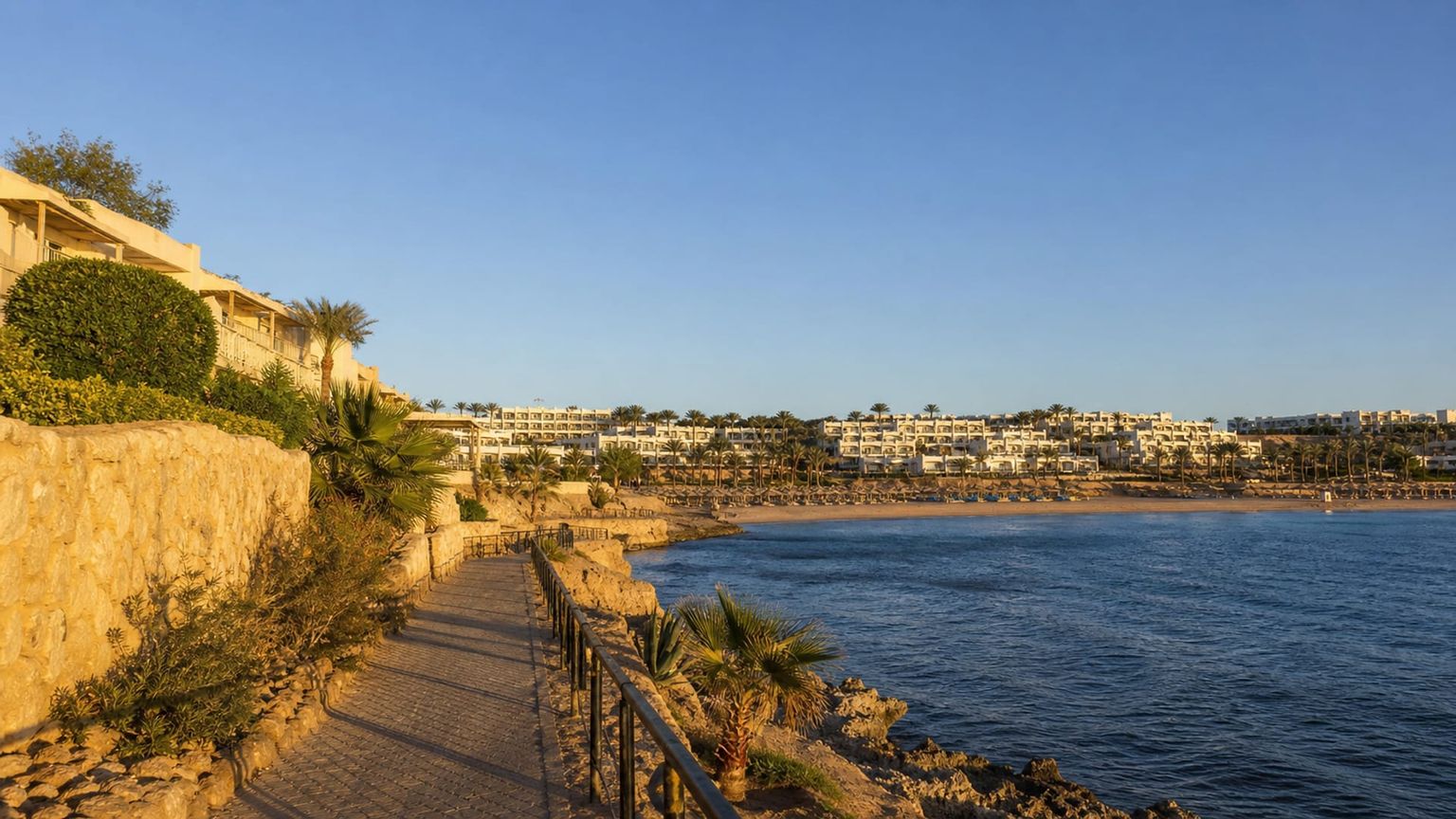
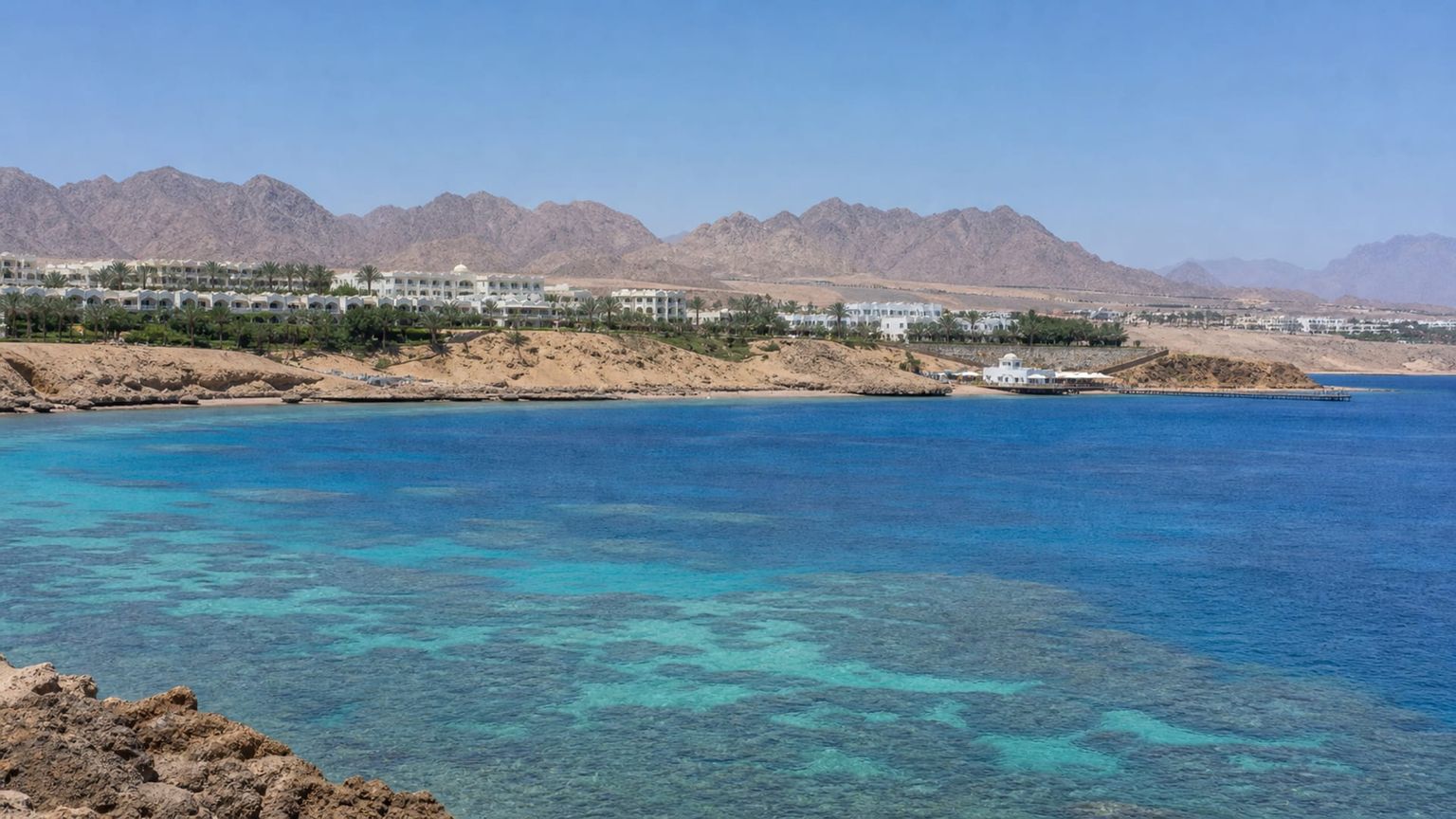
North of Naama, Sharks Bay is a resort zone near the airport and several large hotel compounds. It matters for travelers who want newer properties, quick airport transfers, and easy access to dive boats heading to Ras Mohammed and Tiran.
Best for: Airport arrivals, resort stays, and scuba travelers planning early boat departures
What to expect: Hotel grounds dominate the area, with limited street life and a resort crowd moving between pools, beaches, and transfer desks.
Hotel prices: Usually about $90 to $300 per night for well-rated stays
Distance to major sights: About 10 minutes by car to Sharm El Sheikh International Airport (SSH); about 20 minutes by car to Naama Bay
Quietness: Daytime is active around hotel beaches, then evenings are generally quieter than Naama Bay.
Main trade-off: You gain convenience for flights and dives, but you will need a car or taxi for most restaurants and nightlife.
Good to know: Public beach access is limited in parts of the bay, so check whether your hotel includes a usable shoreline or only a pool area.
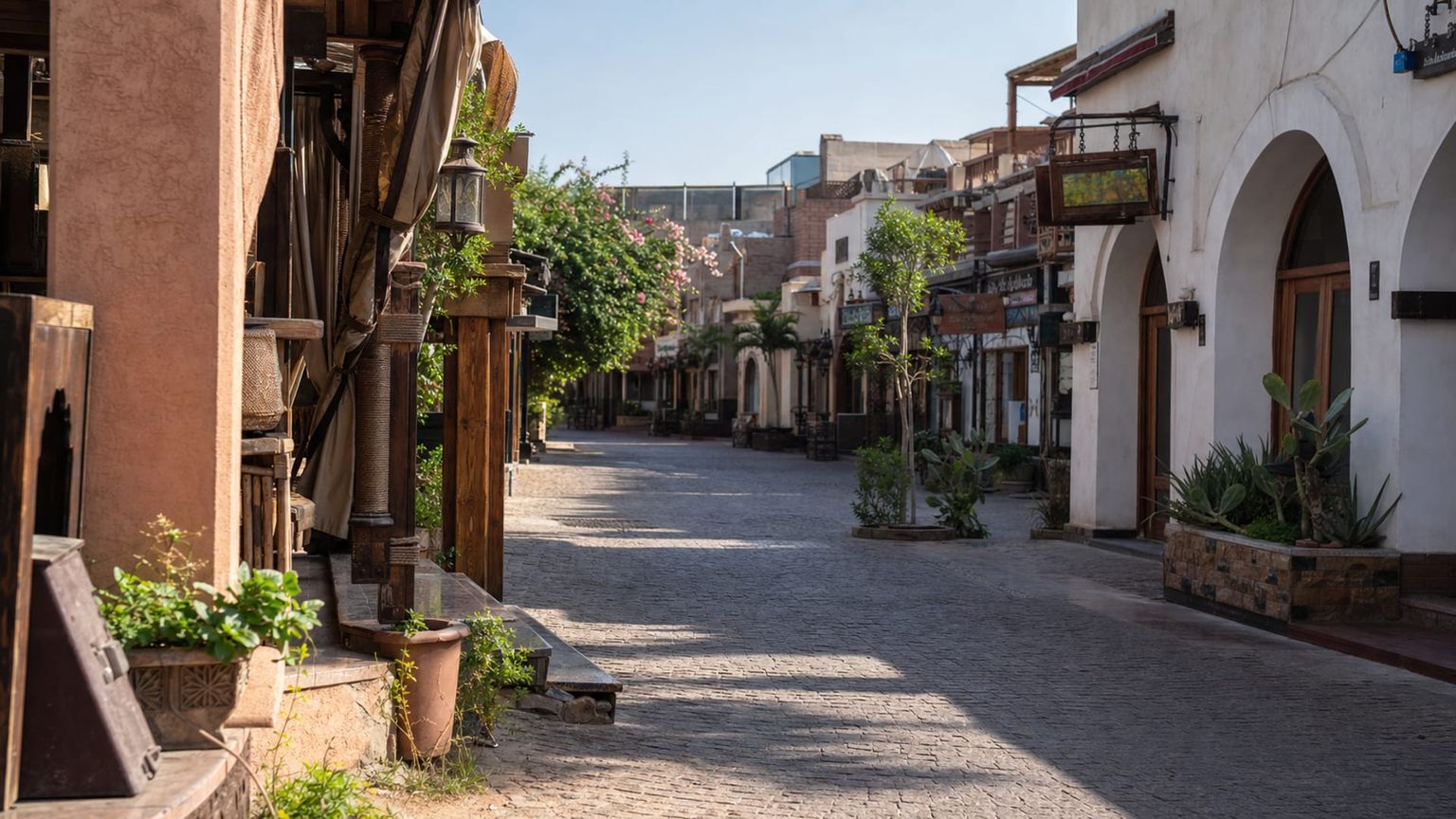
Old Market is the city’s traditional shopping and dining district, anchored by mosques, bazaars, and a compact grid of local streets. It suits travelers who want a more local-looking setting, shorter trips to evening eateries, and easy access to the south side of town.
Best for: Souvenir shopping, local dining, and travelers who want a central southern base
What to expect: Street life is livelier here than in the resort enclaves, with shopfronts, taxis, and steady evening dining traffic.
Hotel prices: Usually about $40 to $120 per night for well-rated stays
Distance to major sights: On foot to the Old Market; about 20 minutes by car to Naama Bay; about 25 minutes by car to Sharm El Sheikh International Airport (SSH)
Quietness: Daytime is active and sometimes noisy, then the streets settle somewhat after shops close.
Main trade-off: This area puts you close to shopping and casual restaurants, but the hotel stock is thinner and often less resort-like than on the bays.
Good to know: Late at night, taxis can be less plentiful than in the main resort zones, so plan your return before the dinner rush ends.
Travelers usually avoid staying in Nabq Bay if they want easy access to central Naama Bay, the Old Market, and marina dining, since it sits far north and evening taxis add time and cost. Ras Um Sid and Hadaba are less convenient for first-time visitors who want to walk to many shops or restaurants, because they sit away from the main resort strip and usually require taxi rides after dark. Sharks Bay is often skipped for a hotel base if the trip centers on city sightseeing, since it is built mainly around airport-facing resorts and is far from the Old Market and nightlife areas.
Hotel deals
How to get around Sharm el-Sheikh efficiently
With no metro or rail link, Sharm el-Sheikh depends on minibuses, taxis, and hotel transfers, so each move needs to match the district and the time of day.

Metro
for longer distances
Sharm el-Sheikh has no metro, so visitors rely on minibuses, shuttle vans, and taxis instead. There is no rail or underground network linking SSH, Naama Bay, Old Market, or the resort zones, so any trip longer than a short walk needs a road transfer.

Bus and tram
for convenience
Minibuses are the closest thing to public transport in Sharm el-Sheikh, and fares are usually about $0.30 to $1.00, paid in cash on board. They link Naama Bay, Old Market, Hadaba, Sharks Bay, and the airport corridor, but stops are informal, so ask the driver or locals before boarding and expect trips to take longer than a taxi because vehicles wait until they fill up.

Taxi
for convenience or late hours
Licensed taxis usually use negotiated fares rather than meters, though some drivers will agree to a meter for longer rides. Expect about $5 to $10 for short hops within the resort area, roughly $10 to $20 to the airport or between main districts, and more for late-night rides or out-of-zone trips; confirm the price before departure, carry small bills, and note that some taxis accept cash only in U.S. dollars or Egyptian pounds.
*Prices are based on rates updated as of June 2026 and may change at the time of travel.
Use taxis for airport and cross-town hops, minibuses for the cheapest local rides, and walking for the Old Market and Naama Bay once you are already in those districts.
Iconic landmarks
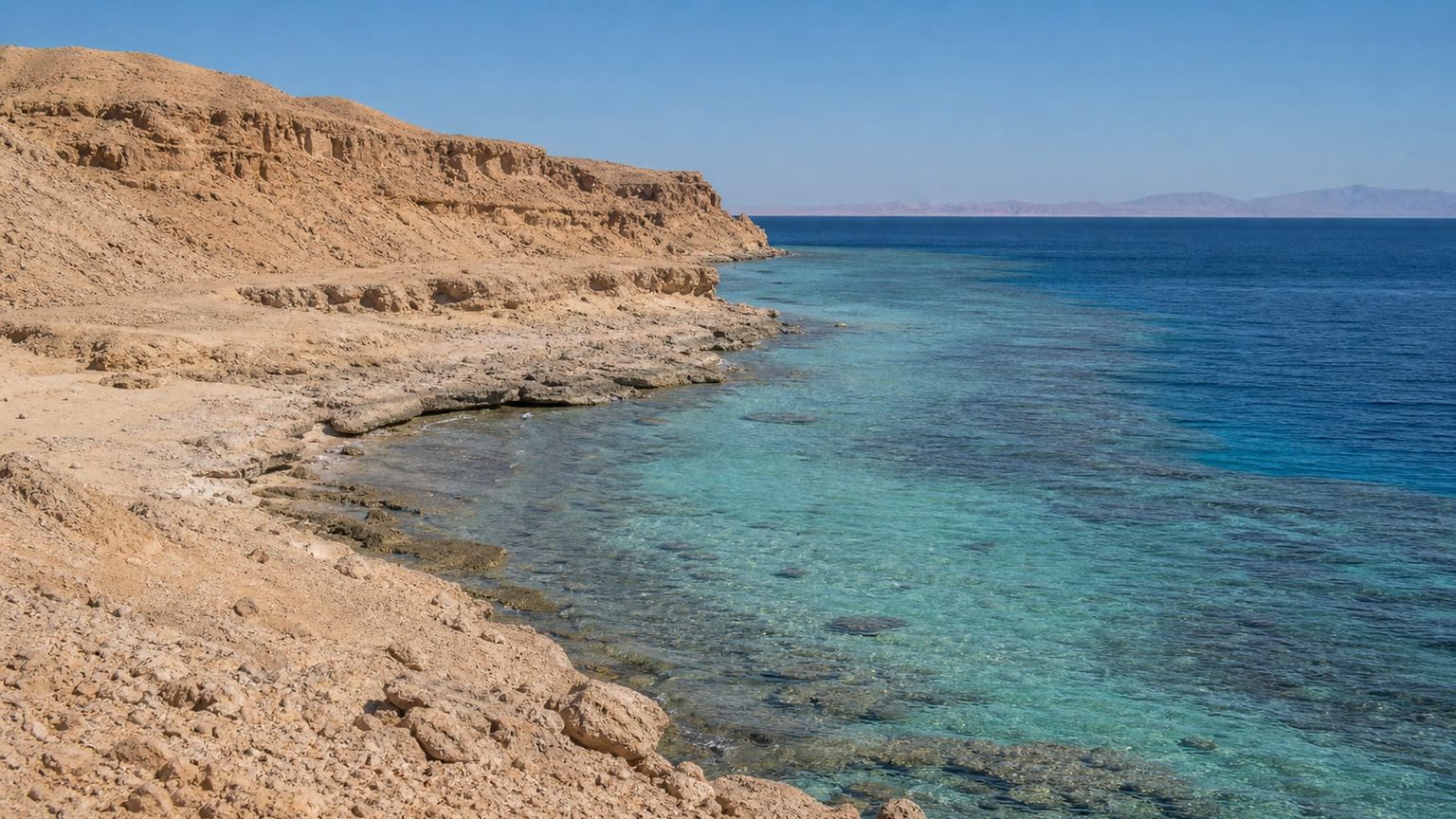
Ras Mohammed National Park
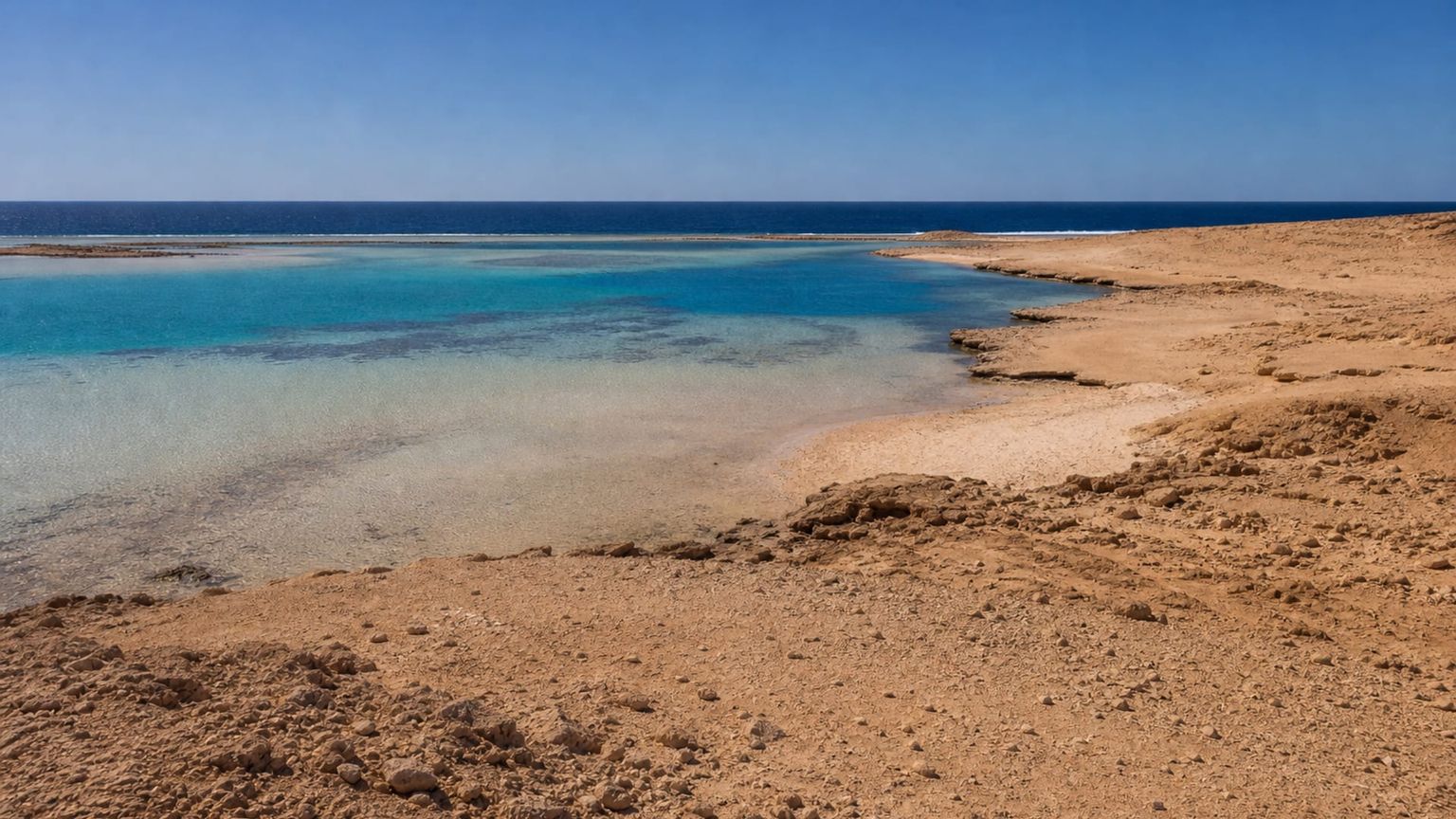
South of Sharm el-Sheikh, Ras Mohammed protects coral reefs, mangroves, and desert shoreline where the Gulf of Suez meets the Gulf of Aqaba. Most visits focus on snorkeling or diving at sites such as Shark and Yolanda Reefs and the mangroves.
Time needed: About 4 to 6 hours
Entry: Park access and boat or snorkeling fees typically cost about $15 to $40 (EGP 735 to EGP 1,960), depending on the route and activities. Visit the official site for details.
Tip: Go early for calmer water and lighter heat, then return before the afternoon wind picks up.
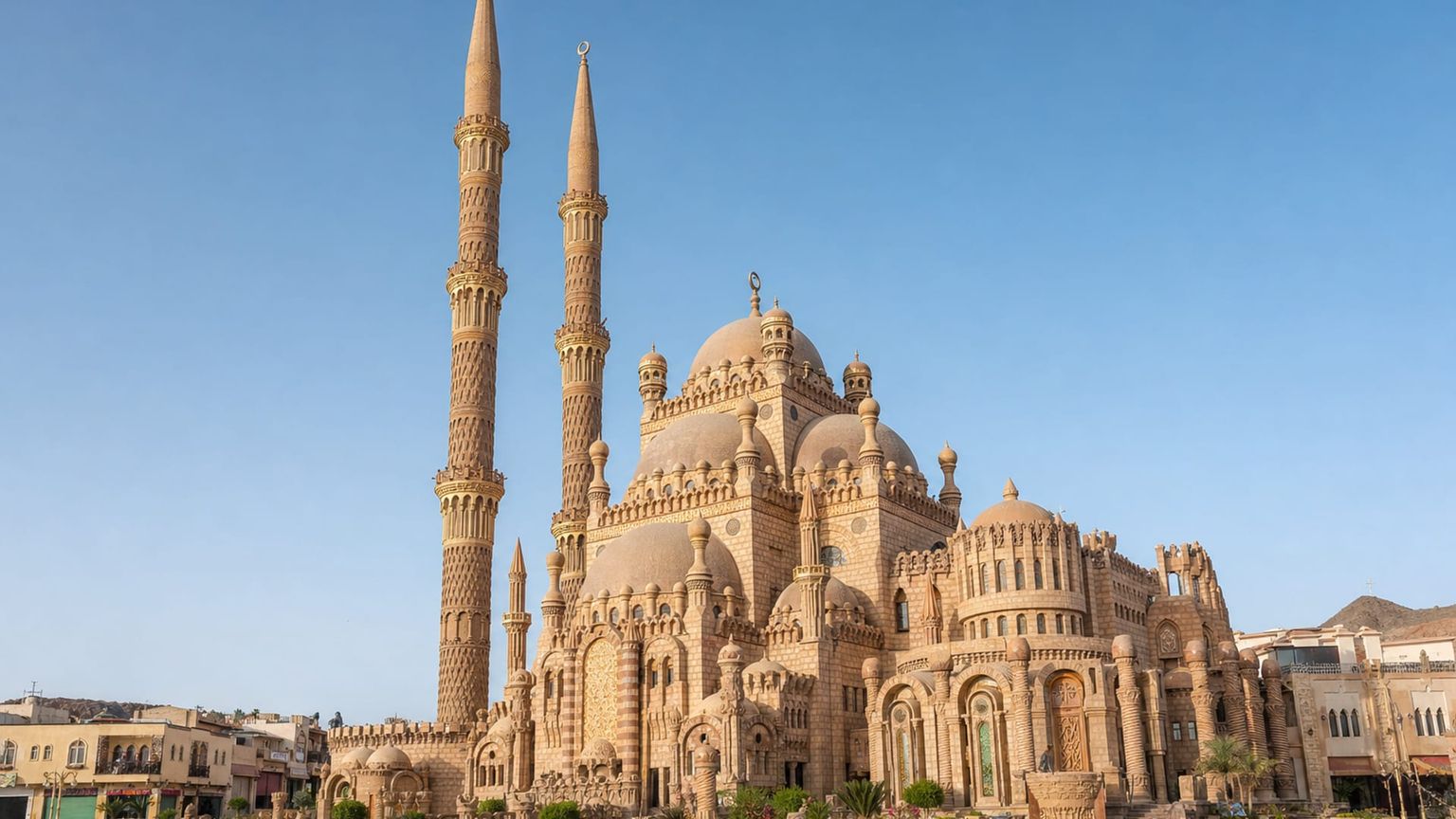
Al Sahaba Mosque
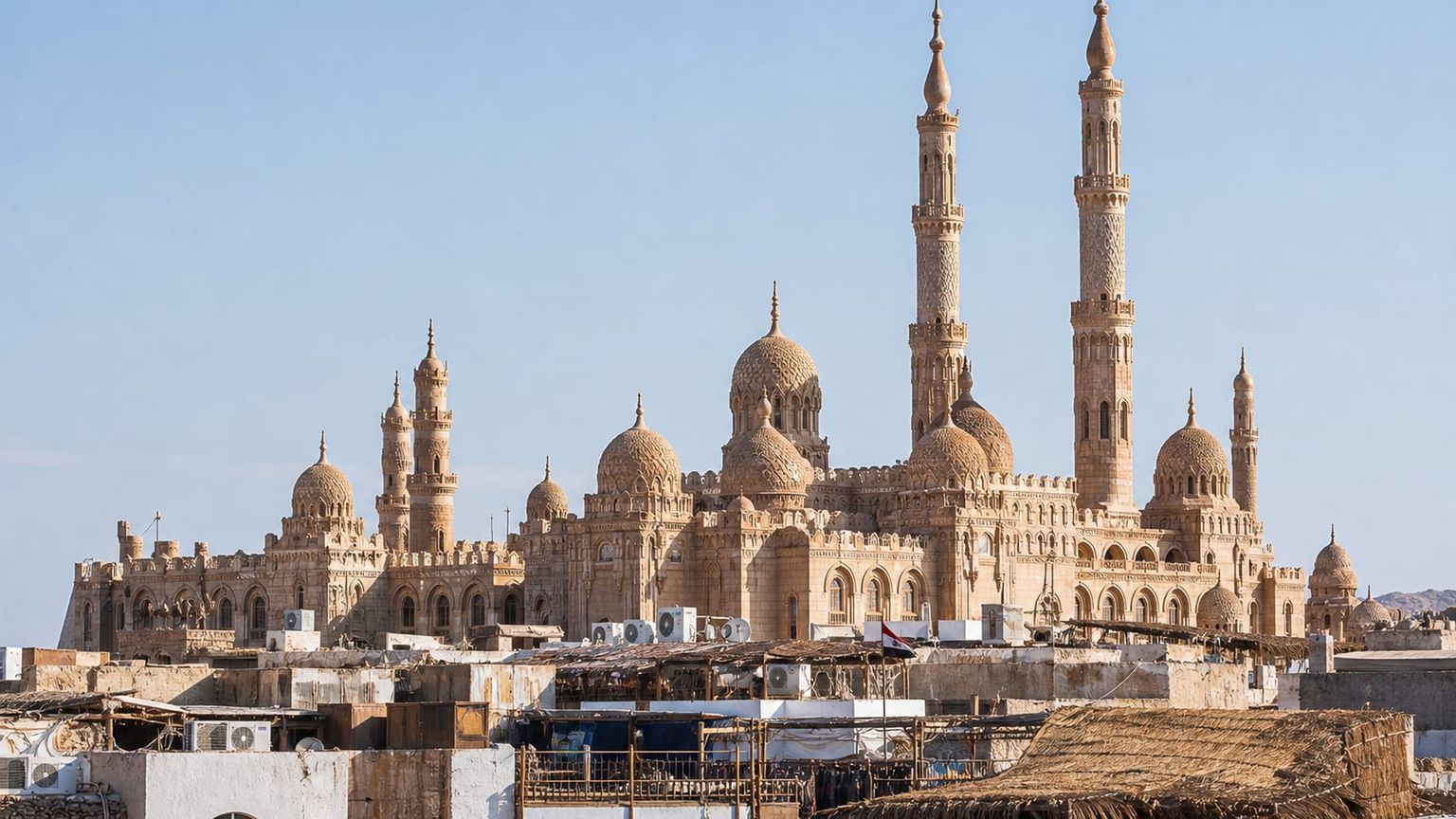
In the Old Market, Al Sahaba Mosque stands out with its twin minarets, carved stonework, and large central dome. The mosque opened in 2017 and sits among shops, cafes, and lanes that fill with evening foot traffic.
Time needed: About 30 to 60 minutes
Entry: Free to enter, though donations are welcome and modest dress is required for all visitors, with separate shoes-off areas inside the mosque.
Tip: Visit after sunset, when the facade is lit and the surrounding market is busiest.
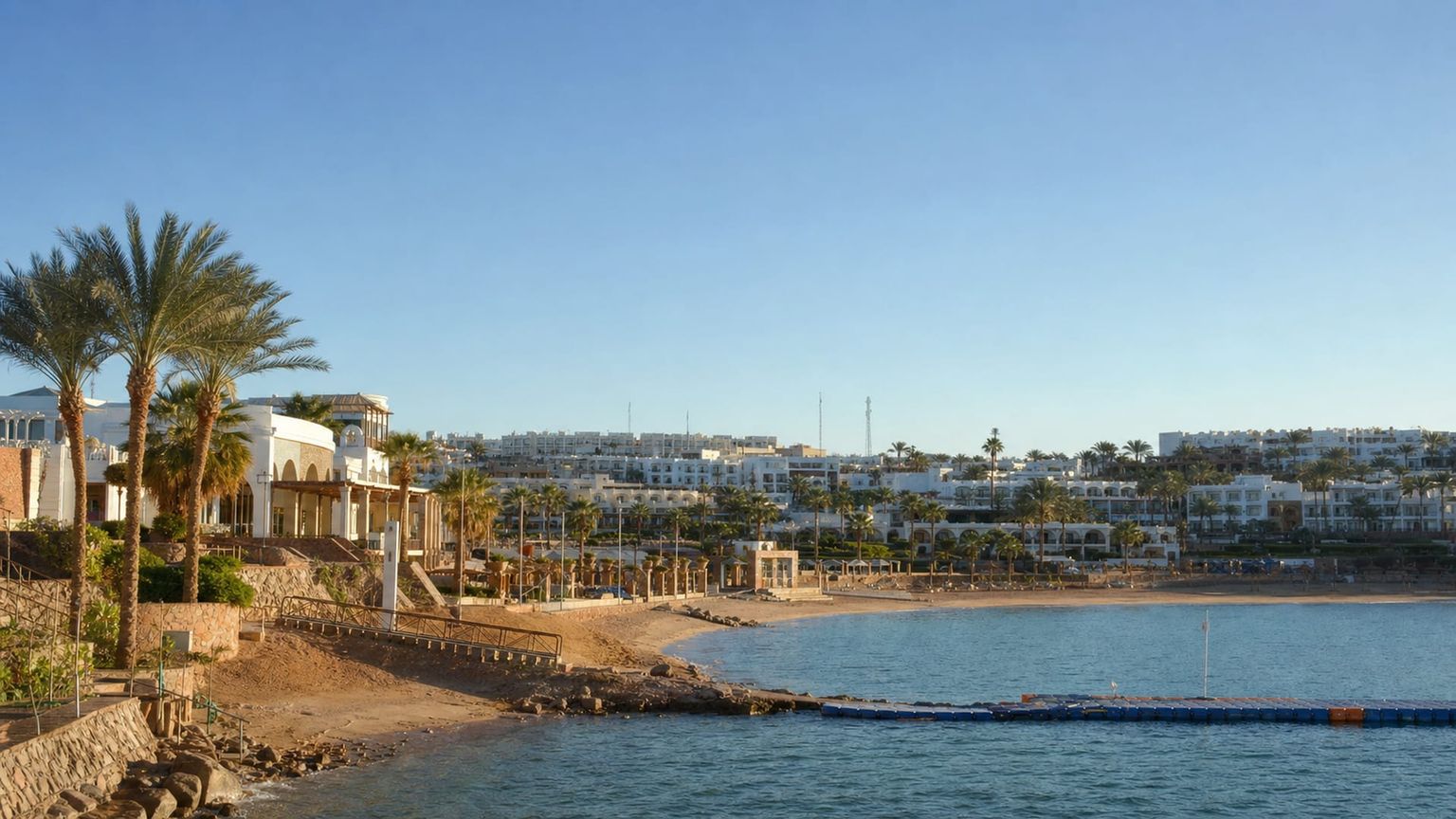
Naama Bay
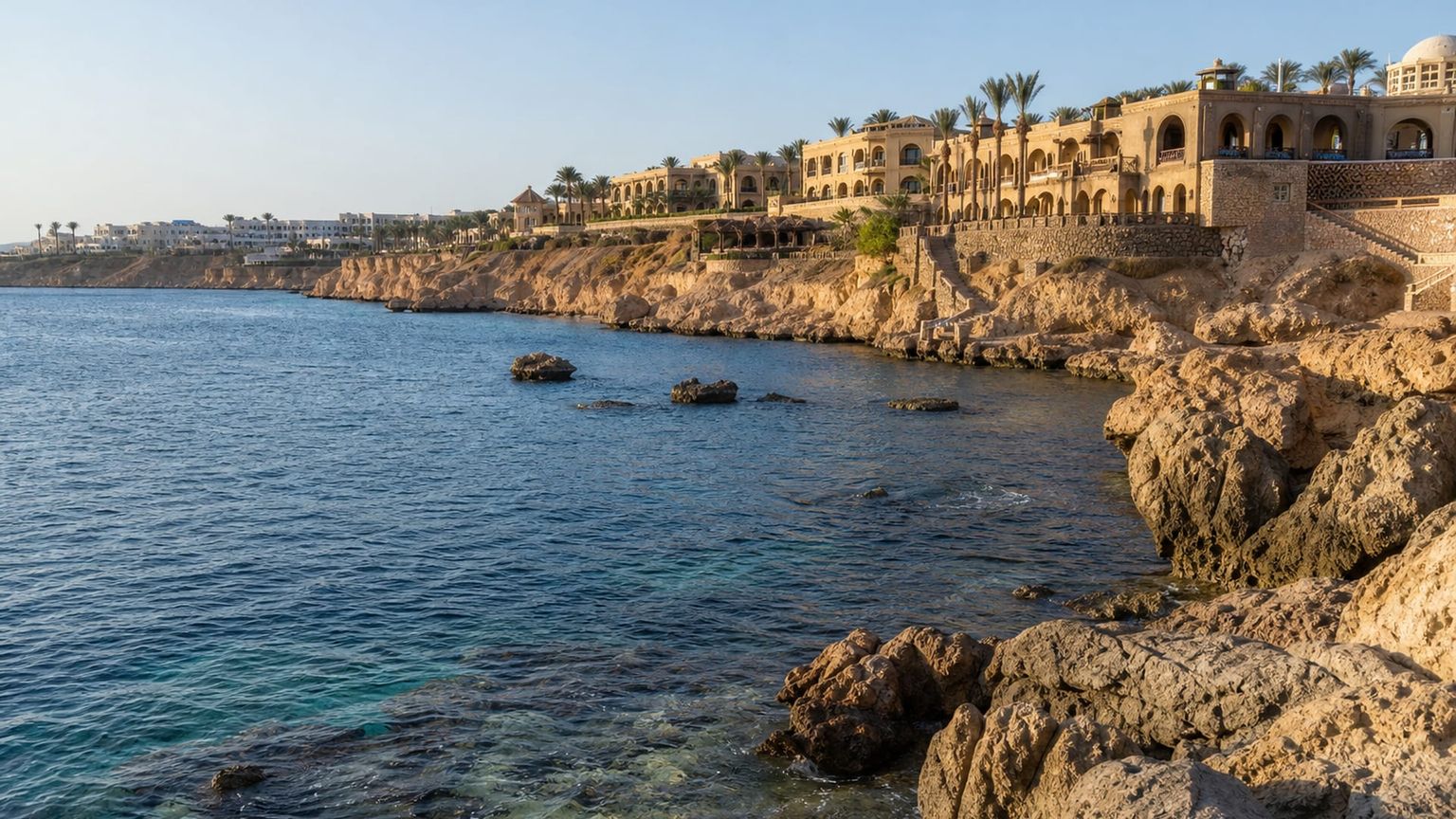
Naama Bay is Sharm el-Sheikh’s best-known waterfront strip, with a long sandy beach, hotel promenades, dive centers, and dinner spots facing the Red Sea. It suits an easy stop for swimming, a walk, or a sunset look at the bay.
Time needed: About 2 to 4 hours
Entry: Free to access; beach clubs and loungers usually cost about $5 to $20 ($5 to EGP 980), depending on the spot and season.
Tip: Arrive late afternoon for shade, a swim, and the clearest sunset views over the bay.
Overlooked sites worth visiting

South Sinai War Memorial
A small hilltop memorial with aircraft, tanks, and plaques tied to Egypt’s modern military history. It sits on a quiet roadside rise, so you can pair a quick stop with broad desert-and-gulf views.
Time needed: About 30 to 45 minutes
Entry: Free to access; there is no admission fee for the memorial grounds, and you can visit independently at any time of day. Allow extra for a short stop if you plan to read the plaques and take photos from the hilltop.
Tip: Go near sunset for softer light over the bay.

Sharm Old Market
A compact market district with spice stalls, souvenir shops, and small cafés set off the main resort strip. It gives you a working local shopping street rather than a hotel-zone mall, with the best detail in the side lanes.
Time needed: About 1 to 2 hours
Entry: Free to access; browsing the market costs nothing, though purchases, snacks, and drinks vary by stall. Budget roughly $5 to $20 ($5 to 20) if you want tea, fruit juice, or a small set of souvenirs.
Tip: Visit after 6:00 pm, when stalls are open and temperatures ease.
Traditional food
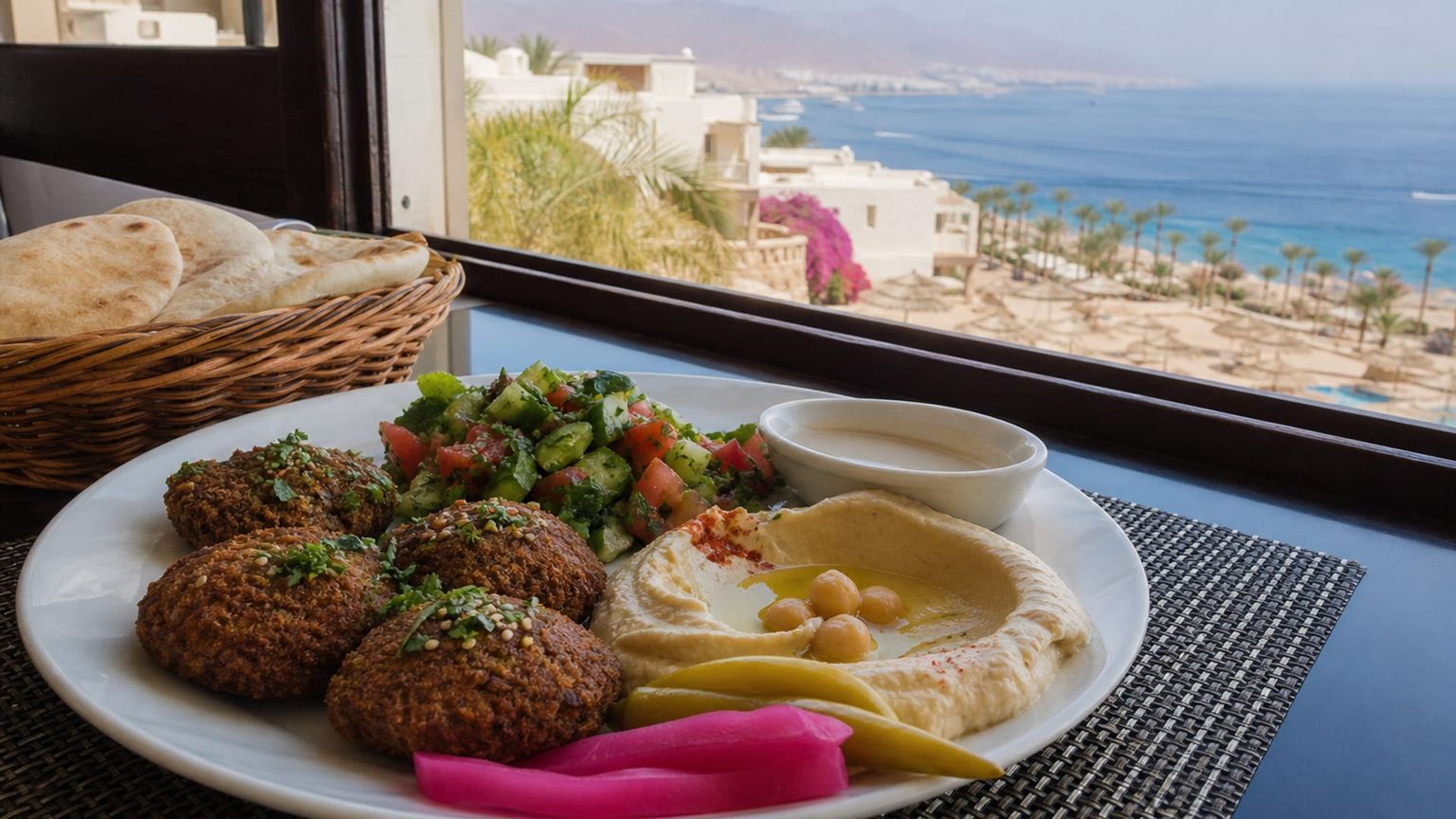
Sharm el-Sheikh cooks with Red Sea fish, grilled meats, rice, herbs, and plenty of garlic and lemon. Meals often stretch late, with tourist restaurants serving seafood platters, kofta, and regional dishes such as fatta.
Grilled seafood
Fresh fish, shrimp, and squid usually arrive with rice, salad, and lemon. Fares here are at their best at Fares Seafood Restaurant, a long-running local favorite in the Old Market area.
Kofta
Charcoal-grilled minced meat is a staple of Egyptian tables, often served with bread, tahini, and salad. It fits the menu at Al Tannour, where the grill section handles it well.
Fatta
Fatta layers rice, bread, broth, and meat into a rich, celebratory dish. Try it at El Masrien Restaurant, which serves Egyptian staples in a setting that suits a slower dinner.
Stuffed camel
This special-occasion dish can be hard to find, but in Sharm el-Sheikh it appears on select menus for groups and larger gatherings. Sofra Sharm offers a menu broad enough to make it one of the city’s best-known places to look for it.
Best time to visit Sharm el-Sheikh
Sharm el-Sheikh is warm most of the year, but spring and autumn bring the most comfortable beach and boat conditions, while summer adds stronger heat and winter offers clearer, cooler evenings.
Best for: Pleasant beach weather and lighter humidity
What you get: About 66 to 76°F (19 to 24°C), with moderate crowds and busy holiday periods in late December and February
Trade-offs: Evenings feel cooler, and the sea can seem brisk after sunset
Best for: Snorkeling, boat trips, and long outdoor days
What you get: About 75 to 88°F (24 to 31°C), with growing crowds but still manageable conditions before peak summer heat
Trade-offs: April and May can warm up quickly by midday
Best for: Late swims and resort time near the water
What you get: About 84 to 97°F (29 to 36°C), with heavier resort crowds and more activity indoors during the hottest hours
Trade-offs: Midday heat can limit long sightseeing plans
Best for: Balanced weather for reefs, markets, and sightseeing
What you get: About 77 to 90°F (25 to 32°C), with comfortable conditions and steady visitor numbers that ease after summer
Trade-offs: October can still feel hot during midday excursions
A realistic 5-day plan in Sharm el-Sheikh
Five days gives Sharm el-Sheikh enough time to separate beach time, reef time, and the older inland districts. The plan below starts with an easy arrival, then moves through Naama Bay, Ras Mohammed, Sharks Bay, and the Old Market before departure.
Land at Sharm El Sheikh International Airport (SSH), then take a taxi or hotel transfer to Naama Bay or Sharks Bay, which usually takes about 10 to 20 minutes and costs roughly $10 to $25 depending on the hotel zone and time of day. Settle into a beach hotel near the water, drink plenty of water after the flight, and keep dinner close by, either on the Naama Bay promenade or at your hotel, so the evening stays low-effort after travel.
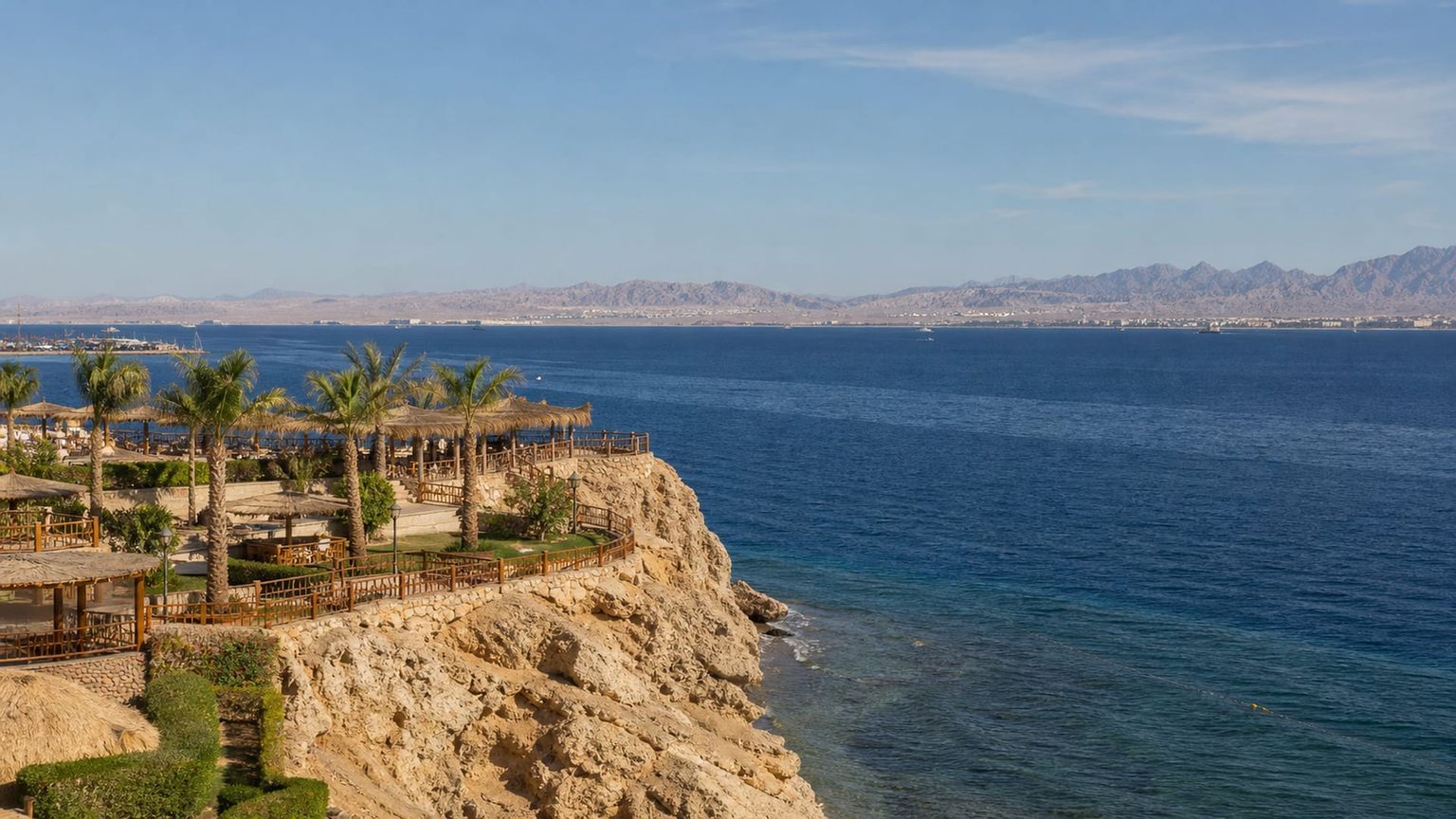
Start with Naama Bay in the late morning, then spend 2 to 4 hours on the beach, along the promenade, or at a day-use club. From Naama Bay, take a taxi south to the Old Market in about 15 minutes, then walk 5 to 10 minutes to Al Sahaba Mosque for an evening visit after sunset, when the facade lights up and the market gets busier. Finish with dinner in the surrounding lanes, where you can stay on foot between cafes and shops.
Ras Mohammed National Park fills the middle of the day, and an early pickup works best because the drive from the main resort areas usually takes about 30 to 45 minutes before the boat or snorkeling portion begins. Plan on roughly 4 to 6 hours total, with reef stops at Shark and Yolanda Reefs or the mangroves, then return to Naama Bay for a late swim or an easy seaside meal. If you want a quieter end to the day, a sunset stop at the South Sinai War Memorial adds a short hilltop view before heading back to your hotel.
Begin in Sharks Bay, where the hotel strip sits about 10 minutes by car from Sharm El Sheikh International Airport (SSH) and gives you a good base for an early boat departure. From there, move to Ras Mohammed National Park for snorkeling or diving, then return to Naama Bay in about 20 minutes by car for a late afternoon swim and beach walk. In the evening, head to the Old Market in roughly 15 to 20 minutes for a meal, then continue on foot to the surrounding lanes if you want one more look at the lit-up streets.
Before you leave, start with a short stop at the South Sinai War Memorial, which takes about 30 to 45 minutes and adds a final view over the desert and Gulf. Then browse Sharm Old Market for 1 to 2 hours, where the spice stalls, souvenir shops, and small cafes make an easy last shopping stop; budget roughly $5 to $20 if you want tea, juice, or a few gifts. If you have time before your transfer, finish with coffee in the Old Market or Naama Bay, then head to the airport with enough margin for traffic.
Business-class flights from the US to Sharm el-Sheikh
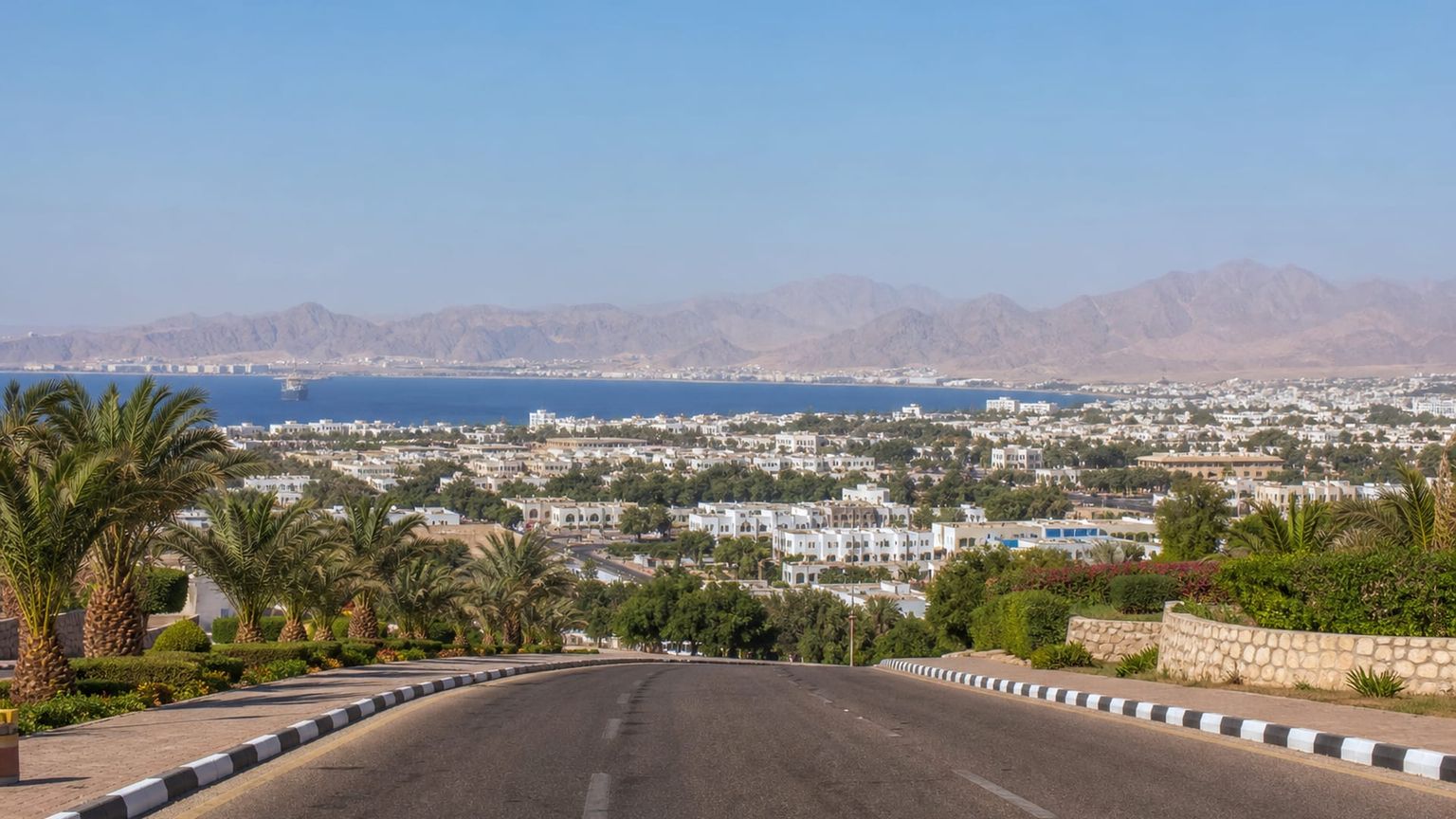
Reaching Sharm el-Sheikh from the United States usually means a one-stop itinerary, with the most common connections passing through major European or Gulf hubs. The options below show how the East Coast and West Coast differ in timing and fare.
From New York, EgyptAir, Turkish Airlines, Qatar Airways, Emirates, Lufthansa, and Air France all operate routes that usually take about 13 to 20 hours with a layover. Common connections run via Istanbul (IST) or Doha (DOH), and round-trip fares usually start at $2,800 and can reach $5,500.
Los Angeles departures often route through IST, DOH, DXB, FRA, or CDG, and the total journey usually runs about 16 to 24 hours. Turkish Airlines, Qatar Airways, Emirates, Lufthansa, and Air France all appear on this corridor, and round-trip fares generally run $3,200 to $6,500.
Sharm el-Sheikh feels different when you slow down
A deliberate Sharm el-Sheikh trip ties each day to a clear district, Naama Bay for the waterfront, Ras Mohammed for the reef, Sharks Bay for early departures, and the Old Market for dinner and browsing after sunset. That keeps taxi time in check and gives the city a cleaner shape than a sequence of random stops. If you want help matching your flight timing to the right neighborhood, the AranGrant experts can build the rest of the plan from there