

Chapters:

Need help with your trip?
Our support team is available 24/7. Request a callback or call us directly at (833) 619-0908
Shanghai often starts with the same shortlist, the Bund at sunset, Yu Garden in the morning, a skyline dinner, then a quick metro ride back. What many visitors miss is how much time the city takes between those stops, and how quickly popular blocks fill at peak hours.
That matters because river crossings, station changes, and crowded lanes can turn a short plan into a long day. A route that looks compact on a map often asks for taxis, buffers, and a better sense of when each district is worth the trip.
This guide lays out Shanghai by neighborhood and time of day, so the riverfront, old-city lanes, tower views, and tea markets fit into a sequence that matches how the city actually moves.
Useful things to know

Main language(s): Chinese
你好 (nǐ hǎo) – Hello
请 (qǐng) – Please
谢谢 (xiè xie) – Thank you
你会说英语吗? (nǐ huì shuō yīng yǔ ma?) – Do you speak English?
多少钱? (duō shao qián?) – How much does it cost?

Currency: The local currency is the Chinese yuan (CNY, ¥).

Cash and cards: Cards and contactless are widely accepted; carry roughly ¥200 to ¥500 ($28 to $69) in cash for smaller vendors.

Tipping: Tipping is not expected; round up small amounts or leave a little at upscale hotels and private tours.

Traditional food: Xiaolongbao, Shanghai hairy crab, Shengjianbao, Drunken chicken

Water and coffee costs: Water about ¥3 to ¥6 ($0.40 to $0.80), bar espresso about ¥20 to ¥35 ($3 to $5).

Taxis and ride apps: Didi and Meituan operate here; have a local SIM or roaming for app verification.

Plug and voltage: Type A/C/I socket, 220V

Dining and shop opening hours: Breakfast is roughly 07:00-09:00, lunch 11:30-13:30, and dinner 18:00-21:00. Many restaurants stay open late, and some close between lunch and dinner.

Emergency number: Call 110 for police, 120 for ambulance, and 119 for fire.
Where to stay in Shanghai
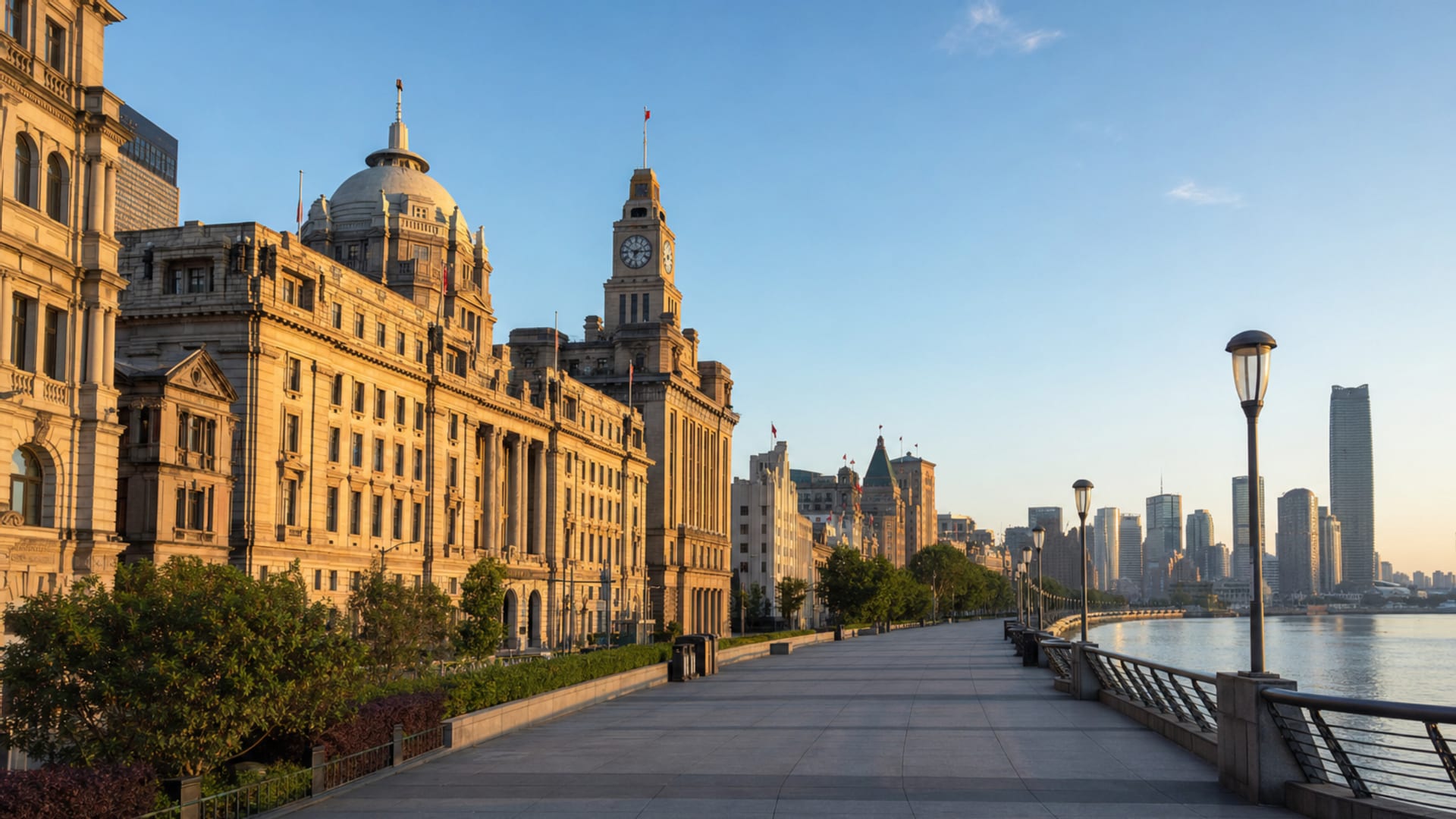
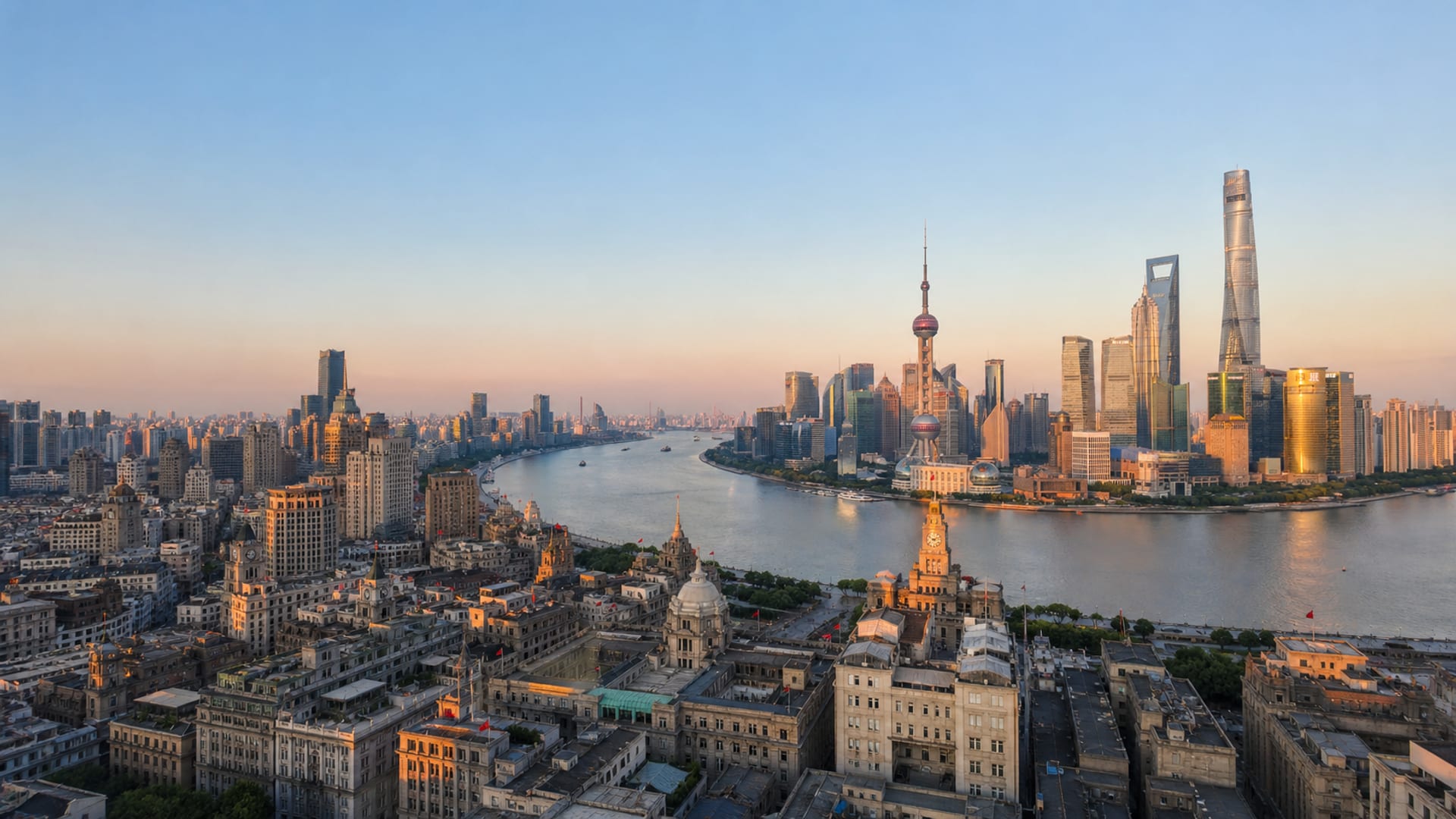
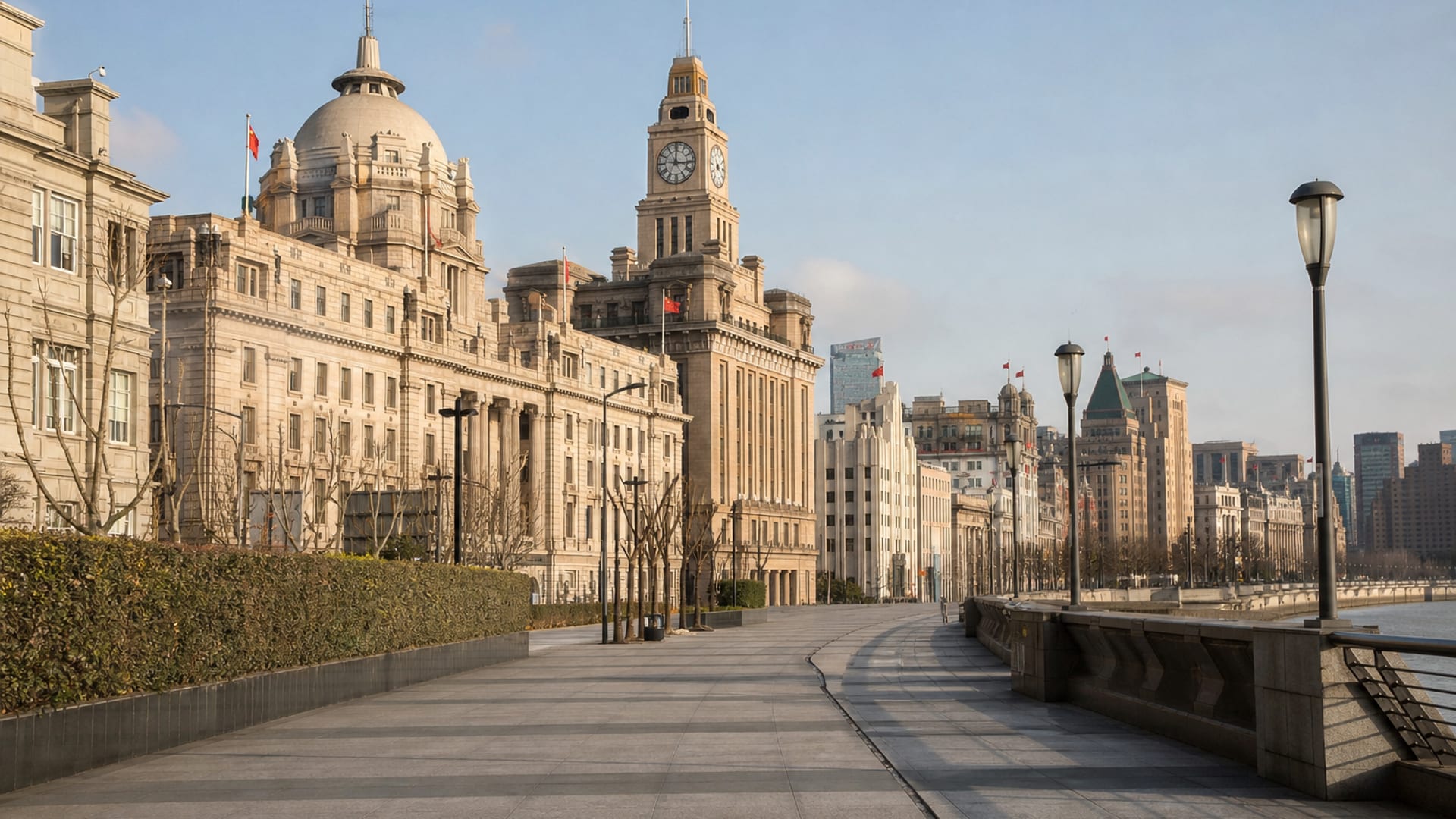
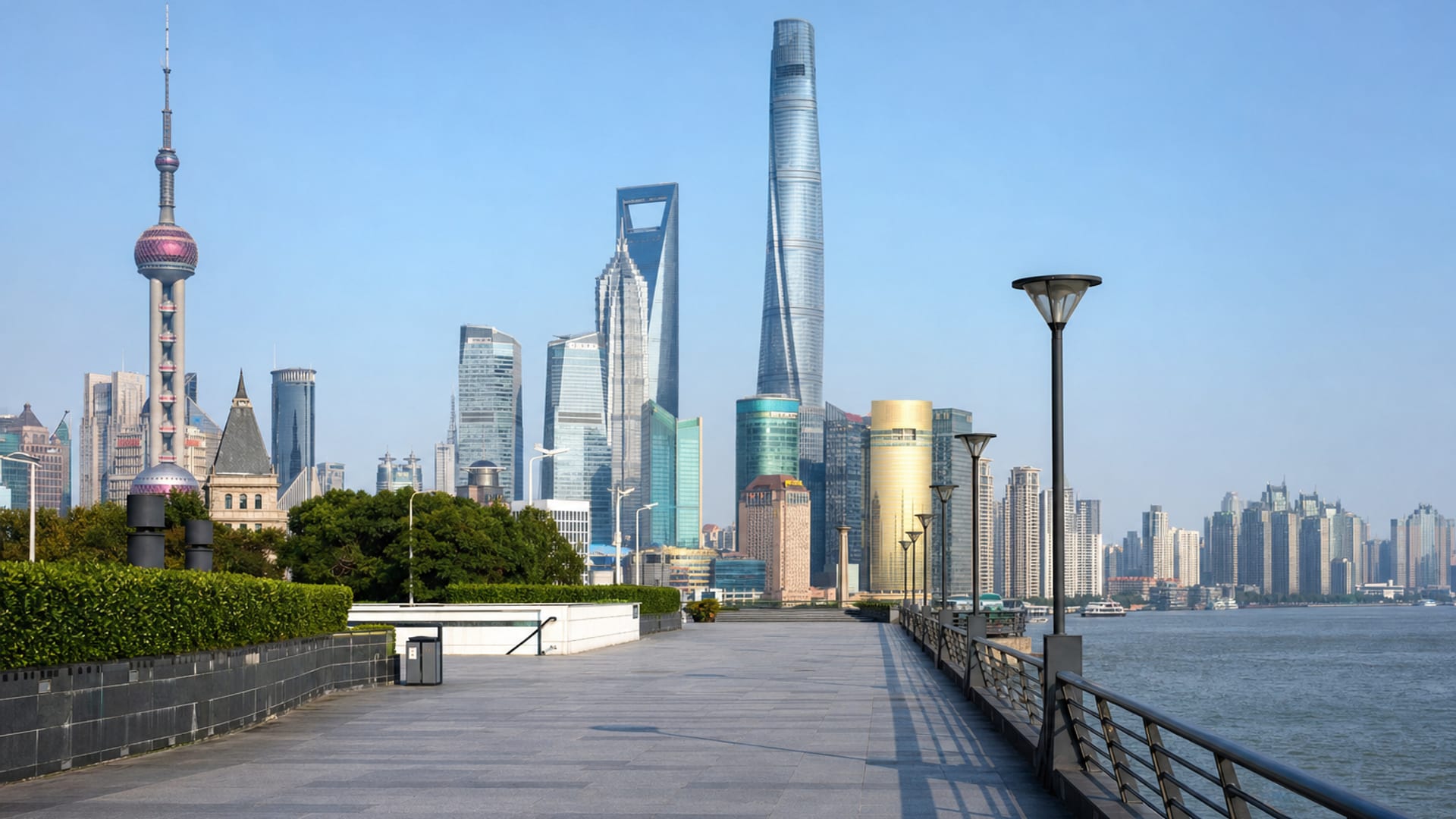
Shanghai’s riverfront showcase on the west bank of the Huangpu, with colonial-era facades, luxury hotels, and direct views across to Pudong’s towers. It anchors a first stay because major sights, taxis, and evening river walks all center on this strip.
Best for: First-time visits, skyline views, and travelers who want prime central access
What to expect: Busy sidewalks, tour groups by day, and a steady stream of evening strollers along the river.
Hotel prices: Usually about $180 to $450 per night for well-rated stays
Distance to major sights: 5 to 15 minutes on foot to the Bund promenade; about 10 to 20 minutes by taxi to Yu Garden
Quietness: Busy all day; evenings are calmer on side streets, but the waterfront stays active.
Main trade-off: You pay a premium for the address, and many rooms cost more for smaller footprints than inland districts.
Good to know: If you want late dinners or bars, plan to leave the riverfront, since the most varied night spots sit inland rather than on the promenade.
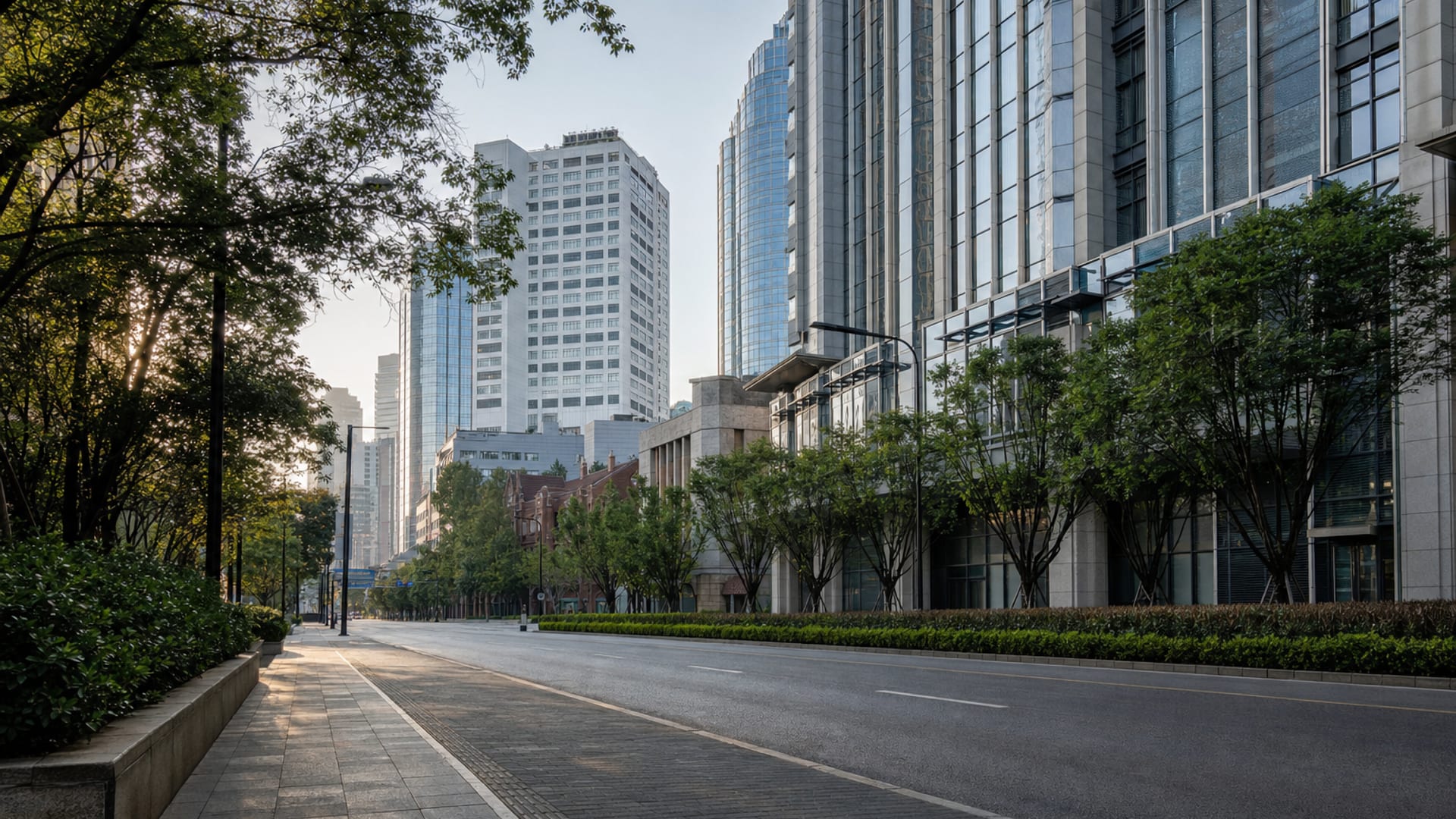
A central district built around Jing’an Temple, office towers, and a dense spread of hotels, malls, and restaurants. It matters because the district offers quick metro access across the city while still keeping day-to-day errands and dining close together.
Best for: Metro access, business trips, shopping, and travelers who want central movement without staying on the river
What to expect: Heavy daytime foot traffic, office crowds on weekdays, and lively restaurant streets after dark.
Hotel prices: Usually about $140 to $320 per night for well-rated stays
Distance to major sights: 10 to 20 minutes by metro to People’s Square; about 20 minutes by taxi to the Bund
Quietness: Active throughout the day; evenings stay lively near mall and dining clusters, while side streets are quieter.
Main trade-off: Rates rise near the main commercial blocks, and the busiest corners can feel crowded at peak commute hours.
Good to know: Choose a hotel near a metro entrance, because station spacing and traffic make short taxi hops slower than they look on a map.
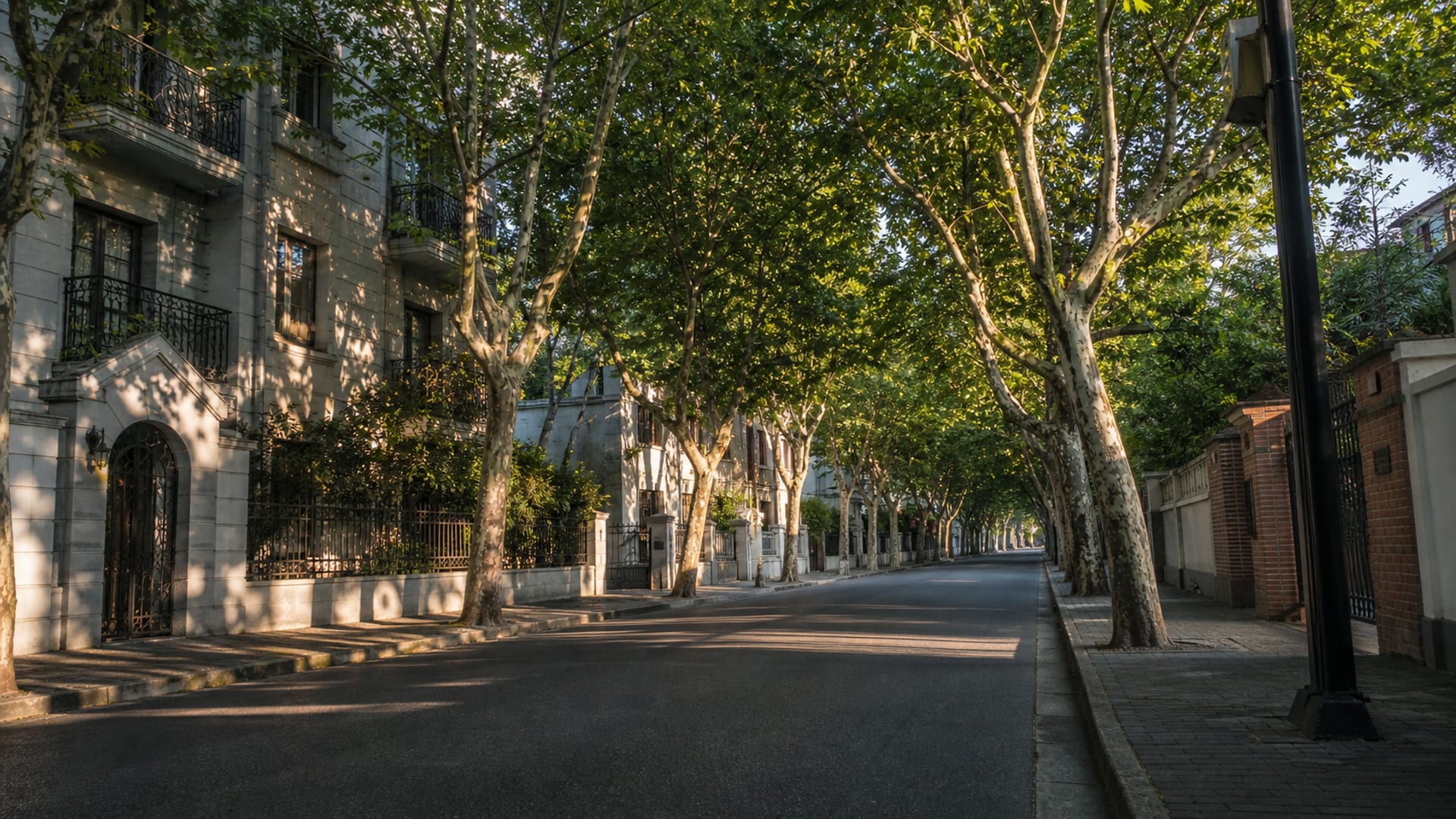
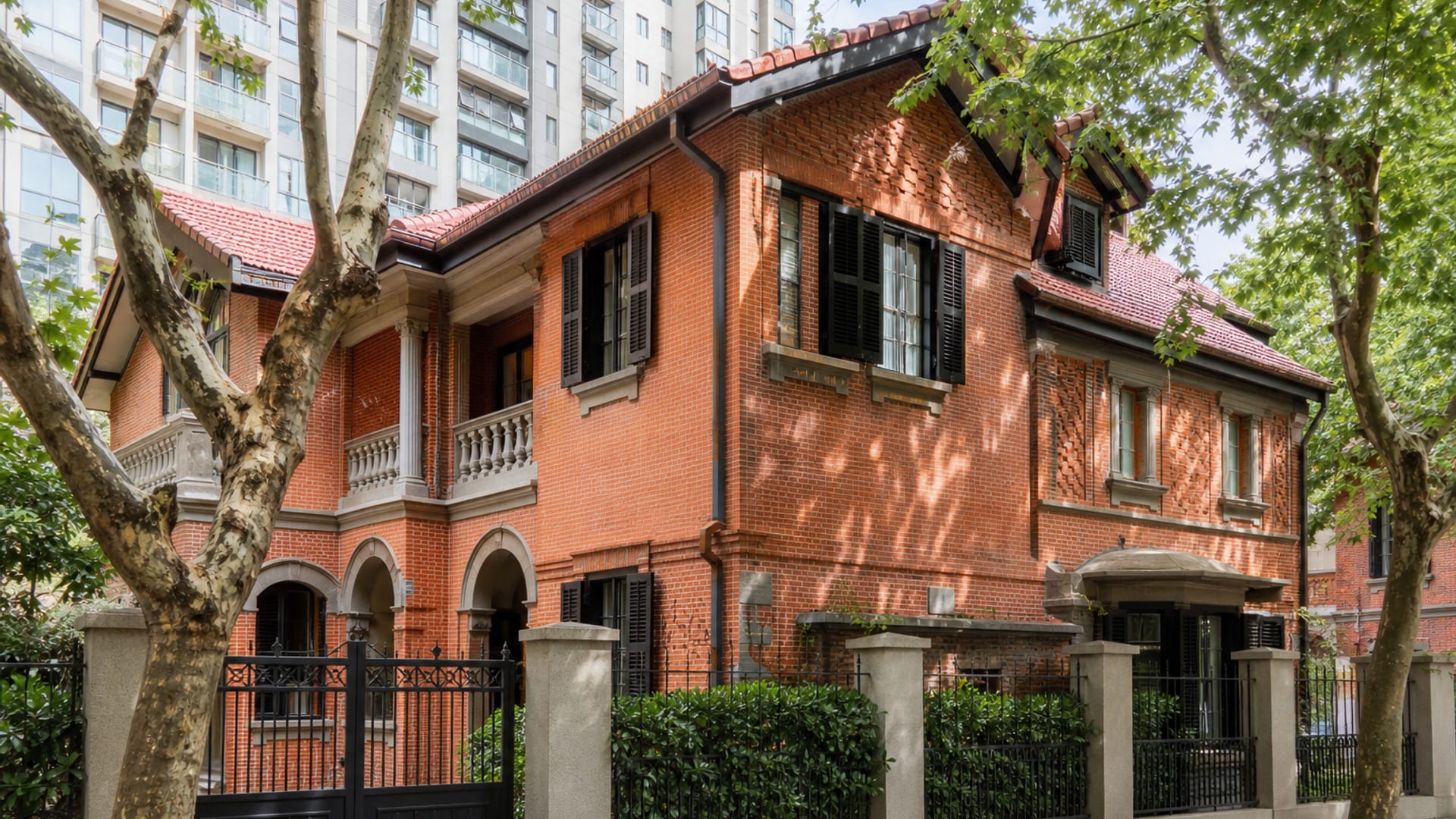
A leafy central swath of old lanes, plane trees, cafes, and boutique hotels stretching through Xuhui and parts of Huangpu. It matters for travelers who want walkable streets, neighborhood dining, and a base that puts galleries and shopping within easy reach.
Best for: Walkable streets, cafes, boutique stays, and travelers who prefer neighborhood character
What to expect: Tree-lined streets, busy brunch spots, and a steady evening crowd around restaurant and bar clusters.
Hotel prices: Usually about $130 to $300 per night for well-rated stays
Distance to major sights: 15 to 25 minutes by taxi to the Bund; about 20 to 30 minutes by metro to Yu Garden
Quietness: Calmer on residential lanes by day and night, but restaurant streets stay busy into the evening.
Main trade-off: Narrow streets and older buildings can mean smaller rooms, and some hotels sit a few minutes from the nearest metro stop.
Good to know: If you are planning early mornings, check breakfast hours carefully, since many smaller properties open later than chain hotels.
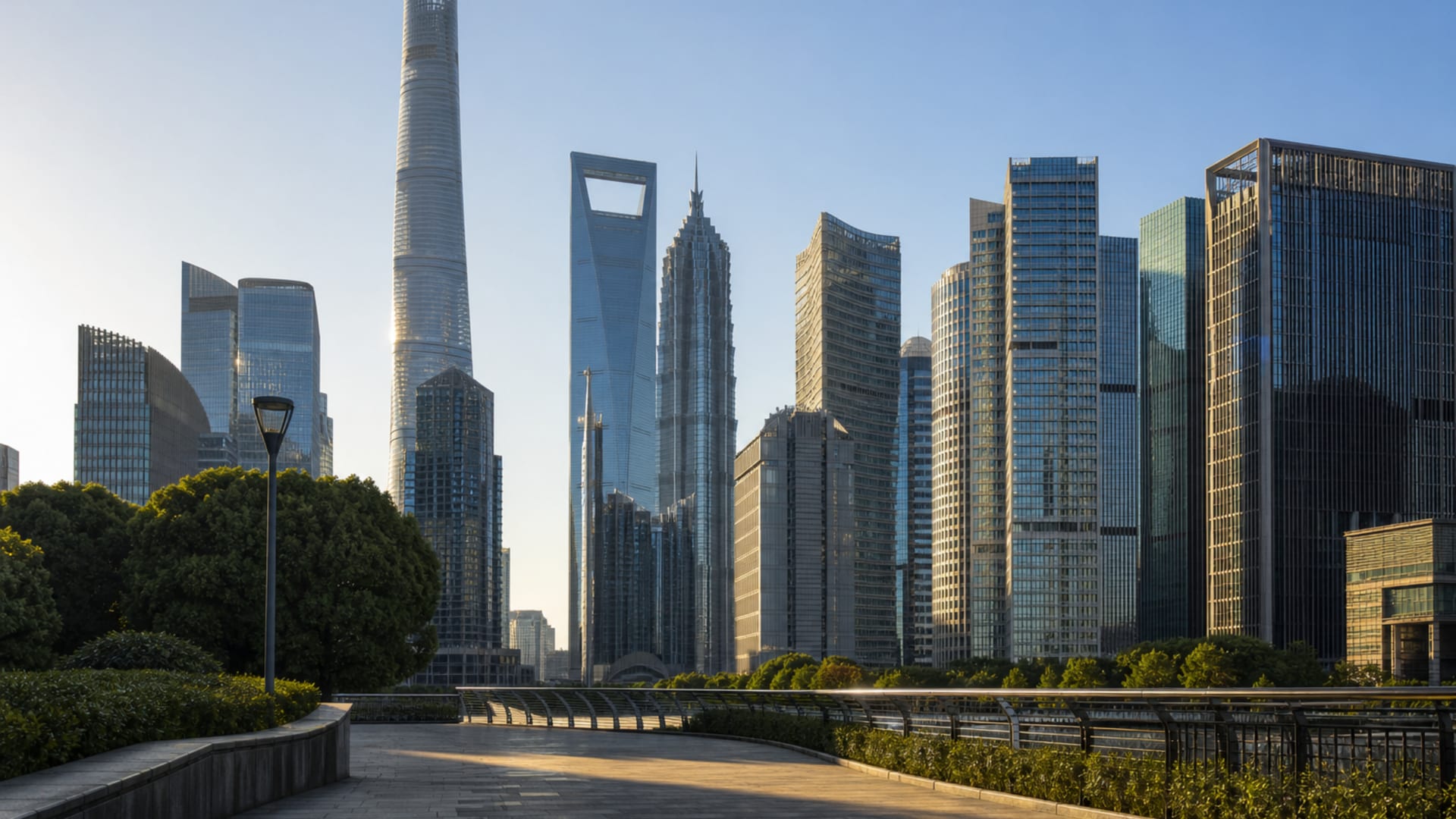
Pudong’s high-rise core, packed with landmark towers, luxury hotels, shopping centers, and riverfront viewpoints. It matters because the district gives you the clearest skyline orientation and puts modern Shanghai attractions in one compact area.
Best for: Skyline stays, luxury hotels, business travel, and Pudong sightseeing
What to expect: Wide boulevards, polished towers, strong pedestrian flow around malls, and much quieter side streets after office hours.
Hotel prices: Usually about $160 to $400 per night for well-rated stays
Distance to major sights: 5 to 15 minutes on foot to the Oriental Pearl Tower; about 15 to 25 minutes by taxi to the Bund
Quietness: Busy in the daytime around malls and offices; evenings thin out outside hotel and riverfront zones.
Main trade-off: It sits across the river from most historic sights, so you will cross the Huangpu often if your plans center on old Shanghai.
Good to know: Book with a clear river view if that matters to you, because many towers face other towers and only some rooms frame the skyline well.
Travelers usually avoid staying far out in Minhang near Hongqiao Airport, because it sits well west of the main Bund, People’s Square, and French Concession sights, and evening trips back from central dining and riverfront areas can take time. Baoshan and outer Pudong near the airport are also less convenient for a first visit, with fewer visitor-focused amenities and long rides to the core downtown districts. Jinqiao in Pudong and Jiading are also less convenient for sightseeing, because they sit away from the main museum, shopping, and heritage areas, so most day and night outings require longer taxi or metro rides.
Hotel deals
How to get around Shanghai efficiently
Shanghai’s Metro, taxis, and ride apps each solve a different part of the city, and the best choice changes with the district, the hour, and whether you need to cross the Huangpu.

Metro
for longer distances
Shanghai’s Metro puts you on Line 2 for central connections, with the airport area served by the Shanghai Metro network rather than a separate rail link from Hongqiao Airport (SHA). Fares usually start at about $0.40 (RMB 3) and rise by distance, with most inner-city trips costing about $0.40 to $1.80 (RMB 3 to RMB 13); tickets and transit cards work for the journey you make, and the Airport Link Line from nearby Shanghai Hongqiao Railway Station to Pudong Airport is separate from SHA. Trains usually run from roughly 5:30 am to 11:00 pm, and Line 10 or Line 2 can cover many central districts with one or two changes.

Bus
for convenience
Airport-area buses connect Hongqiao Airport (SHA) to major rail stations, nearby business districts, and some suburban destinations, while city buses fill in gaps where the Metro does not reach. Fares are usually about $0.28 to $0.56 (RMB 2 to RMB 4) for regular routes, paid with a transit card, mobile app, or exact cash on some buses, and many tickets are valid for a single ride rather than a timed transfer window. Expect slower journeys than the Metro, especially in peak traffic, and use route numbers posted at stops and inside vehicles to match your destination before boarding.

Taxi
for convenience or late hours
Licensed taxis at Shanghai’s Hongqiao Airport (SHA) use metered fares, with a daytime flag fall of about $2.10 (RMB 15) for the first 2.1 km, then roughly $0.37 to $0.44 (RMB 2.7 to RMB 3.2) per kilometer depending on the cab type, plus a night surcharge after 11:00 pm. A ride into central Shanghai commonly costs about $18 to $32 (RMB 130 to RMB 230), with higher totals for late-night traffic or longer cross-city trips, and airport pickups should use the signed taxi stand rather than unlicensed drivers. Most licensed cabs accept cash, Alipay, and WeChat Pay, and drivers generally expect the meter to be used rather than a fixed price unless you arrange a car through a hotel or app.
*Prices are based on rates updated as of June 2026 and may change at the time of travel.
Use the Metro for central cross-town hops, taxis for airport runs and late dinners, and buses when you already know the route and want the lowest fare.
Iconic landmarks
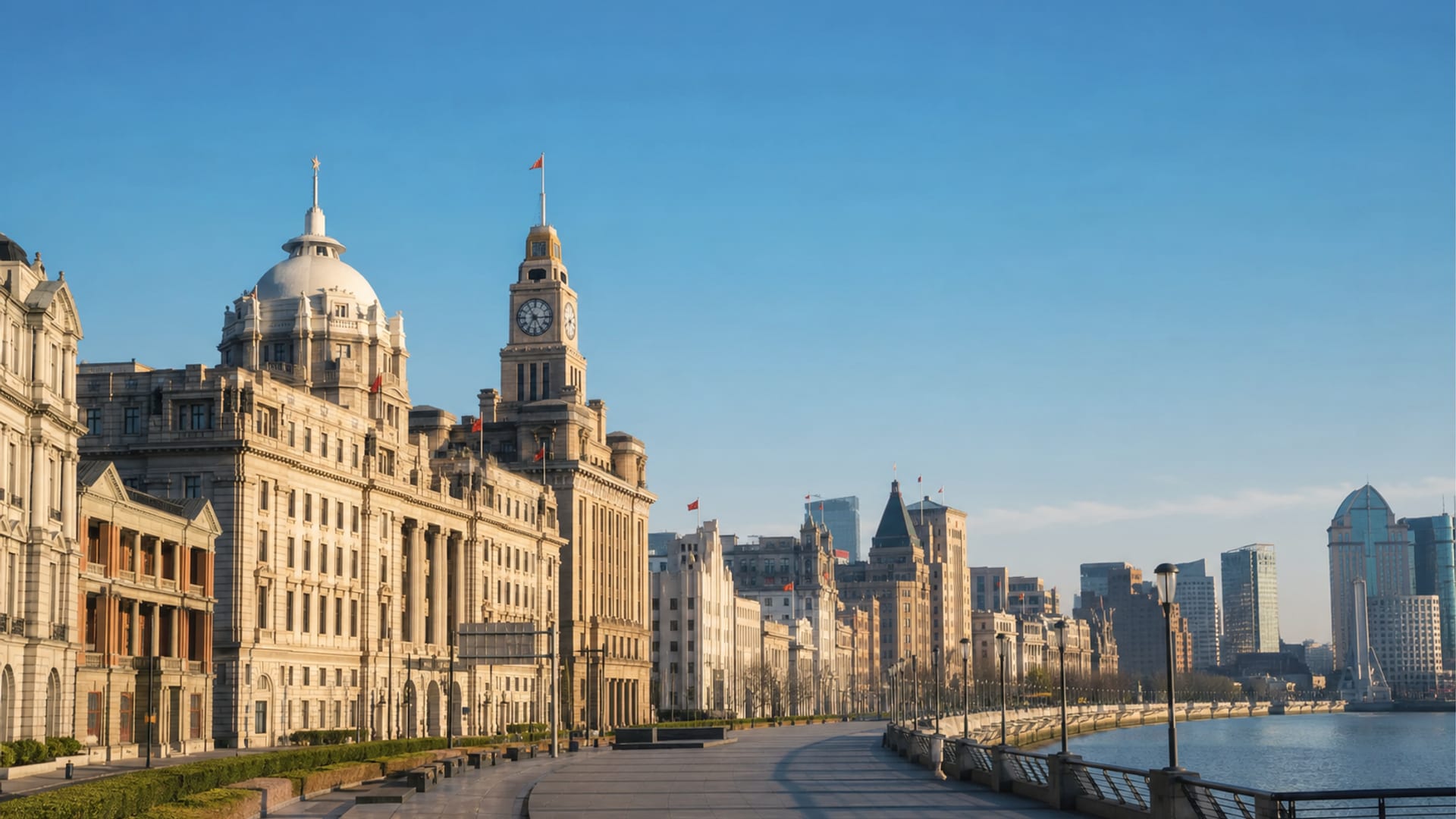
The Bund
Shanghai’s riverfront promenade lines up colonial-era banks, hotels, and clubs on the west bank of the Huangpu River. It gives clear views across to Pudong’s skyline, especially after dark, and the walk links directly to Nanjing Road.
Time needed: About 1 to 2 hours
Entry: Free to access
Tip: Come at sunset, then stay for the city lights once the riverfront is fully lit.
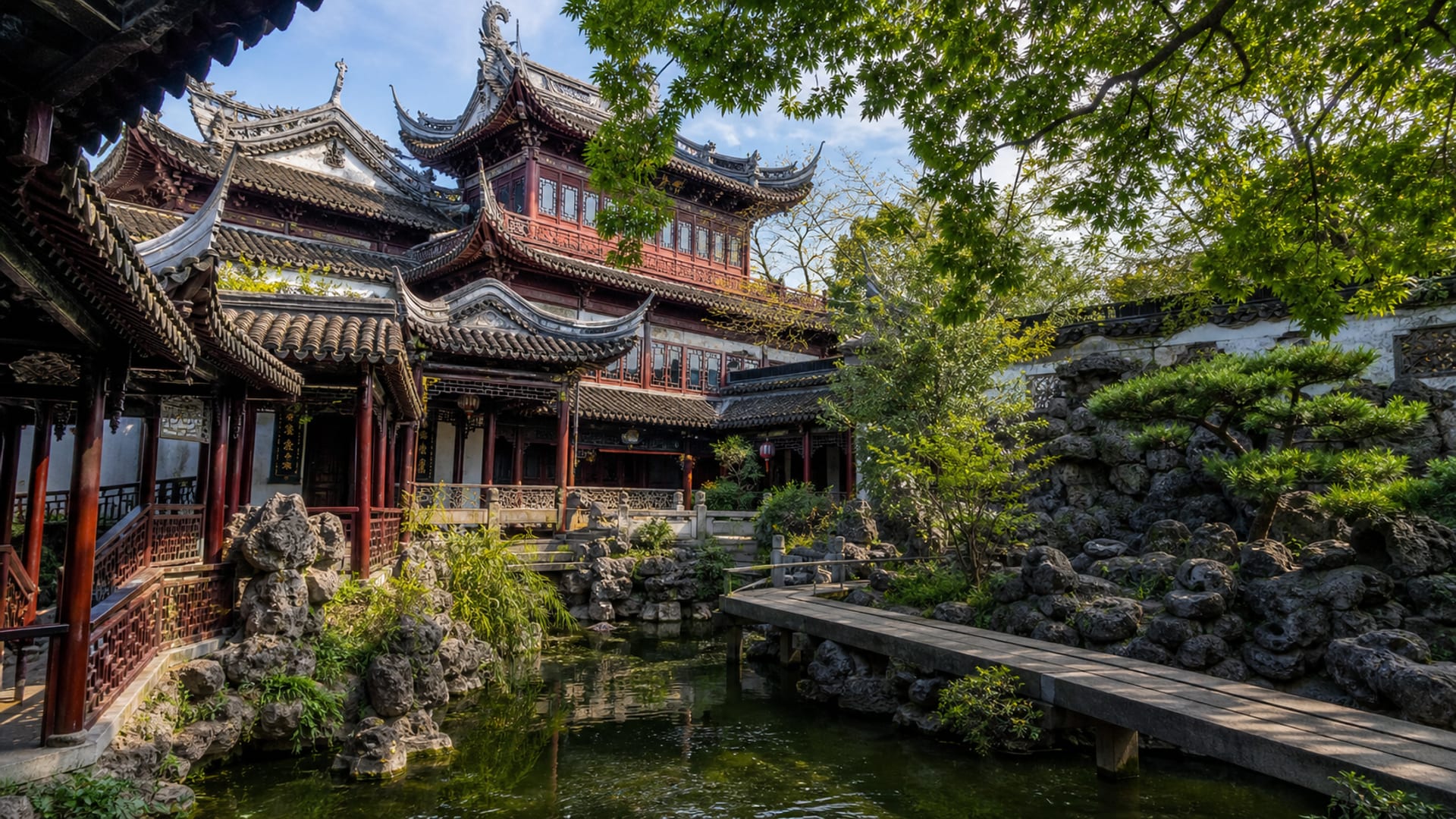
Yu Garden
Built in the Ming dynasty, Yu Garden packs rockeries, ponds, pavilions, and carved halls into a compact walled landscape south of the Bund. The adjoining bazaar adds temples, tea shops, and souvenir stalls in the old city center.
Time needed: About 2 hours
Entry: Standard admission costs $5 to $8 (¥36 to ¥40) Visit the official site for details.
Tip: Visit early in the morning to avoid the busiest tour groups and narrow lanes.
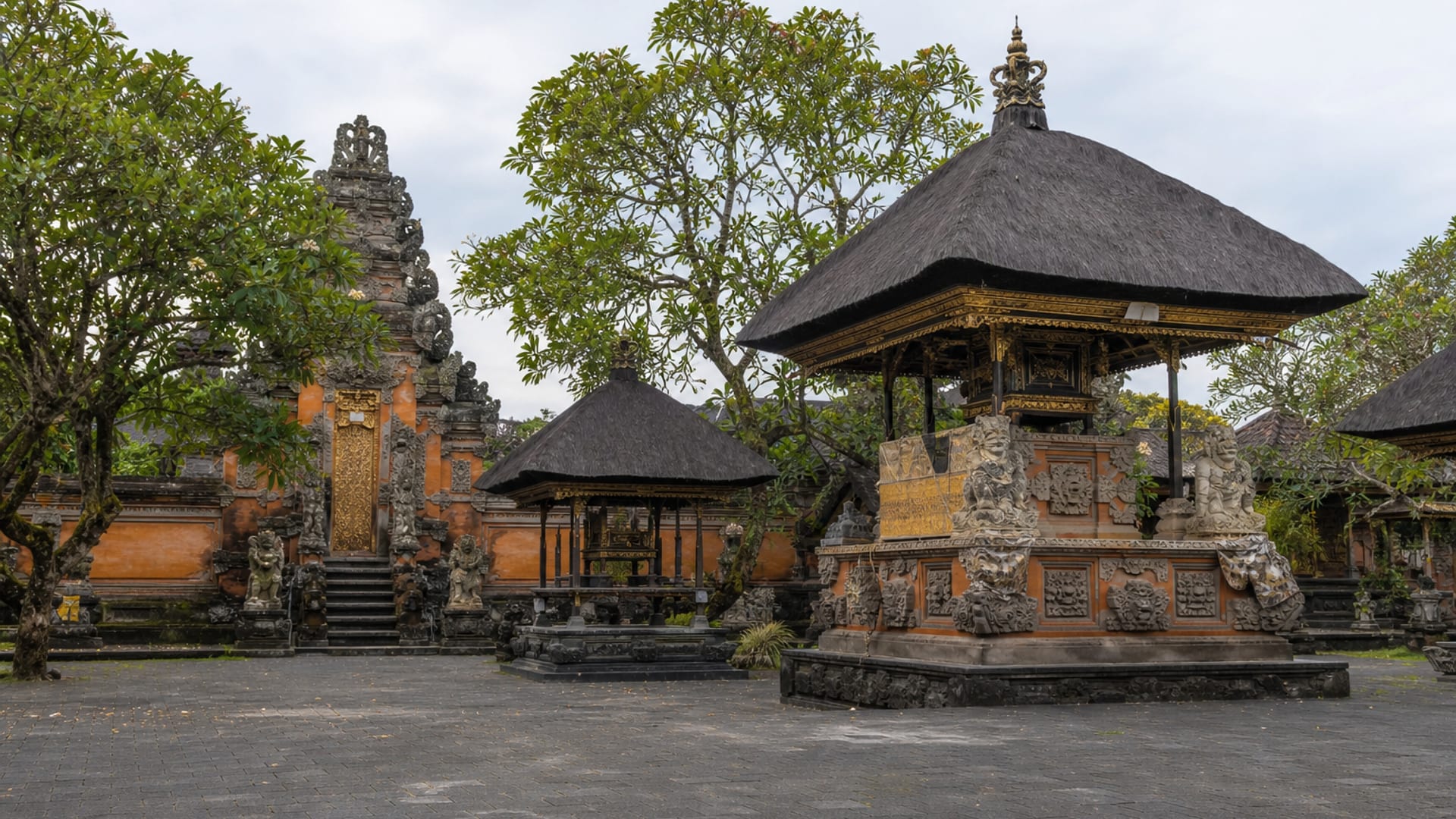
Shanghai Tower
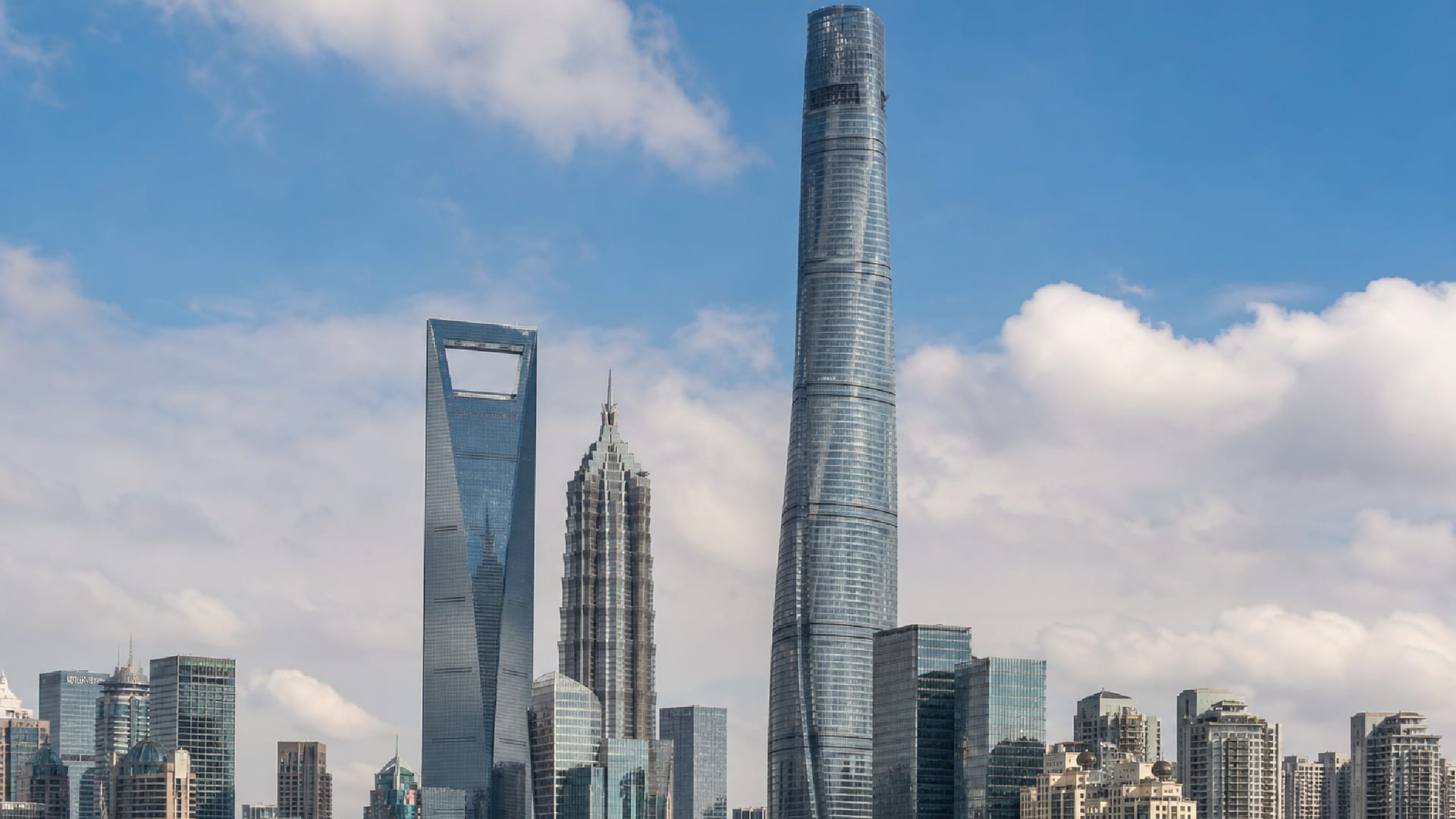
At 632 meters, Shanghai Tower is the city’s tallest building and the second tallest in the world. Its observation deck looks over Lujiazui, the Huangpu River, and the older skyline beyond, with fast elevators reaching the top in seconds.
Time needed: About 1 to 2 hours
Entry: Standard tickets cost $26 to $37 (¥180 to ¥258) Visit the official site for details.
Tip: Go on a clear evening, when the view extends farthest over the river and skyline.
Overlooked sites worth visiting

Kerry Center rooftop garden
This elevated garden sits above the Jing’an retail complex and gives open views of the Puxi skyline without a ticketed tower stop. Paths, plantings, and benches make it a quiet break between nearby museums and stores.
Time needed: About 45 minutes to 1 hour
Entry: Free to access; the rooftop garden is open during mall hours and does not require a separate admission ticket. Expect to pay only if you enter paid venues inside Kerry Center or order food at its cafes and restaurants.
Tip: Go near sunset for the clearest skyline light.

Tianshan Tea City
This compact market in Changning gathers dozens of tea vendors under one roof, from green tea to Pu’er and brewing ware. It suits travelers who want a local browse without committing to a long market outing.
Time needed: About 1 to 1.5 hours
Entry: Free to enter; tasting is usually complimentary at individual stalls, while packaged tea, teaware, and gifts are priced by vendor. Bring cash or a card, and set aside extra if you plan to compare several shops.
Tip: Visit on a weekday morning for the widest selection.
Traditional food
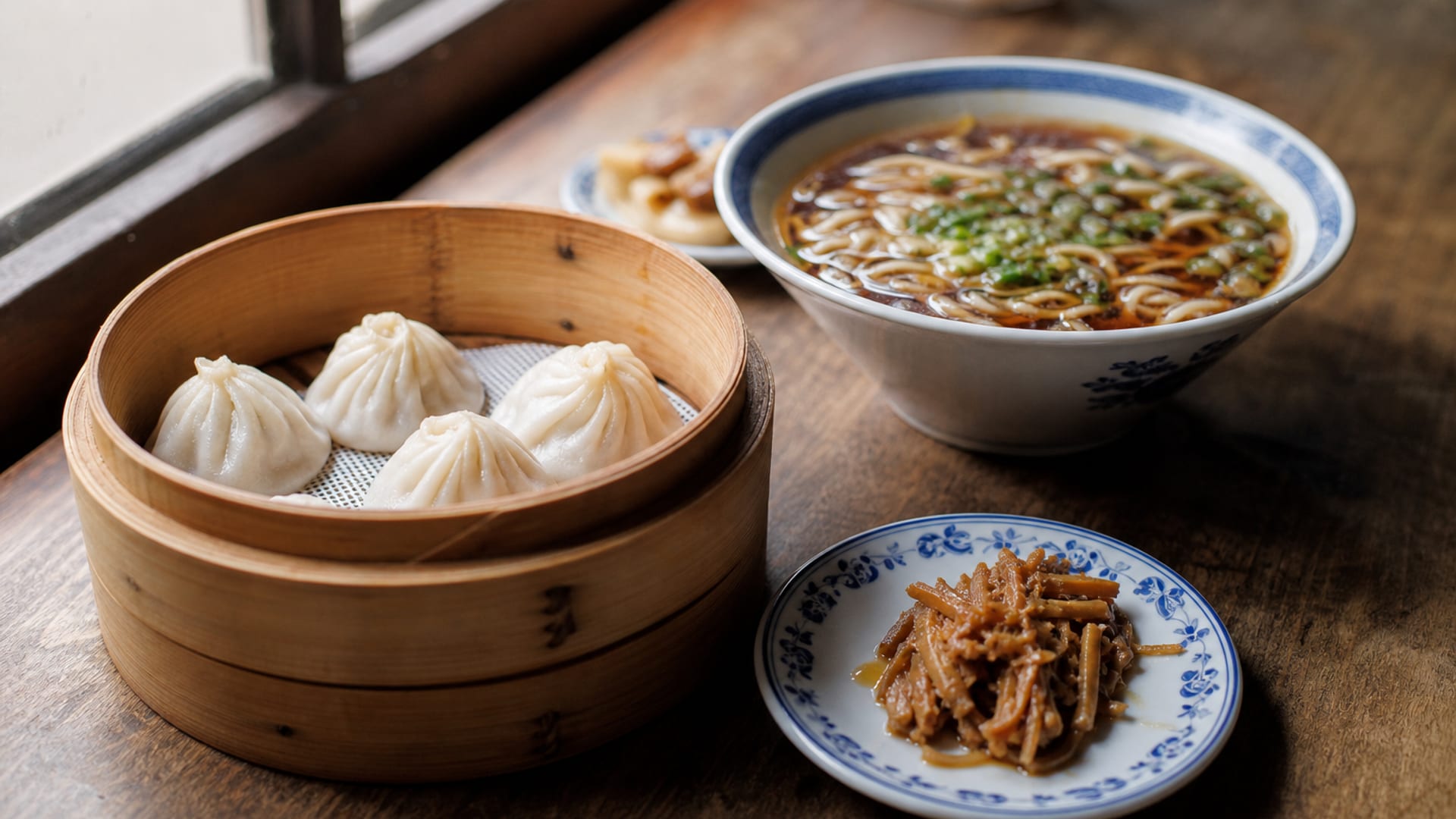
Shanghai cooking leans on soy, sugar, vinegar, and careful knife work, with soupy dumplings, crab, and pan-fried bites that reward a slow meal. Tea and small dishes fit the city’s dining hours, from breakfast through late dinners.
Xiaolongbao
These soup dumplings arrive in bamboo baskets with a thin wrapper and rich broth inside, so the first bite matters. Din Tai Fung in Shanghai is a dependable canonical stop for a polished version of the dish.
Shanghai hairy crab
This seasonal crab is prized for its roe and sweet meat, and it comes to the table with vinegar and ginger to balance the richness. Fu 1039 is one of Shanghai’s better-known places for a refined local crab meal.
Shengjianbao
These pan-fried buns have a crisp base, a juicy filling, and a sesame finish that makes them a classic breakfast or snack. Yang’s Fry-Dumpling is the city’s most familiar reference point for them.
Drunken chicken
Poached chicken is soaked with rice wine for a cool, fragrant dish that often shows up as a starter. Chenglonghang in Shanghai serves a well-regarded version that fits the city’s old-school home-cooking side.
Best time to visit Shanghai
Shanghai shifts with the seasons: spring and autumn bring the easiest weather for walking, while summer adds humidity and winter calls for indoor stops and warmer layers.
Best for: Walk the riverfront, gardens, and lane streets in mild weather
What you get: About 55°F to 75°F (13°C to 24°C), with manageable crowds outside holiday weeks
Trade-offs: Rain can interrupt long outdoor days
Best for: Plan museums, malls, and evening waterfront walks
What you get: About 77°F to 95°F (25°C to 35°C), with heavier crowds and humid air
Trade-offs: Heat and humidity can make midday sightseeing tiring
Best for: Visit for clear skies, skyline views, and long walking days
What you get: About 57°F to 77°F (14°C to 25°C), with strong demand at popular sights
Trade-offs: Golden-weather weekends draw the most visitors
Best for: Focus on food, towers, and indoor neighborhoods
What you get: About 34°F to 48°F (1°C to 9°C), with lighter crowds and a cold, damp feel
Trade-offs: Gray skies and chilly wind cut into riverside walks
A realistic 5-day plan in Shanghai
A good five-day Shanghai plan works best when each day has a clear base, so you are not crossing the city for every meal or landmark. The sequence below keeps the Bund, Yu Garden, Jing’an, Lujiazui, and a final tea-and-shopping day in a workable order.
Land at Shanghai (SHA), then take a taxi into The Bund or Jing’an, about 40 to 60 minutes depending on traffic and roughly $13 to $22. If you arrive near rush hour, the metro can be slower with transfers, so a direct cab is worth the extra fare after a long flight. Check into a hotel near the riverfront or a metro station, drink plenty of water, and keep dinner simple with soup dumplings or noodles in Jing’an, where late eateries are easy to find without crossing the city again.
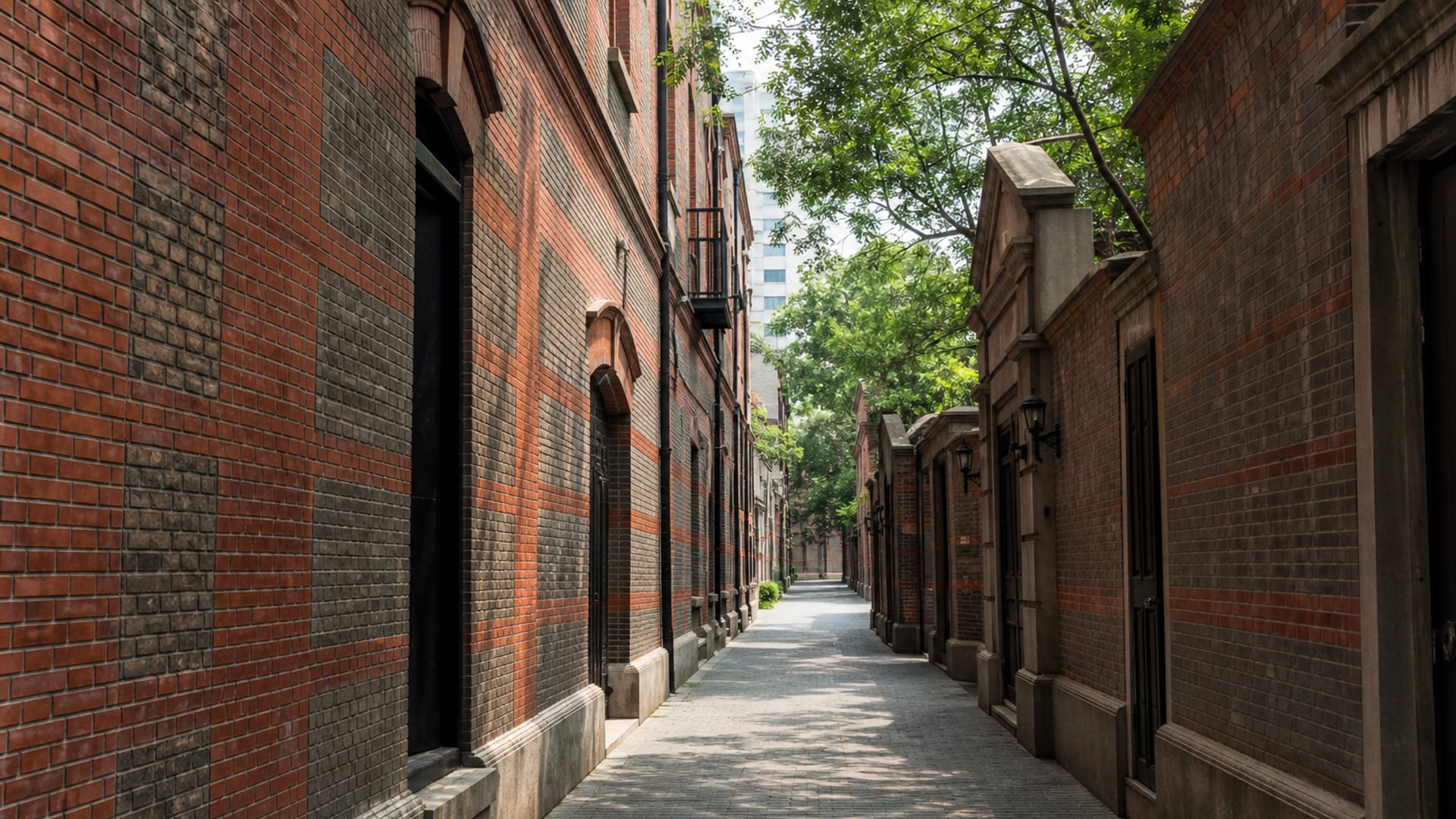
Start early at Yu Garden, where the narrow lanes are quieter before tour groups build, then walk about 10 minutes to the Yu Garden bazaar for tea shops and a quick look at the old city. From there, ride a taxi about 15 minutes to The Bund for the afternoon, then stay through sunset and the first hour of city lights. If you want a final stop before dinner, walk the promenade toward Nanjing Road, which connects directly from the waterfront and gives you an easy return to your hotel.
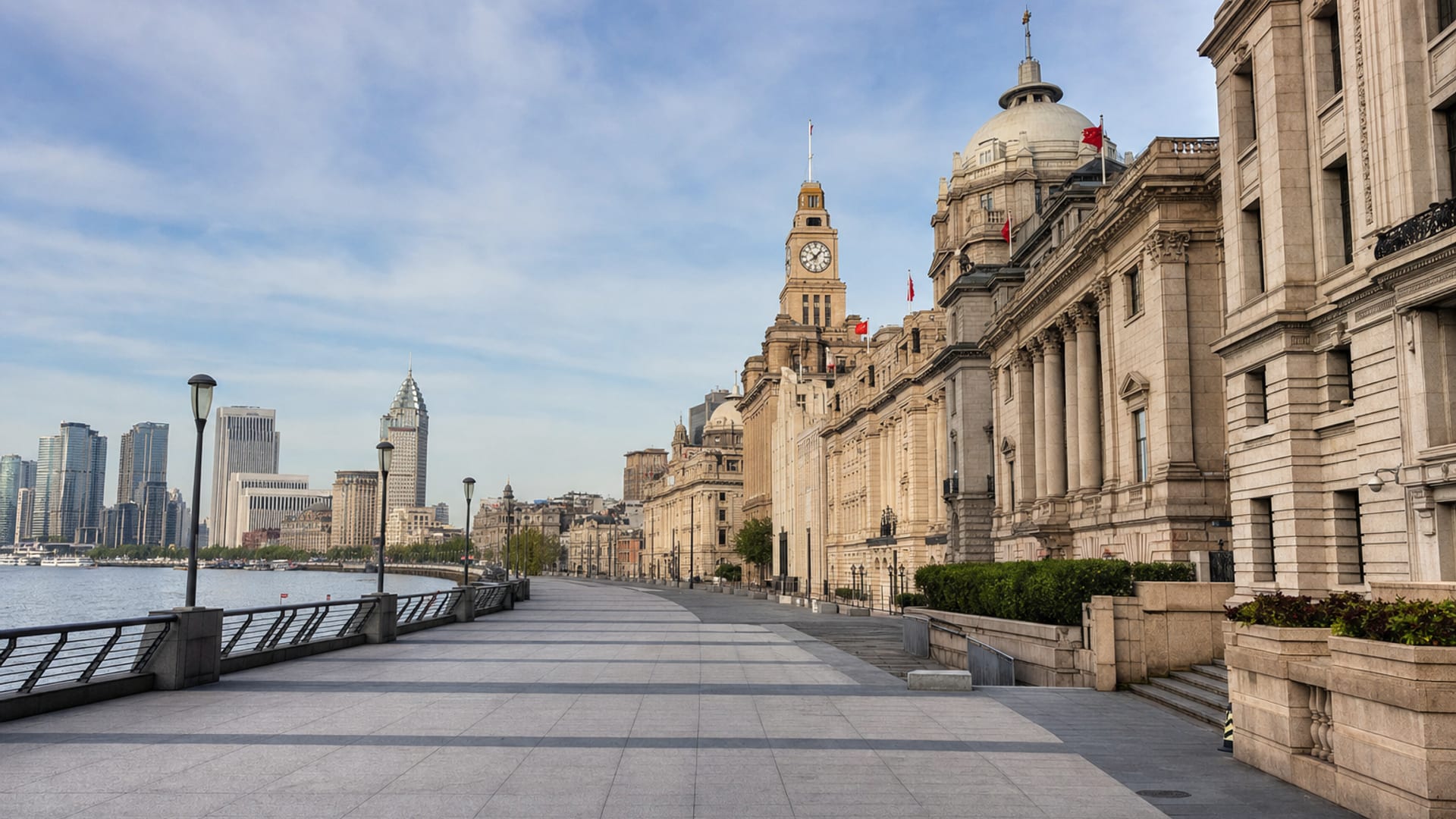
Jing’an makes a good base for a tower-and-garden day: begin at the Kerry Center rooftop garden, then spend about 45 minutes to 1 hour there for open skyline views without a ticket. Walk or take a short taxi ride, about 10 minutes, to Jing’an Temple for a look at one of the city’s best-known central landmarks, then continue to nearby cafes or shops for lunch. In the evening, stay in the district for dinner, since the restaurant streets and mall areas stay active after office hours and keep transit simple.
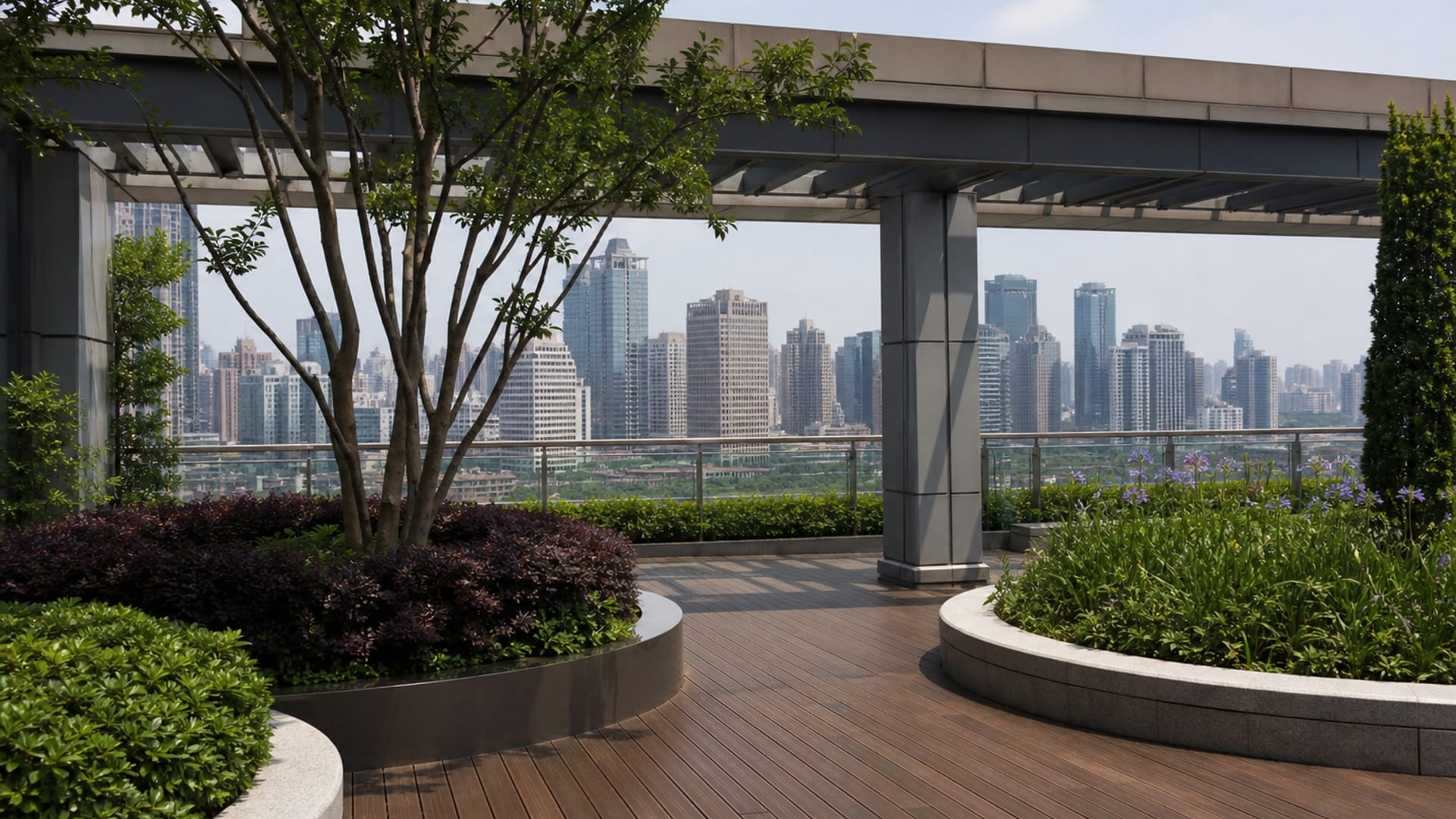
Head to Lujiazui for Shanghai Tower first, ideally when the weather is clear, since the observation deck gives the broadest high-level view over the Huangpu and across to the older riverfront. After about 1 to 2 hours there, walk about 15 minutes to the Oriental Pearl Tower area for a different angle on Pudong’s skyline, then end along the riverfront viewpoints nearby. If you want a quieter finish, return to the district after dark and watch the towers light up from ground level rather than trying to cross back and forth late at night.
Before you pack, spend the morning at Tianshan Tea City, where you can browse tea stalls, compare Pu’er and green teas, and leave with small gifts that fit easily in a suitcase. Then move to the French Concession for lunch or coffee on a plane-tree street, where independent cafes and boutique shops give you one last neighborhood walk without a long cross-city ride. If your flight is late, add a final sweep through Jing’an’s malls or the Bund’s riverfront stores, then head back for your bags and a direct taxi to Shanghai (SHA).
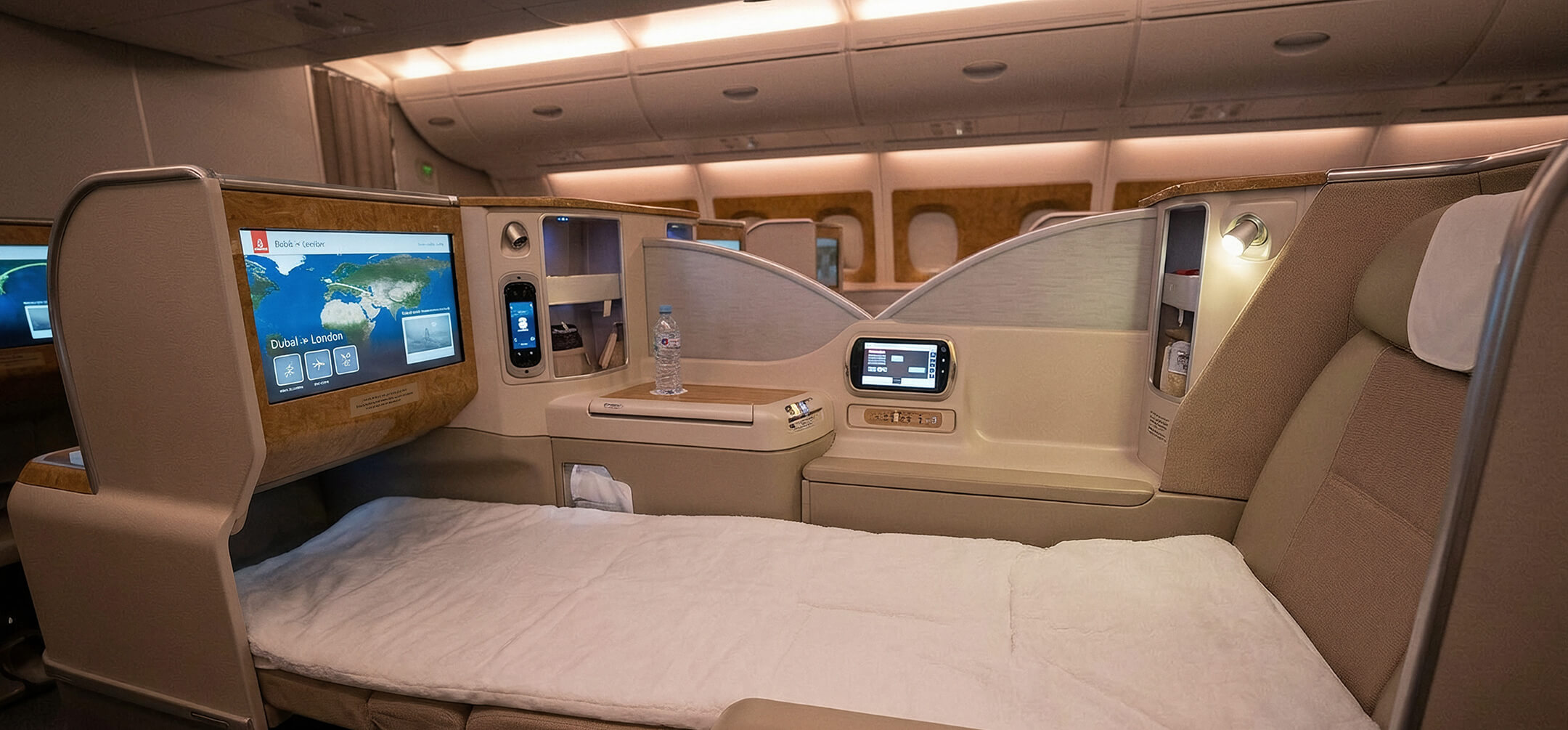
Business-class flights from the US to Shanghai
From New York and Los Angeles, Shanghai usually shows up as a long-haul, one-stop trip unless you catch a nonstop on the right dates. The route mix matters, because the best fare often depends on whether you accept a layover in Asia.
Air China, China Eastern Airlines, Cathay Pacific, Korean Air, and ANA all appear on New York itineraries, with nonstop flying time usually about 15 to 16 hours when you find it. If you are open to a stop, common connections via HKG, ICN, or NRT can bring the fare down, and those itineraries generally take 18 to 24 hours overall. Business fares usually start from $5,000, with nonstop itineraries often landing between $6,000 and $9,500 round-trip.
Los Angeles travelers can usually choose among Delta Air Lines, China Eastern Airlines, Air China, Cathay Pacific, and ANA, and nonstop flights run about 13 to 14 hours. Round-trip fares usually run from $4,500 to $8,500 on nonstop flights, with the lowest published tickets often closer to the upper end of that band. One-stop options via HKG, ICN, or NRT can price lower when nonstop inventory tightens.
Shanghai feels different when you slow down
A deliberate Shanghai trip gives each district its own job: the Bund for sunset, Yu Garden for early calm, Jing’an for meals and metro access, and Lujiazui for the high view across the Huangpu. Taxis make the airport legs easier, while the Metro keeps the middle of the trip moving without guesswork. If you want help shaping those pieces into one clean plan, the AranGrant experts can build it around the neighborhoods you care about most