

Chapters:

Need help with your trip?
Our support team is available 24/7. Request a callback or call us directly at (833) 619-0908
Sevilla rewards trips that begin early and stay compact. Many visitors still try to cover the cathedral, the Alcázar, and Plaza de España in one sweep, then discover that lunch hours, queue times, and summer heat reshape the day.
That approach often leaves little room for the narrower streets, the riverfront, or the quieter sites outside the center. Distances are short on a map, yet they still add up once you move between monuments, taxis, and meals.
This guide keeps the pace measured. It groups sights by neighborhood, builds in the long midday break, and leaves space for one day trip and one museum stop, so each day has a clear purpose.
Useful things to know

Main language(s): Spanish
hola (OH-lah) – hello
por favor (por fah-VOR) – please
gracias (GRAH-see-ahs) – thank you
¿Habla inglés? (AH-blah een-GLAYS) – Do you speak English?
¿Cuánto cuesta? (KWAN-toh KWEHS-tah) – How much does it cost?

Currency: The local currency is the euro (EUR, €).

Cash and cards: Cards and contactless are widely accepted; carry about €20 to €40 ($22 to $44) in cash for small purchases.

Tipping: Round up small bills; leave 5-10% in restaurants if service is good.

Traditional food: jamón ibérico, gazpacho, salmorejo, espinacas con garbanzos

Water and coffee costs: Water about €1.50 ($2), bar espresso about €1.50 to €2 ($2 to $2.20).

Taxis and ride apps: Uber and Bolt operate here; Free Now may also be available.

Plug and voltage: Type C/F socket, 230V

Dining and shop opening hours: Breakfast runs about 08:00-10:30, lunch 14:00-16:00, and dinner 21:00-23:30. Many kitchens close between lunch and dinner.

Emergency number: 112 for police, fire, and medical emergencies.
Where to stay in Sevilla
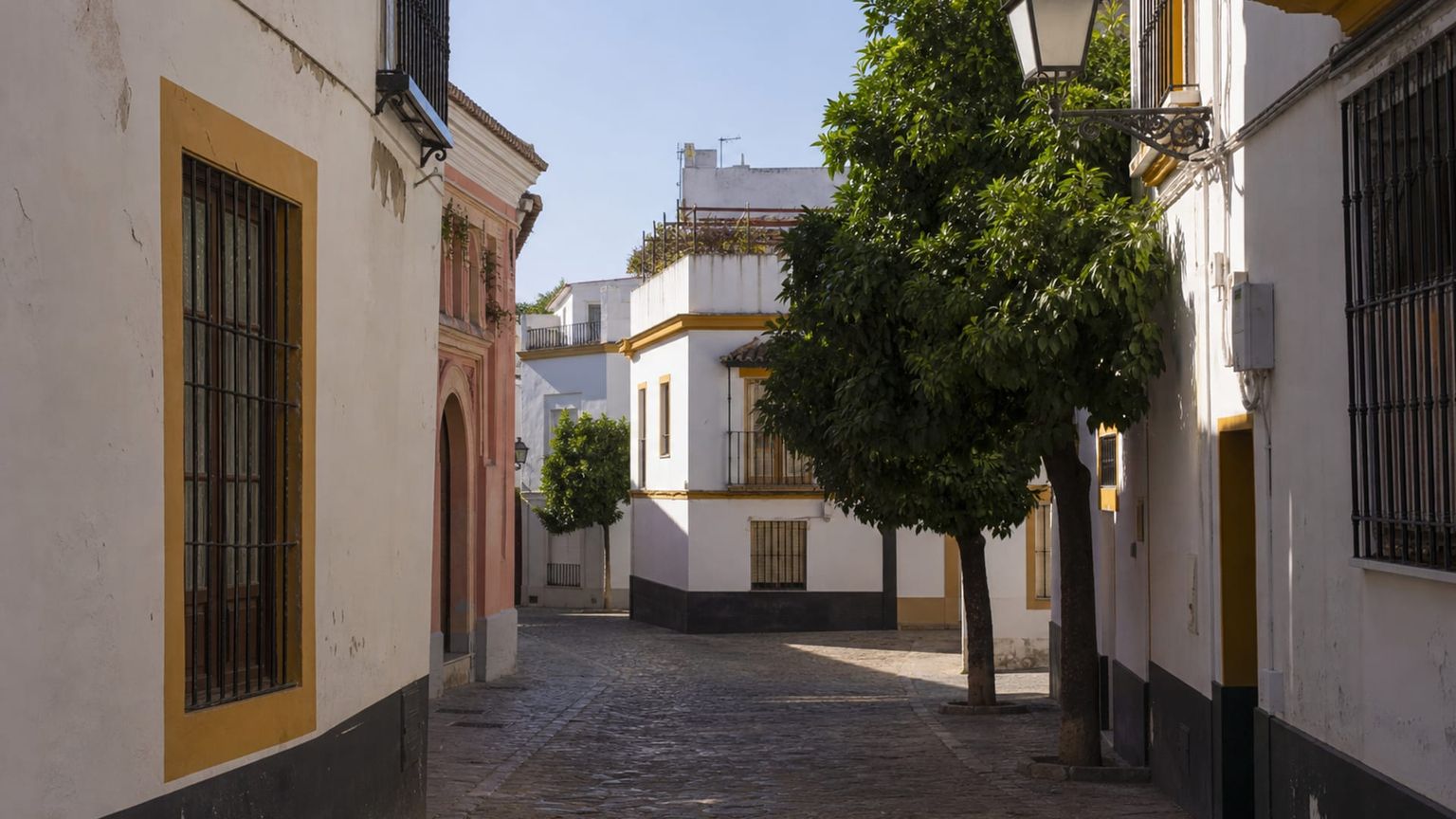
Sevilla’s former Jewish quarter is a maze of narrow lanes, tiny plazas, and whitewashed houses just east of the cathedral. It puts you within an easy walk of the city’s biggest sights and some of its most photographed streets.
Best for: First-time visits, monument hopping, and short stays centered on the historic core
What to expect: Expect constant foot traffic by day, especially near the cathedral and Alcázar, with quieter side streets a few blocks off the main paths.
Hotel prices: Usually about 180€ to 320€ (~$196 to ~$349) per night for well-rated stays
Distance to major sights: 5 to 10 minutes on foot to the Cathedral and the Royal Alcázar
Quietness: Busy and lively in the daytime, then much calmer late at night once the sightseeing crowds thin out.
Main trade-off: Its most attractive streets are also the busiest, and many rooms sit in older buildings with smaller layouts.
Good to know: Taxis and rideshares may need to stop at the edge of the narrowest lanes, so check your exact drop-off point before arrival.
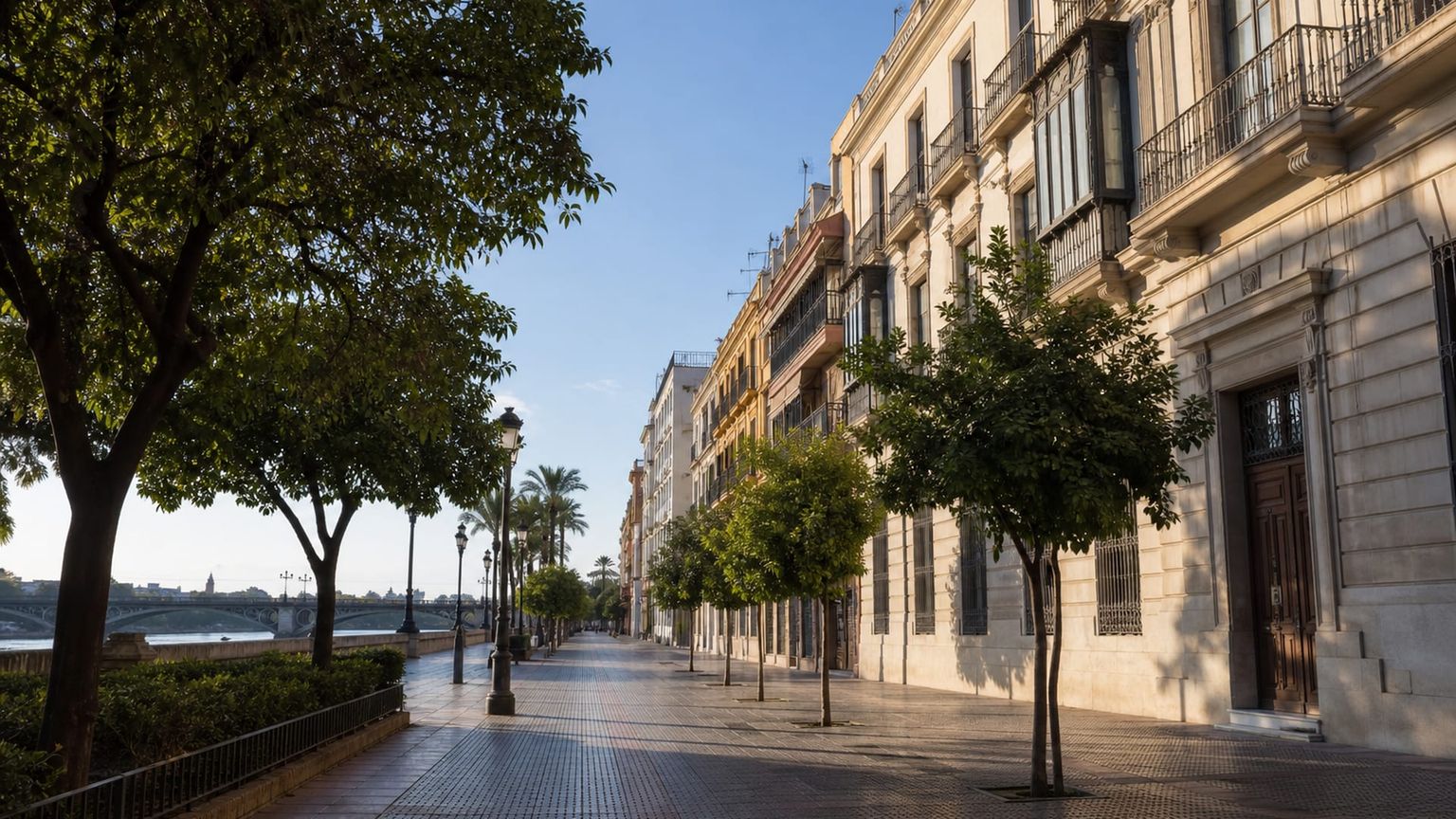
Arenal sits between the cathedral and the river, with tapas bars, theaters, and classic hotel stock in a compact central area. It works well if you want an old-city base with easy access to the riverfront and major landmarks.
Best for: Central sightseeing, evening dining, and travelers who want quick access to both the old town and the river
What to expect: Street life stays active into the evening, with restaurant terraces, theatergoers, and steady pedestrian movement along the main streets.
Hotel prices: Usually about 160€ to 280€ (~$174 to ~$305) per night for well-rated stays
Distance to major sights: 5 to 12 minutes on foot to the Cathedral and about 10 minutes on foot to the Torre del Oro
Quietness: Lively through dinner and the early evening, then noticeably quieter once restaurants close.
Main trade-off: You gain excellent central access, but the best-located hotels often price higher than nearby residential streets.
Good to know: If you plan late dinners, choose a room away from the main bar streets to reduce street noise after midnight.
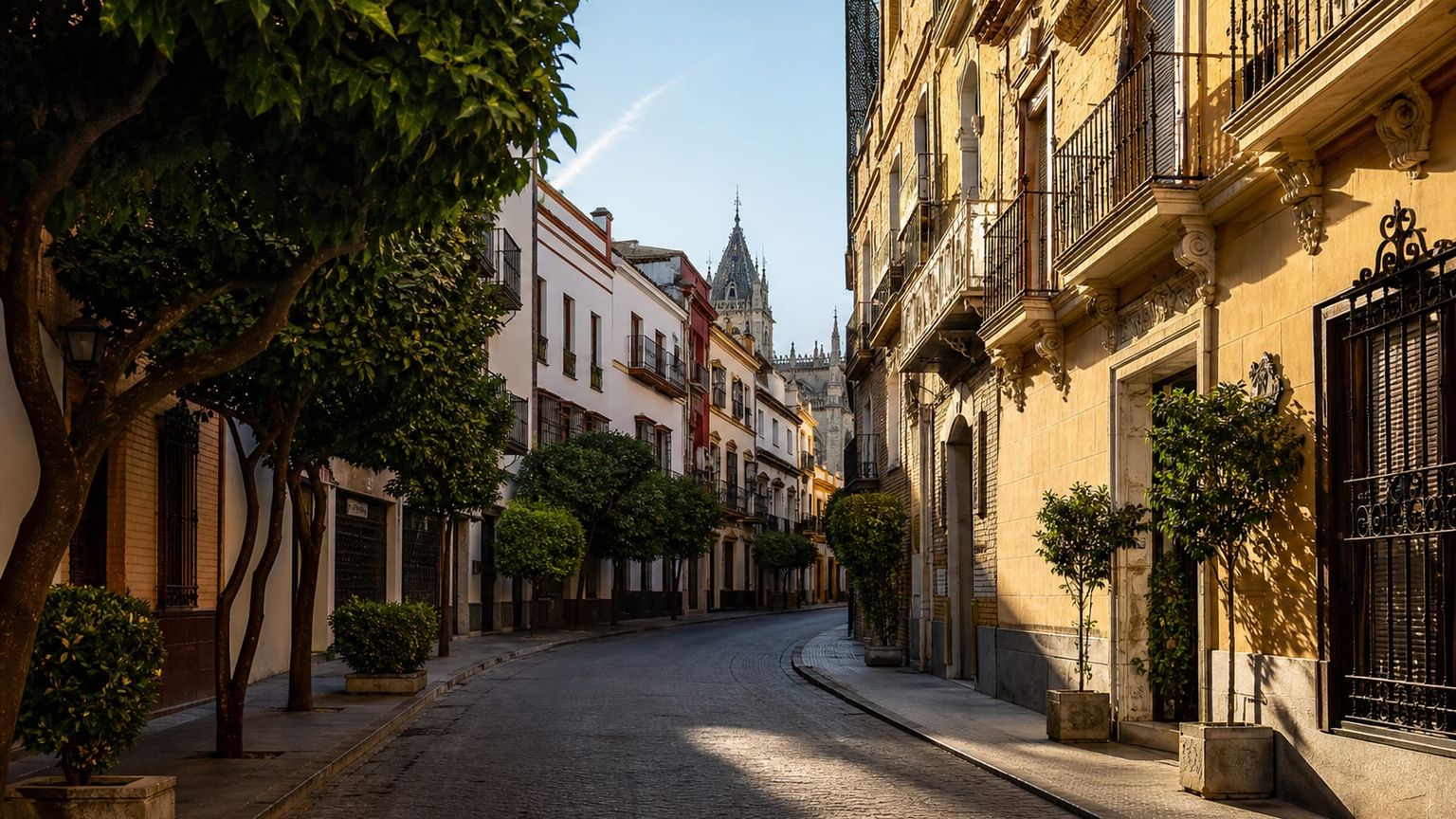
The Centro district covers the shopping streets and grand plazas north of the historic core, including areas around Sierpes and Encarnación. It suits travelers who want a full range of restaurants, stores, and transit without giving up an easy walk into the old city.
Best for: Shopping, dining variety, and visitors who want a central base with more everyday city activity
What to expect: Expect busy sidewalks, heavy retail foot traffic, and a mix of locals and visitors from morning until early evening.
Hotel prices: Usually about 140€ to 250€ (~$152 to ~$273) per night for well-rated stays
Distance to major sights: 10 to 15 minutes on foot to the Cathedral and about 8 minutes on foot to Metropol Parasol
Quietness: Busier in the day than at night, with some streets getting calm after shops close.
Main trade-off: You trade postcard-old-town atmosphere for a slightly more commercial setting and a longer walk to the river.
Good to know: This is a better choice if you want easier access to tram and bus connections than the tighter lanes of the historic quarter.
Travelers usually avoid staying in La Cartuja, because it sits away from the main sightline of the historic center and has fewer visitor-oriented amenities after office hours. They also tend to skip parts of Sevilla Este and the airport corridor near Sevilla (SVQ), since both are far from the cathedral area and depend on longer evening trips by bus or taxi; some outer stretches of Triana and Los Remedios can also be less convenient if you want to walk to the main monuments.
Hotel deals
How to get around Sevilla efficiently
Sevilla has no metro link from the airport, so most visitors switch between walking, the EA bus, taxis, and occasional ride-hailing once they are in town.

Metro
for longer distances
Sevilla has no metro connection at Seville Airport, so visitors usually switch to city buses or taxis. The closest rail option is the city’s suburban rail network, but it does not serve the airport; from the center, the bus is typically the simpler public-transit choice for reaching Santa Justa or the historic core.

Bus and tram
for convenience
EA airport bus links Seville Airport with Santa Justa and the downtown area, usually in about 35 to 45 minutes, depending on traffic. A single ride costs about $6.50 (€6), and tickets are valid only for that trip. In the city, TUSSAM buses cover most central neighborhoods, while the tram mainly serves the old center; both are best for short hops once you are in town.

Taxi
for convenience or late hours
Licensed taxis queue outside the terminal, and Sevilla uses metered fares rather than airport flat rates. Expect about $24 to $36 (€22 to €33) for the airport to the center in normal traffic, with late-night, weekend, and luggage supplements pushing the total higher. Most cabs accept cards, though cash still works well, and you can also book through the local taxi dispatcher if the rank is busy.
*Prices are based on rates updated as of June 2026 and may change at the time of travel.
Walk for the historic core, use the EA bus for airport transfers and simple cross-town rides, and choose a taxi or ride-hailing app when you are crossing to Santiponce or arriving late.
Iconic landmarks
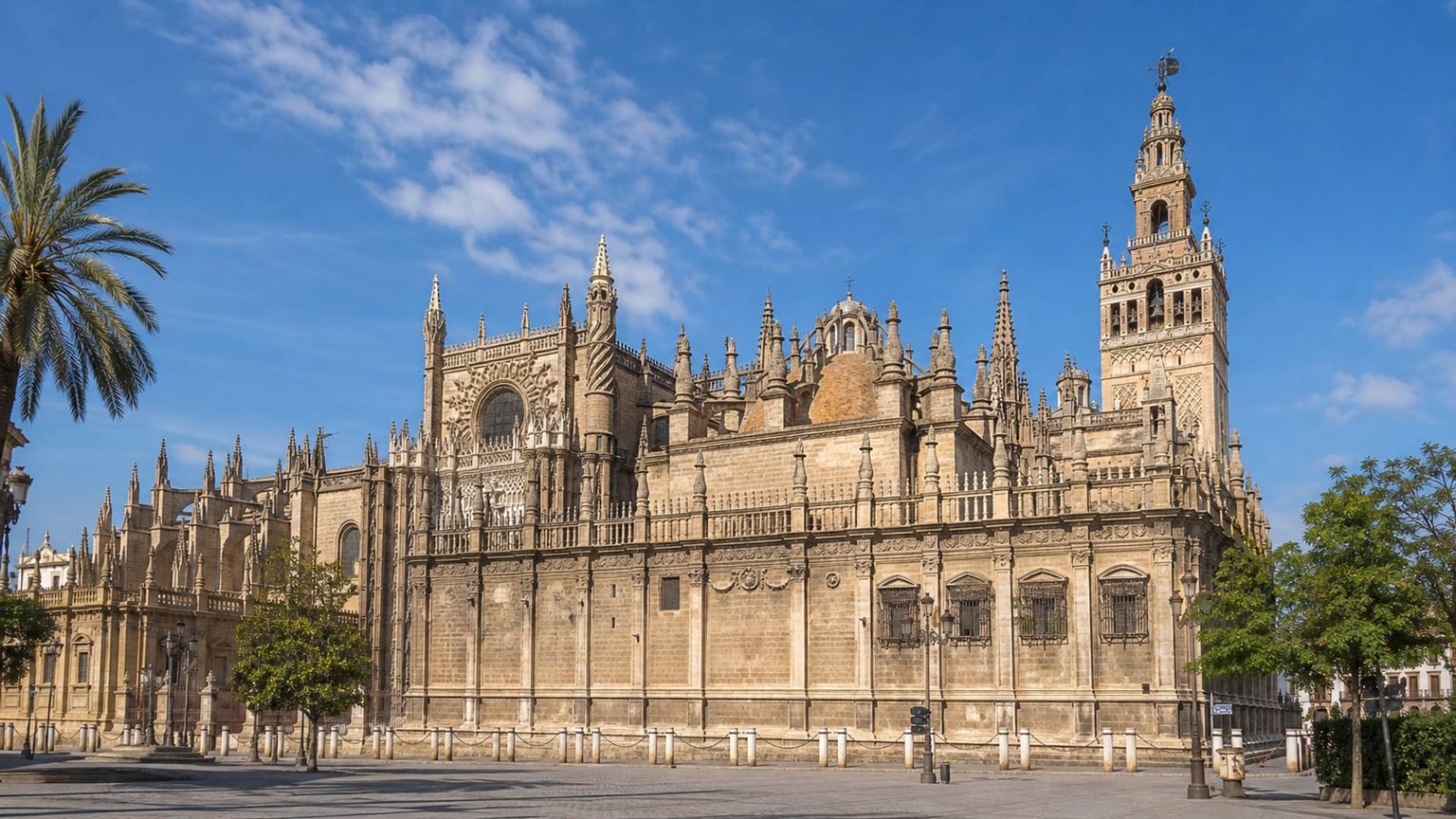
Seville Cathedral
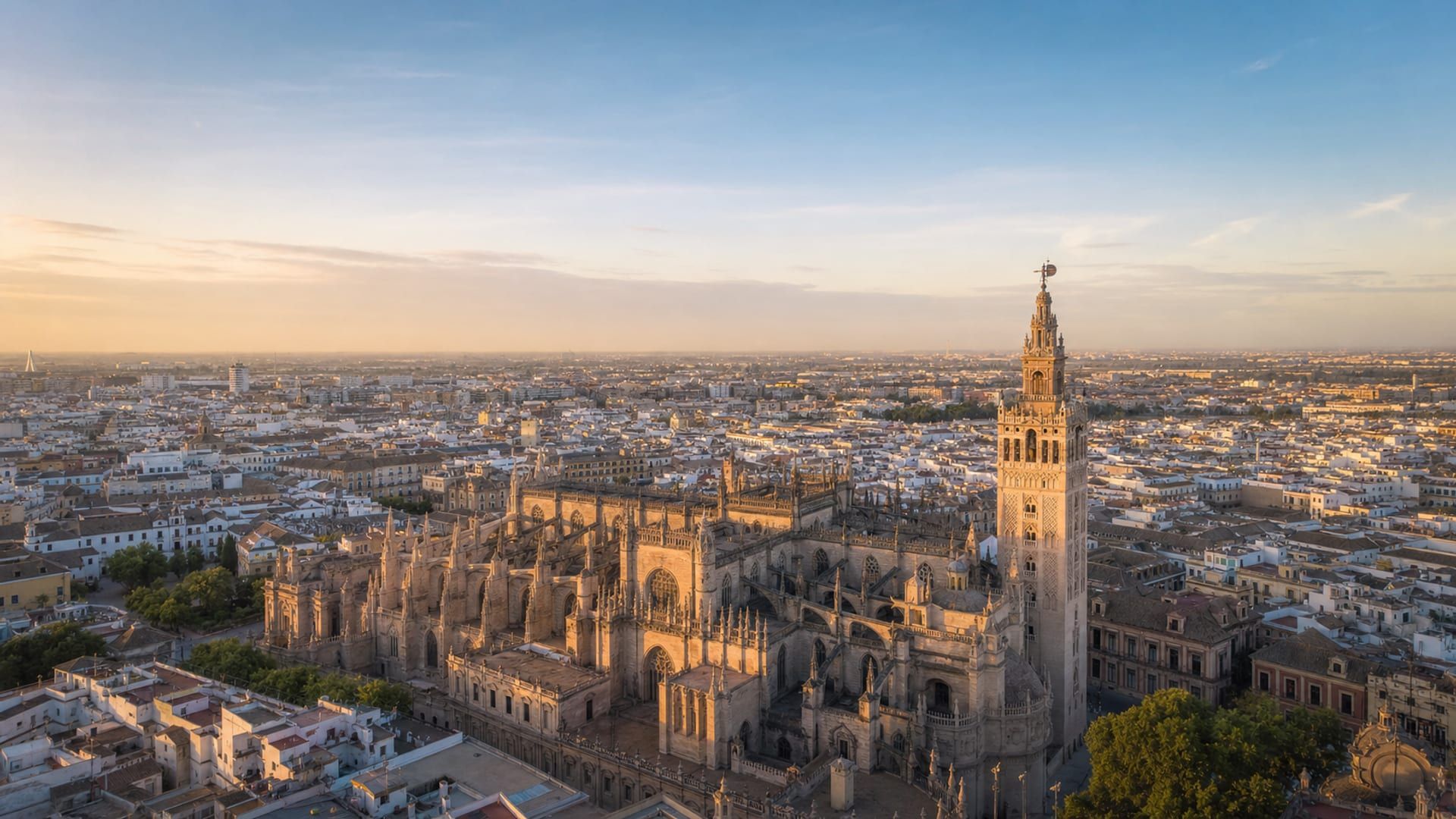
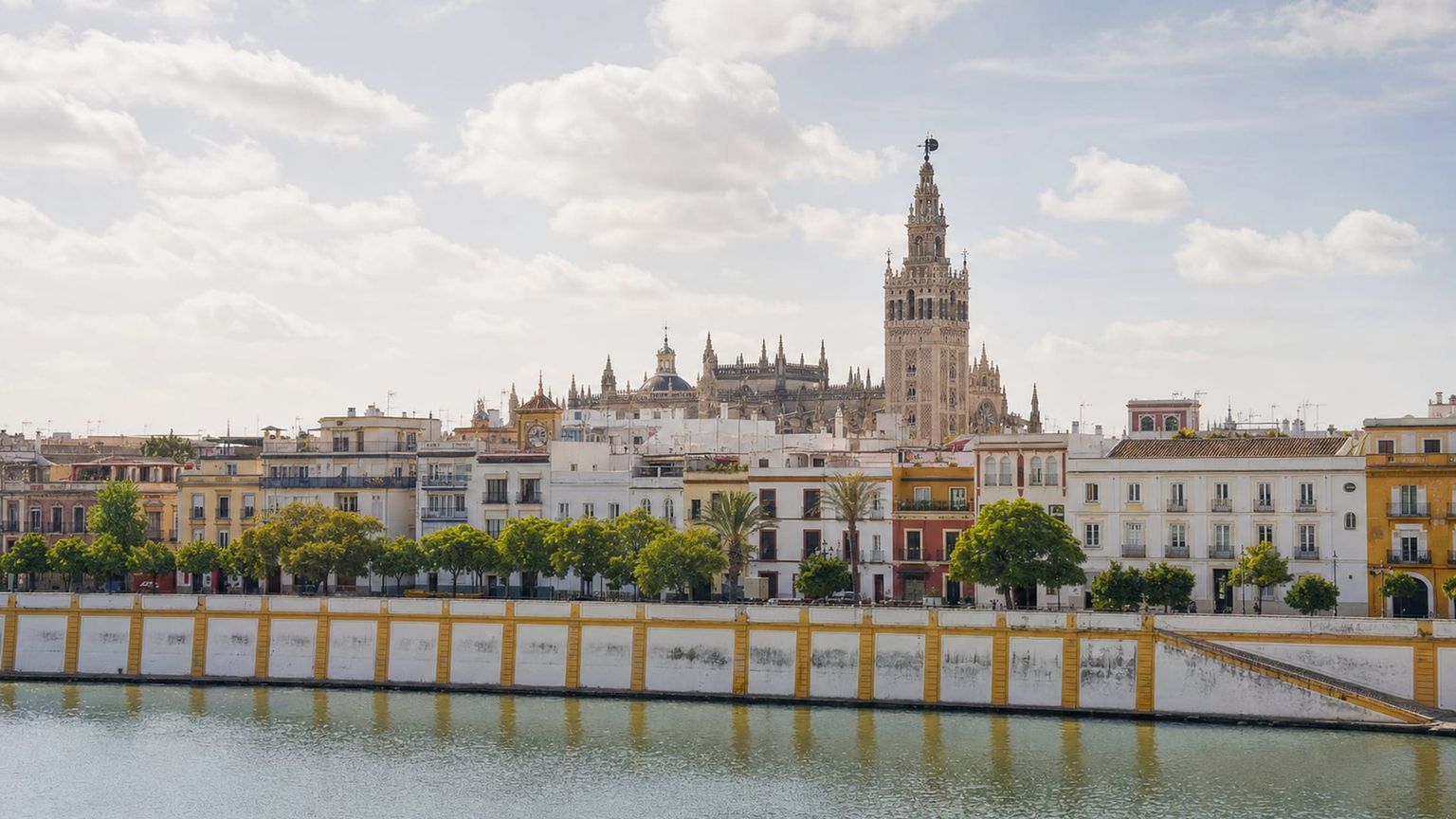
The largest Gothic cathedral in the world anchors the city center and holds Christopher Columbus’s tomb, the main altarpiece, and a climbable bell tower. Its scale and layered history make it one of Sevilla’s essential stops.
Time needed: About 2 to 3 hours
Entry: Standard tickets cost $12 ($12) to $18 ($18), depending on access to the cathedral, tower climb, and audio guide options. Visit the official site for details.
Tip: Go early, because tower queues grow later and the upper galleries get crowded fast.
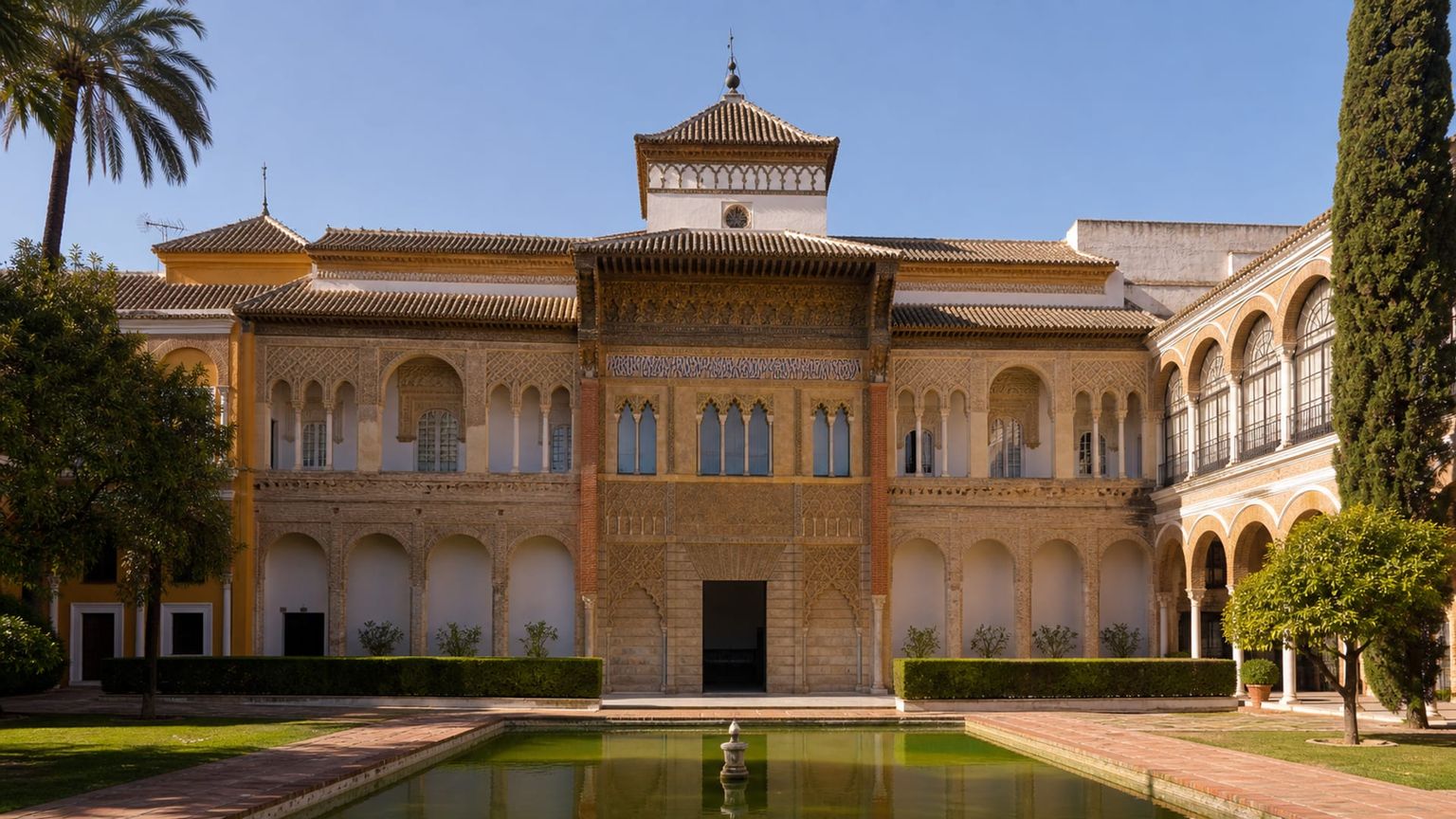
Real Alcázar of Seville
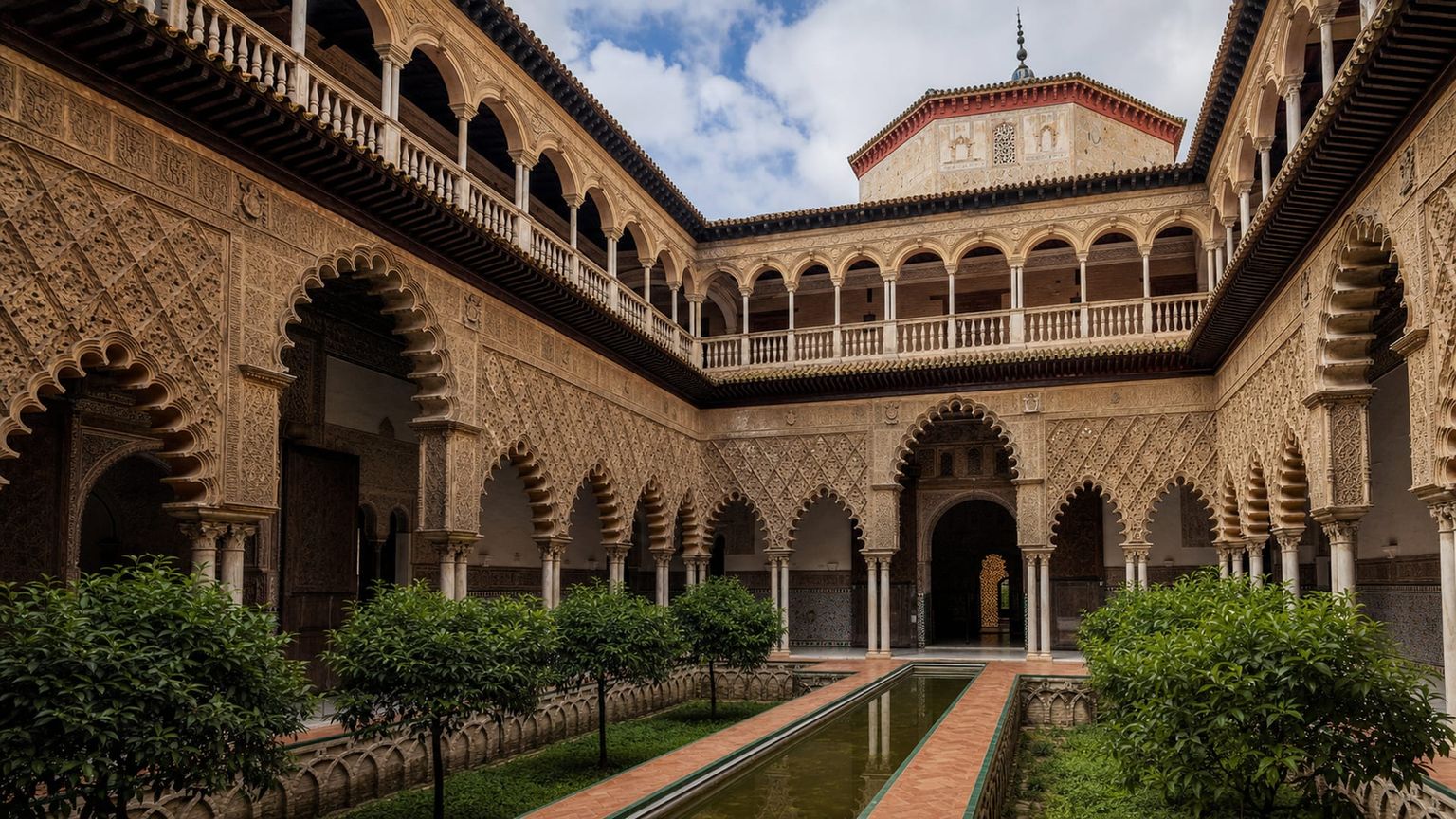
This royal palace combines Mudéjar halls, carved courtyards, and formal gardens behind fortified walls. The site still serves royal functions, and its detailed tilework and shaded pools reward a slow circuit.
Time needed: About 2 to 3 hours
Entry: Standard tickets cost $15 ($15) to $20 ($20), with higher prices for guided visits, special rooms, or evening access. Visit the official site for details.
Tip: Visit at opening time, when the patios are quieter and garden paths are cooler.
Plaza de España
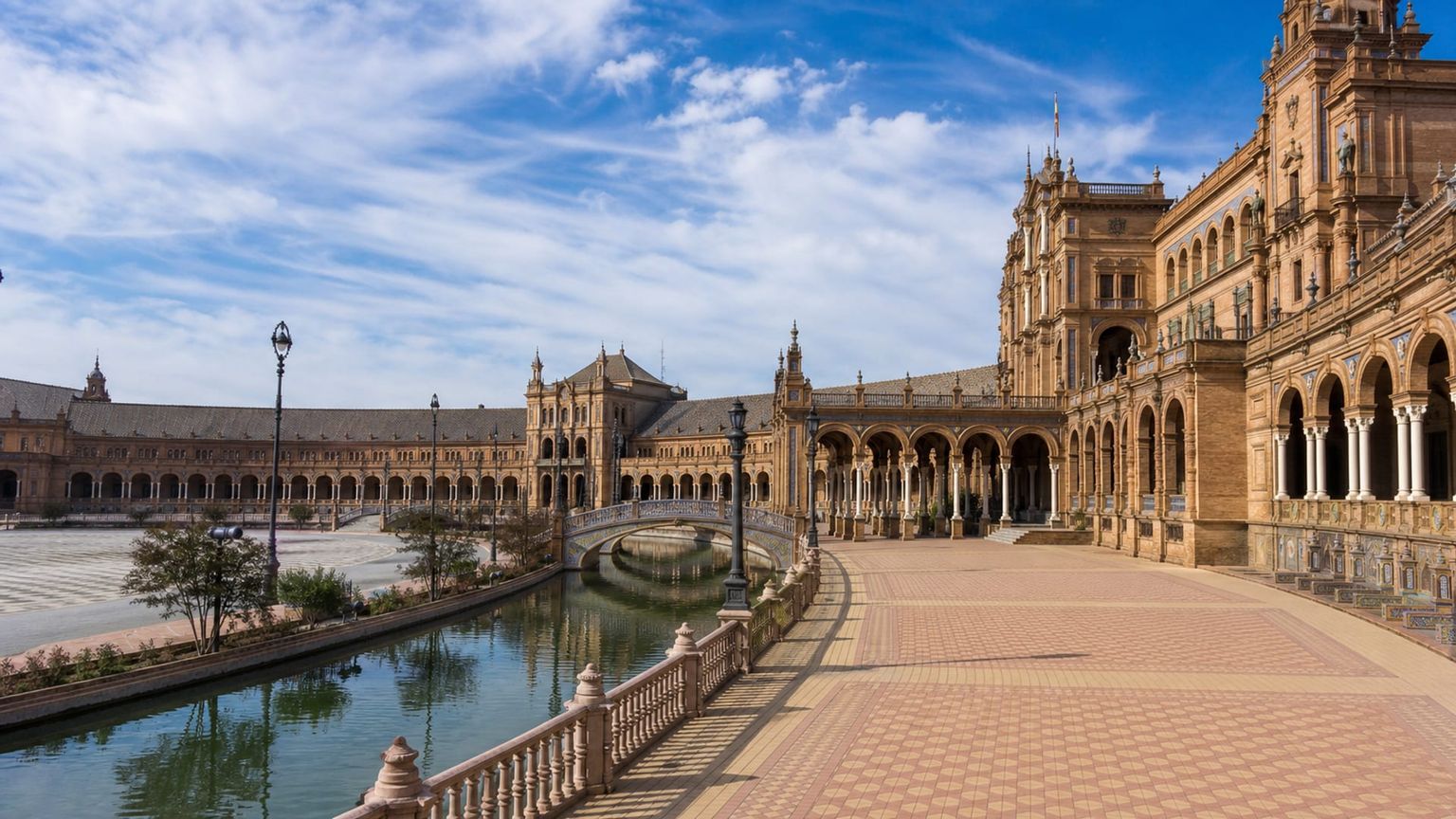
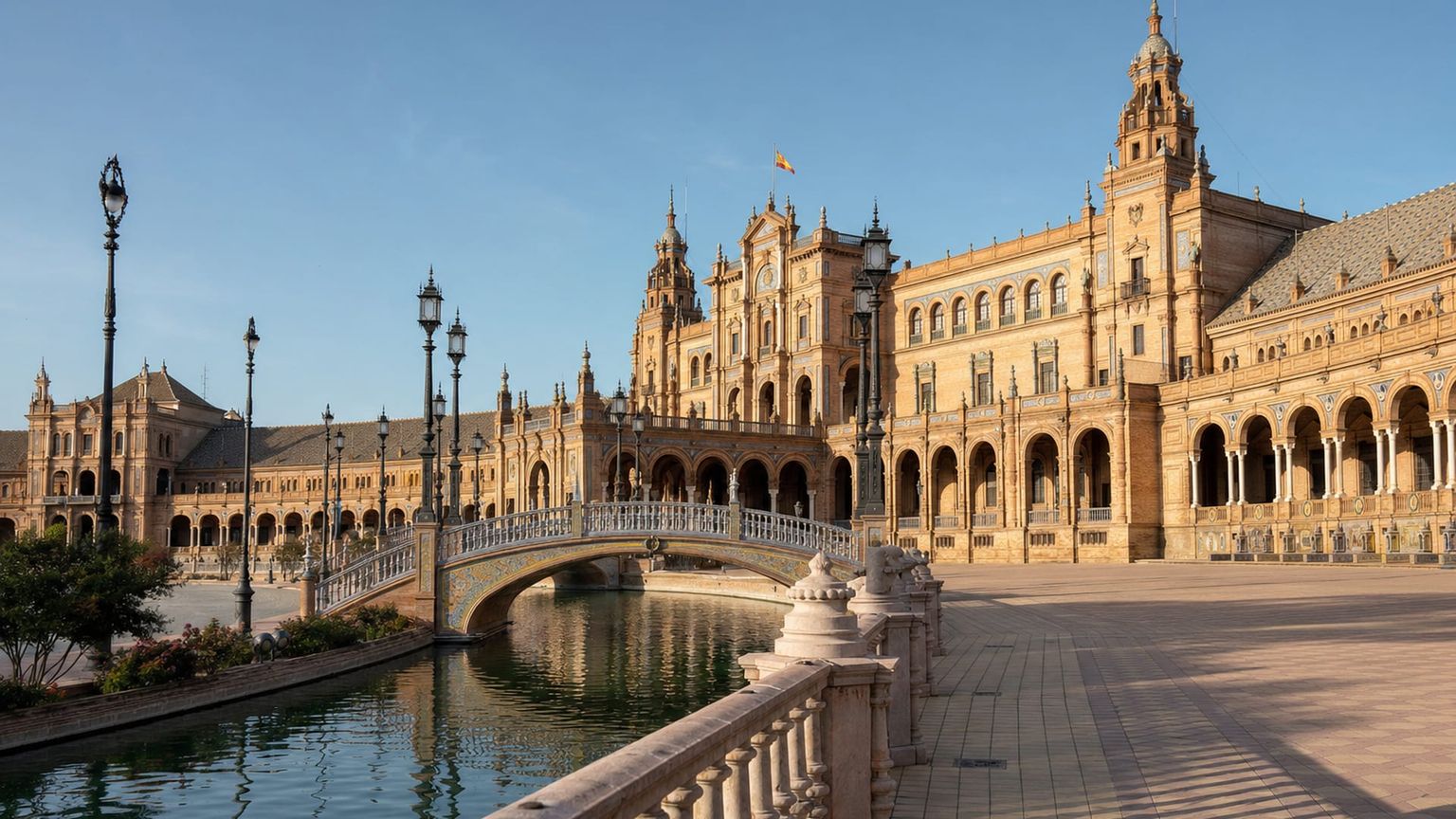
Built for the 1929 Ibero-American Exposition, this vast semicircular plaza pairs a canal, tiled province alcoves, bridges, and a long arcaded facade. It gives Sevilla one of its most recognizable public spaces.
Time needed: About 45 minutes to 1 hour
Entry: Free to access; boat rides, guided visits, and nearby museum entries cost extra if you choose them.
Tip: Come late afternoon for softer light on the tiles and cooler walks under the arcades.
Overlooked sites worth visiting

Monasterio de San Isidoro del Campo
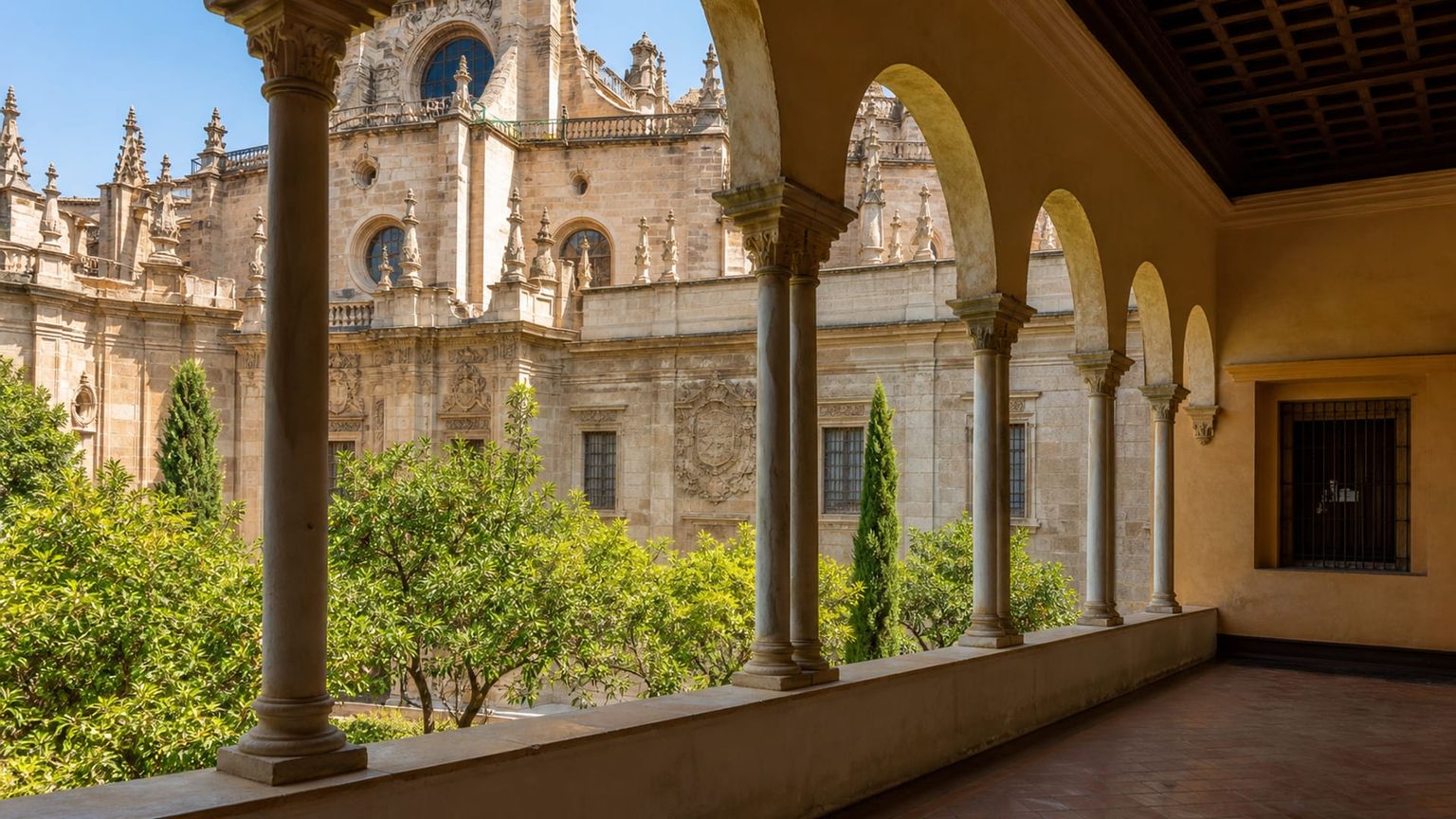
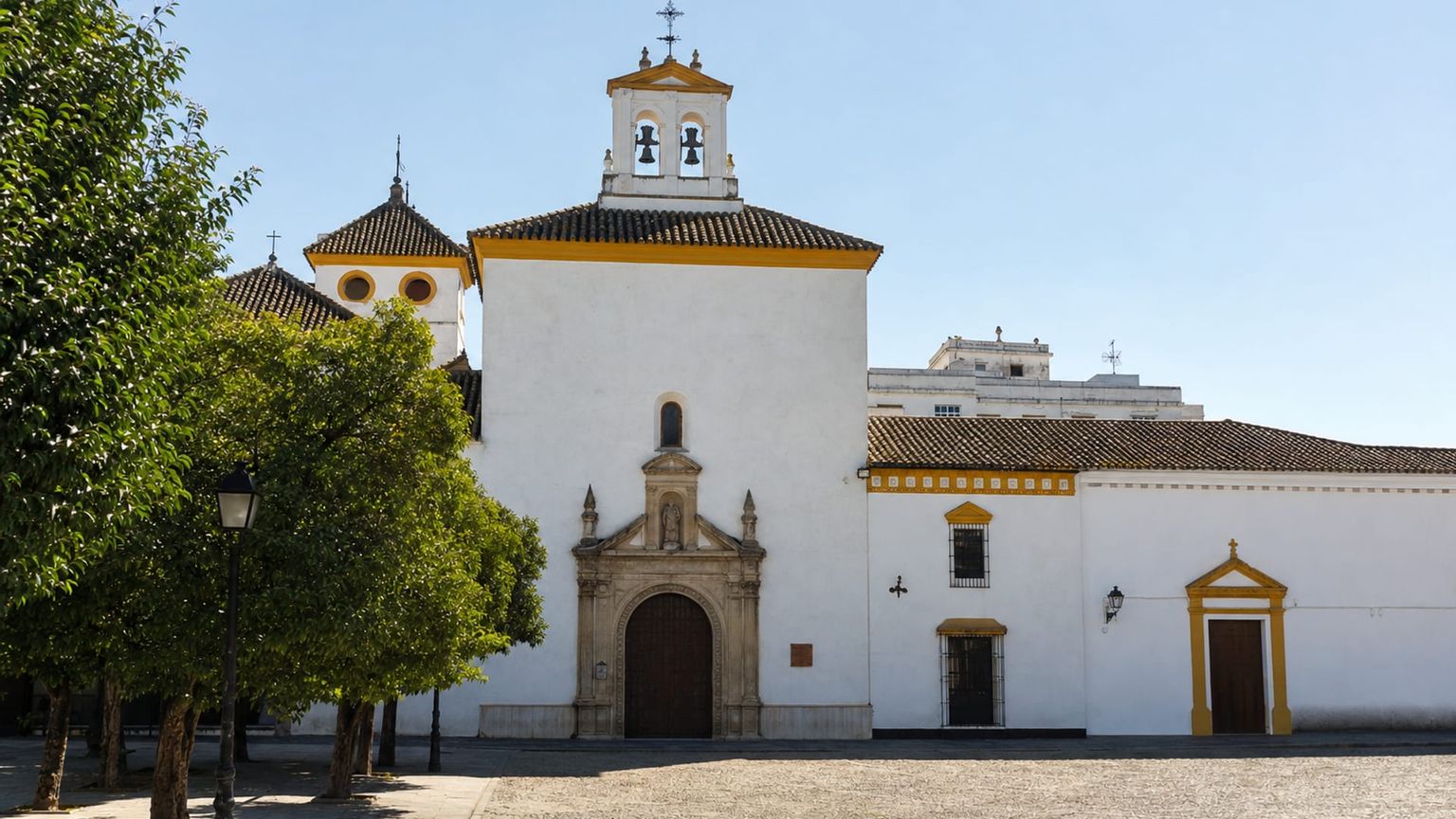
A 14th-century monastery with Mudejar, Gothic, and Renaissance details, plus original frescoes and a quiet cloister. It sits in Santiponce, a short trip from Sevilla.
Time needed: About 1 to 1.5 hours
Entry: Guided visits usually cost $5 to $8 (€5 to €8), with reduced rates for children, students, and seniors; schedules vary by day, so check the site before you go. Some holiday openings use special hours. Visit the official site for details.
Tip: Go in late morning for the best light in the cloister.

Pabellón de la Navegación
This riverfront museum covers Sevilla’s link to Atlantic exploration, with scale models, maps, and a tower that opens wide views over the Guadalquivir and the Expo area.
Time needed: About 1 to 2 hours
Entry: Standard tickets cost $6 to $8 (€6 to €8) for adults, with lower prices for children, students, and seniors. Temporary exhibits may cost extra, and the tower can close in strong winds or during private events. Visit the official site for details.
Tip: Combine it with a walk on nearby Isla de la Cartuja.
Traditional food
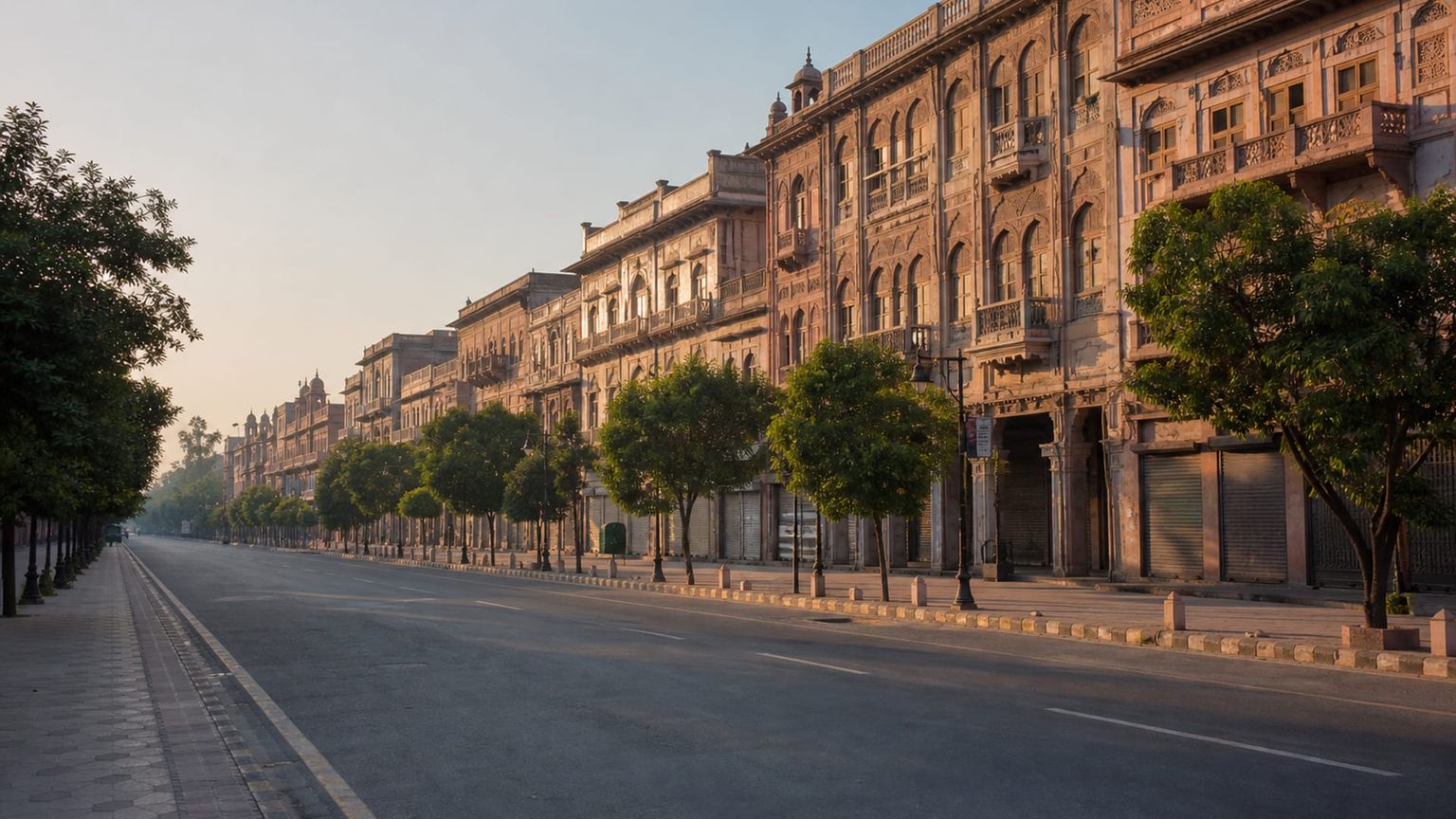
Sevilla cuisine leans on olive oil, cured ham, tomatoes, chickpeas, and cool starters that suit long lunch breaks. Expect tapas culture, late dinners, and plates that pair well with a bar counter or a shaded terrace.
Jamón ibérico
Thin slices of cured Iberian ham, best when served at room temperature with bread or simple cheese. Go to El Pintón, a central restaurant in Santa Cruz that handles classic Andalusian dishes well.
Salmorejo
This chilled tomato and bread soup is thicker than gazpacho and usually finished with egg and ham. La Azotea on Calle Zaragoza is a strong place to try it in a polished dining room.
Gazpacho
Sevilla’s version is bright, cold, and built for hot afternoons, with a clean tomato and olive oil profile. Eslava serves a well-regarded version in a restaurant known for Andalusian cooking with a modern edge.
Espinacas con garbanzos
Spinach with chickpeas, cumin, and bread-thickened sauce is one of the city’s signature tapas. Casa Morales is a classic stop for it, with old-tavern atmosphere and a long-standing local following.
Best time to visit Sevilla
Sevilla shifts noticeably with the season, from bright spring walking weather to very hot summer afternoons and quieter winter streets.
Best for: Best for full days on foot, patio visits, and terrace meals
What you get: Expect about 61°F to 82°F (16°C to 28°C), with comfortable sightseeing and heavier visitor numbers in April and May
Trade-offs: Popular dates can bring higher hotel rates and longer ticket queues
Best for: Best for early starts, late dinners, and a lighter museum-focused schedule
What you get: Expect about 68°F to 99°F (20°C to 37°C), with the busiest streets easing after dark but strong daytime heat
Trade-offs: Midday sightseeing gets tiring quickly, especially around open plazas
Best for: Best for balanced walking weather and calmer monument visits
What you get: Expect about 59°F to 85°F (15°C to 29°C), with moderate crowds and good conditions well into October
Trade-offs: Late autumn can turn cooler and wetter than many first-time visitors expect
Best for: Best for shorter lines, easier restaurant bookings, and slower city days
What you get: Expect about 46°F to 63°F (8°C to 17°C), with lighter crowds and crisp mornings
Trade-offs: Shorter daylight hours make it harder to pack in long sightseeing days
A realistic 5-day plan in Sevilla
The five-day plan below keeps Sevilla in small, workable pieces. It starts near the cathedral, pairs major sights that sit close together, and saves one outing for Santiponce so the center does not feel overstuffed.
Fly into Sevilla (SVQ), then take a taxi or rideshare to Santa Cruz or Arenal in about 20 to 25 minutes for roughly $28 to $36. If you want an easier first evening, book near the cathedral so you can walk to dinner without crossing the busiest transit corridors. Check in, drink water, and keep plans close to the hotel: a short stroll through Santa Cruz, then an early tapas dinner on a terrace in Arenal works well before an early night.
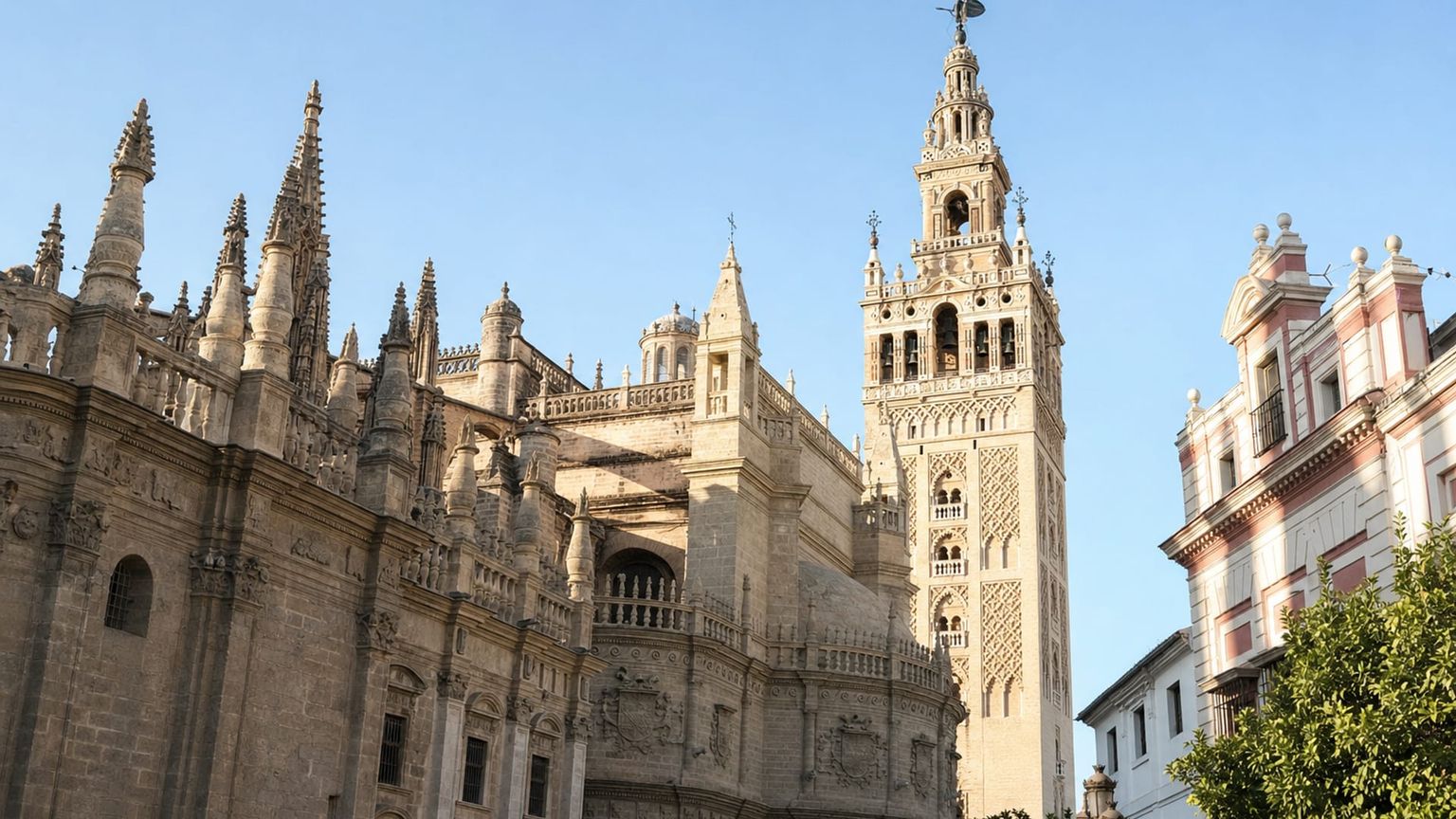
Start at the Real Alcázar of Seville at opening time, since the patios are calmer then and the gardens stay cooler for the first couple of hours. Plan about 2 to 3 hours inside, then walk about 5 minutes to Seville Cathedral for another 2 to 3 hours, including the Giralda if you want the tower view. Finish with a slow loop through the lanes of Santa Cruz, where the narrow streets sit only a few minutes from both monuments, and book dinner nearby so you do not need a long walk after dark.
Begin with Plaza de España in the late morning, when the tilework has good light and the walkways are still manageable; allow about 45 minutes to 1 hour there. From the plaza, walk about 15 to 20 minutes through Parque de María Luisa back toward the riverfront, then cross into Arenal for lunch near the cathedral or the Torre del Oro. In the afternoon, make the short transfer to the Pabellón de la Navegación on Isla de la Cartuja, about 15 to 20 minutes by taxi from Arenal, and spend 1 to 2 hours on the exhibits before dinner back in the center.
Set aside the morning for Monasterio de San Isidoro del Campo in Santiponce, roughly 25 to 35 minutes from central Sevilla by taxi or bus plus a short walk, and plan about 1 to 1.5 hours for the cloister and frescoes. Return to the city for a relaxed lunch, then head to Centro for an afternoon of browsing along Sierpes and the nearby plazas, with Metropol Parasol about 10 to 15 minutes on foot from the cathedral area. If you want a quieter finish, stay in Centro for coffee and a final walk through the shopping streets before dinner.
For a low-key last day, choose a final museum visit in the morning, then spend the rest of the day in Centro so you can pair shopping with an easy café stop. A late breakfast near Encarnación, a few last purchases on Sierpes, and an unhurried coffee at a terrace in Centro keep you close to the historic core without rushing to a landmark. If your flight leaves in the evening, a hotel near the cathedral or in Arenal makes the airport transfer simple, with about 20 to 25 minutes by taxi back to Sevilla (SVQ).
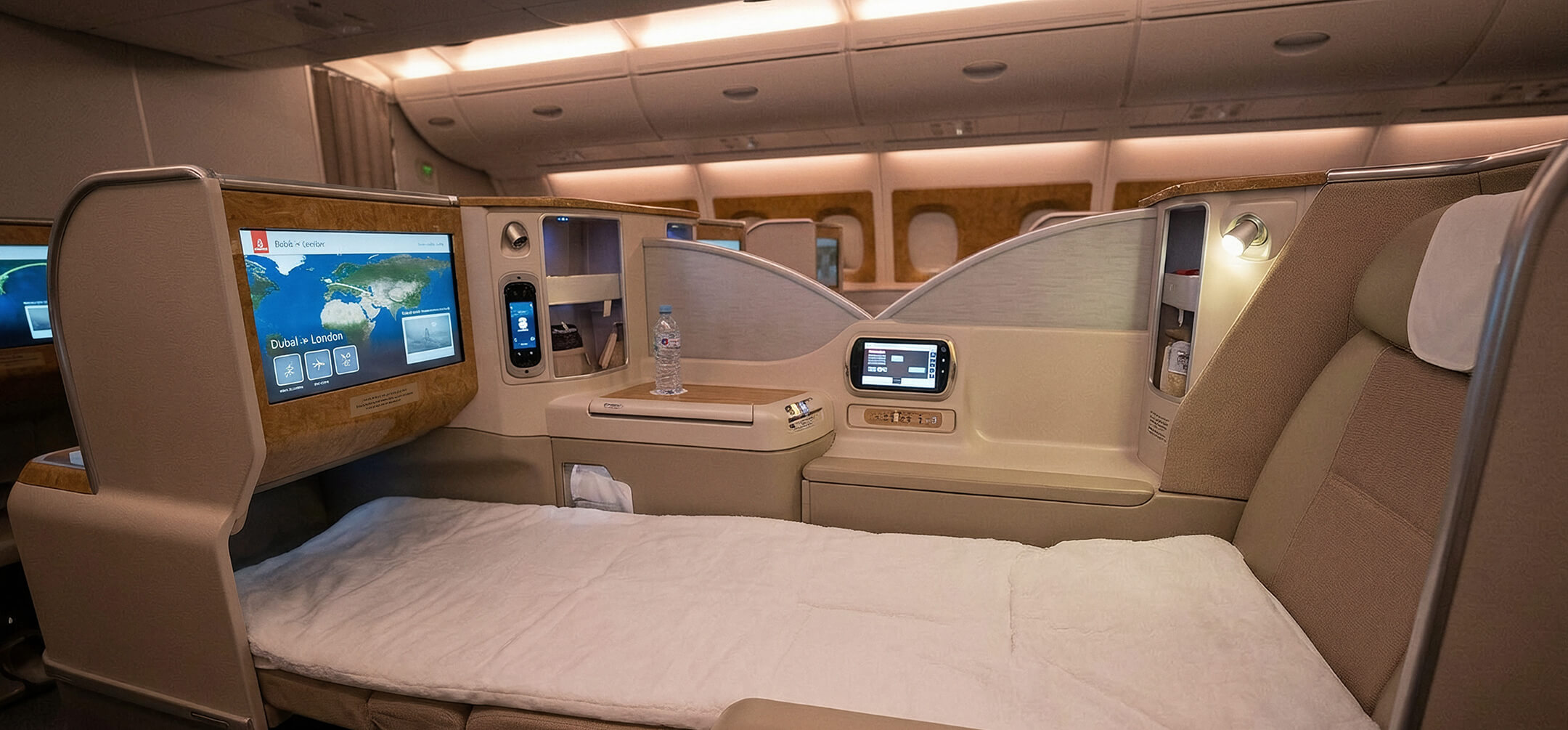
Business-class flights from the US to Sevilla
Long-haul flights to Sevilla usually connect through a major European hub, and fares vary more by connection quality than by airline name alone. The two examples below show the kind of one-stop pricing travelers typically see from New York and Los Angeles.
From New York City, Iberia, Air Europa, British Airways, Lufthansa, Air France, and TAP Air Portugal all appear on one-stop options to Sevilla, with layovers commonly routed through MAD, LIS, LHR, CDG, or FRA. Round-trip fares generally run from $3,200 to $6,500, and the more convenient itineraries often sit near the lower end.
Los Angeles itineraries often run through MAD, LHR, CDG, AMS, or FRA on Iberia, British Airways, Lufthansa, Air France, KLM, or Air Europa. Expect roughly $3,600 to $7,200 for a round trip, with the highest fares tied to the easier connection choices.
Sevilla feels different when you slow down
A well-paced Sevilla trip keeps you close to Santa Cruz, Arenal, and Centro, then uses taxi rides or the EA bus only when the map starts to stretch toward Santiponce or the airport. That approach leaves room for early monument entry, a long lunch break, and an evening walk near the river. If you want help shaping the right base and flight pattern, the AranGrant experts can narrow it down to the neighborhoods and dates that fit your trip