

Chapters:

Need help with your trip?
Our support team is available 24/7. Request a callback or call us directly at (833) 619-0908
Most trips to Seoul follow a predictable pattern. Travelers arrive with palace names, shopping districts, and nightlife spots in mind, then try to connect them all in a few fast-moving days. The usual miss is not a famous sight, but the time lost between them.
Seoul is spread across river crossings, hillside neighborhoods, and transit-heavy corridors, so a rushed plan can feel busier than the city itself. Crowds, transfers, and long walking stretches add up quickly.
This guide takes a more deliberate route. It groups the city into workable days, balances major landmarks with quieter stops, and leaves room to move at Seoul’s pace rather than forcing everything into one loop.
Useful things to know
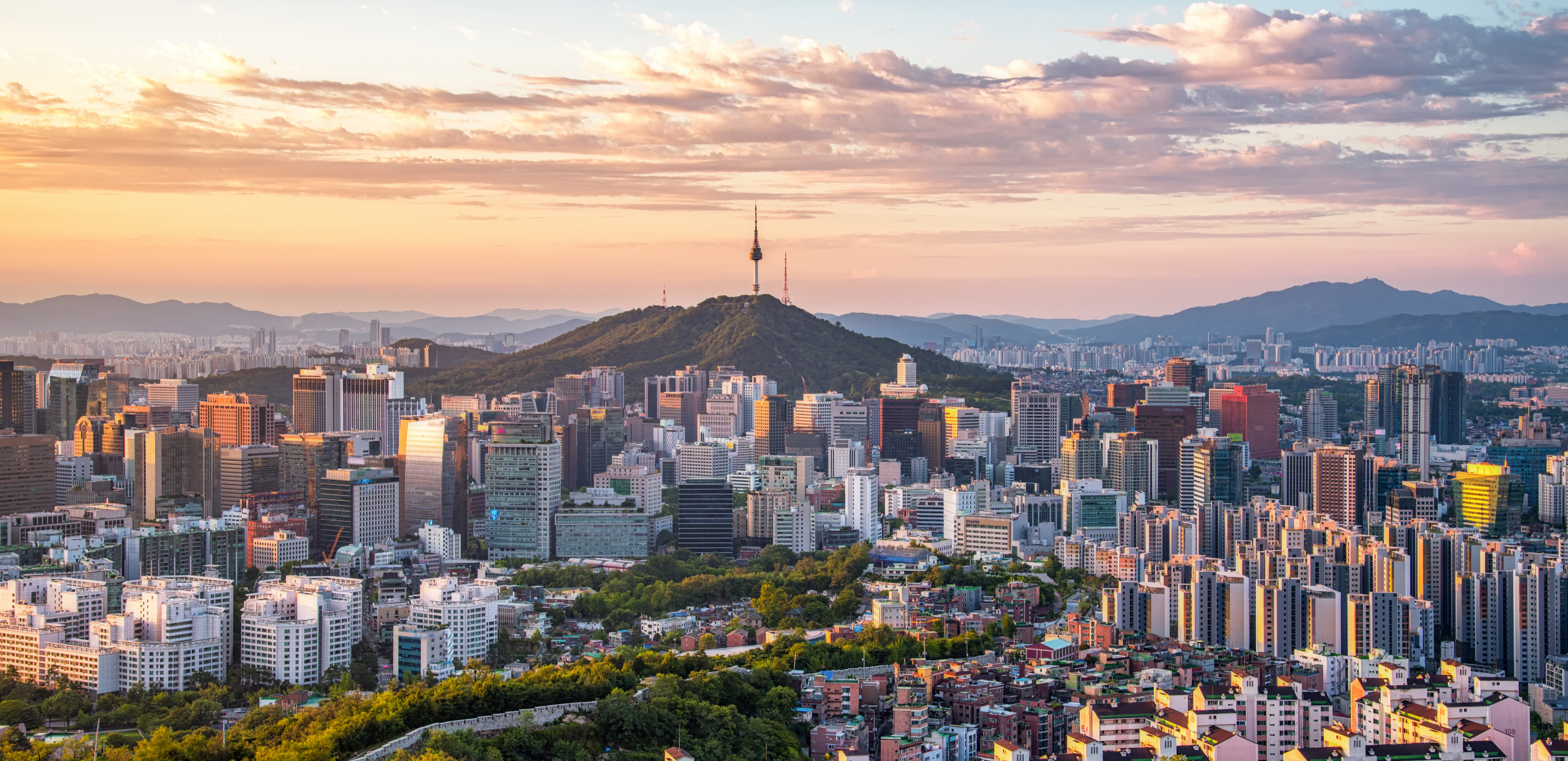

Main language(s): Korean
안녕하세요 (annyeonghaseyo) – Hello / good morning
주세요 (juseyo) – Please
감사합니다 (gamsahamnida) – Thank you
영어 할 수 있어요? (yeong-eo hal su isseoyo?) – Do you speak English?
얼마예요? (eolmayeyo?) – How much does it cost?

Currency: The local currency is the South Korean won (KRW, ₩).

Cash and cards: Cards are widely accepted, including Apple Pay and many contactless cards, but keep some cash for small snacks, street food, lockers, and older stalls. A useful amount is ₩30,000–₩50,000 ($23–$38).

Tipping: Tipping is generally not expected in Seoul and can feel unnecessary. If you receive exceptional service, rounding up or leaving small change is acceptable, but most people do neither.

Traditional food: Kimchi-jjigae (kimchi stew with pork), Bibimbap (mixed rice with vegetables & egg), Tteokbokki (spicy rice cakes)

Water and coffee costs: Bottled water usually costs ₩1,000–₩2,000 ($0.75–$1.50). Convenience-store coffee is often ₩2,000–₩4,500 ($1.50–$3.50), while cafés charge more for specialty drinks.

Taxis and ride apps: Kakao T is the main ride-hailing app, with regular taxis easy to book. Uber works in limited form through local partnerships in some areas. Avoid unlicensed drivers at airports and tourist zones; use app-dispatched taxis or hotel stands.

Plug and voltage: Type C/F socket, 220V

Dining and shop opening hours: Breakfast is often eaten between about 7:00–10:00. Lunch is commonly served roughly 11:30–14:30, and dinner typically runs from about 18:00–21:30. Many restaurants open around late morning through the evening; some close on specific days (commonly one weekday) so check the listing or Naver/Google hours for each place.

Emergency number: Dial 112 for police and 119 for ambulance or fire. Operators can usually handle basic English, and major hotels can help translate if needed.
Where to stay in Seoul
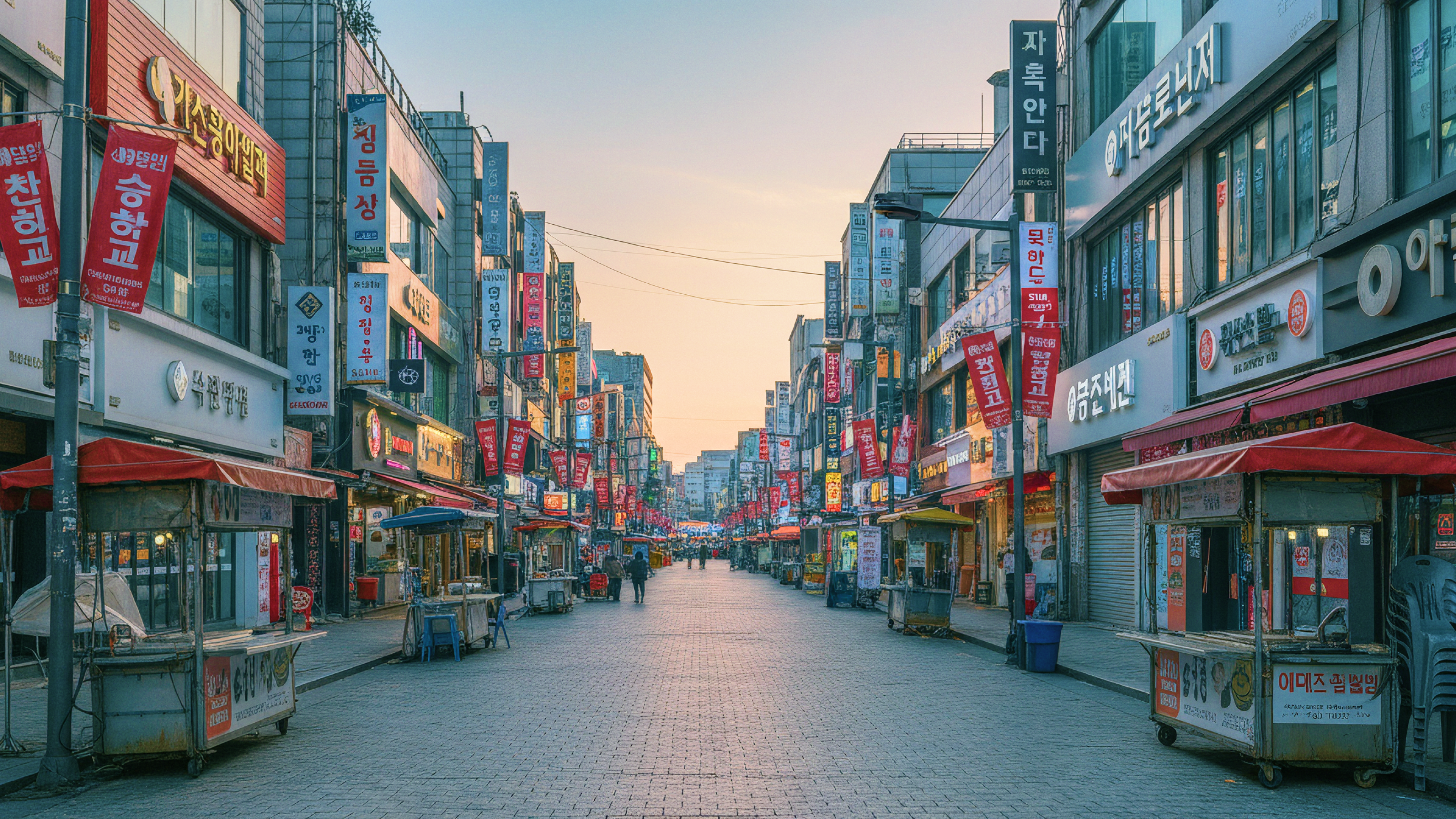
Central shopping and dining hub between Seoul Station and Namsan, ideal for first-timers who want everything close. You’ll find major subway lines, easy airport access via AREX, and plenty of late-night street energy. Great for short, walkable itineraries.
Best for: First-time visits, sightseeing, and easy access to major landmarks
What to expect: Busy, bright streets with heavy daytime shopping and energetic evenings
Hotel prices: Usually around €90–€170 per night for well-rated stays
Distance to major sights: About 20 to 35 minutes by subway or taxi to central palaces
Quietness: Lively throughout the day and evening; quieter only late at night
Main trade-off: Higher prices and constant crowds can feel overwhelming
Good to know: Best for travelers who want maximum convenience and variety on foot
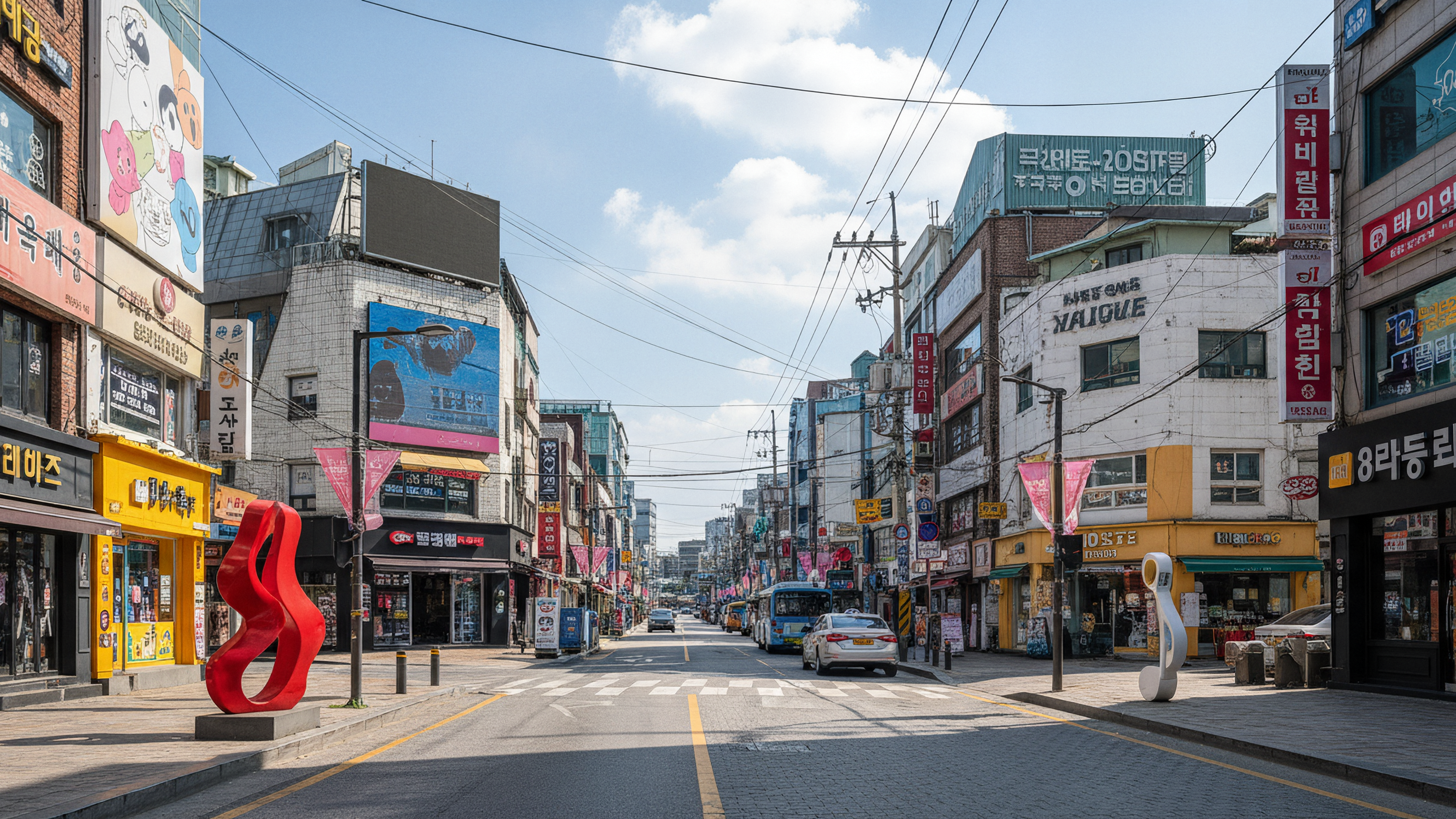
Youthful arts district west of the river, famous for indie music, street performances, and creative nightlife. It’s a fun base for daytime cafés, evening shows, and quick hops to Gyeongui Line Park. Great if you like lively neighborhoods over strict tourist routes.
Best for: Couples and friends seeking nightlife, music, and creative neighborhoods
What to expect: Busy near the nightlife streets, with frequent street performances
Hotel prices: Usually around €80–€150 per night for well-rated stays
Distance to major sights: About 25 to 45 minutes by subway to Gyeongbokgung and Bukchon
Quietness: Hectic evenings on main streets; calmer side streets later
Main trade-off: Crowds and noise around late-night venues
Good to know: Best suited for travelers who want Seoul’s modern street culture
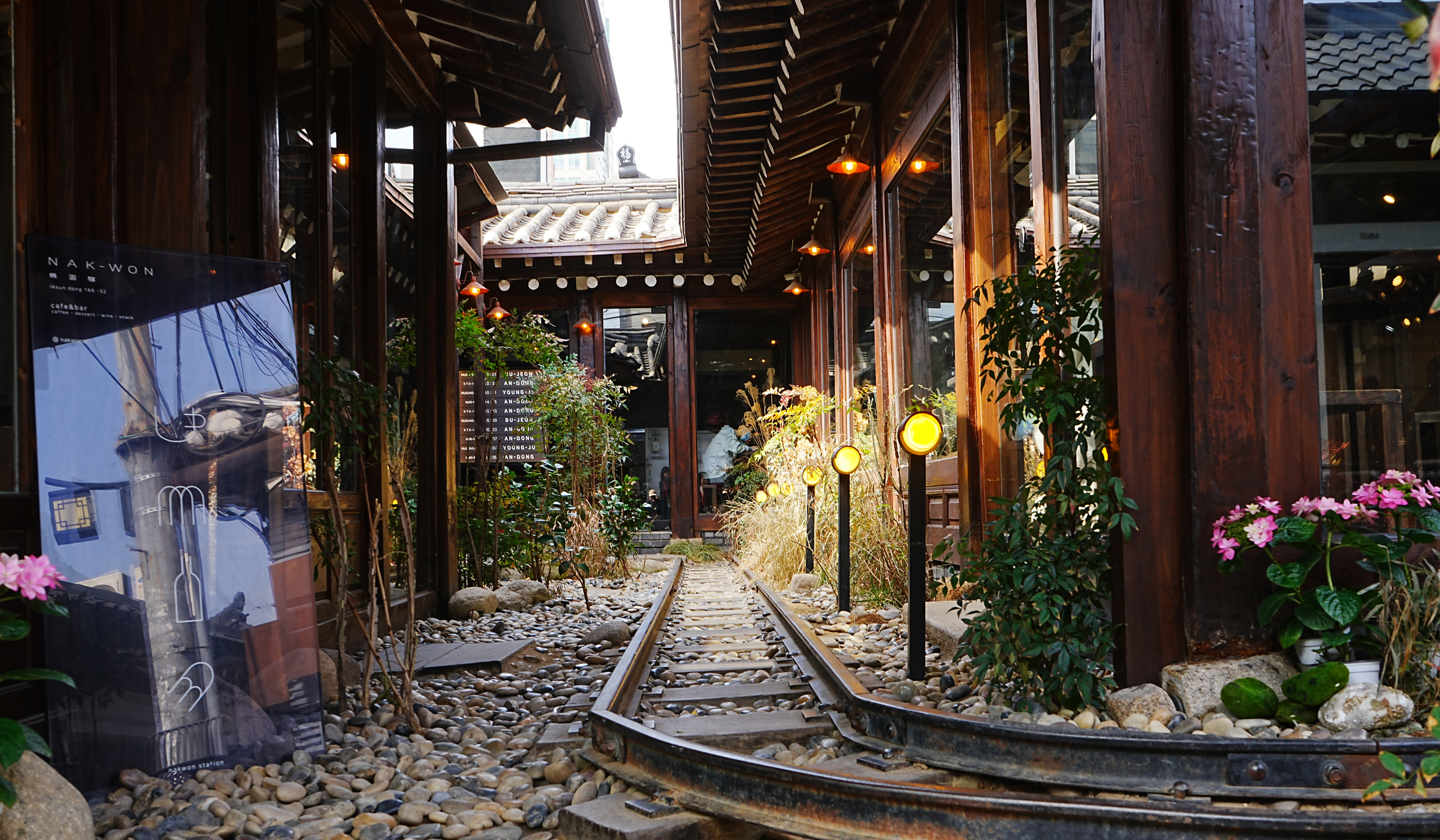
Historic heart near Jogyesa and the royal-palace area, known for traditional tea houses, crafts, and classical architecture. Staying here keeps you close to Bukchon and Ikseon-dong while letting you walk between heritage sights. Ideal for cultural travelers who prefer old Seoul ambiance.
Best for: Culture lovers who want heritage sightseeing and walkability
What to expect: Heritage atmosphere with pedestrian-friendly streets and frequent visitors
Hotel prices: Usually around €110–€210 per night for well-rated stays
Distance to major sights: About 10 to 20 minutes on foot to Gyeongbokgung area
Quietness: Moderate activity all day; evenings are lively but manageable
Main trade-off: Popular area means higher accommodation costs and busier sidewalks
Good to know: Best for travelers who want classic Seoul atmosphere near key sights
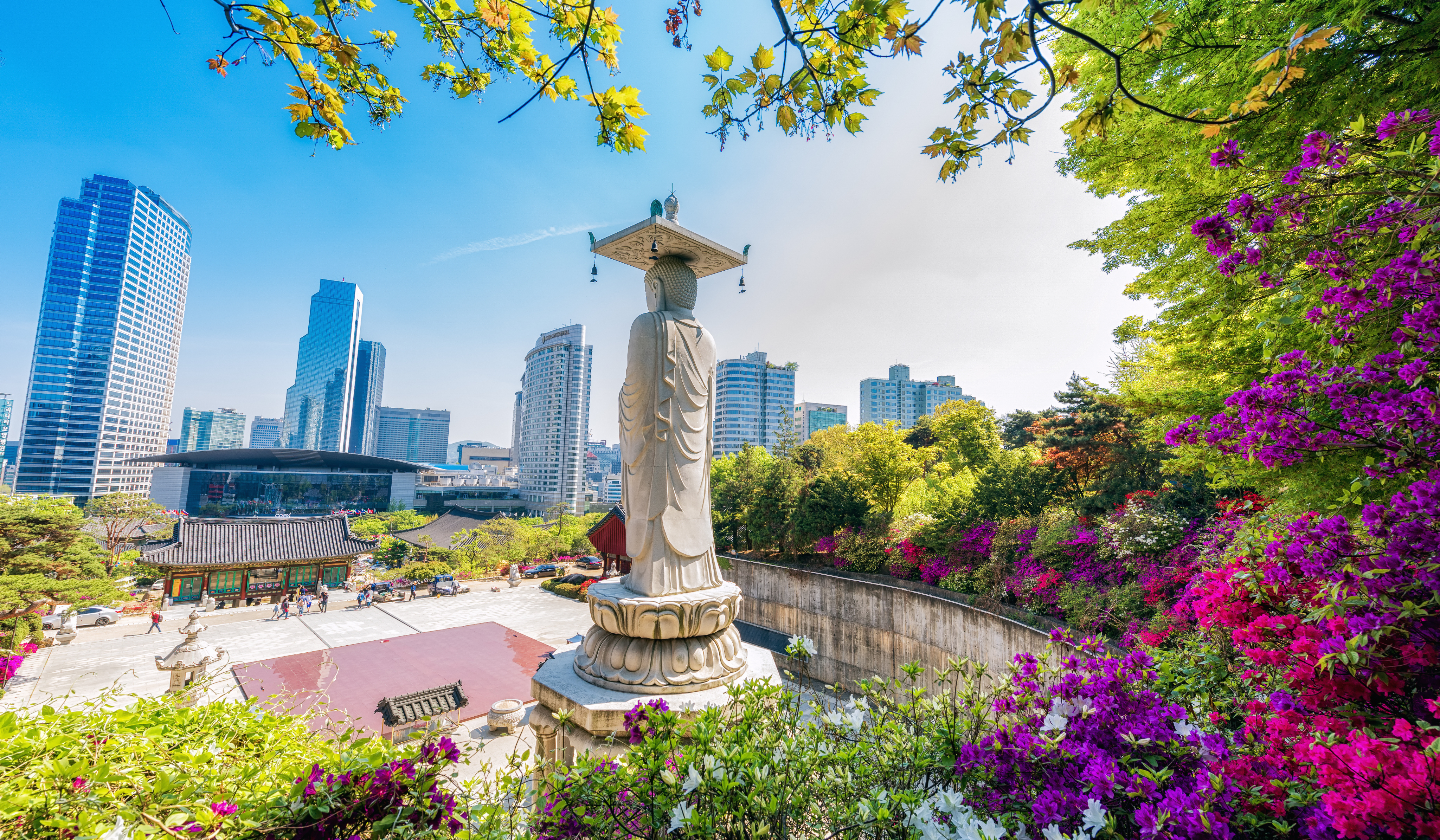
Trendy, modern Seoul south of the river, known for design-forward shopping streets and upscale dining. Choosing a slightly off-main-street area gives you calmer evenings while staying connected to major lines. It’s a strong base for K-pop, contemporary museums, and Han River views.
Best for: Design-minded travelers who prefer modern neighborhoods and dining
What to expect: Polished, cosmopolitan energy with busy commercial corridors
Hotel prices: Usually around €120–€220 per night for well-rated stays
Distance to major sights: About 25 to 45 minutes by subway to central heritage sites
Quietness: Busier during commuting and shopping hours; calmer on side streets at night
Main trade-off: Some areas feel less atmospheric and more commercial
Good to know: Best suited for travelers seeking modern Seoul and riverfront evenings
Visitors may prefer to avoid far-out districts with fewer transit options and less walkable nightlife such as Gangseo-gu (especially remote areas), Gwanak-gu (outer stretches), and far portions of Dobong-gu, since getting to major sights can take longer. Also consider staying nearer to major subway lines rather than very local residential streets in Seongbuk-gu or Mapo outside central corridors.
Hotel deals
How to get around Seoul efficiently
Seoul is easiest to navigate when you combine walking with short subway rides, the occasional bus, and taxis only when timing or luggage makes sense.

Metro
for longer distances
Seoul’s subway is the fastest way to cross the city. A single ride usually costs ₩1,400–₩1,700 ($1.00–$1.30) with a transport card, and most trips in the center take 15–35 minutes. Signs and announcements are in English on major lines.

Bus
for neighborhood connections
Seoul’s buses are extensive and often cheaper than taxis, with fares usually around ₩1,400–₩1,700 ($1.00–$1.30) using a card. Use them for direct neighborhood hops, but expect slower journeys than the subway during rush hour.

Taxi
for direct rides or late hours
Taxis are plentiful and metered. Base fares start around ₩4,800–₩5,300 ($3.50–$4.00), with central rides often ₩10,000–₩20,000 ($7.50–$15). Late-night surcharges can apply, and traffic can add time quickly.
*Prices are based on rates updated as of June 2026 and may change at the time of travel.
The subway is best for speed, buses work well for neighborhood links, and taxis are most useful late at night or when you want a direct ride.
Iconic landmarks
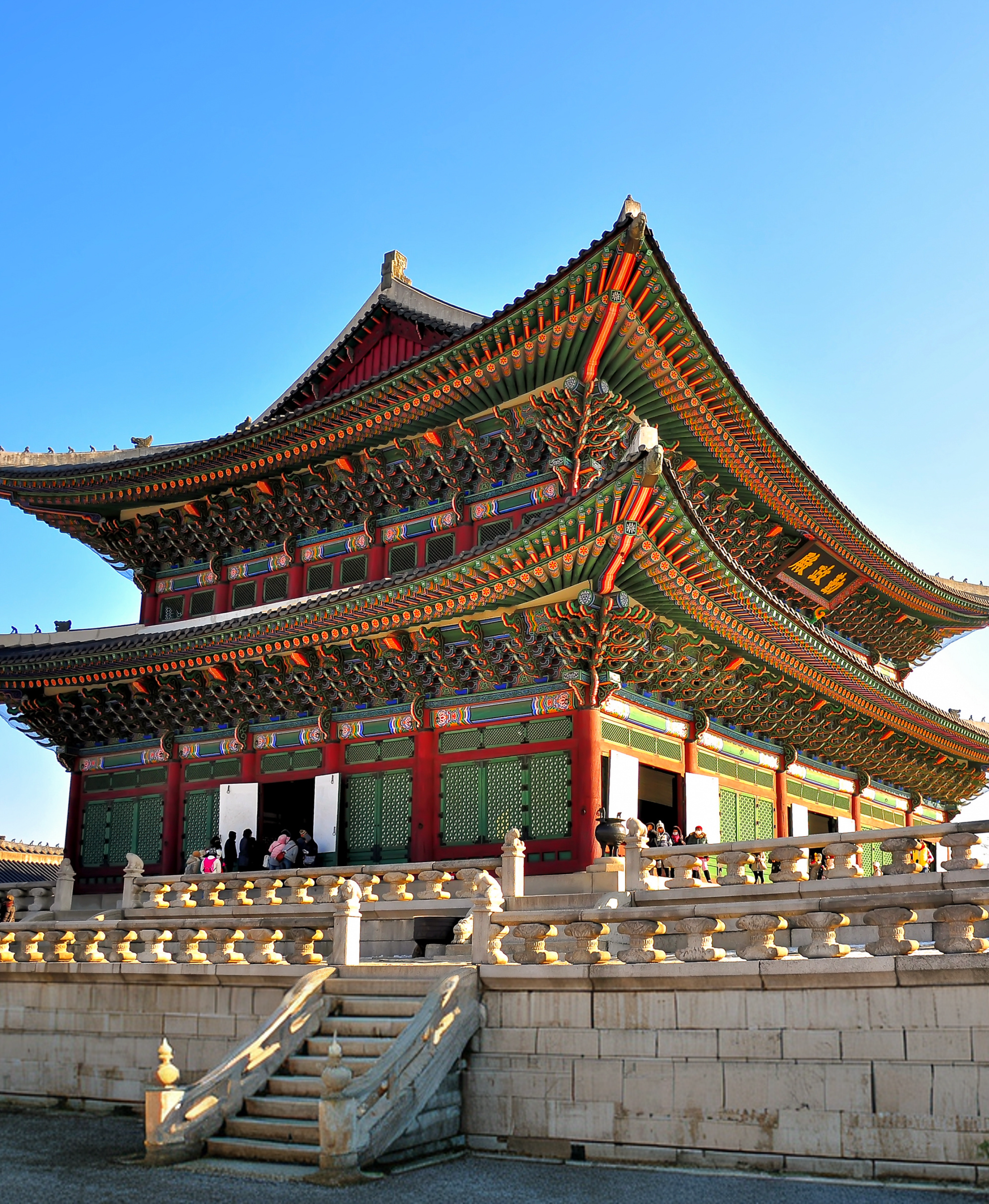
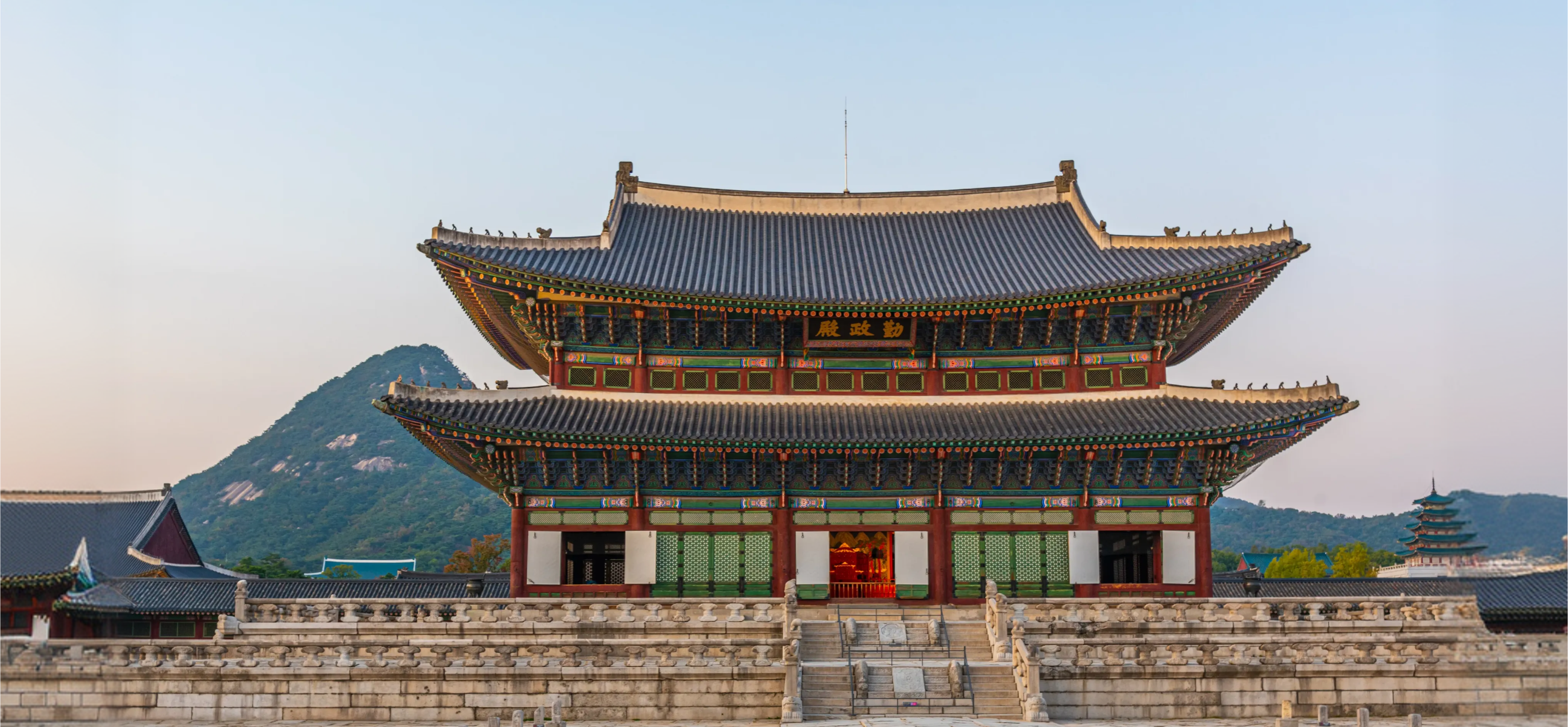
Gyeongbokgung Palace
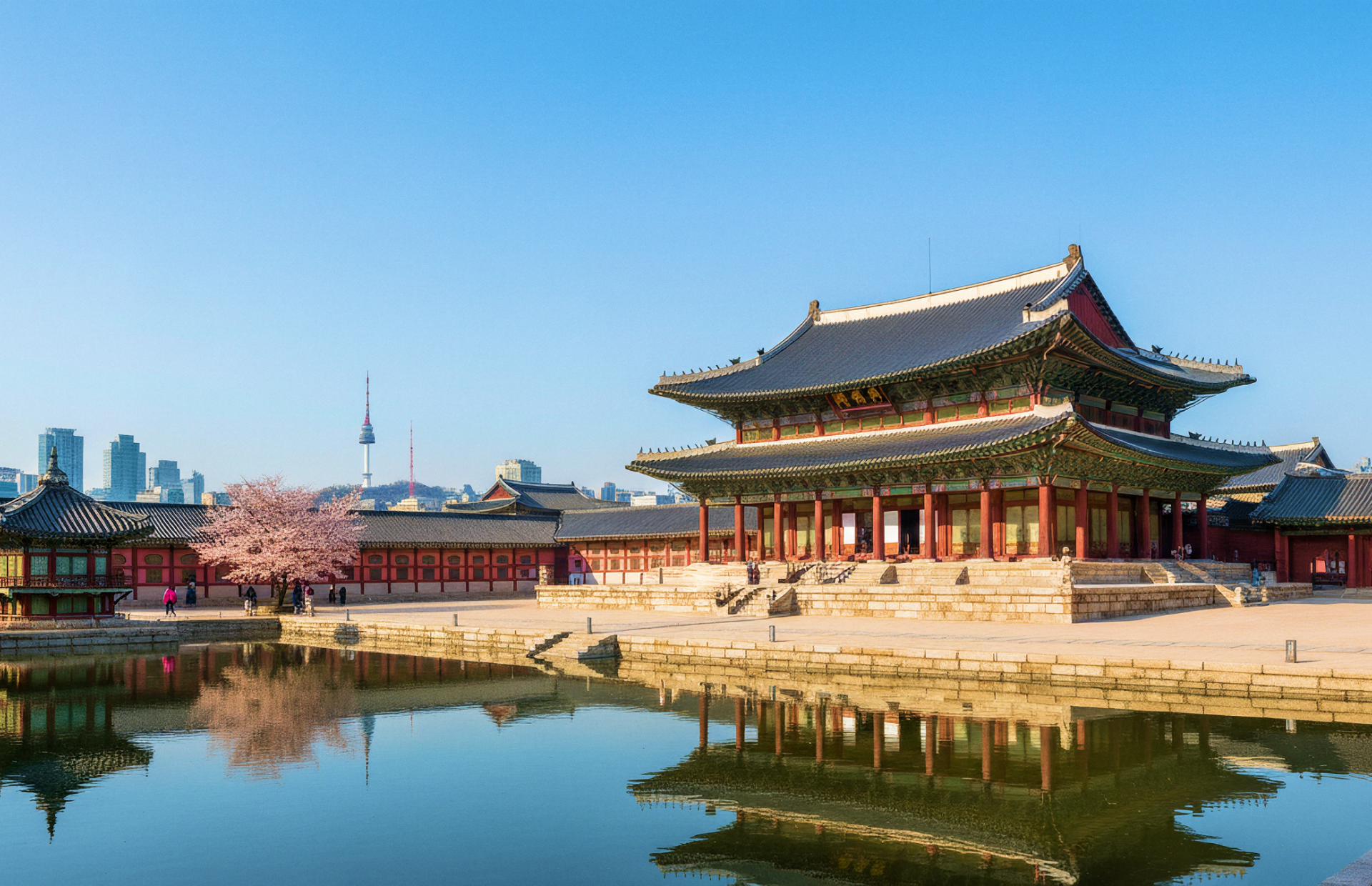
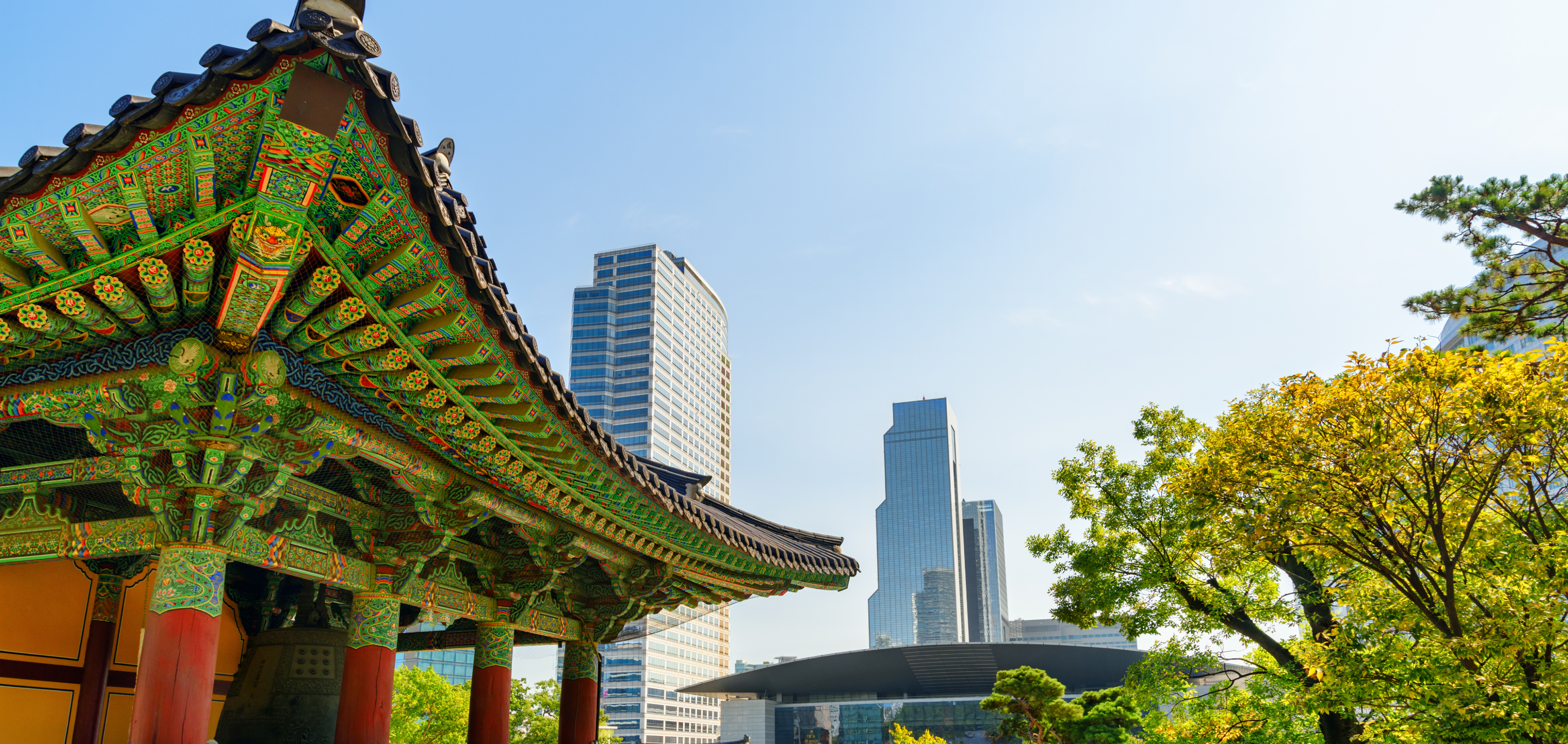
Seoul’s grandest royal palace, restored to its former presence with beautiful courtyards, halls, and mountain-backed views. Catch the changing of the guard, then wander the main grounds at your own pace. It’s a must for understanding Joseon-era grandeur.
Time needed: About 2 to 3 hours
Entry: Tickets typically cost around ₩3,000 (€2–€3) for adults; check day-of prices Visit the official site for details.
Tip: Arrive early to avoid peak crowds and use the shaded courtyards for breaks
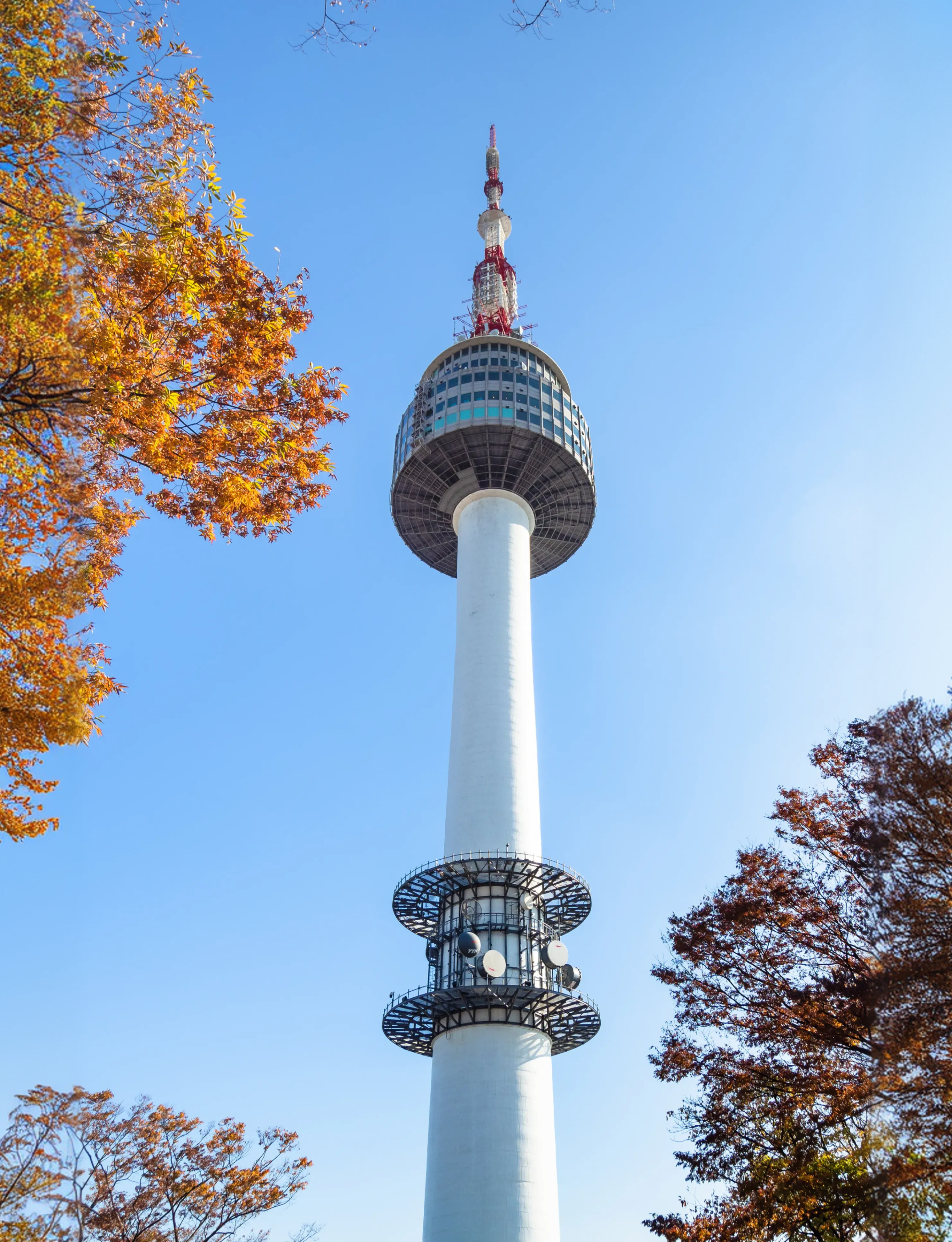
Namsan Seoul Tower (N Seoul Tower)
A landmark observation tower on Namsan Mountain with panoramic city views by day and dazzling skyline at night. Access is easy via cable car or a scenic walk, and the view decks are a highlight even for short visits. Don’t miss the illuminated city sweep after dark.
Time needed: About 1.5 to 2.5 hours
Entry: Combination ticket options vary; expect around ₩10,000–₩20,000 (€6–€13) including observatory access Visit the official site for details.
Tip: For best photos, aim for sunset to nightfall and check clear-weather hours
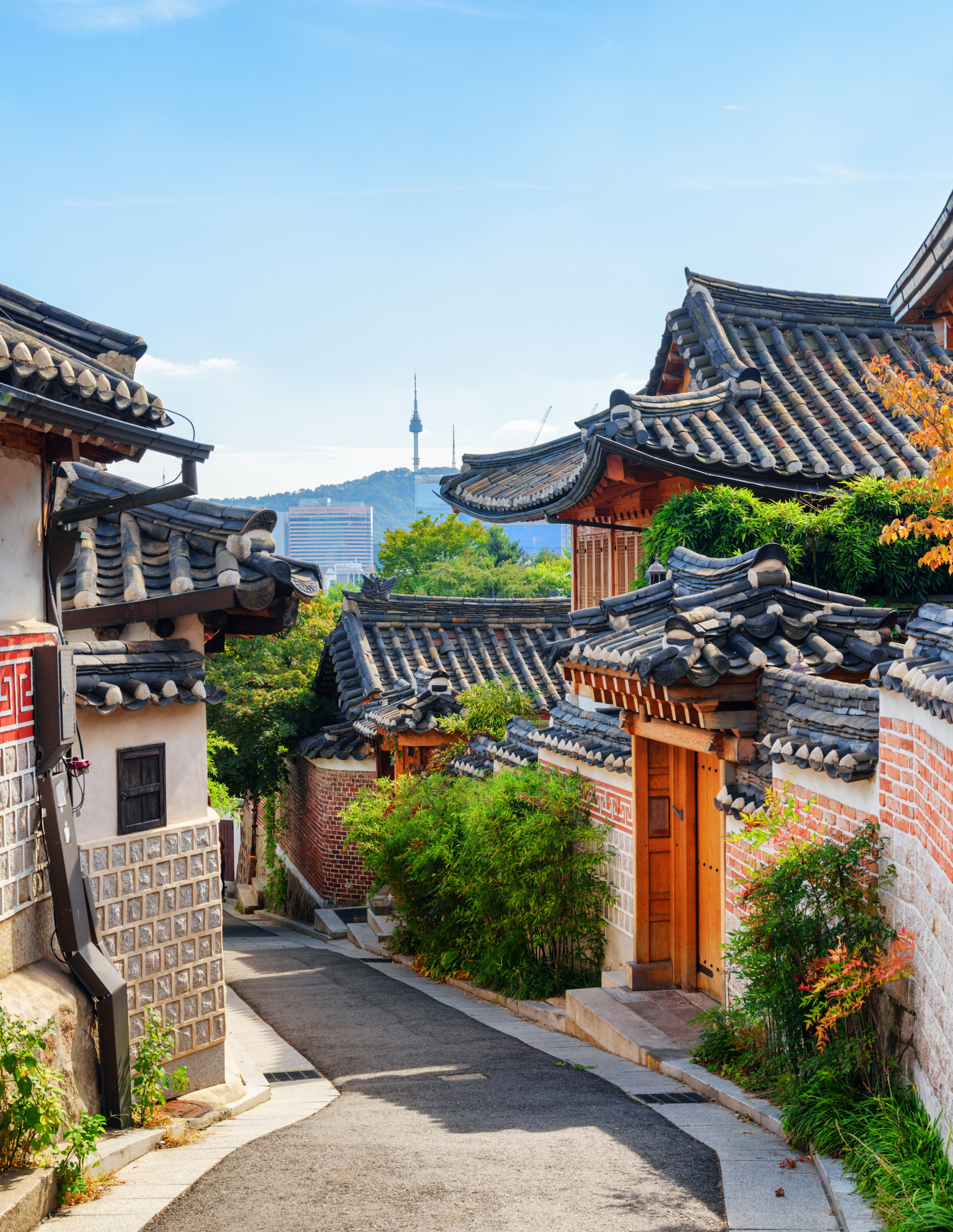
Bukchon Hanok Village
A traditional hanok neighborhood between palace and village streets, with narrow lanes, tiled roofs, and historic ambiance. It’s an excellent place to see how Seoul’s old residential fabric fits within a dense modern city. Visit early to enjoy calmer lanes and better lighting.
Time needed: About 1 to 2 hours
Entry: Many streets and exteriors are free; specific hanok museums may charge admission Visit the official site for details.
Tip: Start early and wear comfortable shoes—some lanes are steep and crowded later
Overlooked sites worth visiting
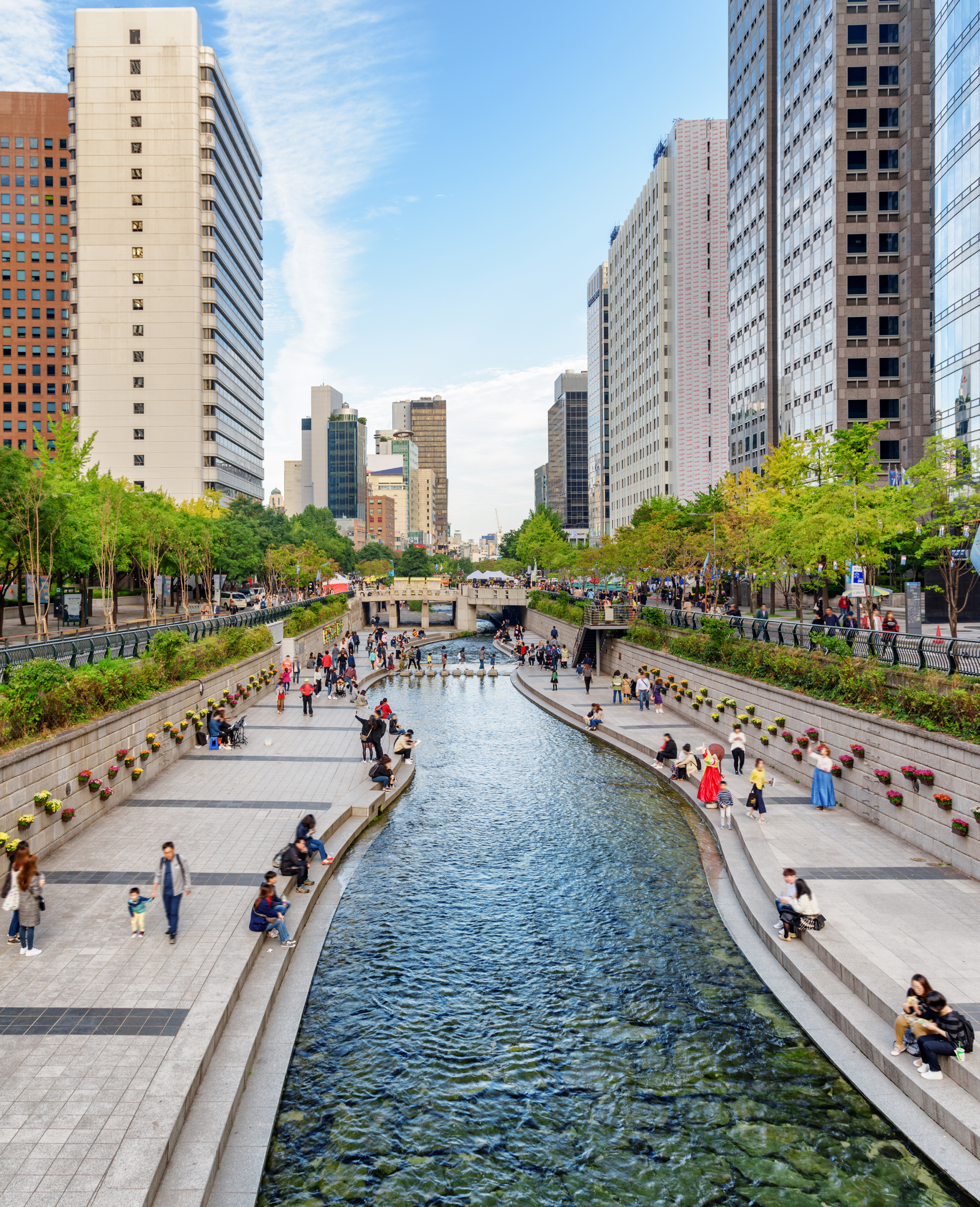
Cheonggyecheon Stream
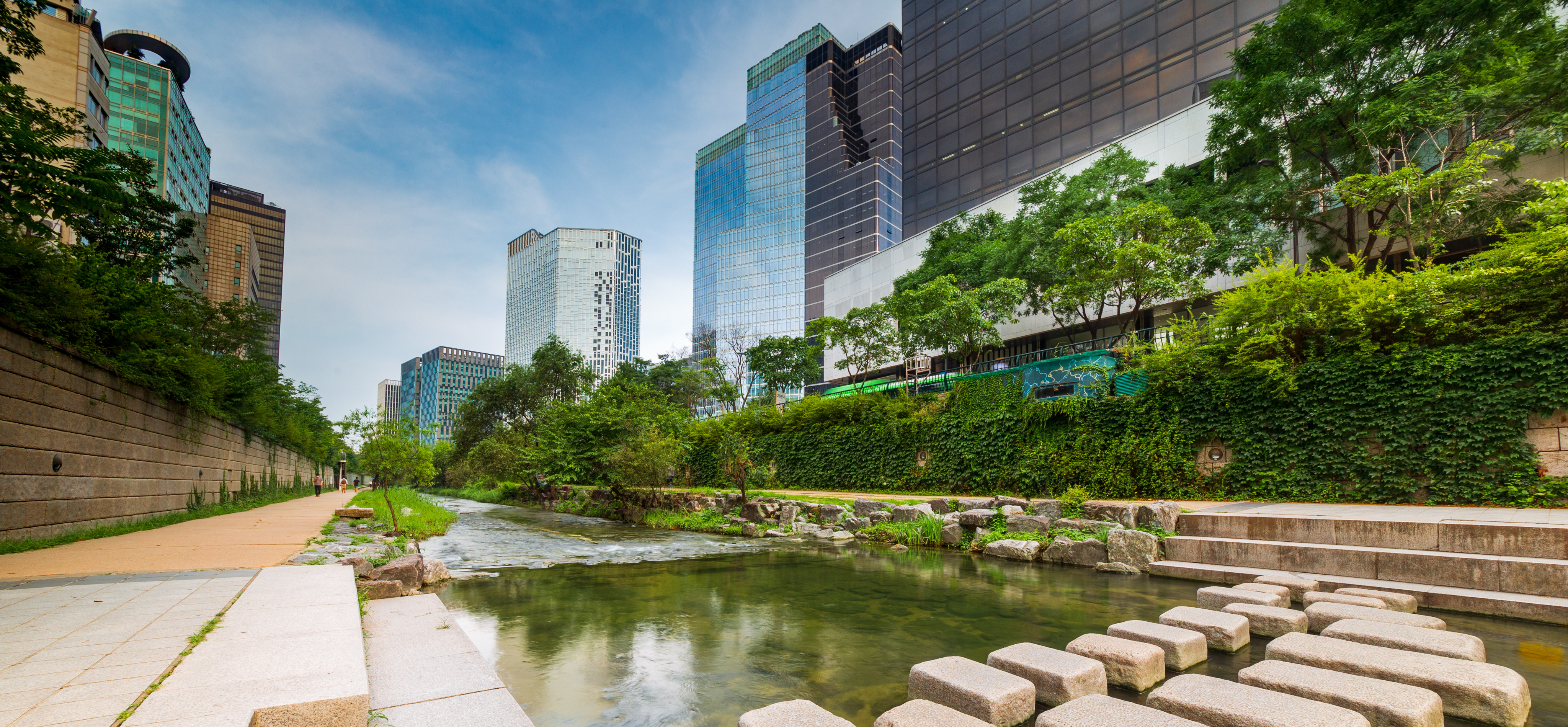
An urban renewal stream running through downtown, with soothing bridges, public art, and seasonal light displays. It’s a relaxing contrast to Seoul’s bustle and a great place for a slow evening walk near transit-heavy areas.
Time needed: About 1 to 2 hours
Entry: Free to access along the public walkway; hours vary seasonally
Tip: Visit in the evening for the best atmosphere and lights
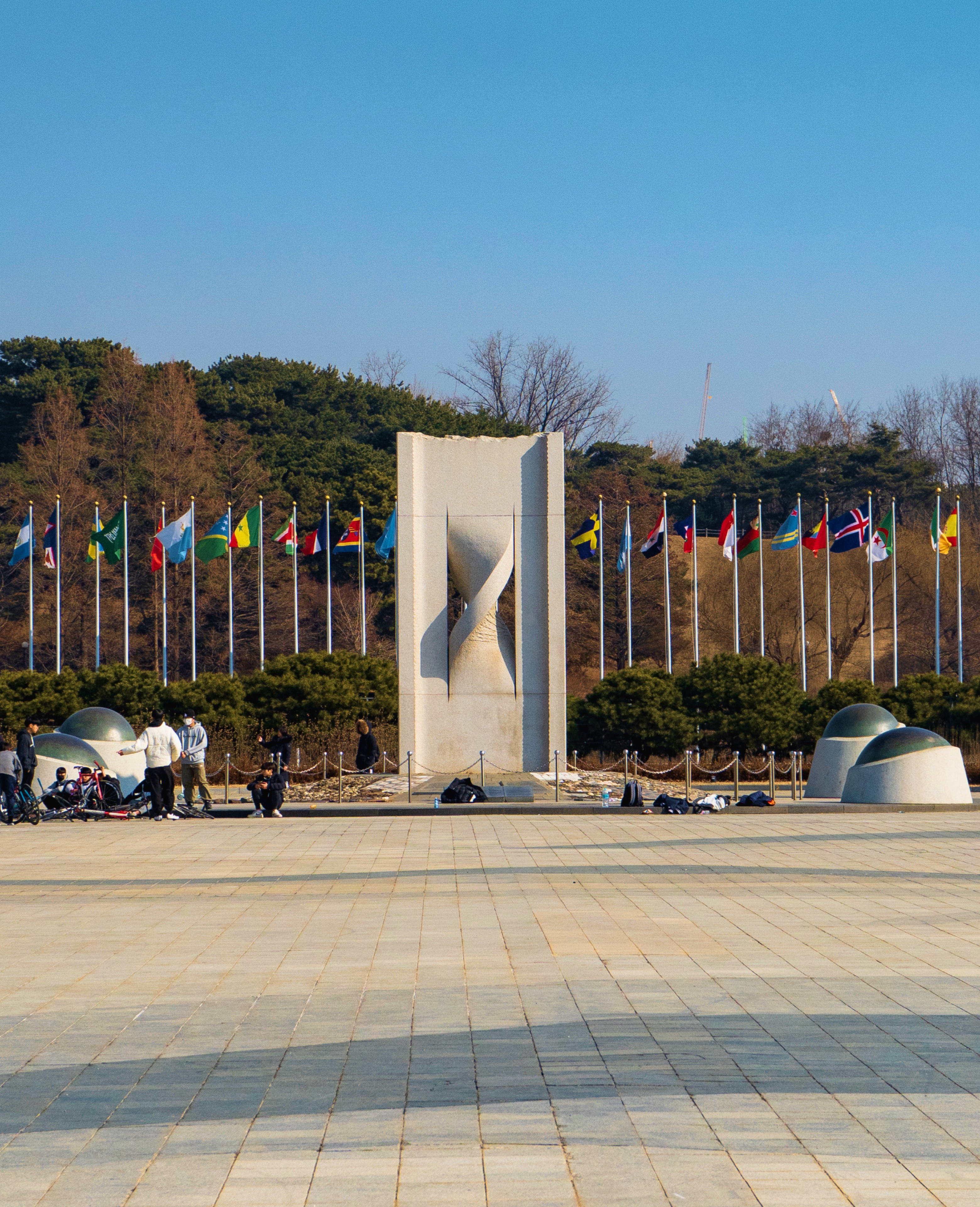
Seoul Olympic Park (including the Seoul Olympic Museum area)
A spacious, greener-than-expected site for post-1988 Olympic history, walking routes, and calm greenery near the city core. The museum area adds context, while the park paths are ideal for an easy half-day outside heavy tourist crowds.
Time needed: About 1 hour
Entry: Outdoor park access is free; museum tickets vary by exhibition Visit the official site for details.
Tip: Plan for an easy half-day: walk the grounds first, then check museum hours
Traditional food
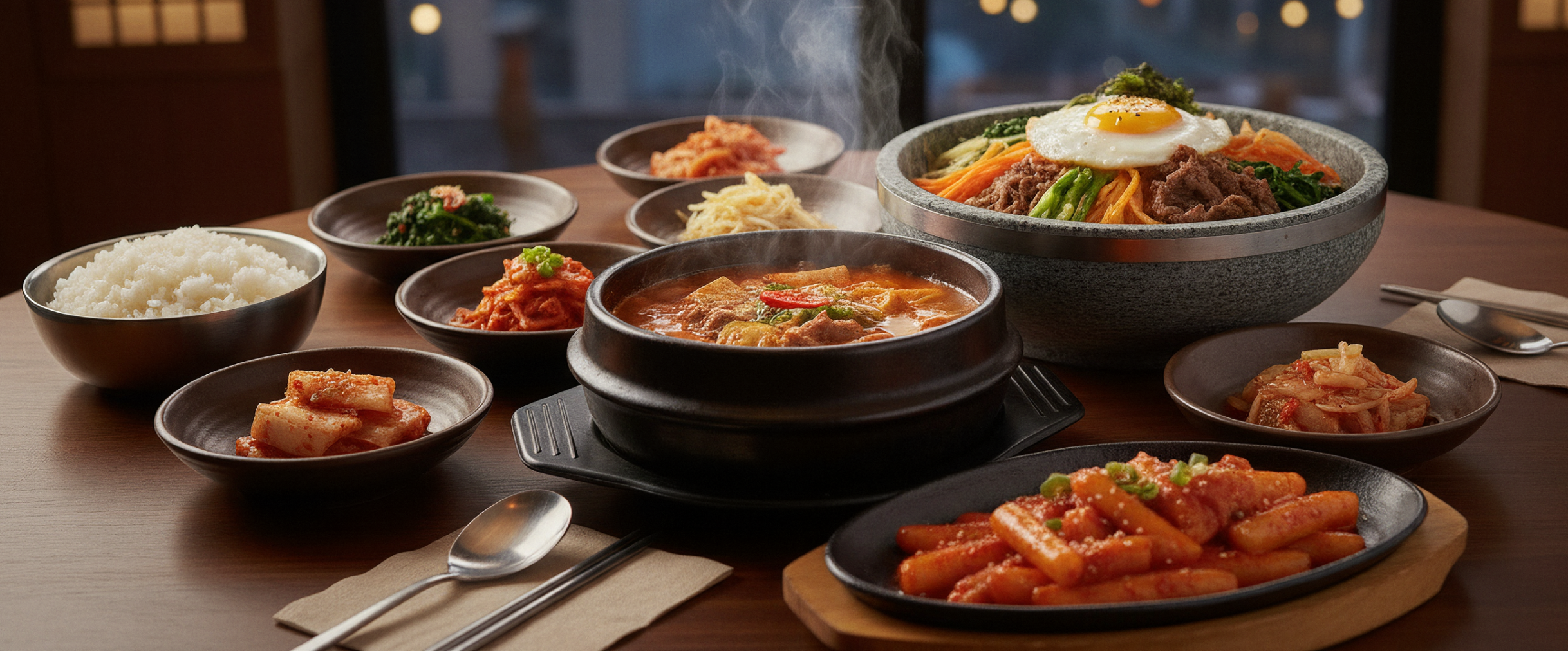
Seoul’s food is built on rice, vegetables, fermented flavors, and heat, with kimchi-jjigae, bibimbap, and tteokbokki showing how balanced, spicy, and casual the dining culture can be. Meals are practical, social, and often best shared.
Kimchi-jjigae
A deep, spicy kimchi stew that usually comes with pork, tofu, and a strong fermented base. Imone has served this kind of comforting Korean home-style cooking for decades in Seoul.
Bibimbap
Mixed rice topped with vegetables, egg, and often beef, finished with gochujang for a balanced, savory bowl. Gogung in Seoul is one of the best-known places for a classic version.
Tteokbokki
Chewy rice cakes in a sweet-spicy sauce, usually eaten as a snack rather than a formal meal. Shinsegae Street Food in Myeongdong has long been a popular stop for this Seoul staple.
Samgyeopsal
Thick-cut grilled pork belly, wrapped in lettuce with garlic, sauces, and side dishes. Maple Tree House in Itaewon has built a strong reputation for this classic barbecue experience.
Best time to visit Seoul
Seoul changes with the seasons, from bright but often hazy springs to humid summers, clear autumn days, and cold winters that reward indoor planning.
Best for: Best for palace walks, hanok streets, and fresh weather
What you get: Expect about 43–73°F (6–23°C), with generally comfortable days and increasing crowds during cherry-blossom and holiday periods.
Trade-offs: Popular weeks can be busy and spring haze can reduce clarity.
Best for: Best for long evenings, indoor culture, and late-night districts
What you get: Expect about 70–88°F (21–31°C), with humidity, rain, and heavier crowding around major attractions and shopping streets.
Trade-offs: Heat, moisture, and monsoon showers can make outdoor sightseeing tiring.
Best for: Best for clear skies, walking days, and skyline views
What you get: Expect about 46–72°F (8–22°C), with crisp air, very good visibility, and strong demand during foliage weeks.
Trade-offs: Prime weeks are among the most popular of the year.
Best for: Best for fewer crowds, city lights, and museum-focused itineraries
What you get: Expect about 19–37°F (-7–3°C), with cold, dry conditions and lighter tourist traffic outside holidays.
Trade-offs: Short daylight hours and low temperatures can limit long outdoor days.
A realistic 5-day plan in Seoul
A five-day Seoul trip works best when the city is divided by rhythm rather than distance alone. The plan below starts with arrival, then moves through the royal core, central shopping streets, creative districts, and a flexible final day.
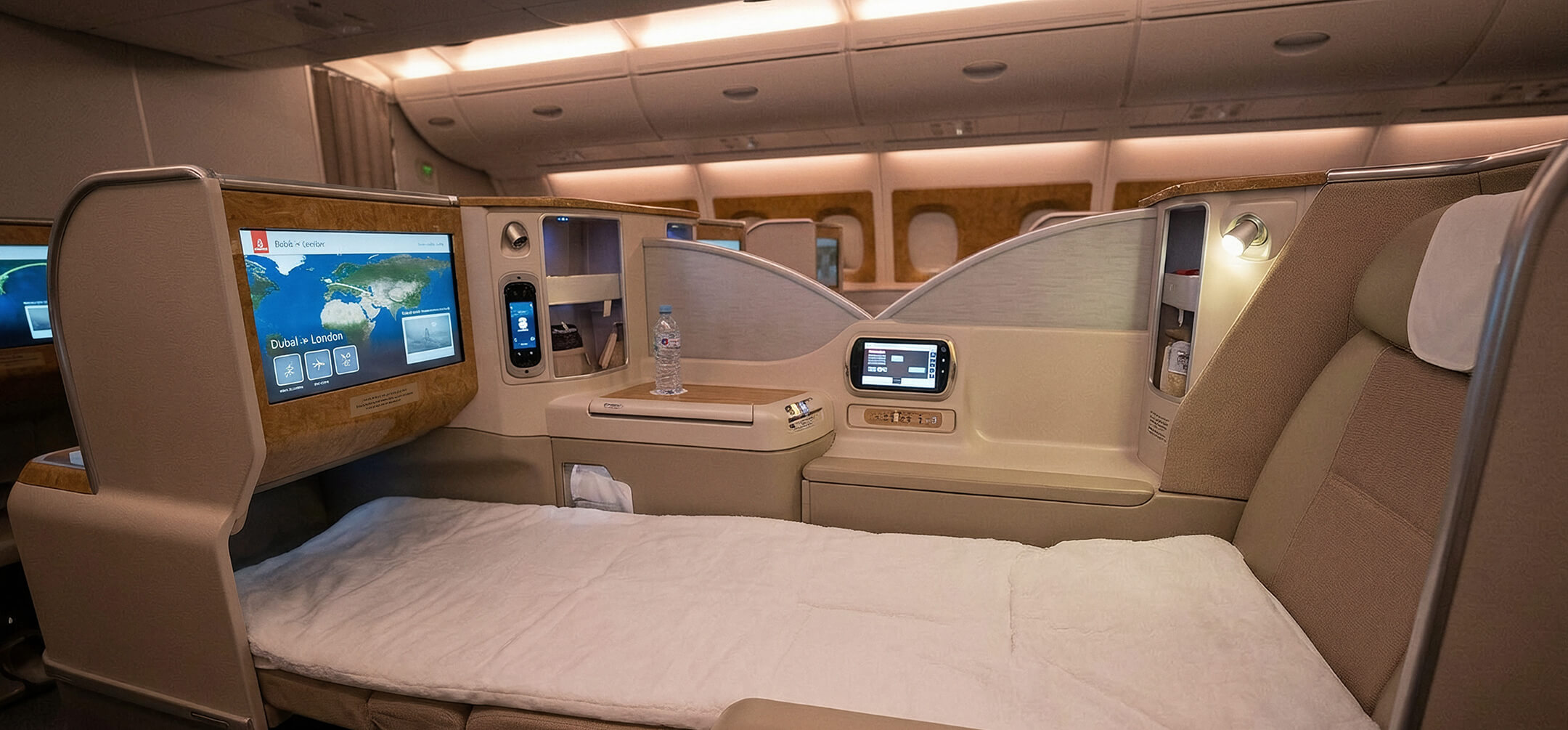
Business-class flights land at Incheon International Airport. The fastest budget-friendly transfer is AREX to Seoul Station, usually ₩4,750–₩9,500 ($3.50–$7.00) in about 45–60 minutes. Airport limousines and taxis are easier with luggage, but cost far more. Keep the first day light: check in, rest, and stay near your hotel area.
Start in Gyeongbokgung Palace, then walk to Bukchon Hanok Village and continue into Insadong for tea houses, crafts, and galleries. Gyeongbokgung tickets are about ₩3,000 ($2–$3), and Bukchon’s lanes are free to explore. Plan 4–6 hours total, starting early to avoid crowds and get better light for photos.
Spend today in Myeongdong and the nearby Cheonggyecheon Stream, with an easy add-on at Namsan Seoul Tower in the evening. The stream is free, Myeongdong is ideal for shopping and street food, and N Seoul Tower tickets are about ₩10,000–₩20,000 ($7.50–$15). Go to the tower near sunset for the best skyline views.
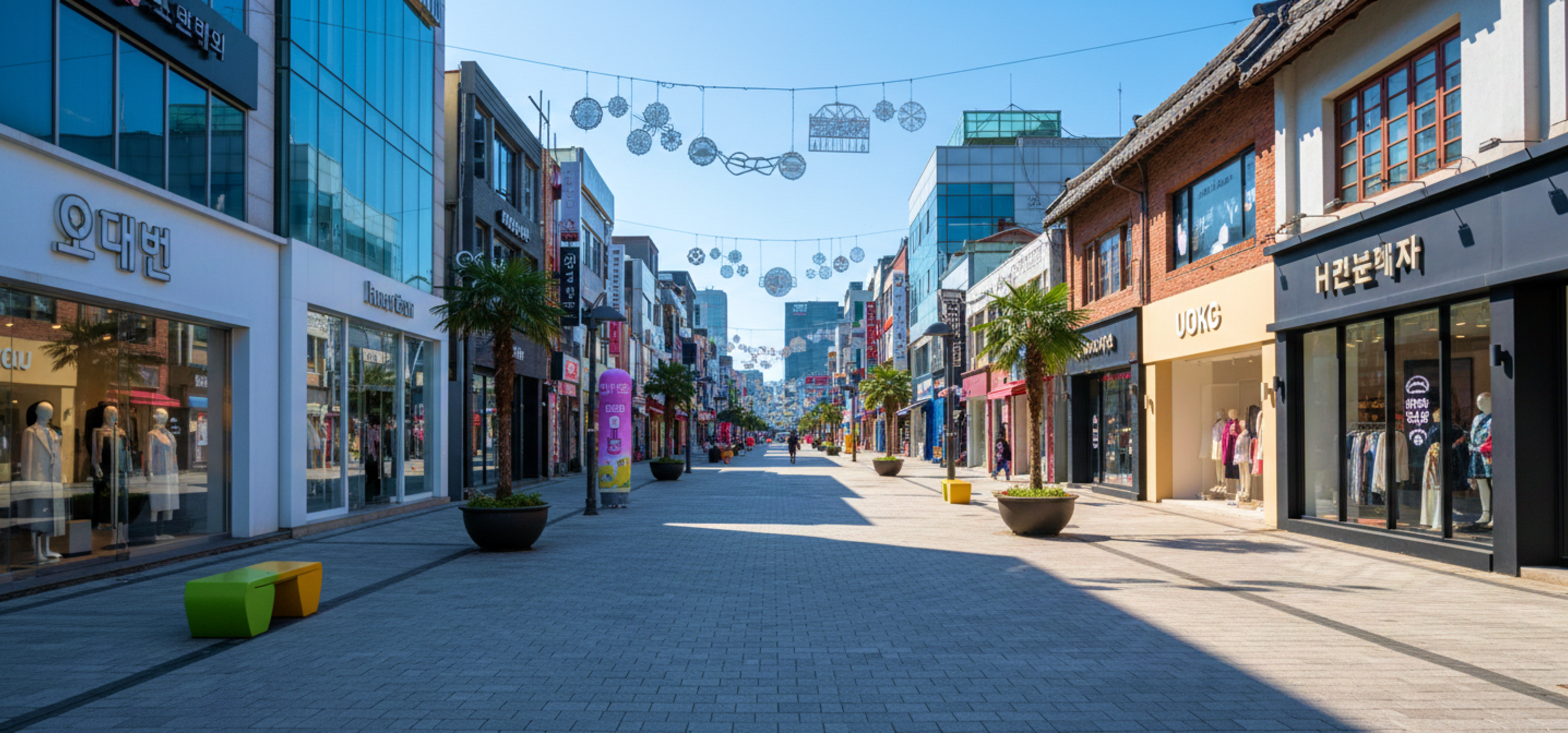
Use this day for a different side of the city: Hongdae for cafés, busking, and nightlife, or Gangnam for modern shopping and design. If you prefer a calmer green break, Seoul Olympic Park is a good half-day with free outdoor access and museum tickets that vary by exhibition. It’s an easy way to balance shopping, culture, and open space.
Keep the last day flexible for a relaxed brunch, last-minute shopping, or a short walk along Cheonggyecheon Stream before heading to the airport. If departing from central Seoul, leave extra time for traffic; AREX is the most reliable option from Seoul Station when timing matters.
Business-class flights from the US to Seoul
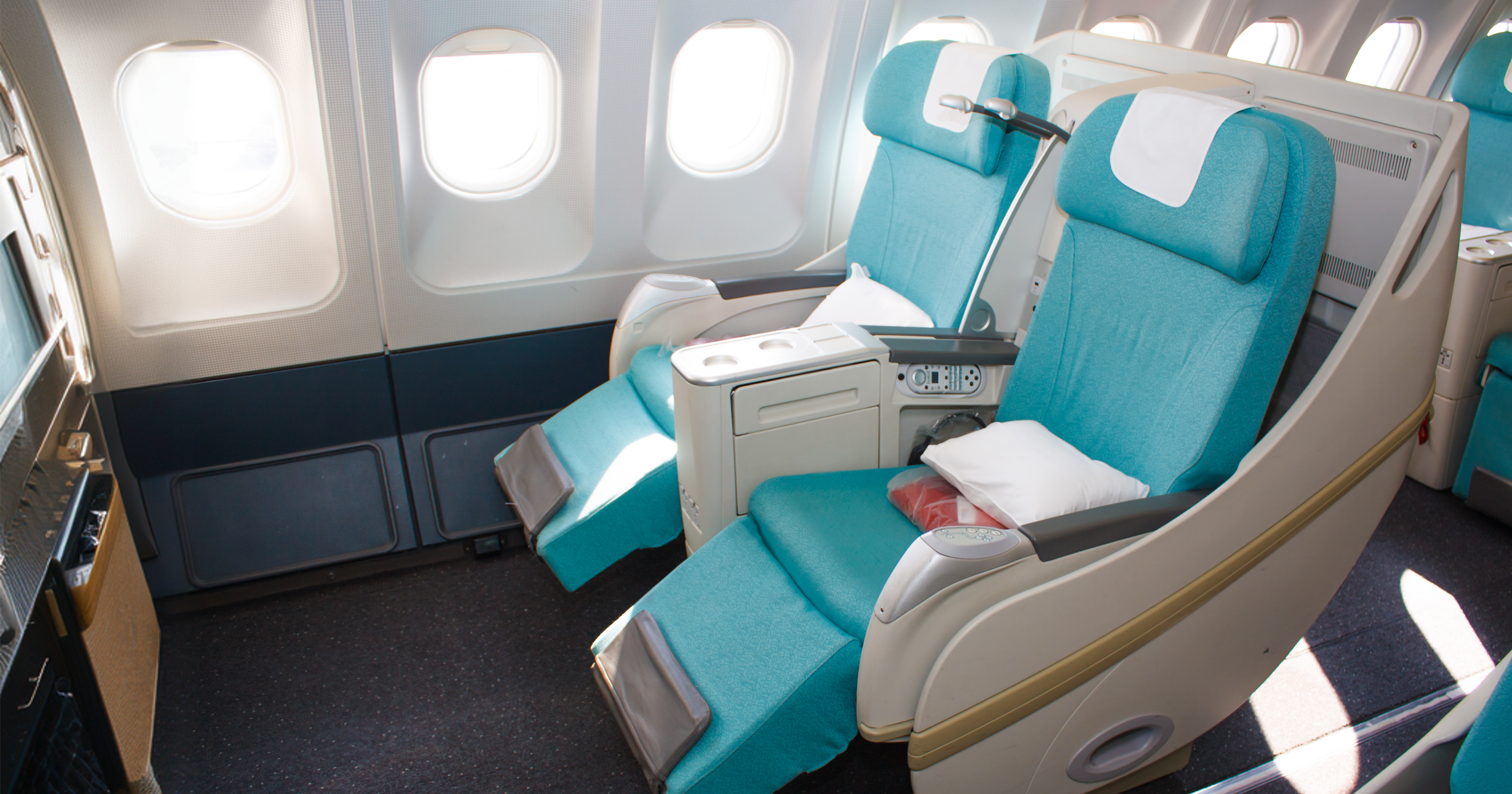
Seoul is well connected from both New York and Los Angeles, with nonstop and one-stop options depending on the route and cabin. The most practical itineraries usually center on Incheon, though layovers can change both timing and price.
Korean Air, Asiana Airlines, Delta Air Lines, United Airlines, American Airlines operate nonstop flights on this route, with a duration of 14 to 15 hours. Round-trip business-class tickets $4,190 to $5,649. Round-trip economy tickets $885 to $1,349. If you don’t mind a layover, common routings via ICN, NRT, HKG, TPE, SIN, DOH take 18 to 30 hours and often reduce the cost.
Korean Air, Asiana Airlines, Delta Air Lines, United Airlines, American Airlines operate nonstop flights on this route, with a duration of 12 to 13 hours. Round-trip business-class tickets €3,513 to €5,631. Round-trip economy tickets €503 to €1,000. If you don’t mind a layover, common routings via ICN, NRT, HKG, TPE, SIN, DOH take 16 to 28 hours and often reduce the cost.
Seoul rewards a slower plan.
A structured itinerary in Seoul is less about fitting in more places and more about keeping the city legible as you move through it. When you reduce backtracking, long transfers, and crowd-heavy detours, the palaces, neighborhoods, and evening walks feel more distinct. If you are planning your trip to Seoul, our AranGrant experts can help you review routes, book hotels, and structure the days so your time in the city feels calm, efficient, and well paced from arrival to departure.