

Chapters:

Need help with your trip?
Our support team is available 24/7. Request a callback or call us directly at (833) 619-0908
Sendai trips often begin with a quick rail transfer, a hotel near Sendai Station, and a first night built around the nearest dining street. Travelers usually hit the headline sights, but they can miss how much time the hilltop and hillside stops take once buses, walking paths, and meal breaks are added.
That shortcut leaves the city feeling scattered. Aobayama, Zuihoden, the aquarium district, and the station core sit in different parts of town, so backtracking can waste hours if you do not group them well.
This guide organizes Sendai by area, transit, and pace, so each day has a clear base, a realistic route, and enough room for meals without forcing cross-town detours.
Useful things to know

Main language(s): Japanese
Konnichiwa (koh-nee-chee-wah) – Hello / good afternoon
Onegaishimasu (oh-neh-guy-shee-mass) – Please
Arigatō gozaimasu (ah-ree-gah-toh goh-zai-mass) – Thank you
Eigo o hanasemasu ka? (eh-goh oh hah-nah-seh-mass kah?) – Do you speak English?
Ikura desu ka? (ee-koo-rah dehss kah?) – How much does it cost?

Currency: The local currency is the Japanese yen (JPY, ¥).

Cash and cards: Cards and contactless are widely accepted; keep about ¥3,000 to ¥5,000 ($20 to $35) in cash for small shops and transit.

Tipping: No tipping is expected; round up only in taxis if you want.

Traditional food: Gyutan, zunda mochi, sasakamaboko, hiyashi chuka

Water and coffee costs: Water about ¥120 ($1), bar espresso about ¥450 ($3).

Taxis and ride apps: GO and Uber operate here; taxis are the main backup.

Plug and voltage: Type A/B socket, 100V

Dining and shop opening hours: Breakfast is often 7:00-9:00, lunch 11:30-14:00, and dinner 18:00-21:00. Some restaurants close earlier on Sundays or after lunch on certain weekdays.

Emergency number: 110 for police, 119 for fire and ambulance.
Where to stay in Sendai
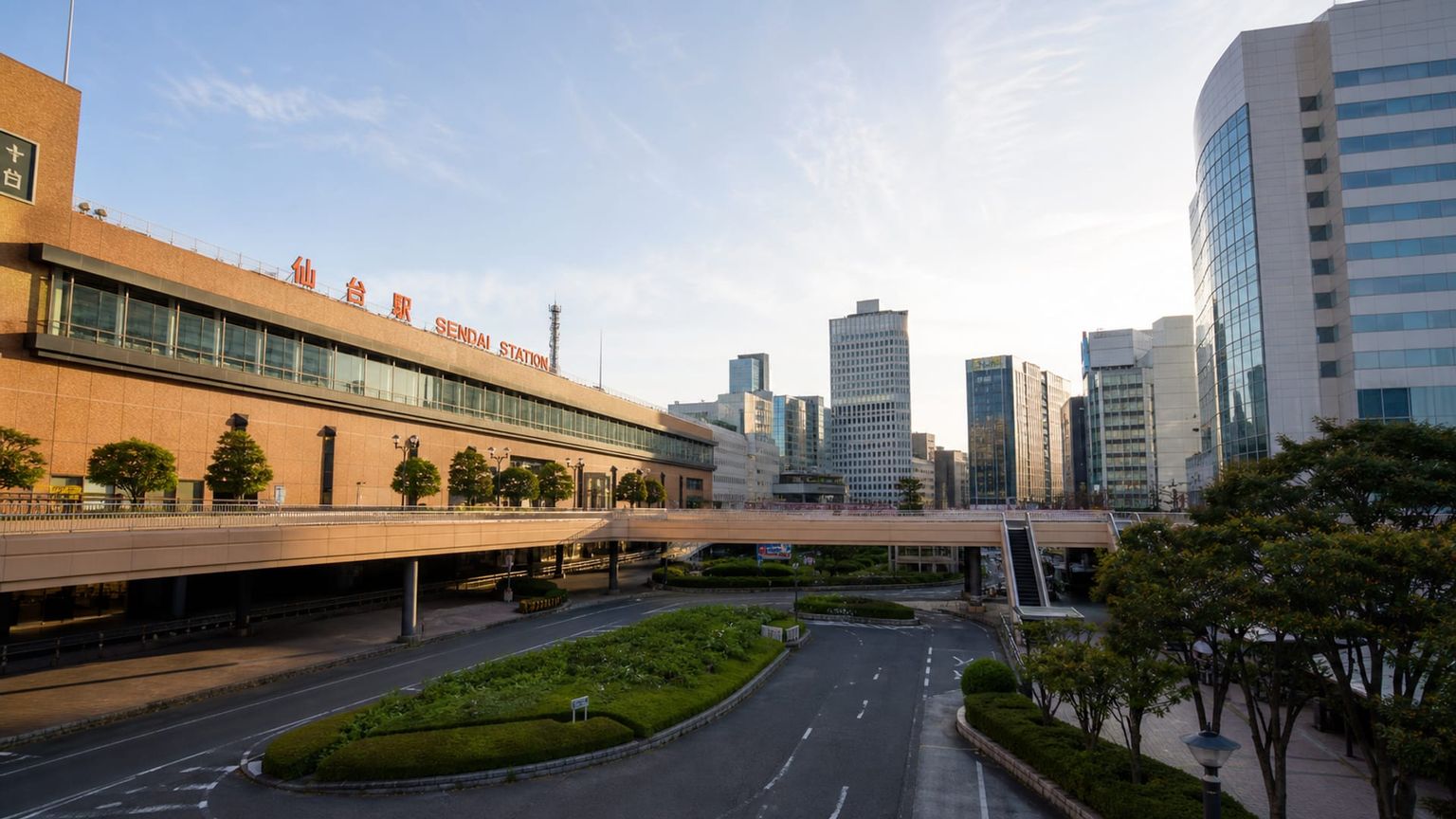
Sendai Station area is the city’s main rail and subway hub, with large hotels, shopping arcades, and easy access to most visitor routes. It puts you close to train connections, restaurants, and the center of daily activity.
Best for: Rail access, short stays, and visitors who want the easiest base for moving across the city
What to expect: Busy sidewalks, frequent commuter traffic, and a steady flow of shoppers and diners from morning through night.
Hotel prices: Usually about ¥12,000 to ¥28,000 (~$80 to ~$185) per night for well-rated stays
Distance to major sights: About 10 to 15 minutes by subway or on foot to Aoba-dori Avenue, roughly 20 to 25 minutes to Zuihoden
Quietness: Busy in the day and early evening, then calmer late at night once the station rush eases.
Main trade-off: Rates climb near the station, and the busiest blocks can feel commercial rather than residential.
Good to know: If you have an early train or a late arrival at Sendai Station, staying here trims transfers and makes luggage handling easier.
Kokubuncho is Sendai’s main nightlife and dining district, packed with izakaya, bars, and late-opening restaurants. It matters if you want to step out after dinner without taking a taxi back from another part of town.
Best for: Nightlife, late dinners, and travelers who plan to go out after sightseeing
What to expect: Bright streets, lively foot traffic, and the most concentrated late-night scene in the city.
Hotel prices: Usually about ¥10,000 to ¥22,000 (~$65 to ~$145) per night for well-rated stays
Distance to major sights: About 10 to 15 minutes on foot to Aoba Castle site and roughly 10 minutes by subway to Sendai Station
Quietness: Lively and noisy late into the night, then much quieter in the morning before lunch service starts.
Main trade-off: Street noise can carry into rooms, and the best rooms often cost more on weekends.
Good to know: Choose a higher floor or an upper-set building if you want to sleep before the bars close.
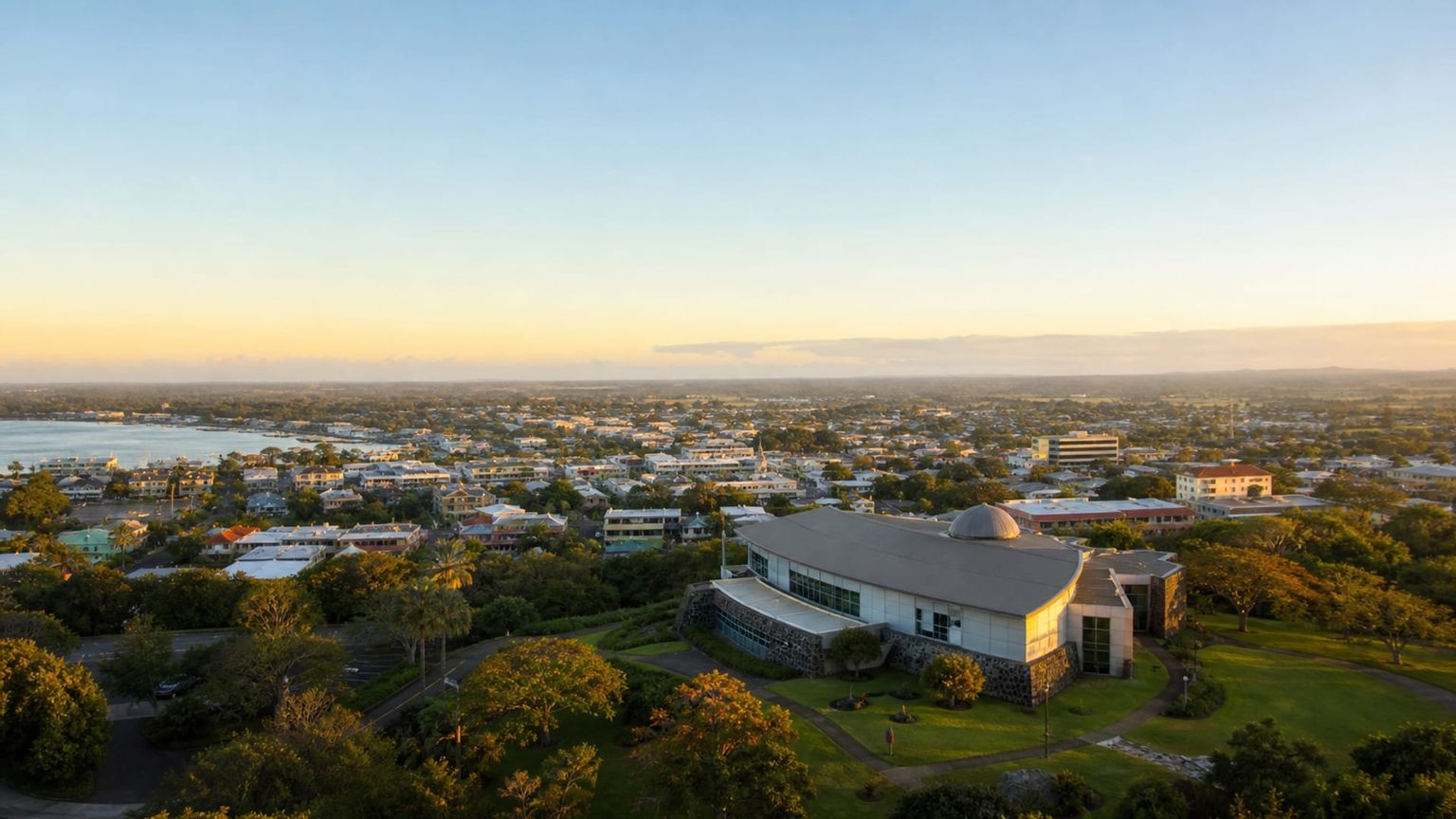
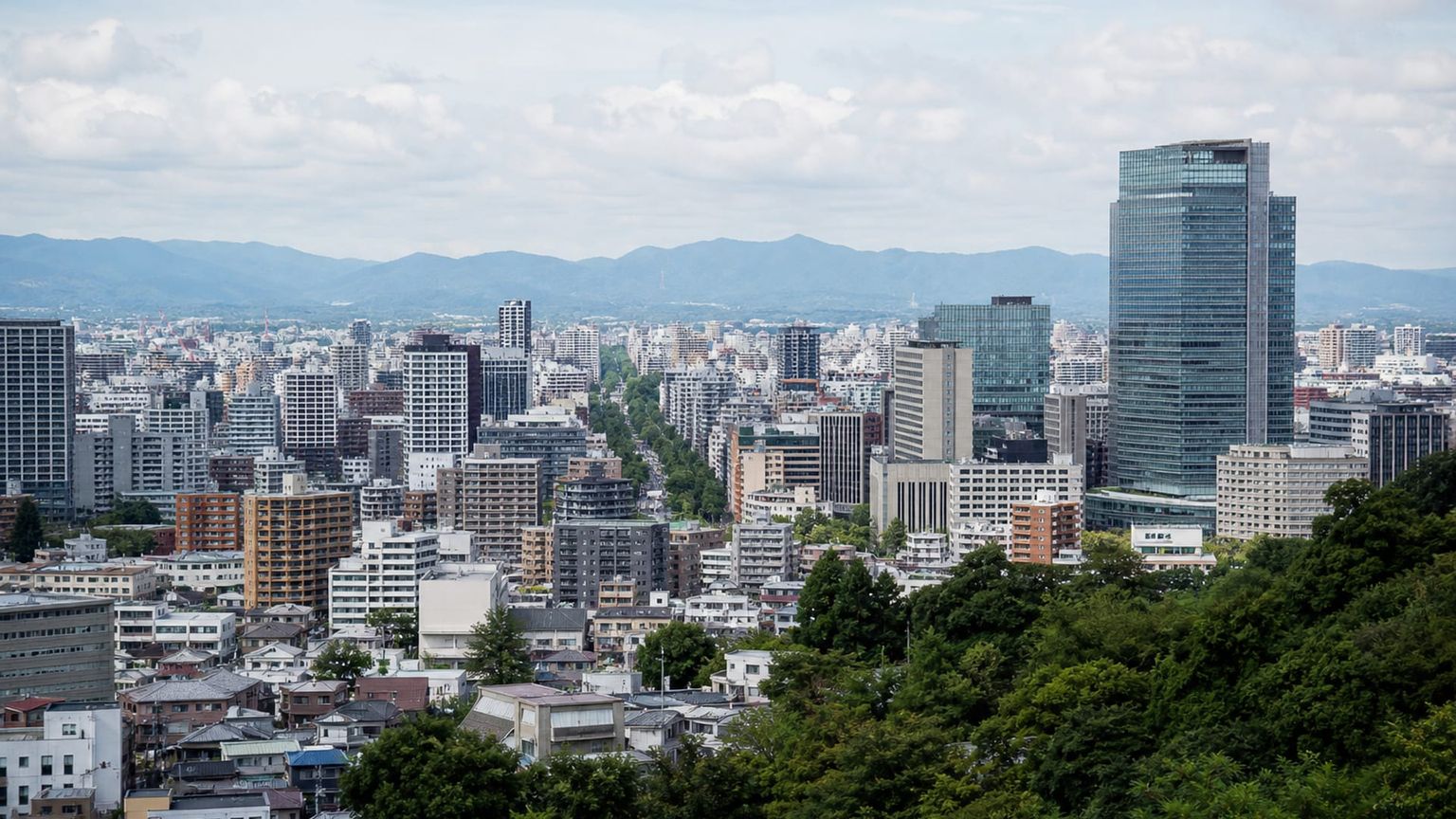
Aoba-dori and Hirose-dori form the central shopping and office spine of Sendai, with department stores, arcades, and hotels spread along broad avenues. It suits travelers who want a central walking base without staying inside the busiest station zone.
Best for: Central walking access, shopping, and visitors who want a midcity base
What to expect: Daytime pedestrian traffic, lots of office workers, and active shopping streets that thin out after business hours.
Hotel prices: Usually about ¥11,000 to ¥25,000 (~$73 to ~$165) per night for well-rated stays
Distance to major sights: About 10 minutes on foot to Sendai Station and about 15 to 20 minutes on foot to Aoba Castle site
Quietness: Active through the workday, then noticeably calmer in the evening once offices close.
Main trade-off: You may walk a bit farther for the station than if you stay right beside it, especially with heavy luggage.
Good to know: Look for a hotel near a subway exit if you want to cut the walk from the station in bad weather.
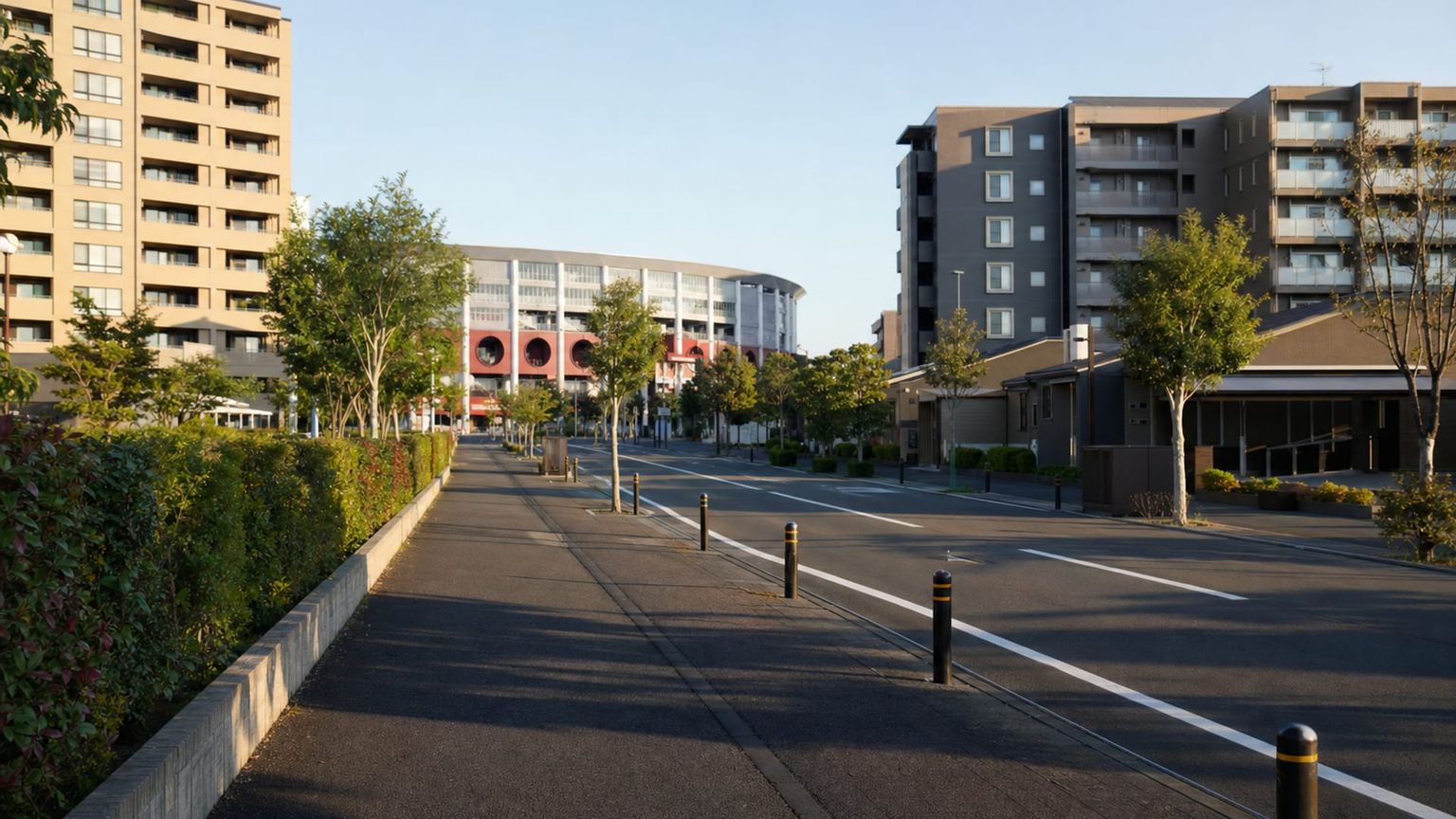
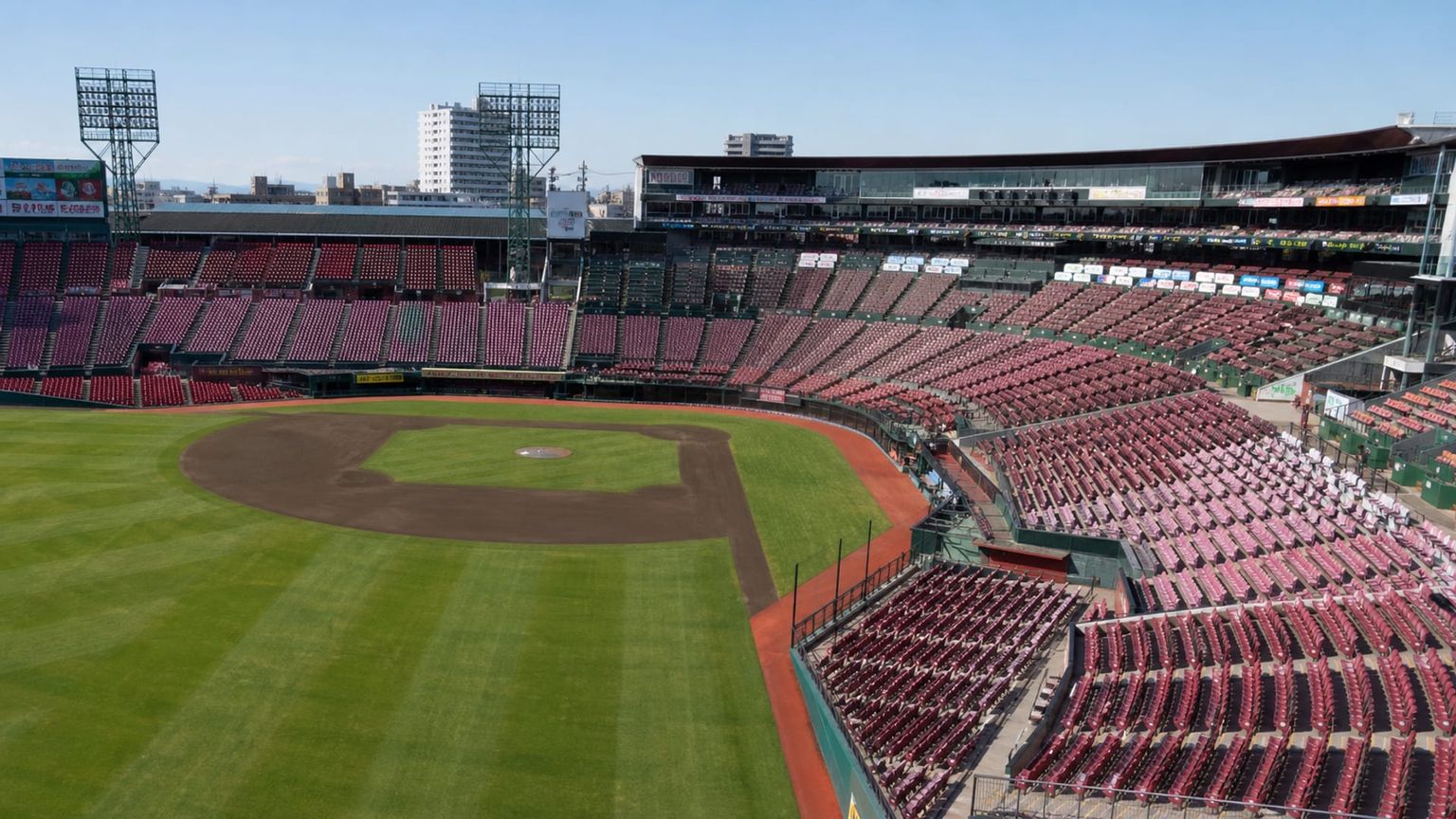
Miyagino Ward near Rakuten Mobile Park sits east of the center and gives you larger local hotels and easier road access than the core. It matters most if you are in Sendai for baseball, events, or a stopover with parking needs.
Best for: Baseball games, event nights, and travelers who do not need to be in the center every evening
What to expect: Quieter streets, fewer late-night dining options, and more local movement than tourist foot traffic.
Hotel prices: Usually about ¥9,000 to ¥20,000 (~$60 to ~$132) per night for well-rated stays
Distance to major sights: About 15 to 20 minutes by bus or taxi to Sendai Station and about 5 to 10 minutes on foot to Rakuten Mobile Park
Quietness: Calmer than the station or nightlife areas, with only occasional event-day noise near the stadium.
Main trade-off: You will likely depend on transit or taxis for central sightseeing, and dinner choices narrow after peak hours.
Good to know: Check the event calendar before booking, because room rates can jump sharply on home-game nights.
Travelers usually avoid staying in Sendai’s outskirts such as Izumi Ward and Aoba Ward’s far northern hills, because they sit well away from central sights, Sendai Station, and the main dining streets. Industrial stretches near Sendai Port and the area around Sendai Airport in Natori are also less convenient for hotel stays, since visitor amenities are limited and evening travel back from the center takes longer.
Hotel deals
How to get around Sendai efficiently
Sendai Airport (SDJ) connects to the city by rail, bus, and taxi, but the airport itself sits outside the subway network, so the first move matters most.

Metro
for longer distances
Sendai has no subway link at Sendai Airport (SDJ), so the closest rail option is the Sendai Airport Access Line, which reaches Sendai Station in about 25 minutes and accepts fares of roughly $7 ($1,150) for an adult ticket valid for that single ride. From Sendai Station, you can connect to the subway network for trips inside the city, but the airport itself sits outside metro coverage.

Bus and tram
for convenience
Airport buses connect Sendai Airport (SDJ) with Sendai Station and several central districts, with fares of about $7 to $9 ($1,150 to ¥1,400) and travel times of roughly 30 to 50 minutes depending on traffic. In the city, buses cover the main shopping streets, museums, and residential areas; pay on board, usually with an IC card or exact cash, and check the front display for the route number because some stops serve multiple lines.

Taxi
for convenience or late hours
Licensed taxis wait at Sendai Airport (SDJ) and are metered rather than using set fares, with the ride to Sendai Station usually costing about $40 to $55 and taking roughly 30 to 40 minutes in normal traffic. Most cabs take cash and many accept major cards or contactless payment, and you can also book by phone or through hotel staff if the rank is busy.
*Prices are based on rates updated as of June 2026 and may change at the time of travel.
Use the Sendai Airport Access Line for the best rail link, buses for lower-cost access to central districts, and taxis when you need a direct late-night or luggage-heavy transfer.
Iconic landmarks
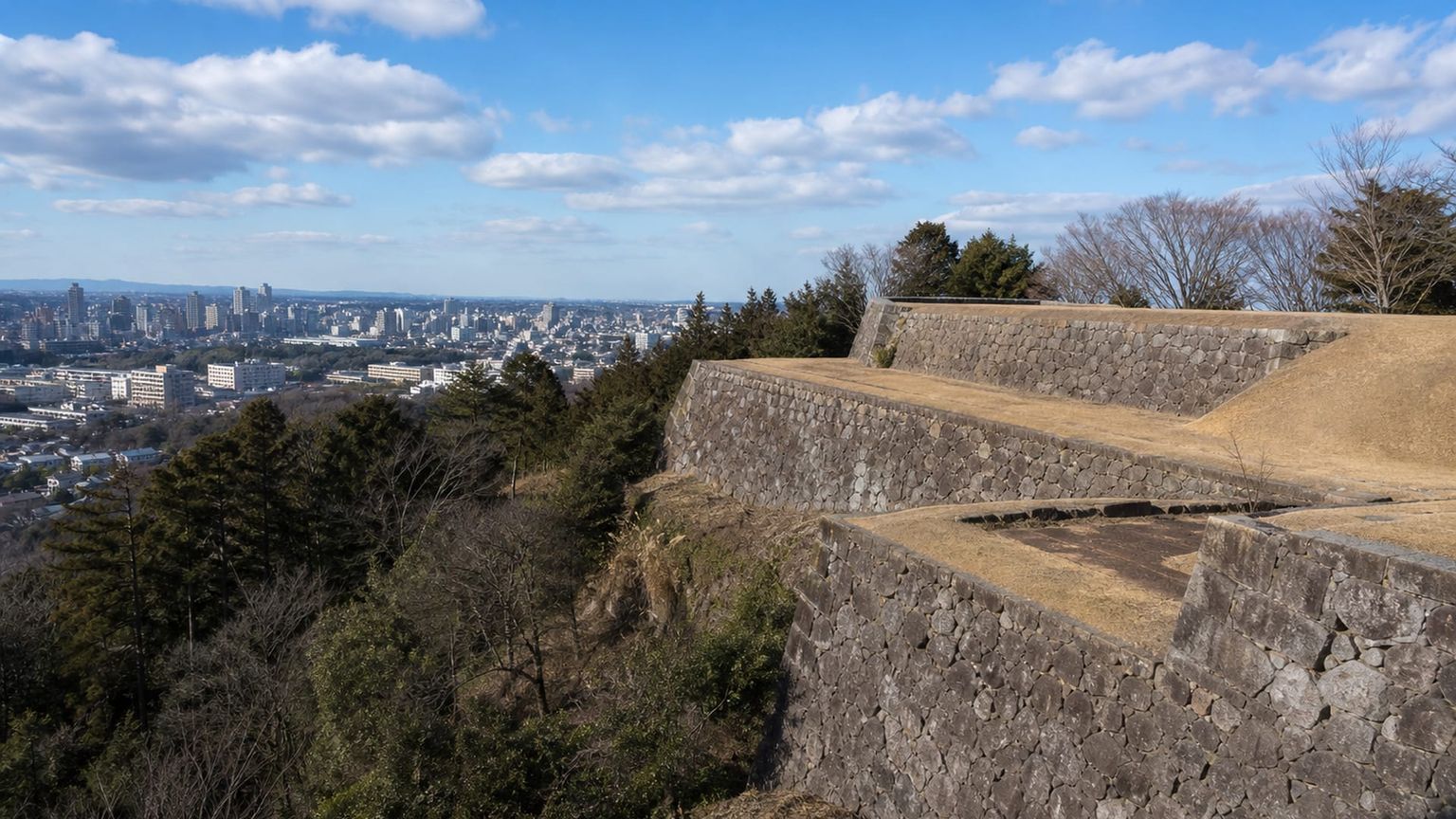
Sendai Castle Ruins
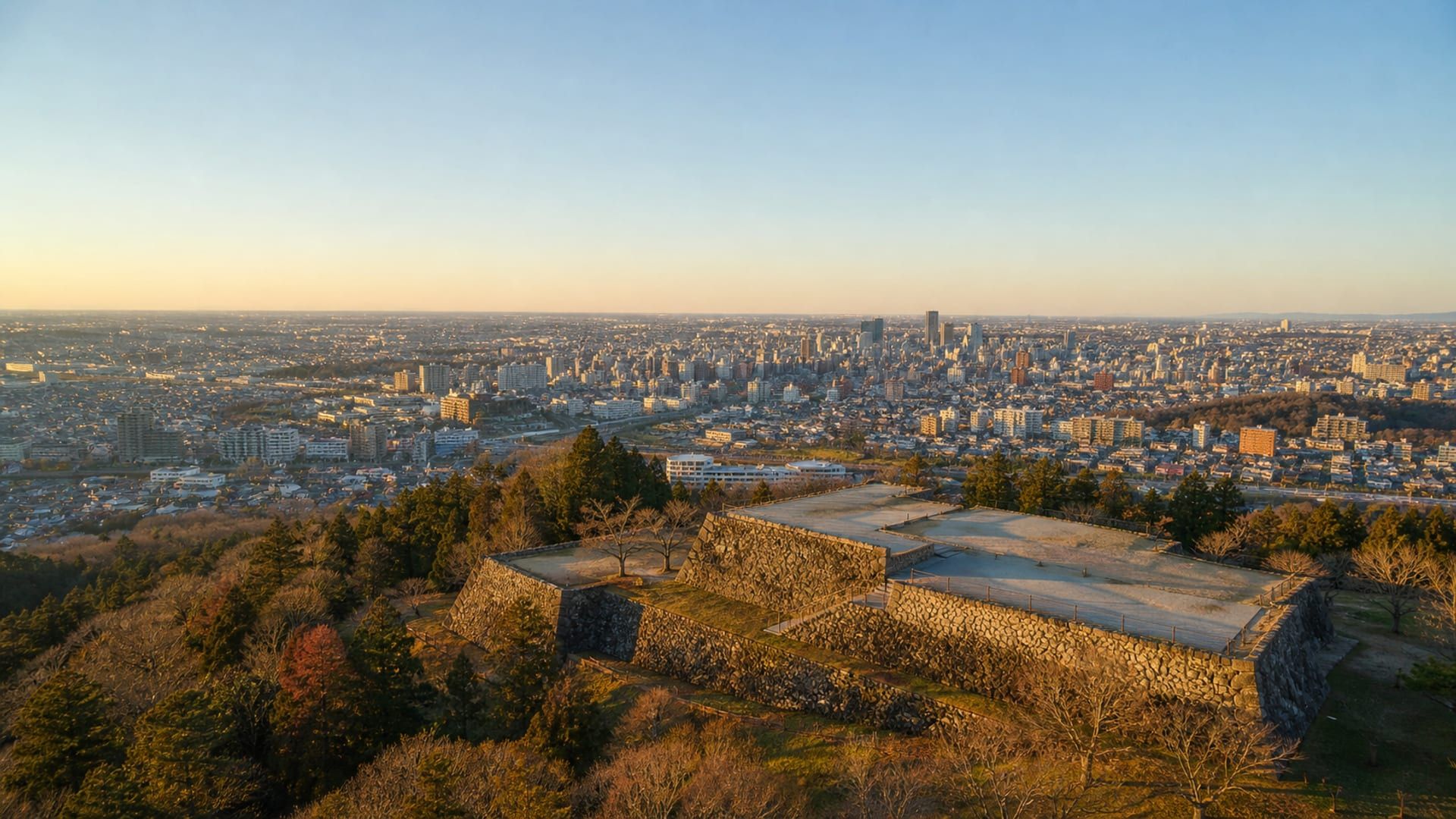
On Aobayama, the castle site preserves stone walls, a reconstructed gate, and a broad view over the city. The Date Masamune statue and museum exhibits make the hilltop stop worth the climb.
Time needed: About 1 to 2 hours
Entry: Free to access; some nearby museum areas charge separate admission.
Tip: Visit at sunset for the clearest skyline views and cooler weather on the climb.
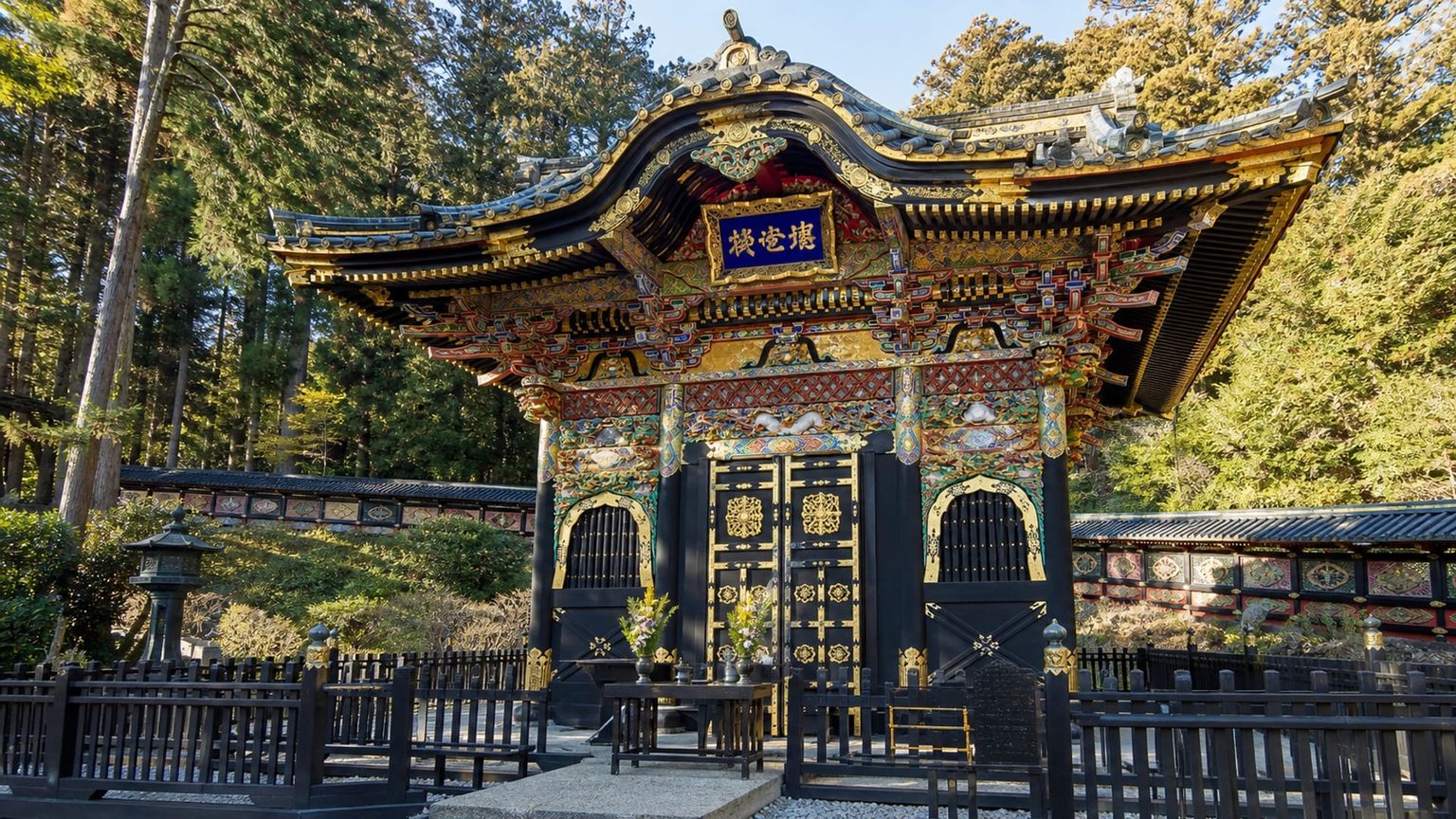
Zuihōden Mausoleum
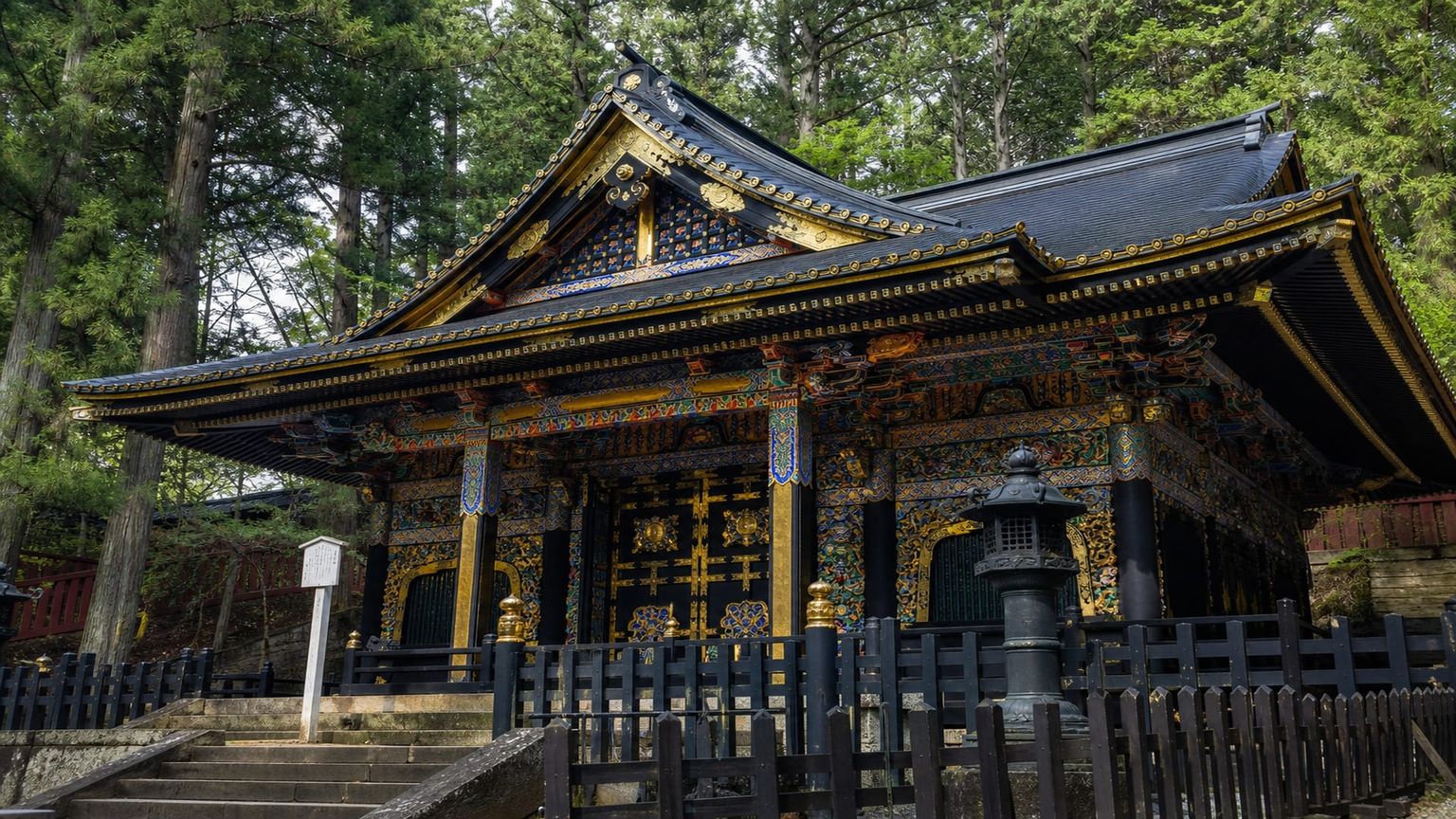
The ornate mausoleum of Date Masamune sits on a wooded hillside southwest of downtown. Carved cedar details, bright lacquer, and a steep approach make it one of Sendai’s most distinctive historic sites.
Time needed: About 1 to 1.5 hours
Entry: Admission costs about $4 ($600); discounted tickets are available for students and some group visits. Visit the official site for details.
Tip: Go in the morning for softer light and fewer tour groups on the narrow approach.
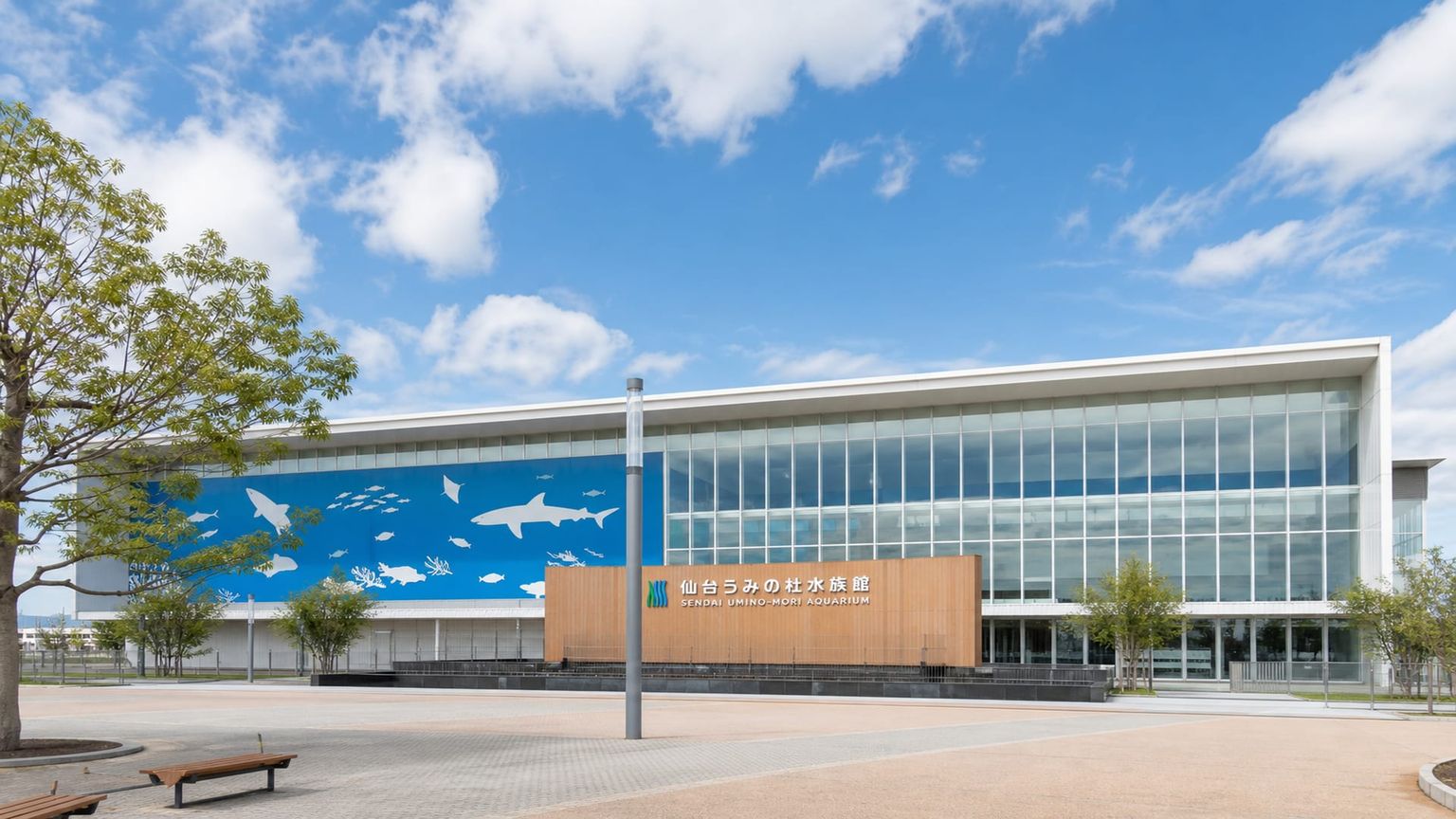
Sendai Umino-Mori Aquarium
This modern aquarium focuses on northern Pacific life, with a large dolphin show arena, a deep tank, and displays tied to the Sanriku coast. It suits families and anyone tracking Japan’s marine ecosystems.
Time needed: About 2 to 3 hours
Entry: Standard admission costs about $20 ($3,000) for adults and $13 ($2,000) for children; prices vary by age. Visit the official site for details.
Tip: Check the show timetable first, then build your visit around the main dolphin performance.
Overlooked sites worth visiting

Zuihoden Mausoleum
Tokugawa Date Masamune’s ornate resting place sits in cedar woodland on Mount Kyogamine. Carved details and steep paths make it a quieter counterpoint to central Sendai sightseeing.
Time needed: About 1 hour
Entry: Admission costs $6 ($900) for adults, $3 ($450) for high school students, and $1.50 ($220) for elementary and junior high students. Audio guides and special exhibition prices vary by season. Visit the official site for details.
Tip: Go early for fewer groups and softer light under the trees.

Aoba Castle Ruins
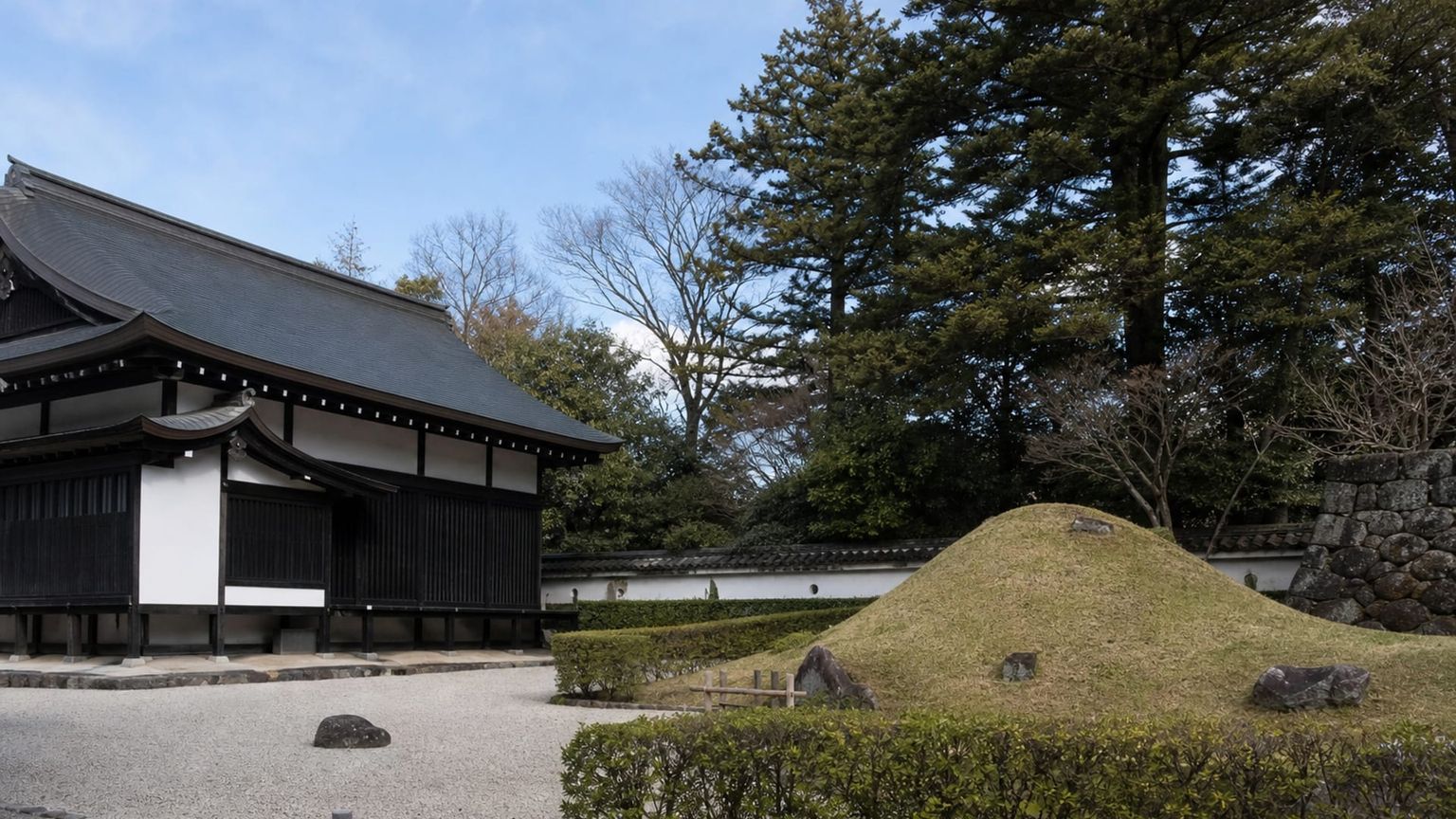
Stone ramparts and broad views over Sendai make this hilltop site worth a detour, with the Date Masamune statue and compact museum giving it clear historical focus.
Time needed: About 1 to 2 hours
Entry: The grounds are free to enter. The small museum charges about $3 to $6 (roughly ¥450 to ¥900) depending on the exhibit, and some optional rides or displays inside the area cost extra. Visit the official site for details.
Tip: Visit near sunset for the best city view from the ramparts.
Traditional food
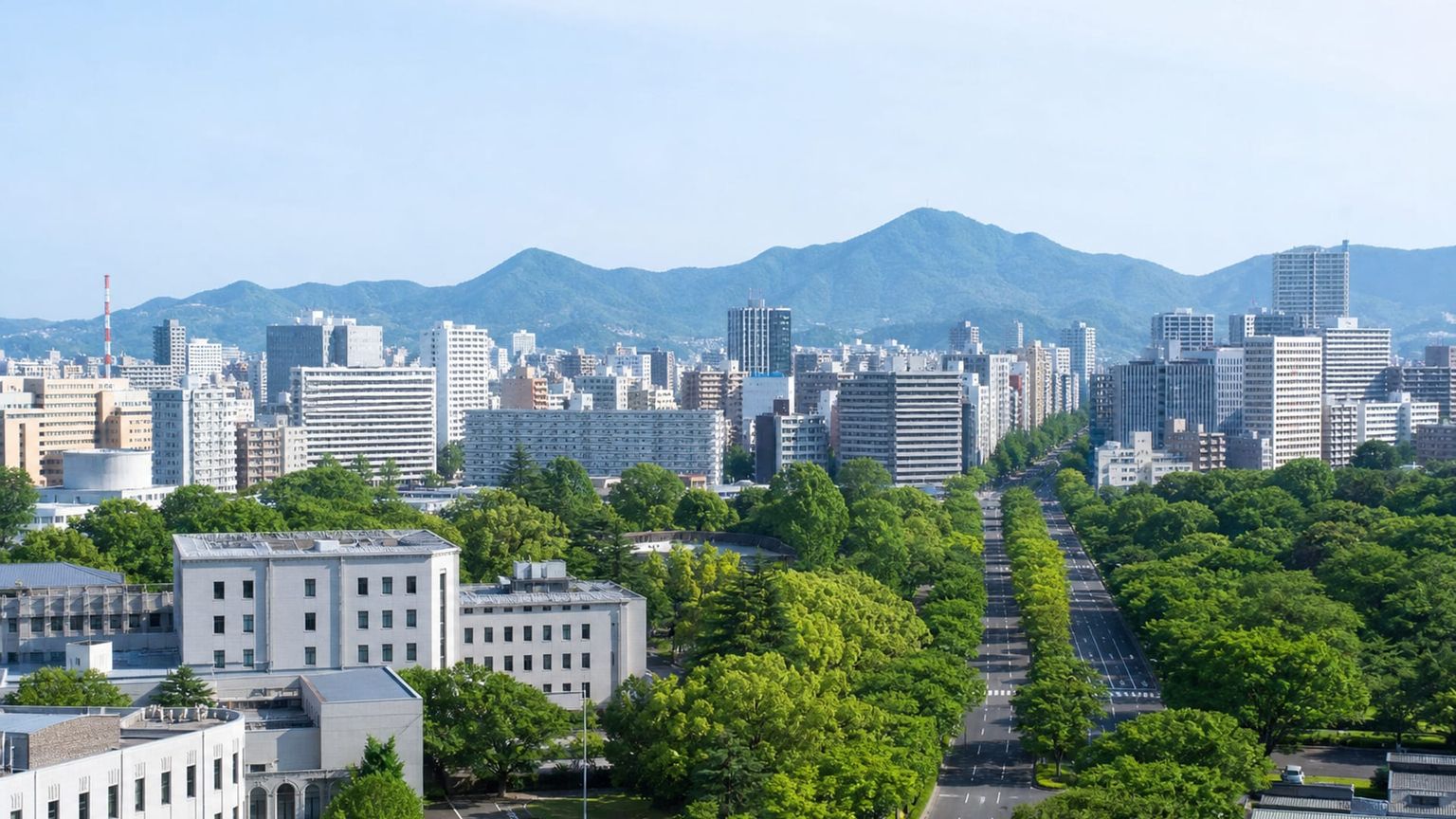
Sendai leans on gyutan, zunda, and coastal fish cakes, with a dining culture that favors izakaya counters, station building restaurants, and focused specialty shops. Meals tend to run on clear lunch and dinner windows, so timing helps.
Gyutan set meal
Charcoal-grilled beef tongue is Sendai’s signature dish, usually served with barley rice, oxtail soup, and pickles. For a classic version, head to Rikyu Sendai Station branch, one of the city’s best-known gyutan specialists.
Zunda mochi
Pounded rice cakes topped with sweet edamame paste give Sendai its most recognizable dessert. Zunda Saryo, inside Sendai Station, is the canonical stop for a polished version and a broad menu built around the same flavor.
Sasakamaboko
This fish cake, often shaped like a bamboo leaf, appears in station bento counters and souvenir shops across the city. Abe Kamaboko Honten is the reference stop in Sendai, where you can try fresh versions and related fish cake items.
Hiyashi chuka
Sendai’s summer noodle bowls often arrive cold, bright, and topped with sliced egg, cucumber, and ham. Ramen Jiro Sendai or similar local noodle counters can work, but Ramen Dosanko Sendai Station branch is the more canonical city-center stop for a straightforward bowl.
Best time to visit Sendai
Sendai changes with the season, and the best months for walking the hills and central avenues are not always the best months for an aquarium visit or a long evening in the dining districts.
Best for: Cherry blossoms, mild hill walks, and clear city views
What you get: About 39 to 72°F (4 to 22°C), with moderate crowds and good conditions for long days outside
Trade-offs: Rain and cool evenings can still interrupt late plans
Best for: Festival energy, evening food outings, and coastal day trips
What you get: About 68 to 86°F (20 to 30°C), with heavier crowds during major events and school holidays
Trade-offs: Humidity makes uphill sightseeing more tiring
Best for: Sharp air, foliage on the hills, and comfortable walking days
What you get: About 46 to 72°F (8 to 22°C), with manageable crowds outside holiday weekends
Trade-offs: Some attractions shorten hours as daylight fades
Best for: Quiet museums, clear views, and warm meal stops
What you get: About 27 to 45°F (-3 to 7°C), with lighter crowds and fewer tour groups
Trade-offs: Cold wind can make outdoor sites feel exposed
A realistic 5-day plan in Sendai
The five-day plan below keeps Sendai in clear pieces: arrival around the station, a hilltop history day, a mausoleum and aquarium day, a center-city wandering day, and a final stretch that stays close to the rail link before departure.
Land at Sendai (SDJ) and take the Sendai Airport Access Line to Sendai Station, about 25 minutes for roughly ¥650. If you want the easiest first-night setup, check in near the Sendai Station area, then stay within a few blocks for a short walk, water, and an early dinner on Aoba-dori or in the station building. A light meal there keeps the first evening simple without pushing you across town after the flight.
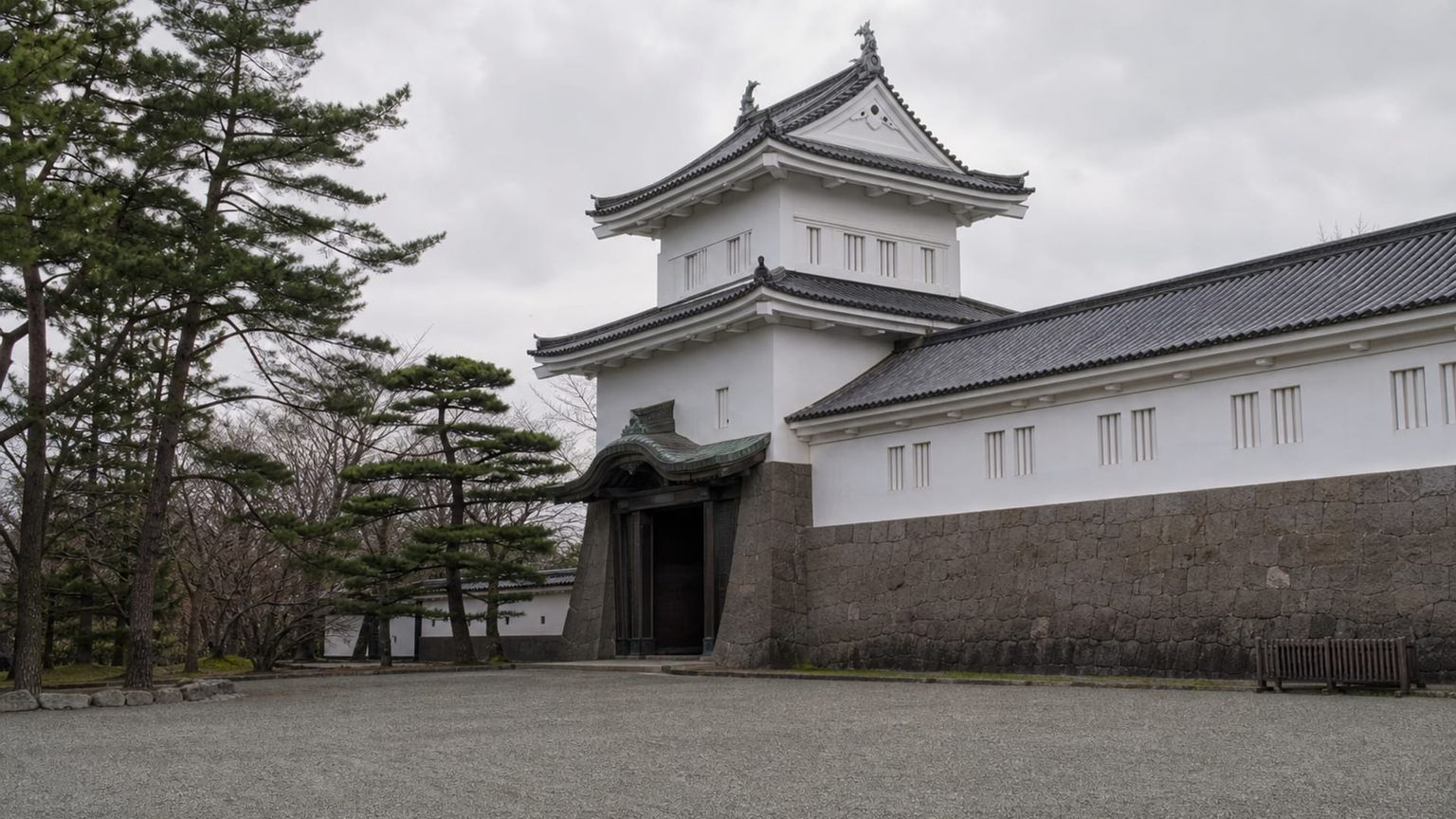
Begin at Sendai Castle Ruins on Aobayama, then continue to Aoba Castle Ruins, since the two sit within the same hilltop area and can be linked on foot in about 10 to 15 minutes. Plan about 1 to 2 hours for the castle site and another 1 to 2 hours for the ruins and museum, with a stop at the Date Masamune statue for the city view. From there, take a bus or taxi back downtown in roughly 20 minutes, then finish with an easy dinner near Aoba-dori and Hirose-dori, where the central avenues keep you close to the hotel.
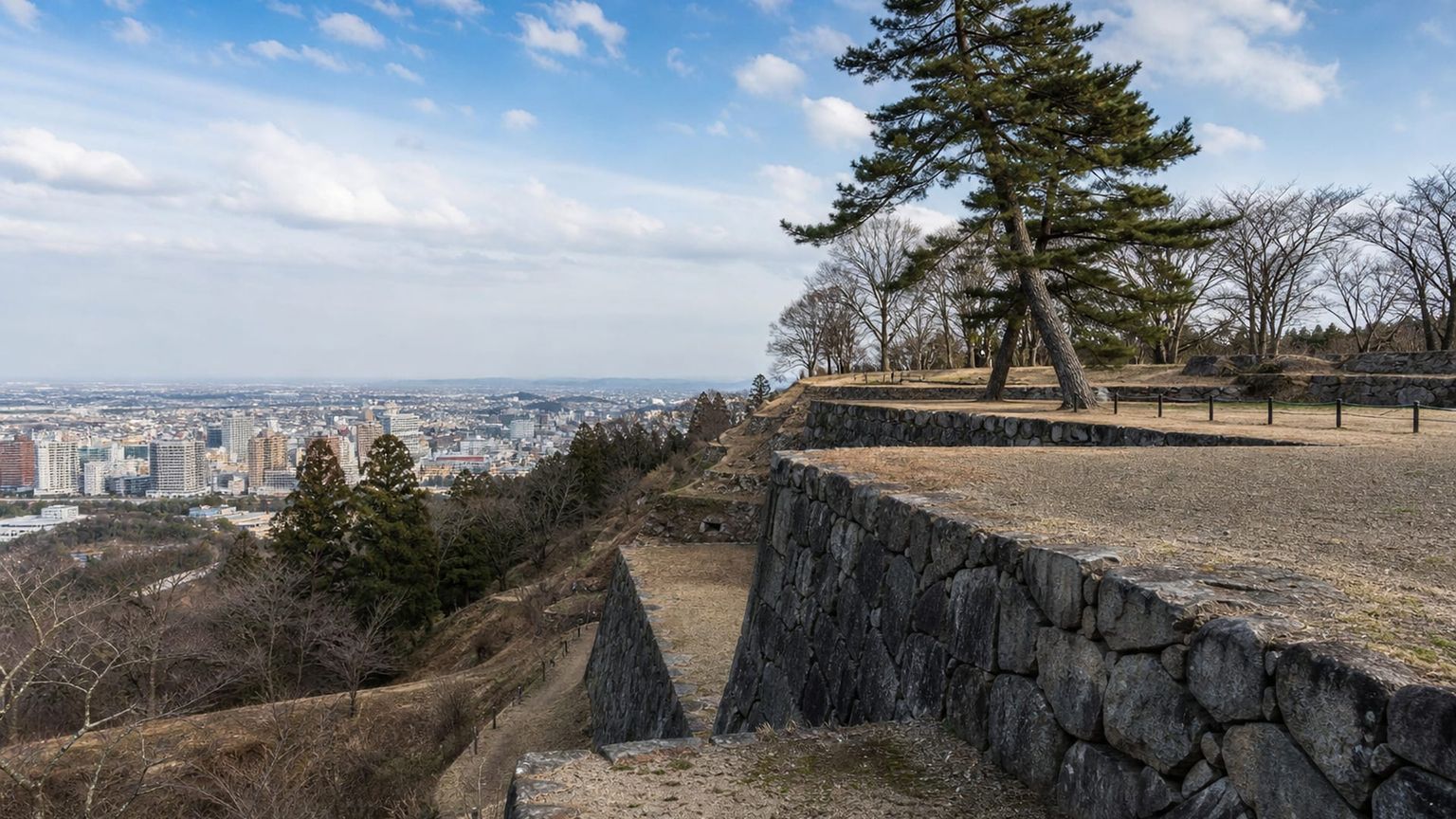
Start in the morning at Zuihōden Mausoleum, about 20 to 25 minutes by bus or taxi from Sendai Station, and give the hillside path about 1 to 1.5 hours. After that, return toward the coast side of the city for Sendai Umino-Mori Aquarium, which takes roughly 25 to 30 minutes by taxi or about 40 minutes by bus from the mausoleum area, plus 2 to 3 hours inside for the main tank and dolphin show. If you want an unhurried evening, head back to Kokubuncho for dinner, about 10 minutes from Sendai Station by subway and easy to reach after a full sightseeing day.
Begin with a slower breakfast near Aoba-dori and Hirose-dori, then spend the morning revisiting the station-side shopping arcades and department stores that line the central spine of the city. Walk from the Aoba-dori area to Sendai Station in about 10 minutes, then continue by subway or taxi to Miyagino Ward near Rakuten Mobile Park if you want to see the stadium district and the east side of town, about 15 to 20 minutes from the center. That mix of central streets, local shops, and the stadium area gives you a full day without repeating the hilltop sights.
For a final Sendai day, start with a museum stop or a last look at Aoba Castle Ruins if you missed it earlier, then shift back to the city center for shopping along Aoba-dori and Hirose-dori. A café break in the Sendai Station area works well before departure, since it keeps you near the rail links and leaves enough time for luggage pickup or an airport run. If your flight is later, settle into one last lunch near the station, then ride the Sendai Airport Access Line back to Sendai Airport (SDJ) with an easy transfer from the platform.
Business-class flights from the US to Sendai
Sendai usually requires a connection from both New York and Los Angeles, and the best fare often depends on which Asian hub fits your schedule. The route details below show how the long-haul trip typically breaks down.
From New York, All Nippon Airways, Japan Airlines, Korean Air, China Airlines, and Cathay Pacific commonly appear on itineraries to Sendai. Typical one-stop paths use Tokyo Haneda (HND), Tokyo Narita (NRT), Incheon (ICN), Taipei (TPE), or Hong Kong (HKG), with layovers often adding about 16 to 22 hours to the trip. Round-trip fares usually run from $3,500 to $6,500, while a connection through Tokyo Haneda (HND) or Tokyo Narita (NRT) can lower the fare to about $1,800 to $3,200 if you accept the longer total journey.
From Los Angeles, All Nippon Airways, Japan Airlines, Delta Air Lines, Korean Air, and Asiana Airlines serve the Sendai market through connecting itineraries. Nonstop flying time is about 11 to 12 hours, and one-stop trips often route via Tokyo Haneda (HND), Tokyo Narita (NRT), Incheon (ICN), or Taipei (TPE), with total layover time commonly landing at about 13 to 18 hours. Round-trip fares for nonstop itineraries usually fall between $2,800 and $5,200, and one-stop options through Tokyo Haneda (HND) or Tokyo Narita (NRT) can come in lower outside peak holiday periods.
Sendai feels different when you slow down
A deliberate Sendai trip usually starts at Sendai Station, moves up to Aobayama for the castle site, then drops back to Aoba-dori, Hirose-dori, or Kokubuncho for meals that fit the day. Zuihoden and the aquarium work best when you treat them as separate blocks and keep transit simple with buses, subway links, or taxis when needed. If you want help shaping that route, connect with AranGrant experts and build your Sendai dates around the neighborhoods that match your pace







